


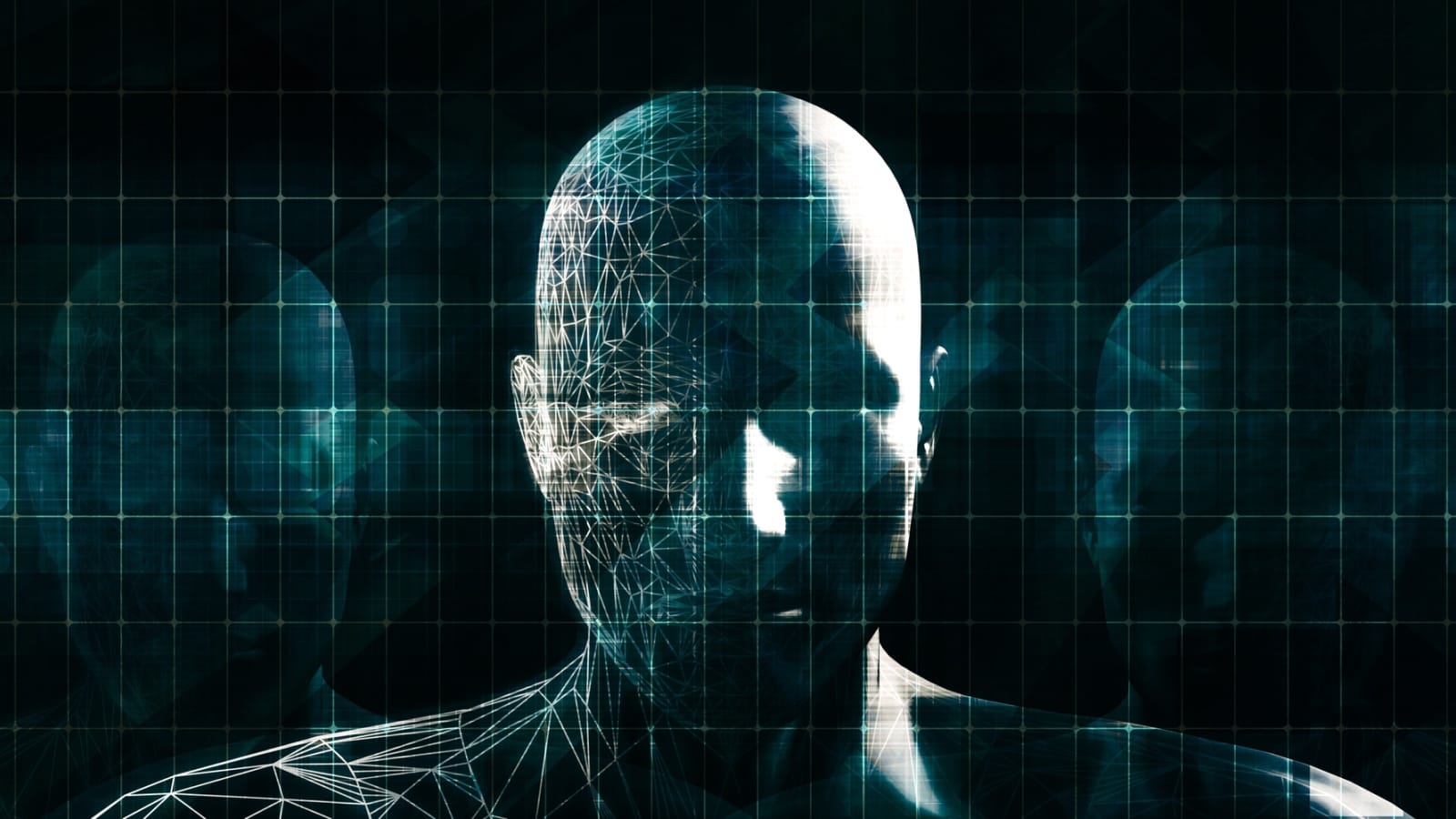
The UK and Canada Lead the West's Descent into Digital Authoritarianism
Update: 2025-11-20
Description
By Sonia Elijah at Brownstone dot org.
SHARE | PRINT | EMAIL
"Big Brother is watching you." These chilling words from George Orwell's dystopian masterpiece, 1984, no longer read as fiction but are becoming a bleak reality in the UK and Canada - where digital dystopian measures are unravelling the fabric of freedom in two of the West's oldest democracies.
Under the guise of safety and innovation, the UK and Canada are deploying invasive tools that undermine privacy, stifle free expression, and foster a culture of self-censorship. Both nations are exporting their digital control frameworks through the Five Eyes alliance, a covert intelligence-sharing network uniting the UK, Canada, US, Australia, and New Zealand, established during the Cold War.
Simultaneously, their alignment with the United Nations' Agenda 2030, particularly Sustainable Development Goal (SDG) 16.9 - which mandates universal legal identity by 2030 - supports a global policy for digital IDs, such as the UK's proposed Brit Card and Canada's Digital Identity Program, which funnel personal data into centralized systems under the pretext of "efficiency and inclusion." By championing expansive digital regulations, such as the UK's Online Safety Act and Canada's pending Bill C-8, which prioritize state-defined "safety" over individual liberties, both nations are not just embracing digital authoritarianism - they're accelerating the West's descent into it.
The UK's Digital Dragnet
The United Kingdom has long positioned itself as a global leader in surveillance. The British spy agency, Government Communications Headquarters (GCHQ), runs the formerly secret mass surveillance programme, code-named Tempora, operational since 2011, which intercepts and stores vast amounts of global internet and phone traffic by tapping into transatlantic fibre-optic cables. Knowledge of its existence only came about in 2013, thanks to the bombshell documents leaked by the former National Security Agency (NSA) intelligence contractor and whistleblower, Edward Snowden. "It's not just a US problem. The UK has a huge dog in this fight," Snowden told the Guardian in a June 2013 report. "They [GCHQ] are worse than the US."
Following that is the Investigatory Powers Act (IPA) 2016, also dubbed the "Snooper's Charter," which mandates that internet service providers store users' browsing histories, emails, texts, and phone calls for up to a year. Government agencies, including police and intelligence services (like MI5, MI6, and GCHQ) can access this data without a warrant in many cases, enabling bulk collection of communications metadata. This has been criticized for enabling mass surveillance on a scale that invades everyday privacy.
Recent expansions under the Online Safety Act (OSA) further empower authorities to demand backdoors to encrypted apps like WhatsApp, potentially scanning private messages for vaguely defined "harmful" content - a move critics like Big Brother Watch, a privacy advocacy group, decry as a gateway to mass surveillance. The OSA, which received Royal Assent on October 26, 2023, represents a sprawling piece of legislation by the UK government to regulate online content and "protect" users, particularly children, from "illegal and harmful material."
Implemented in phases by Ofcom, the UK's communications watchdog, it imposes duties on a vast array of internet services, including social media, search engines, messaging apps, gaming platforms, and sites with user-generated content, forcing compliance through risk assessments and hefty fines. By July 2025, the OSA was considered "fully in force" for most major provisions. This sweeping regime, aligned with global surveillance trends via Agenda 2030's push for digital control, threatens to entrench a state-sanctioned digital dragnet, prioritizing "safety" over fundamental freedoms.
Elon Musk's platform X has warned that the act risks "seriously infringing" on free speech, with the threat of fines up to £18 million or 10% of gl...
SHARE | PRINT | EMAIL
"Big Brother is watching you." These chilling words from George Orwell's dystopian masterpiece, 1984, no longer read as fiction but are becoming a bleak reality in the UK and Canada - where digital dystopian measures are unravelling the fabric of freedom in two of the West's oldest democracies.
Under the guise of safety and innovation, the UK and Canada are deploying invasive tools that undermine privacy, stifle free expression, and foster a culture of self-censorship. Both nations are exporting their digital control frameworks through the Five Eyes alliance, a covert intelligence-sharing network uniting the UK, Canada, US, Australia, and New Zealand, established during the Cold War.
Simultaneously, their alignment with the United Nations' Agenda 2030, particularly Sustainable Development Goal (SDG) 16.9 - which mandates universal legal identity by 2030 - supports a global policy for digital IDs, such as the UK's proposed Brit Card and Canada's Digital Identity Program, which funnel personal data into centralized systems under the pretext of "efficiency and inclusion." By championing expansive digital regulations, such as the UK's Online Safety Act and Canada's pending Bill C-8, which prioritize state-defined "safety" over individual liberties, both nations are not just embracing digital authoritarianism - they're accelerating the West's descent into it.
The UK's Digital Dragnet
The United Kingdom has long positioned itself as a global leader in surveillance. The British spy agency, Government Communications Headquarters (GCHQ), runs the formerly secret mass surveillance programme, code-named Tempora, operational since 2011, which intercepts and stores vast amounts of global internet and phone traffic by tapping into transatlantic fibre-optic cables. Knowledge of its existence only came about in 2013, thanks to the bombshell documents leaked by the former National Security Agency (NSA) intelligence contractor and whistleblower, Edward Snowden. "It's not just a US problem. The UK has a huge dog in this fight," Snowden told the Guardian in a June 2013 report. "They [GCHQ] are worse than the US."
Following that is the Investigatory Powers Act (IPA) 2016, also dubbed the "Snooper's Charter," which mandates that internet service providers store users' browsing histories, emails, texts, and phone calls for up to a year. Government agencies, including police and intelligence services (like MI5, MI6, and GCHQ) can access this data without a warrant in many cases, enabling bulk collection of communications metadata. This has been criticized for enabling mass surveillance on a scale that invades everyday privacy.
Recent expansions under the Online Safety Act (OSA) further empower authorities to demand backdoors to encrypted apps like WhatsApp, potentially scanning private messages for vaguely defined "harmful" content - a move critics like Big Brother Watch, a privacy advocacy group, decry as a gateway to mass surveillance. The OSA, which received Royal Assent on October 26, 2023, represents a sprawling piece of legislation by the UK government to regulate online content and "protect" users, particularly children, from "illegal and harmful material."
Implemented in phases by Ofcom, the UK's communications watchdog, it imposes duties on a vast array of internet services, including social media, search engines, messaging apps, gaming platforms, and sites with user-generated content, forcing compliance through risk assessments and hefty fines. By July 2025, the OSA was considered "fully in force" for most major provisions. This sweeping regime, aligned with global surveillance trends via Agenda 2030's push for digital control, threatens to entrench a state-sanctioned digital dragnet, prioritizing "safety" over fundamental freedoms.
Elon Musk's platform X has warned that the act risks "seriously infringing" on free speech, with the threat of fines up to £18 million or 10% of gl...

Comments
In Channel















Download from Google Play

Download from App Store
 United States
00:00
00:00
x

