


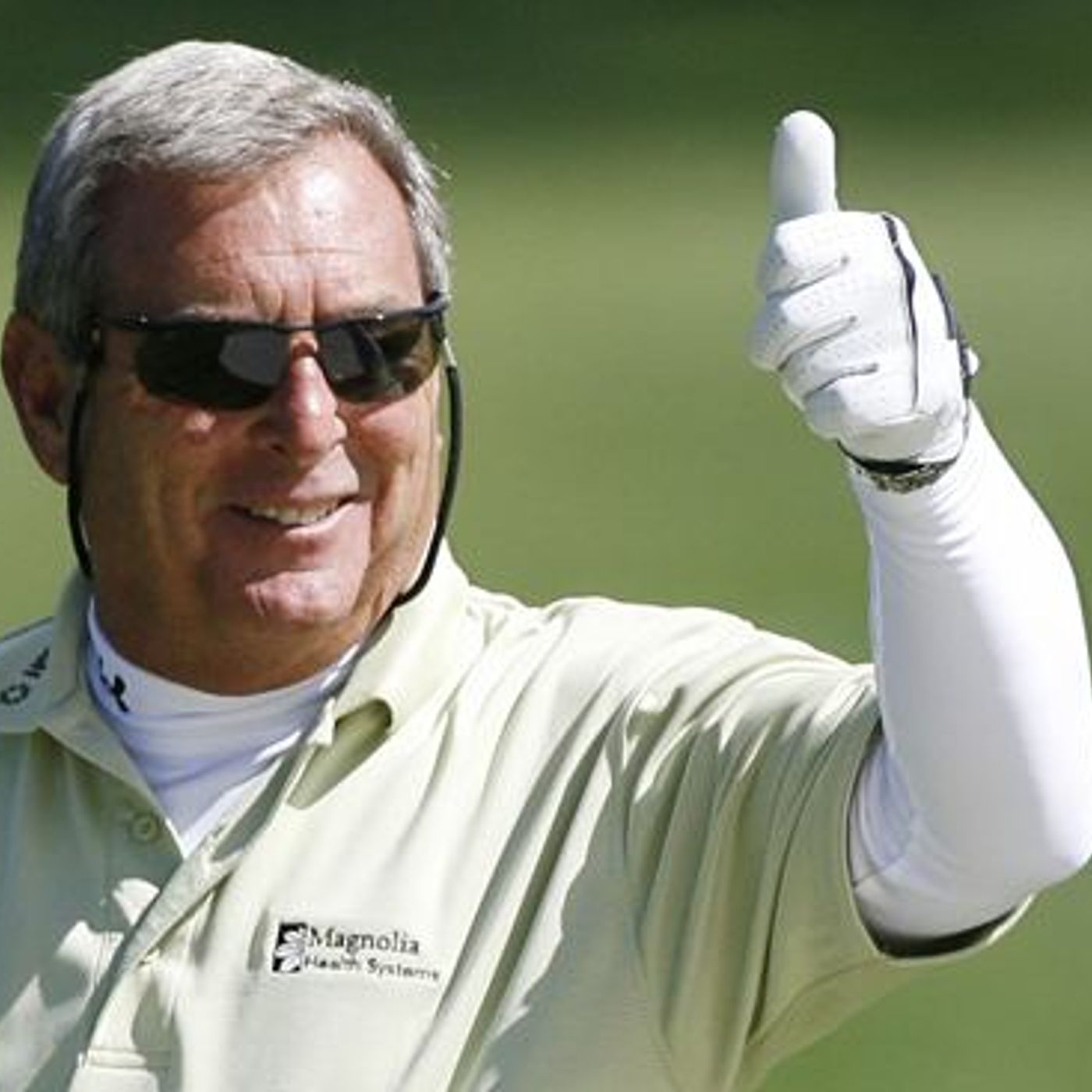
Twelve Years, Fuzzy's Legacy, and the Back Injury Crisis in Modern Golf
Description
John Ashton and Top 100 teacher Jeff Smith reflect on their post-Thanksgiving weekend, discussing the return to golf after the holiday festivities. They reminisce about the beloved "Skins Game," a televised match play golf competition that featured nine holes on Thursday and Friday, where players competed for substantial prize money while being themselves on camera. The hosts pay tribute to Fuzzy Zoeller, the legendary golfer who recently passed away, sharing memorable stories about his infectious humor and charismatic personality. They recall watching Zoeller play tournament golf with genuine enjoyment and spontaneity, including a charming anecdote about fishing at a North Carolina golf course, highlighting how Zoeller brought joy and levity to the game. The speakers reminisce about Fuzzy Zoeller's charismatic personality and his memorable golf course at Covered Bridge, where he hosted the Wolf Challenge tournament. They share anecdotes about Fuzzy's generous nature, including a story where he bought drinks for strangers at his course. The conversation highlights celebrity appearances at the Wolf Challenge, such as Alice Cooper, and a memorable encounter where the speakers transported Greg Norman in a jitney from Indianapolis to the event, during which they witnessed Norman's remarkable tolerance for American beer while remaining completely composed. John and Jeff, hosts of a golf podcast, discuss how Fuzzy Zoeller's comments were taken out of context by media when they were actually jokes that Tiger Woods understood and appreciated. The hosts reflect on their twelve-year podcast journey, which started as a way to make golf tax-deductible after John left radio. They humorously discuss how they've managed to turn their passion for golf into a sustainable venture, joking about potentially becoming "vintage" themselves soon and playfully ribbing each other about their setup differences and physical challenges that come with age. The speakers discuss the rise of back injuries among young professional golfers, using Justin Thomas's recent surgery as an example. They explore whether modern teaching methods, increased athleticism, or more violent swing techniques contribute to these injuries. A golf instructor notes that contemporary players generate swings with greater speed and force than previous generations, combined with higher playing frequency. The conversation raises questions about whether golf instruction bears responsibility for developing safer techniques, and whether the modern athletic approach to golf—where players condition themselves like NFL athletes—might actually be causing more harm through excessive stress on the body. The speakers discuss how modern golf has evolved dramatically, with equipment improvements and athlete development pushing players to achieve unprecedented distances, now exceeding 300 yards as standard. Jeff Smith and John Ashton explore whether the intense physical demands of contemporary golf are causing preventable injuries, comparing the sport to other athletic pursuits. They debate whether golfers are damaging their bodies by performing movements at speeds and frequencies their bodies aren't designed for, contrasting today's explosive athletes with smoother, more fluid swingers like Ernie Els and Fred Couples. The conversation highlights how professional golfers increasingly sacrifice their physical health for competitive success, a trend mirroring injury patterns seen in other sports. The speakers discuss whether the graceful, fluid swings of longer hitters like Payne Stewart and Phil Mickelson are safer than the aggressive, fast swings of younger players like Justin Thomas and Will Zalatoris. They speculate that faster swings may increase injury risk, particularly back injuries, and wonder if younger players are making calculated sacrifices, accepting potential long-term damage in exchange for short-term success and financial gain. The conversation explores how modern physical training at tour stops aims to build both strength and injury protection, with Rory McIlroy exemplifying this philosophy—athletes knowingly push their bodies to dangerous limits to compete at the highest level, accepting injury as an inevitable cost of dominance. The speakers discuss a situation where someone made a straightforward decision to prioritize their own wellbeing and longevity in their career. Rather than viewing this as an excuse, they recognize it as a practical and sensible choice. The speakers appreciate this person's unwillingness to sacrifice their own interests, viewing it as a mature and reasonable approach to protecting their professional future.
Hosted by Simplecast, an AdsWizz company. See pcm.adswizz.com for information about our collection and use of personal data for advertising.








 United States
