


 Claim Ownership
Marketing Unplugged
Subscribed: 3Played: 73
Subscribe

Description
Welcome to Marketing Unplugged, a podcast about the humans behind marketing. Co-hosts Mark Emond (fearless and open-minded leader of Demand Spring) and Elle Woulfe ( Senior VP of marketing, and self-proclaimed marketing nerd) hold insightful conversations with accomplished B2B marketers about the ways they use marketing to advance their ideas, their organizations, and themselves. Our goal is to help you become a more confident marketer.
59 Episodes
Reverse
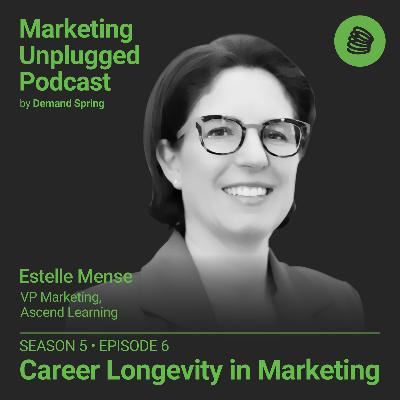
Estelle Mense is the VP of Marketing at Ascend Learning, a position she's held for the last four years. Before this, she also served as the SVP of Marketing at Blue Snap. Estelle brings a wealth of knowledge and insights into the marketing industry. In this episode, Estelle shares her journey into marketing, discusses an enlightening study she conducted on employee happiness and career longevity among marketers, and talks about the nuances of job satisfaction within the marketing field. Key Takeaways: [1:05] A little bit about Estelle and her career in marketing. [3:20] What attracted Estelle toward marketing? [5:00] Estelle shares the study she's been conducting about employee happiness levels within the marketing industry and career longevity among marketers. [6:10] Do marketers actually ever retire? [7:35] There is a high level of job satisfaction among marketers. Why is that? [12:10] Diverse experience vs. specialized experience, which one is better? [19:55] More than half of marketers would have done things differently if they had to start over. Why is that? [24:10] Do marketers prefer working in a large corporation or a smaller company? [29:55] What have been some of the main takeaways that Estelle learned from this study? [33:35] Estelle answers some rapid-fire questions! Mentioned in This Episode: Demandspring.com Ascendlearning.com Estelle on LinkedIn The Marketing Career Longevity Project

Join co-hosts Mark and Elle as they delve into the tumultuous yet transformative year of 2023 and its impact on the world of marketing. In this episode, they discuss the challenges marketers have faced during what Elle describes as a tech crash plus Mark's observations from his third economic downturn. They explore the necessity of innovation in marketing strategies, especially when budgets are tight, and the pivotal role of AI in shaping the future of marketing. Key Takeaways: [2:50] This year has been brutal for marketers! [6:10] Elle believes we are due for a tech crash and this is what we're experiencing right now. [8:10] This is Mark's third economic downturn in his career. What are some of his observations? [14:15] With less money to spend, you have to get innovative with your marketing campaigns. [18:55] This is a crazy time to be alive. Companies that embrace AI will become the next big thing. [22:15] Elle shares her thoughts on product-led strategies. [28:05] How do you really identify a true expansion signal in the market? There are so many data points/factors. [33:25] What should seasoned marketers look for when hiring new talent? [34:55] Mark likes looking for candidates who are comfortable with being uncomfortable. [36:00] People's jobs will change. With innovation, there's a bit of chaos, new marketers need to be okay with that. [39:40] A lot of marketers these days have become project managers; which stifles creativity. [42:45] What has helped Elle the most over the past year? Mentioned in This Episode: Demandspring.com 2023 Revenue Marketing B2B Benchmark Report
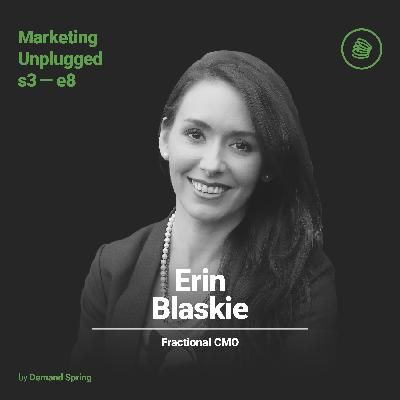
Erin Blaskie is a fractional CMO, a mom, a mental health advocate, an entrepreneur, a TEDx speaker, a travel blogger, and more. In 2004, when she was just 21, Erin started a marketing consultancy business. Since then, she has worked with the leading brands, improving their digital presence and branding. She's passionate about helping her community and she's a firm believer that something amazing can be created from nothing. Host, Mark Emond, and Erin talk about their humble upbringings that helped create the drive, hunger, and grit that they both have, why employee amplification is the most important aspect of a corporate social media program, how to do story-telling well, raising kids who are not entitled, and the three diverse guests at Erin's fictional dinner table. Key Takeaways: [1:30] Mark welcomes Erin Blaskie to Marketing Unplugged. Erin's multi-passionate! She tries recently not to monetize every hobby! She's focusing on her bringing her business to a niche. [3:19] Erin's schedule is structured around her children's day. Erin works with clients on software product launches, branding, communication, and in her Fractional CMO roles. [5:28] If Erin has more work to do, she finishes it before 5:00; the rest of the day is for family. [5:46] Erin is going through a brand exercise about niching down in terms of her offers and maybe the clients she works with. [6:16] Erin describes the variety of work she may do in two hours. It's chaotic and she likes it! [7:08] When Erin was young, if she wanted cool clothes, she had to figure out how to buy them. That inspired her entrepreneurial nature. She became very creative and resourceful. [9:41] Erin continued with bake sales, lemonade stands and selling roses to romantics at a bar, all from the necessity of providing money for her wants. [10:25] Mark's family's financial struggles bred a hunger and grit in him. He and his wife are financially secure; how do they create that hunger and desire to strive in their children? [11:44] Erin's children want for nothing, but she doesn't buy them everything they ask for, and she sets clear boundaries for them. She sets an example of working openly in front of them. [13:34] Mark taught his daughter the most important word that parents can say to their child. She still doesn't love the word! [14:14] Erin teaches children to prioritize self-awareness, emotional intelligence, and mental health; how to talk about those things, get in touch with feelings, and realize their impact on others. [15:09] Erin teaches her daughter to set boundaries for herself. [16:26] According to the Small Business Trends Alliance, in 2020, only 27% of small businesses were owned by women. Erin is happy about her privilege of being able to pick her clients. [18:39] Erin went back into the tech corporate workforce and it opened her eyes to the opportunity disparities between men and women, especially women with children. [20:38] Erin is encouraged by the growing rate of female CEOs coming into tech startups. [21:55] Are organizations authentically implementing Diversity, Equity, and Inclusion? It doesn't work to say "We can't find anyone diverse!" Network more! Reach our farther! [25:55] How can organizations do better at connecting with customers and engaging hearts and minds? Marketing is talking to people about problems and solutions. People relate to stories. [27:50] Companies go wrong by not spending the time to understand deeply the customer and the customer's problem. You have to understand the customer before selling your features. [29:03] Ditch the idea that the business is metrics alone. It's people talking to people. Make them feel seen and heard and that their problems are being solved. Also, inspire and educate. [30:13] A lot of startups are started by product people. They need to focus on the market and the people. Erin helps founders get closer to the market by having them talk to the customers. [32:39] Erin works a lot with startup accelerators and the startup founders are more focused on the technical side than on marketing. Often they resist her expertise until they see they need it! [33:36] Erin gives suggestions for corporate social media. Focus on the voices in your company. People follow people! The C-Suite and others can champion the product on social media. [36:05] When you share content, it is useless to just leave it there without interacting with commenters. Engage! The secret sauce is getting the C-Suite invested in social media. [37:35] You've got to understand your culture and what your people will champion on social. Break down corporate walls and be very human. [38:06] Mark and Erin discuss individual anxiety, depression, overwhelm, and mental health. Erin has worked hard to prioritize self-care in the last few years and cut her work hours. [41:13] What changed for Erin was to get very clear on what was important. It wasn't accomplishments and accolades. She wants her work to enable the life she wants to have. [42:40] If Erin starts to feel anxious, stressed, or burnt out, she immediately cuts back. There's only one of her. She also credits therapy for helping her. [44:53] Erin defines her success. For Erin, it's not expensive cars or mansions, it's work she loves, family time, and getting out and hiking. Don't try to keep up with the Joneses. [45:35] Erin discusses her travel blog, Fearless Travels. The pandemic has been hard on travelers! Travel pulls Erin out of her routine! She goes off-grid and doesn't bring her laptop. [47:01] Ireland is a place on Erin's travel bucket list, but if she could go anywhere right now, it would be Zion. She recommends the Angels Landing hike. [48:03] Legos or video games? Erin has a Lego photography Instagram page, but for now, she picks video games: World of Warcraft on PlayStation or gaming PC. [48:59] Winter or Summer? Summer, but really Fall! Summer is really hot for hiking. [49:20] Speaking or Writing? Speaking, because Erin really likes the connection to the audience. [40:30] Running or yoga? Yoga. Erin has a story about that! She has run a 10K once. [50:21] Avocados or chocolate? Avocados! [51:00] Blogs or vlogs? Vlogs. Erin likes what you can convey in a video, [51:32] The three people Erin would invite to dinner. Her family! Or, Elon Musk (about Twitter), rock climber Alex Honnold (about El Capitan), and Erin's grandfather, (an OG entrepreneur.) Mentioned in This Episode: Erin Blaskie, Fractional CMO Erin Blaskie on LinkedIn Fearless Travels Zion National Park
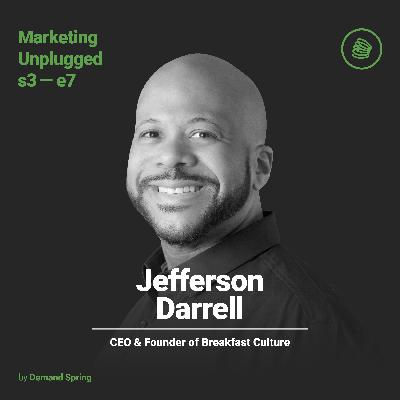
Jefferson Darrell is the Founder and CEO of Breakfast Culture, a firm that helps organizations embrace inclusion and diversity and helps them overcome any challenges they might face in the process. Although Jefferson began his career as an engineer, he found his love and passion in marketing communications and public relations. In this episode, Jefferson shares his background and how he came to be a voice and advocate in the diversity inclusion space. He breaks down what's still needed from companies today, and how we can be an ally to others. Key Takeaways: [1:50] How did Jefferson get involved in change culture and the work that he's doing today? [6:15] Jefferson didn't realize marketing was a career until he explored his love for writing in the workplace. [10:10] Jefferson shares how he first began his career in diversity and inclusion. [12:05] When you come up with a problem, you need to come up with a solution. Recognizing this, Jefferson went back to school to learn more about HR logistics. [15:55] Why did Jefferson create his company, Breakfast Culture? [18:50] When you break bread with different cultures, you find commonalities. [20:50] Jefferson shares what Breakfast Culture's brand promise is and how they help organizations better their culture to be inclusive for everyone. [26:00] Actions speak louder than words. People notice when you're making an effort vs. trying to hit a quota. [30:25] When D&I is included in marketing strategy, revenue goes up. But why is that? Jefferson breaks this down. [35:00] No matter where you come from, we do come with certain privileges that we need to be aware of. [39:50] What works when it comes to D&I? And what doesn't work? [44:00] It's not always what you do, it's how you do it. Jefferson provides an example of what this looks like. [50:45] Looking back, Jefferson wishes he could talk to his dad, who has now passed, and ask him some key questions and get some perspectives from him. Mentioned in This Episode: Breakfastculture.ca Jefferson on LinkedIn
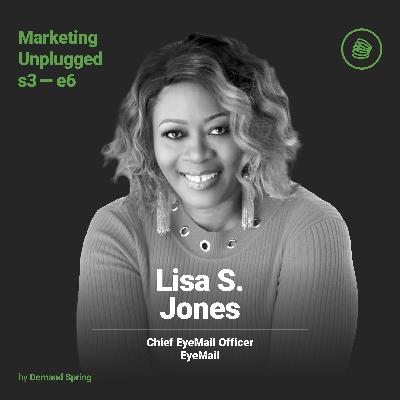
Lisa S. Jones is the Founder & CEO of EyeMail Inc. and for more than 17 years, she has continued to be a catalyst for digital disruption and prolific innovator with multiple, patent-pending technologies in the email and texting platforms. She is a board member of the Technology Association of Georgia Diversity and Inclusion and volunteers at the local chapter of the Women in Technology Association. In today's episode, they talk about where she draws her inspiration from and what keeps her going. She also shares her insights on the power of email and the power of women in leadership. Key Takeaways: [2:30] Lisa talks about how she started her career and the moment that redefined her journey. [4:50] She shares the story of how EyeMail was born. [6:40] Lisa shares why her story is fundamental in celebrating human connection. [9:30] Building the brand requires focus and determination. Lisa shares how other people questioned her brand while she was building it. [10:10] Where does Lisa's entrepreneurial spirit come from? [13:00] Lisa talks about working for NASA and how it enlightened her. [14:55] How can videos enhance better results in emails? [17:30] Lisa talks about how EyeMail can be adopted in both B2C and B2B marketing. [18:30] What makes an email stand out to Lisa? [21:30] Marketers are constantly competing for the customers' attention. It's a marketer's duty to get creative and captivate their attention. [22:50] How do you become more inclusive when using email as a marketing channel? [25:45] Why do marketers need to get into the video space? [27:50] Lisa also talks about one of the challenges that marketers have had in the past with video and email and how EyeMail has solved that. [29:50] What does Lisa predict to be a big trend in marketing? [31:10] Lisa also talks about video and text messaging becoming a trend. [32:40] Lisa's EyeMail team is incredibly diverse. She explains why that is important for her. [35:30] What are some leadership practices that can create a positive work environment? [40:00] Everything might not be perfect but personalization counts. Lisa explains why. [41:20] Being a black female executive, Lisa shares what her journey was like and how that has evolved. [45:00] Lisa answers This or That questions. Learning or teaching, find out what she answered! [48:55] Who are the three people (past or present) Lisa would have dinner with? [53:45] Lisa would love to have dinner with Sylvester Stallone. She explains why. Mentioned in This Episode: Eyemailinc.com Lisa on LinkedIn Eyemailinc on Twitter Lisa on Instagram
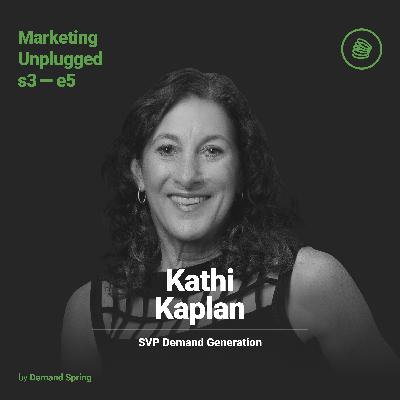
Kathi Kaplan is the SVP of Demand Generation of UiPath, a leading automation company. With 30-plus years of experience in the industry and as a leader that can quickly make decisions, she shares her insights about creating a vision and how to motivate people to execute on that vision. She also shares her thoughts on how to modify business travel and host hybrid events in times of the pandemic. Key Takeaways: [1:40] Kathi talks about her guiding principles to recruit, retain, and build collaborative, high-performing teams. [3:05] What is Kathi's key to recruiting and interviewing? [4:52] Kathi shares how she assesses risks and makes decisions. Sometimes you just need to be fearless. [7:00] With the pandemic, Kathi talks about how marketers can optimize both hybrid and digital events. [12:25] Kathi shares her experience starting her career with Apple and NeXT, working with Steve Jobs, and the different company cultures she was able to engage in. [15:45] Vision and culture need to start at the top. Each company varies in this based on who is leading. [16:35] Executing programs on diversity and inclusion, what were Kathi's learnings, and how does she use these in her role today? [20:25] Kathi is passionate about teaching and motivating people. But what is it that motivates her? [22:20] Kathi talks about the importance of mentoring, the sense of giving back, and how companies are now adapting programs around that. [25:50] Learn more about Kathi as she answers This and That questions! [37:30] Kathi shares three people she would love to have dinner with and why Stephen Curry is on that list. Mentioned in This Episode: UipPath.com Kathi on Twitter
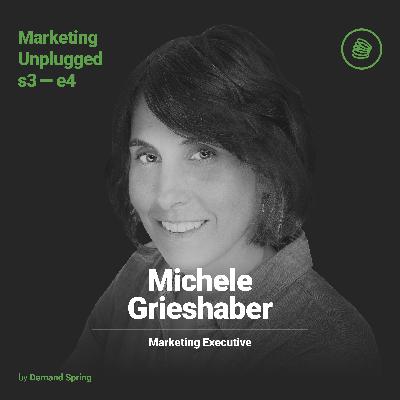
Michele Grieshaber is a CMO Advisor to various groups as an independent business and marketing consultant. She has an impressive background working with IBM in executive marketing roles for almost 20 years and later on transitioning to smaller organizations where she held the CMO role for companies like Silicon Labs. In this episode, Michele talks about how to create culture and community in an organization, as well as the harmony between customer-centricity and being product-led. Key Takeaways: [3:45] Getting into consulting, Michele shares how she learned to manage her time and set her boundaries so she would not overcommit herself. [7:50] How does Michele determine the time to dedicate across the diversity of interests and commitments she has? [9:25] Michele also shares her journey from having a Ph.D. in Mechanical Engineering to becoming a CMO. [11:45] Working with huge organizations, Michele shares that company culture determines whether a company can thrive just as much as the service or technology that it offers. [13:55] There are two things that companies have that create the best cultures. Michele shares her own experience with these. [15:00] A sense of community is all about trust and shared purpose. [16:25] What made Michele shift from being a consultant to in-house? [19:50] Michele shares some of her experiences being a consultant and the different strategies she advised the companies she has worked with. [23:20] With an organizational culture issue, do you change your strategy to match the people or do you change the people to match your strategy? [25:40] Being a guest lecturer at the McCombs School of Business at the University of Texas, Michele shares what schools are now doing to prepare students for a career in B2B marketing. [27:25] Besides understanding how to set up and analyze campaigns, students need to also understand more about the technology that is being used today. [29:30] Can these types of skills be taught or will they only learn along the way? Michele shares her insights on this. [30:55] Michele also shares her experience with IBM traveling to Vietnam, as part of their corporate service corps. What did she learn through this experience? [33:15] Everyone has a different set of skills and tools but that diversity also brings a different level of excellence when your team comes together. [34:55] How can smaller organizations also apply corporate social responsibility and create an impact? Michele shares an example with one of the companies she worked with in Texas. [39:15] How do marketers take a stand in the brands they represent? [42:00] Michele shares her insights on the following topics: artificial intelligence in marketing, talent mobility, and product-led. [49:15] Being a science geek, Michele recommends reading The Age of Wonder, by Richard Holmes and Where Good Ideas Come From, by Steven Johnson and shares why she finds them fascinating. [51:40] Michele also talks about green building, sharing her experience in renovating their house in Austin, making it more sustainable. [55:20] Michele and "This or That" with her range of interests and diversity, which would she pick one over the other? Mentioned in This Episode: The Age of Wonder: The Romantic Generation and the Discovery of the Beauty and Terror of Science, by Richard Holmes Where Good Ideas Come From: The Natural History of Innovation, by Steven Johnson Michele on LinkedIn
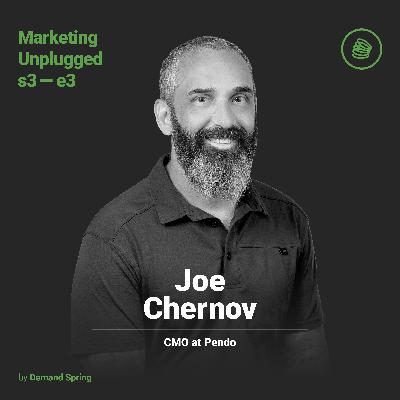
Joe Chernov is the Chief Marketing Officer at Pendo. He has been at the forefront of B2B marketing, creating impactful campaigns and strategies for various companies over his 20-plus-year career. Before Pendo, he was the CMO of two Boston startups, Robin and InsightSquared, which was named the most awarded sales intelligence company in tech. He takes huge risks and reaps huge rewards. What are his keys to marketing success? Listen to this week's episode to find out more. Key Takeaways: [1:35] Joe shares his journey from his double major to becoming a marketing executive. [3:50] He almost joined Eloqua but he was ghosted and they hired someone else. So when they called him back a year later, what did he do? [5:35] What is the key to building a peer community in tech that evolves so quickly? [8:20] Joe shares Pendo's struggle in seeing brands as a demand generator and how they shifted that into brand surveys. [10:30] It takes practice to input data into your planning and decision-making. The lines aren't always clear. [13:15] Churn is death. Joe shares a story of how he and his team turn a churn into a million dollars. [15:55] A good customer marketing program gets closer to a customer at the right time, not when they are about to go to a competitor. [17:30] Choosing a cause that is meaningful to that organization is becoming an expectation in today's working generation. [19:35] Joe explains his analogies, The Dragon Slayer and the Patron Saint, two ways on how to build a brand. Which one is better? [28:40] Technical marketing vs. content marketing. Joe shares what got him into writing and how it is important to marketing. [34:10] Joe talks about his live event, Pendomonium 2021, and how important that was to create his community at Pendo. [37:35] Joe also answers "This or That" questions. [41:30] To close, Joe shares his thoughts on the biggest growth areas in marketing for the next five years. Mentioned in This Episode: Pendo.io Joe in LinkedIn
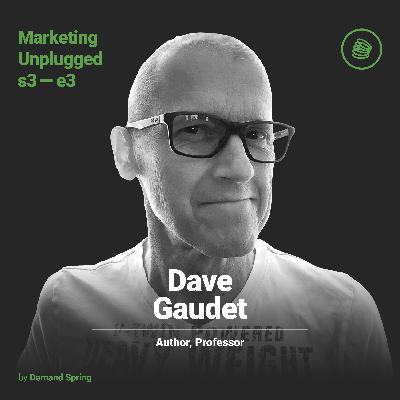
David Gaudet is the author of The Daily Undoing and has spent the last 20 years as a post-secondary educator and teaches all things brand and marketing to his students. In this episode, David shares what marketers need to have in order to succeed in this industry, what companies are actively looking for in their marketers, how David teaches these critical skill sets in his classes, and so much more! Key Takeaways: [1:25] What is wrong with marketing today? [3:00] What is marketing, really? The public and professionals see it through two different lenses. [6:00] What skills are companies looking for in a marketer? [12:00] Where does creativity come from? It starts with being curious and open to surprises. [14:20] Unfortunately, companies don't invest heavily in the pursuit of curiosity because it can be a waste of time. It's hard to measure. [15:20] Do adults live too much of a structured life? Is that why we are unable to really tap into our creativity? [20:35] What skill sets would be beneficial for marketers to know outside of marketing? [23:00] Marketers need to get out of the office and really talk to their customers. Get inside their head. [27:15] There is no excuse not to get out of your bubble. The internet is a great place to socialize and source new ideas from. There are people everywhere you can connect with! [35:20] David does a fun '"this or that" segment with your co-hosts. [44:35] What does "competency" really mean? David has eight pillars. [50:55] David shares where the future of marketing is headed, and where there's room for growth. [55:00] A little bit about Voicefound and the important work they're doing for sex-trafficked victims. Mentioned in This Episode: David on Twitter David on LinkedIn The Daily Undoing: Being Better at Being Human, by David Gaudet Flow: The Psychology of Optimal Experience, by Mihaly Csikszentmihalyi Voicefound.ca Email Cynthia at: Cynthia@Voicefound.ca
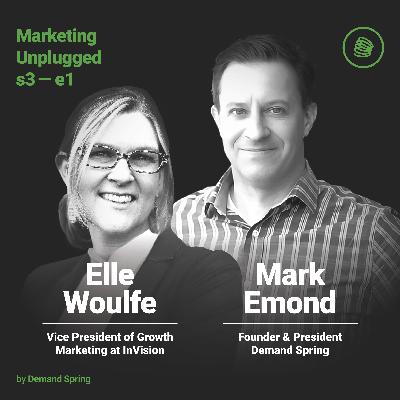
Elle Woulfe is the Vice President of Growth Marketing at Invision and Advisory Board Member for Demand Spring. She is going to be Demand Spring's newest co-host with Mark! Here's a quick introduction to who Elle is, her background, and why she is so passionate about marketing. Key Takeaways: [2:05] Demand Spring has a new co-host! Meet Elle Woulfe! [5:35] How did Elle discover marketing? [11:00] Salespeople have a really hard job. Elle has a lot of empathy for people who can get rejected day after day. [12:35] What types of challenges does Elle see in her position? [16:10] Consumers are getting beaten up regularly by marketing messages. [17:35] What advice does Elle have for young marketers? [21:35] Take every opportunity you can to learn as much as you can. [25:00] Early-stage startups are an excellent training ground to learn multiple skills at once. [28:35] Mark introduces an important message with Cynthia Bland of VoiceFound. [31:00] What does Elle like to do for fun? [37:45] The pandemic has made it a necessity to shop for food online. Because of this, Elle has gotten used to buying five of every item she gets. [42:00] Elle loves Wes Anderson's work and would love to meet the man one day. Mentioned in This Episode: Support and get involved: Voicefound.ca & Email Cynthia at: Cynthia@Voicefound.ca Invisionapp.com Elle on Demand Spring

Carla is a world-renowned storyteller, an entertaining speaker, and a prolific author. Her work with Fortune 500 brands serves as the foundation for many of her books. Her tenth and most recent book, RE: Think Innovation, busts the myth that innovation is something that requires a specific degree or special training. Consistently named one of the top influencers in her field, Carla regularly challenges conventional thinking. In this week's episode, Carla dives right into what B2B marketing is lacking when it comes to storytelling, and how to fix it. Key Takeaways: [2:15] What's a typical workday like for Carla? [310] Carla shares the 90/90/1 productivity philosophy. [7:15] How did Carla get her start in marketing? [10:10] There's a lack of understanding when it comes to storytelling and its role in B2B marketing. [17:20] People are hardwired for stories. [19:35] Start with facts and figures? It releases stress in the body. Start with a story? It releases dopamine. [20:25] You can't prove yourself into a purchase with a customer. [22:15] How has Carla's background in engineering and history helped her become a better writer? [27:35] When does it make sense to outsource the CMO role? [31:15] Let's talk about innovation. Carla shares what she's seen over the years. [34::55] What are some of the best ways marketing leaders can drive a culture of innovation? [39:15] Saying you're innovative is one thing. Actually doing it is quite another. [42:15] Innovation is everybody's business. 90% of innovation happens outside of product yet 75% of the budget goes to product innovation. [44:50] Carla shares how the CDC leveraged innovation to better educate the public. [48:35] Carla relocated her family across the globe. Why is travel important? What was that relocation experience like? [53:35] Volunteering is a big part of Carla's life. Everyone should take a moment to give back, even if it's small. [55:40] What's one piece of advice Carla would like to give her younger self? Mentioned in This Episode: Carlajohnson.co Preorder Carla's book here Carla on LinkedIn

Tim Washer spent 20 years at IBM, Cisco, and Accenture while moonlighting on SNL, Conan O'Brien, and Last Week Tonight with John Oliver, and now helps brands connect empathetically through humor. Tim shares his process on how to shake up a brand and make them funny, relatable, and joyful to interact with on this week's show. Tim also opens up on some of the mental health challenges he's faced during the lockdown and why we all need connection, more than ever before. Key Takeaways: [3:00] Why was Tim so drawn to marketing? [5:35] For a comedian, it can take a long time to discover your voice. How did Tim discover his? [8:35] B2B marketing has really shifted. The world kind of woke up and realized the B2B buyer is human and has emotions! [12:05] What was it like signing up for Tim's first improv class? [17:30] We need joy more now than ever. We also need community and to come together, and laughter is a great entry point into that. [19:45] After working at companies like IBM and Cisco, how easy/difficult was it to bring joy, humor, and comedy into these work environments? [26:00] Tim shares the types of ROI he sees when you make something funny. [31:25] Feeling stuck? Here's how Tim gets out of it. [41:25] How do you revive a conservative brand and make it joyful and fun again? [42:55] You not only need a comedy writer, but you also need a comedy editor. Do not use a regular editor! [48:35] How did Tim pivot when the pandemic basically made him unemployed? [53:00] Tim talks about how he recovered from a failure and decided to show up and parent his daughter in a better way. [57:55] The one thing that connects all of us somehow is that we're all slightly messed up. Not one is perfect. [1:02:00] As a man of faith, Tim shares how you can take Bible stories and make them entertaining and funny for young children. [1:05:00] Share your failures, even with children. It helps them learn, grow, and understand no one is perfect. [1:12:45] Want to reconnect with someone? Find a good meme and send it to them! Mentioned in This Episode: Timwasher.com Tim on LinkedIn

Nick Edouard is the Co-Founder and Chief Product Officer at PathFactory, an intelligent content platform that removes friction by delivering delightful and customizable content experiences. Nick is a passionate problem solver and discusses the core problem PathFactory is solving in the marketplace today. He also discusses how the B2B market and marketers still don't quite know how to leverage the power of AI to do some of the heavy lifting in marketing. All of this and more, in this week's episode! Key Takeaways: [4:00] How do you move someone through different content channels by telling a story? [6:45] A lot of marketing leads never turn into sales. Why? [7:20] At the core, it's a marketer's job to connect buyers with information. We are matchmakers. [12:15] If he had to do it all over again, Nick would, but this time slightly smarter. [13:40] What's been the most fulfilling aspect of Path Factory? [16:10] What lessons does Nick wish he'd learned sooner? [21:15] Nick's advice for those who want to start a company? Make sure your marriage is rock solid and be sure you really love the problem. [24:50] Currently 18% of marketers are using AI in their role. [26:10] Do marketers really need to understand what AI does? [30:00] AI is underserved in the B2B Market. [34:25] What's lacking in B2B marketing when it comes to the use of AI? Nick shares his thoughts. [39:35] How can content marketers best balance creativity and the data science behind it? [46:55] Nick shares his thoughts on the differences in culture between the UK and Canada. [51:15] Nick also gives his perspective on the differences in business culture across North America and the UK. [57:10] What is the "doughnut" framework all about? [1:03:45] Nick's favorite interview question is: What's one thing you think I should have asked you, but haven't? Mentioned in This Episode: Pathfactory.com Nick on LinkedIn Mark Opauszkyt on his flesh-earing disease & Sudden trip to hell
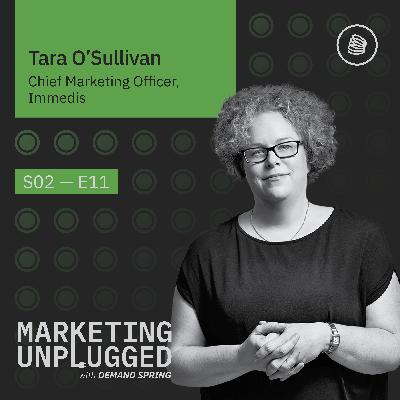
Tara O'Sullivan is the Chief Marketing Officer for Immedis, the global leader in payroll consolidation. Tara is currently based in Ireland and runs an international team. She has been consistently recognized for bringing a unique blend of strategic insight and operational execution and has over 25 years of extensive experience in B2B Technology & Marketing. On today's show, Tara discusses women in sports, what you should outsource in marketing, the relationship between demand gen and brand, and so much more! Key Takeaways: [2:25] When was Tara first introduced to technology? [4:35] What is the state of the technology scene in Dublin right now? [7:50] Tara shares why Immedis is passionate about supporting the 20x20 movement. [9:55] When it comes to global sports, it's really down to tennis and golf. [15:35] It's so important to have young girls see themselves in sports in the future and in order for that to happen, they need to see it to believe it. [16:25] How did Tara get her start in her career and what drives her to further her career right now? [20:30] People forget how much of a war zone Ireland was 25-plus years ago, which meant talented people left to find a better life elsewhere. [21:45] How does Tara think about marketing success on an international level? [26:00] Tara's company is competing with brands that have been around for over 10 years. How is she standing out from the competition? [27:40] Tara shares her thoughts on how leaders can connect with their team more effectively. [31:50] How does Tara drive digital transformation as a CMO? [41:30] Tara shares her experience of what it was like working as a Chief Creative Officer at Skillsoft. [43:25] Tara's dream job would be a movie producer! [48:15] How do you break rules to advance gender equality? How should CMOs think about this differently? [52:35] AI, as great as it is, still has biases that we need to sort out. [54:50] What advice would Tara give to her younger self? Mentioned in This Episode: Immedis.com Tara on LinkedIn The Hidden Persuaders, by Vance Packard 20x20.ie

Michael Brenner is the CEO of Marketing Insider Group, founded on the belief that strong leaders who champion their teams are the key to unlocking massive growth. Michael is also a globally-recognized keynote speaker on leadership, culture, and marketing and author of the bestselling book, The Content Formula. Michael talks about why our marketing budgets are out of whack, why most marketers are absolutely miserable, and his latest book, Mean People Suck. Key Takeaways: [2:30] Why does Michael have 53 jobs under his belt? [4:40] Michael loves jumping into something new and getting to know a new boss and work culture. [4:50] Michael learned quickly that he needed to reach out to people when he was in a new organization. [7:30] Michael started working when he was 11 years old and he learned quickly that the early bird does get the worm. [10:45] Your network is really your key base when you start to venture off into your own and build a company. [13:55] Why are marketers miserable? [17:25] Are there a lot of mean people in marketing roles? [21:00] Michael shares a story on what he learned about sales and selling early on in his career. [24:00] Humans can recognize pain in others as young as two years old and, in turn, can learn empathy. [26:40] How does Michael define content marketing? [29:10] Executives need to stop driving their marketing team to do things that do not work, things that are just based on subjective opinion. [29:35] Content marketing is king, but distribution is queen. Michael explains more. [31:10] Fifty to seventy-five percent of traffic comes from organic search, 2% comes from social media, and 15% comes from paid. [39:15] How will AI impact the content marketing world? [42:15] How can brands create a stronger commitment with their audience this year? [47:10] You don't have to share stuff just about your expertise. Showcase your team's personality, hobbies, and love for cats! [49:25] Employee activation and engagement needs to become a bigger part of the marketing conversation. [52:10] Who would Michael like to eat lunch with, dead or alive? [55:55] How does Michael manage work/life balance? [59:40] What advice does Michael have for younger marketers just getting started in their career? Mentioned in This Episode: Marketinginsidergroup.com Michael on LinkedIn Mean People Suck: How empathy leads to bigger profits and a better life, by Michael Brenner

Mark Jefferies is a Keynote Speaker, Author, Event Host, and a Communications Consultant. He has shared the stage with VP Joe Biden to Will Smith, from Serena Williams to Michael J Fox and Richard Branson, all without formal training! Mark shares his journey and offers words of wisdom on how to better communicate and show up in our digital meetings. Key Takeaways: [2:45] How does a keynote speaker and an MC of live events keep himself busy during a pandemic? [3:35] In the beginning, Mark thought it was going to be the end of an industry. [5:00] Mark is busier than ever! [6:25] What does Mark miss about traveling? [10:15] It was Mark's dream to get into finance. He shares how he got his foot in the door. [17:15] Fast forward a little bit, and Mark finds himself pivoting and… on live TV! It was nerve-wracking. [20:45] How does Mark stay true to who he is? [26:45] Mark loves in-person events, but he also has a podcast. How does he approach these two mediums differently? [30:25] Mark is also an author! But he completely hated the process! [35:40] What can we do to improve our communication virtually? [39:40] You have to get your point out a lot quicker than you did before. [45:15] What are the six keys to influencing people around you? [50:15] We all have imposter syndrome. Here's how you can navigate it with grace. [52:05] What advice would Mark give to his younger self? Mentioned in This Episode: Markjeffries.com Mark on LinkedIn
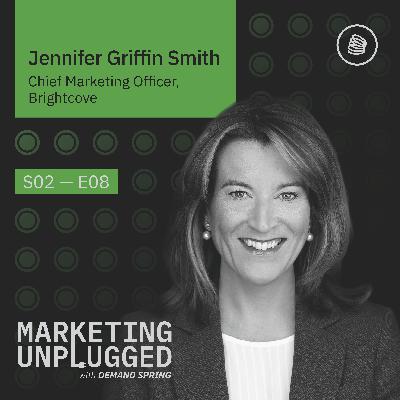
Jennifer Griffin Smith is the Chief Marketing Officer at Brightcove, an online video platform. Jennifer is a fast-paced executive who is passionate about discovering new technology possibilities. She shares her philosophy on how to empower her team, what was the root of her early success, her experiences at Microsoft, and how she thinks about marketing in today's world. Key Takeaways: [2:45] Jennifer shares why the phrase, "blossom where you are" is a saying that strongly resonates with her. [4:10] If you can be great at what you do right now, good things will come. [5:30] When you fully embrace the moment you are in — today — is when you're really optimizing your full potential and will see future progress in your career. [6:00] With that being said, Jennifer is still guilty of multitasking. You have to when you're working full-time and raising two young children. [7:50] What was Jennifer's experience like working at Microsoft when Bill Gates was still the CEO? [12:45] Jennifer shares advice to young marketers who are looking to advance quickly in their careers. [13:25] Find allies and mentors in your company. They don't have to be in the marketing departments. [16:20] No matter what, have the courage and conviction to believe in yourself. [18:05] Jennifer shares her tips on the best ways to find your company mentors/allies in this digital environment. [21:00] How does Jennifer empower her team? [23:55] What does it mean to be "human"? [27:25] In so many aspects of life, you'll find that you need to fail fast and, in other times, you'll need to take a pause. The important thing here is to realize you can't be perfect. [30:00] How has the role of the CMO evolved over the years? [35:45] When you're asking people questions, your words are important. [37:20] As someone who was born and raised in the UK, how does Jennifer blend both U.S. and UK cultures when she is raising her children? [40:25] Jennifer reflects on what has happened over the past year. Mentioned in This Episode: Brightcove.com Jennifer on LinkedIn www2.deloitte.com/us/en/pages/chief-marketing-officer/articles/five-roles-of-the-cmo.html

Peter Mahoney is the CEO of Plannuh, a SaaS company that provides cloud-based tools to help marketers build, manage, and share their marketing budgets. Peter has over 30 years of marketing experience and has worked in a variety of CMO roles. He is also a passionate supporter of the rights of people with disabilities. Join Peter as he discusses his journey from CMO to CEO, how to embrace your nerd status, and the inner workings of building a company on your money vs. on investors' money. Key Takeaways: [1:45] For 30 years Peter was a CMO, now he considers himself a "recovering CMO" as he takes on a CEO role. Why has his marketing journey been like thus far? [5:00] What makes a good CEO? [7:55] Is there a lot of friction when it comes to a CMO taking on a CEO role? [11:35] What were some of the surprises along the way that Peter encountered as a new CEO? [13:05] Peter shares the differences going from a $2B company to a startup. [16:15] Network is hugely important in both your success and your growth. [17:25] Peter had to learn for the very first time how to raise money. [19:15] What has Peter enjoyed the most about running his own company? [21:00] What keeps Peter up at night? [28:45] Peter learned an important lesson as a CEO about how his team sees him. [30:20] Why should more people unleash their inner nerd? [32:40] Why did Peter decide to write a book for CMOs? [39:05] People often confuse goals with strategy. [40:35] Without getting alignment with your peers and CEO, you're always going to have to be justifying budget spend. [43:15] No matter who you are, your marketing plan has changed dramatically. [45:25] What investments are people making in their technologies right now? [46:25] As a board member, Peter shares what he has been up to in this arena. [50:25] How does Peter structure his day and get the most out of his time? [54:00] The pandemic has changed the way Peter works, and for the better. They're a remote company right now. [57:05] What advice would Peter give to his younger self? Mentioned in This Episode: Plannuh.com Peter on LinkedIn The Next CMO: A Guide to Operational Marketing Excellence, by Peter Mahoney, Scott Todaro, and Dan Faulkner Good Strategy Bad Strategy: The Difference and Why It Matters, by Richard Rumelt

Duane Schulz is a Digital Marketing Consultant and was the former Chief Marketing Technologist and Head of Digital at Xerox until January 2017. He has had roles ranging from Brand and Marketing Intelligence to acting CMO over the last 17 years and has held executive roles at Apple and HP. Duane shares what it was like working for Apple during the 90s, his time at Xerox, how he sees brand image, and what it means to "do no evil," marketing through the use of lean surveillance. Key Takeaways: [2:20] How did Duane get his start in marketing? [4:45] Who were Duane's early influences/mentors in marketing? [8:35] Duane shares what it was like working for Apple in the mid-'90s. [10:00] When Duane first got to Apple, they were adamant about not doing market research. Well, he had a background in market research, what was he doing there? [13:00] When Duane left Apple, what were his thoughts on Apple as a company back then and their longevity as a brand? [18:45] How was marketing ops defined back then? [20:00] Duane shares when he was first exposed to brand image and why he fell in love with the rebranding process. [24:20] We are navigating new territory when it comes to marketing. [26:45] If you can't think of the purpose of the company and express it in your work, then you're failing at marketing. [32:15] How should marketers begin looking at marketing ops today? [37:10] What does Duane mean by lean surveillance marketing? [40:45] Look at the words marketers use: track, capture, and nurture. Our tools track our customers. It's not just the big companies contributing to the surveillance problem. [47:00] C-suite executives argue that we need this additional data, but Duane wants to push back on that. Reexamine your practices, do you need this additional data? Are you actually using it? [48:35] Can you measure the brand value of your company? [51:00] Privacy is always down on the list when it comes to marketing. [57:15] At HP, you would work with product managers and engineers in the same group. It was insightful to have these two teams work together. [59:15] How should marketers be thinking about their performance metrics? [1:03:55] It can be hard to find good teachers in the space. Duane weighs in on how to find a good teacher, and be a good teacher. [1:10:00] What advice would Duane give to his younger self? Mentioned in This Episode: Duane on LinkedIn

Ashley Botting and James Gangl are both professional actors, improvists, writers, and comedians. What do these two have to do with marketing? Improv, stepping out of your comfort zone, finding creativity, and the art of taking risks are all essential qualities every marketer needs to have and our two guests today have some insights on how to develop these key skills. Key Takeaways: [2:00] How do Ashley and James describe the work that they do? [4:00] Improv is a great team-building exercise and it helps build the fundamentals of communication. How did Ashley get into this space? [7:30] How did James get into improv? [10:15] What lessons has improv taught James and how can marketers benefit from this skill? [12:45] Create a product that makes it easy to market. It's a lot easier to sell an amazing product than a bad one. [14:00] What makes something a bad production/bad product? [16:40] How do actors find work in a pandemic? Ashley weighs in. [21:00] Take a risk. Step outside of the safe ideas and get comfortable with rejection. [24:30] James shares the power of journaling and how it helps him source and find creative ideas. [30:00] You want to perform for the masses, not just for your peers. Ashley explains further what she means. [38:25] If your product comes across as disingenuous, people aren't going to buy it. Role-play the personas you're trying to target to really feel what it's like to be in their shoes. [41:45] Do Ashley and James think of themselves as personal brands? [46:40] Ashley shares what her experience was like working on the set of Schitt's Creek. [50:15] Why does James want to cook in Chile? [53:20] What would Ashely and James like their legacy to be? Mentioned in This Episode: Ashleybotting.com Ashley on IMDb Jamesgangl.com James on IMDb

Comments

Download from Google Play

Download from App Store
 United States