


 Claim Ownership
台灣人台灣事
Subscribed: 687Played: 11,915
Subscribe

© 640387
Description
《台灣人台灣事》全台語Podcast,是一個從社會關懷的視角探索台灣文化和時事的節目。這裡可聽到傳統文化習俗的由來、性別文化的反思、時事和政策的歷史發展脈絡、以及精采的生命故事。歡迎來信 henama2020@gmail.com,網站: www.cultivataiwan.com,粉專 facebook.com/HenamaTaiwan。贊助節目 https://p.ecpay.com.tw/B3A47EF ; https://www.paypal.com/paypalme/henama 。
377 Episodes
Reverse
去圖書館借冊、看冊iah是參加活動ê人是ná來ná濟。台灣是啥物時陣有圖書館?往過ê圖書館有啥物無仝? 這集來講台灣公共圖書館ê起源kah重要ê人物。Khì tô͘-su-koán chioh chheh, khòaⁿ chheh ia̍h-sī chham-ka oa̍h-tāng ê lâng sī ná lâi ná chē. Tâi-oân sī siáⁿ-mi̍h sî-chūn ū tô͘-su-koán? Éng-kòe ê tô͘-su-koán ū siáⁿ-mi̍h bô-kâng? Chit chi̍p lâi kóng Tâi-oân kong-kiōng tô͘-su-koán ê khí-gôan kap tiōng-iàu ê jîn-bu̍t.The number of people who go to the library to borrow books, read books, or participate in activities is growing. When did Taiwan have libraries? What were the differences in past libraries? In this episode, we will talk about the origin of Taiwan's public libraries and important figures.---------------------------------------《有聲的光批:四秀仔》佮《臺灣女性人物群像》賣貨便 https://tinyurl.com/ysjmy729好賣+ https://tinyurl.com/4ya9p6xc網站 www.cultivataiwan.com訂閱《台語‧生活》電子報 https://reurl.cc/Y4n5eo寫批 henama2020@gmail.com迷眾頁 www.facebook.com/HenamaTaiwan贊助 https://p.ecpay.com.tw/B3A47EF 抑是www.paypal.me/henama

從馬偕醫生的博物室到現在的地方文化館,台灣的博物館經歷了不同時期的發展。台灣的博物館是如何出現?和歐美博物館的發展有何不同?
---------請上Pubu或Kobo 購買《台灣風俗講予你聽》支持本節目-----------
記得訂閱或追蹤本節目,來信henama2020@gmail.com,內容討論請上粉專 facebook.com/HenamaTaiwan,也歡迎贊助https://p.ecpay.com.tw/B3A47EF
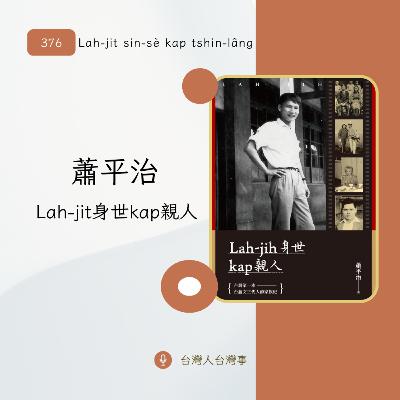
這本冊寫Lah-jit老師的祖先、爸母、兄嫂,嘛寫伊家己大漢的經過,內面記載彰化田中坎頂庄的歷史、地理佮歌謠。若欲了解往過的人的生活、做穡的方式,欲學較罕得聽著的台語詞彙,真推薦這本散文集。Chit pún chheh siá Lah-jit Lāu-su ê chó͘-sian, pē-bú, hiaⁿ-só, mā siá i ka-kī tōa-hàn ê keng-kòe; lāi-bīn kì-chài Chiong-hoà Tiân-tiong Khám-téng-chng ê le̍k-sú, tē-lí kap koa-iâu. Nā beh liáu-kái éng-kòe ê lâng ê seng-oa̍h, chò-sit ê hong-sek, beh o̍h khah hán-tit thiaⁿ-tio̍h ê Tâi-gí sû-lūi, chin thui-chiàn chit pún sàn-bûn-chi̍p.This book tells the story of Teacher Lah-jit’s family—his ancestors, parents, and elder siblings—as well as his own life growing up. It records the history, geography, and folk songs of Kham-teng Village in Tianzhong, Changhua. If you want to know more about how people used to live and work, or if you want to learn some rare Taiwanese words, I highly recommend this collection of essays.
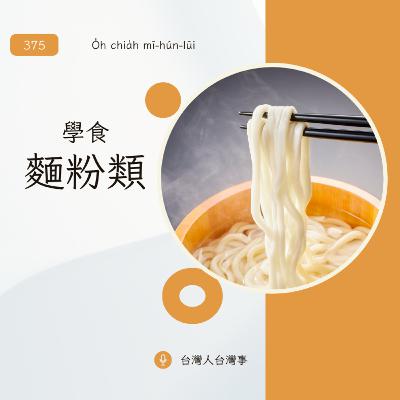
台灣人往過是食米佮番薯,是什麼時陣開始,麵、麭、饅頭嘛會使做正頓?這毋但是口味的改變,背後牽涉著國濟市場、美援物資,佮政府的腦宣傳。這集欲來講戰後政府按怎利用「麵粉換食米」佮「麵麥食品推廣」來改變逐家食飯的習慣。作伙來聽這段改變台灣人胃口的經過!Tâi-oân-lâng éng-kòe sī chia̍h bí kah han-chî, sī siáⁿ-mi̍h sî-chūn khai-sí, mī, pháng, bân-thô mā ē-sái chò chiàng-tǹg? Che m̄-tāi-sī kháu-bī ê kái-piàn, pōe-āu khian-sia̍p tio̍h kok-chè chhī-tiûⁿ, Bí-oân bu̍t-chu, kah chèng-hú ê sé-náu soan-thoân. Chit-chi̍p beh lâi kóng chiàn-āu chèng-hú án-chóaⁿ lī-iōng "mī-hún-oaⁿ-si̍t-bí" kah "mī-be̍h si̍t-phín thui-kóng" lâi kái-piàn ta̍k-ke chia̍h-pn̄g ê si̍p-koàn. Chò-hóe lâi thiaⁿ chit toān kái-piàn Tâi-oân-lâng ūi-kháu ê keng-kòe!In the past, the diet of Taiwanese people centered around rice and sweet potatoes. When did noodles, bread, and steamed buns become staples of our daily meals? This shift was not merely a change in taste; it involved international markets, U.S. aid materials, and government propaganda. In this episode, we will discuss how the post-war government utilized the "Flour-for-Rice Exchange" and "Wheat Food Promotion" programs to reshape people's eating habits. Join us as we explore the history behind the transformation of the Taiwanese palate!---------------------------------------訂閱電子報 https://reurl.cc/5bdqbR 網站 www.cultivataiwan.com 寫批 henama2020@gmail.com 迷眾頁 www.facebook.com/HenamaTaiwan 贊助 https://p.ecpay.com.tw/B3A47EF 抑是 www.paypal.me/henama
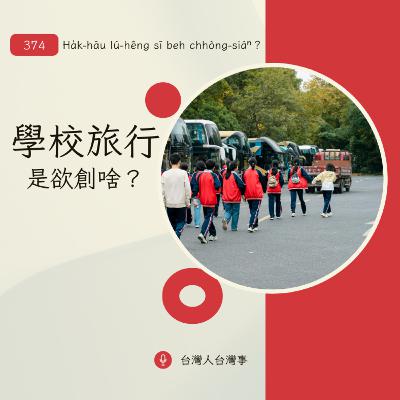
家長、學生對畢業旅行的意見那來那濟。往過的人按怎看學校老師tshuā學生去旅行這件代誌?怹出門會拄著啥物問題?家長閣按怎做?咱的觀念按怎對出門是冒險、是𨑨迌變做旅行嘛是學習?Ka-tiúⁿ, ha̍k-seng tùi pi-gia̍p lú-hêng ê ì-kiàn ná lâi ná chē. Éng-kòe ê lâng án-choán khòaⁿ ha̍k-hāu lâu-su tshuā ha̍k-seng khì lú-hêng chit kiāⁿ tāi-chì? In chhut-mn̂g ē tú-tio̍h siáⁿ-mi̍h bûn-tê? Ka-tiúⁿ koh án-choán chò? Lán ê koan-liām án-choán tùi chhut-mn̂g sī bō͘-hiám, sī chhit-thô piàn-chò lú-hêng mā sī ha̍k-si̍p?Opinions from parents and students regarding graduation trips are becoming increasingly diverse. How did people back then feel about teachers taking students on these trips? What kind of challenges did they encounter while traveling? And how did parents react to these school activities? How did our mindset change—from seeing a trip as just an adventure or or leisure activity, to realizing that travel is also a way to learn.---------------------------------------訂閱電子報 https://reurl.cc/5bdqbR 網站 www.cultivataiwan.com 寫批 henama2020@gmail.com 迷眾頁 www.facebook.com/HenamaTaiwan 贊助 https://p.ecpay.com.tw/B3A47EF 抑是 www.paypal.me/henama 《有聲的光批:四秀仔》佮《臺灣女性人物群像》賣貨便 https://tinyurl.com/ysjmy729好賣+ https://tinyurl.com/4ya9p6xc
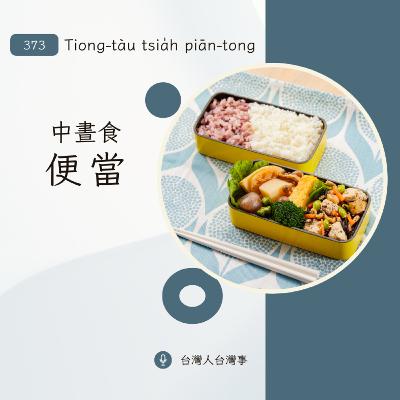
台灣四界攏看會著便當店,中晝頓真濟人食便當。這个習慣真早就有,毋過啥物時陣食?食啥物?佮以早無仝。便當生理變好,毋但是生活方式改變所致,公家機關的政策嘛有關係。Tâi-oân sì-kè lóng khòaⁿ-ē-tio̍h piān-tong-tiàm, tiong-tàu-tǹg tsin tsē lâng chia̍h piān-tong. Chit-ê si̍p-koàn tsin chá tō ū, m̄-koh siáⁿ-mih sî-tsūn chia̍h? Chia̍h siáⁿ-mih? Kah í-chá bô-kâng. Piān-tong seng-lí piàn hó, m̄-tān-sī seng-hoa̍t hong-sek kái-piàn só͘-tì, kong-ka ki-koan ê tsèng-chhek mā ū koan-hē.Bento shops can be found everywhere in Taiwan, and many people eat bento for lunch. This practice has existed for a long time; however, the occasions on which they are eaten and what they contain are different from the past. The booming success of the bento industry is not only a result of changing lifestyles but is also related to the policies of government institutions.---------------------------------------訂閱電子報https://reurl.cc/5bdqbR 網站 www.cultivataiwan.com 寫批 henama2020@gmail.com 迷眾頁 www.facebook.com/HenamaTaiwan 贊助 https://p.ecpay.com.tw/B3A47EF 抑是 www.paypal.me/henama
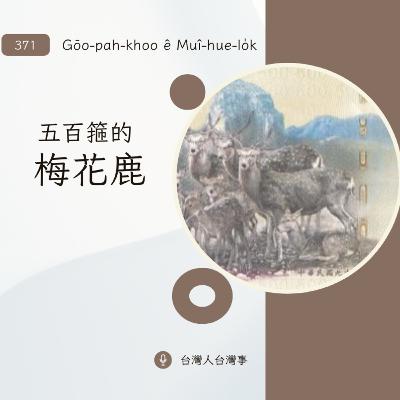
台灣往過有足濟梅花鹿,是特有亞種。毋過1969年野生梅花鹿就無去,後來才閣復育。2001佮別款珍貴的特有動物相仝,印佇台票頂頭。台灣梅花鹿按怎來的?是按怎無去?這陣閣有啥物問題?Tâi-oân éng-kòe ū chiok chē mûi-hoe-lo̍k, sī te̍k-iú-à-chióng. M̄-koh 1969 nî iá-seng mûi-hoe-lo̍k tō bô-khì, āu-lâi chiah koh ho̍k-io̍k. 2001 kap pa̍t-khoán tin-kuì ê te̍k-iú tōng-bu̍t sio-kâng, ìn tī Tâi-phiò téng-thâu. Tâi-oân mûi-hoe-lo̍k án-choán lâi--ê? Sī-án-choán bô-khì? Chit-chūn koh ū siáⁿ-mih bûn-tê?Taiwan used to have a large population of Formosan Sika deer, which are an endemic subspecies. However, wild Sika deer disappeared in 1969, and reintroduction efforts were only initiated later. In 2001, similar to other precious endemic animals, they were featured on Taiwanese banknotes. How did the Formosan Sika deer originate? Why did they disappear? And what problems are they facing now?-------------------------訂閱電子報 https://reurl.cc/5bdqbR 網站 www.cultivataiwan.com 寫批 henama2020@gmail.com 迷眾頁 www.facebook.com/HenamaTaiwan 贊助 https://p.ecpay.com.tw/B3A47EF 抑是 www.paypal.me/henama
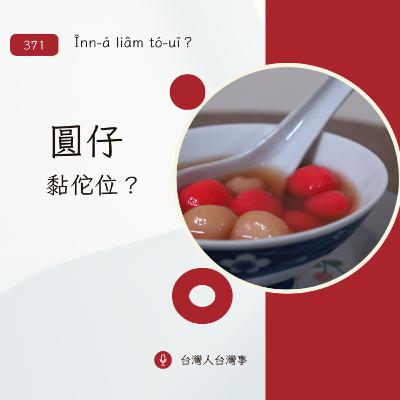
冬節毋但挲圓仔、食圓仔,往過的人閣會黏圓仔。共圓仔糊佇門、大灶、牛角頂面是啥物意思?這个風俗按怎來的?乾去的圓仔按怎處理?這集講古早的風俗:黏圓仔。Tang-cheh m̄-nā so îⁿ-á, chia̍h îⁿ-á, éng-kòe ê lâng koh ē liâm îⁿ-á. Kā îⁿ-á khô tī mn̂g, tōa-chàu, gû-kak téng-bīn sī siáⁿ-mih ì-sù? Chit-ê hong-sio̍k án-chúaⁿ lâi--ê? Ta-khì ê îⁿ-á án-chúaⁿ chhú-lí? Chit chi̍p kóng kó͘-chá ê hong-sio̍k: Liâm îⁿ-á.During the Winter Solstice, people don't just roll and eat glutinous rice balls; in the past, they would also "stick" them. What is the meaning behind pasting rice balls onto doors, large stoves, and ox horns? How did this custom originate? And how were the dried-up rice balls eventually handled? This episode discusses the ancient custom of "Sticking glutinous rice balls."---------------------------------訂閱電子報 https://reurl.cc/5bdqbR 網站 www.cultivataiwan.com 寫批 henama2020@gmail.com 迷眾頁 www.facebook.com/HenamaTaiwan 贊助 https://p.ecpay.com.tw/B3A47EF 抑是 www.paypal.me/henama《有聲的光批:四秀仔》佮《臺灣女性人物群像》賣貨便 https://tinyurl.com/ysjmy729好賣+ https://tinyurl.com/4ya9p6xc
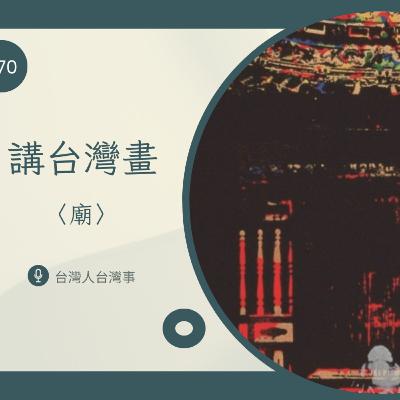
廖修平是台灣現代版畫的開創者,mā是一位國際有名的藝術家。這集講廖老師1976年的作品〈廟〉,紹介伊長期創作ê變化kap伊畫ê艋舺龍山寺。廖修平 〈廟〉 國美典藏Liâu Siu-pîng sī Tâi-oân hiān-tāi pán-ōe ê khai-chhòng-chiá, mā sī chi̍t-ūi kok-chè iú-miâ ê gē-su̍t-ka. Chit chi̍p kóng Liâu lāu-su 1976 nî ê chok-phín 〈Biō〉, siāu-kài i tn̂g-kî chhòng-chok ê piàn-hoà kap i oē ê Báng-kah Liông-san-sī.Liao Shiou-ping is a pioneer of modern printmaking in Taiwan and an internationally renowned artist. This episode discusses Professor Liao's 1976 work, "The Temple," introducing the long-term evolution of his creative style and the Bangka Lungshan Temple that he depicted.---------------------------------------訂閱電子報 https://reurl.cc/5bdqbR網站 www.cultivataiwan.com寫批 henama2020@gmail.com迷眾頁 www.facebook.com/HenamaTaiwan贊助 https://p.ecpay.com.tw/B3A47EF 抑是 www.paypal.me/henama《有聲的光批:四秀仔》佮《臺灣女性人物群像》賣貨便 https://tinyurl.com/ysjmy729好賣+ https://tinyurl.com/4ya9p6xc
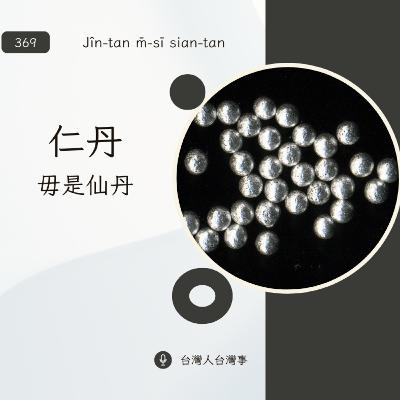
對日本來的仁丹是真濟人細漢時的記持,這項便藥仔是對日本時代時行到戰後。仁丹的出現佮台灣的月桃子有關係。仁丹按怎來的?是按怎遐爾時行?伊koh按怎變?這集講仁丹。Tuì Ji̍t-pún lâi ê Jîn-tan sī chin chē lâng sè-hàn sî ê kì-tî, chit hāng piān-io̍h-á sī tuì Ji̍t-pún sî-tāi sî-kiâⁿ kàu chiàn-āu. Jîn-tan ê chhut-hiān kap Tâi-oân ê goe̍h-thô-chí ū koan-hē. Jîn-tan án-chóaⁿ lâi ê? Sī án-chóaⁿ hiah-nī sî-kiâⁿ?I koh án-chóaⁿ piàn? Chit chi̍p kóng Jîn-tan.Jintan, which came from Japan, is a childhood memory for many people. This household medicine was popular from the Japanese colonial era all the way to the post-war period. The emergence of Jintan is actually connected to the seeds of Taiwan's shell ginger (Alpinia zerumbet). How did Jintan originate? Why was it so popular? And how did it evolve over time? This episode discusses Jintan.---------------------------------------訂閱電子報 https://reurl.cc/5bdqbR網站 www.cultivataiwan.com寫批 henama2020@gmail.com迷眾頁 www.facebook.com/HenamaTaiwan贊助 https://p.ecpay.com.tw/B3A47EF 抑是 www.paypal.me/henama《有聲的光批:四秀仔》佮《臺灣女性人物群像》賣貨便 https://tinyurl.com/ysjmy729好賣+ https://tinyurl.com/4ya9p6xc
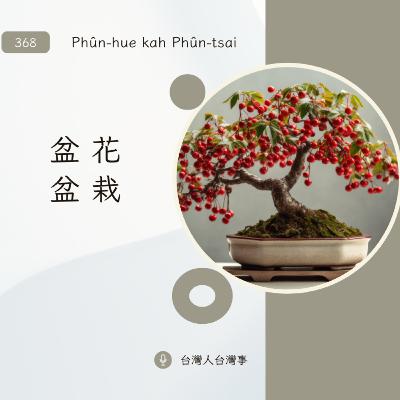
真濟人厝內攏有一盆花、草仔抑是樹仔,這个習慣毋是自古早就有。台灣人啥物時陣開始種盆花、盆栽?往過種的植物佮這馬有啥無仝?咱人佮植物的關係按怎變?這集來講台灣盆栽的發展。Chin-chē lâng chhù-lāi lóng ū chi̍t phûn hoe, chháu-á ia̍h-sī chhiū-á, chit ê si̍p-koàn m̄-sī chū kó͘-chá tiō ū. Tâi-oân-lâng siáⁿ-mih sî-chūn khai-sí chèng phûn-hoe, phûn-chai? Éng-kòe chèng ê si̍t-bu̍t kap chit-má ū siáⁿ bô-kāng? Lán-lâng kap si̍t-bu̍t ê koan-hē án-chóaⁿ piàn? Chit chi̍p lâi kóng Tâi-oân phûn-chai ê hoat-tián.Many people have a pot of flowers, herbs, or a small tree in their homes, but this custom has not existed since ancient times. When did Taiwanese people start growing potted flowers and bonsai? What is the difference between the plants grown in the past and those grown today? How has the relationship between humans and plants changed? In this episode, let's talk about the development of potted plants (bonsai) in Taiwan.《有聲的光批:四秀仔》佮《臺灣女性人物群像》賣貨便 https://tinyurl.com/ysjmy729好賣+ https://tinyurl.com/4ya9p6xc網站 www.cultivataiwan.com寫批 henama2020@gmail.com迷眾頁 www.facebook.com/HenamaTaiwan贊助 https://p.ecpay.com.tw/B3A47EF 抑是 www.paypal.me/henama
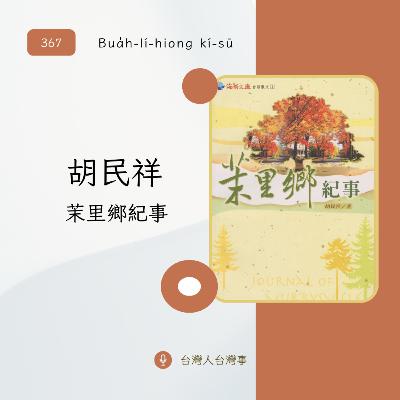
胡民祥是一位真重要的作家kap台語文運動的前輩。伊寫過真濟冊,《茉里鄉紀事》這本散文集內面抾的是胡老師對1992年到2002年寫的156篇文章。這本冊寫伊佇北美ê生活中按怎敨縛思親、思鄉ê感情,寫伊對大自然的觀察,對台語文的想法,對台灣的向望。O͘ Bîn-siông sī chi̍t-ūi chin tiōng-iàu ê chok-ka kap Tâi-gí-bûn ūn-tōng ê chiân-pòe. I siá-kòe chin chē chheh, "Bua̍h-lí-hiong Kí-sū" chit pún sán-bûn-chi̍p lāi-bīn khioh--ê sī O͘ Láu-su uì 1992 nî kàu 2002 nî siá ê 156 phiⁿ bûn-chiuⁿ. Chit pún chheh siá i tī Pak-bí ê seng-oa̍h tiong án-chóaⁿ tháu-pa̍k su-chhin, su-hiong ê kám-chêng, siá i tùi tāi-chū-jiân ê koan-chhat, tùi Tâi-gí-bûn ê siūⁿ-hoat, tùi Tâi-oân ê ǹg-bāng.O͘ Bîn-siông is a prominent writer and a pioneer of the Taiwanese language movement. He has authored many books; the essay collection Journal of Murrysville compiles 156 articles he wrote between 1992 and 2002. This book describes how he articulated the profound nostalgia he felt for his home while living in North America, and chronicles his observations of nature, his thoughts on the Taiwanese language, and his hopes for Taiwan.---------------------------------------《有聲的光批:四秀仔》佮《臺灣女性人物群像》賣貨便 https://tinyurl.com/ysjmy729好賣+ https://tinyurl.com/4ya9p6xc網站 www.cultivataiwan.com寫批 henama2020@gmail.com迷眾頁 www.facebook.com/HenamaTaiwan贊助 https://p.ecpay.com.tw/B3A47EF 抑是 www.paypal.me/henama
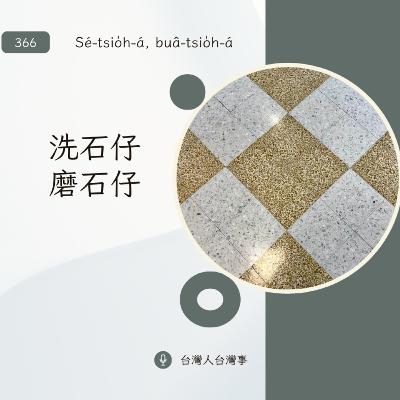
塗漿摻石粒仔仿做石材這項工藝佇台灣有百外冬的歷史。是按怎洗石仔佇台灣遮爾捷看?洗石仔、抿石仔、磨石仔,斬石仔按怎分?用佇佗位?這集介紹這幾項工藝。Thô͘-chiuⁿ chham chio̍h-lia̍p-á hóng-chò chio̍h-châi chit hāng kang-gē, tī Tâi-oân ū pah-gōa tang ê le̍k-sú. Sī-án-chóaⁿ sé-chio̍h-á tī Tâi-oân chiah-nī chia̍p khòaⁿ? Sé-chio̍h-á, bín-chio̍h-á, bôa-chio̍h-á, chám-chio̍h-á án-chóaⁿ hun? Iōng tī tó-ūi? Chit chi̍p kài-siāu chit kúi hāng kang-gē.The craft of mixing mortar with stone granules to simulate real stone has a history of over a hundred years in Taiwan. Why is Sé-chio̍h-á (Pebble Wash) so frequently seen in Taiwan? How do you distinguish between Sé-chio̍h-á (Pebble Wash), Bín-chio̍h-á, Bôa-chio̍h-á (Terrazzo), and Chám-chio̍h-á? Where are they used? This episode introduces these types of craftsmanship.---------------------------------------《有聲的光批:四秀仔》佮《臺灣女性人物群像》賣貨便 https://tinyurl.com/ysjmy729好賣+ https://tinyurl.com/4ya9p6xc網站 www.cultivataiwan.com寫批 henama2020@gmail.com迷眾頁 www.facebook.com/HenamaTaiwan贊助 https://p.ecpay.com.tw/B3A47EF 抑是 www.paypal.me/henama
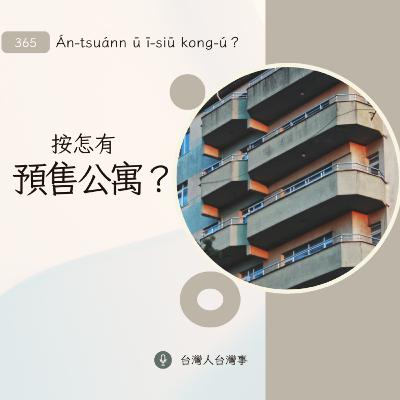
台北ê厝已經真少人買會起,這陣欲kā銀行貸款買厝mā m̄是遐爾簡單。買厝m̄是自起頭tō會使分期付款、kā銀行貸款,mā 無預售厝。台北市按怎開始起公寓、大樓?起厝、賣厝ê生理後來按怎變化?這集講台北公寓ê發展。Tai-pak ê chhù í-keng chin chió lâng bé ē khí, chit-chūn beh kā gîn-hâng tāi-khoán bé chhù mā m̄-sī hiah-nī kán-tan. Bé chhù m̄-sī chū khí-thâu tō ē-sái hun-kî-hù-khoán, kā gîn-hâng tāi-khoán, mā bô ī-siū-chhù. Tai-pa-chhī án-chóaⁿ khai-sí khí kong-ú, tōa-lâu? Khí-chhù, bē-chhù ê seng-lí āu-lâi án-chóaⁿ piàn-hòa? Chit-chi̍p kóng Tai-pak kong-ú ê hoat-tián.It's increasingly difficult for people to afford homes in Taipei, and getting a bank loan to buy a house isn't as simple as it used to be. Home purchases weren't always installment-based or reliant on bank loans, and pre-sale homes didn't always exist. So, how did the construction of apartments and high-rises begin in Taipei? How did the real estate business of building and selling homes evolve over time? This episode discusses the development of apartments in Taipei.---------------------------------------《有聲的光批:四秀仔》佮《臺灣女性人物群像》賣貨便 https://tinyurl.com/ysjmy729好賣+ https://tinyurl.com/4ya9p6xc網站 www.cultivataiwan.com寫批 henama2020@gmail.com迷眾頁 www.facebook.com/HenamaTaiwan贊助 https://p.ecpay.com.tw/B3A47EF 抑是 www.paypal.me/henama
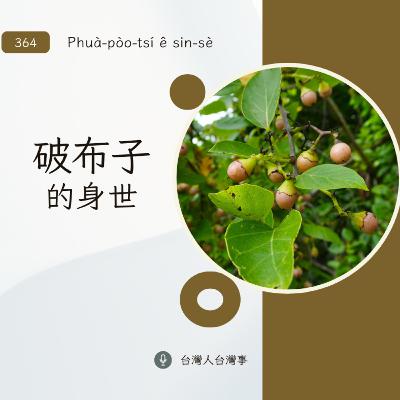
破布子嘛叫做樹子,毋是干焦台灣有生,毋過干焦台灣人咧食。破布子是按怎號做破布子?這款樹仔按怎來到台灣?是誰發明破布子的食法?這集講破布子。Poà-pò͘-chí mā kiò-chò chhiū-chí, m̄-sī kan-na Tâi-oân ū seⁿ, m̄-koh kan-na Tâi-oân-lâng leh chia̍h. Poà-pò͘-chí sī án-choáⁿ hō chò poà-pò͘-chí? Chit khoán chhiū-á án-choáⁿ lâi kàu Tâi-oân? Sī siáng hoat-bêng poà-pò͘-chí ê chia̍h-hoat? Chit chi̍p kóng poà-pò͘-chí.Poà-pò͘-chí is also known as chhiū-chí (tree seeds). It doesn't just grow in Taiwan, but it seems only Taiwanese people eat it. How did poà-pò͘-chí get its name? How did this tree arrive in Taiwan? And who invented the way we eat poà-pò͘-chí? This episode is all about poà-pò͘-chí.----------------《有聲的光批:四秀仔》佮《臺灣女性人物群像》賣貨便 https://tinyurl.com/ysjmy729好賣+ https://tinyurl.com/4ya9p6xc網站 www.cultivataiwan.com寫批 henama2020@gmail.com迷眾頁 www.facebook.com/HenamaTaiwan贊助 https://p.ecpay.com.tw/B3A47EF 抑是 www.paypal.me/henama
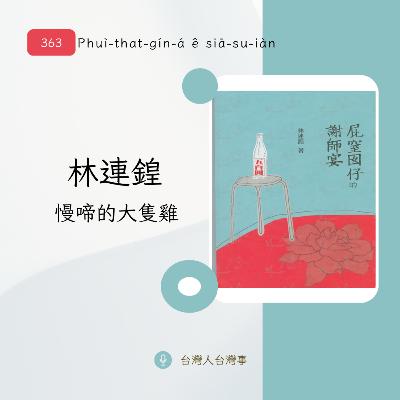
林連鍠是國中理化老師,伊提過台灣教育界佮文學界的大獎:師鐸獎佮台灣文學獎。〈慢啼的大隻雞〉是《屁窒囡仔的謝師宴》內底的頭一篇,寫伊教的頭一間學校kap頭一批學生。規本冊寫伊做老師的經驗、對庄跤來台北讀冊、食頭路的過程,嘛寫伊的爸母作穡的艱苦佮智慧。Lîm Liân-hông sī kok-tiong lí-hoà lāu-su, i thê-kòe Tâi-oân kàu-io̍k-kài kap bûn-ha̍k-kài ê tōa-chióng: Su-to̍k-chióng kap Tâi-oân Bûn-ha̍k-chióng. "Bān thî ê tōa-chiah-ke" sī "Phuì-that gín-á ê siā-su-iàn" lāi-té ê thâu chi̍t phiⁿ, siá i kà ê thâu chi̍t keng ha̍k-hāu kap thâu chi̍t phoe ha̍k-seng. Kui pún chheh siá i chò lāu-su ê keng-giām, tùi chng-kha lâi Tâi-pak tha̍k-chheh, chia̍h thâu-lō͘ ê kòe-têng, mā siá i ê pē-bú chò-sit ê kan-khó͘ kap tì-hūi.Lîm Liân-hông is a junior high school chemistry teacher. He has won major awards in both Taiwan's education and literary circles: the Su-to̍k-chióng (Teacher Recognition Award) and the Taiwan Literature Award. 〈慢啼的大隻雞〉 (The Late-Crowing Rooster) is the first piece in his book, 《屁窒囡仔的謝師宴》, and it describes the first school he taught at and his first group of students. The entire book recounts his experiences as a teacher, his journey from the countryside to Taipei to study and work, and also the hardships and wisdom of his parents' farming life.---------------------------------------《有聲的光批:四秀仔》佮《臺灣女性人物群像》賣貨便 https://tinyurl.com/ysjmy729好賣+ https://tinyurl.com/4ya9p6xc網站 www.cultivataiwan.com寫批 henama2020@gmail.com迷眾頁 www.facebook.com/HenamaTaiwan贊助 https://p.ecpay.com.tw/B3A47EF 抑是 www.paypal.me/henama
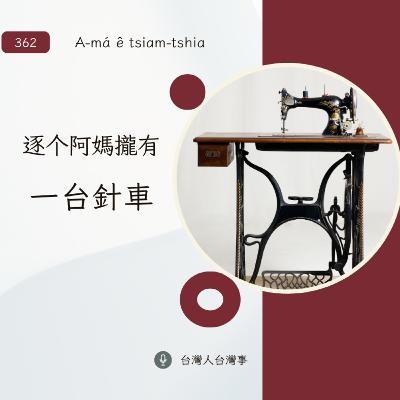
過去真濟人的嫁妝攏佮一台針車,真濟女性攏有學過裁縫。日本時代才開始有的裁縫科,學校按怎教?針車按怎變普遍?這項予女性變頭家的技術,按怎那來那少看?這集講「學做衫」按怎開始時行,閣按怎無去。Kuè-khì chin-chē lâng ê kè-chng lóng kap chi̍t-tâi chiam-chhia, chin-chē lú-sèng lóng ū o̍h kòe chhâi-hông. Ji̍t-pún Sî-tāi chiah khai-sí ū ê chhâi-hông-kho, ha̍k-hāu an-chóaⁿ kà? Chiam-chhia an-chóaⁿ piàn phó͘-phiàn? Chit-hāng hō͘ lú-sèng piàn thâu-ke ê ki-su̍t, an-chóaⁿ ná-lâi ná-chió khòaⁿ? Chit-chi̍p kóng "o̍h chòe-soaⁿ" an-chóaⁿ khai-sí sî-kiâⁿ, koh an-chóaⁿ bô khì.In the past, many dowries used to include a sewing machine, and a significant number of women learned tailoring. How were these sewing courses, which originated during the Japanese colonial period, taught in schools? What factors led to the widespread adoption of sewing machines? This skill, which empowered women to become independent entrepreneurs, has become less common. This episode discusses the rise in popularity of 'learning to make clothes' and its decline.---------------------------------------《有聲的光批:四秀仔》佮《臺灣女性人物群像》賣貨便 https://tinyurl.com/ysjmy729好賣+ https://tinyurl.com/4ya9p6xc網站 www.cultivataiwan.com寫批 henama2020@gmail.com迷眾頁 www.facebook.com/HenamaTaiwan贊助 https://p.ecpay.com.tw/B3A47EF 抑是 www.paypal.me/henama
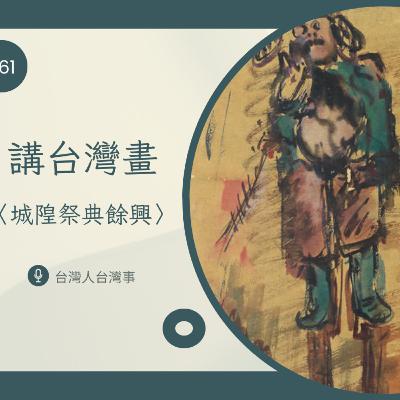
陳澄波1933年畫ê這幅圖毋是油彩,是伊用鉛筆kah水彩畫ê寫生圖。這mā毋是伊頭一擺畫城城隍祭典。這个祭典是嘉義重要ê活動,圖裡畫ê踏蹺這馬較少看著。這集講這幅圖,紹介踏腳蹺kah嘉義ê城隍爺、城隍廟。Tân Têng-pho 1933 nî ōe ê chit pak tô͘ m̄-sī iû-chhâi, sī i iōng iân-pit kap chúi-chhâi ōe ê siá-seng tô͘. Chit mā m̄-sī i thâu-chi̍t-pái ōe Siâⁿ-hông Chè-tián. Chit ê chè-tián sī Ka-gī tiōng-iàu ê oa̍h-tōng, tô͘--lí ōe ê ta̍h-khiau chit-má khah chió khòaⁿ-tio̍h. Chit chi̍p kóng chit pak tô͘, kài-siāu ta̍h-kha-khiau kap Ka-gī ê Siâⁿ-hông-iâ, Sîng-hông-biō.This painting by Chen Cheng-po from 1933 is not an oil painting; it's a sketch he drew with pencil and watercolor. This also wasn't his first time painting the City God Festival. This festival stands as a significant event in Chiayi, and the "ta̍h-khiau" (stilt-walking) portrayed in the artwork is a practice less frequently observed today. This episode will discuss this painting and introduce stilt-walking, as well as Chiayi's City God and City God Temple.陳澄波, 城隍祭典餘興, 1933國立台灣美術館 https://reurl.cc/9n24Qj陳澄波文化基金會 https://reurl.cc/mYEDNW---------------------------------------《有聲的光批:四秀仔》佮《臺灣女性人物群像》賣貨便 https://tinyurl.com/ysjmy729好賣+ https://tinyurl.com/4ya9p6xc網站 www.cultivataiwan.com寫批 henama2020@gmail.com迷眾頁 www.facebook.com/HenamaTaiwan贊助 https://p.ecpay.com.tw/B3A47EF 抑是 www.paypal.me/henama
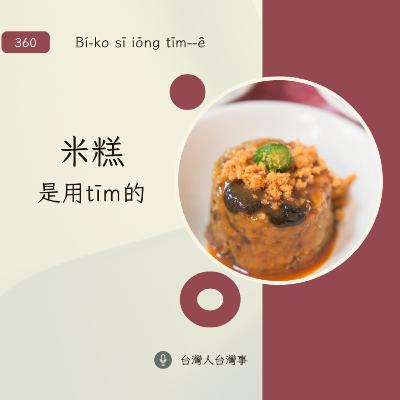
米糕是真早就有的食物,佇日本時代吳新榮佮黃旺成的日記攏有寫著。往過的米糕毋但是點心,嘛是冬節的補品。米糕佮油飯有啥無仝?較早的人按怎煮米糕、食米糕?這集來講往過佮這馬的米糕。Bí-ko sī chin chá tiō ū ê si̍t-bu̍t, tī Ji̍t-pún Sî-tāi Ngô͘ Sin-êng kap N̂g ōng-sêng ê ji̍t-kì lóng ū siá tio̍h. Íng-kòe ê bí-ko m̄-nā sī tiám-sim, mā sī Tang-cheh ê pó͘-phín. Bí-ko kap iû-pn̄g ū siáⁿ bô-kāng? Khah-chá ê lâng án-chóaⁿ chú bí-ko, chia̍h bí-ko? Chit chi̍p lâi kóng óng-kòe kap chit-má ê bí-ko.Bí-ko is a food that has existed for a very long time. It was mentioned in the diaries of Wu Xin-rong and Huang Wang-cheng during the Japanese colonial era. In the past, bí-ko was not only a snack but also a dietary supplement for the Winter Solstice. What's the difference between bí-ko and iû-pn̄g? How did people in the past cook and eat bí-ko? This episode will discuss bí-ko from the past and present.---------《有聲的光批:四秀仔》佮《臺灣女性人物群像》賣貨便https://tinyurl.com/ysjmy729好賣+https://tinyurl.com/4ya9p6xc網站www.cultivataiwan.com寫批henama2020@gmail.com迷眾頁 www.facebook.com/HenamaTaiwan贊助https://p.ecpay.com.tw/B3A47EF 抑是www.paypal.me/henama
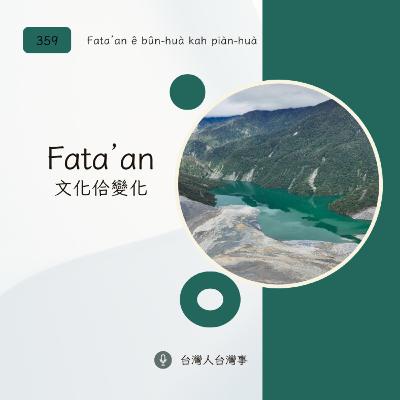
這擺崩山湖事件予Fata’an變做新聞的主角。伊是一个歷史真久長的阿美族部落,17世記的西班牙佮荷蘭人攏有寫著。Fata’an 有啥物特殊的制度?當地的環境佮經濟對日本時代開始是按怎改變?這集介紹Fata’an。Chit pái Pang-soaⁿ-ô͘ Sū-kiāⁿ hō͘ Fata’an piàn-chò sin-bûn ê chú-kak. I sī chi̍t ê le̍k-sú chin kú-tn̂g ê Amis-cho̍k pō͘-lo̍k, 17 sè-kí ê Se-pan-gâ kap Hô-lân-lâng lóng ū siá tio̍h. Fata’an ū siáⁿ-mi̍h te̍k-sû ê chè-tō͘? Tong-tē ê khoân-kéng kap keng-chè ùi Ji̍t-pún sî-tāi khai-sí sī án-chóaⁿ kái-piàn? Chit chi̍p kài-siāu Fata’an.The Landslide Dam Incident has brought Fata’an into the spotlight. It is a long-standing Amis tribe, mentioned in writings by both the Spanish and Dutch in the 17th century. What special instituions does Fata’an have? How have the local environment and economy changed since the Japanese colonial period? This episode explores Fata’an.---------------------------------------《有聲的光批:四秀仔》佮《臺灣女性人物群像》賣貨便 https://tinyurl.com/ysjmy729好賣+ https://tinyurl.com/4ya9p6xc網站 www.cultivataiwan.com寫批 henama2020@gmail.com迷眾頁 www.facebook.com/HenamaTaiwan贊助 https://p.ecpay.com.tw/B3A47EF 抑是 www.paypal.me/henama


Download from Google Play

Download from App Store
 United States
很好聽,能學到台灣故事,都與孩子一起學習
喜歡你做的podcast,繼續加油以台灣人精神語言繼續下去。