


 Claim Ownership
Chapter X with Michael Kay
Subscribed: 9Played: 220
Subscribe

Description
Navigating your next chapter after traditional work requires a new kind of bravery—especially for men. Michael and his guests speak straight to how to overcome the conditioning of our hard-charging career years and explore what will bring us fulfillment.
230 Episodes
Reverse
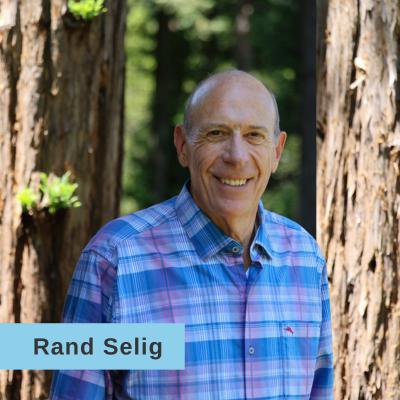
Most of us spend the first half of life building. The second half, if we're paying attention, is when we start asking whether we built the right things. Rand Selig is back on the show and a lot has changed since his first appearance two years ago. What started as a few early conversations has since grown into 100+ interviews and the continued success of his book Thriving, which he recently narrated as an audiobook. Rand spent much of his career running his own investment banking firm. Now he's turned his attention to the questions that tend to matter most in life's later chapters: relationships, legacy, and what it looks like to truly live well. You'll hear about: How a simple habit made him a better listener (and changed everything) The self-reflection practice he uses to actually measure his own growth What finally pushed him to start writing Thriving Why your purpose doesn't have to be big to be meaningful The real difference between success and thriving Why curiosity is one of the best predictors of a good later life Resources Website: www.randselig.comLinkedIn: Connect with Rand
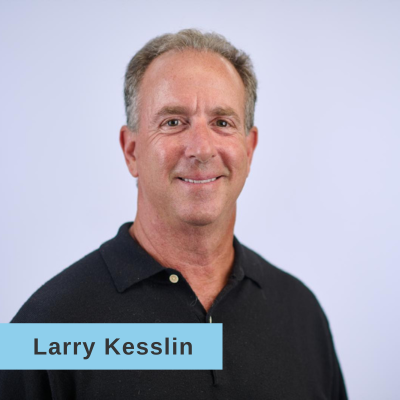
Larry Kesslin spent much of his life chasing success. After leaving corporate America at 29, he built a successful career as an entrepreneur advising business owners across the country. By most standards, he had freedom, financial stability, and the life he once thought he wanted. Yet something was still missing. In this episode, Larry shares the moments that changed how he sees success. A volunteer trip in Aspen and a later time in rural Uganda made him question the life he had built. Over time, he realized that chasing success was different from living with purpose. In this episode: How financial insecurity in childhood shaped his drive to succeed The moment at GE that led him to leave corporate life What he learned about happiness while traveling in Africa The difference between success and significance How our belief systems are formed and why they can be unlearned Why aging gives us the chance to question identity Resources: Larry on LinkedIn 5-Dots Joy Molecule

At 25, Guru Yogishivan was surrounded by luxury in the Middle East. He had trained as a martial artist and become a boxing champion. By most standards, he had success. But as he spent time around people who had money and influence, he noticed that no one seemed free from fear. Whether it was fear of loss, fear of death, or fear of not having enough. So he began asking the people around him if they were truly happy. That question sent him on a very different path. In this episode, we explore his journey from athlete to monk... and what his search for truth might mean for men entering their next chapter of life. We discuss: What happens when success no longer feels like enough Why your identity is constantly changing Whether losing your career is actually losing yourself What 24 minutes a day of inward focus might change A disciplined daily practice for reconnecting with yourself Resources: Book an Ask Yogi Session YouTube: Indimasi Healing Village Facebook: Indimas Healing Village Instagram: Indimasi Healing Village Whatsapp: +91 62386 00274

Howard Rosenberg had done what many of us were taught to do. He got an education, built a career, and provided for his family. From the outside, it checked every box. But in his early fifties, a diagnosis of advanced heart disease and emergency quintuple bypass surgery forced him to slow down and take a hard look at the life he had built. That wake-up call led Howard to begin asking deeper questions about identity, purpose, creativity… and what really sustains us in the second half of life. We talked about: How a health wake-up call led to a complete identity shift Why the way we finish the sentence "I am…" matters The difference between external success and internal fulfillment How creativity extends far beyond art What it really means to consciously create your next chapter Resources Howard Rosenberg's Life Coaching Howard on LinkedIn Creative Humanity Alliance

Not everyone feels finished when their career ends, especially people who are wired to build. This week, I'm joined by Randy Gage, an entrepreneur, author, and speaker who retired at 40 and realized he wasn't done creating. Stepping away from work didn't bring the sense of completion he expected, so he returned to building businesses, writing, and teaching. Not because he had to, but because he wasn't done. That instinct to question what comes next started much earlier. At 15, Randy was sitting in a jail cell, facing the consequences of a life that had gone off track. That moment forced him to rethink his direction, and he's been asking those same questions about what comes next ever since. We talked about: How a stint in jail at 15 forced Randy to rethink his life Why early beliefs shape how we think about money, relationships, and health What Randy learned after retiring at 40 (and why he went back to work) The difference between a finite game and a life built around purpose How Randy defines prosperity beyond money What it means to age with intention and resilience Resources: https://www.randygage.com Breakthrough U Randy on X Randy on LinkedIn
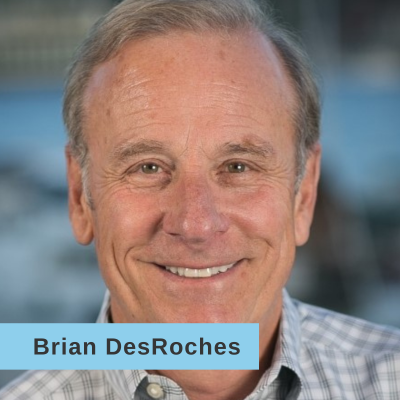
For many men, leaving behind a career also means leaving behind a sense of identity. And much of our response to that change is shaped long before retirement ever enters the picture. My guest today is Brian DesRoches, PhD. He's a psychotherapist, coach, and author whose work focuses on how the brain responds to change. With more than 30 years of experience, Brian helps people understand why self-doubt and disorientation often show up during major transitions. We look at how long-standing emotional patterns can surface after work ends. Brian offers a way to see these reactions not as personal failures, but as learned responses that can finally be brought into the open. In this episode, we covered: Why identity loss can feel more unsettling than we expect How early emotional learning shapes our response to change What anxiety is often trying to protect us from Why so many men struggle without the structure of a professional role The emotional barriers to forming new connections How awareness can create room for something new Resources www.briandesroches.com Living a Trigger-free Life
What does it really take to age well—and why do so many people struggle with this transition after work? Today's guest is Ken Stern, author of Healthy to 100 and a researcher focused on aging, longevity, and social connection. Ken has spent years studying why some people remain healthy and engaged later in life, while others face isolation and decline. Ken explains why Americans struggle with aging and retirement more than people in other countries… and what we get wrong about life after work. In this episode, we discuss: Why aging in America often leads to isolation after work What other cultures get right about belonging later in life The surprising benefits of continuing some form of work Why staying busy isn't the same as living well What longevity research overlooks about human connection Resources: Healthy to 100 by Ken Stern The Longevity Project
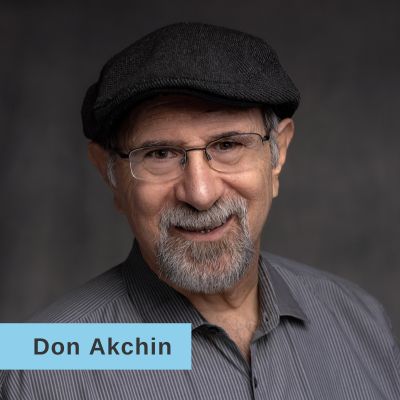
After decades of work, Don Akchin found himself with too much time and very little structure. That moment marked the beginning of a new kind of work for Don: paying attention to what happens when careers end and the familiar routines of life fall away. Don Akchin is a writer and researcher who retired at 66 and began reflecting on his own experience alongside conversations with others navigating life after work. Over time, those observations became the foundation for his book The AfterWork, which explores how people find meaning, connection, and direction beyond their careers. We cover: Why the loss of structure can be one of retirement's biggest surprises How identity shifts once work is no longer central What Don learned from listening to others' retirement stories Why resilience matters more than having a perfect plan How Don rebuilt structure after leaving work Resources: Visit Don's website Follow Don on LinkedIn The AfterWork on Amazon Read The EndGame on Substack
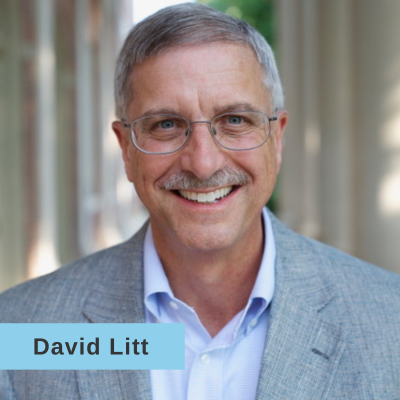
Some people move through life by following a plan. Others move forward by paying attention to what holds their interest. Today's guest, David Litt, spent more than three decades in the U.S. Foreign Service, working and living around the world. Along the way, he built a life shaped by language, learning, and a deep interest in how people and cultures function. After retiring from government service, David didn't step away from engagement. Instead, he found new ways to teach, mentor, and share what he's learned, proving that purpose doesn't end when a career does. In this episode, we covered: What first drew David toward languages and life abroad How curiosity shaped his path into the Foreign Service The realities of representing the U.S. in unfamiliar places One early experience that changed how he viewed diplomacy Why teaching became a natural next chapter after retirement David's advice for staying intellectually engaged later in life
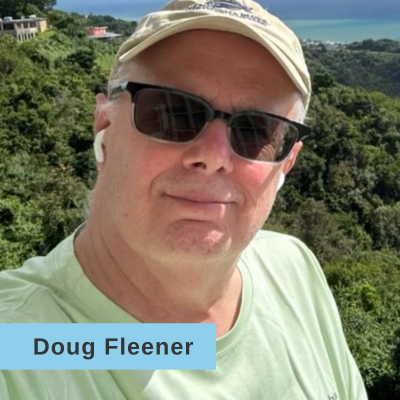
Doug Fleener woke up on an airplane with no idea how he got there. That was the moment his life began to change. Today, Doug shares the story of hitting bottom and rebuilding his life one decision at a time. He reflects on addiction, recovery, and the importance of learning how to pause before reacting. Today, Doug is an author and speaker whose work centers on a simple but powerful question: What if? We talk about how that question creates space for perspective and action, especially during major life transitions. We discuss: The moment Doug realized his life needed to change Why hitting bottom didn't immediately lead to transformation How asking one simple question interrupts old patterns The role of identity and routine during life after career Why action matters more than insight alone Resources Get a free book excerpt at StartWithWhatIf.com Visit DougFleener.com
As we move into the later chapters of life, many of us begin to think differently about health. Not just how long we'll live, but how well we'll live. What if the symptoms we accept as "normal aging" are actually signals pointing to something deeper? In this episode, I'm joined by Reed Davis, a double board-certified holistic health practitioner and founder of Functional Diagnostic Nutrition. Reed helps people understand what's really happening inside their bodies by looking beyond standard lab work and surface-level symptoms. In this episode, we discuss: Why standard blood work often misses early warning signs The difference between treating symptoms and addressing root causes How stress, diet, and lifestyle quietly shape long-term health What aging well really requires beyond diet and exercise Why having purpose may be one of the most overlooked health factors Resources Learn more and access Reed's free workshop at: fdntraining.com/kay Visit Reed's website Follow Reed on Instagram Watch on Youtube Follow on LinkedIn
Why is it often easier to know what we don't want than to ask for what we do? In this episode, I'm joined by Paul Quinn, author of The Big Ask: Unlock the Possibilities in Your Work Life and Dreams with Courageous Requests. Paul began his career as an actor before moving into corporate training and writing, where he became fascinated by the moments that spark real change. Today, we explore how identity, fear, and unspoken rules shape the choices we make. Paul also shares stories that show how a single, well-timed question can open doors we didn't know were there. You'll hear about: How asking the right questions can help you reconnect with what you actually want Why redefining identity after work can feel so disorienting The trap of focusing on what we don't want (instead of naming what we do) How fear and perfectionism can limit what you're willing to try A simple question that can shift how we imagine what comes next Mentioned Visit Paul's Website The Big Ask: Unlock the Possibilities in Your Work Life and Dreams with Courageous Requests Follow Paul on Facebook
Many men feel caught between the identity they built at work and the person they hope to become. Today's guest helps us explore that space. Doug O'Brien has spent his career studying how our stories shape the way we live and the way we move through change. Before entering this work, Doug lived an entirely different life as a classical pianist, a Carnegie Hall performer, and a punk rock musician in New York City. Over time, he shifted into teaching and storytelling in a way that opened a new path for him. In this conversation, Doug shares how the stories we hold can keep us stuck and how new ones can help us move into the next chapter. We talk about: How Doug transitioned from a life in music to helping people change The moment that shifted how he viewed what is possible Why career identity becomes so difficult for many men to release The simple question that reveals who we are beneath our titles How storytelling helps reshape belief and create room for what comes next Resources: https://www.essentialcoachingskills.com https://dougobrienhypnosis.com
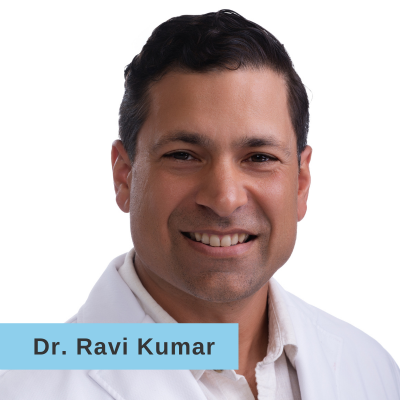
Modern medicine can treat almost anything. Yet it often misses the root of what makes us sick. Dr. Ravi Kumar is a neurosurgeon who trained at the Mayo Clinic and spent years in operating rooms before realizing he needed to step away. He sold everything and moved his family to India, where he worked in mission hospitals under the most basic conditions. Those experiences changed the way he views medicine, aging, and what it really means to heal. In this episode, Dr. Kumar shares what he's learned about the lifestyle choices that support our long-term health. How Ravi's experience in India reshaped his understanding of care and gratitude Why stress can affect our health long before we notice What we should know about our metabolic health How nutrition plays a major role in longevity and energy Why movement matters more than prescriptions Resources: Dr. Kumar DiscoveryThe Dr. Kumar Discovery Podcast Social Media: Connect on FacebookConnect on InstagramConnect on TikTokDr. Kumar on YouTubeConnect on LinkedIn
What happens when life forces us to confront the unexplainable? Today's guest, Dr. Gregg Korbon, is a retired anesthesiologist whose life took an extraordinary turn after the loss of his nine-year-old son, Brian. A lifelong man of science, Gregg was suddenly faced with experiences that defied logic and ultimately changed the course of his life. In this deeply moving conversation, Gregg shares how tragedy cracked his heart open to a world beyond reason. Together, we explore what it means to find meaning after unimaginable loss—and how love, grief, and trust can guide us through life's transitions. In this episode, we discuss: How a rational physician came to believe in experiences beyond science Brian's final days and the messages he left behind How grief opened Gregg's heart to unconditional love The ways dreams and symbols can help us heal and reconnect Why vulnerability can be a path to transformation What Gregg has learned about purpose, faith and trust in retirement Resources http://www.beyondreason.info Beyond Reason on Amazon

For nearly 30 years, Peter Haskell's voice was a familiar one across New York. As a reporter for WCBS Newsradio 880, he covered some of the region's most defining moments. When a rare vocal disorder forced Peter to step away from the microphone, it brought an unexpected crossroads. What followed was a shift toward gratitude, purpose, and a renewed belief in the power of stories and kindness. Today, Peter continues his lifelong calling to tell meaningful stories through his work with the Tunnel to Towers Foundation and as an adjunct professor of journalism at Fordham University. In this episode, we covered: How Peter built a lifelong career in broadcast journalism What covering 9/11 taught him about humanity and resilience The experience of living with spasmodic dysphonia How he found direction and meaning beyond his career in radio The lessons he's carried into teaching and storytelling today Why kindness is the foundation of his personal philosophy Resources: You can learn more at dysphonia.org.
At 68 years old, Rand Timmerman looked in the mirror and thought his life was over. A decorated Vietnam War veteran and successful attorney, he had been undone by alcoholism and the toll of PTSD. Yet what seemed like the end became the beginning of a new path. Now more than a decade sober, Rand shares how recovery gave him the strength to take on an extraordinary challenge with his brother: hiking the Appalachian Trail in their seventies. Along the way, they faced storms, solitude, and moments of reckoning that reshaped how Rand understands resilience, purpose, and second chances. In this episode, we covered: How Rand faced down alcoholism after decades of success in his career The hidden weight of PTSD and how it shaped his story What it was like to hike more than 1,400 miles of the Appalachian Trail in his seventies The role of grit, faith, and humor in getting through difficult seasons How recovery and service to others gave Rand a renewed sense of purpose Resources: Visit: Rand Timmerman's website Email Rand: rand.timmerman@gmail.com
What happens when life as you know it is suddenly pulled out from under you? For Ray Martin, the unraveling of his marriage, the death of his father, and the collapse of his career all came within months of each other. Left with nothing familiar to hold onto, Ray made a choice to let go of clinging to the life he had built. What began as a six-month sabbatical turned into a 14-year journey across Asia. Along the way, Ray discovered mindfulness and a new definition of success that wasn't tied to titles, possessions, or status. His experiences became the foundation of his book Life Without a Tie. In this conversation, Ray shares the lessons he learned from starting over and the six rules of happiness that guide him today. We'll cover: How Ray turned personal loss into a catalyst for growth The most common regret people share at the end of life What he discovered during a silent 10-day meditation retreat The framework Ray calls his six rules of happiness How to approach life transitions with greater clarity and purpose Resources:Life Without a TieLife Without a Tie on AmazonConnect with Ray on LinkedIn
Life after work doesn't come with a roadmap. But my guest today shows what can happen when you stay curious and keep saying "yes." David Danon has worn many hats: sailor, hair stylist, yoga teacher, Hollywood crew member, and musician. Now, in his seventies, he continues to surf, foil, and coach others on healthy aging. His journey is proof that reinvention can happen at any age. In this episode, David shares: How sailing and surfing shaped his outlook on life Why curiosity has opened unexpected doors throughout his journey The lessons yoga and meditation taught him about resilience and peace Why vigilance and resolve are essential for healthy aging The importance of creating purpose beyond career identity Resources: Visit David's website Self-Realization Fellowship
Some people step into retirement without a clear plan, while others see it as an open canvas. My guest today, Thom Barrett, retired at 55 after a successful career at PriceWaterhouseCoopers and chose to fill his canvas with adventure, creativity, and service. From kayaking off the coast of Antarctica to building furniture in his workshop, Thom has lived a life of bold exploration. Even as he faces stage four cancer, he continues to write, travel, and approach each day with intention. In this episode, we discuss: Why Thom chose to retire early and pursue adventure How travel and time in nature became both refuge and teacher The lessons he's learned about acceptance, vulnerability, and mindfulness Why he began writing books and travel reflections during his illness How he continues to live with purpose and presence despite new limitations Resources: The Edge of Now by Thom Barrett Living While Dying, Chasing My Northern Lights, and more of Thom's books Visit Thom's website

Comments

Download from Google Play

Download from App Store
 United States