


 Claim Ownership
Selected - The Sesamers Podcast
Subscribed: 0Played: 60
Subscribe

© 2025 Sesamers
Description
Selected is the podcast from Sesamers, the unfair advantage of the world's most startup-packed events.
We talk about events, technology, science, entrepreneurship, culture, venture capital, and everything in between.
We talk about events, technology, science, entrepreneurship, culture, venture capital, and everything in between.
111 Episodes
Reverse

Key highlightsHow Backed grew from a $30M first fund to a newly closed $100M Fund III, with top-quartile returns and 5 unicorns across 100 investments.The founder traits they optimize for: deep competitiveness, speed under uncertainty, and “PQ” - a founder’s magnetic pull on top talent and early believers.Why the biggest outcomes come from betting early on markets that look strange, overlooked, or technically impossible.How events became Backed's secret weapon — sourcing better deals, meeting founders earlier, and building a tight-knit community through 40+ events a year.What it means to run a venture firm where portfolio founders also become LPs, and why this deepens alignment across every new fund.The frontier-tech themes they’re betting on now: financial services, manufacturing, and biotech — all at the edge of engineering and scientific breakthroughs.Why Backed is expanding their US presence while keeping the core of their thesis focused on European founders.This episode is a masterclass for early-stage founders and investors navigating fast-moving markets, deep tech, and high-ambition company building.Tune in to learn how Backed spots founders, builds community at scale, and chooses markets long before they become obvious.Recorded live at Slush 2025 in Helsinki.
Be sure to follow Sesamers on Instagram, LinkedIn, and X for more cool stories from the people we catch during the best Tech events!
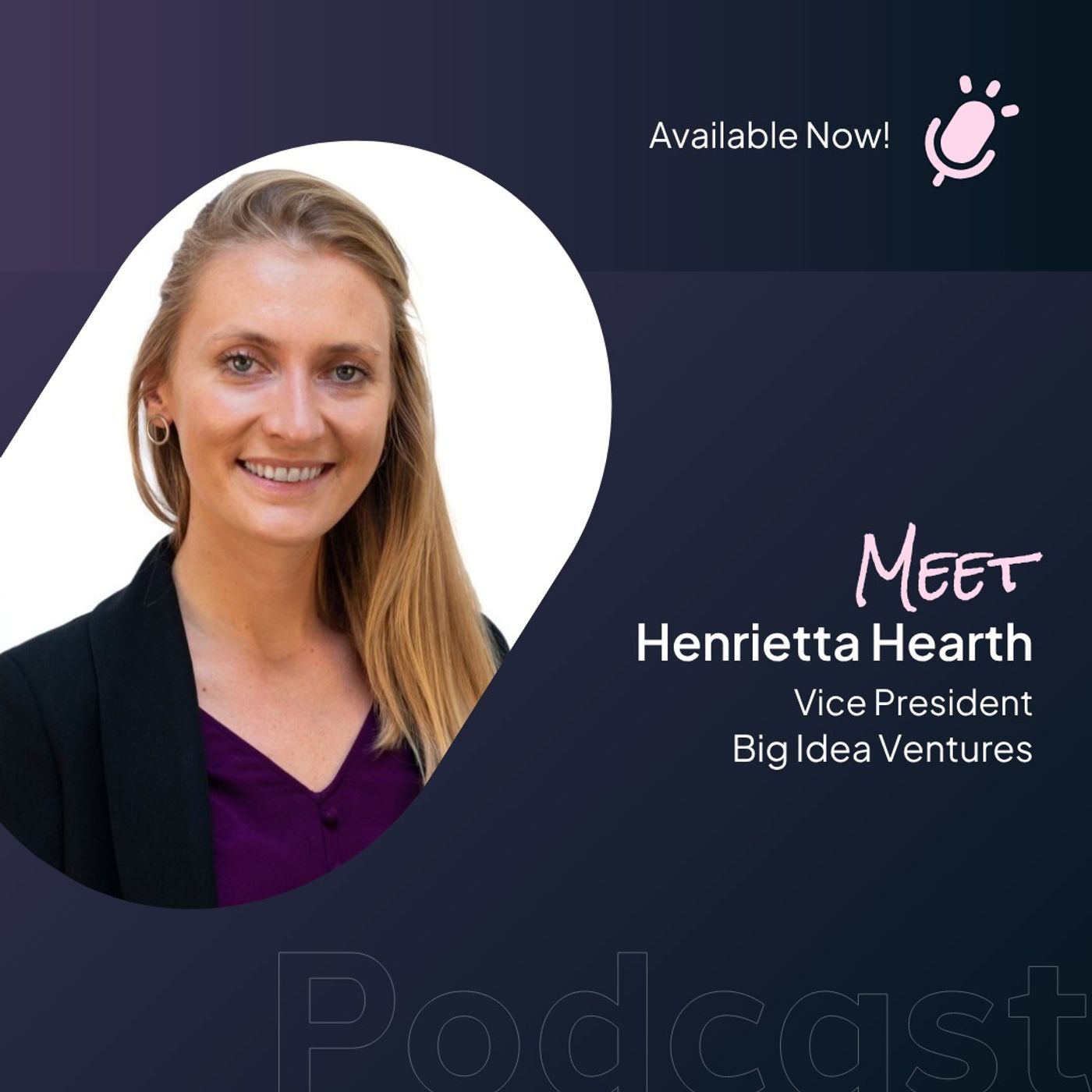
Henrietta’s Journey from FMCG to FoodTech VCHenrietta Hearth’s path to venture capital began with a deep interest in nutrition and public health. After realizing the limitations of public health campaigns, she pivoted to the corporate world, launching over 100 products at firms like Danone and L’Oréal. Her transition into venture capital came via an MBA and a desire to drive meaningful change in the food ecosystem, ultimately leading her to Big Idea Ventures where she set up their European operations in Paris.Why Alternative Protein Is Still a VC OpportunityHenrietta explains that 30% of global emissions are linked to food, especially meat and dairy, making alternative protein a key climate solution. But beyond sustainability, alt-proteins tap into health and ethical concerns too. While the sector has suffered from overvaluation, like the now-cautionary tale of Beyond Meat, Henrietta argues there's still strong potential if companies focus on taste, affordability, and customer satisfaction.Cell-Based Meat and AI: What’s Actually WorkingSome of the most promising innovations in food tech today combine scientific rigor with user-centric design. Henrietta points to Gourmey, a cell-based foie gras startup in Big Idea Ventures’ portfolio, as a standout example of aligning tradition, taste, and ethics. She also highlights the emerging role of AI in food R&D, citing companies like New Wave Biotech, which are using machine learning to speed up product development, especially in precision fermentation.The Case for Going Beyond HypeWhile Henrietta sees AI as a valuable tool, she urges founders and investors alike not to get lost in the buzz. Real impact still comes from solving core problems, like child malnutrition or the lack of innovation in infant nutrition. She expresses a desire to see more startups tackling urgent global issues, particularly in underserved markets, where food tech can truly make a life-or-death difference.Building with Customers, Not Just CapitalHenrietta stresses the importance of founders building companies around real customer problems, not just investor narratives. Many early-stage companies focus too much on raising funds instead of validating product-market fit. Whether the end customer is a family or a large food corporation, the key to long-term success is solving meaningful, scalable problems.
Be sure to follow Sesamers on Instagram, LinkedIn, and X for more cool stories from the people we catch during the best Tech events!
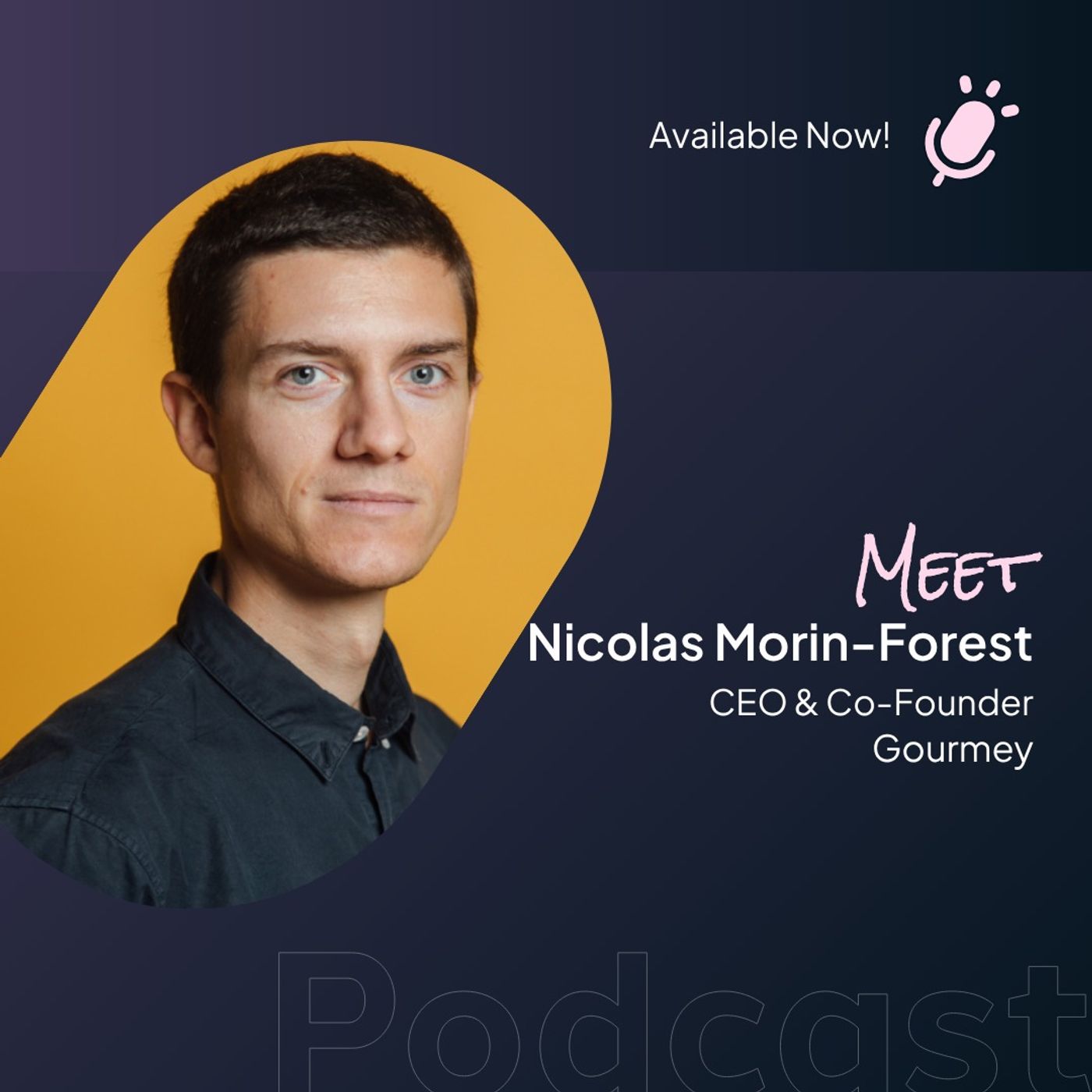
A Mission Born from the AmazonNicolas’s journey began with a first-hand experience in Bolivia, where he witnessed the environmental impact of industrial meat production and deforestation. This planted the seed for a mission-driven career focused on sustainable food. After stints in both corporate and nonprofit sectors, he became convinced that cell-cultivated meat could offer a breakthrough solution - if it could deliver on taste, scale, and affordability.From Foie Gras to the Future of FoodInstead of competing immediately with commodity meats, Gourmey launched with cultivated foie gras - a premium, high-margin product that addressed a real market gap due to supply chain volatility and regulation. This choice allowed the company to prove the viability of its tech without having to undercut traditional meat prices from the outset. By addressing an underserved culinary segment, Gourmey established credibility with chefs and customers alike.Scaling with Purpose and PrecisionGourmey has raised over €60 million and grown to a team of 50+ people. Nicolas emphasized the importance of working with mission-aligned investors who understand the long road of deep tech development. With their latest cost analysis showing production prices as low as €5-€7 per kilo, the company is entering a new phase where cultivated meat could move beyond fine dining into broader markets. This opens the door to massive potential impact in the $2 trillion meat industry.Chefs, Consumers, and the Power of TasteConsumer acceptance is rising, even before widespread availability. Gourmey's strategy includes launching in forward-looking markets like Singapore and collaborating with Michelin-starred chefs to drive trust and desirability. Nicolas believes chefs are the ultimate tastemakers who can help shift public perception - from skepticism to curiosity - by letting flavor lead the way.What’s Next: Global Expansion and Series BGourmey is currently raising a Series B round to fund its next milestones: regulatory approvals, commercialization in key global markets, and the expansion of its product range beyond foie gras and duck to other poultry and meat types. With a lean approach and efficient tech, the company aims to prove its model without the capital-heavy burden of massive infrastructure builds.
Be sure to follow Sesamers on Instagram, LinkedIn, and X for more cool stories from the people we catch during the best Tech events!
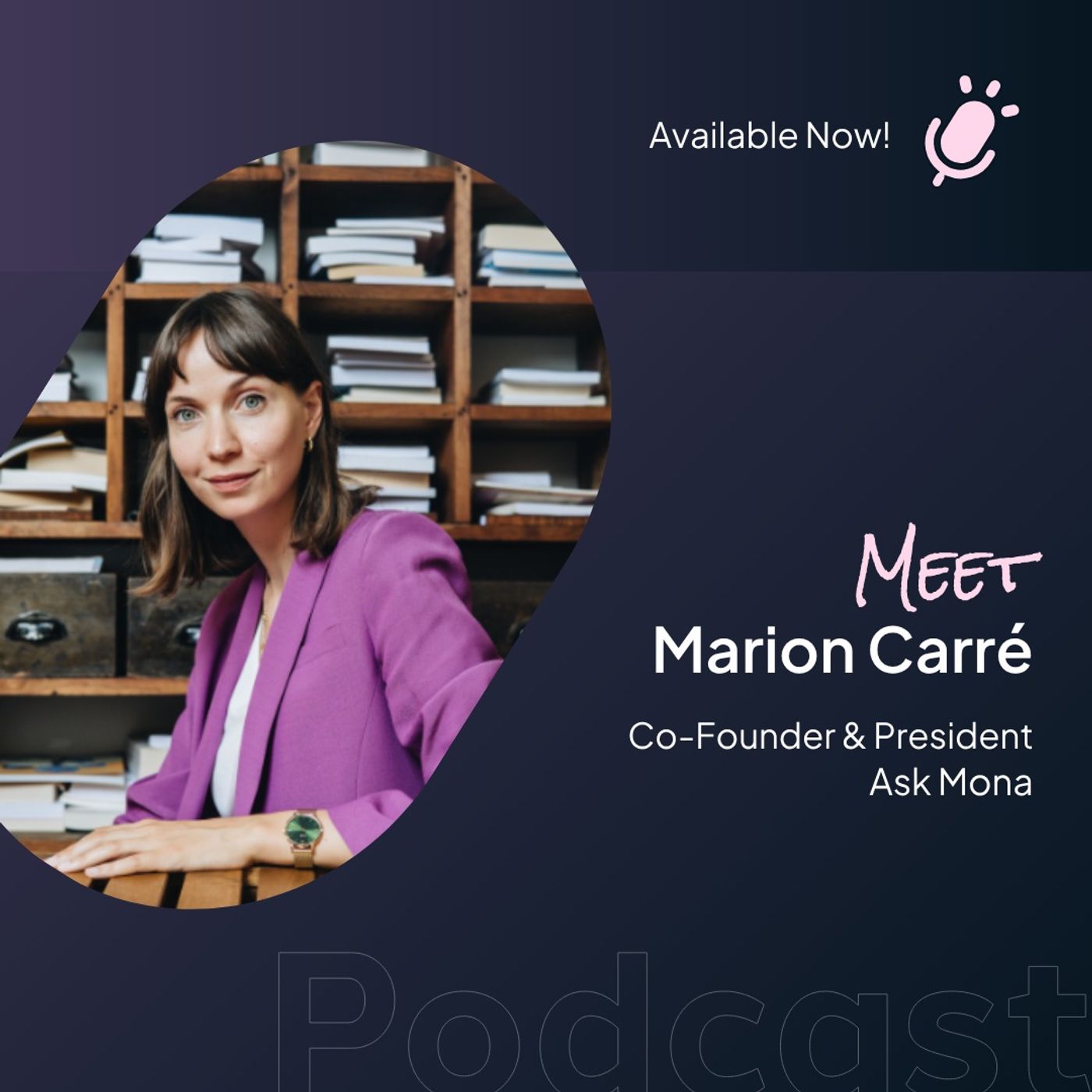
Building Ask Mona Before the AI BoomMarion co-founded Ask Mona in 2017 with the goal of making culture more interactive and accessible by enabling conversations with artworks. Back then, they used custom-built NLP tools, and the idea of combining AI and culture was seen as niche. Today, Ask Mona works with major cultural institutions worldwide, leveraging generative AI to help organizations personalize content and better engage with audiences.Curiosity as a Business CompassWhat began as a tool for museums has grown into a broader vision. Marion explains that curiosity has always been the core of their approach, whether it’s asking questions about a painting, a travel destination, or even a bottle of wine. Realizing this opened up new markets in education, tourism, and consumer goods. Ask Mona’s mission now spans any object or experience that sparks a desire to learn.Accessibility in Many FormsFor Marion, accessibility isn’t just about physical access. It’s symbolic too. Many people feel intimidated or excluded in cultural spaces. Ask Mona’s tools aim to remove those barriers by letting users ask questions in their own words, via text or voice, and get tailored answers. This promotes a more inclusive experience, particularly for those who might not feel confident navigating traditional museum formats.Wearing Multiple Hats to Humanize TechMarion’s work extends beyond entrepreneurship. As a lecturer, artist, and author, she approaches AI not just as a technical tool, but as a societal force. Her diverse roles allow her to both build and critique technology, emphasizing the importance of keeping human perspectives central in AI development. Her latest book explores how AI affects our attention and decision-making, urging reflection on how we use the tools we build.Championing Representation and Role ModelsMarion’s biography of Alice Recoque, a forgotten French AI pioneer, is part of her mission to spotlight accessible role models in tech. She believes in showcasing diverse paths into the AI field, especially for women and people from non-technical backgrounds. Her own journey, rooted in the humanities, is a testament to the value of interdisciplinary contributions to the tech world.
Be sure to follow Sesamers on Instagram, LinkedIn, and X for more cool stories from the people we catch during the best Tech events!
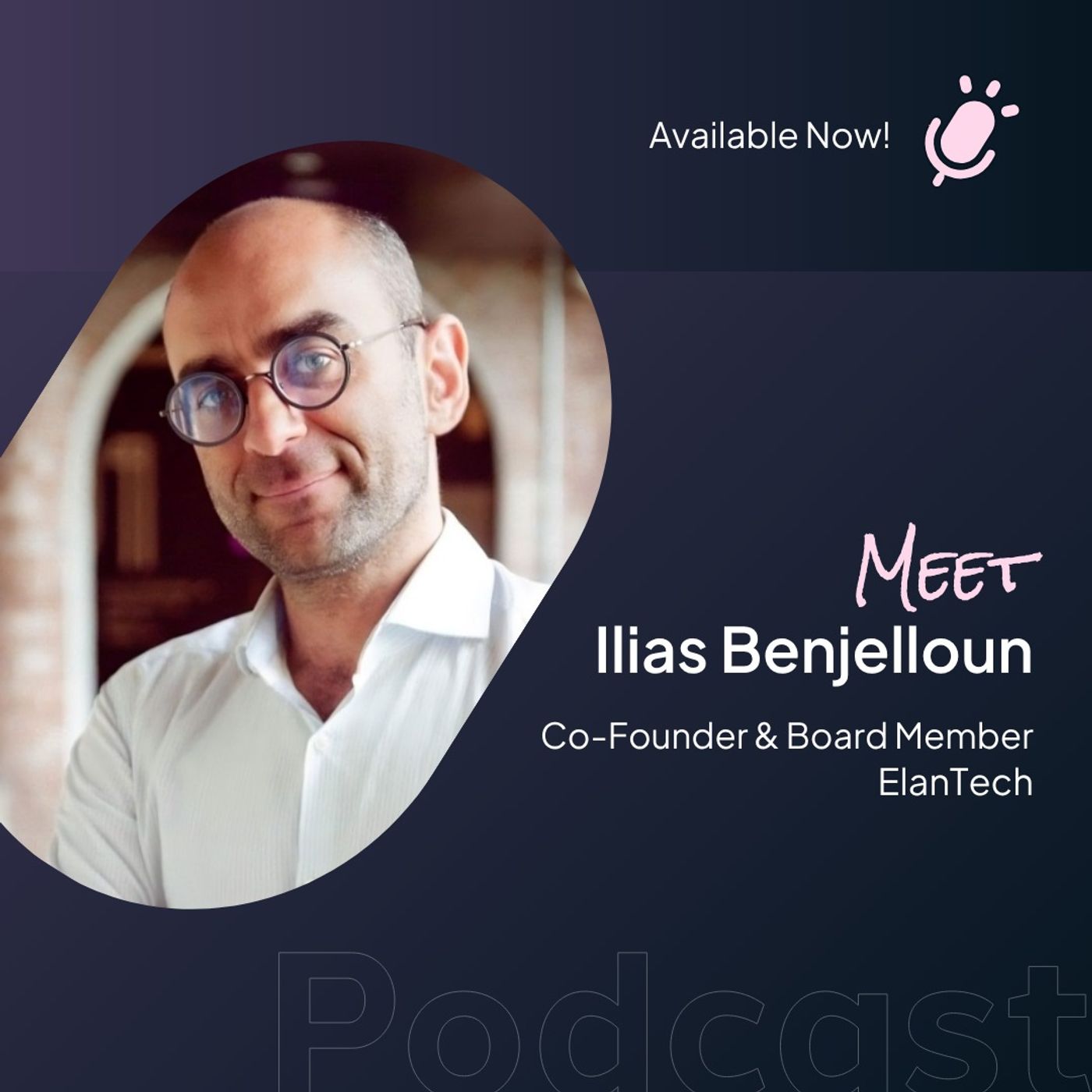
From Startup Founder to Ecosystem Bridge-BuilderIlias Benjelloun’s journey began with identifying untapped talent in Canada’s tech scene and helping create community among builders. He transitioned from launching startups to developing programs at large institutions like Desjardins, where he helped align startup innovation with corporate goals. His goal has remained constant: unlocking value trapped by outdated structures and accelerating impact through strategic collaboration.Building Innovation Programs with PurposeDuring his time at Desjardins, Ilias led several key initiatives including a $250M fund, a corporate accelerator, and a pre-incubator. What made these efforts unique was their grounding in local ecosystem needs, not top-down mimicry of Silicon Valley models. His philosophy is simple but powerful: start with what you have, listen to the community, and complement what’s missing. He was also an early advocate for integrating SDGs into innovation frameworks, proving that financial returns and social impact can go hand-in-hand.Lessons from Around the WorldHaving traveled to innovation hubs in the Middle East, San Francisco, and beyond, Ilias observed a few standout patterns: corporate investors are entering earlier, opening doors more readily, and embracing a pay-it-forward culture that fosters genuine collaboration. By contrast, some ecosystems - including parts of Canada - remain more cautious, often waiting until startups are less risky. Ilias believes this risk aversion can be overcome through smart partnerships and shared learning.The Untapped Power of the African DiasporaIlias is now focused on activating a massively underutilized force: the African diaspora in Europe and North America. These globally connected individuals hold cultural insights, technical expertise, and business potential that is often overlooked. He argues for shifting the narrative away from DEI as a moral obligation and toward viewing inclusion as a strategic business advantage, especially in sectors like climate tech, agtech, and water innovation where frugal solutions are in high demand.A New Model for Global CollaborationTo turn this vision into reality, Ilias advocates for partnerships with anchor corporates in target countries - like OCP in Morocco - and creating consortiums that lower the risk of startup collaboration. This requires intermediaries with cultural fluency and operational know-how to translate between regions. He sees VivaTech as a prime example of where these global bridges can be built, linking France, Canada, Africa, and beyond. His mission is to move from talk to action, harnessing innovation not just for returns, but for systemic change.
Be sure to follow Sesamers on Instagram, LinkedIn, and X for more cool stories from the people we catch during the best Tech events!

From Michelin Stars to Mission-Driven ImpactYannick Alléno is best known for revolutionizing French cuisine. But in recent years, he’s stepped into an entirely different arena—road safety advocacy. After his son’s life was taken in a senseless car crash, Yannick transformed his grief into action, founding an association to tackle road violence through legislative reform, youth support, and technological innovation.Launching the “Impact” Initiative at VivaTechAt VivaTech 2025, Alléno launched the Impact initiative—the first platform rallying civil tech actors to combat road deaths globally. The effort brought together over 120 startups from 42 countries, proposing solutions spanning AI, sensor tech, vehicle safety systems, and behavior-change tools. Three standout projects were showcased:A steering wheel sensor detecting alcohol levels through perspirationA motorcycle safety application enhancing rider visibilityA chemical grip agent reducing aquaplaning on roads“Tech can save lives, and it can be a good business too,” Yannick says.The Power of Storytelling & CultureBeyond policy and startups, Impact uses art and storytelling to change public perception. Its signature performance, Fragiles, fuses dance, music, and testimonies - including from perpetrators of road violence - to humanize the statistics and engage younger audiences.This intersection of emotional resonance and policy innovation is at the heart of the project’s approach.Advocacy Through Law, Support, and AwarenessImpact’s mission rests on three pillars:Legal reform: Contributing to the reclassification of reckless road violence as homicide in FranceFamily support: Providing psychological and financial help to families, especially children impacted by the loss of siblings or parentsCultural transformation: Running awareness campaigns that challenge outdated narratives around driving, alcohol, and responsibilityScaling a Global CauseFrom France to New Delhi, Alléno’s ambition is global. He’s seeking partnerships with governments, insurers, mobility companies, and tech leaders to embed road safety solutions at scale. Renault is already an anchor partner, providing both financial and strategic support.This isn’t bad luck, it’s preventable. And we can act now.Learn MoreAssociation Antoine Alléno – Official site of the initiativeImpact Project – Civil tech movement for road safetyVivaTech – France’s biggest tech & innovation eventSesamers – Discover the events and people shaping the future of innovation
Be sure to follow Sesamers on Instagram, LinkedIn, and X for more cool stories from the people we catch during the best Tech events!
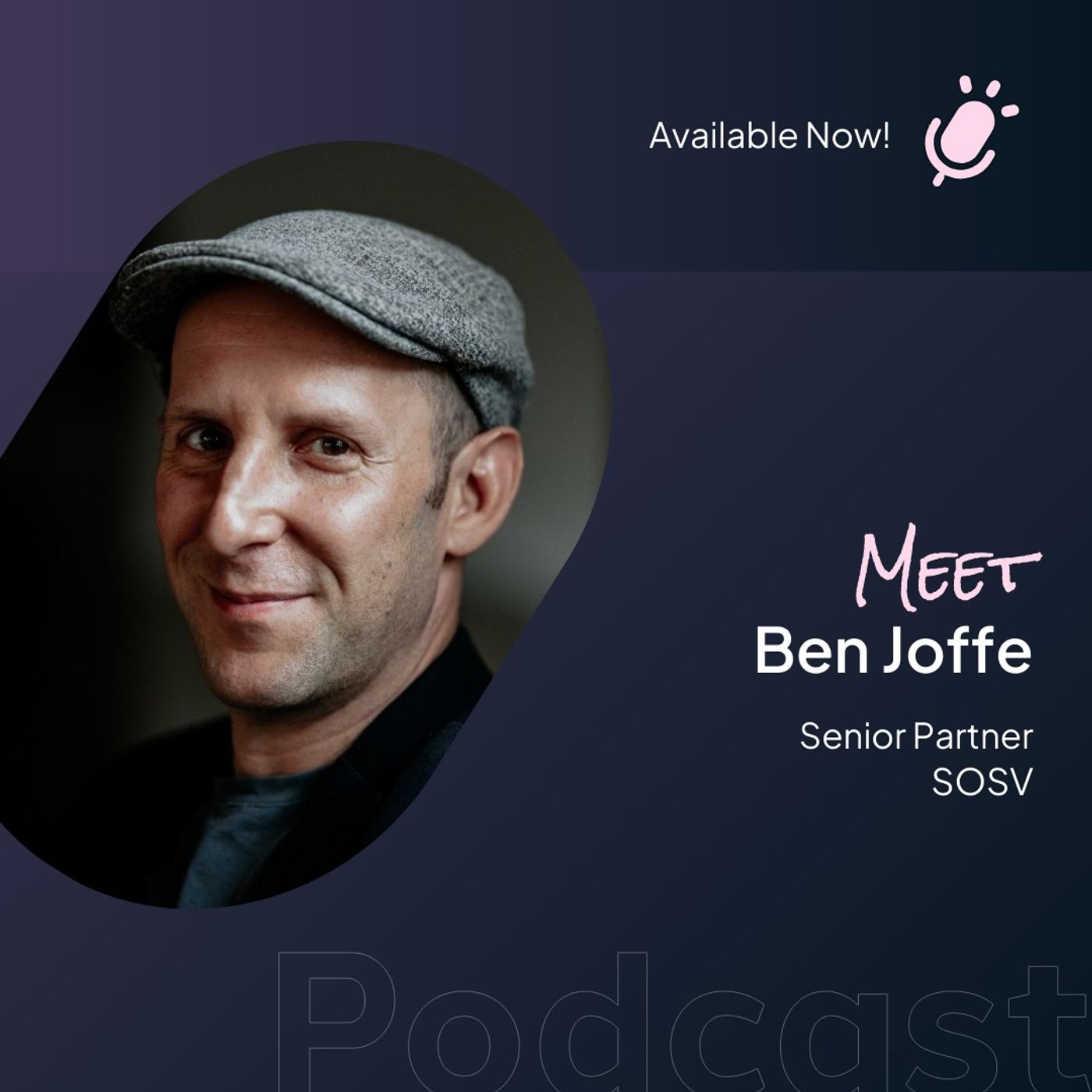
SOSV: Deep Tech Before It Was CoolSOSV wasn’t always a billion-dollar fund—it began as a scrappy experiment. Ten years ago, the team was writing $50K checks. Today, it’s a global operation with $1.5B under management, backing 60+ new startups annually and running two specialized programs:HAX for hard tech (robotics, industrial, mobility)IndieBio for biotech, food, health, and sustainabilityTheir formula? Hands-on acceleration + deep labs + strategic follow-on capital.“We’re not just investors—we’re builders. We have scientists and engineers on staff to help startups go from prototype to product faster.”The Global Deep Tech PlaybookBen’s career spans Asia (Japan, Korea, China), Silicon Valley, and Europe. While SOSV is a US-based fund, its hard tech accelerator HAX was originally launched in Shenzhen and has since relocated to Newark, NJ. Its biotech program IndieBio began in San Francisco and later expanded to New York City. Today, ~50% of SOSV’s portfolio is US-based, with the rest spread across Europe, Asia (notably Singapore), and LATAM.The Vertical Thesis: Climate, Health & IndustrialSOSV focuses on:Climate Tech: From Neptune Robotics cleaning ship hulls to AI-powered food formulationHealth Tech: With over 100 investments, including 20+ in women’s healthBiomanufacturing: Startups using biology to produce materials, pharma, food, and solvents sustainablyMatchmaking at Scale: Building Events That Actually WorkFrustrated with event inefficiencies, Ben built his own internal toolset—combining spreadsheets, Python scripts, and LLMs—to run high-efficiency online matchmaking events. These have drawn thousands of VCs and startups, focusing on niche verticals like:BiomanufacturingWomen’s HealthClimate Tech (with over 1500 participants and 800 investors)“If it takes me more than an hour to do a repetitive task, I’ll just build a tool to automate it.”And yes—SOSV has invested in eight startups discovered through these very matchmaking events.Investing Beyond the ObviousSOSV is known for spotting winners in categories others overlook. Their portfolio spans everything from plant-based AI-designed food (NotCo) to microbe-based mining. As Ben puts it:“We’re not afraid to invest in the things that don’t have a category yet.”Why Founders Should Get on StageBen spoke at over 300 events—but not for ego. As a self-described "trained shy person," it was a way to build visibility without cold outreach. For founders, the lesson is the same:“It takes three signals to make a tiger. If people hear about you on stage, in media, and from someone they trust—they believe.”In other words, visibility builds credibility.Learn MoreSOSV – Early-stage investor in deep tech and biotechHello Tomorrow – Global Summit for science and deep tech innovation
Be sure to follow Sesamers on Instagram, LinkedIn, and X for more cool stories from the people we catch during the best Tech events!

Strong by Form: From Radical Idea to JEC Sustainability WinnerWhat started as a niche academic research project has become a deep tech startup operating across Europe and Latin America, with millions raised in private funding and grants. Strong by Form developed Woodflow, a technology that turns natural timber fibers into 3D-formed structural materials, enabling strong, lightweight, and carbon-reducing alternatives to concrete, aluminum, and even steel.Their design-driven approach doesn’t just replicate wood planks—it reimagines wood as a high-performance composite, shaped by nature's logic and modern computational design.Built in Chile, Designed for EuropeThough most of the founding team hails from Chile, the company was strategically incorporated in Spain to operate within Europe’s innovation and regulation ecosystem. Today, the team is 27 people strong and split across Chile, Germany, and Spain.“Europe is tough on regulation—but it’s also where real scale is possible,” Andres explains.How Joy Division and Sustainable Slabs Came TogetherYes, their iconic waveform-style logo was sketched in five minutes. Yes, it was inspired by Joy Division. But that aesthetic also represents the undulating structural logic behind their composite designs. Andres’ co-founder Jorge, an architect-turned-engineer, originally developed the idea while studying at ETH Zurich. His mission? Create the lightest, most material-efficient structural slab possible—starting with carbon fiber but pivoting to wood for scalability and sustainability.From Friendships to FoundingStrong by Form’s founding trio came together through long-standing friendships and complementary skill sets—engineering, digital fabrication, and startup acceleration. When Jorge and Daniel realized they had a revolutionary process but no path to market, they called Andres, who had just left venture capital. He joined to build the business—and soon they were securing grants, awards, and investor interest from forestry giants and mobility leaders alike.JEC Debut: The Wooden Bike Frame That Got Everyone TalkingAt JEC 2025, Strong by Form unveiled a bike frame prototype made entirely from Woodflow, designed using composite logic rather than milled timber. It's a visual and functional proof that their stamped biocomposites can handle form, function, and strength—without carbon-intensive inputs.“This bike isn’t a gimmick—it’s a signal. We’re building with wood the way carbon fiber is used in aerospace,” says Andres.Mobility Is Back on the AgendaWhile construction remains their core focus, Strong by Form is expanding into automotive and micromobility. BMW was one of the first to express interest back in 2019—and is now working with the startup on large-scale, interior and exterior vehicle components. A million-euro grant is fueling development of their advanced pressing process, and they’re now actively engaging new partners in bikes, transportation, and e-mobility.Investors, Corporates, and the New PlaybookStrong by Form’s investor cap table is as unconventional as their tech: four corporate investors (including Europe’s top timber producers and construction leaders) and a mix of impact-oriented VCs. Andres admits they had to throw out the startup rulebook.“The first thing you're told is to avoid corporates. Well, our first investor was a corporate,” he laughs.The result is a founder journey that doesn’t follow Silicon Valley tropes—but proves that material science innovation can (and must) be funded differently.Learn MoreStrong by Form – Woodflow technology for carbon-neutral construction & mobilityJEC World – Global leader in composites innovation
Be sure to follow Sesamers on Instagram, LinkedIn, and X for more cool stories from the people we catch during the best Tech events!
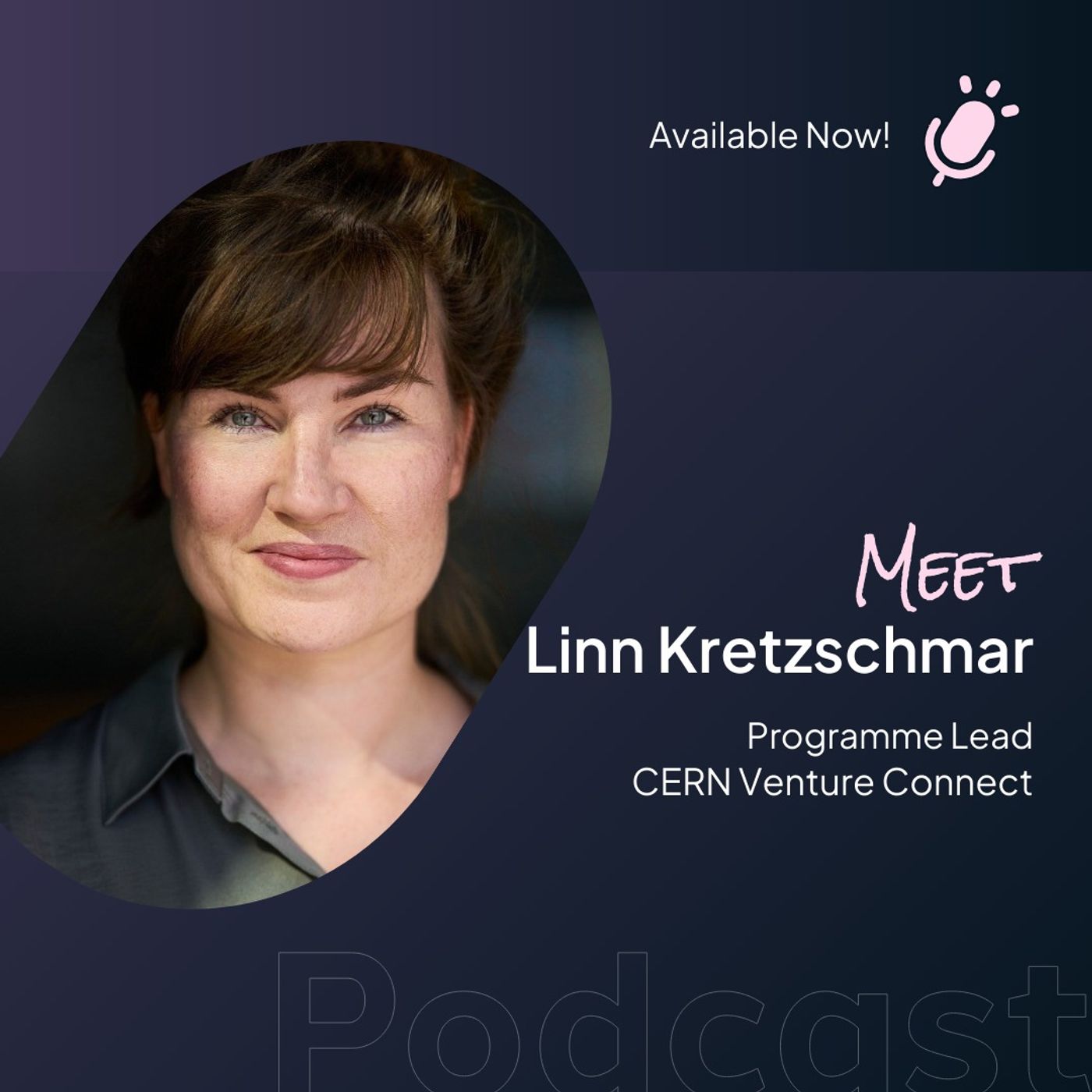
From Business Research to Particle PhysicsLinn’s path into deep tech began in business and innovation management, including time at Vienna University of Economics and Business. Her initial exposure to CERN came through an EU-funded Marie Curie research project focused on valorizing technologies for future particle accelerators. That unique intersection—cutting-edge science meets real-world applications—eventually led her to join CERN full-time in 2022.What is CERN Venture Connect?Launched in late 2023, CERN Venture Connect gives startups access to cutting-edge technologies, expert support, and a curated partner network across Europe and beyond. The goal is simple: turn advanced scientific tools into commercial solutions with real impact. The program is designed to support both internal CERN teams and external deep tech entrepreneurs.CERN’s Technology DomainsStartups engaging with CERN can tap into technologies across three key domains:Accelerators: Superconducting magnets, radiofrequency cavities, and ultra-high vacuum systemsDetectors: Microelectronics, sensors, and precision instrumentationDigital: Distributed data systems, AI for real-time processing, and tools that manage 20TB/sec of sensor dataThese tools, originally designed for particle physics, are now finding applications in manufacturing, sustainability, health tech, and consumer goods.Founder-Friendly Licensing & Nonprofit IncentivesCERN offers non-equity, royalty-based licenses to startups. There’s no cost until your startup generates more than €1 million in revenue, at which point CERN takes 2% of revenues to reinvest in R&D and internal innovation grants. The priority isn’t profit—it’s impact and dissemination, aligned with CERN’s public mandate.From Lasers to Avocados: Real Use CasesA standout example: Dutch startup Inphocal, incubated via HighTechXL, uses CERN’s structured laser beam to mark curved surfaces—like Coke bottles or fruit—without damaging the product or using ink. Originally developed for precision alignment in particle accelerators, the tech is now powering high-speed, sustainable printing solutions in consumer goods.How the Program WorksStartups apply via the CERN Venture Connect website, selecting relevant technologies and submitting a business case. CERN assesses technical fit and commercial viability, often in collaboration with its partner network of:50+ organizations across VCs, accelerators, legal support, and national innovation hubsSupport includes expert mentorship, hardware prototyping, and investor matchmakingAcceptance is selective: 40 applications led to 5 startups in the first year.Not Just a Logo: Avoiding MisalignmentLinn emphasizes that the goal is not vanity partnerships or logo-stacking. Startups must show clear technical alignment and commercial rationale. If existing commercial technologies can solve your challenge, CERN encourages you to use those instead. Their technologies are intended to fill gaps in the market, not compete with industry.Internal Incubation and SpinoutsRoughly 40% of the startups in the program come from inside CERN—scientists exploring entrepreneurship as a career path. The other 60% are external founders, many of whom discover CERN technologies through events, venture builders, or deep tech networks.Why Events Like Hello Tomorrow MatterAs one of the world's top physics labs, CERN isn’t always top-of-mind for startup founders. That’s why events like Hello Tomorrow are essential for visibility and discovery. “We have the tech and the founder-friendly terms—we just need startups to come,” says Linn. You’ll also find them at Web Summit, Hello Tomorrow Turkey, and other innovation gatherings throughout the year.Learn More & ConnectWebsite: ventureconnect.cernLinkedIn: Linn KretzschmarCERN on LinkedIn: CERN
Be sure to follow Sesamers on Instagram, LinkedIn, and X for more cool stories from the people we catch during the best Tech events!

From Surfboards to Sustainable CompositesWhat started as a DIY surfboard made from recycled cardboard quickly turned into a deep-tech material startup. François initially entered—and won—an innovation competition in California. But the surf industry was too niche, so he pivoted to a broader mission: replace carbon-intensive materials in furniture, mobility, and industrial design.What Is Airboard’s Innovation?Airboard transforms recycled cardboard into composite sandwich panels, competing directly with wood, aluminum, and even honeycomb cores. Their breakthrough lies not just in the material—but in the machinery they’ve developed to treat and mold the waste without water or high energy use. The result: lightweight, strong, and fully moldable bio-based composites.Scaling Through Machines, Not MegafactoriesUnlike traditional manufacturers, Airboard isn’t building one big factory. Instead, they’re creating a scalable machinery platform, inspired by models like Tetra Pak, to enable local production at the source of waste. This distributed approach is designed to keep emissions low and business margins healthy.The Challenges of Hardware-Led InnovationDeveloping novel materials is hard. Developing machines to produce those materials is even harder. François shares how most of Airboard’s progress has been self-funded or bootstrapped—and why fundraising is now critical to accelerate R&D and scale production. The team is currently raising €2 million to build next-generation machines and meet growing demand.The Power of Events: From Techstars to JEC WorldAirboard’s journey was accelerated by attending JEC World 2024 as a visitor. There, François connected with Techstars, joined their sustainability accelerator, and gained exposure to investors and industrial partners. A year later, Airboard returned as an exhibitor—now part of JEC Startup Booster, the Innovation Planet, and the bio-based materials showcase.Why Airboard’s Model ResonatesBio-based & circular: They reuse waste without water or chemicals.Low-energy manufacturing: Their machines are analog, efficient, and easy to deploy.Custom shaping: Thanks to composites, the material can be molded into complex designs.No sanding: Their process eliminates time-consuming post-processing steps.The Bigger Vision: Local MicrofactoriesFrançois isn’t chasing headcount or mass centralization. His vision is a network of local microfactories, embedded in places where cardboard waste is abundant. From automotive OEMs to IKEA-style furniture producers, he believes Airboard machines could sit within customer facilities, enabling on-demand, sustainable material production.A Fresh Take on SustainabilityWhen asked what’s most needed for real sustainability in the composites industry, François doesn’t cite regulation or capital. He says: time. Time to think differently, to explore outside the box, and to develop better systems. “The most valuable thing in the world is time,” he says—something big manufacturers often lack.Learn More About AirboardWebsite: [Coming soon — follow updates on Trashboard]Instagram: @trashboardLinkedIn: François JaubertCurrently raising: €2M to scale production and finalize next-gen machines
Be sure to follow Sesamers on Instagram, LinkedIn, and X for more cool stories from the people we catch during the best Tech events!

From Utilities to Venture Capital: A Career at the Crossroads of InnovationMatt’s career began in the energy sector during a pivotal time of deregulation in California. This early exposure to innovation within legacy industries laid the foundation for a lifelong pursuit: helping large corporations and startups work together to drive transformative change. After 15 years in VC, a stint as an entrepreneur, and a move into corporate venture capital, Matt now leads Syensqo Ventures, a fund backed by one of the world’s largest materials science companies.What is Syensqo Ventures?Spun off from Solvay in 2024, Syensqo is a €7B global materials company focused on high-performance, sustainable solutions. Its venture arm—an €80M evergreen fund—invests globally in startups developing advanced materials, often at the intersection of mobility, circularity, bio-based products, and AI-powered materials discovery.Corporate VC with a Strategic EdgeUnlike traditional VCs, Syensqo Ventures looks for strategic alignment. Startups that can benefit from Syensqo’s deep material science expertise, infrastructure, or supply chain are most likely to receive investment. “I want to know what Syensqo can do to help accelerate your business,” says Matt.When to Approach Syensqo VenturesThe team invests early—typically at seed or Series A stages—when startups are still figuring out product-market fit and need help with technical validation, de-risking, or market entry. With six team members across the US, Europe, and Asia, they invest globally and often co-invest with financial VCs. They can lead rounds if needed, with typical check sizes ranging from €250K to €3M, and reserves for follow-ons.Key Focus AreasBiomaterials: As demand grows for sustainable consumer products, bio-based inputs are becoming more relevant.Composites & Circular Design: Syensqo is prioritizing innovations that enable lightweight, recyclable, and high-performance materials for aviation, automotive, and consumer goods.AI & Materials Discovery: While AI is lowering the cost of discovery, commercialization still requires partnerships, manufacturing, and distribution—areas where corporates play a key role.Corporate Innovation Isn’t a Solo GameMatt emphasizes that innovation doesn’t belong solely to startups or corporates—it’s a shared journey. Syensqo runs internal R&D, collaborates with universities, and co-develops products with startups. "There’s no frontier—just partnerships that accelerate solutions."Circularity by Design: From Targets to ImplementationSyensqo publicly reports on circular sales, using a metric developed with the Ellen MacArthur Foundation. This isn't just marketing—it's part of how the company defines and measures sustainability goals across its value chains. For startups, this signals a strong alignment in building products that are recyclable, bio-based, or reduce environmental impact.Regional Insights & Global AmbitionsWhile the team sees startups following similar patterns globally, they tailor their approach by region—with specific networks in Europe, North America, and Asia. They're active co-investors in funds like Sofinnova and IndieBio, particularly in the biotech and advanced materials space.Learn More about Syensqo VenturesWebsite: Syensqo VenturesLinkedIn: Matt Jones – SyensqoCompany LinkedIn: Syensqo
Be sure to follow Sesamers on Instagram, LinkedIn, and X for more cool stories from the people we catch during the best Tech events!

From Defense to Deep Tech: A Mission-Driven PivotSam’s professional path began in defense and humanitarian operations, where she witnessed firsthand the enormous waste created by high-tech, mission-critical gear—aircraft components, body armor, and more. Frustrated by the environmental impact and economic loss of disposal, she teamed up with Jamie Meighan, a former RAF officer, to co-found Uplift360: a company that chemically recycles advanced materials like Kevlar and carbon fiber composites, turning waste into high-value resources.Building Uplift360: Science First, Then Everything ElseFounded in 2021 in the UK and now headquartered in Luxembourg, Uplift360 has grown to 16 team members—mostly scientists focused on R&D in materials, chemistry, and engineering. Their Series A launch was announced live on stage at JEC. Until recently, the company operated with no dedicated marketing team, a common thread in the composites industry. That changed with the arrival of an intern named Trisha, who helped reshape their brand presence, website, and press strategy—proving marketing matters, even in deep tech.Dissolving the Indestructible: Breakthrough with KevlarAt JEC, Sam unveiled a major milestone: Uplift360 successfully dissolved and respun para-aramid fibers (known commercially as Kevlar and Twaron) using a proprietary chemical process. These materials, once considered unrecyclable, can now be transformed into new high-performance fibers. With a price tag of nearly €100/kg, this isn’t just a sustainability win—it’s an economic one.“Kevlar is 80 times more expensive than steel—and we’re turning it from a waste burden into a circular asset.”Scaling Impact Across IndustriesWhile Uplift360’s first use case is defense, the applications are expanding into aerospace, mass transit, and even outdoor gear—industries previously wary of para-aramid’s carbon footprint. Uplift’s regenerated fibers offer up to 75% less CO₂ impact compared to virgin materials, making circularity a business case, not just a moral one.The Power of Circular EconomicsSam emphasizes that sustainability alone isn’t enough to drive industrial change. What works is circular innovation that aligns with business incentives. Uplift360’s pitch: transform waste into supply chain independence and margin growth. In a world increasingly focused on strategic autonomy, especially in Europe, that message is resonating—especially with defense and aerospace leaders.Regulation, Resilience, and European AdvantageUplift360’s growth is partly enabled by Europe’s progressive stance on waste regulation, green R&D funding, and climate goals. Being based in Luxembourg gives them access to EU-level policy and markets, and Sam sees the region as both a testing ground and a launchpad for global expansion.“Europe may not be sitting on mountains of fossil fuels—but we’re sitting on mountains of waste. That’s our strategic resource.”Learn MoreUplift360 – Pioneering material regenerationJEC World – The leading international composites show
Be sure to follow Sesamers on Instagram, LinkedIn, and X for more cool stories from the people we catch during the best Tech events!

From Textiles to Tech: Michiel’s Unconventional PathMichiel Scheffer’s roots lie in the textile industry, but his career has always been at the crossroads of manufacturing, innovation, and public policy. Starting with a thesis on EU research in 1986, he’s worn many hats—consultant, regional politician, and academic. His experience designing startup support mechanisms at a regional level set the stage for his role at the EIC, where he now shapes pan-European funding strategy for deep tech.Inside the EIC: Europe’s Engine for InnovationThe European Innovation Council was established in 2018 to help Europe compete globally by backing breakthrough technologies. With funding instruments aligned across Technology Readiness Levels (TRLs) —from Pathfinder (TRL 1–4), Transition (TRL 4–6), to Accelerator (TRL 6–9)—the EIC covers the full innovation funnel. It doesn't just provide grants and equity investments, but also business acceleration services, policy advocacy, and ecosystem building.Grant size: ~€2.5MEquity investments: €2.5M to €10M (up to €30M via STEP instrument)Target companies: Deep tech startups with long commercialization timelines and high potential impactBuilding a “Single Market for Startups”Scheffer sees the EIC as more than just a funder—it’s a catalyst for a unified European startup ecosystem. Through initiatives like the Trusted Investors Network (78+ VCs collaborating on EIC-backed startups), corporate matchmaking, and strategic programs in quantum, biotech, and advanced materials, the EIC aims to reduce fragmentation and accelerate scale across borders.Deep Tech is a Long Game—And Europe Needs PatienceScheffer emphasizes that EIC funds companies with a 5+ year horizon to profitability, deliberately avoiding short-term, SaaS-style ventures. Startups in areas like quantum computing, biotechnology, sustainable materials, and medical imaging need time—and serious support—to succeed. That’s why the EIC targets startups with real traction, typically 7+ years old, with clear market understanding and a mature go-to-market strategy.Breaking Barriers: Regulation, Scaling, and SovereigntyScheffer’s vision goes beyond funding. He’s vocal about:The need for smarter regulation, not deregulation—especially in health, energy, and foodThe challenges of scaling startups beyond €20M rounds in EuropeStrategic autonomy in data, energy, materials, and agri-food systemsSupport for a potential 28th EU business regime to simplify multinational startup operationsReal Impact Over Vanity MetricsOne of Scheffer’s key messages is ensuring deep tech reaches the real world. It’s not enough to have promising startups in labs or accelerator programs—what matters is whether they create jobs, products, and solutions that citizens across Europe can see and benefit from. His benchmark? “What will my daughters say in 20 years about what I’ve done?”Advice for Founders: Think Long, Pitch RealScheffer urges founders to:Be strategic: Don’t apply too early or with incoherent proposalsUnderstand EU context: Funding decisions factor in climate, digital, and strategic autonomy goalsAvoid buzzwords: Clearly define your tech, impact, and commercialization planConnect through ecosystem channels: LinkedIn, EIC ambassadors, and board membersLearn MoreEuropean Innovation Council (EIC)
Be sure to follow Sesamers on Instagram, LinkedIn, and X for more cool stories from the people we catch during the best Tech events!

From Consulting to Climate Investment: The Birth of SlateSébastien Léger's path to venture capital began with nearly two decades at McKinsey, advising on cleantech and building decarbonization scenarios. Around 2020, driven by curiosity about the "next 40%" of technologies not yet at economic parity, he shifted focus toward startups. This exploration led to the co-founding of Slate Venture Capital, alongside two seasoned entrepreneurs and another investor, with a mission to fund and support the next generation of climate innovators.Why Materials Matter in Climate TechFrom clothing to electronics, materials are everywhere—and they’re central to climate challenges. Léger sees advanced materials as pivotal in reducing emissions, increasing circularity, and enabling innovation in key sectors like batteries, wind turbines, and construction. Slate’s fund targets startups that help reduce, replace, or repair environmental impact, with materials playing a critical role across all three.Investing with Impact: Slate’s CriteriaSlate focuses on Series A and B investments, writing checks between €4–15M and typically taking a 10% stake. Beyond capital, they offer strategic support through a unique network called the Collective Brain—a group of 80–100 experts in industrial scaling, manufacturing, and supply chains. Their investment decisions are based on:Climate impact: CO₂ and resource reduction potential.Commercial traction: Real (not R&D-subsidized) revenues and customer validation.Exit potential: Clear pathways to scale and acquisition.Team strength: Experienced founders solving real, validated problems.Deal Sourcing in the Climate Tech SpaceEurope is home to around 2,000 climate startups, and Slate accesses them through a mix of inbound outreach, referrals, and direct participation in events like JEC World. Léger stresses the importance of long-term visibility, often engaging with startups well before they’re ready for investment.Understanding Circularity Without the BuzzWhile terms like “circularity” and “sustainability” are widely used, Léger emphasizes the need for substance over slogans. He encourages founders to frame their value proposition not just around technology, but around tangible customer and environmental impact—highlighting how their solution improves resilience, reduces waste, or supports biodiversity.Advice for Founders: Don’t Lead with TechOne of the key takeaways for startup founders? Focus on the problem, not the product. Léger advises against diving deep into technical details like "the best membrane or algorithm." Instead, founders should clearly articulate the problem they solve, the measurable impact they create, and their path to scale. Climate VCs want to hear about outcomes, not just engineering.The Role (and Limits) of RegulationRegulation can accelerate climate innovation—but it’s not always reliable. Léger notes that while government support (especially in Europe) has driven demand in sectors like solar and wind, startups should aim to create business models that are sustainable with or without policy tailwinds.
Be sure to follow Sesamers on Instagram, LinkedIn, and X for more cool stories from the people we catch during the best Tech events!

Revolutionizing Sustainability in Deep Tech: Ben Saada of FAIRMATIn this episode of the Selected podcast, host Ben Costantini interviews Ben Saada, the founder and CEO of FAIRMAT, live from JEC World 2025.Ben Saada, a pioneer in sustainable materials and deep tech, discusses his journey from inventing the world's lightest aircraft seat to leading FAIRMAT, a startup focused on recycling carbon fiber composites. Saada explains the challenges of recycling advanced materials, his company's innovative mechanical processes, and the importance of creating sustainable and economically viable solutions. He also talks about raising funds, the significance of being a certified B Corp, and his vision for the future of FAIRMAT. Tune in to learn more about material innovation and sustainability in the tech industry.00:00 Introduction to the Selected Podcast00:30 Meet Ben Saada, Founder of FAIRMAT01:33 Journey Before FAIRMAT02:46 The Birth of FAIRMAT04:59 Challenges and Innovations in Recycling Carbon Fiber05:58 FAIRMAT's Unique Recycling Process08:34 Growth and Funding of FAIRMAT12:14 FAIRMAT's Market and Applications14:05 Sustainability and B Corp Certification16:28 Global Presence and Future Vision20:42 FAIRMAT at JEC World 202521:28 Conclusion and Farewell
Be sure to follow Sesamers on Instagram, LinkedIn, and X for more cool stories from the people we catch during the best Tech events!

From Journalism to PR: An Unplanned PathJulija’s journey into PR wasn’t intentional—she originally planned to become an investigative journalist. A chance conversation with a top journalist led her to explore public relations, a field she knew little about at the time. This unexpected pivot eventually shaped her career, proving that seizing opportunities and networking can lead to new and exciting paths.Why Startups Need a Different PR ApproachUnlike large corporations, startups don’t have an established reputation to manage—they need to build it from the ground up. This requires a different PR strategy, one focused on storytelling and visibility. Julija realized there was a gap in the market for PR agencies that understood startups' unique challenges, which led her to launch Black Unicorn PR. Her agency helps founders navigate media relations, positioning them in top-tier publications.Finding the Right PR Agency: What Founders Should KnowNot all PR agencies are the right fit for startups. Julija emphasizes that founders should look for agencies that manage expectations realistically and prioritize long-term brand building over quick media hits. A good PR agency will be honest about what’s achievable and won’t promise instant results. Chemistry between the founder and the agency is also key—without trust, effective collaboration is impossible.The Role of AI in PR: A Tool, Not a ReplacementWith AI tools becoming more common, many feared that PR professionals would be replaced. However, Julija believes AI can enhance productivity but can’t replace human creativity and relationship-building. While AI can help with grammar checks and basic content generation, PR remains a deeply human-driven industry, relying on authentic storytelling and journalist connections.The Power of Networking and Building Long-Term RelationshipsJulija’s career highlights the importance of networking—not just for sales, but for long-term opportunities. She advises founders to attend industry events with an open mindset, rather than a transactional approach. Building relationships naturally, rather than aggressively pitching, often leads to valuable connections that can pay off years down the line.PR is a long game, and startups that approach it strategically—by focusing on storytelling, authenticity, and the right partnerships—can build a strong reputation that supports their growth.
Be sure to follow Sesamers on Instagram, LinkedIn, and X for more cool stories from the people we catch during the best Tech events!

Encouraging New Startups in the BalticsOne of TechChill’s main goals is to inspire and support new startup founders in the Baltic region. With over €60 million in new funding available, there’s never been a better time for entrepreneurs in Latvia and beyond to launch their ideas. TechChill is positioning itself as a key player in guiding these founders by providing expert-led content on business growth, funding, and scaling strategies.A Shift Toward Practical, Founder-Focused ContentWhile TechChill has always prioritized startups, the event has refined its focus on delivering content that directly benefits founders. From sales and marketing to tech and funding, each aspect of the event is designed to help early-stage companies grow. By packaging these insights into accessible sessions, TechChill ensures that attendees leave with actionable knowledge.Expanding Beyond Events: A Year-Round Startup Support NetworkTechChill is more than just a once-a-year event. Throughout the year, the organization promotes Baltic startups internationally, helping them gain exposure in key markets like San Francisco and Helsinki. By connecting founders with investors and global tech leaders, TechChill plays a crucial role in strengthening the region’s startup ecosystem.Lessons from Expanding into ItalyTechChill’s attempt to expand into Milan was an eye-opening experience. While the event was well-received, it highlighted the importance of having strong local partners to build a lasting community. Cultural and business differences also played a role, making it clear that successful ecosystem building requires deep local engagement. This experience reinforced TechChill’s commitment to focusing on the Baltics while selectively exploring high-impact collaborations.Supporting Ukraine’s Startup EcosystemTechChill has also taken an active role in supporting Ukraine’s startup community. Recognizing Ukraine’s strong talent pool and growing entrepreneurial spirit, TechChill has facilitated connections between Baltic and Ukrainian founders, investors, and community builders. Their efforts, including trips to Kyiv and partnerships with local stakeholders, aim to create meaningful opportunities for Ukrainian startups despite ongoing challenges.TechChill’s evolution reflects a broader mission: to make the Baltics a thriving hub for innovation. By fostering new startups, offering hands-on learning, and expanding international connections, it continues to shape the future of the region’s tech ecosystem.
Be sure to follow Sesamers on Instagram, LinkedIn, and X for more cool stories from the people we catch during the best Tech events!

The birth Of PlanA: turning science into business actionPlanA was created to bridge the gap between climate science and actionable business strategies. In 2017, few businesses understood the importance of sustainability, and there were minimal regulations to guide them. PlanA emerged as a platform that helps companies align their growth with environmental responsibility, demonstrating that sustainable practices can drive success.Leveraging data and AI for decarbonizationPlanA’s platform uses extensive data analysis to offer businesses tailored sustainability strategies. The software not only identifies opportunities for improvement but also provides actionable steps to implement changes. Advanced AI technology ensures that even when data is incomplete, accurate projections and recommendations are made to guide companies in their decarbonization efforts.Addressing the carbon bubble and financial risksThe concept of the carbon bubble highlights the overvaluation of fossil fuel companies due to changing legislation and increasing climate costs. This poses risks for businesses and financial institutions relying on outdated assets. PlanA works with its clients to reduce these risks by providing financing and tools to transition toward more sustainable operations.Driving innovation beyond compliancePlanA goes beyond helping businesses meet regulatory requirements by fostering a culture of sustainability that drives innovation. The platform enables companies to identify cost-saving opportunities while improving their environmental performance. It demonstrates that sustainability is not just about compliance but also a pathway to long-term growth and competitiveness.PlanA’s approach to sustainability showcases the transformative power of innovation and the urgency of addressing climate challenges through actionable solutions. Its commitment to aligning business strategies with environmental goals is a blueprint for a sustainable future. Find Lubomila on:LinkedIn: Lubomila JordanovaTwitter/X: @PlanAearth Find Ben on:LinkedIn: Ben CostantiniTwitter/X: @bencostantini--Be sure to follow Sesamers on Instagram, LinkedIn, and X for more cool stories from the people we catch during the best Tech events!
Be sure to follow Sesamers on Instagram, LinkedIn, and X for more cool stories from the people we catch during the best Tech events!

From investment to climate-tech entrepreneurshipAfter years as a venture capitalist, Marta Sjögren transitioned into climate tech to make a direct, positive impact on the environment. She used her experience in scaling businesses to co-found Paebbl, aiming to address the pressing challenges of climate change by focusing on innovative materials for construction.Accelerating natural processes to combat emissionsPaebbl’s technology fast-tracks the natural process of mineralization, transforming CO2 gas into rock-like materials that can be used in construction. This method relies on crushed minerals, biogenic CO2 sources, and environmentally friendly accelerants, offering a scalable solution to reduce emissions in the built environment.Building a diverse and future-ready teamThe company’s team brings together expertise from various industries, emphasizing diversity in skills and perspectives. By leveraging cutting-edge tools like generative AI, Paebbl enhances productivity while maintaining a lean workforce capable of meeting global scaling demands.Collaborating for industry-wide impactPaebbl works with leading construction and materials companies to drive the adoption of sustainable practices. Through these partnerships, the company integrates its products into the construction value chain, enabling large-scale decarbonization of projects worldwide.Pioneering sustainable constructionPaebbl exemplifies how innovative technology and strategic collaboration can drive meaningful change in the fight against climate change. By transforming CO2 into sustainable building materials and fostering partnerships across the construction industry, the company is not just reducing emissions but actively contributing to a future where construction can help restore the planet’s carbon balance. Their work serves as a blueprint for how industries can align profitability with sustainability, paving the way for a greener, more resilient world. Find Marta on:LinkedIn: Marta SjögrenTwitter/X: @martasjogrenFind Ben on:LinkedIn: Ben CostantiniTwitter/X: @bencostantini--Be sure to follow Sesamers on Instagram, LinkedIn, and X for more cool stories from the people we catch during the best Tech events!
Be sure to follow Sesamers on Instagram, LinkedIn, and X for more cool stories from the people we catch during the best Tech events!

Nordic innovation as a foundation for global impactTom Henriksson, a seasoned venture capitalist and General Partner at OpenOcean, began his career in the 1990s when Finland’s startup ecosystem was in its infancy. At the time, the region had limited global tech presence, but it has since grown into a leader in STEM education and data-driven innovation. Today, the Nordics are known for producing companies that excel in analytics and automation, leveraging their strong foundation despite a relatively small population.OpenOcean’s focus on scaling data-driven businessesOpenOcean, a venture capital firm founded in 2010, specializes in supporting data-intensive business software startups in Europe. With its origins tied to the success of MySQL, the firm emphasizes helping entrepreneurs turn small-scale ideas into globally scalable enterprises. The team has built its reputation on fostering innovation in industries that rely heavily on data.Advancing AI adoption in enterprise softwareThe podcast highlighted the challenges enterprises face in adopting artificial intelligence technologies. OpenOcean supports startups that simplify AI integration by creating tools and solutions that streamline processes and reduce the need for specialized expertise. One example discussed was a company leveraging AI to improve product launches by predicting success and optimizing strategies.Building connections through a legendary poker tournamentAn annual poker tournament hosted by OpenOcean during the Slush conference has become a memorable tradition. This informal event combines networking with a relaxed environment, fostering connections within the global startup ecosystem. While it adds a playful twist to the conference, it also serves as a platform for meaningful professional interactions.By blending a focus on data-intensive startups with a deep commitment to the Nordic ecosystem, Tom Henriksson and OpenOcean continue to shape the future of venture capital. Whether helping enterprises navigate AI or hosting iconic events like their poker tournament, their mission remains clear: empowering entrepreneurs to build scalable, impactful businesses.Find Tom on:LinkedIn: Tom HenrikssonTwitter/X: @openoceanvcFind Ben on:LinkedIn: Ben CostantiniTwitter/X: @bencostantini--Be sure to follow Sesamers on Instagram, LinkedIn, and X for more cool stories from the people we catch during the best Tech events!
Be sure to follow Sesamers on Instagram, LinkedIn, and X for more cool stories from the people we catch during the best Tech events!

Comments

Download from Google Play

Download from App Store
 United States