


Madlik Podcast – Disruptive Torah Thoughts on Judaism
Subscribed: 27Played: 786
Subscribe


Description
The Malcolm Gladwell of the Torah -- That's how listeners describe Madlik™ – where sharp insight meets sacred text. With the curiosity of a cultural critic and the soul of a yeshiva bochur, Madlik ignites Jewish thought from a post-orthodox perspective.
Each weekly episode explores the Torah with fresh eyes — drawing unexpected connections, challenging assumptions, and offering a heterodox yet deeply rooted take on halachic and philosophical questions.
Born of a lifelong love for Jewish texts and a refusal to let tradition become static, Madlik keeps the flame of Judaism burning — not by preserving the embers, but by lighting new fires.
In Hebrew, מדליק (Madlik) means to ignite. But in modern slang, it simply means cool. We aim to be both.
Each weekly episode explores the Torah with fresh eyes — drawing unexpected connections, challenging assumptions, and offering a heterodox yet deeply rooted take on halachic and philosophical questions.
Born of a lifelong love for Jewish texts and a refusal to let tradition become static, Madlik keeps the flame of Judaism burning — not by preserving the embers, but by lighting new fires.
In Hebrew, מדליק (Madlik) means to ignite. But in modern slang, it simply means cool. We aim to be both.
274 Episodes
Reverse

What if I told you the Talmud's greatest secret for surviving a crisis isn't fighting harder—it's assuming the exact opposite of what you think is true? In this special Purim episode of Madlik Disruptive Torah, Geoffrey Stern and Rabbi Adam Mintz explore the Megillah's phrase וְנַהֲפוֹךְ הוּא (ve-nahafoch hu) — "everything was turned upside down" — and ask what it means after Purim, in a world facing crisis and uncertainty. Key Takeaways Reversal Is a Mindset, Not a Miracle. Crisis Is an Invitation to Rethink the Paradigm. Argue Hard. Stay Together. Timestamps [00:00] Purim Eve Tension [00:43] V'nahafoch Hu Mindset [01:57] Meet the Hosts [03:20] Esther Texts Reversal [05:01] Greenberg on Paradox [07:15] Turn It Over, Pirkei Avot [09:18] Talmudic Opposite Logic [14:55] Cafe Hafuch and Disagreement [18:31] Purim Rule Breaking [21:44] Kuhn and Paradigm Shifts [25:26] Startup Nation Debate Culture [28:26] War Reality and Prayer Links & Learnings Sign up for free and get more from our weekly newsletter https://madlik.com/ Sefaria Source Sheet: https://voices.sefaria.org/sheets/711758 Transcript here: https://madlik.substack.com/
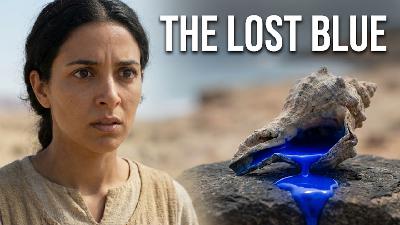
If you want to understand the Jewish story, start with a color. This week we're rebroadcasting one of my favorite episodes from 2022 — an episode about a single color that somehow contains an entire Jewish narrative: tekhelet, that rare, stubborn, unforgettable blue. We're revisiting a conversation that feels more timely than ever. As antisemitism re-emerges in public life, people are reaching again for symbols — simple, visible markers that say: I'm here. I'm not hiding. I'm not alone. One of those symbols is the Blue Square Campaign — a small square of blue worn or posted as a public expression of solidarity. Key Takeaways Blue teaches that holiness belongs to everyone. Blue reminds us that identity is visible, resilient, and remembered. Blue proves that a people can lose its Temple and still keep its thread. Timestamps [00:00] Why Blue Now [02:23] The Torah's Blue Thread [04:19] Tekhelet in the Mishkan [08:27] From Priest to People [13:19] Sea, Sky, and the Throne of Glory [17:04] The Desert Supply Mystery [19:45] Royal Blue and Authority [22:40] Lost and Found Tekhelet [25:20] Fakes and Black Markets [28:01] Tzitzit and P'til Tekhelet: Wordplay [32:29] Blue and White, and Israel [34:18] Shabbat Wrap Up Links & Learnings Sign up for free and get more from our weekly newsletter https://madlik.com/ Sefaria Source Sheet: https://voices.sefaria.org/sheets/383005 Transcript here: https://madlik.substack.com/
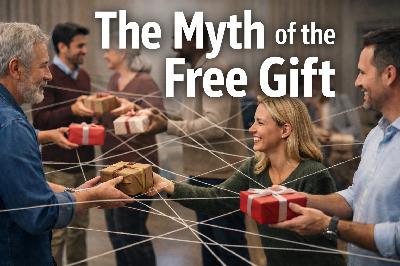
We usually think a 'gift with strings attached' is a bad thing, but the Torah actually forbids giving without them. No Free Gifts | Terumah, Purim & The Language of Reciprocity There is no such thing as a free gift. In this episode of Madlik Disruptive Torah, Geoffrey Stern and Rabbi Adam Mintz explore Parshat Terumah through the provocative lens of French sociologist Marcel Mauss and his groundbreaking work The Gift. Key Takeaways Every gift binds. Giving is a language. Reciprocity builds society. Timestamps [00:00] No Such Thing as a Free Gift: Torah Meets Anthropology [00:43] Terumah & Purim: Gifting as Covenant and Community Glue [01:57] Welcome to Madlik: What We're Really Exploring This Week [02:36] Hong Kong & Chinese New Year: Ritual Exchange in Real Life [04:33] Exodus 25 'Take for Me a Gift': The Strange Language of Terumah [06:21] Rashi's French 'Apaisement': Gifts, Favor, and Propitiation [12:24] Marcel Mauss' The Gift: Reciprocity vs. Utilitarianism [14:33] Potlatch, Honor, and Sacrifice: When Gifts Demand a Return [19:06] Sponsor Break: Voice Gift Tag (A Gift That Speaks) [20:00] Purim's Unique Mitzvah: Mishloach Manot as Required Reciprocity [21:38] Why No Blessing on Charity? Fixed Measures & Receiver Dependence [23:30] Megillat Esther's Two Gifts: Friends vs. the Poor [24:48] Halakhic Details: What Counts as Mishloach Manot (and Why) [28:18] Talmud Stories: Reading Meaning into the Gifts We Send [31:35] Meals, Kashrut, and Unity: Maimonides & Rabbi Riskin's Take [32:50] Closing Blessings: Shabbat Shalom and Heading Toward Purim Links & Learnings Sign up for free and get more from our weekly newsletter https://madlik.com/ Sefaria Source Sheet: https://voices.sefaria.org/sheets/709029 Transcript here: https://madlik.substack.com/
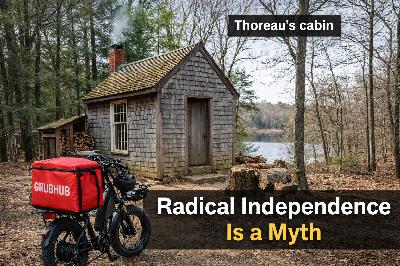
The Torah doesn't celebrate freedom. It teaches dependence. Parashat Mishpatim opens with a shock: the Torah's great civil code begins with laws of slavery—spoken to a nation freshly freed from slavery. In this episode of Madlik Disruptive Torah, Geoffrey Stern and Rabbi Adam Mintz ask why the Torah doesn't give an "Emancipation Proclamation," and what freedom even means in a world built on mutual dependence. From Thoreau's Walden myth to Bob Dylan's "You've got to serve somebody," and Yeshayahu Leibowitz's insistence that the Exodus is about serving God, we explore a radical reframing: freedom in the Torah isn't the absence of dependence—it's learning how to depend justly. Key Takeaways Freedom in the Torah is not independence. Mishpatim isn't about preserving slavery — it's about dismantling it. The Torah meets society where it is — and pushes it forward. Timestamps [00:00] Introduction: The Illusion of Absolute Freedom [00:17] Thoreau's Shack and the Reality of Independence [00:40] The Torah's Perspective on Slavery and Freedom [01:35] Welcome to Malik: Exploring Jewish Texts [01:57] The Paradox of Emancipation and Slavery in the Torah [02:56] Analyzing the Laws of Slavery in Exodus [05:18] Rabbinic Interpretations and Commentaries [09:28] Modern Reflections on Slavery and Freedom [29:19] Conclusion: The Interdependence of Society Links & Learnings Sign up for free and get more from our weekly newsletter https://madlik.com/ Sefaria Source Sheet: https://voices.sefaria.org/sheets/707773 Transcript here: https://madlik.substack.com/

In the darkest place imaginable, four men discovered that gratitude can keep you alive. This episode of Madlik Disruptive Torah begins not in ancient text, but underground—inside the testimony of former hostage Eli Sharabi, who describes a ritual he and three others created in captivity: every night, they forced themselves to name one good thing that happened that day. Not because it felt true—but because without gratitude, hope would die. Key Takeaways Gratitude isn't a feeling—it's a practice Jethro's greatest gift wasn't law—it was blessing Saying it out loud is how we stay human Timestamps [00:00] Introduction: The Power of Gratitude [02:04] Elie Sarabi's Story of Survival [03:05] The Ritual of Thanksgiving [06:24] Jethro's Blessing and Its Significance [09:45] The Concept of Blessings in Judaism [13:24] Voice Gift Play: A New Way to Share Stories [14:27] The Importance of Verbalizing Gratitude [27:31] Finding the 'Why' in Survival [30:52] Conclusion: The Secret to Survival Links & Learnings Sign up for free and get more from our weekly newsletter https://madlik.com/ Sefaria Source Sheet: https://voices.sefaria.org/sheets/705869 Transcript here: https://madlik.substack.com/
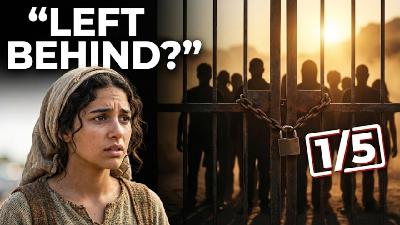
How a Story of Liberation Was Used to Exclude What if the Exodus wasn't just a story of freedom… but also a story of exclusion? Key Takeaways Redemption stories are rarely neutral—they are often weapons. The charge of being "left behind" usually says more about the accuser than the accused. A story about leaving becomes an excuse for not moving at all. Timestamps [00:00] Moses' Uncompromising Message to Pharaoh [00:24] The Irony of the 'Left Behind' Story [01:48] Introduction to Madlik and This Week's Topic [02:42] Exploring the Tradition of Those Left Behind [04:00] The Ambiguous Word in Exodus 13:18 [05:24] Rashi's Interpretation and the Fifth Child [11:08] Ezekiel's Rewriting of the Exodus Narrative [13:25] The Polemic Against Those Who Stayed Behind [25:05] The Tradition of Jewish Names, Language, and Dress [29:56] Conclusion and Final Thoughts Links & Learnings Sign up for free and get more from our weekly newsletter https://madlik.com/ Sefaria Source Sheet: https://voices.sefaria.org/sheets/704560 Transcript here: https://madlik.substack.com/
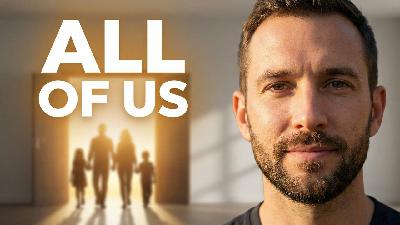
The Exodus isn't just a freedom story — it's the Torah's first argument about gatekeeping. Pharaoh asks a simple question: "Who exactly is going?" — mi va-mi ha-holchim. Moses answers with a revolution: Everyone. Key Takeaways Who's going?" really means "Who counts? Inclusion isn't modern — it's Torah. Presence matters more than status. Timestamps [00:00] Pharaoh's Question: Who's Going? [01:26] Introduction to Madlik and This Week's Topic [01:58] The Essence of Hasidism and Inclusion [05:03] Exploring the Exodus Story [07:14] Moses' Radical Answer to Pharaoh [17:08] Modern Interpretations and Commentary [20:45] The Inclusive Revolution in Judaism [27:35] Concluding Thoughts and Reflections Links & Learnings Sign up for free and get more from our weekly newsletter https://madlik.com/ Sefaria Source Sheet: https://voices.sefaria.org/sheets/702597 Transcript here: https://madlik.substack.com/
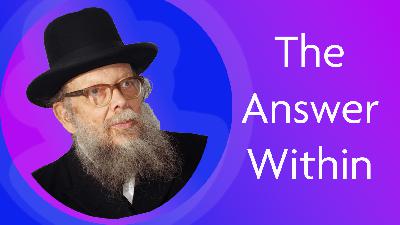
Rav Shlomo Wolbe, Mussar, and the Theology of Human Greatness Moses delivers the greatest promise in Jewish history—freedom, redemption, a future—and the Torah says something heartbreaking: the Israelites don't listen. Not because they reject God or Moses, but because of "kotzer ruach" (Exodus 6:9)—shortness of spirit. Key Takeaways The Torah's Greatest Threat Isn't Sin — It's Smallness True Greatness Is Internal, Not External Mussar Teaches Us How to Grow, Not Just What to Do Timestamps [00:00] The Devastating Reality of kotzer ruach [00:45] Introduction to Rabbi Shlomo Wolbe [03:11] The Teachings of Rabbi Shlomo Wolbe [08:08] The Greatness of the Human Being [10:25] The Inner Life and Human Potential [17:15] Modern Reflections and Critiques [27:40] Conclusion: Embracing Our Greatness Links & Learnings Sign up for free and get more from our weekly newsletter https://madlik.com/ Sefaria Source Sheet: https://www.sefaria.org/sheets/701299 Transcript here: https://madlik.substack.com/

What Children Hear That Adults Miss We begin the Book of Shemot (Exodus) with a New Year's-style resolution: read more Torah out loud—to our children, and to our grandchildren. Because the Exodus isn't just Judaism's greatest story; it's Judaism's most re-read story—told at the Seder, year after year, the longest-running book club in history. We're joined by scholar and author Ilana Kurshan to discuss her new book Children of the Book, a beautiful exploration of how reading to kids shapes not only them, but us. Together we read Exodus through young eyes: the burning bush as a lesson in attention, "seeing" as a form of leadership, pictures as commentary, and Moses himself sounding like a nervous child—"slow of speech." Whether you're a parent, grandparent, or just someone who loves texts, this episode is about the power of rereading—and the intimacy of reading aloud. Key Takeaways The Torah is meant to be reread Reading out loud is how Jewish memory is formed Reading with children changes how we read. Timestamps [00:00] Introduction to Malik Disruptive Torah [00:35] Guest Introduction: Scholar Arthur Ilana Khan [00:54] The Importance of Reading Aloud [01:38] Meet Ilana Khan: Author and Scholar [03:43] The Concept of Repetition in Jewish Reading [08:54] The Burning Bush: A Story of Attention and Vision [10:52] The Role of Close Reading in Jewish Tradition [13:52] The Art of Reading in Modern Times [24:05] Children's Unique Perspective on Stories [31:41] The Power of Reading Aloud to Children [34:53] Conclusion and Final Thoughts Links & Learnings Sign up for free and get more from our weekly newsletter https://madlik.com/ Link to Ilana's Book: https://ilanakurshan.com/ Sefaria Source Sheet: https://www.sefaria.org/sheets/699868 Transcript here: https://madlik.substack.com/
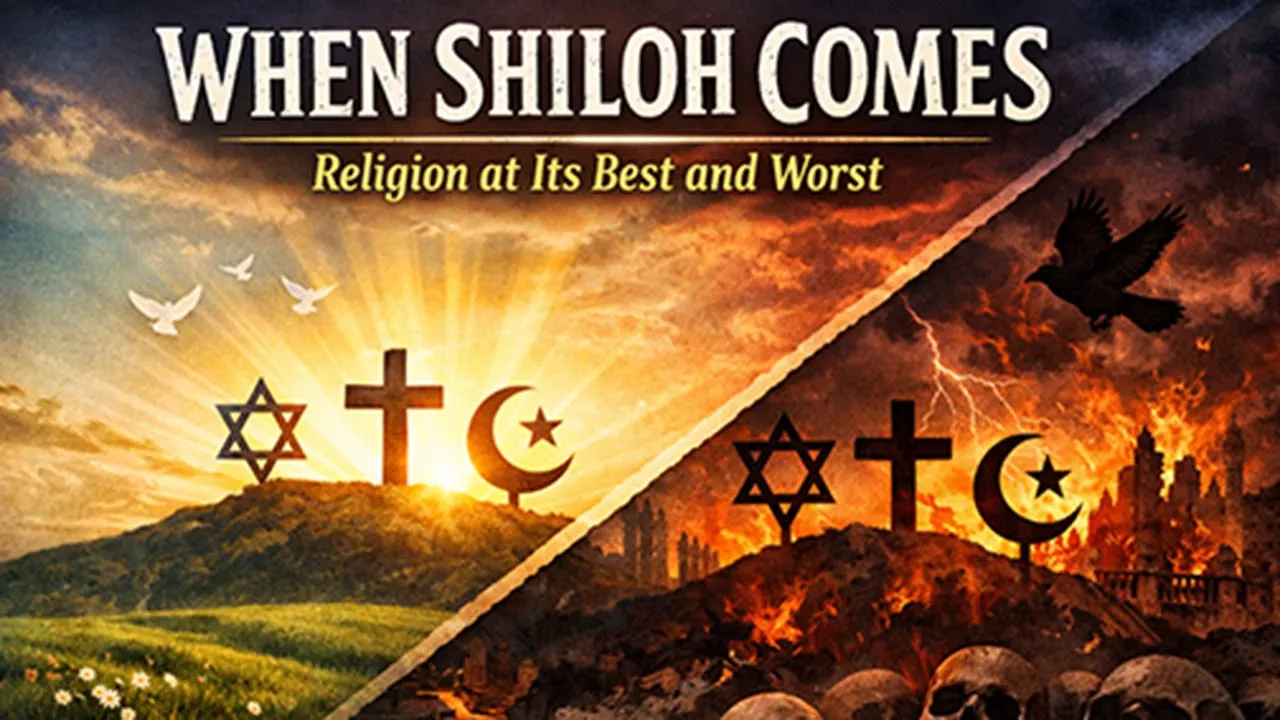
In this episode of Madlik Disruptive Torah, Geoffrey Stern and Rabbi Adam Mintz explore one of the Torah's most enigmatic verses—Jacob's blessing of Judah and the phrase "until Shiloh comes." Claimed by Judaism, Christianity, and Islam, this single line opens a sweeping conversation about the power of religion to shape history—for good and for evil. Drawing on classical commentators, medieval Jewish-Christian encounters, and modern interfaith scholarship, we ask hard questions: What happens when sacred texts become battlegrounds? Can religion be part of the solution to religious conflict? And where are the moral red lines that faith must never cross? The episode concludes with a remarkable live contribution from Yochanan, known as the Rosh Kollel of Clubhouse—a former Hasidic Jew with encyclopedic Torah knowledge who left his community, is suing for lack of secular education, and brings both sharp critique and disarming wonder to his rediscovery of the wider world—including celebrating his first-ever birthday. This is a conversation about scripture, identity, responsibility, and hope—offered as a reflective closing to the year, and a thoughtful opening to what comes next.
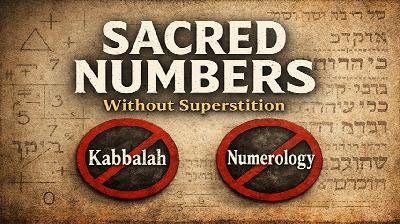
As we close one year and step into another, we're revisiting a live Madlik Disruptive Torah conversation recorded in December 2022, back when the podcast was broadcast weekly on Clubhouse in front of a live audience. This episode explores the enduring power of numbers in Jewish thought—especially the number 70. From the seventy souls who descend to Egypt, to seventy nations, seventy languages, seventy judges on the Sanhedrin, and the rabbinic idea that Torah itself has shiv'im panim—seventy faces—this conversation asks what numbers can teach us without turning Torah into superstition. Along the way, we discuss: Why seven and its multiples signal cycles, completeness, and transition The difference between structural symbolism and later gematria Umberto Cassuto's insight into numerical patterns in the Creation story Why unanimity among seventy judges invalidates a verdict How translation, disagreement, and plurality are built into Torah itself
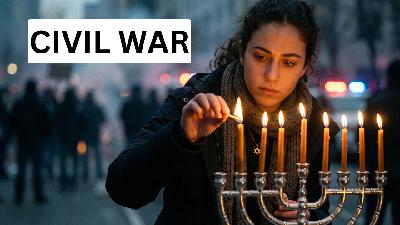
Was Hanukkah really a war of Jews vs. Greeks — or a Jewish civil war we chose to forget? Was Hanukkah really Jews vs. Greeks — or a Jewish civil war we chose to bury under a story about oil? In this episode of Madlik Disruptive Torah, Geoffrey Stern and Rabbi Adam Mintz revisit the Hanukkah story through the sources. From Maccabees I and the politics of Ptolemy vs. Antiochus, to the lone Talmudic mention of the oil miracle (Shabbat 21b), they show how a messy internal power struggle became a clean miracle narrative. Key Takeaways Hanukah began as a Jewish civil war — not just Jews vs. Greeks. Each generation rewrites the Maccabees to fit its own battles. The shamash — the helper candle — may be Hanukkah's real hero today. Timestamps [00:00] Hanukkah beyond oil and miracles [03:12] Why the Talmud barely explains Hanukkah [05:01] The forgotten Jewish civil war [07:22] Hellenists vs. Maccabees reexamined [09:48] Power, empires, and internal factions [12:30] Modern culture wars through Hanukkah [14:55] Why the rabbis hid the conflict [17:05] Hillel vs. Shammai as metaphor [19:10] The shamash in Israeli children's stories [23:40] Hanukkah as a model for unity Links & Learnings Sign up for free and get more from our weekly newsletter https://madlik.com/ Sefaria Source Sheet: https://www.sefaria.org/sheets/695661 Transcript here: https://madlik.substack.com/
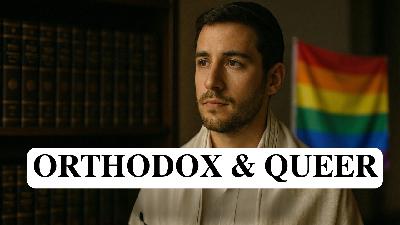
Imagine being told you belong to a faith that is fighting to keep you out—and refusing to leave. In this week's Madlik, Geoffrey Stern and Rabbi Adam Mintz welcome Rabbi Steve Greenberg, the first openly gay Orthodox-ordained rabbi, for a deeply personal and wide-ranging conversation. Key Takeaways Vulnerability transforms the meaning of Torah. Bottom-up change is reshaping Orthodoxy. The tradition has the capacity — and the precedent — to grow. Timestamps [00:00:12] Rabbi Steve Greenberg's coming-out context and the question of LGBTQ+ Jews as teachers of Torah. [00:03:11] Steve's Yom Kippur aliyah story and being vulnerable to the text. [00:04:46] Confronting the biblical verses; reframing what Leviticus might mean. [00:06:22] Tamar's courage and parallels to LGBTQ+ belonging. [00:08:57] "Bottom-up Judaism": queer Jews staying, not leaving — shifting the halachic landscape. [00:11:39] Google rabbis, post-COVID authority shifts, and personal autonomy in community life. [00:15:08] Israeli changes: rejecting the Rabbanut, forming new models of partnership. [00:17:42] A painful role-play with a rabbi exposes how harmful "lifelong celibacy" messaging is for gay teens. [00:21:19] New data on LGBTQ+ rabbinical students and why queer spiritual sensitivity strengthens Jewish leadership. [00:24:56] Parents as powerful advocates: Orthodox families pushing shuls and schools to stop rejecting their children. Links & Learnings Sign up for free and get more from our weekly newsletter https://madlik.com/ Sefaria Source Sheet: https://www.sefaria.org/sheets/691629 Transcript here: https://madlik.substack.com/ Eshel: https://www.eshelonline.org/
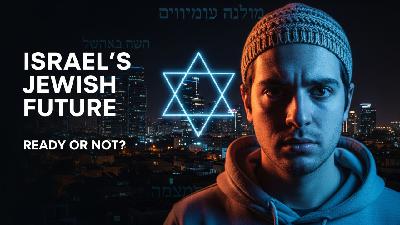
Beneath the surface, Israel is fighting for the soul of its religion — and most of us don't even see the battle lines. In this episode of Madlik Disruptive Torah, Geoffrey Stern and Rabbi Adam Mintz are joined by Professor Adam S. Ferziger to explore the quiet revolution reshaping Israeli Judaism. Drawing on his new book, Agents of Change, Ferziger reveals how American Modern Orthodoxy—its values, institutions, and worldview—has profoundly influenced Religious Zionism and the broader Israeli religious landscape. From the tension between nationalism and modernity to the emergence of a new Israel-born generation, we uncover the cultural, political, and spiritual crossroads Israel now faces. Beneath the surface, Israel is fighting for the soul of its religion—and American Jews are playing a bigger role than anyone expected. Key Takeaways American Modern Orthodoxy Has Become a Quiet Force in Israeli Judaism Israeli Religious Zionism Is Splitting Into Two Distinct Paths Israel's Next Generation of Leaders Will Be Religious — But Neither Haredi or National Religious Timestamps [00:00:00] Jacob returns from exile with wealth, family, and a new identity; exile reframed as productive, not just punishment. [00:01:00] Intro to Professor Adam Ferziger and his book Agents of Change about American Jews reshaping Israeli Judaism. [00:02:00] Host sets the frame: modern Orthodoxy's influence on Israeli religious life, education, feminism, and LGBTQ inclusion. [00:03:00] Ferziger's personal story: gap year yeshiva, Aliyah in 1987, building family and rabbinic life in Kfar Saba. [00:04:54] Early political snapshot: the failed "Meimad" experiment and how Anglo moderates felt marginal and deviant. [00:06:36] Shift in the 2000s: religious-Zionist camp diversifies; modern Orthodox voices gain legitimacy and visibility. [00:09:05] Explaining American Modern Orthodoxy: Torah plus general culture, YU, day schools, Rav Soloveitchik's synthetic model. [00:14:10] Rise of "Hardal": nationalist-Haredi style religiosity, stricter halakha, and a more redemptive, messianic Zionism. [00:21:45] The "agents of change": eight American rabbis/educators whose Israeli students indigenize and radicalize their ideas. [00:34:15] Why this matters beyond religion: "Israeli Judaism" and how moderate Orthodox trends may shape Israel's future leadership. Links & Learnings Sign up for free and get more from our weekly newsletter https://madlik.com/ Sefaria Source Sheet: https://www.sefaria.org/sheets/692993 Transcript here: https://madlik.substack.com/ Adam Ferziger's Book https://nyupress.org/9781479817559/agents-of-change/
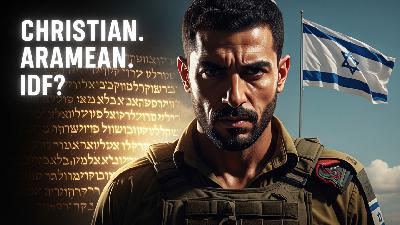
Ready to discover how reviving a lost language can reshape the whole Middle East? Ta Shma (come and hear) Geoffrey Stern and Rabbi Adam Mintz are joined by Shadi Khalloul—IDF paratrooper veteran, founder of the Israeli Christian Aramaic Association, and one of the world's most passionate advocates for reviving the Aramaic language. Together, they explore Parshat Vayetzei and the hidden "Rosetta Stone" moment in Genesis 31, where Jacob and Laban name the same monument in Hebrew and Aramaic. Key Takeaways Aramaic is the Hidden Backbone of Jewish Life Aramaic Once United the Ancient World—And Can Still Bridge Communities Today Israel's Aramean Christians Are a Forgotten but Loyal Minority whose story will surprise and inspire you Timestamps [00:00:00] Opening: Jewish prayers written in Aramaic & introduction to Shadi Kaul [00:01:03] Shadi's unique role: soldier, educator, reviver of Aramaic culture [00:02:12] Shadi's background: identity, community history, and connection to Israel [00:03:47] Serving in the IDF and discovering his Aramaic purpose in the U.S. [00:05:32] Founding the Israeli Christian Aramaic Association & education initiatives [00:07:14] Plans for Aramaic towns, schools, and coexistence programs [00:09:22] Daily language reality: Arabic spoken, Aramaic preserved in prayer [00:11:48] Parallels with Jewish language revival and historical connections [00:14:27] Shadi's family displaced in 1948 and the ongoing struggle for recognition [00:32:41] Aramaic as the ancient international language—the "first internet" Links & Learnings Sign up for free and get more from our weekly newsletter https://madlik.com/ Sefaria Source Sheet: https://www.sefaria.org/sheets/691050 Israeli Christian Aramaic Association - http://www.aramaic-center.com/?lang=en A History of the First World Language - https://a.co/d/fjHe9C1 Transcript here: https://madlik.substack.com/
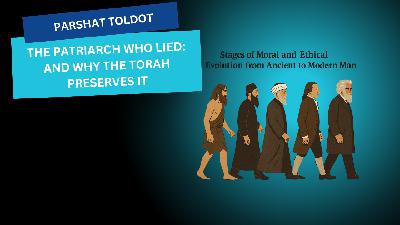
What if one of the Torah's greatest heroes was actually its most scandalous trickster? In this episode of Madlik Disruptive Torah, Geoffrey Stern and Adam Mintz dive into one of the most provocative moments in the Torah: Jacob's audacious act of deception to secure his father Isaac's blessing in Parashat Toldot. Rather than smoothing over the ethical wrinkles, we sit with the discomfort, exploring why the Torah insists on portraying our third patriarch as a trickster—and what we're meant to learn from a hero whose virtues are tangled with flaws. Key Takeaways The Torah Embraces Imperfect Heroes prompting readers to grapple with imperfection as part of the human and spiritual journey. Biblical stories were shaped by and for public reading; audiences came with expectations based on oral traditions and prior knowledge. Spiritual growth often requires confrontations with failure and the "divine ruse"—a process of growth through challenge, not perfection. Timestamps [00:00:00] Geoffrey opens the episode and introduces the problem of Jacob stealing the blessing. [00:00:25] He reframes the question: maybe the Torah wants us to sit with the discomfort. [00:00:47] Overview of themes: ancient oil traditions, imperfect heroes, Maimonides on change. [00:01:08] Show intro + housekeeping (YouTube, Substack, source sheet, reviews). [00:01:27] Main question of the week: why portray Jacob this way, and are we projecting modern morality? [00:02:18] Opening character analysis: Jacob's name, symbolism of "heel holder," zig-zag personality. [00:04:01] Plot recap: Isaac asks Esau for hunted game, Rebecca overhears and initiates the plan. [00:05:02] The key deception moment: Jacob tells Isaac, "I am Esau your firstborn." [00:07:27] Esau's character through rabbinic commentary: glutton, outdoorsman vs. Jacob the tent-dweller. [00:22:03] Jacob's consequences begin: exile, never seeing his mother again, being tricked by Laban. Links & Learnings Sign up for free and get more from our weekly newsletter https://madlik.com/ Sefaria Source Sheet: https://www.sefaria.org/sheets/689945 Transcript here: https://madlik.substack.com/
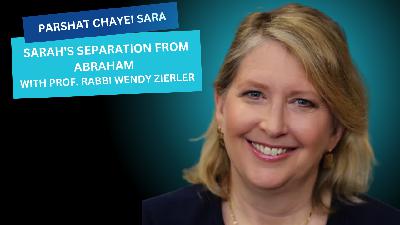
What happens when women finally enter the conversation that's been about them all along? In this episode of Madlik: Disruptive Torah, Geoffrey Stern and Rabbi Adam Mintz are joined by Prof. Rabbi Wendy Zierler — Sigmund Falk Professor of Modern Jewish Literature and Feminist Studies at HUC-JIR, ordained by Yeshivat Maharat, and author of Going Out with Knots: My Two Kaddish Years with Hebrew Poetry. Key Takeaways Expect to rethink assumptions about primary biblical characters—especially the matriarchs—and appreciate the living tradition of midrash as a vehicle for creativity and challenge. Hear how feminist perspectives and modern poetry revitalize Jewish text study, offering new interpretations for "the life of Sarah"—and the legacies that women shape. Explore the argument that literary and artistic creation in Hebrew is as much a part of Jewish commentary as classic text study. Timestamps [00:00:00] Geoffrey introduces the episode and guest Rabbi Professor Wendy Zierler, setting up a feminist exploration of Sarah's story in Genesis. [00:02:31] Discussion begins on Sarah's laughter and how women's scholarship reframes her response and role in Torah narratives. [00:03:46] Wendy explains the irony of "Chayei Sarah" focusing on Sarah's death and how reading the gaps reveals her inner life. [00:05:36] They examine Abraham and Sarah's separation after the Akedah and what it reveals about love, obedience, and divine testing. [00:09:02] Wendy argues the Akedah causes a rupture—between Abraham and Sarah, Abraham and Isaac, and even Abraham and God. [00:12:40] The hosts explore new feminist midrash: Sarah's imagined agency, waiting for angels, and representing love over fear. [00:17:22] Conversation turns to Sarah's burial choice as an act of leadership that shaped the matriarchal roots of the Jewish story. [00:19:53] Transition to Wendy's book Going Out with Knots and how Hebrew poetry became her lens for mourning and feminist study. [00:21:41] Wendy teaches Leia Goldberg's reinterpretation of "the three pillars of the world," highlighting women's creative renewal of tradition. [00:26:42] Discussion closes with Yehuda Amichai's outsider voice, women's return to Hebrew literature, and modern creativity as living midrash. Links & Learnings Sign up for free and get more from our weekly newsletter https://madlik.com/ Sefaria Source Sheet:https://www.sefaria.org/sheets/688219 Transcript here: https://madlik.substack.com/ Link to Wendy's Book: https://jps.org/books/going-out-with-knots/ Link to theTorah.com article: https://www.thetorah.com/article/sarah-finally-separates-herself-from-abraham
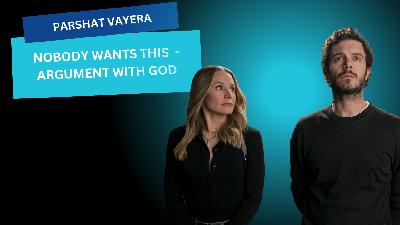
A Netflix rom-com jokes that Judaism "encourages me to argue." Turns out, that's not a joke—it's what set Abraham apart. A Netflix rom-com gives us a throwaway line that might be the most Jewish thing ever said on screen. When a young rabbi admits that Judaism loves two opposing opinions, his girlfriend lights up: "A religion that encourages me to argue? Love that." It's meant as a joke, but this week's Torah portion proves her right. Sarah laughs at divine promises, Abraham bargains with God over justice, and on Mount Moriah, even silence feels like protest. Judaism doesn't shy from disagreement—it builds holiness out of it. In Nobody Wants This Argument With God, we explore how faith, laughter, and dissent became inseparable in the Jewish imagination. Key Takeaways From Sarah's laughter to Abraham's debate, the Torah's heroes don't obey blindly — they question boldly. In Judaism, arguing with God isn't heresy — it's how prayer begins. Laughter is not only a survival mechanism its an act of defiance. Timestamps [00:00:00] Opening story – bingeing "Nobody Wants That" and connecting its theme of argument to the Abraham story. [00:01:22] Framing the Torah portions – arguing as Judaism's "love language." [00:02:19] Introduction to the podcast and this week's Parsha topic. [00:05:34] Beginning analysis of Genesis 18 – Sarah's laughter and disbelief. [00:08:09] Discussion of women's Torah commentary and reinterpretation of Sarah's fear. [00:12:30] Transition to the Sodom narrative – Abraham arguing with God. [00:17:41] Exploration of rabbinic interpretations that amplify Abraham's argument. [00:20:07] "Prayer as battle" – how the rabbis turned debate with God into daily practice. [00:26:13] Transition to the Binding of Isaac – silent inner arguments and faith. [00:30:44] Closing reflections – dialogue with God as Judaism's defining feature and farewell. Links & Learnings Sign up for free and get more from our weekly newsletter https://madlik.com/ Sefaria Source Sheet:https://www.sefaria.org/sheets/686496 Transcript here: https://madlik.substack.com/
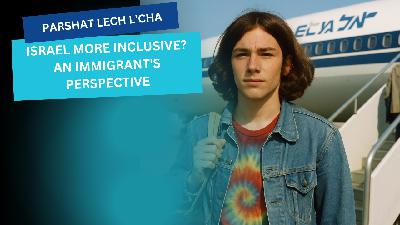
3,000 years after Abraham heard the call to go forth, a group of 20 somethings booked a one-way ticket to Ben-Gurion. What if the journey of Abraham in the Torah mirrors the modern-day aliyah experience? In this episode we dive into the modern-day "Lech Lecha" story with Noah Efron from The Promised Podcast. From his Young Judea roots to teaching at Bar Ilan University, Noah shares his journey of making aliyah (immigration to Israel) from America in the early 80s, offering a fascinating perspective on what it means to "go forth" in our generation. Key Takeaways The power of community in the aliyah experience The unique perspective of being both an insider and outsider in Israel The evolving nature of Israeli society towards greater inclusivity Timestamps [00:00:00] – Opening narration: "Picture standing on the edge of an unfamiliar land…" — Sets up Abraham's journey and the metaphor for modern Aliyah. [00:00:48] – Introduction of guest: Geoffrey introduces Noah Efron and outlines his background—academic, political, and as host of The Promised Podcast. [00:02:00] – Podcast welcome + theme framing: Geoffrey and Rabbi Adam introduce the episode's focus—connecting Abraham's "Lech Lecha" journey to Noah's personal Aliyah story. [00:05:46] – Noah begins his Aliyah story: Reflects on family, children, and how Young Judaea shaped his decision to move to Israel with his wife and friends. [00:09:54] – Community and creation: Noah describes building new communities, egalitarian spaces, and shaping Israel through civic involvement and local politics. [00:11:22] – Raising Israeli-born children: Noah reflects emotionally on seeing his kids grow up Hebrew-speaking, communal, and connected—contrasting American vs. Israeli culture. [00:15:42] – Anglo influence in Israel: Discussion turns to American Jews' cultural and social contributions—environmentalism, NGOs, and pluralism—forming a distinct "ethnic group" within Israel. [00:20:31] – Bridging identities: Noah explains how he respects Haredi (Ultra-Orthodox) culture and values, despite being secular-left politically—revealing his nuanced, integrative outlook. [00:28:24] – Text study & reflection: Geoffrey brings in a Midrash about Abraham choosing industrious Canaanites; parallels to modern Israeli industriousness ("startup nation") and shared society. [00:29:55] – Closing vision: Noah's optimism—believing Israeli society continues to expand its "us," becoming more inclusive, compassionate, and interconnected. Ends with reflection on Ger v'Toshav (stranger and citizen) identity. Links & Learnings Sign up for free and get more from our weekly newsletter https://madlik.com/ Sefaria Source Sheet: https://www.sefaria.org/sheets/684491 Transcript here: https://madlik.substack.com/
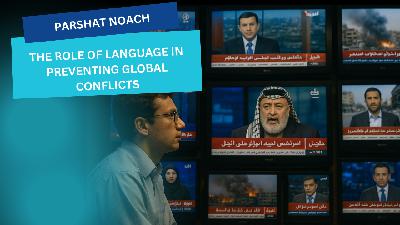
Do They Really Speak with One Voice?" Yigal Carmon on the Arab Street In a world where words can both unite and divide, understanding the true meaning behind them is more crucial than ever. This week's Madlik episode delves deep into the power of language, translation, and cultural understanding with special guest Yigal Carmon, founder of the Middle East Media Research Institute (MEMRI). Key Takeaways The Deception of Unity: The illusion of a single voice in the Arab world often masks complex realities and diverse opinions. Translation is Not Enough: Simply bridging the language gap doesn't guarantee understanding. Context and cultural nuances are crucial. Hope in Unexpected Places: Amid challenges, there are voices of reform and progress in the Middle East that often go unnoticed. Timestamps 00:00 Introduction to Yigal Carmon and MEMRI 01:50 Welcome to Madlik 02:13 Introducing Yigal Carmon 04:09 Yigal Carmon's Personal Journey 07:28 The Power of Language and Translation 11:42 Warnings and Ignored Signs 22:25 Current Geopolitical Landscape 35:03 Challenges and Hope for the Future 37:50 Conclusion and Final Thoughts Links & Learnings Sign up for free and get more from our weekly newsletter https://madlik.com/ Sefaria Source Sheet: https://www.sefaria.org/sheets/682911 Transcript here: https://madlik.substack.com/ Memri website: https://www.memri.org/

Comments

Download from Google Play

Download from App Store
 United States