


 Claim Ownership
Young Voices: The Y+ Global Podcast
Subscribed: 0Played: 0
Subscribe

© Y+ Global
Description
We are glad to have you here! This podcast convenes the voices of young people from every corner of the world to discuss, share and debate on the different issues that affect our sexual and reproductive health and rights with a special focus on HIV.
We discuss different topics such as HIV prevention, treatment, care and support, mental health, U=U, GBV, Covid-19, gender and sexuality, empowerment, policies, stigma, discrimination and many others.
We discuss different topics such as HIV prevention, treatment, care and support, mental health, U=U, GBV, Covid-19, gender and sexuality, empowerment, policies, stigma, discrimination and many others.
68 Episodes
Reverse
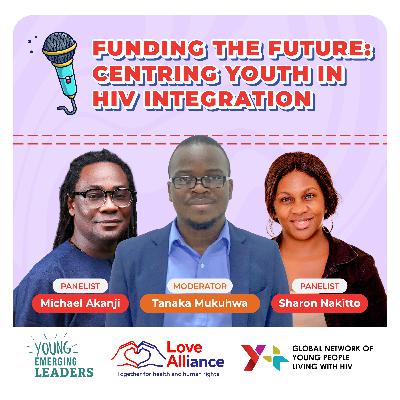
In this episode of the Young Emerging Leaders, titled “Funding the Future: Centring Youth in HIV Integration,” moderator Tanaka Mukuhwa engages in an inspiring conversation with Michael Akanji and Sharon Nakitto on the vital role of youth in shaping sustainable HIV responses. They explore how meaningful youth engagement, inclusive funding models, and innovative tools like Lenacapavir can transform HIV prevention and integration efforts. The discussion sheds light on the barriers young key populations (YKPs) face in accessing resources, while highlighting how youth-led organisations can position themselves as credible and influential partners in the global HIV response. Together, the speakers call for greater investment in youth leadership, equitable funding mechanisms, and policy shifts that empower young people to lead with impact. This powerful conversation serves as both a reflection and a call to action, urging listeners to reclaim civic space, amplify youth voices, and ensure access and equity for all.
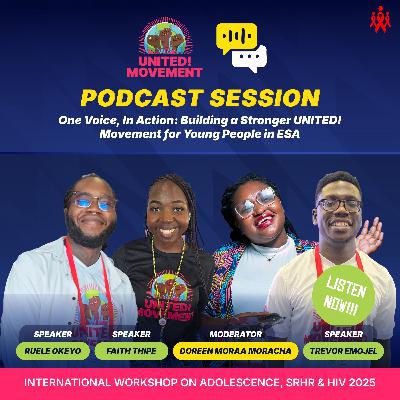
In this episode recorded during the International Workshop on Adolescence, SRHR and HIV, titled “One Voice, In Action: Building a Stronger UNITED! Movement for Young People in ESA,” listeners will be hearing from inspiring voices shaping the UNITED! Movement across the region. Moderated by Doreen Moracha, the session opens with a brief introduction before Faith Thipe takes us through what the UNITED! Movement is all about—its origins, core mission, values, and key milestones that have defined its journey. Ruele Okeyo and Emojel Trevor, both country representatives, share their personal experiences of being part of the movement, what it has meant for their advocacy journeys, and the changes they’ve witnessed in their communities. The episode also explores what’s next for UNITED!—how young people and allies can get involved and access available resources.
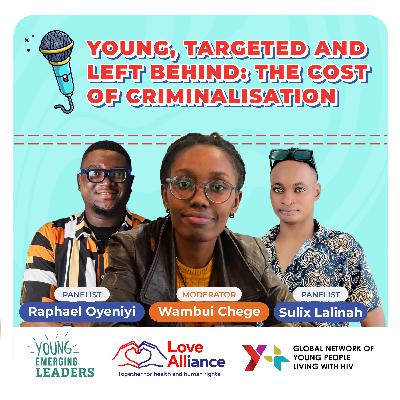
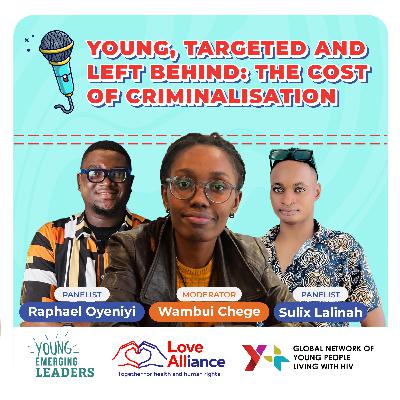
Join our Young Emerging Leaders Campaign podcast episode, Young, Targeted and Left Behind: The Cost of Criminalisation. In this episode, young advocates unpack how laws and stigma shape access to HIV and SRHR services.Discover lived experiences, resilience, and calls to action to ensure no young person is left behind in the HIV response.”
Join our Young Emerging Leaders Campaign podcast episode, Young, Targeted and Left Behind: The Cost of Criminalisation. In this episode, young advocates unpack how laws and stigma shape access to HIV and SRHR services.Discover lived experiences, resilience, and calls to action to ensure no young person is left behind in the HIV response.”
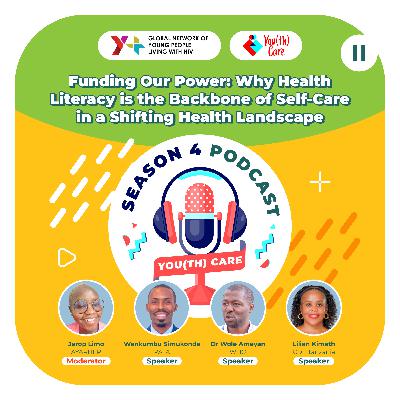
In this two-part episode of the Young Voices podcast, we mark Self-Care Month by unpacking why health literacy is the foundation of self-care, especially for young people and underserved communities.Moderated by Jerop Limo from Kenya, our guests Wankumbu Simukonda from PATA, Lillian Kimath from Tanzania, and Wole Ameyan from WHO, discuss the challenges of promoting health literacy, how funding gaps impact self-care, and what real investment in community health looks like.
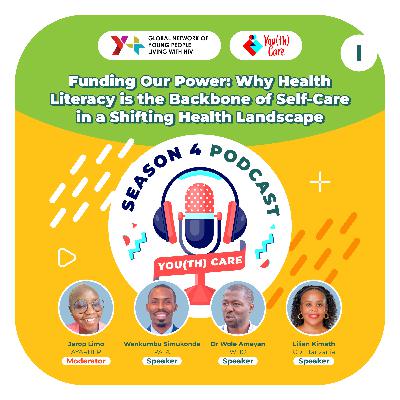
In this two-part episode of the Young Voices podcast, we mark Self-Care Month by unpacking why health literacy is the foundation of self-care, especially for young people and underserved communities.Moderated by Jerop Limo from Kenya, our guests, Wankumbu Simukonda from PATA, Lillian from Tanzania, and a Wole Ameyan from WHO, discuss the challenges of promoting health literacy, how funding gaps impact self-care, and what real investment in community health looks like.
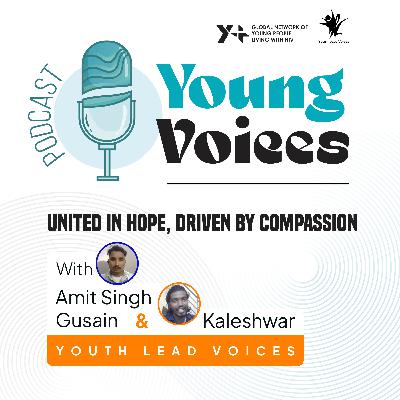
Join us in this episode as we explore the journey of Youth Lead Voices, a national network led by young people living with HIV (YPLHIV) in India. Our panelists, Amit Singh Gusain and Kaleshwar, share their experiences and insights on the challenges faced by marginalised youth communities across India and the innovative solutions transforming their lives. From addressing gaps in services to empowering young leaders, this episode highlights the importance of unity, compassion, and peer-led support in fostering social change. Tune in for stories of hope, resilience, and the journey toward building inclusive communities.
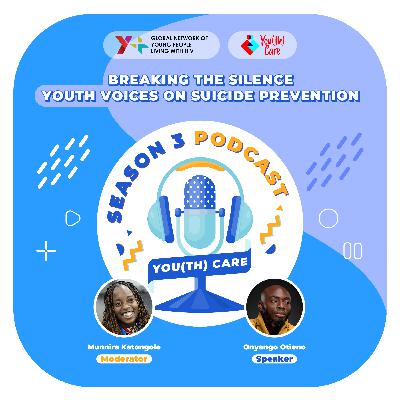
Join us for Part II as we dive into candid conversations with young people about mental health and suicide prevention. In this podcast, we explore the challenges, share personal stories, and highlight strategies to support those in need. Together, we can break the silence and foster hope.
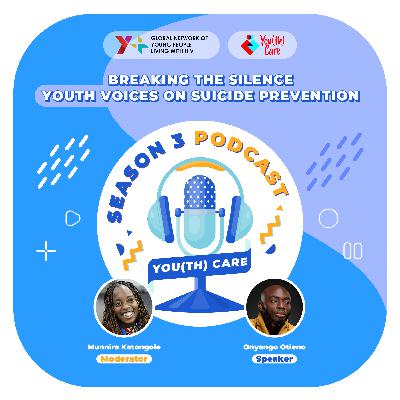
Join us for Part I as we dive into candid conversations with young people about mental health and suicide prevention. In this podcast, we explore the challenges, share personal stories, and highlight strategies to support those in need. Together, we can break the silence and foster hope.
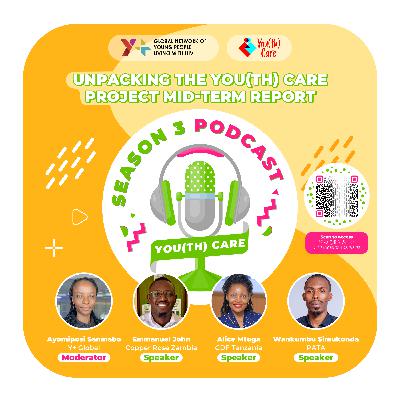
In this podcast episode, implementing partners will discuss the mid-term review results, including plans to ensure the achievement of targets.
This Midterm review (MTR) was commissioned to act as an essential halfway point evaluation for the ongoing You(th) Care Project and give a clear picture of the project’s progress including impact, outcomes, outputs as well as highlight best practices, gaps and opportunities to inform the second half of the project.
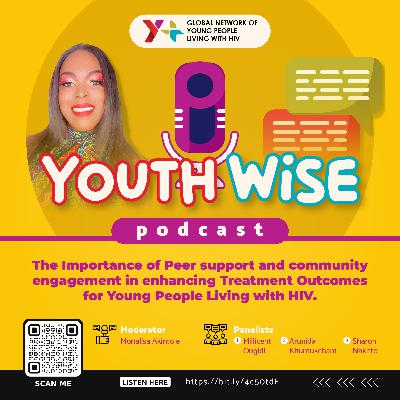
Despite the clear need and disproportionate risk, adolescents and young people living with HIV (AYPLHIV) are underserved in the HIV response. Peer support constitutes a crucial form of adolescent and youth-responsive service packages as part of differentiated service deliveries that can support adolescents to access,and maintain treatment.
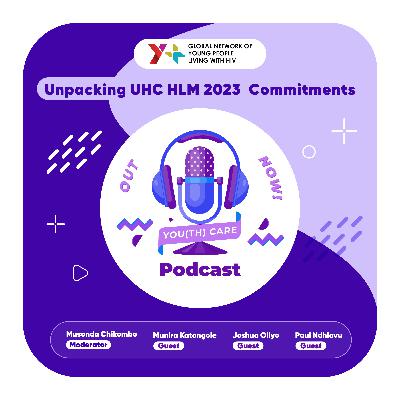
Universal Healthcare Coverage (UHC) is a global initiative striving to ensure that all people, everywhere, can access quality health services they need without financial hardship. The core tenets of UHC rests on principles of equity, non-discrimination and the right to health,aiming to reach and cover even the most marginalised populations, ensuring that no one is left behind. The recent High Level Meeting (HLM) on Universal Health Coverage (UHC), witnessed a renewed commitment from the global community to achieving UHC for all, marked by the adoption of the United Nations Political Declaration on Universal Health Coverage.
It is disheartening that Self-Care did not find a place or feature in this year’s UHC HLM commitments. However, this is not the end of the road for advocating for the self-care agenda and its feature in the political declaration in the future. We must acknowledge that we have collectively made huge strides towards actualising self care interventions. Although selfcare did not make it to the political declarations draft, there are key declarations that we can leverage to advocate and champion self care interventions. These commitments include:
Leaving no one behind and critical barriers
Strengthening health systems
SRHR and access to information
Digital Health Interventions
Monitoring and Evaluation & Governance
In this podcast, we will highlight how young people and advocates can strategically leverage these commitments to bring selfcare conversations to the forefront and hold decision makers, leaders and policy makers accountable. With targeted advocacy and collective efforts amongst youth-led networks, activist, advancing the self-care agenda, we are hopeful that selfcare will see its way into the political declaration in the next 2027 UHC HLM. After all, selfcare seeks to ensure that individuals take control of their own health and this is a positive contribution to actualising UHC.
World AIDS Day, observed annually on December 1st, is a global initiative to raise awareness about the HIV/AIDS pandemic, show support for those living with HIV, and remember those who have succumbed to the disease. This year's theme for World AIDS Day "Let Communities Lead," serve as the foundation for our World AIDS Day edition with focus on young people leading self-care advocacy.
World AIDS Day serves as a reminder of the ongoing battle against HIV and AIDS globally. The theme "Let Communities Lead" emphasizes the crucial role communities play in shaping the HIV response This theme also gives us the opportunity to reflect on the essence of youth leadership in the HIV response. In commemoration of this year’s World AIDS Day, Y+ Global is hosting a podcast session with the aim to spotlight the significant contributions of young people in the realm of self-care advocacy while embracing the call to remember the past and commit to a future where communities take the lead in the fight against HIV/AIDS.
As young people continue to drive change, it becomes paramount to showcase their efforts in advocating for self-care strategies as a fundamental component of HIV/AIDS management and prevention. This edition aims to highlight how Youth Wise and You(th) Care have navigated the landscape of self-care advocacy, intertwining their work with the central theme of World AIDS Day “Let Communities Lead”.
Self-care is an essential aspect of maintaining good health. With the help of evidence-based tools like medicines, counselling, diagnostic kits, and digital technologies, individuals can take an active role in their healthcare. This empowers them to be in charge of their own well-being while simultaneously reducing the burden on healthcare systems. In an upcoming episode, mental health advocates and healthcare providers will address the common questions young people have about self-care and the areas where information may be lacking.
Universal Health Coverage (UHC) aims to provide affordable and high-quality healthcare to all individuals without causing financial hardship. The principles of equity, non-discrimination, and the right to health ensure that even the most marginalized populations are reached and covered, leaving no one behind. To build equitable health systems, we must give young people a chance to be architects of their future and make sure their voices are heard. Join us in this episode as we explore ways to advance UHC that benefit young people and discuss the linkages between self-care and primary health care. Discover how self-care helps us reach the 95-95-95 targets.
You(th) care project aims to enable adolescents and youth aged 10-25 years, especially girls and other vulnerable adolescents, in Kenya, Tanzania, and Zambia to advocate for and practice self-care for their SRHR needs and to increase access to (digital) self-care services and commodities. The project is implemented by 8 partners across the countries and three regional partners.
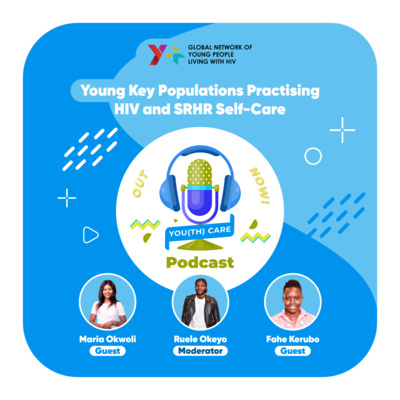
You(th) care project aims to enable adolescents and youth aged 10-25 years, especially girls and other vulnerable adolescents, in Kenya, Tanzania, and Zambia to advocate for and practice self-care for their SRHR needs and to increase access to (digital) self-care services and commodities. The project is implemented by 8 partners across the countries and three regional partners.
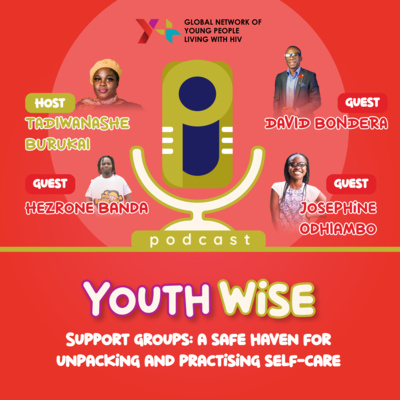
The Youth wise project aims to amplify the voices of young people living with HIV in Kenya and Malawi to enable them to practice self-care and fulfill their sexual and reproductive health and rights (SRHR) needs. In order to promote visibility of the YouthWise project and amplify the agenda for self-care amongst young people Y+ Global is engaging in a series of podcasts.
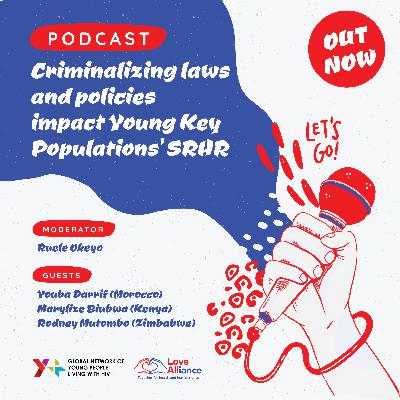
Criminalisation of Young Key Populations is one of the most formidable barriers to SRH care, as it restricts access to and use of health and social services, leading to an increase in violence among and against Young Key Populations.
This podcast was hosted to commemorate the 16 Days of Activism 2022. The discussion is about how the criminalisation laws and policies affect the SRHR of young key populations. It is an open platform and a safe space where the youth advocates will get to unpack the topic in depth.
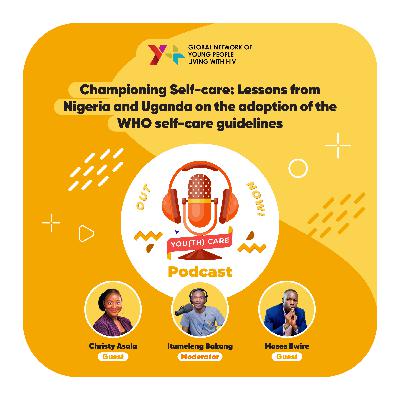
You(th) care project aims to enable adolescents and youth aged 10-25 years, especially girls and other vulnerable adolescents, in Kenya, Tanzania, and Zambia to advocate for and practice self-care for their SRHR needs and to increase access to (digital) self-care services and commodities. The project is implemented by 8 partners across the countries and three regional partners.

Comments

Download from Google Play

Download from App Store
 United States