


 Claim Ownership
TheHealthHub
Subscribed: 21Played: 1,119
Subscribe

© All rights reserved
Description
The Health Hub is forward thinking and relevant to all of you who are looking for cutting edge health and wellness information and therapies to take your health to the next level.
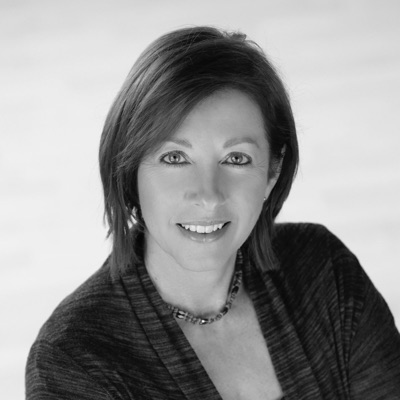
Host Cathy Biase interviews experts on a wide variety of health and wellness topics to educate and inspire you on your health journey.
From Master Chefs to authors, from scientists to athletes, TheHealthHub is the show for you if you are interested in thinking outside the box to explore current and trending health topics.
405 Episodes
Reverse

On this episode my guest is Dr. Yi Song and we are exploring vital health questions about ageing.
What if aging isn’t simply about what we lose over time, but also about what the body may still be capable of repairing and regenerating?
When we hear the term regenerative medicine, we often think immediately of stem cells. But regeneration is a much bigger conversation. How we eat, move, sleep and manage stress may all influence the environment in which our bodies repair and recover. And increasingly, researchers and clinicians are exploring how these everyday foundations might work alongside emerging regenerative therapies.
Dr. Yi Song grew up in Beijing, China. She came from a family of 17 generations practicing Chinese Medicine and Western Medicine. She came to the United States 28 years ago to study Pathology at Brown University. After observing the shortcomings of symptom-focused treatments, Dr. Song returned to her roots to focus on true regenerative healing — addressing disease at its source. She has had a holistic clinic in Boston since 2004. In 2018, she founded the Zenerchi Retreat in Medellin, Colombia. Her introduction to stem cell therapy in 2020 was marked by her mother's successful treatment and subsequent independence at age 81. Dr. Song believes that stem cell therapy aligns with holistic principles and is the author of “Regeneration Effect: Sacred Wisdom for Staying Young.” Her vision is to combine stem cell therapy, Traditional Chinese Medicine, and anti-aging treatments to help people live a long, high-quality life. She offers advanced stem cell treatments at Zenerchi Retreat in Colombia
not available in the US.
Learning Points:
• Understanding the body’s capacity for regeneration
• Separating the promise of stem-cell therapy from the hype
• Learning how to become a more informed consumer of regenerative medicine
Websites & Social Media Handles:
https://regenerationeffect.com/
https://www.facebook.com/dr.yi.song.stemcellexperts
https://www.linkedin.com/in/dr-yi-song/
https://www.instagram.com/regenerationeffect/
https://www.youtube.com/@regenerationeffect
https://x.com/regenerationFx
https://www.tiktok.com/@regenerationeffect

For many women, midlife seems to arrive with a question: What is happening to my body?
Sleep changes. Anxiety can appear out of nowhere. Weight and body composition shift. Energy feels different. There may be brain fog, heart palpitations or changes in how we respond to exercise—and too often, women are left trying to figure out for themselves whether it's hormones, stress, aging or something that actually needs medical attention.
But this stage of life isn't simply about menopause—and it certainly isn't a signal that women need to start slowing down.
In this episode we are speaking with my guest Dr. Ashley Guttman about what is really happening physiologically during perimenopause and menopause, what those changes can mean for our heart, brain, bones, and mental health, and how the choices we make during midlife can influence our health for decades to come.
We're also tackling another issue many women know all too well: navigating a healthcare system where we can quickly become the project managers of our own care.
Dr. Guttman offers specialized experience in areas such as fertility, pregnancy, postpartum support and perimenopause, all while taking a holistic approach to each patient's well-being.
As one of the physicians behind Serenea, Dr. Guttman is helping lead the program’s approach to personalized, evidence-based care for women navigating perimenopause and menopause.
Dr. Guttman's journey in healthcare has been shaped by her fundamental belief that every patient deserves care uniquely tailored to their life circumstances and personal goals.
After earning her Medical Degree at the University of Toronto, she completed her residency in Family Medicine at McMaster University, where she developed her expertise in comprehensive care. Throughout her career, Dr. Guttman has cultivated a deep commitment to personalized medicine, particularly in women's health. She helps patients navigate fertility, pregnancy and perimenopause with an approach that considers their individual needs and long-term wellness goals.
She holds active memberships with the College of Physicians and Surgeons of Ontario, the College of Family Physicians of Canada and the Ontario Medical Association. Her dedication to advancing care for women also extends internationally through her past membership with the Royal Australian College of General Practitioners and her current affiliation with the Menopause Society.
Learning Points:
• Why midlife symptoms are so easy to misread.
• How to become a better navigator of your own healthcare.
• Why menopause is about much more than managing symptoms.
Social Media:
https://www.instagram.com/serefinhealthclinic/?hl=en
https://www.serefinhealthclinic.com/

My guest this episode is Brandy Buskow and we discuss what has become one of the most
talked-about areas in health and wellness.; PEPTIDES
We hear about them for weight loss, metabolic health, recovery, longevity—and increasingly, for applications that go far beyond the number on the scale.
But what exactly are peptides? What are they actually doing in the body? And as medications like GLP-1s become more widely used, are we looking at powerful tools for improving health and preventing disease—or are we moving faster than our understanding of their long-term effects?
And then there are the questions many people are asking: What does it actually feel like to take one? What happens when you stop? Do you have to stay on them for life? What about muscle loss, digestive health, food noise and our brain’s reward system? And perhaps most importantly, where does personal responsibility end and a physician’s responsibility begin when prescribing these medications?
Brandy Buskow is the Chief Operating Officer of Functional Diagnostic Nutrition® (FDN) and has spent more than 12 years helping shape one of the world's leading functional lab training organisations.
A board-certified Health Coach, Master EFT Practitioner, Certified Hypnotherapist and FDN Practitioner, Brandy combines professional expertise with personal experience after overcoming years of chronic digestive issues and a significant health crisis. She specialises in helping people uncover the hidden stressors driving chronic illness and restore lasting health.
Learning Points:
• Understanding what peptides actually are—and what they can do
• Exploring the benefits, limitations and unanswered questions
• Discovering where peptides fit within a root-cause approach to health
Social Media:
https://fdntraining.com/
https://www.instagram.com/fdntraining
https://www.facebook.com/FunctionalDiagnosticNutrition

In this episode we are talking with my guest Jenn Trepeck about why we should biostack rather than biohack, what it means to burn fat for fuel, the importance of a low glycemic diet, the science of food noise and naturally supporting GLP-1. And perhaps most importantly, why better health isn't about doing more. Maybe it's about understanding what matters, letting go of what doesn't, and finally making wellness simple enough to live.
Jenn Trepeck is a health and lifestyle coach, award-winning podcaster, and author of Uncomplicating Wellness. Through her podcast, Salad With a Side of Fries, Jenn takes a science-based but refreshingly practical approach to nutrition and wellbeing—helping people move away from rigid rules and toward a better understanding of how their bodies actually work.
Learning Points:
• Why we should biostack instead of biohack
• How to understand our body's signals
• What uncomplicated wellness is
Social Media Handles/Website Address:
• https://www.instagram.com/jenntrepeck/?hl=en
• https://www.instagram.com/saladwithasideoffriespod/
• https://www.facebook.com/JenniferTrepeck
• https://www.facebook.com/Saladwithasideoffriespodcast
• https://x.com/jenntrepeck?s=20
• https://www.linkedin.com/in/jennifertrepeck/
• www.youtube.com/@jenntrepeck
• https://www.tiktok.com/@jenntrepeck
• https://asaladwithasideoffries.com/
• https://amzn.to/4bj8w8d

In this episode we speak with Alayna Bellquist, who brings a fascinating and very different perspective to the conversation around chronic illness and recovery. We explore what ecosystems can teach us about human health, why some people continue to struggle long after treatment, the roles that stress and environment may play in recovery, and an intriguing question: What if healing isn't simply about fighting disease, but about creating the conditions that allow a complex system to become resilient again?
Alayna is a graduate of the Scripps Institution of Oceanography at the University of California, San Diego, and spent nearly twenty years working in marine science, fisheries, and natural resource management. She is the founder of the Resilient: By Nature Workshop and The Lyme Rx Forum, where she shares resources for individuals navigating chronic illness, recovery, and personal transformation. Her work has been recognized by leaders in marine science, functional medicine, psychology, and environmental education, who have praised her ability to bridge human healing and ecological stewardship.
But when her own health was challenged by chronic Lyme disease, she began to recognize striking parallels between the resilience of natural ecosystems and the resilience of the human body.
That experience ultimately led her to author Resilient: By Nature where she shares resources for people navigating chronic illness, recovery, and personal transformation.
Learning Points:
• What nature can teach us about resilience and recovery
• Why treating illness and restoring health aren't always the same thing
• Rethinking our relationship with illness and the environment
Social Media:
https://www.alaynabellquist.com/
https://www.instagram.com/alaynabellquist/
https://www.facebook.com/AlaynaBellquist#
https://www.linkedin.com/in/alaynasiddall/
https://www.youtube.com/@HealfromLyme

Comments

Download from Google Play

Download from App Store
 United States