


 Claim Ownership
cloud2030
Subscribed: 43Played: 1,777
Subscribe

© All rights reserved
Description
An excellent source for industry thought leadership in Edge Computing, Cloud Computing, DevOps, Open Source base on discussions at.the2030.cloud
516 Episodes
Reverse
![Vibe Coding for Ops [TechOps]](https://s3.castbox.fm/25/80/55/f39ca8f6bed42d2751ad8f7dc6c2f7af33_scaled_v1_400.jpg "Vibe Coding for Ops [TechOps]")
In this episode, we do some live vibe coding– using AI to write code. We share tips and tricks on having the best vibe coding experience and avoiding some common pitfalls. You'll get to hear what we do, how we discover what the steps are, just how easy it is to interact with the system, to set up a basic environment. We also start to explore the limitations of vibe coding. We encourage you to listen along and try on your own!
Transcript: https://otter.ai/u/CqKdtWZWYb3AdPtcb-Ra_kU8HAU?utm_source=copy_url
Video available the2030.cloud
Rich Miller and I debrief our experiences at the AI Infrastructure and Edge Summit in Santa Clara. This show was interesting in the way it combined a lot of different pieces together related to AI. We share our thoughts and critiques on the event's sales-oriented focus, which overshadowed meaningful discussions on AI applications and data governance.
Transcript: https://otter.ai/u/5zn42OkdumP-HXIdi5YlicUmYRc?utm_source=copy_url
Today we continue our exploration of vibe coding by digging into the Model Context Protocol, or MCP. We look at how MCPs connect chatbots to backend systems, why natural language matters for complex queries, and what it takes to build smarter, more adaptable interfaces. The discussion covers practical strategies for refining and automating these systems using API docs, making this a solid deep dive into the future of human-to-machine interaction.
Transcript: https://otter.ai/u/5zn42OkdumP-HXIdi5YlicUmYRc?utm_source=copy_url

In this episode, we talk about scale and the hard realities of system failure in large tech operations. We explore why rare failures become common at scale, and what it takes to build systems that can handle that pressure. From predictive diagnostics to component redundancy, we share practical insights on keeping high-performance and AI infrastructure resilient. This is not theory, it is grounded in real-world lessons from managing complex environments and learning how to plan, isolate, and adapt when things go wrong.
Transcript: https://otter.ai/u/X8JYiADfPPLEfQ-ggexAP5P_jGc?utm_source=copy_url
Today we tackle the generational infrastructure shift that's keeping IT leaders awake at night: OpenShift virtualization adoption. We dig deep into why organizations are struggling to migrate from traditional VM-focused infrastructure to Kubernetes-managed infrastructure. We explore the real hurdles blocking this transition and unpack the strategic positioning that matters when you're moving to container-orchestrated infrastructure. This isn't about dumping everything into Kubernetes and calling it done, we examine what it really takes to use Kubernetes as your infrastructure abstraction layer while navigating the operational realities that make or break these migrations.
Transcript: https://otter.ai/u/IY2Y0a4aFN99ILg9daArE1nwe-c?utm_source=copy_url

In this episode we dive into the practice of recapturing gear from data centers and how it can be used in the secondary market and the ramifications for that market. What started off as a tangent ended up as a rabbit hole rewarding conversation!
Transcript: https://otter.ai/u/QR43ePMfKLNrxH1bZo0Ik8YyKo0?utm_source=copy_url
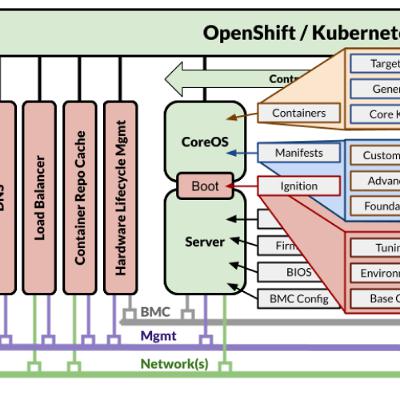
Today we dive deep into the mystery of Kubernetes installation, specifically OpenShift installation. We help explain why Kubernetes installs look so weird compared to traditional operations, install processes, and where are the playbooks? Where are the scripts? Are the runbooks describing all the steps you need to take? All of it seems to be missing, and in this podcast, we explain why.
Transcript: https://otter.ai/u/J802BlcVs3K_OU8B5K5pnQ9fAq8?utm_source=copy_url

We discuss whether or not AI export controls work, but we take a really interesting twist because what we talk about is manufacturing. What we talk about is innovation, and it's not whether or not you can control AI chips, but what does it actually take to build innovative product? That's where we really have challenges on export and controls. There's military manufacturing and goods, and that's part of what this AI embargo is about. We really talk about how challenging it is to actually build truly innovative manufacturing and what the barriers are.
Transcript: https://otter.ai/u/k6Thp-TOfwKc_RjXHCnTd7tdepc?utm_source=copy_url
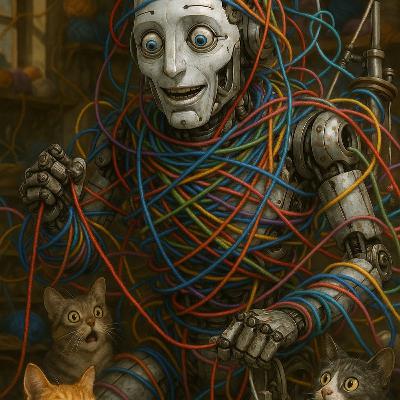
In this episode, we talk about how to use AI and agentic AI specifically to rethink log collection and analysis, and find and solve really difficult problems generally. There's a bit of a build up and understanding how we got there will help you appreciate the conversation.
Resources:
https://www.usenix.org/conference/srecon24americas/presentation/cruz
Transcript: https://otter.ai/u/P-p1tfjPhD4lbX8cy6pjRb_icQ0?utm_source=copy_url

Today we riff on vibe coding, and we talk about the human and economic impacts. Can this agentic coding paradigm the use of AI and how will it impact people just starting their careers or building real applications? What is the trajectory for AI, generated systems and code and what is the risk of AI slop?
Transcript: https://otter.ai/u/5G4AnR858BJnYVZiPV7w5tgAh0Y?utm_source=copy_url

NOTE: It appears that the Trump administration decided to allow nVidia chips... even so, this is a very interesting discussion.
We discuss whether or not AI export controls work, but we take a really interesting twist because what we talk about is manufacturing. What we talk about is innovation, and it's not whether or not you can control AI chips, but what does it actually take to build innovative product? That's where we really have challenges on export and controls. There's military manufacturing and goods, and that's part of what this AI embargo is about. We really talk about how challenging it is to actually build truly innovative manufacturing and what the barriers are.
Transcript: https://otter.ai/u/k6Thp-TOfwKc_RjXHCnTd7tdepc?utm_source=copy_url
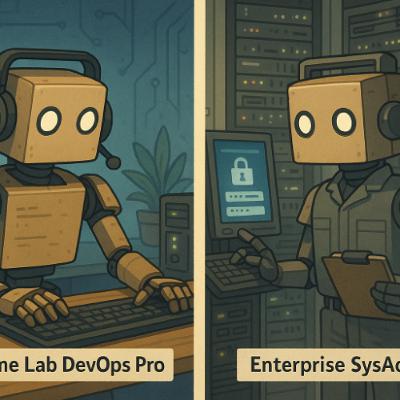
DevOps Lunch and Learn focuses on home labbing versus enterprise use cases and why it is so tricky to satisfy the home user with enterprise products. This really is a dilemma because we love to see more crossover and we're going to talk about why.
Transcript: https://otter.ai/u/CgO1zVnY5wDFgRNb7XpdUNyIgr0?utm_source=copy_url
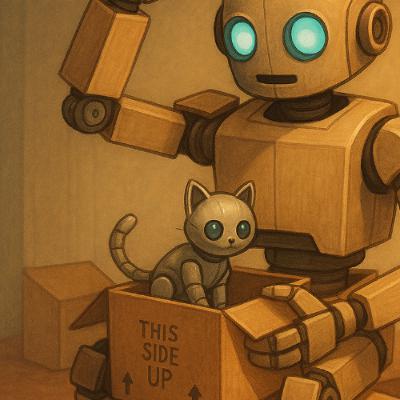
In this episode, we continue our dive into the changing architecture of IT infrastructure and look at how containers and container platforms are changing. We also look at the fundamental nature of what people want to buy, accelerated by VMware Broadcom, making virtualization platforms much less attractive, and the shifting landscape here. This is work that is based on a presentation that I've been giving around the shift towards open shift virtualization and Kubernetes in general.
Transcript: https://otter.ai/u/BnYKzI0zzOLqqWi45vck9gMwsDk?utm_source=copy_url
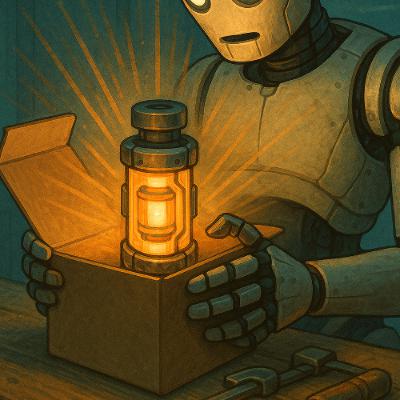
In this episode, we dive deeper into the new architectural trends for infrastructure designers in this coming decade, which is a transition from virtualization platforms first like VMware into containerized platforms first. But this time, we talk through the use of virtualization in containerized systems - keeping VMs but with what changes are necessary to make a containerized virtualization platform dominant instead of a virtualized virtualization platform.
Reference:
https://kubevirt.io/user-guide/architecture/
https://www.redhat.com/en/technologies/cloud-computing/openshift/virtualization
![HA Troubleshooting [Tech Ops]](https://s3.castbox.fm/75/59/f5/ce4ef4699bc1fc47acb3bcff2f65cb9270_scaled_v1_400.jpg "HA Troubleshooting [Tech Ops]")
This episode of the TechOps series goes into high availability troubleshooting. Not just high availability, not just troubleshooting, but actually talking through what it takes to manage and maintain and fix HA systems. This is part of a longer discussion we've been having and so there's some really interesting ideas in the middle of these discussions that I hope will shape your thinking as you build high availability systems, diagnostics and troubleshooting for people who are in high availability very complex environments.
Transcript: https://otter.ai/u/wM__4w1YIzZnhVdgLuXLsDDu0Ng?utm_source=copy_url
References:
https://status.openai.com/incidents/ctrsv3lwd797\

We review 2025 predictions today and dig into why I think this year is going to be both boring and terrifying for a lot of enterprise IT leaders. That, of course, spans Amazon, Reinvent storage, VMware, AI, and Agentic AI - we run the gamut on what is coming and why this is actually going to be a very challenging year.
Transcript: https://otter.ai/u/H6UvLC-r2zmBO9A5jffUkhnjr5o?utm_source=copy_url
Reference: https://zenoh.io by ZettaScale
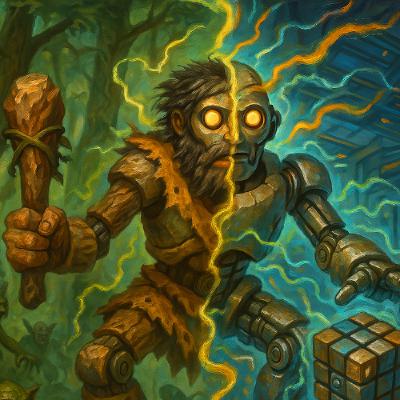
In this episode, we dive into all things quantum computing, starting from the idea that Microsoft managed to put a new quantum silicon chip together. We go all over quantum from compute to entanglement and everything in between.
Transcript: https://otter.ai/u/Tt282iKZEkt5nL3C3zCDf_-pEIE?utm_source=copy_url
References:
https://naumanahmad86.medium.com/is-the-mac-mini-m4-cluster-the-ultimate-machine-for-running-large-ai-models-0b6c6a2d9a18
https://news.microsoft.com/source/features/innovation/microsofts-majorana-1-chip-carves-new-path-for-quantum-computing/
https://arxiv.org/abs/2502.19118

We step back in this episode of our Tech Ops series and talk about cloud self managed infrastructure and how you balance the competing concerns. We started from a report that RackN had commissioned talking about on premises Kubernetes, and mixing that into your IT infrastructure.
Can you have a cloud broker? Can you do multi cloud, some sort of tried and true topics for cloud consideration, but through a new filter and through this repatriation idea of mixing and matching your IT Infrastructure?
Transcript: https://otter.ai/u/FKGuQpV-5bQFVASAYDhNQJtuoKM?utm_source=copy_url
Resources:
https://store.repebble.com/
https://rackn.com/2025/03/18/ready-for-kubernetes-on-bare-metal/
https://www.reuters.com/technology/cybersecurity/google-agrees-buy-cybersecurity-startup-wiz-32-bln-ft-reports-2025-03-18/
https://gabrielsimmer.com/blog/kubernetes-plus-oneplus

We springboard from DeepThinking AI and have a robust conversation about what impact DeepThink is having on the industry. We also discuss where we see things going into the dilemma of people building AI infrastructure and working to do that quickly, robustly and with strong governance. This is necessary to ensure that they can quickly update and manage that AI infrastructure that they're spending so much money to build, and this leads into a broader conversation about virtualization, containers and open shift.
Recorded Jan 30, 2025
Transcript: https://otter.ai/u/79JxdYOiXUoSS44pYP9bnZc4xN0?utm_source=copy_url
Reference: https://www.perplexity.ai/search/provide-an-extensive-and-detai-HmRlePfiTQ6LJG_X0SlB5g#8
![Writing Great Test Scripts [TechOps]](https://s3.castbox.fm/34/4c/41/419a600acb967cc64c772149af4536a6f4_scaled_v1_400.jpg "Writing Great Test Scripts [TechOps]")
We deep dive into something seemingly very small, but with a lot of repercussions for how you manage and run a data center, and that is test scripts for servers.
As you're going through a production cycle or a provisioning cycle, how do you test? What do you test? This topic was from a Reddit thread that we answered and then had a whole hour conversation about just how important and impactful this type of script is.
Transcript: https://otter.ai/u/Cb3yac8JHvlM2yqh72bA_CBPWgs?utm_source=copy_url

Comments

Download from Google Play

Download from App Store
 United States