


 Claim Ownership
Vedic Astrology- Counselling- Career, Relationships, Personal Development
Subscribed: 6Played: 259
Subscribe

© progressiveminds
Description
Hi! The Podcasts here, are designed for Young Counsellors, Psychologists who desire to use this fantastic, ancient science, combining modern psychological tools and models, blending with ancient vedic wisdom- to guide, counsel and empower students and adults alike,.
Email Connect: lightofilentia@gmail.com
LinkedIN Connect: https://www.linkedin.com/in/arunramaswamy/
1754 Episodes
Reverse
Kate Hudson’s chart carries a very distinct signature of creativity, emotional intensity, artistic intelligence, and relational complexity. With Cancer rising in Punarvasu, a powerful ninth-house stellium in Pisces, a seventh-house Moon–Saturn conjunction in Capricorn, and a tenth-house Sun in Ashwini, her life unfolds exactly the way Jyotish predicts: charismatic artistic success, emotional sensitivity, spiritual–creative depth, and a relationship life marked by intensity, cycles of transformation, and unconventional choices.Relationship Patterns (Public Information Interpreted Through The Chart)Chris Robinson (Marriage 2000–2007)Cancer rising + Pisces cluster = emotional romance, artistic bonding.Moon–Saturn = emotional pressure, responsibility, growing apart.High existential intelligence = outgrowing the emotional container.Matt Bellamy (Engagement, 2010–2014)Strong artistic bond, but her Pisces cluster needed spiritual unity.Moon–Saturn created emotional distance.Ketu in 8th = relational detachment when deeper psychological needs aren’t met.Danny Fujikawa (2017–present)Much more emotionally stable dynamic.Moon in 7th seeks nurturing, Saturn seeks commitment — both are present.Pisces planets seek artistic, soulful resonance — also present.This is the relationship most aligned with her chart’s emotional and spiritual architecture.Final SynthesisThis chart shows a life shaped by sensitivity, creativity, wisdom, and artistic expression.Her strongest intelligences — linguistic, musical, visual-spatial, interpersonal, intrapersonal, and existential — manifest vividly in her acting, music, writing, brand-building, and emotional presence in the public sphere.Her relationships evolve through emotional maturation cycles, shaped by Moon–Saturn intensity, Pisces idealism, Cancer sensitivity, and Ketu’s spiritual detachment. She loves deeply, grows intensely, and moves on when the soul-call shifts.Her career, personality, spiritual tendencies, and relational evolution all follow the exact trajectory her chart outlines#VedicAstrology#AstroPsychology#KateHudson#AstrologyCaseStudy#MultipleIntelligences#RelationshipAstrology#SoulBlueprint#CreativeIntelligence#ExistentialAstrology#AstrologyCommunity
Existential Intelligence (Dominant):Ketu in Uttara Bhadrapada + Jupiter in Krittika + Scorpio ascendant created a philosophical, mystical, truth-driven mind. His work confronted God, society, power, time, justice, and the human condition.Bodily–Kinesthetic Intelligence:Mars in Aquarius + Moon–Saturn in Aries gave rhythmic movement, stage presence, and expressive physicality — guitar, harmonica, posture, pacing, and performance energy.Musical Intelligence:Venus + Sun in Rohini, Moon in Krittika, Jupiter in Taurus, Mercury in Gemini — this is a classic musical-intelligence signature. His genius wasn’t operatic; it was rhythmic, raw, symbolic, hypnotic, and revolutionary.Naturalist Intelligence:Moon in Aries + Ketu in Pisces created deep sensitivity to landscapes and weather. Nature became a metaphor for collective and personal emotion throughout his work.⭐ Panchanga & Nakshatra ReinforcementChaturdashi Tithi gave intensity, destruction of illusions, deep emotional power.Atiganda Yoga brought karmic tension, inner pressure, and extraordinary force.Shakuni Karana gave strategic talent, unpredictability, and unconventional brilliance.Jyeshtha, Rohini, Krittika, Mrigashira, Shatabhisha, Uttara Phalguni, Uttara Bhadrapada shaped his mythic voice, poetic depth, rebellion, and spiritual gravitas.⭐ Why This Case Study MattersThis episode demonstrates how Vedic Astrology maps every dimension of human intelligence. Dylan’s chart mirrors his life: a mythic storyteller, cultural rebel, symbolic prophet, spiritual seeker, and lyrical visionary whose words changed generations.🔔 Subscribe for moreDaily Vedic Astrology • Panchanga Insights • Multiple-Intelligence Mapping • Soul-Path Readings • Educational Astrology for Career & Creativity.#BobDylan #VedicAstrology #9Intelligences #MultipleIntelligences #Jyotish #ScorpioRising #JyeshthaNakshatra #AstrologyCaseStudy #MusicalGenius #LinguisticIntelligence #ExistentialIntelligence #AstrologyForEducation #Panchanga #SoulPath #AstrologyForCreatives #RohiniNakshatra #Mrigashira #VedicPsychology #CulturalIcon #IntelligenceMapping
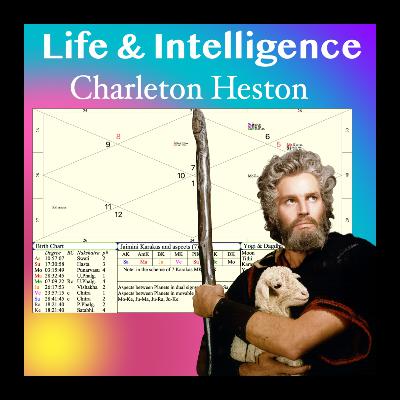
Intelligence Map, Life & Career of Charlton Heston | Vedic Astrology × 9 Human IntelligencesWelcome back, my wonderful people.In today’s educational deep-dive, I’m taking you into a rare and powerful case study: The Intelligence Map, Life, and Career of Charlton Heston, decoded through Vedic Astrology and mapped directly onto Howard Gardner’s 9 Human Intelligences.This episode unpacks exactly how Heston’s life unfolded with astrological precision — how each planetary placement influenced his linguistic, visual-spatial, existential, interpersonal, intrapersonal, bodily-kinesthetic, musical, logical-mathematical, and naturalist intelligences — and how these intelligences expressed themselves through his legendary Hollywood career and public leadership.⭐ What This Case Study RevealsCharlton Heston was born with Libra rising in Swati, a nakshatra of independence, diplomacy, and public persuasion.Jupiter in the 1st house in Vishakha gave him that unmistakable presence — expansive, dignified, morally driven, and iconic.His twelfth-house Virgo stellium—Sun in Hasta, Mercury in Uttara Phalguni, Venus in Chitra, Saturn in Chitra—gave him discipline, precision, refined craft, and an inner world rich with imagination, symbolism, and purpose.The Moon in Cancer in the 10th (Punarvasu) shaped his public mind, emotional cadence, moral tone, and storytelling rhythm.Mars + Rahu in Leo displayed heroic projection and powerful physical charisma.Ketu in Shatabhisha added philosophical depth, abstraction, and introspective intelligence.His Panchanga—Krishna Navami Tithi, Shiva Yoga, Gara Karana—completed a personality built on duty, responsibility, calm inner purpose, and administrative clarity.#VedicAstrology #CharltonHeston #MultipleIntelligences #9IntelligenceTypes #JyotishEducation #CareerAstrology #SwatiNakshatra #HollywoodAstrology #AstrologyCaseStudy #VedicPsychology #LagnaAnalysis #NakshatraWisdom #AstrologyForLearning #Panchanga #IntelligenceMapping #AstrologyForCareer #CelebrityAstrology #Vedangas #SpiritualEducation
For decades, schools rewarded the still learner — quiet, seated, compliant.But what about the child whose body is their brain?The child who thinks by moving, understands by touching, remembers by doing?This intelligence isn’t hyperactivity.It’s not distraction.It is a legitimate cognitive learning style rooted in how the nervous system processes information.And when nurtured, it produces some of humanity’s most gifted innovators, athletes, surgeons, dancers, engineers, first responders, and creators.This intelligence isn’t loud.It is alive.🔥 What Is Bodily–Kinesthetic Intelligence?Your project framework defines it through a Mars–Mercury–Rahu triad fueling movement, coordination, tactile mastery, and fast reflexes. It includes:• Sensory processing — learning through physical sensation• Reflexive response — fast, intuitive reactions• Tactile skill — balance, dexterity, precision• Concrete expression — expressing ideas through action• Coordination & agility — natural physical fluency• Task orientation — learning best by doingBodily–Kinesthetic Intelligence is one of humanity’s oldest intelligences — how we survived, built, healed, explored, and created civilization.A child who thinks through the body may:• Save a life in surgery• Win medals• Build skyscrapers• Lead in defense or rescue• Become a performer who moves the world• Invent machines with their hands• Heal others through movementThese children are not “too physical.”They are profoundly intelligent, just in a way society forgets to honor.When you recognize this intelligence, you don’t just support a learner —you unlock a future innovator, healer, protector, and creator.#BodilyKinestheticIntelligence #MultipleIntelligences #EmbodiedLearning #MovementBasedLearning #HandsOnEducation #STEMandArts #ChildDevelopment #EducationalPsychology #PhysicalIntelligence #21stCenturySkills #SkillBasedLearning #LearningThroughMovement #KinestheticLearners #HolisticEducation #FutureSkills
This intelligence doesn’t seek applause. It doesn’t impress with fast math or win people over with charm. It lives quietly inside you — in how you sit with your emotions, how you understand your motives, and how you choose alignment instead of impulse.In a world drowning in noise, distraction, burnout, comparison, and identity confusion, this intelligence isn’t optional.It is resilience. It is stability. It is psychological immunity.🌙 What Is Intrapersonal Intelligence?In your project framework, this intelligence blends Jupiter’s introspection with the Moon’s emotional awareness and Venus’s relational softness. It gives you:• Emotional awareness — naming feelings, understanding roots• Ethical clarity — forming your own values and inner compass• Self-regulation — managing thoughts and actions consciously• Metacognition — watching how you think, learn, and decideStudents with this intelligence:• Feel comfortable alone• Express emotions clearly• Know their preferences• Make aligned decisions• Understand strengths & weaknesses• Value fairness & integrityThis intelligence stabilizes inner life and builds emotional maturity.Intrapersonal intelligence shapes how you handle stress, choose relationships, build meaning, heal wounds, and steer your life. A child who understands themselves becomes an adult who does not collapse under pressure or lose themselves for approval.If you guide such young minds, remember:Sometimes the most powerful gift is giving them permission to pause… to feel… and to trust their inner voice.In a loud world, those with intrapersonal intelligence become the calm in the storm — leaders who know who they are long before the world asks them to lead#IntrapersonalIntelligence #SelfAwareness #InnerGrowth #PersonalMastery #MultipleIntelligences #EmotionalIntelligence #ChildDevelopment #PsychologyEducation #ReflectiveLearning #LeadershipDevelopment #MindfulnessEducation #EmotionalMaturity #SelfReflection #PersonalDevelopment #21stCenturySkills
Most people shrink this intelligence into something small like “being good at math.”But you and I know it’s so much deeper.This is the hidden blueprint inside your mind — the system that lets you take chaos and extract order. It’s the part of you that looks at any situation and instantly asks:Why is this happening?How does this work?What is the mechanism underneath?Logical–Mathematical Intelligence is the force that powers scientists, engineers, analysts, coders, architects, researchers, economists, strategic thinkers, and innovators. And in an era of AI, automation, cybersecurity, robotics, data systems, and algorithmic ecosystems — this intelligence isn’t optional.It is the backbone of modern innovation.Logical–Mathematical Intelligence is not merely precision — it is possibility.A child who instinctively seeks order today may become the architect of tomorrow’s breakthroughs. When you nurture this intelligence, you aren’t just teaching equations.You are empowering future innovators who can decode reality, solve global challenges, and design intelligent systems that transform human life.#LogicalMathematicalIntelligence #MultipleIntelligences #STEMEducation #CognitiveDevelopment #LearningScience #EducationalPsychology #ChildDevelopment #SystemsThinking #ProblemSolvingSkills #21stCenturySkills #NeuroscienceOfLearning #AIandEducation #EdTechInnovation #DigitalLearning #MathEducation #CriticalThinking #PatternRecognition #FutureSkills #STEMCareers #BrainBasedLearning
🌿 What Is Naturalist Intelligence?Naturalist Intelligence includes:Natural Orientation – connection with living organismsAttribute Orientation – grouping by traitsCategorization – forming meaningful categoriesHierarchical Reasoning – ordering items by significanceSchematic Memory – recalling through categories & attributesLearners with strong Naturalist Intelligence:are naturally organizednotice tiny differences in shape, color, texturecollect and sort materials instinctivelycreate systems of order wherever they goprefer charts, maps, tables, diagramsunderstand new ideas through semantic mappingbring structure to disorganized informationThis is not just “love for nature.”It is systemic cognition.👶 How to Identify It in ChildrenChildren with this intelligence often:sort toys, books, objects into groupscreate categories (“things that float,” “small animals”)ask how things are related or differentexplore outdoors, animals, plantscollect rocks, leaves, cards, picturesnotice micro-details others ignoreuse diagrams or maps to learnprefer structured visuals like timelines or flowchartsThese children aren’t being “particular.”They are taxonomy thinkers.🧑🎓 How It Appears in Young AdultsAs they mature, this intelligence becomes:strong organization skillsability to detect micro-patternsinterest in biology, ecology, medicine, agriculture, sustainabilitypreference for category maps, charts, structured visualsease in organizing new informationinterest in research, analysis, system designclear conceptual thinking using diagrams & frameworksThese young adults excel in:environmental sciencesbiology & biotechnologymedicine & healthcaredata analysis & researchagriculture & sustainabilityurban planning & ecologyUX for systems, taxonomy workconservation & wildlifeTheir mind naturally sees structure in the living world.#NaturalistIntelligence #MultipleIntelligences #SystemsThinking #EnvironmentalEducation #HowardGardner #HolisticLearning #PatternRecognition #CognitiveDevelopment #BiologyEducation #FutureOfEducation #Ecology #SustainabilityMindset
If we want to build articulate, thoughtful, expressive citizens — the curriculum must support linguistic intelligence.Discussion-driven learningEncourage dialogue, questioning, reflection, Socratic exploration.Creative writing modulesPoetry, narrative writing, descriptive passages, scripts.Reading-thinking workshopsReading is meaning-making — not memorization.Vocabulary through context, not listsNo more memorizing 50 words without understanding usage.Structured debates & public speakingArgument building, persuasion, articulation, active listening.Multilingual exposureMultiple languages build verbal patterning and cognitive flexibility.Peer review & self-assessmentStudents refine each other through collaboration, not competition.Real-world communication tasksEmails, presentations, podcasts, content creation, interviews.If linguistic intelligence is not built into the curriculum, we end up with:teachers who cannot communicatestudents who are silencedclassrooms that punish questioningadults who carry wounds from poor articulation environmentsIt’s time to change this.Linguistic intelligence is not “talkativeness.”It is cognitive organization through language.And many children suffer simply because educators misunderstand this intelligence.A teacher with low linguistic skill cannot judge a child with high linguistic skill — but this is exactly what happens in most classrooms.We must build a system that recognizes gifted communicators early and nurtures them — not shuts them down.#LinguisticIntelligence #VerbalIntelligence #MultipleIntelligences #HowardGardner #CommunicationSkills #EducationReform #LanguageLearning #ChildPsychology #PublicSpeaking #WritersCommunity #HolisticLearning #FutureOfEducation #CognitiveDevelopment #VerbalReasoning #HumanCommunication
🎒 How to Identify Visual Intelligence in ChildrenChildren with strong visual-spatial intelligence typically:draw or doodle constantlybuild structures with blocks, clay, or anything they can shapenotice patterns, shapes, colors others overlookrearrange their rooms and belongings creativelyunderstand maps, puzzles, and mazes intuitivelythink in pictures before they find the languageimagine stories visually before speaking themuse visual memory far more than verbal memoryThese are the early architects, designers, planners, model-builders, animators, and inventors.🌟 Why This MattersRight now, we are putting visually dominant children into rigid academic boxes where they cannot breathe, let alone imagine.This leads to rebellion, frustration, stagnation, and wasted talent.If we want young people to shine, we must place them where their brains function naturally — not where they shrink.❤️ Closing ThoughtWe humans carry multiple intelligences in different proportions.When a visually gifted child is forced into a narrow, linear system, the result is disconnection, contraction, and underutilized brilliance.We must build educational ecosystems that recognize these minds for what they are — untapped innovators of the future.I’ll leave the full transcript in the LinkedIn newsletter for everyone watching on YouTube.And soon, we’ll link all of this with Vedic astrology to map how a child’s natural intelligence shows up in their chart.#VisualIntelligence #SpatialReasoning #DesignThinking #MultipleIntelligences #HowardGardner #EducationReform #VisualLearning #ChildPsychology #UXUIDesign #CreativeThinking #ArchitectureDesign #HolisticLearning #FutureOfEducation #DigitalCreatives #ImaginationDrivenLearning #usa #india #education
🌐 What You’ll Learn in This Episode🔹 What Interpersonal Intelligence Really IsThis episode breaks down the core interpersonal traits described in your Intelligence Types Research File :Collaborative Skills — the ability to jointly complete tasksCooperative Attitude — willingness to offer and receive inputLeadership — natural recognition as someone others followSocial Influence — persuasion and mobilization abilitiesSocial Empathy — awareness and compassion for othersMeaningful Social Connection — forming relationships with depthThis is not extroversion.This is human intelligence in motion.It is the backbone of:teamworknegotiationconflict resolutionleadershipdiplomacycommunity buildingAnd interestingly, it’s the least nurtured intelligence in the modern education system.🧒❤️ How to Identify Interpersonal Intelligence in ChildrenIn this episode, I help you recognize the signs that psychologists, teachers, parents, and counselors should look for:Preference for group activities over solo tasksQuick conflict resolutionOffering help naturally, without instructionForming and maintaining friendships easilyUnderstanding emotions — both their own and othersSpeaking confidently in groupsEnjoying storytelling, sharing, expressive communicationShowing leadership during playBeing (wrongly) labeled as “talkative”These children are not attention seekers — they are early-stage emotional strategists with cognitive wiring that understands people.🏫📘 What Education Systems Must Do NowIn this episode, I walk through practical reforms schools can implement immediately:Group-based learning as a core structurePeer-led teaching for leadership and empathy activationSocial-emotional learning programs — empathy, communication, conflict resolutionDebates, role-play, dramatics — practice influence ethicallyStudent-led clubs and teamsChoice-based grouping — build ownership and self-awarenessCollaborative challenges — design sprints, hackathons, service projectsGuest interactions — learn social styles from real peopleCross-classroom collaborationReplace unhealthy competition with collaborative success modelsCompetition creates separation, aggression, inferiority, and emotional fragmentation.Collaboration creates unity, empathy, belonging, and social maturity.Education must evolve to build human beings, not just test-takers.🌟 Why Interpersonal Intelligence MattersInterpersonal intelligence is the architecture of human society.It is the source of:empathyleadershipconflict resolutionunitycross-cultural dialogueharmony across communitiesThese are the leaders who uplift, integrate, and inspire — not divide.If we want a peaceful world, we need to raise children who understand people, not outperform them.#InterpersonalIntelligence #MultipleIntelligences #HowardGardner #EducationReform #ChildPsychology #SocialIntelligence #LeadershipDevelopment #EmotionalIntelligence #HolisticLearning #FutureOfEducation #CollaborationOverCompetition #TeachersCommunity #CounselingSkills #YouthDevelopment #HumanConnection
Hello wonderful people — welcome to my LinkedIn newsletter, and warm greetings to those joining in from YouTube and the podcast as well.Today we enter the second type of human intelligence: Existential Intelligence — the intelligence that modern education doesn’t know how to handle, but the future desperately needs.While the world keeps asking, “How do we do this?”, existential thinkers quietly ask the real question — “Why?”Why must I do this? Why does it matter? Why does this exist?This is rare, powerful, and deeply human cognition.And it’s rising fast in the new generations.🌐 What You’ll Learn in This Video🔹 What Is Existential Intelligence?This intelligence is built on:Collective Consciousness — seeing how individual events connect to the big pictureCollective Values — sensing truth, goodness, beauty and shared human purposeSummative Iteration — collapsing complex details into a meaningful wholeIntuitive Iteration — responding instinctively to symbolism, spirituality, culture, art, philosophyThese children and young adults don’t see fragments.They see systems, connections, humanity, and the larger context — something our current education system fails to nurture.👧🧠 How to Identify Existential Intelligence in ChildrenYou’ll learn to spot the unmistakable signs:Asking deep, philosophical “why” questionsCuriosity about culture, rituals, ancestry, and human behaviorSeeking meaning, not just instructionStrong empathy for people, animals, and global issuesBuilding tight bonds with family, teachers, and communityPreferring peace and connection over competition(All clearly reflected in the Existential Intelligence section of the Intelligence Types file .)🧑🎓🌏 How This Intelligence Appears in Young AdultsAs they mature, existential thinkers become:integrative, big-picture synthesizerslovers of philosophy, psychology, ethics, and global issuesjustice, fairness and equality orientedsystems thinkers who connect concepts across disciplinesnatural humanitarians, reformers, counselors, researchers, storytellersglobal citizens with a drive to uplift societyThese are not idealists — they are architects of moral culture.🏫📘 How Education Systems Should Nurture This IntelligenceIn this episode, I break down practical ways to reform learning for meaning-oriented minds:Start with WHY — always give the big picture before detailsTeach through multiple perspectivesConnect subjects to global themes like sustainability, justice, culture, identityUse cross-disciplinary projects — blend philosophy with science, ethics with economicsInclude arts as a core subjectEncourage reflection, journaling, introspectionInvite resource people — psychologists, social workers, reformers, researchersTalk about community impact — “Why does this matter to your world?”Teach summarization — these minds excel at distilling complexityPromote integrative, synthetic thinking rather than rote analysisThese steps align directly with the educational support strategies for existentially-gifted learners in your project file .Our world needs meaning-makers — not just coders, traders, or laborers of the digital economy.#ExistentialIntelligence #MultipleIntelligences #HowardGardner #EducationReform #ChildPsychology #MeaningMaking #HolisticLearning #FutureOfEducation #PhilosophyForKids #SystemsThinking #YoungAdults #CognitiveDevelopment #GlobalCitizenship #EmotionalIntelligence #HumanitiesEducation
Good morning wonderful people — especially those joining from my LinkedIn newsletter.Today I’m beginning a powerful, eye-opening series on the Nine Types of Intelligence proposed by Howard Gardner (Frames of Mind, 1983) — and why this model is far more accurate, humane and future-ready than our outdated obsession with “IQ scores” and STEM-only measures.We keep talking about Artificial Intelligence, but I feel we haven’t even understood Human Intelligence properly.So let’s get the fundamentals right.Today we begin with Musical Intelligence — not as talent, but as a cognitive style, a brain orientation, and a pattern-based learning architecture that shapes how a child thinks, learns, remembers, empathizes, and even detects truth from tone.This episode isn't just for parents.It’s for psychologists, child-counsellors, educators, school leaders, curriculum designers, special-education practitioners, and every young adult trying to understand their cognitive identity.🎼 What You’ll Learn in This VideoIn this foundational episode, I walk you through:🔹 What Musical Intelligence Actually Is (Beyond Talent)You’ll understand how this form of intelligence processes the world through rhythm, vibration, tone, cadence, sound-mapping, pattern-tracking and resonance — a cognitive architecture reflected clearly in my Project files under Musical Intelligence traits .🔹 How to Identify Musical Intelligence in Childrentapping rhythms on tables and toysuncanny mimicry of soundsrapid language absorptionusing rhythm to self-soothedetecting emotional tone faster than adultspattern-matching in sound, speech, movement, numbers🔹 How This Intelligence Shows Up in Young Adultsintuitive pattern recognitionfast auditory processingbeat-based memorytone-sensitive communicationstrong sensory intuitionflow-oriented environments (Zumba, movement-music learning)🔹 How Schools Can Nurture ItI walk you through practical, neuroscience-aligned interventions:rhythm blocks, sound mappingcadence-based language teachingbody-percussion activitiesvisual-auditory pattern chartsecho-response exercisesenvironment sound awarenesspattern-integrated math and science(All fully aligned to the support strategies listed in the Musical Intelligence section of your core document .)🔹 Why the Future Belongs to Pattern-Based, Sensory-Rich ThinkersMusical-intelligence dominant people excel in:innovationhigh-speed recallemotional intelligencecollaborationempathetic leadershiplanguage learningdesign-thinkingsensory-driven problem-solvingThis is future-ready cognition — the kind our new generation is being born with.🌟 Why This Series MattersIf you’re a psychologist, educator or parent, you’ll immediately see why these nine intelligences must replace outdated IQ-only assessments.If you’re a student or young adult, you’ll finally understand why you think differently — and why it’s a strength.Once we complete all nine types, I’ll bridge this series with deeper insights from Vedic Astrology and the cognitive signatures seen in natal charts, with files available on the Google Drive for those following my LinkedIn newsletter.#MusicalIntelligence #MultipleIntelligences #HowardGardner #ChildPsychology #EducationReform #LearningScience #CognitiveDevelopment #PatternRecognition #FutureOfEducation #ParentsAndTeachers #PsychologyCommunity #Neurodiversity #HolisticLearning #EarlyChildhoodEducation #EmotionalIntelligence
🔥 VENUS–MARS (7 months): Passion, Desire, Conflict, ChemistryHighly passionate, fiery, sensual.Psychological Field:Impulsive love urges, strong sexual energy, romantic restlessness, dramatization of desire.Karmic Function:Attraction karmas, desire loops, competition in love, anger purification.Outer Life:New romance, breakups, scandals, accidents from haste, property actions, creative breakthroughs.🌀 VENUS–RAHU (32 months): Headless Desire, Obsession, GlamourAmplified desire. Unconventional love. Foreign partners. Seduction. Temptation.Psychology:Confusing desires, obsessive fantasies, attraction to unusual or foreign personalities.Karmic Field:Maya-based relationships, illusion vs truth in love, obsession vs clarity.Outer Life:Viral fame, social media rise, nightlife, foreign travel, scandals, sudden wealth or losses.🌈 VENUS–JUPITER (26 months): Dharmic Love, Wealth, Marriage, ChildrenOne of the best combinations.Psychology:Optimism, generosity, emotional maturity, devotion.Karmic Function:Children, teaching, abundance, moral alignment, divine grace.Outer Life:Marriage, childbirth, spiritual love, artistic prosperity, education, mentoring.🪨 VENUS–SATURN (30 months): Commitment, Duty, MaturityGrounding, responsibility, long-term decisions.Psychology:Sobriety, duty, emotional restraint, realism.Karmic Field:Debts, loyalty, commitment, long-term partnerships.Outer Life:Marriage formalization or dissolution, financial restructuring, real estate, promotions after effort.💠 VENUS–MERCURY (34 months): Creativity, Business, Travel, CommunicationBeautiful synergy of mind + aesthetics.Psychology:Curiosity, creativity, refined communication, desire for learning.Karmic Function:Siblings, trade, writing, artistic skills, intellectual partnerships.Outer Life:Media success, writing, teaching, marketing, travel, business partnerships.🌑 VENUS–KETU (14 months): Detachment, Divorce, Minimalism, Spiritual LoveThe final purification.Psychology:Withdrawal, solitude, inner clarity, minimalism.Karmic Function:Breakups, karmic completions, detachment from indulgences, end of old contracts.Outer Life:Separation, quitting addictions, simplification, spiritual retreats, austerity, healing journeys.If your partnership ends in this period — your karma is complete.This is not punishment; this is liberation.🌺 What Venus Mahadasha Ultimately Teaches YouOver 20 years, Venus transforms desire into wisdom, relationships into mirrors, and pleasure into devotion.You learn self-worth, emotional intelligence, financial maturity, and the ability to love without losing yourself.If you need a personal reading, feel free to reach out.You matter far more to this world than you think.Take care. Be safe.#VenusMahadasha #VedicAstrology #MahadashaSeries #AstrologyForLife #JyotishWisdom #RelationshipKarma #SpiritualAwakening #AstrologyEducation #PastLifeHealing #SoulEvolution
• Ketu–Ketu (13 months):Double destructive fire. Identity, roles, attachments collapse. The soul enters “void phase.” This is the Dasha Sandhi where you don’t recognize your own life field — and that is intentional.• Ketu–Venus (20 months):Detachment from romance, pleasure, wealth, beauty. Old Venus patterns break; spiritual love awakens. Karmic bonds around love/finances get exposed.• Ketu–Sun (6 months):Ego purification. Father karma rises. Leadership structures collapse. False pride burns. You face your ancestral truth.• Ketu–Moon (10 months):Mother karma, emotional purification, intuition awakening. Childhood patterns resurface. Dreams intensify. Clean food, silence, solitude call you inward.• Ketu–Mars (7 months):Action dissolves into spiritual discipline. Yoga, fasting, martial sadhana, qi-gong type practices emerge. Anger, aggression, property matters rise for resolution.• Ketu–Rahu (13 months):The axis lights up fully. Attachment meets detachment. Obsession meets emptiness. Extreme polarities. Sudden breaks, sudden gains, sudden losses.• Ketu–Jupiter (11 months):Wisdom rises. Meaning returns. Your suffering finally starts making sense. You move toward scriptures, higher knowledge, teachers, philosophy.• Ketu–Saturn (12 months):Detachment from work, duties, responsibilities. Life simplifies radically. You enter monk-like existence or inner renunciation.• Ketu–Mercury (11 months):Analytical clarity, subtle intellect, scriptural study, occult learning, journaling, system-building. Speech may pause, mind becomes minimalist.🌑 Why Your Entire Identity Feels Like It’s DisappearingBecause Ketu = your past-life mastery AND your liberation pathway.It strips anything that prevents your soul from moving into its next evolutionary octave.Your material life simplifies… and your spiritual bandwidth expands.🧠 Psychological & Spiritual TakeawaysBy the time you finish this video, you’ll understand:Why Ketu Mahadasha feels like a karmic purge cycleWhy you lose interest in old roles, relationships, careersHow past-life memories resurfaceWhy intuition becomes razor sharpWhy solitude feels natural, not forcedHow your soul prepares for Venus MD afterwardIf you’re in Ketu Mahadasha right now, I want you to know — you are not going crazy; you are awakening.🙏 Need Personal Guidance?If you’re going through Ketu MD and need help understanding your karmic pattern, you can reach out. My channel is here for you.Stay safe. Stay aware. Stay anchored in your inner light.#KetuMahadasha #VedicAstrology #MahadashaSeries #KetuDasha #SpiritualAwakening #KarmicCycles #JyotishWisdom #PastLifeKarma #AstrologyEducation #SoulEvolution #counselling
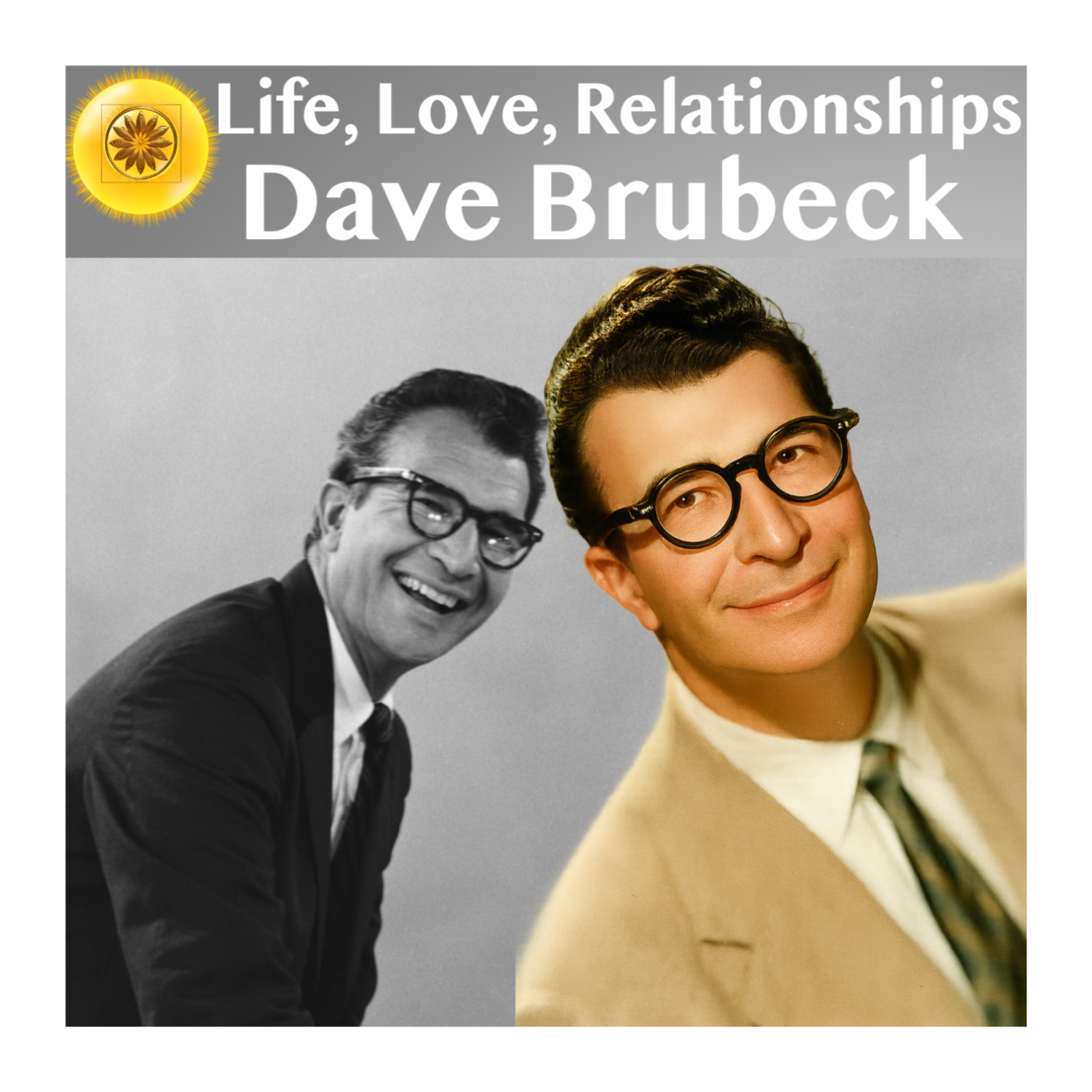
ave Brubeck’s chart opens with Cancer rising at 0°34 in Punarvasu (Pada 4), giving him a gentle but resilient emotional core, a philosophical temperament, and a natural rhythm of reinvention. Cancer ascendants carry deep sensitivity and intuitive creative flow, while Punarvasu adds optimism, adaptability, and the gift of restoring harmony wherever life becomes chaotic. The Moon, as his ascendant lord, sits in Libra in Swati (Pada 3), shaping a mind that is airy, artistic, refined, and constantly searching for balance. Swati’s Rahu-driven currents give originality, independence, and improvisational brilliance — the emotional architecture of a jazz innovator.The Sun in Scorpio in Jyeshtha (Pada 2) created the penetrating insight, psychological depth, and magnetic presence that defined Brubeck’s artistic identity. Jyeshtha-born Suns often possess mastery, seniority, and a natural sense of leadership in their field. Scorpio added emotional intensity, mystery, and an instinctive understanding of complex structures — essential ingredients for a composer who broke rhythmic and harmonic conventions.Mars in Capricorn in Shravana (Pada 2) is one of the standout placements in his chart. Mars is exalted in Capricorn and gains disciplined, precise, strategic energy in Shravana. This is the planetary architecture of a musician who uses structure to innovate. The Shravana influence, tied to sound and listening, symbolizes mastery over auditory intelligence — a signature seen prominently in gifted composers and performers.Jupiter in Leo in Purva Phalguni (Pada 4) added generosity, creative flourish, charismatic leadership, and artistic warmth. Leo-Jupiter natives uplift audiences effortlessly and create work that is not only technically brilliant but emotionally expansive. Purva Phalguni enriched him with natural showmanship, charm, and a celebratory approach to artistry.Venus in Cancer in Uttara Ashadha (Pada 2) deepened his emotional sensitivity, devotion to beauty, and loyalty in relationships. This Venus produces artists who create from the heart and value emotional authenticity in love. Uttara Ashadha added principled commitment and a determination to honor relational bonds.Saturn in Virgo in Uttara Phalguni (Pada 2) grounded his mind in precision, discipline, and craftsmanship. Virgo Saturn refines skills through endless practice; Uttara Phalguni adds responsibility, collaboration, and long-term devotion to one’s craft and partnerships.The Rahu–Ketu axis in Libra Swati and Aries Ashwini energized his originality, independence, and experimental spirit. Rahu in Swati gave him the ability to break norms and explore new territories in music; Ketu in Ashwini added speed, intuition, and an almost karmic mastery over rhythm.Each of these placements shaped Brubeck’s distinctive intelligence profile and the life themes that defined him.When all layers are combined, Dave Brubeck’s chart reveals a rare synthesis of emotional sensitivity, rhythmic genius, intellectual depth, artistic intuition, and relational grace. His strongest intelligences — logical–mathematical, visual-spatial, musical, interpersonal, intrapersonal, and existential — map perfectly onto his innovations in jazz, his disciplined exploration of complex rhythms, his emotionally resonant performances, and his long-term devotion to family and creative partnership. His life unfolded exactly along the blueprint of this remarkable planetary design.#MultipleIntelligences #VedicAstrology #JyotishWisdom #ChildPsychology #ConsciousParenting #AstroPsychology #HumanPotential #SpiritualAwakening #CareerGuidance #EsotericKnowledge #HolisticEducation #ParentingSupport #ConsciousnessStudies #AstrologyCommunity #MindBodySoul
Good morning, ladies and gentlemen.Today I’m bringing you something foundational, powerful, and honestly—long overdue in the fields of psychology, counseling, child development, and consciousness studies.As many of you know, we’ve been doing detailed case studies on the Nine Types of Intelligence, mapped through the Jyotish (Vedic Astrology) system. Before we go deeper into those case studies, I want to give you a crisp, highly usable introduction—something you can take into your therapeutic practice, your parenting decisions, or your own self-discovery journey.This is your 10–15 minute, coffee-friendly primer, designed to bridge two worlds:Modern psychology + ancient consciousness science.Why This Matters NowHoward Gardner’s 1983 model, Frames of Mind, revolutionized how we understand human intelligence. But in the real world—especially for parents, counselors, coaches, healers, and psychologists—the question remains:How do you map these intelligences at birth?How do you understand a child’s operating system from Day 1?How do you identify dominant talents early enough to guide them meaningfully?Modern psychology alone can’t answer this at birth.Jyotish, however, can.That’s the bridge I’m building for you today.Introducing the 9 Intelligences — Through a Jyotish LensGardner defined nine core intelligences:Bodily–KinestheticInterpersonalIntrapersonalMusicalVisual–SpatialExistentialNaturalistLogical–MathematicalLinguisticIn Jyotish, these map with stunning precision to planetary functions.Here’s the first layer of mapping:1. Bodily–Kinesthetic IntelligenceMars + RahuMomentum, reflexes, action-drive, physical mastery.2. Interpersonal IntelligenceMoon + MercuryEmotional literacy, social intuition, relational responsiveness.3. Intrapersonal IntelligenceJupiter + MercurySelf-awareness, philosophical inquiry, internal processing.4. Musical IntelligenceMoon + VenusTone sensitivity, rhythm, emotional harmonics, aesthetic flow.5. Visual–Spatial IntelligenceVenus + Jupiter + KetuImagination, pattern detection, symbolic reasoning.6. Existential IntelligenceJupiter + KetuMeaning-making, metaphysics, integrative thinking.7. Naturalist IntelligenceMercury + KetuSystems thinking, nature patterns, environmental sensitivity.8. Logical–Mathematical IntelligenceMercury + Ketu + MarsAnalysis, sequencing, computational reasoning.9. Linguistic IntelligenceMercury + Moon + VenusVocabulary, storytelling, articulation, narrative design.This is just the starting point.How Jyotish Turns This Into a Precision Diagnostic ToolA chart isn’t just nine planets floating around.It’s a multi-layered matrix of intelligence expression.#VedicAstrology #MultipleIntelligences #ChildPsychology #CounselingTools #JyotishWisdom #ConsciousnessStudies #HolisticEducation #ParentingInsights #AstrologyForTherapists #NeuroscienceAndSpirituality
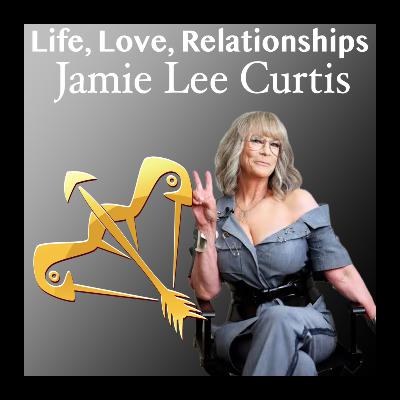
Jamie Lee Curtis loves intensely, loyally, and selectively.Scorpio (Sun/Venus/Mercury) brings:deep emotional bondingsexual intensityfierce loyaltyprotectivenessemotional extremesRevati Moon–Ketu brings:vulnerabilitysensitivityneed for emotional sanctuaryinternal romantic idealismpotential for early emotional woundsMoola ascendant adds:skepticismneed for authenticityinability to tolerate deceitkarmic transformation through relationshipsHer marriage to Christopher Guest reflects the stabilizing presence Moola individuals seek — emotional grounding, loyalty, and sincerity.She thrives in relationships where emotional truth is central and pretense is absent.Career – Reinvention, Courage, and EvolutionCurtis’s career is a perfect mirror of her chart’s transformational architecture.Horror Icon Phase(Rahu–Chitra + Mars–Krittika + Scorpio cluster)Physical intensity, emotional depth, fearlessness.Comedy and Versatility Phase(Jyeshtha Mercury + Revati Moon)Wit, timing, expressiveness.Sobriety, Writing, Activism(Revati Moon + Ketu + Saturn in Moola)Truth-telling, introspection, emotional leadership.Late-Life Mastery and Recognition(Jupiter in Vishakha)Awards, reinvention, maturity, elder authority.Her life is a series of phoenix-like rebirths — the exact promise of Moola, Vishakha, Revati, and Scorpio combined.#VedicAstrology#AstroPsychology#jamieleecurtis#AstrologyCaseStudy#MultipleIntelligences#RelationshipAstrology#SoulBlueprint#CreativeIntelligence#ExistentialAstrology#AstrologyCommunity
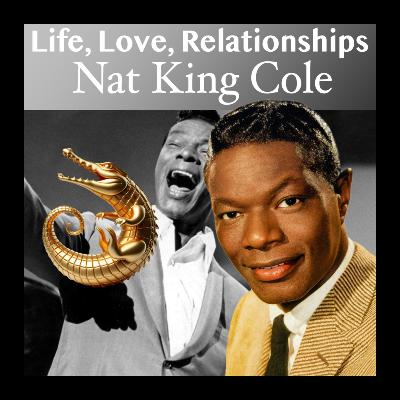
Nat King Cole’s chart opens with Capricorn rising at 3°51 in Uttara Ashadha, giving him that unmistakable aura of quiet dignity, composure, and natural authority. Capricorn creates the disciplined, structured, emotionally self-contained personality, while Uttara Ashadha adds nobility of spirit and an internal moral code that shaped the grace, restraint, and understated power he carried throughout his life. Saturn, the ascendant lord, sits in Cancer, adding emotional depth, sensitivity, and a lifelong responsibility toward others — a gentle weight he bore with poise, even when it became heavy.At the center of his chart is the extraordinary Pisces stellium — Sun, Mars, Venus, and Mercury — a rare concentration that defines his creativity, emotional world, artistic destiny, and multidimensional intelligence. Pisces dissolves edges; it turns experience into feeling, feeling into sound, and sound into memory. The Sun in Purva Bhadrapada gives philosophical fire, emotional complexity, and the ability to channel pain into purpose. Mars and Venus in Uttara Bhadrapada give passion that flows inward before outward, a romantic emotional reservoir, and artistic sensitivity that becomes magnetic through expression. Mercury in Revati gives melodic speech, lyrical phrasing, and the capacity to translate emotion into sound — an exact match to the musical-intelligence signatures that arise when Mercury, Venus, and water signs dominate.#VedicAstrology#AstroPsychology#natkingcole#AstrologyCaseStudy#MultipleIntelligences#RelationshipAstrology#SoulBlueprint#CreativeIntelligence#ExistentialAstrology#AstrologyCommunity

Roger Federer’s chart shows Leo rising at 17°24 in Purva Phalguni (Pada 2), giving him an unmistakable blend of charisma, grace, and effortless presence. Leo rising alone produces a figure who becomes a symbol larger than the sport, someone whose very movement feels regal, elegant, and naturally admired. Purva Phalguni adds artistry, pleasure, fluid expression, confidence, and an innate love for rhythm — the signature of an athlete whose game looks more like choreography than combat. This ascendant creates a personality that performs with beauty, not force; style, not strain; mastery, not aggression.His ascendant lord, the Sun in Cancer in Ashlesha (Pada 2), reveals the emotional and psychological depth beneath the controlled surface. Ashlesha is serpentine intelligence — subtle, strategic, analytical, inwardly intense. The Sun here gives Federer an intuitive reading of opponents, an emotional orientation to performance, and an internal world that is far more complex than the effortless exterior suggests. Cancer makes the personality sensitive, instinctive, fluid, and rhythmic — perfectly matching his unparalleled ability to glide across the court. The Leo–Cancer axis creates a performer who dazzles outwardly yet is internally contemplative, observant, and deeply self-regulating.The Moon sits in Libra in Vishakha (Pada 3), sharpening Federer’s elegance, timing, symmetry, and sense of balance — the hallmarks of his game. Libra gives grace; Vishakha gives relentless focus on mastering a target. This nakshatra is competitive, goal-driven, and refined. It explains his ability to maintain poise in high-pressure moments, his signature emotional restraint, and his air of calm precision even in combat. Moon in Libra is the classic hallmark of athletes whose movements appear artistic and harmonious.#VedicAstrology#AstroPsychology#rogerfederer #AstrologyCaseStudy#MultipleIntelligences#RelationshipAstrology#SoulBlueprint#CreativeIntelligence#ExistentialAstrology#AstrologyCommunity
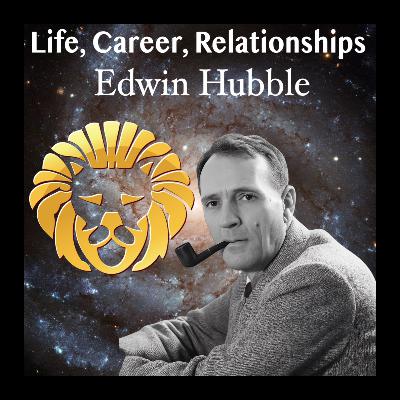
His ascendant lord, the Sun in Scorpio in Anuradha (Pada 2), introduces a deep, investigative, emotionally intense, and research-driven interior world. The Sun here loses all superficiality and becomes a surgeon of cosmic truth—intellectual, philosophical, and relentlessly focused. Scorpio gives penetrating insight; Anuradha gives discipline, devotion, and the capacity to structure knowledge with loyalty to truth. This is the placement of someone who must uncover what lies beneath existence. The Leo–Scorpio axis is legendary for producing individuals who radiate outward confidence yet live inwardly in profound inquiry and intensity.The Moon in Libra in Swati (Pada 2) sharpens the intellect with independence, conceptual clarity, and an ability to think in abstract patterns. Swati is the wind: fluid, flexible, curious, exploratory, restless, innovative. It added scientific openness, mathematical abstraction, and the ability to let ideas flow without being restricted by dogma. This was crucial for someone who would later redefine the cosmic scale itself.Mars in Virgo in Hasta (Pada 2) fused razor-sharp technical skill with manual and mental dexterity. Hasta is the nakshatra of precision and mastery through the hands. Virgo is analytical refinement. Mars here builds a logical mind with surgical problem-solving, scientific rigor, and the ability to execute complex sequences flawlessly. This is the planetary architecture of someone who works with meticulous method.Mercury exalted in Libra in Vishakha (Pada 3) brought goal-driven intellectual focus, elegance of reasoning, scientific balance, mathematical clarity, and a competitive mind that refuses mediocrity. Vishakha is the nakshatra of achieving milestones, conquering intellectual targets, and persevering until the objective is reached. Mercury here explains the sophistication of Hubble’s scientific reasoning—the ability to integrate observation with theory, logic with imagination.Jupiter in Sagittarius in Purva Ashadha (Pada 1) became the philosophical engine of his life. Jupiter in its own sign expands horizons, constructs worldviews, asks questions about origins, direction, and purpose. Purva Ashadha adds victory, clarity, and intellectual conquest. This Jupiter was the force behind Hubble’s urge to understand the architecture of the universe itself. His entire career sits on the shoulders of this placement.Venus in Libra in Swati (Pada 3) supported mathematical elegance, conceptual beauty, the aesthetic interpretation of science, the harmony of intellectual structures, and the uncanny ability to communicate abstract truths in a manner that felt poetic. Swati Venus produces individuals whose creativity is fueled by independence and original thinking.Saturn in Leo in Magha (Pada 4) introduced ancestral responsibility, discipline, tradition, and the karmic weight of carrying a lineage of knowledge forward. Saturn in Magha is the one who honors ancestors through achievement. This fits perfectly: Hubble extended the intellectual lineage of astronomy itself.Rahu in Gemini in Ardra (Pada 2) gave revolutionary thinking, unconventional insight, intellectual intensity, and the ability to break apart old models. Ardra is transformation through destruction of illusions. It is the nakshatra of scientific storm-bringers—the ones who tear the veil of ignorance.Ketu in Sagittarius in Moola (Pada 4) anchored him in existential truth-seeking, philosophical detachment, and the urge to find the root (Moola literally means “root”). This Ketu dissolves boundaries in pursuit of the deepest, most foundational knowledge. It perfectly aligns with a man who uncovered the true structure of the universe.#VedicAstrology#AstroPsychology#edwinhubble #AstrologyCommunity

Comments

Download from Google Play

Download from App Store
 United States