


 Claim Ownership
 The Sustainable Healthcare Podcast
The Sustainable Healthcare PodcastSubscribed: 4Played: 20
Subscribe

© Copyright Care Pathway Consulting Aps
Description
Learn the dos and don'ts of green innovation from experienced industry leaders. Your hosts are Frederik Dam van Deurs and Joachim Almdal.
101 Episodes
Reverse
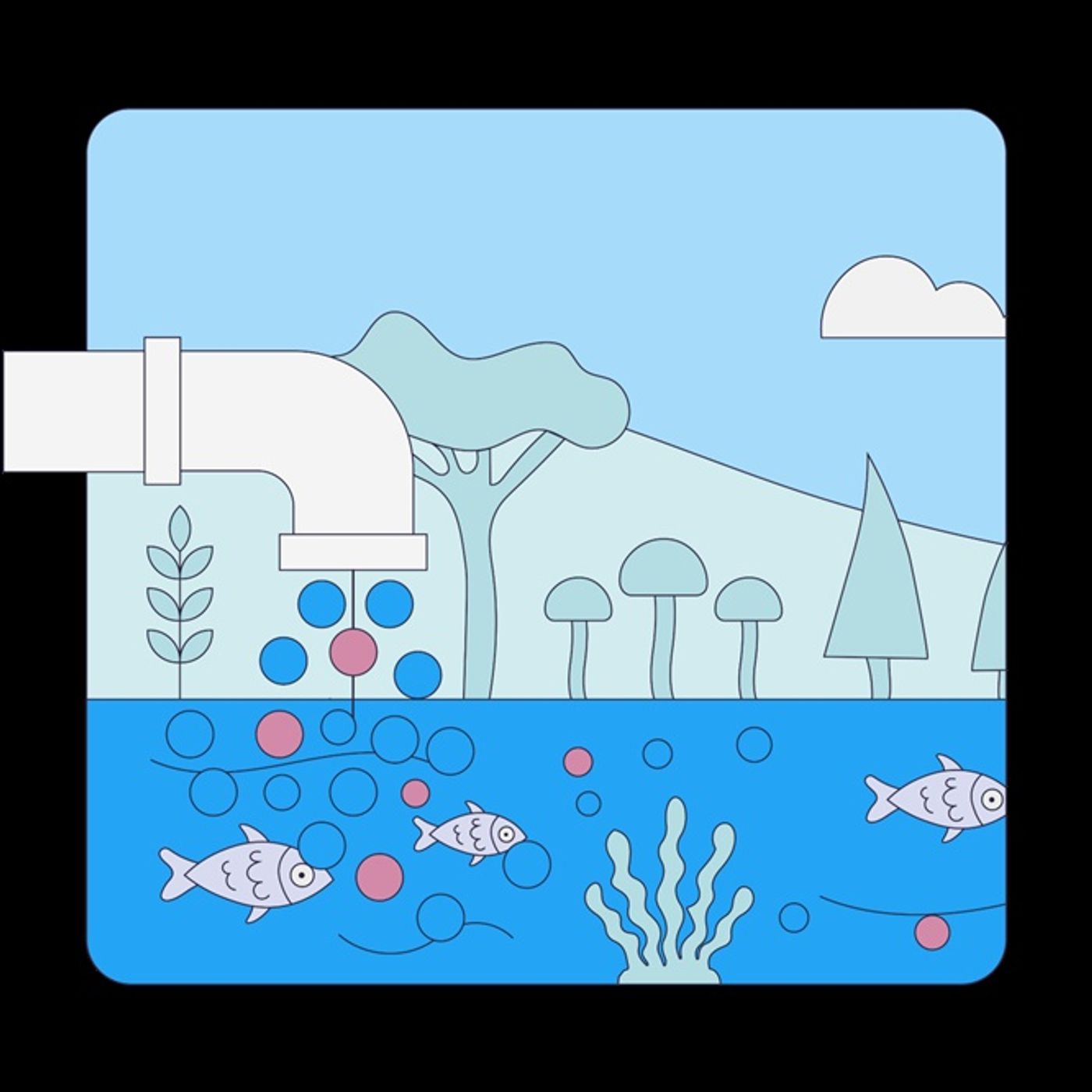
Tackling Pharmaceutical Pollution: A Systems-Based ApproachIn this episode of the Sustainable Healthcare Podcast, host Frederik Dam van Deurs welcomes Kelly Thornber, a researcher and advocate for addressing pharmaceutical pollution. Kelly shares her journey from working in Bangladesh to identifying pharmaceutical pollution as a global issue, and discusses the systems-based approach needed to mitigate its risks to public and environmental health.Episode Summary Kelly Thornber discusses the complexity of pharmaceutical pollution and the need for a systems-based strategy to address it. She highlights the importance of understanding the entire lifecycle of pharmaceuticals, from manufacture to disposal, and the role of various stakeholders in creating a sustainable solution. Key Topics CoveredIntroduction to Kelly Thornber:Kelly discusses her background and how she became interested in pharmaceutical pollution while working in Bangladesh.Her journey into sustainability and how her department is driving change within the company.Understanding Pharmaceutical Pollution:The importance of addressing pharmaceutical pollution and its impact on public and environmental health.The complexity of the pharmaceutical system and the need for a systems-based approach to mitigate risks.The Role of the Pharma Pollution Hub:Kelly’s work with the Pharma Pollution Hub and their efforts to advocate for changes in the pharmaceutical industry.The need for independent facilitation and oversight to drive meaningful change.Identifying Intervention Points:The 37 intervention points identified in Kelly’s paper and the importance of starting with actionable steps.The role of stakeholders in implementing these interventions and the need for collaboration.Notable Quotes"Pharmaceuticals are designed to be biologically active, and that means they can have physiological effects in non-target species." - Kelly Thornber"We need to take a systems approach to address the complex issue of pharmaceutical pollution." - Kelly ThornberResources MentionedPharma Pollution Hub: Pharma Pollution Hub WebsitePharmaceutical Pollution Paper: Read the PaperCall to ActionShare your thoughts: What role should the pharmaceutical industry play in addressing pollution? Connect with Frederik on LinkedIn to share your insights.Subscribe and Share: Help spread the word about sustainable healthcare by subscribing to the podcast and sharing this episode with your network.Host: Frederik Dam van Deurs Guest: Kelly Thornber, Researcher and Advocate for Pharmaceutical Pollution
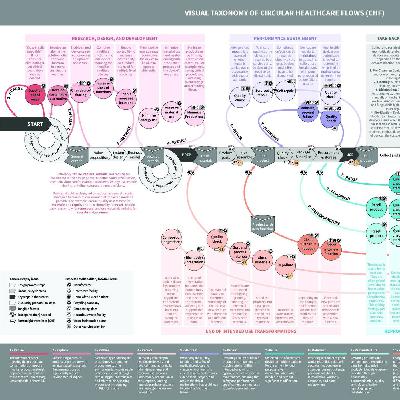
Guest: Tamara, PhD Candidate at TU Delft, Department of Sustainable Design EngineeringEpisode Summary In this episode of the Sustainable Healthcare Podcast, host Frederik Dam van Deurs welcomes Tamara, a researcher and entrepreneur specializing in circular economy principles for healthcare. Tamara shares her groundbreaking work on the Visual Taxonomy of Circular Healthcare Flows (CHF), a comprehensive map designed to guide sustainable decision-making for medical devices from design to end-of-life. Key Topics CoveredThe Visual Taxonomy of Circular Healthcare FlowsTamara introduces her visual taxonomy, which maps out circular economy strategies for medical devices. The taxonomy is designed to clarify the often-confusing terminology (e.g., "reuse" vs. "recycling") and provide actionable pathways for sustainability.Visual Reference: Visual Taxonomy of Circular Healthcare Flows (CHF)Misconceptions in Circular Economy TerminologyTamara highlights common misunderstandings, such as the difference between "reuse" and "recycling," and the healthcare-specific term "reprocessing." She emphasizes the importance of clarity in communication to avoid unintended environmental impacts.Real-World Example: Laparoscopic StaplerUsing a laparoscopic stapler as a case study, Tamara walks through the taxonomy’s steps: Refuse (questioning the need for the device), Rethink (designing multifunctional devices), Reduce (minimizing material use), and Reuse/Recycle (extending product life through maintenance, repair, or reprocessing).Barriers to Circularity in HealthcarePerceived vs. Actual Safety: The tendency to prioritize perceived safety over evidence-based sustainability, leading to overuse of single-use devices and excessive waste.Logistical Challenges: The complexity of sorting and collecting devices, especially in hospitals with limited space and resources.Regulatory Hurdles: Differences in regulations between the EU and the US, such as the reprocessing of single-use devices.Innovations and Hope for the FutureTamara shares her work on a patient-friendly alternative to the traditional vaginal speculum, designed to reduce pain and improve accessibility. She also discusses her optimism about collaborations among medical device manufacturers to drive systemic change.Notable Quotes"The number one barrier is the difference between actual safety and perceived safety. People want to do well in healthcare, but this can lead to unintended environmental consequences.""We need to ask: Do we really need this device? Can we refuse, rethink, or reduce before we even start producing?""Sterilization is not always necessary - sometimes high-level disinfection is enough, and that can significantly reduce environmental impact."Resources MentionedVisual Taxonomy of Circular Healthcare Flows (CHF): View the VisualCall to ActionShare your thoughts: What circular economy strategies have you seen in healthcare? Connect with Frederik on LinkedIn to share your insights.Subscribe and Share: Help spread the word about sustainable healthcare by subscribing to the podcast and sharing this episode with your network.Host: Frederik Dam van Deurs Guest: Tamara, PhD Candidate, TU Delft
Join Joachim and guest Arne Kloke, Head of Service & Sustainability Management at SCHOTT Pharma and President of Alliance to Zero.They explore practical examples of using recycled materials in pharma inclduing a case with Takeda and Pfizer and the real barriers to circularity, and what the new EU Circular Economy Act could mean for the industry.You’ll hear concrete insights on device design, waste streams, collaboration models, and how the next wave of sustainable packaging is being built. Timestamps:00:00 – Introduction to quality management in pharma01:12 – Welcome to the Sustainable Healthcare Podcast01:21 – Meet Arne Clark: sustainability journey01:40 – Challenges and innovations in pharma sustainability02:54 – Personal insights and hobbies03:45 – Hope and collaboration in sustainability05:30 – Why sustainable practices matter06:30 – SCHOTT Pharma’s role in sustainability09:45 – Recycling and circular economy in pharma14:03 – Scaling sustainable solutions21:09 – Challenges in waste management and recycling30:29 – Alliance to Zero and the EU Circular Economy Act36:29 – Conclusion and call to action
Developmental prosopagnosia – also known as face blindness – affects an estimated 1–3% of the population, yet most people have never heard of it.In this special episode of the Sustainable Healthcare Podcast, Frederik steps into the role of patient and speaks with psychologist and researcher Erling Nørkær about his own recent condition discovery and what it means to live in a world where faces don’t reliably “stick.”Together, Frederik and Erling unpack:What developmental prosopagnosia is – and how it differs from simply being “bad with names”How face recognition normally works in the brain, and what seems to go wrong in prosopagnosiaThe social and emotional consequences: fear of seeming rude, anxiety in crowds, and why modern life makes the condition harder to live withPractical coping strategies and how people learn to rely on clothing, context, voice, and other cues instead of facesWhy prosopagnosia is not yet a formal diagnosis, and what that means for patientsCurrent research efforts, including studies of infants of parents with prosopagnosia, and what this might reveal about early development and future interventionsIt’s a deeply personal conversation about neurodivergence, identity, and how better language and awareness can make everyday life less stressful for people with face blindness – in schools, workplaces, and healthcare.About our guest Erling Nørkær is a psychologist, PhD, and researcher at the Department of Psychology, University of Copenhagen, specializing in developmental prosopagnosia – the reduced or absent ability to recognize faces.LinkedIn: https://www.linkedin.com/in/erling-n%C3%B8rk%C3%A6r-0558a11b8/Copenhagen Neuropsychology Lab (CopNL): https://psychology.ku.dk/research/research_groups/copnl/Research profile: https://researchprofiles.ku.dk/en/persons/erling-n%C3%B8rk%C3%A6r/
The Power of Movement:Why Exercise is Essential for Health In this episode of the Sustainable Healthcare Podcast, host Joachim Almdal welcomes Anders Nedergaard, an expert in muscle biology and health coaching. Anders shares his insights on the importance of physical activity, the impact of modern lifestyles on health, and how exercise can be integrated into healthcare systems to promote sustainability.Episode SummaryAnders Nedergaard, with a PhD in muscle biology, discusses the critical role of physical activity in maintaining health and preventing disease. He highlights the benefits of exercise, from improving cardiometabolic health to reducing inflammation, and explores the societal changes that have led to decreased physical activity levels.Key Topics CoveredThe Benefits of Exercise:Anders explains how physical activity normalizes and stabilizes physiological homeostasis, including blood sugar regulation, lipid levels, blood pressure, and mood.The importance of maintaining a high oxygen uptake to counter the negative effects of being overweight or obese.Modern Lifestyles and Health:The impact of inactivity and caloric surplus on health outcomes.The paradox of occupational vs. recreational physical activity and their different effects on health.Exercise Dosage and Health Outcomes:The relationship between various doses of exercise and health outcomes, including mortality and morbidity.The concept of "involuntary physical activity abstinence" and how it affects public health.Integrating Exercise into Healthcare:The potential for exercise to reduce healthcare emissions by preventing intensive care needs.The challenges and opportunities of incorporating exercise into healthcare systems.Notable Quotes"Physical activity in general normalizes and stabilizes all kinds of physiological homeostasis." - Anders Nedergaard"The real big difference is when you go from zero to something." - Anders Nedergaard
Planetary boundaries, wellbeing & healthcare with Mia Heide (WELA)What does it actually mean for human health that we’ve now exceeded 7 out of 9 planetary boundaries – up from 6 out of 9 in 2023 – and how should healthcare systems respond? In this episode, we're joined by Mia Heide, engineer and researcher at WELA – Wellbeing Economy Lab, to unpack the latest science and what it implies for policy, practice, and care pathways. Sustainable Healthcare Podcast …We talk about:What the planetary boundaries framework is – and why it’s about hard limits, not “nice-to-have” goalsThe new 2025 assessment showing we’ve transgressed 7/9 boundaries, and what changed since 2023How to downscale planetary boundaries to a country level (e.g. Denmark) using different sharing principles – equal per capita, capacity to reduce, historical responsibility, and “grandfathering” Why some principles give wealthy countries like Denmark a negative carbon budget, and why “equal” is not the same as “fair”The concept of decent living standards – what’s the minimum energy and material footprint needed to secure basic human needs globally? Health impacts of specific boundaries once we overshoot them, including:Climate change: extreme weather, heat stress, displacement and food securityFreshwater change: water scarcity, sanitation breakdown, conflict riskNovel entities (PFAS, microplastics, synthetic chemicals): cancer risk, hormone disruption, fertility impacts – and why this is hugely under-discussed in public health The uncomfortable paradox: we need to meet basic needs and stay within limits – and every tonne of CO₂ still countsWhy healthcare decarbonisation must be seen in a two-way relationship:Healthcare activities impact planetary boundariesOvershooting those boundaries, in turn, undermines population health and health system resilienceWhere Mia still finds motivation and drive in 2025 – and why “a different world is possible” is not just a sloganAbout our guest – Mia Heide & WELAMia Heide is an engineer and researcher at WELA – Wellbeing Economy Lab, a Danish, independent think tank working for a wellbeing economy where societal progress is measured by the ability to create good lives for all within planetary boundaries – now and for future generations.Resources & links mentionedMia’s working paper (in Danish)“Trivsel inden for de planetære grænser” – WELA working paper on planetary boundaries, wellbeing and health👉 WELA publications page: https://www.wellbeingeconomylab.com/udgivelserDecent living standards & minimum energyMillward-Hopkins et al. (2020): “Providing decent living with minimum energy: A global scenario”👉 https://www.sciencedirect.com/science/article/pii/S0959378020307512Planetary boundaries & latest assessmentsRichardson et al. (2023) – updated assessment of the planetary boundaries (Stockholm Resilience Centre)Planetary Health Check 2025 – Executive Summary (global status update)👉 https://www.planetaryhealthcheck.org/wp-content/uploads/PlanetaryHealthCheck2025_ExecutiveSummary.pdfIf you enjoyed this episode, please share it with a colleague, rate the show, or suggest future guests – it really helps us bring more voices like Mia’s into the sustainable healthcare conversation.
Show Notes — Sustainable Healthcare Coalition (SHC): From Care Pathways to Greener Clinical Trials Guests:Fiona — Chair, Sustainable Healthcare Coalition (SHC)Keith Moore — Programme Coordinator, SHCNatalie — Community of Practice Moderator, SHCHost: Frederik Dam van Deurs (Green Innovation Group & Care Pathway Consulting) Episode in a nutshell We sit down with the Sustainable Healthcare Coalition (SHC) to unpack what it really takes to decarbonize healthcare—both at the level of everyday care pathways and the specialized world of clinical trials. We cover SHC’s origin story with the NHS, why scope 3 (supply chain) matters, how SHC evolved into a not-for-profit platform connecting public and private actors, and the tools and frameworks helping systems act now. Natalie also previews the first in-person conference of the Sustainable Clinical Trials – Community of Practice in London on 4 November 2025—a highly interactive day shaping the community’s 2026 agenda. What we coverSHC origin & mission: From a UK roundtable (2011) to a global, not-for-profit platform bridging health systems and industry on sustainability.Why scope 3 is the big lever: Pharma and med-tech footprints, and how collaborative forums beat procurement-only dialogues.Three universal priorities for greener care:Shift care closer to the patient,Use digital tools to empower patients and providers,Double down on prevention.Prevention in practice: Partnering with people, designing prevention into systems (e.g., vaccination, slowing CKD progression), and supporting self-management (e.g., smart inhalers).Care pathways vs. clinical trials: Why trials deserve their own framework (CROs, labs, regulators, logistics) even if they mirror care pathways.Where trial emissions often sit: Participant travel, site/monitor travel, labs, and investigational product logistics—plus the promise (and limits) of decentralization.Start here: Assess your own trial portfolio and therapeutic areas—hotspots and best levers vary with the carbon intensity of the product/API and trial design.Hope, pragmatism & momentum: System optimization saves costs and resources and cuts CO₂e—progress doesn’t have to feel like sacrifice.Key takeawaysSystems thinking wins: Cross-sector collaboration is essential; no single stakeholder can decarbonize healthcare alone.Measure to move: Practical calculators and worked examples help teams find hotspots and act fast.Prevention is premium care: The most sustainable pathway is the one where patients don’t get sick—but it requires genuine partnership with people.Memorable moments“The most sustainable patient journey is the one where the patient never gets sick.”“Clinical trials are like care pathways with extra moving parts—CROs, labs, ethics, regulators—so they need their own rulebook.”“Even if climate isn’t your prime driver, system optimization cuts waste and saves money—why wouldn’t you do it?”Links & resourcesSHC COP Conference (London, 4 Nov 2025): shcoalition.org/cop-conference/Sustainable Healthcare Coalition (main site): shcoalition.orgLinkedIn Group – Sustainable Clinical Trials: Community of Practice: linkedin.com/groups/13149469/
Data-Driven Decarbonization of Danish Hospitals — with Rasmus & Thea SummaryHow do Denmark’s regions actually use data to steer the green transition in hospitals—and what does it change on the ground?In this episode, Rasmus (Region Midtjylland) and Thea (Region Syddanmark) unpack why procurement dominates the footprint in Denmark, how a “climate management model” guides reductions, and what happens when you move from single-use to multi-use—or simply stop buying low-value items altogether.We also touch on tricky boundary topics like ambulances (listen to the deep dive we did with David from falck in episode 056), staff/patient transport, and why energy is a smaller lever in Denmark than in many other countries. Guests:Rasmus — Center for Sustainable Hospitals, Central Denmark Region (Region Midtjylland). Builds the sustainability data system and evaluates environmental impacts of change projects.Thea — Region of Southern Denmark (Region Syddanmark). Leads carbon baseline work and helps prioritize, start, and track decarbonization projects.What we coverWhy procurement (the “stuff we buy”) is the main lever in Danish hospitalsEnergy & transport in Denmark: why grid mix and modern buildings downplay energy, and what’s in/out of scope on transportThe Climate Management Model: back-casting to net-zero and allocating reductions across strategiesThe reduction hierarchy in practice: avoid → switch to multi-use → supplier requirementsA simple starter win: phasing out disposable exam table paper (“lejepapir”) and measuring the CO₂ impactChange management realities: engaging clinicians and aligning purchasing pathwaysKey takeawaysIn Denmark, procurement drives the footprint more than energy or (in-scope) transport.Start at the top of the ladder: avoid use where clinically acceptable, then shift to multi-use, then green the supply chain.A shared climate management model turns scattered projects into a coherent path to net-zero—and makes results comparable across regions.Resources (DK)Common Sustainability Strategy for Danish Regions – includes the focus on data-driven progress (PDF):regioner.dk/media/0mapejdn/en-faellesregional-strategi-for-groenne-hospitaler.pdfStrategy for “Grønne hospitaler” – background, initiatives, and updates:regioner.dk/regional-udvikling/groenne-hospitaler/Capital Region video – Klimastyringsmodellen: et værktøj til monitorering og retning (how the climate management model works):regionh.dk/til-fagfolk/klima-og-miljoe/groen-omstilling-af-hospitalerne/co2-indsatser…/klimastyringsmodellen-et-vaerktoej-til-monitorering-og-retning.aspx
Prof. Dr. Koen Kas—healthcare futurist and founder of Healthskouts—joins us to explore how “Delight Thinking” and 24/7 digital twins can shift care from reactive sickcare to proactive health.We unpack real-world models like Best Buy’s at-home monitoring, and how redesigning care and going remote-by-default can also reduce emissions.Koen dives into N=1 clinical trials, federated learning, and Tim Berners-Lee’s Solid personal data pods—and shares insights from his new book, Epic, on building healthspan and “fullness.”Check out Koen's work on: https://koenkas.com/
Circular Medication Flows in the ICU — What the Data Really Say Host: Frederik Van DeursGuests: Jasper Klasen (Adult Intensive Care, Erasmus MC) and Nicole Hunfeld (Hospital Pharmacy, Erasmus MC)How much medication and packaging does an ICU actually use—and where does it all end up? A new study mapped the flows and uncovered practical levers to cut waste without compromising care.https://pubmed.ncbi.nlm.nih.gov/40394680/https://ccforum.biomedcentral.com/articles/10.1186/s13054-025-05434-3
Understanding Clinicians' Perspectives on Sustainability: A Survey InsightJoin Joachim from Green Innovation Group and Michael Maagaard from the Central Danish region as they delve into the findings of a survey on how healthcare workers perceive and act upon sustainability.They discuss the key themes of motivation, shared responsibility, practical roadblocks, and the need for better tools, visibility, and leadership to support sustainable practices in healthcare settings.00:46 Importance of the Survey03:59 Survey Findings: Clinicians' Knowledge and Motivation04:12 Theme 1: Knowledge vs. Action in Sustainability09:10 Theme 2: Shared Responsibility but Limited Results21:35 Theme 3: High Motivation Among Staff26:02 Theme 4: Practical Roadblocks in Implementation32:55 Theme 5: Missing Links - Tools, Visibility, and Leadership
Driving Sustainable Change in Healthcare: Insights from Michael MaagaardJoin us in this episode of the Sustainable Healthcare Podcast with Michael Maagaard from the Center for Sustainable Hospitals in Denmark. Michael discusses his background in educational psychology and healthcare, the rapid growth of their sustainability center, and their efforts in integrating sustainability within hospital operations. Learn about the challenges and solutions in implementing sustainable practices, the role of collaboration with suppliers, and practical steps to reduce waste and improve outcomes in healthcare. Key takeaways include the importance of using less, using longer, and using greener in healthcare settings.00:00 Introduction to the Sustainable Healthcare Podcast 00:29 Meet Michael Mojo: Background and Role 02:09 Center for Sustainable Hospitals: Mission and Growth 04:05 Challenges and Strategies in Sustainability 07:14 Clinicians' Concerns and Hygiene Issues 17:38 Sustainability Agreements and Success Stories 22:32 Collaborations with Suppliers and Industry 32:05 Key Learnings in Change Management 35:49 Conclusion and Final Thoughts
Commercializing Sustainability in Healthcare: Insights from 'The Demand Revolution'In this episode of the Sustainable Healthcare Podcast, host Joachim interviews Nicolai Broby Eckert, a senior partner at Simon-Kucher and author of 'The Demand Revolution'. They discuss the challenges and opportunities in commercializing sustainability in pharma, MedTech, and healthcare sectors. Nicolai shares key insights from his book, including:- The importance of affordable green products- 85% of consumers are on a sustainability journey - you should segment based on this - Strategic plays companies can adopt to integrate sustainability into their business models. 00:00 Intro00:11 Meet Our Guest: Nikolai, Author of 'The Demand Revolution'00:57 The Disconnect Between CEOs and Consumers on Sustainability02:56 Consumer Behavior and Sustainability: Key Findings07:35 Strategic Implications for Companies10:42 Sustainability in Pharma and MedTech16:42 The Importance of Partnerships and Stakeholder Engagement21:03 The Kodak Moment: Risks and Opportunities25:35 Innovative Strategies for Sustainability33:43 Final Thoughts and Where to Find More Information
Join us in this episode with Dr. Reed Omary, professor of radiology and a sustainability advocate, shares his journey toward integrating environmental consciousness into healthcare.We talk about how sustainability can drive innovation and improve efficiency as well as addressing challenges in healthcare systems, with practical insights for clinicians, administrators, and policymakers.In this episode you can discover actionable steps to reduce waste, improve outcomes, and make a difference in the fight against climate change.
In this episode, Frederik explores the role of public procurement in decarbonizing the healthcare sector.He talks about the need for standardized sustainability requirements and shares insights from a survey with buyers across Europe. He also delves into the progress of the pharmaceutical industry and the importance of weighted tender scoring criteria.Tune in to learn more about the importance of sustainability in healthcare procurement and the need for greater alignment between ambitions and execution.
Discover how companies are setting targets and improving reporting quality, as well as the need for tangible emission reduction. Join Frederik, Amy, and Chris in this engaging podcast as they delve into the progress and challenges of decarbonizing the healthcare sector.Explore the potential of telemedicine and the importance of considering the environmental impact of the entire patient care pathway and how to shift focus from reporting to creating tangible results.Don't miss out on this insightful conversation that highlights the intersection of sustainability and healthcare.Tune in now!
Join Nick Jenkins from Manufacture 2030 and Frederick Van der from Green Innovation Group as they discuss their work in decarbonizing the healthcare industry.Learn about how Manufacture 2030 helps large manufacturing brands reduce their carbon footprint through data collection, action plans, and expert partnerships.Discover the importance of addressing scope three emissions and setting science-based targets.Be inspired to be a sustainability champion in your organization and explore the wealth of resources available in the sustainability space.Don't miss this insightful conversation between two industry leaders.
Join Joachim & Clare, the sustainability lead for Boston Scientific's EMEA business, as she discusses the challenges and demands of sustainability in the healthcare industry.Discover how businesses can meet customer demands for sustainability information, develop commercial teams, and collaborate with healthcare systems.Gain insights from a sustainability expert and learn how to implement advice effectively.Find out the importance of collaboration, partnership, and involving commercial teams in decision-making. Don't miss this valuable podcast on sustainable healthcare practices!
Join Clare, the Sustainability Lead for the EMEA region at Boston Scientific, as she discusses the healthcare industry's role in addressing climate change and sustainability.Discover how healthcare can be part of the solution, the impact of the industry on emissions, and Boston Scientific's commitment to sustainability.Gain insights into regulatory changes, the commercial landscape, and the innovative changes made by Boston Scientific to reduce emissions and waste.Don't miss out on this engaging conversation about the importance of sustainability in healthcare.

Comments

Download from Google Play

Download from App Store
 United States