


 Claim Ownership
Hack Music Theory
Subscribed: 2,546Played: 30,766
Subscribe

© 2026 Revolution Harmony
Description
The unorthodoX thoughts of multi award-winning music lecturer Ray Harmony. Older episodes were co-hosted by his wife and protégé Kate Harmony. As a songwriter and producer, Ray has made music with Grammy winners and multiplatinum artists, including Serj Tankian (System Of A Down) and Tom Morello (Rage Against The Machine). Join over 250,000 YouTube subscribers learning the fast, easy, and fun way to make music without using AI, cos it ain't no fun getting a robot to write “your” songs! Download Ray's free book @ HackMusicTheory.com
143 Episodes
Reverse

Writers & Readers Against AI.
If you’re pro-human, join Paul Kingsnorth’s campaign. The brilliant English writer Paul Kingsnorth recently launched a campaign for everyone who loves humans and human creativity. So if you also miss the good ol’ days when you could read, listen or watch something and know that a human made it, then please join this campaign. And please do it today. This is urgent! Due to generative-AI, humanity is at a vital fork in the road. In all honesty, I think it’s probably too late to save human-made art, but if we don’t try, we’ll never know (and we'll always regret not trying, too!). And if you’re a Gen Xer like me, or a Boomer, then we seriously owe it to the kids, because we know how life-changing real music was to our childhood development. The term “life-changing” is thrown around a lot nowadays, but music literally changed our lives when we were growing up in the ‘70s, ‘80s and early ‘90s. It’s heartbreaking to think that kids are no longer experiencing that deep and profound meaning that music gave to our lives. Those bands that we lived for (and couldn’t stop thinking about) not only made us who we are, but they helped us to cope with a screwed-up world that just keeps getting more screwed up! This is why we owe it to the kids to try our best to wake people up to the consequences of generative-AI. And that process begins by having conversations like this with our friends and family. On that note, please share this post with any open-minded person willing to listen. Subscribe to get the latest posts in your inbox. Here’s an example of the reality we’re living in with AI. So the other day I was listening to the new album by Icelandic singer-songwriter Ásgeir. It’s breathtakingly beautiful. But while I was halfway through the title-track “Julia”, a thought popped into my head: “He could’ve used AI to write this!” I really hope he didn’t, but we’ll never know. And that’s what most non-musicians still don’t seem to understand about generative-AI. It’s ubiquitous. It’s being used in most new songs. In fact, when asked off-the-record, a shocking number of professional songwriters and producers admit to using generative-AI when making music. This has been confirmed by well-connected industry insiders like journalist Kristin Robinson, who’s a Senior Correspondent for Billboard, and writes their “Machine Learnings” newsletter that covers the rapid impact of AI and other emerging tech on the music industry. And just a quick sidenote. If you wanna learn my fast, easy and fun method for making music, then visit my website. From beginner to advanced, there’s something for you there. And most of them are free, so enjoy! If you’re a beginner, start by reading my free book 12 Music Theory Hacks to Learn Scales & Chords. It only takes about half an hour to read, then you’ll have a solid foundation of the basics. If you’re already making music, though, you can work your way through my 30 free PDF tutorials. They’re step-by-step musical “recipes” that you follow to instantly make better music. All genres are there, too. Electronic to hip-hop, classical to metal, and everything in between. Have fun cookin’ up some new tunes! Then on top of the free book, 30 free PDFs, and over 220 free YouTube tutorials, I don’t paywall any of these posts either, as I don’t want to exclude anyone. But, if you’re enjoying all my free offerings and want me to make more, please support my work by becoming a paid subscriber. It’s only about the cost of one coffee per month, but if enough people join, then I can pay the rent and keep doing this work. To sign up, please visit HackMusicTheory.com/Join. If you can’t afford to at the moment, though, no problem. You can give Hack Music Theory a 5-star rating in your podcast app, that supports my work too. Either way, thank you so much, and let’s get back to the topic at hand… Subscribe to get the latest posts in your inbox. So, even old-school garage bands that record directly to vinyl could still be using generative-AI in the writing process. Most of the band members would not even know. This disturbing fact is what we need to help people understand. You see, every time I speak out against AI, people leave comments saying that they’re not fooled by AI-generated songs and that they can tell the difference. For now, let’s forget about Deezer’s recent survey that found 97% of people can’t tell the difference between fully AI-generated songs and human-made songs. So putting that data to the side for now, here’s the bigger problem, and I’ll illustrate it with an example. When the new Foo Fighters album “Your Favorite Toy” is released in a few weeks, how will we know that Dave Grohl didn’t use generative-AI in the writing process? We can’t. That’s the short answer. Because, he could easily have used AI secretly at home while writing the songs. The other band members wouldn’t even know. From what I’ve read it sounds like the album was recorded in Dave’s usual old-school way, and with his preference of analogue gear. That’s all great, but the fact remains. He could have used generative-AI to help him write the songs. I really hope he didn’t, but we’ll never know. That’s the problem. That’s what we need to help non-musicians understand. Subscribe to get the latest posts in your inbox. So when people say that they can tell the difference between AI-generated songs and human-made songs, they’re just uneducated on the way that generative-AI can be used in the writing process. This is our reality. Right now. And it’s been like this for the last couple years. To be clear. There’s literally no way that anyone can know if a new song was written by a human, by AI, or by a combination of the two. If we want to be guaranteed that the music we’re listening to is 100% human-made, then our only option is to stick with old recordings. I recommend albums from before 1997, because that way you also avoid Auto-Tuned vocals. Yes, the transhuman music agenda has been underway for decades! If you want a short history of this, check out my previous post, titled: AI Human vs Human AI. Now, back to Paul Kingsnorth’s vital new campaign: Writers Against AI. The first thing to know is that it’s actually for writers and readers. So even if you’re not currently writing anything, you can join as a reader. Having said that, though, I definitely encourage you to start a daily writing practice, but that’s a topic for another post. For now, all you have to do is make three pledges and you’re in. Here they are, in Paul’s words: “To support the campaign, a writer must make three pledges:
I will not use AI in my work as a writer.
I will not support writers who use AI in their work.
I will support writers, illustrators, editors and others in related fields whose work is entirely human-made.
The first of these points draws a line for our own creative work. We say, as storytellers: we will remain human. With the second, we refuse to lend our voices or our money to anyone who uses this technology to replace human creativity. Finally, we commit to doing something positive: supporting, financially and morally, other creators who are drawing the line too, and refusing to be dehumanised. If you are a writer who agrees with these pledges and who wants to sign up to this campaign - well, that agreement is all it takes.” Subscribe to get the latest posts in your inbox. So if you’re feeling inspired to get involved, head on over to WritersAgainstAI.net today and download the logo, then use it on your website and social media to let your audience know that your creations are 100% human-made. And if you’re a reader, you can download a “Readers Against AI” logo and post that on your social media and anywhere else that you can. Let the world know that you’re pro-human, and that you support human creativity! And please, do this today. Time is of the essence. A heartfelt thank-you for reading/listening, and welcome aboard the Songwriter’s Ark, where all the music making skills are being preserved through this global AI flood. The flood shall pass. The skills will last. Ray Harmony :)
Donate.
Help keep the Songwriter's Ark afloat.
Photo by Mart Production
About.
Ray Harmony is a multi award-winning music lecturer, who’s made music with Serj Tankian (System Of A Down), Tom Morello (Rage Against The Machine), Steven Wilson (Porcupine Tree), Devin Townsend (Strapping Young Lad), Ihsahn (Emperor), Kool Keith (Ultramagnetic MCs), Madchild (Swollen Members), and more.
Ray is also the founder of Hack Music Theory, a YouTube channel with over 10 million views and over 250,000 subscribers learning the fast, easy and fun way to make music without using AI, cos it ain’t no fun getting a robot to write “your” songs!
Photo by cottonbro studio
Outro music by Ray Harmony, based on the music theory from GoGo Penguin "Everything Is Going to Be OK".
Podcast.
Listen below, or on any podcast app.

AI Human vs Human AI.
A brief history of transhuman music. Most AI-generated songs now sound more human than most human-made songs. How did music go so horribly wrong? It all happened so fast, too! If you’re a Gen Xer like me, you’ve witnessed this whole process unfold from start to finish in just a few decades. As a kid I remember the first time I saw Depeche Mode performing live on some TV show. I was so confused. I heard drums, but I didn’t see a drummer!? What kind of sorcery was this? Remember, this was before the internet, so I had no way of finding out how they did that. Then a year or so later, I saw these little black boxes in my local music instrument store. “What kind of instrument is that?” I asked the long-haired store clerk, who was rather busy air-guitaring along to some ‘80s shred album. “It’s a drum machine,” he told me. “How does it play the drums?” I asked, with even more curiosity than before. He laughed, and then explained how it doesn’t physically play drums, it’s a computer that replicates the sound of a drummer. I was shocked! “But then bands won’t need drummers anymore?” I said, hoping that he would tell me I’d misunderstood his explanation. But no. He confirmed that the future indeed did not look good for drummers. “Are you a drummer?” he asked. “No, I play piano and guitar,” I replied. “Well you’ve got nothing to worry about then!” he assured me, trying to put my young prophetic mind at ease. But the writing was on the wall, and it was obvious to all with eyes to see. Subscribe to get the latest posts in your inbox. The release of drum machines did two things, which together formed the catalyst for the death of music. Firstly, a lot of drummers lost their gigs. You see, the fewer people in a band, the more money each member makes. And remember, for working-class musicians like us who are just trying to scrape by, that increase can be the difference between paying rent and being homeless. So I’m not judging any bands that replaced their drummers with drum machines. I know the struggle. The drummer in my band was my brother. So who knows, if it was someone else, I may have done that too. The second consequence of replacing drummers with drum machines was that all the drummers who still had bands, like my brother, were now being compared to drum machines. No matter how tight their playing, it was never as tight as the machine. This destroyed most drummers’ confidence, and it began the false idea that having everything perfectly on the MIDI grid was the best way. This is a lie. The feel of a great drummer is exclusively due to them not hitting everything on the grid. A well-played soul groove that’s slightly behind the beat feels a million times better than a drum machine. And a well-played punk groove that’s slightly ahead of the beat feels so intense compared to a drum machine. There’s nothing perfect about playing perfectly on the grid. It just feels dead. Like the machine. Also, the slight variations that you get from a human drummer throughout each song is priceless, and breathes life into every single bar. Now, the next stage in the death of music occurred in 1997, with the release of Auto-Tune. This was the first time that the pitch of vocals could be corrected. It was dark sorcery, too. I remember the first time I experienced this. I had just walked into the beautiful Metropolis Studios building in London, and my engineer friend Rohan Onraet met me with an excited “Dude, you gotta see this!” as he quickly ushered me into Studio C where he was working on a mix. He sat me down and proceeded to play a Before and After version of a vocal track. I still remember who the band was, but I won’t mention them, as the first rule of Studio Club is: You don’t talk about what happens in the studio! The difference between his Before and After versions of the vocals was shocking. The singer was not very good, but after my friend had auto-tuned him, he sounded just as good as anyone else. I could not believe it. “That’s cheating” I protested. “Yep” he agreed. And after a dramatic pause, he added: “This changes everything.” Turns out he was far more prophetic than he realized. Subscribe to get the latest posts in your inbox. By the early 2000s, pitch correction software had been adapted to be able to tune any and all instruments, including guitar. Around the same time, rhythmic correction software was also developed. Now it was possible to record a live drummer, but then using software like Beat Detective, every hit could be perfectly aligned to the MIDI grid. This is why the drums on most recordings from 2001 onwards start sounding like drum machines, despite often being human drummers. So 20 years ago, singers were already sounding like robots, and drummers were sounding like drum machines. And many bass guitarists had already been replaced with synthesizers by then, and the bassists that remained, were heavily edited as well. For a brief period, us guitarists were the last musicians standing. But that didn’t last long, as not only did pitch and rhythmic correction software start making guitarists sound like robots too, but then virtual guitars started appearing. And as with all virtual instruments, they sounded terrible at first. However, it didn’t take long for them to start sounding convincingly realistic. And eventually, they would also become indistinguishable from the real thing. And that concludes the bizarre story of how human musicians turned themselves into robots, long before AI turned up. So by the time AI-generated songs began to infiltrate the airwaves in 2022, music already sounded robotic. But now in 2026, AI is able to replicate old recordings, so it’s sounding more human than the humans. In fact, a recent study by Deezer found that 97% of people can’t tell the difference between fully AI-generated songs and human-made songs. They also discovered that around 50,000 fully AI-generated songs are now uploaded to streaming platforms every day, accounting for 34% of all daily deliveries. That’s utterly horrifying! In my view, there is literally only one good thing that could come from generative-AI, and it’s the fact that AI is working relentlessly to sound human. That should be a huge wake-up call for us! Think about it. If sounding like a robot was ideal, then AI wouldn’t be constantly learning how to sound more human. Subscribe to get the latest posts in your inbox. There’s hardly anything that we can do without any effort whatsoever. But sounding human is one of them. So please, embrace your human imperfections. It’s precisely those imperfections that bring your music to life and make it soulful. So this is my invitation to start being human again. If you’re a musician, don’t edit your recordings. Those little pitch or timing issues are the magic that makes you unique. And if you’re a producer, then I encourage you to get a MIDI keyboard and start practising. Even if you can only learn to play your drum beats and bass lines on the keyboard, that will still add a significant human feel to your recordings. On that note, if you need some help with your music, I’ve got you covered. From beginner to advanced, there’s something for you on my website. If you’re a beginner, start by reading my free book 12 Music Theory Hacks to Learn Scales & Chords. It only takes about half an hour to read, then you’ll have a solid foundation of the basics. If you’re already making music, though, you can work your way through 30 free PDF tutorials. They’re step-by-step musical “recipes” you follow to instantly make better music. All genres are there, too. Electronic to hip-hop, classical to metal, and everything in between. Enjoy! On top of the free book, 30 free PDFs, and over 220 free YouTube tutorials, I don’t paywall any of these posts either. I don’t want to exclude anyone. But, if you’re enjoying all these free offerings and want me to make more, please support my work by becoming a paid subscriber. It’s only about the cost of one coffee per month, but if enough people join, then I can pay the rent and keep doing this work. To sign up, please visit HackMusicTheory.com/Join. If you can’t afford to at the moment, though, no problem. You can give Hack Music Theory a 5-star rating in your podcast app, that supports my work too. Either way, thank you so much! And welcome aboard the Songwriter’s Ark, where all the music making skills are being preserved through this global AI flood. The flood shall pass. The skills will last. Ray Harmony :)
Donate.
Help keep the Songwriter's Ark afloat.
Photo by Mart Production
About.
Ray Harmony is a multi award-winning music lecturer, who’s made music with Serj Tankian (System Of A Down), Tom Morello (Rage Against The Machine), Steven Wilson (Porcupine Tree), Devin Townsend (Strapping Young Lad), Ihsahn (Emperor), Kool Keith (Ultramagnetic MCs), Madchild (Swollen Members), and more.
Ray is also the founder of Hack Music Theory, a YouTube channel with over 10 million views and over 250,000 subscribers learning the fast, easy and fun way to make music without using AI, cos it ain’t no fun getting a robot to write “your” songs!
Photo by Magda Ehlers
Outro music by Ray Harmony, based on the music theory from GoGo Penguin "Everything Is Going to Be OK".
Podcast.
Listen below, or on any podcast app.
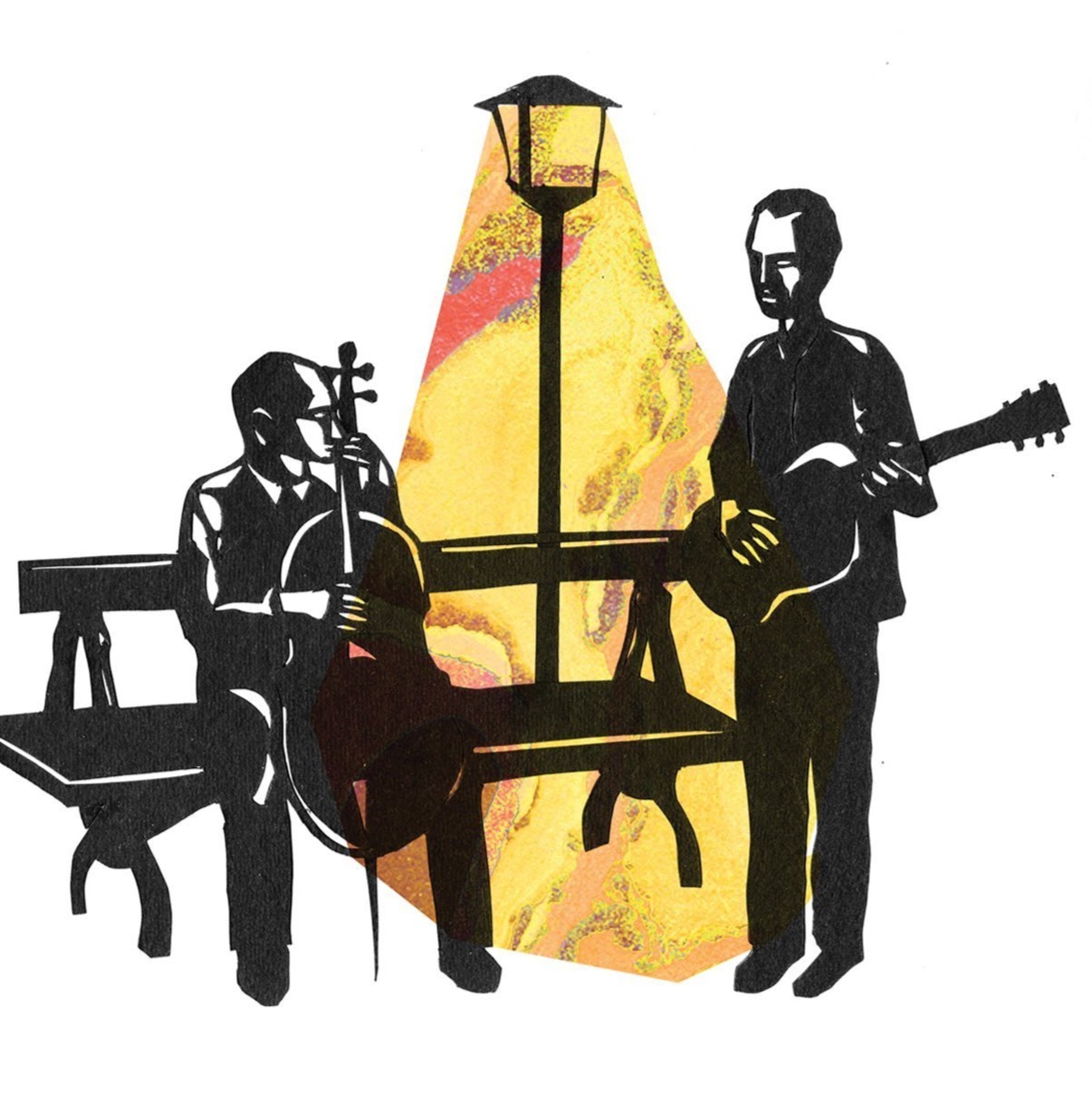
Musical Heroes in the AI Age.
Nø Førmat! You need to know about this record label. Nø Førmat! is an independent record label based in Paris. They’ve been around for over 20 years, and they’re one of my favourite labels. I love so many of their releases, but my current favourite is the album “Synthetic Hearts” by South African duo Msaki & Tubatsi. It’s a masterpiece! I’ve got a soft spot for South African music because I was born and raised there, but they’ve got artists from all over the world on their label. I’m confident that you’ll find an artist of theirs that resonates with you. And for the record, I don’t know anyone at this label, so this is not a promo for them. I’m just a fan of theirs. Another one of my favorites is the album “Our Calling” by the English singer-songwriter Piers Faccini and the Malian kora-player Ballake Sissoko. It’s a truly unique collaboration. The beauty is heartwarming, and the catchy melodies will have you joyfully singing along. Do yourself a favour, and spend some time checking out the artists on this heroic record label. So why are they heroic? Because they’re one of the very few labels in the music industry who are brave enough (and awake enough) to be rejecting generative AI. Here’s a quote from a recent newsletter of theirs about this topic: “We refuse to let what artists have spent a lifetime mastering be melted into billions of data points and regurgitated as artificial music by Udio, Suno or others. We refuse to let music, and more broadly, art, be reduced to robotic excrement, just to fatten a tech unicorn.” Subscribe to get the latest posts in your inbox. Now you can see why I love this label! And there’s more. They continue: “This is not the world we want. Not for our children, not for all the world’s children, who dream of one day learning to play a couple of notes on a guitar. Because, how, in such a world, can we transmit the teaching, the effort, composition techniques, the love of practicing music and the social bonds it creates?” If it sounds like they’re exaggerating, they’re not. I’ve been teaching music for 31 years, and I can confirm that interest in music education has almost entirely disappeared. The numbers don’t lie. It’s crystal clear: hardly anyone nowadays is willing to put in the work it takes to learn music. The sales of my online courses and PDFs have fallen by over 80% since the release of generative AI to the public. And for music teachers like me, who are trying to survive on less than 20% of our previous income (which was low to start with), we’re no longer able to pay the rent. So unless people start choosing humans over robots soon, all the music making skills that have been passed on for centuries will be lost, because music teachers all over the world are having to find other work. And with no music teachers, the tiny amount of people who still want to learn music and can concentrate long enough to do it, will have no other choice but to learn from AI. If you have kids, please think about this, because it’s happening right now. This will be your children’s reality within the next year or two, because when music teachers can make significantly more money stocking shelves in their local grocery store, what choice do we have? The rent won’t pay itself. Subscribe to get the latest posts in your inbox. Right, back to Nø Førmat!’s newsletter now. So they continue: “We believe in the power of artists over our imagination, our way of interacting with the world, our well-being and mental health. We believe in the profound impact of their work on our lives, and we want to continue nurturing this work. We believe that creation, -and the technique inherent to it, is a human miracle that must be fiercely protected and passed on to future generations. We therefore refuse any use of our catalog to train AI.” As with everything in the world. If there’s demand for something, people will supply it. The people and corporations who are responsible for making the AI that’s killing our art (and a lot more too) are only doing it because it’s what the masses want. If the masses didn’t want AI, these corporations would’ve already moved on to something else. I think this is one of the (many) times where we can learn a lot from the Amish. Every new technology that comes to market is assessed by the elders in each Amish community. If they decide the technology will deepen their relationships with each other and with God, then they welcome it. If it won’t, they reject it. This is the nuanced approach that we all need to take when it comes to new technology. Our choices matter, because whatever we want, corporations will make it and sell it to us. They don’t care if it’s bad for us, our families, our communities, and our surroundings. So please, think about AI. Deeply ponder it. Ask yourself this question: By using AI, am I creating the world I want for myself and the kids? Subscribe to get the latest posts in your inbox. Think about how much the world has already changed since ChatGPT was launched in November 2022. That was just over three years ago. Mad times! I remember listening to songs from the first wave of AI-generated music a couple years ago. They sounded super fake and robotic. But now AI songs sound more real and organic than most human-made songs. That’s because humans are using auto-tune and a bunch of other editing tools, which iron out every crease of imperfection, and therefore every trace of humanity. Meanwhile, AI-generated music is doing the exact opposite, and as a result, it’s sounding way more human. On that note. If you’re not okay with this transhuman agenda, then head on over to www.NoFormat.net and check out the artists on this heroic record label. They need your support! And if you make music, or if you want to start making music, then check out my website afterwards. There’s tons of free resources there that were all made by a human. Me! Whether you’re beginner, intermediate, or advanced, I’ve got something for you. If you’re a beginner, start by reading my free book 12 Music Theory Hacks to Learn Scales & Chords. It only takes about half an hour to read, then you’ll have a solid foundation of the basics. If you’re already making music, you can work your way through 30 free PDF tutorials. They’re step-by-step musical “recipes” you follow to instantly make better music. All genres are there, too. Electronic to hip-hop, classical to metal, and everything in between. Enjoy! On top of the free book, 30 free PDFs, and over 220 free YouTube tutorials, I don’t paywall any of these posts either. I don’t want to exclude anyone. But, if you’re enjoying all these free offerings and want me to make more, please support my work by becoming a paid subscriber. It’s only about the cost of one coffee per month, but if enough people join, then I can pay the rent and keep doing this work. To sign up, please visit HackMusicTheory.com/Join. If you can’t afford to at the moment, though, no problem. You can give Hack Music Theory a 5-star rating in your podcast app, that supports my work too. Either way, thank you so much! And welcome aboard the Songwriter’s Ark, where all the music making skills are being preserved through this global AI flood. The flood shall pass. The skills will last. Ray Harmony :)
Donate.
Help keep the Songwriter's Ark afloat.
Photo by Mart Production
About.
Ray Harmony is a multi award-winning music lecturer, who’s made music with Serj Tankian (System Of A Down), Tom Morello (Rage Against The Machine), Steven Wilson (Porcupine Tree), Devin Townsend (Strapping Young Lad), Ihsahn (Emperor), Kool Keith (Ultramagnetic MCs), Madchild (Swollen Members), and more.
Ray is also the founder of Hack Music Theory, a YouTube channel with over 10 million views and over 250,000 subscribers learning the fast, easy and fun way to make music without using AI, cos it ain’t no fun getting a robot to write “your” songs!
Artwork by Jérôme Witz. Nø Førmat!’s graphic designer since 2004.
Outro music by Ray Harmony, based on the music theory from GoGo Penguin "Everything Is Going to Be OK".
Podcast.
Listen below, or on any podcast app.
We Are the Orchid Children.
A call to highly sensitive musicians. “Dandelion” children are those resilient and healthy kids who can survive and thrive under most circumstances. “Orchid” children, on the other hand, are those sensitive and fragile kids who need the right kind of support in order to survive and thrive. This is according to four decades of research by the world-renowned pediatrician Dr. W. Thomas Boyce, who coined the terms “dandelion” and “orchid” in reference to how sensitive a child is. When orchid kids don’t get the gentle childhoods they need, they go adrift. Drugs, delinquency, depression, and all kinds of other dark forces descend upon them. The silver lining of this cloud, though, is that orchid kids often turn to creativity as a way of trying to make sense of a world that seems upside-down. That’s because the world is made by dandelions, for dandelions. If you’re a dandelion, you’re lucky, you naturally fit into society. Enjoy it! This post, however, is for the orchids. Why? Well, because I’m an orchid. And to be sure, the researchers tell us about all the advantages of being an orchid, and that we’re lucky too, just for different reasons. But, most days it really doesn’t feel like we’re lucky. A quick sidebar. As with all categorizations, in reality this is more of a spectrum. In fact, further research identified “tulip” children. They’re the group in the middle. Not as robust as dandelions, but not as sensitive as orchids. Tulips apparently make up the largest portion of the population, at 40%. The low-sensitivity dandelions account for 30%, and us highly-sensitive orchids are the other 30%. Subscribe to get the latest posts in your inbox. This breakdown is slightly different to the research done by one of the other pioneers in this field, the psychologist Dr. Elaine Aron. Her data shows that about 20 to 30% of the population are Highly Sensitive Persons, or HSPs, a term she coined. Either way, the exact percentage doesn’t matter, what matters is that we’re not alone. About one in four or five people are also orchids, like us. Let’s remember that next time we’re doing our grocery shopping and feeling overwhelmed by the intensity of noise, lights, smells, and most overwhelming of all, the frantic energy of other people. At that moment, look around. If you can see at least 10 people, then one of them is probably also an orchid. See if you can spot them. It’s pretty easy. They’ll be the one who looks as uncomfortable as you feel. By the way, if you’re not sure whether you’re an orchid, you can take Dr. Aron’s online test for high sensitivity over at hsperson.com. And to be clear, orchids and HSPs are referring to the same group of highly sensitive people, they’re just different terms coined by different doctors. Now, I mentioned earlier that orchids often turn to creativity as a way to cope with a world made by dandelions. This is why HSPs are over-represented in all of the arts. In fact, if you scroll through your personal music library, most of the artists in there will probably be fellow orchids. That brings me to one of the most important takeaways from the research in this field: Orchids are not failed dandelions! Yes, the world is an overwhelming place for us orchids, but our high sensitivity is to everything. Bad stuff, yes. But good stuff, too. That’s why beautiful music can move us to mystical experiences. And fun music can lift our spirits within seconds. When we listen to music, it saturates our souls. We become the music. Subscribe to get the latest posts in your inbox. I’ve mainly been listening to soothing instrumental music lately. I discuss the reason for this in a previous post, titled This Is The Only Pure Music. One of the many reasons, though, is for music therapy. You see, mental health problems like anxiety and OCD are common in orchids. That’s because childhood traumas imprint themselves far more deeply into the unconscious patterns of orchid kids. Many of those traumatic events occurred before we learned to talk. Therefore, we weren’t able to process them in a rational way. Instrumental music has a magical ability to reach right back into our pre-talking baby brains and sooth them. Maybe that’s the reason why God gave us music? Music heals. So if you’re a fellow orchid kid, this is my invitation to you. Start listening to soothing instrumental music today. And listen when you’re safe and sound at home, with headphones, and your eyes closed. If you’re not sure what to choose, I recommend John Field’s Nocturnes. My favourite recording is by Elizabeth Joy Roe. And if you’re feeling inspired to play a more active role in your healing, and you’d like to actually create your own soothing music, then I’ve got you covered. From beginner to advanced, there are tons of helpful resources for you over on my website. If you’re a beginner, start by reading my free book 12 Music Theory Hacks to Learn Scales & Chords. It only takes about half an hour to read, then you’ll have a solid foundation of the basics. Next, you can work your way through 30 free PDF tutorials. They’re step-by-step musical “recipes” that you can follow to instantly make music in any genre. Electronic to hip-hop, classical to metal, and everything in between. It’s all there. Enjoy! On top of the free book, 30 free PDFs, and over 220 free YouTube tutorials, I don’t paywall any of these posts either. I don’t want to exclude anyone. But, if you’re enjoying all these free offerings and want me to make more, please support my work by becoming a paid subscriber. It’s only about the cost of one coffee per month, but if enough people join, then I can pay the rent and keep doing this work. To sign up, please visit HackMusicTheory.com/Join. If you can’t afford to at the moment, though, no problem. You can give Hack Music Theory a 5-star rating in your podcast app, that supports my work too. Either way, thank you so much! And welcome aboard the Songwriter’s Ark, where all the music making skills are being preserved through this global AI flood. The flood shall pass. The skills will last. Ray Harmony :)
Donate.
Help keep the Songwriter's Ark afloat.
Photo by Mart Production
About.
Ray Harmony is a multi award-winning music lecturer, who’s made music with Serj Tankian (System Of A Down), Tom Morello (Rage Against The Machine), Steven Wilson (Porcupine Tree), Devin Townsend (Strapping Young Lad), Ihsahn (Emperor), Kool Keith (Ultramagnetic MCs), Madchild (Swollen Members), and more.
Ray is also the founder of Hack Music Theory, a YouTube channel with over 10 million views and over 250,000 subscribers learning the fast, easy and fun way to make music without using AI, cos it ain’t no fun getting a robot to write “your” songs!
Photo by itschansy
Outro music by Ray Harmony, based on the music theory from GoGo Penguin "Everything Is Going to Be OK".
Podcast.
Listen below, or on any podcast app.

The Music Theory of Fun.
These two things make songs feel good… In my previous essay Who Killed the Fun, Fun, Fun? I told the story of how music was intentionally transformed from a fun and communal activity into fear propaganda that’s consumed alone. All within a few decades. I concluded with an invitation to make something fun, and then to share it with the world. We need it! The most revolutionary thing we can do in this age of consumption is to create. But, there’s a caveat. If our creations add to the fear and division, then the world is better off without them. That’s why it’s essential that what we make adds love and unity to society. And arguably the best way to do that is to spread light-hearted fun. Fun, and I mean healthy fun, is the antithesis of fear. Now, when it comes to music, there’s generally two characteristics that make a song fun. These two characteristics map onto the two elements of music: pitch, and rhythm. The first characteristic of fun music is an uplifting vibe. That’s the pitch element. The second characteristic is a dancey groove. That’s the rhythmic element. So in this essay we’ll be taking a look at what specific features make music uplifting and dancey. Subscribe to get the latest posts in your inbox. When it comes to uplifting songs, they tend to be in major keys, and inspire us to sing along. As this characteristic falls into the pitch category, what we’re talking about here in practical terms is melody and harmony. In most songs, the main melody will be the vocal line, and the harmony will be the accompanying chords, usually played on a guitar or synth. So, put simply: singing a melody in a major scale makes us feel good. And by the way, if you’re new to music and you want to understand scales and chords, you can learn all the basics in my Free Book 12 Music Theory Hacks to Learn Scales & Chords. Now let’s look at the second characteristic, danceability, which falls into the rhythm category. Songs with dancey grooves tend to have a backbeat snare drum on the 2 and 4, and often include a syncopated rhythm played on the kick drum and/or bass guitar. This moves us to dance along. And by the way, if you’re new to syncopation, it’s just the fancy word for accenting an off-beat. To learn about this and everything else you need to know about drums, read my Hack Drum Beats PDF. It’s worth mentioning here that the classic four-on-the-flour kick drum pattern, which pretty much every song in the Dance genre uses, is also a great way to get people moving. However, unless a syncopated rhythm is added to it (perhaps in the bass line), it gets really boring, really quickly! Subscribe to get the latest posts in your inbox. Okay so let’s bring this music theory to life with a couple examples. For uplifting music, listen to “Don’t Worry Baby” by The Beach Boys. You’ll instantly feel that this song is in a major key. It’s almost impossible not to sing along, and it feels so good when you do. Go on, I dare you, just surrender and sing along! And for an example of dancey music, check out “Get Up, Get Into It, Get Involved” by James Brown. It’s almost impossible not to move to that groove. And don’t resist. Resistance is futile. Let your body dance, you know you want to! Now, while the Beach Boys song is obviously in a major key, the James Brown song is actually in a minor key, which is normally considered to sound sad. But, in the context of a super funky groove, minor keys can feel super fun, especially when they’re using the minor pentatonic scale, like in this song. If you’re new to pentatonic scales, the minor pentatonic is simply the natural minor scale without its second and sixth notes. This scale is a funk favourite, along with its even funkier sister: the blues scale. To learn my hacks for these scales, as well as all the modes, check out my Songwriting & Producing PDF. Subscribe to get the latest posts in your inbox. This James Brown song is a great example of how fun music doesn’t need to have both characteristics. You can either use a major key to create an uplifting vibe, or you can use a backbeat snare and syncopated rhythm to create a dancey groove. However, while you don’t need to use both characteristics, please feel free to do so if you want double the fun! Lastly, if you’re interested in reading my free book or any of the PDFs I mentioned, you can download them from my website. There’s also 30 free PDF tutorials over there, which are step-by-step musical “recipes” you can follow to instantly make music in any genre. Electronic to hip-hop, classical to metal, and everything in between. They also cover all the instruments, from piano to synth to vocals to bass to drums. It’s all there. Enjoy! On top of the free book, 30 free PDFs, and over 220 free YouTube tutorials, I don’t paywall any of these essays either. I don’t want to exclude anyone. But, if you’re enjoying all these free offerings and want me to make more, please support my work by becoming a paid subscriber. It’s only about the cost of one coffee per month, but if enough people join, then I can pay the rent and keep doing this work. To sign up, please visit HackMusicTheory.com/Join. If you can’t afford to at the moment, though, no problem. You can give Hack Music Theory a 5-star rating in your podcast app, that supports my work too. Either way, thank you so much! And welcome aboard the Songwriter’s Ark, where all the music making skills are being preserved through this global AI flood. The flood shall pass. The skills will last. Ray Harmony :)
Donate.
Help keep the Songwriter's Ark afloat.
Photo by Mart Production
About.
Ray Harmony is a multi award-winning music lecturer, who’s made music with Serj Tankian (System Of A Down), Tom Morello (Rage Against The Machine), Steven Wilson (Porcupine Tree), Devin Townsend (Strapping Young Lad), Ihsahn (Emperor), Kool Keith (Ultramagnetic MCs), Madchild (Swollen Members), and more.
Ray is also the founder of Hack Music Theory, a YouTube channel with over 10 million views and over 250,000 subscribers learning the fast, easy and fun way to make music without using AI, cos it ain’t no fun getting a robot to write “your” songs!
Photo by Andrea Piacquadio
Outro music by Ray Harmony, based on the music theory from GoGo Penguin "Everything Is Going to Be OK".
Podcast.
Listen below, or on any podcast app.

Who Killed the Fun, Fun, Fun?
Music used to be our greatest joy, then this happened… 1964. Fun, Fun, Fun. That was a song on the album “Shut Down, Volume 2” by my childhood heroes, The Beach Boys. Go have a quick listen, the song is only two minutes long. But they’re two minutes of pure joy! “Fun, Fun, Fun” was released 62 years ago. So now I’d like you to compare it to any new single from 2026 in the New Music Friday playlist. What do you notice? Yep! Somewhere between the mid-1960s and the mid-2020s it seems we lost all the fun. In six decades we’ve gone from musicians playing real instruments while their fans dance together, to AI-generated songs that are consumed alone via earphones. Wow! It’s no wonder so many people are depressed nowadays. This is the story of who killed the fun, fun, fun in music. And more importantly… Why? Subscribe to get the latest posts in your inbox. The first thing we need to understand is that music is only one piece of the puzzle. Take a quick look at the new releases on Netflix, and compare those to the movies from the mid ‘60s. Then take a quick look at the new books on Amazon, and compare those to the ones from the mid ‘60s. It won’t take long to see the pattern. The majority of media being pumped out to the masses nowadays is designed to cause fear. Whether it’s nonfiction books about climate change, fiction books about the end of the world (and to be honest, it’s almost impossible to tell those two apart), or whether it’s movies about pandemics, TV shows about serial killers, YouTube videos about alien invasions, or Substack essays on global financial collapse. It’s obvious to anyone with eyes to see that the Fun, Fun, Fun has been thoroughly replaced with Fear, Fear, Fear. Welcome to the future. And yes, there have always been fear narratives in human civilizations. It’s how emperors control the masses. But, what’s vastly different now is the ubiquity of media. In the past, if an emperor wanted to pump out a new fear narrative to the people, it took years to circulate. And even then, vast areas of the empire were utterly oblivious to what they were supposed to be scared of. Nowadays, though, thanks to social media. When the emperor decides to circulate a new fear narrative, within hours it’s implanted into the consciousness of the masses all around the world. If it’s an extremely scary narrative, it can be global within minutes. These are the conditions we’re living in today. Once again, it’s hardly surprising that the majority of people are suffering from mental and physical health problems. So what’s the solution? You guessed it! Fun, fun, fun :) Subscribe to get the latest posts in your inbox. Sadly, though, with the fear propaganda constantly attacking us from every angle, it’s become extremely difficult to have fun. And for the record, when I say fun, I mean healthy enjoyment, not self-medicating. If you’re also a highly sensitive person (HSP) like me, then you’ll feel everyone else’s emotions as if they’re your own. So even if you’re staying offline and away from screens, you still absorb that fearful energy from other people. Therefore, the first step in this process is to snap ourselves out of the fear trance. And the best way to do that is to laugh. Whatever it takes to make you laugh. Do it every day, as a matter of utmost importance. For me, a short YouTube video of dogs eating peanut butter does the trick. Even just thinking about them makes me smile. And now that we’ve broken the spell of fear, the next step is to create something from this place of light-hearted energy. Being a music teacher, obviously I’d love it if you felt inspired to make music, but that doesn’t matter. What matters is that you bring something joyful into the world. A song, a drawing, a dance, a flower arrangement, a story, a joke, a cake, whatever you feel like creating in the moment. As long as you’re having fun making it. That’s the sole purpose! Enjoy every moment of the process. You’re creating something that wasn’t there before. It’s magic. How cool is that?! Then when you’re done. Share it. If you can, share it with someone in person. If not, that’s okay, share it online. But if you do that, be prepared for some trolling, as the internet doesn’t much appreciate cheerful things. This is how change happens, though. Because fun, like fear, is contagious. The more fun we share, the more positive the world becomes (including us). And the change will be exponential. We know that’s true, because it’s exactly how fear was spread over the last few years. Subscribe to get the latest posts in your inbox. If you’re still reading this, you obviously care deeply about the world. We need you. We need your fun creations. So please make something light-hearted this week, and share it with as many as possible. And please share it here in the comments too, so we can all enjoy your positivity. On that note, if you need some help writing music, I’ve got you covered. From beginner to advanced, there’s something for you on my website! If you’re a beginner, start by reading my free book 12 Music Theory Hacks to Learn Scales & Chords. It only takes about half an hour to read, then you’ll have a solid foundation of the basics. Next, you can work your way through 30 free PDF tutorials. They’re step-by-step musical “recipes” that you can follow to instantly make music in any genre. Electronic to hip-hop, classical to metal, and everything in between. It’s all there. Enjoy! On top of the free book, 30 free PDFs, and over 220 free YouTube tutorials, I don’t paywall any of these essays either. I don’t want to exclude anyone. But, if you’re enjoying all these free offerings and want me to make more, please support my work by becoming a paid subscriber. It’s only about the cost of one coffee per month, but if enough people join, then I can pay the rent and keep doing this work. To sign up, please visit HackMusicTheory.com/Join. If you can’t afford to at the moment, though, no problem. You can give Hack Music Theory a 5-star rating in your podcast app, that supports my work too. Either way, thank you so much! And welcome aboard the Songwriter’s Ark, where all the music making skills are being preserved through this global AI flood. The flood shall pass. The skills will last. Ray Harmony :)
Donate.
Help keep the Songwriter's Ark afloat.
Photo by Mart Production
About.
Ray Harmony is a multi award-winning music lecturer, who’s made music with Serj Tankian (System Of A Down), Tom Morello (Rage Against The Machine), Steven Wilson (Porcupine Tree), Devin Townsend (Strapping Young Lad), Ihsahn (Emperor), Kool Keith (Ultramagnetic MCs), Madchild (Swollen Members), and more.
Ray is also the founder of Hack Music Theory, a YouTube channel with over 10 million views and over 250,000 subscribers learning the fast, easy and fun way to make music without using AI, cos it ain’t no fun getting a robot to write “your” songs!
Photo by Pixabay
Outro music by Ray Harmony, based on the music theory from GoGo Penguin "Everything Is Going to Be OK".
Podcast.
Listen below, or on any podcast app.
Musical Memoirs & Sonic Scrapbooks.
How to find purpose, passion, and meaning in your life. Okay so what’s a musical memoir? Well, the Oxford Dictionary defines a memoir as “an account written by somebody about their life and experiences”. So a musical memoir is a musical account written by somebody about their life and experiences. This is an idea that’s been on my mind for a while, so I’d like to share it with you in this essay with the hope that you may find it inspiring. It’s a totally different way of approaching music, which we desperately need in this new AI age. Depending on the person, music is usually considered to be in one of the following six categories. And obviously this list is not exhaustive, but these are the most common ways of approaching music: Artistic, where the focus is on creativity and originality. Entertainment, where the focus is on performance and enjoyment. Social, where the focus is on community cohesion and bonding. Spiritual, where the focus is on connecting with the divine and worshipping. Soundtrack, where the focus is on enhancing and/or manipulating emotions. And for some, business, where the focus is on profit and revenue growth. So those are the conventional categories: artistic, entertainment, social, spiritual, soundtrack, and business. But as AI-generated music steals more and more work from all of these categories, we’re facing a meaning crisis as musicians. When the world doesn’t want our gifts any more, what do we do? And where do we find meaning and purpose in our lives now? Subscribe to get the latest posts in your inbox. That’s where my “musical memoir” idea comes in. I suggest we start approaching music in the same way that we approach photos. Most people have a smart phone in their pocket nowadays, so they tend to document their daily lives through pictures. Like a photographic memoir. These captured memories then get uploaded to an online gallery, which is the modern equivalent of those dusty old-school photo albums that used to fill our shelves. On a side note. Don’t you think it’s weird that so many people share their online galleries with the public? Any stranger can look at them. How creepy is that?! Back in the day, photo albums were private. Only family members got to look at them, and even that was embarrassing. I don’t remember ever letting any of my friends open my photo albums. No way! They were strictly family-only. What does it say about our modern culture that people are so willing to share their photos with strangers? Interesting times. But I digress. So I’m sure you can see where I’m going with this. I’m proposing that we start capturing our memories in sound as well, by making autobiographical music. In other words, music as a memoir. And in between creating our musical memoir, we can constantly be working on our sonic scrapbooks. A sonic scrapbook is where we can keep all our musical ideas, which may or may not be turned into songs later. There’s no need to turn every idea into a song. Sometimes ideas are perfectly happy exactly the way they are. If you write a beautiful melody or chord progression or whatever, and you never feel the desire to turn it into anything more, then it’s complete. It has served its purpose. Don’t let anyone tell you otherwise. When Picasso did a pencil sketch and left it at that, it was complete. If he’d wanted to turn it into a painting, he would have. That’s what our sonic scrapbooks should be: A place where all our ideas are collected. They form a vital part of our musical journey, even if they don’t make it into the final narrative. Subscribe to get the latest posts in your inbox. The reason I feel so excited about this new approach to music, is that the work and its meaning can’t be stolen by AI. Remember, a memoir is “an account written by somebody about their life and experiences”. Let that sink in. AI will never be able to do that. Because, a memoir must be written by the person it’s about, as it’s an account of their life and experiences. AI will never know what it’s like to be you. Therefore, AI can never steal this work and its meaning from you. So if you’re like me, and AI has stolen over 80% of your work and over 80% of your income (and yes, that’s true), then I offer you this idea as a way to rebuild your musical life from the devastation of this global AI flood. Then at the end of your life you’ll have a one-of-a-kind musical memoir to show for your time here. How meaningful is that? Now that’s what I call a life well lived! On that note, if you’re feeling inspired to begin your musical memoir and sonic scrapbook, I invite you to join my online apprenticeship course. Through a series of in-depth videos, you’ll learn my Song-Whispering method. It’s an intuitive way of writing, where you let the music guide you from blank screen to finished song. If you’re new to music, though, no problem. You can start your journey right now by reading my free book 12 Music Theory Hacks to Learn Scales & Chords. It only takes about half an hour to read, then you’ll have a solid foundation of the basics. Next, you can work your way through my 30 free PDF tutorials. They’re step-by-step musical “recipes” that you can follow to instantly make music. All genres are covered, from electronic to hip-hop, classical to metal, and everything in between! And on top of the free book, 30 free PDFs, and over 220 free YouTube tutorials, I don’t paywall any of these essays either. I don’t want to exclude anyone. But, if you’re enjoying all these free offerings and want me to make more, please support my work by becoming a paid subscriber. It’s only about the cost of one coffee per month, but if enough people join, then I can pay the rent and keep doing this work. To sign up, please visit HackMusicTheory.com/Join. If you can’t afford to at the moment, though, no problem. You can give Hack Music Theory a 5-star rating in your podcast app, that supports my work too. Either way, thank you so much! And welcome aboard the Songwriter’s Ark, where all the music making skills are being preserved through this global AI flood. The flood shall pass. The skills will last. Ray Harmony :)
Donate.
Help keep the Songwriter's Ark afloat.
Photo by Mart Production
About.
Ray Harmony is a multi award-winning music lecturer, who’s made music with Serj Tankian (System Of A Down), Tom Morello (Rage Against The Machine), Steven Wilson (Porcupine Tree), Devin Townsend (Strapping Young Lad), Ihsahn (Emperor), Kool Keith (Ultramagnetic MCs), Madchild (Swollen Members), and more.
Ray is also the founder of Hack Music Theory, a YouTube channel with over 10 million views and over 250,000 subscribers learning the fast, easy and fun way to make music without using AI, cos it ain’t no fun getting a robot to write “your” songs!
Photo by Pixabay
Outro music by Ray Harmony, based on the music theory from GoGo Penguin "Everything Is Going to Be OK".
Podcast.
Listen below, or on any podcast app.

An Effortless New Year’s Resolution.
One simple question that will change your future. New year’s resolutions don’t work. All the studies on them reveal this same finding. Yet every January 1st, millions of people make them. Again. Knowing that they’ve never worked before. In fact, the only thing that works about a new year’s resolution is its ability to make people feel bad about themselves. Because when they inevitably fail, they need a way to numb that pain. And whatever that involves, it usually ends up with them in a worse state than they were in before they started. One step forward, two steps back. If new year’s resolutions work for you, great. Keep on keeping on! If they don’t, though, then this essay is for you. I’m offering a completely different approach. And the best thing of all is that it requires no effort. So have you ever picked up your phone for a quick scroll, and then after what seems like a few minutes, you look at the time and realise you’ve been scrolling for an hour? This is what happens when we stop being aware. We shift into autopilot. There are many techniques available to help with this problem. But once we’re on autopilot it’s already too late, because even if we can become aware, it requires a huge amount of will power to snap ourselves out of this type of trance state. A far easier way, which requires no will power, is to simply ask yourself this one question before you begin any activity: What is the opportunity cost of doing this? Subscribe to get the latest posts in your inbox. If you don’t know what an opportunity cost is, let me explain. Whenever you choose to do something (like scrolling on your phone), you’re sacrificing all the other activities that you could be doing instead (like making music). But more importantly, you’re sacrificing all the benefits that you’d get from doing the other activity. In this example, the opportunity cost is the benefit you would have got from making music. That’s the true price you’re paying when you choose to scroll. And the longer you scroll, the higher the price you pay. If you scroll for one hour every day, that’s 365 hours this year that you could have been making music. And even if you forget about all the health benefits you’ll enjoy from making music, that’s still a heavy price to pay. Because imagine how many songs you could write in 365 hours. And sadly, most people scroll a lot more than one hour a day. So there you go. That’s my effortless alternative to the usual new year’s resolution! Before embarking on any activity, ask yourself: What’s the opportunity cost of doing this? Then consciously decide if you’re happy to miss out on the benefits you’d gain from doing that other activity. Those lost benefits add up really quickly, too. Imagine two versions of yourself, one that chooses to scroll for an hour every day, and one that chooses to make music instead. Due to the compound effect, the difference between these two versions of you will be vast by the end of this year. Which one do you want to be? Subscribe to get the latest posts in your inbox. Remember, the trick is to ask yourself about the opportunity cost before you begin an activity. If you need to, write “Opportunity Cost?” on your hand every morning. Do whatever it takes to ask this question before you start doing something, especially if that thing involves looking at a screen. Screens hypnotize us. Literally. So before you give the screen that control over your mind, ask the big question! Even if you ask this question and then decide that scrolling is worth it, by asking it you’ve created some cognitive dissonance. This will bother your unconscious mind. And as this builds over time, you’ll find that you start choosing healthier activities simply to relieve your cognitive dissonance. Now, if you’re ready to begin your musical journey, you can start right now by reading my free book 12 Music Theory Hacks to Learn Scales & Chords. It only takes about half an hour to read, then you’ll have a solid foundation of the basics. And if you’re already making music but want to improve, then I’ve got 30 free PDF tutorials for you. They’re step-by-step musical “recipes” that you can follow to instantly make better music. And on top of the free book, 30 free PDFs, and over 220 free YouTube tutorials, I don’t paywall any of these essays either. I don’t want to exclude anyone. But, if you’re enjoying all these free offerings and want me to make more, please support my work by becoming a paid subscriber. It’s only about the cost of one coffee per month, but if enough people join, then I can pay the rent and keep doing this work. To sign up, please visit HackMusicTheory.com/Join. If you can’t afford to at the moment, though, no problem. You can give Hack Music Theory a 5-star rating in your podcast app, that supports my work too. Either way, thank you so much. Happy New Year! And welcome aboard the Songwriter’s Ark, where all the music making skills are being preserved through this global AI flood. The flood shall pass. The skills will last. Ray Harmony :)
Donate.
Help keep the Songwriter's Ark afloat.
Photo by Mart Production
About.
Ray Harmony is a multi award-winning music lecturer, who’s made music with Serj Tankian (System Of A Down), Tom Morello (Rage Against The Machine), Steven Wilson (Porcupine Tree), Devin Townsend (Strapping Young Lad), Ihsahn (Emperor), Kool Keith (Ultramagnetic MCs), Madchild (Swollen Members), and more.
Ray is also the founder of Hack Music Theory, a YouTube channel with over 10 million views and over 250,000 subscribers learning the fast, easy and fun way to make music without using AI, cos it ain’t no fun getting a robot to write “your” songs!
Photo by Nick Kwan.
Outro music by Ray Harmony, based on the music theory from GoGo Penguin "Everything Is Going to Be OK".
Podcast.
Listen below, or on any podcast app.
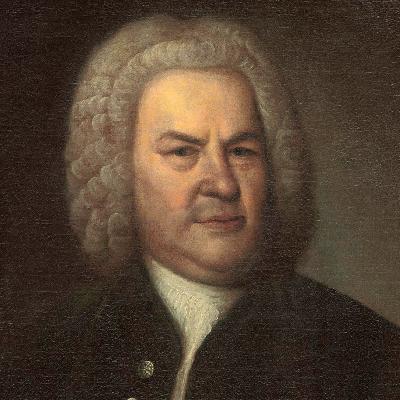
The Best Music Is Behind Us.
But that’s a good thing! Here’s why… This essay began as a “Best Album of 2025” post, where I was going to share my favourite album of the year and what I loved about it. As you would have noticed from the title, though, it grew into something entirely different. Why? Well, according to Spotify’s Wrapped analytics, my favourite artist of 2025 (who I listened to for 5,495 minutes) has been dead for 275 years. Yep! The genius of geniuses J.S. Bach is my favourite artist of the year. In fact, Spotify tells me I’m a top 0.07% global fan of Bach. That’s my new claim to fame! And my favourite Bach pieces of 2025 are the Goldberg Variations, which were published in 1741. So my favourite music of this year is almost 300 years old. My favourite recording of this masterpiece is by Trevor Pinnock and the Royal Academy of Music Soloists Ensemble. This album is new, but it’s not from 2025 either. It’s five years old. So now you can see why my “Best Album of 2025” essay morphed into this post, which will be a reflection on the state of music. And unsurprisingly, my conclusion is that the best music is old. Very old. But (and it’s a big but), that’s a good thing. Very good. Let me explain why… Subscribe to get the latest posts in your inbox. The great composers of the past, like Bach, reached a level that we can’t comprehend. It’s like the architecture of ancient civilizations, which we can’t even recreate nowadays, let alone surpass. Exactly how this level of genius was achieved is beyond the scope of the present essay, though it is a fascinating question with many fascinating hypotheses. For now, though, it’s enough to simply acknowledge the fact that we can’t reach Bach’s level nowadays, let alone surpass it. “So how’s that a good thing?”, I hear you asking. Well, there are two answers. One from a listener’s perspective. And one from a songwriter’s perspective. For the modern-day listener, who’s being bombarded by hundreds of thousands of new songs uploaded to Spotify and Apple every day, the fact that the best music is behind us should come as a monumental relief! We can all rest assured that nothing new is ever going to come close to the great composers, so we can let go of our FOMO (fear of missing out). By all means, listen to some new music here and there, if you want. I do. And I enjoy a lot of it, too. For example, I’m absolutely loving the new Chronixx album titled “Exile”. But, let’s all continually remind ourselves that while some new music is good and enjoyable, when we compare its level of composition to Bach and the other great composers, it doesn’t come close. Subscribe to get the latest posts in your inbox. In other words, instead of going down the bottomless rabbit-hole of new music, find your favourite handful of Bach albums (or Mozart, or whichever of the great composers resonates most with you), and get to know their music intimately. And we can all do this relaxed in the knowledge that we could not be listening to anything better. On that note, I’d love to know which of the great composers is your favourite, so please let me know in the comments. Also, I don’t paywall any of these essays as I don’t want to exclude anyone. If you’re enjoying this and want me to make more, please support my work by becoming a paid subscriber. It’s only about the cost of one coffee per month, but if enough people join, then I can pay the rent and keep doing this work. To sign up, please visit HackMusicTheory.com/Join. If you can’t afford to at the moment, though, no problem. You can give Hack Music Theory a 5-star rating in your podcast app, that supports my work too. Either way, thank you so much! Right, now back to the topic at hand… In addition to ridding us of the fear of missing out, this minimalist approach to listening (i.e. focusing on the great composers) also decreases the stress and anxiety we feel from trying to keep up with new music. Living in this day and age of infinite music is overwhelming. It’s impossible to keep up, like trying to drink from a firehose. Yet we feel that we should try. The only thing this accomplishes, though, is turning joyful activities (like listening to music) into stressful chores. Subscribe to get the latest posts in your inbox. Now, why is the fact that the best music is in the past a good thing from a songwriter’s perspective? Because, it takes all the pressure off us. Hallelujah! We’ll never be as good as Bach, or Mozart, or any of the other great composers (of which there are hundreds). But nobody else will be as good as them either. None of us will even come close to their level. So there’s no competition. What a monumental relief, right? In this extremely competitive world we’re living in, it’s liberating to know that this competition is closed. The winner has been announced. It’s over. So, we can all let go of our competitive tendencies, and just make music for the sheer joy of it. What a wonderful gift Bach and Mozart and all the other great composers have given us. And it gets even better than that. There’s also a never-ending list of health benefits we get from making music. If you’re interested in learning more about that, check out my essay titled Making Music is Hard. Why Bother?. Subscribe to get the latest posts in your inbox. And if you’re ready to begin your musical journey, you can start right now by reading my free book 12 Music Theory Hacks to Learn Scales & Chords. It only takes about half an hour to read, then you’ll have a solid foundation of the basics. Next, you can take my Songwriting & Producing “crash course”. It’s only 1-hour long, and consists of 12 short videos. You’ll learn how to write great lead melodies, backing melodies, chord progressions, bass lines, drum beats, vocals and lyrics. It also includes my bestselling Songwriting & Producing PDF and my Hack Music Theory, Part 1 eBook. A heartfelt thank-you for being here. And welcome aboard the Songwriter’s Ark, where all the music making skills are being preserved through this global AI flood. The flood shall pass. The skills will last. Ray Harmony :)
Donate.
Help keep the Songwriter's Ark afloat.
Photo by Mart Production
About.
Ray Harmony is a multi award-winning music lecturer, who’s made music with Serj Tankian (System Of A Down), Tom Morello (Rage Against The Machine), Steven Wilson (Porcupine Tree), Devin Townsend (Strapping Young Lad), Ihsahn (Emperor), Kool Keith (Ultramagnetic MCs), Madchild (Swollen Members), and more.
Ray is also the founder of Hack Music Theory, a YouTube channel with over 10 million views and over 250,000 subscribers learning the fast, easy and fun way to make music without using AI, cos it ain’t no fun getting a robot to write “your” songs!
Portrait of J.S. Bach (1746) by Elias Gottlob Haussmann
Outro music by Ray Harmony, based on the music theory from GoGo Penguin "Everything Is Going to Be OK".
Podcast.
Listen below, or on any podcast app.

The Geography of Musical Scales.
Finding peace in pentatonic places. It’s thought that pentatonic scales are the most ancient of all the musical scales. Regardless of whether that’s true or not, it’s worth paying attention to these five-note scales because of their unique consonance. You see, they contain two fewer notes than the scales we’re used to hearing, so they have a spaciousness that no other scales have. It’s that characteristic which makes pentatonic scales sound so peaceful. Those two extra notes we use in seven-note scales create semitone intervals, which cause tension. But it’s precisely those tense semitones that add the excitement, which we love. So as you can see, there are pros and cons to both. Five-note scales are peaceful, but lack excitement. Seven-note scales are exciting, but lack peace. And by the way, if intervals are new to you, read my free book to learn all the basics. What got me thinking about this topic is a brilliant book that I just finished reading. It’s called The Geography of Thought: How Asians and Westerners Think Differently... and Why by the psychologist Dr Richard E. Nisbett. It’s one of the most insightful books I’ve ever read. It’s full of fascinating psychological studies jointly conducted by American and Chinese researchers. The results are extremely nuanced, obviously, but I’ll oversimplify them here for the purpose of brevity. The “eastern” mind is built on a cultural foundation of collectivism, which originated in Confucianism. The “western” mind is built on a cultural foundation of individualism, which originated in Ancient Greek philosophy. Over the last two and a half thousand years, these two geographical areas developed vastly different mindsets, which in turn created vastly different societies. Before I continue, though. It’s vital to acknowledge that both mindsets have pros and cons. The book is crystal clear on that, as well as what those pros and cons are. That’s why you should read the book for yourself. Subscribe to get the latest posts in your inbox. Now, when it comes to the music that these two different mindsets invented, things get even more interesting. In the west, our music has traditionally been more complex. The scales have more notes, and therefore more tension. Western musicians also invented counterpoint, where individual melodies are played simultaneously. While these layered melodies create harmony, which is beautiful, they also create tension. How perfectly does that reflect western individualism? And in the east, their music has traditionally been simpler. The scales are pentatonic, so they have fewer notes, and therefore less tension. Not only that, but they don’t layer melodies either, as that would create competition between them. If two musicians play together, they play the same melody, or very similar melodies. How perfectly does that reflect eastern collectivism? You can think of these two different approaches in terms of a choir. In the east, they would all sing the same (or similar) pentatonic melody. In the west, the choir would be divided up into different ranges, and each group would sing a different melody. For a breathtakingly beautiful example of this, listen to the Renaissance composer, Palestrina. And for an equally beautiful example of the eastern mind’s music, listen to the album Emerging Lotus by the pipa player, Liu Fang. Subscribe to get the latest posts in your inbox. In these stressful times we’re living in, I invite you to find peace in pentatonic places by making music using the major or minor pentatonic scales. For the major, if you begin on C as your root, the scale is C, D, E, G, and A. For the minor, if you begin on A as your root, the scale is A, C, D, E, and G. As soon as you start playing around with these pentatonic scales, you’ll feel in your body exactly how peaceful they are. And for extra peace, keep your song instrumental. If you want to know why, check out my previous essay titled This Is The Only Pure Music. And if you’re not making music yet, then you can begin your journey right now by reading my free book 12 Music Theory Hacks to Learn Scales & Chords. It only takes about half an hour to read, then you’ll have a solid foundation of the basics. And if you’re already making music but wanna improve, then I’ve got 30 free PDF tutorials for you. They’re step-by-step musical “recipes” that you can follow to instantly make better music. Lastly, I don’t paywall any of these essays. I don’t want to exclude anyone. But if you enjoy my work and want me to keep doing this, please support me by heading over to HackMusicTheory.com/Join. Becoming a paid subscriber is only about the cost of one coffee per month for you, but if enough people join, then I can pay the rent and keep helping you every week. A heartfelt thank-you for being here. And welcome aboard the Songwriter’s Ark, where all the music making skills are being preserved through this global AI flood. The flood shall pass. The skills will last. Ray Harmony :)
Donate.
Help keep the Songwriter's Ark afloat.
Photo by Mart Production
About.
Ray Harmony is a multi award-winning music lecturer, who’s made music with Serj Tankian (System Of A Down), Tom Morello (Rage Against The Machine), Steven Wilson (Porcupine Tree), Devin Townsend (Strapping Young Lad), Ihsahn (Emperor), Kool Keith (Ultramagnetic MCs), Madchild (Swollen Members), and more.
Ray is also the founder of Hack Music Theory, a YouTube channel with over 10 million views and over 250,000 subscribers learning the fast, easy and fun way to make music without using AI, cos it ain’t no fun getting a robot to write “your” songs!
Photo by SAM LIM
Outro music by Ray Harmony, based on the music theory from GoGo Penguin "Everything Is Going to Be OK".
Podcast.
Listen below, or on any podcast app.

Music is Mind Control.
Lyrics are little Derren Brown’s in your brain. Do we have free will? That ancient question actually misses the point, because the concept of free will implies that we’re free to act on our desires. Okay. That’s fine. But where do our desires come from? That’s the real question! For example, if you get home from work and you’re trying to decide whether to go for a run or lie down on the couch. The concept of free will says that you have the freedom to choose. But whichever choice you make, underneath that decision is a desire. In this example, it’s the desire to be healthy versus the desire to relax. The strongest desire wins. Always. Because, whatever you end up doing, the desire to do that was obviously stronger than the desire not to. Otherwise you wouldn’t have done it. Think about it. Let’s say you decide to lie down on the couch, but then after 10 minutes of chilling you start feeling guilty. You wriggle around for a few minutes, and then muttering some distasteful words to yourself, you get up, put on your running shoes, and head out the door. It was the desire to be healthy that ended up overpowering the desire to relax, despite the fact that you would have preferred to be chilling on the couch. But clearly, if the desire to chill was stronger, you’d still be on the couch. So, the free will debate is pointless. Desire is the real issue here. And that’s where things get interesting. Very interesting. You’ve probably seen videos of Derren Brown, right? He can get people to do anything, literally. The scariest thing, though, is that he never makes them do it. They use their free will and choose to do the most horrific things. Of course, they don’t actually do them in real life, it’s all a set-up for the TV show. However, the people genuinely believe they’re doing these things. And more importantly, they believe it was their own conscious choice. But we, the viewers, know better. Derren Brown’s method is simple, yet extremely effective. All he does is implant a desire into people’s minds. That’s it. Then he stands back and lets free will do its thing. Derren Brown perfectly demonstrates how easy mind control is. And whoever controls the people’s desires, controls their thoughts and their actions, and therefore, their life. What do we think of free will now? Subscribe to get the latest posts in your inbox. We’ve seen this playout in the real world over the last few years. Seemingly “normal” people say and do crazy things nowadays! But they’re saying and doing them because of the social media, TV, movies, and music they’re letting into their minds every day. That’s what is programming their desires. Even the desire to allow that pollution into their minds in the first place has been programmed. For example, does scrolling on social media make people happier? No, obviously not. So why do they do it? Because they’ve been programmed with the desire to scroll. I know this is true, because I deleted all my social media accounts over 10 years ago, and ever since, I’ve had absolutely no desire to scroll. In fact, I have no desire to reach for my phone at all, because I don’t have any apps on it other than Spotify. My phone is a telephone and a music player combined. Nothing more. And while it’s far more difficult to control the desires of people who are not on social media and don’t watch TV shows or movies, it is still possible. And that brings me to the point of this essay. Music is arguably the most powerful mind control there is. Yes, even more powerful than Derren Brown. You see, song lyrics find their way directly into our unconscious mind through an unguarded backdoor. That’s because music manipulates our emotions, which gives our critical thinking mind a break. We’re feeling creatures, so feelings always win our attention. It feels so good to just feel. It’s like a mini-holiday from thinking. And we all need these breaks on a daily basis. They’re a positive thing, when the music causing the emotion is positive. But when it’s not, that’s dangerous territory! Subscribe to get the latest posts in your inbox. In my last essay, titled This Is the Only Pure Music, I sang the praises of absolute music, which is instrumental music but without any conceptual ideas attached to it. Not even song titles. Check out that essay for more on the benefits of listening to absolute music, and the benefits of making it too. For now, though, it’s worth noting that listening exclusively to absolute music is the easiest way to avoid being brainwashed by lyrics. No lyrics, no problem. But as always, reality is nuanced, and there’s a positive side to mind control. The best example of this is hypnotism. To witness exactly how positive the effects of this can be, watch some videos on the brilliant hypnotist Paul McKenna’s official YouTube channel. I highly recommend reading his books, too. They’re life-changing. So while Derren Brown is waking us up to the dangers of mind control, Paul McKenna is inspiring us to use its healing powers. Mind control is a neutral technique, which can be used for good or for bad. So, if there’s an artist who writes positive and loving lyrics, then by all means, let them program your mind. Remember, though, all lyrics that find their way into your ears will program your mind. There’s no way around this. You’ve only got two choices: Avoid lyrics completely (by listening to absolute music), or consciously select songs with lyrics that align with the future you want to create for yourself and the world. Choosing the lyric option requires research, though, so unless you’re willing to do that, stick with absolute music. Subscribe to get the latest posts in your inbox. On that note. If you’re feeling inspired to write your own songs with positive lyrics, but you need some help, please don’t turn to AI. The world does not need any more soulless AI lyrics. The world needs your unique soul to express itself through words from your unique mind. So if you need help writing lyrics yourself, then read my Songwriting & Producing PDF. It contains all my techniques for writing great lyrics, as well as melodies, harmonies, chords, bass lines, and more. And if you’re not writing songs yet, but you want to learn how, then read my free book 12 Music Theory Hacks to Learn Scales & Chords. It only takes about half an hour to read, then you’ll have a solid foundation of the basics. Once you’ve worked your way through that, then you’ll be ready to read the Songwriting & Producing PDF and to begin your musical journey. Lastly, I don’t paywall any of these essays, as I don’t want to exclude anyone. So if you can spare a few bucks, please consider becoming a paid subscriber. It’s only about the cost of one coffee per month for you, but if enough people join, then I can pay the rent and keep helping you every week. So if you enjoy my work and want me to keep doing this, please support me by heading over to HackMusicTheory.com/Join. A heartfelt thank-you for being here. And welcome aboard the Songwriter’s Ark, where all the music making skills are being preserved through this global AI flood. The flood shall pass. The skills will last. Ray Harmony :)
Donate.
Help keep the Songwriter's Ark afloat.
Photo by Mart Production
About.
Ray Harmony is a multi award-winning music lecturer, who’s made music with Serj Tankian (System Of A Down), Tom Morello (Rage Against The Machine), Steven Wilson (Porcupine Tree), Devin Townsend (Strapping Young Lad), Ihsahn (Emperor), Kool Keith (Ultramagnetic MCs), Madchild (Swollen Members), and more.
Ray is also the founder of Hack Music Theory, a YouTube channel with over 10 million views and over 250,000 subscribers learning the fast, easy and fun way to make music without using AI, cos it ain’t no fun getting a robot to write “your” songs!
Photo by cottonbro studio
Outro music by Ray Harmony, based on the music theory from GoGo Penguin "Everything Is Going to Be OK".
Podcast.
Listen below, or on any podcast app.
This Is The Only Pure Music.
A celebration of non-classical absolute music. Music has united people for millennia, but nowadays it’s been weaponized to divide us. I’ve personally experienced its uniting effects, though, so I know what’s possible. You see, I was born and raised in apartheid South Africa. I lived there until 1999, leaving a few months after Mandela’s presidency ended. I loved Mandela, and he probably did everything in his power to unite the country. However, the story you don’t often hear is that musicians were more successful in bringing the people together. Two of these musical heroes were Lucky Dube and Johnny Clegg. Their crossover appeal resulted in audiences that consisted of fans who would never have come together under any other circumstances. It was magical! That’s the power of music. But it wasn’t only their music that united the previously divided nation, it was their lyrics too. While they didn’t sugarcoat the situation, they did choose to focus on a positive future vision where South Africans were united. As a result, their songs created that more united country they had envisioned. Now, when I listen to the new releases on Spotify every Friday, I don’t hear much in the way of positive lyrics that were written to unite people. In fact, it’s rather obvious that most lyrics were written with the exact opposite intention. But as Thumper said: “If you can’t say something nice, don’t say nothing at all.” The legendary rabbit uttered that wisdom over 80 years ago. It’s time we start living by this rabbit wisdom, which is why I’m sharing my musical method for doing this. Subscribe to get the latest posts in your inbox. In the celebrity culture we live in, most music has vocals because popular music tends to be all about the vocalists. They’re the stars. They’re the main attractions. It’s not about the song, it’s about the celebrity singing it. That is wrong for so many reasons, but that’s a topic for another essay. What concerns us here is something I called “pure music” in the title, but the formal term is “absolute music”. What is absolute music? It’s instrumental music, but at its purest. What do I mean by purest? Music that is presented without any preconceived concepts. In other words, music without a conceptual title. Arguably the best example of this is Beethoven’s Piano Sonata No. 14 in C-sharp minor. Beethoven composed this as absolute music. The listener could enjoy it with no preconceived ideas about what the music represented. Their imagination could conjure up whatever images it wanted. However, after Beethoven’s death, this sonata was given a nickname by a music critic. And for almost 200 years now, this breathtakingly beautiful piano piece has been painting pictures of moonlight in its listeners’ minds. How could it not? It is after all the Moonlight Sonata. But, what did listeners imagine before it was given that nickname? We’ll never know. We only know what one man imagined. This piece perfectly highlights the power of words. Even one word. And with that one word, every listener ever since has been primed to imagine moonlight when the piece is played. Words are powerful. Words shape our reality. Subscribe to get the latest posts in your inbox. And that brings me to my main point. Songs convey their songwriters’ worldviews, but it’s precisely our differing worldviews that divide us nowadays. Up until a few years ago, it was perfectly normal to be friends with people who had different worldviews. In fact, that’s what used to make friendships interesting. Who wants to hang out with another version of themself? No thank you! I want open-minded friends who are totally different from me, with totally different worldviews from mine. That makes for fascinating conversations. Thanks to social media, though, the masses have been programmed into thinking that we need to surround ourselves with people who believe exactly the same things we believe. These online echo chambers fuel narrow-mindedness and intolerance. While I deleted all my social media accounts over 10 years ago, I know it’s futile trying to convince people to do the same. It’s by far the best solution, but another good solution is this: Stop listening to music with lyrics, and start listening to absolute music instead. And if you’re a songwriter, I encourage you to live by that rabbit wisdom: “If you can’t say something nice, don’t say nothing at all.” I appreciate that lyrics can be an outlet for expressing our disapproval at the “other side”. But there are better ways to do that, which don’t harm others (like journaling, for example). And until we realize that this ancient idea of the “other side” was invented by empires as a method for dividing and conquering the people, it’s best if we hold our tongues and say nothing at all. And yes, as songwriters, holding our tongues means writing absolute music. But hey, as a consolation, this will save you countless days of your life, because writing lyrics and recording vocals is extremely time-consuming. And with regards to the music we listen to, if our audio diet exclusively contains absolute music, our minds and hearts will be healthier, kinder, and more tolerant. Everybody wins. Subscribe to get the latest posts in your inbox. Finally, when it comes to finding absolute music to listen to, that’s easy in the classical genres, but there’s not much of it in the popular genres. Here’s a hack that I use to solve this problem. When I find an instrumental album that I enjoy, I don’t read the titles of the tracks. For example, I love Bonobo, so I don’t pay any attention to the song titles, and I exclude the few tracks on each album with vocals. Also, on Spotify (and probably all the other platforms too) there are instrumental playlists in most popular music genres. These are great places for discovering artists who make instrumental music. And if you have any recommendations for artists making great instrumental music, please leave them in the comments so everyone can check them out. Sadly, there are not many absolute artists, so we need to support them. And hopefully this essay has inspired you to join their mission, too. On that note. If you’re interested in learning songwriting (or improving your skills) but you don’t want to spend loads of time doing it, then I invite you to visit our website and help yourself to the many free downloads. If you’re a beginner, start with my Free Book 12 Music Theory Hacks to Learn Scales & Chords. It only takes about half an hour to read, then you’ll have a solid foundation of the basics. And if you’re intermediate or advanced, download the Free PDF tutorials. They’re step-by-step musical “recipes” that you can follow to make better music. If you’re ready to go deeper, though, then I invite you to enroll in my online apprenticeship course, where you’ll learn one method to write unlimited songs in any genre. This method guides you through every step of the music making process, from blank screen to finished song. And lastly, I don’t paywall any of these essays, as I don’t want to exclude anyone. So if you can spare a few bucks, please consider becoming a paid subscriber. It’s only about the cost of one coffee per month for you, but if enough people join, then I can pay the rent and keep helping you every week. So if you’d like to see my work continue, head on over to HackMusicTheory.com/Join. A heartfelt thank-you for being here. And welcome aboard the Songwriter’s Ark, where all the music making skills are being preserved through this global AI flood. The flood shall pass. The skills will last. Ray Harmony :)
Donate.
Help keep the Songwriter's Ark afloat.
Photo by Mart Production
About.
Ray Harmony is a multi award-winning music lecturer, who’s made music with Serj Tankian (System Of A Down), Tom Morello (Rage Against The Machine), Steven Wilson (Porcupine Tree), Devin Townsend (Strapping Young Lad), Ihsahn (Emperor), Kool Keith (Ultramagnetic MCs), Madchild (Swollen Members), and more.
Ray is also the founder of Hack Music Theory, a YouTube channel with over 10 million views and over 250,000 subscribers learning the fast, easy and fun way to make music without using AI, cos it ain’t no fun getting a robot to write “your” songs!
Photo by Pavel Danilyuk
Outro music by Ray Harmony, based on the music theory from GoGo Penguin "Everything Is Going to Be OK".
Podcast.
Listen below, or on any podcast app.

Don’t Lie! You Listen to AI Songs.
There’s no way to avoid them, unless you do this… I’ve been speaking out against AI-generated music for a while now, but people keep telling me (proudly) that they don’t listen to songs made by AI. They also keep telling me (proudly) that AI songs are crap. Sadly, the only thing these comments tell me is that those people don’t understand that AI has a hidden presence in music. It doesn’t matter if you listen to jazz or classical or world or whatever genre (or artist) you think is not using AI, if it’s new music, they’re probably using AI. But not in the way you think. They’re not prompting it to make their whole album. That type of AI usage is relatively easy to spot. For now. Mark my words, though, before the end of 2026, it will be indistinguishable from the real thing. But we’ll cross that bridge when we get there. In the meantime, here’s what you need to know. Subscribe to get the latest posts in your inbox. Almost all music makers are using AI. Some are proud of it, some are not. The ones who are not proud of it, are using it in secret. Sometimes they only use it to come up with an idea, sometimes to help them finish a melody they’re struggling with, sometimes to write a whole chorus, and yes, sometimes to write a whole song. You’ll never know, because it’s being used in the writing process, and that’s always carried out behind closed doors. In secret. So even if the band records their new album live, you have no way of knowing if AI was used in the writing process. If you want to know all the ways that songwriters and producers are using AI in music, watch the YouTube video titled The AI Music Race is Over by the brilliant Rick Beato. Also, there’s an essay of mine titled AI Is Killing Music! This Is How We Save It., which offers a method for artists to write new songs and guarantee their fans that they’re 100% human-made, so check that out too. Now, here’s the takeaway message from this essay: If you listen to new music, you’re listening to AI. And yes, you guessed it, the only way to be guaranteed that you’re listening to 100% human-made songs is to listen to older recordings (from before AI was commercially available). In other words, albums from before the 2020s. One of my favourite collections of 100% human-made music is the MTV Unplugged series from the ‘90s. Oh man, it does not get more real than that! These recordings are infinitely more valuable than diamonds. Cherish them, please. Alice in Chains is probably my favourite one in the series, but Pearl Jam is a close second. These albums still give me goosebumps 30 years later. That’s human magic. AI will never be able to do that. AI can’t express the human experience. AI cannot ever be in the same category as Layne Staley. Subscribe to get the latest posts in your inbox. Right, now go and listen to the Alice in Chains “Unplugged” album, and be prepared for your spine to tingle, as you’re about to be touched by true human magic. Just before you go, though. If you’re interested in learning how to make magic yourself, or if you’re already making magic but want to improve, then I invite you to help yourself to the many free downloads here. If you’re a beginner, start with my FREE BOOK 12 Music Theory Hacks to Learn Scales & Chords. It only takes about half an hour to read, then you’ll have a solid foundation of the basics. And if you’re intermediate or advanced, download the Free PDF Tutorials, which teach you how to make great music in all different genres. And lastly, I don’t paywall any of these essays, as I don’t want to exclude anyone. So if you can spare a few bucks, please consider becoming a paid subscriber. It’s only about the cost of one coffee per month for you, but if enough people join, then I can pay the rent and keep helping you every week. So if you’d like to see my work continue, head on over to HackMusicTheory.com/Join. A heartfelt thank-you for being here. And welcome aboard the Songwriter’s Ark, where all the music making skills are being preserved through this global AI flood. The flood shall pass. The skills will last. Ray Harmony :)
Donate.
Help keep the Songwriter's Ark afloat.
Photo by Mart Production
About.
Ray Harmony is a multi award-winning music lecturer, who’s made music with Serj Tankian (System Of A Down), Tom Morello (Rage Against The Machine), Steven Wilson (Porcupine Tree), Devin Townsend (Strapping Young Lad), Ihsahn (Emperor), Kool Keith (Ultramagnetic MCs), Madchild (Swollen Members), and more.
Ray is also the founder of Hack Music Theory, a YouTube channel with over 10 million views and over 250,000 subscribers learning the fast, easy and fun way to make music without using AI, cos it ain’t no fun getting a robot to write “your” songs!
Photo by Ayşe İpek
Outro music by Ray Harmony, based on the music theory from GoGo Penguin "Everything Is Going to Be OK".
Podcast.
Listen below, or on any podcast app.

Music Is Dead.
Good Riddance! AI killed the recording star. Now what? Have you heard AI-generated music? It’s better than most of the music that humans are making nowadays. Even worse than that, though, is the fact that music generated by machines ironically sounds more human than most music made by people. But that’s nothing new. There’s been a dehumanizing trend in music ever since the drum machine became popular in the 1980s. That trend was turbocharged by the invention of Auto-Tune in the late ‘90s. Remember that awful hit-single from ‘98 with the robot-style singing? Yeah, you know the one. Well, that song kicked off the penultimate chapter of this dehumanizing story of music. So it’s important to remember that decades before AI-generated music began to flood the airwaves, human-made music was already beginning to sound like it was being generated by robots. Now I’ll be honest with you, I do love a good conspiracy theory! And to my mind, the inverse correlation between human-made music becoming increasingly robotic-sounding (i.e. less human), while robot-generated music became increasingly human-sounding (i.e. more human), is rather suspicious in light of the transhumanism agenda. Just saying. Anyway, moving along… Subscribe to get the latest posts in your inbox. With the vast majority of people embracing AI-generated music, it’s safe to say that human-made music is dying out rapidly. In fact, I’d argue that it’s already dead, because there’s no way to know if AI was used in the making of a song. Even if a song was recorded live, AI could have been used in the writing process. Either way, based on the current definition of music, it’s pretty much dead. That definition has changed numerous times, though, but if you want to know that story, read my essay AI Can’t Make Music. The last definition change, which is not much older than a hundred years, brainwashed most people into believing that recordings were music. But they’re not. Music is music, and recordings of music are just that: recordings of music. Two totally different things. It’s the same with videos. If you watch a video of someone talking, that’s not a person talking, that’s a video recording of a person talking. Two totally different things. But now with AI-generated music, it’s not even a recording. So the way we’ve previously been brainwashed into thinking of music as recordings is outdated. AI has killed the recording star. And there’s a brand new definition of music spreading through the mainstream consciousness. Music is now something AI generates within seconds, based on a prompt. And it won’t take long for prompts to be obsolete, too. So, music as we know it is dead. But you know what? Good riddance, as music was already transhuman decades ago. It’s time to take it back. Let’s rehumanize music! Subscribe to get the latest posts in your inbox. From the ashes, music is reborn. New. Untainted. This rebirth is an invitation to redefine. What is music to you? And what is its purpose in your life? Please think about these two questions. And answer them. Your answers matter. A lot! So we’re not mourning music here, we’re celebrating its rehumanization and our own personal redefinition. How exciting is that?! I’ll share my answers as an example, but don’t use mine, as they almost certainly won’t be right for you. Okay, so what is music? For me, music has become my medicine. I play music to change the way I feel. If I’m feeling anxious, I listen to Palestrina. That calms me. If I’m feeling drained, I listen to Mozart. That energizes me. If I’m feeling down, I listen to Haydn. That uplifts me. If I’m feeling unimaginative, I listen to Bach. That inspires me. In fact, I’m listening to Bach as I write these words. I always listen to Bach while writing each week’s essay. I rely on Bach. If he didn’t turn up for work every day, I don’t think I’d get much written. He gets my creative juices flowing, and then sustains them and keeps me focused. So my music library is now my medicine cabinet. There’s a recording in there for every issue. I only recently realized that’s what I’d been unconsciously doing for a while. Since this realization, though, I’ve been intentional about what I listen to and consciously aware of how it makes me feel. As a result, I’m able to navigate each day far better. And that’s all thanks to my new definition of music, and its purpose in my life. Subscribe to get the latest posts in your inbox. On that note. I now invite you to redefine music for yourself, as well as deciding what its purpose is in your life. If you feel like sharing your two answers, please write a comment, as I’d love to know what music means to you. And if you’re interested in learning how to make music yourself, or if you’re already making music but want to improve, then I invite you to visit my website and help yourself to the many free downloads. If you’re a beginner, start with my FREE BOOK 12 Music Theory Hacks to Learn Scales & Chords. It only takes about half an hour to read, then you’ll have a solid foundation of the basics. And if you’re intermediate or advanced, download the Free PDF Tutorials, which teach you how to make great music in all genres. Lastly, I don’t paywall any of these posts, as I don’t want to exclude anyone. So if you can spare a few bucks, please consider becoming a paid subscriber. It’s only about the cost of one coffee per month for you, but if enough people join, then I can pay the rent and keep helping you every week. So if you’d like my work to continue, head on over to HackMusicTheory.com/Join. A heartfelt thank-you for being here. And welcome aboard the Songwriter’s Ark, where all the music making skills are being preserved through this global AI flood. The flood shall pass. The skills will last. Ray Harmony :)
Donate.
Help keep the Songwriter's Ark afloat.
Photo by Mart Production
About.
Ray Harmony is a multi award-winning music lecturer, who’s made music with Serj Tankian (System Of A Down), Tom Morello (Rage Against The Machine), Steven Wilson (Porcupine Tree), Devin Townsend (Strapping Young Lad), Ihsahn (Emperor), Kool Keith (Ultramagnetic MCs), Madchild (Swollen Members), and more.
Ray is also the founder of Hack Music Theory, a YouTube channel with over 10 million views and over 250,000 subscribers learning the fast, easy and fun way to make music without using AI, cos it ain’t no fun getting a robot to write “your” songs!
Photo by cottonbro studio
Outro music by Ray Harmony, based on the music theory from GoGo Penguin "Everything Is Going to Be OK".
Podcast.
Listen below, or on any podcast app.
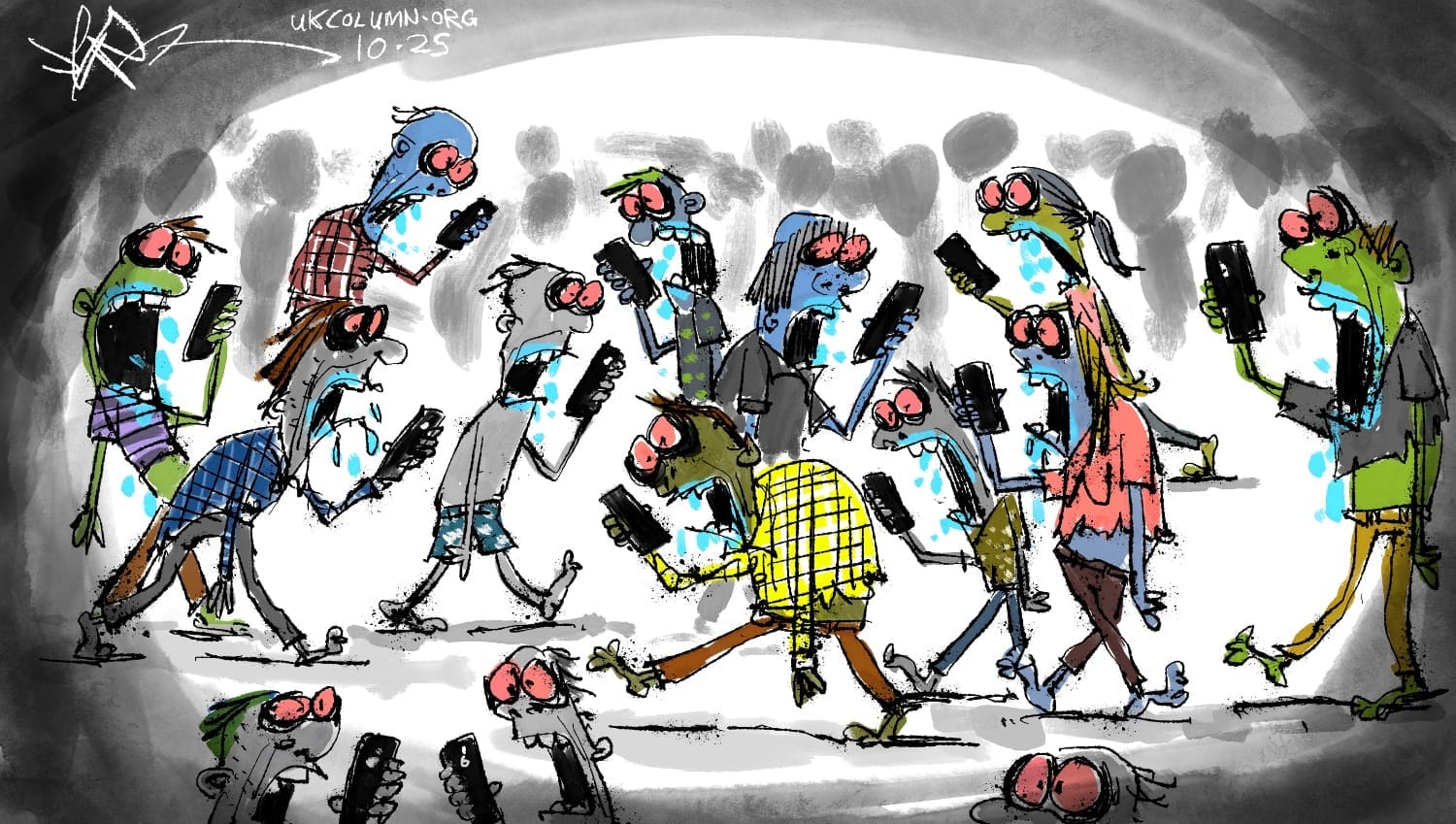
You vs Phone.Who Will Win?
A musical method to take your attention back! How many seconds can you sit still and focus on your breathing, without your mind wandering? If you’re like most people nowadays, your answer to that question is somewhere under 10 seconds. Seriously. And that’s the “new normal”. Ever since the neolithic revolution, when humans first began to live in an unnatural way, we’ve had restless minds. Buddhists call this the monkey-mind, but I think we can update that to the scrolling-mind. While short attention spans have been a problem for a long time, the issue has gotten exponentially worse since the invention of smart phones. It’s horrifying how addicted most people are to their phones! And nobody’s talking about this, because it’s the “new normal”. But it’s not normal, and we need to stop pretending that it’s okay to waste our one precious life staring at screens. Nobody on their death bed will ever wish they spent more time scrolling on their phone. Perhaps you’re thinking: What I spend my time doing is my business! On the surface, that sounds fair enough. But when we explore this issue at a deeper level, we realize that phone addiction is not only ruining our lives, it’s ruining our societies, too. When we can’t focus for more than a few seconds, we can’t create anything worthwhile. And you can see where this is heading… Most people are addicted to consuming content on their phones, which means most people can’t focus long enough to create anything. So what happens when there’s a never-ending demand for new content, but there’s nobody to create it. No problem, says AI. Yep, we’re about to enter a new reality where robots are the “creators”, and humans are the consumers. How screwed up is that?! And then, what happens next? Subscribe to get the latest posts in your inbox. Phone addiction is such a recent phenomenon that we have absolutely no idea what the world will be like after another decade of this. Whatever that future looks like, though, it’s not good. But we’re not there yet! If we all start taking our attention back today, we can avoid that dystopian future. And there’s an easy (and fun!) way to do this, which I’ll share with you next. But first, we need to understand the problem. There are many interwoven causes behind phone addiction, but essentially people are distracting themselves to death. The precise reasons why each person uses their phone to keep themselves distracted is unique to them, and discovering those unconscious reasons is the next step in our healing process. However, we can’t do that without first taking our attention back. There’s a general awareness that we’re struggling to focus nowadays, which is why the internet is flooded with mindfulness practices. And everyone’s trying to sell you their meditation app. But if mindfulness and meditation worked, then why is almost everyone still addicted to their phones? I think it’s because the addiction is too powerful, so people aren’t able to meditate properly. Just because we sit on a cushion and close our eyes for half an hour, doesn’t mean that we’re meditating for half an hour. It’s like going to the gym for 30 minutes but only doing 3 minutes of exercise. The total time is irrelevant. The only time that counts is when we’re actually exercising. Subscribe to get the latest posts in your inbox. If we’re sitting with our eyes closed while our minds wander for half an hour, that’s not meditating. Every single time our attention strays, we need to bring it back to the breath. That’s exhausting, though, and that’s why most people give up, or don’t even bother trying in the first place. But fear not, because that’s exactly why I created my new meditation app! No I’m just kidding, apps are part of the problem, not the solution. The real solution is Music. Music has a power that nothing else has. Music can focus our minds, and music can heal us. If we surrender to music, mindfulness becomes effortless. What’s unique about music is that when we listen to it, we’re not consuming, we’re communing. To commune is “to share your emotions and feelings with somebody/something without speaking” (according to the Oxford English Dictionary). How deep is that? To share your emotions without speaking! There’s no better description of our relationship with music than that. Communing. When we open ourselves up to music, we’re in a mutually-resonating relationship with it. Without a human, music is nothing more than vibrations in the air. With a human, though, music comes to life. We bring music to life by listening to it, and when music is alive, its life-force energy is within us. And don’t worry, this is not woo-woo speculation. Music has life-changing psychological and physiological effects, which the music therapy field has been scientifically measuring for decades. Subscribe to get the latest posts in your inbox. So, sometime today, and every day from now on, do the following: Go somewhere private (even if it’s the bathroom), load up a piece of beautiful music, get your earphones in, put your phone on flight mode (that’s essential!), hit play, close your eyes, and surrender to the music. You can listen to whatever you want, as long as it’s mesmerizingly beautiful. I recommend the EP Vivaldi: Stabat Mater by Jakub Józef Orliński. When I listen to this record, I can feel the chemistry in my body changing within seconds, literally. It’s miraculous. Try it for yourself, and expect miracles. The first movement is just under three minutes, so start your communing with just that one track. It’s so beautiful and captivating, though, you’ll struggle to stop after it. Feel free to commune with the second movement, too. But then stop. It’s better to leave yourself wanting more. There are nine movements, and the whole piece is only 18 minutes long, so work your way up to communing with all nine tracks. Do this exercise every day, and it will change your life. There’s no comparison between meditating for 18 minutes and communing with this music for 18 minutes. Music is a force of nature. Let it move you. Let it change you. But remember, this is communing, not consuming. And it’s not meditation either. All you have to do is relax and let the music do the work. If you surrender, it will hold your attention. If you surrender, it will heal you. Simply surrender, and expect miracles. Subscribe to get the latest posts in your inbox. And now that you’re taking your attention back, if you’re feeling inspired to learn how to make music yourself, or if you’re already making music but want to improve, then I invite you to help yourself to our many free downloads. If you’re a beginner, start with my FREE Book 12 Music Theory Hacks to Learn Scales & Chords. It only takes about half an hour to read, then you’ll have a solid foundation of the basics. And if you’re intermediate or advanced, download the Free PDF Tutorials, which teach you how to make great music in all genres. Lastly, I don’t paywall any of these posts, as I don’t want to exclude anyone. So if you can spare a few bucks, please consider becoming a paid subscriber. It’s only about the cost of one coffee per month for you, but if enough people join, I can pay the rent and keep helping you. If you’d prefer to make a one-off donation, though, that’s awesome too. I’m deeply grateful either way! To get involved, head on over to HackMusicTheory.com/Join. A heartfelt thank-you for your support, and welcome aboard the Songwriter’s Ark, where all the music making skills are being preserved through this global AI flood. The flood shall pass. The skills will last. Ray Harmony :)
Donate.
Help keep the Songwriter's Ark afloat.
Photo by Mart Production
About.
Ray Harmony is a multi award-winning music lecturer, who’s made music with Serj Tankian (System Of A Down), Tom Morello (Rage Against The Machine), Steven Wilson (Porcupine Tree), Devin Townsend (Strapping Young Lad), Ihsahn (Emperor), Kool Keith (Ultramagnetic MCs), Madchild (Swollen Members), and more.
Ray is also the founder of Hack Music Theory, a YouTube channel with over 10 million views and over 250,000 subscribers learning the fast, easy and fun way to make music without using AI, cos it ain’t no fun getting a robot to write “your” songs!
Cartoon by Jerm for UKColumn
Outro music by Ray Harmony, based on the music theory from GoGo Penguin "Everything Is Going to Be OK".
Podcast.
Listen below, or on any podcast app.

The Uglification of Music.
Can a return to beauty save music? Okay I know you’ve just started reading this, but please stop (temporarily), then go and listen to the second movement of J.S. Bach’s Orchestral Suite No. 3 in D major. Its nickname is “Air on a G String”, so just search for that. Even if you know this piece, please go and listen to it again. Then come back. I’ll wait… So how do you feel now? Calm and cleansed, right? It’s like a warm, relaxing, musical bath. That, my friend, is the power of beauty! It’s only about five minutes of music, but it literally changes our body’s chemistry, which in turn improves our mental and physical health. In five minutes! And all we have to do is close our eyes and listen. If you’re like me, you’ll now have two questions on your mind. Firstly, if five minutes of beautiful music can make us feel that good, then why don’t we listen to more beautiful music? And secondly, why is almost all music nowadays so ugly? The answer to the first question of why we don’t listen to more beautiful music is that we live in a culture of non-stop stimulation, so the peace that emanates from beautiful things feels boring to us. That’s why most people prefer looking at screens rather than trees, and listening to podcasts rather than birds. This need for constant stimulation is why the world is overrun with phone zombies, or phombies, as I like to call them. When I was growing up in the ‘80s, people were told to stop and smell the roses because the pace of life was getting faster and faster. Nobody seemed to have time for the simple pleasures anymore, like enjoying the beautiful scent of a flower. In those days people at least saw the roses, even if they didn’t stop to smell them. However, these days the only roses most people see are in their social media feeds. The non-stop stimulation from phones is addictive. Beauty doesn’t stand a chance! Subscribe to get the latest posts in your inbox. Now, the answer to the second question is that most music is ugly nowadays because it’s way easier to grab and hold people’s attention with shocking things. So, it’s inevitable that in this age of never-ending content for people to consume, songwriters and producers will use shock tactics to get noticed. That’s why new songs are filled with jarring sounds, abrupt rhythms, and extremely crude lyrics that are programmed into the listeners’ minds via hypnotically repetitive melodies. So while beautiful music may be able to momentarily catch some people’s attention, the magic of that fleeting moment quickly fades, and their scrolling resumes. And even if they keep listening to the music, it’s relegated to a background soundtrack. And for the record, I’m not saying that all music should be beautiful. I started my first metal band way back in 1991, so I’ve been making ugly music for decades. Having said that, though, ugly music can (and should) be creative and well written. Also, not all classical music is beautiful. Try listening to the first movement of Schoenberg’s Pierrot Lunaire. It’s less than two minutes, but you need endurance to get through it. I love Schoenberg, and that piece is genius. But beautiful? Definitely not! So while I do acknowledge that there’s a time and a place for ugly music, it’s obvious from listening to the new releases on Spotify every Friday that modern music has a big ugly problem. The same way it’s obvious from looking at most cities in the world that we’ve got an ugly architecture problem, too. As the world continues to get uglier, we need to listen to more beautiful music as an antidote. Subscribe to get the latest posts in your inbox. Here’s where things get nuanced, though. I’m making the case that we need to save music from uglification by restoring its beauty. But, before civilizations developed and made the world ugly, music was not created to be beautiful, it was created to dance to. I don’t mean dancing like we think of it today, I mean dancing as a means to enter a trance. Once the shamans entered this state, they’d communicate with the spirits, heal their tribe members, and do other spiritual work. It’s interesting to note that most hunter-gatherer cultures don’t even have separate words for music and dance. They’re inseparable. They’re one activity. Therefore, the music of hunter-gatherers is mainly focused on rhythm. The melodies are usually simple, and harmony is usually non-existent. This fascinates me, as these are humans living naturally, the way we’re all supposed to be living. So why is their music not focused on beauty? Here’s my current hypothesis: They’re living in nature, permanently immersed in natural beauty made by the Creator, therefore they don’t need any more beauty, especially not inferior man-made beauty. Hunter-gatherers are humans in the wild. City dwellers are humans in a zoo. We’ve imprisoned ourselves in an artificial environment, and we can feel it. It’s an unconscious awareness for most people, but we all know it. Hence why so many of us living in zoos, sorry, I mean… cities, tend to be anxious, stressed, lonely, and depressed. Just like zoo animals will never be as happy and healthy as wild animals, we will never be as happy and healthy as hunter-gatherers. Because they’re living naturally, they don’t need to relieve stress and anxiety by closing their eyes and listening to Bach’s Air on a G String. Unless they’re being chased by a hungry animal, they’re always calm and relaxed. By the way, if you’re interested in learning more about this topic, I highly recommend reading Civilized to Death: The Price of Progress by the psychologist Dr. Christopher Ryan. As with all books, I don’t agree with everything in it, but this is one of my top 5 all-time favourite books, and I’ve read mountains of books! If I was rich, I’d buy thousands of copies of this book to give to everyone I meet. Subscribe to get the latest posts in your inbox. Anyway, while it’s far more fun talking about hunter-gatherers than talking about ugly modern music, it is to this regrettable topic that we must now return. So, in order for civilized humans to be happy and healthy, we need to make our human zoos (i.e. cities) as beautiful as possible. Attractive architecture, tree-lined streets, and green parks in every neighbourhood are ways to visually improve a city’s beauty. But even with all those improvements, they’re still noisy. And city noise is ugly. Very ugly! Psychologists tell us that all humans are born with only two fears: the fear of falling, and the fear of loud noises. We forget this, though. And as a result, noise is probably the most underrated cause of stress and anxiety for us zoo humans, sorry, I mean… city dwellers. Also, it’s not just outside noise that causes stress and anxiety, it’s all the inside noise, too. The humming fridges, furnaces, boilers, heaters, air conditioners, computers, and all the other buzzing appliances that all come together to make a constant noise that unconsciously distresses us. I know this is the second time I’m asking you to stop reading (which can’t be good for business), but nonetheless, please stop for a moment and listen to the noise wherever you are. It’s shocking how noisy our inside environments are, right? Then on top of all that inside noise, we also hear all the outside noise from vehicles and aeroplanes. It’s no wonder we’re stressed and anxious all the time! And that’s why I’m inviting you to start listening to more beautiful music. We can’t control most of the noise in our environment, but if we fill the air with beautiful music, it transcends the noise and transforms the energy in our space. And remember, music changes our actual bodies. The physiological enhancements we experience are as real as those we get from exercising or eating healthy foods. Filling an environment with beautiful music works outside, too. I remember when I was living in London, there were experiments being done where they played classical music in and around a few train stations that had high crime rates. It ended up being so effective at lowering crime that they rolled it out to 64 stations. And this technique went on to be copied around the country by other rail networks. Subscribe to get the latest posts in your inbox. All of this makes me wonder if there’s a correlation between the world’s ugliness and music’s beauty. In other words, as the world became more industrialized, did people start making music (and art) that was more beautiful as a way to counter the uglification of the world? If we look at the music being made through the first industrial revolution, which began roughly in the mid-18th century and lasted until roughly the mid-19th century, I would argue that it’s by far the most beautiful music ever made! For example, Mozart’s entire life fits neatly into this period. This was the time when our ancestors went from living and farming in the beautiful countryside, to working in ugly factories in ugly cities. They gave up their peace and fresh air for stress and smog. And this total transformation happened within a few decades. Eventually city-living became the new normal, though, and that’s probably why music became less beautiful. You see, our ancestors who lived through that destruction knew that beautiful music was the antidote to industrialization and its resulting uglification. But after a few generations, the old way of life was forgotten. And when we don’t see the ugliness anymore, we don’t seek out an antidote to it. Now more than ever, it’s essential that we bring as much beauty as possible into our daily life. And the only thing better than listening to beautiful music, is writing beautiful music. The feeling we get from making something beautiful is second to none! So it goes without saying, but in these mad times it’s worth saying again and again: getting AI to regurgitate a song for you (that it’s Frankensteined together from existing music) will not nourish your soul. Create your own beauty! So, I offer you a

Don’t Trust Me,I’m an Expert.
Confessions of an INFJ. I’m a multi award-winning music lecturer with over 30 years of teaching experience, 10 of those years being at one of the UK’s largest colleges. I studied classical guitar, piano, and music theory (all to the highest grade) at the world-renowned Royal Schools of Music. Then I moved to Los Angeles to study contemporary guitar and vocals at the world-renowned Musicians Institute. On top of that, I’ve made music with Grammy winners and multiplatinum artists, including Serj Tankian (System Of A Down) and Tom Morello (Rage Against The Machine). So with regards to making music and teaching music, it’s safe to say that I’m an expert. But if you want to learn how to make music, don’t trust me! Wait… What?! Let me explain. But first, we need to take a little detour. On average, people can be divided into 16 personality types. This is known as the Myers-Briggs (or MBTI) system, and it’s based on Carl Jung’s model of the eight cognitive functions. It’s an utterly brilliant system that will change your life, if you take the time to learn it. You can start by simply discovering what your personality type is. To do this, I recommend Dr. Dario Nardi’s free online test, which you can take at: keys2cognition.com. Invite your friends and family to do it, too. Then, if you want to learn about the 16 personality types, I recommend going to the source and reading the book “Gifts Differing” by Isabel Briggs Myers and Peter B. Myers. Okay, the detour’s over. So now, what’s personality type got to do with not trusting me? Everything! That’s the short answer. The slightly longer answer is this: Personality type has everything to do with everything! And that’s not hyperbole. Subscribe to get the latest posts in your inbox. If you’re like me, then you’re also constantly looking around wondering why we can’t all just get along by respecting each other’s differences and beliefs. In fact, one of the countless reasons I deleted all my social media accounts 10 years ago, was that I couldn’t take any more angry arguments. Just look at any social media thread, and you’ll see how obvious it is that those people are talking (or shouting) past each other. That’s because they have very different personality types, and therefore, very different perspectives. They’re never going to agree. They can’t. And arguing over which perspective is correct is in actual fact arguing over which personality type is correct. But that’s a meaningless pursuit, because no one personality type is better than any other. Each type has its unique gifts. And each type has its unique perspectives. The only discussion worth having is which perspective is best suited for each personality type. A healthy society needs all the personality types and their differing perspectives, otherwise it loses its balance and harmony. And then descends into intolerance. Now, here’s the life-changing conclusion you reach when you learn about personality types. Are you ready? You might want to sit down for this. Okay, here it is: Every perspective will always be wrong for 15 out of the 16 personality types. In other words, every perspective you have on every topic will be 94% wrong according to all the personality types. If there’s only one thing you take away from this post, please let it be that. Every perspective you have is 94% wrong. And every perspective I have is 94% wrong. Subscribe to get the latest posts in your inbox. With this realization comes a whole truckload of humility! Because, how could I possibly think that my perspective is right for you? Especially considering that my personality type, INFJ, is the rarest of all the types. Okay, here’s a broader way of looking at it. Half the personality types have the cognitive function of intuition in their top two preferences, while the other half have sensing. But, intuition is far more rare than sensing. It’s estimated that only 30% of the population are intuitive personality types, while 70% are sensing personality types. So if you’re wanting to learn how to make music, my unique Song-Whispering method will deeply resonate with you if you’re an intuitive type, but if you’re a sensing type, then it probably won’t. And let me be clear, the method will work for everyone, but it will seem very strange to the 70% of people who are sensing types. And this is true for everything. There’s literally no topic that you can’t find equally qualified experts with diametrically opposed perspectives. Even when they agree on the same data points, their interpretations lead them to polar opposite conclusions. And I’m not exaggerating. Even topics we think are settled, are not. For example, did you know that there are medical doctors who say DNA does not exist? Or, did you know that there are physicists who say atoms and subatomic particles don’t exist. These things are supposed to be the building blocks of life and the universe, but doctors and scientists can’t even agree if they exist! So, when it comes to music, good luck trying to find a consensus as to how it should be made and taught! Subscribe to get the latest posts in your inbox. Having said all that, it’s absolutely vital to understand that this is not a problem. This is the beauty of diversity. Whatever experts say who have the same personality type as you (or a compatible type), will probably resonate with you. And whatever experts say who have incompatible personality types, will probably not resonate with you, no matter how much evidence they can present to support their claims. On that note, I invite you to visit HackMusicTheory.com and see if my approach to music resonates with you. If it does, then you can help yourself to a free download of my book 12 Music Theory Hacks to Learn Scales & Chords. It only takes about half an hour to read, then you’ll have a solid foundation of the basics. If you’re ready to go deeper, though, then I invite you to enroll in my online apprenticeship course, where you’ll learn one method to write unlimited songs in any genre. And yes, that’s the intuitive Song-Whispering I mentioned earlier. This method guides you through every step of the music making process, from blank screen to finished song. It’s truly life-changing – if you’re an intuitive type, like me! Lastly, I don’t paywall any of these posts, as I don’t want to exclude anyone. So if you can spare a few bucks, please consider becoming a paid subscriber. It’s only the cost of one coffee per month for you, but if enough people join, I can pay the rent and keep helping you. If you’d prefer to make a one-off donation, though, that’s awesome too. I’m deeply grateful either way! To get involved, head on over to HackMusicTheory.com/Join. A heartfelt thank-you for your support. Happy learning, and welcome aboard the Songwriter’s Ark*.
Ray Harmony :)
*I visualize Hack Music Theory as a Songwriter’s Ark, where all the music making skills are being preserved through this global AI flood. The flood shall pass. The skills will last.
Donate.
Help keep the Songwriter's Ark afloat.
Photo by Mart Production
About.
Ray Harmony is a multi award-winning music lecturer, who’s made music with Serj Tankian (System Of A Down), Tom Morello (Rage Against The Machine), Steven Wilson (Porcupine Tree), Devin Townsend (Strapping Young Lad), Ihsahn (Emperor), Kool Keith (Ultramagnetic MCs), Madchild (Swollen Members), and more.
Ray is also the founder of Hack Music Theory, a YouTube channel with over 10 million views and over 250,000 subscribers learning the fast, easy and fun way to make music without using AI, cos it ain’t no fun getting a robot to write “your” songs!
Photo by Marek Kupiec
Outro music by Ray Harmony, based on the music theory from GoGo Penguin "Everything Is Going to Be OK".
Podcast.
Listen below, or on any podcast app.

You Can’t Make Music without Using Theory.
“I don’t use music theory, because rules limit my creativity.” If I had a dollar for every time I heard someone say that in my 30 years of teaching music theory, I wouldn’t be living in a rented one-bedroom apartment, that’s for sure! The Oxford dictionary defines language as a “system of communication.” We can’t communicate through speech without using words, and we can’t communicate through music without using notes. The system of communicating with words is called grammar. The system of communicating with notes is called music theory. If you’re using notes, you’re using music theory. Therefore, it’s impossible to make music without using theory. The only choice songwriters have is whether to use it consciously or unconsciously. In other words, do we want to express ourselves consciously and therefore eloquently, or do we want to express ourselves unconsciously and therefore like two-year-olds? When I listen to a song made by someone who claims to not use music theory, I hear the equivalent of a musical two-year-old expressing themselves. There’s nothing wrong with that, if that’s your thing. After all, two-year-olds certainly have a unique way of conveying their emotions. Nobody would argue with that! However, if you prefer a maturer form of expression, then you’ll want to listen to someone with a deeper and more nuanced understanding of language. Subscribe to get the latest posts in your inbox. When it comes to speaking in our first language, we don’t have to consciously think about the system underlying our communication. That’s because we learned the language from such a young age. It’s second nature. Most babies say their first word around the age of 12 months. Imagine if we started music around that age, too. It would also be second nature by the time we’re five, which is when Mozart composed his first piece. For the rest of us, though, we have to learn music theory like we learn vocabulary and grammar of a second language. If someone thinks they can eloquently express themselves in a language they don’t know by simply using their ear, good luck to them, but even with luck on their side they’re still going to sound like a two-year-old. It’s the same when it comes to expressing oneself musically. If we want to make good music, we need to learn music theory. In other words, we need to learn the rules. That’s a dirty word nowadays, but rules can be good. For example, I live close to an elementary school, so the speed limit on the roads here is slow enough that grannies on bicycles overtake me. Is that rule bad? Of course not! If a kid runs out into the road, which they tend to do, they’re far more likely to get hit by a cycling granny than by my car. Rules can be good. And when it comes to music, the rules make our songs sound good. So if you’re still relatively inexperienced at making music, why wouldn’t you want to follow them? In the future, you can (and should) break the rules. But not yet. Subscribe to get the latest posts in your inbox. Also, it’s worth remembering that when we first start driving, learning all the rules and remembering to follow them demands much of our energy and attention. After a few years of driving, though, it becomes rather natural. And after a few decades of driving, it becomes instinctual. Same with music theory. I can’t remember the last time I felt limited by the rules. Maybe about 32 or 33 years ago. It’s also worth mentioning a common and excruciatingly embarrassing situation many songwriters find themselves in, which is claiming that their music breaks the rules, when in actual fact it obeys them. I’ve come across countless examples of this, and it makes me cringe every time! Think about how obvious this problem is. How can anyone say they’re breaking the rules, unless they know the rules? Don’t be that songwriter who tries to act cool by saying they don’t use music theory. That’s not a choice anyone has. The only choice is whether to use it consciously or unconsciously. You decide. And on that note, if you’re new to making music (or if you want a refresher), I offer you a free download of my book 12 Music Theory Hacks to Learn Scales & Chords. It only takes about half an hour to read, then you’ll have a solid foundation of the basics. If you’re ready to go deeper, though, then I invite you to enroll in my online apprentice course, where you’ll learn one method to write unlimited songs in any genre. This method guides you through every step of the music making process, from blank screen to finished song. Happy learning, and welcome aboard the Songwriter’s Ark*.
Ray Harmony :)
*I visualize Hack Music Theory as a Songwriter’s Ark, where all the music making skills are being preserved through this global AI flood. The flood shall pass. The skills will last.
Donate.
Help keep the Songwriter's Ark afloat.
Photo by Mart Production
About.
Ray Harmony is a multi award-winning music lecturer, who’s made music with Serj Tankian (System Of A Down), Tom Morello (Rage Against The Machine), Steven Wilson (Porcupine Tree), Devin Townsend (Strapping Young Lad), Ihsahn (Emperor), Kool Keith (Ultramagnetic MCs), Madchild (Swollen Members), and more.
Ray is also the founder of Hack Music Theory, a YouTube channel with over 250,000 subscribers learning the fast, easy and fun way to make music without using AI, cos it ain’t no fun getting a robot to write “your” songs!
Photo by Arzella BEKTAŞ
Outro music by Ray Harmony, based on the music theory from GoGo Penguin "Everything Is Going to Be OK".
Podcast.
Listen below, or on any podcast app.

Hearing Music from the Future.
Materialist science tells us that we hear with our ears, and see with our eyes. But if that’s true, then how do we explain extra-ocular vision? If you haven’t come across this jaw-dropping phenomenon where blind (or blind-folded) people can see, look it up, and be prepared to have your worldview flipped. If you don’t know where to start, I recommend the work of theoretical physicist Dr. Àlex Gómez-Marín. Clearly the mainstream scientific explanation of how we see is sorely in need of an update. I suggest the same is true for hearing. And I appreciate that this topic is challenging for my materialist friends, but I invite you to research the scientific community’s dirty little secret, known as the replication crisis. This will open your eyes to the possibility that there’s more going on than we’ve been led to believe. My current working hypothesis for how we hear is something like this. When music is created, it’s stored in what I call God’s great library in the sky. You might call this the quantum field, if you’re scientifically-minded. Or the collective unconscious, if you’re psychologically-minded. Or the Akashic records, if you’re spiritually-minded. Whatever you call it, though, I believe it’s where human creations are eternally stored. When we hear music, its true source is the great sky library. And yes, most of the time this hearing is done through our ears. They sense vibrations in the air and transfer that information to our brain, where it’s transformed into music. But, that physical process can’t explain how it’s possible to hear music that isn’t there. For example, when people hear music during near-death experiences. Or when artists hear music in their dreams, which doesn’t exist in this world (yet), and then they wake up and record it. This brings the song into existence, which is how it ended up in God’s library in the first place. Subscribe to get the latest posts in your inbox. There’s many examples of songs that came to artists in this way. The most famous is probably “Yesterday” by The Beatles. Paul McCartney tells the story of how he woke up with that tune in his head, and couldn’t stop singing it throughout the day. He assumed it was a song he’d heard somewhere, so he kept singing it to people and asking them what song it was. But nobody recognized it. Eventually he realised that it wasn’t anyone else’s song, and excitedly got to work recording it. If my hypothesis is correct, what happened here is that Paul McCartney entered God’s sky library in his dreams and heard his own song from the future. The reason that’s possible is because this great library in the sky (aka the quantum field, or whatever you want to call it) is fundamental reality. Space and time emerge out of this foundational field. Therefore, all human creations from the past and the future already exist there. If we can enter God’s library, we can hear our unwritten songs from the future. We can then record them here and now, which in turn secures their place in the future. It’s a magical loophole. So, how do we enter God’s great sky library? Shhh... That’s how we enter. Silence. We enter by listening. Even if this whole hypothesis is completely and utterly false, it’s life-changingly useful. Seriously. As artists, we have big imaginations. So let’s imagine that our unwritten songs already exist in the quantum field. Our role is simply to attract them into our consciousness, and record them so other people can hear them, too. This removes all stress and anxiety from songwriting. Making music is no longer a painful birthing process, it’s now an exciting journey of discovery. It’s like going on vacation to a beautiful place you’ve never visited. You’re not worried about finding it. You’re not worried about travelling for ages only to realise the destination doesn’t exist. That’s because there’s no such thing as “destination block”. If you’re driving, you just follow the map. Or if you’re taking a bus, train or plane, you just get onboard and relax, or even go to sleep. Your destination will find you! Subscribe to get the latest posts in your inbox. Same with music. We can learn how to let our unwritten songs from the future find us. I call this song-whispering. I teach my method for doing this in my online apprenticeship course, but you can come up with your own way of doing it, too. It’s paradigm-shifting, and will forever change your relationship with songwriting. When you surrender to the knowledge that all your unwritten songs already exist in the field, you instantly feel a deep sense of calm and confidence. Also, you’ll begin to thoroughly enjoy the process of fishing for your future music in the quantum field! Lastly, if you’re new to making music (or if you want a refresher), I offer you a free download of my book 12 Music Theory Hacks to Learn Scales & Chords. It only takes about half an hour to read, then you’ll have a solid foundation of the basics. Understanding the language of music (aka music theory) is vital in becoming a fisher of future music. In order to write down and record the songs you’ll receive from the field, you need to speak the language of music. Happy learning, and welcome aboard the Songwriter’s Ark*. Ray Harmony :) *I visualize Hack Music Theory as a Songwriter’s Ark, where all the music making skills are being preserved through this global AI flood. The flood shall pass. The skills will last.
Donate.
Help keep the Songwriter's Ark afloat.
Photo by Mart Production
About.
Ray Harmony is a multi award-winning music lecturer, who’s made music with Serj Tankian (System Of A Down), Tom Morello (Rage Against The Machine), Steven Wilson (Porcupine Tree), Devin Townsend (Strapping Young Lad), Ihsahn (Emperor), Kool Keith (Ultramagnetic MCs), Madchild (Swollen Members), and more. Ray is also the co-founder of Hack Music Theory, a YouTube channel with over 250,000 subscribers learning the fast, easy and fun way to make music without using AI, cos it ain’t no fun getting a robot to write “your” songs!
Photo by Michael D Beckwith
Outro music by Ray Harmony, based on the music theory from GoGo Penguin "Everything Is Going to Be OK".
Podcast.
Listen below, or on any podcast app.
You’re Listening to Music Wrong.
You’re Listening to Music Wrong. I am, too. We all are. It’s tragic, but we can fix it. Over the last 20 years, music has been devalued and demoted. It used to be the hero. Now it’s the sidekick. The soundtrack for working or socialising or whatever. However, if you’re a Gen Xer like me, you’ll remember spending countless hours sitting in front of your hifi captivated by great records, which physically spun around on your player. We listened with all our attention, doing nothing else. Just listening. Back then, listening to records was considered a hobby. Listening was an activity, because it was active. That’s the key word. Active. But as our attention got stolen away from us by smart phones, listening to records became passive. Music was no longer the main attraction. No, that was reserved for looking at our phones. Without us ever consciously choosing to do so, we relegated music to soundtrack status. That’s one of countless reasons why both myself and Kate (my wife) deleted all our personal and professional social media accounts back in 2015. We’re now celebrating our 10-year anniversary of not being on social media. It’s been one of the best decisions of our lives, by far! In fact, next month I’m celebrating my 19-year anniversary of being sober, and honestly, I rank these two celebrations as equals. But despite not being on social media, Kate and I are still listening to music wrong. And it’s not because of our phones. My phone is a decade old, so most apps won’t work on it. I’m not buying another smart phone, though, so when this phone stops working, I’ll be returning to a dumb phone. I’m much happier being a luddite. For now, at least, I’m still a smart phone owner, but the only app I use is Spotify. However, Spotify alone is enough to pull my attention in too many directions, and as a result, I almost never actively listen all the way through albums anymore. Don’t get me wrong, I listen to albums every day, but it’s while I’m working, exercising, reading, or eating. Music is never the main event, it’s the soundtrack. That’s depressing. That needs to change. Subscribe to get the latest posts in your inbox. Every night I read for two to three hours. I love books! That’s why I only ever read paper books. Focusing on a non-fiction book for hours every day has been invaluable for maintaining my attention span. And I’ve been reading like this for many years. But despite being able to focus on an academic book for three hours, when I’m finished reading for the night and I open Spotify for my dedicated two-hour listening session, my focus instantly scatters. My attention span vanishes. It’s like a magic trick! What did Spotify do to my ability to focus? I’m sure all music streaming apps are the same, but as I use Spotify, I’ll be talking specifically about that app. So I first started using Spotify the month it launched in Canada back in 2014. It was life-changing! It was a music library beyond anyone’s wildest dreams. Like many Gen X teenagers in the ‘80s and ‘90s, I had a dream of one day having a whole room filled with records, floor to ceiling on every wall. Forget about that, though, now I had almost every record ever made in the palm of my hand. What sorcery was this? I loved it! I spent hours every day listening to albums that I’d always wanted to own, but buying records ain’t cheap, so my wallet had always been significantly smaller than my appetite for music. Spotify was my key to gaining access to the world’s biggest music library for a few bucks a month. It seemed too good to be true. And it kinda was, because after a few years, it all began to change. When I opened the Spotify app one day, I was suddenly confronted with all these podcasts. Podcasts!? They’re great, yes, but not in a music library. They’re a distraction from the artists and their albums. Against my better judgment, though, I tried a few podcasts. I was curious. Then the next day when I opened Spotify, I was confronted with new episodes from the podcasts I’d listened to, as well as other podcasts that were similar to the ones I’d listened to. They all looked fascinating, but how was I supposed to listen to all those podcasts and still have time for listening to albums? Then one day I opened Spotify and they’d added videos. Videos!? But I signed up for a music library! Subscribe to get the latest posts in your inbox. As if all that wasn’t bad enough, Spotify then added audiobooks. For a booklover, this was (and still is) something I absolutely cannot say no to. Included in my Spotify plan, I get 15 hours of audiobook listening time every month. I have to use those hours, I can’t help myself. But that’s about half an hour a day that I used to spend listening to albums that I’m now spending listening to audiobooks. And these days when I open Spotify, I get new audiobook recommendations based on what I’ve listened to. That’s on top of all the new episodes from podcasts I listen to, as well as recommended podcasts that I haven’t listened to. And then there’s also all the new releases from artists I’ve listened to, as well as recommended artists that I haven’t listened to. Yet there are still only 24 hours in the day! So despite not being on social media, despite having a barely functional 10-year-old phone with only the Spotify app on it, and despite having an attention span that can focus on reading an academic textbook for three hours, I can’t stay focused when I open Spotify. There’s simply too many choices. It’s overwhelming. I feel like I’m trying to drink from a fire hose! That feeling reminds me of when I lived in London and I used to frequent this amazing Chinese vegan restaurant in Camden. It had an all-you-can-eat buffet, and every dish was delicious. I don’t think I ever left that place not feeling sick! That’s how I feel after my two hours of dedicated listening every night. Spotify is an all-you-can-listen-to buffet, and I leave afterwards having listened to part of an audiobook, a couple podcasts, and only a few songs from random artists that were recommended. I feel stuffed. And exhausted. It’s far from the dream-come-true music library I originally signed up for back in 2014. If you’re on social media and/or you have more than one app on your phone, I feel for you. I really do. I can’t imagine how stuffed and exhausted you must feel! It’s impossible to keep up, and trying is futile. So, I’ve designed a plan that will (hopefully) enable me to enter the daily all-you-can-listen-to buffet and exit two hours later, feeling nourished and rejuvenated. Subscribe to get the latest posts in your inbox. Here’s the plan in a nutshell. Every night when I open Spotify for my two-hour session, I’m going to start by actively listening to one album all the way through. Simple plan, but this will protect my sacred music time. Also, another bad habit I’ve picked up in Spotify is reading the artist’s biography while listening to their album. And after that, I’ll usually look at their other albums, or worse, go down the rabbit-hole of similar artists. Not anymore, though. I’m going to put my headphones on, push play, put my phone down, close my eyes, and listen with all my attention. Just like the old days. By the way, if you feel inspired to try my plan for your listening sessions too, I recommend downloading the album, and then putting your phone on flight mode so you’re not disturbed by notifications. My phone is almost always on flightmode anyway, because I try to minimise the EMFs in my environment. The less EMFs, the less stress on our bodies and minds. Also, something I’ve been working on for a while is minimising the albums in my saved library. I’ve found that I get overexcited about saving albums, but then every time I go into my saved library I’m overwhelmed with all the options, and end up listening to a song here and a song there, but never going deep into one album. So, I’m trying to think of that space as my Desert Island Discs collection. It’s my own personal Hall of Fame. I’ve currently got around 80 albums saved, but it’s getting smaller every month. When I notice an album that I haven’t listened to in a while, I remove it from my saved library. The fewer albums there, the deeper I can explore each one. My goal is to get down to my Top 40 albums, and then I’ll use a “one in, one out” policy to maintain that size. It’s been a surprisingly fun project to whittle down these albums to my all-time favourites. I’ve also noticed that the fewer albums in my saved library, the more I value and appreciate each one. Interestingly, I have no albums saved from my childhood or teenage years. All my favourite albums have been ones I’ve discovered over the last few years. Not sure what that says about me, psychologically speaking, but hey, that’s a story for another day. And it’s not that I only listen to new music, it’s just that the recordings tend to be new. For example, my favourite recording of Bach’s Goldberg Variations is from 2020. It’s performed by the Royal Academy of Music Soloists Ensemble, and conducted by Trevor Pinnock. Old music, but a new recording. This album is easily in my Top 10 all-time favourites. And speaking of great new albums. Yes, searching for these gems is like a treasure hunt. It’s thrilling! I love doing that. But it’s also one of the main reasons for my scattered focus. So, I’m designating a little time in every session for treasure hunting, but only after I’ve actively listened to one of my saved albums all the way through. Subscribe to get the latest posts in your inbox. Back in the ‘80s and ‘90s, we used to listen to the same album hundreds of times. We’d know all the lyrics, all the melodies, all the riffs, all the drum beats, and even a lot of the drum fills too. It wasn’t uncommon for a Gen X teenager to be able to air-drum the fills while listening to their favourite albums. I miss knowing albums that intimately, and I miss the way that knowledge deepened our appr


Download from Google Play

Download from App Store
 United States
Cheers