



An Effortless New Year’s Resolution.
Description
An Effortless New Year’s Resolution.
One simple question that will change your future.
New year’s resolutions don’t work. All the studies on them reveal this same finding. Yet every January 1st, millions of people make them. Again. Knowing that they’ve never worked before. In fact, the only thing that works about a new year’s resolution is its ability to make people feel bad about themselves. Because when they inevitably fail, they need a way to numb that pain. And whatever that involves, it usually ends up with them in a worse state than they were in before they started. One step forward, two steps back.
If new year’s resolutions work for you, great. Keep on keeping on! If they don’t, though, then this essay is for you. I’m offering a completely different approach. And the best thing of all is that it requires no effort.
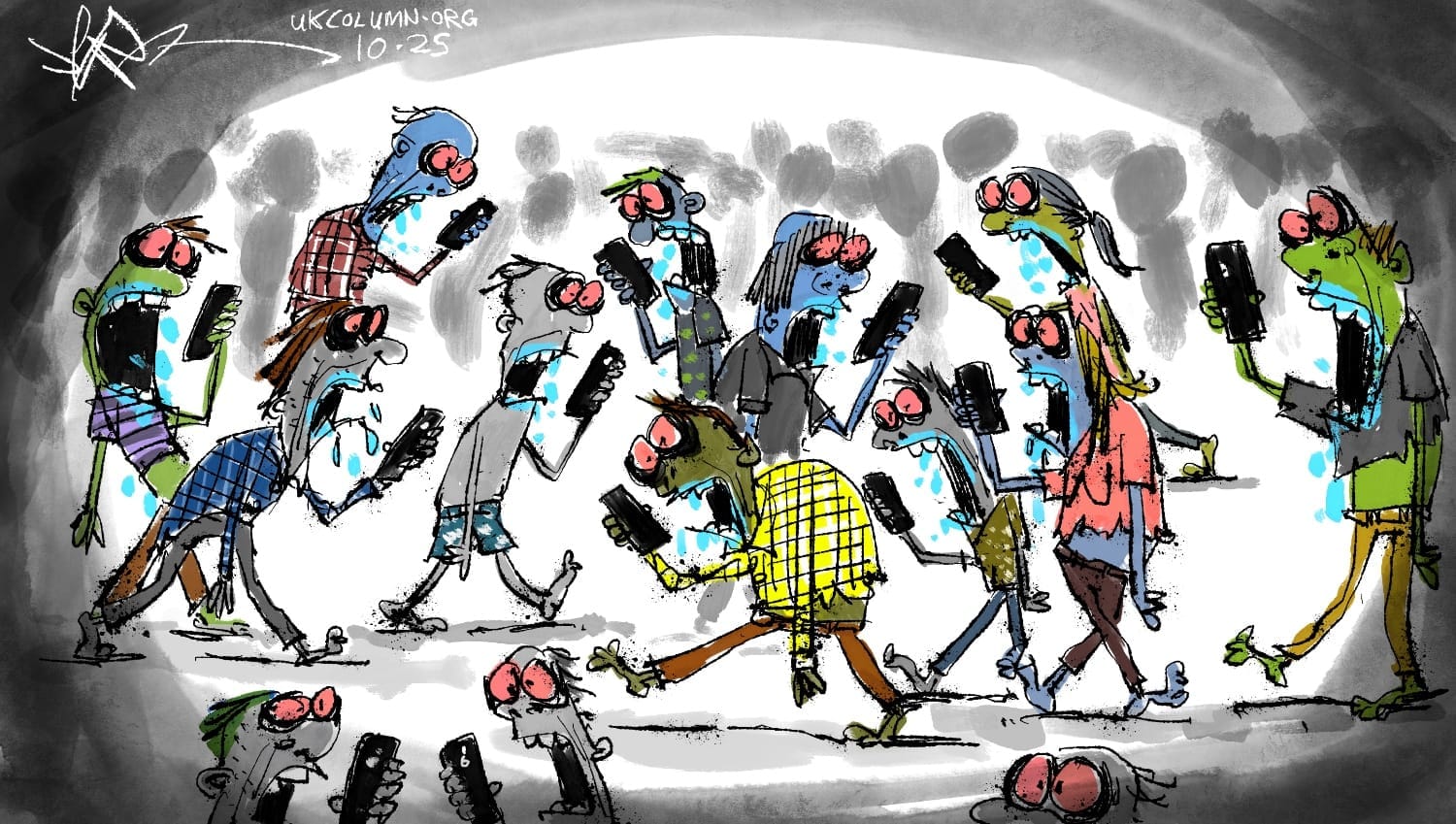
So have you ever picked up your phone for a quick scroll, and then after what seems like a few minutes, you look at the time and realise you’ve been scrolling for an hour? This is what happens when we stop being aware. We shift into autopilot. There are many techniques available to help with this problem. But once we’re on autopilot it’s already too late, because even if we can become aware, it requires a huge amount of will power to snap ourselves out of this type of trance state.
A far easier way, which requires no will power, is to simply ask yourself this one question before you begin any activity: What is the opportunity cost of doing this?
Subscribe to get the latest posts in your inbox.
If you don’t know what an opportunity cost is, let me explain. Whenever you choose to do something (like scrolling on your phone), you’re sacrificing all the other activities that you could be doing instead (like making music). But more importantly, you’re sacrificing all the benefits that you’d get from doing the other activity. In this example, the opportunity cost is the benefit you would have got from making music. That’s the true price you’re paying when you choose to scroll.
And the longer you scroll, the higher the price you pay. If you scroll for one hour every day, that’s 365 hours this year that you could have been making music. And even if you forget about all the health benefits you’ll enjoy from making music, that’s still a heavy price to pay. Because imagine how many songs you could write in 365 hours. And sadly, most people scroll a lot more than one hour a day.
So there you go. That’s my effortless alternative to the usual new year’s resolution! Before embarking on any activity, ask yourself: What’s the opportunity cost of doing this? Then consciously decide if you’re happy to miss out on the benefits you’d gain from doing that other activity.
Those lost benefits add up really quickly, too. Imagine two versions of yourself, one that chooses to scroll for an hour every day, and one that chooses to make music instead. Due to the compound effect, the difference between these two versions of you will be vast by the end of this year. Which one do you want to be?
Subscribe to get the latest posts in your inbox.
Remember, the trick is to ask yourself about the opportunity cost before you begin an activity. If you need to, write “Opportunity Cost?” on your hand every morning. Do whatever it takes to ask this question before you start doing something, especially if that thing involves looking at a screen. Screens hypnotize us. Literally. So before you give the screen that control over your mind, ask the big question!
Even if you ask this question and then decide that scrolling is worth it, by asking it you’ve created some cognitive dissonance. This will bother your unconscious mind. And as this builds over time, you’ll find that you start choosing healthier activities simply to relieve your cognitive dissonance.
Now, if you’re ready to begin your musical journey, you can start right now by reading my free book 12 Music Theory Hacks to Learn Scales & Chords. It only takes about half an hour to read, then you’ll have a solid foundation of the basics. And if you’re already making music but want to improve, then I’ve got 30 free PDF tutorials for you. They’re step-by-step musical “recipes” that you can follow to instantly make better music.
And on top of the free book, 30 free PDFs, and over 220 free YouTube tutorials, I don’t paywall any of these essays either. I don’t want to exclude anyone. But, if you’re enjoying all these free offerings and want me to make more, please support my work by becoming a paid subscriber. It’s only about the cost of one coffee per month, but if enough people join, then I can pay the rent and keep doing this work. To sign up, please visit HackMusicTheory.com/Join.
If you can’t afford to at the moment, though, no problem. You can give Hack Music Theory a 5-star rating in your podcast app, that supports my work too. Either way, thank you so much. Happy New Year! And welcome aboard the Songwriter’s Ark, where all the music making skills are being preserved through this global AI flood. The flood shall pass. The skills will last.
Ray Harmony :)

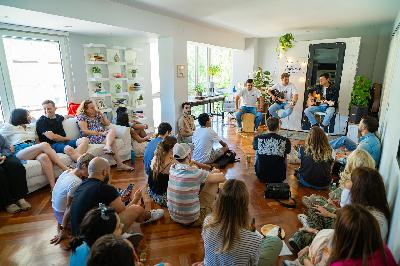
Photo by Mart Production
About.
Ray Harmony is a multi award-winning music lecturer, who’s made music with Serj Tankian (System Of A Down), Tom Morello (Rage Against The Machine), Steven Wilson (Porcupine Tree), Devin Townsend (Strapping Young Lad), Ihsahn (Emperor), Kool Kei
















 United States
