


 Claim Ownership
The Authority Podcast — Expert Insights and Fresh Ideas for Education Leaders
Subscribed: 1Played: 115
Subscribe

© 2024 Be Podcast Network
Description
Are you looking for proven ideas to increase your influence, hire and develop an excellent staff, build a stronger culture, lead meaningful change, and form a strong foundation for learning and leadership success? This is the podcast for you.
Whether you're a leader who seeks to refine your command of core educational strategies, learn new management techniques from those who have used them at some of the world's largest corporations, gain fresh perspectives on personal development or student success from practitioners across fields, or a little bit of everything, you'll find powerful content on The Authority.
Join co-hosts Lindsey Cannon and Natasha Nurse as they interview the prominent education authors you already admire, up-and-coming voices, and experts from the worlds of business, personal development, and beyond — including Wall Street Journal, USA Today, and Amazon bestsellers — to take a deep dive into their wealth of practical insights.
243 Episodes
Reverse
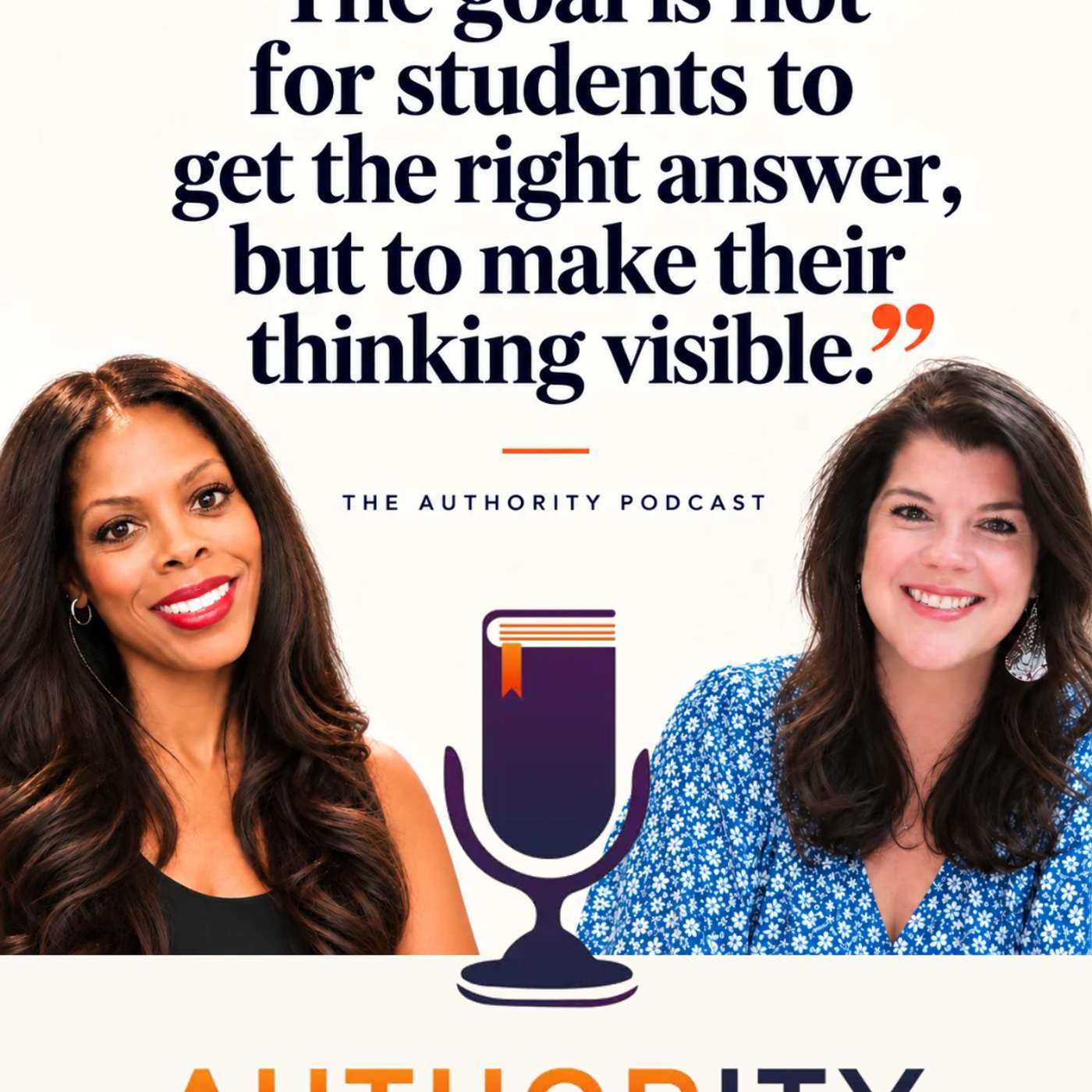
How Do We Know Students Are Actually Learning?The Authority Companion EpisodeHow do we know students are actually learning, rather than simply completing assignments, following directions, or producing the right answers?Lindsey and Tasha continue their conversation, inspired by Lori Cohen and The Science of Lesson Planning, exploring what happens when educators design lessons around evidence of student understanding.Together, they discuss practical ways teachers can make thinking visible, how school leaders can encourage reflection without introducing another overwhelming initiative, and why protecting human judgment matters as AI becomes more common in classrooms.In this episode, we discuss:Why compliance, engagement, and completed assignments are not necessarily evidence of learningHow hinge questions help teachers see what students understand and determine what should happen nextWhy educators need to plan their response to student understanding, not just plan the learning activityHow instructional practices can become automatic when teachers lose sight of why they use themWhy leaders can encourage deeper professional thinking by asking curious, open-ended questions rather than prescribing solutionsHow psychological safety gives both teachers and students permission to take risks, make mistakes, and growWhy Lori's lesson-planning framework may look different for new teachers, veteran teachers, and educators working with prescribed curriculaHow instructional systems can emerge from effective practices rather than being imposed before schools understand what worksWhy AI has exposed existing questions about critical thinking, student ownership, and evidence of learningHow teachers can use AI as a thinking partner without outsourcing professional judgmentWhy meaningful relevance can come from helping students understand how today's learning connects to tomorrow's workHow leaders can introduce instructional improvements through small, collaborative experiments before scaling them across a schoolLindsey and Tasha leave educators with a practical invitation: identify one moment in an upcoming lesson when you need to know whether students truly understand, design a question that reveals their thinking, and decide what you will do with the answer.About this companion episodeCompanion episodes of The Authority give Lindsey Cannon and Natasha Nurse an opportunity to continue conversations inspired by authors and experts, examining how ideas translate into everyday decisions in schools.In this conversation, they build on Lori Cohen's work by exploring the relationship between evidence of learning, instructional decision-making, teacher support, and purposeful use of AI. The focus is on making small, intentional changes that help both educators and students think more deeply.Connect with Lori Cohen and Explore Her ResourcesLori Cohen Consulting: https://www.loricohenconsulting.com/The Science of Lesson Planning (official publisher): https://conference.ascd.org/books/the-science-of-lesson-planning?variant=126012Free Transformative Lesson Planner App: https://scienceoflessonplanning.app/Explore Lori's books: https://www.loricohenconsulting.com/bookslistConnect with Lori on LinkedIn: https://www.linkedin.com/in/lori-cohen-9a447224/
Learn more about today's sponsor, Playworks:We’re proud to be sponsored by Playworks, a 501(c)3 nonprofit organization with evidence-based practices that help schools improve the health and well-being of children by increasing opportunities for physical activity and safe, meaningful play.If you’re a school or district leader struggling with the challenge of chronic absenteeism, as so many are across the U.S., you may not realize that structured recess is a research-backed approach to keep kids in school. In fact, a UC Berkeley study of Title I schools found that those partnering with Playworks had significantly lower chronic absenteeism rates. Further, Mathematica research demonstrated that Playworks schools spent 27% less time transitioning from recess back to learning, saving teachers valuable instructional time. These results are possible for your students, too. Learn how Playworks can help you improve student-educator relationships, belonging, and attendance by signing up for a quick no-obligation conversation.

Why Better Lesson Planning Starts with Better QuestionsFeaturing Lori CohenLindsey and Tasha welcome Lori Cohen, educator, instructional leader, and co-author of The Science of Lesson Planning: High-Impact Practices That Deepen Student Learning, for a conversation about what happens when educators look beyond lesson-planning templates and ask better questions about how students learn.Lori explores the connection between intentional lesson design, psychological safety, classroom culture, and school systems. Drawing on her experience as a teacher and school leader, she challenges educators to consider not only what they want students to do, but what students need in order to think deeply, take academic risks, and demonstrate meaningful learning.In this episode, we discuss:Why systems thinking helps school leaders anticipate how decisions affect teachers, students, and familiesHow coalition building and impact mapping can strengthen the implementation of school initiativesThe five phases of Lori's lesson-planning framework and why they provide a process rather than a prescriptionWhy psychological safety means supporting productive struggle, not removing academic challengesHow teachers can connect students' lived experiences to lesson content in meaningful waysWhy classroom culture must be continually revisited instead of established only at the beginning of the yearHow cognitive load influences students' ability to concentrate and engage in deeper thinkingWhy existing lessons can often be strengthened through one intentional adjustment rather than a complete redesignHow hinge questions provide immediate evidence of understanding and inform teachers' next instructional decisionsWhy making student thinking visible matters more than simply observing engagement or correct answersHow relevance and curiosity influence students' willingness to engage with challenging contentWhy teachers and students must protect their own critical thinking as AI becomes more prevalentHow Lori's experiences in supportive and compliance-focused schools shaped her understanding of instructional leadershipWhy leaders should create conditions where teachers feel known, trusted, and supported in their professional growthWhat it means to approach education as an architect of possibilityAbout today's guestLori Cohen is a K–12 educator, instructional leader, author, and professional learning facilitator. Her work focuses on helping educators strengthen lesson design and build the relationships, structures, and systems that support meaningful learning.Her book, The Science of Lesson Planning, brings research on learning and instruction into a five-phase framework designed for teachers, coaches, mentors, and school leaders.Connect with Lori Cohen and Explore Her ResourcesLori Cohen Consulting: https://www.loricohenconsulting.com/The Science of Lesson Planning (official publisher): https://conference.ascd.org/books/the-science-of-lesson-planning?variant=126012Free Transformative Lesson Planner App: https://scienceoflessonplanning.app/Explore Lori's books: https://www.loricohenconsulting.com/bookslistConnect with Lori on LinkedIn: https://www.linkedin.com/in/lori-cohen-9a447224/
Learn more about today's sponsor, Playworks:We’re proud to be sponsored by Playworks, a 501(c)3 nonprofit organization with evidence-based practices that help schools improve the health and well-being of children by increasing opportunities for physical activity and safe, meaningful play.If you’re a school or district leader struggling with the challenge of chronic absenteeism, as so many are across the U.S., you may not realize that structured recess is a research-backed approach to keep kids in school. In fact, a UC Berkeley study of Title I schools found that those partnering with Playworks had significantly lower chronic absenteeism rates. Further, Mathematica research demonstrated that Playworks schools spent 27% less time transitioning from recess back to learning, saving teachers valuable instructional time. These results are possible for your students, too. Learn how Playworks can help you improve student-educator relationships, belonging, and attendance by signing up for a quick no-obligation conversation.
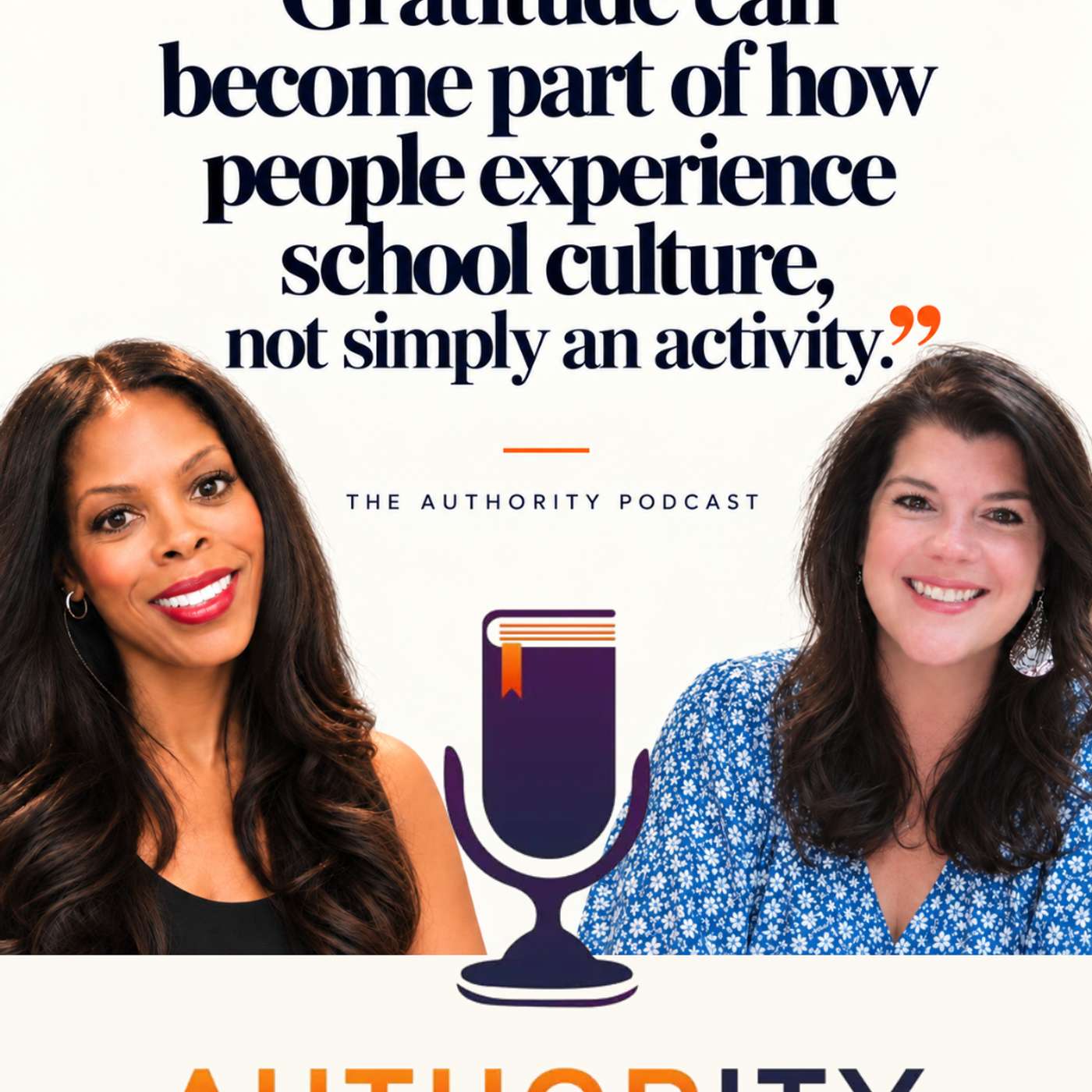
Lindsey and Tasha continue their conversation about gratitude by unpacking the ideas that stood out most from their interview with Lainie Rowell, author of Bold Gratitude. Together, they explore what gratitude can look like in everyday leadership, how authentic praise can strengthen school culture, and why small, intentional practices can have a meaningful impact on both educators and students.Rather than treating gratitude as one more initiative, Lindsey and Tasha focus on practical ways leaders can build it into the rhythms and routines that already exist. Their conversation centers on specific praise, self-care, staff recognition, student participation, and the ripple effect that can happen when people feel genuinely seen and valued.In this episode, we discuss:Why gratitude is not about pretending challenges do not exist, but about intentionally recognizing what is still goodThe difference between generic praise and authentic praise that is specific, meaningful, and connected to impactHow school leaders can incorporate gratitude into staff meetings and other routines that already existWhy gratitude can become an important form of self-care for leaders who are constantly focused on solving problemsHow recognizing what is going well can shift the emotional tone of a school without ignoring the work that still needs to be doneWhy small acts of recognition can create ripple effects throughout a staff, classroom, or school communityPractical ways technology can make gratitude easier and more sustainable for busy educatorsHow gratitude jars and similar practices can help students notice and name positive moments in their classroomsThe role of writing prompts and reflection in helping students and adults develop a more intentional gratitude practiceWhy gratitude practices are more powerful when they feel authentic rather than forcedHow leaders can create opportunities for staff members to feel seen for the specific contributions they makeWhy celebrating progress and effort can strengthen relationships and reinforce the culture leaders are trying to buildHow gratitude can move beyond the school building and become part of the way schools engage families and the broader communityWhy creating a culture of gratitude is less about launching a program and more about consistently modeling what leaders want others to notice and valueThis companion conversation builds on Lindsey and Tasha’s interview with Lainie Rowell and her work in Bold Gratitude, giving school leaders practical ideas for turning reflection into action.About this companion episodeCompanion episodes of The Authority give Lindsey Cannon and Natasha Nurse space to reflect on the ideas that stay with them after conversations with authors, experts, and education leaders. Rather than simply recapping the interview, they explore what those ideas can mean in practice for school leaders and educators.In this episode, they revisit Lainie Rowell’s insights about gratitude and consider how leaders can apply them through authentic praise, staff routines, student engagement, self-reflection, and community-building. The focus is on small, sustainable shifts that can help create school environments where people feel recognized, supported, and connected.
Learn more about today's sponsor, Playworks:We’re proud to be sponsored by Playworks, a 501(c)3 nonprofit organization with evidence-based practices that help schools improve the health and well-being of children by increasing opportunities for physical activity and safe, meaningful play.If you’re a school or district leader struggling with the challenge of chronic absenteeism, as so many are across the U.S., you may not realize that structured recess is a research-backed approach to keep kids in school. In fact, a UC Berkeley study of Title I schools found that those partnering with Playworks had significantly lower chronic absenteeism rates. Further, Mathematica research demonstrated that Playworks schools spent 27% less time transitioning from recess back to learning, saving teachers valuable instructional time. These results are possible for your students, too. Learn how Playworks can help you improve student-educator relationships, belonging, and attendance by signing up for a quick no-obligation conversation.
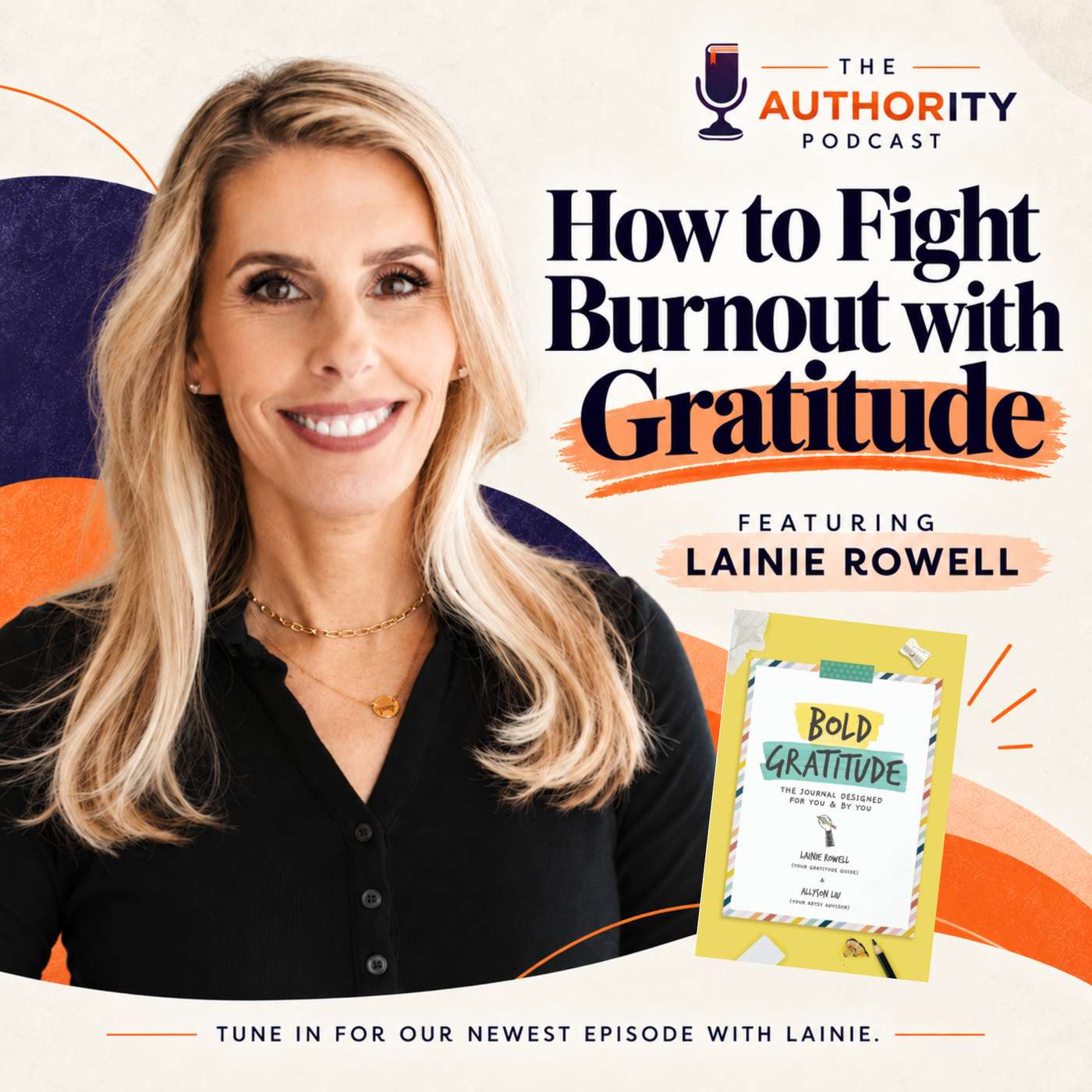
Lindsey and Tasha talk with Lainie Rowell, bestselling author, award-winning educator, and gratitude researcher and practitioner, about moving gratitude beyond a surface-level practice and making it part of how we lead, teach, and live. The conversation explores the science behind gratitude, how leaders can create cultures where people feel genuinely seen, and why gratitude is not about ignoring what is hard but refusing to overlook what is good.Lainie Rowell is a bestselling author, award-winning educator, and TEDx speaker whose work has reached audiences across 41 states and dozens of countries on four continents. Her clients include Apple and Google, and she works with school systems worldwide. She is the author of Evolving with Gratitude, a lead author of Evolving Learner, and the creator of Bold Gratitude: The Journal Designed for You and by You, a flexible resource that helps people develop a gratitude practice that feels personal rather than prescribed.In this episode, we discuss:How Lainie’s relationship with gratitude changed during the early days of the COVID-19 shutdown and the unexpected moment that caused her to look at gratitude differentlyWhy gratitude is not about overlooking what is hard, but intentionally refusing to overlook what is goodThe brain’s natural negativity bias and why intentionally noticing what is going well mattersHow school leaders can use specific, authentic praise to strengthen relationships and create healthier learning environmentsThe praise-to-correction ratio and why leaders should pay attention to how often people hear what they are doing well compared with what they need to fixLainie’s “notice, think, feel, and do” framework for developing a deeper gratitude practiceCounterfactual thinking, or “mental subtraction,” and how imagining life without an important person can deepen our appreciation for the relationships we already haveWhy gratitude practices do not have to be elaborate — and why a thoughtful text message can sometimes be more meaningful than waiting to write the perfect thank-you noteHow gratitude can support emotional regulation, stress reduction, well-being, relationships, sleep, and even physical healthWhy gratitude should be invitational rather than mandated, particularly when leaders bring gratitude practices into schools and organizationsWhat educators can do when they are burned out and feel like they have nothing left to giveTemptation bundling — pairing something you want to do with something you want to make a habit — and how leaders can remove barriers that make positive habits harder to sustainHow school leaders can build reflection and gratitude into existing routines such as staff meetings instead of creating another large initiativeWhy leaders should celebrate what is going well both internally with their teams and publicly with their communitiesHow to make a thank-you more meaningful by acknowledging the intention, cost, and value behind someone’s actionsThe difference between simply feeling grateful and developing gratitude as a disposition that shapes how we approach happiness, relationships, and performanceLearn more about Lainie Rowell and access her free resources: LainieRowell.comFind Bold Gratitude: The Journal Designed for You and by You and Evolving with Gratitude wherever books are sold online.About today’s guestLainie Rowell is a bestselling author, award-winning educator, and TEDx speaker whose work centers on learning, leadership, well-being, and the science and practice of gratitude. She has presented in 41 states, and her work has reached audiences in dozens of countries across four continents. Her clients have included Apple and Google, and she partners with school systems worldwide.Lainie is the author of Evolving with Gratitude and served as a lead author of Evolving Learner. Her latest work, Bold Gratitude: The Journal Designed for You and by You, invites people to develop gratitude practices that fit who they are rather than following a one-size-fits-all approach. Through research, reflection, and practical strategies, Lainie helps educators, leaders, and communities move gratitude from something they occasionally feel to something they intentionally practice.Learn more about Lainie, her books, and her free resources at https://www.lainierowell.com/booksConnect on LinkedIn: https://www.linkedin.com/in/lainierowell/
Learn more about today's sponsor, Playworks:We’re proud to be sponsored by Playworks, a 501(c)3 nonprofit organization with evidence-based practices that help schools improve the health and well-being of children by increasing opportunities for physical activity and safe, meaningful play.If you’re a school or district leader struggling with the challenge of chronic absenteeism, as so many are across the U.S., you may not realize that structured recess is a research-backed approach to keep kids in school. In fact, a UC Berkeley study of Title I schools found that those partnering with Playworks had significantly lower chronic absenteeism rates. Further, Mathematica research demonstrated that Playworks schools spent 27% less time transitioning from recess back to learning, saving teachers valuable instructional time. These results are possible for your students, too. Learn how Playworks can help you improve student-educator relationships, belonging, and attendance by signing up for a quick no-obligation conversation.
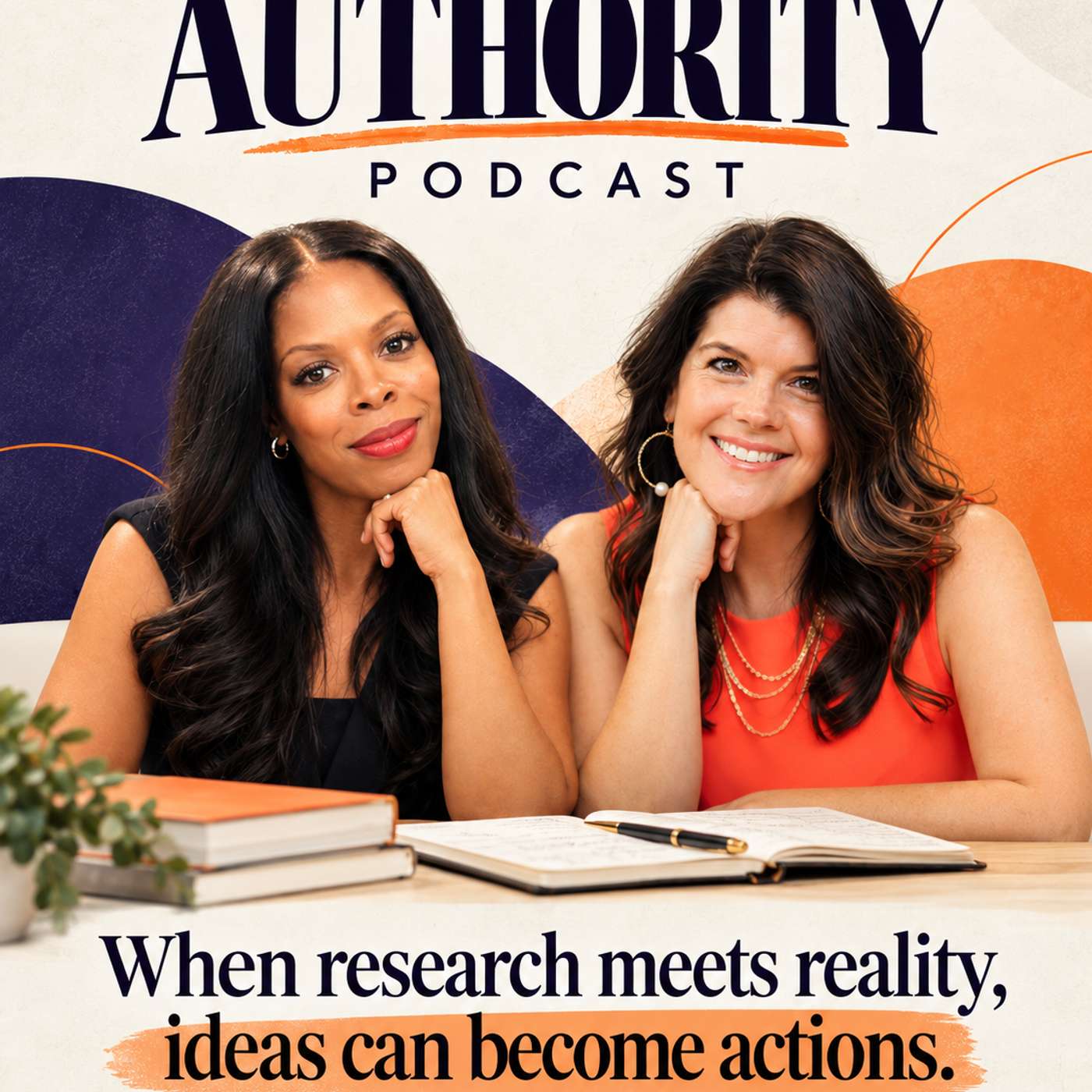
Show Notes: Meet Your New Hosts of The AuthorityA new chapter of The Authority begins as Lindsey Cannon and Natasha Nurse step into their roles as co-hosts. Building on the foundation established by Ross Romano, Lindsey and Tasha share their vision for the show, their perspectives on education, and their commitment to helping school leaders move beyond inspiring ideas to meaningful action.Together, they explore what needs to change in education, why schools must create more meaningful experiences for students, and how leaders can rethink the systems and routines that shape everyday practice. From challenging traditional approaches to leadership to reducing the demands placed on educators, their conversation introduces the questions and perspectives listeners can expect in future episodes.Rather than simply highlighting what authors and experts have to say, Lindsey and Tasha want The Authority to become a bridge between research and reality. Their goal is to ask better questions, explore the challenges educators actually face, and help leaders identify practical ways to move important ideas forward.In this episode, we discuss:What listeners can expect from the next chapter of The Authority and the perspectives Lindsey and Tasha bring to the conversationWhy inspiring ideas are not enough unless leaders can translate them into meaningful changes in schools and classroomsHow schools can rethink meetings and routines to create more time for reflection, collaboration, and meaningful workWhy education needs bold thinkers who are willing to challenge assumptions, take risks, and imagine what schools could becomeWhether schools are truly encouraging the curiosity, inquiry, and innovation they claim to valueWhy students need to see the purpose and value in the work they are asked to do every dayThe difference between processes and systems, and how stronger systems can reduce the workload placed on individual educatorsWhy leaders should focus on doing their most important work exceptionally well rather than trying to do everythingHow thoughtful questions can help authors and experts move beyond big ideas to practical strategies educators can use immediatelyWhy leadership requires creating opportunities for teachers to take ownership, experiment, and try new approachesHow companion episodes will provide space to unpack ideas, consider real school constraints, and identify practical next stepsWhy innovation requires asking good questions, trying new approaches, and using evidence to determine what worksHow Lindsey and Tasha's different perspectives can challenge assumptions and create richer conversations about educationWhy keeping students at the center of every leadership decision is essential to meaningful school improvementThis introductory conversation sets the direction for the next chapter of The Authority. Through interviews with authors and experts, followed by thoughtful companion conversations, Lindsey and Tasha hope to give school leaders more than inspiration. They want listeners to walk away with new questions, fresh perspectives, and practical ideas they can begin applying in their own schools.About this episodeThe Authority enters a new chapter with co-hosts Lindsey Cannon and Natasha Nurse, two experienced educators who share a commitment to improving schools while bringing distinct perspectives to the challenges of educational leadership.Lindsey brings a systems-thinking approach, focusing on simplifying complex challenges, reducing educator workload, and helping leaders turn ambitious ideas into manageable actions. Tasha brings a passion for inquiry, innovation, and challenging traditional assumptions about what schools should look like and how students should experience learning.Together, they aim to create a space for honest conversations about what is working, what needs to change, and what leaders can do next.With author interviews and companion episodes that examine ideas through the lens of everyday school realities, The Authority is grounded in a simple belief: When research meets reality, ideas can become actions.
Learn more about today's sponsor, Playworks:We’re proud to be sponsored by Playworks, a 501(c)3 nonprofit organization with evidence-based practices that help schools improve the health and well-being of children by increasing opportunities for physical activity and safe, meaningful play.If you’re a school or district leader struggling with the challenge of chronic absenteeism, as so many are across the U.S., you may not realize that structured recess is a research-backed approach to keep kids in school. In fact, a UC Berkeley study of Title I schools found that those partnering with Playworks had significantly lower chronic absenteeism rates. Further, Mathematica research demonstrated that Playworks schools spent 27% less time transitioning from recess back to learning, saving teachers valuable instructional time. These results are possible for your students, too. Learn how Playworks can help you improve student-educator relationships, belonging, and attendance by signing up for a quick no-obligation conversation.

Comments

Download from Google Play

Download from App Store
 United States