


 Claim Ownership
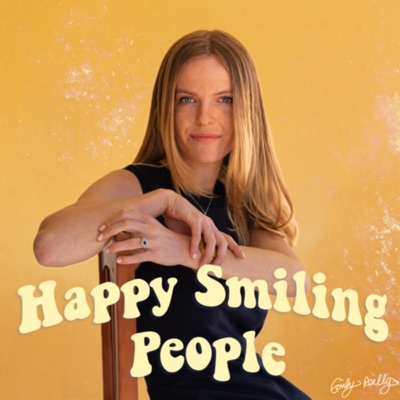
Happy Smiling People
Subscribed: 56Played: 662
Subscribe

© Emily Reilly
Description
Conversations that inspire, inform, and explore what health and wellness truly mean for women today.
The Happy Smiling People Podcast is your go-to space for honest, insightful conversations about health, hormones, and holistic well-being. Each episode dives into topics that matter — from hormone health, perimenopause, and PCOS to longevity, movement, mental health, and nutrition — all with a compassionate, evidence-informed lens.
It's not about perfection — it’s about progress, understanding, and finding joy in taking care of yourself.
The Happy Smiling People Podcast is your go-to space for honest, insightful conversations about health, hormones, and holistic well-being. Each episode dives into topics that matter — from hormone health, perimenopause, and PCOS to longevity, movement, mental health, and nutrition — all with a compassionate, evidence-informed lens.
It's not about perfection — it’s about progress, understanding, and finding joy in taking care of yourself.
92 Episodes
Reverse

Eva Humphries is a Nutritional Therapist.In this episode, we discuss: whether nutritional advice is overhyped, our obsession with optimisation and longevity, the rising cost of food and how much of our money we should be spending on it, the culture of office snacking and how to stay healthy at work, whether companies should prioritise employee wellbeing, how to make sustainable lifestyle changes, the best ways to approach health as we age, how appetites change as we get older, the definition of quality of life, and much more.Find me online: https://linktr.ee/emilyereillyFind Eva Online:Instagram: https://www.instagram.com/wholefoodwarrior/?hl=en Website: https://wholefoodwarrior.co.uk/ Timestamps:00:00 Is nutrition advice blown out of proportion?05:30 our obsession with optimisation 11:00 hyper fixation for longevity and eliminating certain foods14:00 how much should we spend on food and why is It so expensive?17:30 office culture - how to life a healthy lifestyle while spending so much time in an office 26:00 employee wellbeing - are companies taking care of their employees health?35:00 the corporate side to health42:00 sustainable behaviour changes 45:00 how should we approach our health later in life 48:00 how our appetite changes as we age 54:00 how would you define quality of lifeKeywordsnutrition, wellness, health, individualized diet, corporate wellness, aging, quality of life, sustainable eating, nutrition education, food affordability
Dr. Federica Amati is the Head Nutritionist at ZOE, the nutrition science company leading the gut health revolution, and holds a PhD in Clinical Medicine Research from Imperial College London. She has a masters in Public Health and is an Association for Nutrition (AfN) Registered Nutritionist. Federica is the author of Recipes for a Better Menopause and Sunday Times Bestseller Every Body Should Know This. In this episode, we dive into how our bodies evolve with age - from the differences between men and women to the effects of menopause on metabolism, we talk about the essential health rules to follow when we’re younger, the five food groups most people forget, and the pitfalls of supplement culture; we unpack how different generations think about diet, our emotional ties to food, why home cooking matters more than ever, what’s new in nutrition research, what Federica’s ultimate goal with her work is — and much more. Find me online: https://linktr.ee/emilyereillyFind Federica online:Instagram: https://www.instagram.com/dr.fede.amati/?hl=en Website: https://www.federicaamati.com/ Zoe Website: https://zoe.com/en-gb Timestamps:00:00 how do our bodies change as we age?02:30 how do men and women’s bodies age differently? 05:00 how does the menopause impact metabolism?10:45 the broad health rules for our diet in younger years15:00 the 5 food groups missing from our plates27:00 the problem with supplement culture is that 48:00 the difference in different generation’s approach to diet 58:00 the emotional attachments we carry to food1:01:00 why we should all cook home cooked meals 1:05:00 what are the upcoming trends in science and research 01:16:00 what is Federica’s end goal with her work?
Mollie Birney is a clinical life coach and former therapist. In this episode, we discuss what a clinical life coach is and how they differ from a therapist; whether perfectionism is just procrastination in disguise; behaviour change and how to shift the narrative of our subconscious and irrational brain; why women struggle to take compliments; why women often criticise one another; the roots and meaning of shame; how to recognise when our negative emotions become too intense; how mental overconsumption affects anxiety and our survival nervous system; why we disconnect from the present moment; what it means to experience an existential crisis; the difference between a thought and a feeling; how we begin to discover who we truly are—and much more.Find me online: https://linktr.ee/emilyereillyFind Mollie Online:Instagram: https://www.instagram.com/molliebirney/ Website: https://www.molliebirney.com/ Keywordsclinical life coach, perfectionism, anxiety, self-worth, shame, existential crisis, self-discovery, mental health, emotional balance, personal growthTimestamps: 00:00 what is a clinical life coach - how is that different to a therapist?03:45 is perfectionism just procrastination? 07:00 behaviour change and altering the narrative of our subconscious and irrational brain11:30 why women struggle to take compliments 16:00 why do women criticise each other 21:00 why do we feel shame and what does it mean?24:00 how do we know when our negative feelings are too strong?29:00 the overconsumption in our brains and how it related to anxiety and our survival nervous system 33:00 why we have disassociation with the present moment 39:45 what does it mean to have an existential crisis?44:30 what is the difference between a thought and a feeling? 53:00 how do we find out who we are?
Noor Al-Humaidhi is an MD and Menopause Specialistand founder of Lifestyles By Noor. In this episode, we discuss:What hormone health really meansThe mental and emotional side effects of perimenopauseHow to predict when you might go through menopauseThe truth about Hormone Replacement Therapy (HRT) — and why some people choose not to take itThe roles of progesterone, estrogen, and testosterone in the bodyA breakdown of each stage in the menstrual cycle and how it overlaps with perimenopause symptomsThe key differences between perimenopause and menopauseAnd whether it’s ever too late to start HRTFind me online: https://linktr.ee/emilyereillyFind Noor Online:Instagram: https://www.instagram.com/askdrnoor/?hl=enLifestyles by Noor: Website: https://www.lifestylesbynoor.com/Instagram: https://www.instagram.com/lifestylesbynoornh/?hl=enTimestamps:00:00 what is hormone health?06:00 the mental side effects to perimenopause 09:45 the difficulty with perimenopause not being tangible or defined 13:45 how to predict when you will go through menopause 15:00 how to treat women going through the menopause 18:00 the truth about HRT (Hormone Replacement Therapy)19:45 what do progesterone, estrogen and testosterone do in our bodies25:00 what symptoms does HRT improve in perimenopause 25:30 why do people not want to take HRT?28:00 are there any lifestyle factors or patterns that result in more severe perimenopause and menopause symptoms?30:00 understanding each stage in the menstrual cycle and how symptoms work in conjunction with perimenopause symptoms?35:00 what is the difference between perimenopause and menopause?36:00 is it ever too late to start HRT?39:30 trends of perimenopausal and menopausal patients 41:00 why do we lose bone density as we age? 45:30 most surprising elements of the women’s health and fitness industry 47:00 do any HRT negatives have merit? Keywords:hormone health, women's health, menopause, mental health, hormone therapy, lifestyle factors, midlife health, progesterone, estrogen, testosterone
Juliet Starrett is a PNL2 Nutrition Coach, and is on a mission to help people move move. Best selling NYT and Sunday Times author, and Founder and CEO of The Ready State. In this episode, we explore:What a truly healthy approach to longevity looks likeWhy so many of us feel "deskbound" — and common misconceptions about fitnessThe powerful health benefits of simply spending time outdoorsHow to build healthy habits (and why it’s often so hard)The surprising decline in overall movement in modern society — even as we “exercise” moreWhy step count is one of the best indicators of total daily movementThe benefits of sitting on the floor daily — plus how the Sit and Rise Test can reveal a lot about your mobilityPractical ways to incorporate mobility into your routine — and what that should actually look likeAnd so much more!Find me online: https://linktr.ee/emilyereillyFind Juliet Online: Instagram: https://www.instagram.com/julietstarrett/?hl=enWebsite: https://thereadystate.com/Time stamps:00:00 what is a healthy approach to longevity08:30 why we all feel so Deskbound and the misunderstandings of fitness 18:00 why spending time outside is the best thing for your health20:00 creating healthy habits and why its hard 22:00 the decline of total movement in society and how it has made us less healthy despite ‘exercising’ more 24:00 why step count is the best proxy for total movement 28:00 why a good posture is crucial 28:30 why everyone should spend time sitting on the floor each day & the sit and rise test35:00 why people don’t like mobility work, and when they start to care about it 41:00 how to incorporate mobility - what to actually do 46:00 base camp practices of basic fitness 54:00 putting the fun back into health and fitness Keywordslongevity, durability, health span, movement, mobility, nature, sedentary lifestyle, wellness, fitness, aging
Claire Pettitt is a PHD qualified PCOS Dietitian and Nutrionist specialising in women's health, PCOS and gut health. In this episode, we discuss:What it means to be a compassionate PCOS dietitianThe therapeutic and empathetic role of a nutritionist — especially around weight gain and lossUnderstanding disordered eating patterns and how they developThe dangers of following nutrition advice on social mediaCommon myths around women’s health and fitnessHow the role of a dietitian has evolved over the past 20 yearsThe risks of relying on AI (including ChatGPT) for medical adviceA dietitian’s perspective on longevity and the bio-hacking trendWhat endometriosis is, where it comes from, and how it affects the bodyA deep dive into PCOS — how it's examined and treatedFind me online: https://linktr.ee/emilyereillyFind Claire Online:Instagram: https://www.instagram.com/cp_nutritionrd/?hl=enWebsite: https://www.clairepettitt.com/about-claireKeywordsPCOS, nutrition, compassionate dietitian, women's health, disordered eating, body image, social media, behavior change, Mediterranean diet, endometriosisTimestamps:00:00 what is a compassionate PCOS dietitian - less weight centred 06:00 the therapeutic and empathetic side to a nutritionist and emotions around weight gain and loss 08:15 what does it mean to have disordered eating patterns10:00 dangers of social media advice 14:00 common myths for women’s health and fitness20:00 how the work of a dietician has changed over the past 20 years26:20 the risks of chat GPT medical advice27:30 what does behaviour change look like to pursue a healthier diet? 31:50 a dietitian’s view on longevity and bio-hacking 35:00 its not just what we eat, but how we eat38:44 what is endometriosis and where does it come from45:00 examining and treating PCOS
Grace Kingswell is a fertility expert mBANT specialising in fertility journeys, and IVF, and postpartum.In this episode we discuss: what holistic health means and looks like, the benefits of breast milk, the best type of birth for your baby and why, what can cause infertility, how our bodies are not designed for artificial light, and much more. Find me online: https://linktr.ee/emilyereillyFollow Grace online:Instagram: https://www.instagram.com/gracekingswell?igsh=eGl3eDU1aTVoc3Z6Website: https://www.gracekingswell.com00:00 What does it mean to have a holistic approach for lifestyle medicine?06:10 how to effectively block light and use blue blocker glasses10:30 how do our bodies adapt to the circadian rhythm - should we be sleeping more in winter? 19:00 how modern society is structured for women - working during pregnancy and managing monthly cycles 22:00 what is a fertility expert? 27:00 what are the common factors leading to infertility?30:00 is the biological clock as important as people say for fertility? 36:00 the different types of stress in modern life and its impact38:00 misconceptions of pregnancy and postpartum 41:00 the selfless nature required to be a mother and how mode of birth and feeding can effect a baby long term45:00 the benefits of breastmilk 53:00 finding out relevant information from reliable sourcesKeywordsholistic nutrition, lifestyle medicine, sleep health, circadian rhythms, women's health, fertility, pregnancy nutrition, breastfeeding, postpartum recovery, community support
Elinor Barker is a professional road and track cyclist, multiple Olympic medalist and World and European Champion cyclist. In this episode we discuss: women’s professional road cycling and their maternity policy, Elinor’s training through pregnancy as a professional athlete, how she competed in the Olympics and won a silver medal while pregnant with her first child, the risk vs reward of riding your bike, how hard to train while pregnant and what signs to look out for, mental and physical frustrations on pregnancy training, how her body image and perception has developed, what her road back to racing looked like after having her first child, and much more. My Links: https://linktr.ee/emilyereilly Find Elinor Online:Instagram: https://www.instagram.com/elinorbarker/?hl=enKeywordswomen's cycling, pregnancy, maternity policies, training, mental health, body image, nutrition, recovery, professional athletes, motherhood, professional cyclist, womens cycling, olympic cycling0:00 - Trailer0:54 - Pregnant With No Maternity Contract5:20 - Trying To Train Whilst Pregnant 08:10 - Racing Whilst Pregnant 15:12 - Training Through Trimesters 19:30 - Online Narrative About Pregnancy 24:05 - Training For Labour? 28:50 - Sleeping & Training 31:39 - Body Image As A Pro Cyclist 35:28 - Positive & Negative Comments 38:50 - Online Content Through Pregnancy 41:07 - Nutrition Whilst Pregnant 46:29 - What Motivates Elinor? 48:40 - Advice For Active Women Overlay credits: Skoda, Elinor Barker, Uno X Team, TNT Sports, Eurosport
Kaitlin Colucci is a Gut Health Dietitian & Yoga TeacherIn this episode we discuss: what holistic health means and looks like, our gut brain connection - leading to the link between diet and mental health, Kaitlin’s experience as an NHS dietician, holistic practices vs modern medicine, whether we overly rely on modern medication, why incorporating yoga could transform our bodies, minds and hormones, battling overconsumption, and much more! My Links: https://linktr.ee/emilyereilly Find Kaitlin Online:Instagram: https://www.instagram.com/themissiondietitian/?hl=en Website: https://www.kaitlincolucci.com/ Timestamps:00:00 what is holistic health03:50 understanding the gut brain connection09:00 how gut conditions can link to mental health16:40 Kaitlin’s experience as an NHS dietician21:15 holistic health vs modern medicine - do we rely too much on quick fix pills23:45 how moving bodies and incorporating yoga practice helps our holistic health27:30 how much yoga do we need to do to benefit our health33:00 is our culture set up to make us unhealthy?35:00 how to support our hormones39:00 tracking our health through wearable monitors43:00 the world of overconsumptionKeywordsholistic health, gut health, mental health, diet, yoga, nutrition, gut-brain connection, NHS, mindfulness, fiber
Dr Piper Gibson is a Doctor of Functional Medicine, Advanced Holistic Nutrition, and a Board-Certified Doctor of Natural Medicine, and founder of Elite Gene Labs and the Tic Disorder Institute: Regenerating Health. She’s also the author of Tic Talk: Common Misconceptions, Natural Approaches, and Real Conversations About Tic Disorders.In this episode we discuss: what holistic health is and what indicators to measure it by, whether we rely too much on modern medicine and the risks these reliance may have, propaganda of pharmaceutical companies, where to start when detoxifying your home, how our diet can increase or decrease anxiety, whether genetic dispositions or degenerative diseases are hereditary, natural supplements that can boost health, and much more. My Links: https://linktr.ee/emilyereillyFind Dr Piper Gibson online: Companies: Elite Gene Labs, Tic Disorder Institute: Regenerating HealthInstagram: https://www.instagram.com/regeneratinghealth/?hl=en 0:00 understanding our digestion system 06:00 how long it takes to process food through our system 06:49 how do our bodies break down ultra processed foods vs processed foods 12:00 what is IBS 15:00 can you be cured from food intolerances?16:50 what difference does IBS have on digestion18:55 is IBS genetic? 22:00 how to combat IBS 24:10 why are some people born with allergies25:30 how do lifestyle factors impact our digestion 28:50 how does our body respond to stress - why do we need the loo when we are nervous 31:00 why should we examine our poo 33:30 how can people identify IBS 36:00 a realistic approach to managing stress 39:00 simple ways to improve our digestion 42:00 is intermittent fasting beneficial for the gut? 44:50 should we structure our mealtimes in a routine? 45:00 combatting digestion myths - including IV drips 48:40 quick tips for those women looking to optimise their diet, health and digestion Keywordsholistic health, natural medicine, genetics, mental health, diet, wellness, health education, lifestyle changes, inflammation, nutrition
Sophie Medlin is a consultant colorectal dietitian.In this episode we discuss: just how long it takes us to digest our food from our plate to the loo, what IBS is - what causes it, if it’s genetic and whether you can be cured from it, why some people are born with allergies, how lifestyle factors impact our digestion, how our bodies and digestion respond to stress, if intermittent fasting is beneficial for women’s health, whether we should structure our mealtimes, why we should be looking at our poo more and tracking our bowel movements, and much more!My Links: https://linktr.ee/emilyereillyFind Sophie online: Instagram: https://www.instagram.com/sophiedietitian/?hl=enWebsite: https://www.citydietitians.co.uk/sophie-medlin0:00 understanding our digestion system 06:00 how long it takes to process food through our system 06:49 how do our bodies break down ultra processed foods vs processed foods 12:00 what is IBS 15:00 can you be cured from food intolerances?16:50 what difference does IBS have on digestion18:55 is IBS genetic? 22:00 how to combat IBS 24:10 why are some people born with allergies25:30 how do lifestyle factors impact our digestion 28:50 how does our body respond to stress - why do we need the loo when we are nervous 31:00 why should we examine our poo 33:30 how can people identify IBS 36:00 a realistic approach to managing stress 39:00 simple ways to improve our digestion 42:00 is intermittent fasting beneficial for the gut? 44:50 should we structure our mealtimes in a routine? 45:00 combatting digestion myths - including IV drips 48:40 quick tips for those women looking to optimise their diet, health and digestion Keywordsdigestion, IBS, processed foods, gut health, nutrition, stress, health tips, microbiome, food intolerances, wellness
Shakira Akabusi is a women’s fitness expert, speaker, presenter and exercise coach, specialising in pre and post natal fitness, and founder of Strong Like Mum. In this episode we discuss: Shakira’s mission of smashing the stereotype of postnatal fitness, Shakira’s pillars of health during pregnancy, we examine the ‘bare minimum’ of recommended exercise* during pregnancy - all the way to optimising fitness during pregnancy, the ultimate core exercises to help your muscles pre-partum, whether you can train for an active labour, we go back to basics with the pelvic floor: what is it, how does it work, what happens when we don’t take care of it, and just how many pelvic floor exercises we should aim to do, we go through recovery postpartum and how to build your fitness again, the mental wellbeing side of pregnancy, and much more! *Example based on a medically non-complicated pregnancyWatch the episode on YouTube: https://youtu.be/J0U_sWh8uz8 My Links: https://linktr.ee/emilyereillyFind Shakira Online: Website: https://www.stronglikemum.com/what-we-do Instagram: https://www.instagram.com/shakira.akabusi/?hl=en Book: http://amazon.co.uk/Strong-Like-Mum-Method-postnatal-ebook/dp/B09F8R9D12 Timestamps: 00:00 Shakira’s mission of smashing the stereotype of postnatal fitness 03:00 where does this negative narrative come from? 08:30 pillars of health during pregnancy - sleep, nutrition, physical health and exercise, rest11:20 bare minimum of exercise in a ‘normal’ pregnancy 13:25 ultimate core exercises 15:00 optimum exercise routine for active women during pregnancy 18:00 importance of posture in pregnancy 20:50 can you train during pregnancy to facilitate labour? 22:50 understanding the pelvic floor 26:00 how to do pelvic floor exercises 33:00 post partum fitness 40:00 the mental well-being side of pre and post partum44:00 ways exercise helps our mental health by distraction and allowing us to process 46:30 main takeaways in Shakira’s work in women’s fitness Keywordspostnatal fitness, motherhood, women's health, pelvic floor, exercise, stereotypes, Strong Like Mom, research, empowerment, prenatal health, pelvic floor, postpartum fitness, mental wellbeing, exercise, empowerment, Kegel exercises, women's health, fitness guidance, motherhood, physical recovery
Anna Mathur is a psychotherapist, psychoeducator and author. In this episode we discuss: where self-worth comes from, what burn out is and how it impacts our self-perception, the loneliness epidemic and why so many people are suffering from loneliness, the risks of Chat GPT therapy, the impact of the lack of boundaries in the digital world. advice to those recovering from burnout, what success looks like to Anna, and much more. My Links: https://linktr.ee/emilyereillyFind Anna Online:Instagram: https://www.instagram.com/annamathur/?hl=enWebsite: https://www.annamathur.com/Timestamps:00:00 what is self worth and where does it come from 08:00 the wellness movement 17:00 your inner dialogue20:00 what is burn out and how does it link with self worth 23:00 we are wasting our social energy on social media 26:30 has the demand for therapy increased because people are lonelier 27:00 the ethical challenges of chat GPT therapy 28:20 explaining why there is a loneliness epidemic - why are we so lonely? 32:00 the dangerous side to chat GPT35:00 the freedom and lack of boundaries in the digital world 41:00 what happens when you sweep things ‘under the carpet’ 43:00 advice to people wanting a fresh start 46:30 advice for recovering from burnout 50:00 what does success look like to Anna? Keywordsself-worth, mental health, wellness, burnout, inner dialogue, self-care, therapy, emotional health, personal growth, self-esteem, digital connection, loneliness epidemic, authentic relationships, work-life balance, redefining roles, self-worth, open dialogue, burnout recovery, personal success
Claire Johnson is a registered clinical nutritionist specialising in women’s health and PCOS. In this episode we discuss: how to practically understand and support your hormones, ways to tailor your workouts to reduce stress, whether your genetics predetermine your health, whether you can out-exercise a bad diet, what PCOS is and ways to reduce the symptoms, whether there is point in tracking your menstrual cycle, understanding how you feel throughout your cycle, battling key misconceptions of health, and much more. Watch on YouTube: https://youtu.be/MHdQoWtusc8 My Links: https://linktr.ee/emilyereillyFind Claire Online:Instagram: https://www.instagram.com/claire_womenshealthnutrition/ Timestamps:00:00 ‘people come to me to stop feeling crap’02:50 do our emotions reflect our inner hormone health 08:30 tailor your workouts to reduce stress 12:00 how much do genetics dictate our lives? 15:00 where to start when battling chronic conditions 17:10 can you out exercise a bad diet 21:21 how important is exercise when looking at overall health 24:20 what is PCOS 29:20 how can you cure PCOS33:45 optimum diet for health and balancing PCOS 36:45 marketing of protein products 38:00 should we track our menstrual cycles 40:00 understanding how we feel during our cycle 47:00 being disciplined yet treating yourself with kindness 47:40 battling key misconceptions 52:10 tips for better health Keywordswomen's health, hormonal health, stress management, PCOS, lifestyle changes, nutrition, exercise, mental health, modern life, health conditions, PCOS, women's health, hormonal balance, diet, menstrual cycle, nutrition, self-care, misconceptions, holistic health, wellness
Rosie Davis-Smith has suffered with chronic insomnia for years since her second child was born. In this episode we discuss: what chronic insomnia actually is, whether insomnia can effect anyone, main symptoms of getting little sleep - emotional, stress levels, mental, physical impacts, common misconceptions of insomnia, and tips for people struggling with poor sleep. My Links: https://linktr.ee/emilyereillyWatch on YouTube: Keywords: https://youtu.be/KJPJilNmf4wchronic insomnia, sleep deprivation, mental health, emotional well-being, coping strategies, sleep hygiene, holistic remedies, magnesium, personal journey, support systems00:00 what is chronic insomnia and where does it come from 01:40 how our body manifests what’s inside in impacting sleep 04:15 can insomnia affect anyone? 09:00 is insomnia the re-wiring of our brain? 13:15 main symptoms of little sleep17:15 key identifiers of chronic insomnia - emotionally, mentally, stress, physically 26:00 the turning point of improving sleep quality 27:08 common misconceptions about insomnia 28:10 patterns in other people developing insomnia 30:15 what triggers insomnia 32:20 understanding your own brain chemistry 33:40 tips for people struggling with sleep and insomnia 36:00 biggest piece of advice
Emma Bardwell is a registered nutritionist and an author on weight-loss, longevity and menopause. In this episode we discuss: our fascination with longevity and the practicalities of living better for longer, what the menopause is and how it can manifest itself both physically and and mentally, nutrition and health basics - how we are neglecting the simple ingredients that compound a healthy diet, Emma’s new book - The 30g Plan, and much more. Watch on YouTube: https://youtu.be/X5yMmkrBc30 My Links: https://linktr.ee/emilyereilly Find Emma Online:Instagram: https://www.instagram.com/emma.bardwell/?hl=en Website: https://www.emmabardwell.com/The 30g Plan Pre-Order: https://lnk.to/the30gplanTimestamps:00:00 Longevity03:40 what is the menopause? 08:00 building community 13:50 lifestyle measures of health 20:00 is life more stressful than before? 22:10 immediate gratification 23:20 meno-washing and over-train under eat cycle 29:00 The 30g Plan 35:00 Benefits of a health test and fears of results Keywordslongevity, menopause, health span, nutrition, mental health, community support, lifestyle changes, stress management, mindful eating, women's health
Dr Emily Prpa is an Award Winning Gut and women’s health nutritionist and lecturer at Kings College London. In this episode we discuss: the 5 basis of health, how our lifestyle impacts our gut, the gut-brain connection, the link between our gut bacteria and the development of degenerative diseases, whether our society is too hygienic, the fascination with the ‘blue zones’, and much more!My Links: https://linktr.ee/emilyereillyFind Emily Online: Instagram: https://www.instagram.com/thenutritionreporter/?hl=en Website: https://www.dremilyprpa.com/
Dr Haru Yamada is a PhD sociolinguistics researcher and writer from Georgetown University, and expert on listening, and author of Kiku: The Japanese Art of Good Listening. We discuss: how listening impacts our relationships, how through observational listening we conform to social groups around us, how conflicts can be avoided by breaking down relationship tension, the links between our mental and physical health, connection with memories and nostalgia through listening, and breaking down fight, flight and freeze. My Links: https://linktr.ee/emilyereillyDr Yamada's new book: https://www.amazon.co.uk/Kiku-Japanese-Art-Good-Listening/dp/1035411822/?_encoding=UTF8&pd_rd_w=ca3Sj&content-id=amzn1.sym.f7cacb80-afed-4bd2-a630-ebf24465f0d7&pf_rd_p=f7cacb80-afed-4bd2-a630-ebf24465f0d7&pf_rd_r=258-5436987-2131838&pd_rd_wg=fKCw8&pd_rd_r=37d3b8e8-d9f2-4946-ac06-fec14a7a485a&ref_=aufs_ap_sc_dsk Time stamps:00:00 relationships and listening02:30 how listening and observing help us fit in 05:00 how conflicts occur 15:00 links between mental and physical health 22:00 connecting with the world around you 23:50 the connection with memories and nostalgia through listening 26:00 understanding fight, flight or freeze 31:00 how our listening alerts us to danger keywordslistening intelligence, kiku listening, cultural communication, relationship dynamics, preventive medicine, sociolinguistics, auditory perception, emotional connection, effective communication, personal growth
Connie Simmonds is a mindset coach for women. In this episode we discuss: the fascination of quick fixes in the diet industry - and how damaging they can be, creating healthy habit stacking, the 5 pillars of health, managing financial health, gender roles in the cost of living crisis, loneliness in a digital world, friendships, social media comparison, and much more!Watch this episode on YouTube: https://youtu.be/sdlnRtAVBH4My Links: https://linktr.ee/emilyereillyFind Connie Online: https://www.instagram.com/conniesimmonds/?hl=en
Madeleine Shaw is a nutritionist and author. In this episode we discuss: defining hormonal health, the first steps of addressing your diet, listening to your body warning signs - examining your pee and monitoring your periods, the extremism of health, the benefits of a Mediterranean diet, battling lack of authenticity in the digital world, why fibre intake is just as important as protein intake, and much more!My Links: https://linktr.ee/emilyereilly Find Madeleine Online: Website: https://www.madeleineshaw.com/Instagram: https://www.instagram.com/madeleine_shaw_/?hl=en

Comments

Download from Google Play

Download from App Store
 United States