


 Claim Ownership
The Spotlight: A Lighthouse Podcast
Subscribed: 5Played: 61
Subscribe

© 2025
Description
The Spotlight is a podcast from Lighthouse where commercial strategy meets candid conversation. Designed for commercial leaders and revenue managers who want to stay sharp in a changing market, each episode brings you the trends, data and perspectives that matter most for driving performance. Hosted by Daniel Foreman and Blake Reiter, The Spotlight puts industry leaders and real-world insights in focus – giving you fresh ideas to bring to your team, practical takeaways you can act on today, and the bigger-picture perspective you need to lead with confidence.
42 Episodes
Reverse

Taiwan shows one of the lowest direct booking conversion rates across major Asia Pacific markets, despite maintaining relatively strong rate parity. In this Lighthouse Quick Take, Blake Reiter explores why this disconnect exists and what it reveals about traveler behavior.Shorter booking windows and brief stays point to a mobile first, fast decision making guest profile. That shift places more pressure on the booking experience itself. Listeners will better understand how conversion, not pricing, is limiting performance and where the biggest commercial opportunity sits.Explore more of Lighthouse’s travel & hospitality research: mylh.co/spotlightinsights

In this Lighthouse Quick Take, Blake explores how one of the weakest ski seasons on record impacted hotel pricing in Vail. Snowpack levels fell sharply, skier visits declined, and resorts closed early, creating a clear demand shock across peak winter weekends.Blake compares advertised rates set in December with actualized pricing outcomes, showing how hotels were forced to discount far beyond initial expectations. The analysis highlights how weather volatility directly affects pricing power and why static preseason strategies fall short. Listeners will better understand how to adapt pricing in weather dependent markets.Explore more of Lighthouse’s travel & hospitality research:mylh.co/spotlightinsights

In this Lighthouse Quick Take, Blake explores how the 2026 Formula 1 Japanese Grand Prix overlapping with peak cherry blossom season is reshaping travel demand into Japan. Using direct booking data, he highlights shorter booking windows, a sharp increase in desktop usage, and a major shift toward international travelers.These changes signal higher intent behavior and a different customer mix than typical seasonal demand. Hoteliers will better understand how timing, pricing, and personalization strategies need to adapt when multiple global demand drivers converge.Explore more of Lighthouse’s travel & hospitality research: mylh.co/spotlightinsights

How will artificial intelligence change hotel operations, and what does that mean for service? In this episode, Daniel Foreman is joined by Juanjo Rodríguez, Head of Marketing and Direct Booking Products at Lighthouse, to speak with Sebastian Lodder, CEO of Hotel Collection International.Sebastian shares perspectives from operating across Spain and Georgia, working with both global brands and independent properties, and leading turnkey hotel projects in emerging markets. He explains why AI is already transforming revenue management, how roles inside hotels are shifting, and why simplifying technology may be just as important as adopting it. The conversation also explores the trade-offs between branded and independent hotels, and why personalized service may become the key differentiator as automation increases.Explore more of Lighthouse’s travel & hospitality research: mylh.co/spotlightinsights

In this Lighthouse Quick Take, Blake Reiter examines how the August 2026 total solar eclipse is already impacting pricing and demand across Spain. Hotel rates along the path of totality are rising sharply year over year, with smaller markets seeing the most extreme increases.Blake also highlights how short-term rentals are pricing even more aggressively than hotels, alongside a significant spike in direct booking conversion rates for eclipse dates. The data points to highly intentional demand and early booking behavior, with clear implications for pricing, availability, and distribution strategies.Explore more of Lighthouse’s travel & hospitality research: mylh.co/spotlightinsights
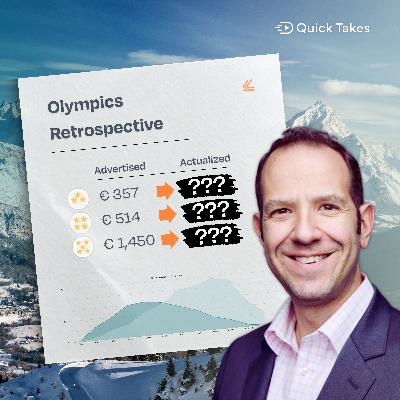
In this Lighthouse Quick Take, Blake Reiter reviews how hotel pricing and occupancy actually performed during the 2026 Winter Olympics in Milan and Cortina d’Ampezzo.Early advertised rates suggested record pricing, but final realized rates settled below those initial expectations. Even so, hotels still achieved substantial year over year gains, with four star properties leading the market. Blake also examines how late stage price adjustments helped Milan drive occupancy, while limited supply in Cortina allowed hotels to hold firm on rates.The result is a clear illustration of how supply constraints and pricing agility shape performance during major global events.Explore more of Lighthouse’s travel & hospitality research: mylh.co/spotlightinsights

In this Lighthouse Quick Take, Blake Reiter examines how booking window and conversion rates vary by traffic source across five of the world’s most visited countries in 2025. Using Lighthouse direct channel data, he compares search window, booking window and conversion performance across direct, meta search, traditional search and social media traffic.The data reveals clear behavioral differences, from exploratory browsing driven by social media to longer comparison cycles from meta search users. Blake explains what these patterns signal about traveler intent and how commercial teams can adapt on site experiences to capture more direct revenue.Explore more of Lighthouse’s travel & hospitality research: mylh.co/spotlightinsights
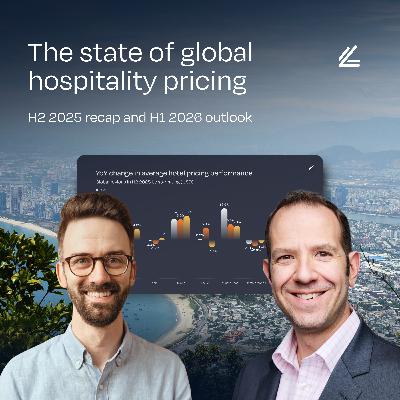
In this episode, Blake Reiter and Daniel Foreman break down Lighthouse’s H2 2025 pricing report, analyzing year over year hotel pricing performance across seven global regions and forward indicators for H1 2026. They examine how pricing weakness persisted but moderated, where declines flipped to growth, and why North America remains under pressure despite the upcoming World Cup.The discussion highlights branded versus independent performance, diverging trends by star class, overtourism driven price corrections in major destinations, and concentrated short term rental growth in smaller markets. Listeners will gain a clearer understanding of where demand is stabilizing, where risk remains, and how to adjust commercial strategy heading into 2026.Explore more of Lighthouse’s travel & hospitality research: mylh.co/spotlightinsights

The D.I.R.T. (Data in Real Time) heads to Bilbao, where hotel rates for the European Rugby Champions Cup final are sliding – even with 50,000 fans expected. With finalists still unknown, hoteliers appear to be balancing big-event optimism against the risk of isolating base demand, while travel packages and limited city supply add another layer to the pricing story.Elsewhere, Kansas City climbs ahead of a Lionel Messi World Cup matchup, Leeds sees a perfect storm of sports, festivals, and a 16,000-attendee forum, and Seville builds into Feria de Abril. At the same time, late-season ski markets soften and parts of Pittsburgh adjust around NFL Draft geography.Explore more of Lighthouse’s travel & hospitality research: mylh.co/spotlightinsights

Device type reveals clear differences in booking behavior across hotel websites. In this Lighthouse Quick Take, Blake Reiter analyzes full year 2025 direct booking data from the five countries with the most international arrivals to compare booking window and conversion rate by desktop, mobile and tablet.Tablet users show the longest booking windows and the highest conversion rates, while mobile drives shorter lead times and lower conversion. Blake explains what these patterns signal about traveler intent and how commercial teams can tailor messaging, urgency and upsell strategy by device.Explore more of Lighthouse’s travel & hospitality research: mylh.co/spotlightinsights

In this Lighthouse Quick Take, Blake Reiter looks at how World Cup group stage matches featuring Lionel Messi and Cristiano Ronaldo are shaping hotel pricing across host cities in the United States. Using year over year growth, absolute price levels, and recent momentum, the analysis compares Argentina’s matches in Kansas City and Dallas with Portugal’s games in Houston and Miami.The data shows clearer average price strength around Argentina’s matches, while Portugal drives sharper short term momentum and the highest single game peak in Miami. The takeaway for hoteliers is less about star power and more about how major global events interact with host city dynamics, travel demand, and timing to move hotel markets in different ways.Explore more of Lighthouse’s travel & hospitality research: mylh.co/spotlightinsights

When BTS added El Paso to its global tour, hotel pricing reflected just how far that demand can travel. In this episode of The D.I.R.T. (Data in Real Time), Blake Reiter and Daniel Foreman dig into why a K-pop supergroup might choose a non-traditional tour stop and what that decision appears to unlock for regional hotel demand.Along the way, they break down sharp price pops tied to ski season momentum in Switzerland and Japan, a race weekend ripple near San Francisco and a draft-driven surge in Pittsburgh. On the flip side, they unpack post-event pullbacks in Olympic markets, festival recalibration in India and growing price resistance around major U.S. music festivals.Explore more of Lighthouse’s travel & hospitality research: mylh.co/spotlightinsights

In this Lighthouse Quick Take, Blake explores how hotel pricing in San Jose evolved over the full booking window leading into Super Bowl Sunday. Using price evolution data from nearly a year out through game week, he walks through how rates responded to season kickoff, the halftime performer announcement, playoff outcomes and last-minute demand.The analysis highlights why pricing momentum often shifts multiple times before a major event and why late price pullbacks do not necessarily signal weak demand. Blake also explains how rate ceilings, seasonal demand and market supply shape year over year growth differently across host cities. Listeners will better understand how to interpret event driven price signals and apply those lessons to their own market dynamics.Explore more of Lighthouse’s travel & hospitality research: mylh.co/spotlightinsights

In this Lighthouse Quick Take, Blake returns to Milan hotel pricing as the Winter Olympics draw closer, updating an earlier analysis from late last year. With the event just weeks away, advertised prices across all segments remain well above last year’s levels, led by the four-star category where demand is most concentrated.Blake examines how pricing held steady through much of the booking window before a late correction in the final month, and why this shift should not be interpreted as a repeat of Paris. By linking price movement with on-the-books occupancy, this update clarifies how tactical adjustments helped push hotels closer to sellout as the Games approach.Explore more of Lighthouse’s travel & hospitality research: mylh.co/spotlightinsights
In this launch episode of The D.I.R.T. (Data in Real Time), Blake Reiter and Daniel Foreman break down how hotel prices moved across global markets over the prior two weeks and what those movements signal. The episode covers seasonal demand shifts, event driven rate increases tied to festivals, tournaments and commencements, and meaningful price corrections in shoulder season and convention markets.Across regions, the discussion focuses on how timing, event scale and booking pace are shaping short term pricing behavior. Each example is used to illustrate how commercial teams can read live market signals, understand changes in pricing confidence and recognize when demand is strengthening or softening in real time.Explore more of Lighthouse’s travel & hospitality research: mylh.co/spotlightinsights
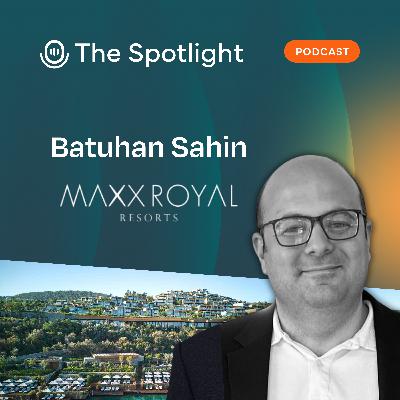
This interview explores how revenue strategy changes at the ultra luxury end of hospitality, where personalization, experience design, and distribution discipline matter as much as price. Daniel Foreman speaks with Batuhan Sahin, Group Director of Revenue at Maxx Royal Resorts & Voyage Hotels, about moving from global hotel chains into a highly autonomous luxury brand environment.Batuhan shares how his career evolved from front office roles into regional and corporate revenue leadership across city hotels and resorts, and what changed when he stepped into a group generating hundreds of millions in annual revenue with a small number of highly complex properties. The conversation covers hybrid pricing models, managing static and dynamic distribution together, loyalty built through one to one relationships rather than points, and how technology supports rather than replaces human service at the luxury level.Listeners will gain a clearer understanding of how segmentation, autonomy, and experience-led strategy shape commercial decisions in premium resort environments.Explore more of Lighthouse’s travel & hospitality research: mylh.co/spotlightinsights
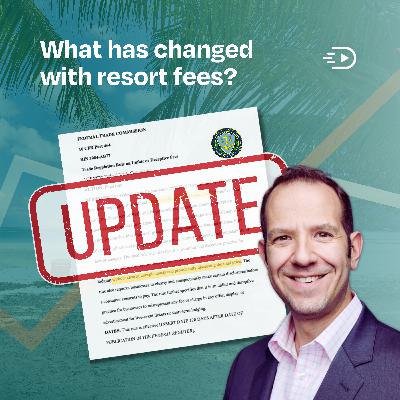
In this Lighthouse Quick Take, Blake Reiter revisits US resort fee data after new transparency rules required hotels to show total prices upfront. Using updated Lighthouse data, he examines what those rules revealed about how common resort fees are and how hotels adjusted once fees became fully visible to guests.The findings show that most US hotels still avoid resort fees, but adoption varies widely by state and destination. Some high demand markets increased usage, while others adjusted fee levels instead. Blake explains why transparency has shifted the conversation from concealment to value, and what that means for pricing strategy, guest trust, and brand perception.

In this Lighthouse Quick Take, Blake explores how market dynamics influence direct booking conversion using Lighthouse data from calendar year 2025. The analysis compares two US markets, New York City and Denver, to show how differences in traveler intent, market structure and pricing environment shape direct channel performance.While New York City hotels see more visitors engaging with booking engines, Denver hotels convert a higher share of those searches into completed direct bookings. Blake explains what this gap reveals about demand behavior and why direct conversion benchmarks should always be evaluated in market context.
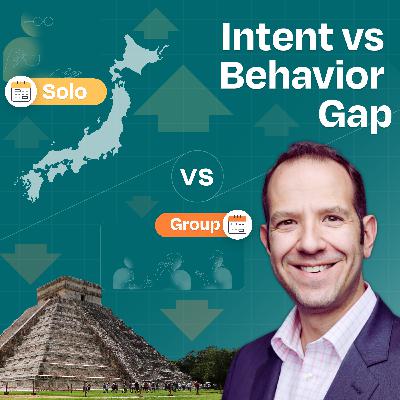
In this Lighthouse Quick Take, Blake explores the gap between what travelers search for and what they ultimately book, focusing on length of stay differences between solo and group travelers. Using direct channel benchmarking data from The Hotels Network, now part of Lighthouse, the analysis compares solo travel demand in Tokyo with group travel demand in Cancun.The data shows solo travelers tend to book close to their original intent, while groups often shorten stays before booking as budget and coordination constraints emerge. Blake explains why search data reflects aspiration rather than commitment and how revenue leaders should interpret these signals. The takeaway is clear: understanding intent versus behavior helps hoteliers apply more effective, segment-specific pricing and marketing strategies.

The viral Netflix show 'K-Pop Demon Hunters' created a significant impact on South Korea's tourism and hotel industry in 2025. The movie became a global phenomenon with four soundtrack songs hitting the Billboard Hot 100, leading to a 56% increase in flight searches and 26% jump in hotel searches to South Korea by June 2025. While demand spiked immediately after the movie's release, hotel pricing didn't follow until September when the film became Netflix's most-watched movie ever, resulting in 20% year-over-year price increases. The analysis demonstrates how entertainment content can instantly create travel demand, emphasizing the importance for hoteliers to quickly identify and respond to viral trends rather than waiting for quarterly data to make pricing adjustments.

Comments

Download from Google Play

Download from App Store
 United States