


 Claim Ownership
The Good Girl Game Changers Podcast
Subscribed: 5Played: 31
Subscribe

© Chelle McQuaid
Description
Helping women break free of their ‘good girl’ beliefs with practical evidence-based tools to embody their unique selves.
michellemcquaid.substack.com
michellemcquaid.substack.com
65 Episodes
Reverse
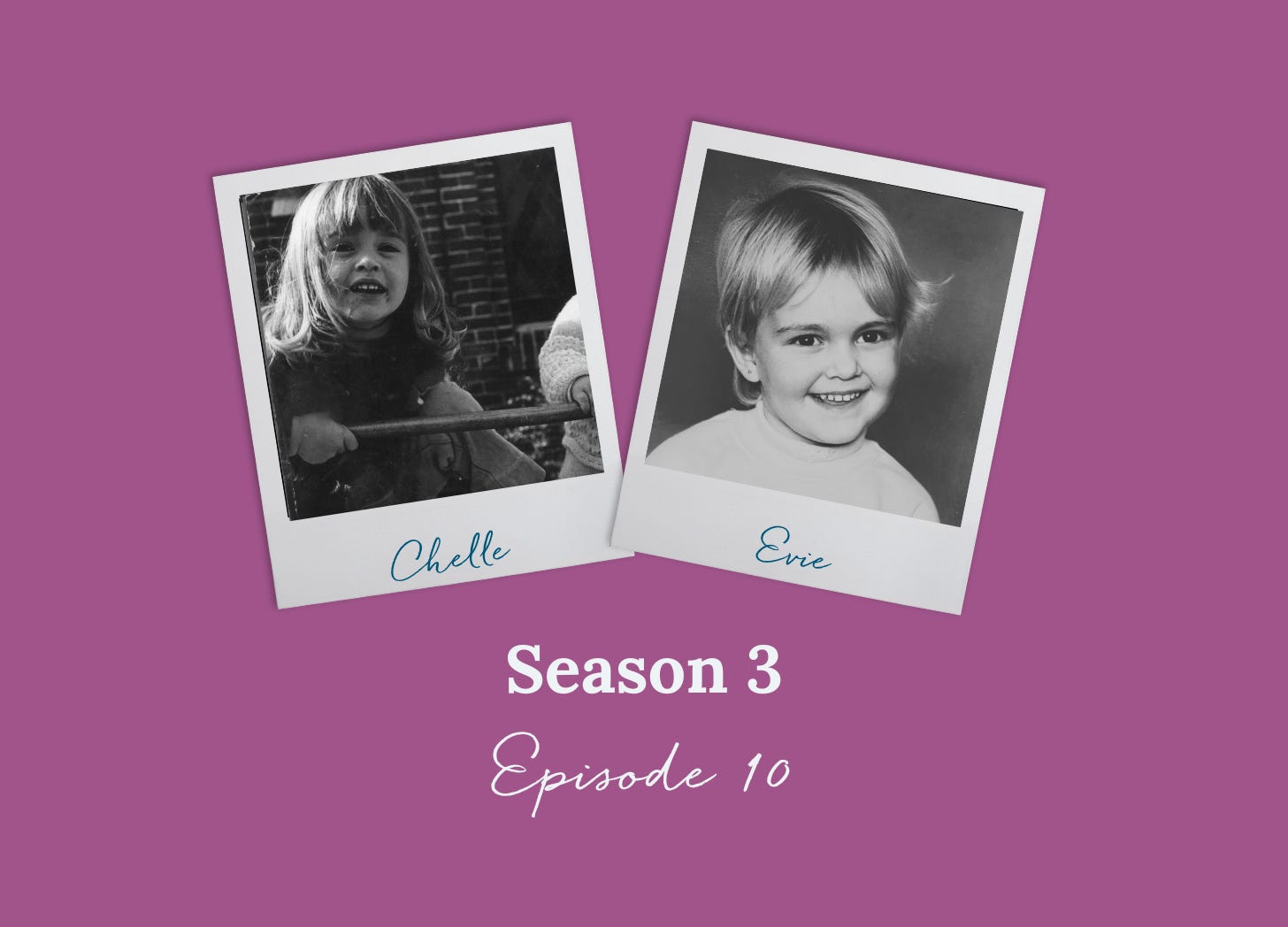
Have you ever walked away from a conversation about men and women feeling more stuck than when you started? You made your point. They made theirs. And somehow you both ended up further apart than before.It’s exhausting — the same arguments, the same defensiveness, the same feeling that for someone to win the other side has to lose. After a while, you start wondering: is there another way to do this? Or are we just destined to keep circling?What if the way out isn’t about who’s right or wrong — but about how we approach these conversations?Three Ideas That Keep SurfacingAs we close out Season 3 of the podcast on gender compassion, we keep coming back to three ideas our guests shared:* Sarah Wilson challenged us to stop hating the players and start changing the game — to move beyond blame and build the skills of collaboration, cooperation, and communication our future depends on.* Dr. Carol Gilligan shared that after decades of groundbreaking gender research, she now wishes she’d spent more time studying how we thrive as human beings together.* And Dr. Niobe Way encouraged us not to settle for “thin” gender stories — the rigid societal expectations of “good girls” and “strong boys” — but to reach for “thick” stories that create space for the complexity of the human experience.These three ideas point to the same place: the way out of the gender battles that are keeping us stuck isn’t about deciding whether gender matters or doesn’t. It’s about developing the compassion to meet people where they are. This is a public episode. If you would like to discuss this with other subscribers or get access to bonus episodes, visit michellemcquaid.substack.com
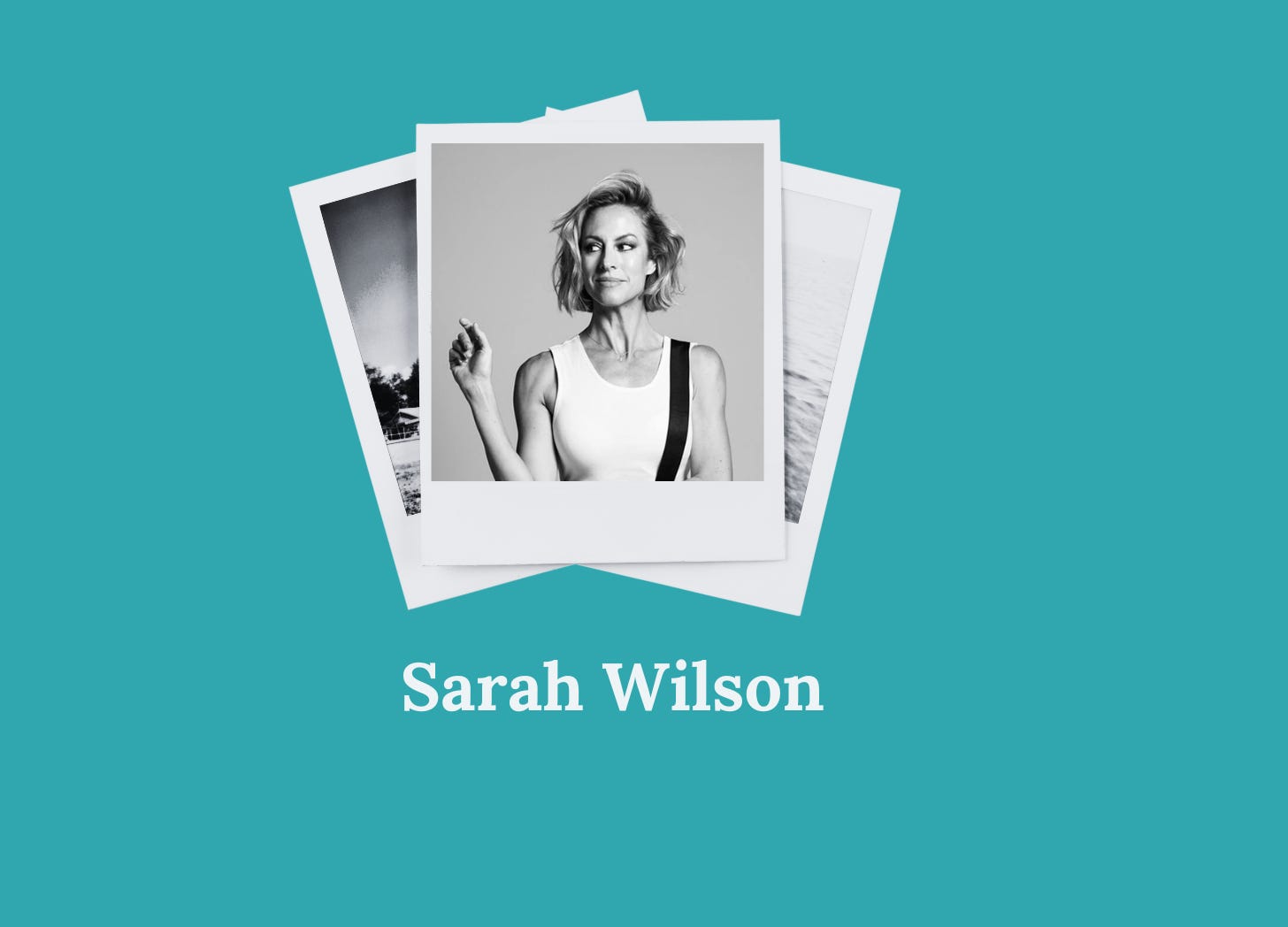
Have you noticed how quickly gender conversations turn into battles we can’t seem to win? She said this, he did that, who has it worse, who should apologize first. But once we’re locked in—your suffering versus mine, who should apologize first—we’re trapped in a zero-sum game. So how do we free our energy from the gender wars, not by hating the players but by changing the game?[00:00] Chelle introduces Sarah Wilson — multi–New York Times bestselling author, social philosopher, and host of Wild with Sarah Wilson.[01:51] Chelle and Sarah discuss why the growing gender divide is emerging so sharply at this point in history.[06:37] Chelle and Sarah reflect on the fear underlying gender tensions and why energy is being directed toward gender conflict rather than broader global challenges.[09:40] Chelle and Sarah discuss how neoliberalism removed community guardrails and how this has impacted men’s emotional and social development.[11:27] Chelle and Sarah explore the idea of changing the “game” rather than blaming the “players,” and why collaboration is essential.[12:06] Chelle and Sarah unpack the concept of the Moloch scenario and how zero-sum traps show up in climate action, AI development, nuclear arms, and everyday social behaviour.[17:41] Chelle and Sarah discuss compassion as a messy, nonlinear process and how accountability unfolds within complexity.[20:23] Chelle and Sarah discuss how everyday conversations — not just public forums — can model gender compassion and cultural change.[24:48] Chelle and Sarah talk about Sarah’s upcoming 2026 book release and how community discussion has shaped the writing.[26.00] Chelle & Evie post-show discussion. This is a public episode. If you would like to discuss this with other subscribers or get access to bonus episodes, visit michellemcquaid.substack.com
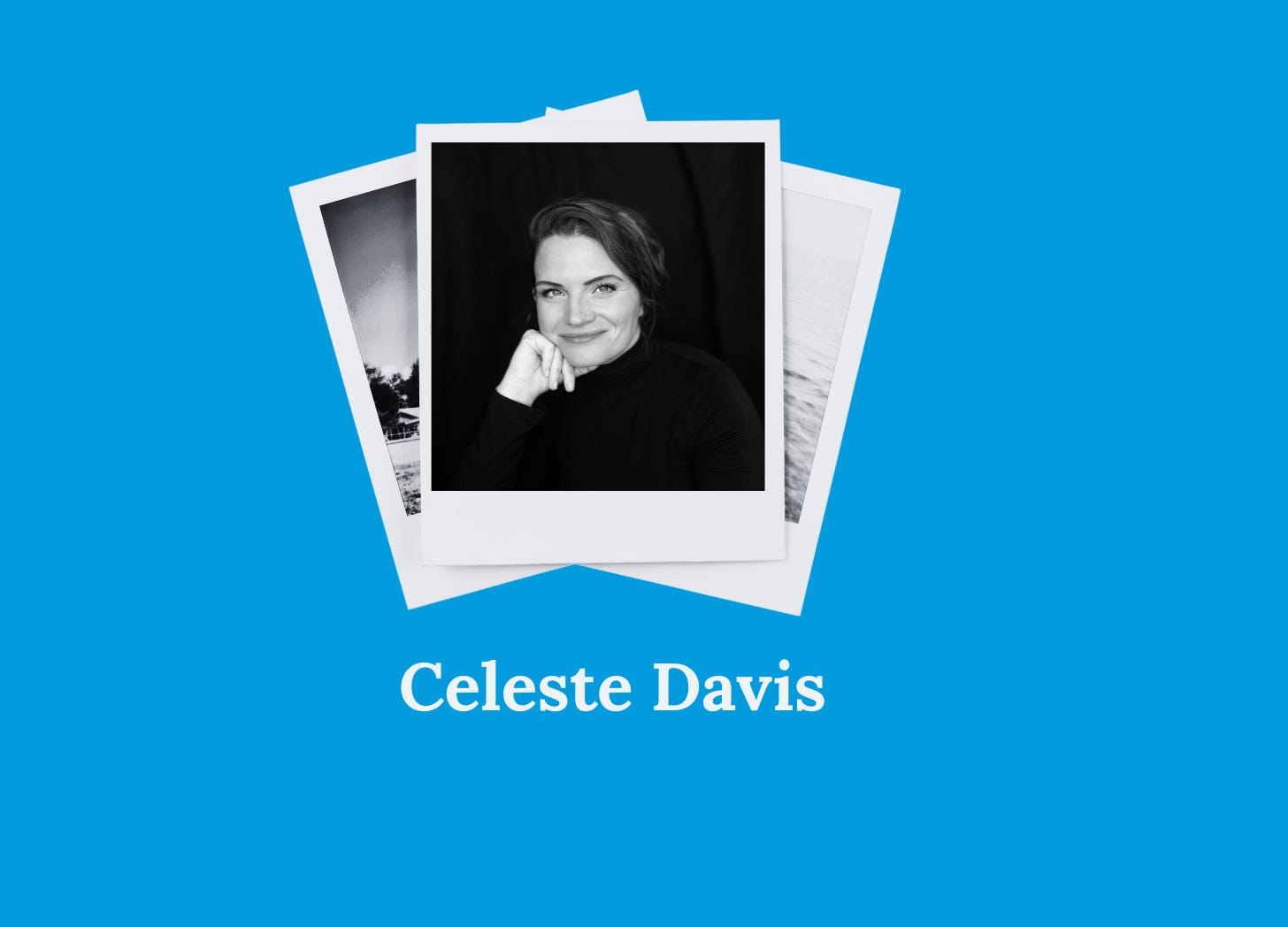
Have you noticed how quickly conversations about gender turn into competitions about who has it worse? One side insists men are the real victims—look at the loneliness epidemic, the education gaps, the suicide rates. The other side counters that women are the real victims—look at the violence statistics, the unpaid labor, the centuries of having our voices silenced. Both sides race to claim the prize of victimhood. But what might be possible if we quit playing the blame game?[00:02] Chelle introduces writer of the Substack publication - Matriachal Blessing - Celeste Davis.[02:12] Celeste and Chelle discuss how online (and offline) gender debates often devolve into opposing victim narratives and why this competitive framing is ineffective.[05:52] Celeste explains the Drama Triangle dynamics and how the Victim–Persecutor–Rescuer cycle keeps us stuck in blame rather than solutions.[08:42] Chelle reflects on how hard it is to escape reactive roles, noting how our brains cling to them for a false sense of safety.[09:41] Celeste introduces the conflict escalation model, outlining the three stages — rational, emotional, and fight — and how rising tension shifts goals from compromise, to winning, to wanting the other side to lose.[13:59] Celeste and Chelle discuss how patriarchy (and other power systems) benefit from keeping men and women divided.[19:12] Celeste and Chelle explore “two truths at once,” using the Richard Reeves example to illustrate how focusing only on male pain OR only on male harm creates incomplete stories.[23:28] Celeste shares her personal story, from a Mormon upbringing and forgiveness-only tools, through awakening rage, to eventually developing a more balanced view: men are harmed and men harm.[26:21] Celeste shares how she speaks and supports her sons and daughters. [30:43] Chelle reflects on teaching her own sons to see and “bend” systems, not just comply with them.[33:17] Chelle and Celeste highlight the difference between fitting in and belonging, and how long-term benefits of authenticity outweigh short-term approval losses.[35:56] Post-show with Chelle & Evie This is a public episode. If you would like to discuss this with other subscribers or get access to bonus episodes, visit michellemcquaid.substack.com
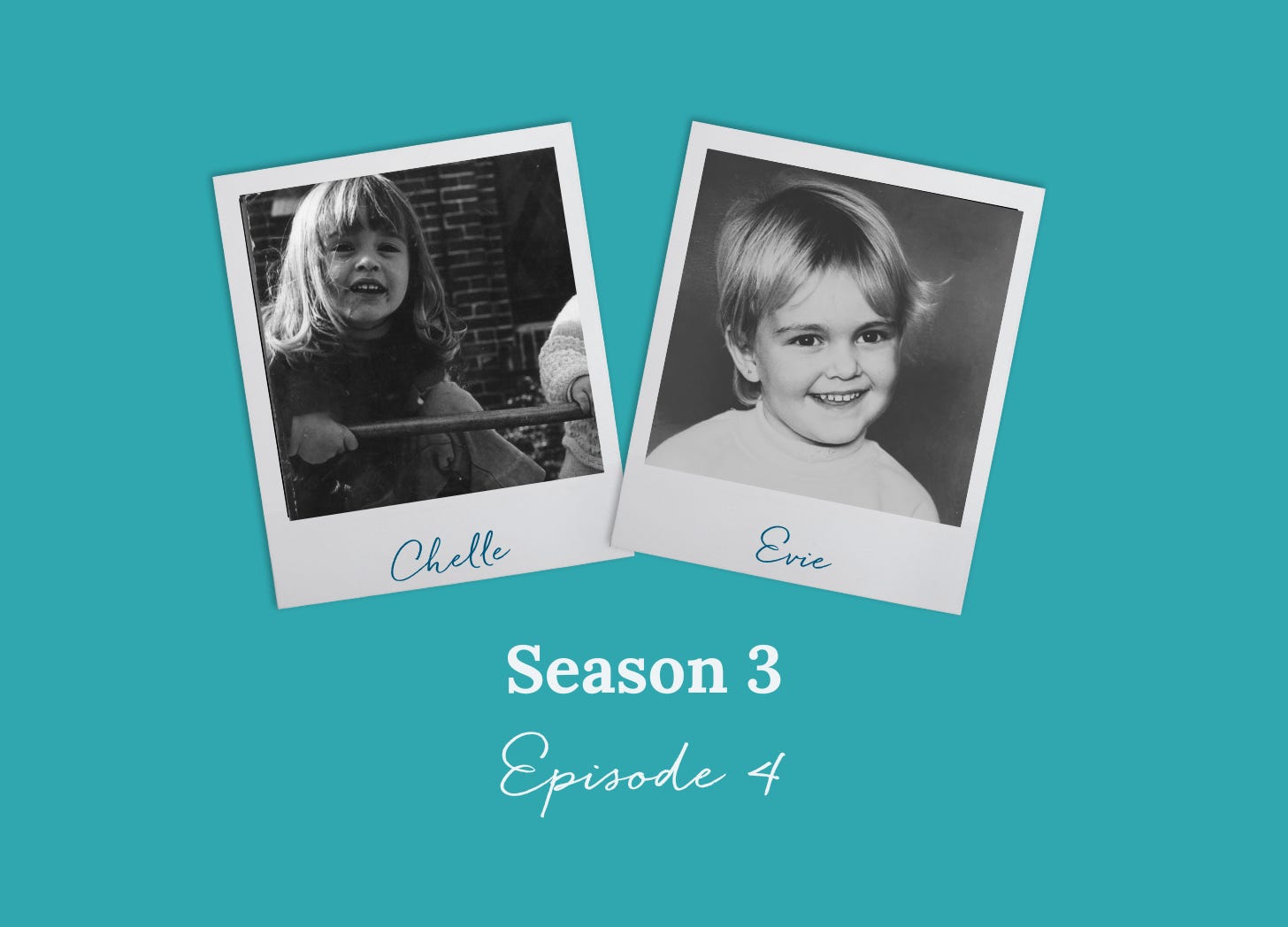
Ever noticed how much pressure there is for ‘good girls’ to perform compassion and for ‘strong boys’ to avoid it?[00:00] Evie & Chelle share the gender expectations they're shaking off. [02:00] Chelle shares Ah Ha #1: how early socialization creates deeply different relationships with compassion—women often perform it to earn love, while men armor up against it for survival.[06:20] Evie introduces Tool #1: Reaching for Compassion with four steps: listen to learn, understand to know, connect to capabilities, and then act to solve.[11:15] Evie shares Aha #2: Accountability isn't about blaming and punishing someone, but partnering together. [12:42] Chelle introduces Tool #2: Own It with three questions to do our accountability work first: What's mine to own? Have I made my expectations clear? If boundaries were crossed, have I voiced it?[17:57] Chelle shares Aha #3: We can't just do our own work—healthy accountability requires partnership.[20:36] Evie shares Tool #3: Share the Load with four steps: get clear on expectations (for me, for you, for us), check motivation levels, decide how to track progress, and adjust as needed when things go off track.[23:33] Chelle shares a vulnerable story about her son Charlie holding her accountable. [30:54] Chelle summarizes the three ahas and three tools covered in the episode.[34:22] Post-show discussion with Evie and Chelle. This is a public episode. If you would like to discuss this with other subscribers or get access to bonus episodes, visit michellemcquaid.substack.com
Accountability isn’t about blame. It’s not about compliance. It’s actually about clarity, integrity, and honoring what matters in our relationships with each other. This is how compassion and accountability work together.[01:28] Chelle welcomes Paige and reflects on their past cliff-top conversation that inspired this episode.[02:27] Paige and Chelle explore how performance, protection, and disconnection are human dynamics shaped by patriarchal systems, not just gender ones. [05:53] Paige and Chelle explain how compassion and accountability are not opposites but coexisting forces.[10:09] Paige invites listeners to start with what’s mine to own?—recognizing human bias, clarifying expectations, and voicing boundaries rather than assuming others can read our minds.[15:20] Paige and Chelle discuss how early conditioning teaches us to betray our own needs and how accountability begins by reclaiming our truth. Paige shares her “6Ws Framework”to help clarify expectations and communicate cleanly.[24:07] Paige reframes accountability as partnering rather than policing—a dynamic that activates choice, agency, and mutual understanding.[36:21] Paige and Chelle distinguish between local safety (protecting ourselves in harmful relationships) and global openness (not letting those experiences define our worldview).[40:36] Paige and Chelle reflect on how cultural norms calcify both women and men—women shrink, men harden. [42:34] Paige shares her closing remark: accountability is an act of love.[44:18] Chelle and Evie post-show discussion. This is a public episode. If you would like to discuss this with other subscribers or get access to bonus episodes, visit michellemcquaid.substack.com

Have you noticed how quickly conversations about gender turn into arguments about who has it worse? How we lose the ability to hear each other when we’re busy defending our own pain? This isn’t just emotionally draining—it’s neurologically impossible to connect this way. So how do we reach for compassion with each other?[01:50] Chelle and Chris define compassion and explore the four steps that help us to practice compassion in ways that are good for others and us.[05:35] Chelle and Chris explore how curiosity can provide a bridge towards compassion to help us listen to learn and know to understand, before rushing into "good girl" actions.[12:30] Chris explains why it is easier to extend compassion to some people but not others.[15:22] Chelle and Chris unpack why compassion is not about letting people "off the hook" because compassion and accountability go hand-in-hand.[18:38] Chelle and Chris explore why "toxic empathy" has suddenly become a concern in the United States.[21:22] Chelle and Chris bust the myth of survival of fittest and why this keeps "strong boys" stuck and how compassion could free them.[29.27] Chelle and Evie reflect post show on their learnings. This is a public episode. If you would like to discuss this with other subscribers or get access to bonus episodes, visit michellemcquaid.substack.com
In our last two episodes, we spoke with Dr. Carol Gilligan and Dr. Niobe Way, whose forty years of research show how society’s gender expectations of being “good girls” and “strong boys” are creating a crisis of connection that’s costing all of us. So what do we do when we recognize so many of us are trapped by society’s gender expectations that were never ours to begin with?[0:02] Evie and Chelle open the episode and share the gender expectations they’re shaking off.[1:34] Chelle recaps Dr. Carol Gilligan and Dr. Niobe Way’s research on how “good girl” and “strong boy” expectations create a crisis of connection.[4:06] Chelle explains how boys’ emotional intelligence shifts between ages 4–7, while girls begin losing their voices around age 11.[7:52] Chelle and Evie reflect on how these patterns fuel loneliness and emotional disconnection.[10:09] Chelle introduces Tool #1: Stay With Me, a grounding practice to stay connected to your wiser self.[15:36] Evie shares Tool #2: Spot the Cage, showing how to recognize and step out of “us vs. them” thinking.[22:30] Chelle introduces Tool #3: The Consequence Continuum, explaining how to balance compassion with accountability.[31:22] Evie reflects on how curiosity and conversation create connection.[34:18] Chelle summarizes the three tools — Stay With Me, Spot the Cage, and the Consequence Continuum.[37:12] Evie and Chelle close the episode, inviting listeners to keep practicing curiosity and compassion. This is a public episode. If you would like to discuss this with other subscribers or get access to bonus episodes, visit michellemcquaid.substack.com
Have you noticed how often the boys and men in your life struggle with emotional intimacy? They tend to pull away when feelings run high. They insist they’re fine when clearly they’re not. They seem unable to say what’s really going on.[0:02] Chelle introduces Season 3, Episode 3 and welcomes Dr. Niobe Way.[1:47] Niobe shares a 'good girl' expectation she's shaking off. [2:44] Niobe defines thin vs. thick stories and how context shapes human development.[8:37] Niobe explains how patriarchy drives the “thin story” for boys and girls.[15:43] Niobe defines “boy culture” as a caricature that strips boys of their soft sides.[20:46] Niobe reframes emotional sensitivity as maturity, not immaturity.[22:01] Niobe outlines four findings from 40 years of research on boys and men.[30:59] Niobe compares girls’ “I don’t know” with boys’ “I don’t care,” explaining how both reflect cultural disconnection.[32:37] Niobe explains that nurturing our natural relational capacities can heal the crisis of connection. [39:40] Niobe shares how parents can practice curiosity and connection at home.[45:58] Niobe shares her final insights. [47:20] Post-show behind-the-scenes with Chelle and Evie. This is a public episode. If you would like to discuss this with other subscribers or get access to bonus episodes, visit michellemcquaid.substack.com

Have you ever felt stuck between two impossible choices—speak up and worry people will think you’re too much, or stay quiet and lose touch with who you really are? This is what Dr. Carol Gilligan calls a crisis of connection—caught between staying connected to others and staying connected to yourself.[1:35] Carol shares the ‘good girl’ belief she’s shaking off.[2:44] Carol explains how her research into ‘good girl’ behavior began.[6:13] Chelle and Carol discuss how girls lose their voices by age 11.[10:56] Carol introduces “the tyranny of nice and kind.”[13:35] Carol explains how girls trade authenticity for approval.[17:14] Carol explains the link between patriarchy and women’s silence.[19:19] Chelle reflects on how ‘being good’ was taught as safety.[20:48] Chelle and Carol explore how patriarchy silences men’s voices and creates a crisis of connection.[28:34] Carol explains why empathy threatens hierarchies.[32:52] Carol shares her closing statement that reclaiming our honest voice is an act of resistance — essential for democracy, equality, and true connection.[34.25] Outro This is a public episode. If you would like to discuss this with other subscribers or get access to bonus episodes, visit michellemcquaid.substack.com
How do we protect each other? What do we all need to feel safe, seen, and valued—and how do we stop letting society’s gender expectations blind us to each other’s humanity?[0.50] Chelle introduces Season 3 of The Good Girl Game Changers podcast[1.49] Evie & Chelle share the gender expectations they're shaking off.[2.37] Chelle explains the theme of this season - gender compassion - and why it feels important to talk about now.[11.45] Chelle explores how the nervous system responds and relates to gender compassion.[17.08] Chelle shares a personal moment with her sons that inspired this season's conversation.[19.22] Chelle introduces her son, Charlie, to share his thoughts on the moment they shared.[24.23] Charlie shares how he navigates society's "strong boy" expectations.[31.13] Charlie shares what he's learnt from that moment and what he has carried forward about gender compassion.[33.20] Chelle and Evie discuss their thoughts on the conversation with Charlie[36.14] Outro[37.52] Post-show BTS moment This is a public episode. If you would like to discuss this with other subscribers or get access to bonus episodes, visit michellemcquaid.substack.com
In this episode we ask ourselves: on whose terms and for whose benefit am I living my wild and precious life?[0.01] Intro [0.41] Chelle reads the storybook [1.30] Evie guides listeners through the tool Take A Butterfly Hug. [3.25] Outro This is a public episode. If you would like to discuss this with other subscribers or get access to bonus episodes, visit michellemcquaid.substack.com
In this episode, we explore why conforming to people's expectations has never saved anyone's soul. [0.01] Introduction[0.43] Chelle reads the storybook[1.16] Evie guides listeners through the too Shake It Off [2.35] Outro This is a public episode. If you would like to discuss this with other subscribers or get access to bonus episodes, visit michellemcquaid.substack.com
In this episode, we remind ourselves - it's my body and my choice.[0.01] Introduction[0.43] Chelle reads the storybook[1.10] Evie guides listeners through the tool Tap It Out[3.08] Outro This is a public episode. If you would like to discuss this with other subscribers or get access to bonus episodes, visit michellemcquaid.substack.com
In this episode, we explore why protecting others from uncomfortable truths is not how we learn and grow.[0.01] Introduction[0.40] Chelle reads the storybook[1.13] Evie guides listeners through the tool Grab an Oxytocin Shot [3.00] Outro This is a public episode. If you would like to discuss this with other subscribers or get access to bonus episodes, visit michellemcquaid.substack.com
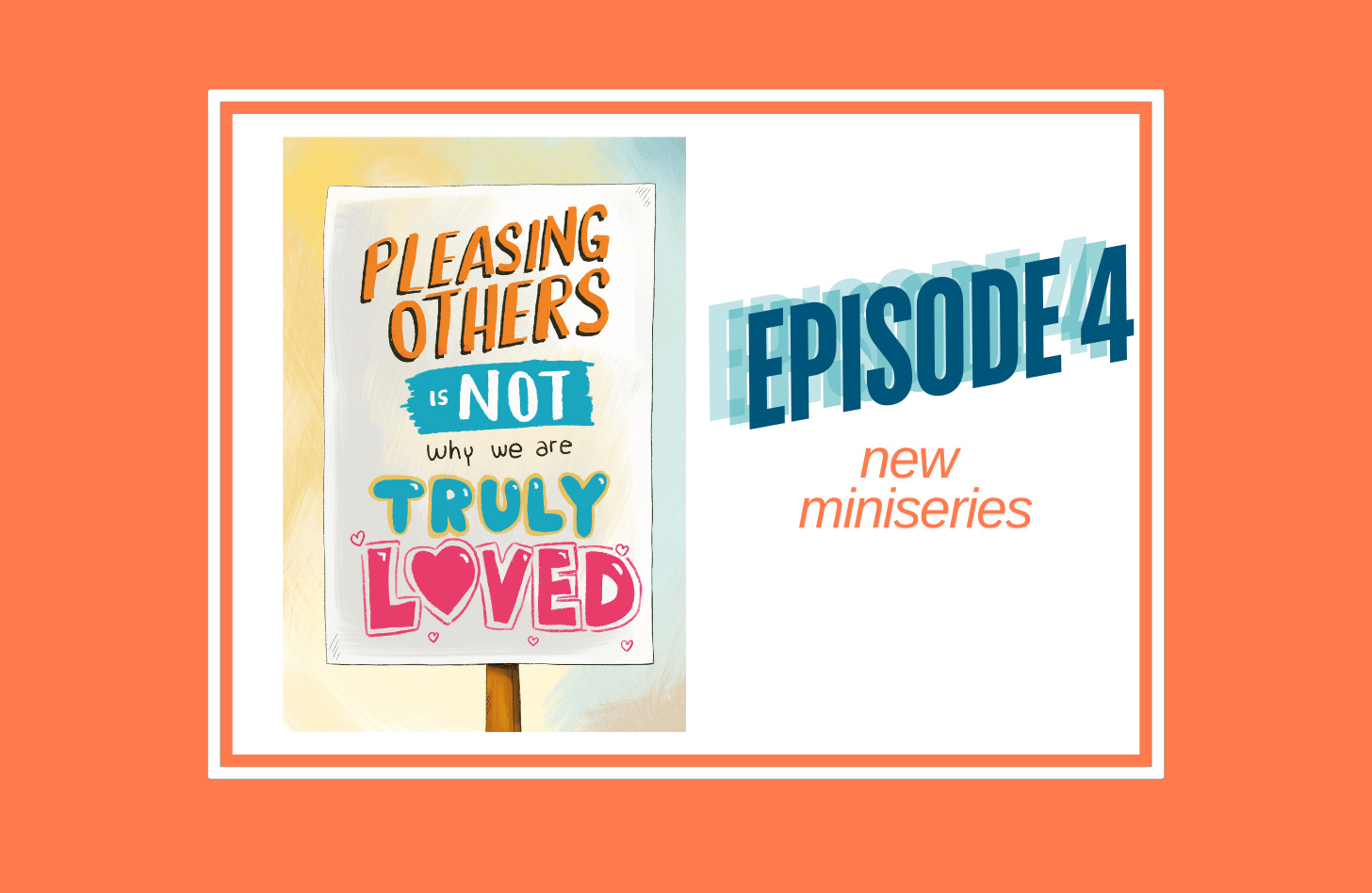
In this episode, we explore why pleasing others is not why we're truly loved. [0.01] Introduction[0.40] Chelle reads the storybook [1.10] Evie guides listeners through the tool Shiatsu Swings[3.19] Outro This is a public episode. If you would like to discuss this with other subscribers or get access to bonus episodes, visit michellemcquaid.substack.com
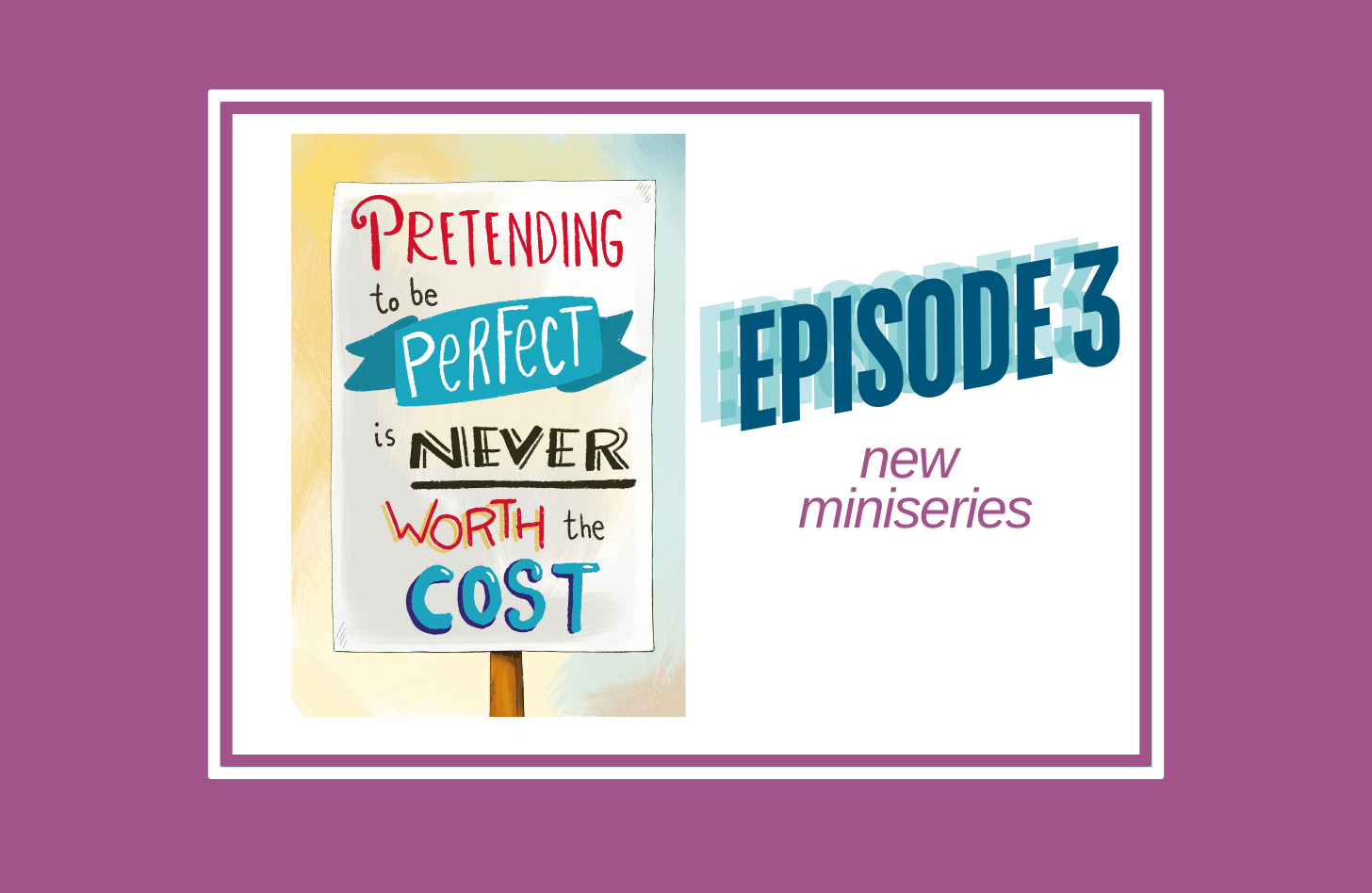
In this episode, we explore why pretending to be perfect, is never worth the cost. [0.01] Intro[0.40] Chelle reads storybook[1.09] Evie guides listeners through tool "Breathe In Love"[3.00] Outro This is a public episode. If you would like to discuss this with other subscribers or get access to bonus episodes, visit michellemcquaid.substack.com
In this episode, we explore why silencing our emotions is never worth the cost.[0.42] Chelle reads the storybook [1.12] Evie shares the tool, Accessing Self[3.00] Outro This is a public episode. If you would like to discuss this with other subscribers or get access to bonus episodes, visit michellemcquaid.substack.com
In this episode, we explore the question: When, where and with who, did you start believing your looks determined your worth?[0.42] Chelle reads the storybook [1.12] Evie shares the tool, Wood Choppers Breath. [3.14] Outro This is a public episode. If you would like to discuss this with other subscribers or get access to bonus episodes, visit michellemcquaid.substack.com
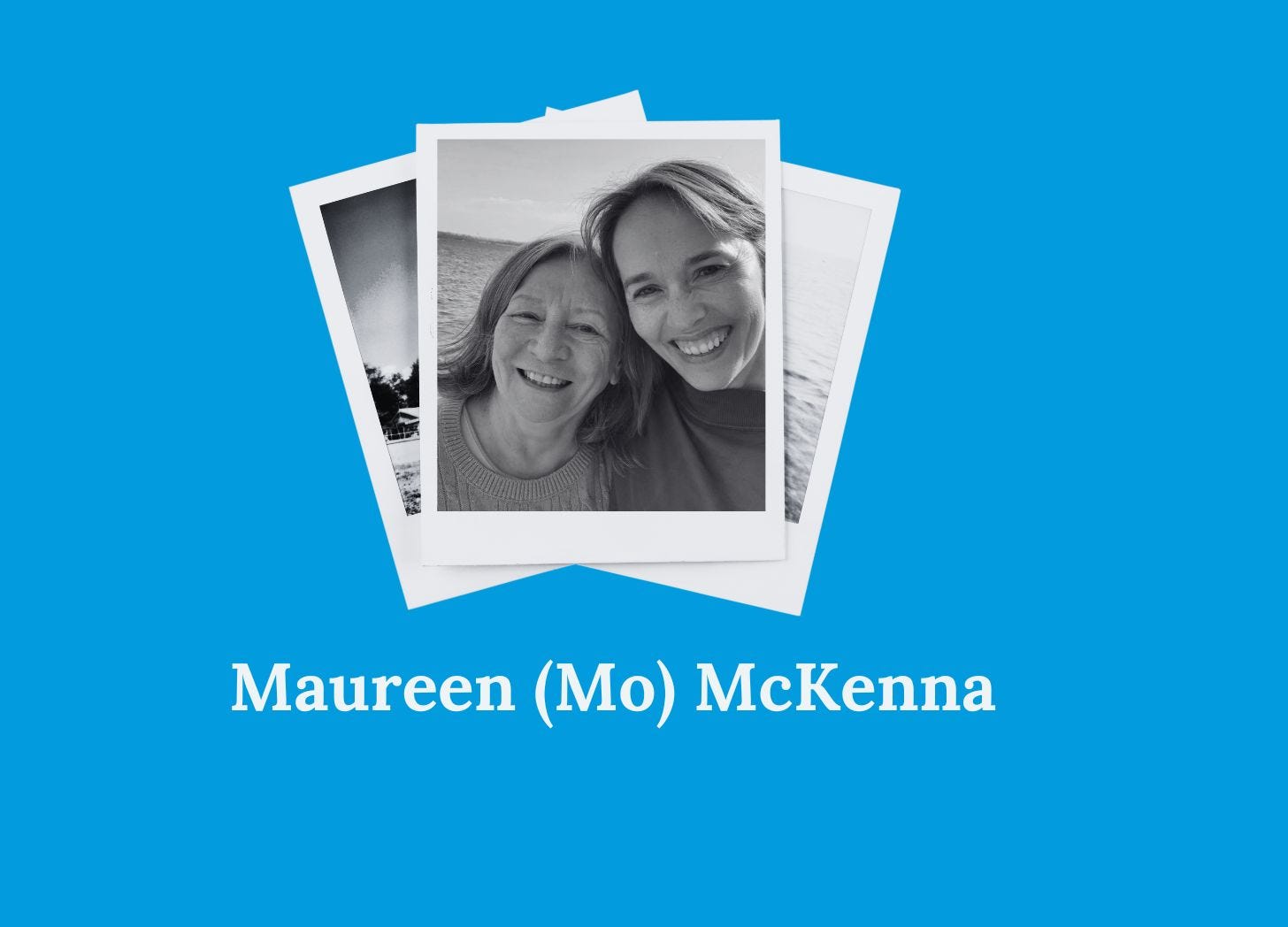
Do you find yourself feeling increasingly isolated despite being surrounded by people? How many opportunities for connection do you miss each day? What if the antidote to our social disconnection was as simple as pausing to notice the humanity in the stranger beside you?[02:02] Mo shares her concept of "rewilding" instead of retiring in her 70s.[07:38] Chelle and Mo discuss how they began huddling together when she moved to Toronto.[11:59] Mo introduces the concept of a "conversation of possibility".[19:09] Mo shares four prompts for starting conversations of possibility.[25:16] Mo introduces her TIP acronym for handling conversations that don't go as planned. [32:07] Mo and Chelle discuss how conversations of possibility can help bridge differences in society. [36:17] Mo shares her "mo-ism" about never seeing the sunrise if you're always facing west. This is a public episode. If you would like to discuss this with other subscribers or get access to bonus episodes, visit michellemcquaid.substack.com
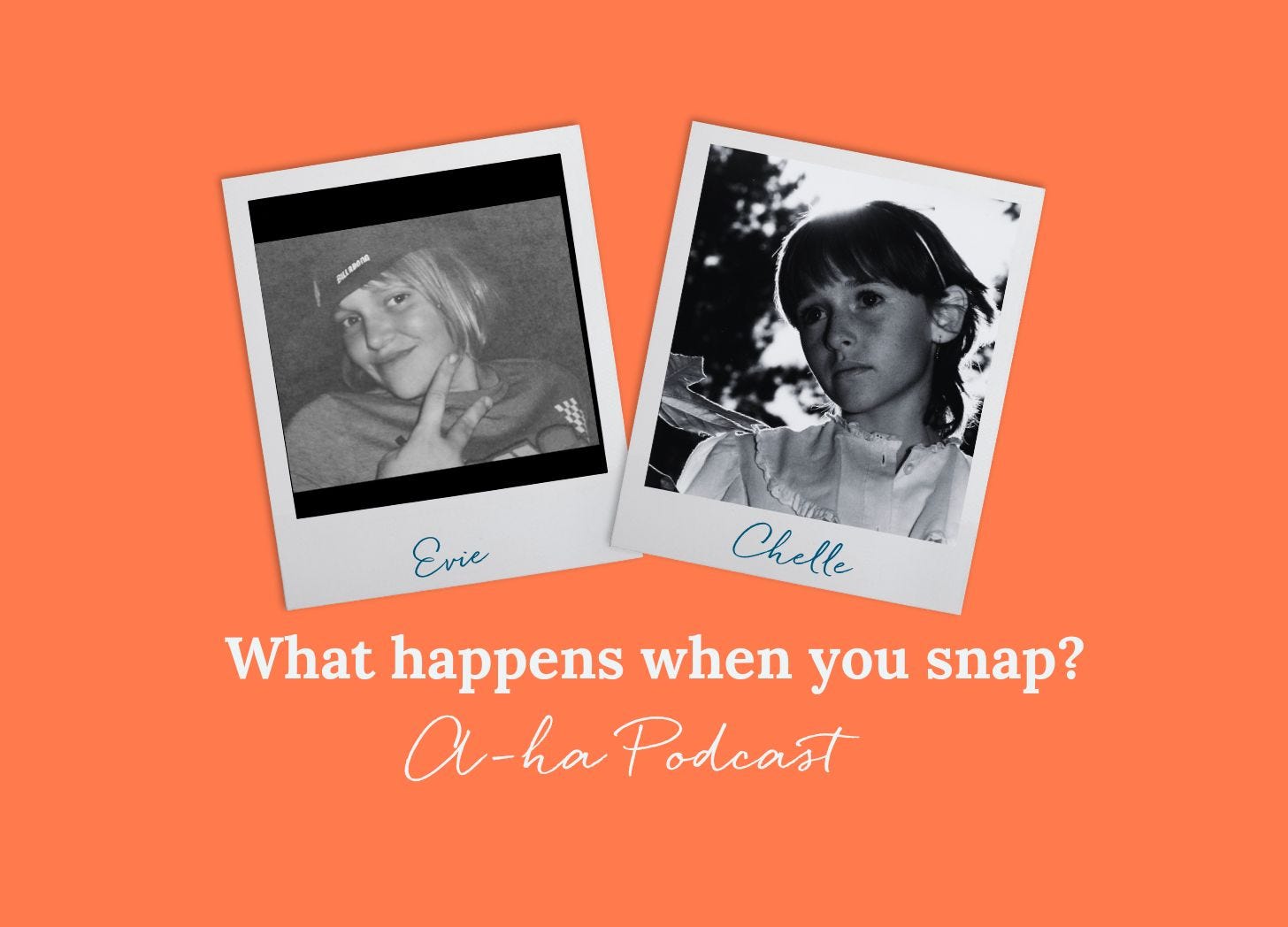
When you micromanage your team, do you explain it away as your "controlling part" without making amends? When you snap at a friend, do you blame it on your "defensive part" and move on? Or do you find ways to both honor these parts of you while taking responsibility for how they affect others?[02:47] Chelle shares ah-ha #1 about Gabby's four-step check-in process for connecting with parts[10.21] Evie explains the "Notice, Know, Need" to help you get to know your parts better.[19:50] Chelle shares ah-ha #2 about Gabby's important reminder that we need to take accountability for our parts while honoring them[29:57] Evie introduces the "Speak, Reflect, Repair" tool to make it easier to take accountability for our parts when we huddle together.[35:51] Chelle shares ah-ha #3 and Gabby's caution about Self-like parts that can cause a spiritual bypass.[41:55] Evie provides a simple checklist to perform a Self-Signal Check In to check our Self-Energy is truly present[45:54] Chelle recaps the key ahas and tools from the podcast [47:22] Post-show reflection This is a public episode. If you would like to discuss this with other subscribers or get access to bonus episodes, visit michellemcquaid.substack.com

Comments

Download from Google Play

Download from App Store
 United States