


 Claim Ownership
Men’s Therapy Podcast
Subscribed: 47Played: 1,037
Subscribe

© Marc Azoulay
Description
This is the ultimate podcast for men. The most pressing topics relating to men, covered in one podcast by Marc Azoulay, a psychotherapist with over a decade of experience. Using Neuroscience, Jungian Psychology, and Buddhist Philosophy, we explore, Men’s Mental Health Modern Masculinity, Authentic Leadership, and Shadow Work.
Welcome to “Men’s Therapy Podcast” where we tackle essential questions like “How can I be a good man?” “What do leaders need to succeed?” “How do we break childhood wounding and generational trauma?” We also cover addiction recovery, mindfulness, coparenting strategies, spiritual development and more! Whether you’re seeking to understand emotional intelligence for leaders, improve executive functioning, or incorporate mindfulness into daily life, this podcast is for you.
Join us as we uncover how childhood conditioning impacts our actions and discover pathways to self-improvement and personal development.
Tune in to the Men’s Therapy Podcast and start your journey towards becoming a better father, leader, husband, and man today!
Welcome to “Men’s Therapy Podcast” where we tackle essential questions like “How can I be a good man?” “What do leaders need to succeed?” “How do we break childhood wounding and generational trauma?” We also cover addiction recovery, mindfulness, coparenting strategies, spiritual development and more! Whether you’re seeking to understand emotional intelligence for leaders, improve executive functioning, or incorporate mindfulness into daily life, this podcast is for you.
Join us as we uncover how childhood conditioning impacts our actions and discover pathways to self-improvement and personal development.
Tune in to the Men’s Therapy Podcast and start your journey towards becoming a better father, leader, husband, and man today!
187 Episodes
Reverse

Therapy for men has a problem, and it starts long before a man ever walks into a session.
In this episode of the Men’s Therapy Podcast, Marc Azoulay is sitting down with Timothy Wienecke. Tim is a therapist, educator, air force veteran, and host of the American Masculinity Podcast. Together, they dig into how the mental health industry’s falling short when it comes to serving men, what counselor training’s missing, and what better care actually looks like.
Tim’s drawing on years of clinical work and guest lecturing in graduate programs to make the case that men are not simply harder to reach, they’re a demographic the system hasn’t been properly trained to serve.
The conversation is covering:
Why counselor training still relies on modalities that are three or four generations old
How the shortage of male clinicians is affecting the quality of care men receive
What emotional intelligence and emotional expression look like in therapy for men
How to find the right therapist for men
“The field in general is almost always 10 years behind,” Tim’s explaining. “And if you put in men’s issues, tack another generation on that.”
For more podcasts, blogs, and to get involved in the Men's Therapy Online Community, visit www.menstherapy.online.
Follow us on social media: https://mtr.bio/mens-therapy-online.
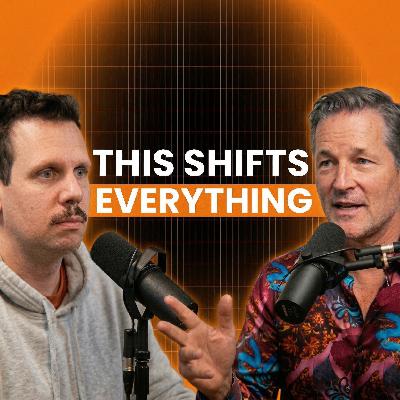
Spirituality is not the first word most men reach for when they are trying to fix their lives. But according to Dr. Dain Heer, it might be the most important one.
That’s the question Dr. Dain Heer is bringing to this episode of the Men's Therapy Podcast. Dr. Heer is the co-creator of Access Consciousness, author of Being You, Changing the World and Return of the Gentleman. He’s one of the most compelling voices at the intersection of spirituality and modern masculinity. In his conversation with Marc Azoulay, he’s presenting a fundamentally different way for men to navigate their lives — one built on energetic awareness, intuition, and spiritual practice rather than judgment and control.
The episode’s covering a lot: why men's emotional intelligence gets suppressed early, how people-pleasing and control are two sides of the same coin, what the access consciousness clearing statement actually does, and why the most powerful move a man can make is to stop trying to be right.
"Energy is our first language," Dr. Heer is explaining. "It's the one that we've been so far distanced from because we've grown up in a world where we value thinking, we value judgments."
The result, he’s arguing, is a generation of men who have done everything right on paper and still feel profoundly empty. Not because something is wrong with them. But because they are living inside a framework of judgment that has no room for what is actually true.
That’s what this conversation is trying to change.
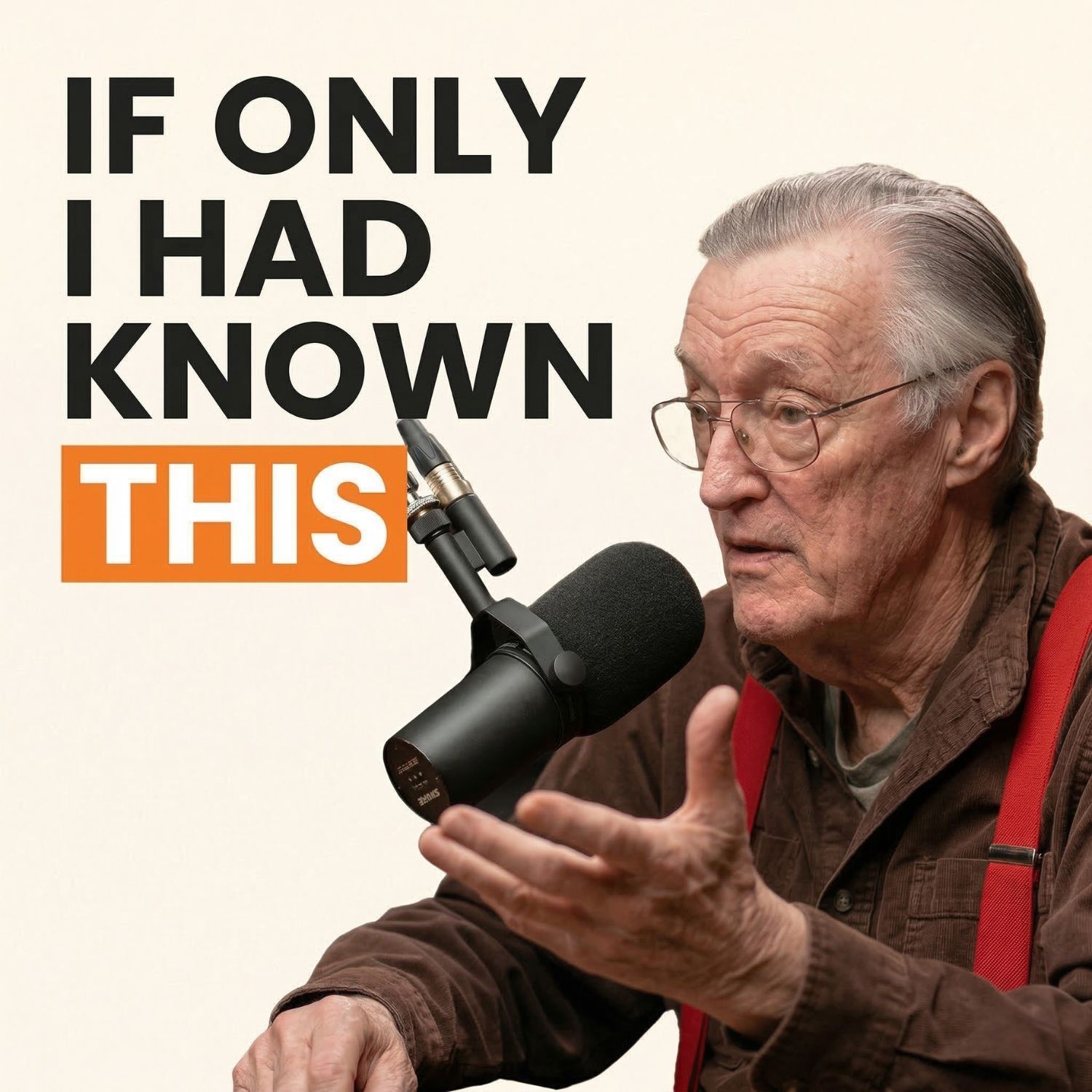
How to become a mentor? What does it take to go from a self-described adrenaline junkie who sought his masculine identity in war zones and deadly mountain climbs, to one of the most thoughtful mentors for young men alive today? That is the question at the heart of this episode of the Men’s Therapy Podcast.
That is where this conversation goes.
In this episode, Marc Azoulay talks with John Graham, former US Foreign Service diplomat, founder of the Giraffe Heroes Project, and creator of the wildly popular Badass Granddad video series, about what it really means to be a man, and how older men can step up and lead younger ones.
The episode makes clear that for much of Graham’s early life, redefining masculinity was the last thing on his mind. He was too busy living what he thought manhood looked like: freighter ships in the Far East, hitchhiking through an active war in Algeria, climbing the deadly north face of Denali, and filing dispatches from the early days of Vietnam. John Wayne was his idol. Danger was his compass.
“I became an adrenaline junkie. The meaning of my life was to become a man, and I found that in violent adventure.” And that strategy got expensive.
It shows up when a man:
Mistakes recklessness for strength
Suppresses compassion to appear tough
Chases adrenaline instead of meaning
And then finds himself, at nearly 30, ordering executions in a war he didn’t believe in, and finally weeping at the emptiness of it all
Not because he lacked courage, but because he had built his whole identity around being feared instead of being known.
That is the deeper problem here. When your whole sense of self is anchored in physical dominance and risk-taking, you lose contact with the rest of yourself. You stop feeling. You stop connecting. You start expecting the world to reward your self-abandonment. And when it doesn’t, something breaks.
Marc and John talk through what it looks like to break that pattern, touching on emotional risk-taking, mentorship for young men, masculine identity, the power of small acts of service, and what it truly means to ask: what is a real man? One kind of strength is about proving yourself. The other is about giving yourself.
For more podcasts, blogs, and to get involved in the Men's Therapy Online Community, visit www.menstherapy.online.
Follow us on social media: https://mtr.bio/mens-therapy-online.
Nice guy syndrome is at the center of a quiet crisis in modern masculinity. It is shaping how men date, relate, suppress their needs, and carry resentment into adulthood. In this episode of the Men’s Therapy Podcast, host Marc Azoulay is sitting down with Kelvin Davis. He is a men’s therapist and coach specializing in male emotional development and relational health. He's the author of the book "Be a Good Man, Not a Nice Guy". His work is focusing on helping men move from approval-seeking patterns into grounded integrity.
Kelvin approaches nice guy syndrome not as a flaw to shame. He is seeing it as a learned survival strategy, one many men adopt early in life to avoid rejection and conflict. Rather than asking what is a nice guy in superficial terms, he is exploring the deeper emotional drivers behind the behavior.
“A lot of men confuse niceness with goodness,” Kelvin explains. “But niceness is often a strategy. It’s about trying to control how you’re perceived.”
He is describing men who overextend in dating, struggle with porn addiction, and feel chronically misunderstood in relationships. Kelvin is emphasizing that the issue is not effort. It is authenticity. Marc is guiding the discussion toward solutions, examining how men’s therapy, boundaries, and emotional resilience are reshaping modern masculinity.
For more podcasts, blogs, and to get involved in the Men's Therapy Online Community, visit www.menstherapy.online.
Follow us on social media: https://mtr.bio/mens-therapy-online.

Most relationship advice for men sticks to basic tips on communication or attraction. But it misses the deeper problems. In this roundtable episode of the Men’s Therapy Podcast, host Marc Azoulay leads a straightforward talk. They discuss why relationships fail. They cover what men truly need in a relationship. They explain how avoidant and anxious attachment patterns shape men and their relationships.
Guests include Shana James, a relationship coach and author. There's also Melissa Ryan, a licensed professional counselor who specializes in couples therapy. Jack Lambert joins too. He is a licensed mental health counselor focused on men’s therapy.
The group looks at emotional intimacy in relationships. They show how unconscious attachment dynamics can strengthen it or tear it down. This includes avoidant men who struggle to balance independence and closeness.
Shana stresses that real connection needs visibility. "You can’t have deep connection without being seen," she says. She adds that vulnerability is not weakness. It is a strength in relationships. Melissa describes how relationships break down slowly. It is not always explosive. Small ruptures happen. They often go unrepaired. Over time, distance grows where closeness once was.
Jack points out male loneliness and men’s mental health. Many men want intimacy. But they fear rejection or humiliation. Marc keeps the talk focused on growth, not blame. The episode skips quick fixes. Instead, it offers relationship advice for men. It centers on emotional awareness. It covers interdependence versus codependence. It builds courage for intimacy that lasts.
For more podcasts, blogs, and to get involved in the Men's Therapy Online Community, visit www.menstherapy.online.
Follow us on social media: https://mtr.bio/mens-therapy-online.

For many men, business resiliency doesn’t begin with strategy or spreadsheets. It begins with pressure, uncertainty, and the slow realization that working harder is no longer enough. It often arrives alongside emotional exhaustion, strained relationships, and the sense that something beneath the surface is asking to be addressed. It is not in the market, but within the man himself.
In this episode of the Men’s Therapy Podcast, host Marc Azoulay is guiding a grounded and revealing conversation with Joe Kavanagh. He is a veteran entrepreneur. His career spans more than forty years across real estate, valuation, and leadership development.
Joe is speaking openly about a life chapter that reshaped his understanding of success. After decades of professional momentum, the 2008 real estate crash upended not only his portfolio but his sense of identity. “I owned and managed nineteen properties,” Joe explains, “and when the crash hit, I lost nearly half of them.” What followed was not just financial stress. There was emotional unraveling that exposed deeper patterns around control, avoidance, and overwork.
At the same time, Joe was navigating family struggles and an eventual divorce. He doesn't frame these events as isolated failures. He describes them as interconnected signals that something fundamental needed to change. “I realized I was living the life I thought I was supposed to live,” he says, “not the one that was actually aligned with who I was.”
Through this reckoning, Joe begins shifting from external achievement toward self-discovery. Coaching, meditation, and men’s therapy are becoming central to his personal development. As Marc guides the discussion, Joe’s story unfolds as a case study in business resiliency. Not as grit or hustle, but as emotional intelligence, honest communication, and the willingness to rebuild from the inside out.
For more podcasts, blogs, and to get involved in the Men's Therapy Online Community, visit www.menstherapy.online.
Follow us on social media: https://mtr.bio/mens-therapy-online.
Rites of Passage have quietly faded from many modern communities. This leaves boys to navigate adulthood by themselves. Without clear markers of growth, responsibility, or belonging. In this episode of the Men’s Therapy Podcast, host Marc Azoulay speaks with Paul Marcinkowski. Paul is a counselor with the Becoming a Man Program working inside Chicago public schools. Paul brings decades of experience in youth mentorship, men’s work, and school-based intervention. Together, they explore what masculinity and mental health really look like on the ground.
Paul explains that the Becoming a Man Program is not built around lectures or discipline. Instead, it is structured around consistent group circles, experiential activities, and emotional skill-building. It meets boys where they are. Weekly sessions are embedded into the school day. These sessions help young men learn how to recognize emotions, regulate anger, and take accountability for their actions. Paul describes how many students initially attend for social reasons. Gradually, the group becomes something deeper. It becomes a place of support and reflection.
Drawing from his background in camp leadership and men’s initiation work, Paul sees masculinity as a process, not a performance. Rites are not about proving toughness. They are about guiding boys into responsibility with the support of a community. Marc broadens the conversation to the bigger picture. What happens to men’s mental health when we leave boys without initiation? What does leadership look like when no one teaches young men how to grow into it?
For more podcasts, blogs, and to get involved in the Men's Therapy Online Community, visit www.menstherapy.online.
Follow us on social media: https://mtr.bio/mens-therapy-online.
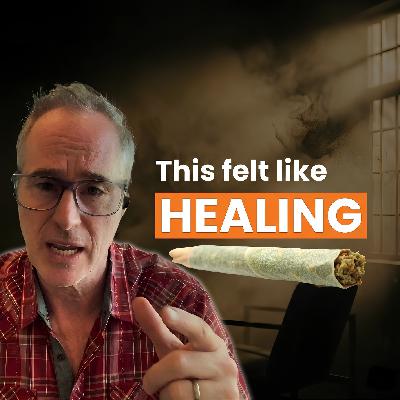
Social media addiction sits at the center of a growing mental health crisis among young men. In this episode of the Men’s Therapy Podcast, host Marc Azoulay is joined by Peter Lear. He is a licensed clinical social worker and addiction counselor based in Boulder, Colorado. Lear has spent decades working with men and adolescents. His work navigates addiction, trauma, and identity development in an increasingly digital world.
Peter speaks from lived experience, not just theory. He grew up without stable male role models. Addiction surrounded him. He searched for guidance early on. Therapy introduced him to a man who was emotionally present. This man showed genuine curiosity. “I remember being 15 and thinking, what’s this guy’s angle? Why does he care what I think and feel?” Lear recalls.
That experience shaped his understanding of masculinity. It guides his work today with Gen Z men. Men who are deeply skeptical of authority, disconnected from real-world relationships, and heavily influenced by technology and social media.
Throughout the episode, Marc and Peter discuss key issues. Social media addiction, marijuana addiction, and lost mentorship converge. This creates a masculinity crisis. It starts in adolescence but lingers into adulthood as anxiety, disengagement, and lost purpose.
For more podcasts, blogs, and to get involved in the Men's Therapy Online Community, visit www.menstherapy.online.
Follow us on social media: https://mtr.bio/mens-therapy-online.

Masculine energy isn’t about dominance or detachment. It’s about how men face loss, responsibility, and the slow work of becoming whole. It is at the centre of Josh Tomeoni’s work, who is our guest today. Josh is a men’s coach specializing in divorce recovery and the host of The Derelict Podcast. In his podcast, he speaks candidly about men’s mental health, emotional growth, and the challenges men face when navigating relationships, addiction, and identity. His perspective is shaped not by abstract theory. It is years of lived experience mentoring men, participating in recovery communities, and walking through his own divorce.
From an early age, Josh demonstrates an instinct to bring men back into connection. One of his earliest memories is noticing a boy being excluded and deliberately pulling him into the group. That same instinct, to see men, support them, and challenge them, continues to guide his work today. Yet the model of masculinity he grew up with offers little room for emotional awareness. As Josh recalls, men are expected to “figure it out,” push forward, and avoid talking about feelings altogether. Therapy, he says, is viewed as “a complete waste of time” for men.
Divorce becomes a turning point that forces a deeper reckoning. Josh begins to see how suppressed emotion, unresolved attachment, and unexamined masculine identity quietly shape men’s lives. “Having somebody that could coach me through these things just made a world of difference,” he explains. Through coaching, recovery work, and self-reflection, Josh develops a vision of masculine energy. It is grounded, accountable, and emotionally intelligent. It is the one that aligns strength with calm rather than avoidance or aggression.
This conversation explores how men can move beyond outdated models of manhood and step into healthy masculinity—a form of masculine energy that supports growth, purpose, and connection.
For more podcasts, blogs, and to get involved in the Men's Therapy Online Community, visit www.menstherapy.online.
Follow us on social media: https://mtr.bio/mens-therapy-online.

Learn what it means to be a man in 2025, as ideas around masculinity, emotional intelligence, and personal growth continue to evolve in today’s world. In this episode of the Men’s Therapy Podcast, host Marc Azoulay sits down with Brett Zachman to explore these shifts in depth. Zachman is the founder of BeMen. It is a Colorado-based nonprofit dedicated to men’s wellness, personal growth, and brotherhood. Zachman is not a therapist by trade. But his work comes from real life, especially after divorce, emotional breakdown, and searching for meaning.
Zachman says his journey starts with pain. “Out of pain comes purpose,” he shares. After divorce, career changes, and feeling alone, he asks a key question. Many men carry it silently: What happens when life falls apart? He finds a sad truth. Men often turn inward. Or they have nowhere to go.
“Most men don’t talk about what they’re going through, we isolate, we bury it, we try to muscle through.” Zachman explains. That silence, he notes, often leads to anxiety, broken relationships, and disconnection from self and others.
From this, BeMen is born. It’s not a business. It’s a brotherhood. Men can speak honestly here. They grow emotionally. They healthily redefine masculinity. Through summits, gatherings, and talks, Zachman helps men learn how to be a man today. No shame. No ego. No old expectations.
For more podcasts, blogs, and to get involved in the Men's Therapy Online Community, visit www.menstherapy.online.
Follow us on social media: https://mtr.bio/mens-therapy-online.
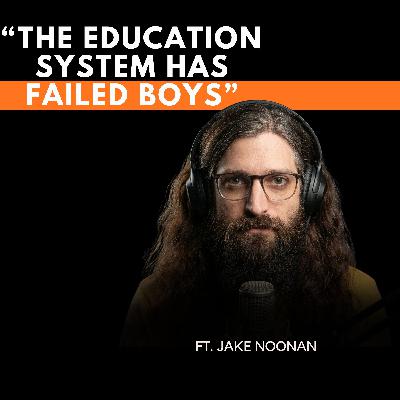
Neurodiversity is at the heart of a growing crisis in modern education. It is the one that is shaping how young men learn, struggle, and carry their mental health challenges into adulthood.
In this episode of the Men’s Therapy Podcast, host Marc Azoulay sits down with Jake Noonan. He is an academic neurodiversity coach at the Neurodiversity Collective. His work focuses on young men and boys navigating the modern education system. Jake approaches neurodiversity not as a deficit to be corrected. He sees it as a fundamental difference in how individuals experience learning, creativity, and mental health.
Jake reflects on his own journey through gifted education and late ADHD diagnosis. He sheds light on years spent teaching in public education, private education, and alternative school models. He explains that for many boys, especially those with neurodiversity, school is not failing because they lack intelligence or motivation. It is failing because the system itself is outdated.
“I was diagnosed with ADHD at 29,” Jake shares. “When that happened, my entire life suddenly made sense.”
Jake describes how neurodiversity often goes unnoticed or misunderstood. Particularly in boys who are labelled as “gifted” but struggle emotionally, socially, or behaviorally. He emphasizes that modern education still operates on an industrial-era model. It is the one that values compliance over curiosity and standardization over individuality.
Marc guides listeners through a broader examination of the education system. He focuses on teacher burnout and the mental health consequences young men are carrying into adulthood.
For more podcasts, blogs, and to get involved in the Men's Therapy Online Community, visit www.menstherapy.online.
Follow us on social media: https://mtr.bio/mens-therapy-online.
For many men, the midlife crisis doesn’t arrive as a quiet reflection. It arrives as relationship tension and emotional shutdown. It comes with the unsettling realization that something deeper is demanding attention.
In this episode of the Men’s Therapy Podcast, Marc Azoulay speaks with Mark J. Platten. He is the founder of the Integral Human Initiative. He is also a longtime men’s work facilitator and teacher of sacred masculinity. Platten draws from Jungian psychology, mythology and indigenous wisdom traditions. He focuses on decades of lived experience to explore what the midlife crisis is really asking of men.
Rather than framing midlife as a breakdown, Platten describes it as a summons. “If I am the same man at 50 that I was at 25,” he explains, “that means there has been 25 years of no growth.” In his view, the second half of life is not about preserving youth, status, or achievement. It is about emotional growth, responsibility, and inner work.
Platten’s story is deeply personal. He shares how navigating his wife’s menopause alongside his own andropause nearly unravelled their marriage. “Had I known then what I know now,” he reflects, “we could have walked that journey in a sacred way, side by side.” Instead, unresolved triggers, shadow work left untouched, and generational trauma surfaced with force.
Now in his late 50s, Platten is returning to men’s work with renewed clarity. He is calling this phase the King’s Return. It is a movement from the prince’s unconscious patterns into mature masculine leadership. As Azoulay guides the conversation, the episode becomes less about crisis management and more about meaning, responsibility, and the spiritual journey of becoming whole.
For more podcasts, blogs, and to get involved in the Men's Therapy Online Community, visit www.menstherapy.online.
Follow us on social media: https://mtr.bio/mens-therapy-online.
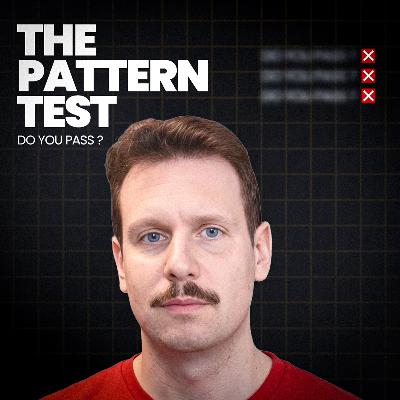
Ever wonder why so many men find themselves stuck in the same romantic patterns? Marc highlights the psychology behind working with men struggling with anxious attachment. He focuses on emotionally unavailable partners and recurring relationship breakdowns in this episode.
Early in the conversation, Marc sets the tone with a statement that captures the heart of the episode: “You’re not choosing her. You’re choosing your wound.” He explains that many men believe they are unlucky in love. When in reality, they are unconsciously repeating familiar emotional patterns. These are rooted in childhood trauma and early attachment experiences.
Marc describes how the brain prioritizes familiarity over well-being. Even when a relationship is painful or chaotic, the nervous system gravitates toward what feels known. “The brain doesn’t care if something is good or bad,” he says. “It cares if it’s familiar.” This dynamic plays out most clearly in adult relationships. It occurs especially for men with anxious attachment who are drawn to emotionally unavailable partners.
Throughout the episode, Marc blends attachment theory, psychoanalysis, and real-world clinical examples. He does so to help men understand how childhood wounds continue shaping their dating lives. The conversation is not about blaming parents or past partners. It is about building awareness so men can finally choose differently.
Get your free worksheet here: https://bit.ly/thepatterntest
For more podcasts, blogs, and to get involved in the Men's Therapy Online Community, visit www.menstherapy.online.
Follow us on social media: https://mtr.bio/mens-therapy-online.
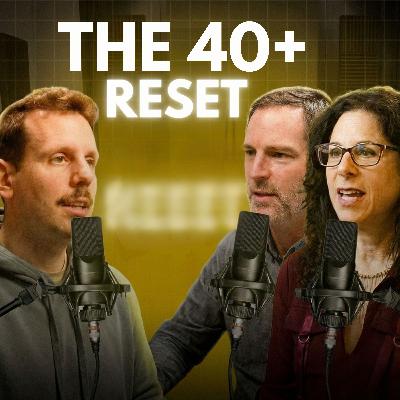
Midlife is often framed as a crisis, but is it really? In this roundtable episode of the Men’s Therapy Podcast, host Marc Azoulay is guiding the conversation toward a deeper and more accurate question. What happens when a man’s identity no longer fits the life he has built?
Joining the discussion are Shana James and Silvan Summers. Shana is a relationship and intimacy coach known for her work on love and sex after 40. Silvan is a somatic psychotherapist and therapeutic coach at Men’s Therapy Online. Together, they examine the midlife crisis. It is less about impulsive decisions and more about a profound reckoning with emotional truth and meaning.
Shana is describing midlife as a moment when “most of our dreams and fantasies have shattered”. But at the same time, it’s an opportunity to create incredible love and sex beyond anything we could create when we’re younger. She is emphasizing that identity is shifting, from who men were taught to be to who they actually are.
Silvan is approaching the topic through the body. “We experience emotion through sensation,” he explains. “If we don’t understand what’s happening in the body, we lose control over where our emotional life goes.” For many men, this disconnection shows up as numbness, emotional shutdown, and a growing sense of feeling lost.
Marc frames the discussion by naming what many men quietly experience: success on paper, but confusion internally. Careers, marriages, and responsibilities remain intact, yet something essential feels missing. This episode is examining that missing piece, not as failure, but as initiation.
For more podcasts, blogs, and to get involved in the Men's Therapy Online Community, visit www.menstherapy.online.
Follow us on social media: https://mtr.bio/mens-therapy-online.
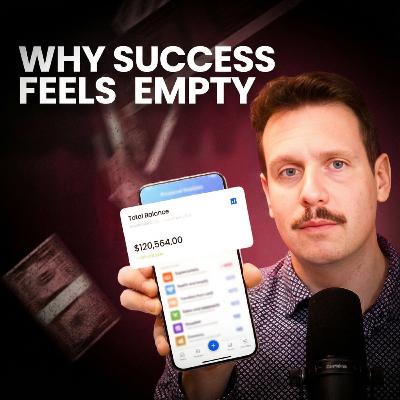
Marc Azoulay unpacks a pattern he is seeing repeatedly in high-performing men. Success is increasing, but fulfilment is disappearing. Drawing on over a decade of clinical experience, Marc explains that many men are not actually chasing success. They are running from shame.
“You think making more money will finally make you feel secure,” Marc explains, “but every time you level up, you feel worse.” He describes men whose bank accounts are growing, yet whose inner lives feel hollow. Rather than feeling proud of achievement, they are experiencing numbness, burnout, and an ongoing identity crisis.
Marc notices that self-worth is becoming dangerously entangled with productivity, income, and performance in a capitalist culture that rewards output above all else. Men are being conditioned to equate value with work. “There’s no upper limit,” he says. “You can always do more, produce more, make more money. And there’s never a moment of enoughness.”
This episode focuses on how external validation quietly replaces identity, creating what Marc calls an “achievement addiction.” Promotions, praise, and financial wins temporarily soothe anxiety. They never resolve the deeper fear of failure or unlovability. Over time, this leads to workaholism, emotional disconnection, and eventually burnout.
Marc is guiding listeners through the invisible beliefs driving this cycle, while also offering practical ways to rebuild identity beyond career, income, and constant performance.
For more podcasts, blogs, and to get involved in the Men's Therapy Online Community, visit www.menstherapy.online.
Follow us on social media: https://mtr.bio/mens-therapy-online.
Get your free worksheet: bit.ly/provider-trap-worksheet
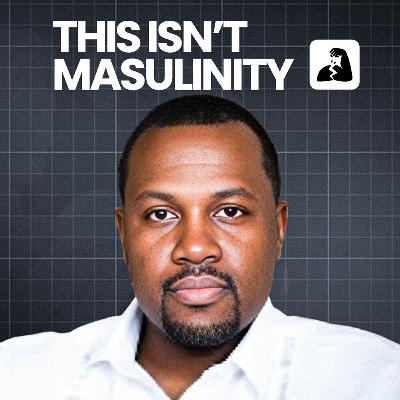
Ya'Ron Brown is approaching men’s mental health from a place of lived experience, clinical insight, and cultural awareness. He is a licensed counsellor, clinical supervisor, trainer, and host of the Resilient Kings Podcast. Brown unpacks one of the most difficult yet essential topics facing men today: male vulnerability and why it is so deeply resisted.
Brown is speaking candidly about how patriarchy shapes men long before they enter therapy. “No matter who we are,” he explains, “to some degree, we are baked into patriarchy.” This conditioning quietly influences how men define strength, suppress emotion, and measure self-worth. Many men are never taught how to explore identity development beyond narrow expectations of toughness, performance, and endurance.
Throughout the conversation, Brown is sharing personal stories. He illustrates how emotional repression becomes normalized. He describes how men often grow up learning that masculinity exists in a single lane. This leaves little room for curiosity, softness, or emotional expression. As a result, many men are arriving in adulthood disconnected from themselves. They are caught in cycles of seeking validation through work, relationships, or external success.
This episode does not position vulnerability as weakness. Instead, Brown is reframing vulnerability as a missing developmental skill. One that directly affects male identity, relationships, and mental health. As Marc Azoulay guides the discussion, the focus remains on helping men understand why they feel empty, restless, or angry. It highlights how reconnecting with vulnerability can change everything.
For more podcasts, blogs, and to get involved in the Men's Therapy Online Community, visit www.menstherapy.online.
Follow us on social media: https://mtr.bio/mens-therapy-online.
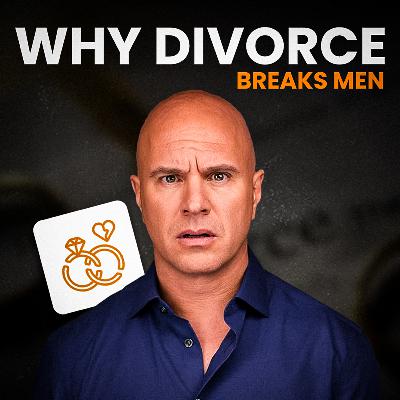
Ralph Brewer is the founder of the “Help for Men Brotherhood” and the creator of the “Dad Starting Over” community. Today, he is sharing a story that is becoming increasingly common among men. Yet still, it is rarely talked about openly. He is speaking as someone who has lived the full weight of divorce, rebuilding life, and single fatherhood. His story begins over a decade ago when he was navigating what he describes as “a giant holy-poop moment”. It was one defined by infidelity, uncertainty, and the sudden responsibility of raising three young children alone.
He reflected on the emotional upheaval men often face. “I can’t think of anything more emotional than the disintegration of a long-term relationship,” he says. Brewer has noticed that divorce is putting a mirror in front of men’s lives. It is forcing them to confront not just the loss of a partner, but the collapse of routines, identity, and stability.
Brewer explained how he begins coping by returning to the passions he abandons during marriage: guitars, writing, and creative expression. “It was part of my therapy,” he notes. Brewer described how rekindling old interests becomes his lifeline. This personal journey evolved into a platform that is now supporting thousands of men worldwide. Through YouTube, books, coaching, and the Brotherhood, Brewer is building a community for men who are facing divorce, breakup, co-parenting conflicts, and emotional rebuilding.
His message remains consistent: every great man he knows has a turning point. “Enough is enough,” he says. “This could be a big turning point for you.”
For more podcasts, blogs, and to get involved in the Men's Therapy Online Community, visit www.menstherapy.online.
Follow us on social media: https://mtr.bio/mens-therapy-online.
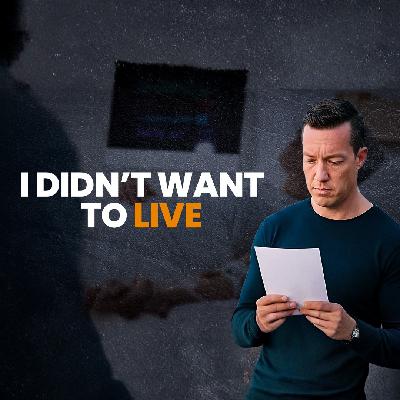
Joe Hehn is living through a story that many men fear, and few ever speak about. Joe not only shared a personal narrative; he also revealed a blueprint for reclaiming purpose after unimaginable loss. He is a mentor, corporate speaker, and mindset coach. Joe is guiding men toward self-awareness and emotional resilience. He does so by openly describing how his own world collapsed and rebuilt itself.
Before his wife’s cancer diagnosis, Joe explains that “everything on paper looked perfect”. Yet, internally, he was constantly stressed, anxious, and disconnected. His life changed dramatically one afternoon in Chicago. It was when a routine meditation on a park bench became his first spiritual awakening. “Everything is alive,” he recalls. “It’s like I’m stepping into a painting.”
But that brief moment of illumination was only the beginning. After losing his wife to cancer, Joe plunged into an emotional wilderness. “I didn’t want to die,” he admitted, “but I didn’t want to live either.” This became the lowest point of his life and also the turning point. He began the long process of grief recovery and rebuilding his identity. He did so when he was travelling through South America. He volunteered and reconnected with spirituality.
What makes Joe’s journey distinct is not only the scale of his grief, but his relentless pursuit of meaning. “Is this the life I want for myself?” he asked in Bolivia, bedridden and empty. That question became the foundation of his life’s new mission. Helping men cultivate purpose through mindset coaching, emotional healing, and self-awareness.
Connect with Joe:
Website: https://joehehn.com/
Youtube: https://www.youtube.com/channel/UCvkQI_b9ocQK-Kcabbqjycw
TikTok: https://www.tiktok.com/@joe.hehn
Instagram: https://www.instagram.com/joe.hehn
For more podcasts, blogs, and to get involved in the Men's Therapy Online Community, visit www.menstherapy.online.
Follow us on social media: https://mtr.bio/mens-therapy-online.

In this episode of The Men’s Therapy Podcast, host Marc Azoulay is sitting down with two deeply respected clinicians. Jack Lambert, LMHC, and Ben White, LPC. They explore the emotional landscape men confront during divorce. Their conversation is opening a window into an experience many men are living silently: the grief, confusion, and emotional shutdown that divorce often sparks.
Jack is working extensively with gay and queer men navigating major life transitions, including separation, identity loss, and the struggle to rebuild after relationship trauma. He notes that “divorce is often felt as a rock bottom, not because it always is one, but because culturally men are not taught how to handle emotional rupture.”
Ben mainly works with straight men across multiple states. He shares a parallel observation: “It’s interesting how often divorce is the event that finally pushes men into therapy. Something really life-shattering happens, and suddenly the wheels that were in motion for years become undeniable.”
Together, they shed light on why divorce isn’t just a legal separation. It’s an emotional reckoning. Their clinical insights reveal how men often reach this stage feeling isolated, ashamed, or stuck in anger, and how the process of emotional healing must begin with confronting the grief they have long avoided.
This episode isn’t simply about divorce. It’s about reclaiming emotional intelligence, rebuilding identity, and learning what healthier masculinity looks like on the other side of heartbreak.
For more podcasts, blogs, and to get involved in the Men's Therapy Online Community, visit www.menstherapy.online.
Follow us on social media: https://mtr.bio/mens-therapy-online.
In this powerful episode of the Men’s Therapy Podcast, Marc Azoulay sits down to explain the “fixer mentality”. It is a pattern many men fall into when they compulsively help others, avoid emotional intimacy, and ultimately burn out. He explains, “When you’re always fixing, you’re not asking for help. That’s how the cycle begins.” Marc is guiding people to see how these patterns, rooted in dopamine addiction, stress response, and codependency, silently shape one’s identity and your relationships.
As the discussion unfolds, he highlights how men can become trapped in what feels like a heroic role. However, it’s actually a mask covering deeper emotional wounds. He says, “The fixer is addicted not just to helping, but to being seen as valuable.” Over the course of the episode, he explores emotional avoidance, the martyr complex, and why many men struggle to form genuine emotional intimacy. With clear, professional, yet compassionate insight, Marc is helping his audience understand these dynamics. He is offering practical steps to break free.
Whether you suspect you’re stuck in the fixer loop or you’re feeling chronically stressed and burnt out, this conversation offers clarity, validation, and a roadmap toward healing.
For more podcasts, blogs, and to get involved in the Men's Therapy Online Community, visit www.menstherapy.online.
Follow us on social media: https://mtr.bio/mens-therapy-online.

Comments

Download from Google Play

Download from App Store
 United States