


 Claim Ownership
The Talent Game Podcast
Subscribed: 2Played: 56
Subscribe

Description
Succeeding in the games industry is a talent game and we’re here to help you master it. Welcome to The Talent Game Podcast!
Hosted by Joe Burridge—Head of Talent at Play Ventures, with past experience at EA and Epic Games—this podcast brings you in-depth discussions with leaders from the world’s top gaming companies.
The Talent Game dives deep into the art and science of talent in the games industry, exploring insights from top leaders to help listeners level up their approach to building, scaling and leading teams. Season 2 is all about candid stories, bold opinions and actionable insights.
26 Episodes
Reverse
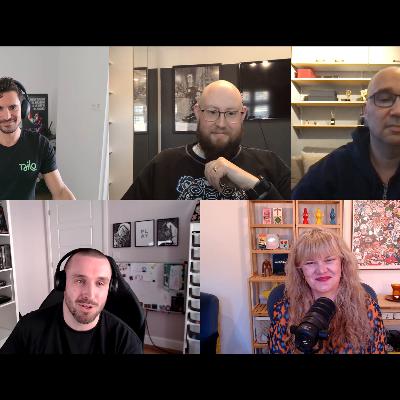
In this episode of the Talent Game podcast, a group of CEOs from various gaming companies share their personal stories, insights into the gaming industry, and the challenges they face in their roles. The conversation covers topics such as gaming nostalgia, the impact of generative AI on game development, and the balance between work and personal gaming time. Each guest shares their unique journey and experiences, highlighting the importance of collaboration and community in the gaming world. In this conversation, industry leaders discuss their diverse paths to becoming CEOs in the gaming sector, emphasizing the importance of technical backgrounds, accountability, and the need for financial literacy. They share insights on the significance of negotiation, communication, and building genuine relationships, while also addressing the balance between creative and business aspects. The discussion culminates in defining success not just in terms of financial metrics but also in the long-term impact on team members and the industry as a whole.
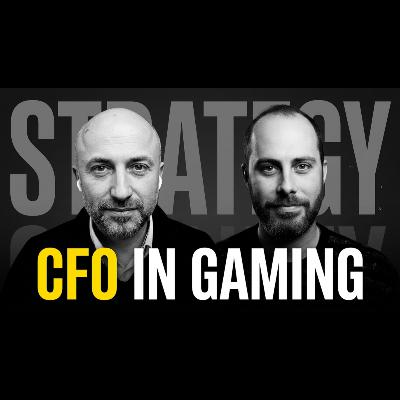
In this episode of the Talent Game Podcast, host Joe Burridge engages with CFOs Edo and Francesco to explore the multifaceted role of a Chief Financial Officer (CFO) in the gaming industry. They discuss their career paths, the importance of industry knowledge, and the various types of CFOs. The conversation delves into the perception of finance, what makes it exciting, and the essential qualities that aspiring CFOs should cultivate. The episode concludes with insights on effective interview questions for hiring finance professionals.TakeawaysCFOs play a crucial role in enabling teams to focus on growth.Industry knowledge enhances a CFO's effectiveness in decision-making.Curiosity and passion for the industry are vital traits for a CFO.Different stages of a company's growth require different CFO skills.Finance is not just about numbers; it's about people and culture.A successful CFO must communicate effectively with all departments.Understanding the product and market dynamics is essential for a CFO.CFOs should be adaptable and able to switch between strategic and operational roles.Hiring a CFO requires understanding the specific needs of the business.Interview questions should reveal a candidate's thought process and creativity.
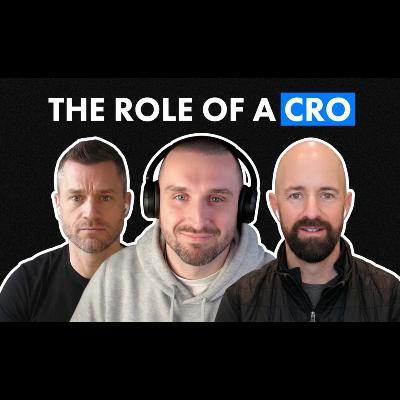
In this episode of the Talent Game podcast, Joe Burridge discusses the role of a Chief Revenue Officer (CRO) in the gaming industry with guests Paul Bowen and Dan. They explore the definition of a CRO, career paths to the position, the differences between B2B and B2C gaming companies, and the evolving responsibilities of CROs in larger organizations. The conversation also covers key considerations for hiring a CRO and advice for aspiring professionals in this role, including the importance of collaboration and data analysis.TakeawaysThe CRO role is a connector within the company.CROs must learn to say no to ensure focus.The role of a CRO evolves as the company grows.Timing is crucial for hiring a CRO.CROs in gaming companies often come from a B2B background.Understanding customer behavior is key for CROs.Writing and communication skills are essential for a CRO.Collaboration with other teams is vital for success.CROs should have experience in building revenue-generating teams.Hiring a CRO requires careful consideration of their background and skills.
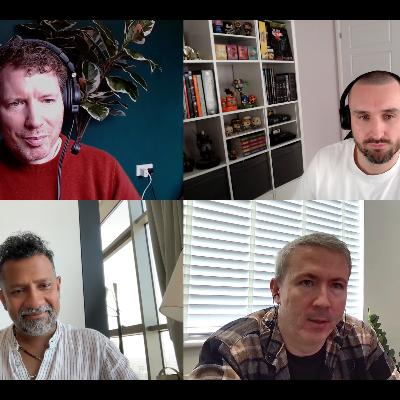
In this episode of The Talent Game Podcast, host Joe Burridge engages with three experienced CTOs from diverse backgrounds in the gaming industry. They discuss their unique paths to becoming CTOs, the essential traits that define successful technology leaders, and the importance of hiring practices that align with company values. The conversation also delves into the evolving role of the CTO, emphasizing the balance between technical knowledge and strategic oversight. The guests share insights on what to look for when hiring a CTO, including red flags to avoid, and conclude with reflections on the responsibilities and challenges faced by CTOs in today's tech landscape.TakeawaysCTOs often transition from engineering roles to leadership positions.Value alignment is crucial when hiring for technical leadership.A good CTO focuses on reducing friction within the team.Technical knowledge is important for effective communication with engineers.Hiring people better than yourself is a key principle for CTOs.CTOs should prioritize strategic oversight over hands-on coding.Understanding the business model is essential for a CTO.Mistakes in hiring can stem from misalignment of values.Effective CTOs are facilitators who empower their teams.Continuous learning is vital for staying relevant in technology.
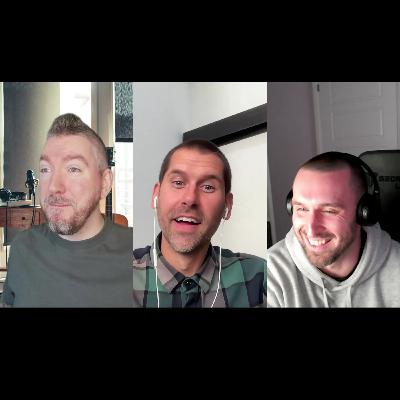
In this episode of the Talent Game Podcast, host Joe Burridge engages in a panel discussion with games industry veterans Tristan and Robert about the evolving role of a studio head in the gaming industry. They explore the diverse paths to leadership positions, the definition of success in these roles, and share insights on effective interview questions that reveal the core of a candidate's character. The conversation highlights the importance of adaptability, seizing opportunities, and the balance between product focus and business acumen in the gaming sector.TakeawaysThe role of a studio head can vary widely based on studio size and product type.Success in leadership roles often requires a blend of product obsession and business acumen.Seizing opportunities is crucial for career advancement in the gaming industry.Measuring success can be subjective and often requires hindsight.Interview questions should aim to uncover the true character of candidates.The gaming industry attracts individuals who value authenticity and creativity.Building a game is as much about running a business as it is about creativity.Career paths to leadership can be non-linear and filled with unexpected opportunities.Effective leaders in gaming often have diverse experiences across different roles.Understanding team dynamics and employee sentiment is key to successful leadership.

In this episode of The Talent Game podcast, I speak with Nick Button-Brown, a gaming industry veteran with nearly 30 years of experience. We explore Nick’s journey from accounting to gaming, his role as an angel investor, and what makes a startup investable. The conversation covers balancing creativity with delivery in game development, the impact of leadership on team culture, and the evolving role of AI in games. Nick also shares insights on hiring, team dynamics, and the importance of authenticity and self-reflection in building strong teams.🎮 Balancing Creativity & Execution – Great game development isn’t just about big ideas; it’s about delivering them effectively. Startups often fail by prioritizing creativity without considering execution. The best teams iterate rapidly, refining their vision while staying grounded in production realities.🚀 What Makes a Team Investable – Investors look for teams with a mix of experience, adaptability, and the ability to learn from failure. Passion is important, but startups need leaders who understand both the commercial and creative sides of gaming, ensuring long-term sustainability.🤝 Leadership & Team Culture Shape Success – Strong leadership isn’t just about honesty; it’s about knowing when and how to deliver tough messages while maintaining morale. Hiring should focus on team fit and diverse skill sets, with self-awareness and emotional intelligence playing a key role in building and scaling great teams.

In this episode of The Talent Game Podcast, I speak with Olivia Yu about her transition from the entertainment industry to gaming and tech. We explore the role of partnerships in business, shifting workplace cultures, and the impact of leadership and mentorship. Olivia highlights the importance of inclusivity, particularly for women in the industry, and shares insights on how technology can drive positive change. The conversation wraps up with advice for aspiring professionals and a look at what the future holds.Key TakeawaysPartnerships and inclusivity drive business success – Strong collaborations enhance growth, and diverse workplaces lead to better decision-making.Women in tech face unique challenges – Amplifying women's voices in meetings and fostering mentorship can create more equitable opportunities.Adaptability is key to career success – Embracing continuous learning and understanding cultural differences help navigate evolving industries.

In this episode, I speak with Bruce Grove, CTO of Avantis Education, about his journey from gaming to EdTech. Bruce shares his experience working at Sun Microsystems, Dell, OnLive, and Polystream, highlighting the evolution of cloud gaming and how VR and gamification are transforming education. He discusses the challenges of building startups, the importance of trust and co-founder chemistry, and why curiosity and adaptability are essential for leadership. The episode also covers effective hiring and interviewing techniques, fostering genuine connections, and creating a strong company culture that drives success.Gaming & EdTech Innovation: Bruce shares his career path from building his own games to working at Sun Microsystems, Dell, OnLive, and Polystream, highlighting the evolution of cloud gaming and its impact on VR in education.Leadership & Startups: He emphasizes the importance of trust, chemistry with co-founders, and psychological safety in building successful teams, along with how curiosity and adaptability drive great leadership.Hiring & Culture: Bruce discusses effective interview techniques, fostering genuine connections, and creating a culture of openness that enables teams to grow and succeed.

In this episode of The Talent Game Podcast, I sat down with Jon Warner, a seasoned executive with over two decades in the video game industry. Jon shares his unconventional path from military intelligence to gaming, beginning in QA before rising through the ranks at major studios like Microsoft and BioWare. We explore the importance of aligning teams with a shared vision, the unique challenges of mobile vs. console development, and the evolving landscape of the industry. Jon also reflects on the critical role of talent, resilience, and learning from failure in building successful teams and projects.A Clear Vision Drives Success – Aligning teams on a shared vision empowers autonomy and creativity, leading to stronger project execution.Talent and Culture Matter Most – Success in gaming hinges on fostering great talent, creating a positive culture, and treating people well.Failure Fuels Growth – Setbacks are invaluable learning experiences that shape both personal and professional development.

Apologies, parts of this episode includes echo that I couldn't remove in editing. I hope it doesn't take away from all of the fantastic insights that Matt shares!In this episode of The Talent Game Podcast, I speak to Matt Hearnden, a former senior recruiter at Activision Blizzard King, about breaking into the gaming industry, personal branding and job-seeking strategies in a competitive market. We explore the power of networking, content creation on LinkedIn and the importance of finding one’s voice. Matt shares insights on how simple, engaging content can boost visibility, how leveraging brand recognition aids career growth and how authenticity fosters meaningful connections.Personal branding and content creation: Establishing a strong LinkedIn presence and sharing valuable insights can open doors in the gaming industry.Networking and engagement: Proactive networking and being part of industry communities create more career opportunities.Authenticity and simplicity: Genuine content, bite-sized posts, and well-designed interview questions resonate more with job seekers and hiring teams.

In this episode of The Talent Game, I speak with Vanessa Mullin, VP of Sales & Marketing at Scenario, about her journey from travel to tech, the evolving role of AI in gaming, and the challenges of balancing parenthood with a fast-paced career. We explore the shifting cultural landscape in the gaming industry, the importance of diversity in hiring, and the contrast between working at startups and big tech companies. Vanessa shares her insights on sales strategies, the introversion-extroversion spectrum in sales, and the power of storytelling in interviews.Key Takeaways:AI & Diversity in Gaming – AI is becoming a widely accepted tool in game development, and diverse teams drive innovation and better decision-making.Sales & Hiring Strategies – Selling to developers requires a thoughtful, non-extroverted approach, and hiring for "culture fit" can sometimes limit diversity and fresh perspectives.Startups vs. Big Tech – Startups offer more flexibility and trust, allowing for greater experimentation, while big tech companies often have more rigid structures.

In this episode of The Talent Game podcast I chat with Charlie Ruck, Head of Games at True Search, about his transition from finance to gaming, the nuances of executive search in the industry and the vital role passion and culture play in leadership. We explore how building strong relationships, understanding corporate goals and fostering creativity are key to successful hires in the competitive gaming landscape.TakeawaysPassion & Culture Matter: Hiring leaders from outside gaming requires a strong cultural fit and genuine passion for the industry—traits that often outweigh traditional experience.Executive Search Nuances: Executive searches in gaming are relationship-driven, averaging 120 days to close and require balancing creativity with corporate objectives.The Power of Connection: Gaming isn’t just about products; it's about people and the lasting connections they create, both in-game and within teams.

In this episode of The Talent Game podcast, I sit down with Liat Barer, Chief Product Officer at Odeeo, to explore her journey through the ad tech and gaming industries. They discuss the rapid evolution of mobile gaming, the challenges of hiring in high-growth startups and the contrasting dynamics between corporate and startup cultures. Liat shares valuable insights on what makes an effective hiring process, the importance of understanding team dynamics and the key qualities to look for in candidates. The conversation emphasises adaptability, continuous learning and how real-world experience shapes both product leadership and talent strategy.TakeawaysHiring for more than skills – The best hires aren’t just technically strong; they fit the culture, adapt quickly and bring problem-solving abilities.Corporate vs. Startup Mindset – Corporates require patience and structure, while startups demand agility, resilience and a willingness to fail fast.The power of real-life examples – Asking candidates for real-world stories reveals deeper insights into their strengths and thinking process.Stakeholder management is key – Great product leaders balance the needs of diverse teams, from engineering to business.Continuous learning wins – Both hiring and leadership are ever-evolving skills that require adaptability and growth.

In this episode of The Talent Game I interview John Wright, Vice President of Mobile Games at Kwalee. We dive into John’s unique career journey from accounting to gaming, the challenges and opportunities of launching mobile games and the critical role of culture in workplace success. John shares his thoughts on the value of persistence, passion and mentorship in career growth, while advocating for a culture of action, trust and hiring for potential rather than credentials. Our conversation offers actionable advice for navigating career transitions, building strong teams and thriving in the dynamic gaming industry.TakeawaysPersistence and Passion Drive Success – Pursuing what you love and staying determined can lead to career fulfillment, even in challenging transitions.Culture and Trust are Essential – Aligning teams toward shared goals, managing by outcomes, and fostering a supportive environment are critical to startup success.Hire for Potential, Not Credentials – Work ethic, determination, and a genuine passion for gaming often outweigh formal qualifications in building high-performing teams.Mentorship Fuels Growth – Support from mentors can play a transformative role in navigating career transitions and achieving long-term success.A Culture of Action Creates Momentum – Encouraging teams to focus on getting things done while leading by example fosters productivity and builds trust.
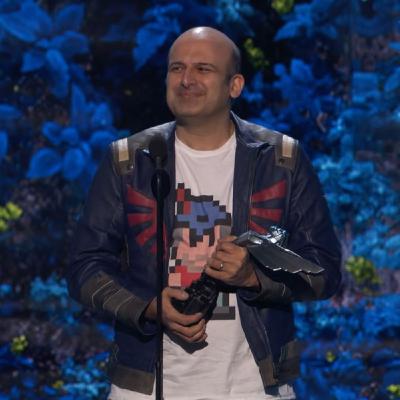
In this episode of The Talent Game Podcast, I chat with Amir Satvat, Business Development Director at Tencent Games and founder of a thriving community that has supported over 3,000 individuals in finding roles in the gaming industry. Amir shares his late-blooming journey into gaming at the age of 38, the transformative power of networking, and the critical role of empathy in both personal and professional interactions. We dive into his creation of a comprehensive job resource, fueled by community feedback and data analytics, that is shaping how job seekers navigate the hyper-competitive gaming job market. Amir also provides insights into the future of gaming talent hubs and the importance of building long-term, meaningful relationships in this dynamic industry.TakeawaysCommunity-Driven Success: Amir’s community has helped thousands of job seekers by combining empathy, data analytics, and collective insights to navigate career challenges in the gaming industry.Networking is Key: Building authentic, long-term relationships—not transactional ones—is vital for job seekers to succeed in the gaming world.The Power of Empathy: Empathy during interviews and interactions reveals deeper candidate values and fosters more meaningful professional relationships.Adaptability in a Competitive Market: The gaming job market is tough, especially for entry-level positions, but diversifying applications and leveraging data can improve outcomes.Global Talent Trends: Emerging markets are shifting the geographic landscape of gaming talent hubs, opening new opportunities worldwide.

If you made it all the way through season 1 and to this recap episode then thank you so much! 🥳In this short bonus episode, I reflect on the journey of the first season of this podcast, sharing insights from the diverse guests in the gaming industry, discussing key themes such as psychological safety and career growth, and looking forward to an exciting season 2 with new guests and topics.

In this episode of The Talent Game Podcast, I speak to Andy Ross, an experienced recruiter with over 13 years in the tech and gaming industries. Andy discusses his career journey, from working with tech startups to transitioning to leading a headhunting firm in the rapidly growing video games sector. The conversation dives into the nuances of hiring in tech versus games, the evolving traits of top talent, and the industry's future, highlighting trends like web gaming, AI, and the democratization of game development tools. Andy also shares his perspectives on fostering creativity, collaboration, and adapting to the changing landscape of recruitment and technology in gaming.Key TakeawaysTop talent values empowerment, ownership, and autonomy, with hiring practices differing significantly between tech startups and game studios.The games industry is shifting from a historically secretive culture towards greater collaboration and accessibility.Trends like web gaming, AI, and cloud technology are reshaping the future of gaming and game development.Andy focuses on strategic recruitment and advisory roles, using open-ended questions to uncover candidates’ career stories.

In this episode of The Talent Game, we hear from Emma Gomersall, Lead Talent Partner at Multiplayer Group (MPG) and member of their Diversity, Inclusion & Belonging Committee. Together, we explore practical steps companies can take to foster a diverse and inclusive culture in gaming, emphasising how even small actions can make a significant impact. Emma shares examples of both cost-effective and budgeted initiatives that help drive inclusion, like using gender decoders in job descriptions and establishing employee resource groups. The conversation underscores how MPG’s approach to diversity not only cultivates a more equitable environment but also supports higher productivity and profitability.TakeawaysBuilding a culture of diversity, inclusion, and belonging is essential in the gaming industry to drive innovation, creativity, and employee well-being.Simple and affordable initiatives, such as applying gender decoders in job descriptions and forming employee resource groups, can promote inclusivity.Data indicates that gaming companies with gender-diverse leadership are 21% more likely to see improved profitability and productivity compared to less diverse competitors.An inclusive culture significantly boosts employee retention, satisfaction, and productivity, ultimately benefiting the company’s financial performance.Diversity, equity, inclusion, and belonging are increasingly valued by candidates, with 76% of job seekers prioritizing these factors when evaluating job offers.

In this episode, we hear from Ido Naim (currently Senior Director of Monetization at Zynga/Gram Games) and explore his strategies for building high-performing teams. Ido reflects on his time in the Israeli military and his transition into the gaming industry, drawing parallels between both fields. He highlights the need to balance data-driven decisions with creative vision in game development and underscores the value of continuous learning. Emphasising the importance of surrounding oneself with a diverse team united by shared values, Ido also advocates for openness and humility as essential qualities in the gaming industry. The episode wraps up with Ido's go-to interview question, aimed at uncovering a candidate’s critical thinking and problem-solving abilities.Key TakeawaysBalancing data with creativity is vital to innovative game development.A commitment to lifelong learning propels individual and team growth.High-performing teams are built with diverse individuals who share core values.Open-mindedness and humility foster effective collaboration and drive innovation.Critical thinking and problem-solving skills are fundamental for success in the gaming industry.

In this episode we hear from Kate Booth, COO of Cooperative Innovations, exploring her journey into the gaming industry, her insights on company culture and the role of a COO in game development. Kate shares her experiences with indie games, the importance of aligning business models with creative ambitions and her approach to hiring and team building. The discussion highlights the significance of transparency in business practices and the need for a supportive environment for creative professionals.Key TakeawaysThe COO role varies greatly, with a focus on shaping culture through hiring and aligning business models with creative goals.Financial transparency and support are essential for trust and creativity in teams.Hiring is a mutual value exchange, where both company and employee contribute to a thriving culture.Teams thrive when they embrace the business side of gaming and celebrate individual successes, like a well-coordinated sports team.

Comments

Download from Google Play

Download from App Store
 United States