


 Claim Ownership
Meteorology Matters
Subscribed: 5Played: 151
Subscribe

© Hurricane Company
Description
Meteorology Matters delivers clear, data-driven insight into weather, hurricanes, and climate science cutting through hype to explain what’s happening and why it matters.
Created by Meteorologist Rob Jones, the podcast explores:
- Extreme weather and hurricane forecasting
- Climate trends and real-world impacts
- Forecast uncertainty and what the data actually shows
- How weather science affects safety, infrastructure, and daily life
Whether it’s breaking weather risk, long-range outlooks, or deep-dive analysis, Meteorology Matters helps you understand what’s happening and why it matters.
229 Episodes
Reverse
Fired. Sued. And still forecasting.The sudden termination of longtime Southwest Florida meteorologist Matt Devitt has exploded into one of the most fascinating media and legal battles in recent years. What began as a contract dispute is now a full-scale collision between corporate control, public trust, and the evolving power of digital audiences.In this episode of Meteorology Matters, we break down the lawsuit filed by WINK News, the allegations surrounding non-compete violations, and the reality of Florida law—where these agreements are often enforceable, even after termination.But the real story may be happening outside the courtroom.With overwhelming public support behind Devitt—driven largely by his role during major hurricanes—we examine how meteorologists uniquely build trust, why viewers are abandoning institutions in favor of individuals, and how social media has fundamentally shifted the balance of power in broadcast weather.We also explore:• The legal strength (and limits) of non-compete clauses in Florida • Similar cases involving broadcasters and on-air talent • The psychology behind public backlash and “David vs Goliath” narratives • Whether this lawsuit could backfire in the court of public opinion Because in the end, this case isn’t just about one meteorologist…It’s about the future of who owns the forecast.
The 2026 hurricane season warning nobody is talking about. The numbers may be average but the risk is anything but because “It only takes one”.The 2026 Atlantic hurricane season may look average on paper, but the real story is far more concerning.In this episode, we break down why fewer storms does not mean lower risk. Exceptionally warm ocean waters are creating the perfect setup for rapid intensification, increasing the chances of high-impact hurricanes that can strengthen just before landfall.We analyze the developing shift toward El Niño and what it means for wind shear, storm formation, and why the Gulf of Mexico can still produce dangerous systems even in a suppressed pattern.You will also hear about major operational changes coming from the National Hurricane Center, including a redesigned forecast cone that highlights inland impacts and new storm surge products.At the same time, a growing political battle over proposed NOAA budget cuts could impact forecasting, research, and preparedness in the years ahead.This episode connects the science, the forecast, and the policy decisions shaping the future of hurricane risk. Because as history shows, it only takes one storm.#HurricaneSeason #Hurricanes2026 #Weather #Meteorology #ElNino #Climate #StormTracking #BreakingWeather #ExtremeWeather #WeatherNews
In this episode of Meteorology Matters, we break down two extreme and highly unusual weather events happening right now:🔥 Record-shattering March heat reaching 112°F🌊 Dangerous flooding impacting parts of HawaiiWhat’s driving these extremes? Is this just a coincidence—or part of a bigger atmospheric pattern?We dive into:• The meteorology behind this early-season heatwave• Why Hawaii is seeing intense flooding right now• The large-scale pattern connecting these events• What this could mean for the weeks aheadIf you care about understanding the why behind extreme weather—not just the headlines—this episode is for you.🎙️ Follow for weather insights, hurricane coverage, and in-depth analysis.#Weather #ExtremeWeather #Heatwave #Flooding #Meteorology #Climate
A major springlike surge is underway across the eastern two-thirds of the United States, with temperatures forecast to run 15–25°F above average and hundreds of daily records potentially at risk during the first half of March 2026.In this episode of Meteorology Matters, we break down the atmospheric setup driving this unusual early-season warmth, including the shifting jet stream pattern, a weakening La Niña, and the role of sudden stratospheric warming in shaping late-winter volatility.We also examine the broader climate context — from the West’s historic snow drought and wildfire concerns to the increasing global temperature trends flagged by the World Meteorological Organization.What you’ll learn:• Where record heat is most likely• Severe storm and flooding risks ahead• Why the pattern flipped so quickly• What the ENSO transition means for spring• The bigger climate signals forecasters are watchingStay informed and weather-ready with this in-depth March 2026 forecast briefing.
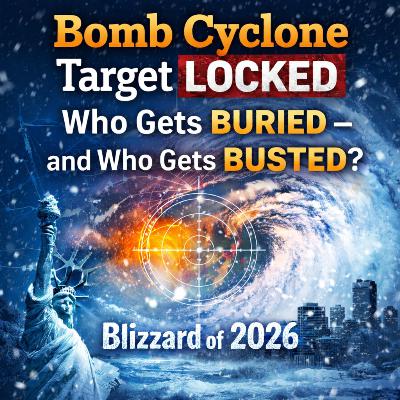
A rapidly intensifying nor’easter is targeting the Northeast with blizzard conditions and up to 2 feet of snow. But one small shift could change everything. Meteorology Matters by Meteorologist Rob Jones breaks down who gets lots and who gets little.A major winter storm is taking aim at the Mid-Atlantic and Northeast, with blizzard warnings, heavy snow, and coastal flooding all on the table.In this episode of Meteorology Matters, Rob Jones analyzes the developing bomb cyclone, the critical storm track that will determine snowfall winners and losers, and why forecasters are watching this system so closely.Nearly 100 million people could feel impacts as heavy snow bands set up from Washington, D.C. to Boston. Some areas could see snowfall rates of 1 to 3 inches per hour, wind gusts over 50 mph, and dangerous whiteout conditions.🔴 WHAT WE COVER:• Why this is a classic high-impact nor’easter• The narrow snow jackpot zone along the I-95 corridor• Blizzard conditions and power outage risks• Coastal flooding concerns• The ONE track shift that could change everything• Why people panic-buy milk and bread before storms❄️ SNOWFALL EXPECTATIONS (Current Range):WASHINGTON, D.C.• 1 to 5 inches possible• Mix changing to snow• Lower confidence on higher totalsBALTIMORE• 3 to 6 inches likely• Localized higher totals possiblePHILADELPHIA• 8 to 16 inches possible• High-impact heavy snow bandsNEW JERSEY• Widespread 12 to 18 inches• Locally up to 24 inches• Blizzard conditions likely near the coastNEW YORK CITY & LONG ISLAND• 8 to 18 inches expected• Up to 2 feet possible in jackpot zones• Whiteout conditions possibleCONNECTICUT / RHODE ISLAND• 10 to 20 inches likely• Strong wind and drifting snowBOSTON & EASTERN MASSACHUSETTS• 10 to 20 inches expected• Isolated higher amounts Cape Cod• Wind gusts up to 70 mph possible⚠️ BOTTOM LINE:If the storm tracks just 50 to 100 miles closer to the coast, snowfall totals could spike dramatically along the I-95 corridor.If you live anywhere along the East Coast, this is the forecast you need to hear.Subscribe, share, and stay weather aware with Meteorology Matters
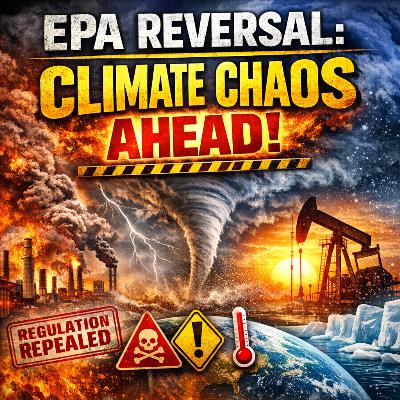
The EPA just removed the legal backbone of US climate regulation.This may be the single biggest policy shift in American environmental history and the fallout is already beginning.On February 12, 2026, the EPA officially revoked the 2009 “endangerment finding”the scientific and legal foundation that allowed the federal government to regulate greenhouse gases under the Clean Air Act. The Trump administration is calling it the largest deregulatory action in American history, claiming it will save Americans $1.3 trillion in regulatory costs and restore US energy dominance.But critics warn the consequences could be staggering: a projected 10% increase in greenhouse gas emissions over the next 30 years, rising electricity costs driven by LNG export expansion, and a major rollback of wind and solar development. Public health experts are also raising alarms, citing estimates of 58,000 additional premature deaths by 2055 and millions of additional asthma attacks tied to increased pollution.In this episode, we break down what the repeal actually means, why it matters legally, how it reshapes US energy policy, and what comes next as states prepare legal challenges and the climate debate enters a new—and far more volatile—phase.
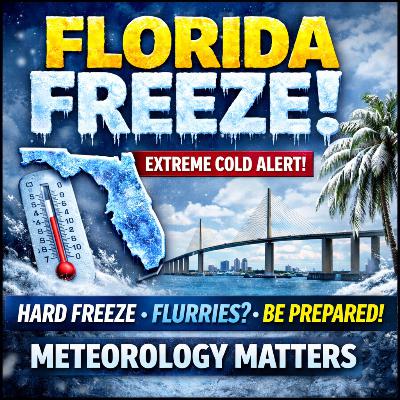
Florida is facing one of its coldest weather outbreaks in roughly 15 years, with multiple hard freezes, dangerous wind chills, and conditions many people, homes, and landscapes are not prepared for. This is not just one cold morning. It is a prolonged stretch of cold that increases risk with each passing night.In this episode of Meteorology Matters, the podcast explains what makes this Florida cold snap different, why duration matters more than a single temperature, and why even temperatures that may not sound extreme can cause serious problems in Florida. Meteorology Matters is created and produced by meteorologist Rob Jones.The episode breaks down what to expect across the state, from north Florida through central Florida, the Tampa Bay area, and into south Florida. This includes why some coastal areas near Tampa Bay could see brief flurries, why confidence remains low, and why snow is not the real story. The real danger is cold exposure, repeated freezes, and wind chills.Meteorology Matters focuses on practical, real world guidance for Floridians, including how to protect pipes and plumbing, what homeowners should do before temperatures drop, how cold affects pets, livestock, and outdoor animals, what to know about vehicle issues during extreme cold, and how to protect citrus trees, tropical plants, vegetables, and container plants. The episode also explains why timing matters when covering plants and preparing homes, including what should be done before sunset and what should remain protected overnight.The episode places Florida’s cold snap into the broader Arctic outbreak affecting much of the United States, including the very real dangers of hypothermia and carbon monoxide poisoning. Special attention is given to community responsibility, including checking on elderly neighbors, supporting warming shelters, calling 211 for local resources, and helping people experiencing homelessness during hard freezes.If you live in Florida, have family in Florida, or know someone who may not be prepared for this kind of cold, this is essential listening.Like, follow, comment, rate, and share to help others stay informed and safe.Connect with Meteorology MattersFollow on Instagram meteorologist, on TikTok TVmeteorologist, and on YouTube RobJonesHurricane, where you can also find the Meteorology Matters podcast playlist.#FloridaWeather#FloridaFreeze#MeteorologyMatters#WinterWeather#ColdSnap#TampaBayWeather#FloridaCold#FreezeWarning#WeatherPodcast#Meteorologist#WeatherTok#YouTubePodcast#SciencePodcast#PublicSafety#ClimateAndWeather
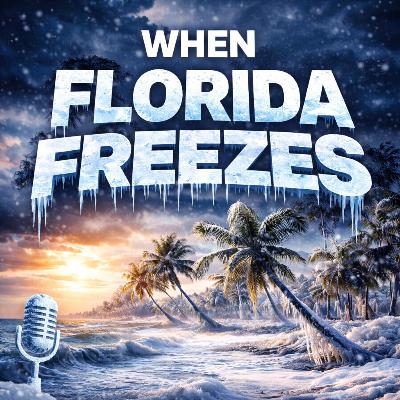
Florida isn’t supposed to freeze — but history tells a very different story.In this episode, we take a deep dive into Florida’s most impactful cold snaps, from historic freezes that reshaped agriculture and infrastructure to modern cold waves that still catch millions off guard. We’ll explain why prolonged cold is so unusual in Florida, how events like the famous 1977 snow and the January 2010 freeze fit into the bigger picture, and why even recent cold Christmases left such a lasting impression.While much of the country battles snow and ice, Florida’s version of winter creates unique risks — for people, property, plants, and infrastructure not built for extended cold. This episode connects past and present to explain why cold snaps in the Sunshine State feel different, hit harder, and are remembered longer than almost anywhere else in the U.S.Whether you’re living through a Florida cold snap right now or remembering one from years past, this episode puts today’s chill into historical perspective.Florida, USATampa Bay, FloridaNew Port Richey, FloridaOrlando, FloridaOcala, FloridaTallahassee, FloridaMiami, FloridaCentral FloridaNorth FloridaGulf Coast FloridaSoutheastern United States
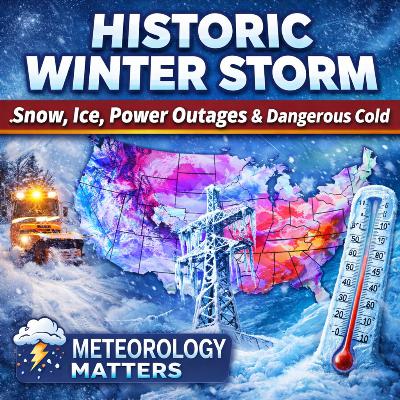
PODCAST TITLEHistoric Winter Storm Threatens Two-Thirds of the U.S.: Snow, Ice, Power Outages & Dangerous ColdPODCAST SUMMARY / DESCRIPTIONA massive and unusually widespread winter storm is unfolding across the eastern two-thirds of the United States, bringing heavy snow, crippling ice, and dangerously cold air to more than 200 million people. From the Deep South—where infrastructure is least prepared for ice storms—to the Midwest, Appalachians, Mid-Atlantic, and Northeast, this storm is expected to cause major travel disruptions, power outages, school closures, and prolonged recovery challenges. In this episode, we break down the most critical impacts, the highest-risk regions, and why this event stands out historically—occurring at the same time meteorologists from around the world gather for the American Meteorological Society’s annual meeting in Texas.PODCAST SHOW / SERIESMeteorology MattersEPISODE TYPEWeather Analysis / Breaking Weather EventLANGUAGEEnglishCONTENT RATINGGeneral / All AudiencesAUTHOR / HOSTRob JonesPUBLISHERMeteorology MattersPODCAST LOCATION (HOST LOCATION)Florida, United StatesPRIMARY EVENT LOCATIONS (GEOGRAPHIC FOCUS)United StatesDETAILED EVENT REGIONS (OPTIONAL FIELD)Deep South (Texas, Louisiana, Mississippi, Alabama, Tennessee),Midwest,Appalachians,Mid-Atlantic,Northeast,Southeast United StatesSEASON (OPTIONAL)Winter 2025–2026EPISODE TIMELINE / DATE RANGELate January 2026EPISODE NOTES (OPTIONAL RSS FIELD)This episode focuses on the societal impacts of a high-impact winter storm, including snow accumulation, ice accretion, power outages, road closures, aviation disruptions, and extreme cold risks, with special attention to regions unaccustomed to prolonged winter weather.WEBSITE / BRANDhttps://meteorologymatters.comCOPYRIGHT© 2026 Meteorology Matters
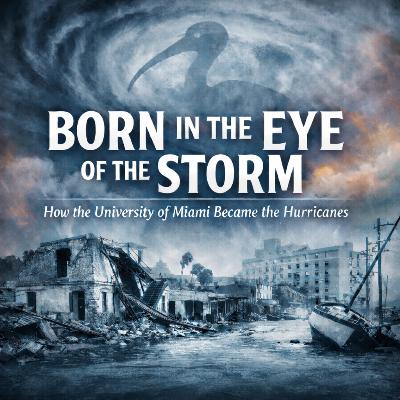
As the Miami Hurricanes prepare for the College Football National Championship on MLK Day 2026, their name traces back to the Great Miami Hurricane of 1926 — and a storm-born identity.As the Miami Hurricanes take the field in the College Football National Championship on Monday, January 19, 2026 (Martin Luther King Jr. Day), their name carries a deeper meaning than most fans realize.The University of Miami was founded in 1925 — just one year before the Great Miami Hurricane of 1926, one of the most destructive storms in U.S. history. That hurricane delayed the opening of the university, reshaped South Florida, and ultimately inspired the Hurricanes nickname itself.In this episode of Meteorology Matters, we explore how:• A catastrophic hurricane helped define the University of Miami’s identity• The ibis became a symbol of resilience and calm in the storm• Miami evolved into a global hub for hurricane forecasting and research• The National Hurricane Center, Weather Bureau, and NOAA became intertwined with UM history• The Rosenstiel School of Marine, Atmospheric, and Earth Science helped shape modern hurricane science• And why a strange historical reference calls the 1926 storm “Hurricane Kate” — a name that may never have officially existedThis is the story of a university, a city, a storm, and a mystery — told just as the Hurricanes chase a national title on the biggest stage in college football.As the college football national championship approaches on Monday, January 19, 2026 (Martin Luther King Jr. Day) in South Florida, it’s worth revisiting how deeply weather—and hurricanes in particular—are woven into the identity of the University of Miami.Founded in 1925, the University of Miami’s identity was shaped almost immediately by the Great Miami Hurricane of 1926. From the Hurricanes nickname to the ibis mascot and the university’s long-standing role in hurricane science and forecasting, weather has been part of UM’s DNA from the very beginning. #MiamiHurricanes#CollegeFootball#NationalChampionship#HurricaneHistory#MeteorologyMatters#GreatMiamiHurricane#SebastianTheIbis#WeatherPodcast#HurricaneScience#MLKDay00:00 Born in the Eye of the Storm01:42 The Great Miami Hurricane of 192605:10 How the Hurricanes Got Their Name08:24 Why the Ibis Became UM’s Mascot12:15 Miami’s Rise as a Hurricane Science Hub16:40 The National Hurricane Center & UM20:05 The Mystery of “Hurricane Kate”24:30 From Catastrophe to Championship27:10 Final Thoughts Ahead of MLK Day Kickoff
Fog is back and so are the claims.In Florida and across the southern U.S., people are reporting headaches, breathing issues, infections, and other illnesses during foggy weather, with some blaming “toxic fog,” chemical exposure, or government interference.So what’s really going on?In this episode, meteorologist Rob Jones explains what fog actually does to the human body, why symptoms like sinus pressure and headaches can occur, and why these fears resurface every winter — often lining up with flu season and stagnant air patterns.We separate science from speculation, break down what fog can and cannot do, and explain why social media keeps turning normal winter weather into a viral health scare.If you’ve ever wondered whether fog made you sick, this episode gives you real answers.00:00 Is the fog making people sick?02:10 Why fog is more common in winter05:15 What fog can do to your sinuses and airways08:50 Fog vs viruses and infections13:10 Why this myth comes back every year18:45 Final takeaway
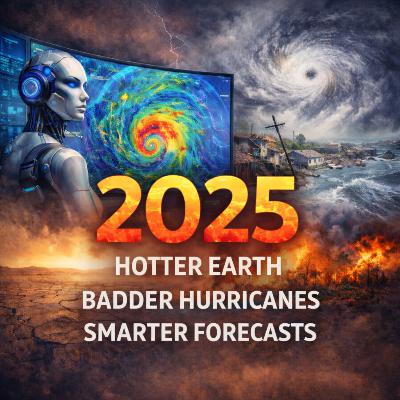
In 2025, weather forecasting reached a turning point—just as climate extremes pushed storms to new limits.ull description:In this episode of Meteorology Matters, meteorologist Rob Jones examines how 2025 became a defining year for weather forecasting and climate risk.🔍 This episode covers:How new AI-driven weather models dramatically improved forecast accuracyWhy Hurricane Melissa became a real-world test of next-generation forecastingHow record global heat is reshaping hurricane intensity and extreme weather riskSmarter forecasts are helping save lives—but they can’t stop climate change. Here’s what the data from 2025 tells us about where forecasting is heading next.🎧 Subscribe for clear, science-based weather and climate analysis.
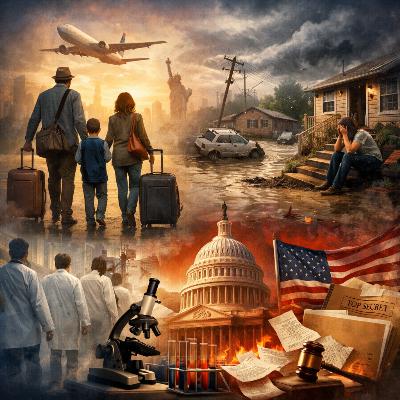
In 2025, weather risk in the United States became about more than storms—it exposed systemic failures in disaster response, science, and preparedness.Full description:In this episode of Meteorology Matters, meteorologist Rob Jones examines a troubling convergence shaping the United States in 2025—where climate risk, institutional breakdowns, and a growing loss of talent are colliding.🔍 This episode explores:Why scientists, professionals, and families are increasingly leaving the U.S.How disaster response failures are amplifying weather and climate riskWhat political and institutional pressure on science means for forecasting, preparedness, and public safetyFrom stalled disaster buyouts to the destabilization of America’s scientific workforce, this is a data-driven look at how weather risk extends far beyond the forecast.🎧 Subscribe for clear, science-based weather and climate analysis.

The Life and Legacy of Dr. Neil L. FrankDr. Neil L. Frank (1931-2025) was a transformative figure in meteorology, widely regarded as the nation's foremost authority on hurricanes. His career spanned two distinct, highly influential roles: first as the longest-serving director of the National Hurricane Center (NHC) from 1974 to 1987, and subsequently as the chief meteorologist for KHOU 11 in Houston from 1987 to 2008. Dr. Frank's primary legacy lies in revolutionizing hurricane risk communication, shifting the focus from mere forecasting to aggressive public education and preparedness. He pioneered the use of mass media to deliver clear, urgent, and life-saving information directly to the public, becoming the nationally recognized face of hurricane warnings, or "Mr. Hurricane," in the 1980s. His unwavering philosophy was to prioritize public safety above all, famously stating, "I'd rather be on the safe side," a principle that guided his extensive efforts in education, international coordination, and resilient operational leadership. His contributions are immortalized by the "Neil Frank Award," which recognizes excellence in hurricane preparedness and communication.--------------------------------------------------------------------------------Biographical OverviewEarly Life and Education• Birth and Upbringing: Neil LaVerne Frank was born on September 11, 1931, in Clayton, Kansas, in the heart of "tornado country." He was the grandson of German-American farmers who had migrated from Pennsylvania. His father was a farm machinery mechanic and his mother was a school teacher. He was raised in a strict environment where the family abstained from alcohol, smoking, and swearing.• Initial Ambitions: His early ambition was to become a basketball player and coach. At six feet tall, he enrolled at Southwestern College in Winfield, Kansas, to play basketball.• Shift to Science: A professor at Southwestern College persuaded him that studying chemistry would be "good insurance for the future," leading him to earn a bachelor's degree in the subject.Military Service and Advanced Studies• United States Air Force: After graduating from high school, Dr. Frank enlisted in the Air Force, where he was trained as a meteorologist. He was assigned to Okinawa to study typhoons.• Doctorate in Meteorology: Upon leaving the service in 1957, he pursued advanced studies at Florida State University, where he earned both a master's degree and a Ph.D. in tropical meteorology.Career Trajectory and Key RolesDr. Frank's professional life was defined by two major careers, first in public service with the National Weather Service and then in broadcast meteorology.PeriodRoleOrganizationPre-1957MeteorologistUnited States Air Force1961 - 1968MeteorologistNational Weather Service1968 - 1974Hurricane ForecasterNational Hurricane Center (NHC)1974 - 1987DirectorNational Hurricane Center (NHC)June 1987 - June 2008Chief MeteorologistKHOU 11 (Houston)As the longest-serving director in NHC history, Dr. Frank oversaw U.S. hurricane forecasting and warning operations through numerous high-impact seasons. He transformed the role from a purely scientific one to a public-facing mission focused on preparedness and saving lives.
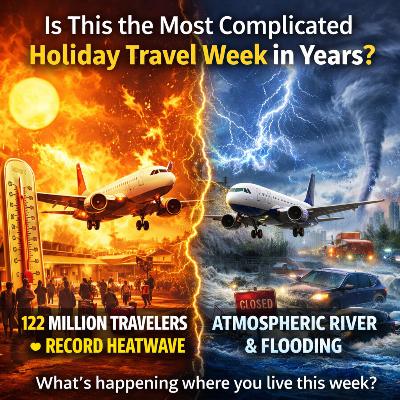
🎧 Whether you’re flying, driving, or staying put, this is the forecast you actually need.As the year comes to a close, millions of Americans are on the move—and the atmosphere is anything but cooperative.In this episode, we take a calm, science-based look at why the final week of 2025 is shaping up to be one of the most complex weather-and-travel periods in recent memory. More than 122 million people are traveling nationwide, including a record number of airline passengers, all while the country experiences sharp and unusual weather contrasts from coast to coast.Across the central and southern U.S., record-challenging warmth is unfolding during what’s typically the coldest time of year. Meanwhile, the West Coast faces a multi-day atmospheric river, bringing flooding concerns, mountain snow, and rare severe-weather threats in California.We also zoom out to place this week in context: • Why 2025 ranks among the warmest years on record • How a weakening La Niña is shaping current conditions • What the transition toward ENSO-neutral could mean heading into early 2026 • Where weather may disrupt travel—and where it likely won’tThis episode isn’t about hype or headlines. It’s about understanding what’s happening where you live, how it affects travel this week, and what patterns are worth watching next.
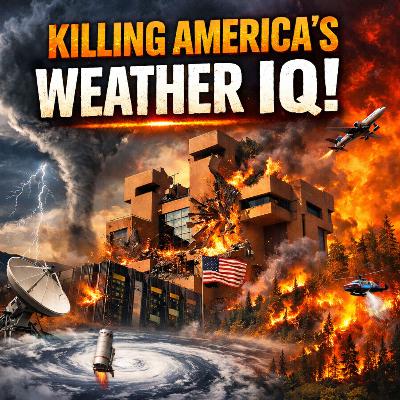
In December 2025, the Trump administration announced plans to dismantle the National Center for Atmospheric Research (NCAR), one of the world’s most critical institutions for weather, climate, and atmospheric science. The decision, revealed publicly without warning to NCAR leadership, was justified by the White House as an effort to eliminate what it called “climate alarmism.” But scientists, lawmakers, and observers across the political spectrum argue the move is far less about science—and far more about politics.NCAR, founded in 1960 and funded by the National Science Foundation, serves as the backbone of U.S. atmospheric research. It operates elite supercomputers, develops the world’s most widely used weather and climate models, pioneered lifesaving aviation wind-shear detection, revolutionized hurricane forecasting with GPS dropsondes, and provides real-time forecasting support for wildfire response and national defense. Thousands of researchers, universities, private companies, and federal agencies rely on its centralized resources—capabilities no single institution could replicate.The administration’s announcement immediately sparked alarm. Scientists warn that dismantling NCAR would set U.S. weather and climate research back by decades, degrading forecast accuracy for hurricanes, floods, tornadoes, wildfires, and extreme cold—at a time when climate-driven extremes are intensifying. Aviation safety systems, wildfire prediction tools, military forecasting operations, and global research collaborations would all be weakened. Economically, the loss would ripple through Colorado and beyond, damaging industries like insurance, aviation, and energy that depend on reliable forecasts.Beyond the official rhetoric, many believe the move is politically retaliatory. The decision came amid a highly publicized feud between President Trump and Colorado Governor Jared Polis over the imprisonment of former county election official Tina Peters. It also coincided with the cancellation of over $100 million in federal grants to Colorado. Colorado’s congressional delegation has openly called the NCAR action dangerous and punitive, framing it as an attempt to punish the state rather than reform science.The NCAR announcement fits into a broader pattern of actions undermining U.S. science: deep funding cuts to federal research agencies, mass departures of government scientists, removal of scientific data from public websites, and increasing pressure on universities to shift away from climate research. Graduate programs are shrinking, long-term projects are failing, and scientists describe a shift from advancing discovery to simply trying to preserve what still exists.The response has been swift and fierce. Hundreds protested in Boulder, joined by elected officials and researchers, emphasizing the irony that the announcement came during an extreme wind event when NCAR’s models were actively protecting lives. Colorado lawmakers are pursuing legislative and legal avenues to block the dismantling, while the scientific community has spoken with near-universal condemnation—warning that losing NCAR doesn’t just hurt science, it endangers public safety and national security.At its core, this is more than a budget fight or a political feud. It’s a reckoning over whether evidence-based science remains a pillar of American decision-making—or whether one of the nation’s most vital scientific institutions can be dismantled at the stroke of a political pen.
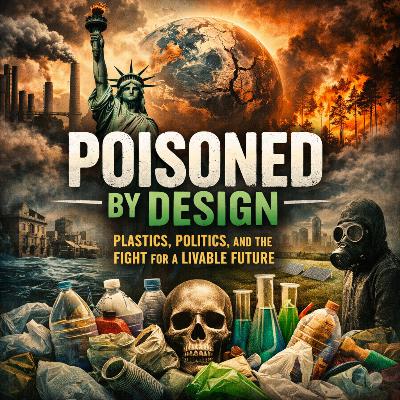
Environmental Health, Climate Policy, and Adaptation StrategiesThis document synthesizes findings from multiple sources on the interconnected crises of chemical pollution, climate change politicization, and proposed adaptation strategies. The most critical takeaways are:1. Pervasive Chemical Contamination: A study involving CNN reporters on three continents reveals that daily life results in exposure to a "cocktail of chemicals" from plastics, particularly phthalates and bisphenols. These substances, which leach from countless consumer products, are linked by a large body of scientific evidence to severe health consequences, including cancer, fertility problems, cardiovascular disease, and developmental disorders. This widespread, involuntary exposure represents a significant and under-recognized public health threat.2. Politicization and Policy Stalemate: The current partisan divide on climate policy in the United States has historical roots. The administration of George H.W. Bush, which began with a promise to be the "environmental president," represents a pivotal missed opportunity for bipartisan action. Influenced by corporate lobbyists and internal political maneuvering, the administration shifted from acknowledging the "greenhouse effect" to promoting scientific skepticism, culminating in a failure to lead at the 1992 Rio Earth Summit. This historical pivot laid the groundwork for decades of political inaction, a dynamic that continues with actions like the Trump administration's demand for the EU to reverse climate rules to facilitate fossil fuel imports.3. Individual and Community Adaptation: In response to systemic environmental challenges and perceived governmental inaction, there is a growing focus on individual and community-level solutions. Recommendations range from specific actions individuals can take to reduce their exposure to plastic-related chemicals, to broader lifestyle models. A commentary on West Virginia proposes distinct strategies for resilience, including self-sufficient country living, the development of modern, climate-resilient housing to attract new populations, and the formation of communal arrangements for mutual economic and social support.
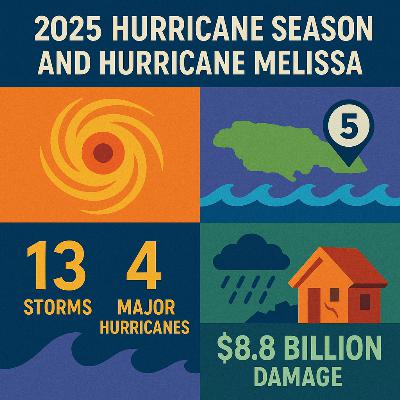
The 2025 Atlantic hurricane season was a "very unusual" and paradoxical period, marked by a record-breaking concentration of high-intensity storms alongside a complete absence of U.S. hurricane landfalls for the first time in a decade. The season produced 13 named storms, 5 hurricanes, and 4 major hurricanes, resulting in an Accumulated Cyclone Energy (ACE) index of 133, approximately 7-8% above average. An unprecedented 80% of the season's hurricanes intensified to major status (Category 3 or higher), a trend fueled by near-record warm Atlantic Ocean temperatures.Three storms—Erin, Humberto, and Melissa—achieved Category 5 strength, making 2025 only the second season on record with three or more such storms. The season's defining event was Hurricane Melissa, which devastated Jamaica, Cuba, and Haiti in late October. Melissa made landfall in Jamaica as one of the most intense Atlantic hurricanes ever recorded, with sustained winds of 185 mph and a central pressure of 892 mb. The storm's impact was catastrophic, causing nearly 100 fatalities and inflicting an estimated $8.8 billion in damage on Jamaica alone, equivalent to 41% of the nation's GDP.Key meteorological factors that shaped the season included a persistent trough of low pressure over the southeastern U.S. that steered storms away from the coast, and a rare Fujiwhara interaction between Hurricanes Humberto and Imelda that also prevented a potential U.S. landfall. The season also highlighted significant advancements in forecasting, with a new Google DeepMind AI model demonstrating unprecedented accuracy, outperforming conventional models for both storm track and intensity. Mid-season, operational readiness was a concern, as a potential U.S. government shutdown threatened to disrupt the functions of already-strained agencies like NOAA and FEMA.
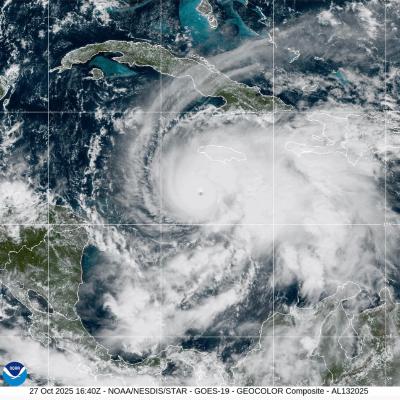
Hurricane Melissa, an extraordinarily powerful and historic Category 5 storm, poses a catastrophic and life-threatening threat to Jamaica and the wider Caribbean. As of October 27, 2025, Melissa is intensifying south of Jamaica with maximum sustained winds of 175 mph, making it the third Category 5 hurricane of a season for only the second time on record. The storm is forecast to make landfall on Jamaica's southwestern coast late Monday night or early Tuesday as a devastating major hurricane, bringing catastrophic winds capable of causing total structural failure, extreme rainfall totals up to 40 inches leading to widespread flash flooding and landslides, and a life-threatening storm surge of up to 13 feet. The Jamaican government has issued mandatory evacuation orders for vulnerable areas and closed all air and sea ports. Officials are urgently appealing to residents to heed warnings and move to safety, emphasizing that survival is the prerequisite for recovery. Following its passage over Jamaica, the storm is projected to strike eastern Cuba, the southeastern Bahamas, and the Turks and Caicos Islands as a significant hurricane.
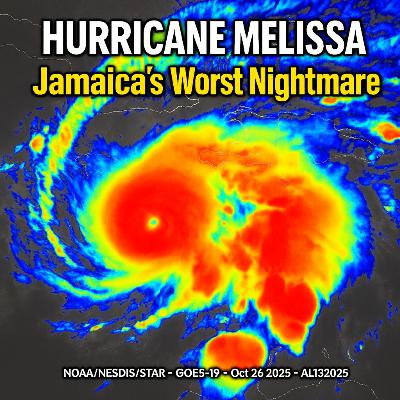
Hurricane Melissa is rewriting the rules of tropical cyclones — a monster Category 4 rapidly intensifying over record-hot waters, threatening to become Jamaica’s worst storm in modern history. In this episode, Meteorology Matters breaks down the science behind Melissa’s explosive growth, the atmospheric setup fueling her strength, and why this storm’s slow movement could bring days of catastrophic flooding, deadly winds, and storm surge reaching historic levels.We’ll also look at how Melissa compares to Hurricane Gilbert, what makes this event so dangerous for mountainous islands like Jamaica, and what forecasters fear most as it crawls toward Cuba and the Bahamas.This is not just another hurricane. This is a worst-case scenario unfolding in real time.Update based on 11 AM eastern daylight time update from the National Hurricane Center, Sunday October 26, 2025🔑 KeywordsHurricane Melissa, Jamaica hurricane, Category 5 storm, Hurricane Gilbert, Caribbean weather, tropical cyclone, climate crisis, extreme weather, Meteorology Matters

Comments

Download from Google Play

Download from App Store
 United States