


 Claim Ownership
DON'T WASTE I: CAPSULE TALKS
Subscribed: 0Played: 7
Subscribe

© Don't Waste I 2026
Description
CAPSULE TALKS I hosts honest, in-depth conversations with pioneers about work, pressure, doubt, discipline, and growth. Designers, founders, athletes, and cultural leaders reflect on the choices behind their careers. What shaped them, challenged them, almost broke them and how they kept moving forward.
No marketing machine. No growth agenda. Just conversations driven by curiosity and care.
Episodes appear without a schedule. Random encounters, intentional stories.
Hosted by Bastiaan van der Sluis.
Part of DON’T WASTE I — a platform for clarity, craft, and long-term performance.
Follow on Instagram, Apple Podcast, or Spotify to catch episodes when they surface.
38 Episodes
Reverse
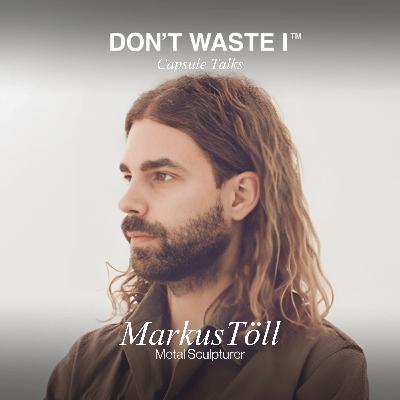
Markus Töll is the founder of SUPERSEDIA, a Vienna-based studio dedicated to the hand manufacture of seating objects. He grew up in his father's metalworking workshop in Bressanone, trained as a metalworker, and went on to study architecture at Vienna's Technical University. The practice brings structural rigour and craft intimacy together in chairs and objects that sit somewhere between furniture, sculpture, and small architecture. Since 2022, SUPERSEDIA has collaborated with Stone Island across more than 20 flagship stores worldwide, and was named in Wallpaper's Future Icons 2026. What if the most honest thing a chair can do is have no front, no back, no upside, and nothing to hide? Töll's practice is built on the constant dialogue between an idea and its immediate realisation. He works slowly, plans obsessively, and insists on making everything by hand, including, until recently, the screws. He sources materials exclusively from four traditional artisan workshops in Vienna. He chose a studio across the Danube so that no one passes by coincidentally. His furniture is reduced without being minimalistic. Made from true materials. Built to be inherited. In this episode, Markus speaks about growing up beside his father at the workbench, the physical and emotional cost of going fully independent, and what it means to build a practice on patience rather than urgency. We talk about Carlo Scarpa, the Stone Island collaboration that started with a Shanghai daybed he redesigned before they had even paid him, why he believes the handmade detail lives in the moment you stop, and what it means to work in silence every day toward something you are not yet ready to show.
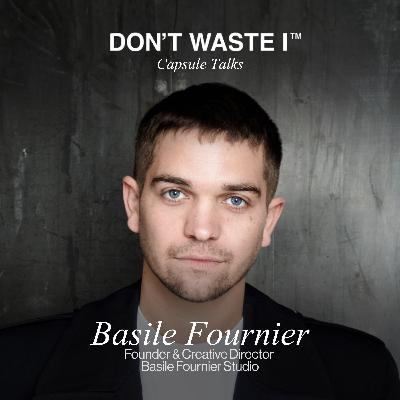
Basile Fournier is a French creative director and founder of Studio Basile Fournier, working across art, visual identity, digital environments, and spatial storytelling. His practice develops visual ecosystems for brands, institutions, and independent voices seeking clarity, including Balenciaga, Chanel, Marine Serre, and Off-White.What if design is not about style, but constructing a system that can evolve without losing meaning?Basile’s work is rooted in arts, structure, research, and iteration. From early explorations in graphic language to building flexible visual ecosystems for contemporary brands, his approach resists decoration and focuses instead on coherence over time. He speaks about independence, long-term thinking, and why a visual identity should behave more like architecture than advertising.In this episode, Basile reflects on building a studio without shortcuts, navigating doubt while protecting creative standards, and the tension between intuition and methodology. We discuss discipline, authorship, collaboration, and why visual culture today demands systems that can absorb complexity rather than fight it.
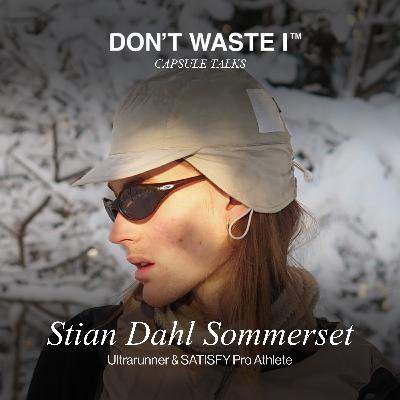
Stian Dahl Sommerset is a Norwegian ultrarunner, public servant, and Satisfy pro athlete, balancing life between long-distance endurance racing and working on environmental and infrastructure policy in Norway. Raised north of the Arctic Circle, his relationship with darkness, nature, and solitude has shaped how he approaches effort, ambition, and meaning. What does endurance reveal when winning is no longer the point? Stian’s path moves from football and law school into ultra-distance running, where effort stretches beyond performance and into psychology, community, and shared experience. He speaks openly about fear at the start line, the privilege of chosen suffering, and why motivation cannot survive on ambition alone. We talk about racing as a social act, why finishing together can matter more than finishing first, and how support systems carry athletes long before the race begins. Stian reflects on unlearning competitiveness, processing failure, running through darkness, and advocating for dark-sky preservation in a world that rarely slows down. This episode is about endurance as a way of relating to others, to nature, and to yourself — especially when the outcome is uncertain.
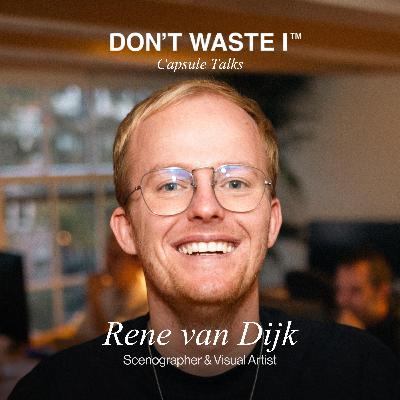
René van Dijk is the founder of Rene.Studio, and a scenographer and visual artist, working at the intersection of music, light, and large-scale live experience. Based in Amsterdam, he creates visual and lighting shows for electronic music artists and festivals, including Camelphat, Charlotte de Witte, Adriatique, and Tomorrowland, as well as for fashion brands like Louis Vuitton and Moncler — from intimate clubs to stages holding tens of thousands of people. What happens when learning takes place in real time — without the safety of pause, reset, or a second take? René’s path moves from a rural childhood in the north of the Netherlands, through gaming and early animation experiments, into Amsterdam’s nightlife — where projection, music, and space collided for the first time. Without formal mentors, he learned by doing, failing, and slowly earning responsibility. A personal breaking point led him away from commercial work and into months of solitude in the Himalayas, where stillness, walking, and self-observation reshaped his approach to creativity and ambition. In this episode, René speaks about intuition over planning, learning through mistakes, and why growth often arrives later than you expect — but stronger because of it. We talk about live decision-making under extreme pressure, trust within teams, losing clients to make space for better ones, and why beauty, emotion, and shared experience still matter in a world obsessed with optimisation and speed.
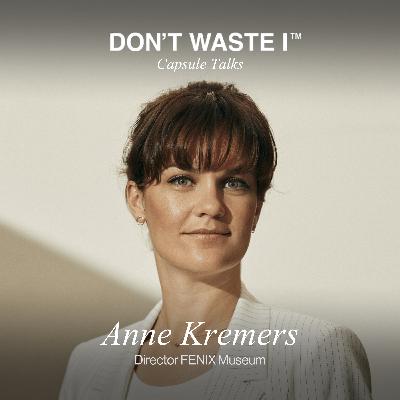
Anne Kremers is the director of FENIX, the new migration museum in Rotterdam. Her path began at 24 as the youngest museum director in the Netherlands, moved through years in Hong Kong, and eventually led her back to Rotterdam. Today she leads a museum unlike any other — combining contemporary art, public space, architecture, and personal stories into a single, living institution.What if building a museum teaches you more about yourself than about art and the museum itself?Anne’s story unfolds between two moments: months before FENIX opened, and months after the world finally walked through its doors. She speaks about leadership under pressure, the emotional layers of parenthood and grief, and why impatience can be both a weakness and a force for movement. She shares how Hong Kong taught her to listen, why humanity is inseparable from good management, and how a museum becomes real only when visitors step inside.Across both conversations, Anne reflects on ambition, doubt, resilience, and the responsibility of telling stories that belong to many. This is a portrait of someone building something unprecedented — while growing, learning, and recalibrating in real time.MORE INFOwww.fenix.nl
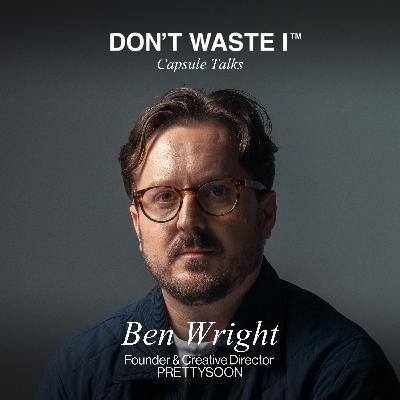
Ben Wright is the co-founder and creative director of Pretty Soon, working across brand, culture, music, and sport. His path moves from Perth’s tight-knit creative scene to New York’s intensity, to Kuala Lumpur, and by moments that opened doors, including collaborations with brands and people like Nike, Puma, Under Armour and ASAP Rocky. Today, he leads a studio built on instinct, clarity, and care for the people he works with. What if confidence isn’t something you arrive at, but something you rebuild, again and again, as life changes around you? Ben’s philosophy centres on emotional awareness, leadership, and creative responsibility. He believes good work emerges when you understand your limits, recognise the signs, and create from presence rather than fear. His approach is shaped by fatherhood, stretches of self-doubt, and the discipline of learning to trust his own judgement. In this episode, Ben talks about the weight of performance, the years he spent overworking, and the moment he realised ambition needed a new definition. We explore confidence, imposter syndrome, the pressure of raising a studio from scratch, and the quiet work behind rebuilding a creative identity. A conversation about resilience, emotional maturity, and the courage to lead with honesty.
Tim Hooijmans is a light designer, building custom pieces for brands like Stone Island, Off-White, and On Running and Antwerp restaurant The Jane, to name a few. His work is defined by honesty and manufacturing discipline. Not trends, not aesthetics, but light itself. From designing in a small Utrecht workspace to producing hundreds of bespoke fixtures for global flagships, he has built a practice rooted in values, independence, and extreme commitment to craft.What if the real work is not the lamp, but the person you have to become to make it?In this episode, Tim speaks openly about resilience, burnout, and the physical toll of caring so deeply about your craft. He explains why his process begins with light rather than objects, why he refuses to compromise on values, and why manufacturing is inseparable from design.Tim shares how boxing shaped his honesty, why becoming a father sharpened his time and focus, and why independence allows him to stay close to his values. A conversation about fear, self-belief, craft, and the courage to build the life you want, one lamp at a time.If this story resonates, please share it with someone you believe could benefit from it.And please rate the podcast so we can grow this platform.MORE ABOUT TIMwww: www.de-studio-standard.comIG: www.instagram.com/timhooijmans
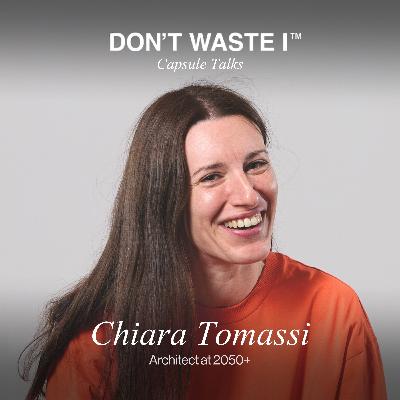
Chiara Tomassi is an architect and designer based between Milan and Rome. Her career spans some of Europe’s most ambitious cultural and fashion projects, from MVRDV, AL_A, and MCA Architects to the Victoria & Albert Museum, Russian Pavilion at the Venice Biennale, and Nike EMEA Campus. Today, at 2050+, she focuses on transformation over new construction, creating meaning through restraint, awareness, and time. What if balance isn’t found in doing more, but in learning to do less, with care and intention? Chiara’s story is one of rebuilding and redefining ambition. She shares how she learned to slow down, to stop proving herself to others, and to treat time as a material in itself, something to shape rather than chase. Her perspective turns architecture into a reflection of life: a discipline where awareness, empathy, and adaptability matter as much as vision. In this episode, Chiara speaks about the pressures of performance, the role of presence in design, and the art of finding rhythm between work and recovery. We talk about leaving cities, returning home, and the power of being gentle with yourself, your collaborators, and your process.
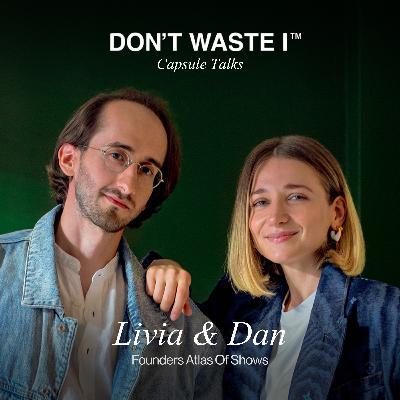
Atlas of Shows, founded by Livia and Dan, is a research-driven platform dedicated to the architecture and scenography of fashion shows. What began as a university thesis evolved into one of the most respected digital archives in fashion culture — followed by nearly 100,000 people and trusted by brands, institutions, and museums around the world.What if the future of fashion lies not on the runway, but in the stories behind it?In this episode, Livia and Dan share how Atlas of Shows grew from late-night drawings into an international voice for spatial design and cultural storytelling. They speak about rejection and resilience, the turning points that almost ended the project, and the night they decided to open an Instagram account that changed everything.We talk about validation, burnout, and partnership — as well as their collaboration with the Vitra Design Museum, their views on criticism and authenticity, and the importance of giving credit to the people behind the scenes. A story about belief, persistence, and the courage to turn curiosity into a career.Follow: www.instagram.com/atlasofshows
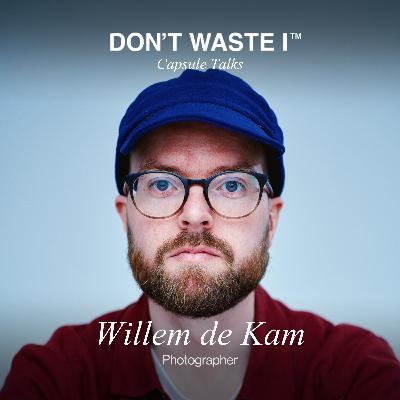
Willem de Kam is a Rotterdam-based photographer whose work captures the tension between order and chaos in everyday life — from commercial campaigns and city streets to football stadiums and social rituals. His lens focuses on the spaces where people express identity, belonging, and emotion, from the terraces of Feyenoord to the quiet intimacy of personal moments.What if photography isn’t about control, but about learning to see what’s already there?Willem’s path began in graphic design before he found freedom in photography. Over the years, his work has grown into a study of human behaviour: how we organise chaos, how we perform in public, and how emotion becomes identity.In this episode, Willem reflects on discipline, insecurity, and the balance between being a fan, an observer, and an artist. We talk about documenting football culture from the inside, the power of physical books in a digital world, and why empathy defines great photography.
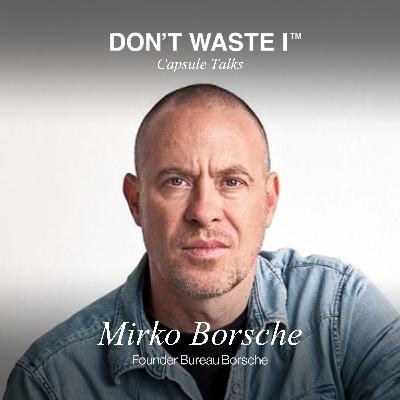
Mirko Borsche is the founder and creative director of Bureau Borsche, based in Munich. For over two decades he has shaped visual culture across editorial, fashion, sport, and art — from rebranding Inter Milan to designing for Supreme, Balenciaga, Nike, and Zeit Magazine. His path began in graffiti, moved through advertising, and grew into one of Europe’s most influential design practices. What if the beauty of design comes not from perfection — but from mistakes, accidents, and the courage to let go? Mirko’s philosophy is rooted in collaboration, experimentation, and trust. He believes creativity thrives when ideas are shared, when rules are learned only to be broken, and when teams are pushed by discipline as much as freedom. At Bureau Borsche this translates into a culture that is both strict and open: clear rules of work, constant exchange, and a belief that the strongest ideas survive by narrative, not hierarchy. In this episode, Mirko speaks about resilience, insecurity, and why he hates brainstorms. He reflects on his time in advertising, the impact of graffiti on his design mindset, and how trust — in his team, his family, and himself — keeps him moving forward. We talk about football culture, Inter Milan, Zeit Magazine, and why in the end, design is work — but also a way to stay hopeful about the world.
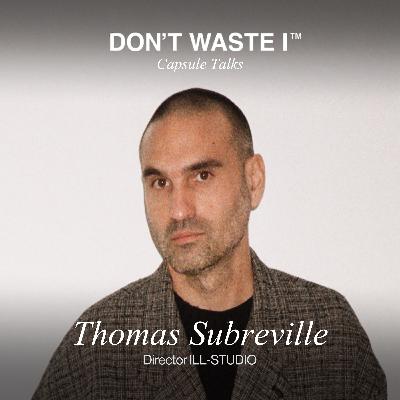
Thomas Subreville is director of ILL-STUDIO — a post-disciplinary practice operating between art, architecture, fashion, and cultural research. Based in Paris, Thomas has spent the last two decades conceptualising and creating projects that challenge perception and blur the boundaries between commercial and critical work. His collaborations span from Louis Vuitton, Nike, and Chanel to Mercedes-Benz, Graphpaper, and Colette, all infused with ILL-Studio’s signature mix of thought, fiction, and form.What if the most radical thing you can do is think for yourself?In this episode, Thomas speaks about the need to unlearn conventions, protect freedom, and structure chaos. He explains why creativity can’t exist without time, how skateboarding shaped his view of independence, and why work and play are part of the same system. We talk about rejecting traditional education, navigating ADHD, and redefining success not through deliverables but through perspective, trust, and cultural context.
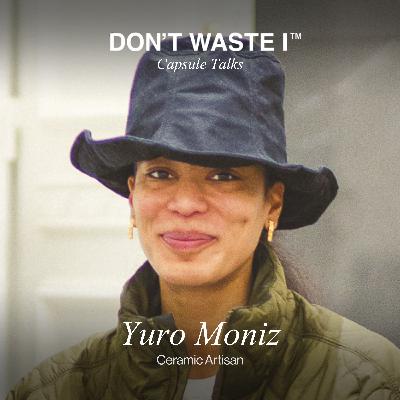
Yuro Moniz is a multidisciplinary maker and storyteller working between art, design, and culture. After years in fashion, photography, and film, she turned towards ceramics — searching for a tangible, human medium in an increasingly digital world. Her hand-built pieces, often monumental in scale, blend ancient techniques with contemporary emotion, becoming portraits of time, touch, and memory. What if the most human thing you can do is to build something that lasts? In this episode, Yuro speaks about transformation, burnout, and rediscovering purpose through clay. She shares how her years in Amsterdam’s creative scene shaped her, why she left the city and social media behind, and how learning from Korean masters redefined her sense of craft. We talk about making a 3.5-meter totem about freedom, balancing motherhood with creation, and how prayer, emotion, and persistence guided her through impossible deadlines. Yuro reflects on mentorship, legacy, and the role of beauty and imperfection in modern life — showing that true artistry is not about perfection, but about feeling, reflection, and the courage to slow down and touch the world again.
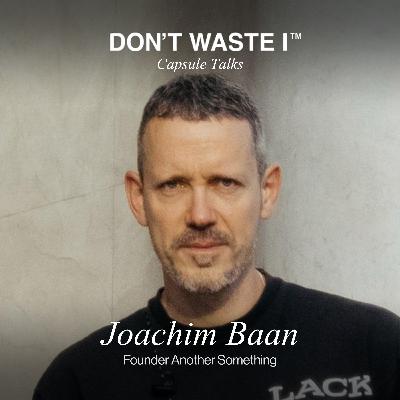
Joachim Baan is a creative director, photographer, and brand strategist based in Utrecht. Together with Christoph van Veghel, he leads Another Everything — a consultancy creating outstanding brands and cultural projects through strategy, design, and execution. His career has moved between independent studios, publishing, and global agencies, with collaborations for Nike, Rapha, KLM, Van Gogh Museum, Red Wing Shoes, Skins Cosmetics, and Atelier Munro. Always guided by controlled chaos and storytelling, Joachim has built an ecosystem that blends aesthetics, strategy, and cultural depth. What if the strongest brands — and lives — are built not on data, but on stories? In this episode, Joachim speaks about resisting hustle culture, balancing chaos with control, and why he believes sameness is killing creativity. He reflects on building brands with history, the struggle with consumerism, and the role of taste in predicting the future. We talk about his health challenges, his project Speed of Solitude, and how long-distance running taught him lessons no studio ever could. Above all, Joachim shows that creativity is not about perfection, but about curiosity, resilience, and the courage to make the world a little more beautiful.
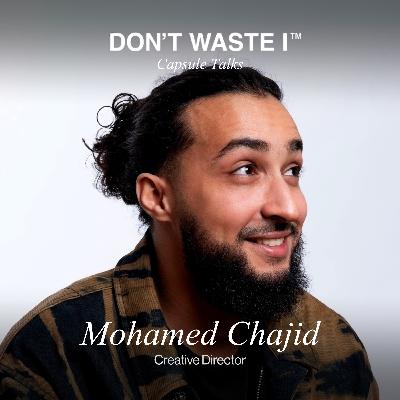
Mohamed Chajid is a Rotterdam-based creative director, designer and concept engineer whose practice spans 3D animation, fashion, branding, and cultural collaborations. At just 27, he has worked with Nike, New Balance, Disney, Drake, Donda and Virgil Abloh, while staying rooted in curiosity, experimentation, and a mission “dedicated towards creating.What if saying yes — again and again — is the fastest way to grow, learn, and create work that shapes culture and find your why along the way?In this episode, Mohamed shares his path from a philosophy-obsessed teenager sketching in notebooks, to discovering design through Apple, to building an international client list by posting 3D experiments online. He talks about the role of Virgil Abloh as a mentor-from-afar, learning business the hard way by charging money for global campaigns, and finding balance between speed, consistency, and frequency.We explore how he deals with imposter syndrome, the hidden value of underdog projects, and why his biggest ambition isn’t more logos or campaigns — but education, collaboration, and using creativity to shape systems that impact daily life.
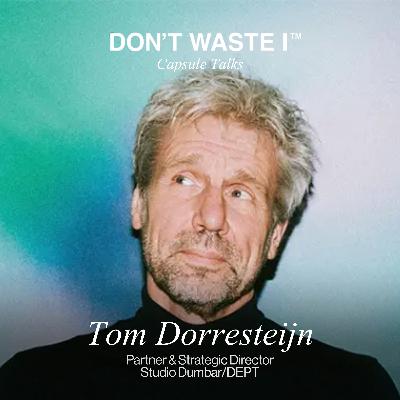
Tom Dorresteijn is Partner and Strategy Director at Studio Dunbar, part of the global DEPT network. His path has been anything but linear: from exploring the possibility of entering a conservatory, to studying and working in communications, to becoming the strategist of the design studio behind brands like OpenAI, Instagram and Spotify.What if the highest performance comes not from forcing — but from loosening up and daring to discover your true core?Tom’s philosophy is rooted in intuition and culture. He believes organisations reach their highest performance when individuals dare to discover their true core — not by forcing, but by loosening up, shedding appearances, and building from authenticity. At Studio Dunbar, this translates into a culture that is both tough and supportive: constant reviews, radical openness, and a demand for quality that pushes people to grow.In this episode, Tom speaks about his own journey and the lessons of working with clients, and the balance between empathy and professionalism. He explains why strategy is never about models or trends, but about reading people, culture, and context — and why without strategy, “life is what happens to you.” If you want to understand how one of the most respected design studios in the world thinks about growth, culture, and the future of branding, this is the episode to listen to.
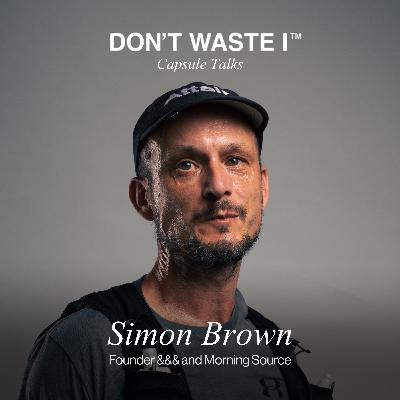
What if pressing pause on your studio was the most radical creative act you could make? For more than two decades, Simon Brown has worked at the intersection of design, publishing, and cultural production. Through his studio AND, he has shaped books, exhibitions, and collaborations that challenge how design is made and remembered—from Content with Rem Koolhaas to Figures of Speech with Virgil Abloh. His journey has never followed a straight line. At one point, Simon shut down his studio entirely and disappeared into six months of fishing—only to return with a sharper focus on ideas, resilience, and what it really means to be a cultural engine. He speaks candidly about failure, vulnerability, and the need to reframe success beyond awards or client lists. In this episode, Simon reflects on his creative evolution: how running and nature keep him grounded, why collaboration is a form of mentorship, and how saying “good morning” became an antidote to isolation. He shares his philosophy of selecting projects that shift culture—his own filter for what truly matters. If you’ve ever questioned whether ambition, failure, and resilience can coexist, this episode is your reminder that ideas live longer when they’re shared.
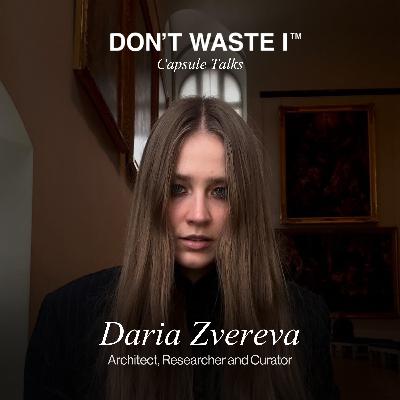
Daria Zvereva is a creative strategist, cultural connector, and architectural thinker currently working at AMO—the think tank of OMA—alongside Samir Bantal. Originally from Crimea, Daria fled her home twice—first during the 2014 occupation, and again in 2022 following the invasion of Ukraine. With no passport and no guarantees, she crossed borders by bus and train until she reached Rotterdam, where she joined OMA as an intern and carved her path into creative direction.In this episode, we trace her remarkable journey—from dancer and refugee to architect and curator. Daria shares what it means to choose freedom over safety, how hip-hop culture shaped her way of thinking, and why she believes architecture must evolve beyond buildings to serve as a vehicle for systems, curation, and radical imagination. We talk about mentors, identity, decision-making, and why the most powerful form of support is often learning to back yourself, even when you don’t like yourself yet.She reflects on working closely with Samir Bantal, the value of being a dot connector over a title holder, and how she helps others access resources to bring their creative visions to life. This isn’t just a story of resilience—it’s a manifesto for future-making, one bold, terrifying, and beautiful decision at a time.00:00 Introduction and Greetings00:21 Daria's Background and Name01:14 Career Journey and Challenges02:14 Life in Crimea and Moving to Moscow04:57 Architectural Career and Personal Growth07:59 Impact of War and Relocation to the Netherlands10:11 Starting Over in the Netherlands15:22 Personal Reflections and Self-Support20:01 Joy and Inspiration27:32 Authenticity and Future Potential29:45 Exploring the Concept of 'More'30:33 Personal Preferences and Self-Identification31:46 Responsibility and Societal Change32:59 Mentorship and Influences39:53 Career Evolution and Architecture42:00 The Role of Creative Directors46:00 Personal Branding vs. Universe Building47:54 Fashion as a Discipline49:46 Learning from Fashion Mentors58:44 Dreams and Aspirations
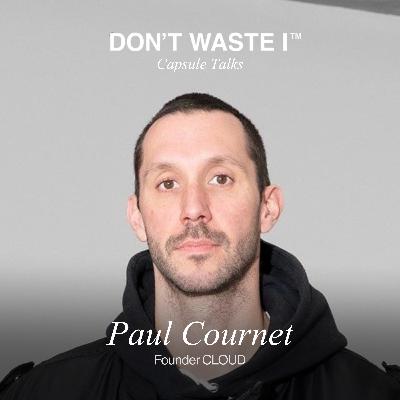
Paul Cournet is an architect, researcher, and founder of CLOUD, a multidisciplinary design studio based in Rotterdam, next to being the Deputy Editor of CAPSULE. After over a decade at Rem Koolhaas’s OMA, Paul chose a different path: one defined by community, autonomy, and cultural impact over scale or legacy.In this episode, Paul shares the journey from the early days of graffiti to building his own studio rooted in radical transparency, values-driven work, and trust. He reflects on walking away from a high-profile corporate role, the risks of independence, and how becoming a father reshaped his understanding of productivity, leadership, and time.He also shares his Cloud Manifesto—ten principles that guide him, including building community, not buildings, no unpaid competitions, and staying radical. We also discuss the impact of research, the politics in architecture, and how CLOUD is carving out a space that resists easy categorisation.This is more than a story of architectural practice—it’s about how to design systems for people, build spaces for dialogue, and let go of control to create something that lasts.
Inger Kammeraat is the Executive Director of ULI Netherlands and a strategic adviser on sustainability, equity, and leadership in the built environment. With a background in architecture and over five years as Managing Director at MVRDV—one of the most prominent architecture firms globally. But behind the titles is a deeper story.In this episode, Inger reflects on her journey from Mozambique to Uganda to managing a global architecture firm with over 350 employees. She shares what it means to lead with values, how to find clarity in transitions, and why trusting your gut can be the most strategic decision.We talk about how to build a culture with care, lead without ego, and why intuition is more strategic than we think. She also discusses the power of reflection and journaling and why she focuses on improving this world.This is a conversation for anyone at a crossroads—personally or professionally—seeking more honest leadership, social equity, and sustainable progress.Chapters:Starting the Day: Between Intuition and RoutineGrowing Up in Zeeland and Choosing Architecture Without a PlanEarly Fieldwork in the Bijlmer: Learning Through PeopleDiscovering That Organising, Not Designing, Was Her PathThe Power of Taking Responsibility Early in Your CareerFinding Energy in Building Processes, Not Just BuildingsFrom Working Student to Managing Director at MVRDVLeadership, Trust, and Letting Others GrowStaying Calm When Things Fall ApartMozambique: A Turning Point in Perspective and ResilienceThe Challenge of Leadership During the PandemicThe Compliment Notebook: Holding On to KindnessStaying True to Yourself in Fast-Paced EnvironmentsSustainability as a Lifestyle and ResponsibilityBeing a Human Being First, Always

Comments

Download from Google Play

Download from App Store
 United States