


Bookish Dives
Subscribed: 12Played: 259
Subscribe

© Diana E
Description
Bookish Dives is your go-to AI podcast for quick, insightful summaries of inspiring self-help books. We break down complex ideas into easy-to-digest bites, so you can apply them to your life right away. Whether you're looking to boost your productivity, improve your relationships, or simply find more peace, we've got you covered. Join us on a journey of personal growth, one bookish bit at a time.
188 Episodes
Reverse
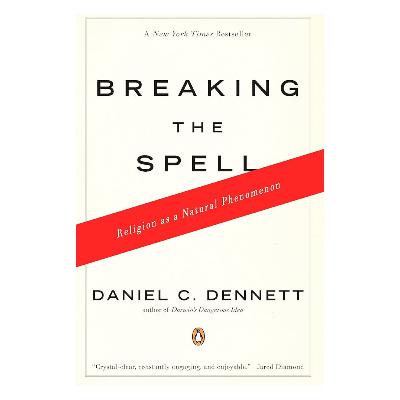
In Breaking the Spell, Daniel Dennett examines religion as a natural phenomenon that can be analyzed through the lens of evolutionary biology and scientific inquiry. He argues that religious ideas function as cultural replicators or memes, evolving over centuries to exploit human cognitive biases and social needs. The text encourages a rational assessment of faith's costs and benefits, suggesting that traditional taboos against scrutinizing religion must be set aside for the sake of global security and democracy. Dennett explores the transition from unconscious folk traditions to organized "stewardship," where "belief in belief" often supersedes the actual content of doctrines. Ultimately, the book serves as a call to action for a scientific study of religion to help humanity manage the powerful and sometimes toxic influence of sacred symbols in the modern world.
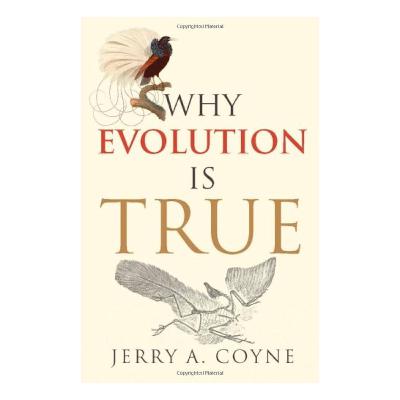
Jerry Coyne’s book establishes evolution as a scientific fact by examining diverse lines of evidence that support Darwin’s original theories. The author highlights the fossil record, specifically transitional forms like Tiktaalik and ancestral whales, to demonstrate how major groups of animals gradually diverged. Beyond fossils, the sources describe vestigial structures—such as the human appendix and flightless bird wings—and "dead" genes as genetic baggage that only makes sense through common ancestry. Coyne also uses island biogeography to show how the unique distribution of species across the globe confirms evolutionary predictions rather than divine creation. Furthermore, he explains natural selection as a non-random process that builds complex adaptations, such as the specialized anatomy of woodpeckers or the defensive behaviors of honeybees. Ultimately, the book argues that accepting our lowly origin and connection to all life provides a more profound and satisfying understanding of the natural world.
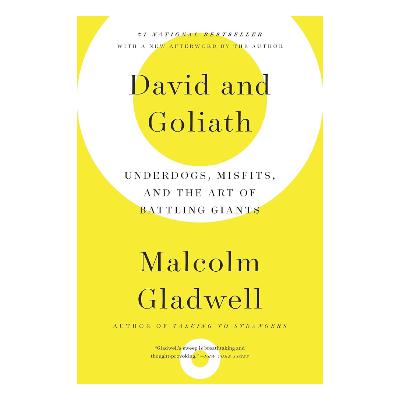
Malcolm Gladwell’s David and Goliath explores the counterintuitive idea that apparent weaknesses can often be transformed into significant advantages. Through various case studies, such as underdog sports teams and successful individuals with dyslexia, the book argues that struggle often fosters unique survival skills and creative problem-solving. It introduces the concept of "desirable difficulties," suggesting that facing early hardships like childhood loss or learning disorders can build resilience and courage. Furthermore, the book examines the "Big Fish–Little Pond" theory, illustrating how being a top performer in a less prestigious environment can be more beneficial than struggling in an elite setting. Finally, Gladwell explores the limitations of power, demonstrating how the overbearing use of authority can backfire and diminish institutional legitimacy.

MJ DeMarco’s philosophy challenges traditional financial advice by categorizing wealth strategies into three distinct "lanes": the Sidewalk, the Slowlane, and the Fastlane. While the Slowlane relies on decades of employment and compound interest, the Fastlane focuses on achieving rapid wealth through entrepreneurial systems that decouple income from time. Success in this lane requires a producer mindset, shifting focus from personal desires to solving market needs and pain points. By building scalable business assets—such as software, content, or distribution systems—individuals can experience "liquidation events" that provide total financial freedom. The text emphasizes that wealth is a process built on thousands of consistent choices rather than a singular lucky event. Ultimately, the author argues that true prosperity is found by taking full accountability for one's life and mastering the mathematics of scale.
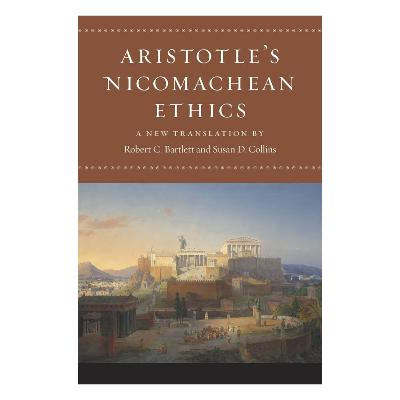
In this foundational work of moral philosophy, Aristotle investigates the nature of the human good and how it is achieved through virtue. He argues that the ultimate purpose of life is happiness, which is not a fleeting emotion but a consistent activity of the soul performed in accordance with reason. To reach this state, individuals must develop excellent character traits by finding a balance between extremes of behavior. The text examines specific moral virtues, such as bravery and temperance, while also emphasizing the importance of practical wisdom. Ultimately, the author suggests that living a virtuous life within a community is the most fulfilling path for a human being.
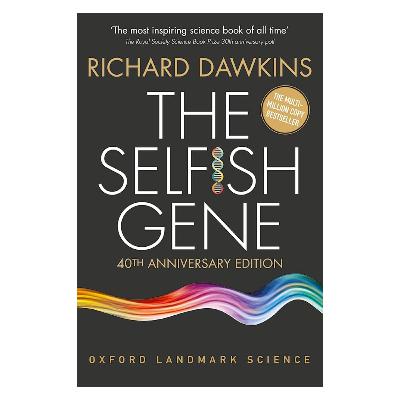
The Selfish Gene by Richard Dawkins explores the revolutionary idea that natural selection operates primarily at the level of the gene rather than the individual or species. He describes living organisms as survival machines or vehicles constructed by these enduring genetic replicators to ensure their continued existence across generations. This perspective helps explain the evolution of altruism and cooperation, suggesting such behaviors occur when they benefit copies of the same genes in other individuals. The book introduces game theory and the Evolutionarily Stable Strategy (ESS) to demonstrate how stable behavioral patterns emerge in nature without conscious intent. Additionally, Dawkins proposes the concept of memes, suggesting that cultural ideas spread and evolve through a process analogous to biological selection. Ultimately, the book clarifies that while our biological programming is inherently self-interested, humans possess the unique capacity to consciously rebel against their genetic dictates.
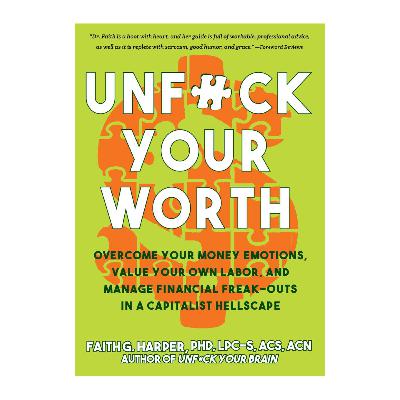
This book explores the profound connection between personal value and financial health, arguing that modern economic systems often trick people into equating their human worth with their bank accounts. The author examines how trauma and brain chemistry influence poor spending habits, creating a cycle of "financial PTSD" that makes traditional budgeting feel impossible. To combat this, the source offers psychological tools like the COAL method to replace self-judgment with curiosity while reframing budgeting as radical self-care. Beyond individual healing, the material critiques the toxic effects of wealth inequality and late-stage capitalism on mental well-being. Practical advice is provided on negotiating labor value, identifying predatory scams like MLMs, and utilizing community resources to decrease dependence on monetary exchange. Ultimately, the book encourages readers to decouple their identity from money to achieve a more stable and meaningful life.

In her book, Dr. Faith G. Harper explores the complex neuroscience and psychology of shame, distinguishing it from guilt by its deep biological ties to disgust and social rejection. The book argues that chronic shame often leads to trauma-induced dissociation, a state where the brain distances itself from reality to survive overwhelming distress. To address these wounds, Harper proposes a blend of modern research and ancient healing traditions, such as shadow work and soul retrieval, to reintegrate fragmented parts of the self. This process involves a structured four-step path featuring therapeutic deconstruction, personal ceremony, breathwork, and guided meditation. Ultimately, the book serves as a guide for individuals to move beyond conventional Western treatments by embracing self-compassion and authentic self-connection. It validates a wide range of traumatic experiences, from systemic oppression to domestic violence, as legitimate catalysts for these internal struggles.

This book introduces brain science as a tool for overcoming mental health struggles like anxiety, depression, and trauma. The author, Dr. Faith Harper, explains that most emotional issues are adaptive survival responses triggered by the brain's attempt to protect itself from a stressful environment. By understanding how the amygdala, prefrontal cortex, and brainstem interact, individuals can learn to retrain their neural pathways and move past "stuck" emotional cycles. The book emphasizes a holistic approach to healing, combining clinical knowledge with practical "do-it-yourself" strategies such as mindfulness, nutrition, and self-compassion. Ultimately, the book suggests that recovery is possible when we address the root causes of our distress rather than just managing the symptoms.
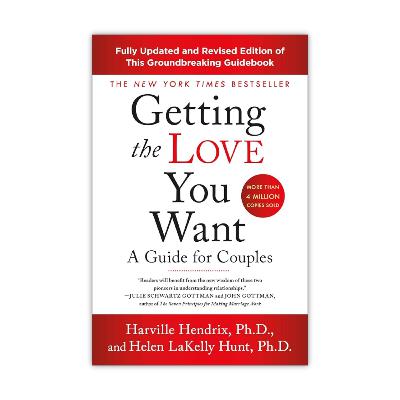
The book "Getting the Love You Want A Guide for Couples," outlines a comprehensive theory of intimate relationships, positing that unconscious drives originating in childhood dictate partner selection. This theory suggests individuals seek partners whose traits, both positive and negative, match an inner image, or imago, which is a composite of their primary caretakers. The ultimate, often unconscious, goal of this selection is to heal past childhood wounds; however, this frequently leads to the power struggle phase of marriage, where partners reinjure each other. To move beyond this conflict, the text introduces the concept of the conscious marriage, emphasizing behavioral exercises and structured communication, like the Couples Dialogue (including mirroring, validation, and empathy), as practical tools for mutual growth and healing, asserting that fidelity and commitment are essential for psychological resolution.
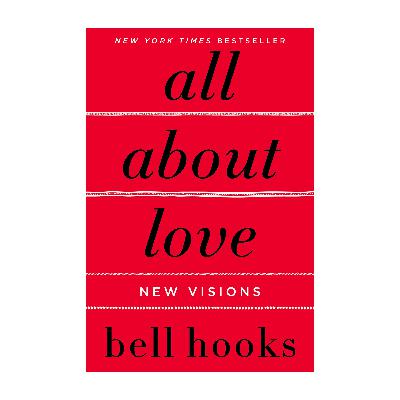
This book from bell hooks’ book, All About Love: New Visions, exploring the multifaceted nature of love within contemporary society. The author dedicates the work to her "most intimate listener," Anthony, and structures the book into chapters that examine concepts essential to love, such as clarity, justice, honesty, commitment, spirituality, and mutuality. Hooks critically discusses how patriarchy, sexism, and consumerism undermine genuine love, often by encouraging men to prioritize power over emotional connection and by perpetuating dysfunctional family patterns and a culture of dishonesty. Ultimately, the book emphasize that true love requires conscious commitment, truth-telling, self-acceptance, and a willingness to confront societal norms, suggesting that love is a redemptive force that transforms individuals and culture.

Glucose Revolution, by Jessie Inchauspe, known as the Glucose Goddess, which focuses on the science and effects of blood glucose (sugar) spikes on the human body. The author shares her personal journey, including a serious accident that prompted her interest in health and genetics, eventually leading her to study continuous glucose monitors (CGMs) and the impact of diet on glucose levels. The book emphasizes that flattening glucose curves is crucial for health, weight management, and reversing conditions like Type 2 diabetes and PCOS, citing testimonials from her online community. Key recommendations, referred to as "hacks," are introduced, such as eating food groups in a specific order—fiber first, then protein and fat, and carbohydrates last—and prioritizing savory, protein-rich breakfasts to avoid dramatic spikes and subsequent cravings. The author also argues that all calories are not equal and that focusing on molecule quality over calorie quantity and avoiding high-fructose foods are essential for improved metabolic health.
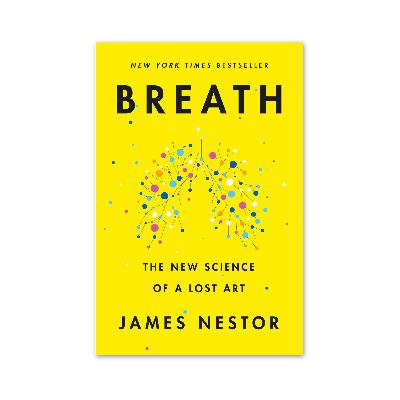
Breath: The New Science of a Lost ArtBook by James Nestor provides an extensive overview of the science and lost art of proper breathing, drawing heavily on the author's personal experiments and research. The central argument is that modern humans are chronic mouthbreathers due to diet-induced changes in facial structure, leading to numerous health problems like snoring, sleep apnea, and anxiety. The book advocates for nasal breathing as the optimal way to filter, warm, and moisten air, while also promoting techniques like slow and less frequent breathing and full exhalation to improve health, longevity, and athletic performance by balancing oxygen and carbon dioxide levels. Furthermore, it explores ancient breathing practices like Tummo and Sudarshan Kriya, and the importance of factors like chewing and correct oral posture in maintaining open airways.
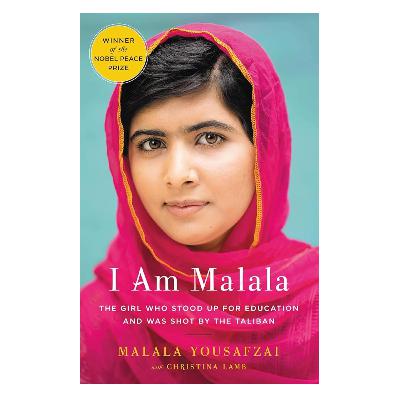
"I Am Malala" by Malala Yousafzai with Christina Lamb, detailing the author's life, political activism, and experiences in Pakistan. The book outlines Malala’s upbringing in the Swat Valley, her Pashtun culture with its strict social codes, and her family's dedication to education, particularly her father’s founding of the Khushal School. A major focus is the rise of the Taliban in Swat, including the influence of the "Radio Mullah," which led to the banning of girls' education and the subsequent destruction of schools. The book culminates in the attempted assassination of Malala on a school bus in 2012, her critical medical journey, and her commitment to campaigning for global education.
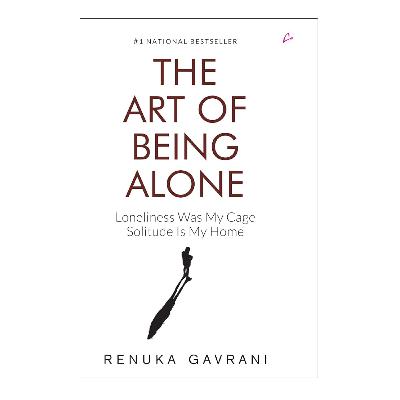
Renuka Gavrani's book, "The Art of Being ALONE Solitude Is My HOME, Loneliness Was My Cage," which offers a self-help perspective on distinguishing solitude from loneliness. The author argues that fear of being alone is learned from society, often rooted in the fear of being seen as a "weirdo" or a failure. The book encourages readers to become their own best friend by fostering self-acceptance and self-knowledge, moving past external validation and societal expectations of success. It details a multi-step plan for transforming alone time into a "growth period" by setting action goals, learning new skills, and developing multiple sources of joy, ultimately advocating for self-reliance and the romanticization of personal effort.

Alice Walker's novel, "The Color Purple," focuses on the epistolary narrative and dialogue of the main character, Celie, and her sister, Nettie. The book chronicles Celie's life, including her abusive relationship with her husband, Mr. ____ (Albert), her profound and intimate connection with the blues singer Shug Avery, and her growing independence through conversations and work like sewing pants. Simultaneously, the passages present Nettie's experiences as a missionary in Africa, detailing her discovery that her adopted children, Olivia and Adam, are actually Celie's children, and covering the challenges faced by the Olinka people under colonial rule, as well as her eventual marriage to Samuel. The conclusion of the book sees Celie and Nettie's joyful reunion in America, highlighting the bonds of family, both biological and chosen, and the characters' evolving spiritual and emotional lives.
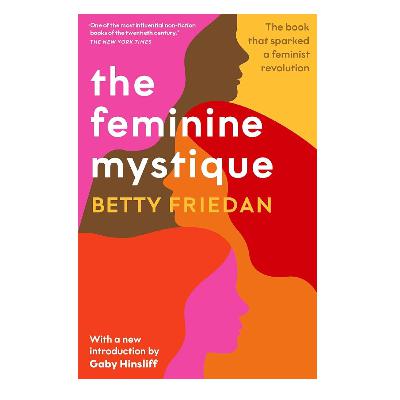
Betty Friedan's The Feminine Mystique offers a comprehensive critique of the societal expectations placed upon American women, particularly the glorification of the "housewife" role in the post-World War II era. Friedan argues that this "feminine mystique" trapped educated women in a state of unfulfillment and personal identity crisis, leading to widespread, yet unspoken, dissatisfaction referred to as "the problem that has no name." The book analyzes how Freudian theory, functionalist sociology, consumer culture, and sex-directed education reinforced this limited identity, often equating genuine female intellectual pursuit with "masculinization." Ultimately, Friedan champions a "new life plan for women," urging them to reject passive dependency, pursue serious commitment outside the home, and achieve full human potential through self-actualization and equal participation in the mainstream of society.
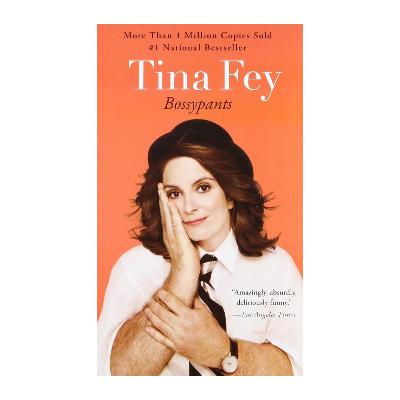
Tina Fey’s memoir, Bossypants, offers a candid and humorous look at her life and career. The book covers personal anecdotes about her childhood, body image issues, and relationships, often delivered with self-deprecating wit and observational humor. A significant portion of the book focuses on her professional experiences in comedy, detailing her time at The Second City, her rise as a writer and performer on Saturday Night Live (including the famous Sarah Palin impression), and the creation and production challenges of her show 30 Rock. The book also includes meta-commentary on fame and social issues, such as media scrutiny, the double standards for women in comedy, and the pressures of motherhood.
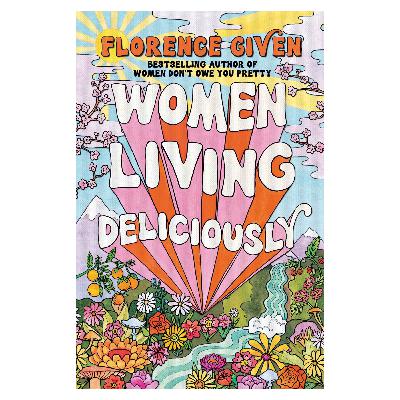
Florence Given's book, Women Living Deliciously, offers a powerful call for women to reject patriarchal conditioning and societal expectations, particularly the pressure for perfection and adherence to restrictive beauty standards. The author advocates for women to reclaim their agency and live authentically by intentionally designing a "delicious life" centered on personal values, joy, and self-respect. Key strategies explored include setting strong boundaries (using the word "NO"), building confidence through courageous action, and finding moments of presence and beauty—or "gaps"—in daily life to counter consumerism and the "monkey mind." Ultimately, the book encourages women to find inner wealth and self-acceptance, embracing their messy, imperfect selves as an act of feminist liberation and a source of contagious kindness.

The book, Good With Money: Reprogram your Spending Habits and Take Control of your Money, outline a guide for achieving financial freedom and confidence by addressing both external and internal factors influencing spending behavior. The author explains that the book is structured in five parts, moving from exploring societal pressures like diet culture, advertising, and social media consumption, to examining personal money beliefs and emotional spending patterns. A core focus is on teaching readers to develop a functional financial ecosystem through compartmentalization of money, saving, and active budgeting, thereby interrupting cycles of self-sabotage and instant gratification; ultimately, the goal is to redefine money as a resource for achieving life goals and building wealth.

Comments

Download from Google Play

Download from App Store
 United States