


 Claim Ownership
The Bull of Wall Street
Subscribed: 6Played: 236
Subscribe

© The Bull of Wall Street
Description
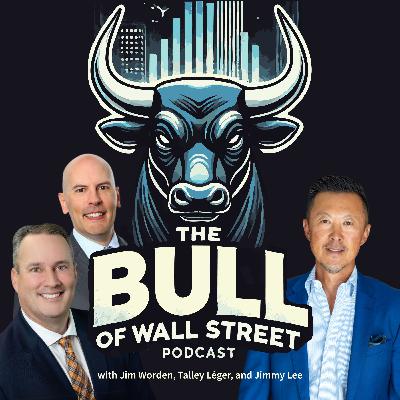
This podcast takes a unique approach in discussing various topics that are of interest to financial advisors and investors. The hosts Jimmy Lee, CEO, The Wealth Consulting Group (WCG), Jim Worden, CFA, CAIA, CMT, Chief Investment Officer (WCG), and Tally Léger, Chief Market Strategist (WCG) will have discussions that concern the markets, economy, strategies, financial planning, taxes, and life.
The information herein is for informational and entertainment purposes and intended for use by advisors only, and should not be copied, reproduced, or re-distributed without the consent of WCG.
The information herein is for informational and entertainment purposes and intended for use by advisors only, and should not be copied, reproduced, or re-distributed without the consent of WCG.
62 Episodes
Reverse
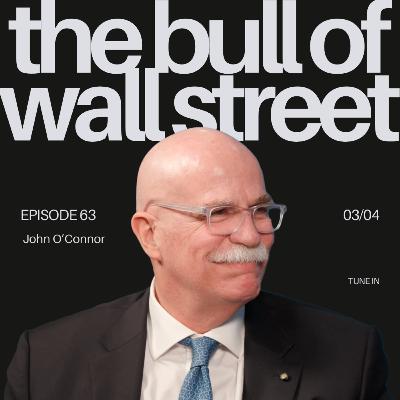
In this episode of The Bull of Wall Street, Jimmy Lee is joined by John O’Connor, CEO and Chairman of J.H. Whitney, along with Jim Worden and Talley Leger, for a timely discussion on geopolitics, national security, critical technologies, and the shifting economic framework shaping markets. John outlines how J.H. Whitney’s work with the U.S. government evolved from advising on strategic competition with China into a broader investing and analytics capability. He explains how the firm assesses critical technologies, supply chain dependencies, and geostrategic entanglement risk, and how that framework has informed both government work and investment strategy. The conversation then turns to current geopolitical developments, including Iran, China, energy security, industrial policy, tariffs, critical minerals, artificial intelligence, and the longer-term implications of reshoring U.S. manufacturing. John shares his perspective on how these issues intersect with inflation, interest rates, capital markets, and national power, while Jim and Talley explore what these shifts may mean for advisors, investors, and portfolio positioning. What You’ll LearnHow J.H. Whitney’s government advisory work evolved into an investing frameworkWhy critical technologies, trade, and capital markets are increasingly linkedHow John views the competitive position of the U.S. relative to ChinaHow current developments involving Iran may affect inflation, rates, and market volatilityWhy rare earths, critical materials, and processing capability matter beyond mining aloneHow AI and quantum may influence productivity, competitiveness, and national securityHow energy, defense spending, and industrial policy may shape the next phase of economic transition Chapters03:10 J.H. Whitney’s government advisory work and strategic competition with China07:55 Trade, technology, and capital markets as instruments of national power10:39 Why quantum may become more visible in the years ahead13:58 AI, automation, and U.S. industrial competitiveness17:13 The U.S. manufacturing renaissance and capital spending incentives19:47 A geopolitical framework for interpreting current events25:58 Iran, energy security, inflation, and rate implications30:16 Follow-up on Iran and possible paths forward34:29 Energy, defense spending, and the idea of a peace dividend40:07 AI adoption, software, and the practical impact on productivity55:58 Productivity measurement and the economic impact of AI01:02:15 Fiscal balance, government efficiency, and structural pressures GuestsJohn O’Connor, CEO and Chairman, J.H. Whitney SpeakersJimmy Lee, Chief Executive Officer and Financial Advisor, The Wealth Consulting GroupJim Worden, Chief Investment Officer, The Wealth Consulting GroupTalley Leger, Chief Market Strategist, The Wealth Consulting Group Follow usLinkedIn: The Wealth Consulting GroupX (Twitter): @WealthCGYouTube: @thewealthconsultinggroup Making Life Better at The Wealth Consulting Group If you’re ready to see how WCG helps advisors grow, subscribe for insights, updates, and resources built to make your practice, and your life, better.Subscribe at bit.ly/wealthcg
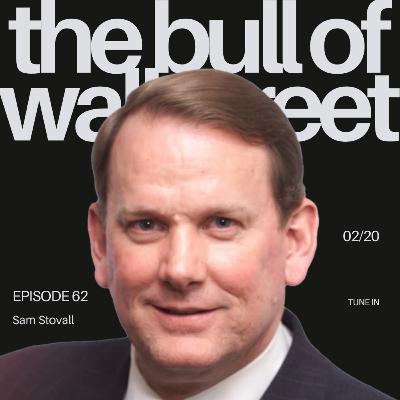
In this episode of The Bull of Wall Street, Jim Worden, CFA®, CMT®, CAIA welcomes Sam Stovall, Chief Investment Strategist at CFRA, for a wide-ranging discussion grounded in market history, sector rotation, earnings trends, and investor behavior. Sam reflects on his decades in the investment industry, including his time at Standard and Poor’s and CFRA, and shares how studying history has shaped his approach to markets. He explains why he thinks human emotion remains the most consistent driver of market behavior, despite changes in technology, access to information, and market structure. The conversation explores sector rotation, valuation dynamics, midterm election year patterns, earnings trends, and the evolution of market participation through ETFs. Sam also addresses artificial intelligence, demographic shifts, investor sentiment, and the importance of financial literacy. Throughout the discussion, Sam emphasizes discipline, perspective, and a long-term mindset, while acknowledging that markets can be volatile and outcomes are never guaranteed. What You’ll LearnWhy Sam thinks human emotion remains a primary market driver across decadesWhat historical midterm election year data has shown about volatility and returnsHow earnings expectations are managed and why beat rates remain highWhy valuations may appear elevated and how market structure has evolvedHow AI-related earnings growth compares to prior technology cyclesWhy diversification across growth and defensive sectors may reduce volatilityHow pullbacks and corrections have historically resolved over timeThe importance of financial literacy and investor discipline Chapters03:32 Market history and what has remained consistent over time06:03 Human emotion as the constant market driver11:22 Sector rotation and valuation considerations13:31 Midterm election year historical patterns16:16 Technology valuations and software repricing19:05 ETFs, retail participation, and market structure20:55 Precious metals, silver, and dollar dynamics25:17 Risk adjusted returns and diversification examples28:13 Volatility, fear versus greed, and market corrections32:35 Earnings trends and forward expectations37:14 AI growth projections and semiconductor earnings45:16 Historical drawdowns and systematic reinvestment approaches GuestsSam Stovall, Chief Investment Strategist, CFRA SpeakersJim Worden, CFA®, CMT®, CAIA, Chief Investment Officer, The Wealth Consulting Group Follow usLinkedIn: The Wealth Consulting GroupX (Twitter): @WealthCGYouTube: @thewealthconsultinggroup Making Life Better at The Wealth Consulting Group If you’re ready to see how WCG helps advisors grow, subscribe for insights, updates, and resources built to make your practice, and your life, better.Subscribe at bit.ly/wealthcg
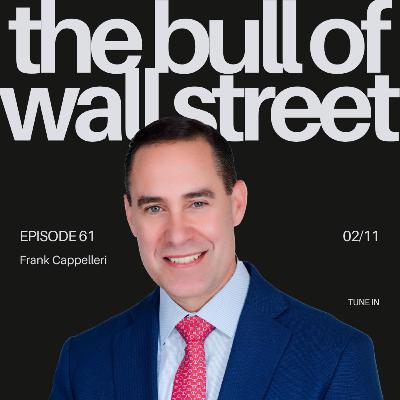
In this episode of The Bull of Wall Street, Talley Leger and Jim Worden are joined by Frank Cappelleri, founder of CappThesis, for a technical-analysis focused discussion centered on chart patterns, trend identification, and practical risk management. Frank shares his background, including early experience alongside technical analysis pioneers and later work with institutional trading desks. He describes how his process emphasizes classical chart patterns, relative strength, and an effort to reduce bias by focusing on what price action is doing rather than what a symbol or narrative “should” do. The conversation also covers how Frank thinks about market environments, why certain indicators may work better in some periods than others, and how he thinks advisors and active investors can approach position sizing and stop discipline in more volatile conditions. What You’ll LearnHow Frank’s approach uses classical chart patterns as the foundation for trend analysisWhy frank believes relative strength and “what is working” can matter more than narrativesHow Frank frames risk first, including stop discipline and position sizingWhy “time corrections” and “price corrections” can look different in practiceWhat Frank looks for before acting on potential reversals in silver and bitcoinWhy indicators can behave differently depending on the market environmentHow advisors can use technical frameworks as a way to organize risk discussions Chapters02:10 The origin of CappThesis and what differentiates Frank’s approach03:35 Early influences, industry group relative strength, and “riding what works”07:02 Trend following, classical patterns, and how uptrends often build over time08:50 Changes in how technical analysis is perceived and used today11:22 Why risk management and price discipline are central to the process13:00 Stop discipline, volatility adjustments, and position sizing considerations14:23 S&P 500 discussion, zones, and the role of market leadership16:16 Consolidations, “time corrections,” and the psychology of ranges20:20 Trading boxes, support and resistance, and different ways to visualize structure23:42 Software versus semiconductors divergence and what it may imply28:30 Long-term relative support and why timeframe context can matter41:05 Silver uptrends, moving averages, and what to watch in a pullback47:20 Bitcoin patterns, retracements, and correlation observations50:26 Base-building versus early entry and how Frank approaches patience55:01 Market structure considerations and why large flows can influence moves58:43 ETFs, options, and how short-term dynamics can impact price action GuestFrank Cappelleri, Founder, CappThesis SpeakersTalley Leger, Chief Market Strategist, The Wealth Consulting GroupJim Worden, CFA, CMT, CAIA, Chief Investment Officer, The Wealth Consulting Group Follow usLinkedIn: The Wealth Consulting GroupX (Twitter): @WealthCGYouTube: @thewealthconsultinggroup The Bull of Wall Street features advisor-focused conversations intended to support professional learning and thoughtful discussion. Subscribe for additional episodes and updates. Subscribe at bit.ly/wealthcgMaking Life Better at The Wealth Consulting Group
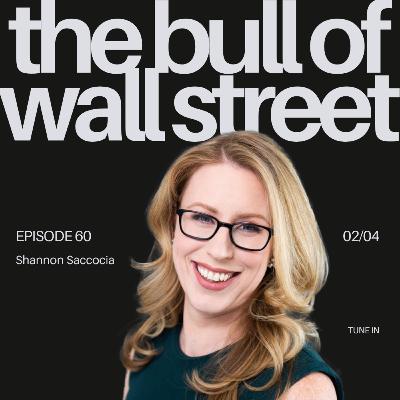
In Episode 60 of The Bull of Wall Street, Jim Worden sits down with Shannon Saccocia, Chief Investment Officer for Wealth at Neuberger Berman, for a thoughtful discussion on how portfolio construction has evolved alongside innovation, expanded access to private markets, and shifting market conditions.Shannon reflects on her professional journey from early roles in banking and registered investment advisory firms to her current leadership role at Neuberger Berman. She discusses how institutional investment frameworks have increasingly influenced private client portfolios and why understanding risk, liquidity, and investor experience remains critical as access to new strategies expands. Throughout the conversation, Jim and Shannon explore topics including diversification beyond concentrated equity exposure, considerations within fixed income and private credit, and how advisors can help clients interpret an increasingly complex investment landscape. The discussion concludes with a broader look at long-term structural forces such as demographics and technological change, emphasizing the ongoing role of advisors in providing context and perspective rather than predictions. What you'll learnHow institutional portfolio frameworks have influenced private client investingWhy expanded access to private markets increases the need for education and due diligenceConsiderations around equity concentration and diversificationHow fixed income and private credit can be evaluated within broader portfolio constructionWhy long-term trends such as demographics and innovation matter for planning discussionsThe evolving role of advisors in helping clients interpret information and risk Chapters02:43 Evolution of private client portfolio construction04:27 Access to private markets and investor education05:08 Considerations when incorporating private investments07:06 Client education in an information-rich environment08:49 Similarities between public and private investments12:36 Portfolio diversification considerations beyond concentrated equity exposure15:38 Fixed income positioning and portfolio considerations19:20 Private credit structures and due diligence25:13 International diversification and currency considerations27:40 Discussion on equity market dispersion and innovation35:19 Long-term demographic and structural considerations41:50 Portfolio construction as an ongoing process43:12 The continuing role of advisors GuestsShannon Saccocia, Chief Investment Officer for Wealth, Neuberger Berman SpeakersJim Worden, Chief Investment Officer, The Wealth Consulting Group Follow usLinkedIn: The Wealth Consulting GroupX (Twitter): @WealthCGYouTube: @thewealthconsultinggroup Making Life Better at The Wealth Consulting GroupThe Bull of Wall Street is part of WCG’s ongoing effort to provide thoughtful conversations and perspectives for financial professionals. Subscribe for updates, insights, and discussions focused on supporting advisors and their clients as markets and practices evolve. Subscribe at bit.ly/wealthcg
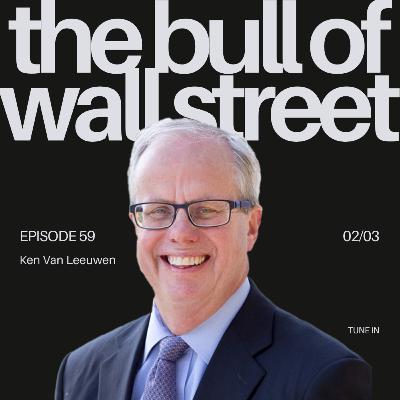
In this advisor-to-advisor conversation, Jimmy Lee sits down with Ken Van Leeuwen, Managing Director of Van Leeuwen & Company, to unpack what it really takes to build a durable, high-touch wealth management practice over decades. What you'll learnKen shares how comprehensive planning became the foundation of his business, why he intentionally charges for advice, and how language, positioning, and a team-based client experience can elevate both client outcomes and practice sustainability. The episode also covers organic growth through client advocacy, mentorship, and how Ken approached succession planning after a personal wake-up call. Finally, Ken offers a practical view of where AI fits in an advisory firm: efficiency, not replacing the human relationship. Why Ken built his practice around paid planning (and why he avoids calling it “financial planning”)How EOS (Entrepreneurial Operating System) shaped his team structure and executionThe value of having two advisors in client meetings and how it supports continuityWhy words matter in client communicationHow Ken drives growth through client advocacy and referrals using Voice of the ClientThe real catalyst that pushed him to formalize succession planningWhere AI can help advisory firms immediately: notes, workflows, admin, and speed to service Chapters01:00 Ken’s journey into advice and why he went independent04:40 Team structure, EOS, and building a scalable practice08:40 Charging for planning and “Building Your Life Vision”14:50 Why every client gets two advisors in meetings20:00 The power of language and positioning in advice24:40 Organic growth: referrals, Pareto, and Voice of the Client33:20 Why corporate executives became the ideal client profile40:10 Succession planning and the wake-up call that changed everything45:40 Lessons Ken would tell his younger self55:20 AI in advisory firms Guest: Ken Van Leeuwen, Managing Director, Van Leeuwen & Company Host: Jimmy Lee, Chief Executive Officer & Financial Advisor, WCG Follow usLinkedIn: The Wealth Consulting GroupX (Twitter): @WealthCGYouTube: @thewealthconsultinggroup Making Life Better at The Wealth Consulting Group If you’re ready to see how WCG helps advisors grow, subscribe for insights, updates, and resources built to make your practice—and your life—better.Subscribe at bit.ly/wealthcg
In this episode of The Bull of Wall Street, Talley Léger welcomes a longtime colleague and market veteran, Jared Dillian, editor of The Daily Dirt Nap, founder of Armington Capital, and an author of seven books. Jared and Talley reconnect through shared Lehman-era market scars and use that lens to talk about what investors consistently miss before major dislocations—leverage, liquidity, and confidence, and why those risks may be building quietly in private credit and private equity today. From there, the conversation shifts into the advisor playbook: how to think about risk management when markets are calm, why the Fed follows the “path of least embarrassment,” how advisors can use sentiment without becoming day traders, and why diversification across asset classes is still the most underutilized edge in wealth management. What you’ll learn• The warning signs investors tend to miss before major crises—and why leverage is the real accelerant• Why Jared’s top concern isn’t mega-cap concentration, it’s private markets leverage• How to approach risk management when markets are calm: “buy protection when you can, not when you have to”• The Fed’s true incentive structure, and why it’s often behind the curve• How advisors can use sentiment and positioning without turning into short-term traders• Why US-only “diversification” isn’t diversification—and how to build a real multi-asset portfolio• The behavioral mistake that shows up in every bull market: chasing what just worked• Why the best advisors need courage to do something different (even when it’s unpopular) Chapters 01:10 – Dirtcon vs. DJ’ing Omnia: which was better (and why)03:05 – Jared’s subscriber base and what Dirtcon has become03:45 – Lessons from Lehman and market crises: what people always miss06:45 – Concentration risk vs. real systemic risk08:10 – What drives crises: leverage, liquidity, and confidence09:10 – Jared’s portfolio positioning: international, EM, commodities11:40 – Where leverage is building now: private credit / private equity13:20 – Markets at all-time highs: risk management when things feel easy14:00 – “Buy protection when you can, not when you have to” (pandemic puts story)15:20 – The biggest misconception about the Fed16:00 – “The Fed follows the path of least embarrassment”18:20 – 2022: when 60/40 broke and there was nowhere to hide19:00 – Is the Fed data dependent or political?21:15 – Does monetary policy still have signal?23:00 – How advisors can use sentiment without becoming day traders24:10 – Jared’s Edward Jones story: advisors chasing fear and greed28:00 – Bull markets: chasing, unrealistic expectations, and mean reversion risk30:20 – Valuations: useful long-term, not a short-term timing tool31:55 – Why US-only portfolios are dangerously narrow33:45 – Fear vs. greed: what’s most dangerous now37:10 – Forecasting vs. diversification (and Jared’s new book)40:20 – Jared’s 7th book: The Awesome Portfolio41:00 – Market narratives: analysis vs. storytelling (what actually sells)47:50 – Smart brevity and cutting through research noise49:50 – Closing advice: courage, “do no harm,” and protecting client wealth52:10 – Where to follow Jared + subscriber discount GuestJared Dillian, Editor, The Daily Dirt Nap, Founder & Principal, Armington CapitalAuthor (7 books), including upcoming The Awesome Portfolio HostTalley Léger, Chief Market Strategist, WCG Follow usLinkedIn: The Wealth Consulting GroupX (Twitter): @WealthCGYouTube: @thewealthconsultinggroup Making Life Better at The Wealth Consulting Group If you’re ready to see how WCG helps advisors grow, subscribe for insights, updates, and resources built to make your practice, and your life, better.Subscribe at bit.ly/wealthcg
In this episode of The Bull of Wall Street, Jim Worden is joined by co-host Talley Leger and guest Scott Helfstein, Global Head of Investments at Global X. Scott brings a rare blend of experience across the Federal Reserve, investment banking, academia (West Point), and national security research, then connects the dots to what matters most for markets in 2026. The conversation moves from geopolitical strategy (including Greenland’s renewed relevance) to the Roaring 2020s framework, and ultimately into the investable reality of AI: not just “information,” but automation—where technology starts making decisions and taking actions, not just delivering insights. Scott also breaks down what thematic investing actually means, why margins may be structurally higher than history suggests, and where “economic broadening” is already happening beyond the mega-cap leaders. What you’ll learn• Why U.S. interest in Greenland has historical precedent—and modern strategic logic• How Scott frames 2026 through a “Roaring 20s” lens (and what to watch for)• The shift from the Information Age to the Automation Age—and why it matters• Why profit margins may not mean-revert the way many expect• What “thematic investing” is (and what it isn’t) for advisor portfolios• Where Scott sees economic broadening even if market breadth remains narrow• Practical ways advisors can use technology to scale trust without replacing it Chapters01:30 – Scott’s career path: Fed → banking → PhD → West Point → Wall Street → thematics04:15 – War studies, geopolitics, and Scott why Scott says it matters for markets05:20 – Greenland: the historical context and strategic rationale10:15 – Rare earths, Arctic lanes, and the national security lens11:15 – 2026 outlook: revisiting the “Roaring 20s” framework13:20 – Innovation cycles then vs. now: what rhymes with the 1920s16:15 – AI: what’s next (agentic AI, robotics, physical-world automation)20:35 – What is thematic investing, really?24:30 – Secular themes Scott’s watching: AI ecosystem, defense tech, infrastructure31:10 – Advisors and margins: scaling trust with technology35:55 – The K-shaped economy, rates, and what the Fed is missing41:10 – Creative destruction: jobs, opportunity, and the AI ecosystem buildout48:10 – “Circular investment” concerns: why this isn’t 2008 or dot-com53:10 – Scott’s contrarian view: economic broadening beyond mega-cap tech GuestScott Helfstein, Global Head of Investments, Global X HostsJim Worden, Chief Investment Officer, WCGTalley Leger, Chief Market Strategist, WCG Follow usLinkedIn: The Wealth Consulting GroupX (Twitter): @WealthCGYouTube: @thewealthconsultinggroup Making Life Better at The Wealth Consulting Group If you’re ready to see how WCG helps advisors grow, subscribe for insights, updates, and resources built to make your practice—and your life—better.Subscribe at bit.ly/wealthcg
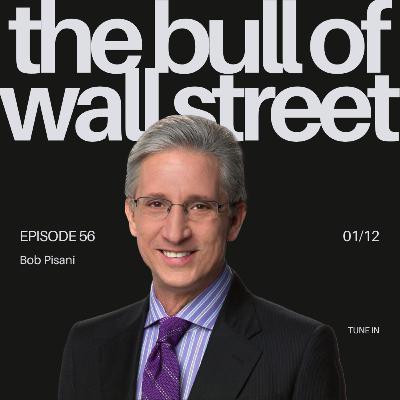
In this episode of The Bull of Wall Street, Jimmy Lee, Jim Worden and Talley Leger are joined by Bob Pisani, legendary CNBC Stocks Correspondent, for a wide-ranging and deeply reflective conversation on markets, media, and investor behavior. Drawing on more than three decades reporting from the floor of the New York Stock Exchange, Bob shares what he’s learned about forecasting, behavioral bias, media influence, and why most investors, professionals included, consistently make the same mistakes. From his formative relationship with Jack Bogle to his conviction in low-cost indexing, Bob offers timeless lessons that cut through market noise and short-term thinking. This episode is less about predictions and more about perspective. The kind only earned by watching markets, people, and cycles repeat themselves for 35 years. What you’ll learn• Why forecasting market returns is far harder and less useful than most investors believe• The most common behavioral mistakes investors make, even with perfect information• How media coverage shapes investor behavior (for better and worse)• Why Bob Pisani became a long-term, low-cost index investor• How advisors can help clients ignore noise and stay disciplinedChapters01:20 – Bob’s unconventional path to CNBC05:00 – The early days of CNBC and the rise of market media08:00 – Trust, reporting, and life on the NYSE floor14:00 – Jack Bogle’s influence and the case for indexing17:30 – Why stock picking and forecasting fail over time21:00 – Media, momentum, and recency bias24:30 – Behavioral finance and why humans struggle to predict the future29:00 – Market valuations, expectations, and long-term planning33:00 – Advice for advisors navigating signal vs. noise37:00 – Staying invested, managing risk, and playing the long game GuestBob Pisani, CNBC Stocks Correspondent (Ret.), and Author of Shut Up and Keep Talking HostsJimmy Lee, Chief Executive Officer, WCG,Jim Worden, Chief Investment Officer, WCGTally Lager, Chief Market Strategist, WCG Follow usLinkedIn: The Wealth Consulting GroupX (Twitter): @WealthCGYouTube: @thewealthconsultinggroup Making Life Better at The Wealth Consulting GroupIf you’re ready to see how WCG helps advisors grow, subscribe for insights, updates, and resources built to make your practice—and your life—better.Subscribe at bit.ly/wealthcg
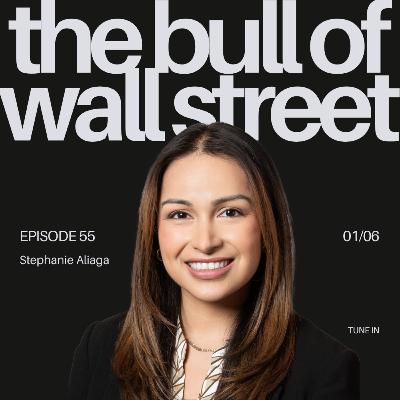
In this episode of The Bull of Wall Street, Jim Worden sits down with Stephanie Aliaga, Global Market Strategist at J.P. Morgan, to kick off 2026 with a clear-eyed view of where the global economy and markets stand, and where the real risks and opportunities may lie. Stephanie shares J.P. Morgan’s latest thinking on U.S. growth, inflation, interest rates, global divergence, and the key forces shaping asset allocation decisions in the year ahead. From soft-landing probabilities to policy risk, earnings durability, and investor positioning, this conversation cuts through the noise and focuses on what actually matters for advisors navigating client portfolios in 2026. What you’ll learn:• How J.P. Morgan is positioning for economic growth and market returns in 2026• Why the U.S. remains resilient, and where cracks could still form• The biggest risks investors may be underestimating this year• How global divergence is shaping equity and fixed income opportunities• What advisors should be watching as policy, rates, and earnings intersect Chapters:02:30 – J.P. Morgan’s baseline outlook for the U.S. economy06:45 – Growth, inflation, and the soft-landing debate11:40 – Interest rates, policy expectations, and market reactions17:20 – Global divergence: where opportunities and risks differ23:10 – Equity markets, earnings durability, and valuation context29:00 – Key risks that could disrupt the 2026 outlook34:30 – What advisors should focus on in client portfolios this year39:15 – Final thoughts on navigating markets in 2026 Guest:Stephanie Aliaga, Global Market Strategist, J.P. Morgan Host:Jim Worden, Chief Investment Officer, WCG Follow us:LinkedIn: The Wealth Consulting GroupX (Twitter): @WealthCGYouTube: @thewealthconsultinggroup Making Life Better at The Wealth Consulting Group If you’re ready to see how WCG helps advisors grow, subscribe for insights, updates, and resources built to make your practice and your life better.Subscribe at bit.ly/wealthcg
In this episode, Phillip "Felipe" Toews, author of The Behavioral Portfolio and a long-time advocate for risk-aware investing, joins Jim Worden and Paisley Nardini for a deep, historically grounded conversation on why conventional portfolio construction often fails investors when it matters most. Drawing on decades of market history, Phillip explains how long-duration bear markets, not short-term volatility, create the greatest behavioral and financial risk for investors and advisors alike. From the Great Depression to multi-decade bond bear markets, Phillip challenges recency bias, questions the foundations of the 60/40 portfolio, and outlines why advisors must think like chief risk officers first. The discussion explores behavioral finance, portfolio design, hedged equity strategies, adaptive fixed income, and why proactive communication, not reactive reassurance is critical to long-term client success. What you’ll learn• Why the 60/40 portfolio is a historical accident not a true design framework• How long-duration bear markets reshape investor behavior and decision-making• Why recency bias causes advisors and clients to underestimate real risk• How rebalancing can increase drawdowns in severe market regimes• What “left-tail risk” really means for real-world portfolios• Why advisors must proactively discuss worst-case scenarios before they happen• How hedged equity strategies can preserve upside while limiting catastrophic loss• Why behavioral risk often matters more than market risk Chapters03:00 — Phillip's journey: from Kansas to asset management and risk mitigation08:00 — Why investor timing destroys returns, even in good strategies13:00 — The Great Depression, bond bear markets, and what history really shows19:00 — Why the 60/40 portfolio fails during long-duration drawdowns25:00 — Rebalancing myths and behavioral breakdowns in severe markets31:00 — Rethinking portfolio design: cutting the left tail without killing upside37:00 — Hedged equity, adaptive fixed income, and managing uncertainty43:00 — Why advisors must act as chief risk officers49:00 — Communicating risk before markets fall, not afterGuestPhillip "Filipe" Toews, Founder & CEO, Toews Asset Management and Author of The Behavioral Portfolio HostsJim Worden, Chief Investment Officer, WCGPaisley Nardini, Portfolio Manager, Simplify Follow usLinkedIn: The Wealth Consulting GroupX (Twitter): @WealthCGYouTube: @thewealthconsultinggroup Making Life Better at The Wealth Consulting GroupIf you’re ready to see how WCG helps advisors grow, subscribe for insights, updates, and resources built to make your practice, and your life better.Subscribe at bit.ly/wealthcg
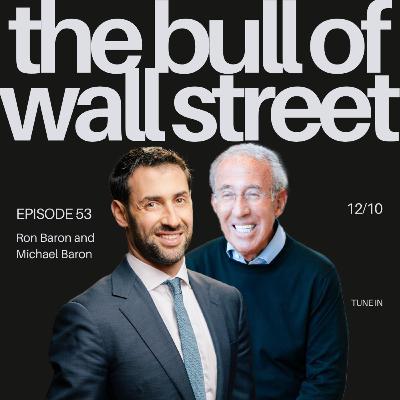
#53 – Baron Capital Founder and CEO Ron Baron and Co-President and Portfolio Manager Michael Baron on Long-Term Ownership, Conviction Investing, and Why Great Wealth Is Built by Owning Businesses In this episode, Ron Baron, Founder and CEO of Baron Capital, and Michael Baron, Co-President and Portfolio Manager, join The Bull of Wall Street for a wide-ranging conversation on generational wealth, conviction investing, and why true long-term success comes from owning great businesses rather than trading headlines. Ron reflects on the personal experiences that shaped his philosophy, the discipline required to hold through volatility, and what he calls the true test of friendship in investing. The discussion also explores Baron Capital’s expansion into ETFs and how advisors can think about structure, implementation, and long-term portfolio construction in a rapidly changing market environment.What you’ll learn:Why Ron Baron believes generational wealth is created by owning businesses, not buying and selling stocksHow conviction is built through deep research and first-principles thinkingLessons from holding investments through severe drawdownsWhat the Elon Musk and X investment revealed about risk, patience, and partnershipHow Baron Capital is translating its philosophy into ETF structuresWhy active management still matters in transformational technology cyclesHow advisors can frame volatility with clients through a business-owner mindsetChapters03:00 – From $100M to over $50B: the long road of ownership05:30 – Why selling great companies too early taught Ron that wealth is built by holding.08:30 – Michael’s perspective on growing into the process and building durable belief.10:45 – What it means to stand by an investment when sentiment turns sharply negative.16:30 – Why ETFs, why now24:30 – Why transformational tech is not a bubble and why selectivity still matters.32:30 – First principles and holding through volatility40:00 – Why owning growing businesses remains the best defense against uncertainty. GuestRon Baron – Founder, CEO, and Portfolio Manager, Baron CapitalMichael Baron – Co-President and Portfolio Manager, Baron Capital HostsJim Worden – Chief Investment Officer, WCGTalley Leger – Chief Market Strategist, WCG
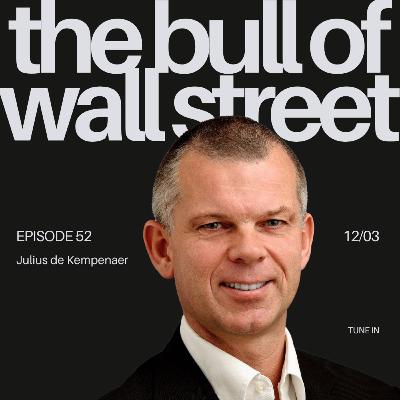
In this episode, Julius de Kempenaer, creator of Relative Rotation Graphs (RRG®), CMT charterholder, and one of the most influential technical minds in modern market analysis joins Jim Worden and Talley Leger for a deep dive into how professional investors spot rotation, manage risk, and visualize market leadership before it shows up in price. Julius shares the origin story behind RRG, why institutions rely on it globally, and how advisors can use rotation analysis to improve portfolio construction, timing, and client communication. From sector rotation to asset-class mapping to avoiding the “doghouse quadrant,” Julius breaks down the tools and signals that he thinks matter most in today’s market. What you’ll learn• How Julius invented Relative Rotation Graphs and why they changed market analysis• Why RRG captures true leadership changes better than traditional relative strength charts• How to read momentum, tail length, heading, and quadrant shifts with confidence• When a rotation may be an early warning signal vs. noise• Why tech dominance can distort traditional sector narratives• How to use RRG for equities, fixed income, currencies, crypto, and asset allocation• How advisors can use RRG visuals to simplify complex portfolio conversations Chapters:02:00 — Julius’ unexpected path: Dutch Air Force captain to fund manager to technical pioneer07:00 — How RRG was born: the Bloomberg debut and the Excel “aha moment”12:00 — Sector rotation today: tech strength, defensive improvement, and warning signs17:00 — How to interpret tail length, heading, and quadrant transitions22:00 — Lagging → improving vs. leading → weakening: what matters most27:00 — Using RRG for multi-asset portfolios, yield curve analysis, and crypto32:00 — Benchmark selection: why picking the wrong benchmark breaks your analysis38:00 — How advisors can use RRG to communicate positioning and risk44:00 — The future of rotation analysis and why momentum still works Guest:Julius de Kempenaer, CMT and Creator of Relative Rotation Graphs (RRG®) Hosts:Talley Leger, Chief Market Strategist, WCGJim Worden, Chief Investment Officer, WCG Follow us LinkedIn: The Wealth Consulting GroupX (Twitter): @WealthCGYouTube: @thewealthconsultinggroup Making Life Better at The Wealth Consulting Group If you’re ready to see how WCG helps advisors grow, subscribe for insights, updates, and resources built to make your practice and your life, better.Subscribe at bit.ly/wealthcg
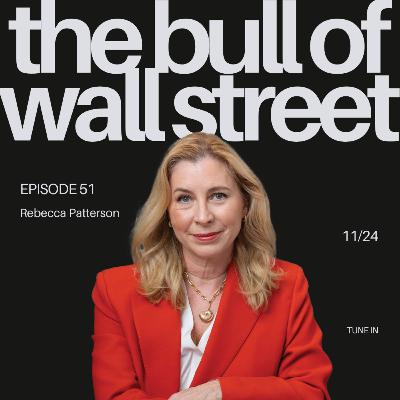
In this episode, Rebecca Patterson, Senior Fellow at the Council on Foreign Relations and former Chief Investment Strategist at Bridgewater Associates, and Former Chief Investment Officer at Bessemer Trust, joins Jim Worden and Talley Leger to break down one of the most complicated macro environments of our careers. Rebecca explains why the U.S. economy resembles a “Jenga tower”, still standing, still rising, but increasingly unstable. She discusses the widening divide between large and small businesses, the uneven health of U.S. consumers, the risk implications of delayed tariffs, and why global policy uncertainty could matter even more than Fed cuts in 2025. She also dives into the dollar, gold, the future of immigration and demographics, and what AI-driven productivity might mean for long-term growth.What you’ll learnWhy Rebecca compares today’s economy to a “Jenga tower” with fewer supportsThe biggest risks to the 2025 outlook, including AI disappointment, Fed missteps, and wealthy consumer fatigueWhy small businesses are weakening more than large companies and why it mattersHow global fiscal challenges (“the Fragile Four”) could reshape currency dynamicsWhy the dollar’s next move may be lower despite global turbulenceHow AI, demographics, geopolitics, and climate will shape the next decadeWhat investors miss when they oversimplify tariffs and global trade flowsWhy diversification, not concentration, is the most important discipline heading into 2025Chapters02:00 — How Rebecca went from aspiring astronaut to journalist to global macro strategist07:30 — The “Jenga tower economy”: strong on top, fragile underneath12:00 — AI CapEx, wealthy consumer resilience, and what surprised markets in 202417:30 — What could cause the tower to wobble: labor trends, confidence, and policy volatility23:00 — Tariffs, USMCA, and how global supply chains really work28:00 — Dollar dynamics, the “Fragile Four,” and central bank gold buying34:00 — Bitcoin, tech, and whether crypto selloffs can trigger equity contagion41:00 — How macro frameworks evolve—and what doesn’t change46:00 — Long-term themes: tech, demographics, geopolitics, and climate51:00 — What investors should do now: diversify and avoid the panic tradeGuest: Rebecca Patterson - Senior Fellow, Council on Foreign RelationsHosts: Talley Leger, Chief Market Strategist, WCG and Jim Worden, Chief Investment Officer, WCG Follow usLinkedIn: https://www.linkedin.com/company/the-wealth-consulting-groupX (Twitter): @WealthCGYouTube: @thewealthconsultinggroupMaking Life Better at The Wealth Consulting GroupIf you’re ready to see how WCG helps advisors grow, subscribe for insights, updates, and resources that make your practice, and your life better.Subscribe: bit.ly/wealthcg
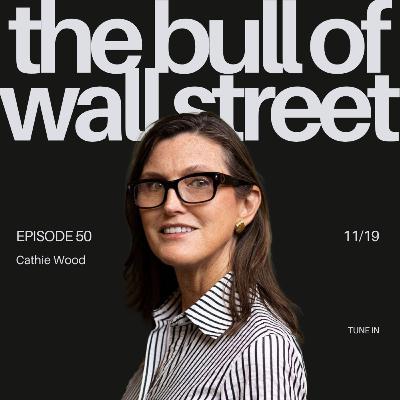
In this episode, Cathie Wood, CEO and founder of ARK Investment Management joins The Bull of Wall Street to explain why today’s innovation cycle is very different from the late-1990s tech bubble. She breaks down why the reality of technologies like AI, robotics, energy storage, multi-omics, and blockchain is here now, even as investors remain scarred by past manias. Cathie also dives into enterprise AI, Palantir’s role in transforming organizations, how ARK navigates drawdowns by concentrating into highest-conviction names, and what the world could look like in 10 years with autonomous vehicles, humanoid robots, and a fully financialized digital world. What you’ll learn:Why the late-1990s tech bubble “came too early” and why this time the tech is actually readyHow AWS, deep learning, and transformer models set the stage for today’s AI waveWhy Cathie believes we’re closer to “1995 than 2000” in the AI adoption cycleHow enterprise AI (and Palantir’s ontology layer) may disrupt traditional consulting and SaaSHow ARK responds when innovation stocks sell off: concentration, scoring, and thesis riskWhich incumbents are most vulnerable to disruption in software, banking, transportation, and healthcareHow AI, digital assets, and quantum computing intersect — and what that means for BitcoinCathie’s 10-year vision: robotaxis, air taxis, Mars robots, healthspan breakthroughs, and a bigger digital economy Chapters: 01:07 – Cathie’s journey: from AllianceBernstein to ARK and the seeds of today’s tech04:35 – Why this isn’t the 1990s all over again: costs, readiness, and investor scar tissue07:04 – AI in the real world: consumer adoption, enterprise bottlenecks & Palantir’s ontology13:11 – Navigating drawdowns: ARK’s scoring system, high-conviction names, and crypto exposure17:35 – Managing critics, staying focused on original research, and being a hedge to value traps21:25 – Disruption ahead: SaaS, banks, rails, pharma/biotech, and the shift from “sick care” to healthcare25:46 – Digital assets, quantum risk, and why AI may invest more capital than quantum (for now)28:45 – Cathie’s 10-year outlook: autonomy everywhere, space infrastructure, humanoid robots & the future of work Guest: Cathie Wood, CEO & Founder, ARK Investment ManagementHosts: Jimmy Lee (CEO & Founder, WCG), Jim Worden (Chief Investment Officer, WCG), and Talley Leger (Chief Market Strategist, WCG) Follow usLinkedIn: The Wealth Consulting GroupX (Twitter): @WealthCGYouTube: @thewealthconsultinggroup Making Life Better at The Wealth Consulting GroupIf you’re ready to see how WCG helps advisors grow, subscribe for insights, updates, and resources built to make your practice—and your life—better.Subscribe at bit.ly/wealthcg
In this episode, Jim Paulsen, PhD-trained economist and Paulsen Perspectives author, returns to The Bull of Wall Street to decode one of the strangest economic periods in modern history. Jim explains why this bull market may actually still be in its early stages, how policy has been historically tight beneath the surface, and why easing could unlock a broadening beyond the mega-cap names. He also dives into the misunderstood relationship between AI, productivity, and the future of work, and why the long-term outlook may be more optimistic than headlines suggest. What you’ll learn:Why Main Street sentiment looks like a recession despite rising marketsHow tech’s innovation cycle diverged from the traditional business cycleWhy Jim believes this bull market behaves like an early-cycle advanceHow policy (rates, M2, yield curve, dollar) has remained too tight for too longWhy small caps and cyclicals may be set for a catch-up tradeHow AI and productivity shifts could shape future growthWhy the U.S. has a growth problem, not an inflation problemJim’s long-term optimism for technology, global connectivity, and economic resilience Chapters:02:00 – Is this a new bull market? Sentiment, character, and early-cycle signals06:00 – The sentiment puzzle: Why Main Street feels terrible while markets rise12:00 – Tech vs. the rest: How the “new era” economy masked an old-economy recession18:00 – Productivity, profits, and why tech may operate on its own innovation cycle24:00 – Policy has been historically tight — and how easing could broaden the market31:00 – Small caps, cyclicals, and the setup for a potential rotation40:00 – AI: Productivity miracle, job fears, and long-term economic impact53:00 – Recession fears, the Fed’s dilemma, and why growth—not inflation—is the bigger issue01:04 – Jim’s long-term optimism: Technology, connection, and the next decade Guest: Jim Paulsen, Paulson Perspectives Hosts: Jim Worden (CIO, WCG), Talley Leger (Chief Market Strategist, WCG), & Paisley Nardini (Investment Committee, WCG) Follow usLinkedIn: The Wealth Consulting GroupX (Twitter): @WealthCGYouTube: @thewealthconsultinggroup Making Life Better at The Wealth Consulting GroupIf you’re ready to see how WCG helps advisors grow, subscribe for insights, updates, and resources built to make your practice—and your life—better.Subscribe at bit.ly/wealthcg
In this episode, emerging markets specialist and Ethos Investment Management founder James Fletcher joins host Jim Worden to unpack how “Warren Buffett-style” investing can thrive in inefficient markets, and why pairing returns with real-world impact can be a durable edge. James shares how Ethos uses a global network of locally based analysts and BYU Pathway graduates to uncover under-covered opportunities, and how Young Investor Society grew from one inner-city classroom to 3,400 high schools in 80 countries. What you’ll learn:How a boots-on-the-ground research model uncovers alpha in emerging marketsWhy small- and mid-cap stocks in places like India, the Philippines, Kenya, and Poland are so inefficientHow the Ethos Pathway Fund structure ties management fees directly to funding analysts from underprivileged backgroundsThe origin and global reach of Young Investor Society, and why high school students can be serious equity analystsWhere James sees the most compelling EM opportunities over the next 3–5 years (India, Southeast Asia, “Mag-7-adjacent” tech in Taiwan & Korea)His nuanced take on China, EVs, and domestic champions vs. multinationals Chapters:02:05 – From Brazil mission to emerging markets investor: James’ path to Ethos04:00 – Launching Ethos and building a locally based analyst team07:00 – BYU Pathway and the Ethos internship: turning education into alpha14:05 – Young Investor Society: from one LA classroom to a global program29:00 – Real-world examples: Philippine ports, Kenyan telecoms, and finding mispriced quality31:20 – Accessing India and other hard-to-reach markets34:20 – EM vs. US: currencies, valuations, and why James is bullish on EM now38:50 – China, EVs, and the rise of domestic champions46:55 – Scaling the Pathway model and what’s next for Ethos49:20 – How advisors and investors can think about EM allocations and get involved Guest: James Fletcher, Founder & Chief Investment Officer, Ethos Investment ManagementHost: Jim Worden, Chief Investment Officer, The Wealth Consulting Group Follow usLinkedIn: The Wealth Consulting GroupX (Twitter): @WealthCGYouTube: @thewealthconsultinggroup Making Life Better at The Wealth Consulting GroupIf you’re ready to see how WCG helps advisors grow, subscribe for insights, updates, and resources built to make your practice—and your life—better.Subscribe at bit.ly/wealthcg
In this episode, technical strategist and Fairlead Strategies founder Katie Stockton, CMT, joins hosts Jim Worden and Talley Leger to explore the discipline of technical analysis—how it complements fundamentals, informs risk management, and shapes portfolio strategy. Katie shares the story behind launching the Fairlead Tactical Sector ETF (TACK) and how she applies a systematic, long-term approach to identifying opportunities and managing drawdowns. What you’ll learn: • Why technical and fundamental analysis work best together • How to apply trend-following and momentum without chasing noise • Lessons from launching an ETF built for risk-aware investors • How advisors can use sector rotation and cross-asset diversification • Common mistakes advisors make when applying momentum or trend models • Katie’s most under-appreciated indicators for gauging trend exhaustion Chapters02:00 – From CMT to entrepreneur: Katie’s journey to Fairlead Strategies06:00 – Launching TACK: designing a risk-aware ETF12:00 – Technicals vs. fundamentals: finding balance18:00 – Sector rotation and market breadth24:00 – Risk management and adaptive models31:00 – The art of using indicators effectively45:00 – How advisors can apply trend discipline in practice58:00 – Katie’s most underrated tools and closing thoughts Guest: Katie Stockton, CMT, Founder & Managing Partner, Fairlead StrategiesHosts: Talley Leger (Chief Market Strategist, WCG) & Jim Worden (CIO, WCG) Follow usLinkedIn: The Wealth Consulting GroupX (Twitter): @WealthCGYouTube: @thewealthconsultinggroup Making Life Better at The Wealth Consulting GroupIf you’re ready to see how WCG helps advisors grow, subscribe for insights, updates, and resources built to make your practice—and your life—better.Subscribe at bit.ly/wealthcg
In this episode of The Bull of Wall Street, Jim Worden sits down with Adam Patti, CEO and Co-Founder of VistaShares, to explore how ETFs are evolving in the age of AI, electrification, and innovation supercycles. From creating one of the first hedge-fund-replication ETFs to building a new generation of active, rules-based products, Adam shares insights into how investors can capture the infrastructure powering artificial intelligence, and why transmission, cooling, and power distribution may be among the biggest opportunities in years. The discussion also covers the concentration risk in major indices, the next phase of AI-driven capital spending, and how innovation in ETF design is meeting the demands of a fast-changing investment landscape. What you’ll learn:Why 30% of an AI data center’s cost is cooling—and who’s profitingThe “bill of materials” approach to ETF construction and why it mattersWhy AI infrastructure—not applications—will drive returns near termHow electrification, energy transmission, and power are the next frontierThe importance of real diversification as mega-cap concentration growsLessons from launching IndexIQ and building successful ETF families Chapters02:00 – From Fortune Indexes to founding IndexIQ03:46 – The early ETF era and selling to New York Life05:33 – Launching VettaFi and meeting Tesla’s former president06:50 – Building smarter AI ETFs with industry experts08:37 – Mapping AI’s supply chain: the “bill of materials” approach10:11 – AI infrastructure vs. applications: where the profits are11:19 – Power problem: generation vs. transmission opportunity15:23 – Early innings of the AI supercycle17:19 – Quantum computing, AI synergy, and what’s next18:22 – Overlapping supercycles: AI, robotics, biotech, and space23:14 – Inside VettaFi’s ETF families: growth, options income, tactical alpha25:33 – Options income strategies and building stability26:17 – High-beta exposure and the “WILD” ETF30:49 – Diversification, multifactor strategies, and position sizing31:40 – Growing investor interest in options income32:28 – Innovation pipeline: what’s next for ETFsGuest: Adam Patti, CEO and Co-Founder of VettaFiHosts: Jim Worden, CFA, CMT, CAIA Follow usLinkedIn: https://www.linkedin.com/company/the-wealth-consulting-group/X (Twitter): @WealthCGYouTube: @thewealthconsultinggroup Making Life Better at The Wealth Consulting GroupSubscribe for advisor-first insights and resources: bit.ly/wealthcg For advisor use only.

Cole Wilcox, Chief Investment Officer at Longboard Asset Management, discusses how to identify investments that may provide true diversification versus those that simply appear to. He also explains the difference between trend strategies and momentum approaches, and how stock-level trend following may help reduce correlation, improve tax efficiency, and enhance the overall client experience without relying on fully unconstrained futures strategies. What You’ll Learn • How to identify alternative investments that may provide genuine diversification. • The difference between trend strategies and momentum approaches. • How applying systematic trend techniques at the stock level may enhance portfolio diversification. • The role of disciplined risk management and when allocations may shift toward short-term Treasury bills. • How tax efficiency and loss-harvesting can vary between investment structures. • Practical portfolio considerations for using multiple, uncorrelated alternative strategies effectively. Advisors who are seeking ways to maintain diversification while improving the client experience with alternative strategies will find this discussion especially useful. Chapters:02:42 – Inside liquid alternatives and systematic trend strategies06:12 – Market cycles, investor behavior, and risk awareness09:20 – Trend vs. momentum: understanding the distinction14:01 – The evolution of trend following and Longboard’s approach16:51 – Why stock-level trend following may offer unique advantages21:18 – How systematic risk management can guide shifts toward T-bills25:21 – Building portfolios with diversification and discipline27:29 – Tax efficiency and potential long-term investment implications30:19 – How market dispersion and breadth can impact performance33:11 – Managing whipsaw risk and maintaining process discipline35:11 – Practical allocation insights and constructing an alt sleeve39:04 – Avoiding redundancy in alternative strategies42:07 – Balancing diversification goals with client experience Guest: Cole Wilcox, CIO, Longboard Asset ManagementHosts: Talley Leger, Paisley Nardini, CFA, CAIA, and Jim Worden, CFA, CMT, CAIA Follow usLinkedIn: https://www.linkedin.com/company/the-wealth-consulting-group/X (Twitter): @WealthCGYouTube: @thewealthconsultinggroup Making Life Better at The Wealth Consulting GroupSubscribe for advisor-first insights and resources: bit.ly/wealthcg For advisor use only.
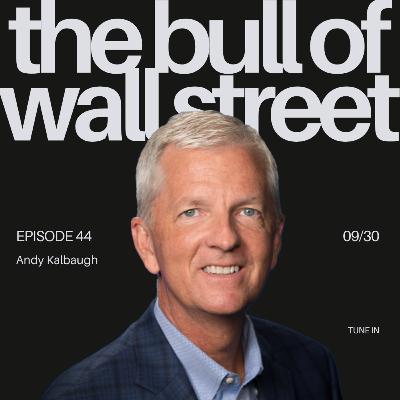
Few people have seen the financial advice industry evolve from as many vantage points as Andy Kalbaugh. Before becoming President of The Wealth Consulting Group, Andy spent over 25 years in the C-suite, including leading American General Securities and Mutual Service Corporation, and serving as Managing Director and Divisional President at LPL Financial—helping steer it to become the largest independent broker-dealer in the U.S. In this episode, Andy joins Jimmy Lee to discuss the future of advice, what drives firm enterprise value, and how advisors can build businesses that last beyond them. From the role of technology and AI to the human side of client relationships, Andy shares hard-won insights on leadership, capital, and succession planning from decades at the top. What you’ll learn: • How technology is reshaping, not replacing, financial advice • The four pillars of enterprise value every advisor should track • Why building a repeatable business is key to freedom and valuation • Lessons from leadership at AIG and LPL that apply to any firm owner • The growing role of private equity and capital solutions in advisor succession • Why the human connection will remain at the center of wealth management Chapters:04:04 – The advisor landscape: how tech and human advice will coexist07:32 – The rise of $100B+ firms and the next wave of consolidation10:36 – Enterprise value: recurring revenue, organic growth, M&A, and talent15:30 – Building a business that runs without you: systems, process, brand19:14 – Working on the business vs. in the business24:26 – Attracting affluent clients through expertise and brand focus30:04 – Lessons from legends: Hank Greenberg, Mark Casady, and Dan Arnold34:42 – Industry risks, AI disruption, and why empathy still wins44:03 – Succession planning and the rise of private equity capital Guest:Andy Kalbaugh, President, The Wealth Consulting Group Host: Jimmy Lee, CEO, The Wealth Consulting Group Follow usLinkedIn: https://www.linkedin.com/company/the-wealth-consulting-group/X (Twitter): @WealthCGYouTube: @thewealthconsultinggroup Making Life Better at The Wealth Consulting GroupIf you’re ready to see how WCG helps advisors grow, subscribe for insights, updates, and resources built to make your practice—and your life—better.Subscribe at bit.ly/wealthcg

Comments

Download from Google Play

Download from App Store
 United States