DiscoverEcommerce Finance Podcast
Ecommerce Finance Podcast
Claim Ownership

Ecommerce Finance Podcast

Author: Stephen Brown | LedgerGurus

Subscribed: 4Played: 12
Share

Description

Hosted by Stephen Brown, COO of LedgerGurus and co-owner of DTC brand Sole Toscana, this podcast is your go-to resource for mastering the financial side of ecommerce.

Stephen and his team have worked with hundreds of brands through LedgerGurus which specializes in ecommerce accounting. Add to that his hands-on experience with Sole Toscana, gives him unique insights into the challenges and opportunities ecommerce businesses face.

On The eCommerce Finance Podcast, we dive deep into the financial side of ecommerce. Any topic is open for discussion as everything you do in business has a financial impact. Be prepared to go deep with experts and brand leaders on a variety of topics with an understanding of their financial impacts.

Join us as we bring you practical tips, expert insights, and real-world strategies to help you thrive with ecommerce.

Tune in and transform your ecommerce business today!

29 Episodes
Reverse
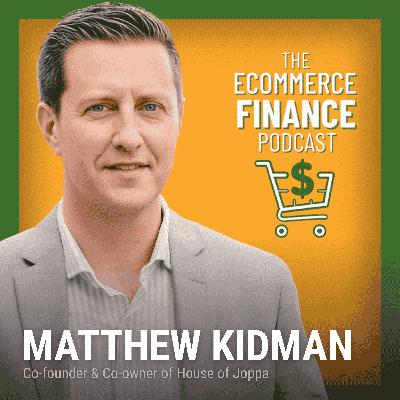
In this episode, Stephen Brown of LedgerGurus talks with Matthew Kidman, co-founder of House of Joppa. Matthew shares how he built a profitable ecommerce brand without taking on debt, even with the cash pressure that comes from inventory, long lead times, and seasonal demand.They break down what slow, sustainable growth actually looks like in practice. Listeners will hear how Matthew uses lean inventory, supplier terms, and tight cash discipline to stay in control while still growing the business.Key TakeawaysDebt enables growth but increases risk when inventory slowsLean inventory reduces cash pressure but leads to stockoutsBack-in-stock flows help recover missed salesSupplier terms ease upfront cash strainSlow growth protects margins and reduces stressForecasting tools help but judgment still mattersBuild holiday inventory gradually, not all at onceStrong margins support self-funded growthPartners help, but founders must stay involvedSustainable growth comes from cash disciplineChapters00:00 Introduction to House of Joppa01:36 Matthew's Journey and Philosophy on Debt04:16 The Launch of House of Joppa07:16 Inventory Management and Cash Flow Strategies10:14 Scaling and Supplier Relationships13:22 Challenges of Inventory Forecasting16:11 Customer Engagement During Stock Outs26:18 Negotiating Supplier Terms for Better Cash Flow27:58 Cash Management Strategies for Sustainable Growth29:49 Building a Long-Term Business Vision31:44 Inventory Management During Holiday Surges33:50 Effective Inventory Planning and Forecasting37:33 Navigating E-commerce Challenges39:42 Keys to Achieving Strong Profit Margins41:25 The Role of Effective Marketing Partnerships46:26 The Importance of Business Owner InvolvementGuest InfoMatthew Kidman is the co-founder of House of Joppa, an ecommerce brand that sells Catholic home decor, jewelry, and gifts. He built the business alongside his wife, starting from a simple Instagram account and growing it into a multimillion-dollar brand.Before ecommerce, Matthew worked in real estate and later owned an insurance agency, where he developed his approach to cash management and operations. After experiencing the pressure of credit card debt early in his career, he chose to build House of Joppa without using debt.Today, he focuses on running a profitable, sustainable business with strong margins, lean inventory, and disciplined cash flow. His approach prioritizes long-term stability over rapid, high-risk growth.Matthew Kidman on LinkedIn-If you want to understand how your numbers translate into real business value, the team at LedgerGurus helps ecommerce operators build financial clarity that supports smarter growth decisions.https://link.ledgergurus.com/e26-rss
Stephen Brown from LedgerGurus sits down with Mark Lupton, founder of Greenhouse Business Advisors, to talk about what actually makes a business valuable while you are still running it.Most founders only think about valuation when they are ready to sell. But the choices you make every day about growth, profit, and risk are already shaping what your business is worth.Stephen and Mark break down the difference between chasing growth and building real value, why buyers care so much about risk and how the business is run, and why proof of traction matters more than a good idea on paper.Key TakeawaysCash flow, profit, and business value don't always move in the same direction.Value grows when opportunities are backed by proof they work.New channels only add value when the numbers already make sense.Relying too much on one supplier or platform hurts your valuation.Customer retention shows whether your business delivers real value.Buyers want to see revenue consistently turn into cash.Needing constant outside capital makes your business less attractive.How you run the business matters just as much as how much you make.The less the business depends on you, the more it is worth.Thinking long term moves you from putting out fires to building something valuable.Chapters00:00 Why founders misunderstand business value01:20 Mark Lupton's journey into ecommerce finance03:40 The three financial lenses every founder should use06:10 Why valuation matters even without a planned exit08:20 Looking at your business like a potential buyer10:10 Opportunity versus risk in company valuation13:00 When chasing growth can actually destroy value20:10 Proof and protection in business strategy23:10 How Porter's Five Forces applies to ecommerce28:10 Why customer value drives long-term growth31:10 Demonstrating that your financial engine works38:20 The different ways businesses are valued41:50 Financial returns versus founder satisfaction45:10 Knowing when someone else can scale the business further47:20 Turning a founder-led company into a real asset49:20 Where to connect with Mark LuptonGuest InfoMark Lupton is the founder of Greenhouse CFO, where he leads a team of CFOs who help consumer brands grow in a financially healthy way. He has served as CFO of Carnivore Snax for three years, helping them grow from $2 million to over $30 million in revenue. He also advises DTC fintech companies using his experience as an operational CFO.Before starting Greenhouse, Mark was a partner at a consulting firm where he provided CFO services and helped clients secure multi-million dollar raises. He holds an MBA in entrepreneurship and finance and a degree in engineering, and started his career as an engineer at a Fortune 300 company.Mark Lupton on LinkedIn-If you want to understand how your numbers translate into real business value, the team at LedgerGurus helps ecommerce operators build financial clarity that supports smarter growth decisions.https://link.ledgergurus.com/e26-rss
Stephen Brown from LedgerGurus sits down with Geoff Gualano from A2X to break down the four levels of ecommerce accounting maturity and the metrics that actually matter at each stage.Many founders think they understand their numbers because they can see revenue in Shopify or Amazon. But once payouts, fees, inventory, and cash flow enter the picture, the story gets more complicated.This episode walks through what changes as a business grows, why accrual accounting matters sooner than most people think, and how clean financial data unlocks smarter decisions, better forecasting, and stronger investor conversations.TakeawaysIn an ideal world, everyone would have accurate metrics to track.Most e-commerce businesses fall into one of four maturity levels.Level one focuses on basic compliance and tax metrics.Level two emphasizes financial visibility and understanding past performance.Accurate revenue recording is crucial for higher maturity levels.Level three involves forecasting and budgeting based on accurate data.Level four is about being investor-ready with reliable financials.Understanding cash flow is essential for business sustainability.E-commerce businesses need to adapt to changing market conditions.Continuous improvement in financial practices leads to better outcomes.Chapters00:00 Why revenue is harder than it looks03:10 The four levels of accounting maturity07:20 Cash vs accrual accounting explained12:45 Why accurate revenue changes everything16:30 The key profit and margin metrics22:10 Advertising, fulfillment, and contribution margin28:00 Cash flow and inventory pressure32:40 The cash conversion cycle breakdown36:30 Moving into forecasting and planning40:15 Budget versus actual and scenario planning44:30 The era of the sophisticated seller47:20 Investor-ready financials and due diligence52:00 Final advice on leveling upGuest InfoGeoff Gualano leads go-to-market at A2X, where he oversees marketing, revenue operations, and partner relationships. He has spent nearly a decade in the cloud accounting ecosystem, including time at Hubdoc and Xero.At A2X, Geoff works with ecommerce sellers and accounting firms to automate revenue reconciliation and bring clarity to financial reporting across platforms like Shopify, Amazon, eBay, Etsy, Walmart, and PayPal. His focus is helping businesses trust their numbers so they can make better decisions and scale with confidence.Geoff Gualano on LinkedInIf you are unsure where your business sits on the maturity curve, our team at LedgerGurus helps ecommerce founders move from reactive bookkeeping to strategic financial clarity.https://link.ledgergurus.com/e26-rss
Stephen Brown from LedgerGurus talks with Nate Littlewood, founder of Future Ready CFO, about why ecommerce founders struggle to turn financial data into real decisions. Even with dashboards and reports, many operators feel stuck, overwhelmed, and unsure what actually matters.This episode breaks down why more data doesn’t create clarity, how to identify the numbers that matter most, and how simple frameworks help founders focus, reduce stress, and make better decisions without becoming finance experts. Key Takeaways More data does not lead to better decisions without context. Founders often focus on what they enjoy instead of what the business needs. Not knowing what “good” looks like creates decision paralysis. Gross margin problems make most growth efforts pointless. Too much inventory hides cash flow problems instead of fixing them. Cash flow issues often come from overstocking, not low sales. Bottlenecks show where effort will actually move the business forward. Financial clarity reduces stress and burnout for operators. Chapters 00:00 Why data doesn’t lead to decisions04:30 The real cost of ignoring financial context08:15 Why good data still creates confusion11:10 The context vacuum problem14:20 Founder archetypes and blind spots18:05 Focusing only on what you’re good at21:30 Why ecommerce is harder now24:45 Inventory as a risky bet27:55 The four stages of financial maturity32:40 Turning ideas into priorities36:00 Cash flow and inventory mistakes40:10 Why too much inventory hurts quietly43:00 Staying on the path to clarity45:00 Where to find Nate and final takeaways Guest Info Nate Littlewood is the founder of Future Ready CFO, where he helps early-stage ecommerce and CPG founders bring clarity to their numbers and make better business decisions. His work focuses on using financial data to guide priorities like marketing spend, product strategy, and growth decisions.Nate has built and run his own ecommerce business, served as a lead mentor for a NYC-based startup accelerator, and spent nearly a decade on Wall Street before becoming an entrepreneur. Today, he works with founders through content, courses, and 1:1 coaching to make finance more accessible and reduce the risk of avoidable business failure.Nate Littlewood on LinkedIn If your numbers feel overwhelming instead of helpful, our CFO advisory team helps founders turn data into clear, confident decisions. https://link.ledgergurus.com/e25-rss
Summary Stephen Brown, COO at LedgerGurus and host of the Ecommerce Finance Podcast, sits down with Stacy Walker, Director of Growth at LedgerGurus. They break down the four margins every ecommerce brand should be tracking and why most 7- and 8-figure sellers only understand one of them. The conversation focuses on why founders feel profitable but still struggle with cash and confidence in their numbers. This episode explains gross margin, contribution margin, net operating margin, and net profit margin in plain language. Stephen and Stacy walk through what each margin actually tells you, where brands get them wrong, and how bad data hides real problems. Listeners walk away knowing which margin points to pricing issues, ad efficiency problems, or bloated overhead. Key Takeaways Gross margin isolates product and inventory costs, so you can see pricing and supply chain pressure early. Bad inventory data makes gross margin look fine, while profit quietly erodes. Contribution margin shows what is left after selling costs and determines how much room you have to operate. Low contribution margin leaves no buffer for payroll, software, or growth mistakes. Advertising efficiency is often the biggest driver of contribution margin swings. Net operating margin reveals whether overhead is sustainable as the business grows. Payroll is usually the largest hidden drain on operating margin. Net profit margin can hide problems when debt, taxes, or owner expenses are mixed into operations. Chapters 00:00 Understanding Financial Margins in Ecommerce 02:41 The Importance of Accurate Profitability Tracking 05:36 Gross Margin: Definition and Common Misunderstandings 08:16 The Impact of Cost of Goods Sold on Profitability 10:55 Inventory Management and Its Financial Implications 13:48 Contribution Margin: What It Is and Why It Matters 16:38 Balancing Gross and Contribution Margins 19:26 The Role of Advertising in Contribution Margin 22:16 Operational Efficiency and Financial Health 25:44 Understanding Net Operating Margin 33:15 The Importance of Debt Management 39:10 Decoding Profit Margins 46:45 Cash Flow vs. Profitability 48:27 Scrutinizing Fixed Expenses 50:46 Final Thoughts on COGS Management Guest Info Stacy Walker on LinkedIn If you want clarity on which margin is actually hurting your business, our CFO advisory team helps ecommerce founders turn messy numbers into clear decisions. https://ledgergurus.com/ecommerce-accounting-services/?utm_source=RSS&utm_medium=podcast&utm_campaign=e24
Summary: In this episode, Stephen Brown and Preston Alder discuss their predictions for the e-commerce landscape in 2026. They cover a range of topics including tariffs, interest rates, inflation, the rise of AI, the value economy, and the implications of a K-shaped economy. The conversation delves into the challenges and opportunities that e-commerce businesses will face, emphasizing the importance of execution excellence and inventory optimization. They also explore the potential risks associated with private equity in the current economic climate. Key Takeaways Tariffs are likely at peak levels but will stay elevated long term. Sellers should budget assuming current tariff rates do not improve. Falling interest rates may not reduce ecommerce lending costs. Inflation pressure still threatens consumer spending power. Consumers continue spending, even under economic stress. AI tools are already reducing labor and service costs for operators. AI-driven commerce may reshape how customers discover products. Ad costs may rise, but better targeting can lower acquisition costs. Execution and operational discipline will matter more than size. Brands that fail to adapt may not survive the next cycle. Chapters 00:00 Predicting the Future of E-commerce 02:13 Understanding Tariffs and Their Impact 04:59 Interest Rates and Their Implications 08:48 Inflation: The Consumer's Perspective 11:48 The Rise of AI in E-commerce 24:22 Navigating the Value Economy 30:08 The Importance of Brand Communication 32:24 AI and Employment Concerns 34:14 Emerging Channels in E-Commerce 37:14T he Future of Advertising 42:10 Winners and Losers in E-Commerce 46:05 The State of the US Economy 56:20 The Private Equity Bubble If economic pressure is making your numbers harder to trust, our ecommerce accounting team helps you see what’s really happening so you can plan with confidence.https://ledgergurus.com/ecommerce-accounting-services/?utm_source=RSS&utm_medium=podcast&utm_campaign=e23
SummaryStephen Brown, Founder of LedgerGurus, and Kelley Birrell, Marketing Manager at LedgerGurus, look back at the ecommerce predictions they made at the start of 2025. They review what actually happened across ecommerce growth, marketing costs, interest rates, inflation, and AI adoption. Each prediction is graded with real data and real-world operator context.They also unpack the biggest curveballs of the year, including tariffs, de minimis rule changes, TikTok Shop growth, and the limits of new ad channels. Stephen shares where he underestimated risk, what surprised him about consumer spending, and why 2025 felt harder than expected for many brands. The episode helps sellers think more clearly about planning for 2026.TakeawaysEcommerce returned to peak levels as a share of total retail sales.Marketing efficiency mattered more than chasing cheaper ads.Interest rate cuts did not meaningfully lower ecommerce lending costs.Inflation eased but continued to pressure consumer spending.Tariffs became the most disruptive force for ecommerce in 2025.De minimis rule changes reshaped dropshipping economics fast.TikTok Shop showed real growth but limited broad adoption.AI meaningfully reduced time and costs across teams.Supply chain risks faded compared to late 2024 fears.New sales channels added options but not replacements.Chapters00:00 Ecommerce Trends and Predictions for 202503:27 Marketing Costs and Brand Strategies06:16 Interest Rates, Inflation, and Economic Impact07:15 Business Regulations and Tariffs09:15 The Rise of TikTok Shop11:18 AI's Role in Ecommerce13:46 Supply Chain Complexities14:31 De Minimis Rule Changes16:00 Emerging Sales and Marketing AvenuesGuest InfoKelley Birrell on LinkedInBioKelley Birrell is the Marketing Manager at LedgerGurus, an ecommerce accounting firm serving growing online businesses. She built and runs LedgerGurus’ marketing engine, focusing on making complicated ecommerce accounting topics easier to understand so business owners can make better decisions with their numbers.If 2025 exposed weaknesses in your cash flow, inventory, or margins, LedgerGurus can help you fix the numbers behind your growth.https://ledgergurus.com/ecommerce-accounting-services/?utm_source=RSS&utm_medium=podcast&utm_campaign=e22
SummaryIn this episode of the Ecommerce Finance Podcast, Stephen Brown speaks with Oliver Blackmore from Elver Ecommerce Accountants about the complexities of VAT (Value Added Tax) for ecommerce businesses, particularly those looking to expand into the UK and EU markets. They discuss the differences between VAT and sales tax, the registration process for American sellers, common mistakes in VAT compliance, and the tools available for calculating and filing VAT.The conversation also covers the implications of selling on platforms like Amazon versus direct sales, the importance of understanding filing frequencies, and the challenges of navigating GST in English-speaking countries. Oliver shares insights on best practices for managing VAT refunds and offers recommendations for businesses looking to expand internationally.TakeawaysVAT is a tax added at the point of sale, similar to GST.American ecommerce businesses must register for VAT to sell in the UK.The VAT registration process for overseas businesses is more complex.Amazon collects and remits VAT for sellers using their platform.It's crucial to keep sales from different platforms separate for VAT accounting.Businesses can reclaim VAT on their costs, improving cash flow.Late filing of VAT returns can result in significant penalties.Drop shipping has become more challenging due to VAT regulations in the UK.Understanding GST in countries like Canada and Australia is essential for international sellers.Businesses should consider their registration and filing requirements when expanding internationally.Chapters00:00 Introduction to VAT and Ecommerce01:34 Understanding VAT: Basics and Comparisons04:25 Selling in the UK: Registration Requirements06:10 VAT Registration Process for International Sellers10:09 Penalties and Compliance for VAT14:13 Common Mistakes by International Sellers16:28 Tools for VAT Calculation and Filing Frequency19:22 Expanding Beyond the UK: Global Marketplaces24:28 Navigating GST in English-Speaking Countries27:20 Common Pitfalls in VAT for International Sellers30:40 Understanding VAT Returns and Refunds32:54 The Impact of Brexit on International Trade38:00 Final Thoughts on Global Expansion StrategiesWork with Ushttps://ledgergurus.com/ecommerce-accounting-services/sales-tax/?utm_source=RSS&utm_medium=podcast&utm_campaign=e21
SummaryIn this conversation, Kurt Bell from Dash.fi discusses the innovative corporate credit card solutions offered by the company, focusing on their unique value propositions such as cash back incentives and ad pay protection services.The discussion highlights how these offerings can significantly benefit businesses engaged in digital advertising and shipping, ultimately leading to substantial savings and enhanced financial management.TakeawaysDash.fi specializes in corporate credit cards for digital advertising.The main value proposition is cash back and high limits.Ad pay protection is a complementary service to the credit cards.Businesses can save significantly on ad spend with Dash.fi.Incremental savings can reach 30-40K through ad pay protection.Cash back on ad spend enhances overall value for clients.Dash.fi targets companies with substantial digital advertising budgets.The combination of services provides a competitive edge.Understanding client needs is crucial for tailored financial solutions.Dash.fi aims to simplify financial management for businesses.Chapters00:00 Introduction to Ad Refunds in Ecommerce02:41 Understanding the Impact of Fraudulent Traffic05:31 Navigating Refund Requests with Meta and Google08:08 Identifying Bad Actors in Ad Traffic10:55 Trends in Ad Spend and Diversification13:21 The Evolution of Payment Methods in Advertising16:15 Emerging Advertising Channels and Strategies18:59 The Future of AI in Advertising21:37 Leveraging Cash Flow for Ecommerce Success24:31 The Changing Landscape of Ecommerce27:06 Dash.fi's Innovative Solutions for Brands34:06 General podcast ad.mp4Guest InfoDash.fiKurt Bell on LinkedInBioKurt Bell is the Director of Enterprise Sales at Dash.fi, where he helps businesses access innovative financial solutions to drive growth. With a strong foundation in business and leadership from Weber State University and experience mentoring teams in the Dominican Republic, Kurt is passionate about building lasting client relationships and delivering impactful results.Work with Ushttps://ledgergurus.com/ecommerce-accounting-services/?utm_source=RSS&utm_medium=podcast&utm_campaign=e20
SummaryIn this episode of The Ecommerce Finance Podcast, Stephen Brown and Mark Lupton discuss the intricacies of strategic finance in the eCommerce sector. They explore the importance of understanding exit strategies, aligning founder goals with business strategies, and the significance of long-term and medium-term planning.The conversation delves into the common pitfalls in strategic finance, the role of intuition in decision-making, and the necessity of financial planning and budgeting. Mark emphasizes the importance of identifying blind spots and bottlenecks in business operations and the need for continuous learning and adaptation in financial strategies.TakeawaysUnderstanding what you want from your business is crucial.Aligning personal goals with business strategy prevents tension.Long-term vision should consider life stages and personal fulfillment.Medium-term planning focuses on enterprise value drivers.Prioritization is key in strategic planning for growth.Intuition plays a significant role in decision-making.Identifying blind spots can prevent costly mistakes.Financial planning should extend beyond the P&L to the balance sheet.Learning from budgeting helps improve future decisions.Smaller businesses can benefit from strategic finance practices.Chapters00:00 Introduction to Strategic Finance02:51 Understanding Exit Strategies05:23 Aligning Business Goals with Personal Vision08:02 Long-Term Planning and Vision10:40 Medium-Term Planning and Strategic Finance13:27 Prioritizing Business Growth16:17 The Importance of Strategic Thinking18:45 Avoiding Common Thinking Pitfalls21:38 Navigating Growth and Leadership Challenges26:37 Understanding Founders' Strengths and Weaknesses28:44 The Importance of Measuring Progress30:27 Bottlenecks and Strategic Planning32:17 Annual Planning and Budgeting Essentials35:46 Strategic Finance Beyond the P&L38:27 Debt Strategies and Cash Flow Management41:13 Learning from Budgeting and Forecasting43:50 Applying Strategic Finance to Smaller Businesses46:23 Common Pitfalls in Strategic FinanceGuest InfoGreenhouse Business AdvisorsMark Lupton on LinkedInWork with Ushttps://ledgergurus.com/ecommerce-accounting-services/inventory-consulting-for-ecommerce/?utm_source=RSS&utm_medium=podcast&utm_campaign=e19
SummaryIn this episode of the Ecommerce Finance Podcast, Stephen Brown and Chris Hondl from Finale Inventory discuss insights gained from a decade of building ecommerce software, focusing on inventory management, the evolution of ecommerce, and the challenges faced by businesses today. They explore the importance of establishing standard operating procedures, the differences between ERP systems and federated systems, and the benefits of bootstrapping a tech company versus seeking venture capital.The conversation also touches on the future of ecommerce, the impact of AI, and the necessity for businesses to adapt and evolve in a competitive landscape.TakeawaysThe ecommerce landscape has become increasingly competitive and complex over the years.Inventory management has shifted from basic operations to a more rigorous and strategic approach.Establishing standard operating procedures is crucial for effective inventory management.Businesses must evolve to maintain profitability in a changing market.Bootstrapping a company can lead to better financial outcomes compared to taking venture capital.AI is transforming consumer behavior and marketing strategies in ecommerce.The future of ecommerce is promising, with continued growth expected.Companies need to focus on creating unique value propositions to stand out.Effective inventory management requires discipline and consistency in processes.Understanding financial metrics like EBITDA is essential for business success.Chapters00:00 The Journey of Finale Inventory01:48 Evolving Inventory Management Practices05:27 Top Tips for Effective Inventory Management09:59 Common Pitfalls in Inventory Management13:43 ERPs vs. Federated Systems18:41 Bootstrapping Finale Inventory19:37 Bootstrapping Success: The Journey of Finale Inventory26:21 Understanding Financial Outcomes: Venture Capital vs. Bootstrapping30:20 The Future of Ecommerce: Trends and Predictions36:35 AI in Ecommerce: Opportunities and ChallengesGuest Infohttps://www.finaleinventory.com/Email - Chris Hondl on LinkedInBioChris Hondl leads the engineering team at Finale. With over 30 years of industry experience, Chris was previously the VP of Engineering for Core Mobility where he had responsibility for systems serving hundreds of thousands of mobile phone customers. Chris earned his BS in Mathematics and MS in Computer Science from Stanford University.If you need help with your ecommerce accounting, reach out to us: https://ledgergurus.com/ecommerce-accounting-services/?utm_source=RSS&utm_medium=podcast&utm_campaign=e18
Summary In this episode of The Ecommerce Finance Podcast, Stephen Brown interviews Ben Hussey, co-CEO of Katana, discussing the complexities of manufacturing and inventory management in the current ecommerce landscape. They explore the challenges posed by rising costs, supply chain disruptions, and the importance of real-time data for effective decision-making. Ben shares insights from his extensive experience in ecommerce, highlighting the shift towards hybrid business models and the necessity for brands to adapt to changing market conditions. The conversation emphasizes the need for strategic planning and the value of technology in navigating the evolving ecommerce environment. Takeaways Cost of goods sold increased dramatically due to future buying. Real-time data is crucial for effective inventory management. Businesses need to diversify their supplier base to mitigate risks. Planning and forecasting demand accurately is essential. The shift to hybrid business models is becoming more common. Companies that adapt quickly to changes are more likely to succeed. Inventory management requires active engagement and oversight. Technology has made it easier for small businesses to thrive. Understanding true landed costs is vital for pricing strategies. The e-commerce landscape is evolving, requiring new skills and strategies. Chapters 00:00 Introduction to Ecommerce and Manufacturing Challenges 02:51 Ben Hussey's Journey in Ecommerce 05:29 State of Manufacturing and Inventory Management 08:37 Navigating Cost Drivers in Manufacturing 11:09 Trends in Supply Chain and Manufacturing Decisions 13:58 Global Disruptions and Market Responses 16:53 Shifts in Manufacturing Strategies and Business Models 20:23 Impact of Regulatory Changes on Ecommerce 22:57 Common Mistakes in Inventory Management 24:55 Ecommerce Evolution: Skills vs. Arbitrage 27:11 Key Differentiators for Business Success 29:45 The Importance of Active Management 32:17 Navigating Challenges in Consumer Products 36:52 Opportunities in a Changing Market 39:58 Recommendations for Future Success Guest Info Katanamrp.com Contactben.hussey@katanamrp.com Ben Hussey on LinkedIn Work with Us https://ledgergurus.com/ecommerce-accounting-services/?utm_source=RSS&utm_medium=podcast&utm_campaign=e17
SummaryIn this episode of the Ecommerce Finance Podcast, Stephen Brown interviews Ryan King, CFO of Thread, discussing the evolution of the company from handcrafted wallets to a diversified manufacturing model. They delve into the complexities of navigating tariffs, the impact on pricing strategies, and the importance of supply chain diversification.Ryan shares insights on managing costs, consumer behavior in response to price changes, and the future challenges facing the business as they adapt to a changing economic landscape.TakeawaysThread started in 2014 with a simple idea of a better rubber band.The company evolved from handcrafted products to industrial manufacturing.Diversifying the supply chain helped mitigate risks associated with tariffs.Tariffs have a significant impact on pricing and consumer demand.Raising prices can lead to decreased consumer interest in non-essential items.Managing costs is crucial in response to increased tariffs.Finding new revenue opportunities is essential for growth.Consumer behavior is shifting due to rising prices across the board.The manufacturing landscape in the U.S. presents challenges for many businesses.Building relationships with manufacturers takes time and trust.Chapters00:00 Introduction to Thread and Its Journey08:33 Transitioning from Handcrafted to Industrial Manufacturing11:54 Navigating Tariffs and Supply Chain Diversification18:55 The Impact of Global Tariffs on Business Strategy22:44 Navigating Tariffs and Product Costs26:37 Challenges in Manufacturing and Supply Chain28:30 Pricing Strategies Amidst Uncertainty30:42 Consumer Behavior and Price Sensitivity34:35 The Impact of Cost of Goods on Business39:02 Mitigating Costs and Revenue Strategies45:09 Short-term vs Long-term Business StrategiesGuest InfoThreadwallets.comContactRyan King - Find him on LinkedInCTARSS - Work with Ushttps://ledgergurus.com/ecommerce-accounting-services/?utm_source=RSS&utm_medium=podcast&utm_campaign=e16
SummaryIn this episode of the Ecommerce Finance Podcast, Stephen Brown interviews Alec Koenig, CEO of Settle, discussing the complexities of lending in the ecommerce space. They explore Alec's background in lending, the challenges ecommerce businesses face, and how Settle aims to provide innovative solutions that combine lending with software tools.The conversation delves into the importance of cash flow, the impact of tariffs, and the necessity of financial hygiene for businesses seeking financing. They also discuss the future of ecommerce and how technology, including AI, will shape the industry.TakeawaysAlec Koenig has a strong background in lending and ecommerce.Settle was founded to improve accounts payable experiences for ecommerce businesses.The shift to online shopping during COVID highlighted inventory challenges for merchants.Ecommerce businesses face high failure rates, making lending difficult.Understanding cash flow is crucial for ecommerce success.Businesses should seek financing before they actually need it.Accurate financial reporting is essential for securing loans.Marketing efficiency is a key predictor of business success.Settle combines lending with software solutions to help businesses manage cash flow.The future of ecommerce will see increased reliance on technology and AI.Chapters00:00 Introduction to Ecommerce Lending Challenges02:28 Alec Koenig's Journey and Settle's Mission04:56 Understanding Ecommerce Lending Dynamics07:36 The Risk of Lending in Ecommerce10:11 Innovative Underwriting Approaches12:52 Navigating Tariffs and Supply Chain Issues15:44 Experiencing Customer Pain Points18:07 Cash Flow Challenges in Ecommerce20:53 Preparing for Lending: Key Considerations23:23 The Importance of Financial Preparedness25:41 Understanding Contribution Margins28:15 Navigating Marketing Efficiency in Ecommerce31:00 The Role of Technology in Lending33:38 The Future of Ecommerce and Business EvolutionGuest InfoSettle.comContactAlex Koenig - Alec@settle.comCTARSS - Work with Ushttps://ledgergurus.com/ecommerce-accounting-services/?utm_source=RSS&utm_medium=podcast&utm_campaign=e15
Summary In this episode of the Ecommerce Finance Podcast, Stephen Brown and Preston Alder discuss the implementation of the Profit First methodology in their business, Sole Toscana. They reflect on their initial challenges, the importance of understanding cash flow, and the mindset shift required to prioritize profit over growth.The conversation covers practical applications of Profit First, the impact of market changes, and the scalability of its principles for larger businesses. The episode concludes with insights on navigating financial challenges and the importance of adapting strategies for future success. Takeaways Profit First emphasizes paying yourself first and allocating revenue into specific accounts. Initial growth strategies can lead to financial strain if not executed properly. Understanding the principles of Profit First can lead to a significant mindset shift in business operations. Implementing Profit First helped the business become profitable after initial struggles. Resource constraints can enhance focus and efficiency in marketing and operations. Cash flow management is crucial for inventory-based businesses, especially during growth phases. Adapting to market changes, such as tariffs, requires strategic financial planning. Profit First principles can be scaled, but the implementation may vary by business size and industry. Using data analytics can inform better financial decisions and forecasts. Creating a culture of resource constraint can improve productivity and financial outcomes. Chapters 00:00 Introduction to Profit First 02:39 Initial Business Strategy and Challenges 05:49 Understanding Profit First Principles 10:14 Implementing Profit First in Practice 14:46 Mindset Shift: Profit vs. Growth 20:19 The Psychological Impact of Profit First 25:23 Challenges and Adaptations in Profit First Implementation 28:33 Navigating Cash Flow and Inventory Management 30:58 Ecommerce Challenges and Growth Strategies 32:40 Understanding Operating Expenses and Seasonal Trends 36:53 The Impact of Seasonality on Consumer Behavior 39:34 Adapting Profit Models to Real-World Challenges 40:59 Leveraging Analytics for Business Insights 44:28 Integrating Cash Flow Forecasting with Profit Strategies 47:57 Responding to Tariffs and Cost Management 50:29 Scaling Profit First Principles in Larger Businesses Guest Info SoleToscana.com Contact Preston Alder - buongiorno@soletoscana.com CTA RSS - Work with Us https://shorturl.at/9jtLL
SummaryIn this episode of the Ecommerce Finance Podcast Stephen Brown from LedgerGurus and Joseph May from May Law discuss the challenges eCommerce businesses face in securing funding, particularly through traditional means. They explore the concept of equity crowdfunding as an alternative funding vehicle, detailing its compliance requirements, governance implications, and the differences between raising debt and equity.The discussion emphasizes the importance of professional guidance in navigating the complexities of crowdfunding and highlights the costs associated with the process. Additionally, they address the barriers to adoption of equity crowdfunding among ecommerce brands and the need for greater awareness of this funding option.TakeawaysEquity crowdfunding allows businesses to raise funds from non-accredited investors.Compliance with SEC regulations is crucial for equity crowdfunding.Governance requirements include annual updates to investors.Debt crowdfunding can be a viable alternative to equity.Professional guidance can simplify the crowdfunding process.Costs for equity crowdfunding can range from $1,500 to $30,000.Awareness of equity crowdfunding is low among ecommerce brands.Investors typically need a liquidity event to realize returns.The crowdfunding process can be complex but offers unique opportunities.Many successful brands have utilized equity crowdfunding to raise capital. Chapters00:00 Introduction to eCommerce and Law01:52 The Evolution of eCommerce Marketing03:41 Challenges in eCommerce Funding04:18 Understanding Equity Crowdfunding08:37 Compliance and Regulations in Crowdfunding10:46 The Role of Audited Financials13:16 Public Disclosure and Investor Rights14:29 Regulation CF Explained15:08 Voting Rights and Control in Equity Crowdfunding17:21 Governance Requirements in Crowdfunding17:57 Annual Investor Updates and Compliance19:08 Valuation in Equity Crowdfunding20:11 Common Shares and Entity Types20:48 Debt Financing through Equity Crowdfunding23:34 Simplifying Fundraising with SAFE and Convertible Debt26:24 The Importance of Professional Guidance28:20 Cost Considerations in Fundraising31:12 Examples of Successful Equity Crowdfunding32:23 Barriers to Adoption in E-commerce34:23 Liquidity Events for Investors
SummaryIn this episode of the Ecommerce Finance Podcast, Stephen Brown and Lauren Maillard catch up on what’s really going on in ecommerce right now. They look back at Stephen’s predictions for 2025 - what he got right (and wrong) - and dig into big changes like new tariffs, the end of the de minimis rule, and what the “Big Beautiful Bill” actually means for sellers. They also chat about rising marketing costs, how AI is changing the way we search and shop, and what’s going on with TikTok. Plus, they dive into interest rates, economic curveballs, and smart ways to cut costs and build a brand that stands out. Takeaways Stephen shares his personal health journey and its impact on the podcast. The word of the year for ecommerce is 'tariff'. Tariffs have created significant challenges for ecommerce businesses. The de minimis rule is being phased out, affecting international drop shipping. The Big Beautiful Bill has both positive and negative implications for ecommerce. Marketing costs remain high, and AI is changing the landscape. There is a noticeable shift from Google to AI search tools like ChatGPT. AI is becoming a new sales channel for ecommerce businesses. TikTok's role in ecommerce is evolving, with mixed consumer engagement. Interest rates and inflation are creating economic challenges for ecommerce. Chapters 00:00 Introduction and Personal Update 02:33 Mid-Year E-Commerce Predictions Review 05:30 Impact of Tariffs on Ecommerce 08:39 The De Minimis Rule and Its Implications 11:35 Business Environment and the Big Beautiful Bill 14:43 Marketing Challenges and AI's Role 17:33 The Shift from Google to AI in Ecommerce 20:24 AI as a New Sales Channel 23:16 Conclusion and Future Outlook 25:07 The Evolution of Ecommerce e Purchases 26:53 The Future of Ecommerce and AI Integration 28:48 TikTok's Impact on E-Commerce 33:26 Navigating Economic Challenges in Ecommerce 40:40 Branding and Pricing Strategies in a Competitive Market 48:03 The Future of Ecommerce: Discipline and Strategy Work with Us https://ledgergurus.com/ecommerce-accounting-services/?utm_source=RSS&utm_medium=podcast&utm_campaign=e12
In this episode of the Ecommerce Finance Podcast, host Stephen Brown interviews Josh Robbins from the Premara Group to discuss the current state of ecommerce mergers and acquisitions. They explore Josh's unique background in ecommerce, the evolution of M&A in the sector, and the factors that make consumer products businesses attractive to investors. The conversation delves into the challenges faced in M&A deals, the importance of understanding profitability and valuation, and the key factors that affect deal success. Josh emphasizes the need for preparation when selling a business and the significance of financial clarity, supply chain management, and effective marketing strategies.Takeaways The M&A market for ecommerce has seen significant fluctuations, with a recent slowdown in activity due to economic factors. Consumer products businesses that demonstrate revenue growth and profitability are more attractive to investors. Understanding unit economics and cost of goods sold is crucial for business owners. Key man risk and reliance on a single sales channel can deter potential buyers. Preparation is essential for business owners looking to sell, including understanding financials and market positioning. Engaging trusted advisors can help navigate the complexities of selling a business. Diversification in supply chain and sales channels reduces perceived risk for buyers. Effective marketing strategies are vital for customer acquisition and business growth. Selling a business is a team effort, and having the right support can lead to better outcomes.Chapters 00:00 Introduction to Ecommerce M&A 02:39 Josh Robbins' Ecommerce Journey 05:40 The Evolution of M&A in Ecommerce 08:45 Current Trends in Consumer Products 11:49 Understanding Profitability and Valuation 14:30 Challenges in M&A Transactions 17:24 Key Factors for Successful Deals 22:06 Understanding Cost of Goods Sold 27:34 Supply Chain and Sales Channel Diversification 38:59 Preparing to Sell Your BusinessWork With UsIf you are considering an ecommerce exit and need help with your ecommerce accounting, reach out to us at LedgerGurus.We are an ecommerce-specialized accounting firm, and we can handle all your numbers so you can focus on growing your business and preparing to get the best possible selling price for your business.
In this episode of the Ecommerce Finance Podcast, Stephen Brown and Scott Scharf discuss the critical aspects of selecting and implementing an inventory management system for ecommerce businesses. They explore the importance of inventory management as a key asset, the methodology for selecting the right system, and the expectations for implementation timelines. The conversation also covers when to consider an inventory management system, the differences between ERPs and inventory management systems, and the necessity of documenting processes for successful implementation. Takeaways Inventory is often the biggest asset in consumer product businesses. Many entrepreneurs struggle with inventory management due to reliance on spreadsheets. Selecting an inventory management system requires a clear understanding of business needs. Demos should focus on specific processes relevant to the business. Implementation of inventory systems often requires external expertise. Budgeting for implementation costs is crucial for success. Hiring an operations manager can significantly improve system adoption. Pain points in inventory management often indicate the need for a new system. Trusting but verifying your 3PL is essential for accurate inventory tracking. Documenting processes ensures consistency and efficiency in operations. Sound Bites "Trust but verify your 3PL." "Hire someone to help you with this." Chapters 00:00 Introduction to Inventory Management Systems 03:16 Challenges in Inventory Management 06:25 The Importance of Comprehensive Processes 09:23 Selecting the Right Inventory Management System 12:37 Methodology for Choosing an Inventory System 18:27 Implementation Expectations and Budgeting 25:56 Implementation Timeline and Feedback Mechanisms 31:52 The Role of Operations Management in E-commerce 37:15 Inventory Management Systems vs. 3PLs 39:01 Evaluating ERP Systems for E-commerce 47:41 Documenting Processes for Successful Implementation Guest InfoScott Scharf Scott@scharftech.com https://www.linkedin.com/in/scottscharfcc/ Work with UsStruggling to make sense of your ecommerce financials? Let LedgerGurus handle your accounting so you can focus on growth.Take control of your inventory accounting and unlock real profitability with our inventory consulting services.
In this episode of the Ecommerce Finance Podcast, Stephen Brown and Brittany Brown delve into the complexities of inventory accounting and its critical role in financial management for ecommerce businesses. They discuss the challenges of accurately tracking inventory, the importance of accrual accounting, and the implications of Cost of Goods Sold on financial statements. The conversation highlights the necessity of operational maturity, understanding landed costs, and adhering to GAAP standards to ensure accurate financial reporting and profitability analysis. Brittany emphasizes that successful inventory management is not just about accounting but also about engaging in the operational processes that affect financial outcomes. Takeaways Inventory accounting is crucial for understanding financial health. Operational maturity is essential for accurate financial reporting. Accrual accounting provides a clearer picture of profitability. Cost of Goods Sold impacts both the balance sheet and profit and loss statements. Engagement in inventory management processes is key to success. Landed costs must be considered for accurate product valuation. GAAP standards ensure consistency in financial reporting. Understanding gross profit margins is vital for business sustainability. Accurate inventory accounting can prevent financial losses. Collaboration between accountants and business owners is necessary for success. Chapters 00:00 Introduction to Inventory Accounting Challenges 05:13 Understanding the Flow of Inventory Accounting 10:23 The Importance of Accurate Cost of Goods Sold 15:14 Navigating Financial Statements and Profitability 20:18 Engagement and Operational Maturity in Accounting 25:09 Conclusion: Mastering Inventory Accounting 25:55 Understanding Cost of Goods Sold 28:26 Landed Product Costs Explained 33:29 The Importance of Accurate Costing 34:11 Defining Cost of Goods Sold vs. Cost of Sales 38:57 The Impact of Accurate Financial Reporting 45:26 Inventory Management and Profitability Work with Us Struggling to make sense of your ecommerce financials? Let LedgerGurus handle your accounting so you can focus on growth—https://ledgergurus.com/ecommerce-accounting-services/?utm_source=RSS&utm_medium=podcast&utm_campaign=e9Take control of your inventory accounting and unlock real profitability with our inventory consulting services—https://ledgergurus.com/ecommerce-accounting-services/inventory-consulting-for-ecommerce/?utm_source=RSS&utm_medium=podcast&utm_campaign=e9
loading
Comments 
loading