


 Claim Ownership
 Story Deep Dive Podcast
Story Deep Dive PodcastSubscribed: 2Played: 26
Subscribe

© Dana Pittman & Rachel Arsenault
Description
Join editor and USA Today bestselling author Dana Pittman and developmental editor Rachel Arsenault for a weekly deep dive into great novels.
storydeepdive.substack.com
storydeepdive.substack.com
54 Episodes
Reverse
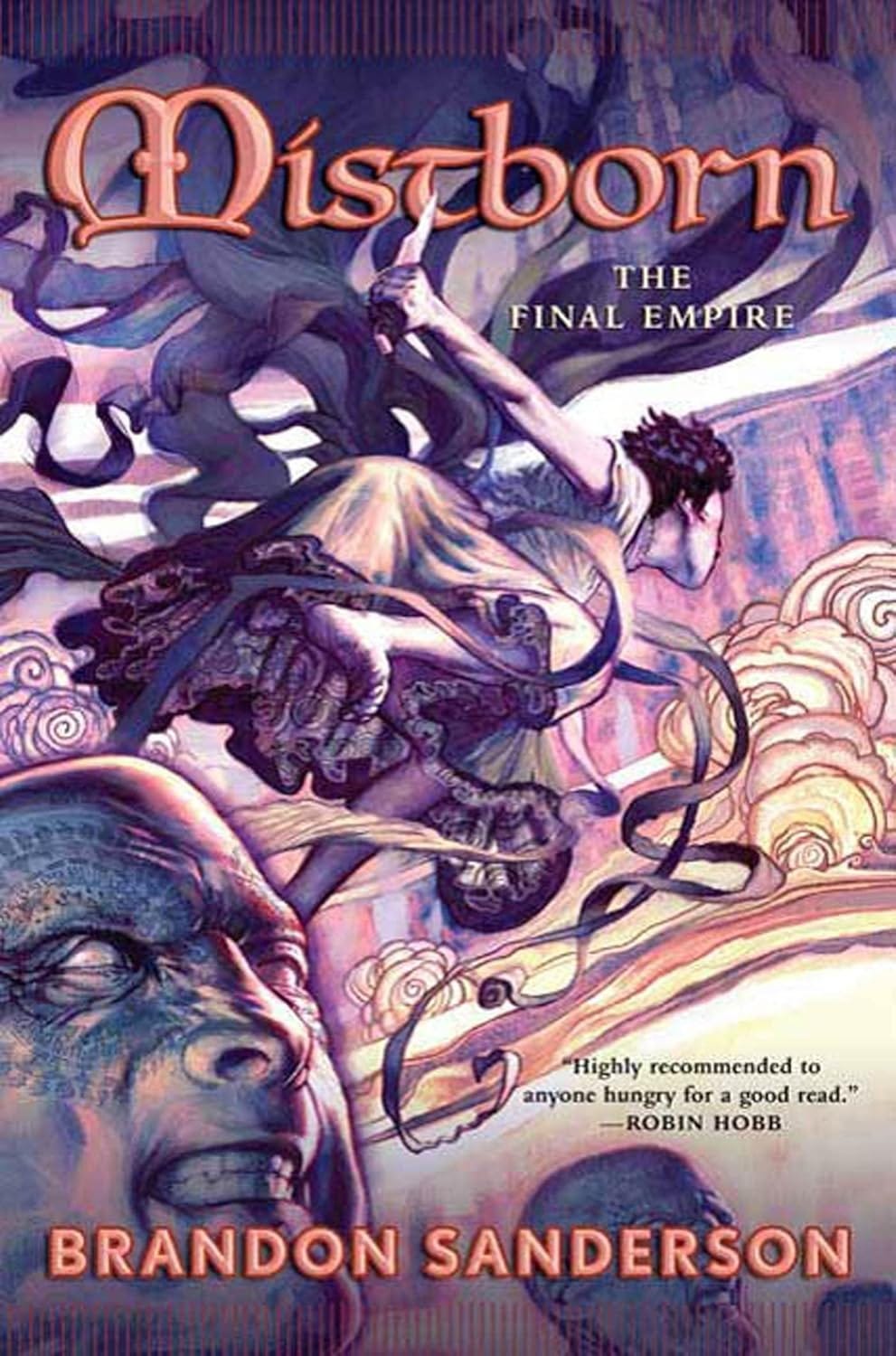
Welcome to Story Deep Dive!In this episode, Dana and Rachel dive into the plot architecture of Mistborn—without spoiling the big reveals.Whether you’re a fantasy writer, romance writer, or storytelling nerd who loves structure, you’ll walk away with practical insight on plot management, how to make subplots do double duty, and how to write Book 1 of a trilogy that still feels satisfying as a standalone.You can also watch the video version of this podcast on YouTube!Estimate Timestamps0:00 – Welcome Back + 2026 Reading KickoffDana and Rachel open the episode by setting the tone: Story Deep Dive is a craft-forward podcast where they discuss books “as writers,” not just as readers. They introduce their 2026 reading slate and confirm this episode will focus on Mistborn plot—but intentionally “around it” to avoid spoilers. Dana jokes she’s riding shotgun because this is one of Rachel’s primary teaching books.1:20 – Story Cypher Updates: The Academy + The New Fellows ProgramRachel shares what’s happening at Story Cypher: after a successful beta cohort, the Academy is returning with improvements built from last year’s lessons. She also introduces the Fellows Program, an invitation-only community for graduates where they shift from foundational drafting and process to deeper craft skills like dialogue, exposition, and fine-tuning—without trying to master advanced techniques before a draft even exists.Notable insight: The program structure reinforces a key creative principle—separate writer brain and editor brain so each can do its job.6:00 – Dana Asks Rachel: What Does It Feel Like After the First Cohort?Dana puts Rachel on the spot with a heartfelt question about what it’s like to cross the finish line of the first cohort and step into the next phase. Rachel shares how proud she is of the work—especially building curriculum while simultaneously writing and recording her own full project. She highlights the transformation of writers who’d been stuck for years finally moving forward with completed drafts and a clear plan.Notable quote energy: “I gave absolutely everything I had to that beta run.”10:30 – Dana’s 2026 Focus: Real-Life Planning, Inner Circle, and Book Club StrategyDana shares how her current Inner Circle and one-on-one work is being shaped by a powerful retreat realization: writers often “fail” plans because the plan was never built around real life capacity. She explains her lens of identifying whether someone is maintaining, scaling, or building foundations, then creating plans that fit that season.Dana also explains the evolution of her book club selection strategy—balancing “tried and true” craft titles with chart-aware reads that keep conversations fresh and relevant.14:40 – Why Dana Won’t Overlap Book Club Reading With Personal ReadingRachel catches a pattern: Dana is choosing not to overlap personal reading with book club picks—meaning more reading. Dana explains that because she’s doing deeper “deep dives,” she wants her thinking to remain untainted until she’s fully formed her own conclusions. She describes her mind as a “sponge” and doesn’t want outside opinions filling in her open loops too soon.18:10 – Mistborn Summary (Spoiler-Light) + Why This Book Rewards RereadsRachel delivers a clean, non-spoilery summary of the setup: Vin, a skaa thief, is recruited by Kelsier—only to discover her “luck” is something more. The job isn’t just a heist; it’s an attempt to overthrow the Lord Ruler. Dana notes this is her third read and emphasizes that books like Mistborn are the kind you reread when they’re a comp or craft reference because the layering is so dense.21:00 – Plot Management: The Core Plot Spine + Nested Subplots That MatterRachel teaches why Mistborn is a “plotter’s dream,” especially for fantasy writers trying to manage multiple threads without the story sprawling. She breaks down the craft move:Identify the inciting incidentAsk what story question it raisesEnsure the climax answers that questionThen build subplots so they influence and are influenced by the core plotShe uses Vin’s Mistborn training arc and the romantic subplot with Elend Venture as examples of subplots that don’t distract—they actively complicate the mission and heighten stakes.Key takeaway: When plot threads are properly nested, every scene feels like it matters.28:30 – Book 1 in a Trilogy: Close the Loop, Crack the DoorDana and Rachel dig into the difference between a trilogy installment and a serial cliffhanger. They emphasize that Book 1 must still feel like a satisfying standalone experience, even while it launches a larger arc. Rachel highlights the danger of ending without answering the core story question—especially in long books—because it can feel antagonistic instead of compelling.Dana adds that trilogies are “advanced mode” because you’re multiplying structure and payoff across three books, which requires clarity about what belongs in Book 1 versus what should carry forward.Key takeaway: Answer the Book 1 question—then let the implications create the momentum for Book 2.35:10 – Draft Reality: This Level of Tightness Comes From IterationRachel offers an important craft reality check: we’re looking at a polished, battle-tested book, and this kind of integration usually emerges across multiple drafts. She explains how early drafts often separate threads into separate scenes, and revision is where writers learn to merge threads so scenes do “double duty.”Dana adds nuance: heavy plotters can get closer on draft one because their plotting functions like a draft, but the core point remains—know your process and give yourself grace.40:10 – Rules as Guardrails: Hard vs. Soft Magic Systems (and Why It Works Here)Dana introduces her favorite plot-adjacent takeaway: Mistborn is deeply rule-based, and those rules shape everything—magic, class structure, economics, power, and consequences. She contrasts this with stories where rules are vague or the protagonist is an exception to everything, which reduces tension.Rachel ties this to the craft concept of hard vs. soft magic systems. Mistborn is a hallmark of hard magic: clear constraints, consistent rules, and creative problem-solving within boundaries. She also highlights a key technique: Sanderson often shows the magic through plot before explaining it, so explanations land as answers to questions the reader already has—rather than an info dump.Key takeaway: Rules create trust, tension, and payoff, because the reader knows the author isn’t cheating.47:20 – Build Your World From the Thing That Excites You MostRachel closes with a practical strategy for fantasy writers (and honestly, any writer building a complex story): start with the element that excites you most and follow the cause-and-effect chain. Ask what that concept would change about governance, economics, warfare, society, and character behavior. Done well, your world “blooms” outward in believable ways and generates plot fuel.Dana agrees, calling this note-taking and mapping process “gold” you’ll return to later—especially when building a trilogy.Book SelectionOnce, a hero arose to save the world. He failed.Ever since, the world has been a wasteland of ash and mist controlled by the immortal emperor known as the Lord Ruler.But hope survives. A new uprising is forming, one built around the ultimate caper, the cunning of a brilliant criminal mastermind, and the determination of an unlikely heroine: a street urchin who must learn to master the power of a Mistborn.Where to Find the BookMistborn by Brandon Sanderson is available in several formats. It’s also widely available in libraries and online retailers. Details on his website.Next Episode:In the next episode, Dana and Rachel will explore Mistborn through character—including how relationship dynamics and character growth are woven so tightly into the plot that separating the two is nearly impossible. Be sure to tune in!Join the Conversation:Like what you heard? Subscribe, leave a review, and share your thoughts. Follow Story Deep Dive on your favorite podcast platform and on YouTube, and connect with Dana and Rachel to keep the craft conversation going.Connect with Dana and Rachel on storydeepdive.com to keep the conversation going! This is a public episode. If you would like to discuss this with other subscribers or get access to bonus episodes, visit storydeepdive.substack.com
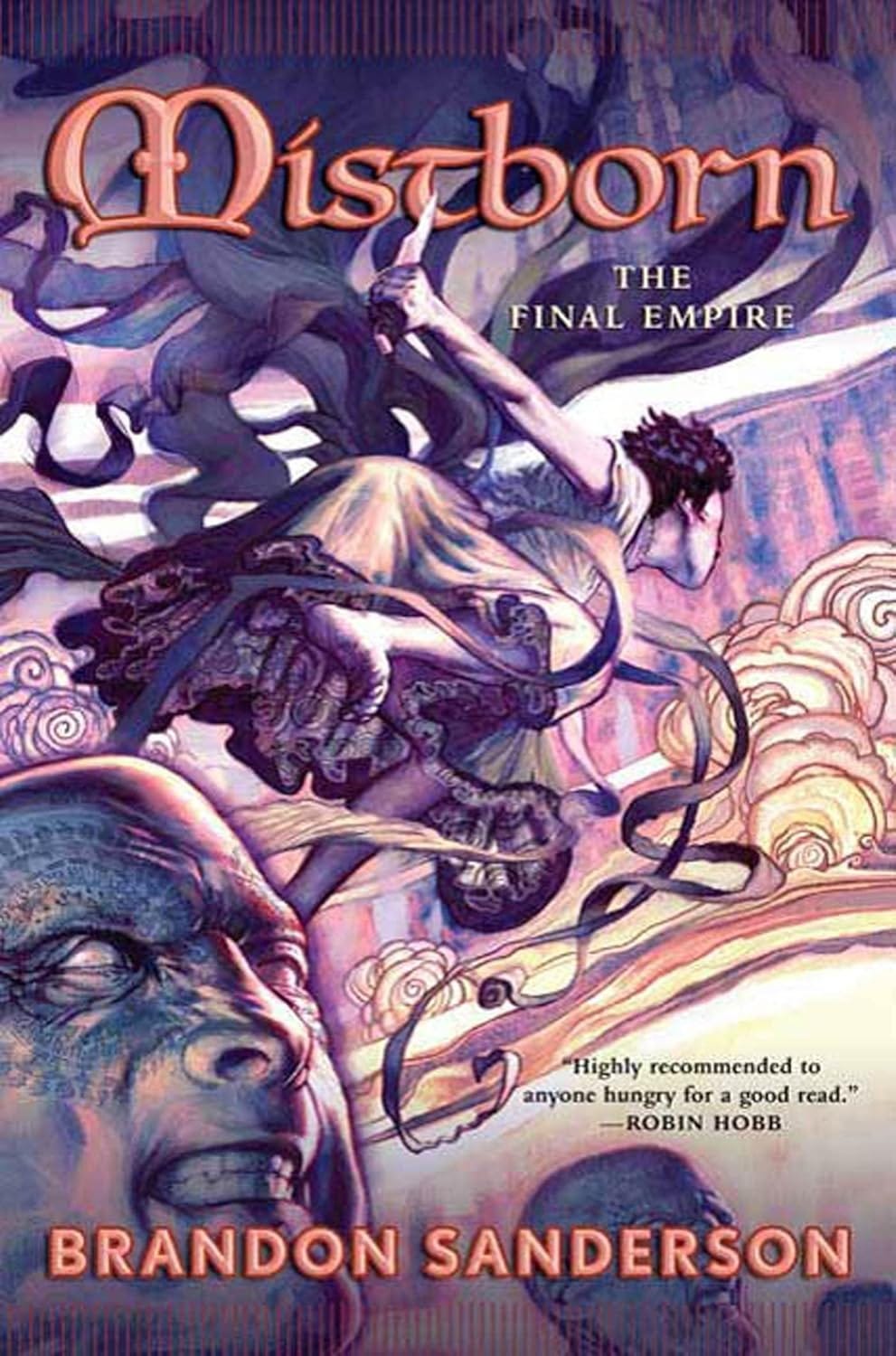
Welcome to Story Deep Dive!In this first episode of 2026, Dana and Rachel kick off their January book pick—Mistborn by Brandon Sanderson—with a craft-focused overview designed for writers who want to study why a story works, not just enjoy the ride.Whether you’re a fantasy writer, romance writer, or story-obsessed reader, you’ll walk away with insights on four-act structure and escalating stakes, how a “heist frame” can power a rebellion plot, and how to introduce a big ensemble cast without overwhelming your reader.You can also watch the video version of this podcast on YouTube!Estimate Timestamps00:00 – Welcome Back + New Year KickoffDana welcomes listeners back to Story Deep Dive and sets the tone: bookish besties + editors + coaches breaking stories down like writers. They reveal the first pick of the year—Mistborn—and tease that January is always a “go hard” month for the show.01:10 – Holiday Reads + What They’ve Been ReadingRachel shares her holiday reading recap, including a standout comp read (The Fox Wife) and reflections on noir craft via Devil in a Blue Dress. Dana shares her own reading updates, including Fourth Wing and several nonfiction reads related to YouTube as she ramps up for a busy quarter.08:30 – Building the 2026 Reading List + “Pearl-Clutching” BanterThey talk about finalizing their 2026 reading list, including Dana’s process of sampling books and rejecting picks that don’t meet the “Story Deep Dive” standard. The conversation turns playful when they reference intense books (and Dana’s tolerance levels), joking about easing into wilder picks “maybe in 2027.”10:35 – Why January Picks Go Hard + Introducing MistbornDana and Rachel joke about who should pick January next year, then pivot into why they chose Mistborn as the first study of 2026: it’s big, layered, and packed with craft lessons—especially for writers building plot-heavy stories.12:05 – Spoiler-Light Summary: What Mistborn Is AboutRachel gives a quick, clean setup: Vin, a skaa thief surviving under the Lord Ruler’s brutal empire, is recruited by Kelsier—and discovers her “luck” is something more. The job isn’t just theft… it’s revolution.Notable moment: Rachel jokes that Vin must learn how to be a Mistborn… “and how to wear a dress.”13:20 – Episode Caveat: What This Overview Will (and Won’t) CoverThey set expectations: Mistborn has too much depth to cover in one episode. Rachel notes they will discuss the magic system, but more through the lens of how plot reveals worldbuilding rather than doing a full technical breakdown.16:10 – Four-Act Structure + The Power of a Core Story ThreadRachel explains why she uses Mistborn as a teaching text for four-act structure: it has a clear central plot question(overthrowing the Lord Ruler) and a clean escalation of stakes across acts. She highlights how subplots and complications feed the core mission instead of distracting from it.Key insight: Strong pacing comes from tracking one central story thread and escalating pressure against it.19:35 – “Heist-Flavored Rebellion”: What Makes the Plot Feel FreshRachel breaks down the innovation: Sanderson uses the heist framework (specialists, roles, planning, execution problems) to drive what is fundamentally a rebellion story. Dana adds that this combination gives readers a familiar “container” for expectations while delivering it in an original way.Key takeaway: Take a classic story engine and “flavor” it with another genre’s structure to create something fresh.22:10 – Book One in a Trilogy: Deliver on This Book, Earn Book TwoThey discuss how Mistborn works as a complete story while still setting up the trilogy. Rachel reinforces the principle: the best way to sell book two is to write a strong book one—no bait-and-switch endings, no “read the sequel to get the real payoff.”Key insight: Close the loop on the main promise of this book, then let the ending raise new questions naturally.25:20 – Ensemble Cast: How to Introduce Many Characters Without Confusing ReadersRachel explains how Sanderson layers character introductions across chapters—adding one or two at a time so readers can anchor names, personalities, and roles. Dana notes the heist structure helps because each character is tied to a job, skillset, and story function, making them easier to remember and more distinct.Key takeaway: Readers remember characters faster when they have multiple anchors: role, personality, relationship to the protagonist, and purpose in the mission.30:10 – Training Scenes + Worldbuilding That MultitasksRachel highlights how Mistborn avoids long, repetitive training sequences. Instead, the magic is introduced in layers: overview → action in the story → deeper training later. This keeps worldbuilding scenes from becoming info dumps and ensures they still move plot forward.Key insight: In books, training scenes must multitask—show growth, reveal rules, and advance the story.34:10 – Vin’s Internal Lens: “Who She Is vs. Who She Can Become”Dana calls out one of the most helpful lenses for writers studying Mistborn: Vin begins as an observer and survivor, and every challenge pressures the gap between her current identity and her potential. Kelsier introduces the possibility early, and the story keeps rubbing that tension until she changes.Key takeaway: Transformation is clearest when the story constantly pressures the distance between “now self” and “future self.”37:20 – Craft Encouragement: Masterworks Take TimeRachel closes by reminding writers that Mistborn wasn’t Sanderson’s first draft—or his first book. They encourage listeners not to compare their first drafts to a polished, edited masterwork, but to use the episode as inspiration and a roadmap for skill-building over time.About MistbornAuthor: Brandon SandersonOnce, a hero arose to save the world. He failed.Ever since, the world has been a wasteland of ash and mist controlled by the immortal emperor known as the Lord Ruler.But hope survives. A new uprising is forming, one built around the ultimate caper, the cunning of a brilliant criminal mastermind, and the determination of an unlikely heroine: a street urchin who must learn to master the power of a Mistborn.Where to Find the BookMistborn by Brandon Sanderson is available in several formats. It’s also widely available in libraries and online retailers. Details on his website.Next Episode:In the next episode, Dana and Rachel will dive into plot—including how Mistborn maintains momentum through a central story thread, escalates complications across acts, and uses the heist frame to keep the rebellion storyline tight and propulsive. Be sure to tune in!Join the Conversation:Like what you heard? Subscribe, leave a review, and share your thoughts. Follow Story Deep Dive on your favorite podcast platform and connect with Dana and Rachel to keep the discussion going—then grab the book and read along with us as we break down Mistborn over the next three episodes!Connect with Dana and Rachel on storydeepdive.com to keep the conversation going! This is a public episode. If you would like to discuss this with other subscribers or get access to bonus episodes, visit storydeepdive.substack.com
Welcome to Story Deep Dive!In this episode, Dana and Rachel close out the 2025 season with a big-picture reflection on the books they’ve read, the characters they’ve dissected, and the way a year of eclectic picks has sharpened their instincts as writers, editors, and coaches.Whether you’re a writer, reader, or storyteller, you’ll gain valuable insights on using your reading list as a craft lab, comparing characters across subgenres, and planning your 2026 TBR with intention—especially if you’re writing series or building an author career.You can also watch the video version of this podcast on YouTube!Estimate Timestamps00:00 A Season in Review: 11 Books, Endless ShenanigansDana and Rachel kick off the final episode of 2025 by recapping the full reading lineup for their first season of Story Deep Dive. They run through their eleven picks—Ninth House, Things We Never Got Over, Dead Until Dark, The Whistleblower, Indigo, Cold and Deadly, One for the Money, Beautifully Cruel, Sin and Chocolate, The Woman in the Library, and Twisted Love—and marvel at how wildly varied the list is.From small-town rom-coms and grumpy/sunshine pairings to crime, dark-leaning romance, paranormal, fantasy, and the “Ninth House is its own genre” category, the year has covered a wide spectrum of tone and subgenre. They reflect on how intentional the list feels in retrospect, even though they were initially just choosing books they loved and believed would be helpful to writers. The early picks ended up laying a foundation that later books built on, both in terms of character work and structural choices.05:00 Reading Wide, Asking Why: Using Your TBR as Training GroundRachel talks about how the variety of 2025 picks became a powerful tool for comparing and contrasting genres and subgenres: crime vs. murder mystery, fantasy vs. paranormal romance, and everything in between. She encourages listeners to look back over their own year of reading and ask what they loved, what didn’t work, and—most importantly—why.Those “why” questions help readers better articulate their tastes, but for writers, they’re essential to understanding how to recreate certain effects (or avoid pitfalls) on the page. She shares how she does this with clients, especially when they react differently to two “alpha male” heroes: same archetype, very different reader response. Examining those differences clarifies what kind of character they want to write.Rachel also notes that one of the unexpected joys of the podcast has been how often discussions of one book naturally reach back to previous titles.The individual episodes may be self-contained, but the season as a whole functions like an extended craft conversation where each book becomes a reference point that illuminates the others.11:00 Building a Shared Language: Characters, Plot, and Being Well-ReadDana picks up the thread and expands on the benefits of being well-read as a writer. She talks about how helpful it is to be able to compare characters like Knox from Things We Never Got Over and Liam from Beautifully Cruel: both are grumpy, dominant heroes, but they occupy the page and command attention in different ways. Having multiple examples in your mental library lets you check that you’re “in the pocket” of a trope while also giving you ways to push against it.Dana contrasts The Woman in the Library, where plot and character are so tightly intertwined that she rarely thinks of them separately, with a book like Things We Never Got Over, where the characters dominate her memory and she has to consciously pull the plot into focus beyond “runaway bride.” She reminds writers that their own habits and history on the page shape how they digest story, and that reading books they didn’t personally choose—like she often does for the podcast—stretches both taste and craft.Over the year, she and Rachel have discovered they’ve been building a shared story language without realizing it, layering references and examples that now inform every new conversation.17:00 Looking Ahead to 2026: The Books They Can’t Wait ForTurning toward the future, Dana asks Rachel two questions: what book is she most excited to read, and what book is she most excited to have on the 2026 podcast list. For pure reading joy, Rachel picks The Christmas Fix by Lucy Score, their upcoming Christmas pick. She’s eager to see more of Lucy Score’s work beyond Things We Never Got Over and is especially excited about diving into a seasonal, festive romance that leans into holiday vibes without feeling too Hallmark. For the podcast list, Rachel’s clear winner is Hellbent by Leigh Bardugo, the sequel to Ninth House. She loves the concept and characters of the series and is thrilled to spend more time with them, getting to see new layers, deeper growth, and richer interactions.Dana shares that she’s also excited (and a little nervous) to tackle Hellbent—so much so that she plans to reread Ninth House first. When it’s her turn, Dana names Before I Let Go by Kennedy Ryan as the book she’s most excited to have on the 2026 list. She’s thrilled to bring an emotionally rich contemporary African-American romance to the lineup, especially one centered on a divorced couple and a true second chance romance.As an honorable mention, she picks Tempt Me at Twilight by Lisa Kleypas, a beloved historical romance from a sister-centric series that also features one of her favorite grumpy alpha heroes.23:00 Historical Romance, Representation, and Layered Story WorldsRachel admits she’s never read a Regency romance before and is curious about how Tempt Me at Twilight will handle historical research and context, especially after the high bar set by Beverly Jenkins in Indigo. Dana explains that while Kleypas may not lean as heavily into historical detail as Jenkins, she still layers in technology, social rules, class dynamics, and constraints on women, giving the romance a sense of depth and lift beyond the central love story.They both appreciate how stories like Tempt Me at Twilight blend the emotional core of romance with the richness of historical or cultural worldbuilding, making them great case studies for writers who want multiple layers of meaning and conflict. They circle back to Before I Let Go, highlighting how centering a divorced Black couple in a contemporary setting not only brings representation to the list but also offers a nuanced, emotionally grounded vision of second chance love that will be instructive for writers exploring mature relationships and complex backstory.27:00 Hooks Without Hate: How Book Twos Keep You ReadingThe conversation shifts to series craft, specifically how sequels like Hellbent and Sin and Magic (the follow-up to Sin and Chocolate in the Demigods of San Francisco series) handle endings and hooks. Dana points out that neither Ninth House nor Sin and Chocolate ends with a rage-inducing cliffhanger, and that this matters a lot for reader experience. Both books resolve their primary storylines but leave meaningful threads unresolved—threads that matter deeply to at least one protagonist and naturally pull readers into book two.Rachel breaks down Leigh Bardugo’s approach: in Ninth House, the main plot resolves, but a more subtle plot thread is revealed to be unfinished, effectively becoming the launchpad for Hellbent. The same pattern repeats in Hellbent itself.Dana notes that Sin and Chocolate does something similar: readers get some relief and resolution, but an important underlying issue is still active and emotionally charged.Together they suggest that writers planning trilogies or multi-book series with the same couple should pay attention to how these books balance closure and curiosity—delivering satisfaction while still giving readers a reason to keep going.32:00 Gratitude, Community, and Kicking Off 2026 with MistbornTo close the season, Dana and Rachel turn reflective and grateful. They thank new listeners and long-time followers alike for being part of what Dana calls their “eclectic little book club,” and they acknowledge the learning curve of tech, recording, editing, and show-notes logistics that turned into a “labor of love.” They invite listeners to rate and review the podcast, share it with both reading and writing friends, and stay tuned for everything they have planned for 2026.Rachel officially announces Mistborn by Brandon Sanderson as their January pick, noting the many available formats and gently warning that it’s a hefty ~600-page doorstopper—but a rewarding one. Dana teases Rachel about being allowed to pick doorstoppers, joking that the audience will hold her accountable for letting it happen, while also affirming how much she loves doing this project with her best friend.Dana wraps up with a heartfelt note about being stretched by the reading list and hoping that their conversations send listeners “running to the page,” spark aha moments, and help them see familiar stories in new ways. They both emphasize the joy of reading in community—where talking about plots, characters, and structure can deepen both craft and pleasure.The episode closes with warm holiday wishes, a reminder that next week’s episode will be their overview of Mistborn, and Dana’s signature sign-off: happy writing and goodbye.Next EpisodeIn the next episode, Dana and Rachel will explore Mistborn by Brandon Sanderson, breaking down its worldbuilding, character arcs, and plot structure—and what writers can learn from an epic, series-launching fantasy novel. Be sure to tune in if you’re curious about how to build immersive worlds, manage a large cast, or design a story that can support multiple books.Join the Conversation:Like what you heard? Subscribe, leave a review, and share your thoughts.Follow Story Deep Dive on your favorite podcast app (and YouTube, if you like to watch while you listen), and connect with Dana and Rachel on social media to keep the discussion going.Tell them which 2025 pick stretched you the most, what you’re adding to your 2026 TBR,
Welcome to Story Deep Dive!In this episode, Dana Pittman and Rachel Arsenault dive into their Best of 2025 – Characters and unpack which protagonists, love interests, and found families refused to leave their brains long after “The End.”Whether you’re a writer, reader, or storyteller, you’ll gain valuable insights on how to craft memorable leads, build empathy for deeply flawed characters, and use worldbuilding to make your cast truly stick with your audience.You can also watch the video version of this podcast on YouTube!Estimate Timestamps00:00 – Best-of Series & Today’s Focus: CharactersDana and Rachel reintroduce the December “Best Of” series, where they look back over the 11 books they read in 2025. Last week’s episode focused on plot; this week, they turn to characters. After some playful banter about Rachel “cheating” by picking whole books instead of single characters, they clarify the game: name their top two character choices from the year, plus any irresistible honorable mentions, and talk about what makes them so unforgettable from a writer’s perspective.02:00 – Dana’s First Pick: Galen from IndigoDana’s first choice is Galen Vachon from Indigo by Beverly Jenkins, a character she calls “the Black Daniel” and one of her favorite male protagonists of all time. She highlights how Galen embodies a strong Black male lead with Creole roots, relative affluence for his time, and a powerful role as an abolitionist involved with the Underground Railroad. Dana loves the balance of strength and vulnerability in his characterization: he has an unshakable moral core, fierce protectiveness (as seen in scenes where he’s ready to take anyone down for Hester), and yet a deep softness in how he loves. She contrasts Galen with many modern “alpha males,” noting that he has “swag on top of swag” without tipping into the “alpha-hole” stereotype. His pairing with Hester and the rich historical world Jenkins builds are, for Dana, a masterclass in how fully realized characters can elevate a good story into a great one.07:00 – Rachel’s First Pick: Things We Never Got Over & Knox MorganRachel’s first pick, framed initially as a best cast, is Things We Never Got Over by Lucy Score, with a special spotlight on Knox Morgan. She talks about how the Knockemout series created some of the most memorable, “sticky” characters she’s read in years—people who feel like they moved into her head and stayed. Knockemout itself reads like a real town full of distinctive personalities. From a craft standpoint, she praises how Naomi Witt’s internal arc is woven through and played against Knox’s growth, and how character choices genuinely shape the plot rather than characters merely walking through pre-set beats. Rachel confesses a personal love of “the grump,” and Knox delivers: he’s deeply grumpy yet completely devoted, and notably stays grumpy even after he falls in love, becoming more endearing because he doesn’t morph into a different person. She references later books in the series where Knox bluntly tells Lucian he’d rather be making out with his wife than hosting guests, but will absolutely destroy anyone who makes her cry—an example of how consistent core personality plus meaningful growth creates a standout romance hero.14:00 – Dana’s Second Pick: Liam Black and the Allure of the Mystery ManDana’s second pick is Liam Black, a choice Rachel doesn’t entirely share, which leads to more playful teasing. Dana, however, stands firm that Liam is one of her favorite characters ever. She’s drawn to his grumpy, mysterious energy and the way his backstory and trauma are used to deepen, rather than excuse, his morally questionable actions. She loves that the book maintains his mystery without turning him into a melodramatic caricature, and that the story’s lighter tone uses humor to pull readers back from darker edges. For Dana, the relationship at the heart of the book is a compelling opposites-attract pairing where surface differences hide deeper similarities in values and wounds. She points out that the character is written so effectively that, as a reader, you know he’s in the wrong at times, yet you find yourself almost justifying his choices—a sign that something powerful is happening on the craft level. Dana encourages writers to pay attention any time they feel this tension in themselves as readers: it’s a clue that the author has nailed empathy-building for a complex, morally gray character.19:00 – Rachel’s Second Pick: The Whistleblower & Gil Peck as a Flawed ProtagonistRachel’s second selection is The Whistleblower, centered on its protagonist Gil Peck. Dana dramatically recalls how intense the reading experience was, joking that Rachel “tried to kill” her with this book, though she ultimately loved it. Rachel describes Gil as a phenomenally executed flawed protagonist—someone who is objectively not a good person. He’s manipulative, cutthroat, fueled by a serious cocaine habit, and has treated his family, including his sister, poorly. By all rights, readers shouldn’t like him. Yet Robert Peston manages to make Gil deeply sympathetic as he grieves his sister, seeks the truth about her death, and struggles to reckon with who he’s been.Rachel talks about the tightrope of writing an unlikable lead without alienating the audience: you watch Gil try to do better and fail, see him face consequences, and still find yourself caring. She also praises the supporting cast and worldbuilding—a shark tank of equally ruthless people that both shaped and rewarded Gil’s worst traits. Dana notes this is a textbook example of how establishing the world’s rules and moral ecosystem makes it easier for readers to accept and even root for a protagonist whose behavior they might otherwise reject. Together, they highlight The Whistleblower as a strong study text for writers interested in morally gray or ethically compromised leads who still compel readers to turn the page.24:00 – Honorable Mention: Found Family Goals in Sin and ChocolateDana slides in an honorable mention for Lexi and her wards Mordecai and Daisy from Sin and Chocolate. She adores the found family trope, and this book, for her, is a standout example. The dynamic between the three is messy, warm, and hilarious: Lexi is technically the adult yet often feels like she’s failing at parenting; Mordecai frequently plays the actual grown-up; Daisy is sassy, manipulative, and utterly endearing. Dana loves that they’re willing to sacrifice for one another, even when it costs them opportunities that might look “better” on paper.Rachel and Dana both emphasize how the world context heightens the emotional stakes. These characters are scraping by on the edges of a dangerous society, and their loyalty to one another becomes even more powerful against that backdrop. Dana also notes the power of the species contrast—Lexi is gifted, Mordecai is a werewolf shifter, and Daisy is human; by rights, they shouldn’t even be in the same region. Yet they defy those boundaries to stay together, fight for medicine, and weather danger side by side. For writers, they frame Sin and Chocolate as a rich study text in how to endear readers to a found family and build connection through banter, sacrifice, and unlikely bonds.27:00 – Other Near-Picks, Character Study Tips, and Reader ReflectionRachel mentions The Woman in the Library as another strong contender for best characters, especially because the book sets readers up to like all of the main players, only to later reveal that one is a murderer. That structural choice creates a fascinating tension between affection and suspicion, offering another smart model for writers studying ensemble casts.From there, the conversation turns more broadly to character craft and self-study. Dana suggests that if you struggle with character, you should intentionally ask: Which characters refuse to leave my mind—and why? She urges writers to articulate what makes those characters so sticky and trace the emotional tethers that run through the story. What worldviews, circumstances, and choices grab you? When do you start excusing their behavior? When do you cheer for them despite yourself? Those answers reveal the kind of characters and arcs that speak most powerfully to you as a writer and can guide your own character design.They both reiterate that all of the books they read in 2025 had strong character work; these are simply the ones that rose to the top. They encourage listeners who read along to do the same exercise: pick your own top two for plot and characters, plus honorable mentions, and notice which stories move you enough to make you want to push your craft further.29:00 – Season Wrap Tease, Mistborn Reminder, and Sign-OffAs they reach the thirty-minute mark, Rachel and Dana begin to wrap the episode. They thank listeners for joining them for the Best of Characters 2025 and tease the final episode of the year: a season wrap-up where they’ll share big-picture takeaways, reflect on their reading year, and peek ahead into 2026. They laugh about their tendency to start “looking ahead” whenever they try to look back, and remind everyone that January’s pick is Mistborn, encouraging listeners to read it in time.Next EpisodeIn the next episode, Dana and Rachel will share their 2025 Season Wrap-Up—revisiting the year’s books, distilling big craft takeaways, and looking ahead to the 2026 reading lineup, including January’s pick, Mistborn. Be sure to tune in for reflections, behind-the-scenes thoughts on running the podcast, and inspiration to shape your own reading and writing plans for the year ahead.Join the Conversation:Like what you heard? Subscribe, leave a review, and share this episode with a fellow story lover. Follow Story Deep Diveon your favorite podcast app and connect with Dana Pittman and Rachel Arsenault on social media to keep the discussion going about plots, characters, and all things story.For more information visit www.storydeepdive.com. This is a public episode. If you wou
Welcome to Story Deep Dive!In this episode, Dana Pittman and Rachel Arsenault dive into their picks for Best Plots of 2025 from the 11 books they read and analyzed this year.Whether you’re a writer, editor, or craft-obsessed reader, you’ll gain valuable insights on building narrative drive, balancing romance with external stakes, and structuring a first-in-series book that actually makes readers come back for more.You can also watch the video version of this podcast on YouTube!Estimate Timestamps00:00 – December “Best Of” and Plot FocusDana and Rachel set the stage for their December “blast from the past” series, where they revisit the year’s reads through different craft lenses. For this episode, they zero in on plot and challenge themselves to pick just two standout books each from the 11 they covered in 2025. They explain that these choices aren’t about favorites overall, but specifically about plot construction, narrative drive, and structural execution.03:00 – Why Ninth House Is an Inevitable Plot PickRachel confesses she originally tried to ban herself from choosing Ninth House because everyone already knows it’s one of her all-time favorites. But once she reframed the question as “top plots of the year,” it felt wrong not to include it. She unpacks how Ninth House is a master class in weaving a murder mystery with life-and-death stakes, layered horror elements, and meticulous four-act pacing.She highlights how the book escalates the stakes of the mystery without relying solely on more bodies, and how it manages the dual task of telling a complete story while clearly setting up a series. At over 500 pages, it still feels tight, intentional, and full of narrative drive—never wandering, never bloated. For writers, it’s a powerful example of how to escalate a mystery and sustain momentum across a long novel.Dana jumps in to say Ninth House is also one of her picks. She loves the speculative overlay on real history, the emotional depth of Alex’s journey, and the absolutely wild twists—what she lovingly calls the “ape-shit twists.” Beneath all the magic and horror, she’s drawn to the core of a young woman who doesn’t want to fail again, who feels like she doesn’t belong and is desperate not to waste her second chance. Every reread reveals more, and she has that rare feeling of, “This author is in her bag—nobody else could have told this story like this.”12:30 – A Backstory Masterclass: Handling Trauma Without Info DumpsRachel zooms in on one specific craft lesson from Ninth House: how to integrate difficult backstory. She notes how often writers either dump backstory in lumps or make their protagonist sound whiny and stuck. Leigh Bardugo avoids both traps by having Alex use past experiences to interpret present situations.Instead of pausing the story to “tell us what happened,” Alex looks at what’s happening now and thinks, This is like what happened back in LA… That framing makes the backstory relevant, vivid, and emotionally charged rather than indulgent or repetitive. We learn exactly where Alex comes from, but it never feels like a slog.Dana adds that even though we stay firmly in Alex’s POV, Bardugo maintains mystery around Alex herself. Details of her past come out as the environment and stakes demand it, which keeps reader curiosity alive. Every time the stakes rise, Dana finds herself begging the universe to give Alex a break. She loves how the book juggles so many elements—worldbuilding, horror, mystery, emotional wounds—without ever feeling overwhelming or info-dumpy.18:30 – Dana’s Second Pick: Twisted Love and the Art of Anti-Hero RomanceFor her second plot pick, Dana chooses Twisted Love. She admits she wrestled with this slot, especially since Indigo is her all-time favorite book, but Twisted Love wins here specifically on plot and romance construction.She praises Twisted Love for:Delivering a dark-edged romance that still feels emotionally grounded.Handling an anti-hero lead (Alex) in a way that feels compelling, not cartoonishly cruel.Giving Ava an initial innocence that could easily have been annoying, but instead evolves into genuine strengthwithout sliding into “poor little rich girl” territory.Plot-wise, Dana loves how the threads are organized: the way romantic stakes, emotional wounds, and external pressures rise and intertwine, and the way the climax lands so hard she still feels it on every reread. She jokes that she’d make a terrible negotiator because she’s constantly arguing with the characters: “You don’t have to do this!” Even knowing what’s coming doesn’t dampen the impact, which to her is the mark of a powerful romantic plot.She gives Indigo an “eternal honorable mention” here, reflecting on how she’s been reading it for 30 years and still reacts to its climax with the same gut-deep emotion every time.26:30 – Rachel’s Second Pick: Sin and Chocolate and Plot Born from WorldbuildingRachel’s second pick is Sin and Chocolate, chosen specifically for how its plot springs directly from its worldbuilding. She points out that in some books, the world can feel like a decorative backdrop. In Sin and Chocolate, the story feels like it could only exist in that specific world with its rules, power structures, and dangers.She also loves how the book:Functions as a self-contained story with a clear problem and resolution.Still operates as the start of a longer series, leaving room for higher stakes and deeper conflict in later books.Book one feels, in some ways, like a contemporary romance setup—very character-forward, very focused on personal stakes—and that’s part of its genius. It hooks readers emotionally, makes them invest in Lexi and Kieran, and then quietly plants the seeds for a broader, more action-driven arc that will unfold over future installments.Dana agrees and reframes the craft lesson through a series lens: if you want readers to stay for six books, you have to make them care. Book one is all about getting to know Alex’s wards, understanding what Kieran is up against, and putting their wounds onstage so we’re emotionally invested before the big, overarching plot fully kicks in.They both admire how the romance is steamy but not overdone, how the attraction and emotional growth feel believable, and how the story avoids getting stuck in repetitive romantic loops.34:00 – Clear Goals, Closed Loops, and Series SpringboardsRachel breaks down how Sin and Chocolate gives Lexi a clear, concrete goal—getting medicine for Mordecai—which anchors the entire plot. This clarity ensures that her actions never feel random; every choice traces back to that central motivation.By the end of the book:The immediate problem (Mordecai’s safety) is resolved.But Lexi has had to accept a job with Kieran to secure that safety.This structure closes the primary story loop in a satisfying way while springboarding readers into book two. Rachel compares it to Mistborn: the book feels finished, but the cost of solving the central problem creates consequences and questions that naturally lead into the next installment.Dana notes that readers don’t feel cheated or cliffhung; instead, they feel invited to continue. The first book does its job as both a complete experience and a compelling gateway into the rest of the series.41:00 – Honorable Mentions, Plot Lessons, and What We Take as WritersDana and Rachel circle back to their honorable mentions:Indigo – for its enduring emotional impact and unforgettable, painful climax.Dead Until Dark – for its almost impeccable plotting in how it balances romance and mystery, opening and closing both arcs cleanly and satisfyingly.They reflect on the year’s reading and how their plot picks are influenced by their tastes as writers and editors. They gravitate toward books with strong structure, clear stakes, and emotionally resonant payoffs. Even the titles that didn’t make the official “best plot” list still offer rich tools for writers—from handling timelines and dual threads to integrating romance with external conflict.47:30 – Looking Ahead: 2026 Sneak Peeks and the Beauty of RereadsDana asks whether any upcoming 2026 picks might dethrone Ninth House or rival their current favorites in terms of plot. Rachel suspects it will be hard to top Ninth House, but acknowledges that they’ve already dropped some sneak hints about books on the horizon. She gently encourages listeners to use this inside track to build their TBR lists, request books as gifts, and read ahead.Dana zooms out to the joy of reading as a lifelong practice. She talks about how rereading Indigo over three decades has shown her what “standing the test of time” looks like. As they read across genres and modes—mystery, dark romance, paranormal, contemporary—they’re constantly collecting craft lessons and asking:What made this story hit so hard?How can I recreate that feeling for my readers, in my own voice and style?For her, there’s nothing better than being part of the “making” of those kinds of moments as both writer and coach.54:30 – Sequels, Shock Levels, and Managing Reader ExpectationsThe conversation briefly turns to sequels. Rachel predicts that Sin and Magic (the sequel to Sin and Chocolate) may surpass book one because the groundwork is already laid and now the story can dive into higher-stakes, more action-heavy plot—right in her wheelhouse.They also talk about Hellbent, the sequel to Ninth House. Dana admits she’s nervous, because the twists in Ninth Housewere so intense she’s not sure she wants to be shocked like that again… and yet she kind of does. Rachel reassures her that while Hellbent has its own twists, it doesn’t repeat the same style or level of shock as the wildest moments in Ninth House. Still, she avoids spoilers and encourages Dana to experience it for herself.57:30 – Wrap-Up, Listener Picks, and Calls to ActionDana and Rachel close the episode by acknowledging how hard it was to pick just two books each when so many of this year’s titles had strong plots. They remind listeners that they don
Welcome to Story Deep Dive!In this episode, book coaches and editors Rachel and Dana look back on their very first full year of the podcast—11 books, nearly 50 episodes, and a whole lot of craft talk and chaos.Whether you’re a writer, editor, or story-obsessed reader, you’ll gain valuable insights on how discussing books changes your perspective, how genre and niche shape author branding, and how reading outside your comfort zone can sharpen your craft.You can also watch the video version of this podcast on YouTube!Estimate Timestamps00:00 – “We Actually Did It”: Launching and Sustaining the PodcastDana kicks things off with pure gratitude and disbelief: after years of talking about doing a podcast—making lists, dreaming, and delaying—they finally did it, and they stuck with it. She jokes about wanting an acceptance speech and thanks Rachel for being endlessly patient and organized as they navigated recording days around “very, very, very busy schedules.”They talk about how natural the conversations feel, since talking about books is already a core part of their friendship and professional relationship. The hardest part isn’t the content—it’s the scheduling and the brain exhaustion that hits after a long recording day. Still, they’re proud of the “reps” they’ve put in: about 50 episodes recorded over roughly 12 recording sessions.Dana also shares that some of her favorite moments don’t make it on mic: the giggles, hot takes, and “mumble mushmouth” bloopers before they hit record. Those behind-the-scenes moments are part of what makes this project so fun and worth it.04:00 – How Talking About Story Changes How You See ItRachel reflects on how their process reshapes their opinions of the books they read. There are many times when their initial reactions shift after a full, structured conversation. A book that felt “fine” at first can suddenly click into place once they step back, look at the full picture, and talk through character, structure, and execution as coaches.She explains that articulating why a story works—rather than just feeling that it does—deepens her understanding of the craft. Dana agrees, noting that she often recommends books based on instinct and market awareness, but the podcast forces her to unpack those instincts and explain what’s working on the page and in the marketplace.They highlight how this year has given them a shared story vocabulary and a growing archive of examples they can reference in future episodes and with their clients.09:00 – Surprise Favorites: The Woman in the Library, Ninth House, and MoreRachel asks Dana which of her (Rachel’s) picks surprised Dana the most in a good way. Dana jokes that every time Rachel gives her a book, she wonders if “this might be the one that kills me”—especially with heavier titles like The Whistleblower.The standout surprise for Dana is The Woman in the Library. It isn’t a book she would have picked up on her own, but once she started, she realized she genuinely loved it: the characters, the story, and the experience. It’s the kind of book she’d happily read in a physical copy, slowly and comfortably.She also reaffirms her love for Ninth House, which she considers her favorite among Rachel’s earlier picks, even outside the context of the podcast.This section underscores how their contrasting tastes—crime and dark fantasy from Rachel’s side, romance-forward stories from Dana’s—have pushed each other into new reading territories and broadened their craft lens.14:00 – Romance Niches, Market Positioning, and the Twisted Love RevelationRachel then answers the same “surprise pick” question and lands on Twisted Love. It’s not a book she would seek out on her own or a niche she naturally gravitates toward, and her initial reaction—especially after the first sex scene—was full-on pearl-clutching. She sent Dana a dramatic Polo asking, “Ma’am, what in the tarnation do you have me reading?”But after dissecting it on the podcast and hearing Dana’s perspective, the book became a powerful case study. Rachel was fascinated by how Anna Huang leveraged dark romance elements while still keeping the story firmly in the contemporary romance space. In Rachel’s view, this balance was even more successful than in Beautifully Cruel, making Twisted Love a masterclass in author branding and market positioning.Dana uses this to explain why many of her picks are current or recent bestsellers. Her clients are writing and publishing now, not two years from now, so she needs to understand what’s actively working in the market—even if those books aren’t what some would consider “literary.” It’s not about prestige; it’s about understanding why a book stays on the bestseller list for years and what that means for structure, tropes, and reader promise.22:00 – Building a Reading Arc on Purpose and Planning Future LineupsDana reflects on how her picks formed a progression, even if it wasn’t fully intentional:Things We Never Got Over as a foundational steamy contemporary.Beautifully Cruel and Twisted Love as stepping stones into darker, edgier territory.Sin and Chocolate as a PNR gateway with slow-burn worldbuilding.This created a natural arc for listeners and for Rachel, showing just how broad the romance shelf really is. It ties into their ongoing conversation about branding—knowing where you sit, what you promise your readers, and how your stories show up in the market.Rachel shares that she almost didn’t include Sharp Objects in a future season because it’s deeply uncomfortable, even though she loves it. She worried Dana might hate it, which led them to pick Janet Evanovich earlier in the year instead. But with Dana’s reassurance to “just pick your books,” Sharp Objects is officially on the list.Dana, in turn, teases an ultra-dark romance title she’s tempted to add—a book that would keep Rachel’s pearls permanently clutched but would be structurally close to Rachel’s literary sensibilities. She hints that listeners will know when they get there, suggesting even more intense, craft-rich reads are on the horizon.29:00 – Reading Outside Your Lane: Ninth House, Twitch, and Embracing DiscomfortThey revisit Ninth House as a prime example of how reading outside your lane can stretch you. Dana recounts the shock of one particular scene: she stopped mid-walk, sent frantic messages to Rachel, and had to rewind the audio because she was so stunned and confused. Despite the initial discomfort, she’s eager to reread the book now that the shock has worn off so she can study what Bardugo did on the page—particularly with theme, darkness, and structure.Rachel connects this to her own growth in embracing discomfort and challenge, including her time streaming on Twitch. Being publicly visible while lost, scared, or stuck in a game has made her more willing to tackle books and projects that throw her out of her depth. She now welcomes “trial by fire” as part of her growth as a coach and storyteller.Dana notes that while these darker books aren’t always her personal sweet spot, they’re creatively useful and reaffirm her identity as a romance reader. She knew she loved romance before, but this year made that knowledge ironclad.34:00 – What They Didn’t Get to (Yet): Fantasy, Shifters, and ThrillersAs they look back and forward at the same time, they talk about what didn’t make it into this year’s lineup—but might in future seasons.Dana would have loved to have:A true fantasy or romantasy pick, beyond PNR-adjacent books like Sin and Chocolate and the genre-blending Ninth House.A wolf shifter / shape shifter story, which is closer to her own creative playground.She also talks about the quiet curation happening behind her picks: she’s intentionally thinking about representation, minority characters, subgenre variety, and market relevance with each choice. She’s happy with how this year’s list balanced those priorities and how early picks set up later conversations.Rachel mentions wanting to bring in a straight thriller at some point—perhaps classic or widely read authors like James Patterson (Alex Cross) or David Baldacci (The 6:20 Man)—both for their own sake and as comparison points for romantic suspense and crime-driven stories.They reference Mistborn as an upcoming pick that will expand their conversations about worldbuilding and magic systems, giving them even more cross-genre craft tools to work with.37:00 – Looking Ahead: Audience Picks, Endless TBRs, and Happy WritingTo close, Dana shares a dream: once they’ve grown the audience more, she’d love to have listener-chosen books a couple of times a year—titles where the audience says, “We need to hear you talk about this.” It would feel risky and unpredictable, but also incredibly fun. Rachel admits she doesn’t love unpredictability, but she’s game, trusting that they can have a good time with almost anything.They circle back to the heart of the episode: they’re grateful they finally did the thing they’d talked about for years, and they’re even more excited about what’s coming next. With more books, more subgenres, and more cross-genre craft conversations on the horizon, they feel like they’re just getting started.They sign off by inviting listeners to keep reading, keep writing, and keep exploring stories with them.Next EpisodeIn the next episode, Rachel and Dana will dive into their “Best of Plot” recap, each choosing two top picks for plot from this year’s reading list. They’ll break down what made those stories structurally strong, how plot interacts with character and genre, and what writers can learn from studying those books closely. Be sure to tune in if you want to sharpen your plotting instincts and gather concrete examples to model in your own work.Join the Conversation:Like what you heard? Subscribe, leave a review, and share your thoughts.Follow Story Deep Dive on your favorite podcast platform and connect with Rachel and Dana on social media to keep the discussion going.Have a book you’d love them to cover or a craft question you want
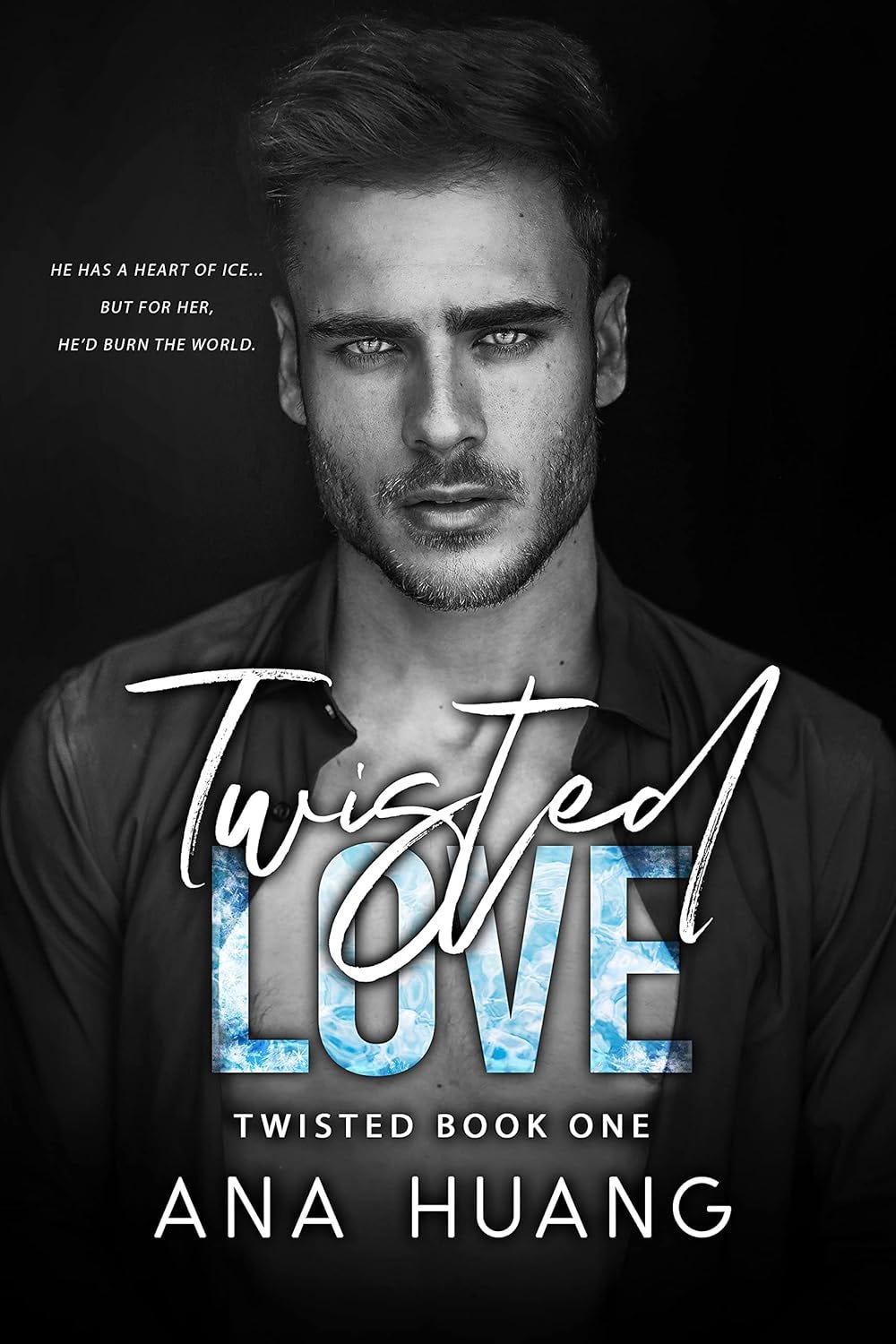
Welcome to Story Deep Dive!In this episode, Dana and Rachel dive into how to choose and use comps (comparable titles) as a powerful tool for both story craft and market positioning.Whether you’re a writer, storyteller, or author building a career, you’ll gain valuable insights on what kinds of comps you need, how to read them intentionally, and how they help you understand your genre, your shelf, and your brand.You can also watch the video version of this podcast on YouTube!Estimate Timestamps00:00 – Shenanigans, Bonus Month & Episode SetupDana and Rachel kick off with their usual playful banter about teaspoons vs. tablespoons of shenanigans and reintroduce Story Deep Dive as a podcast for writers who want to study books like craft labs, not just as readers. They explain that this is a bonus episode in a five-week month: instead of continuing their Twisted Love discussion, they’re zooming out to talk about comps—what they are, why they matter, and how they use them in their editing and coaching work.04:30 – Year-End Chaos & ProWritingAid “What’s Next” TalksRachel shares how wild the end of the year feels—wrapping up projects, holidays, and speaking gigs. She talks about ProWritingAid’s October Preptober sessions and announces her December 8 “Drafting in Stages: Part 2” workshop, which focuses on how to approach and iterate on a second draft after NaNoWriMo. She’ll help writers avoid trying to fix everything at once and instead tackle revisions in layers and stages.Dana follows with her own year-end update: juggling writing deadlines, planning 2025 workshops, and processing feedback from recent summits. She announces her December 10 ProWritingAid talk, “Series That Sell,” a follow-up to her wildly attended “Plot Accordion” workshop. Dana explains why one book isn’t enough for most careers and how series give readers a world to settle into—and writers a path to profitability.14:55 – Boundaries, Rest, and Structuring the End of the YearDana shares how she structured her calendar so that her ProWritingAid talk will be her last Zoom event and client commitment of the year, including finishing all 2025 developmental edits and personal book obligations early. She explains how this prevents “bleed over” into her planned time off and models sustainable business practices. Rachel responds with admiration and talks about her own goal of building in similar buffers, joking about how easy it is for “two weeks off” to quietly shrink to one and a half when boundaries aren’t enforced.20:00 – Why Comps Matter: From Vague Advice to Practical StrategyTransitioning into the main topic, they frame comps as vital tools, not just query-letter window dressing. Dana notes that both she and Rachel have systematic comp processes they use with clients and that these systems have stabilized over the last couple of years. They emphasize that while this episode offers general guidance, the best comp strategy is highly specific to the individual writer, genre, and goals. Comps, they argue, are how you turn vague advice like “read more” into targeted, practical study.22:10 – Rachel’s Four Types of Comps: Style, Plot, Genre, Problem-SpecificRachel breaks down comps into four key categories so writers know exactly what each comp is meant to teach them:Style Comps: Books you study for their line-level writing—voice, sentence rhythm, and density. She contrasts Leigh Bardugo’s lush, layered prose with Gillian Flynn’s sharp, efficient style to show how different styles can be equally powerful, and how a writer can decide what kind of prose they aspire to.Plot Comps: Stories with a similar plot shape—heists, chosen one journeys, journalist-investigations, magical outsider stories, etc. These comps help you study pacing, complications, and how a four-act (or similar) structure plays out for your type of story.Genre Comps: Books that clarify your category and subgenre—urban vs. high fantasy, cozy vs. thriller, dark romance vs. rom-com, etc. Genre comps reveal conventions, reader expectations, and standard “must-haves” for your lane.Problem-Specific Comps: Targeted books you choose to solve a particular challenge—dual timelines, big casts, continuity, information management, character depth, or magic systems. These don’t have to be in your genre; you’re studying execution, not copying.Rachel emphasizes that knowing what you’re looking for in a comp gives you clarity and purpose, whether you’re reading for inspiration, structure, or troubleshooting.32:05 – Dana’s Why: Shelf, Genre Flow, Market Fit, and BrandDana zooms out to explain why comps matter beyond craft:Know Your Shelf: She uses the old “walk into a bookstore and see who’s to your left and right” analogy. Comps help you figure out which authors you sit beside and which tropes, themes, and archetypes are standard in that space.Know Your Genre Flow: Even if you and another author both use a four-act structure, the emotional rhythm and beat expression can be wildly different in romance vs. fantasy vs. crime. Comps show you how your genre moves, not just what it contains.Know Where You Fit in the Market: Comps help you articulate where your work lands—soft vs. hard magic, steam level, tone, stakes, cast size, and setting. This is how you figure out “I’m like X and Y, but with Z twist.”Know Your Brand: As you study comps, patterns emerge—what you always bring to the page, what kind of emotional payoff you deliver, and what readers can expect when they pick up one of your books. That clarity fuels both your creative decisions and your marketing.Dana compares the process to an optometrist flipping lenses—“one or two?”—until your story and brand come into focus.43:40 – How Writers Actually Use Comps Across Drafts and Skill LevelsRachel explains how she adapts comp work to each writer. Newer writers often start with plot and genre comps to understand basic structure and expectations. More experienced writers may jump more quickly into problem-specific comps once they know what they’re trying to achieve. Style comps often become most relevant in second draft territory, when an author can see how their natural voice is landing and what they want to refine.They also talk about the emotional and time investment of comp research. Rachel shares that she often spends hours digging through Amazon lists, reviews, Reddit threads, and recommendation chains to find the right study text for a client. The first book you pick is almost never perfect. Still, even the “misses” add to your repertoire and teach you what you do—and don’t—want to do.57:30 – Red Flags, Frustration, and Why This Work is Worth ItDana addresses a frequent issue: writers feeling frustrated when they can’t find a comp that does exactly what they want to do. Sometimes that’s a sign that what they’re trying to write hasn’t sold before—or hasn’t been market-viable. She encourages writers to remain flexible, realistic, and patient, and to see comp selection as a long game.They both reinforce that you shouldn’t settle on one comp. You need at least three to five to distinguish genre norms from outliers and personal quirks. Reading books you dislike is not a waste; it reveals pitfalls and helps you refine your taste. Comp work, they insist, is lifelong if you want to keep improving and building a sustainable career.01:07:00 – Comps, Queries, and Long-Term Career StrategyRachel loops back to remind writers seeking traditional publishing that the same comp work you do for your craft and positioning can powerfully inform your query letter comps. Agents want to know where you fit on the shelf, what books you’re in conversation with, and how you’re similar and different from successful titles.Dana highlights that even for self-publishers, this is crucial. Understanding comps helps you talk clearly about what your book is, who it’s for, and why readers will care, which is the foundation of all effective marketing. She suggests thinking of comp reading as creating a personal curriculum—you might study magic systems one season, antiheroes the next, then deep-dive into romance tropes or layered character arcs.01:14:25 – January Pick, December Episodes & ClosingAs they wrap up, Dana invites listeners to share questions and thoughts at storydeepdive.com and to tell them if they’d like more episodes on comps and market positioning. They announce their January book selection: Mistborn by Brandon Sanderson, prompting Rachel to show off her beloved (and too-warm-for-the-Gulf-Coast) Mistborn Christmas sweater.They tease upcoming December “Best Of” recap episodes, shorter but packed with craft takeaways to help writers close the year strong and step into the new one with purpose. Dana and Rachel sign off by reminding listeners to like, subscribe, review, and—of course—keep writing.Book SelectionHe has a heart of ice...but for her, he’d burn the world.Alex Volkov is a devil blessed with the face of an angel and cursed with a past he can’t escape.Driven by a tragedy that has haunted him for most of his life, his ruthless pursuits for success and vengeance leave little room for matters of the heart.But when he’s forced to look after his best friend’s sister, he starts to feel something in his chest:A crack.A melt.A fire that could end his world as he knew it.***Ava Chen is a free spirit trapped by nightmares of a childhood she can’t remember.But despite her broken past, she’s never stopped seeing the beauty in the world…including the heart beneath the icy exterior of a man she shouldn’t want.Her brother’s best friend.Her neighbor.Her savior and her downfall.Theirs is a love that was never supposed to happen—but when it does, it unleashes secrets that could destroy them both…and everything they hold dear.Where to Find the BookTwisted Love by Ana Huang is available in several formats. It’s also widely available in libraries and online retailers. Details on her website.Next Episode:In the next episode, Dana and Rachel will kick off their December “Best Of” series, recapping
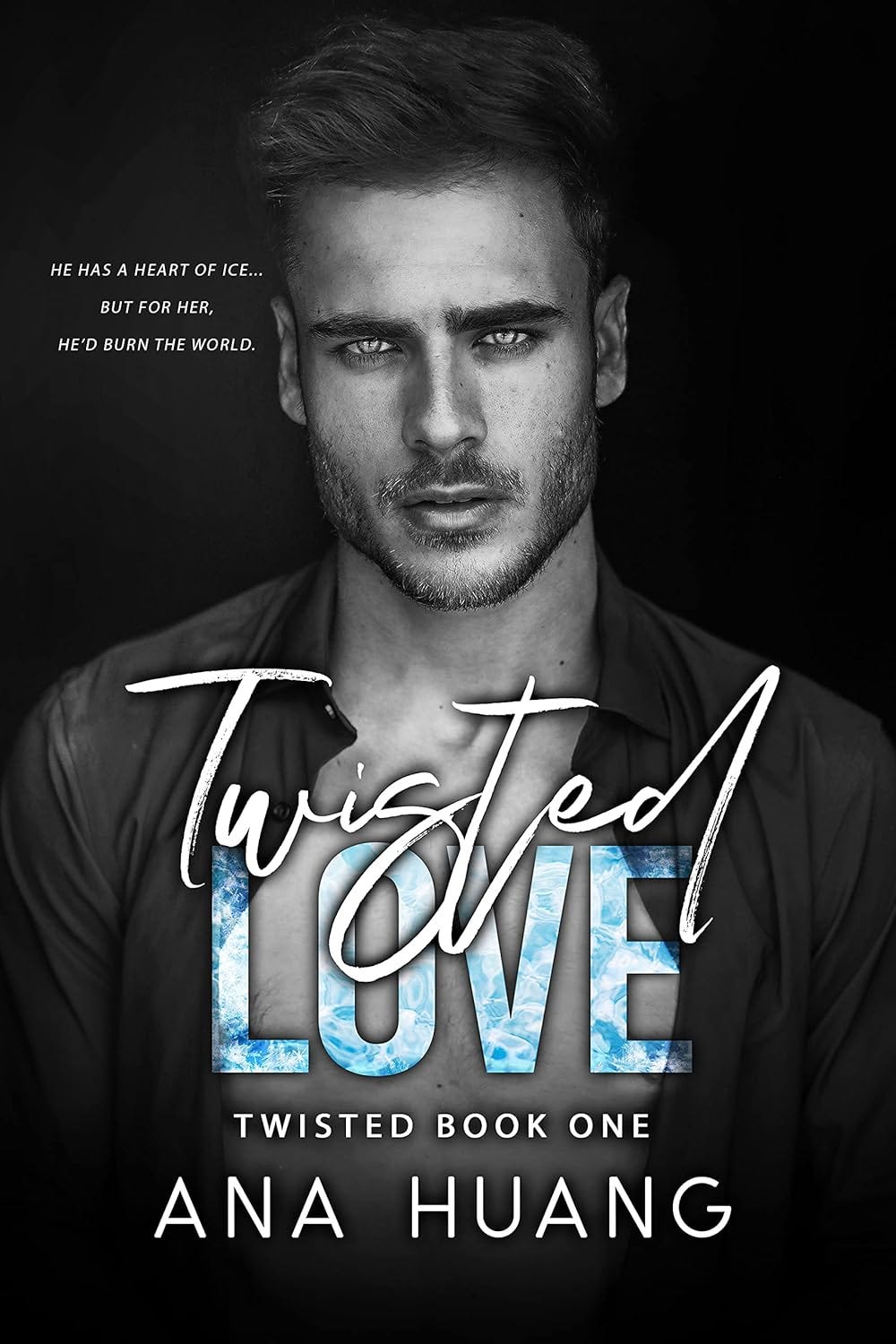
Welcome to Story Deep Dive!In this episode, Rachel and Dana dive into Twisted Love by Ana Huang from an editor’s lens—zooming in on wounds, lies, POV choices, and how to build a dark, steamy romance that still feels emotionally grounded.Whether you’re a romance writer, storyteller, or editor, you’ll gain valuable insights on crafting devastating climaxes, earning your HEA, and writing with both marketing and craft in mind.You can also watch the video version of this podcast on YouTube!Estimate Timestamps00:00 – Year-End Vibes & What’s Coming in DecemberRachel and Dana open with their trademark banter about late-night recording energy and end-of-year brain fog. They share that Twisted Love is their final book pick for 2025 and introduce their plan for December: shorter “Best Of” episodes spotlighting the standout moments, patterns, and lessons from all their 2025 reads. They also frame December as intentional downtime—modeling rest and refuel for writers and business owners while still “keeping the party going” with weekly episodes.06:30 – Kicking Off 2026 with Mistborn by Brandon SandersonRachel announces her January 2026 pick: Mistborn by Brandon Sanderson. She explains why it’s her go-to teaching text for four-act structure, tightly nested plots, and hard magic systems. They talk about Sanderson’s career, his massive epics like The Way of Kings, and what writers can learn from watching a prolific author evolve over time. Dana marvels at the sheer commitment behind thousand-page books and the systems required to sustain them, and they riff on the joy of fully exploring character growth over enormous story canvases.18:25 – Why Read Widely (Even If It’s Not “Your” Genre)?They pivot from Sanderson back to the broader purpose of the show: studying books as writers. Rachel and Dana emphasize the value of reading outside your comfort zone—epic fantasy, dark romance, suspense—not just for entertainment, but as “creative cross-training.” Big, structurally ambitious books help writers understand emotional pacing, multi-layered plots, and character journeys in ways that can be applied to any genre.19:10 – Story Summary: Twisted Love by Ana HuangDana delivers an evocative summary of Twisted Love: a steamy, emotionally charged contemporary dark romance about opposites bound by family secrets and obsession. When Ava Chen’s older brother leaves town, he asks his best friend—cold, calculating Alex Volkov—to look after her. Reluctant guardianship becomes forbidden attraction as both are forced to confront buried trauma. Their relationship becomes a collision of control and compassion, guilt and desire, light and darkness. The book reimagines grumpy/sunshine, brother’s best friend, and good girl/bad boy tropes for a modern, TikTok-era romance audience.22:40 – High-Level Editor’s Takeaways: Balance, POV, and Marketing AwarenessDana outlines the major craft angles she wants to explore:The balance between a brutal climactic fallout and a fully earned HEA, including why a longer post-climax section works here.POV selection as a power move—how Huang’s choices shape our experience of Alex, Ava, and key emotional beats.Deciding what makes it onto the page vs. what’s summarized, and where Dana felt a few key moments might have landed harder as full scenes.Writing with marketing in mind—how the tropes, trauma elements, and emotional intensity feel tailor-made for virality and BookTok, without sacrificing story integrity.The way the book straddles contemporary, dark romance, and light suspense while still feeling firmly like a romance.27:00 – Nested Plots & Character Problem SetsRachel picks up two big craft lessons:Nested Plot Loops: Huang closes the suspense/revenge loop before the romance loop, keeping the HEA as the final emotional payoff. This honors romance genre priorities while still delivering satisfying external stakes.Characters Built Around a Shared Problem: Drawing on John Truby’s The Anatomy of Story, Rachel explains how giving multiple characters variations on the same core problem (trauma, control, safety) creates thematic cohesion. Ava and Alex are opposites on the surface but united by similar wounds processed in different ways, making them uniquely right for each other.31:00 – Wounds, Lies, and the Romance ArcThey dive deep into how wounds and lies function in romance:A painful event creates a wound.The character forms a lie about themselves, others, or the world.Life then reinforces that lie until the story rips it apart.Dana connects this to Michael Hauge’s teaching: characters build their lives around a false belief that must be dismantled for true transformation. In Twisted Love, both Ava and Alex have trauma-rooted lies; the romance doesn’t magically heal them, but it becomes the catalyst that makes them willing to face hard truths. They highlight how Huang avoids the trap of “good sex cures everything” and instead lets the emotional work show up on the page.41:00 – The Climactic Blow-Up: When Everything CollidesThey unpack the climactic moment where romance, dark elements, and suspense all converge in one devastating sequence. This is where all the crumbs left throughout the book pay off:Long-buried secrets surface.The cost of Alex’s revenge arc slams into the relationship.Ava and Alex are forced to confront who they’ve become and what they’re willing to sacrifice.Dana describes it as the kind of climax that “rips your heart out, stomps on it, and throws it against the wall,” and explains why letting all threads collide in one scene is so effective when you’ve built a strong foundation.47:40 – Why Every Romance Needs a Breakup (and Time to Breathe)Dana hops on her (beloved) soapbox about why a breakup is essential in romance:Love isn’t the solution; love is the catalyst.The breakup creates space for each character to face their wounds and lies without the comforting distraction of the relationship.The HEA only feels earned if both characters complete their individual arcs and then choose each other again.They compare Twisted Love to Things We Never Got Over, noting how both books force the love interest to sit in the mess of their choices. They applaud Huang for allowing the post-climax fallout and reconciliation to breathe, rather than rushing back to “I love you” too quickly.54:20 – What Didn’t Quite Land: Summary vs. Scene in the Final ActDana points out her one main craft critique:In the final act, some significant emotional and healing beats are told in summary rather than shown as full scenes.A few mirrored scenes (echoing earlier moments) could have given readers direct evidence of Alex and Ava’s growth instead of relying on retrospective narration.Rachel frames this as a classic revision question—how to cover time, maintain pacing, and decide which moments deserve full scene treatment versus montage-like summary.1:01:30 – POV as a Revision LeverRachel explains that:POV decisions and show/tell balance are often refined in revision, not perfected in draft one.Writers should draft using their best instincts, then revisit key scenes later and ask:What happens if this scene is in the other protagonist’s POV?Does the emotional impact deepen if we switch perspectives?She reassures first-draft writers not to get stuck fussing over POV mid-draft—those are “later problems.”Dana ties this back to Twisted Love, noting how Huang’s strongest scenes lean heavily on smart POV choices that aim directly for the reader’s throat.1:05:00 – Studying Across the Spectrum: Trauma, Tone, and TriggersThey emphasize that Twisted Love is a powerful study text even if dark, steamy romance isn’t your personal taste. It’s especially useful for:Seeing how trauma and triggers can be handled in a way that still feels readable and contemporary.Understanding how far to push intensity while keeping the story grounded in romance.Exploring tone—how a book can feel like a contemporary romance while still carrying dark edges and thriller notes.They suggest comparing this book with stories that are lighter and those that are darker to understand your own “spectrum” as a writer.1:11:10 – Reader Promises, Brand, and Books That StickDana closes the craft conversation by highlighting how Huang:Makes clear promises to the reader (dark, steamy, emotionally loaded, HEA) and delivers.Creates the kind of book people reference later: “Do you remember Twisted Love?”They encourage writers to think about the type of emotional experience and brand promise they want readers to expect from them—and to commit to delivering it consistently.1:17:00 – Creative Cross-Training & Looking AheadThe episode winds down with a reminder:Study within your genre so you know what your readers expect.Study outside your genre to keep your creativity flexible, innovative, and well-fed.Rachel and Dana invite listeners to carry this mindset into 2026—reading, studying, and writing with both heart and strategy.About Book SelectionHe has a heart of ice...but for her, he’d burn the world.Alex Volkov is a devil blessed with the face of an angel and cursed with a past he can’t escape.Driven by a tragedy that has haunted him for most of his life, his ruthless pursuits for success and vengeance leave little room for matters of the heart.But when he’s forced to look after his best friend’s sister, he starts to feel something in his chest:A crack.A melt.A fire that could end his world as he knew it.***Ava Chen is a free spirit trapped by nightmares of a childhood she can’t remember.But despite her broken past, she’s never stopped seeing the beauty in the world…including the heart beneath the icy exterior of a man she shouldn’t want.Her brother’s best friend.Her neighbor.Her savior and her downfall.Theirs is a love that was never supposed to happen—but when it does, it unleashes secrets that could destroy them both…and everything they hold dear.Where to Find the BookTwisted Love by Ana Huang is available in several formats. It’s also widely available in libraries and online retailers. Detai
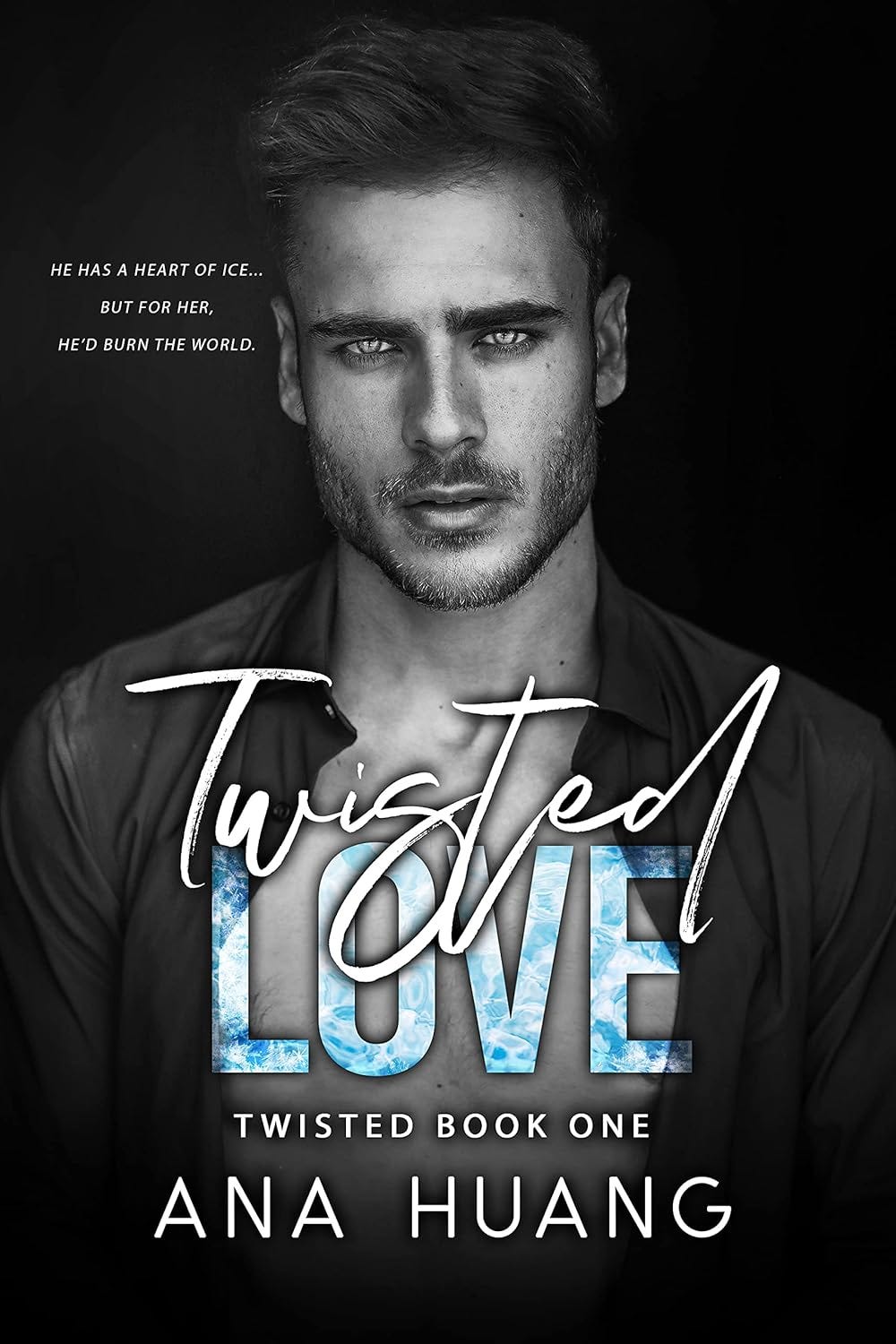
Welcome to Story Deep Dive!In this episode, Rachel and Dana unpack the characters of Twisted Love by Ana Huang, looking at how dark romance uses trauma, chemistry, and emotional extremes to build unforgettable protagonists.Whether you’re a romance writer, storyteller, or craft-obsessed reader, you’ll gain insights on pairing polarizing leads, weaving internal wounds into the love story, and using “dark” elements without losing emotional credibility.You can also watch the video version of this podcast on YouTube!Estimate Timestamps00:00 – Welcome Back & Life Updates from Danja TalesRachel opens the show, re-introduces the podcast, and sets up today’s focus on Twisted Love’s characters. She prompts Dana for a life update, and Dana shares how attending the Quilt Festival became a much-needed creative reset and why tactile, non-writing hobbies are essential to keeping her writing brain healthy.03:30 – Retreat Season, Book Club & Business ReflectionDana talks about wrapping the final Danja Tales book club pick for 2025 and her desire to step outside straight contemporary romance for their next selection. She previews the upcoming three-day virtual retreat, explaining how it blends teaching, deep reflection, detailed workbooks, and year-end planning so authors can transition into the new year with clarity and momentum.11:00 – Twitch, Horror Holidays & Story in Video GamesRachel gives her monthly Twitch update, sharing how she pivoted into “Horror Holidays” after missing Halloween horror season. She talks about playing Still Wakes the Deep, her fear of underwater settings, and why horror games—though awful to play—are incredibly fun to experience with a live community. They both reflect on how story, character, and tension show up in games just as much as in books.18:45 – Fear Responses, Swears, and Why This Still Matters to StoryDana and Rachel joke about their wildly different fear responses: Rachel swears like a sailor when scared, while Dana’s instinct is to fight. Beneath the laughter, they circle back to how all these mediums—movies, games, horror—are powered by story, character growth, and emotional arcs that writers can study and translate onto the page.22:15 – Twisted Love in a NutshellDana delivers a focused story summary: Twisted Love is a steamy, dark-leaning contemporary romance about Ava Chen, a sunshine heroine with buried trauma, and Alex Volkov, her brother’s best friend and obsessive, damaged protector. What begins as reluctant guardianship turns into an intense, forbidden love that forces both to confront old wounds, guilt, desire, and the armor they’ve built around their hearts.24:20 – High-Level Character Takeaways: Polarizing but CompellingThey introduce their main character lens: these are not perfect, “safe” characters—they’re polarizing, flawed, and often difficult, which is part of their appeal. Dana frames Alex as a “damaged protector” and Ava as “sunshine with scars”, emphasizing how their shared trauma but opposite coping styles fuel both the romance and the conflict. Their chemistry becomes a form of conflict in motion, especially with the brother’s-best-friend setup tightening external stakes.34:40 – Trauma Pairing, Invisible Tethers & Universal Fantasy in Dark RomanceRachel digs into how Huang develops Ava and Alex by putting them in the same problem space—trauma—but on opposite ends:Ava forgets; Alex remembers everything.Ava chooses light; Alex chooses revenge.They talk about universal fantasies in dark romance (like “touch her and die,” “he falls first and harder,” “he’d burn the world down for her”) and how those fantasies tap into cultural hunger for justice and protection in an unsafe world. Dana explains that crafting a pairing like this is like assembling a puzzle: you need sharp contrast and invisible tethers that make the relationship feel both impossible and inevitable.47:30 – Dual Protagonists, Dual Payoffs & Why Love Is a Catalyst (Not a Cure)Dana emphasizes that romance is a dual protagonist genre—both leads must have real arcs, healing, and payoffs. They explore how:Ava learns to truly protect her peace and agency.Alex learns to feel and dismantle the walls around his wound.Rachel connects this to story structure: the relationship shows them what’s possible, then forces them to confront the internal wounds that block that possibility. They stress that love is not the solution to the problem—it’s the catalyst that drives the transformation required for a true HEA.58:00 – False Highs, Dark Moments & Going There with Your CharactersThey discuss how the book uses a false high—a stretch where everything seems blissful—before ripping the rug out. This makes the dark moment sharper and more emotionally resonant, because the groundwork has been carefully laid. Dana issues a challenge to writers who struggle to hurt their characters: identify what your character is most afraid of and make them face exactly that. For writers who “go dark just to go dark,” she cautions that the emotional groundwork must still be there or the drama won’t land.1:10:10 – Act Four Choices & A Hint of Telling vs. ShowingDana notes that some of the fourth-act resolution leans more on summary/telling than fully dramatized scenes, likely due to time and pacing considerations. She points out that it still works because the earlier acts did so much heavy lifting with character groundwork and emotional investment—but flags this as something she’d unpack more from an editorial lens.1:17:40 – Wrap-Up, Read-the-Book Reminder & Call to ActionThey close by encouraging listeners to read Twisted Love if they haven’t yet, especially if they want a hands-on example of dark-leaning contemporary romance with strong emotional stakes. Then they invite listeners to like, subscribe, leave reviews, and share questions or book recs ahead of next week’s episode.About the Book SelectionHe has a heart of ice...but for her, he’d burn the world.Alex Volkov is a devil blessed with the face of an angel and cursed with a past he can’t escape.Driven by a tragedy that has haunted him for most of his life, his ruthless pursuits for success and vengeance leave little room for matters of the heart.But when he’s forced to look after his best friend’s sister, he starts to feel something in his chest:A crack.A melt.A fire that could end his world as he knew it.***Ava Chen is a free spirit trapped by nightmares of a childhood she can’t remember.But despite her broken past, she’s never stopped seeing the beauty in the world…including the heart beneath the icy exterior of a man she shouldn’t want.Her brother’s best friend.Her neighbor.Her savior and her downfall.Theirs is a love that was never supposed to happen—but when it does, it unleashes secrets that could destroy them both…and everything they hold dear.Where to Find the BookTwisted Love by Ana Huang is available in several formats. It’s also widely available in libraries and online retailers. Details on her website.Next Episode:In the next episode, Rachel and Dana return with their Editor’s Takes on Twisted Love. They’ll dig into structural choices, Act Four execution, where the book leans into “telling” over “showing,” and what writers should emulate, interrogate, or avoid when building their own dark-leaning contemporary romances. Be sure to tune in!Join the Conversation:Like what you heard? Subscribe, rate, and review to help more writers find the show.Follow Story Deep Dive on your favorite platforms (Apple Podcasts, Spotify, YouTube), and connect with Rachel and Dana on social to share your takeaways, questions, and book suggestions for 2026.Connect with Dana and Rachel on storydeepdive.com to keep the conversation going! This is a public episode. If you would like to discuss this with other subscribers or get access to bonus episodes, visit storydeepdive.substack.com
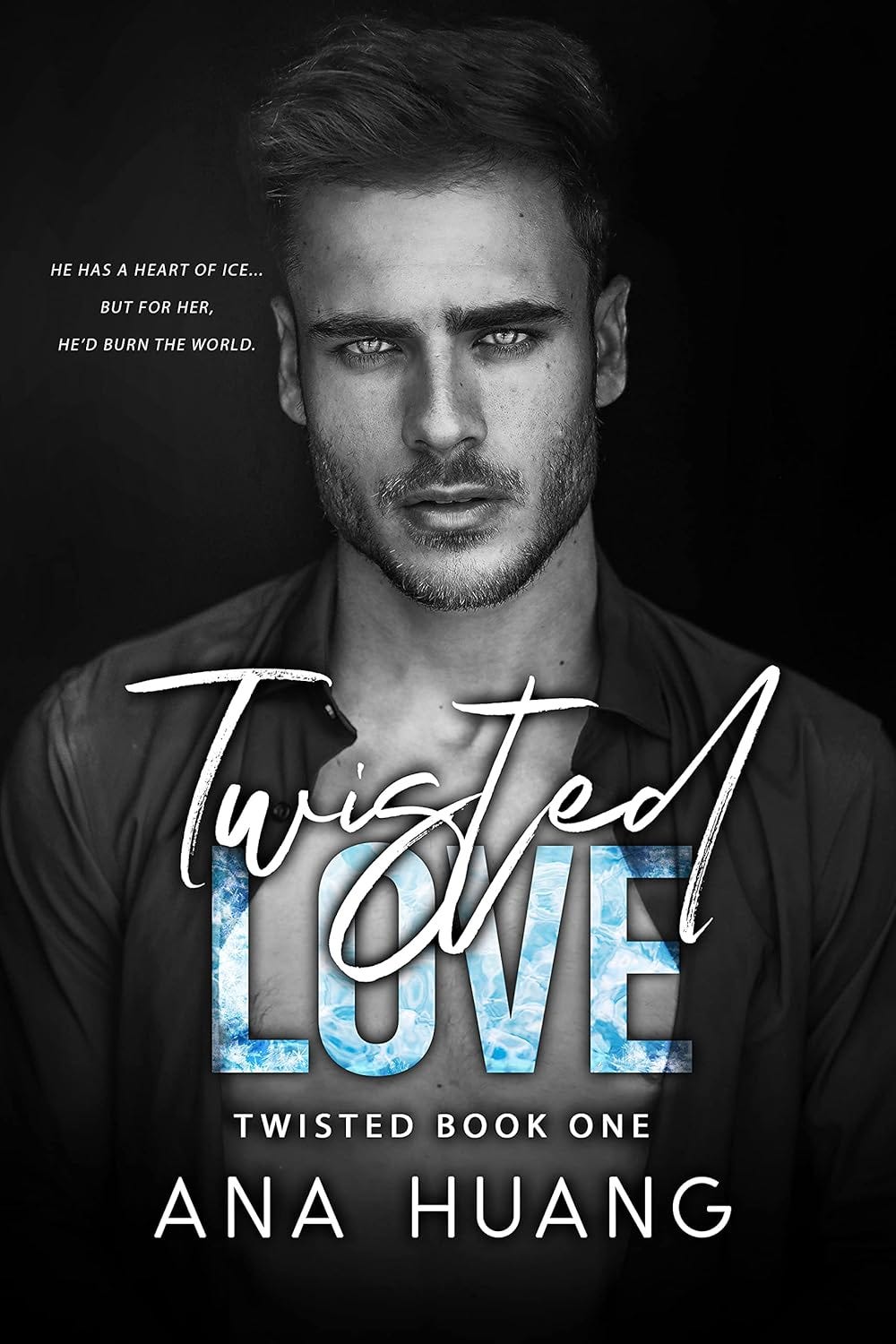
Welcome to Story Deep Dive!In this episode, Dana Pittman and Rachel unpack the plot architecture of Twisted Love by Ana Huang—as writers coaching writers.Whether you’re a novelist, editor, or story geek, you’ll get practical takeaways on nesting plot threads without losing the romance promise, using secrets/control to fuel conflict, and earning the breakup and reconciliation so the HEA lands.You can also watch the video version of this podcast on YouTube!Estimate Timestamps00:00 – Intro & Cold OpenA quick, playful kickoff (yes, there’s a “meaty goodness” oops) and a reminder of the podcast’s mission: analyzing books like writers to extract repeatable craft lessons.05:00 – What’s New at Danja TalesDana recaps a high-velocity year of genre/sub-niche collaborations, record pre-orders (~200), and teaching marathons. She frames how her Addictive 7 Framework helps authors avoid the hamster wheel by building exposure and marketing into the writing process.10:00 – Inside StoryCypher AcademyRachel shares wins from the second-draft phase: writers who struggled for years now have a first draft and a plan to revise. She’s filming curriculum, preparing the final revision module, and planning 2026. It’s “traffic-jam season” before the holidays.15:00 – Why Finishing MattersThe hosts stress repetition over perfection. Finishing demystifies the process. Expect 3–5 books to truly find your system as you personalize guidance into a you-shaped workflow.20:00 – Iteration = GrowthEach project asks for a new version of you. Testing structure, emotion, and pacing keeps the work fresh and the craft alive.24:00 – Story Summary: Twisted LoveDana’s synopsis: a dark, steamy contemporary where Ava Chen (sunshine) and Alex Volkov (morally gray, brother’s best friend) collide through forbidden proximity, buried trauma, and obsession. Themes: control vs. compassion; guilt, desire, and the armor love cracks open. Tropes are familiar but psychologically re-tuned for modern readers.27:00 – Today’s FocusDana’s pillars: collision of wounds, tropes reimagined, secrets & the illusion of control, redemption, and POV strategy.Rachel’s pillars: properly nested plots and proof-of-love that matches the breakup.31:00 – Tropes, Setup, and ContrastHow grumpy/sunshine and brother’s best friend land differently because of trauma-aware design. Proximity creates friction; Ava keeps her agency while Alex’s control is challenged. The push–pull sustains momentum and deepens stakes.37:00 – Nesting Plot Threads the Right WayRachel breaks down structure: the primary promise is the romance; the revenge subplot is secondary and closes before the romantic resolution. Closing in the order you opened preserves pacing and reader expectations. (Think “rainbow arcs” across acts; act-length mini-tropes can open/close inside the larger spine.)43:00 – Secrets & the Illusion of ControlSecrets “level” both leads. Ava hides fear behind optimism; Alex hides pain behind control. As truths surface, emotional armor is stripped, turning internal wounds into external conflict and forcing intentional choice rather than naïve trust.50:00 – Redemption, Breakup, and Earning the HEAWhy Dana champions breakup beats: “A love not tested cannot be trusted.” Twisted Love devastates—and then earnsits way back. Ava refuses half-measures; Alex must change in deed, not word. The extended Act 4 gives both room to become whole separately before they reunite—so the reunion is believable and deeply felt.58:00 – The Power of a Longer Act FourThe grand gesture matters because the heavy lifting—truth, accountability, changed behavior—has already happened. The ending isn’t a bow; it’s authentic integration.1:03:00 – POV Choices that Hurt (in the Best Way)Strategic POV (often Alex in pivotal scenes) invites empathy without excusing harm. Seeing him “gut himself while gutting her” shows the cost of pain and makes the eventual transformation legible. Craft tip: write a key scene in both POVs, then keep the one that maximizes disruption and clarity.1:10:00 – Wrap-Up & Calls to ActionPraise for Huang’s structural discipline and emotional rigor. Reminders to subscribe, rate, review, and send questions for future episodes.About Twisted LoveHe has a heart of ice...but for her, he’d burn the world.Alex Volkov is a devil blessed with the face of an angel and cursed with a past he can’t escape.Driven by a tragedy that has haunted him for most of his life, his ruthless pursuits for success and vengeance leave little room for matters of the heart.But when he’s forced to look after his best friend’s sister, he starts to feel something in his chest:A crack.A melt.A fire that could end his world as he knew it.***Ava Chen is a free spirit trapped by nightmares of a childhood she can’t remember.But despite her broken past, she’s never stopped seeing the beauty in the world…including the heart beneath the icy exterior of a man she shouldn’t want.Her brother’s best friend.Her neighbor.Her savior and her downfall.Theirs is a love that was never supposed to happen—but when it does, it unleashes secrets that could destroy them both…and everything they hold dear.Where to Find the BookTwisted Love by Ana Huang is available in several formats. It’s also widely available in libraries and online retailers. Details on her website.Next Episode:Next week, Dana and Rachel go deeper into character—how Ava and Alex are designed, tested, and transformed, and how reader psychology shapes what feels addictive in a dark contemporary romance.Join the Conversation:Like what you heard? Subscribe, rate, and review to help more writers find the show.Follow Story Deep Dive on your favorite platforms (Apple Podcasts, Spotify, YouTube), and connect with Rachel and Dana on social to share your takeaways, questions, and book suggestions for 2026.Connect with Dana and Rachel on storydeepdive.com to keep the conversation going! This is a public episode. If you would like to discuss this with other subscribers or get access to bonus episodes, visit storydeepdive.substack.com
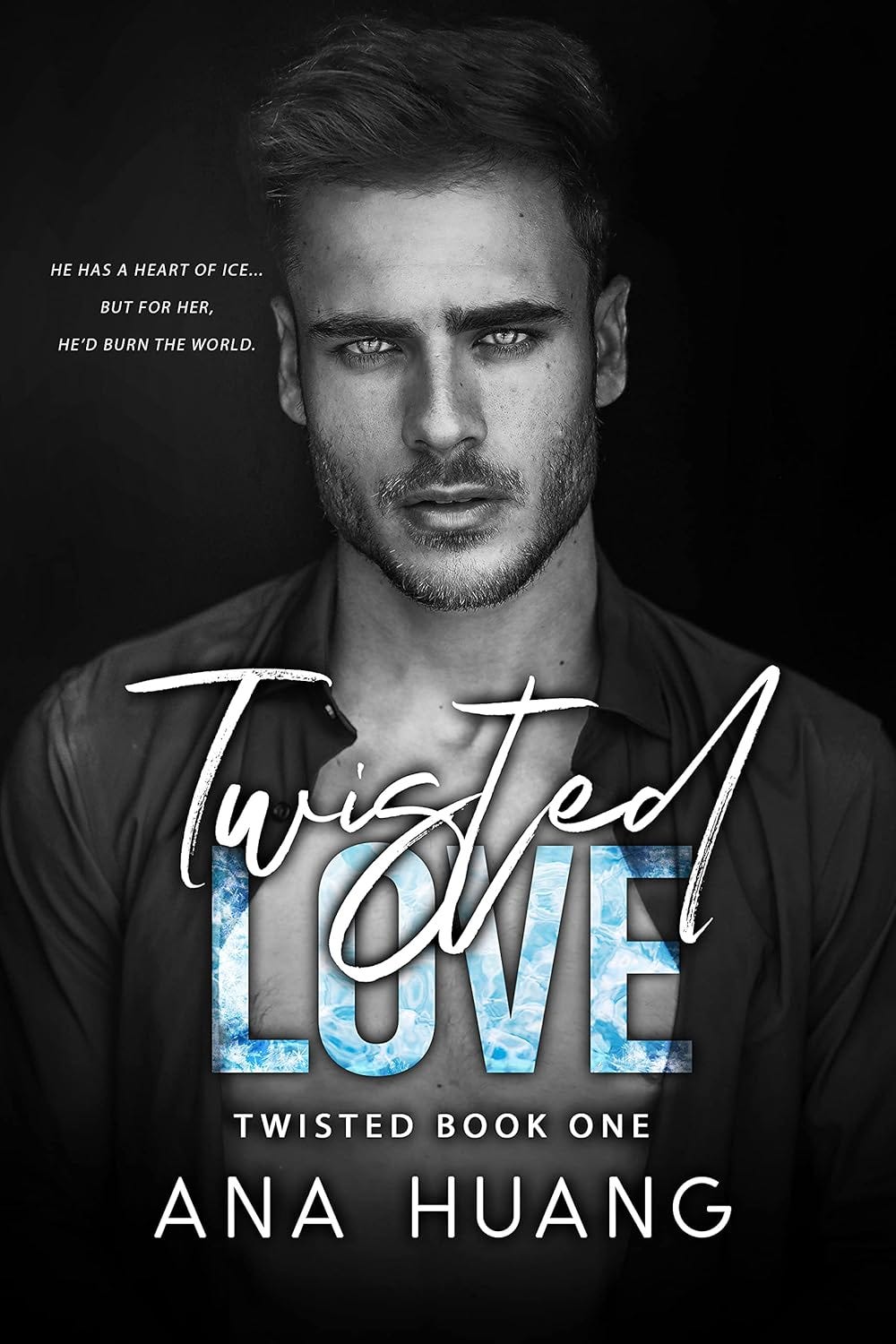
Welcome to Story Deep Dive!In this episode, Rachel and Dana kick off a three-part exploration of Twisted Love by Ana Huang, setting the stage for plot, character, and editor takeaways in the coming weeks.Whether you’re a writer, editor, or story-obsessed reader, you’ll walk away with insights on balancing contemporary and dark-romance elements, using tropes + universal fantasies to hook readers, and structuring nested plots so the main love story always leads.You can also watch the video version of this podcast on YouTube!Estimate Timestamps00:00 – Welcome & What’s ComingRachel and Dana introduce the mini-series on Twisted Love, outline the three-episode arc (plot → character → editor takeaways), and set the tone for craft-first analysis—with a healthy dose of laughter.Notable quote: “We discuss books not as readers but as writers.”04:30 – Danja Tales Update: The Virtual Retreat (and why Dana says ‘the pannie’)Dana shares details about her multi-day, end-of-year virtual retreat—equal parts reflection, future-casting, and hands-on creative sessions. The “pannie” moniker (for platform-friendly monetization) becomes an in-joke that sticks. The big takeaway: plan in November, let it marinate in December.12:30 – Story Cypher: Second-Draft SeasonRachel recaps the Academy workflow: outline → 30-day first draft → a breather module to analyze and plan → November haul for Draft Two. The focus is teaching writers to wear the right hat at the right time (drafting vs. editing vs. plotting) and demystifying the hard parts of finishing.23:45 – The “Aunt Dana” Bonus: Print Your ManuscriptDana champions a morale-boosting milestone: print and spiral-bind the manuscript (double-spaced, one-sided, 1″ margins, title page). Holding the work matters—and handwritten margins supercharge revision. Rachel plans to add Dana’s tutorial to Academy resources.Notable quote: “Hold your manuscript in your hands. There’s nothing like it.”34:10 – Book Summary & Why It WorksDana’s summary frames the book as a steamy, emotionally charged dark-contemporary: opposites, family secrets, obsession, and a love powerful enough to crack lifelong armor. Expect grumpy/sunshine, brother’s best friend, good-girl/bad-boy, and forbidden attraction—delivered with psychological depth.37:00 – The Game Plan: What We’ll AnalyzeKey themes for the series:Plot/Character lockstep: transformation drives escalation.Tropes + Universal Fantasies: why this novel is bingeable and marketable.Dark elements with contemporary packaging: traction for a wider audience.Dual transformation & redemption: morally gray hero, meaningful healing.Nesting plots: subplots serve the primary love story and resolve in the right order.41:10 – Content Warnings & Reader ExpectationsA clear CW segment: explicit sex and kink, trauma themes, and moments of violence. For romance newcomers, Rachel suggests skipping ahead during scenes that don’t fit your comfort level and checking trigger-warning databases. The goal is informed, safe reading.45:30 – What Makes a Romance ‘Dark’?Dana frames dark romance as a spectrum. Twisted Love remains grounded in contemporary, but pulls levers like traumatic backstory, taboo intimacy, and revenge to deepen stakes. Pros: bigger emotional range, powerful transformations. Cons: possible reader alienation without clear signals and intention.56:10 – Character Design: Sunshine with Scars vs. Controlled DominanceAlex’s loss-and-revenge engine meets Ava’s quiet strength and optimism. Their opposite wounds create potent chemistry and genuine healing arcs—the story’s heart. The “everyday” frame (birthday cakes and rainstorms) keeps the wildest moments emotionally legible.1:03:40 – Universal Fantasies & Trope AlchemyDrawing on T. Taylor’s Seven Figure Fiction, Dana maps universal fantasies (chosen, protected, seen/desired) onto the book’s tropes. This blend explains the title’s long-tail virality: it’s emotionally addictive and easy to market.1:14:15 – Plot Nesting: Setups, Payoffs, and Reader TrustRachel shows how Huang sets contemporary first, then layers early signals of kink/violence/revenge. As intensity rises, dark subplots resolve before the primary romantic payoff, so readers never lose the main thread. This ordering is why the climax feels shocking but earned.1:22:40 – Dual Transformation & RedemptionBoth MCs transform; Alex even gets a redemption arc while staying morally gray. Huang escalates conflict without repetition, pacing toward a climax that tests—and proves—change.1:27:30 – Spice Check (a.k.a. Furniture Moving)Comic relief: Rachel recounts listening to the first explicit scene in public and wanting to leave her own ears. Dana—unmoved and amused—calls it “normal steamy.” Friendship shenanigans ensue.1:33:20 – Year-End Context & Why Study This Book NowThe hosts note this is their final book pick of 2025, with December specials ahead and 2026 planning underway. They invite title suggestions and argue that, even outside romance, this novel is a clean model for studying transformation arcs.1:39:10 – Lessons for Any GenreIf you’re writing non-romance, borrow the clarity: wound → tests → setback → integrated return. Consider whether you need a romance subplot—or a deeper personal arc that proves your protagonist learned the lesson.1:46:00 – OutroHousekeeping: like, subscribe, rate/review, and comment with first impressions (and whether your eyebrows survived). Next week: the plot deep dive.About Twisted LoveHe has a heart of ice...but for her, he’d burn the world.Alex Volkov is a devil blessed with the face of an angel and cursed with a past he can’t escape.Driven by a tragedy that has haunted him for most of his life, his ruthless pursuits for success and vengeance leave little room for matters of the heart.But when he’s forced to look after his best friend’s sister, he starts to feel something in his chest:A crack.A melt.A fire that could end his world as he knew it.***Ava Chen is a free spirit trapped by nightmares of a childhood she can’t remember.But despite her broken past, she’s never stopped seeing the beauty in the world…including the heart beneath the icy exterior of a man she shouldn’t want.Her brother’s best friend.Her neighbor.Her savior and her downfall.Theirs is a love that was never supposed to happen—but when it does, it unleashes secrets that could destroy them both…and everything they hold dear.Where to Find the BookTwisted Love by Ana Huang is available in several formats. It’s also widely available in libraries and online retailers. Details on her website.Next Episode:Next week, Rachel and Dana dissect the plot of Twisted Love: setups, escalations, midpoint turns, the breakup/all-is-lost mechanics, and why the ordering of payoffs makes the climax land.Join the Conversation:Like what you heard? Subscribe, rate, and review to help more writers find the show.Follow Story Deep Dive on your favorite platforms (Apple Podcasts, Spotify, YouTube), and connect with Rachel and Dana on social to share your takeaways, questions, and book suggestions for 2026.Connect with Dana and Rachel on storydeepdive.com to keep the conversation going! This is a public episode. If you would like to discuss this with other subscribers or get access to bonus episodes, visit storydeepdive.substack.com
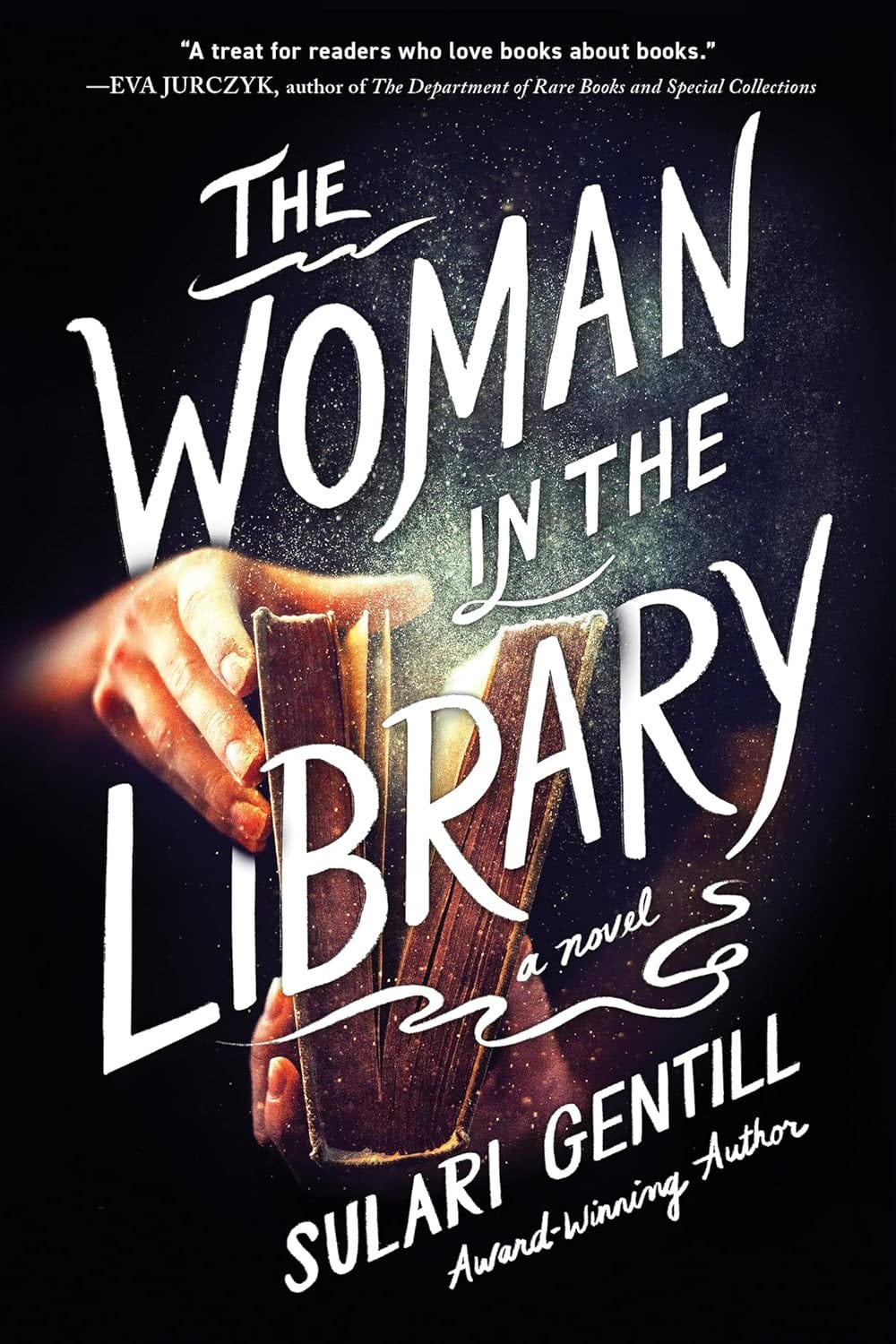
Welcome to Story Deep Dive!In this episode, Dana Pittman and Rachel Arsenault dive into the editor brain behind The Woman in the Library—how secrets fuel momentum, why character interrelationships matter, and what it takes to pull off a “book within a book.”Whether you’re a writer, reader, or storyteller, you’ll gain valuable insights on using information as narrative currency, designing ensemble dynamics that reveal character, and selecting (and pacing) a smart story container.You can also watch the video version of this podcast on YouTube!Estimate Timestamps00:00 – Welcome, banter, and episode frameDana and Rachel kick off the final installment of their four-part series on The Woman in the Library by Sulari Gentill. They set the tone for an “Editor’s Takes” breakdown—what worked, why it worked, and how writers can borrow these tools. “This podcast is about reading like writers,” Dana reminds listeners.07:30 – Next pick reveal: Twisted Love (and why)Dana announces the next book, Twisted Love by Ana Huang, and lays out her dark-romance lens: emotional trauma, organized crime elements, and taboo/kink. She explains why dark romance is a powerful place to explore the full spectrum of human emotion and craft—spotlighting tropes like grumpy/sunshine and brother’s best friend. Rachel adds clear content notes for listeners newer to romance or uncomfortable with explicit material.23:15 – Case file recap: what the story promisesRachel offers a clean logline: Four strangers bound by a scream in the Boston Public Library become friends—until secrets suggest one of them might be a killer. This tees up the craft conversation around how the novel sustains tension without cheap tricks.25:00 – Secrets & withheld information as narrative currencyRachel unpacks why information is the lifeblood of crime fiction and how Gentill keeps readers hooked by giving nearly every character something to hide. With each contradiction or partial truth, new “mini-mysteries” open, creating organic reasons to revisit suspects and deepen character interest. Dana notes that because readers can’t tell what’s relevant, they pay attention to everything—an elegant way to keep curiosity simmering.34:00 – Character interrelationships: conflict reveals characterPlot is conflict, and conflict exposes who people are. The hosts highlight how Marigold’s immediacy, Freddie’s measured approach, and the group’s frictions/forgiveness cycles make the cast feel dimensional. The book’s steady, character-led tension proves you don’t need a cliffhanger every chapter to sustain momentum.Notable quote: “Give each major character a distinct way they’d solve the problem—then imagine the book if they were the protagonist.”44:00 – A quick exercise for sharper castsRachel’s practical prompt: list your primary cast and answer (1) how each uniquely approaches the central problem and (2) what the story would look like with each as the lead. Dana adds that this also exposes energy balance across the ensemble and clarifies who anchors your emotional rhythm.48:00 – Picking the right container: the ‘book within a book’Dana spotlights the novel’s framing device: Hannah (the author) and Freddie (the character) in a nested narrative. Why it works: the two plotlines escalate in tandem and enrich each other. Rachel cautions that containers add an extra plot to pace and almost always require multiple revision passes to synchronize rises/falls and prevent reader confusion.58:00 – Innovation: unexpected but inevitableGentill plays fair with a classic mystery while adding fresh structure. The takeaway: master the genre’s core before bending it. Innovation lands best when readers still get the payoff they came for—delivered through an original lens.1:05:00 – Who should read this book (and why)Rachel: writers of murder mystery, amateur sleuth, or crime fiction—especially those curious about first-person present done well. Dana: cozy-adjacent writers and romance authors looking to study ensemble balance, information drip, and character-led pacing. It’s a smart, modern example that’s engaging without being punishingly grim.1:13:00 – Final takeaways & closeThe hosts celebrate a layered, memorable read that teaches writers how to wield secrets, cast chemistry, and framing wisely. It’s as satisfying on a plane or nightstand as it is in a craft study session. They wrap with gratitude and their signature sign-off: happy writing!About the BookNed Kelly award winning author Sulari Gentill sets this mystery-within-a-mystery in motion with a deceptively simple, Dear Hannah, What are you writing? pulling us into theornate reading room at the Boston Public Library.In every person’s story, there is something to hide...The tranquility is shattered by a woman’s terrified scream. Security guards take charge immediately, instructing everyone inside to stay put until the threat is identified and contained. While they wait for the all-clear, four strangers, who’d happened to sit at the same table, pass the time in conversation and friendships are struck. Each has his or her own reasons for being in the reading room that morning―it just happens that one is a murderer.Sulari Gentill delivers a sharply thrilling read with The Woman in the Library, an unexpectedly twisty literary adventure that examines the complicated nature of friendship and shows us that words can be the most treacherous weapons of all.Where to Find the BookThe Woman at the Library by Sulari Gentill is available in several formats. It’s also widely available in libraries and online retailers. Details on Amazon.Next Episode:In the next episode, Dana and Rachel kick off a new four-part series with an overview of Twisted Love by Ana Huang—exploring how dark romance navigates trauma, trust, taboo, and transformation, and what writers can learn about pushing emotional stakes while honoring reader expectations.Join the Conversation:Like what you heard? Subscribe, leave a review, and share your thoughts. Follow Story Deep Dive on Spotify, Apple Podcasts, or your favorite platform. Connect with Dana and Rachel on Instagram or visit storydeepdive.com to keep the conversation going! This is a public episode. If you would like to discuss this with other subscribers or get access to bonus episodes, visit storydeepdive.substack.com
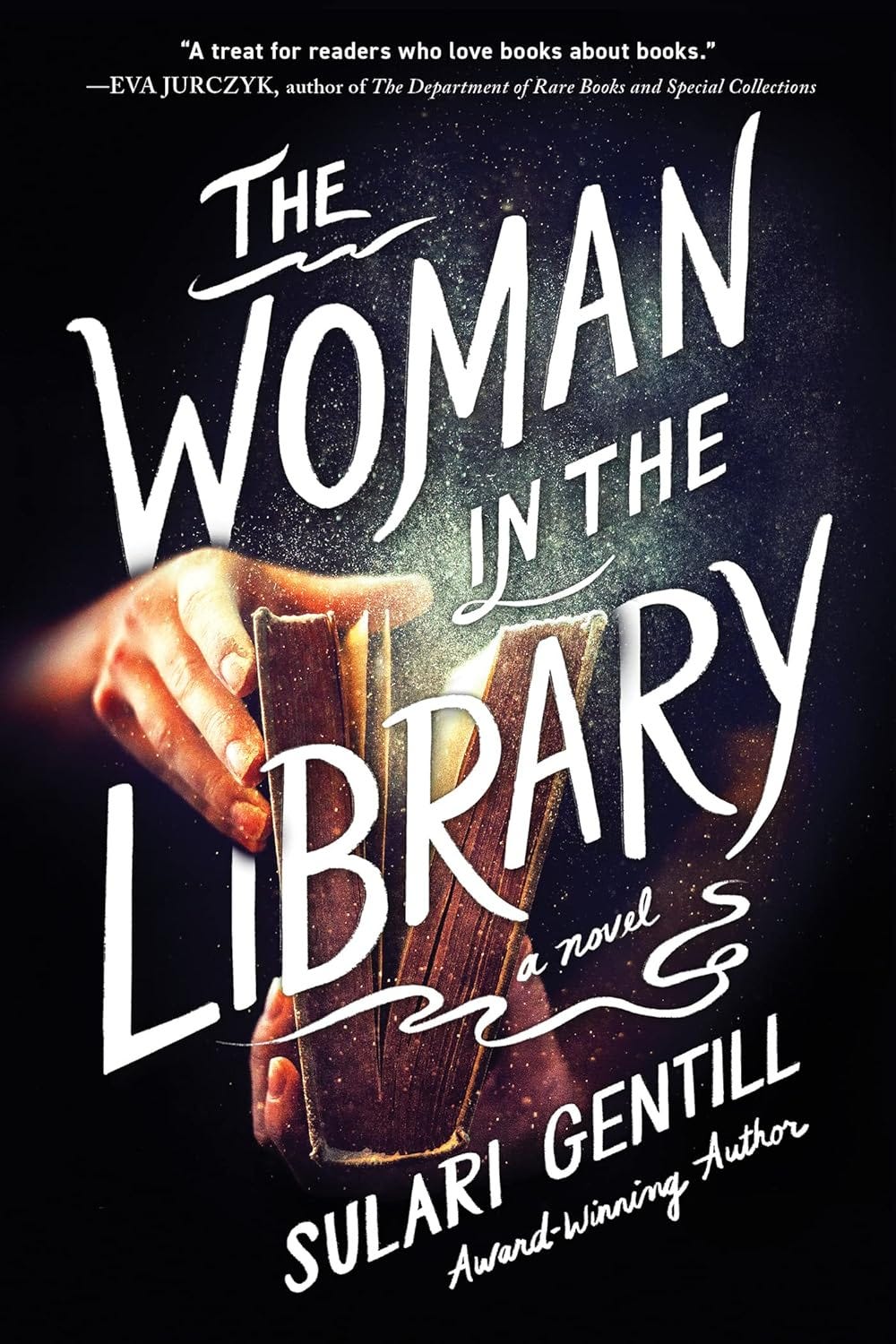
Welcome to Story Deep Dive!In this episode, Dana Pittman and Rachel Arsenault dive into character craft in The Woman in the Library by Sulari Gentill—how a tight-knit friend group doubles as a suspect pool, why first-person present makes Freddie an unforgettable lens, and how secrets, lies, and interrelationships drive a mystery forward.Whether you’re a writer, reader, or storyteller, you’ll gain valuable insights on building multidimensional casts, pacing revelations, and weaving characterization directly into plot.You can also watch the video version of this podcast on YouTube!Estimate Timestamps00:00 – Welcome & ContextDana and Rachel set the stage for Part 3 of their series on The Woman in the Library, explaining how this character discussion dovetails with last episode’s plot analysis. They preview craft lenses they’ll use to examine the cast and stakes.02:30 – Rachel’s Update: Nuanced Worldbuilding from GamesRachel shares takeaways from playing Clair Obscur: Expedition 33: a small team delivering AAA storytelling, innovative mechanics, and a world that feels real because different people respond differently to the same problem. Key insight: “A believable world isn’t made from uniform reactions.” Writers can mirror that variety to deepen setting and character.14:10 – Dana’s Update: Live Series-Building in Real TimeDana talks about her live writing sessions, where students watch her design a multi-book series using “story capsules” and shadow-plot connections. She shows that strong series planning blends discovery with strategic anchors, so each book stays connected to the larger arc.23:45 – The Plot Accordion (Preptober Preview)Dana previews her upcoming ProWritingAid session on the Plot Accordion—an adaptive framework that helps writers choose the right level of planning before drafting. Takeaway: planning isn’t one-size-fits-all; a little intentional prep can save hours in drafting and revision, even for discovery writers.33:00 – Quick Story RecapRachel recaps the novel’s setup: four strangers—Freddie (writer), Cain (author), Whit (law student), and Marigold (psych student)—bond over a scream in the Boston Public Library. Their friendship thickens into a murder investigation, and one of them may be the killer.34:30 – Characterization Through InteractionThey explore how Gentill lets characterization emerge inside the case itself. The friends’ choices—how they interpret facts, manage risk, and respond to one another—reveal personality, values, and fault lines while also moving the plot.40:00 – Freddie’s Lens: First-Person, Present-TenseFreddie’s writerly POV invites readers into an intimate, moment-to-moment experience. From playful nicknames (“Heroic Chin,” “Freud Girl”) to cultural outsider observations, her voice fuels the book’s meta quality (a writer observing and inventing in real time) and keeps emotional stakes close.48:30 – Secrets & Suspects: A Contained CastMaking the friend group the suspect pool narrows scope without shrinking tension. Rachel explains how to design suspects with motives, withheld truths, and interrelationships that generate curiosity. Notable quote: “We’re not just choosing who did it—we’re learning why.”56:20 – Emotional Complexity: Everyone Feels PossibleDana highlights how the novel keeps all four feeling both sympathetic and suspicious—“everyone could get it”—so readers keep shifting their theories. Quiet relational suspense outruns adrenaline and maintains investment.59:30 – Craft Takeaways You Can UseRachel’s three big lessons:Pace revelations (confession, slip, forced reveal).Map interrelationships to find hidden tension.Let interactions carry subtext—how characters lie, deflect, or protect others is character.1:05:40 – Does Every Character Earn Their Place?A practical edit test: if a side character lifts out cleanly, either integrate them more deeply or cut them. Characters should matter to plot, theme, or emotional stakes.1:10:00 – Closing ThoughtsThey applaud Gentill’s rule-honoring, inventive structure, moral nuance (no one is all good or all bad), and a mystery that makes readers “work for every revelation.” Listeners are invited to catch previous episodes and prep for the finale.About the BookNed Kelly award winning author Sulari Gentill sets this mystery-within-a-mystery in motion with a deceptively simple, Dear Hannah, What are you writing? pulling us into theornate reading room at the Boston Public Library.In every person’s story, there is something to hide...The tranquility is shattered by a woman’s terrified scream. Security guards take charge immediately, instructing everyone inside to stay put until the threat is identified and contained. While they wait for the all-clear, four strangers, who’d happened to sit at the same table, pass the time in conversation and friendships are struck. Each has his or her own reasons for being in the reading room that morning―it just happens that one is a murderer.Sulari Gentill delivers a sharply thrilling read with The Woman in the Library, an unexpectedly twisty literary adventure that examines the complicated nature of friendship and shows us that words can be the most treacherous weapons of all.Where to Find the BookThe Woman at the Library by Sulari Gentill is available in several formats. It’s also widely available in libraries and online retailers. Details on Amazon.Next Episode:In the next episode, Dana and Rachel will explore their Editor’s Takes on The Woman in the Library—what writers can borrow, bend, or avoid, and how to translate those lessons into your own pages. Be sure to tune in!Join the Conversation:Like what you heard? Subscribe, leave a review, and share your thoughts. Follow Story Deep Dive on Spotify, Apple Podcasts, or your favorite platform. Connect with Dana and Rachel on Instagram or visit storydeepdive.com to keep the conversation going! This is a public episode. If you would like to discuss this with other subscribers or get access to bonus episodes, visit storydeepdive.substack.com
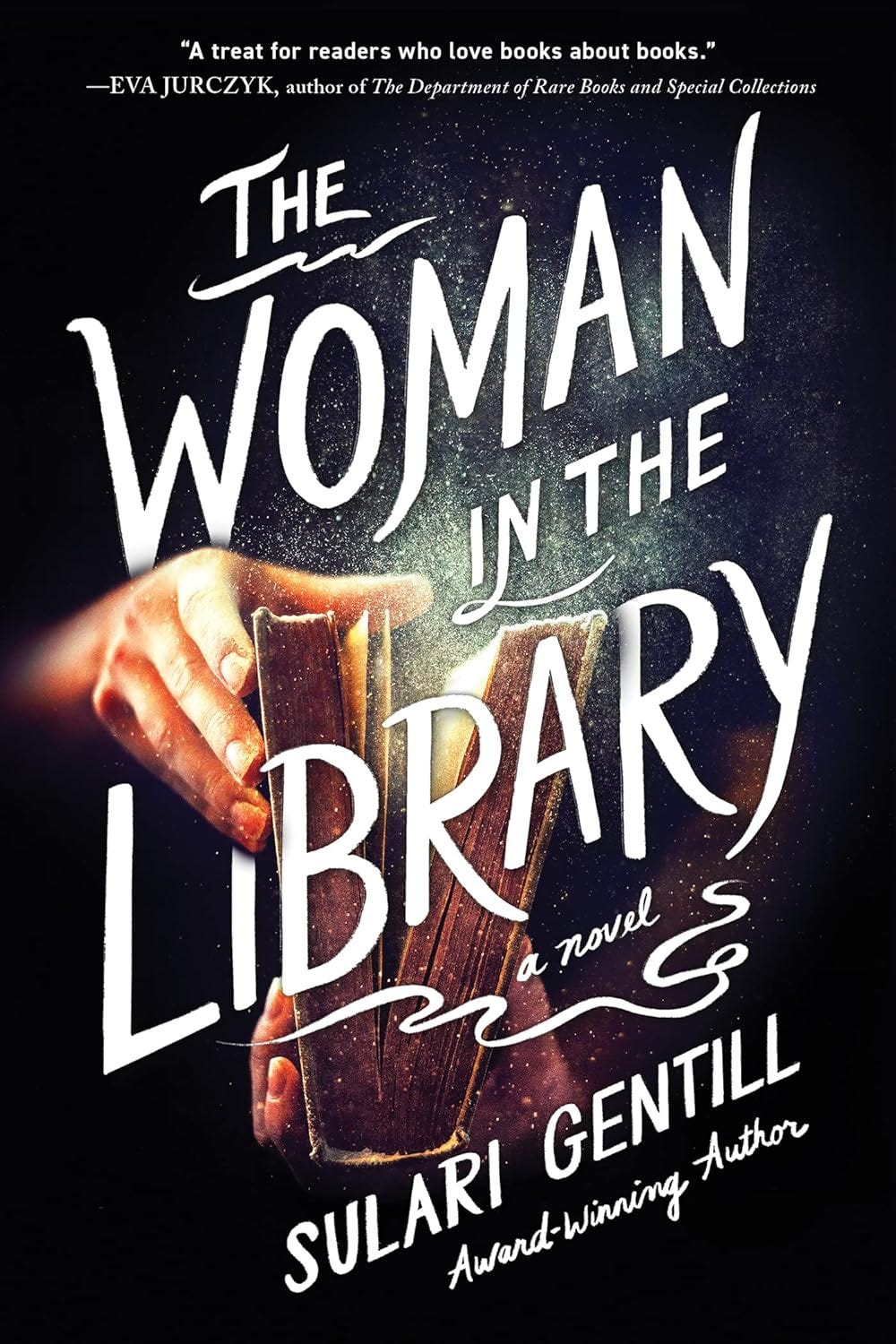
Welcome to Story Deep Dive!In this episode, Dana Pittman and Rachel Arsenault break down the plot mechanics of The Woman in the Library by Sulari Gentill.Whether you’re a writer, reader, or story-obsessed strategist, you’ll pick up practical insights on how fair play mysteries escalate through layered information, how to design an amateur sleuthwho can believably solve a case, and how secrets, red herrings, and misdirection fuel momentum without relying on nonstop action.You can also watch the video version of this podcast on YouTube!Estimate Timestamps00:00 – Welcome & What This Show IsDana frames the podcast’s mission: discussing books as writers to extract craft lessons, not just reader reactions. The month’s selection is Rachel’s pick, The Woman in the Library, and today’s focus is plot.04:30 – Rachel’s Update: First-Draft Blitz & Second-Draft StrategyRachel shares takeaways from a month-long First Draft Blitz inside Story Cypher Academy. She talks perfectionism, embracing the “ugly” first draft, and using October as a breather to plan intentional second drafts. The second draft becomes the fun draft once you’ve “met your story.”Key insights:First drafts will never match the ideal in your head—ship it anyway.Use the draft to diagnose; plan a more intentional second pass.15:30 – Dana’s Update: Frameworks, Clients, and AI as a Creative PartnerDana celebrates client wins and the success of her plug-and-play romance plotting template. She discusses AI as a tool that amplifies a writer’s clarity around structure, audience, and tone—and why the literary world shouldn’t miss this moment.Key insights:AI is only as good as your inputs: vision, structure, and standards.Strong frameworks + ownership = a productive AI “critique partner.”29:30 – Story Summary: The Woman in the LibraryRachel’s spoiler-light overview: Four strangers—Freddie, Marigold, Whit, and Cain—bond over a scream in the Boston Public Library. Friendship deepens, secrets surface, and suspicion narrows: one of them might be a killer.31:00 – Plot Agenda: Layers, Sleuthing, SecretsThe day’s craft lens:How peeling back character layers escalates stakes.How to engineer an amateur sleuth to solve a case credibly.The role of secrets, red herrings, and misdirection in maintaining tension.Dana adds: the story’s container (book-within-a-book framing), deft pacing without thriller-style adrenaline, and how the author “wraps the plot.”34:00 – What Is a “Fair Play” Mystery?Rachel defines fair play: the author puts all necessary clues on the page; readers could solve it, but smart misdirection means they usually won’t. Here, the suspects are the friends, so every social beat doubles as case evidence. Stakes rise through deeper information, not a higher body count.“The answer was right there—but you didn’t see it. That’s the fun.”40:30 – Designing an Amateur Sleuth (Who Can Actually Solve It)Amateur sleuths lack official access; the writer must build access into the premise. Gentill’s solution: make the friends the primary suspects so ordinary conversations deliver crucial data. Freddie’s writer-brain creates both insight and bias, which the story interrogates.49:30 – Secrets as Plot Engine (Not Just Confessions)Secrets—private, shameful, or simply not-first-meeting material—propel the narrative. Each reveal re-tilts suspicion, keeping the reader mentally engaged. The story mirrors real friendship: deeper intimacy, deeper truths… and new motives.55:30 – Mystery Pacing: Mental vs. Visceral StakesDana notes the story’s cerebral tension versus thriller “heartbeat” pacing. Rachel explains that mysteries escalate by complexity, not proximity to danger: more lies, murkier truths, and uglier possibilities. The dopamine hit comes from reframing clues, not chases.1:02:00 – Innovation & Integration: Frame, Flavor, and a Meaningful Romance SubplotThe book-within-a-book frame modernizes classic whodunit DNA. Cultural textures (AUS/US differences, language, identity beats) add realism. The romance subplot matters to the investigation—it shapes decisions, trust, and interpretation, rather than sitting on the sidelines.1:08:30 – How to Study This Book (Writer’s Homework)Read once for pleasure, again for craft.Track where clues are flagged vs. hidden in plain sight.Watch how the case grows more complicated and ethically grayer.Note the protagonist’s true obstacle: ignorance—who these people are, what this place is, and which truths matter.About the BookNed Kelly award winning author Sulari Gentill sets this mystery-within-a-mystery in motion with a deceptively simple, Dear Hannah, What are you writing? pulling us into theornate reading room at the Boston Public Library.In every person’s story, there is something to hide...The tranquility is shattered by a woman’s terrified scream. Security guards take charge immediately, instructing everyone inside to stay put until the threat is identified and contained. While they wait for the all-clear, four strangers, who’d happened to sit at the same table, pass the time in conversation and friendships are struck. Each has his or her own reasons for being in the reading room that morning―it just happens that one is a murderer.Sulari Gentill delivers a sharply thrilling read with The Woman in the Library, an unexpectedly twisty literary adventure that examines the complicated nature of friendship and shows us that words can be the most treacherous weapons of all.Where to Find the BookThe Woman at the Library by Sulari Gentill is available in several formats. It’s also widely available in libraries and online retailers. Details on Amazon.Next Episode:Next week, Dana and Rachel dig into Character Design in The Woman in the Library: how Gentill builds an ensemble that can carry suspicion, withstand scrutiny, and still feel like a believable friend group. Don’t miss it!Join the Conversation:Like what you heard? Subscribe, leave a review, and share your thoughts. Follow Story Deep Dive on Spotify, Apple Podcasts, or your favorite platform. Connect with Dana and Rachel on Instagram or visit storydeepdive.com to keep the conversation going! This is a public episode. If you would like to discuss this with other subscribers or get access to bonus episodes, visit storydeepdive.substack.com
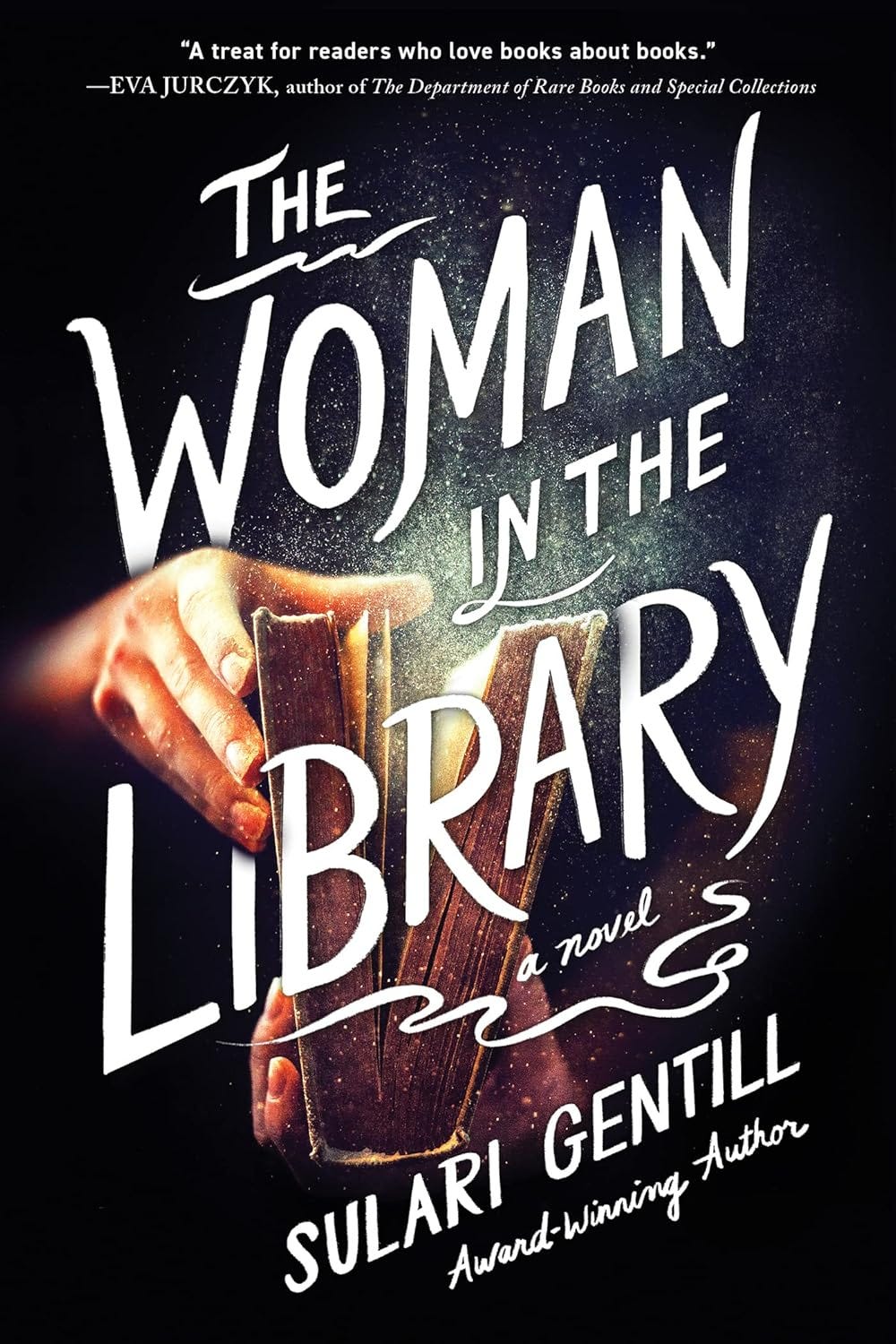
Welcome to Story Deep Dive!In this episode, Dana & Rachel kick off October with an overview of The Woman in the Library by Sulari Gentill.Whether you’re a writer, reader, or storyteller, you’ll gain practical insights on(1) positioning your story on the crime–cozy continuum,(2) using framing devices to add tension, and(3) pacing and fair-play misdirection through secrets and withheld information.You can also watch the video version of this podcast on YouTube!Estimate Timestamps00:00 – Welcome & What This Show DeliversDana reintroduces the podcast’s mission: analyzing books as writers to extract craft takeaways. They set the tone for October’s pick—a murder mystery that balances puzzle and character—aimed at helping listeners write stories readers can’t put down.02:15 – Rachel’s October Vibes & Preptober TalkRachel brings the spooky-season energy (Undead Readers Club shirt + pumpkin mug) and previews her ProWritingAid Preptober session on first drafts: set realistic expectations, plan lightly, and avoid perfectionist outlining. “Your first draft lays groundwork—don’t let it derail you.” Pairs neatly with Dana’s Plot Accordion approach.07:45 – Dana’s Creative Reset: International Quilt FestivalDana shares how quilting serves as a tactile creative reset that unlocks clarity away from the desk. She’s taking hand-sewing classes this year. Key reminder: writers need movement and play to stay fresh. “There’s never a perfect time—choose joy anyway.”17:20 – Letting Go & Protecting Your CapacityOn deadlines and permission to pause: they reflect on depressurizing to return stronger. Lighthearted banter (and a teasing salute) underscores their best-friend dynamic and the reality of creative life.21:30 – Book On-Ramp: What’s This Story?Quick premise from Rachel: four strangers meet in the Boston Public Library after a scream; a friendship forms as secrets surface—and one of them may be a killer. Tight cast, writerly lens, and a propulsive but breathable read.23:00 – The Crime Continuum (Where This Book Lives)Rachel maps crime fiction on a spectrum: gritty crime (procedural/legal, heavier fallout) ←→ cozy mystery (light, puzzle-forward). Classic murder mystery sits in the middle—where this book lives—balancing stakes with accessibility. Know your lane to meet reader expectations.30:15 – Dana’s Reader Experience (Between Cozy & Crime)As a newcomer to this exact blend, Dana highlights the found-family feel, clean prose, steady pacing, and a “book-about-a-book” vibe that keeps pages turning without overwhelm. It’s easy to read in short bursts yet distinctive enough to stand out.37:30 – Framing Device Masterclass (Emails as Engine)They unpack the novel’s one-sided author-email frame: each chapter’s email reacts to the story, then shapes the next beat—building dual suspense. Gentill’s restraint and precision give the frame and main plot mutual drive.44:00 – Secrets, Withholding & Fair-Play CluesHow to hide clues in plain sight: slide information into natural conversation so readers don’t realize they’ve been armed—until a later reveal reframes everything. Think shell game, not cheat; it’s misdirection that stays fair.52:00 – Ensemble Design: Distinct Lenses, Real ChemistryCast spread matters: age, class, discipline, and social status (Whit the law student, Marigold the psych student, Kane the established author, Freddie the funded debut). Differences create distinct voices and authentic friendship, enriching theme and suspicion.58:00 – Read-Along Invite & LogisticsBest experience: read first, then listen. Still, the episode is spoiler-light and craft-heavy. It’s a short, accessible book (~250 pages / ~10 hours audio) and ideal for studying pacing, framing, and misdirection.About The Woman in the LibraryNed Kelly award winning author Sulari Gentill sets this mystery-within-a-mystery in motion with a deceptively simple, Dear Hannah, What are you writing? pulling us into theornate reading room at the Boston Public Library.In every person’s story, there is something to hide...The tranquility is shattered by a woman’s terrified scream. Security guards take charge immediately, instructing everyone inside to stay put until the threat is identified and contained. While they wait for the all-clear, four strangers, who’d happened to sit at the same table, pass the time in conversation and friendships are struck. Each has his or her own reasons for being in the reading room that morning―it just happens that one is a murderer.Sulari Gentill delivers a sharply thrilling read with The Woman in the Library, an unexpectedly twisty literary adventure that examines the complicated nature of friendship and shows us that words can be the most treacherous weapons of all.Where to Find the BookThe Woman at the Library by Sulari Gentill is available in several formats. It’s also widely available in libraries and online retailers. Details on Amazon.Next Episode:Next up, Dana & Rachel dig into the Plot Deep Dive—act structure, information layering by act, and how the investigation escalates without breaking fair play. Tune in!Join the Conversation:Like what you heard? Subscribe, leave a review, and share your thoughts. Follow Story Deep Dive on Spotify, Apple Podcasts, or your favorite platform. Connect with Dana and Rachel on Instagram or visit storydeepdive.com to keep the conversation going! This is a public episode. If you would like to discuss this with other subscribers or get access to bonus episodes, visit storydeepdive.substack.com
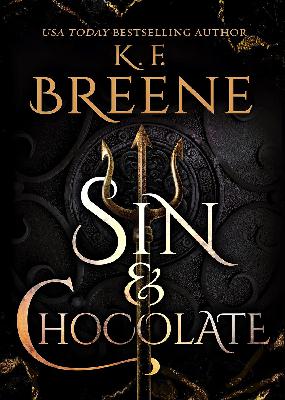
Welcome to Story Deep Dive!In this episode, Rachel and Dana dive into character craft in K.F. Breene’s Sin & Chocolate—how a tight core cast, mirrored motivations, and a “soft cliffhanger” power a six-book slow burn.Whether you're a writer, reader, or storyteller, you’ll gain valuable insights on building compelling alphas without the jerk factor, using found family to humanize protagonists, and sustaining romantic tension across a series.You can also watch the video version of this podcast on YouTube!Estimate Timestamps00:00 – Welcome & Workbench UpdatesRachel and Dana open with studio updates: Dana reflects on the intensity of her previous four-week boot camp and considers shorter challenge-style events, ongoing collab releases through the holidays, and live ARB recordings and act-by-act book club sessions. Rachel celebrates a client finishing the first draft of a re-outlined romance and previews their plan to read the full manuscript together, tighten structure, and write “to spec” now that the story is clear. Key idea: momentum comes from showing up, clearing blocks, and reigniting joy in the draft.22:40 – Why Sin & Chocolate Works (Series Frame & Stakes)Dana summarizes Book 1 of Demigods of San Francisco: Lexi, scraping by in a neutral magical zone, protects teens Daisy and Mordecai; Kieran, a powerful demigod’s son, needs Lexi’s rare gift to reach closure for his mother. The hosts spotlight the purposeful small cast and the book’s “soft cliffhanger,” which resolves immediate threads while signaling a larger antagonist (Valens) and multi-book arc. Notable line: “This is pre-selling the romance—hooking readers with tension that demands the next book.”32:15 – Kieran: Layered Alpha, Not a BullyKieran is power, privilege, and restraint in one package—an archetypal alpha softened by grief. Because Lexi doesn’t recognize his status, we see “Kieran being Kieran” without trappings. His wealth matters because of what it changes for the heroine (safety, access), not as a flex. Craft note: limited access to his POV preserves mystery across the series while letting vulnerability peek through.52:00 – Lexi: Goal-Driven ProtagonistLexi’s unwavering objective—protect Daisy and Mordecai—anchors every choice on the page. Her selflessness and sacrifice (financial strain, limited opportunities, constant risk) reveal character in action. The hosts flag a common pitfall with “feisty” heroines—conflict for its own sake—and show how Lexi largely avoids it by rooting pushback in concrete stakes.1:06:45 – Found Family: Daisy & MordecaiThe wards aren’t window dressing; they make the book. Plotwise, they connect Lexi to Kieran. Dramatically, their contrasting traits (Mordecai’s old-soul steadiness vs. Daisy’s sass and startling business brain) balance tone and deepen investment. Craft takeaway: triangulate a small cast with contrast to generate vitality, banter, and reader attachment over multiple books.1:27:20 – Off-Page Pressure: Valens as Omnipresent AntagonistValens’ rule shapes Lexi’s hardships and Kieran’s secret plan long before he steps on-stage. By seeding his power early, the book escalates tension without constant appearances and avoids “surprise boss” syndrome later. Craft note: introduce your biggest problem early; close it late.1:38:10 – Happy-for-Now & the Art of Slow Burn (Across Six Books)This installment lands a satisfying HFN while protecting runway for the couple’s long arc. Slow burn isn’t “nothing happens”; it’s more beats that pay off incrementally—moments of emotional intimacy, high-impact kisses, and meaningful restraint. Quote to keep: “If you want readers to stay for a long slow burn, your payoffs have to be undeniable.”1:52:00 – Wrap & Writer HomeworkFinal thoughts: mirror motivations (care for others) to soften edges on powerful leads; use found family to humanize; choose a clear protagonist goal; and signal the series spine early. Listeners are invited to review, subscribe, and bring writer friends into a craft-focused book club.About Sin & Chocolate by K.F. BreeneA broody, broken god and the dark secrets that could destroy us both.Kieran is here for revenge. He's here to kill the most powerful man in Magical San Francisco— his father. He'll destroy anything in his way.And I've managed to catch his eye.I live in the shadows for a reason, split between the worlds of the magical and the mundane. I'm a punching bag for both societies, but with the magic of Hades, it's the only way to stay alive. To stay free. If the powers that be knew what I was, they'd slap me in a cage and make me their weapon.I have to stay away from him...except the very look of him promises deliciously wicked sin. He's a man you want to taste. To savor, like decadent chocolate.He's also incredibly powerful, and broken. Dangerous.I can't let him use my magic. It would destroy the life I've struggled so hard to build. I certainly can't fall for the villain, no matter how good it would feel.If only it was easy to walk away.Where to Find the BookSin & Chocolate by K.F. Breene is available in several formats. It’s also widely available in libraries and online retailers. Details on the author’s website.Next Episode:In the next episode, Rachel and Dana share their editorial takeaways from Sin & Chocolate—actionable craft lessons on character design, tension management, and series architecture you can use in your current work-in-progress.Don’t miss it!Join the Conversation:Like what you heard? Subscribe, leave a review, and share your thoughts. Follow Story Deep Dive on Spotify, Apple Podcasts, or your favorite platform. Connect with Dana and Rachel on Instagram or visit storydeepdive.com to keep the conversation going! This is a public episode. If you would like to discuss this with other subscribers or get access to bonus episodes, visit storydeepdive.substack.com
Welcome to Story Deep Dive!In this episode, Rachel and Dana dive into character craft in K.F. Breene’s Sin & Chocolate—how a tight core cast, mirrored motivations, and a “soft cliffhanger” power a six-book slow burn.Whether you're a writer, reader, or storyteller, you’ll gain valuable insights on building compelling alphas without the jerk factor, using found family to humanize protagonists, and sustaining romantic tension across a series.You can also watch the video version of this podcast on YouTube!Estimate Timestamps00:00 – Welcome & Workbench UpdatesRachel and Dana open with studio updates: Dana reflects on the intensity of her previous four-week boot camp and considers shorter challenge-style events, ongoing collab releases through the holidays, and live ARB recordings and act-by-act book club sessions. Rachel celebrates a client finishing the first draft of a re-outlined romance and previews their plan to read the full manuscript together, tighten structure, and write “to spec” now that the story is clear. Key idea: momentum comes from showing up, clearing blocks, and reigniting joy in the draft.22:40 – Why Sin & Chocolate Works (Series Frame & Stakes)Dana summarizes Book 1 of Demigods of San Francisco: Lexi, scraping by in a neutral magical zone, protects teens Daisy and Mordecai; Kieran, a powerful demigod’s son, needs Lexi’s rare gift to reach closure for his mother. The hosts spotlight the purposeful small cast and the book’s “soft cliffhanger,” which resolves immediate threads while signaling a larger antagonist (Valens) and multi-book arc. Notable line: “This is pre-selling the romance—hooking readers with tension that demands the next book.”32:15 – Kieran: Layered Alpha, Not a BullyKieran is power, privilege, and restraint in one package—an archetypal alpha softened by grief. Because Lexi doesn’t recognize his status, we see “Kieran being Kieran” without trappings. His wealth matters because of what it changes for the heroine (safety, access), not as a flex. Craft note: limited access to his POV preserves mystery across the series while letting vulnerability peek through.52:00 – Lexi: Goal-Driven ProtagonistLexi’s unwavering objective—protect Daisy and Mordecai—anchors every choice on the page. Her selflessness and sacrifice (financial strain, limited opportunities, constant risk) reveal character in action. The hosts flag a common pitfall with “feisty” heroines—conflict for its own sake—and show how Lexi largely avoids it by rooting pushback in concrete stakes.1:06:45 – Found Family: Daisy & MordecaiThe wards aren’t window dressing; they make the book. Plotwise, they connect Lexi to Kieran. Dramatically, their contrasting traits (Mordecai’s old-soul steadiness vs. Daisy’s sass and startling business brain) balance tone and deepen investment. Craft takeaway: triangulate a small cast with contrast to generate vitality, banter, and reader attachment over multiple books.1:27:20 – Off-Page Pressure: Valens as Omnipresent AntagonistValens’ rule shapes Lexi’s hardships and Kieran’s secret plan long before he steps on-stage. By seeding his power early, the book escalates tension without constant appearances and avoids “surprise boss” syndrome later. Craft note: introduce your biggest problem early; close it late.1:38:10 – Happy-for-Now & the Art of Slow Burn (Across Six Books)This installment lands a satisfying HFN while protecting runway for the couple’s long arc. Slow burn isn’t “nothing happens”; it’s more beats that pay off incrementally—moments of emotional intimacy, high-impact kisses, and meaningful restraint. Quote to keep: “If you want readers to stay for a long slow burn, your payoffs have to be undeniable.”1:52:00 – Wrap & Writer HomeworkFinal thoughts: mirror motivations (care for others) to soften edges on powerful leads; use found family to humanize; choose a clear protagonist goal; and signal the series spine early. Listeners are invited to review, subscribe, and bring writer friends into a craft-focused book club.About Sin & Chocolate by K.F. BreeneA broody, broken god and the dark secrets that could destroy us both.Kieran is here for revenge. He's here to kill the most powerful man in Magical San Francisco— his father. He'll destroy anything in his way.And I've managed to catch his eye.I live in the shadows for a reason, split between the worlds of the magical and the mundane. I'm a punching bag for both societies, but with the magic of Hades, it's the only way to stay alive. To stay free. If the powers that be knew what I was, they'd slap me in a cage and make me their weapon.I have to stay away from him...except the very look of him promises deliciously wicked sin. He's a man you want to taste. To savor, like decadent chocolate.He's also incredibly powerful, and broken. Dangerous.I can't let him use my magic. It would destroy the life I've struggled so hard to build. I certainly can't fall for the villain, no matter how good it would feel.If only it was easy to walk away.Where to Find the BookSin & Chocolate by K.F. Breene is available in several formats. It’s also widely available in libraries and online retailers. Details on the author’s website.Next Episode:In the next episode, Rachel and Dana share their editorial takeaways from Sin & Chocolate—actionable craft lessons on character design, tension management, and series architecture you can use in your current work-in-progress.Don’t miss it!Join the Conversation:Like what you heard? Subscribe, leave a review, and share your thoughts. Follow Story Deep Dive on Spotify, Apple Podcasts, or your favorite platform. Connect with Dana and Rachel on Instagram or visit storydeepdive.com to keep the conversation going! This is a public episode. If you would like to discuss this with other subscribers or get access to bonus episodes, visit storydeepdive.substack.com
Welcome to Story Deep Dive!In this episode, Dana and Rachel dig into the plot craft of K.F. Breene’s Sin & Chocolate—how found family powers the engine of Book 1, how magic integrates with stakes (not just set dressing), and how to promise steam in a slow-burn, multi-book romance.Whether you’re a writer, editor, or story-obsessed reader, you’ll pick up insights on using found family for propulsion, weaving “soft” magic into cause-and-effect plotting, and structuring a six-book romance arc without burning it out in Book 1.You can also watch the video version of this podcast on YouTube!Estimate Timestamps00:00 – Welcome + Why We Read Like WritersDana and Rachel frame the podcast’s mission: exploring books as writers and coaches, not just as readers. They tee up today’s craft focus—plot in Sin & Chocolate—and promise practical takeaways for storytellers.Notable: “We’re discussing them as writers to draw inspiration from great books.”02:00 – Rachel’s Story Cypher: Games as Narrative LabsRachel recaps finishing Horizon Zero Dawn on ultra-hard and starting Expedition 33 on Twitch, highlighting worldbuilding, mystery design, and character-driven stakes in modern games. She contrasts indie studios’ narrative ambition with big-studio market pressures, underscoring why writers should study game storytelling as a craft lab.14:00 – Dana’s Desk: Building the Addictive Romance BlueprintDana shares behind-the-scenes on the upcoming Addictive Romance Blueprint: Notion workspaces, handouts, checklists, and act-by-act tools that help writers diagnose weak beats. The duo talk “formatting hell,” last-mile production, and why plotting education must teach both what goes in each act and how to fix it when it’s weak.28:00 – Orientation to Sin and Chocolate (Series Act One)Quick orientation: Sin & Chocolate reads like Act One of a six-book arc—boy meets girl, gets stuck with girl, and the stakes escalate. The hosts outline the premise and long-game promises (slow burn, found family, rising danger).32:00 – Found Family as the Plot EngineLexi’s devotion to Daisy and Mordecai is the throughline; remove it and the plot collapses. Found family creates immediate stakes, relatability, and a reason for every risky choice Lexi makes—preventing “waiting room” scenes between Kieran encounters.Quote: “If you lift this thread, the story unravels.”41:00 – Magical Contemporary Romance: Slice-of-Life with TeethThe book feels contemporary (survival, caretaking, money pressure) while magic ratchets consequences. Breene seeds life-and-death gradually: today’s survival choices cause tomorrow’s mortal risks, which prepares the series for bigger action ahead without blowing up Book 1’s scale.49:00 – Hidden Powers Done Right (and Why It Works)Lexi is compelling before the reveal. Breene uses Kieran’s POV for dramatic irony, letting readers sense what Lexi can’t yet see. Discoveries arise from plot necessity, not checklisty training scenes—so growth feels organic and character-driven.56:00 – Craft Mini-Lesson: Hard vs. Soft Magic (and Plot Integration)Rachel sketches the hard↔soft magic spectrum and warns against deus ex machina in softer systems. Breen integrates magic via problems and solutions—Mordecai’s illness, the neutral zone, and Lexi’s reluctant gift—so magic causes events and solves (or complicates) them; it’s never mere set dressing.01:02:00 – Promising Steam in a Slow Burn (Using Magic!)Kieran’s inherited sensual magic creates on-page sensations that let Breene promise heat early while preserving the multi-book slow burn. The dynamic plays as cat-and-mouse curiosity, power imbalance acknowledged and navigated with care.01:15:00 – Worldbuilding that Serves the RomanceFrom class hierarchies and zone politics to the ominous presence of Kieran’s father and the Six, micro-threads provide future conflict reservoirs. World details are contextual and plot-relevant, keeping Book 1 tight while laying tracks for five more entries.01:25:00 – How to Sustain One Couple for Six BooksThey unpack the blueprint: lay groundwork, seed “whispers” to pull later, escalate stakes and relationship evolution every book, and never spend all the romantic currency in Book 1. Breene “did not come to play”—this takes serious plotting.01:36:00 – Wrap + Read the Book!They close with a nudge to read Sin & Chocolate, celebrating its found family heart, smart magic, slow-burn promise, and series-ready world. Next time: characters.About Sin & Chocolate by K.F. BreeneA broody, broken god and the dark secrets that could destroy us both.Kieran is here for revenge. He's here to kill the most powerful man in Magical San Francisco— his father. He'll destroy anything in his way.And I've managed to catch his eye.I live in the shadows for a reason, split between the worlds of the magical and the mundane. I'm a punching bag for both societies, but with the magic of Hades, it's the only way to stay alive. To stay free. If the powers that be knew what I was, they'd slap me in a cage and make me their weapon.I have to stay away from him...except the very look of him promises deliciously wicked sin. He's a man you want to taste. To savor, like decadent chocolate.He's also incredibly powerful, and broken. Dangerous.I can't let him use my magic. It would destroy the life I've struggled so hard to build. I certainly can't fall for the villain, no matter how good it would feel.If only it was easy to walk away.Where to Find the BookSin & Chocolate by K.F. Breene is available in several formats. It’s also widely available in libraries and online retailers. Details on the author’s website.Next Episode:In the next episode, Dana and Rachel explore the characters of Sin & Chocolate—from Lexi’s resilience and reluctant power to Kieran’s layered alpha energy, plus how side characters (and antagonists) shape desire, danger, and the path of the romance.Don’t miss it!Join the Conversation:Like what you heard? Subscribe, leave a review, and share your thoughts. Follow Story Deep Dive on Spotify, Apple Podcasts, or your favorite platform. Connect with Dana and Rachel on Instagram or visit storydeepdive.com to keep the conversation going! This is a public episode. If you would like to discuss this with other subscribers or get access to bonus episodes, visit storydeepdive.substack.com
Welcome to Story Deep Dive!In this episode, Rachel & Dana kick off a new series by framing Sin & Chocolate by K.F. Breene—what it is, why it works, and how writers can learn from it.Whether you're a writer, editor, or story-obsessed reader, you’ll gain valuable insights on mixing POV strategically, sustaining a slow-burn romance across a multi-book arc, and positioning a romance-first story inside a fantasy world.You can also watch the video version of this podcast on YouTube!Estimate Timestamps00:00 – Welcome & How This Podcast WorksRachel and Dana introduce the month’s pick (Sin & Chocolate) and remind listeners that Story Deep Dive approaches books as writers and editors—mining structure, genre, and craft to pull repeatable lessons. The show was born from their real-life friendship and daily book-talk, and this episode sets up the next three weeks of analysis.02:30 – Dana’s Update: Coaching Wins & Creative SparkDana shares travel fatigue, community momentum, and a standout student blurb that “did not come to play.” She talks about the power of covers and blurbs as intention-setters, and why drafting a blurb early “memorializes” a story goal. A long-gestating saga may become her focus as she revises titles, updates covers, and returns to worldbuilding.Notable quote: “I’m drinking my water and minding my business… and my students are killing it.”11:50 – Rachel’s Update: Drafting Blitz & Cozy ToneRachel is two chapters into a 12-chapter, four-act novella with a tight deadline. She describes linear drafting, handwriting warm-ups, and scene briefs to “warm into” the work. Chapter one felt slow; chapter two clicked as momentum built. Unexpectedly, the book is skewing cozy and comic rather than gritty: “My imagination lights up on quirky, funny details.” Target final length ~30K words (first draft likely 20–25K), with sparse first-pass scenes that will deepen later.25:10 – Book Overview: What Sin & Chocolate PromisesDana outlines the premise: Alexis, scraping by in San Francisco’s neutral magical zone, protects her wards (Daisy and Mordecai) while hiding a rare gift. Enter Kieran, a broody demigod who needs her power to save his mother. Expect slow-burn romance, sharp humor, high stakes, and a series-long couple whose arc unfolds over six books. This opener is tight yet rich with setups that pay off later.29:00 – POV Mechanics: First for Her, Third for HimThey unpack Breene’s unusual choice: Lexi in first person; Kieran in limited third. It’s rare in romance, more familiar in fantasy. Benefits include scope and emotional modulation—third person gives Kieran distance, avoiding a relentless plunge into his darker headspace. The switch risks reader whiplash, but sparingly used Kieran chapters minimize disruption. Verdict: a high-risk, high-intent option—only do it if the craft reason is airtight.39:10 – The Six-Book Slow Burn (and Why It Works)With one couple across six books, the romance must burn slow without feeling stalled. Breen maintains white-hot chemistry whenever Lexi and Kieran share the page, while external goals keep the plot moving. There’s enough heat and promise to satisfy romance readers, but restraint leaves room for escalation across the series.48:15 – Structure & Antagonism: Collision CourseThis first book plays like a macro Act One for the long arc: Lexi’s mission to protect her wards collides with Kieran’s secretive plan. Kieran often serves as book-one antagonist (pursuing what Lexi resists) while the overarching threat (Valens) looms. Kieran’s need for Lexi’s power levels the field—humbling him, empowering her—and sets a foundation for a dynamic partnership built under pressure.56:40 – Genre Positioning: Urban Fantasy → Romantasy VibesPublished in 2018, the book straddles urban fantasy (contemporary setting, integrated magic) and what we now call romantasy (romance-first with robust magic). Though set in San Francisco, magic is so foregrounded that the world feels more fantasy than urban. The blend—and a clear romance spine—helps explain the book’s enduring popularity.1:06:00 – “Ordinary but Special” Done RightBreene avoids the cliché of the “blank-slate chosen one.” Lexi already knows she has power; she just lacks training, resources, and context. Her immediate, grounded needs—food, medicine, safety—keep her proactive and credible while the story gradually reveals the true rarity of her gift. Readers understand how exposed she is even before she does, which builds tension and empathy.1:14:30 – Wrap-Up: A Tight, Tasty Book OneEach lead arrives with clear goals, and their friction drives both plot and romance. The novel closes its central loop yet leaves juicy threads for later books. At ~400+ pages, pacing stays propulsive and focused. Rachel and Dana tee up the next three episodes: plot, characters, and big takeaways.About Sin & Chocolate by K.F. BreeneA broody, broken god and the dark secrets that could destroy us both.Kieran is here for revenge. He's here to kill the most powerful man in Magical San Francisco— his father. He'll destroy anything in his way.And I've managed to catch his eye.I live in the shadows for a reason, split between the worlds of the magical and the mundane. I'm a punching bag for both societies, but with the magic of Hades, it's the only way to stay alive. To stay free. If the powers that be knew what I was, they'd slap me in a cage and make me their weapon.I have to stay away from him...except the very look of him promises deliciously wicked sin. He's a man you want to taste. To savor, like decadent chocolate.He's also incredibly powerful, and broken. Dangerous.I can't let him use my magic. It would destroy the life I've struggled so hard to build. I certainly can't fall for the villain, no matter how good it would feel.If only it was easy to walk away.Where to Find the BookSin & Chocolate by K.F. Breene is available in several formats. It’s also widely available in libraries and online retailers. Details on the author’s website.Next Episode:In the next episode, Rachel and Dana will map the plot of Sin & Chocolate: inciting incidents, escalations, midpoint promises, and the closing loop that makes this opener so satisfying. Tune in to see how each structural choice supports the romance, worldbuilding, and series setup.Join the Conversation:Like what you heard? Subscribe, leave a review, and share your thoughts. Follow Story Deep Dive on Spotify, Apple Podcasts, or your favorite platform. Connect with Dana and Rachel on Instagram or visit storydeepdive.com to keep the conversation going! This is a public episode. If you would like to discuss this with other subscribers or get access to bonus episodes, visit storydeepdive.substack.com
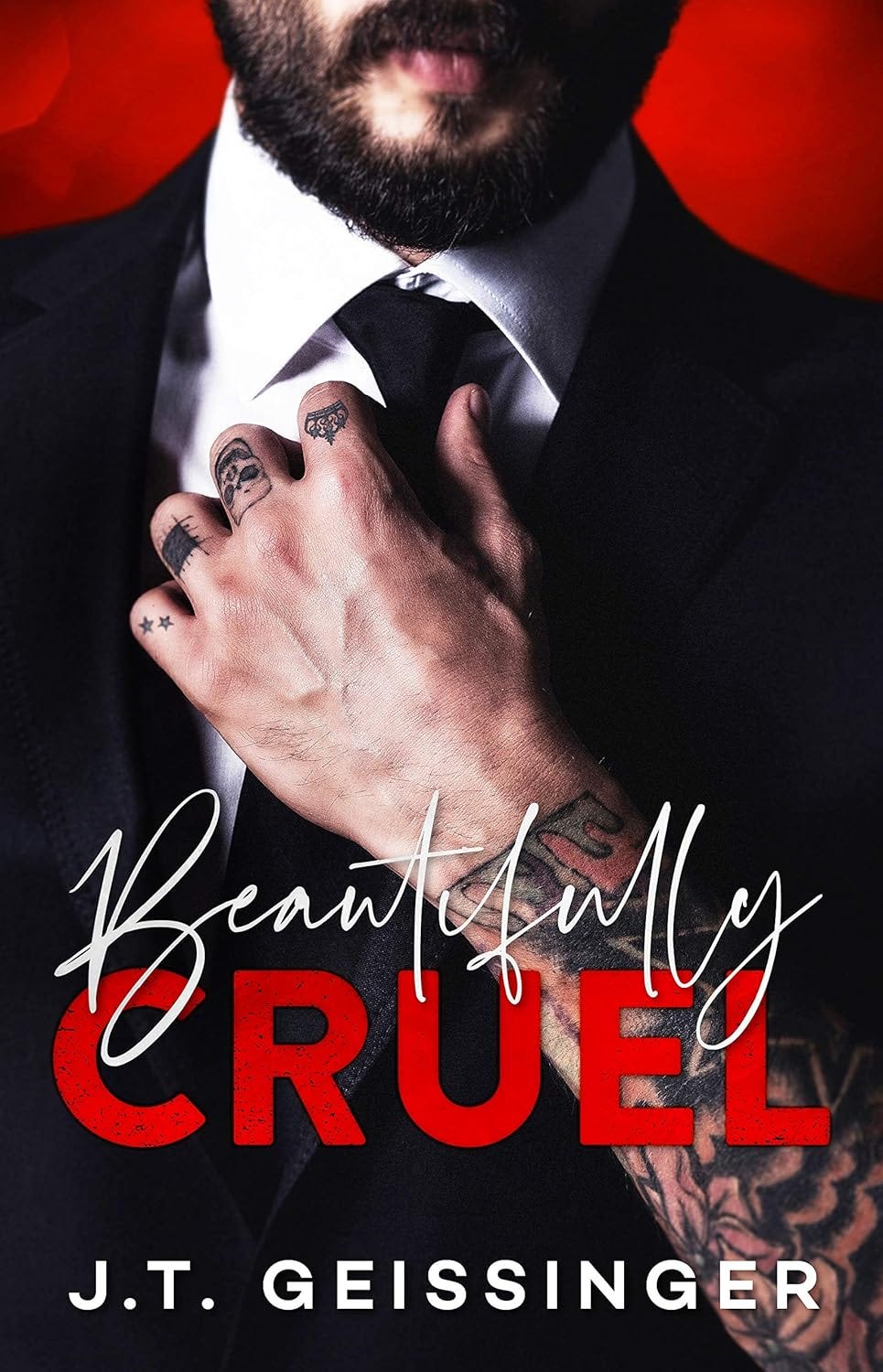
Welcome to Story Deep Dive!In this bonus episode, Dana and Rachel get candid about the messy middle of creative life—balancing writing, coaching, and running a business. From Rachel’s Academy outlining process to Dana’s new Hello 7 Certification, they unpack the realities of guiding writers through both story craft and the business side of publishing.Whether you’re a writer, editor, or storyteller, you’ll gain valuable insights on:How to approach outlining and drafting without crushing creativity.Why writing is always a business—and how to embrace that truth.The power of coaching, accountability, and finding joy in the process.You can also watch the video version of this podcast on YouTube!Estimate Timestamps00:00 – Welcome Aboard the Struggle BusDana and Rachel kick off the episode with laughs and honesty, admitting they’re both exhausted despite recently taking “freedom weeks.” They set the tone for a freeform, behind-the-scenes conversation about the writer’s life.03:00 – Outlining, Iteration, and Honest StruggleRachel shares how her Academy students tackled novella outlines while she demonstrated her own process—warts and all. She emphasizes the importance of iterative drafting, taking pressure off early stages, and normalizing imperfect writing days.15:00 – Learning While DoingDana reflects on auditing Rachel’s course and the mental tug-of-war between teaching and writing. They compare styles, laugh at their quirks, and talk about how teaching often sharpens their own writing insights.28:00 – Dana’s Flagship Series & Writing by HandDana reveals she’s chosen to focus on developing her flagship Danja Tales series. On a recent trip, she had a breakthrough sketching ideas by hand—something Rachel champions as a way to spark creativity and reduce screen fatigue.38:00 – Certification, Scaling, and Creative EcosystemsDana shares her journey completing Hello7’s business and mindset coach certification. She explains how the “Growth Scale” framework will help her Inner Circle students scale their author businesses with structure, milestones, and confidence.53:00 – Writing is a BusinessRachel reminds listeners that all writers—indie or traditional—are running businesses. Dana expands, showing how author-publishers can grow into million-dollar brands by creating supportive ecosystems around their books.01:12:00 – Rachel’s Coaching ApproachRachel breaks down her offerings: coaching, diagnostics, and the Academy. She highlights her focus on crime and fantasy authors, tailoring feedback to each writer’s vision while also helping them navigate niche and market positioning.01:22:00 – Dana’s Coaching ApproachDana outlines her spectrum of support, from DTW community workshops to long-term one-on-one mentorship. With a focus on romance, she helps clients align story, brand, and reader expectations—sometimes before a book is even written.01:40:00 – Accountability and PatienceThey reflect on the role of coaching as accountability: providing structure, tough honesty, and permission to play creatively. Patience, trust, and showing up consistently are the true keys to growth.01:55:00 – Rewriting the NarrativeRachel and Dana discuss disillusionment in the industry and how coaching helps writers reframe their path. They emphasize finding joy in every stage of writing and remind listeners of the intimacy of the reader-writer bond.02:05:00 – Room at the TableThey close with encouragement: creativity has room for everyone, in every genre and at every level. Whether you’re just starting or scaling a career, there’s space at the table for your voice.About Beautifully CruelKing (noun):1) Having the highest rank in a dominance hierarchy2) The most powerful man in a group3) Liam BlackHe was a stranger to me, a dark and dangerous presence who materialized from the shadows one rainy night to save me from a vicious attack. I didn’t know his name or where he was from. All I knew was that the only place I’d ever felt safe was in his arms.But safety is an illusion.And not every savior is a hero.And—as I’d soon find out—having a king save your life comes with a price.Liam Black wanted something from me in return.Where to Find the BookBeautifully Cruel by J.T. Geissinger is available in several formats. It’s also widely available in libraries and online retailers. Details on the author’s website.Next Episode:In the next episode, Dana and Rachel start their new series on Sin and Chocolate by K.F. Breene. Get ready for a shift into fantasy romance with paranormal elements, magic, and more crossover discussion between genres. Don’t miss the overview episode as they set the stage for what makes Sin and Chocolate such a standout blend of romance and fantasy!Join the Conversation:Like what you heard? Subscribe, leave a review, and share your thoughts. Follow Story Deep Dive on Spotify, Apple Podcasts, or your favorite platform. Connect with Dana and Rachel on Instagram or visit storydeepdive.com to keep the conversation going! This is a public episode. If you would like to discuss this with other subscribers or get access to bonus episodes, visit storydeepdive.substack.com

Comments

Download from Google Play

Download from App Store
 United States