


Episode 50: A Year of Plots, Pacing, and Page-Turners on Story Deep Dive
Description
Welcome to Story Deep Dive!
In this episode, Dana Pittman and Rachel Arsenault dive into their picks for Best Plots of 2025 from the 11 books they read and analyzed this year.
Whether you’re a writer, editor, or craft-obsessed reader, you’ll gain valuable insights on building narrative drive, balancing romance with external stakes, and structuring a first-in-series book that actually makes readers come back for more.
You can also watch the video version of this podcast on YouTube!
Estimate Timestamps
00:00 – December “Best Of” and Plot Focus
Dana and Rachel set the stage for their December “blast from the past” series, where they revisit the year’s reads through different craft lenses. For this episode, they zero in on plot and challenge themselves to pick just two standout books each from the 11 they covered in 2025. They explain that these choices aren’t about favorites overall, but specifically about plot construction, narrative drive, and structural execution.
03:00 – Why Ninth House Is an Inevitable Plot Pick
Rachel confesses she originally tried to ban herself from choosing Ninth House because everyone already knows it’s one of her all-time favorites. But once she reframed the question as “top plots of the year,” it felt wrong not to include it. She unpacks how Ninth House is a master class in weaving a murder mystery with life-and-death stakes, layered horror elements, and meticulous four-act pacing.
She highlights how the book escalates the stakes of the mystery without relying solely on more bodies, and how it manages the dual task of telling a complete story while clearly setting up a series. At over 500 pages, it still feels tight, intentional, and full of narrative drive—never wandering, never bloated. For writers, it’s a powerful example of how to escalate a mystery and sustain momentum across a long novel.
Dana jumps in to say Ninth House is also one of her picks. She loves the speculative overlay on real history, the emotional depth of Alex’s journey, and the absolutely wild twists—what she lovingly calls the “ape-shit twists.” Beneath all the magic and horror, she’s drawn to the core of a young woman who doesn’t want to fail again, who feels like she doesn’t belong and is desperate not to waste her second chance. Every reread reveals more, and she has that rare feeling of, “This author is in her bag—nobody else could have told this story like this.”
12:30 – A Backstory Masterclass: Handling Trauma Without Info Dumps
Rachel zooms in on one specific craft lesson from Ninth House: how to integrate difficult backstory. She notes how often writers either dump backstory in lumps or make their protagonist sound whiny and stuck. Leigh Bardugo avoids both traps by having Alex use past experiences to interpret present situations.
Instead of pausing the story to “tell us what happened,” Alex looks at what’s happening now and thinks, This is like what happened back in LA… That framing makes the backstory relevant, vivid, and emotionally charged rather than indulgent or repetitive. We learn exactly where Alex comes from, but it never feels like a slog.
Dana adds that even though we stay firmly in Alex’s POV, Bardugo maintains mystery around Alex herself. Details of her past come out as the environment and stakes demand it, which keeps reader curiosity alive. Every time the stakes rise, Dana finds herself begging the universe to give Alex a break. She loves how the book juggles so many elements—worldbuilding, horror, mystery, emotional wounds—without ever feeling overwhelming or info-dumpy.
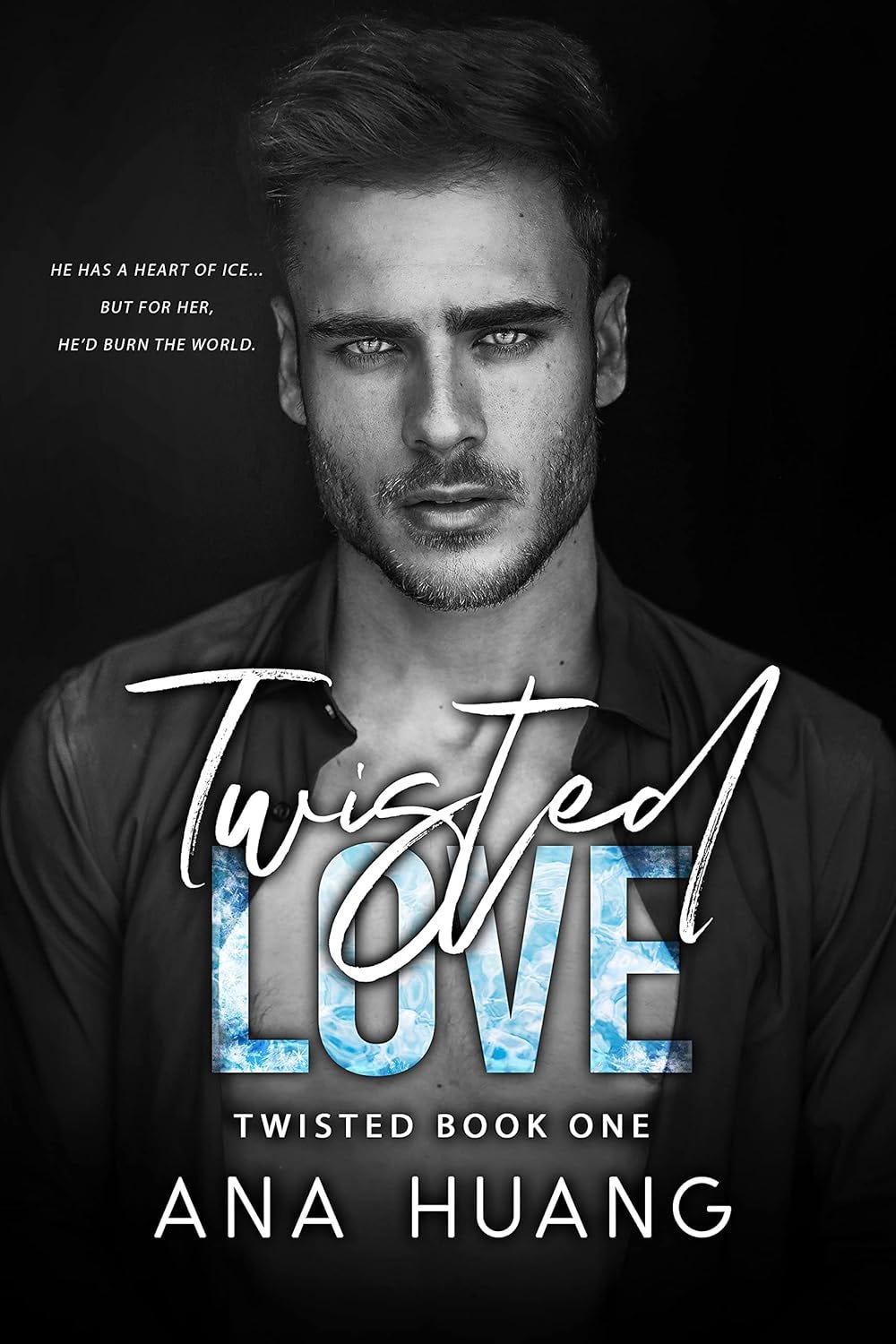
18:30 – Dana’s Second Pick: Twisted Love and the Art of Anti-Hero Romance
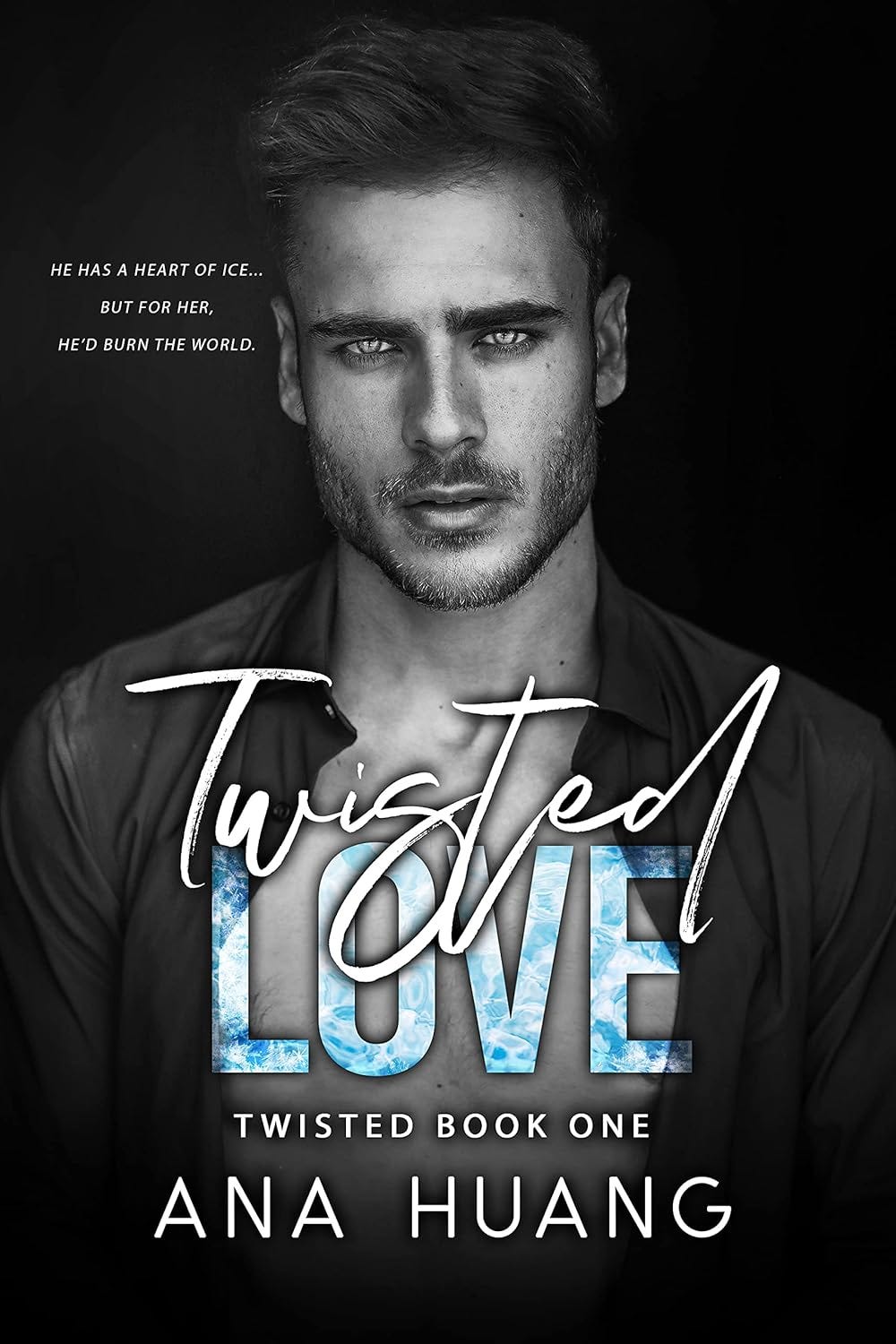
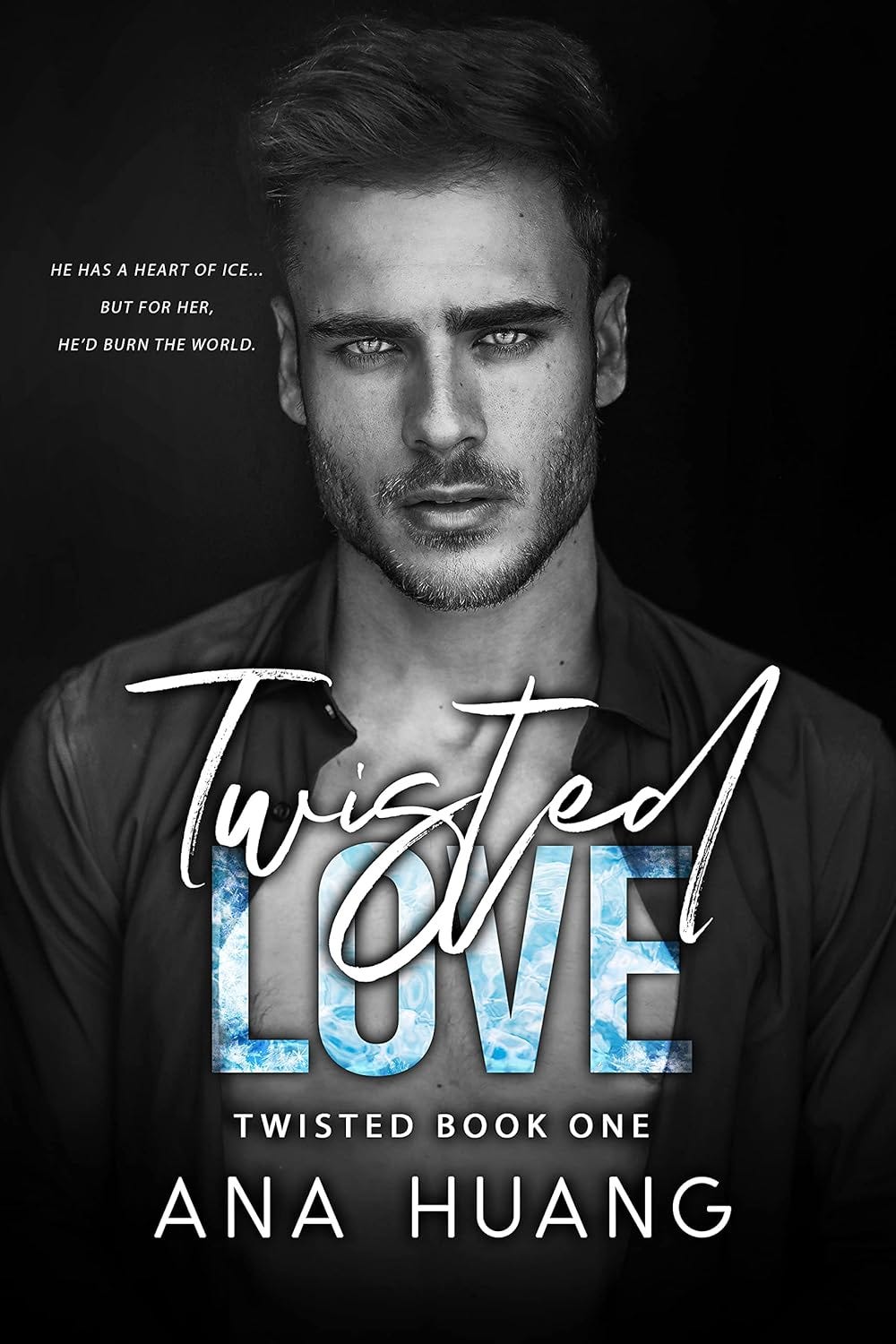
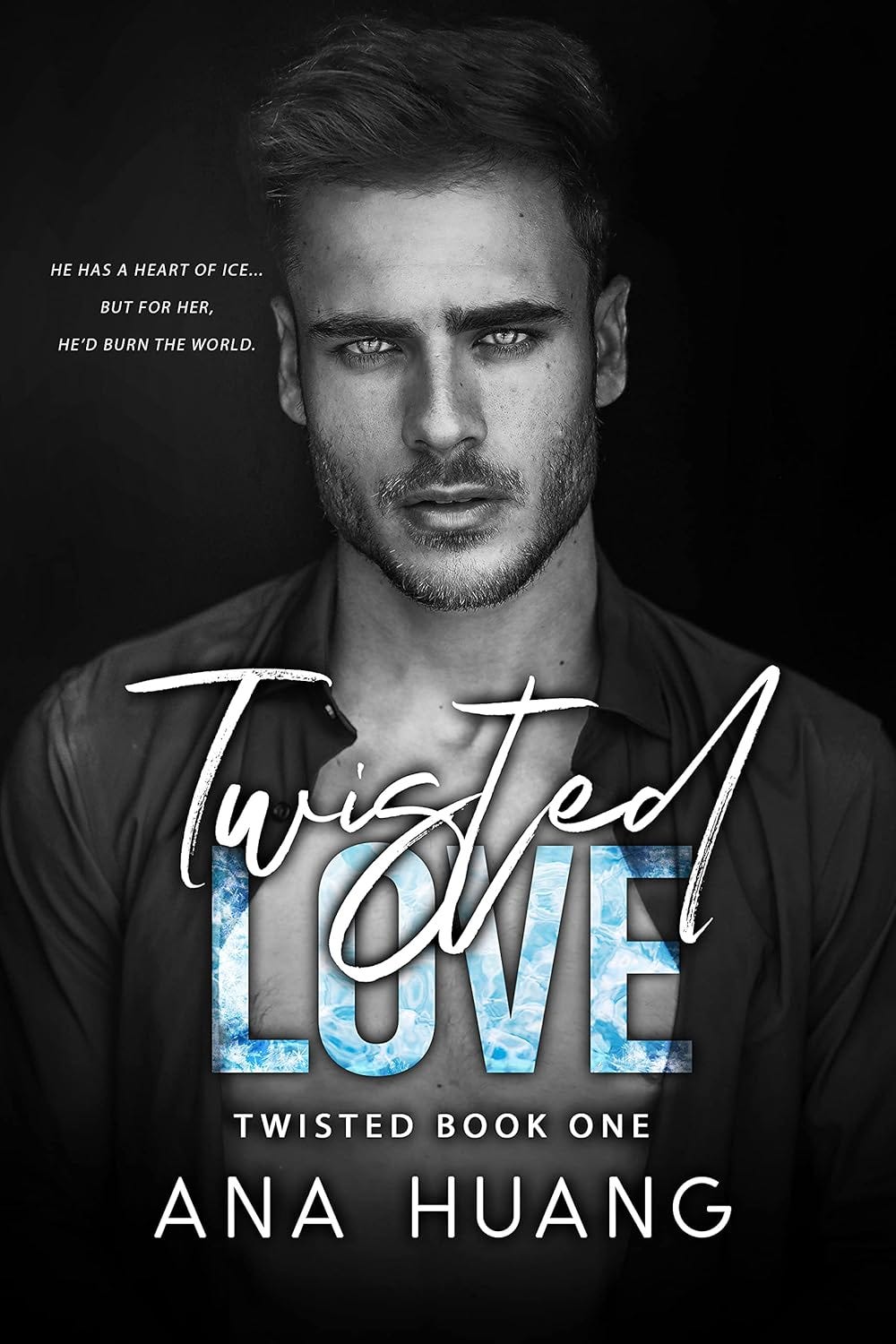
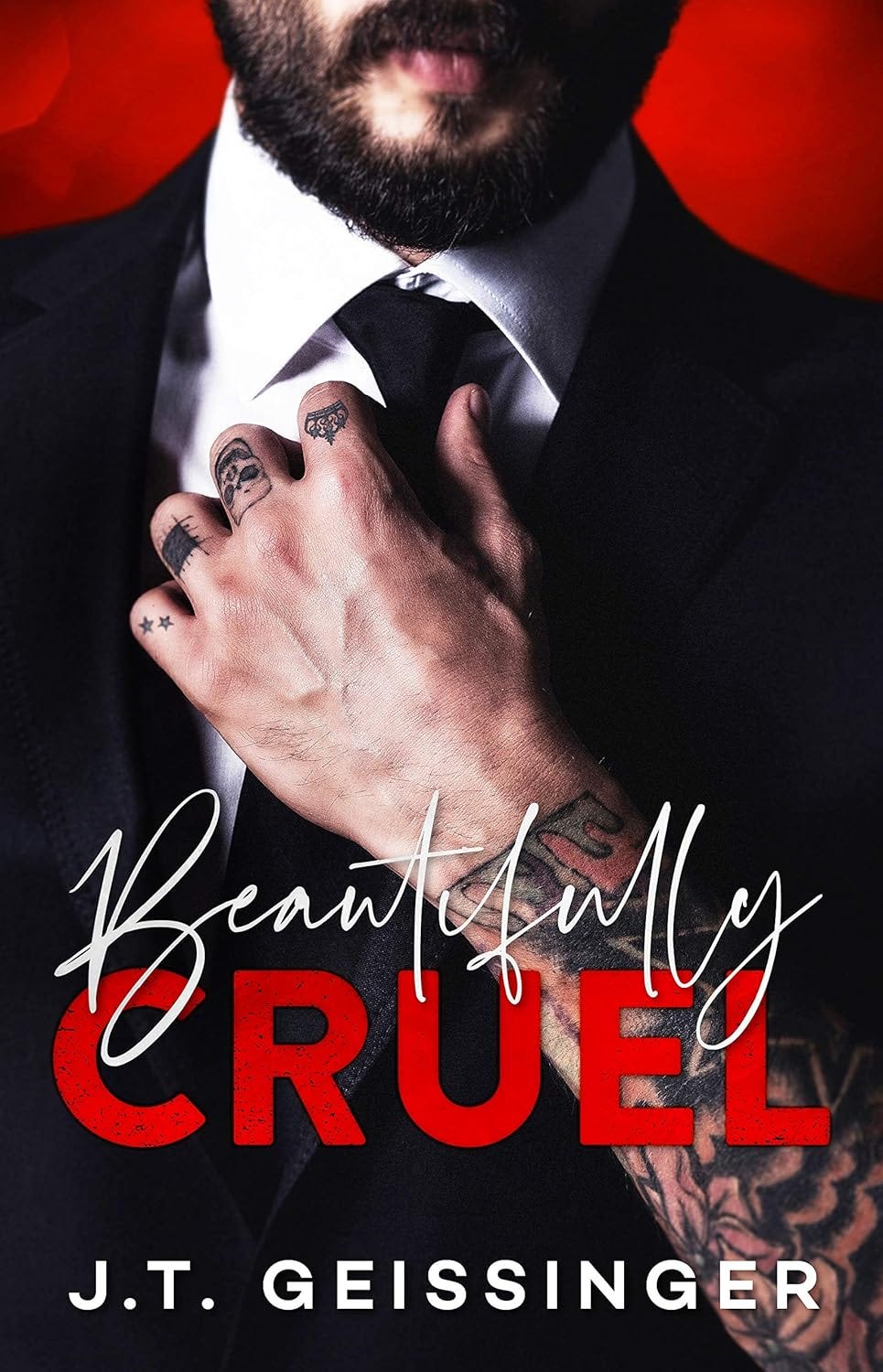
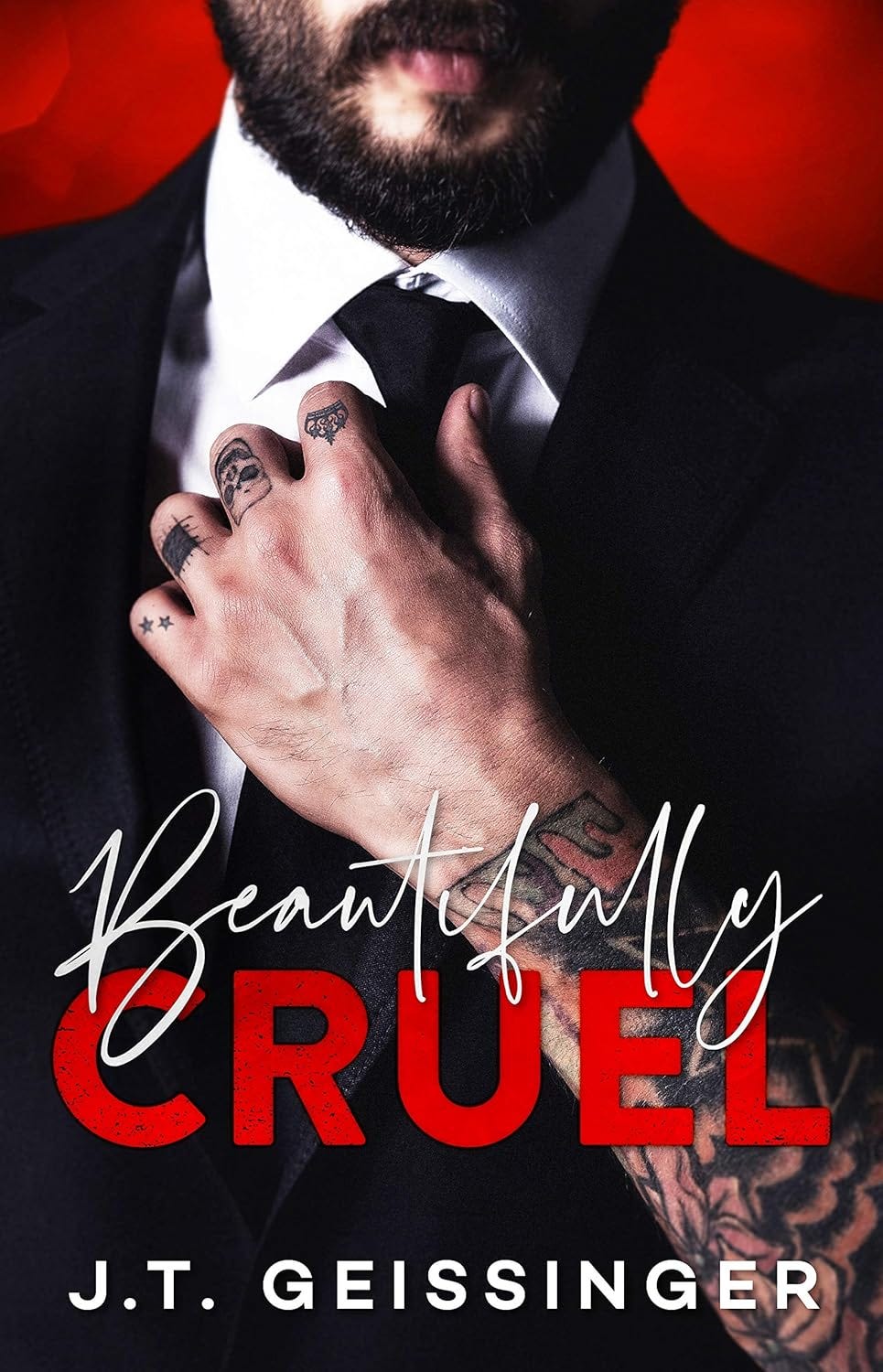
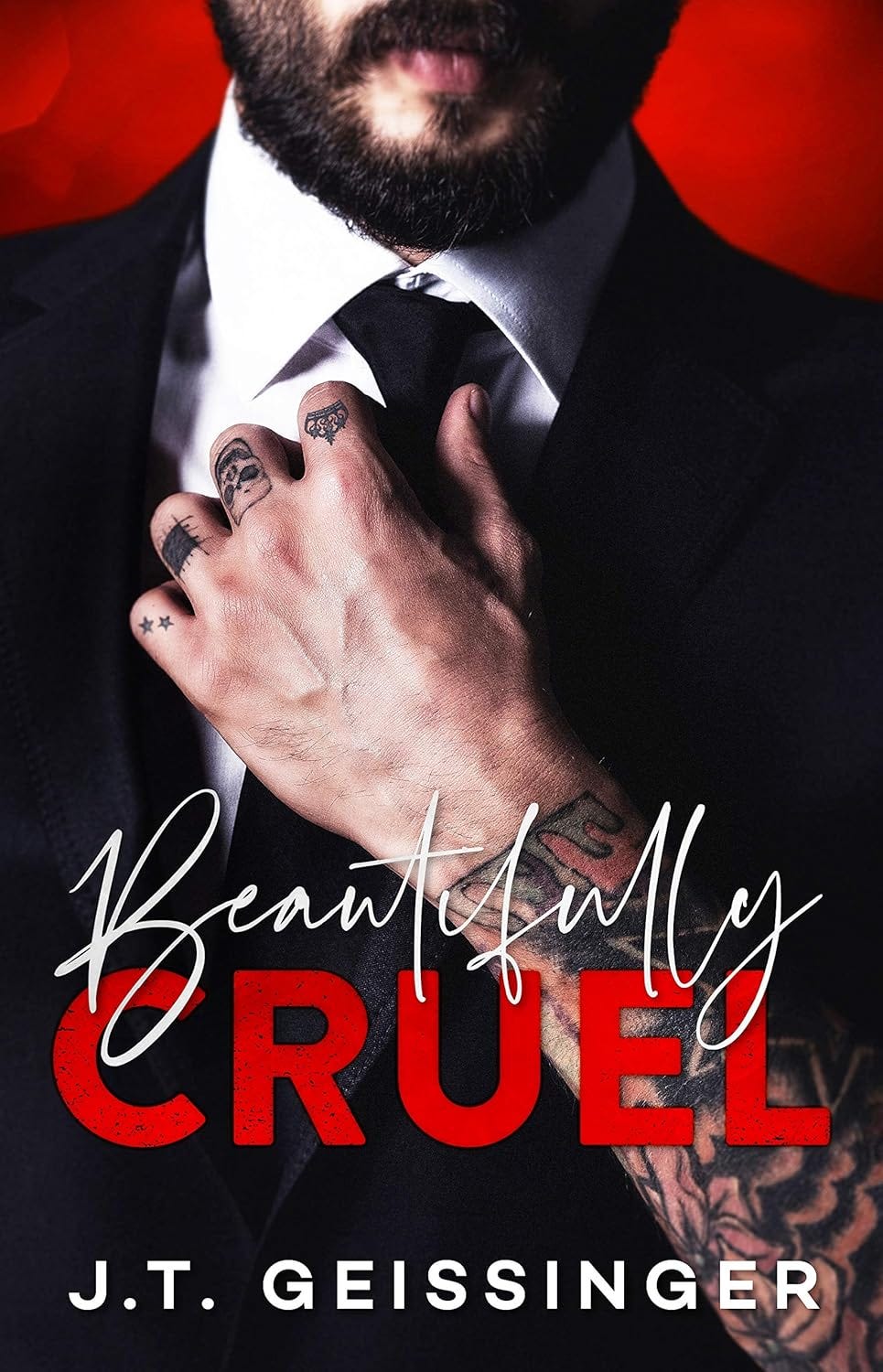
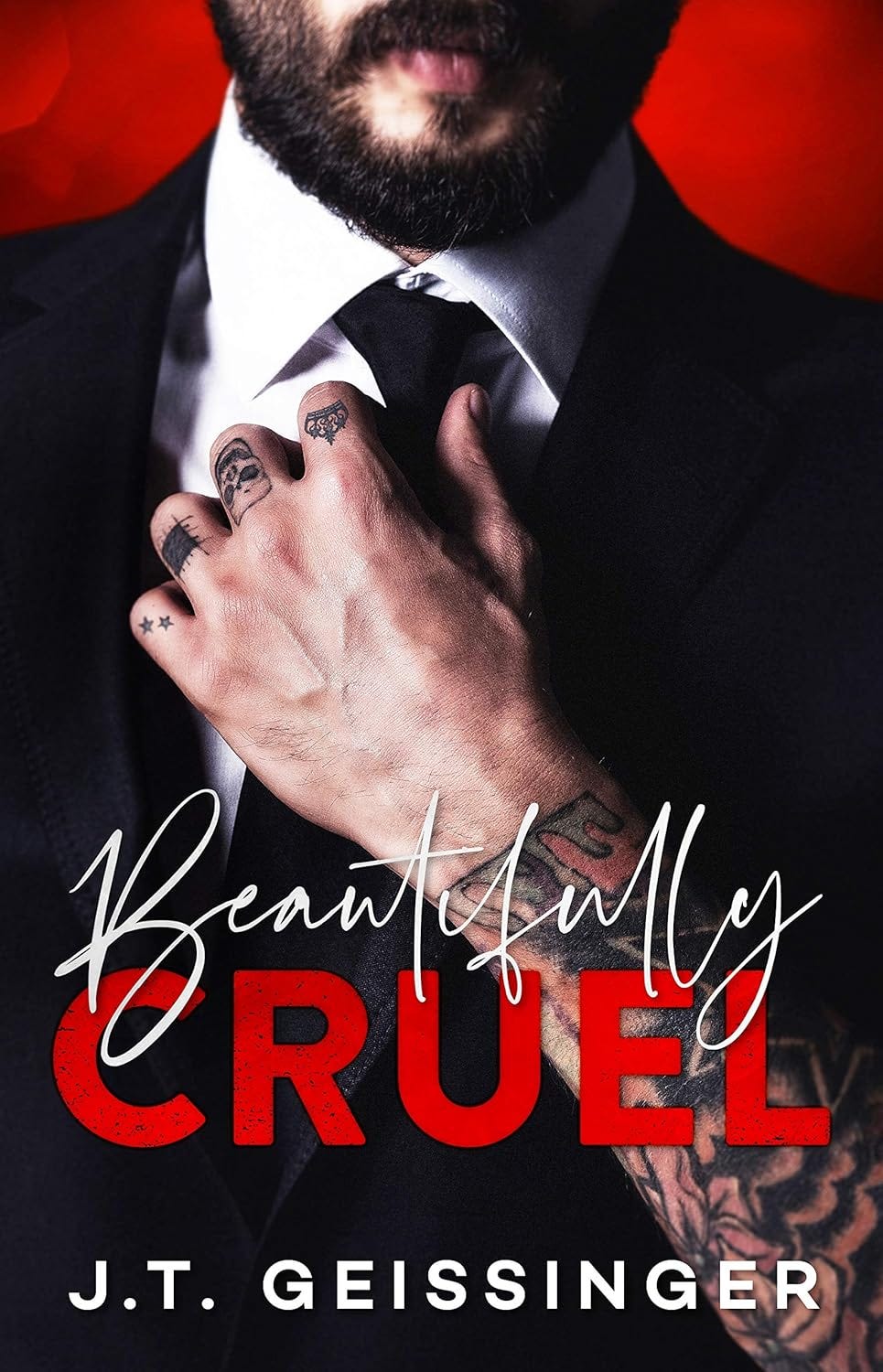
For her second plot pick, Dana chooses Twisted Love. She admits she wrestled with this slot, especially since Indigo is her all-time favorite book, but Twisted Love wins here specifically on plot and romance construction.
She praises Twisted Love for:
Delivering a dark-edged romance that still feels emotionally grounded.
Handling an anti-hero lead (Alex) in a way that feels compelling, not cartoonishly cruel.
Giving Ava an initial innocence that could easily have been annoying, but instead evolves into genuine strengthwithout sliding into “poor little rich girl” territory.
Plot-wise, Dana loves how the threads are organized: the way romantic stakes, emotional wounds, and external pressures rise and intertwine, and the way the climax lands so hard she still feels it on every reread. She jokes that she’d make a terrible negotiator because she’s constantly arguing with the characters: “You don’t have to do this!” Even knowing what’s coming doesn’t dampen the impact, which to her is the mark of a powerful romantic plot.
She gives Indigo an “eternal honorable mention” here, reflecting on how she’s been reading it for 30 years and still reacts to its climax with the same gut-deep emotion every time.
26:30 – Rachel’s Second Pick: Sin and Chocolate and Plot Born from Worldbuilding
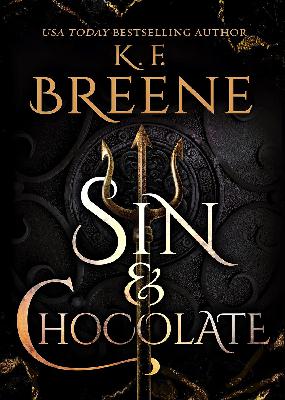
Rachel’s second pick is Sin and Chocolate, chosen specifically for how its plot springs directly from its worldbuilding. She points out that in some books, the world can feel like a decorative backdrop. In Sin and Chocolate, the story feels like it could only exist in that specific world with its rules, power structures, and dangers.
She also loves how the book:
Functions as a self-contained story with a clear problem and resolution.
Still operates as the start of a longer series, leaving room for higher stakes and deeper conflict in later books.
Book one feels, in some ways, like a contemporary romance setup—very character-forward, very focused on personal stakes—and that’s part of its genius. It hooks readers emotionally, makes them invest in Lexi and Kieran, and then quietly plants the seeds for a broader, more action-driven arc that will unfold over future installments.
Dana agrees and reframes the craft lesson through a series lens: if you want readers to stay for six books, you have to make them care. Book one is all about getting to know Alex’s wards, understanding what Kieran is up against, and putting their wounds onstage so we’re emotionally invested before the big, overarching plot fully kicks in.
They both admire how the romance is steamy but not overdone, how the attraction and emotional growth feel believable, and how the story avoids getting stuck in repetitive romantic loops.
34:00 – Clear Goals, Closed Loops, and Series Springboards
Rachel breaks down how Sin and Chocolate gives Lexi a clear, concrete goal—getting medicine for Mordecai—which anchors the entire plot. This clarity ensures that her actions never feel random; every choice traces back to that central motivation.
By the end of the book:
The immediate problem (Mordecai’s safety) is resolved.
But Lexi has had to accept a job with Kieran to secure that safety.
This structure closes the primary story loop in a satisfying way while springboarding readers into book two. Rachel compares it to Mistborn: the book feels finished, but the cost of solving the central problem creates consequences and questions that naturally lead into the next installment.
Dana notes that readers don’t feel cheated or cliffhung; instead, they feel invited to continue. The first book does its job as both a complete experience and a compelling gateway into the rest of the series.
41:00 – Honorable Mentions, Plot Lessons, and What We Take as Writers
Dana and Rachel circle back to their honorable mentions:
Indigo – for its enduring emotional impact and unforgettable, painful climax.
Dead Until Dark – for its almost impeccable plotting in how it balances romance and mystery, opening and closing both arcs cleanly and satisfyingly.
They reflect on the year’s reading and how their plot picks are influenced by their tastes as writers and editors. They gravitate toward books with strong structure, clear stakes, and emotionally resonant payoffs. Even the titles that didn’t make the official “best plot” list still offer rich tools for writers—from handling timelines and dual threads to integrating romance with external conflict.
47:30 – Looking Ahead: 2026 Sneak Peeks and the Beauty of Rereads
Dana asks whether any upcoming 2026 picks might dethrone Ninth House or rival their current favorites in terms of plot. Rachel suspects it will be hard to top Ninth House, but acknowledges that they’ve already dropped some sneak hints about books on the horizon. She gently encourages listeners to use this inside track to build their TBR lists, request books as gifts, and read ahead.
Dana zooms out to the joy of reading as a lifelong practice. She talks about how rereading Indigo over three decades has shown her what “standing the test of time” looks like. As they read across genres and modes—mystery, dark romance, paranormal, contemporary—they’re constantly collecting craft lessons and asking:
What made this story hit so hard?
How can I recreate that feeling for my readers, in my own voice and style?
For her, there’s nothing better than being part of the “making” of those kinds of moments as both writer and coach.
54:30 – Sequels, Shock Levels, and Managing Reader Expectations
The conversation briefly turns to sequels. Rachel predicts that Sin and Magic (the sequel to Sin an




 United States
