


 Claim Ownership
The Panel
Subscribed: 14Played: 1,329
Subscribe

© 2026 The Panel Podcast
Description
Three founders, Justin Jackson, Brian Casel, and Jordan Gal, discuss product strategy in the age of AI, wins/misses, and ultimately, how to build a better business and a better life.
64 Episodes
Reverse
Amp Code's approach to running a company is potentially changing how software teams work, Justin and Jordan reflect on their own teams and how they compare to the bar Amp is setting for teams working with AI. Brian reveals a new project, Homegrown Systems, a productized service that installs a team of marketing agents inside your own company.Timestamps:- 0:10 Intros- 3:20 AMP as "the new 37signals"- 13:20 Why 37signals worked, and what AMP is questioning- 17:36 Is process just performance theater?- 19:03 How Jordan's and Justin's teams are adapting- 24:53 Junior developers, AI-native hires and token budgets- 27:38 Fiverr thought exercise- 33:15 Reveal: Homegrown Systems- 41:29 Where the demand comes from?- 44:18 How is this different from open-source skills?- 47:38 Who is the ideal customer?- 58:21 First steps for validating a new product- 1:00:13 Speed, decisions and the cost of hesitation- 1:05:33 Hiring versus experiments- 1:18:32 Wrap-up and community shout-outsYOU ARE THE PANEL – send us your thoughts 🗣️🎤 Send us an audio or video message📧 Email us: [email protected]📺 Leave a comment on YouTube
🦋 Reply on Bluesky
Links mentioned in this episode:Amp: Coding agent and dev environment built for the frontierRaising an Agent — a podcast by Quinn Slack and Thorsten BallShortcutFiverrHomegrown Systemscoreyhaines31/marketingskillsAgentMailJosh Pigford
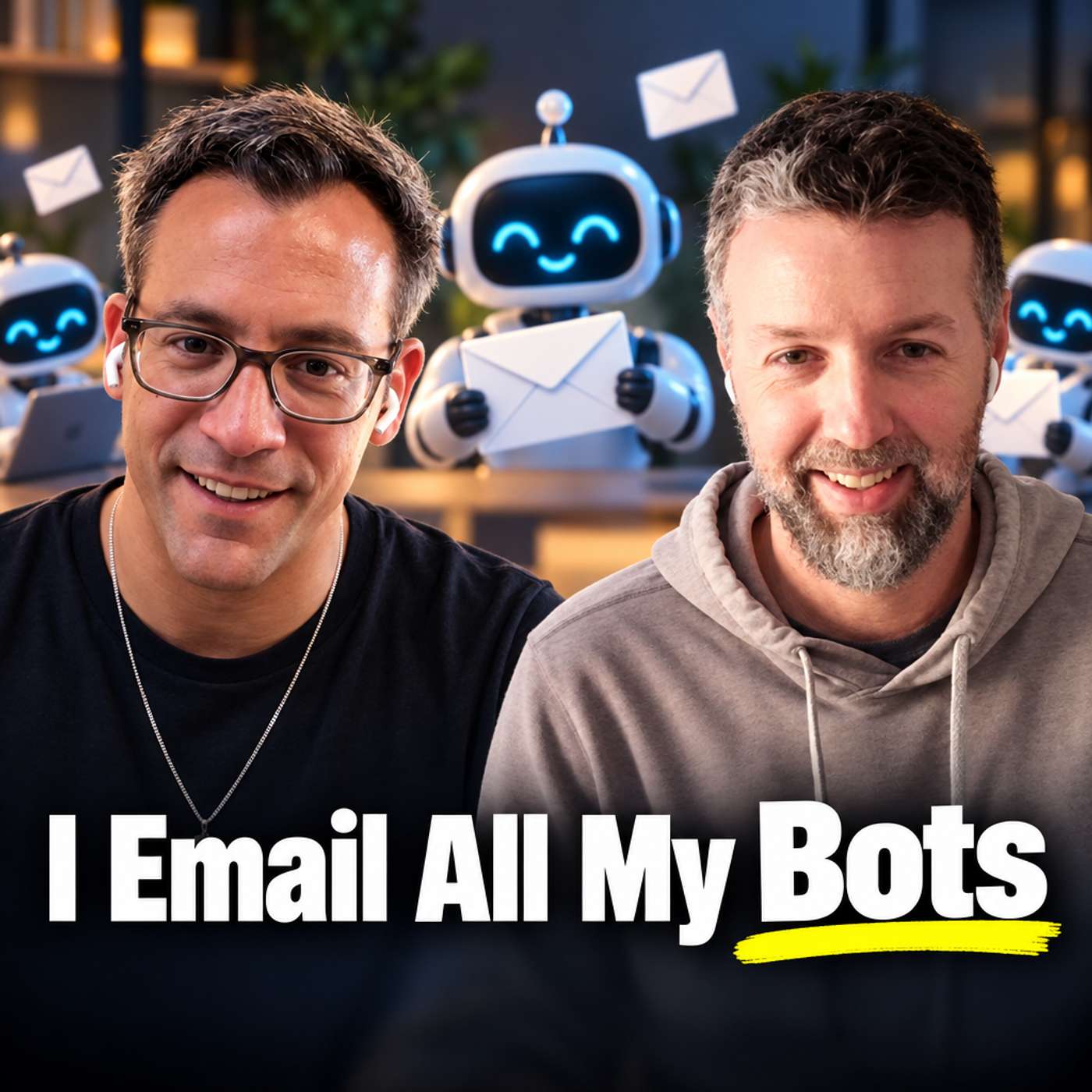
Jordan and Brian unpack two MicroConf talks from Rob and Einar that frame the new reality of SaaS: faster building, faster competition, and more ways for products to get displaced. They then get practical about what that means for product strategy, pricing, annual billing, and where AI can actually help a small business stay durable.Timestamps:00:00: Intro and Rob’s MicroConf talk03:30: Should founders be more paranoid?06:17: Einar’s moat talk and what makes software valuable10:13: Where services and productized services fit13:46: Josh Pigford’s AI service model17:26: Giving Grokbot recurring jobs20:21: Claude does the work, Grokbot runs the pipeline23:45: Getting bot output ready for quick approvals27:20: Keeping marketing going between launches33:10: Getting out of your head by building something36:22: Jared’s A Pointlet and Little Desk39:16: Fewer features and simpler annual pricing43:18: Quarterly payments and annual commitments46:14: Brian’s current favorite: Claude Opus 5.549:14: Elon, xAI, and the AI race52:14: Weekend plansYOU ARE THE PANEL – send us your thoughts 🗣️🎤 Send us an audio or video message📧 Email us: [email protected]📺 Leave a comment on YouTube
🦋 Reply on Bluesky
Links mentioned in this episode:MicroConfDiscretion CapitalKnowatoaMuse: Meta's personal AI agentIntroducing dots | OpenAIInstinctGrok BotIntroducing Claude DuetAppointletLittle DeskLiveKitopus 5.5Claude FableElon Musk: Full Walter Isaacson Interview on AI, DOGE, the Debt & X | The BuildersBillionaires Palmer Luckey And Ben Lamm Spin Up Startup To Genetically Engineer Military Dogs
Corey shares how he moved from marketing into coding, why he still keeps technical co-founders on some products, and how he thinks about balancing services, software, and content. The group also digs into AEO, paid ads, churn in productized services, and why manual customer research still matters.Timestamps:00:00 - Intro02:20 - Corey Haines and Conversion Factory04:33 - Does everyone still need a technical co-founder?06:21 - How Corey went from marketing to coding10:08 - TrueList, Magister, and Corey’s other products13:01 - Running several products instead of betting on one15:26 - Building a business around a personal brand17:33 - How AI changes testing ideas and building products20:58 - Automated testing across 30 repos24:50 - Spreading the risk across multiple products27:24 - Josh Pigford and the debate over focus31:31 - Why some products grow and then fade34:33 - What to do when growth stalls36:48 - SendFox, focus, and what counts as winning38:52 - Churn and sales challenges in productized services41:40 - Selling AI implementation and SEO services46:14 - The value of talking to people48:29 - What parts of marketing can you productize?50:26 - SaaS marketing has changed—and Google feels it52:52 - Which marketing channels should you try first?56:24 - Finding the first customers for a niche product59:14 - Learning how customers talk and buy01:03:04 - AEO results: more visibility, traffic, and booked calls01:05:24 - AEO beyond your own website01:08:04 - The work AI still can’t skip01:11:50 - Brian’s mix of ads, cold email, and experiments01:16:03 - Growth curves and finding the next marketing channel01:20:32 - Faster MVPs and choosing what to build01:22:28 - Products Brian actually wants to work on01:24:54 - Finding customers and problems worth solvingYOU ARE THE PANEL – send us your thoughts 🗣️🎤 Send us an audio or video message📧 Email us: [email protected]📺 Leave a comment on YouTube
🦋 Reply on Bluesky
Links mentioned in this episode:Ruben’s comment on AI and marketingJosh Pigford’s new startupCorey Haines on GitHubMagister Marketing — AI Marketing AgentJason Cohen’s “Elephant in the Room”Brian Casel on selling ProductizeTim Soulo: “The only competitive advantage left is effort.”Conversion Factory — On-Demand Marketing for Tech CompaniesCorey Haines — Marketer, Builder, WriterMarketing Skills for Claude Code and AI AgentsTruelist — Email Validation PlatformMarc Lou on XCharleston AI — AI Engineering, Classes & Repair
Is DHH right in his prediction that handcrafted coding is done, is trying to "be the best" the best strategy, and can you skip the hard work and just do the easy parts of product launching and still find success?Chapters:(00:11) - Welcome to the Panel Podcast
(03:04) - DHH's Flamethrower Keynote
(09:07) - The End of Handcrafting Code
(12:35) - Who Wants It the Most
(16:08) - Marketing with AI and Manual Grind
(24:56) - Being the Best in Your Category
(35:49) - Product Decision Making in 2026
(47:46) - Sam Altman's Advice on Focus
(54:01) - Risk and Opportunity in AI
(01:00:33) - Building vs Acquiring Businesses
(01:19:30) - The Independent Sponsor Model
(01:33:16) - Staying in Motion and Shipping
Links:DHH keynote at Rails WorldDerrick Reimer on finding business ideasRuben Gamez tweetOlly tweetMicroConf EuropeAngelListTinySeedAmpGrokMuseInstinctGrok BotElevenLabsReception.aiDocuSignFlywriteMimeoMiroEvernoteBending Spoons
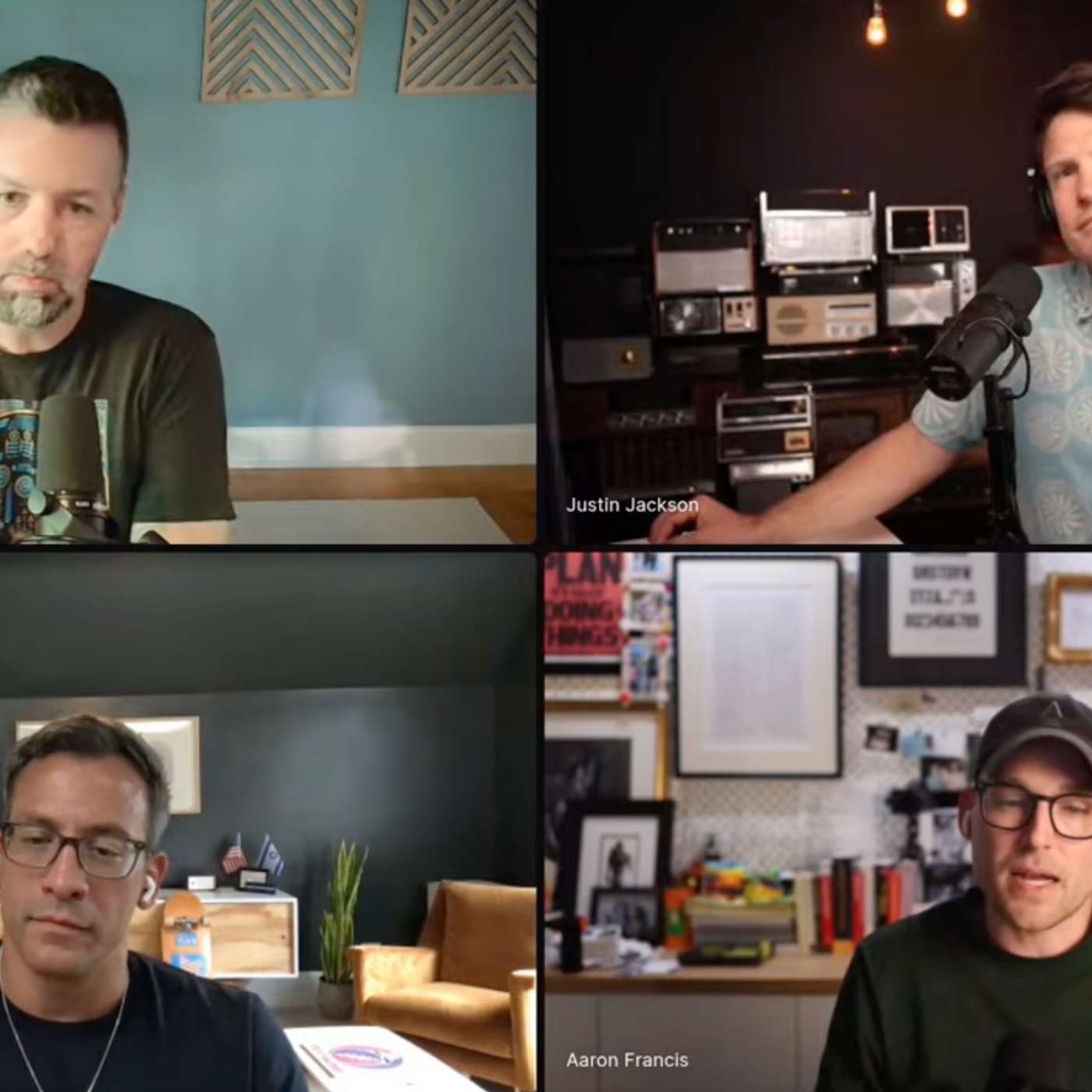
We’re joined by Aaron Francis who shares his experience after joining Laravel, Laravel's evolution, marketing strategies, and the future of cloud computing. How is Jev changing the cost and way we use LLMs. And what is the future of education and training on the web?Timestamps:00:00 - Intro03:03 - Aaron's Laracon reveal and why he took the job09:03 - Open source roots, cloud money, and VC-scale growth14:58 - Who Laravel Cloud is actually built for19:07 - Taylor's "best in category" tweet, unpacked22:52 - Ambition and care beat chasing every feature27:02 - Founders need a point of view, not just a new tool31:46 - PHP's culture keep Laravel grounded35:25 - Justin's Vegas Retreat45:10 - Introducing Jev, and how it's different from an LLM58:23 - Rosie, ChatGPT Live, and whether full-stack agents are any good62:16 - "Eat the pain" for your customers as a strategy77:41 - Aaron's Astra 3D office walkthrough demo81:11 - Are courses dead? Where dev education goes nextYOU ARE THE PANEL – send us your thoughts 🗣️🎤 Send us an audio or video message📧 Email us: [email protected]📺 Leave a comment on YouTube
🦋 Reply on Bluesky
Links mentioned in this episode:Jev announcement postSyntax: WTF is Jev?Aaron's product - SoloAaron's 3D modeling with Astra90s PC game: Incredible MachineNew Builder Methods pageAaron FrancisIntroducing GPT-Live | OpenAITypeSafe AIFree AI Voice Generator & Voice Agents Platform | ElevenLabsCompare AI Models: Pricing, Context & Benchmarks | OpenRouter

Comments

Download from Google Play

Download from App Store
 United States