


 Claim Ownership
Inchstones with Sarah | Autism Parenting & Neurodiversity Insights
Subscribed: 0Played: 6
Subscribe

© 2025
Description
Autism, neurodiversity, and parenting come together on Inchstones, where we illuminate the real lives of profound autism mothers and caregivers.
80 Episodes
Reverse

Motherhood—especially when parenting autism—demands presence, flexibility, and a willingness to be honest about what’s hard. In this episode, Sarah Kernion and Meaghan Murphy, editor of Women's Day and a 25+yr vet in the media industry, explore the emotional terrain of motherhood, focusing on vulnerability, routine, and the unexpected ways joy shows up in everyday life.
Through shared caregiver stories, they reflect on how structure can create space for joy, why routines support emotional regulation, and how letting go of autopilot allows mothers to reconnect with themselves. The conversation acknowledges the unique challenges caregivers face while affirming that struggle is not a competition—hardship is personal, and all experiences deserve validation.
This episode is about resilience without performative positivity. It’s about humor as survival, self-care as necessity, and connection as the thread that helps mothers—especially those parenting autism—keep going with intention and grace.
Meaghan is the Editor of Women's Day Magazine and author of Your Fully Charged Life. All her work can be found here: https://meaghanbmurphy.com/
Chapters
(00:00:00) - Interviewing Megan Murphy(00:01:09) - Mothers of profoundly autistic children talk(00:03:52) - Your 'Vulnerability' in '(00:07:27) - On Carving Out Your Joy(00:12:41) - Sarah and Megan on Their Personal(00:16:08) - What is the #1 gift your family of origin gave you?(00:21:03) - "This Is What I Was Like As A Parent"(00:22:35) - Meg on Her Cancer Challenge

Parenting autism can be deeply isolating—even when surrounded by people. Inchstones is the #1 Voice of Moms and Caregivers of Children with Profound Autism. Season 2 of the Inchstones Podcast opens with a powerful roundtable conversation featuring the MOMS TALK AUTISM moms—a reminder that parenting autism doesn’t have to happen in isolation.
In this episode, Sarah Kernion explores how caregiver stories create meaning when shared, even when experiences differ. From Facebook groups to text chains, autism moms discuss how community provides grounding, validation, and perspective—without erasing the deeply individual realities each family lives.
This conversation centers on disability inclusion at its root: caregivers supporting caregivers. It sets the tone for Season 2 as a space where honesty matters more than perfection, and where being understood can change everything.
Moms Talk Autism Podcast can be found here, available on all listening platforms.
Moms Talk Autism Instagram: @momstalkautism
Chapters
(00:00:00) - In the Zone: Moms Talk Autism Podcast(00:00:39) - Moms Talk Autism on Facebook(00:04:39) - How Special Needs Moms Get Together(00:07:25) - Brittney on Support Groups(00:13:12) - The Need for Three-Dimensional Connection(00:14:27) - On Identity and Parenting(00:16:28) - Neurotypians: Diverse Friendships(00:21:23) - The Importance of Talking About Sexual Health(00:22:39) - Inchtones: When Support Groups Are Inviting(00:27:47) - Autism and the Special Needs Parent(00:30:05) - Mom's Autism: A Discussion

Autism and disability inclusion don’t begin with policy—they begin with people willing to create spaces where families feel welcome. In this episode, Sarah Kernion speaks with Jeff Mayerson, founder of Wolves Basketball Academy, about how an inclusive basketball program became a powerful source of connection for families navigating parenting autism.
Jeff shares how his unexpected path into autism advocacy led to building a community where autistic children and children with special needs are valued for who they are—not asked to conform. Through real caregiver stories, shared joy, and intentional inclusion, Wolves Basketball Academy demonstrates how sports can foster empathy, socialization, and belonging for children of all abilities.
This conversation highlights the ripple effect of disability inclusion: when autistic children are supported, caregivers feel seen, families connect, and communities grow stronger. It’s a reminder that meaningful change doesn’t require perfection—just the willingness to show up and say, you belong here.
You can also find Wolves Basketball on Instagram @wolvesbballacademy
Chapters
(00:00:00) - The Inch Jones Podcast: profoundly autistic people(00:01:30) - Coaching for Autism(00:06:45) - Clinic for Special Needs Kids in the NBA(00:13:08) - A Special Needs Girl's Basketball(00:21:27) - The Help for Kids program(00:27:28) - The support of parents with a special needs child(00:29:33) - Jeff Towns on Impact of His Special Needs Kids(00:35:10) - Jeff Greene on Autism Basketball(00:35:48) - Jeff's One Inch Zone Clinic

Parenting a child with autism often requires stepping into roles you never expected—advocate, strategist, negotiator, and sometimes the only person in the room who truly understands your child. In this conversation, Sarah Kernion and fellow autism mom Deisare Rogers unpack the emotional labor and the fierce determination behind advocating for autistic children within an education system that often misses their needs.
Deisare shares her lived experience navigating the IEP process, managing behavioral challenges, building community, and trusting the sharp instinct that mothers develop when professionals overlook or minimize their child’s struggles. Together, they reveal how knowledge, persistence, and community support empower parents to claim their place at the table—and rewrite what support should actually look like for autistic children.
This episode is a validation of every parent who has ever felt dismissed, overwhelmed, or alone. It’s a reminder that advocacy is not optional—it's survival. And every small win counts.
You can find Desiree on Instagram @delawaresavealife
Chapters
(00:00:00) - Autism Mom on Social Media(00:01:42) - Autistic moms on IEPs(00:07:30) - On the IEP Meeting(00:09:09) - Sarah on Restraint for Sensory Kids(00:12:46) - Kate Swenson on Autism Advocates(00:18:24) - Autism moms on the autism issues in PA vs Delaware(00:22:41) - Autism and the IEP(00:27:04) - The Real World of Parenting(00:29:35) - What is a Win for You?(00:30:28) - Inch Jones PODCAST

There are parts of profound autism parenting that most people will never witness and many would never believe. In this episode, Autism Mom Sarah Kernion and Jamie Hrobar, a mother navigating one of the most extreme and misunderstood forms of autism, speak openly about her 21-year-old son, whose life is shaped by relentless self-injury, aggression, fragile communication, and complete dependence for every daily living skill.
Jamie’s story is one of unimaginable intensity: her son hit himself (once counted at 40,000 times a month), lives with constant neurological distress, and struggles to communicate even the most basic needs. She shares not just the clinical realities, but the emotional ones—what it feels like to love a child whose body is at risk every day, and to parent in a world that does not understand or support families facing profound autism.
This episode is not meant to shock; it is meant to validate, humanize, and bear witness. It honors Jamie’s courage and the countless caregivers who live in crisis-level conditions with little acknowledgment or help.
For families walking similar paths, this conversation says: You are not imagining how hard this is. You are not alone.For those outside this reality, it offers a rare chance to understand the truth of profound autism—and why meaningful support must begin with seeing these families clearly.
This is Jamie’s story. And it is the story of so many others who deserve to be heard.
Jaime Hrobar is a writer, autism mom, and advocate who shares hope, humor, and authenticity, through her Facebook page Homebound and Healing—a blog about autism, family, recovery, and spirituality that explores finding peace, joy, and perspective through life’s hardest moments.
A mother of two children on the spectrum, including a twenty-one-year-old son with profound non-speaking autism, Jaime draws on over two decades of firsthand experience with IEPs, disability rights, therapies, and complex behavioral challenges. She uses her experience to guide others through education systems, therapeutic supports, and the emotional realities of parenting, making her a trusted advocate and source of encouragement for families navigating similar journeys.
You can find all of her work here:
https://www.facebook.com/HomeboundandHealing
https://www.jaimehrobar.com
https://www.instagram.com/jaimehrobar/
Chapters
(00:00:00) - One child's extreme self-injury(00:00:53) - Jamie Robar on the Special Needs Mom Community(00:02:02) - Autistic Moms on Motherhood(00:06:35) - Seeking the Autism Experts(00:10:56) - Sarah on the Battle(00:14:35) - Jamie on her Autism Facebook Page(00:19:55) - Hurricane Florence parallels New Jersey family's life(00:21:02) - Jim's autism mom on the current political climate(00:26:34) - Autism mom on the search for a residential placement(00:31:45) - On the Fear of a Caretaker(00:38:04) - A caregiver's message about her husband's illness

Motherhood in the autism community is not about perfection, it’s about connection. Autism Moms Sarah Kernion of INCHSTONES and Jess Carrawa of 'If You Know One', open a deeply honest conversation about the courage it takes to be vulnerable, especially in a world that often misunderstands both parenting autism and autism motherhood.
Their exchange moves through discomfort and into understanding, showing how sharing raw experiences builds a bridge between isolation and belonging. Together, they unpack how community, authenticity, and empathy can transform the weight of parenting into something lighter—something shared.
At its heart, this conversation is a portrait of modern motherhood in the age of social media: imperfect, interconnected, and beautifully real.
Jess Caraway is a mom of two, an ever-evolving advocate for her autistic daughter, a passionate supporter of all forms of communication, gestalt language detective, and founder of the If You Know One Project. She dreams of a world that understands autism, and accepts accessibility, inclusion, and presuming competence as beneficial for everyone.
Jess strives to connect with her Instagram community by sharing a glimpse into her family’s journey with an autistic daughter/sister in a way that inspires others to embrace the perspective shift that just because your experiences look different does not mean they are not still good.
Instagram: @jess_ifyouknowone
Etsy shop: ifyouknowone.etsy.com
Sarah is the writer and host of INCHSTONES: The #1 voice of autism mothers & caregivers of children with profound nonspeaking autism.
Chapters
(00:00:00) - Jess Caraway on Her Autism Project(00:03:30) - "It's Okay to Be Unhappy on Social Media"(00:07:52) - Open Minded: The Importance of Diversity(00:17:00) - The Ripple Effect of Parenting(00:25:23) - Melissa on her son's autism(00:30:48) - Insurance Parlance

Autism parenting isn’t a race, it’s a reorientation. Autism Mom Sarah Kernion and fellow Autism Mom and author Kathleen Somers unpack the quiet revolution of slowing down in a world that rewards speed in their autism parenting journeys. Through honest reflection, they question inherited expectations and challenge the myth of “catching up.” Their conversation illuminates what happens when parents stop measuring progress against typical milestones and start witnessing growth on their child’s unique timeline.
This dialogue invites autism parents to trade anxiety for awareness, performance for presence, and pressure for patience. It’s about conscious parenting that honors both the child’s nervous system and the parent’s emotional bandwidth. The result is a gentler rhythm—where profound autism, neurodiversity, and deep connection can finally breathe.
Kathleen's Book Barely Visible can be purchased here.Kathleen Somers, a debut author, holds a Bachelor of Fine Arts from Temple University’s Tyler School of Art, and works as a freelance graphic designer. She is a passionate observer of humanity who believes in the power of connection that comes from each of us sharing our individual stories. When Kathleen isn’t busy with her career as a creative, she is out on her bike finding new roads to explore, or spending time with her son, opening his eyes to everything the world has to offer. She lives with her family in the suburbs of Philadelphia.
Chapters
(00:00:00) - Barely Visible: An Autism Mom's Journey(00:00:59) - On Writing My Autism Memoir(00:05:32) - Looking Back: Learning From Our Elders(00:11:58) - How to Love Your Child's Emotions(00:14:35) - Autistic Parents: Their Differences Are Not the Default(00:21:15) - Autistic Mothers Slow Down Their Child's Development(00:26:13) - My Son's Car Caught on Fire(00:29:50) - Kathleen's Story of Mothering an Autism Child(00:32:53) - A Parent's Love of routine

If you’re an autism parent, you already know autism doesn’t come with a tidy instruction manual—it comes with plot twists, hard truths, and surprising joy. In this episode, Autism Mom, Sarah Kernion, and Kit Perez (writer, intelligence analyst, therapist, behavior analyst!) delve into orientation and the beautifully complicated reality of raising autistic kids and how it completely rewires your sense of “normal.” They unpack what happens when you stop chasing the imaginary perfect family and start orienting yourself to the world you actually live in where meltdowns, breakthroughs, and quiet victories all share the same calendar.
With equal parts humor and honesty, Sarah and Kit talk about the friction between old expectations and new realities, and why dismantling outdated beliefs isn’t failure—it’s growth. They explore how healing your own past pain changes the way you show up as a parent, why joy is a deliberate choice (not a lucky accident), and how asking, “What is true today?” can keep you grounded when everything feels like too much. Above all, this conversation reminds you that your situation doesn’t define you, your child is not a project to “fix,” and some of the deepest bonding moments are found in the small, weird, wonderfully simple joys of everyday life.
Chapters
(00:00:01) - Substack: The Hierarchy of Autism and the Autism Spectrum(00:01:23) - Reorienting the System for Autism(00:08:59) - How Having a Child Will Change Your Life(00:12:14) - The Process of Healing From Trauma(00:19:40) - How to Talk About Your Autistic Child(00:24:28) - What do you think creates the fear of doing the work(00:29:35) - Autism and the Power of Running

Autism and parenting performance are at the heart of this conversation between Profound Autism Mom Sarah Kernion and Dr. Cynthia Anderson, Chief Clinical Officer at Avela Health. Together, we unpack what performance really looks like in everyday parenting, for us and for our kids. Together, we explore how context, expectations, skills, and capacities interact, and what happens when there’s a mismatch between what’s being asked and what’s truly possible in the moment.
Dr. Anderson offers a compassionate, autism-informed lens on behavior and performance, reminding us that people do well when they can. We talk about why it’s not only okay—but often essential—to step back, drop certain expectations, and honor real limits so that both caregivers and autistic children can thrive.
✨ Find your stride with strength-based autism care.Visit Avela Health to get started and see how personalized, compassionate support can help your child and your family thrive.
Chapters
(00:00:00) - In the Know: The Inch Zones Podcast(00:01:00) - An autism parent's personal connection(00:06:40) - On the Fear of Autism(00:10:31) - Autism and the Aviela Health Community(00:16:02) - What does my involvement in my child's care look like?(00:22:21) - What do you think the impact of emotional growth and regulation is on(00:29:18) - Autism and the pause(00:29:56) - One mom's battle for early intervention for her child's autism(00:34:04) - The Least Restrictive School for Kids

Autism parenting and consciousness intersect in this incredible Inchstones episode! Cognitive neuroscientist and consciousness researcher Dr. Julia Mossbridge joins us to explore her new book "have a nice disclosure" which invites you on a journey that unites science, spirit, and wonder into one life-changing exploration of who you truly are. Autism Mom Sarah and Dr. Mossbridge share the deeper currents of love, connection, and ethical education especially for non-speaking people. We talk about unconditional love as a practical healing force, how truth-telling shaped her writing process, and why anomalous cognition deserves careful attention rather than dismissal. Julia highlights the ethical responsibilities researchers and educators hold when working with non-speakers, and she shares concrete steps toward curricula that support meaningful communication. We also discuss advocacy often led by mothers, gendered patterns in emotional expression, and the reminder that trauma does not set a ceiling on growth. Throughout, Julia returns to a simple, radical invitation: participate in a love revolution grounded in empathy, relationship, and respect.
Dr. Mossbridge's new book "have a nice disclosure" can be purchased here on Amazon!
Click here to find all of Dr. Mossbridge's work.
Chapters
(00:00:01) - Julia Mossbridge on Her Book(00:01:09) - What it's Like to Work With Non-Speakers(00:05:06) - Book Launch: What Are We Ethically Required to Do(00:08:58) - When I Was in the gifted IQ Program(00:14:10) - Autistic Non-Speakers in the Intelligence Community(00:19:34) - Mixed emotions on the issue of mothers(00:23:40) - What Non-Speakers Have to Offer Us(00:26:18) - On Autism and Daughter's Development(00:33:09) - Right hemisphere gifted: A Parent(00:37:18) - How to Win at Life(00:38:33) - The Work I Plan to Do on Telepathy(00:44:58) - Anxiety and the Right Place for Kids(00:50:04) - Unlimited Love

Autism and autism parenting guide this week’s Inchstones Podcast as Autism Mom Sarah Kernion sits down with Brittany Vecero and Jada Watkins, two compassionate therapists in the field of ABA therapy, to discuss the heart of behavioral education, therapy, and care + the importance of trust, and the joy of working with children in special needs education and development.
Together, they explore how collaboration and communication between parents and therapists shape meaningful progress for children on the autism spectrum. The conversation dives deep into the emotional realities of therapy—navigating transitions, building consistent teams, and ensuring that every intervention is grounded in empathy and love.
Brittany and Jada also share how positive reinforcement, small daily changes, and partnership with parents can strengthen confidence, independence, and growth at home and in therapy sessions.
Key Takeaways:
Therapeutic AND respite care provide essential relief and support for families.
Building trust between parents and therapists enhances outcomes.
Effective communication ensures consistency across home and therapy.
ABA therapy can be transformative when done ethically and with compassion.
Transitions in therapy teams can affect children’s emotional security.
Collaboration and feedback loops foster stronger relationships.
Positive reinforcement and small steps lead to lasting growth.
Parents and therapists thrive when united in purpose and care.
Chapters
(00:00:00) - ABA Care Workers on Inchtones Podcast(00:01:28) - What Really Makes Me Happy to Work As a BCBA Therapist(00:04:39) - Therapist on Working With Special Needs Families(00:09:08) - How to Talk to an Autistic Parent(00:14:40) - How to Talk to Your Autistic Child About Therapy(00:19:28) - What Good ABA is?(00:26:57) - The Home Effect of Parenting

Autism and autism parenting take center stage in this Inchstones Podcast episode, as host Sarah Kernion speaks with Peter Sullivan—a former Silicon Valley innovator turned health advocate—about how environmental factors influence the health and development of children with autism.
Peter shares his personal journey from the tech world to health advocacy, uncovering the links between electromagnetic fields (EMFs), chemical exposure, and neurological health. He explains how disruptions in calcium channels may affect brain function and why creating safe home environments can make a meaningful difference for families navigating autism parenting.
The conversation blends science, compassion, and hope—showing parents that small, consistent actions can support healing, reduce toxic load, and help their children thrive.
Peter is the founder of Clear Light Ventures.
Chapters
(00:00:01) - Peter Sullivan on Environmental Factors for Autism(00:05:58) - The EMF and autism(00:12:26) - The Healing of Electric Stress(00:14:20) - Ca calcium channels, their role in our body(00:20:45) - The Problem With Our Smartphones(00:21:14) - Autism and Chronic Illness(00:23:39) - The electrical load to reduce(00:27:22) - Toxic chemicals in the United States(00:30:48) - These are the chemicals in the environment(00:33:54) - Autism and the First Aid(00:38:43) - Sleep disruption due to electromagnetic interference(00:46:26) - How to Raise a Brain with a Balanced Environment(00:50:34) - The Good Elements of Nature

In this episode of the Inchstones Podcast, host Sarah Kernion sits down with Shahriar Afshar, autism parent and founder of the Autism Innovation Lab, to explore how technology, community, and unconditional love are reshaping the future of autism parenting and neurodiversity support.
Together, Sarah and Shahriar discuss the emotional layers of parenting a child with autism—from grief and resilience to acceptance and hope. They unpack the gendered differences in how mothers and fathers process their child’s diagnosis, the growing role of AI in autism care, and how innovation can help families better navigate the daily realities of profound autism and caregiving.
This conversation blends empathy with forward-thinking solutions, revealing how collaboration between parents, technologists, and advocates can create a more inclusive autism community rooted in understanding, connection, and love.
Key Takeaways:
The emotional journey of autism parenting is complex yet deeply human.
Fathers and mothers often process challenges and grief differently.
Community support is essential for parents and caregivers.
Innovation and AI can enhance autism education and caregiving.
Technology can improve independence and quality of life for autistic individuals.
Unconditional love and acceptance remain the most powerful supports.
Collaboration between parents and innovators fosters autism advocacy stories worth sharing.
Hope and resilience are at the heart of every special needs family story.
Chapters
(00:00:00) - How to Manage a 16-Year-Old with Autism(00:06:50) - What Would You Have Done If You Had An Autistic Brother?(00:07:44) - William Shrey's Autism Innovation Lab(00:14:00) - In the Elevator With an Autistic Parent(00:19:19) - Autism and the Real World(00:24:42) - In the Elevator With Autism Parents(00:28:13) - How to Give Back to the Autism Community(00:34:21) - Autistic Caregiver's Challenges(00:41:05) - Autism Caregiver on the World(00:43:31) - Inchtones: If You Could Not Fail

Profound Autism Mom Sarah Kernion sits down with Olivia Rojo (@praying_though_autism), an fellow autism mom and advocate, to discuss the unfiltered truth of caregiving and the lived experiences of families navigating profound autism.
Olivia shares what it means to be both mother and caregiver—to fight for inclusion, navigate systemic challenges, and still find beauty in small moments of connection. Together, she and Sarah explore how believing mothers is a crucial act of respect within the neurodiversity movement and the broader disability conversation.
The discussion highlights the importance of community, the necessity of self-care, and the quiet strength found in honesty. This episode is both a love letter to caregivers and a rallying cry for visibility—because every story of autism deserves to be heard and believed.
Key Takeaways:
Believing mothers and caregivers is inclusion in action.
The truth about profound autism must be told, not softened.
Community and autism support networks ease the weight of caregiving.
Self-care sustains caregivers and strengthens family bonds.
Every act of honesty deepens understanding of autism parenting.
Hope and beauty coexist with challenge in daily caregiving life.
Advocacy rooted in truth leads to justice in disability care
Chapters
(00:00:00) - Praying Through Autism(00:05:47) - Beyond Autism: The Terms We Use(00:11:28) - Beyond Autism: The neurodiversity movement(00:17:21) - Autism mom on her own journey(00:23:55) - Kat on Autism and Self-Care(00:28:54) - Why I Fight For My Daughter's Autism

Autism parenting is a journey filled with unique challenges and profound growth. In this episode of Inchstones, host Sarah Kernion talks with Jenny Briggs—author, autism mom, and advocate—about how love, neurodiversity, and inclusion can transform the experience of raising a child with autism. Jenny shares her heartfelt story of parenting her daughter Sarah, whose autism diagnosis inspired her to utilize the Son-Rise program, a home-based, relationship-centered approach that honors curiosity and connection over correction.
Through this conversation, listeners will gain insight into autism awareness, the emotional evolution parents undergo, and the importance of community support in the disability and neurodiverse parenting journey. Jenny discusses how siblings thrive when empathy and inclusion are prioritized, and how seeking help opens new paths toward healing. Her book, Watching Sarah Rise, offers a poignant testament to the transformative power of love as a cornerstone of therapy and personal growth.
Join us as we explore how flexibility, patience, and human connection redefine autism parenting and advocate for a more inclusive and understanding world.
Jennifer Celeste Briggs has a BA in English Literature from Swarthmore college. She lives in Pittsburgh, PA with her husband and two daughters. Her daughter Sarah has a genetic anomaly and autism. When Sarah was four, Jenny decided to run a Son-Rise Program for her, calling it Sarah-Rise, and training at the Autism Treatment Center of America. The Son-Rise Program is a loving child-centered approach to helping those with autism and other challenges connect socially, verbally, and through increased eye contact. Organizing hundreds of hours of therapeutic play time for Sarah, Jenny trained and coordinated multiple volunteers who contributed their love and creativity to the venture. Jenny started a blog to share the experience of Sarah-Rise and has heard multiple times that her words were helpful to others dealing with life struggles. Jenny wants to help parents feel understood and to spread the word about The Son-Rise Program. She hopes that her words bring comfort, joy, and inspiration to readers whatever their challenges and journeys may be.
Chapters
(00:00:00) - Interview(00:00:44) - How a mom with autism navigated the autism diagnosis and treatment(00:08:21) - The Secret to Helping People With Autism(00:12:55) - Sarah's autism and Amy's typical family(00:19:45) - The Importance of Shared Orientation(00:23:40) - Watching Sarah Rise: An Autism Family's Journey

Parenting a child with autism demands deep reserves of energy, empathy, and endurance—and too often, parents forget to include themselves in the circle of care. In this powerful conversation, Sarah Kernion talks with Kat Riojas about what conscious self-care really looks like when you’re raising neurodiverse children.
Fellow autism mom and advocate, Kat Riojas, shares how movement, mindful routines, and healthy habits have transformed her ability to stay present and emotionally steady for her family. Together, they explore how modeling wellness teaches children balance, why community matters as much as therapy, and how letting go of comparison opens the door to peace.
This is a grounded, hopeful reminder that caring for yourself is caring for your child—and that every act of self-preservation is an act of love.
Key Takeaways
Conscious self-care sustains long-term autism parenting.
Movement and nutrition directly affect emotional regulation.
Alcohol and poor habits quietly drain parental capacity.
Community is a protective factor against burnout.
Modeling health benefits the entire family system.
Each parent’s path is unique—comparison steals joy.
Growth often comes from hardship and honesty.
Find and follow Kat on Instagram here!
Chapters
(00:00:00) - Kat's Talk About Self-Care on Inshones(00:01:16) - How an autism mom got to the gym(00:04:26) - On Choosing Self-Care(00:10:44) - Autism and Taking Back Your Own Life(00:15:32) - The Secret to Your Hero's Journey(00:16:41) - Autism Moms on the Family(00:20:14) - "One piece of advice for moms with autism..."(00:24:21) - Alcoholics on Their Journey(00:28:40) - The Importance of Vocalization Around 40(00:33:58) - Kat's Entire Episodes

Episode 64 of the Inchstones Podcast, host & Autism Mom Sarah Kernion sits down with Erica Witte, mom and founder of Project Playground, to explore how her own advocacy sparked a movement for inclusive play spaces where all children (neurodiverse, disable, neurotypical) can play and connect together.
Erica shares how her experience as a special-needs parent inspired her to design accessible playgrounds equipped with communication boards, created in collaboration with local high school students. Together, Sarah and Erica discuss how inclusion is built through community, creativity, and conscious design.
This episode is a story of hope, practical innovation, and maternal leadership, showing that when parents model advocacy, they shape a more inclusive world for future generations.
Key Takeaways:
Project Playground was founded to make play accessible for every child.
Inclusive design builds empathy, confidence, and social skills.
Community collaboration drives sustainable change.
Communication boards improve access for non-speaking children.
Advocacy modeled by parents inspires lifelong inclusion values.
Empowering youth through design fosters connection and creativity.
Awareness of accessibility is growing thanks to grassroots efforts.
Emotional purpose often fuels the most impactful local projects.
Chapters
(00:00:00) - Inchtones: Erica Witte on Project Playground(00:01:13) - What is Project Playground?(00:04:28) - The Imagination Tour of the School(00:09:37) - The Special Needs Mom Network(00:13:52) - Project Playground: Communication Boards for Non-Verbally Speaking(00:21:37) - What would be an inch stone win of yours currently as these projects
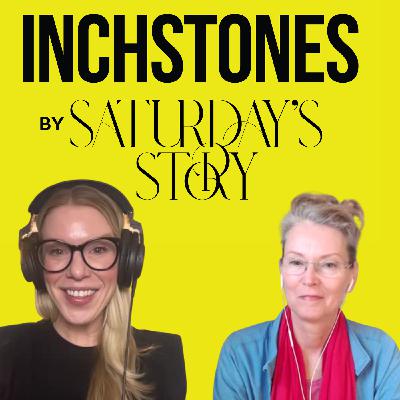
A must-listen new episode coming to you with host Sarah Kernion, who sits down with Dr. Delia McCabe, neuroscientist and nutrition expert, to explore how food profoundly shapes emotional regulation, sensory processing, and well-being in neurodiverse children—especially those with autism.
Together, they unpack the gut-brain connection, the role of healthy fats, and how probiotics influence behavior and mood. Delia shares simple, science-based steps parents can take to create calm, balanced, and nourishing routines—without overwhelm or guilt.
This conversation reframes nutrition as an act of connection: by modeling curiosity, patience, and healthy habits, parents can help their children thrive from the inside out—one inchstone at a time.
Key Takeaways:
The gut-brain axis plays a key role in emotional and sensory regulation.Healthy fats are crucial for brain growth and focus.Probiotics can support mood stability and digestion.Change works best when modeled with patience and curiosity.Small, consistent shifts in nutrition make lasting impact for children with autism.

Discover the transformative power of storytelling in Autism advocacy with Sarah Kernion as she sits down with documentary filmmaker Chelsea Casabona for a powerful conversation about the role of storytelling in shifting how we see autism and neurodiversity. Chelsea filmed Sarah and her family for a 5-min glimpse into the lives of neurodiverse families for Beacon College's A World of Difference Segment last April for Autism Awareness Month.
Together, they explore how real change happens when we tell stories with honesty, presence, and heart. Chelsea shares how vulnerability behind the camera creates deeper human connection—and how curiosity can uncover the truth within every story.
This episode challenges the “fix-it” mindset so often applied to disability and celebrates the beauty, strength, and individuality within the autism community. It’s a moving reminder that storytelling can reshape perception, build empathy, and reveal what truly connects us all.
Key Takeaways:
Vulnerability is the foundation of powerful storytelling.
Presence reveals truth and builds authentic connection.
Every person’s story adds depth to our understanding of neurodiversity.
Filmmakers and advocates share a mission: to humanize, not to fix.
Authentic narratives challenge stereotypes and celebrate autism as part of human diversity.
Whether you’re an autism parent, creative storyteller, or advocate for inclusion, this episode will inspire you to see every “inchstone” as a moment of connection and growth.
Chapters
(00:00:00) - Inch Jones: Chelsea Casabona on Neurodiversity(00:01:16) - What Makes Documentary Film So Powerful(00:07:43) - Documentary Filmmaking: The Presence

Explore Neurodiversity and Synesthesia in this episode on Inchstones, host and autism Mom Sarah Kernion, profound autism mom of two nonspeaking autistic children and advocate, sits down with director Nicola Rose of Magnetosphere to discuss her groundbreaking film exploring neurodiversity and the lived experiences of children with synesthesia which is a fascinating neurological condition where the brain links two or more senses that are usually separate. Through the story of a 13-year-old girl, the film offers a fresh and authentic lens on autism, adolescence, and representation in media.
Sarah and Nicola dive deep into the heart of autism parenting, reflecting on the joys and challenges mothers face while raising neurodiverse children. They highlight the importance of witnessing and honoring each child’s unique perspective, recognizing that all behavior is communication, and celebrating humor as a powerful tool for storytelling and connection.
For autism moms, this conversation is both validating and uplifting...a reminder that raising a neurodiverse child is not only about challenges but also about deep transformation, empathy, and unconditional love.
Key Takeaways
The film explores neurodiversity and synesthesia through the perspective of a teen girl.
Personal experiences with autism and neurodiverse identities inspire creative projects.
Autism parenting means learning to witness children’s unique perspectives.
Adolescence is a transformative stage for both parents and children.
Autism moms face unique challenges that foster resilience and advocacy.
Representation in media is essential for building empathy and understanding.
Humor brings lightness to serious conversations.
Every behavior communicates something meaningful.lecFAzFUYJLCwLZETxV0
Chapters
(00:00:00) - Interviewing Nicola Rose of Magnetosphere(00:05:47) - A Dog Plays With Her House Rocks(00:06:12) - The Importance of Magnetosphere(00:12:20) - Autism and the Caregiving Process(00:15:40) - The film's theme of synesthesia(00:21:31) - Neurotypian on 'The Good Girl'(00:25:08) - "The Dark Knight" Review

Comments

Download from Google Play

Download from App Store
 United States