DiscoverHong Kong Lit Club
Hong Kong Lit Club

Hong Kong Lit Club

Author: Julia Besnard

Subscribed: 6Played: 102
Share

Description

While the city is often portrayed as a busy financial hub where nobody has time to read, the reality is that people do read - and they write, too. Discover the work of both past and contemporary authors, and dive into the the literary heritage of Hong Kong that often gets overlooked. Each episode will feature three parts: a read-aloud ("Words Unfold"), either by your host, Julia, or by guest authors reading their own pieces, a discussion section to delve deeper into the meaning of the text ("Deep Dive"), and a short language section focussing on a Cantonese word or phrase ("Local Lingo").

Ultimately, this podcast is a celebration of Hong Kong's literary landscape and an invitation for listeners to embark on a literary journey that transcends borders.

Learn more here.

9 Episodes
Reverse
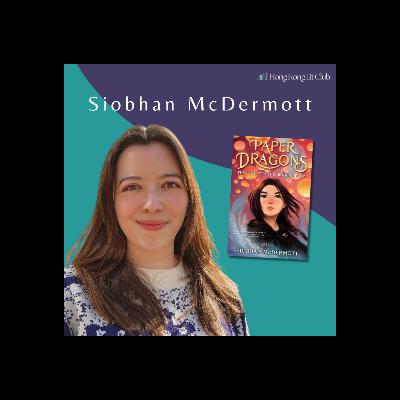
Join Julia for a captivating interview with Siobhan McDermott, author of the enchanting middle-grade fantasy series, Paper Dragons. We dive deep into the wellspring of her creativity: the rich tapestry of her dual Irish-Chinese heritage. Siobhan shares how the myths and legends told by her parents not only shaped her childhood, but also built the very foundations of her magical worlds.In this episode, Siobhan traces her writing journey from its earliest spark, recalling how her imagination first took flight during the regular ferry trips from Lantau Island to Hong Kong. She opens up about her creative process, the profound influence of cultural stories, and her powerful message that it is never too late to become a writer.Whether you're a writer seeking inspiration, a lover of myths, or someone fascinated by the beautiful collision of cultures, this conversation is filled with warmth, wisdom, and a tangible sense of magic.Find Siobhan McDermott on Instagram @siobhanmcd91 and on her website. Want to explore more works by Hong Kong writers? Subscribe to Hong Kong Lit Club wherever you get your podcasts! Follow us on Instagram @hongkonglitclub and Threads.
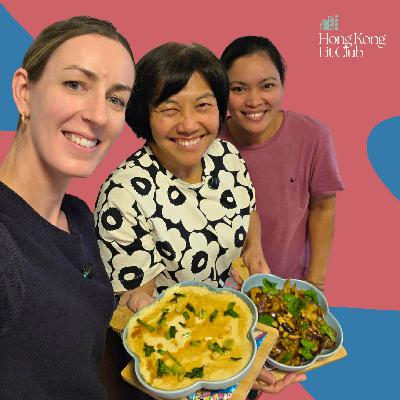
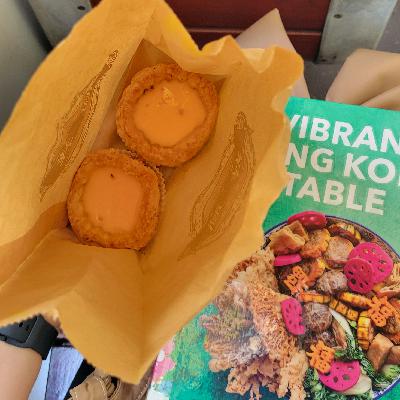
A follow-up to Episode #7, this is our most personal episode yet. It’s not an interview; it’s a kitchen recording. Inspired by her previous conversation with James Beard-nominated author Christine Wong, our host, Julia — a Frenchwoman living in Hong Kong — decides to put the celebrated cookbook The Vibrant Hong Kong Table to the ultimate test.Armed with two of Christine’s iconic veganised recipes (“Jing Seui Daan” steamed eggs, with no eggs, and “Yu Heung Ke Ji” fish-fragrant eggplant — with no fish!), she embarks on a culinary experiment that becomes a beautiful family affair. Joining her is her valiant mother-in-law, Mama, a brilliant Cantonese cook who navigates the kitchen with awe-inspiring skill despite being visually impaired, and Archie, their patient and gifted domestic helper.What follows is an amusing, heartfelt, and sometimes chaotic odyssey. Listen in as three women, bridging generations and cultures, communicate across a whirlwind of Cantonese, English, and later, French (when a toddler returns from playgroup). It’s a story about more than just recipes — it’s about translation in every sense, the joy of collaborative creation, and what happens when you try to reinvent a home kitchen, one vegan dish at a time.In This Episode You’ll Hear:The sizzle, the steam, and the very real sounds of a home kitchen experiment.The challenge (and comedy) of cooking from a recipe that redefines classics, guided only by Christine Wong’s book.Mama’s incredible expertise and intuition, challenging the notion of disability in the kitchen.Archie’s graceful support, acting as photographer, translator, and calm centre.The linguistic tango of coordinating in Cantonese, English, and French.The final, hopeful taste test of our plant-based creations.Featured Cookbook & Recipes:Cookbook: The Vibrant Hong Kong Table: 88 iconic dishes from dim sum to late-night snacks by Christine Wong (Chronicle Books). A James Beard Award-nominated cookbook that lovingly veganises 88 iconic Hong Kong dishes.Recipes Attempted:Jing Seui Daan 蒸水蛋 (Steamed “Eggs”): The ultimate comfort food custard, made without a single egg.Yu Heung Ke Ji 魚香茄子 (“Fish Fragrant” Eggplant): The iconic, savoury-sweet sauce clinging to soft eggplant, with zero fish.Listen to the Inspiration: Want to hear the interview that started it all? Check out Episode 7: Macaroni Soup, Minus the Ham: Christine Wong on Reimagining Hong Kong's Iconic Foods, Plant-Based, for the fascinating conversation on heritage, sustainability, and the art of veganising Hong Kong’s food memories.Where to Find Our Podcast: Subscribe and listen on Apple Podcasts, Spotify, RSS, or wherever you get your podcasts.Follow Us: Instagram @hongkonglitclubSupport the Show: If this chaotic, heartfelt kitchen journey resonated with you, please leave us a 5-star review.
Guest: Christine Wong – James Beard Award-nominated author, plant-based cook, food photographer, and sustainability advocate.In this episode, we chat with Christine Wong in a bustling Hong Kong cha chaan teng about her culinary journey, the art of veganizing iconic comfort foods, and how our food choices connect to culture, family, and the planet’s health.Key Topics & Discussion Points:The Spark of the Journey: How making baby food for her toddlers ignited a path to culinary authorship and plant-based advocacy.The Vibrant Hong Kong Table: The story behind her James Beard-nominated cookbook; a mission to preserve culinary nostalgia and disappearing food traditions with a future-forward, plant-based twist.The Gutsy Vegan Makeover: The creative challenges of reimagining meat- fish- and dairy-heavy classics like wonton noodle soup, steamed eggs, and beef brisket noodles without relying on processed mock meats. (Spoiler: Cabbage steaks and sweet potato puree are heroes!).Nostalgia vs. Innovation: Balancing deep respect for tradition with the desire to innovate, and why visual appeal and "eating with your eyes" are so important in her recipes.Cooking Philosophy & Tips:Beginner-friendly recipes from her book (steamed "egg," sautéed veggies).Essential tools for a small kitchen (steamer rack, long chopsticks, a good pan).The importance of time, planning, and making cooking a communal, family activity.Family & Food Memory: The influence of her grandmothers ("Mama"), early food memories of Lunar New Year, and passing on cultural heritage to her children raised in New York.The Hong Kong Food Scene: The stark contrast (and surprising harmony) between street food stalls and fine dining, and the growing but gradual shift toward plant-based options in the city.Sustainability & Conscious Cooking: How her work, including co-authoring Living Without Plastic, ties together personal health, cultural representation, and eco-friendly kitchen choices.Resources & Links:Christine's New Cookbook: The Vibrant Hong Kong Table (Chronicle Books)Christine's Website: https://www.consciouscooking.studio/copy-of-homeFollow Christine on Instagram: @thevibrantveggietable and Substack: @thevibrantveggietableSupport the Show: If you enjoy Hong Kong Lit Club, leave us a 5-star review and share this episode with a friend who loves food, culture, or just a great story! Instagram: @hongkonglitclub
Award-winning author Ritu Hemnani joins us for a powerful conversation on writing as a tool for empathy and social change.We begin with her poem, "Mind the Gap," which hijacks the London Underground's warning to frame the xenophobia faced by Asian communities during the COVID-19 pandemic. Ritu reveals how this mundane phrase becomes a metaphor for prejudice, bystander silence, and the fear of being targeted.We explore her cinematic craft, moving from nostalgic Chinatown memories to a tense tube car confrontation, and how her drama background fuels her character-driven empathy.The discussion expands to her mission as a children's author. She shares her journey to publication with the Partition-inspired verse novel Lion of the Sky and picture book Gope and Meera, driven by her belief that every child deserves to see themselves in a book.Ritu also offers practical advice for writers and a sneak peek at her upcoming narrative non-fiction picture book, 'Their Story is Our Story.'In this episode, you'll hear:Ritu’s live reading of “Mind the Gap.”How a TEDx Talk secured her HarperCollins book deal.Why writing for children is her toughest and most important audience.Writing tips, from daily habits to breaking through blocks.Our Local Linguo segment on the Cantonese phrase 「請留意月台空隙」.Featured in this episode:Ritu Hemnani: Website | InstagramBooks Mentioned: Lion of the Sky | Gope and Meera: A Migration StoryPublication: Imprint by The Women in Publishing Society (Hong Kong)Episode Credits:Host & Producer: Julia BesnardGuest: Ritu HemnaniAudio clips: "President Trump Calls Coronavirus 'Kung Flu'" BBC clip; "Coronavirus: Racism towards Chinese people in the UK on the rise" video by The Telegraphh UK. Hong Kong Lit Club is a production dedicated to promoting the writers of Hong Kong. Follow us on Instagram. Subscribe now on your favourite podcast platform so you never miss an episode. If this conversation moved you, please share it with a friend and leave us a rating and review!
In this heartfelt episode, we explore Jennifer Wong’s short story "Burden", a poignant tale of family tension, cultural identity, and the silent struggles of aging in Hong Kong. Through the eyes of a child narrator, the story unveils the fractured relationship between a grandfather deemed a "fu lui" (burden) and his family, set against the cramped flats of Mei Foo and fleeting trips to Shenzhen. Writer Jennifer Wong joins us to discuss the autobiographical echoes in her work, the power of child narrators, and how Hong Kong’s spatial and economic pressures shape familial bonds.In the Deep Dive segment, we explore the symbolic meaning of the black line drawn by the mother to exclude Grandpa from family life, how materialism and scarcity fuel tensions and mirror Hong Kong's economic strains, and why a child's voice captures family dynamics with raw honesty and inadvertent humour. We also discuss Shenzhen asa means to escape Hong Kong's cramped flats - which leads us to the "Local Linguo" segment, where Aidan and Julia unpack the meaning of "北上 (bei soeng)" – "Heading North" This phrase was inspired by Grandpa’s monthly Shenzhen trips, which echo Hong Kongers’ cross-border adventures—cheap haircuts, 24-hour hotpot, and the unspoken rivalry with mainland China. "It’s not just a direction; it’s a lifestyle!"Where to Find Jennifer WongWebsite/LinktreeInstagram: @jenniferwswongCurrent Projects: A new poetry collection.Subscribe & Follow: Hong Kong Lit Club is available on Apple Podcasts, Castbox, Spotify, etc. Join the conversation with #HongKongLitClub!
In this episode, we explore A Personal History of Hong Kong as 39 Everyday Objects, a visually striking poem by Dr. Antony Huen that transforms mundane items—from bamboo scaffolding to Octopus cards—into a curated museum of collective memory. Blending personal nostalgia with cultural commentary, the poem invites readers to reconsider Hong Kong’s identity through the lens of the ordinary.Dr. Huen joins Julia in the Deep Dive segment to discuss:Why objects, not people or places, became his framework for Hong Kong’s story.The tension between local, colonial, and global influences in the poem.How language choices (English, Cantonese, Japanese) reflect Hong Kong’s hybridity.Which object he’d preserve for future generations—and why.We also hear from two Hong Kongers in their 60s about the iconic objects that define their city. Finally, in Local Lingo, we unpack the surprising global journey of the red-white-blue bag.Featured Work & Further Reading📜 Poem: A Personal History of Hong Kong as 39 Everyday Objects (original English version) 📚 Essay: Cosmopolitan Hybridity, Cultural Memory, and Curation in Hong Kong Poetry by Antony Huen and Felix Chow👜 The Red-White-Blue Bag: Read journalist Christopher DeWolf’s article on how this humble tarp became a global icon.🌐 Author’s Website: Visit here📱Social Media: Follow Dr. Huen on Twitter/X or InstagramCredits🎙️ Voice Contributors: Moon, Biu, Sybil, and Jim 🏨 Recording Space: Special thanks to the Eaton Hotel in Hong Kong.📸 Cover Photo: Wiki Commons-------Please subscribe for more episodes of Hong Kong Lit Club. Follow us on our website and on Instagram!
In this deeply personal episode, we explore Overseas Bride, a short story by Wong Yi that captures the emotional toll of migration, language loss, and the fragile ties between love and belonging. Set against the backdrop of Hong Kong’s shifting identity, the story asks: What does it mean to leave home when home is a language?Wong Yi reads an excerpt in Cantonese (followed by the whole story English), and joins Julia for a conversation about:Mother tongue as sacrifice – Why losing Cantonese can feel more devastating than physical displacement.Marriage as escape – How the story subverts romantic tropes with a pragmatic proposal.Hong Kong’s cultural paradoxes – Is the city truly a "cultural desert," or a place of vibrant artistic resilience?Writing in Cantonese vs. English – The challenges and joys of weaving colloquial idioms into literary fiction.Featured work:Overseas Bride by Wong Yi (trans. Jennifer Feeley) – Read the story here.Companion essay: Mother Tongue Overseas – Wong Yi’s reflections on the story’s global resonance. Read here. Where to Find Wong Yi: Follow her on Instagram @wongyiwrites Challenge for listeners: Can you spot the theme linking this month's "Local Linguo" Cantonese phrase with the ones featured in Episodes #1 and #2? Tell us on Instagram @hongkonglitclub! Subscribe for next month’s episode with Dr Antony Huen. Host: Julia Besnard
Would you break the law for a taste of home?In this episode, we explore dystopian food culture, sibling bonds, and the power of culinary memory through Rinkoo Ramchandani’s Pushcart Prize-nominated short story A Fistful of Feet. Set in a near-future New York where meat is illegal, the tale follows rule-following accountant Jane Chan as she risks prison to dine at an underground "eateasy" – and reconnect with her estranged brother.In the "Deep Dive" interview section of the show, Julia and Rinkoo discuss the author's inspiration behind this speculative story, family dynamics when confronted with opposing values, comfort foods, and Hong Kong's literary communities. Our "Local Linguo" section focusses on the Cantonese phrase 同枱食飯,各自修行 - "Eating at the same table, but walking separate paths".About the Author: Rinkoo Ramchandani is an executive coach, creative writer, and committee member of Hong Kong Women in Publishing Society.About the Host: Julia Besnard is a librarian and creative writer based in Hong Kong. Learn more about the podcast here.
Malaysian author Maureen Tai reads her prose poem Life We Can No Longer See, a text both poignant and lighthearted about a teenager grappling with the ageing of his beloved grandfather. The poem was inspired by the many evocative sounds of Hong Kong. In the discussion that ensues, In the conversation that ensues, Maureen and Julia delve into the complexities of caring for elderly loved ones, cultural attitudes towards death, and the evolving use of technology in maintaining human connections. The writer shares personal insights, the importance of being present, and the influence of diverse cultural backgrounds on her storytelling. Additionally, the episode emphasises using smartphones creatively and fostering a love for reading and literature among young people.-Who is behind this episode?Host: Julia BesnardFind out more about the Hong Kong Lit Club Podcast here.Guest: Maureen TaiRead Maureen's featured story, Life We Can No Longer See, here.Check out Maureen's website: https://maureentai.com/
Comments