


 Claim Ownership
A VC, a Headhunter, and a Trainer Walk into a Bar
Subscribed: 0Played: 11
Subscribe

© Copyright 2025 A VC, a Headhunter, and a Trainer Walk into a Bar
Description
VHTB is your guide to the talent, culture, and finance side of the space start-up ecosystem. Each episode, hosts Matt Gjertsen from Better Every Day Studios, Seyka & Brian Mejeur of AdAstra Talent Advisors, and Justus Kilian of Space Capital will share stories and insights from their experiences working with some of the most innovative companies on the planet.
27 Episodes
Reverse

How Technical Talent Grows Into LeadershipDeeply technical founders and engineers often struggle when their jobs shift from solving problems themselves to leading people who solve problems. In this episode, the VHTB team, Seyka Mejeur of AdAstra Talent Advisors, Matt Gjertsen of Better Every Day Studios, and Justus Kilian of Space Capital, break down why this transition is so challenging and what it takes to make it successful.Technical leaders are used to tight feedback loops, direct control, and the satisfaction of “fixing the thing.” But executive roles demand something different: longer time horizons, ambiguous feedback, strategic focus, delegation, and trust. We go over the psychological friction behind this shift, the risks of staying in the weeds, and practical ways to build the leadership capacity needed at the founder and executive level.From developing executive presence to building trust, and from knowing when to delegate to assessing whether founders can actually let go, we share a grounded look at one of the hardest transitions in the startup journey.Episode Highlights:00:00 Why the jump from technical expert to executive is so difficult01:07 When strategic work feels like “not real work.”03:22 The role of feedback loops and the loss of direct control06:33 Turning long-term goals into clear quarterly targets07:51 Communication, simplification, and learning to delegate08:57 A three-part framework for understanding trust12:24 How investors assess strategic thinking in technical founders14:40 Red flags: under-leveling hires, decision bottlenecks, and weekend rescues16:06 Why co-founders often outperform solo founders17:29 “Who Not How”: hiring for leapfrog capability21:22 The danger of being the constant bottleneckEpisode TakeawaysReframe the Work: Leadership problems aren’t “a distraction”—they are the job.Shorten the Loop: Break long-term goals into quarterly, measurable targets.Delegate Deliberately: Choose one decision a week to stop owning and hand to the team.Use the Trust Framework: Assess gaps in skill, judgment, or personal connection.Hire Above You: Don’t under-level—bring in people who elevate the company.Beware Bottleneck Syndrome: If all paths go through you, you’re slowing the company down.Let Strategy Win Over Muscle: What got you here won’t get you there.Subscribe to VHTB for more insights on the talent, culture, and finance sides of space startups.Resources & Links:Space CapitalBetter Every Day StudiosAdAstra Talent AdvisorsVHTB Podcast Channel
The Valley of Death, Part III: Breaking Through the Other SideIn this final part of our Valley of Death series, the VHTB team, Matt Gjertsen of Better Every Day Studios, Brian Mejeur of AdAstra Talent Advisors, and Justus Kilian of Space Capital, break down how space startups can escape the treacherous middle of growth and begin to scale successfully.After early wins and the slog of the mid-valley, companies reach a critical inflection point: delivering on commitments, scaling operations, and building the leadership capacity to sustain growth. We will outline practical steps, mindset shifts, and structural strategies that distinguish startups that stall from those that soar. From empowering frontline managers to refining processes, and from talent alignment to capital strategy, we talk through how these lessons can be put into practice.Episode Highlights:00:00 How to Escape the Valley of Death01:05 Defining the Exit by Looking at Delivery, Unit Economics, and Investor Perspective 03:33 Building Managerial Muscle in the Crucial Middle Layer of Leadership 06:51 Scaling Teams from One-Off Hires to Cohesive Groups 08:40 Using Process as a Growth Lever While Balancing Structure with Agility 12:56 Considering Capital Options: Private vs. Public, Predictability, and Liquidity 15:49 Driving Strategic Growth by Investing in Talent, Technology, and Efficiency 18:45 Synthesizing the Three Stages through Clarity, Reflection, and Consistency 21:14 Empowering Leadership to Prepare Teams for Sustainable Growth Episode TakeawaysExecute Consistently: Deliver on contracts and scale operations while maintaining quality.Invest in Managers: Strong middle management is the connective tissue that turns strategy into execution.Build Processes Thoughtfully: Structure enables efficiency without sacrificing innovation or speed.Foster Open Communication: Align motivations, career paths, and expectations to retain top talent.Strategize Capital: Leverage private and public options wisely to support long-term growth.Empower Leadership Evolution: Prepare executives and managers to adapt roles as the organization scales.Subscribe to VHTB for more insights on the talent, culture, and finance sides of space startups.Resources & Links:Space CapitalBetter Every Day StudiosAdAstra Talent AdvisorsVHTB Podcast Channel
The Valley of Death, Part II: Surviving the MiddleIn this episode of VHTB, hosts Brian Mejeur of AdAstra Talent Advisors, Matt Gjertsen of Better Every Day Studios, and Justus Kilian of Space Capital continue their deep-dive series on one of the hardest stretches in the life of a space startup. the middle of the Valley of Death.After the early wins and momentum of scaling up, this phase tests a company’s culture, leadership, and clarity of mission. The team explores how founders can maintain alignment, make difficult organizational decisions, and protect morale while navigating financial constraints and operational complexity.From lessons on leadership cadence and communication velocity to real-world examples like True Anomaly and Ursa Major, this conversation sheds light on how experienced founders survive the mid-valley turbulence, and how a clear mission and disciplined decision-making can determine whether you climb out or stall midway.Episode Highlights00:00 Setting the Stage: Entering the Middle of the Valley03:45 Reflection Cadence: When and How Often to Reevaluate06:25 Restructuring and Accountability: Signals It’s Time for Change09:09 Communication Velocity: The Hidden Growth Driver12:11 When Growth Stalls: Making Tough Organizational Calls13:27 Lessons from Ursa Major: Pivoting Through Pain15:59 Preserving Morale Amid Layoffs and Change18:17 The Importance of Milestones and Long-Term Vision19:56 Selective Hiring in a Constrained Environment23:07 Wrapping Up: Staying Lean, Aligned, and Vision-DrivenEpisode TakeawaysPause and Reflect: Build quarterly off-sites into your cadence to assess alignment, performance, and priorities.Structure with Clarity: Replace personality-driven org charts with accountability-based structures to prevent chaos.Maintain Communication Velocity: Fast information flow equals fast growth — keep communication channels tight and consistent.Make Hard Calls Early: Identify misalignment and address it decisively before cultural or financial decay sets in.Lead with Vision: A shared mission can sustain morale through layoffs, pivots, and funding crunches.Hire with Intention: Even in lean times, strategic hires in critical functions can make or break your path through the valley.Subscribe to VHTB for more deep dives into the talent, culture, and finance sides of the space startup ecosystem.Follow Space Capital, AdAstra Talent Advisors, and Better Every Day Studios for updates and insights.Social media links for each organization can be found on their respective websites.Resources & Links:Websites:Space CapitalBetter Every Day StudiosAdAstra Talent AdvisorsVHTB YouTube:VHTB Podcast Channel
The Toughest Phase in Building a Space StartupIn this episode of VHTB, hosts Justus Kilian of Space Capital, Matt Gjertsen of Better Every Day Studios, and Brian Mejeur of AdAstra Talent Advisors kick off a three-part series on one of the toughest challenges in space entrepreneurship. The Valley of Death.From defining what this critical gap really is to exploring how startups can bridge it through smart funding strategies, investor alignment, and culture-building, this discussion sheds light on how deep tech founders can survive and scale between prototype and commercialization.Drawing from real-world examples like SpaceX, government contracting hurdles, and venture-backed startup experiences, the team dives into how planning, preparation, and disciplined execution can determine whether a company successfully crosses the Valley, or stalls within it.Episode Highlights00:00 Kicking Off the Conversation: Introducing the “Valley of Death” series01:05 What Is the Valley of Death? Defining the gap from prototype to scalable business02:56 Lessons from SpaceX and early startup survival stories04:00 The Government’s Role: How procurement and contracting shape deep tech risk06:01 Why the Valley Exists: Funding structures, CapEx, and operational complexity08:53 Anchoring to a Long-Term Vision: Avoiding short-term distractions10:57 Balancing Government Contracts with Strategic Product Development13:05 The Leadership Challenge: Staying lean and hiring intentionally15:35 Investor Sophistication: Understanding SBIRs, TACFI, and deep tech metrics17:41 The Rise of Government Business Development Roles18:58 Financial Planning for the Valley: Tools and funding mechanisms20:36 Working with Investors, Customers, and Non-Dilutive Funding22:30 Using Venture Debt and Strategic Equity Wisely22:58 The Importance of Discipline and Timing When Capital Feels Abundant24:17 Building Relationships Before You Need Capital24:56 Knowing When to Raise and Keeping a Healthy Runway29:00 Wrap-Up: Building the Bridge to Commercialization: Preparing for ImplementationEpisode TakeawaysDefine the Valley Early: Understand where your company sits between prototype and product.Anchor to the Long-Term Vision: Don’t let short-term contracts or tangential revenue derail your mission.Plan Before You Need Capital: Build relationships and financial pathways while resources are strong.Leverage Non-Dilutive Funding Wisely: Use SBIR, TACFI, and strategic capital to buy down risk.Hire for Alignment, Not Convenience: A small, mission-driven team will carry you farther than a large, misaligned one.Subscribe to VHTB for more deep dives into the talent, culture, and finance sides of the space startup ecosystem.Follow Space Capital, AdAstra Talent Advisors, and Better Every Day Studios for updates and insights.Social media links for each organization can be found on their respective websites.Resources & Links:Websites:Space CapitalBetter Every Day...
How to Avoid Over‑Hiring in StartupsIn this episode of VHTB, Matt Gjertsen of Better Every Day Studios, Justus Kilian of Space Capital, and Seyka Mejeur of AdAstra talk through what causes startups to grow their teams too quickly and how to keep hiring in check. They explore how to align hires with technical and financial milestones, how to set up hiring authority and decision processes, and how external pressures (funding cycles, trends) can push over‑growth.The conversation includes what to watch for when scaling, how founders can decide which roles really matter soon vs later, and why operational structure matters even when things feel urgent. There’s also discussion about unit economics, how AI might affect company size dynamics, and what being disciplined about hiring means in practice.Episode Highlights00:00 What over‑hiring looks like and why it can be a problem00:40 How startups often respond to “we need people now” vs what they actually need03:45 The risk of letting urgency weaken hiring criteria05:00 How decision‑making structures (who approves hires, who has veto) matter at scale06:09 Mapping the hiring process: visibility & accountability across teams10:22 How financial discipline and understanding unit economics tie back into a healthy hiring pace11:11 Common Mistake: Misunderstanding the Customer13:00 The Financial Blind Spot14:30 Importance of Financial Discipline in Hiring18:30 Planning for Hiring Scale Before You Scale21:00 Should Deep Tech Aim for Smaller Teams?22:00 AI's Role in Reducing Hiring Needs23:45 The Diamond-Shaped Team StructureEpisode TakeawaysStart by defining what each new hire is meant to accomplish. Technical and measurable goals help you stay aligned.Build operational visibility: know who’s making hiring decisions and how many people are involved.Be aware of external influences (investment rounds, market hype) and consider whether you are reacting or planning.Financial grounding matters. Understanding unit economics gives a clearer sense of when hiring makes sense.Roles should be scoped clearly, even when someone exceptional shows up. That clarity protects against drift.Having a hiring process and approving structure helps prevent waste, confusion, and unexpected bottlenecks.Scaling too quickly can hurt long‑term stability; slower, deliberate growth tends to preserve alignment and reduce risk.
How to Actually Understand a Company’s Culture Before You JoinIn this episode of VHTB, Justus Kilian of Space Capital is joined by Seyka Mejeur of AdAstra and Matt Gjertsen of Better Every Day Studios to answer a listener's question: How can you figure out what a company’s culture is really like before accepting a role?They talk through practical ways to figure that out. what to look for in team backgrounds, how to ask better questions in interviews, and what signals to watch for throughout the hiring process. Seyka shares examples from recruiting and talent advising, where vague or conflicting answers often reflect deeper issues. Matt points out how simple things like whether someone shows up on time or follows through tend to say more than formal mission statements.They also talk about layoffs, Glassdoor, and how to handle questions about red flags you’ve read about online.Episode Highlights00:00 Introduction: How to evaluate company culture before joining01:00 The listener question: how can you tell what a company’s culture is like?02:00 What to look for before applying: team patterns, past experience, org design03:30 What misalignment in interview answers might signal05:00 Why cultural values should filter, not appeal to everyone07:00 How early-stage startups often skip narrative clarity08:52 What culture really reflects (and why it shows up whether or not you plan it)10:56 Red flags to watch for: follow-through, timing, distractions13:00 Can team tenure, org structure, or LinkedIn patterns tell you anything?14:02 How specific questions help test for value alignment15:52 Can a “bad” layoff be a dealbreaker? When it should be a conversation17:00 How companies respond to cultural missteps18:00 Why it’s worth asking about specific moments, even if they’re awkward18:36 The importance of prep: know what you want19:42 Wrapping up: the cues that often matter more than what’s saidEpisode TakeawaysBefore assessing any company’s culture, be clear on what you’re looking for. Culture fit is personal, not universal.Team patterns, past roles, and interview behavior can reveal more than official messaging.Misalignment across interviews is worth noting. Consistency often signals clarity.A polished values page doesn’t mean much if there’s no real follow-through.Ask direct questions. Also, pay attention to how interviewers behave, not just what they say.Layoffs and negative press can be worth asking about the response often tells you more than the incident itself.Culture exists by default. If it’s not shaped intentionally, it still takes shape just with less clarity.Startups shouldn’t try to appeal to everyone. Strong signals help attract alignment and filter out poor fits.
What Founders and Candidates Should Be Asking - But Often Don’tIn this episode of VHTB, Seyka Mejeur, Founder and CEO of AdAstra, is joined by Matt Gjertsen of Better Every Day Studios and Justus Kilian of Space Capital for a candid conversation about the kinds of questions that often go unasked. Specifically, the ones that don’t get asked enough in investor meetings, hiring conversations, and early-stage startup negotiations.The conversation covers both sides of the table. Justus shares a set of questions founders should be asking investors, not just about capital, but how decisions are made, what the firm’s structure looks like, and who’s actually backing the fund. He also walks through questions to ask the individual partner leading your round, especially when you’re trying to understand how involved they’ll be after the deal closes.Matt brings in examples from his own work, including how learning to say “I don’t know” or “can we slow this down” often leads to better results. Seyka shares moments from her work with technical leaders where simple, clarifying questions helped people get back on the same page, and how that applies in interviews, recruiting, and equity conversations.Also covered: how to ask about liquidity, what candidates should know when a recruiter calls, and why experienced founders ask different questions.Episode Highlights00:00 Introductions and why “dumb” questions matter 01:36 Founders and investors: the questions that don’t get asked05:46 How to ask about decision-making and follow-on06:47 The role of foreign capital and dual-use concerns09:33 How to ask for clarification without overexplaining13:14 Why experienced founders ask differently17:02 What good equity communication looks like21:00 How founders can make equity offers more transparent22:00 Questions to ask the individual partner24:00 Recap: questions worth asking earlyEpisode TakeawaysFounders should be asking detailed, operational questions about how a fund runs and how involved their partner will be, not just about capital.“I don’t know” is a strength, not a weakness. Clarity builds trust faster than confidence does.Asking for equity details is reasonable and necessary. Teams should be prepared to talk in concrete terms.Recruiters should be transparent about their relationship with the company. Candidates have every right to ask.Simplifying technical conversations doesn’t water them down; it keeps everyone aligned.
Recruiting Best Practices for Space StartupsIn this episode of VHTB, Brian Mejeur of AdAstra Talent Advisors takes the lead in a focused conversation on building a high-impact, scalable recruiting process for early-stage space startups. He's joined by co-hosts Matt Gjertsen of Better Every Day Studios and Justus Kilian of Space Capital.Drawing on years of hands-on experience in the space startup world, including hiring lessons from companies like SpaceX, Brian breaks down six core principles for building a hiring process that not only attracts the right technical talent but also aligns with your company’s culture and long-term goals.From why your ATS will break sooner than you think, to how verbal offers can dramatically improve close rates, this episode is loaded with hands-on advice for founders, hiring managers, and operators navigating the high-stakes talent market in aerospace and deep tech.Episode highlights:00:00 Kicking Off the Conversation on Recruiting01:08 The Case for Getting Organized Early. Why a spreadsheet will eventually fail you04:37 Designing a Repeatable Interview Process..05:55 Structuring Interviews That Actually Work07:42 Don’t Wait to Move Great Candidates08:47 The First Call: Motivation Over Résumé11:42 Common Misses in Candidate Motivation12:48 Why Culture Fit Often Matters More Than Technical Skills14:52 Delivering Offers the Right Way17:20 Why Candidates Might Tell Your Recruiter the Truth19:28 Why Speed and Clear Communication Win Top Talent20:57 Wrapping Up: Build Recruiting as a Core CapabilityEpisode TakeawaysGet organized early. An ATS isn’t optional once your pipeline grows. Start simple, but start smart.Define your process. Standardize the interview flow to create consistency, reduce delays, and compare apples to apples.Dig deep on motivations. Don’t assume candidates know what they want. Help them find out, and reflect it back.Hire for culture, not just credentials. Skill gaps can be closed faster than misaligned values.Move fast, or lose people. Communicate constantly and don’t let top talent languish.
Mastering the Fundraising Process for Space StartupsIn this episode of VHTB, Justus Kilian from Space Capital is joined by Matt Gjertsen from Better Everyday Studios and Brian Mejeur from AdAstra Talent Advisors to discuss the disciplined approach to the fundraising process for early-stage space startups. The conversation covers key tactics and timelines, from beginning preparation nine months in advance to officially launching the fundraising process. The importance of setting milestones, building key relationships, and creating urgency and scarcity in the round is emphasized. Additionally, they delve into best practices for legal and financial preparations, effective outreach strategies, and safeguarding against potential pitfalls in the VC landscape.00:00 Introduction to the Space Startup Ecosystem00:28 The Fundraising Process: An Overview01:28 Nine Months Before Fundraising: Preparation Phase08:13 Six Months Before Fundraising: Building Relationships11:58 Three Months Before Fundraising: Pitching and Feedback13:03 Formal Fundraising: The Final Push14:01 Closing the Round: Legal and Negotiation Tips16:54 Best Practices and Red Flags in Fundraising20:19 Conclusion and Key Takeaways
Leadership Development in Space Startups: Key Steps and Best PracticesIn this episode of VHTB, host Matt Gjertsen of Better Everyday Studios is joined by Brian Mejeur of AdAstra Talent Advisors and Justus Killian from Space Capital to discuss leadership development strategies for space startups. Based on listener feedback, the team revises their format to delve into specific best practices for talent management. Matt outlines three essential steps for developing leadership within organizations, emphasizing the importance of defining what leadership means in your company, forming a manager community, and using practical exercises like Mastermind Sessions to enhance problem-solving skills among managers. The discussion highlights the necessity of a clear leadership definition, manager community-building, and adaptive management practices to ensure effective leadership development regardless of company size.

Welcome to VHTB, your guide to the talent, culture, and finance side of the space startup ecosystem. In this heartfelt episode, Seyka Mejeur, CEO of Ad Astra Talent Advisors, is joined by Matt Gjertsen of Better Everyday Studios and Justus Killian of Space Capital for an honest conversation about work-life balance, the realities of startup culture, and the unique challenges faced by parents and founders in this industry.Drawing from their own journeys—balancing high-growth careers with the demands and joys of family life—the hosts share personal stories, lessons learned, and practical strategies for setting boundaries, prioritizing what truly matters, and thriving in an environment where expectations can vary dramatically from team to team. Whether you’re contemplating joining a startup, thinking about founding your own, or navigating your path as a parent or caregiver in the fast-paced world of space tech, this episode offers valuable insights, encouragement, and the reassurance that clarity, communication, and intentional choices are key to making it all work.Tune in for a thoughtful exploration of culture fit, expectations from both organizational and personal perspectives, and the advice Seyka, Matt, and Justus have for building a truly sustainable career in space startups—no matter where you are in your life or professional journey.

Welcome back to VHTB, your go-to podcast for insights into the talent, culture, and finance shaping the space startup world. In this episode, hosts Brian Mejeur and Matt Gjertsen are joined by Justus Killian of Space Capital for a lively exploration of workplace culture—from the value of hiring for “culture fit” versus “culture add,” to the role of friction in fueling growth and innovation. Together, they dive into the nuances of building teams at different stages of a company, debating whether conformity or diverse perspectives drive better outcomes, and share practical strategies for fostering intentional, inclusive, and high-performing cultures. Whether you’re an early-stage founder, scaling a team, or just fascinated by how space industry leaders tackle the challenge of groupthink, you’ll find plenty of actionable takeaways in this conversation.
Welcome to Episode 14 of VHTB, your go-to podcast for insights into the talent, culture, and finance sides of the space startup ecosystem. This week, hosts Matt Gjertsen, Seyka Majeur, and Justus Killian dive into the fascinating dynamics of leadership transitions and the different skill sets required as startups evolve from invention to scale and beyond. They break down the distinct stages of company growth—from chaotic early days to mature, stable operations—and how each demands a unique approach and mindset from founders and executives. With personal stories, hands-on experience, and behind-the-scenes wisdom, our hosts explore why it's so rare for leaders to thrive across every phase, and why self-awareness, adaptability, and the right team can make or break success in this fast-moving industry. Whether you’re an entrepreneur, investor, or just curious about the inner workings of cutting-edge startups, this episode is packed with practical advice and real-world examples you won’t want to miss.
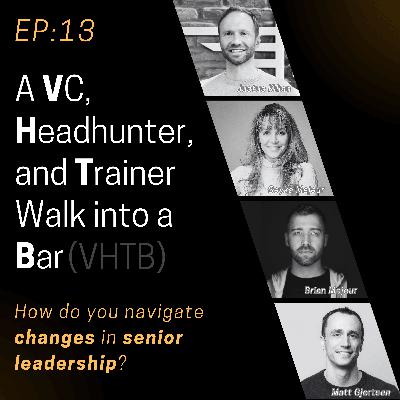
In this episode, Justus Killian, Seyka Mejeur, and Matt Gjertsen join the discussion on leadership transitions within venture-backed space startups. The conversation focuses on the implications of founder and CEO transitions, including the impact on company vision, culture, team morale, and operations. Drawing from personal experiences and industry examples, the guests explore common challenges such as employee uncertainty, the pace of cultural change, and the importance of clear, consistent communication. They also highlight opportunities for existing team members to step into leadership roles during periods of transformation. Practical advice is shared on managing change, honoring the legacy of founding leadership, and supporting the next generation of leaders to bridge organizational shifts.

In this episode of the podcast, the hosts discuss the intricacies of building connections and partnerships external to organizations, focusing on the U.S. Government as a customer. The conversation highlights the unique challenges that startups face when engaging with government agencies. The discussion emphasizes understanding government culture, navigating complex processes for moving money, validating needs, and managing long sales cycles. It is suggested that successful companies form dedicated teams to handle government relations and find strong internal champions to advocate for them. Furthermore, the episode touches on the importance of aligning government projects with long-term company missions and selecting investors who appreciate the nuances of government contracting. The episode aims to provide listeners with practical insights and strategies for engaging effectively with government partners.
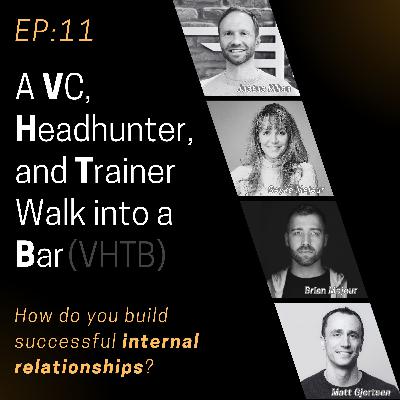
In this episode of VHTB, the hosts discuss strategies for building effective internal connections within space startup organizations. The conversation focuses on how learning and development teams can become relevant within companies, emphasizing the importance of strong operational alignment and the integration of cultural elements. The hosts explore the value of professional likability, driven by competence and warmth, and the balance of leading with inquiry rather than directives. They also highlight the crucial role of managers in bridging communication gaps and facilitating collaboration. The episode underlines the importance of building social capital early in one's career to aid in career advancement and the strategic value of knowing your organizational suppliers and customers. Overall, this episode offers valuable insights into fostering a harmonious and effective working environment in technical fields.
In this episode of VHTB, the hosts delve into the early stages of space startup development and how founders can effectively pitch their ideas. The discussion focuses on strategies for aspiring founders, particularly those looking to transition from executive roles into starting their ventures. Key points include the importance of finding a balance between refining an idea and knowing when to present it for feedback. They also explore different models and programs, like Justice Killian's office hours and structured programs like Y Combinator, that support the development of startup ideas. The conversation highlights the critical role of storytelling, personal passion, and leveraging advisors in crafting a compelling pitch. The episode offers practical advice for ensuring ideas are well-developed and ready for fundraising.
This episode of the VHTB podcast focuses on transitioning from an engineering role to a management position within the space startup industry. We discuss the significant skill shift required for engineers moving into management. Key points include recognizing the change in role, avoiding the pitfall of pace setting, and understanding that management is not just about technical expertise. The episode outlines three crucial skills for new managers: building trust, giving feedback, and setting goals. There's also emphasis on listening as a critical, often overlooked skill in effective management, along with creating a culture where team members are empowered and given ownership. The conversation also highlights the importance of mentoring and receiving feedback to better prepare for leadership roles. Overall, the discussion provides insights into successful management strategies for engineers transitioning to leadership positions.
In this episode of VHTB, we delve into the early-stage challenges faced by space startups. They discuss common pitfalls such as the importance of early hires and the risks of hiring solely from one's network, emphasizing cultural implications and the impact on company growth. The conversation also covers the danger of focusing on technical solutions without considering customer needs, sharing insights into how startups might mismanage resources when raising large capital rounds early. The discussion highlights the need for a balance between creativity and discipline in building successful teams and products. With real-world examples, the episode provides valuable lessons on navigating the complexities of scaling space startups and the importance of maintaining focus on product-market fit.
In this episode of VHTB, we explore the importance of storytelling within early-stage startups, particularly in leadership roles. They discuss how storytelling is essential for not just founders but also for leaders at all levels within an organization. The conversation highlights that effective storytelling involves presenting a compelling vision and using empathy to engage others. They delve into the difference between being a manager and a leader, emphasizing that the latter requires the ability to tell a story that unites and motivates a team. The hosts share insights into the role storytelling plays in attracting investors, recruiting talent, and making companies successful. Practical advice is given on developing storytelling skills through practice, empathy, and a mindset shift from being the hero to helping others become heroes.

Comments

Download from Google Play

Download from App Store
 United States