


 Claim Ownership
Society of Hematologic Oncology Insider news
Subscribed: 0Played: 0
Subscribe

© 2025 SOHO Insider
Description
SOHO Insider delivers on the latest news in hematologic oncology and updates from the Society of Hematologic Oncology
23 Episodes
Reverse
Prof. Amanda Goodall, director of the Executive Master’s in Medical Leadership (EMML), a specialized MSc degree from Bayes Business School offering advanced leadership training to medical doctors, joined SOHO Insider podcast host Prof. Christopher Fox, a professor of hematology at Nottingham University Hospitals NHS Trust, for a discussion on expert leadership in healthcare.
According to Prof. Goodall, expert leadership is the idea that organizations perform best when leaders are experts in the core work of the institution. As part of this work, she runs an executive master’s program in medical leadership, designed to help physicians develop the skills needed to lead healthcare organizations while maintaining credibility as clinicians.
Her research argues that in healthcare this means placing experienced, high-performing physicians in leadership roles rather than relying primarily on generalist managers. Many doctors, she noted, are interested in leadership because they want to drive meaningful change and improve patient care, but historically they have had limited access to formal leadership training.
The podcast was taped during the inaugural meeting of SOHO UK, where Prof. Goodall gave a talk after dinner on the topic.
Learn about the Executive Master’s in Medical Leadership (EMML) program.
Prof. Kate Cwynarski, MD, PhD, joined SOHO Insider podcast host Megan Melody, MD, for a discussion previewing lymphoma sessions she will lead at the inaugural SOHO UK meeting, scheduled for March 3–4, 2026, in London.
Prof. Cwynarski will chair a “Meet the Expert” roundtable on challenges and controversies in managing central nervous system (CNS) lymphoma. The session will include a seven-year update of the MARIETTA study, which examined treatment strategies for secondary CNS lymphoma, as well as findings from a large real-world evidence study of secondary CNS lymphoma.
She will also lead a session on peripheral T-cell lymphoma focused on the shift toward biologically informed therapy. The presentation will highlight the TERZO study and explore how emerging biologic insights may guide treatment decisions in this heterogeneous group of lymphomas.
The sessions are part of the program for the first SOHO UK meeting, which will bring together global clinicians and researchers to discuss advances in the treatment of blood cancers.
The second session of the Community Oncology Brown Bag Series, hosted by SOHO Insider, held on February 11, 2026, and featured guest speaker Tara Graff, DO, MS, at Mission Cancer + Blood and director of their clinical research program. Dr. Graff discussed “Moving CAR T-cell therapies into the community setting.”
This program is led by Loretta Nastoupil, MD, the SOHO Insider community oncology section editor.
To register for the series, go to https://soho.click/community-oncology-series
John DiPersio, MD, PhD, current president of SOHO and director of the Center for Gene and Cellular Immunotherapy at Washington University School of Medicine in St. Louis, Missouri, discusses the need for public-private partnerships to move novel therapies forward in the treatment of blood cancers. He also speaks about how cross-sector collaboration can create better research paths for the future.
For SOHO 2026, Dr. DiPersio chose the theme “Advancing care through collaborative science,” a timely topic as NIH funding continues to decline.
“SOHO 2026 will explore how public-private partnerships can sustain discovery, preserve basic research, and ensure access to innovation for patients around the world,” Dr. DiPersio said in a recent interview with SOHO Insider.
Register for SOHO 2026 today
Register today for SOHO 2026 at soho.click/2026. SOHO members receive a 40% discount. Join SOHO for free at http://soho.click/join.
In this podcast episode recorded at the Thirteenth Annual Meeting of the Society of Hematologic Oncology (SOHO 2025), Megan Melody, MD, from Tampa General Hospital, spoke with Tycel J. Phillips, MD, from the City of Hope Cancer Center, on the latest advancements in mantle cell lymphoma (MCL), including the phase 1/2 trial in relapsed or refractory MCL recently published in the Journal of Clinical Oncology.
In the trial led by Dr. Phillips, the investigators evaluated glofitamab monotherapy in patients with relapsed or refractory B-cell lymphomas, with obinutuzumab pretreatment to mitigate the risk of cytokine release syndrome with glofitamab.
Dr. Phillips also spoke about treating patients with relapsed or refractory non-Hodgkin lymphoma with venetoclax.
Listen to other podcast episodes of SOHO Insider.
In this episode of the SOHO Insider podcast, Andrew Kuykendall, MD, assistant member at Moffitt Cancer Center, and Douglas Tremblay, MD, assistant professor of medicine at Icahn School of Medicine at Mount Sinai, discuss how to approach the treatment of essential thrombocythemia.
“The first thing I do whenever a patient walks into the clinic with ET is think about their risk status,” Dr. Tremblay said. “When we speak about risk status, what we’re really speaking about is risk of thrombosis. There’s several different risk stratification methods, but they all rely on three clinical factors in general, which is age of prior thrombosis, which is probably the most potent risk factor.”
This episode also includes a discussion on the SURPASS-ET trial, which showed ropeginterferon alfa-2b outperformed anagrelide for disease control. Plus, a look into how new CALR-targeted antibodies improve bone marrow in early studies.
Dr. Masarova discusses SURPASS-ET study at EHA 2025
In this episode of the SOHO Insider podcast, Thomas Martin, MD, professor of medicine at University of California, San Francisco, talks with patient Craig Chase, an American father of two who was diagnosed with myeloma in 2014; Chase was the only American to travel to Nanjing, China, in 2017 to receive ciltacabtagene autoleucel (cilta-cel; then LCAR-B38M).
Chase shares his experience traveling to China for the therapy as a heavily-treated patient with limited treatment options. Chase talked about his treatment journey, his experience being treated in a foreign country with an experiment therapy, and what it was like achieving long-term remission.
Dr. Martin also discussed the five-year CARTITUDE-1 follow-up date presented at both ASCO(R) and EHA 2025. Those date showed that one-third of myeloma patients were in remission more than five years after cilta-cel treatment. The results of these trials and other trial data on therapies other than cilta-cel, prompted Sundar Jagannath, MD, during SOHO 2025 to address the potential of using the word cure when speaking with patients.
SOHO Insider lymphoma podcast host Megan Melody, MD, assistant professor at the University of South Florida, interviews Tara Graff, DO, director of clinical trials and lymphoma specialist at Mission Cancer and Blood, part of University of Iowa Health Care, on treating patients with blood cancers in community settings, and whether the future belongs to bispecific antibodies or CAR-T therapies.
“To be able to give your patients these novel therapies is amazing,” Dr. Graff said on the podcast. “I think it’s going to be a bispecific-versus-CAR-T world in all the different disease states of lymphoma. But I don’t think I would choose one or the other across the board.”
They also discussed how hematologist-oncologists can support colleagues who have not managed toxicities associated with cell therapies.
“I think we’re just going to have to be patient and really help, because if we don’t help them, all the specialists are going to wind up seeing all the other specialties’ patients,” Dr. Graff said. “And there’s no way we can do that. It’s just being patient and helping each other.”
Listen to more SOHO Insider podcasts.
Read more about Dr. Melody here.
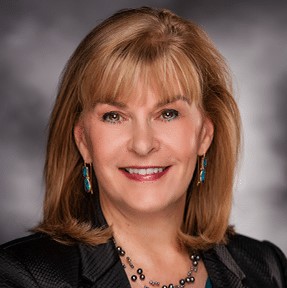
Ahead of SOHO Breakthroughs in Blood Cancers—and in the spirit of end-of-year lists—SOHO Insider asked Dr. Vose for her take on the biggest lymphoma developments of 2025. Her answer: bispecific antibodies continue to dominate the field.
She noted that the biggest shift in the field is moving away from chemotherapy alone and toward immunotherapy and bispecific-based approaches.
Dr. Vose will be speaking at 12:30 pm Central time on November 20, 2025, during SBBC. At 12:55 pm Central time, attendees can ask questions via the virtual platform.
Major shift toward integrating bispecifcs
Dr. Vose points to a major shift toward integrating bispecifics in combination regimens with chemotherapy to help patients reach CAR-T or transplant, and now increasingly in frontline therapy for diffuse large B-cell lymphoma and follicular lymphoma.
She highlighted both the STARGLO study, a randomized, global, phase 3 study that is evaluating glofitamab plus gemcitabine and oxaliplatin in the relapsed or refractory setting in DLBCL, and the SUNMO phase 3 trial that is evaluating mosunetuzumab plus polatuzumab vedotin to R-GemOx in transplant-ineligible patients with relapsed or refractory LBCL.
There is still time to register at soho.click/SBBC. Registration is free for SOHO members and $50 for non-SOHO members. Join SOHO for free today.
In this SOHO Insider podcast, Saad Usmani, MD, chief of the myeloma service at Memorial Sloan Kettering Cancer Center, and Niels W C J van de Donk, MD, professor of hematology at Amsterdam UMC, provide an overview of immunotherapies. They discuss bispecific and trispecific antibodies, including early data from the trispecifics and the therapies moving into the frontline setting in multiple myeloma treatment.
The pair spoke about the novel trispecific antibody JNJ-5322 that targets BCMA and GPRC5D via T-cell redirection and ISB 2001, an investigational trispecific antibody that received FDA fast track designation earlier in 2025.
“The future looks bright for the trispecifics,” Dr. van de Donk said. “We are also looking at combination strategies now in that patients with earlier, lines of therapy, less prior lines of therapy, we are even testing the trispecific now in combination with dara in newly diagnosed patients and the future hopefully again challenging transplant which is still a key component in Europe for the newly diagnosed myeloma patient.
Listen to more SOHO Insider podcasts.
In this episode of the SOHO Insider podcast, Susan O’Brien, MD, a professor of medicine from the Chao Family Comprehensive Cancer Center at the University of California, Irvine Medical Center, and Nitin Jain, MD, professor of medicine in the Department of Leukemia at the University of Texas MD Anderson Cancer Center, discuss updated results from the phase 3 FLAIR trial; the pair also speak about Bruton’s tyrosine kinase degraders in treating CLL.
Sagar Lonial, MD, and Saad Usmani, MD, provide a sneak peek on what attendees can expect to learn at SOHO Breakthroughs in Blood Cancers (SBBC). Dr. Lonial will be the presenter of the myeloma session at the meeting. His talk is scheduled for 1:35 pm Central time on November 20, 2025.
SBBC is a new virtual meeting from SOHO and is chaired by Hagop Kantarjian, MD, of the University of Texas MD Anderson Cancer Center. SBBC takes place at 8 am—5 pm Central time on November 20, 2025. Register today at soho.click/SBBC. To view the entire program, visit the SBBC website.
SOHO members register for free; $50 for non-SOHO members. To become a SOHO member go to soho.click/join.
Saad Usmani, MD, chief of the myeloma service and Eytan Stein, MD, chief of the leukemia service, both from Memorial Sloan Kettering Cancer Center, discuss menin inhibitors and the future of leukemia research in this podcast episode of SOHO Insider.
Dr. Stein discusses the development of the first menin inhibitor approved the US Food and Drug Administration for relapsed or refractory acute leukemia with a KMTA translocation.
“The response rate is in the range of 60% to 70%,” noted Dr. Stein, including 30% complete remission or partial hematologic recovery.
“I think the big issue with menin inhibitors is that they’re not durable,” Dr. Stein said. “Patients go into remission… for something like six to nine months, but then they eventually relapse.”
About combination therapies, Dr. Stein said the goal was to follow the myeloma treatment paradigm.
“I think that what you all have done in myeloma is what we’re looking to do in leukemia,”he said, adding that the combination therapies will “hopefully lead to more durable remissions and allow more people to have successful … transplants, which seems to be still the best anti-leukemia therapy in 2025.”
Ten years from now, Dr. Stein said he would like to see more intensive therapy upfront.
“10 years from now, what I’m hoping is that transplant is reserved for patients with the highest-risk disease,” he said. “[And] that we’re able to give intensive therapy upfront and then move to a maintenance strategy, where you’re giving targeted agents as your maintenance approach with those targeted agents having many fewer side effects.”
Listen to more episodes.
SOHO Insider myeloproliferative neoplasms podcast host Andrew Kuykendall, MD, associate member in the Department of Malignant Hematology at the Moffitt Cancer Center, and guest Aaron Gerds, MD, MS, an associate professor at the Cleveland Clinic, discuss anemia in myelofibrosis in a SOHO Insider podcast.
“I put anemia near the top of the list, or at least an equal footing with spleen and symptoms,” Dr. Gerds said. He also noted that 40% of myelofibrosis patients face anemia at diagnosis, with nearly all affected over time.
The pair discuss causes of anemia in myelofibrosis, such as bone marrow failure and inflammation, which complicate treatment. Past therapies targeted spleen size, but drugs like luspatercept and pelabresib offer hope. “We’re fighting this war on two fronts,” Dr.Gerds said.
Listen to more podcast episodes.
Listen to Susan O’Brien, MD, professor of medicine, and Catherine C. Coombs, MD, associate professor of medicine, both of the Chao Family Comprehensive Cancer Center at the University of California, Irvine, on the SOHO Insider podcast.
They discuss frontline chronic lymphocytic leukemia (CLL) treatments from the EHA 2025 meeting in Milan along with the AMPLIIFY trial, presented at the American Society of Hematology (ASH) Annual Meeting and Exposition in December 2024.
The GAIA/CLL13 trial showed venetoclax-based options, such as venetoclax plus obinutuzumab or a triplet with ibrutinib, outperforming chemoimmunotherapy, particularly for mutated IGHV patients. “…the patients who had the best outcomes were the patients who received venetoclax plus obinutuzumab, … with or without ibrutinib” Dr. Coombs said.
The AMPLIFY trial, presented at ASH, tested fixed duration acalabrutinib plus venetoclax, with or without obinutuzumab, for young, fit CLL patients. Drs. O’Brien and Dr. Coombs also share how therapies are being chosen based on patient needs, balancing potency, and convenience.
Listen to more podcast episodes.
SOHO Insider lymphoma podcast host Megan Melody, MD, an assistant professor at the University of South Florida and lymphoma and chimeric antigen receptor T-cell therapy specialist at Tampa General Hospital Cancer Institute interviews Anca Prica, MD, of Princess Margaret Cancer Centre, in this podcast episode.
The pair discuss Dr. Prica’s paper on glofitamab and polatuzumab for refractory Burkitt’s lymphoma, which was published in The New England Journal of Medicine earlier in 2025.
Saad Usmani, MD, chief of the myeloma service at Memorial Sloan Kettering Cancer Center, and Phillip Scheinberg, MD, president of the Society of Hematologic Oncology (SOHO), chat about SOHO’s vision, Annual Meeting, satellite meetings, and membership.
To register for SOHO 2025, visit soho.click/2025.
Become a SOHO member for free today.
Listen to other SOHO Insider podcasts.
Host Saad Usmani, MD, chief of the myeloma service at Memorial Sloan Kettering Cancer Center in New York City, and Sagar Lonial, MD, FACP, professor and chair of the Department of Hematology and Medical Oncology at Winship Cancer Institute at Emory University, explore the journey of the antibody-drug conjugate (ADC) belantamab mafodotin, the first B-cell maturation antigen (BCMA)-targeted ADC approved by the US Food and Drug Administration (FDA) for patients with relapsed or refractory myeloma.
Dr. Lonial noted the excitement around the approval given how few treatment options there were for this subgroup of patients.
“In the relapsed/refractory setting, it clearly demonstrated clinical benefit, with a significant fraction of patients responding,” adding that the therapy seemingly “ushered in the era of BCMA-directed therapies.”
Early experiences with the drug during the DREAMM-2 trial pointed to the possibility of flexible dosing given the length of remission in some patients.
“Some patients stayed in remission for a long period with just a few doses,” Dr. Lonial said.
The flexible dosing helped mitigate ocular toxicity without compromising treatment responses in patients, according to Dr. Lonial.
“It was incredibly gratifying to see patients with no other options, have really long remissions with less frequent dosing schedules,” he said. “I think at that time point, we didn’t fully appreciate the variability in the ocular side effects.”
However, the phase 3 DREAMM-3 trial, designed as a confirmatory study, failed to meet its statistical endpoints, primarily due to high censoring rates and questionable trial design.
“It clearly demonstrated benefit, but the study design put the drug in a difficult position,” Dr. Lonial said. As a result, the FDA withdrew belantamab from the market despite evidence of efficacy.
Enthusiasm for the drug has since been revived by more recent data from the DREAMM-7 and DREAMM-8 trials, which were large, randomized trials with over 400 patients. In the DREAMM-7 trial, investigators compared belantamab mafodotin, bortezomib, and dexamethasone (BVd), as compared with daratumumab, bortezomib, and dexamethasone (DVd) in patients who had progression of multiple myeloma after at least one line of therapy.1 In the DREAMM-8 trial, lenalidomide-exposed patients who had relapsed or refractory myeloma after at least one line of therapy received either belantamab mafodotin, pomalidomide, and dexamethasone (BPd), or else pomalidomide, bortezomib, and dexamethasone (PVd). 2
“Combining drugs is the optimal way,” Dr. Lonial said, referencing the DREAMM-7 and DREAMM-8 trials. “One of the key advantages is that this is a therapy you can give the same week you see the patient.”
The convenience and accessibility of ADCs make them an especially promising option for community physicians, particularly in areas where access to chimeric antigen receptor (CAR) T-cell therapy remains limited due to cost and infrastructure.
“Cellular therapy availability and cost will remain an issue,” Dr. Usmani said, adding that ADCs help bridge gaps in care outside academic centers.
As regulatory discussions unfold around the DREAMM-7 and DREAMM-8 data, it will be interesting to see if belantamab returns as a viable treatment option, and this time, as part of a combination regimen with a flexible dosing schedule.
“What I think may resurrect this drug, and what we’re really excited about, is the idea of combining [the therapies when we use them], and not giving them as single agents,” Dr. Lonial said. “Allowing yourself the flexibility of reducing the dosing schedule such that the average delivered dose of belantamab mafodotin is every six to eight weeks.”
Some patients stayed in remission for a long period with just a few doses.
References
Hungria V, Robak P, Hus M, et al. Belantamab Mafodotin, Bortezomib, and Dexamethasone for Multiple Myeloma. N Engl J Med. 2024;391(5):393-407. doi:10.1056/NEJMoa2405090
Dimopoulos MA, Beksac M, Pour L, et al. Belantamab Mafodotin, Pomalidomide, and Dexamethasone in Multiple Myeloma. N Engl J Med. 2024;391(5):408-421. doi:10.1056/NEJMoa2403407
Elias Jabbour, MD, and Naval Daver, MD, both of the University of Texas MD Anderson Cancer Center, discuss challenges in TP53-mutated acute myeloid leukemia (AML) in this SOHO Insider podcast episode. Despite advances in other molecular subsets, TP53 AML has seen little meaningful progress in more than two decades. It remains a particularly aggressive form, especially common in older adults and therapy-related cases. Not all TP53 mutations are the same; prognosis worsens with high allelic burden, adverse cytogenetics, or multiple mutations.
The episode also looks ahead to emerging strategies that may reshape post-transplant care. Early-phase studies are testing engineered natural killer and CAR T-cell therapies as a new kind of donor lymphocyte infusion. These treatments could be given repeatedly with lower risk of graft-versus-host disease, helping to control minimal residual disease and prevent relapse.
Finally, the discussion turns to SOHO’s expanding global mission. With meetings held in Spain, Italy, India and Lebanon, SOHO continues to share education and clinical insight around the world.
Listen to more podcast episodes.
Watch the podcast on YouTube.
Andrew Kuykendall, MD, of Moffitt Cancer Center in Tampa, Florida, hosts a podcast on the latest news in myeloproliferative neoplasms (MPNs) with guest Gabriela Hobbs, MD, of Massachusetts General Research Institute.
The pair discuss treatment goals for patients with MPNs, especially as treatments evolve and become more targeted.
“As therapies get better, we can offer more to our patients,” Dr. Hobbs said.
One upcoming abstract of interest at ASCO® 2025 included Dr. Kuykendall’s oral abstract, titled “Results from VERIFY, a phase 3, double-blind, placebo (PBO)-controlled study of rusfertide for treatment of polycythemia vera (PV),” which will be available for attendees on June 1, 2025, the ASCO® 2025 website.
They also discussed patients’ heart risks and pulmonary hypertension, needing teamwork with other doctors.
“We really need to strengthen those relationships with other specialties,” Dr. Kuykendall said.
Listen to more podcasts on SOHO Insider.

Comments

Download from Google Play

Download from App Store
 United States