


 Claim Ownership
No Vacancy Live!
Subscribed: 145Played: 13,043
Subscribe

© copyright Rouse Media 2025
Description
No Vacancy is home to the hospitality industry's top podcasts. We speak to the CEOs, influencers and leaders to go behind the scenes of the hotel and travel business.
1743 Episodes
Reverse
We're taking a look at the big issues of the week with an emphasis on helping hoteliers become GMs, how to handle those horrible, terrible customer and an update on what's happening on Capitol Hill and with local and state governments.
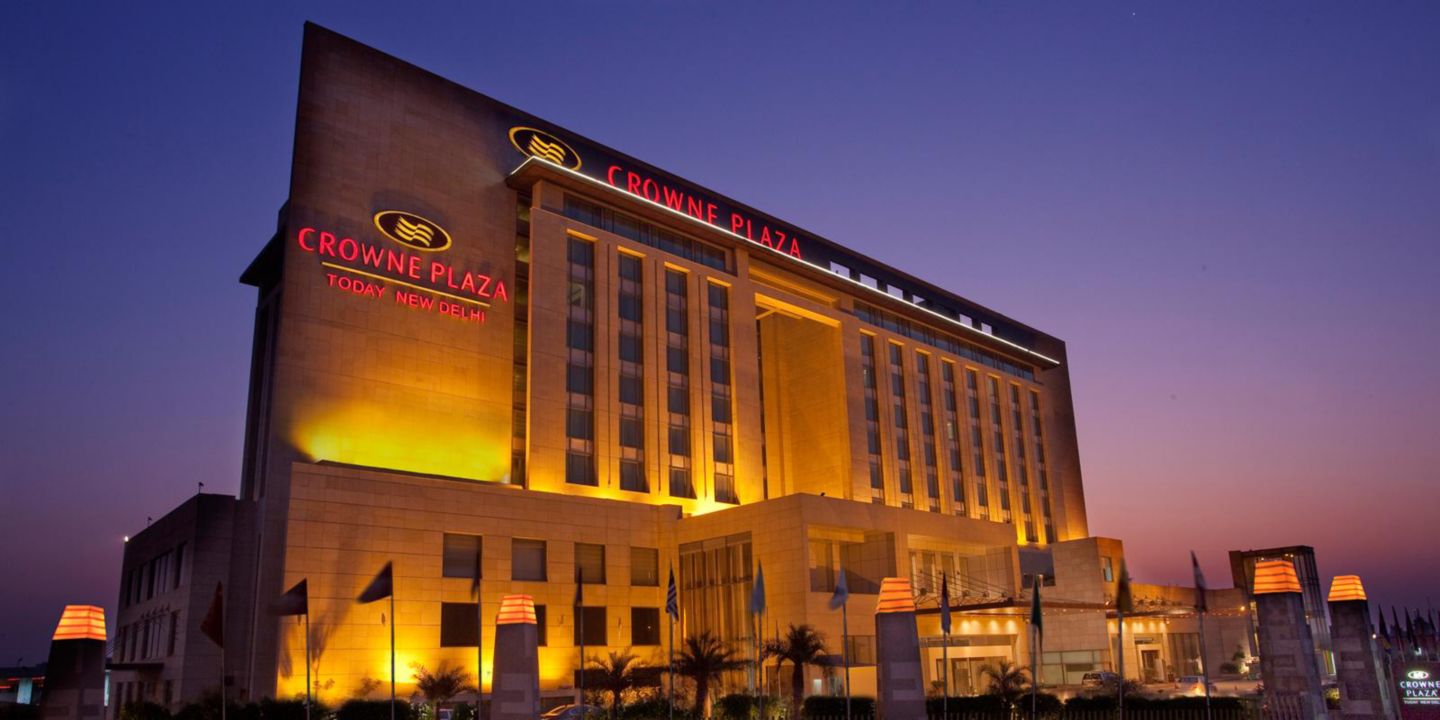
Another show, another wholesale brand reinvention. This time it's the $200 million recreation of Crowne Plaza. The concept: bringing humanity to business travel. Monte Jump, Director, F&B and Service with IHG's Crowne Plaza, shares how this new unscripted approach to service, and reinventing amenities, will connect with guests. First, Glenn and Bruce Ford, SVP, Lodging Econometrics, chat it up in an undisclosed hotel location in Florida. Trouble ensues. Subscribe to our weekly newsletter. Text 'hotel' to 66866. Visit the brand new www.novacancynews.com Send us your thoughts and comments to Glenn@rouse.media, or via Twitter and Instagram @TravelingGlenn. Visit our sponsor: Duetto Visit our sponsor: CLIC: California Lodging Investment Conference Subscribe on iTunes: No Vacancy with Glenn Haussman Subscribe on Android: https://play.google.com/music/listen#/ps/Ifu34iwhrh7fishlnhiuyv7xlsm Send your comments and questions to Glenn@rouse.media. Support the show: https://www.patreon.com/novacancy Follow Glenn @TravelingGlenn Find Bruce Ford on Twitter @BFinNH, and learn more at www.lodgingeconometrics.com Learn more at http://novacancy.libsyn.com Produced by Jeff Polly: http://www.endpointmultimedia.com/
They flipped the first Sonesta hotel in a couple of hours. That's what a real partnership looks like when the operator needs speed and the vendor shows up. During AAHOACON in Philadelphia, I talked with Patty Jefferson from Visual Matrix and Chris Trick from Sonesta about how they built the relationship, scaled it, and kept it practical for hotel teams. 🤝 They started with trust, then proved execution fast with that first flip 🏨 The rollout now covers 120+ installs across multiple Sonesta brands 🖥️ They cut friction at the desk: move from two screens to one, so staff works faster 🎯 They keep the partnership grounded in outcomes: recognize guests faster and grow loyalty enrollment Want the weekly roundup of news, videos, and what you might've missed from #NoVacancyNews? Text HOTEL to 66866.
Two hotels on one piece of land, two separate buildings, two separate lobbies—and the demand mix flips in a way you wouldn't expect. During AAHOACON 2026, No Vacancy is the official podcast, and I caught up with Hanan Anand, a Red Roof owner, on the show floor to talk about his dual-property setup in Cortland, New York, and what actually drives the business. 🏨 Hanan runs Hometowne Studios and Conference Center plus a Red Roof Inn side-by-side in Cortland 🔧 He converted Hometowne Studios via a full gut renovation, then opened a banquet hall about a week ago 🏟️ Sports tourism drives the market, with teams and families using the meeting space 🔄 The mix flips: Red Roof skews more extended stay, while Hometowne Studios skews more transient because of amenities like the pool, gym, and meeting space 🛣️ Location adds demand: right off I-81, between Syracuse and Binghamton, plus business travelers and traveling nurses 🤝 He says Red Roof support feels hands-on—procurement, design/construction, development—people pick up the phone and know you Want the weekly roundup of news, videos, and what you might've missed from #NoVacancyNews? Text HOTEL to 66866.
Wyndham Rewards pushes beyond hotel nights into experiences, and Michael Shiwdin, Global VP of Loyalty at Wyndham Hotels & Resorts, explains why: engagement drives direct bookings, and direct bookings drive owner value. I talked with Michael at Wyndham Grand Rio Mar in Puerto Rico about how Wyndham Rewards Experiences works and what it means for hotels in the portfolio. 🌿 Members earn points on experiences through Viator, including activities like kayaking 🎟️ Wyndham partners with Ticketmaster and Madison Square Garden for concert opportunities and VIP experiences 📈 Michael says Wyndham saw almost a 5X increase in member engagement after launching Wyndham Rewards Experiences, plus double-digit lifts tied to members booking direct 💰 He frames the owner angle: members book direct at a lower cost channel, then return to the Wyndham portfolio for the next stay Thanks to Actabl for supporting this episode. Actabl gives you the power to profit. Visit Actabl.com. Want the weekly roundup of news, videos, and what you might've missed from #NoVacancyNews? Text HOTEL to 66866.
During hashtag#AAHOACON, I talked with James Ferguson🎉, author of Seek the Good and Celebrate., about why he wrote it, what he wants readers to take from it, and how he expects leaders to use it when the day gets messy. 🧠 He turns the message into a habit system—something you run, not something you quote 📖 He connects the book to his cancer journey and how it reshaped his perspective 🎉 The premise stays simple: seek the good, spot solutions faster, and celebrate more people 🏆 He talks significance vs. success and how that shift changes leadership decisions 📅 Release date: May 5 🧰 Get it at confetti-man.com Want the weekly roundup of news, videos, and what you might've missed from hashtag#NoVacancyNews? Text HOTEL to 66866.
Greg Juceam is President and CEO of Extended Stay America as and he's successfully scaling Premier Suites in the middle of one of the hardest building environments we've seen in years. 🏗️ Greg launched Extended Stay America Premier Suites in 2021, and the company invested in the first 15 hotels as proof of concept—then built the franchising system so owners could scale it 📈 Premier Suites now sits north of 50 hotels and keeps climbing, and Greg expects 100 in the next few years 🤝 Greg leans on the owner-operator advantage: Extended Stay America still owns and manages about 70% of the portfolio, so they build first and work out the kinks before they ask franchisees to invest 📊 He ties hashtag#extendedstay momentum to performance: extended stay runs high occupancy with a lean model—his company ran north of 76% while the industry ran about 62% 🧼 He spells out the operating win: fewer turns and fewer cleans when guests stay longer 🧱 He keeps standards pragmatic: build and operate efficiently without over-building beyond what guests pay for 🔧 He keeps the design and construction team active and adjusts the prototype so owners can build for less even with rates staying high Want the weekly roundup of news, videos, and what you might've missed from hashtag#NoVacancyNews? Text HOTEL to 66866.
Suraj Bhakta doesn't sugarcoat the moment. He sees a strong Q1, then watches geopolitics and travel costs squeeze demand again. No Vacancy is the official podcast of AAHOACON, and I talked with Suraj Bhakta of New Gen Advisory on the show floor about how owners react when the Fed shifts, travel gets expensive, and buyers and sellers hit pause. 📈 Suraj says he saw a strong first quarter, then geopolitical issues started weighing on activity ✈️ He points to Sun Belt impact: less Canadian and overseas traffic in some areas 🏦 He expects a standstill if rates don't fall—sellers don't see replacement deals, and buyers wait 🔄 He calls it a conversion market, with opportunity in economy and midscale as brands roll out new tiers 🧠 He says owners stay resourceful, and tech/AI keeps moving to the front of the conversation Thanks to Red Roof for letting us shoot this on the show floor. Want the weekly roundup of news, videos, and what you might've missed from #NoVacancyNews? Text HOTEL to 66866.
Red Roof treats AAHOACON like the Super Bowl, and Matt Hostetler explains why: owners, franchisees, and partners all show up in one place. No Vacancy is the official podcast of AAHOACON, and I talked with Matt Hostetler, Chief Development Officer at Red Roof, about growth, franchisee support, and how Red Roof helps owners win when the economy tightens. 🚀 Growth strategy for 2026 and why multi-unit owners keep driving momentum 🤝 RIDE program Road to Inclusivity, Diversity, and Entrepreneurship with Lina Patel and She Leads 📲 Tech focus: tools that cut costs or drive revenue, plus an app refresh that delivered a 65% revenue increase year over year 🤖 AI marketing with Zeta Global to convert demand into stays ⏱️ Best AAHOACON detail: Matt tries to time how long it takes to get anywhere… and stops every ten feet to talk to people Want the weekly roundup of news, videos, and what you might've missed from #NoVacancyNews? Text HOTEL to 66866.
Sloan Dean put a number on it: Frontline Performance Group drove a 3–5% RevPAR lift in the hotels where he used it—so he expanded it across the portfolio. I brought in Geoffrey Toffetti, CEO of Frontline Performance Group, and Sloan Dean, former CEO of Remington and now a fellow podcaster, to kick off a 3-part series on how hotels activate the front line to grow revenue and improve the guest experience at the same time. 📈 Sloan shares what surprised him: he still saw lift even in hotels that already used Nor1 🏨 He also saw real upside in select-service hotels because teams stopped giving upgrades away for free 🧠 Geoffrey breaks down the mindset shift: guests shop in "value mode," then arrive in "experience mode" 🛎️ Geoffrey calls check-in the "last mile" of revenue because many guests only talk to the front desk ⭐ Sloan worried upselling would hurt guest scores—he saw the opposite, and scores went up 💵 Incentives changed retention too: front desk agents earned more, stayed longer, and delivered better check-ins 🏆 Geoffrey calls it a "five win": employee, guest, hotel, owner, and FPG all win Want the weekly roundup of news, videos, and what you might've missed from #NoVacancyNews? Text HOTEL to 66866.
MyPlace just hit 125 properties. That milestone matters even more now, because extended stay keeps getting more competitive. During the Hunter Conference, I talked with Eric Myers, VP of Franchise Development at My Place Hotels, about how they keep growing, where they're expanding next, and what he sees heading into 2026. 🏨 Eric says MyPlace planted its flag in extended stay early—before everyone chased the category 🗺️ He shares the growth snapshot: openings in Arizona and California, plus expansion into Florida 📅 He previews the next owner/GM conference: September 22 in Miami at the JW Marriott, with collaboration and education sessions 🙂 He says the last 18 months challenged teams, but he sees optimism building as operators look ahead to 2026 Want the weekly roundup of news, videos, and what you might've missed from hashtag#NoVacancyNews? Text HOTEL to 66866.
Bruce Ford keeps coming back to one idea: the next traveling economy will book and spend differently. He tracks the data as SVP at Lodging Econometrics, so he sees the shifts before they feel obvious. 📈 He talks "blowout trips" and experience travel, where guests spend big on the moment and stop sweating the room rate 🏨 He breaks down meetings demand: more meetings, smaller meetings, and a bigger need to capture total spend through #HotelOperations ⛽ He flags the cost ripple: diesel prices flow into everything, and operators feel it fast 🎟️ He talks incentives and loyalty leverage, and why discounts and perks pull travelers in when budgets tighten 💡 He reframes "value" as a three-day experience, not a 30-second transaction—club lounges and access matter more than ever 🏗️ He gives the #HotelDevelopment reality: financing still slows new starts, owners invest in renovations and conversions instead 📌 He closes with the investment climate: more hotels hit the market, transactions jumped last year, and he expects activity to continue Thanks to Actabl for supporting this episode. Actabl gives you the power to profit. Visit Actabl.com. Want the weekly roundup of news, videos, and what you might've missed from #NoVacancyNews? Text HOTEL to 66866.
The Lantern has been open four weeks, and Grey Raines already talks about it like a platform, not just another hotel. During the Hunter Conference, I talked with Grey Raines, CEO and Managing Partner of Raines Company, about what they're building next, why they've exited some management relationships, and why adaptive reuse keeps showing up in their deals. 🏨 Grey shares why The Lantern is mission-focused and how the partnership with the University of South Carolina shows up early 🏗️ He says the next Lantern is under construction in Rock Hill, South Carolina, with two more behind it 🤝 He explains the management churn: they walked away from relationships that didn't align with their long-term vision 🏢 He talks deal mechanics: emerging markets plus municipalities willing to support the right projects 🏛️ He explains why historic hashtag#taxcredits make certain adaptive reuse projects pencil out 🧱 He frames adaptive reuse as stewardship—reset it now so it lasts another 50–100 years ✈️ He gives a summer travel read: shorter booking windows, more drive-to, and flying still feeling like a hassle Thanks to Actabl for supporting this episode. Actabl gives you the power to profit. Visit Actabl.com. Want the weekly roundup of news, videos, and what you might've missed from hashtag#NoVacancyNews? Text HOTEL to 66866.
Justin Jabara, President of Meyer Jabara Hotels, keeps AI simple: give hotel teams time back so leaders spend less time buried in admin and more time actually operating. During the Hunter Conference, we talked about what that looks like in real life, plus why their growth focus shifts away from new builds and toward acquisitions and third-party management. 🤖 Justin frames AI as support, not stress—tools that help people operate better 📋 GM example: cut the report grind so GMs stay on the floor with guests and associates 📞 Sales example: cut prospecting time so sales teams spend more time selling 🏗️ He says new builds feel tough right now, so he leans toward acquisitions 🔄 He talks growth moves: asset sales, acquisitions, and third-party growth, with three properties joining in the next 90 days 📊 He shares one internal signal he likes: he surveyed 120 managers and directors of sales at hotels they manage, and two-thirds said they feel bullish on the year Thanks to Actabl for supporting this episode. Actabl gives you the power to profit. Visit Actabl.com. Want the weekly roundup of news, videos, and what you might've missed from hashtag#NoVacancyNews? Text HOTEL to 66866.
Women enter hospitality at the same rate as men. Then the numbers thin out hard at the top. That gap isn't about "pipeline." It's about progression. Suzanne co-hosts #NoVacancyNews with me, and we talk with Emily Goldfischer of Her Tenure about the leadership study she and her team did with Forbes Travel Guide and what it reveals about what helps women advance—and what still gets in the way. 📊 Emily shares the benchmark: women lead 19% of Forbes Travel Guide partner hotels, and Her Tenure heard from 99 women leaders to dig into what drives advancement 🧭 She frames the core issue clearly: progression problem, not pipeline problem 🕰️ She calls out barriers that still show up: limited flexibility for family life and gendered expectations of leadership 🤝 We get into the stuff people don't say out loud: networking access, mentorship vs sponsorship, and how "off-the-clock" conversations shape opportunity 🎯 Emily pushes practical moves that build careers: stretch roles, lateral moves that broaden capability, and owning your P&L 🏛️ We also talk progress you can actually see—like the shift in gender balance at conferences such as #HunterConference Thanks to Actabl for supporting this episode. Actabl gives you the power to profit. Visit Actabl.com.
During the Hunter Conference, I talked with Ben Campbell, CEO of Hospitality America, about what he sees right now: demand pockets, the real booking window, and why operators need to get serious about data before AI forces the issue. 📈 Ben says South Florida Q1 is "crushing it" after a flat year ⚽ He expects World Cup momentum, but he keeps the booking window realistic—60–90 days 🌍 He watches international indicators, but he says it's still early 🤝 He says conferences work when you get outside your echo chamber and build strategic partnerships 🤖 He says growth and tech create the opportunity—get arms around data and prepare for AI adoption 🎂 Hospitality America hits 30 years this year Want the weekly newsletter recap of news, videos, and what you might've missed? Text HOTEL to 66866 for #NoVacancyNews.
We lost industry icon Kirk Kinsell this past week, and I wanted to re-share this 2024 conversation because it captures who he was and what he meant to many of us: a generous leader, a calm force in the room, and one of the people who helped shape the way this industry thinks about leadership and relationships. In this episode of Icons and Experts with my co-host Doug Artusio from the Extended Stay Lodging Association. Kirk doesn't do chest-thumping. He does substance. 🤝 Kirk talks about relationships the way the best leaders do: build them, invest in them, keep them for decades 🏨 He calls hospitality a team sport—from the hotel level to corporate to the industry level 👥 He makes "develop your talent" the job, not a slogan 👨👩👧 He tells the Mike Levin story that says everything about his priorities: family first, integrity always 🎁 He gives one of the most useful leadership lines in the business: "Feedback is a gift," and he explains how to take it without getting defensive 🌎 He reflects on extended stay's early days and how the category grew from white space into a core part of the business 🧭 He closes with advice for younger professionals: widen your view of the industry, try different lanes, and find the work that fits you Want the weekly roundup of news, videos, and what you might've missed from hashtag#NoVacancyNews? Text HOTEL to 66866.
I ran into Wayne West III of Newport Hospitality Group during the Hunter Conference and asked what owners actually want from management right now—and what separates operators who keep getting repeat deals. 🤝 Wayne says trust and alignment with owners drives repeat business, because the first deal teaches both sides how to work together 🏢 Newport runs 37 hotels and keeps key disciplines in-house: accounting, HR, construction services, corporate engineering, commercial strategy, and ops ✈️ Wayne says in-house resources let them move fast—he can put the right person on a plane tomorrow instead of waiting on a third party 👥 He says successful management starts with treating people right—associates, guests, and owners 🧠 He talks coaching and mentoring over "training," plus a mentor program that develops AGMs and executive housekeepers into GMs 🏆 He shares a stat he's proud of: out of roughly 60 leaders coming to their retreat, only four are new faces Want the weekly roundup of news, videos, and what you might've missed from hashtag#NoVacancyNews? Text HOTEL to 66866.
Friend of the show CJ Arlotta returns to do some clever PR tricks to make people think Glenn, Craig and Doctor Producer Suzanne are actually funny over here celebrating Happy Hour to get the weekend started. Plus, Bruce Ford joins for added fun.
While I was at the Hunter Conference, I asked John Schultzel of Olympia Hospitality a simple question: where do you actually find profit when there's no silver bullet—just pressure everywhere? 💰 John starts with payroll, then works every other line item 💳 He calls out the hidden killers: credit card fees, insurance, deductibles, exclusions, coverage limits 💡 He talks energy the unsexy way: walk the building, manage lights, invest in tech only when it pays back 🤖 He sees hashtag#AI and automation shifting work that used to require people—and he expects org charts to shrink as tools improve 👥 He talks seasonal reality: managers work arrivals, directors stay on the floor, teams cross-cover instead of hiding behind titles 🧮 He lives by a simple target: find $300 a day, because $300 a day turns into $1M a year 🛎️ He explains how you drive voluntary spend: pre-arrival communication, in-stay engagement, and front desk education that feels intentional 🤝 He likes incentive alignment—give associates a reason to care about upsell and execution Want the weekly roundup of news, videos, and what you might've missed from hashtag#NoVacancyNews? Text HOTEL to 66866.

Comments

Download from Google Play

Download from App Store
 United States