


 Claim Ownership
Navigating Sports Business
Subscribed: 6Played: 178
Subscribe

© Navigate 2023 All rights reserved
Description
Gain exclusive insight into the professional and personal worlds of high-level executives in sports and entertainment as we host top decision-makers in the industry to discuss emerging topics, their business, careers, and personal life stories.
From collegiate conference commissioners to professional sports team executives and owners, to CMOs and leading marketers at global brands, Navigating Sports Business takes listeners inside the lives of key people making a major impact on the sports and entertainment industry.
From collegiate conference commissioners to professional sports team executives and owners, to CMOs and leading marketers at global brands, Navigating Sports Business takes listeners inside the lives of key people making a major impact on the sports and entertainment industry.
274 Episodes
Reverse
What is the most common mistake athletic departments are going to make as private capital enters college sports? AJ and Charles give their thoughts: 1) How are you spending the money? 2) Are you maintaining optionality for the future? 3) Are incentives properly aligned? Private equity is looking for a return on investment, so schools are going to need to optimize their revenues, and not use the funds to cover up short-term gaps. Listen to the full episode here: https://nvgt.com/podcast?ppplayer=1e977ebc536a4f7840f232ca6e253547&ppepisode=0274a79bbace9aa1eff963137011a31e For more insights, visit our LinkedIn page or learn more about Navigate at https://nvgt.com/.
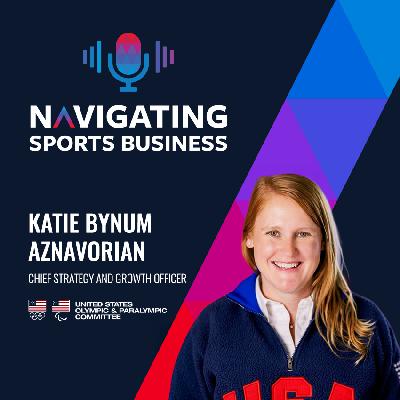
Katie Bynum Aznavorian - Chief Strategy and Growth Officer at the United States Olympic & Paralympic Committee - dives into the metrics behind a very successful Milan Cortina games, and how she's able to pivot quickly to planning for LA28. The USOPC has a funding model that's different from how all other peer nations pay for the athletes to participate in the Olympic Games. Receiving no money at all from federal sources, they rely on sponsorship, media, and philanthropic donations. They are forced to operate as an intelligent, profitable business, and Katie and her team continue to prove that the model works. Timestamps: 1:10 - The success of Milan Cortina 7:30 - Katie's time at the games 9:50 - The funding model for USOPC 18:30 - Venue naming rights in LA28 20:25 - If you were to create the Olympic brand from scratch 24:35 - Making Team USA 28:20 - Do NCAA changes threaten the Olympic pipeline? 31:10 - Rapid Fire Questions For more insights, visit our LinkedIn page or learn more about Navigate at https://nvgt.com/.
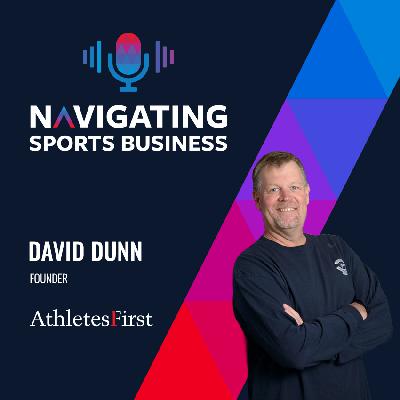
David Dunn – Founder of Athletes First – worked with Leigh Steinberg before separating to start his own agency. He shares the story of the legal battle that followed. Dunn and Athletes First ultimately won on appeal, but he still faced an 18-month NFLPA suspension from negotiating contracts. Listen to the full episode here: https://nvgt.com/podcast?ppplayer=1e977ebc536a4f7840f232ca6e253547&ppepisode=706ad15465bd624d2f547436740fa742 For more insights, visit our LinkedIn page or learn more about Navigate at https://nvgt.com/.
If your sponsorship budget was about to be cut, what data would you cite to defend it? AJ & Charles share insights & ROI data from Navigate's 20+ years of sponsorship consulting to explore why sponsorship works, how it compares to other marketing channels, and how to spend strategically to see true ROI. Will you be at NSF in St. Louis? Make sure to say hi to Charles while you're in town. Get in touch at Charles@NVGT.com Timestamps: 3:40 - Do sponsorships work? 7:00 - Brands that should steer clear of sponsorships 11:25 - Sponsorship is not purely a marketing investment 17:25 - Trends & growth 21:00 - Using sponsorship to reach a fragmented, global audience 22:30 - Predictions for the next 12-24 months Revisit our podcast with T-Mobile's Amy Azzi: https://nvgt.com/podcast?ppplayer=1e977ebc536a4f840f232ca6e253547&ppepisode=c2641669c5f08ef945885ff03fea24f1 For more insights, visit our LinkedIn page or learn more about Navigate at https://nvgt.com/.
AJ and Charles share sympathy for athletic directors and administrators who are trying to plan for the future while being pulled in a dozen different directions by forces largely beyond their control. They discuss this "two timeline" issue of having to tackle the short-term problems while also battling increasing uncertainty about the future. This was part of a larger conversation about the path forward for college sports amid talks of super leagues, athlete employment, and other major shakeups. Listen to the full episode here: https://nvgt.com/podcast?ppplayer=1e977ebc536a4f7840f232ca6e253547&ppepisode=03ae512e3bd76f81902c00ae647b4017 For more insights, visit our LinkedIn page or learn more about Navigate at https://nvgt.com/ .
There's a 100% chance we're talking about prediction markets this week. Jeff Nelson and Charles Rolston offer advice to sports marketers on the property side wondering how aggressively to pursue prediction market partnerships, if sports betting partners maintain exclusivity, and how changing regulation will complicate the signing of these deals. Many leagues and clubs have already established partnerships with Polymarket, Kalshi, and other players in the prediction market space. Timestamps: 3:40 - Are prediction markets the new crypto? 9:00 - Has the money dried up from traditional sports betting platforms? 12:45 - Deals that have already been signed 19:35 - What % of teams will have a prediction market partner in the next 12 months? 26:14 - Placing trades on the Swift-Kelce wedding For more insights, visit our LinkedIn page or learn more about Navigate at https://nvgt.com/.
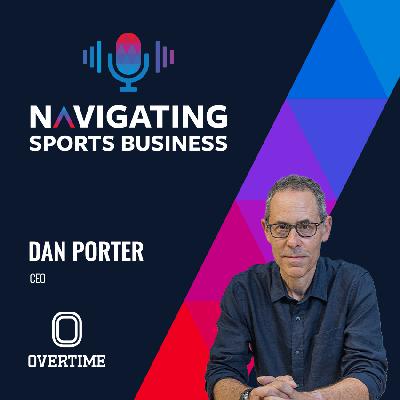
Dan Porter – CEO of Overtime – explains why Overtime Elite teams aren't tied to local markets, saying "we are playing for the internet, not cities." Regional affiliations don't necessarily lead to loyalty for new sports franchises, so their goal is to optimize the virality of their content to build passionate fanbases from all around the world. Listen to the full episode here: https://nvgt.com/podcast?ppplayer=1e977ebc536a4f7840f232ca6e253547&ppepisode=246a404d135fa7e04b1e6ce67a45706a For more insights, visit our LinkedIn page or learn more about Navigate at https://nvgt.com/.
Our hosts explain the main factors schools should be considering when deciding if a private capital investment makes sense for their athletic department, and if so how they should prepare for it. For schools that decide to steer clear of such deals, they will still need to prepare for how massive influxes of cash will change their conference and college athletics as a whole. Private equity or private capital firms are looking for reliable, and predictable revenue streams such as media rights, sponsorships, especially at schools with big brands which have been under commercialized. Areas for fast and sustainable ROI include: Increasing headcount for revenue generation staff (sales and fundraising) Modernizing ticketing and CRM technology Changing incentive structures within the athletic department Larger projects like mixed-use real estate development take more time and capital to institute, but have the potential for massive gains of their own. In preparing for this episode, AJ and Charles spoke with private capital firms as well as conferences and athletic departments to uncover which themes and topics are top-of-mind at the moment. Timestamps: 0:55 - What type of athletic department is attractive to investors? 3:15 - What does it mean to be PE-ready? 10:00 - Does winning solve all problems? 12:45 - Hypothetical: Where would you deploy capital? 18:00 - Why college has lagged behind pro sports 19:25 - FOMO for the schools that don't get on board 23:45 - Changing your financial trajectory in a single season 27:05 - Commons mistakes for athletic departments For more insights, visit our LinkedIn page or learn more about Navigate at https://nvgt.com/.
What's the real ROI of firing your coach and paying an expensive buyout? AJ Maestas and Charles Rolston break down the numbers behind the high-profile coaching buyouts we're seeing in college football, and the potential economic justifications for taking big risks. Listen to the full episode here: https://nvgt.com/podcast?ppplayer=1e977ebc536a4f7840f232ca6e253547&ppepisode=b8c86e42a9f3d7b6f2194bb9a89877e8 For more insights, visit our LinkedIn page or learn more about Navigate at https://nvgt.com/.
David Dunn - Founder of Athletes First - is one of the most successful NFL agents of all time. He gives an inside look at one of the sports industry's most fascinating and misunderstood professions. David has represented the likes of Aaron Rodgers, Justin Herbert, Troy Aikman, and many more. He has signed the largest deal in NFL history 8 times! He has worked with 17 Hall of Famers, seven Super Bowl MVPs, eight Heisman Trophy winners, eight Walter Payton men of the year, and seven first overall picks. Timestamps: 2:50 - Jerry Maguire 6:25 - David's origin and legal fight with the NFLPA and Leigh Steinberg 21:00 - Relationships with clients 28:15 - NIL & recruiting young athletes 35:30 - Rapid Fire Question For more insights, visit our LinkedIn page or learn more about Navigate at https://nvgt.com/.
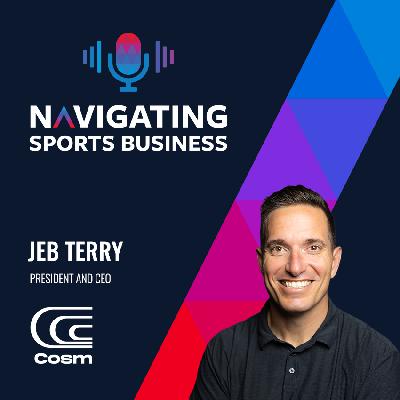
Jeb Terry – President and CEO of Cosm – tells the story of his first time experiencing an early prototype of a Cosm venue. He explains the transportive nature of the "shared reality" experience. Listen to the full episode here: https://nvgt.com/podcast?ppplayer=1e977ebc536a4f7840f232ca6e253547&ppepisode=4830009f2315f99b926e22e26021574b For more insights, visit our LinkedIn page or learn more about Navigate at https://nvgt.com/.
AJ Maestas and Charles Rolston are regularly advising conference commissioners, athletic directors, and other clients shaping the future of college athletics. They share their POV on various paths forward including revenue sharing, super leagues, athlete employment, and more. Timestamps: 0:30- Can athletic department budgets continue to rise? 4:30 - What would a college super league look like? 8:00 - How are ADs keeping track of the changes? 12:35 - 15:35 What does college athletics look like in ten years? 16:25 - Revenue sharing with athletes For more insights, visit our LinkedIn page or learn more about Navigate at https://nvgt.com/.
Who will win the bidding war for Warner Bros. Discovery? Netflix announced an $82.7B deal for all of WBD's streaming + studio assets, but now Paramount is pursuing its own $108 billion takeover that will include cable and linear networks as well. Charles Rolston and Umar Hussain break down the biggest story in media. Timestamps: 0:50 - What do we know so far? 3:10 - 6:37 The difference between the Netflix and Paramount offers 6:35 - How does this impact sports rights holders? 12:20 - Netflix's goal 17:50 - Which deal should WBD take? 21:35 - Predictions For more insights, visit our LinkedIn page or learn more about Navigate at https://nvgt.com/.
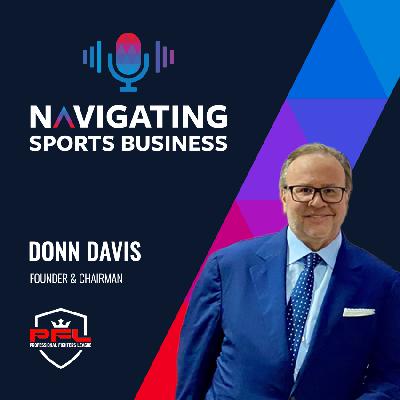
Donn Davis – Chairman and Founder of the Professional Fighters League – explains what the UFC's most recent media deal means exciting things for the PFL in their upcoming negotiations with partners. UFC gets $25M per event, and PFL has ⅓ of the audience. Donn predicts they'll end up getting much more than the $1M/event they currently receive. Listen to the full episode here: https://nvgt.com/podcast?ppplayer=1e977ebc536a4f7840f232ca6e253547&ppepisode=cbd3d581cfc5eddf1236ad1d5520f1c1 For more insights, visit our LinkedIn page or learn more about Navigate at https://nvgt.com/.
Navigating Sports Media: Dan Porter - CEO of Overtime - runs one of the biggest content platforms for the younger generation of sports fans. Overtime doesn't compete for sports rights, but they have added 35,000 followers per day for over nine years. They have also made two major bets: building out their own leagues for high school basketball and high school football. Dan explains how their decision to pay young athletes accelerated the implementation of NIL at the college level. Dan talks about the importance of giving young people a platform on social media and beyond. Prior to Overtime, he was President of Teach for America, and helped create one of the most downloaded apps of all time in Draw Something. One of the Overtime athletes launched the "six-seven" phenomenon among kids and young people. Timestamps: 1:15 - Dan's background 7:10 - Growing with the Overtime audience 10:55 - What could the NFL or NBA learn from Overtime? 13:55 - Playing for the internet, not cities 16:40 - Overtime Elite kickstarted NIL 18:55 - Content philosophy 22:40 - Building a platform for young people 25:40 - Expanding into sports beyond basketball 30:20 - Dan's leadership style 34:30 - Rapid Fire Questions Restaurant Recommendation in Brooklyn: Terre | Pasta & Natural Wine For more insights, visit our LinkedIn page or learn more about Navigate at https://nvgt.com/.
AJ Maestas and Charles Rolston break down the ROI metrics behind the (seemingly) crazy trend of expensive coaching buyouts in college football. They explore the economic and political factors at play that lead to these decisions for athletic directors and university presidents. The right coaching hire can yield an incremental $20M - $35M per year for a football program, so there's a lot to lose by keeping a losing coach on staff. However, would it make more sense to take the money you'd otherwise use for a buyout and invest it in NIL? Drawing on Navigate's work advising ADs and presidents while these factors are being weighed, AJ and Charles dissect the economics and decision-making pressures driving this high-stakes trend. Timestamps: 0:45 - The ROI of firing your coach 5:00 - Spend on NIL or spend on a coach? 8:05 - Aligning AD incentives 16:40 - Legislation for everything ("good luck") For more insights, visit our LinkedIn page or learn more about Navigate at https://nvgt.com/.
Jeb Terry - President and CEO of Cosm - explains "Shared Reality" and what their venues add to the sports fan experience. Jeb describes Cosm as "the next best thing" to being at a live event, and gives a thorough breakdown of the business model that is in many ways similar to a traditional venue with tickets, concessions, and partnerships. He also explains the strategy behind expansion and how they are selecting new markets both domestically and internationally. Timestamps: 1:10 - Shared Reality 6:15 - Jeb's background as an NFL player 10:40 - Cosm partnerships 16:10 - Expansion strategy 22:45 - Key learnings 25:00 - Rapid Fire Questions For more insights, visit our LinkedIn page or learn more about Navigate at https://nvgt.com/.
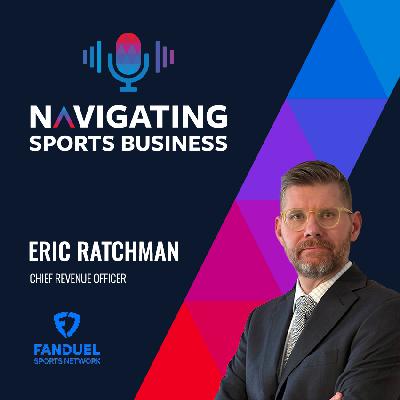
Navigating Sports Media: Eric Ratchman – CRO of FanDuel Sports Network – on the challenges of emerging from bankruptcy with a sustainable plan for the future, and how they were ultimately able to find success. He highlights the three-step process that his team employed, and the many stakeholders and creditors that had to be aligned in order to make it all work. Listen to the full episode here: https://nvgt.com/podcast?ppplayer=1e977ebc536a4f7840f232ca6e253547&ppepisode=63cc119c45b777bfe7a2c3d8eff870e5 For more insights, visit our LinkedIn page or learn more about Navigate at https://nvgt.com/.
Donn Davis - Chairman and Founder of the Professional Fighters League - has a long history of successful investments both inside and outside of the sports industry. He talks about the opportunity he saw in the MMA space, and why PFL has become such a valuable property as it looks to gain marketshare from UFC. He also shares lessons from some of the most (and least) successful deals of his career. Timestamps: 1:00 - The idea for PFL 5:20 - Donn's endgame with the PFL 6:45 - Bellator deal - what went right and what went wrong? 11:35 - Why Donn avoids esports investments 15:20 - Predictions for the future of media 21:05 - Is AI overvalued? 25:05 - UFC Media Deal 28:45 - Rapid Fire Questions For more insights, visit our LinkedIn page or learn more about Navigate at https://nvgt.com/.
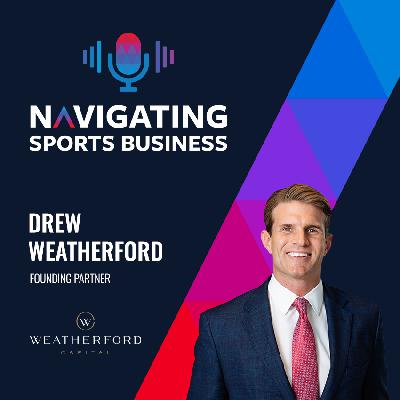
Drew Weatherford – Founding Partner of Weatherford Capital – has a novel idea for how private equity can get involved in college sports. Beyond varsity sports, athletic departments can also drive value by investing in club sports as an extension of the lucrative youth sports model that already exists across the country. Would parents be willing to pay thousands of dollars for their students to utilize high-level coaching and facilities? Drew thinks the answers is yes. He also advocates for a change in the rule that bars universities from hosting multiple teams in the same sport across division I, II, and III. Listen to the full episode here: https://nvgt.com/podcast?ppplayer=1e977ebc536a4f7840f232ca6e253547&ppepisode=db8a3e0ab8b4fca316c1c8b46a8888ff For more insights, visit our LinkedIn page or learn more about Navigate at https://nvgt.com/.

Comments

Download from Google Play

Download from App Store
 United States