


 Claim Ownership
VO BOSS
Subscribed: 146Played: 8,148
Subscribe

© copyright 2024 VO BOSS. All rights reserved.
Description
The VO Boss podcast blends business advice with inspiration & motivation for today's voice talent. Each week, host Anne Ganguzza shares guest interviews + voice over industry insights to help you grow your business and stay focused on what matters...
468 Episodes
Reverse
BOSSes, do you cringe when you hear your own playback? Anne Ganguzza and Lau Lapides reveal why how to love your voice is the most important mindset shift you can make for your voiceover career! This episode is a "VO Valentine" to all the talent struggling with self-doubt. Learn why professional commitment beats romanticized expectations, how to handle negative feedback without spiraling, and why resilience is your true superpower. In this episode, you'll discover: The Comparison Trap: Why wishing you sounded like someone else is sabotaging your unique brand. Love as a Professional Commitment: How to stay in the game even when you "hate" your performance that day. The "Avalanche" Effect: How to stop one bad comment from ruining your entire business. Healing Through Gratitude: Anne Ganguzza's powerful story of perspective following a major health challenge. Why Love Sells: How to use genuine emotional connection to make your auditions stand out to clients. If you're ready to stop the self-sabotage and start thriving in the booth, this episode is a must-watch!
BOSSes host Anne Ganguzza is joined by co-host Lau Lapides and special guest Carol Alpert (voice actor and on-camera coach) to tackle the industry's most persistent headache: the inability of talent to follow instructions. Whether it's ignoring age ranges in casting specs, butchering file naming, or losing patience during a live session, failing to follow the "rules" of an audition is the fastest way to get your file tossed. The hosts stress that being a "trained actor" means being disciplined enough to read between the lines and respect the client's process. The Casting Filter: Why 70% Get Ditched (01:48) Lau Lapides reveals a shocking statistic: in a recent casting for 35–45 year olds, 70% of the auditions were from talent clearly outside that age range. Agents use specs to filter talent quickly; if you submit for a role you clearly don't fit, you are essentially asking to be ignored. Following the demographic specs is the first step in following directions in voiceover. The File Naming Pet Peeve (07:04) Proper file naming is not just a suggestion; it's a structural necessity. When an agent or casting assistant is processing hundreds of files, an incorrectly named file can disrupt their entire workflow. Lau notes that talent often doesn't see the "assembly line" of 10–40 people involved in a single gig; naming your file correctly shows you respect their time. "Early is On Time": The Reality of Deadlines (11:12) While some pay-to-play sites are instantaneous, agency turnarounds are often measured in hours. Lau asserts that the strongest auditions usually come in within the first few hours of a posting. Being "trained" means having the discipline to interpret, record, and execute an audition professionally and quickly without procrastinating. Cold Reading and Tracking Skills (13:05) A common reason talent fail to follow directions is a lack of ocular tracking skills. Many people listen to content rather than reading it, leading to a decline in the ability to scan a script and pick up nuances quickly. The hosts recommend cold-reading classes to ensure your eyes can track words and directions simultaneously. Live Direction: Active Listening and Communication (31:09) During a live directed session, following instructions becomes a matter of active listening. Lau recommends repeating directions back to the client to ensure clarity. She also warns that talent are often replaced not because of their voice, but because of a poor attitude or lack of patience when being redirected. The "Relationship" Slope: Business vs. Contract (41:23) While it's important to stick to contracts, the hosts discuss the value of being cooperative. Doing an extra tag or a small favor can "earn" you a client for the next ten years. It's about weighing small battles versus the long-term war of building a sustainable career through professional relationships. Top 10 Takeaways for Voice Actors: Read the Specs Twice: Ensure you fit the age, gender, and ethnicity requirements before stepping into the booth. Master File Naming: Follow the naming convention provided exactly. It is the most common reason auditions are discarded without being heard. Early is Best: While you should never rush quality, aim to submit your audition as early as possible to capture the agent's attention. Practice Cold Reading: Maintain your ocular tracking skills by reading aloud for at least 15 minutes a day to stay sharp for quick turnarounds. Listen and Repeat: In directed sessions, repeat the client's instructions back to them to confirm you understand the requested adjustment. Silence Your Ego: If a client asks for 100 takes, provide them professionally. Frustration or an "attitude" is a faster way to get fired than a bad take. Check Your Tech: Before a live session, verify that SourceConnect and your DAW are updated and functioning. Technical failures are a failure to follow prep instructions. The Agent is the Middleman: Don't get annoyed if your agent doesn't have every answer; they copy and paste exactly what the client gives them. Interpret, Don't Just Comprehend: Moving beyond just "reading the words" to understanding the story is part of your professional instruction. Build the Relationship: Being cooperative and "easy to work with" is often more valuable to a client than being the most talented person in the room.
BOSSes, are you being sold a voiceover dream that's actually a nightmare? Anne Ganguzza and Tom Dheere expose the predatory world of "demo mills" and reveal why your VO demo might be holding you back! This episode is your survival guide to the industry's biggest investment. Learn how to spot red flags, understand why "four hours of coaching" is a scam, and how to ensure your demo actually gets you cast. In this episode, you'll discover: The $3,000 Mistake: A real-world story of a talent who was taken for a ride by bad training. Genre Mixing Red Flags: Why putting promo spots on a commercial demo kills your credibility. Performance vs. Voice: Why "golden pipes" aren't enough to make a demo serviceable. The Stock Script Trap: How generic copy makes you blend in instead of standing out. Recourse Strategies: What to do if you've already spent money on a sub-par demo. If you're ready to stop being a "hobbyist" and start building a competitive voiceover business, this episode is a must-watch!
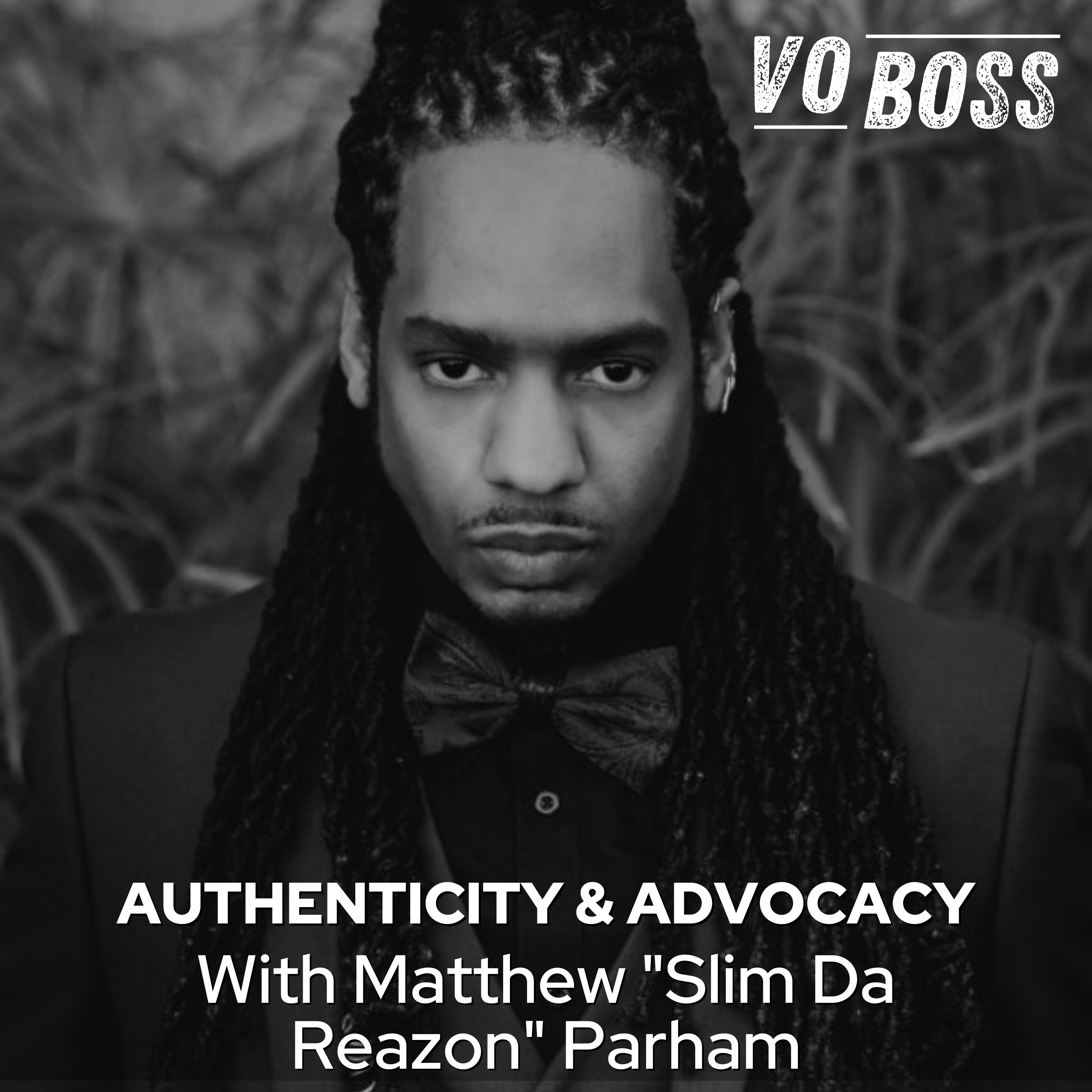
BOSSes, are you ready to become "undeniable" in the voiceover industry? Anne Ganguzza sits down with Matthew "Slim Da Reazon" Parham (Director of Operations at NAVA) to discuss the high-stakes world of authentic voiceover casting and vocal advocacy! Matthew shares his journey from professional musician to a top-tier voice actor for Marvel and ESPN, while revealing what happens behind the scenes on Capitol Hill. In this episode, you'll discover: The NAVA Mission: How voice actors are fighting for the right to own their own voices in the age of AI. The Cadence Secret: How to transition from slam poetry and hip-hop to a "universal" commercial sound. Authentic Casting: Why the "lived-in experience" is your most valuable asset as a performer. The AI Reality: Why luxury brands and politicians will never fully replace the human connection. The "ZFG" Mindset: Why audacity is the secret ingredient to booking major global brands. If you're serious about the future of your voiceover business, this conversation is essential viewing! Connect with Matthew: Instagram: @slimdareason Website: matthewparhamvo.com Connect with NAVA: Website: navavoices.org Connect with VO Boss: Twitter: @vo_boss Instagram: @vo_boss Facebook: /VO BOSS YouTube: VO BOSS
BOSSes, feeling down because everyone else seems to be booking but you? Anne Ganguzza and Danielle Famble reveal why comparing your voiceover success to social media "vague bookings" is the fastest way to kill your career momentum! This episode is a masterclass in business mindset. Learn why the "national commercial" you're jealous of might not be the windfall it seems, and how to reclaim your joy by minding your own business. In this episode, you'll discover: The Reality Behind the Post: Why you can't trust the financial perception of social media wins. Social Media Palate Cleanse: Why Danielle took a year-long hiatus and how it helped her business. The Danger of Rate Shaming: Why your financial strategy and rates are your business alone. From Jealousy to Celebration: How truly being happy for others can actually manifest success for you. Hidden Cuts: The agents, managers, and taxes that turn a "big gig" into a smaller reality. If you're ready to stop doomscrolling and start thriving in your own booth, this episode is a must-watch for every VO Boss!
BOSSes, Anne Ganguzza and her superpower co-host, Lau Lapides, assert that subtext in voice acting is the single most important element for delivering a powerful, unique, and castable performance. The bosses challenge the common mistake of literal reading, offering practical strategies—from audience analysis to efficient marking—that elevate a performance from predictable to profound. Chapter Summaries: Subtext Defines Uniqueness (01:00) Lau states that subtext—the underlying interpretation of a line—is what makes a talent unique. The hosts explain that relying solely on obvious language or descriptive adjectives leads to predictable, robot-like reads. The true power lies in making nuanced choices about what the words really mean to the listener. Audience and Empathy are Everything (02:44) Subtext is entirely dependent on who you are talking to. Anne uses the example of corporate narration: the subtext for an investor (focused on financial facts) is different from the subtext for a consumer (focused on customer service and product benefits). The acting choice must be rooted in empathy and understanding what the listener cares about. The Structural Journey of the Script (14:30) Every script has a structural journey: introduction, series of steps, and conclusion. The subtext should align with this journey. The hosts emphasize that if you are running out of breath , it is the dead giveaway that you did not prepare the story, as natural conversation doesn't require breath struggle. Techniques for Finding the Subtext (22:34) To efficiently analyze copy, the hosts recommend: Improv and Translate: Improvise the script in your own words to capture the genuine emotional wash and then plug the original words back in. Marking: Use clear broadcast-style marking to denote phrasing and intent, but also pay attention to the ellipses and punctuation for clues about the emotional context. Use AI as a Tool: Paste ambiguous scripts into an AI tool (like a chatbot) and ask, "What is the purpose of this script? Who cares about this information?" to provide a jumping-off point for human interpretation. Avoiding the Literal Trap (23:37) The hosts caution against taking common acting advice too literally. For example, constant smiling throughout a read, or persistent upspeak at the end of every sentence, sounds unnatural and is perceived as not genuine. Your performance must always reflect how you would behave and sound in a real-world conversation. The Brilliance of a Point of View (25:16) Subtext gives you a clear point of view. The hosts provide a simple example: saying "Are you wearing those pants?" can be interpreted in dramatically different ways (anger, excitement, disgust) depending on the subtext. This intentional interpretation is what makes your audition unique and elevates it above the predictable melody. Top 10 Takeaways for Voice Actors: Subtext is Everything: The emotional core and underlying meaning of your script is what makes your performance unique and castable. Analyze Your Audience: Base your subtext on who the listener is (consumer, investor, business-to-business) and what they care about most. Translate into Your Own Words: Use the "improv and translate" technique to efficiently find the genuine emotional wash before recording. Embrace Emotional Ambiguity: Simple sentences can hold complex, contrasting subtext. That complexity is your unique acting choice. Use AI to Find Backstory: Use AI as an analysis tool to find information about the brand and the script's purpose, but always apply your human interpretation. Pacing is Preparation: If you struggle for breath, you have not prepared the story correctly. Good actors always know how to naturally navigate long sentences. Mark for Meaning: Pay close attention to punctuation and structure (ellipses, introductions, conclusions) as cues for shifts in subtext. Avoid the Literal Trap: Do not read adjectives literally (e.g., constant smiling). Your emotional choice must align with authenticity, not simple description. The Share is the Subtext: Your goal is to share the story with the listener, not talk at them or talk in your head. Point of View Stands Out: An audition with a clear, intentional point of view, even if surprising, will always get shortlisted over a generic, predictable read.
BOSSes Anne Ganguzza and Tom Dheere (The VO Strategist) detail the foundational strategy for achieving your voice acting career goals in the new year. Using a proven five-category system taught by industry veteran Dan Duckworth, Tom provides a structured method for turning ambition into executable action plans. The hosts emphasize that in a career where you wear all the hats, efficiency, education, and a healthy mindset are the keys to long-term success.
BOSSes, Anne Ganguzza is joined by premier coach Dave Walsh for a deep conversation on navigating personal and professional challenges in chaotic times. They assert that the solution to anxiety and stress is to stop focusing on external chaos and instead, live and work from a place of internal purpose and core values. This episode offers powerful insight into why purpose-driven voice acting is the only way to achieve authentic connection and career longevity.
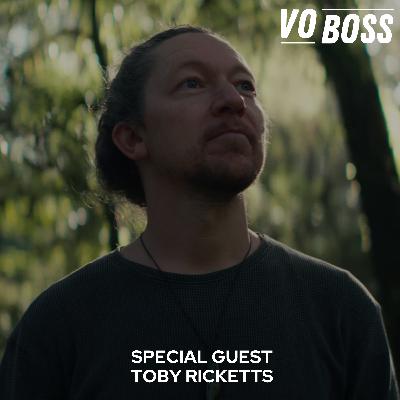
BOSSes, Anne Ganguzza is joined by multi-award-winning global voice actor Toby Ricketts to explore the mindset and techniques required for world-class, remote performance. Toby, who works across British, Australian, New Zealand, and American markets from his remote New Zealand studio, emphasizes that the true superpower for acting for global voice actors lies in intuition, emotional connection, and deliberately making unexpected choices to capture a listener's attention.
BOSSes, Anne Ganguzza and Danielle Famble dive into the uncomfortable reality of voice actor negotiation and handling lowball offers. This episode provides essential strategies for maintaining grace, protecting your worth, and ensuring you don't burn bridges when you have to say no. The hosts stress that money is the language of business, and understanding negotiation as a collaborative process is key to long-term success.
BOSSes, Anne Ganguzza and her superpower co-host, Lau Lapides, dive into the non-negotiable reality of voiceover demo production. The bosses address why many voice actors—especially those starting out—try to cut corners on their demos, despite the demo being the primary portfolio piece used to land agents and get work. This episode provides essential, current advice on what makes a demo effective, what red flags to avoid, and how to manage the realistic expectations of investing in a long-term voice acting career. 00:03 - Anne (Host) Hey guys, it's Anne Ganguzza here. Are you ready to find your life purpose and live a happier, more fulfilling life? My coaching services can help you discover your true passions and align them with your goals. Let's start that journey today. Visit anneganguzza.com for more information. 00:31 - Speaker 2 (Announcement) It's time to take your business to the next level, the boss level. These are the premier business owner strategies and successes being utilized by the industry's top talent today. Rock your business like a boss a VO boss. Now let's welcome your host, Anne Ganguzza. 00:45 - Anne (Host) Hey, hey, everyone, welcome to the VO Boss podcast and the Boss Superpower Series. I'm your host, Anne Ganguzza, and I'm here with the lovely Miss Lala Pita. Hey, we're back, and better than ever. Annie, I'm so glad to be back with you. We are back. Ah Lala, it's been a week, oh my gosh, it's been a week. 01:06 It's been kind of a crazy year so far, hasn't it? It has, I mean, it's just been a little chaotic. I've dealt with a lot of students recently who come to me that want coaching, but before they want to get coaching, they want me to listen to their demos, and so I'll have a quick listen. I mean, I do an actual, I have an actual like process where, if you want half an hour of my time, I'll actually evaluate your demo spot by spot and give you tips. And I like the fact that I offer it as a service because I don't want people to think I'm just here to sell them demos. 01:42 Yeah, of course, but I listen to a lot of demos that are self-produced and demos that have no production under them, and then demos that have a lot of production under them. And you know, I know it's a topic that you know we tend to talk about quite a bit, all about demos. But demos are just so darn important because it really is the product by which you get hired a lot of times. I mean, in addition to auditions, of course, you know, because the client always wants to hear you know your voice with their brand, but really to get your foot in the door. In a lot of places, that demo that showcases what your voice sounds like in the genre in which you want to work is so important. And it's interesting how many times I'll talk to a student who wants to kind of cut the corners on that and they don't have the money. And yet the demos that I'm hearing are not doing them any favors and not getting them any work. Right. 02:39 - Lau (Host) And there's so many tips you and I could like give about the do's and don'ts of demos, but I think it changed, like what's trending now and the faux pas that are happening are happening, that are a little bit newer these days and it's good to talk about and especially. 02:55 - Anne (Host) I like your angle from—I have my angle from the non-broadcast side and I want to hear your angle from the broadcast side. How much are demos being used to cast people? How much do the demos count when you're listening to that in comparison to the auditions? Talk to me about the casting process and how often are demos being used for that? That's a great question. That's a great question. 03:20 - Lau (Host) You know, the anecdote that I come up with is, or the analogy I come up with is, reminds me of college. College was always a necessity for people who are going into white collar careers. Ok, nowadays it's a little bit different. 03:36 - Anne (Host) Do you? 03:37 - Lau (Host) need a college degree to go into many careers. Maybe not, probably not, but when you earn a college degree, oftentimes it says to an employer that you've gone to the highest level of due diligence in your education and that, to me, oftentimes, is what demos represent. Sometimes you literally don't need demos, like literally, we won't be submitting your demo to a client On the most literal basis, I will not be sending your client 98% of the time to our clients, but it shows us that you are a working, professional, high-level industry talent. So there's a screening. 04:13 - Anne (Host) And that you take your career seriously. I think you take your investment seriously. 04:17 - Lau (Host) There's a screening to that it's a portfolio piece, sure. So I would say, yes, you do need it, but no, you do not need it for every single individual job that comes through, because they're going to be demo reads on the scripts. 04:30 - Anne (Host) Now I'm going to counter that, because you are speaking from the broadcast sense of the word. Typically, because you cast a lot for commercials and broadcast style jobs. For non-broadcast, which is a lot of the industry as well, demos can sit on your website and be available 24-7. When you don't have time to audition, and that is the biggest point that I'd like to make is that if you do not have an audition, they sit on your website as a portfolio, as a demonstration of what it is that your voice sounds like, and it can be a way to get your foot in the door. 05:04 If somebody hears that demo and then they're like, oh, I like that voice, and then maybe they want you to audition or it just it allows people to kind of sample the product, sample the product before they decide if they want to hire you, and I think that it's a very valuable piece to have on a website. So if you're a talent that's going to do not I mean I don't know any talent that just does broadcast I mean maybe some it's a very tiny few that just do broadcast, but that doesn't do non-broadcast as well. So I feel like that demo as a portfolio. I remember when you used to go on job interviews and you had to have things in your portfolio. 05:44 I mean, I did when I went on job interviews. 05:46 - Speaker 2 (Announcement) I had a portfolio. I did too, yes. 05:48 - Anne (Host) And this is really your portfolio and I think just like— Totally agree as anything right. Presentation is everything I'm all about. Presentation, yeah, Do you know what I mean? I do? Presentation in marketing, presentation in the way you dress, presentation where you present yourself to people. I think presentation for your product is important and that is your demo. 06:11 - Lau (Host) And thank you for qualifying that, because I was speaking from a commercial mindset and it is great to have it on your website. You really should have those on your website because you're going to get private clients, you're going to get audiobook clients, you're going to get all sorts of potential clients that need to hear samples of your work. In my world, every day I will ask for submissions, commercial demo submissions for the agency but how much we're actually using them in-house once we've accepted you into the agency? 06:43 - Anne (Host) is getting minimal. But you need one to get into the agency. Is that correct? For the most part, yeah, you do. 06:49 - Lau (Host) You do because otherwise we would just have you do random reads which we want to hear produced reads. So it makes sense to absolutely have that commercial demo. But be careful, like and we'll talk about that some of the tips about like what is in that that is working on your behalf and what is working against you. 07:08 - Anne (Host) Yeah, yeah. 07:09 Right, I mean, there, you know I'm going to say, first of all, anything that is not produced right. First of all, I mean we can talk the DIY. I mean the DIY is not typically produced because, again, you need, like, if you're going to put music under it, sound effects, you need a license for that to be, you know, to legally. You know, put something on your website and I feel like, if it's not produced, then it kind of tells people that you're just there in your home studio with a mic and you didn't want to put any sound effects or music under it, and so therefore, it's kind of like a half-finished product to me. Yes, and yes, it showcases your voice, but it also showcases that maybe you could be a hobbyist or that you are not making the investment to create a produced sample, which I think is important because, again, you know, it's everything. I mean the client needs to hear what your voice will sound like in a fully produced spot, I believe that I agree, and you know what I do. 08:06 - Lau (Host) When we're looking at bringing new talent, I typically make a habit of saying who produced your demo? 08:11 Now, a lot of agents won't ask that, but I do because I know the producers and I know who's who. So I'll ask them who produced your demo? That'll tell me one thing and then, well, they certainly have to send me a commercial demo. I find one of the biggest problems out there is they're sending me the wrong demo. They're sending me, say, you know, an animation demo, character demo, which I love because we're doing more animation jobs, but the bread and butter is still the commercial for most of us. And so you have to really target, like who are you sending your portfolio to and who are their clients, what kind of work do they represent? And send them the right demo, send them the most appropriate demo. Don't assume oh, I have four other demos, is that good enough? 08:52 - Anne (Host) Well, yeah, I mean like a corporate demo. 08:55 You're like you need a commercial demo first and foremost because that's where you as an agent make your money right In the broadcast, but non-broadcast but it's not to say that your agent won't hire you for a corporate job. 09:11 It's nice to have that corporate demo. I'm going to say that the rest of the demos outside of your com
BOSSes, Anne Ganguzza and Tom Dheere share decades of combined experience, reflecting on the realities of voice acting career longevity. From the cassette tape demo era to today's digital age, the hosts emphasize that sustaining a career for 20+ years requires more than just talent—it demands resilience, strategic goal setting, and a deep sense of gratitude to combat the inevitable inconsistency of the industry.
BOSSes, Anne Ganguzza is joined by the extraordinary Tina Marasco, Head of Casting at Sound and Fury, a respected coach, and the voice of HGTV's Love it or List it. With over three decades of experience spanning agency, acting, and casting, Tina offers indispensable casting director secrets for bridging the gap between a voice actor's truth and a client's real-world needs. 00:03 - Anne (Host) Hey VOBoss family Anne Ganguzza here as we wrap up the year. I just want to say thanks for being a part of this amazing community and because you bosses deserve a little holiday love, I'm giving you 10% off all demos and coaching through December 31st. Your demo discount is automatically applied and for coaching, just enter code COACHINGBFF at checkout. Treat yourself to some career growth this season at anneganguzzacom. 00:36 - Speaker 2 (Announcement) It's time to take your business to the next level, the boss level. These are the premier business owner strategies and successes being utilized by the industry's top talent today. Rock your business like a boss a VO boss. Now let's welcome your host, Anne Ganguzza. 00:55 - Anne (Host) Hey, hey everyone, welcome to the VO Boss Podcast. I'm your host, Anne Ganguzza, and today I am thrilled to welcome the amazing Tina Marasco, head of casting at Sound and Fury, respected voiceover coach and the voice of HGTV's Love it or List it. With over two decades of experience as an agent, actor, casting director oh my gosh, everything. Tina brings an incredible perspective on what connects talent to opportunity, and that's, I think, what we're all looking for. So I think we're going to have a great talk about authenticity, longevity and how to basically bridge the gap between the actor's truth and a client's real-world needs, which is something that I think is so important for us to get that perspective. So, tina, thank you, thank you, thank you. I know you're important for us to get that perspective. So, tina, thank you, thank you, thank you I know you're busy for joining me. 01:50 - Tina (Guest) Oh my gosh, Thank you so much for having me. 01:58 - Anne (Host) I'm very excited to be with you. I know I'm really excited, so let's talk about how it all started. I mean, you have worn so many different hats agent, actor, casting director, coach when did you start with? What did you start with? How much time do we have? 02:10 - Tina (Guest) It's like when blind doors roam the earth. I started in the William Morris mailroom in New York City in like the 90s. Okay, the heyday of you know the wild agent life Pushing the mail cart somehow. Wow, yeah, no, I was literally like doing the swimming with sharks situation and floated all over. I was in a bunch of different departments and then ultimately landed in the commercial department and my then, like, everything was lumped together. So VO on camera, soaps, they were all lumped together and my boss was the VO Maven. 02:49 Her name is Carol Baker and she's not in the business anymore, but I didn't even know what a voiceover was when I sat on that desk and it's funny because, like Terry Berlan was a casting director in New York at the time, so I was like an assistant and Terry would be calling in breakdowns and now we're both casting directors in LA. It just it feels like 72 lifetimes ago. So my, my boss, you know, basically taught me everything there was to know about voiceover and then I spent three years there, then flipped over to ICM in New York and that's really where I cut my teeth, because ICM does not have a scale voiceover department, meaning people like you and me auditioning. They only represented celebrities. So when I went over there they tasked me to start the department. 03:37 So I started from scratch. I had not a single client and went out every night to Broadway and off Broadway and performance art and you know comedy clubs and I say this all the time like my bartender at the Raccoon Lodge ended up being Sally Winters and like one of the biggest voices of the last couple of decades. So I would find talent from all different walks of performance life, bring them into our studio at ICM and kind of teach them how to do it. So that's kind of how I learned, and that's how I learned how to produce demos because nobody had any recorded material, so for us to sort of send it out and announce our department. I produced like 60 demos for our agency reel and it was literally like thrown into the fire and figured it out, ladies. 04:28 - Anne (Host) So but it worked out. That is so impressive because you pretty much built it from the ground up and you basically learned everything along the way, and I love that. I kind of think I always describe myself as I just learned by the seat of my pants, because it's like here, here's the job, do it, and then you've just okay, well, here we go. But I think that probably prepared you for a long career in doing this. I mean, I would imagine that you love what you do because you're still doing it. 05:00 - Tina (Guest) I do. And then I took a very circuitous route. I left being an agent and somehow got struck by lightning and decided I wanted to be an actor. 05:09 So I went back to graduate school for acting for three years kind of like hid away and got all of that training. And then I, the scenes voiceover Sure Paired with my newly you know tuned voice and speech training and my acting training, voiceover was sort of like the natural next progression for my performing career. Oh, absolutely yeah. So I, you know, got an agent right away and started working right away and then was really chasing on camera pretty hard. Like my goal was to be like a series regular on a sitcom, like that was the dream. And you know I did a zillion guest stars but I just never got that. You know, like that regular, regular role. 05:54 And all along the way voiceover was always like my steady boyfriend. It was always like it was always there, it was always giving me a hug and you know, finally I was like why am I treating you like you're you know this side piece over here Like I should really nurture this relationship a little bit more. And so I really started focusing hard on that and all along the way I've always coached. And then eight years ago, almost coming up on eight years, I partnered with Sound and Fury and went to the casting side of things. But I still act sometimes and I still do voiceover, but mostly right now I am coaching and casting that is kind of my day-to-day regimen. 06:37 - Anne (Host) So what brought you into the casting part of it? Was it just something that was an opportunity that presented itself, or it was something that you had always wanted to get into? 06:46 - Tina (Guest) Yeah, it was kind of serendipitous. So Carly Silver, who was my agent at Atlas, left Atlas to go to Sound and Fury, like maybe a year or so before this happened. And she was, she knew she was going to be going on maternity leave and really it was just her and the owner of the company, Jill Kershaw, and they really needed somebody to cover for her. And you know, so it was presented to me as can you just cover for like three months? You sort of have the skill set and yeah, and I was like sure I'll give it a shot. And I really was so naive I really thought I was gonna be sitting in my pajamas and be like, oh, this sounds good, this sounds good, this sounds good. And then the fury of Sound and Fury raged into my life and I came how? 07:34 - Anne (Host) appropriate for the name. 07:36 - Tina (Guest) It's not like a cute little, you know, kind of on the side, it is a full time commitment and so I remember like thinking, gosh, I don't know if I'm going to make it through three months of this Like how. Like, how does anybody like do this all day? And it's been eight years so. But we have the best team in the business, like our. It's all women, we are so well-oiled and I mean that sounded kind of funny, but I completely got where you're going but we have such a great powerhouse team and it just makes a pretty. 08:20 You know, I wouldn't say it's difficult, it's not brain surgery, but it is a pretty laborious process what we go through and it just makes it so joyful and fun and collaborative because everybody on our team is so fantastic. 08:34 - Anne (Host) Well, I think you know, for most talent in the industry, what they lack is that, that perception or that education about what really goes on in casting, that perception or that education about what really goes on in casting. So, from your perspective, tell me about like a typical day for you casting a project and what is all involved, because I think for us, we absolutely need to understand it in order for us to, I think, do better and be more successful. 08:59 - Tina (Guest) Yeah, and I would love to. I would love for actors to know all of you know what goes on behind the scenes. So every time we start a project, no matter how big or small, we do a creative call with the ad agency creative team and you know we spend a good amount of time on Zoom with them, sort of you know, trying to dissect every little detail and nuance we can get out of them as to how, what they want to hear in their perfect voiceover. And you know, on that call we hear consistently, no matter how high profile the project or how small and like it's a first time, you know, advertiser, they all want the same thing. They all want. They always say, and the answer is yes. 09:42 The reason we're paying you to cast this and we're not doing it ourselves is because we really want you to find people who sound like they've never done voiceover before. 09:49 Now that does not mean give it to your drunk uncle at Thanksgiving and expect him to be able to work his way through the copy, right? What they really mean is they want everything to sound exactly like you and I are conversing right now. What actors don't realize is that the conversational sound that everybody's kind of cultivated has just become another b
BOSSes, Anne Ganguzza is joined by Danielle Famble and special guest Jennifer Clark (Host of Human Kindness at Work podcast) for a Boss Money Talk Series crossover episode. They explore the profound impact of charitable giving. This episode demonstrates that giving—whether time, money, or relationships—is not just good for the soul; it's a strategic act that combats hopelessness, strengthens local ties, and creates powerful networking opportunities for your voiceover business. 00:01 - Anne (Host) Hey guys, Anne Ganguzza here. Imagine a voiceover journey where every step is filled with discovery and growth. That's the path I want to work on with you, through nurturing coaching and creative demo production. Let's unveil the true potential of your voice together. It's not just about the destination, it's about the gorgeous journey getting there. Are you ready to take the first step? Connect with me at anneganguzza.com. 00:32 - Speaker 2 (Announcement) It's time to take your business to the next level, the boss level. These are the premier business owner strategies and successes being utilized by the industry's top talent today. Rock your business like a boss a VO boss. Now let's welcome your host, anne Ganguza. 00:51 - Anne (Host) Hey, hey, everyone, welcome to the VO Boss podcast and the Boss Money Talk series. I'm your host, Anne Ganguza,z and today's show is a very special crossover moment. I'm joined by my regular Boss Money Talks co-host, Danielle Famble, financial strategist, voice actor and the person who keeps our boss business brains sharp. Yay, yay, hey, Anne, hey, and we're teaming up with the amazing Jennifer Clark, a powerhouse voice actor and the host of the Human Kindness at Work podcast. Today, we're going to talk about the power of giving, how it fuels mental wellness, strengthens our brand and builds real community in the voiceover world and beyond. And we'll also be talking about 100 Voices who Care, which is a charitable organization led by these two powerhouses that supports local communities by combining donations to impact local charities. So let's get into it, ladies. Thank you so, so much for joining me today. Thanks for having us. 01:48 - Speaker 4 (Host) Anne. 01:48 - Anne (Host) Yay, I'm very, very excited to talk to you guys about this, because I think this is something that it exists and every time there seems to be, let's say, possible issues in the community or you know people that need help, we get those GoFundMes, we get people who talk about, you know, donating to charities and stuff like that, and I think it's something that we need to really talk about more, about how it can affect us in a positive manner and also how it can affect our businesses. So let's maybe start by talking about the psychology of donating and giving. And, jennifer, I know, in your Human Kindness podcast you which is wonderful, by the way, guys, you absolutely must tune into that you talk to people all the time about giving and human kindness, and so what are your thoughts about you know, what are the benefits of giving? 02:43 - Speaker 4 (Host) Well, I'm not a doctor, but I can speak as someone who has been, you know, intentionally giving for most of my life, and as I'm talking to guests who are really active in their community and showing human kindness at work. What I see in myself and in people that I'm talking to is that it does something for our mental health. It's really easy to look at the world, especially right now, and you wake up every day and there's another crazy thing going on. The world is constantly on fire and it's really easy to get depressed fast. I mean, that's the fastest ticket to depression, right? Just read the news, right and we lose sight of all the really good things that are going on in the world. We lose sight of the really good people that there are. 03:36 Being a part of giving is like linking arms and finding all those people in your local community and the world at large that are doing the work. They're trying to bring change, and it's really uplifting. It's one of those things I don't know what it's called, but it's kind of like when you're looking for something you know when I wanted to buy a new vehicle, I had never seen anybody drive this vehicle and then all of a sudden, when I was like I want a Volkswagen Atlas. I saw it everywhere, Absolutely everywhere. And it's the same with giving. When you look around and you're like man, nobody is doing anything, Nobody is getting involved. In my community, Nonprofits are suffering. But then you start getting involved, you will make connections like crazy and you'll start seeing all of the good and it is so uplifting. It really does change your perspective. 04:34 - Anne (Host) Oh, absolutely I can imagine, because, especially now, just with the craziness, as you mentioned, of the world, and there's a lot of times when I will open up my social media and then, oh my goodness, just start reading or the news and I just start to feel hopeless and what can I do? What can I do? First of all, to feel, because it's making me feel bad and not like I don't know, functional in a lot of ways, and I want to be able to help and I don't know how to help. And I think this is one way that we can focus on something that can absolutely make a big difference in our lives and, of course, other people's lives as well, and to be able to connect with people who are doing good in the world. That gives me hope. 05:25 - Speaker 4 (Host) And I think sometimes we look at problems and it's so overwhelming and we think we have to reinvent the wheel, Like oh. I got to start a nonprofit or fix the solution. There are already boots on the ground that are doing work. So making a difference, giving of yourself your time, your resources, your energy, doesn't have to be hard. It's just a matter of finding something that you want to give yourself to, and don't reinvent the wheel, just join into the good work that's already going on. Yeah. 05:56 - Speaker 3 (Host) It kind of reminds me of that. 05:57 I think the quote is attributed to Mr Rogers, or maybe Mr Rogers did the quote from someone else, but the look for the helpers quote I was. 06:07 I was speaking with a friend of mine who we were both sort of commiserating about what was going on in the world and how frustrating it is, you know, with money being pulled from certain social organizations and that's their lifeline, and she worked for one of those organizations and she was like of those organizations and she was like you know, we can get upset about it, we can get mad about it, we can feel hopeless about it. Or you can look for the helpers. You can look for the people who are out there like you said, jennifer boots, on the ground doing the good work, and it changes your psychology to see, okay, these are the possibilities, this is what's out there, these are the people who are already doing the work. How can I help them? And when you can look at that and you can find that pattern, recognition of people helping the helpers, then you can figure out how you can put your hand behind the plow and do something too. 06:58 - Anne (Host) What do you think are the things that stop people from either looking for this or from donating? And, of course, I think one of the biggest things that people will say is but I don't have any money. I don't have the money to donate. I can barely keep myself surviving in today's world. What do you say to that? 07:17 - Speaker 4 (Host) I would say we have to look beyond just finances. Financial giving is really important, especially for local nonprofits, but we have so much to give. You have to look at yourself as a whole. So you have energy, you have time, which I think are your two greatest resources, and you have money. You have relationships. So, looking at those four areas of your life, where can you give in those time, energy, money, relationships? And if you really are, I've been in times of your life. Where can you give in those time, energy, money, relationships? And if you really are, I've been in times of my life I am strapped for cash. You know, my husband was unemployed a few years ago, like it was super tight. So I get it. There are legitimate times that you don't have any extra money, but you still have time, energy relationships that you can give to. 08:19 - Anne (Host) So I would say look at that whole picture, not just your pocketbook their energy or their relationships because I love that you mentioned relationships too, because connecting with people who may have at the time the financial resources to help or other methods and sources to help is also a wonderful way to give back. 08:40 - Speaker 3 (Host) Yeah, social capital is a huge one because you never know what that connection that you are making between two people or groups or organizations, what that will do and that will yield in their life. 08:54 So that's a huge one, even looking outside of the box. 08:58 I was just reading a story about a woman who was at a park with her kids and noticed that there were some kids who didn't seem like they were being attended to by an adult and, instead of making an assumption, what she decided to do was essentially just take care of those kids for a little bit of time. 09:16 And she was offering her time as a resource, as essentially child care, and not making an assumption about what was happening with the parents or anything else in their situation. She was like, ok, I'm a safe place, I'm a safe person and I can provide some, some respite for these parents who may be further away, who need a little bit of time away. And she did that and that was her way of giving back. And she, when she was explaining it to me, or when she was explaining it and I was reading about that story it's not something I think that people think about off the top of their head Like, oh, this time that I have, or the ability to care, is a resource like do an inventory and audit

BOSSes, Anne Ganguzza and Lau Lapides explore a core challenge for every voice actor: managing personal emotions and moods to deliver a consistent, authentic performance. The Bosses delve into how easily actors can slip into autopilot or let personal frustration compromise a read. This episode provides practical acting methodologies to help you discipline your thoughts, shift your emotional state on demand, and utilize your entire emotional range to serve the story. 00:00 - Anne (Host) Hey Boss, listeners, Anne Ganguzza here. Leveraging years of expertise in the voiceover industry, I offer coaching and award-winning demo production that embodies excellence. I am dedicated to your success. Let's work together to get your career to where you've always wanted it to be. Visit anneganguzza.com to find out more. 00:24 - Speaker 2 (Announcement) It's time to take your business to the next level, the boss level. These are the premier business owner strategies and successes being utilized by the industry's top talent today. Rock your business like a boss a VO boss. Now let's welcome your host, Anne Ganguzza. 00:43 - Anne (Host) Hey everyone, welcome to the VO Boss Podcast and the Boss Superpower Series. I'm your host, Anne Ganguzza, and I am here with Superpower co-host Laura Lapidus. Yay, thank you, annie. I love being called a superpower. Well, I'll tell you what your shirt is so colorful today. I love it. 01:06 - Lau (Guest) Yeah, I'm feeling like this blue is putting me in a certain mood. You know, getting me very moody, but not in a blue mood, more in a hot mood. 01:15 - Anne (Host) Yeah, it's blue and flowers, so there's kind of like a cult, like a culmination of moods, maybe I thought you were going to say a cult. 01:22 - Lau (Guest) No, not a cult, but more of a comedy, more of likes, maybe I thought you were going to say a cult. 01:33 - Anne (Host) No, not a cult, but more of a comedy, More of like artistic meets, comedy meets, I don't know, meets like hot diva thing, oh my gosh. Well, you know that's funny. I'm always so thankful to talk to you, Law, because you're always so positive and upbeat and happy. 01:41 And you know it's interesting because I, as you know, I mean I work with a lot of students and a lot of them that are working full time and then doing voiceover part time, and so they've got, or they've got life happening you know life you know, life, life can happen, life happens and I'll tell you what your mood and how you are dealing with the day can so affect your reads, because I'll have some people that'll be like, yeah, I did it last night, after you know, I came home from work and I'm like, well, yeah, I can tell, because you were exhausted or did you have a bad day, because it actually reflects in your read and I thought it'd be great to talk about how your mood affects your performance. 02:30 I mean, it seems so obvious and we just say, yeah, your mood affects your performance, but maybe it affects it more than you even know, because a lot of times I feel like we go on autopilot. When we're in a certain mood, or we don't want to deal with certain things, or you know, we're not going to acknowledge certain feelings, we then compartmentalize, and we don't always compartmentalize in a way that's helpful for our performance. 02:53 - Lau (Guest) So true. And you know, I first thought about mood as a young, young kid, really, when I was being trained in the theater. I would have directors that would say for rehearsal, leave your trash at the door. Don't worry about it, it'll be there to pick up on your way out. 03:11 - Anne (Host) Leave your trash. 03:12 - Lau (Guest) What does that mean? And meaning that to discipline yourself in the workspace, you cannot bring in every feeling, every thought and every mood that you're walking in with. You have to leave it behind and come into that neutral discipline space. 03:28 - Anne (Host) Unless. 03:28 - Lau (Guest) maybe you're using it to create a character Unless you're channeling it, but even so it's like can you move in and out of it? 03:37 - Anne (Host) That's tough to do. Yeah, that's tough to do. 03:40 - Lau (Guest) Yeah, or is it so adopted in you, so inside of you, that you can't see it? You no longer have the self-awareness to see the mood that you're in. 04:03 - Anne (Host) They're like no, I thought it thought it was great. And then, in reality, I'm like you were tired, weren't you? You know, or you were exhausted, or you were frustrated, or and sometimes it'll become it'll come out right in the first few words I'm like you hate this script, don't you? It's like, well, I had a bad day and so, yeah, being able to compartmentalize or put that aside. And then the probably, I would say, the biggest problem for me in the niches that I teach is that it's. You can start off in one mood. You can say, ok, I've got to be positive, I got to get my energy up, and because I've had a long day, and so let me get my energy up. And then you've got it up for a couple of seconds and then, and then, all of a sudden, you go into autopilot and you lose track of the fact that you got out of right, you got out of that energy and you just went on autopilot. I think going on autopilot is like 90% of the problems in, let's say, long format narration anyways. 04:58 - Lau (Guest) Yeah, and also really being able to you know, with your analysis that you're doing of your script, it's really being able to pinpoint what is the mood of the story, how does the tonality change, not just the writing of it and the language of it, but also the rhythmic cadence of it and the musicality of it. What is happening with the mood? Because, as actors, if we don't have mood, if we don't understand mood and there's no mood to it, then we completely lose our momentum. There's no momentum without mood. 05:28 - Anne (Host) And I love how. All right, so now we just took it from our mood to the script and the script's mood, and that's a really important, I think, factor to consider, because not only do we have to put aside any mood that might be detrimental to our performance, but we also have to read the mood of the script and then apply a point of view that would equal the mood of the script in order to serve it. You know, properly, really, and the mood doesn't just happen at the beginning of the script. 05:58 The mood is all throughout the script and it changes which I think is so important to understand that it changes and you need to figure out how it's changing. You can't just assume that you're going to be happy from the first sentence all the way to the end, because a good story, right, there's always an evolution of. You know, you start off maybe questioning or concerned or hey, what's the best solution for this? And then, all of a sudden, the discovery right, you start learning about this product or you realize how this product has helped, and then you become more excited about it and then you want to share that with that listener. So it's an evolving story and I think if you don't analyze that script for the evolving mood, yeah, you're not doing it justice. 06:38 - Lau (Guest) And so many VOs, I think certainly at the early stages of voiceover, really miss the point of when a coach might say oh, who are you speaking to? Where are you at. It just becomes a pedestrian and saying oh, I'm talking to a best friend or I'm talking to my teacher, and then they leave it at that. But they don't realize that not only is that specific in terms of your environment and how you behave and the mood that you're in when you walk in a doctor's office, for instance. 07:07 But each doctor is different. Doctors are not the same, they're different people. So how many voiceover talent really investigate the depths of let's say, who am I talking to, or where am I, or what's happening, because of the kind of tones and moods that it's going to shift you into? 07:27 - Anne (Host) Well, yeah, because you would talk to your doctor a whole lot different than you would talk to your friend and the whole, the whole thing in casting where it says like you're talking to your best friend, right. I think that kind of did a disservice to a lot of voice actors who took that at face value and did not realize that the intention behind that was simply to get you to not sound like a commercial or sound like you're trying to sell somebody something. And I think it doesn't, because I have I have a number of students are like OK, so I'm talking to my friend Sue and I'm like but Sue doesn't care about, sue doesn't care about Lincoln Financial, like Sue uses Bank of America. So you have to really figure out who is it that you're talking to that's interested and can benefit from the topic that you're talking to. 08:16 And it may not be your best friend, sue, like I always use SAP as an example. Like Sue doesn't even know what SAP is right, and so how can you talk to Sue about it? Because she's gonna be like what, what is SAP? Why do I care about it? And it's hard to talk to somebody in a scene, right as an actor, when it's not relevant to them, and so who you are talking to is so, so important. Talking to your doctor is much different than talking to your best friend, betty. 08:43 - Lau (Guest) And not getting complacent or lethargic or lazy about stopping at finding out the information. Now we have to go into the emotional mindset of the person in the situation. Sure, it's not enough to just know where I am or who I'm speaking to. I have to know in context what we're discussing and how I feel about. That's where your point of view comes in and also how it shapes the whole scene like where you start and where you end up should be a very different place. Oh yeah, In terms of mood. 09:16 - Anne (Host) Absolutely the mood. The mood shifts and and ultimately I love that you mentioned about like it's. It's not necessarily about you and how you sound when you're delivering that information. It's about how what you'
Anne Ganguzza and Tom Dheere share decades of combined experience in this insightful episode, dedicated to the long view of a voice acting career. Having been in the industry since the cassette and CD demo era, the hosts emphasize that longevity is achieved not through linear steps, but through resilience, strategic adaptation, and continuous self-improvement. The discussion provides a candid look at why the work never stops, the necessity of community, and the critical importance of mastering the mental game. 00:00 - Anne (Host) Hey bosses, Anne Ganguzza here. Are you ready to take the next step in your voiceover career? At Anne Ganguzza Productions, I specialize in target marketed coaching and demo production that gets you booked. If you're thinking about elevating your performance or creating an awesome demo, check me out at anneganguzza.com. 00:22 - Speaker 2 (Announcement) It's time to take your business to the next level, the boss level. These are the premier business owner strategies and successes being utilized by the industry's top talent today. Rock your business like a boss a VO boss. Now let's welcome your host, Anne Ganguzza. 00:41 - Anne (Host) Hey, hey everyone. Welcome to the VO Boss podcast and the Real Bosses series. I'm your host, Anne Ganguzza, and I'm here with the one and only illustrious Mr Tom Dheere, real Boss. 00:54 - Tom (Host) Hi everybody, hi Anne hey. 00:56 - Anne (Host) Tom, how are? 00:57 - Tom (Host) you. I'm doing pretty good, if I'm not mistaken, haven't you, didn't you just have an anniversary? 01:03 - Anne (Host) I did Just celebrated 25 years with my hubby whoa. It seems like yesterday. I swear to god, 25 years just went so fast that's amazing and uh, and you, just, you just were telling me about your blogiversary how long have you been blogging? 17 years oh my god, tom that blogging, I mean I've been blogging for a you been blogging 17 years. Oh my God, tom, blogging, I mean I've been blogging for a while, but blogging for 17 years is insane. 01:31 - Tom (Host) Thank you. 01:31 - Anne (Host) Wow, you must have really good SEO. That's all I got to say. 01:35 - Tom (Host) I would like to yeah. Yeah, my SEO is pretty good. 01:37 - Anne (Host) Yeah, we would like to think that you have good SEO, but, wow, so long term relationships. You know it makes me think about voiceover, because I have been in voiceover just about as long Not quite as long as I've been married to my husband, but you know, 21 years, and it's. It's incredible. I feel like I just started, but yet I don't, because it is and we always talk about it being a marathon, not a sprint and I think you've been in voiceover longer than me. 02:03 - Tom (Host) Yes, I decided I wanted to be a voice actor in 1994. 02:09 - Anne (Host) Wow yeah. And then I got my commercial demo. Some people were born in 1994. 02:14 - Tom (Host) Not me, I know. 02:17 - Anne (Host) Yeah, some of my students haven't been born. 02:19 - Tom (Host) Some bosses listening to this are going to be like, I was born in 1994. I know, or 2004. And then I got my commercial demo in 1995 and I booked my first voiceover in 1996. And I went full time as a voice actor in 2005 and started coaching in 2011. So I've been-. 02:39 - Anne (Host) Oh, I started coaching just shortly before you. Yeah, yeah, just a little bit longer, because then we started coaching just shortly before you. Yeah, yeah, just a little bit longer, because then because we met shortly thereafter at Voice 2012. 02:49 - Tom (Host) Oh my goodness, we already knew each other, but I don't think we met. 02:52 - Anne (Host) Yeah, but I remember we. 02:54 - Tom (Host) I definitely remember we hung out at Voice 2012, which was 13 years ago. Oh my gosh. 02:59 - Anne (Host) Woo At Disneyland. You know so and it's funny because we talk about you know how long have you been in voiceover and how long did it take you to become successful in voiceover? Well, I always say you know, my overnight success took many, many years. So I think and I think it's something that a lot of people don't understand, especially those that are intrigued by this industry you know thinking that, oh yeah, it's, I can stay at home, I can do this. You know thinking that, oh yeah, it's, I can stay at home, I can do this. You know, I can buy the mic. It'll cost me a few hundred dollars and then I can just start booking jobs and making money. 03:32 And I think really for I know we talk about all the time, but I think I want to have a whole episode dedicated to the realities of having a long view career and the fact that it is something that you have to be in for the long run if you truly want to be successful at it. I mean, of course, you could be in it for a couple of years and then, if you don't like it, you get out. But most people I know want to make a good, they want to be successful at it, they want to make a good living. So let's talk about what it's like to be in voiceover for a long time and what it looks like, because it's certainly not like a corporate job. I am a corporate girl and came from corporate and then education, and I certainly was not handed a paycheck every other week in this full-time voiceover job. That's for sure, because it's a much different, much different industry. It's our own businesses. 04:22 - Tom (Host) I have the luxury of being able to zoom out and look at 30 years of being in the voiceover business, where when I started, you know, they just segued out of reel to reels and started using plastic cassette tapes. So I'm of the cassette tape generation of voice actors that started in the mid 90s and now we are. I was CDs, you were CDs, so you were, just I was CDs. 04:51 - Anne (Host) Yeah, shortly after the cassettes came the CDs. 04:53 - Tom (Host) Just as CDs came out and then, a few years after the CDs, came the MP3. 04:57 - Anne (Host) Yeah, and it was a thing, because I remember the burning of the CDs was like, oh God, who do I get to do that for me? 05:03 - Tom (Host) I did it myself. 05:04 - Anne (Host) Yeah, well, that was before. Right CD burners came out and now you know you can have a CD. I had a duplication company that I did all my cassettes through and then started doing the CDs. 05:14 - Tom (Host) There, you go and then I was like wait a minute. 05:20 - Anne (Host) I can print my own labels. 05:21 - Tom (Host) using Avery, I can burn my own CDs, stick it in the tray and my desktop. 05:25 - Anne (Host) I was one of those people. I got that. The stamp thing where you push it down, you stamp your label on the CD and that was like, oh my gosh. 05:33 - Tom (Host) Oh, now I feel old. Now we're getting really anachronistic and alienating ourselves. 05:37 - Anne (Host) That was like. That was like that. That was the coolest. That was the peas knees. 05:40 - Tom (Host) That was kind of fun. 05:42 - Anne (Host) I love that little stamper. That was awesome, it was. 05:46 - Tom (Host) But anyway, so, yeah, so looking back and zooming out and looking at what are the realities of what you need to have a long VO career, I mean it starts with training. It absolutely starts with training. I'm a theater-trained actor. I went to college and then I did a little graduate work at a place called the National Shakespeare Conservatory that used to be here in New York City. So I got like hardcore theater training about body and mind and spirit and voice and engaging. I had great voice coaches, I had ballet coach, chekhov coach, like all this stuff. That really gave me a very, very, very solid, solid foundation. Gave me a very, very, very solid, solid foundation. So if you want so the so step one. If you want longevity in the voiceover industry, if you want a long career, you got to start with very solid training performance training, voiceover training, genre training, so you can be demo ready. 06:38 - Anne (Host) I didn't realize you you had been a theater trained. Yes, I did. How did I not know that about you, Tom? And I know I've known you for a long time it doesn't come. 06:45 - Tom (Host) I mean, it was so long ago, Wow. 06:47 - Anne (Host) Do you miss it? Do you still do it or do you miss it? 06:50 - Tom (Host) No, I haven't been on a stage in almost 25 years. When I discovered voiceover after I dropped out of the conservatory for reasons we will not get into as soon as I discovered voiceover I was like, oh, that's where I need to be and that's where, also, I can take all of that training that I did on stage and I had a little bit of on camera. I had a little bit of TV and a little bit of film experience very, very little bit like extra work on 30 Rock and things like that. 07:25 You know that's that sort of that. You know if you blink you'll miss me, that sort of thing. But that turned into that inhabited me. As I'll put it to you this way, that sort of training, theater training, it's like pro wrestling, like it's large gestures, projecting, you know, into an audience and then voiceovers is is boxing. It's very, it's very intimate and it's very, it's very, very close. 07:51 Um, so that all that great theater training, I had to obviously learn to make adjustments and turn from this very open, broad presentation, presentational type of acting to this very intimate, one-on-one, you know, doing this, this kind of acting. And I use that training, consciously or unconsciously, every every day, 30 years later, but, like I, I definitely attribute a big, I credit a large part of my longevity as a voice actor to the performance training that I got and I had a great voiceover coach uh, who's no longer, who's with us Um, she really set me on the path to understanding the difference between theater acting and film acting and voice, voice acting, and you know it gave me all kinds of exercises and stuff and you know I recorded. I still have the cassette demo to this day. Um, but that training I still have it. Uh, I whip it out once in a while on a, on a, on a at a conferenc

Anne Ganguzza sits down with Billy Collura, a powerhouse agent with over 30 years at CESD New York. Billy shares his unique perspective on the dramatic evolution of the voice acting industry, from the early days of union-only radio spots to the current market dominated by non-union and digital opportunities. This conversation provides essential insight into the biggest voice acting trends that have shaped the industry and reveals the simple, authentic quality that makes a voice actor successful today. 00:03 - Anne (Host) Hey guys, it's Anne from VO Boss here. 00:06 - Speaker 2 (Announcement) And it's George the Tech. We're excited to tell you about the VO Boss. Vip membership, now with even more benefits. 00:12 - Anne (Host) So not only do you get access to exclusive workshops and industry insights, but with our VIP plus tech tier, you'll enjoy specialized tech support from none other than George himself. 00:23 - Speaker 2 (Announcement) You got it. I'll help you tackle all those tricky tech issues so you can focus on what you do best Voice acting. It's tech support tailored for voiceover professionals like you. 00:34 - Anne (Host) Join us guys at VO Boss and let's make your voiceover career soar. Visit vobosscom slash VIP-membership to sign up today. 00:43 - Speaker 3 (Announcement) Slash VIP-membership to sign up today. It's time to take your business to the next level, the boss level. These are the premier business owner strategies and successes being utilized by the industry's top talent today. Rock your business like a boss, a VO boss. Now let's welcome your host, Anne Ganguzza. 01:08 - Anne (Host) Hey everyone, Welcome to the VO Boss Podcast. I'm your host, Anne Ganguzza, and today I am thrilled to welcome someone who truly defines what it means to be a powerhouse in the voiceover industry. With more than 30 years at CESD New York, Billy Collura has been at the forefront of commercials and beyond, representing talent with a direct and grounded approach that has earned him the trust of clients and voice actors alike. I think it's fair to say that he doesn't just follow the changes in the business. He really helps to shape them. So, Billy, I am so excited to have you here on the podcast. 01:44 - Billy (Host) Thank you for asking me. Yeah, this is so nice, yeah. 01:47 - Anne (Host) Yeah, I love it, and of course we're like on opposite coasts here, so you're on my home coast and so I do miss New York quite a bit and we did have a little. 01:58 - Speaker 2 (Announcement) How often do you get out here, pardon me, do you get out here often? 02:00 - Billy (Host) Do you ever get out. You know what? 02:01 - Anne (Host) Not as often as I should. I really have now started to say I'm only coming out during the warm season because I'm done with the snow. Yeah, I hear you. But I would imagine like do you travel like elsewhere in the wintertime in New York, Because I know I stay here. 02:22 - Billy (Host) I travel a lot in general um during the course of the year, but um you know, I right now I'm upstate in well. I'm up in the Hudson Valley and in the city of Hudson, which is two hours North of Manhattan, so I go back and forth Um in the winter time. No, I'm usually, I don't know, I'm usually in the Northeast sometimes. 02:43 - Anne (Host) Okay, Are you a skier? Are you a skier? No, absolutely not, Absolutely not. That was, that was what a lot. What kept a lot of people on the East coast? Um, in my area anyways, they're like oh no, I have to be able to ski in the winter. 02:56 - Billy (Host) No, I don't like the cold. 02:57 - Anne (Host) Well, I have a. I have a mountaineer in California, Uh huh. 03:00 - Billy (Host) Uh-huh. 03:02 - Anne (Host) Oh my gosh. Well, anyways, it's so nice to see you again. It's been a while. I saw you at VO Atlanta and I'm just really thrilled that I have the opportunity to talk to you. I know how busy you are, but I'm just so excited that the bosses are going to get this opportunity to really benefit from your wisdom. And so, benefiting from the wisdom speaking of that, you've been at CESD for over three decades. Um, that's, that's amazing. So how would you say that your role as an agent has evolved during that time? 03:37 - Billy (Host) Well, you know like it started when I started. Um, it'll be. Um, it'll be 32 years in May. Oh my gosh, when I started, voiceover was a smaller industry and I dabbled in a little bit of everything, okay. 03:55 - Speaker 2 (Announcement) I did commercials. 03:57 - Billy (Host) There really wasn't. There was no internet back then. So we did radio and TV commercials and industrials and I'm not even sure cable was around when. 04:08 - Anne (Host) I started. I hear you. You know we didn't have computers, any of that. 04:13 - Billy (Host) So we did a little bit of everything. And then, you know, and promos, promos were a thing, and narration and trailers, and so, you know, we did a little bit of all of that. And then, as the industry kept getting bigger and bigger, we started specializing. And all of a sudden, in animation, I dabbled in gaming, but I also, you know, but pretty much my focus was commercials, because that's where the money is, you know, and that was the day where it was just, you know, it was just TV and radio, and you made the actors made a lot of money. Yeah, it was only union, we only worked on union jobs. And now fast forward to now, where 60% to 70% of my desk is non-union. We started doing non-union in 2019. Okay, the union opportunities have pretty much dried up, and I say that, but it's ebb and flow. 05:22 I mean right now this year it was a slow summer for some reason. It was like the old days, it was really slow and I mean that union and non-union. And then I go away on vacation and it just like exploded while I was away and I've been and since then I've been playing catch up and it's been so busy with union, lots of union stuff with non union. Yeah, so it's been great there. 05:49 Yeah. So I mean that's changed and I guess for me what's changed for me is because now I specialize much more on commercials. I do have a few non-union accounts, but I have my large union study accounts, steady accounts. Um, so most of my work, uh is you know, is in the commercial world. I also happen to handle the audio books, but I always say I'm not an audio book agent. I'm the agent at CESD that handles the audio books. 06:18 - Speaker 2 (Announcement) So it's a little difference. 06:20 - Billy (Host) Um so, but the audio book, what I do love about it. You know an an an agent who left um cause she was having. She got married and had babies and she said, take the audio books. They're the nicest people in the world. And I got to say they really are, and so I've kept it. 06:36 I love it. The people are so nice. Um, I really, really enjoy it. So that you know, so I I've been doing that. I also do ADR and loop group stuff, again very specialized, and there really aren't a lot of industrials. Now I know some of the other. I'm one of five, six agents in the department and then there's another two agents that work with agencies that cater to medical industrials. 07:04 - Speaker 2 (Announcement) So they're doing I don't do personally. 07:05 - Billy (Host) I don't do a lot of industrials. I think a lot of the industrials have gone to the pay-to-play sites, so but the union stuff, the medical ones, they are still at the big agencies. I just personally don't happen to have those. I would say maybe the commercial aspect of right Healthcare like pharmaceuticals and that sort of thing is huge and more and more of those blue chip companies are going non-union and those rates are you know. 07:34 - Anne (Host) Sure. What do you attribute that? Why is that happening? What do? 07:39 - Billy (Host) you attribute it to is when it started, when digital work started happening, and these great companies, the Droga5s and there was so many, that's just the first one they were doing great work with the digital work. You know, they were just with stuff before even streaming, when they were just doing they were making commercials for digital work and they were doing fine work. They were doing really good work and these companies, these blue chip companies, were saying, hey, you did that for this much money, why don't you just take all of our network stuff? And that's how I remember, like 10, 12 years ago, a large fast food chain started going, you know, went totally non-union. And then the large fast food chain started going, went totally non-union. 08:25 Then there would be some that because they had a celebrity voice on certain spots, and then they would get a third party and more and more I feel like these agencies, these digital agencies, just kept getting better and better at it and the actors were getting better and better at it. And it's not like the cable stations that you see up here that you know these infomercial things that you know that you can tell it's non-union. You know I've fallen and I can't get up kind of stuff. These. They're doing great work. 08:56 - Anne (Host) I can't tell, are they doing great work because they have great actors or are they doing great work because the entire production value of it? 09:05 - Billy (Host) Yes. 09:06 - Anne (Host) Yes, yes, you know, people are getting better at it. 09:09 - Billy (Host) The voiceover people certainly, and it's not even I mean the voiceover so many people. Covid just changed the game and everybody you know voiceover was the one business in town that didn't shut down during. 09:23 - Speaker 2 (Announcement) COVID. 09:24 - Anne (Host) And every I always say every jaboni with a mic, you know, just set up a studio at home and said I'm going to do voiceover, and not only you know they were well-established Broadway and TV and film you know everybody was doing it and that's and that's so interesting because I would say the majority of people that you know cause I was I was super busy

The sensible and lovely Danielle Famble joins BOSS Anne Ganguzza to discuss a critical, often-overlooked aspect of running a voiceover business: disaster preparedness and maintaining operations during times of crisis. Using Danielle's personal experience of a sudden apartment flood, the hosts outline the necessary steps for every voice actor to ensure both physical and financial resilience. 00:01 - Speaker 1 (Announcement) Hey, if you're looking to take your podcast to the next level, my podcast consultation coaching services teach you how to sound more authentic, develop smart strategies and market your show effectively. Let's elevate your podcast together. Visit anneganguzza.com to get started. 00:20 - Speaker 2 (Announcement) It's time to take your business to the next level the boss level. It's time to take your business to the next level, the boss level. These are the premier business owner strategies and successes being utilized by the industry's top talent today. Rock your business like a boss, a VO boss. Now let's welcome your host. 00:37 - Anne (Host) Anne Ganguzza. Hey everyone, welcome to the VO Boss Podcast and the Boss Money Talk Series. I'm your host, Anne Ganguzza, and I am here with the sensible and lovely Danielle Famble. 00:50 - Danielle (Guest) Hey Anne, sensible and lovely, that's me. 00:53 - Speaker 1 (Announcement) Sensible and lovely. Danielle, oh Danielle, how are you? 00:56 - Danielle (Guest) I'm all right. I'm okay. It's been a little crazy in my world, but I'm doing all right. How about you? 01:05 - Anne (Host) Well it's been. I think it's just been crazy in my world. But I'm doing all right. How about you? Well it's been. 01:08 I think it's just been crazy in the world, but you know, that's a, that's a that's a long discussion, but you know there's been a lot of crazy weather events that have been happening and and unfortunate, unfortunate disasters, and you know, because you're so sensible and ever prepared, Danielle, maybe we should talk about being prepared for your business and disaster, and what do we need to do to be prepared in order to keep our businesses afloat and operational? 01:38 - Danielle (Guest) That's a really good point. I have recently been through needing to be prepared and actually I have this booth as part of my preparedness and needing to be prepared out of really out of nowhere. We may have talked about this in other episodes, but my apartment flooded and I had to leave my home pretty suddenly. I had to leave my home pretty suddenly, and so my preparedness, my preparations that I wasn't even sure specifically what I was preparing for. I just needed to have certain things set up. Those things actually came in handy. The long story short of it all is at almost midnight I started hearing what sounded like a fountain in the walls and realized that that was probably not a good thing. 02:32 Probably not a thing. Probably not a thing and probably not a good thing. Yeah, so I reported it and about 10 minutes later there was water all over the floors, all over in the hallway. There was water pretty much everywhere, and it was pretty clear to me that I needed to leave quickly. So I happened to have a to-go. My tri-booth was pretty much readily available. 03:00 - Anne (Host) Well, look at that, the tri-booth, and I myself have a tri-booth, that's at the ready. 03:05 - Danielle (Guest) The tri-booth was at the ready. I keep it in the suitcase in my closet. 03:10 And I was able to just pull some things that I needed important documents, my laptop, my to-go booth and all the things with it, my mic and everything else. Travel. I basically have like a travel rig that I keep set to the side, and I left within half an hour to an hour, and that was actually the last time I lived in that apartment and spent the night in that apartment, unfortunately. So being able to take myself and my things and my business somewhere else, somewhere safe, was a piece of preparedness and also because I wasn't able to live in my home, I needed to use insurance and I needed to use my emergency fund to keep me through. So those were some layers of preparation that, while I was not preparing for my apartment to flood, I was able to use certain things that I had set to the side and set up specifically for that purpose. 04:09 - Anne (Host) Yeah, I mean, and there's, you know, the unfortunate floods in Texas, there's the fires in, you know, in LA, and you know we have fire season and there's tornado season. There's just all sorts of things that I think are becoming more prevalent these days, that now I think it's more important than ever that not only are we physically prepared, with things at the ready to go in case we need to evacuate quickly, so that we can, you know, manage to keep our businesses afloat, if that should be, of course. Of course, bosses, the most important thing is you being safe and your family and your loved ones and your pets being safe. Next in line would be you know supplies in order to keep you safe. And then, of course, right, having you know, a tri-booth is actually this is an amazing plug for the tri-booth, and we didn't even intend it, bosses, but both of us have tri booths and I'll tell you what they've. They've saved us in so many situations, myself included when I needed to have a studio set up immediately. That tri booth was convenient, ready to go on wheels, and for Daniel as well. So shout out to the guys, to George and and Tri Booth and Rick Wasserman it's an amazing. It's an amazing portable booth guys. You might want to take a look. I'll put a link in the show notes for you. 05:32 But that's number one having the physical things but also things like insurance and then understanding what does that insurance cover. I think that's one of the things that you don't want to be surprised, right? You don't want to be surprised, right, you don't want to be surprised. I mean, of course, there's always this thing in, let's say, whatever area, are you near a flood zone, are you covered? You know, make sure that your insurance covers. If you are indeed in a flood zone, what does it cover? What doesn't it cover? If you're in a fire zone, what does it cover? Because we had to check that ourselves, my husband and I, because we are deemed living in a fire zone. So you know, your insurance may cost more, or maybe some insurances won't cover that. So talk to us, danielle, a little bit more about, like, what sorts of things financially, how we can prepare with insurance. 06:20 - Danielle (Guest) Yeah, there are several different types of insurance to have. So I think, when we first hear insurance, we think like health insurance for medical purposes, which is definitely one that everyone should have, if you are covered through, maybe, your employer, through your day job, through SAG-AFTRA, through NAVA, for example, like there are so many opportunities and options, the marketplace. So your health is one way that you would need to have insurance. Another thing would be your home. So is it renter's insurance, is it homeowner's insurance? And what does that cover? And making sure that you have a deductible. You understand how much your deductible is, because that's how much you're going to be responsible for. 07:03 - Anne (Host) And read the fine print, I just want to say, yes, right, what is covered and what is not, and what is not. Sometimes they're vague. Insurance companies are vague, I think on purpose, exactly. 07:17 - Danielle (Guest) So understand your living situation and having insurance for where you live Is it renters, is it homeowners insurance? And then there are some business insurances that you could have, so it could be covering your business if you are not working in your business for a little bit of time. It could be like a disability insurance if you're disabled and you're not able to work for a certain period of time. It could just be general liability insurance for your business, which could then cover certain things that your business owns, certain equipment that your business owns. So that's something to consider as well. 07:53 There are different kinds of business insurances that you can have for your business, and you might have some of those. You might have a multitude of them, and each insurance has its own deductible, and so you should be prepared to pay that. And that's really where your emergency fund can come in, because if it is necessary, in the unfortunate event that you do need to use your insurance be it health, be it homeowners, renters, disability insurance you need to know how much you are expected to come out of pocket. And having that money set to the side for those things, that is what I deem an emergency, and so that's also what I calculate when I'm figuring out, how much do I need to have in an emergency fund, I also look at my deductibles. How much would I need to cover, and being able to have that put to the side is one thing that will just help you feel better. 08:46 - Anne (Host) And one thing I definitely want to say bosses, the reason why we're even talking about this is because we are running our own businesses. For all of you who are, you know I came from the corporate world. It wasn't something that I had to think about business insurance. It just wasn't because it wasn't my business, it was somebody else's. No-transcript, and absolutely make sure you're reading the fine print to make sure that you're covered, especially if it's a full time gig for you. Now, danielle, if, let's say, bosses are working part time, is it? Do you think it's worthwhile to look into business insurance, or is it even a thing? Right? 09:42 - Danielle (Guest) It really depends. I only got like liability insurance or business insurance because I had a client that was requiring it for me to have an ongoing relationship with them, so that was that was the reason that I got that insurance. But you don't you really need to look and see. It's

BOSSes, Anne Ganguzza is joined by her superpower co-host, Lau Lapides, to discuss a critical issue in the voiceover industry: brand alignment and navigating controversy. Sparked by the American Eagle/Sydney Sweeney campaign, the hosts explore how a voice actor's ethics and personal brand are intrinsically linked to the clients they represent. They emphasize that in the age of social media, protecting your digital reputation is non-negotiable for long-term career success. 00:00 - Anne (Host) Hey bosses, Anne Ganguzza, you know your journey in voiceover is not just about landing gigs. It's about growing both personally and professionally. At Anne Ganguzza Voice Productions, I focus on coaching and demo production that nurtures your voice and your confidence. Let's grow together. Visit anneganguzza.com to find out more. 00:25 - Speaker 2 (Announcement) It's time to take your business to the next level, the boss level. These are the premier business owner strategies and successes being utilized by the industry's top talent today. Rock your business like a boss a VO boss. Now let's welcome your host, Ganguzza. 00:47 - Anne (Host) Hey everyone, Welcome to the VO Boss podcast and the Boss Superpower Series. I'm your host, Anne Ganguzza, along with my awesome superpower co-host Lollapetas. 00:56 - Lau (Guest) Hello, Annie, it's so good to be back. I love being in this Zoom room with you. Or it's not Zoom, but it's Riverside, but I love being in this space room with you. Or it's not Zoom, but it's Riverside, but I love being in this space with you, I know I look forward to it. 01:10 - Anne (Host) We get to see each other and it's been so long it's fabulous when we get back together because we have so much to catch up on. I know, I know oh my gosh. 01:19 - Lau (Guest) By the way, I love your outfit today. You look great. 01:23 - Anne (Host) Why thank you my, my jean shirt or my denim shirt? No, what's really cool about this is this is kind of well, I should say it's it's. It's deceiving, maybe because it looks like it's denim but it's actually like French Terry, and so it's super, super comfortable. But you know, speaking of jeans, I was going to say what color are your jeans. 01:50 Well, you know, I have good jeans and advertising campaigns for our businesses. I mean gosh, it's all over the news. I mean the American Eagle campaign with Sydney Sweeney. I mean, you know, she's got good jeans, and so it's a really interesting debate. I think it's something that we could absolutely relate to our own voiceover businesses in terms of associating with now, first of all, like associating with a brand that may or may not be controversial or may or may not be on the side of you know where your feelings align. I think that would be a really, really interesting topic. 02:30 - Lau (Guest) Lau I love that topic because we hear that word floating in the industry now for quite a while branding. Branding is connected to marketing, is connected to selling right and how you represent yourself and who you're connected to. That helps you represent yourself as well. And making some of those concerted decisions on who you want to be attached to and connected to, that really help you design your ethos of your business. 02:58 - Anne (Host) Well, they can help you. They can help you be successful in the industry, or maybe not. They can help you be controversial in the industry, or maybe not. They can help you be controversial in the industry. It's such an interesting. Now you know one thing about that campaign for me, when I first saw it, I didn't think anything of it, because I am a woman of a certain age and I remember the Jean campaign with Brooke Shields and Calvin Klein, and I just remember it, with Brooke Shields and Calvin Klein, and I just remember it, you know. And so, as a girl in, I think it was in elementary or high school. I can't remember when that came out, but it was the 80s, right? All I know is that I wanted a pair of Calvin Klein jeans because I wanted to look like Brooke Shields. Now today, didn't we all did not we Right? 03:41 No, I thought nothing of it, right, I thought nothing really horrible of it. But then it did become controversial because obviously she was, you know, she was young when she did that ad and it was a little bit sexually, you know, promiscuous, some people would say. And so, you know, today that type of advertising wouldn't fly and I think people are comparing Sydney Sweeney with that, because of she's got good genes, you've got an attractive female and a pair of jeans, and you know, of course, american Eagle says you know, it was always all about the genes, it's not always not about the, not about the misconception that jeans J-E-A-N-S is similar to G-E-N-E-S, so there's a lot to unpack there. 04:25 I don't know how did you react to it when it first came out? What were your thoughts? 04:29 - Lau (Guest) Well, you know what's so funny about the Brooke Shields thing that you bring up? That's the first thing I thought of is that everyone who's outraged about it is not old enough to remember the Brooke Shields and that's what they were really copying. I think that was a copycat from 45 years ago Going back to the old let's sell. 04:45 Yeah, but if you remember, annie, it was there was another controversy hooked on to Brooke Shields at that time, based on that commercial, because that was right around the time that she had shot Blue Lagoon, blue Lagoon, yeah, and she was only like 11, 11 or 12. 05:05 - Anne (Host) I think it was 13. 05:05 - Lau (Guest) Well, by that time she was about 13. But she was still very young and the mother was managing her and so there was a huge blowup and controversy about this young girl doing these so-called sexually explicit commercials about my sexuality and my body, about my sexuality and my body. And I remember thinking, and when I saw it again I thought wow, how did she get those jeans on without showing us anything, right in front of us, Like I was amazed and, as a young girl, I yeah, it was a Cirque du Soleil act. 05:35 It was amazing. Yeah, you know, as a young girl, media is so influential right. 05:41 - Speaker 2 (Announcement) So, influential. 05:41 - Anne (Host) The thing is that, as voice actors, we really have a part in playing into the media, right, because our voices are representing brands, and for me at the time, I didn't consider anything wrong with it. All I know is that I wanted to look like Brooke Shields in those jeans and therefore I wanted the jeans. And I'll tell you what it was an expressly popular campaign that made Calvin Klein a ton of money, a ton of money. 06:09 - Lau (Guest) But if you look at it now as an adult and you listen from a voiceover perspective, her voice was very, very young very kidlike and very straightforward. She was trying to be, if anything, a little bit smart or intellectual versus overly sexy and centralized, but yet the perception, the visual right Was that was that. 06:34 - Anne (Host) That's exactly it. So there's a lot of, there's a lot of things there, and if you were the voice of a campaign that was controversial, right would. If it was something you believed in or didn't believe in, is that something that, as a voice actor, would you accept? And I think, or an actor, I mean any kind of role right? Do you accept those roles if they align with your belief system or your morals or your ethics or whatever that is, and how can it propel your business forward or not? 07:07 I mean, there's just so much that we have choices in, and as well as influence in, as voice actors, and we think sometimes we're hiding behind this microphone, but no, we're still a very intricate part of a media campaign. And so, really, as a voice actor, how do you decide? Really, is you know, oh, this could really propel my campaign if I decide that I want to align with this brand and be the voice of it, or sometimes it's not even about being the voice of it. It's maybe working with that brand in any capacity. You know, how is that going to affect your business? Because people have opinions, people always have opinions, and gosh aren't they all over the place. 07:56 - Lau (Guest) Now that social media is prevalent, they're the Wild West we like to call it right, Annie, it's the Wild West. 07:59 And I would say in my mind it's likened to all the people, not just women but men too. In my mind it's likened to all the people, not just women but men too, but certainly all the women, who have said for many years you know, I am interested in doing romance novels, exotica work, triple X, adult swim as a voiceover talent, but I'm concerned about how my business is going to be viewed. I'm going to use an AKA, an alter ego, another name, another business name, and so I think that voiceover talent have been making these decisions for a very, very long time. Even though we don't have the visuals for the voiceover talent, we may have the visual for the work and so for the work itself may give visuals and vocals that are not aligned with the talent's vision of their business, and sometimes you don't even know. 08:49 - Anne (Host) Sometimes you don't even know, right. I mean you can tell a lot by the context of the script sometimes, but sometimes you can. You don't know where that's going to end up. And again, now that makes me think of, like, you know deep fakes and AI and you don't know where your voice is going to be used. But if you are, you know, an active participant and you are aware, I think really the best thing you can do if these things are concerning to you, right, the more you know, the more you're educated, the better off you're going to be, because you can make those decisions to determine if you want to be aligned. 09:24 I mean there have been careers ruined by, you know, wrong brand alignment, and gosh knows with today's you know political climate. I mean it comes down to and you know what, laura, it comes down to if you thin
BOSSes, Anne Ganguzza is joined by Tom Dheere to discuss a foundational topic for every voiceover career: coaching. The hosts assert that every voice actor, from beginner to veteran, needs a coach. The Bosses explore why continuous learning is a necessity in today's saturated market, how to avoid being overwhelmed by industry information, and the combined importance of mastering both performance and business skills. 00:00 - Anne (Host) Hey Boss listeners. Are you ready to turn your voiceover career goals into achievements? With my personalized coaching and demo production, I'm here to help you reach new milestones. You know you're already part of a Boss community that strives for the very best. Let's elevate that. Your success is my next project. Find out more at anneganguzza.com. 00:25 - Speaker 2 (Announcement) It's time to take your business to the next level, the boss level. These are the premier business owner strategies and successes being utilized by the industry's top talent today. Rock your business like a boss a VO boss. Now let's welcome your host, Anne Ganguzza. 00:44 - Anne (Host) Hey everyone, welcome to the VO Boss podcast and the Real Bosses series. I'm your host, Anne Ganguzza, and I'm delighted to be here with Mr Tom Dheere. Yay, yay, hello Anne, hi Tom, yes, guess what, tom, it's that time of year again. 01:01 - Speaker 2 (Announcement) It is you? 01:01 - Anne (Host) know when everybody's going back to school. 01:05 - Tom (Guest) Back to school. Oh yeah, I already bought my trapper keeper. 01:09 - Anne (Host) Oh my gosh, I used to love those. You know that was one of my favorite things about going back to school is buying office supplies and getting ready, and I was one of those rare. I don't know, tom, if you were one of those students, but I loved school. Love, tom, if you were one of those students, but I loved school. Love, love, love school. And it was always exciting to me to, number one, go back for the social component of things and then to go back and like I don't know. I always wanted to like advance in my subjects, and so I was always excited about learning. 01:37 - Tom (Guest) Yeah, me too. I do love school supplies, like if anyone who knows me as just me, or me as the vo strategist like? 01:47 - Anne (Host) of course he loves school supplies right, you know, sharpened pencils and rulers and everything being organized, paper clips and clothes, clothes, my new school clothes. 01:54 - Tom (Guest) You know, hey, oh, love the school clothes. Gotta get the new school clothes. 01:58 - Anne (Host) Well then, speaking of school, you know. I mean maybe it's time that we have a chat about coaching, coaching in this industry. And does it matter, tom, does it? There's so much information out there. Does it matter? Is it beneficial? 02:15 - Tom (Guest) let's, let's, let's chat about that well, one at first. It's funny that we actually haven't talked about this in the few years that we've done the real bosses podcast and two. You know there's an old saying which is never ask an encyclopedia salesman if you need an encyclopedia. 02:28 - Anne (Host) Yes, exactly so you asking? 02:29 - Tom (Guest) me a voiceover coach. If voice actors need voiceover coaching, we'll say well, of course, the answer is yes. 02:34 - Anne (Host) I know and for me to say do we need coaching? As a coach and demo producer. 02:45 - Tom (Guest) Of course. Of course we're gonna say so. Yes, full disclosure. Of course, we as coaches, yes. But here's the thing about it is that I know ann does not accept everybody that that wants to work with her, and I know that not. I don't accept everybody that wants to work with me for all kind, for all kinds of uh, all kinds of reasons. But every voice, regardless of where they are in their journey, needs coaching. You always need to be learning. The greatest baseball players and musicians everyone has a coach. Tiger Woods has a swing coach. Aaron Judge has a baseball bat swing coach as opposed to a golf swing coach. All the greatest artists and athletes have coaching. Do they know more than most? Can they do it better than most? Of course, that's why they are in the positions that they are in doing what they're doing, making what they're making, being as famous as they are, but it's a constant, constant sort of you know all the arts. There needs to be a constant level of education re-education, continuous learning, as they say, absolutely. 03:49 - Anne (Host) And if you're just starting out in the industry, you have to have a fundamental base. And there is, you know, hey, I am the biggest you know. And Google and gangoozle, and gangoozle, and gangoozle, whatever, I am the biggest lover of you know. Search the internet, find the answers. Because I mean, gosh, back in the day, you remember when we used to have to do research, we'd have to actually go to the library and then you would write, like I'd have to write notes for my term paper on like, on like index cards. 04:17 - Tom (Guest) What is this library? What is? 04:19 - Anne (Host) this library. What is this library? Well, our, I mean the library is at our fingertips and so we can. I mean, there's so much out there and, tom, both you and I put out a lot of content in regards to this industry and you know the business of the industry and performance. I give out performance tips and so I think a lot of times when you're first starting out, it can be really overwhelming, and so having a source, a coach, to go to, to kind of make it less overwhelming, can be an actual advantage as well. 04:52 As for me, what was I saying the other day? Oh, in my Pilates class I was like, yeah, I pay to go to this Pilates class so I can do the stretching on the foam roller that I have here at home and I just don't do Right, so I go and use the foam roller that's at the Pilates studio. But there's something to be said in being in a classroom and and actually saying I am dedicating this time for me to learn something or to, you know, to, to, to grow myself, and coaching is a big part of that grow myself, and coaching is a big part of that. 05:30 - Tom (Guest) I agree, the ability to take time and money to commit to a process that you know in. To a certain degree, you could do some of it on your own, but a lot of people most people, I would say like the reason why I have so many mentorship students that I have is that they're like I just need you. 05:48 I just need to have someone to talk to once a month, bounce ideas off of and hold me accountable for it and when you have, and I love accountability and I love stand up groups and meet up groups, but when they actually have to fork money over to me to basically be a paid accountability buddy, there's something to that, something to that I mean. And also, you know, when you're in an accountability buddy group with an accountability buddy or a mastermind group or standup group, that's all great, but most of them are peers. 06:19 Yes, absolutely With the same level of experience and knowledge as you as opposed to working with you or me or another coach who is just have you know, scads of knowledge and experience and the ability to disseminate that knowledge effectively. And also, I know you and I know you keep up with industry trends on a performance and technology and business and marketing level. So do I. We have to do that to be relevant and effective. We have our means. We read the same blogs and watch the same podcasts as everybody else, but I'm sure I know I have my own little secret methods of how I'm keeping up with things, and I'm sure you do too that we're able to aggregate and have, in a concise Anne, to say this is what's going on in the industry, this is how it applies to you. These are the decisions that you could make based on who you are, your talent level, your experience level, the time you have, the money you have that could get you where you want to go. 07:15 - Anne (Host) Well, and the accountability it doesn't just stop with the student. I mean, the coach is accountable. And that is, I think, where the difference is between peer accountability groups, because peer accountability groups, yeah, we can say, yeah, you were supposed to do this last week, or you, this is, this is on your goal sheet, but the stakes are not as high. I don't believe in a peer accountability group as a coach, because coaches are judged on their effectiveness, right, and they they get business based upon their effectiveness and word of mouth. So when you want to go work with someone where that is a factor, you're going to get education. 07:54 That, I think, really counts and is really intentional and therefore, I believe the quality of that is going to be better and it's going to be directly customized, especially if it's one-on-one coaching, and I do both group coaching and one-on-one coaching. But really, when you get that one-on-one time with a coach, there's nothing better than that, because I mean, I look, I offer group coaching as well, but that one-on-one time is precious. That is where it is all about you. It's customized just for you, your career, your growth. And that is where I think coaching really shines and why it still matters and I think, actually, I think it matters more today than it did in years past, because there's so much more competition out there, tom and there's, of course, you know, the synthetic competition out there there, tom, and there's, of course, you know, the synthetic competition out there and we need to really create something, a footprint for ourselves or a voice print, really for ourselves, that is unique and that is competitive and that can actually connect with our audience, which is what our clients are paying us for. 08:59 - Tom (Guest) Yeah, there are more voiceover opportunities for voice actors of all experience levels than ever ever before. There's more genres than ever. There are more voiceover opportunities for voice actors of all experience lev


Download from Google Play

Download from App Store
 United States
Another solid episode with some great glimpses of technology and how to make it assist in VO and podcast creation. Well done.