


 Claim Ownership
Type 1 In Midlife: Women Over 40 with Type 1 Diabetes, Hormones, Perimenopause, Menopause, and Blood Sugar Challenges
Subscribed: 12Played: 96
Subscribe

© type1inmidlife2023
Description
This podcast is for women with type 1 diabetes navigating perimenopause, menopause, and all the hormonal shifts that come with midlife. Hosted by Melissa Slemp — certified nutritional and hormone health coach, personal trainer, and founder of Abundant Health with Melissa — this show offers real talk, expert advice, and practical strategies to help you manage blood sugar swings, insulin resistance, weight gain, brain fog, fatigue, and more.
Diagnosed with T1D at 14, Melissa knows firsthand the challenges of managing diabetes through midlife. Each week, she brings you honest conversations, expert insights, and tips on nutrition, exercise, hormone therapy, stress, faith, and relationships — everything you need to feel seen, supported, and strong.
This isn't just another diabetes podcast. It's the community and empowerment you've been looking for. Let's redefine what thriving with T1D in midlife really means — together.
Connect with Melissa on IG @Type1.In.Midlife
Disclaimer: Nothing you hear on this Type 1 in Midlife Podcast should be a substitute for professional medical advice. Please always consult your medical professional before changing your diet, insulin dosages or health care plan.
Diagnosed with T1D at 14, Melissa knows firsthand the challenges of managing diabetes through midlife. Each week, she brings you honest conversations, expert insights, and tips on nutrition, exercise, hormone therapy, stress, faith, and relationships — everything you need to feel seen, supported, and strong.
This isn't just another diabetes podcast. It's the community and empowerment you've been looking for. Let's redefine what thriving with T1D in midlife really means — together.
Connect with Melissa on IG @Type1.In.Midlife
Disclaimer: Nothing you hear on this Type 1 in Midlife Podcast should be a substitute for professional medical advice. Please always consult your medical professional before changing your diet, insulin dosages or health care plan.
153 Episodes
Reverse
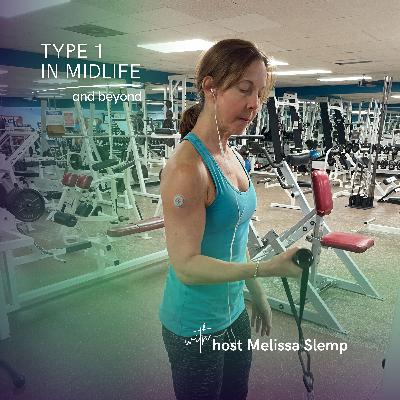
Muscle Is Medicine Why Strength Training Improves Blood Sugar with Type 1 Diabetes Have you ever noticed that what worked for your body in your 30s doesn't seem to work the same way anymore? Many women with type 1 diabetes begin to notice shifts in their 40s and 50s: Blood sugars become harder to manage Energy drops Body composition changes Workouts that once worked no longer deliver the same results One of the biggest reasons is something many women overlook: muscle. In this episode, I share why building and maintaining muscle is one of the most powerful tools we have for blood sugar stability, metabolism, and aging well with type 1 diabetes. Muscle acts like a glucose reservoir, helping improve insulin sensitivity and stabilize blood sugar patterns over time. And the good news? It's never too late to start building strength. I also share some of my own experience in the gym and how shifting my focus from cardio to strength training has supported my metabolism, recovery, and glucose management. In This Episode You'll Learn • Why muscle is one of the biggest drivers of insulin sensitivity • How strength training supports blood sugar stability • Why metabolism shifts after age 40 • The role hormones play in muscle loss • Why cardio alone isn't enough in midlife • Simple ways to begin protecting muscle today Simple Muscle-Supporting Habits ✔ Strength train 2–3 times per week ✔ Focus on progressive strength over time ✔ Prioritize adequate protein intake ✔ Allow active recovery days ✔ Keep daily movement like walking in your routine Small, consistent steps build strength over time. If you enjoyed this episode, please share it with a woman who's navigating this season—you never know who needs to hear it. Sneak Peek of My Upcoming Book In my upcoming book Highs, Lows & Hormones, I dedicate an entire section to: • Muscle and metabolism • Hormone shifts in midlife • Insulin sensitivity patterns • Strength and movement strategies for women with diabetes This is one of the most important topics for women navigating type 1 diabetes through perimenopause and menopause. Join the Advance Review Team Want early access to the book before it launches? Members of the Advance Review Team receive: • A free digital advance copy • Early access to resources from the book • A discounted pre-release print copy In exchange, you leave an honest review on launch week. Click here to join the advanced reader team: https://abundant-health-with-melissa.kit.com/advancedreaderteam 👉 Want deeper support? Learn more about my Type 1 in Midlife Coaching Circle, where we meet weekly and focus on one area of health each month to support hormones, blood sugar, and long-term wellbeing. https://www.abundanthealthwithmelissa.com/joingroupcoaching2026 Hit the subscribe button and rate and review to help this podcast reach more people. Be sure to share this episode. What to do now: *Join the book pre-launch list for early access, bonuses, and 2026 launch updates. Grab my free guide, HRT and Type 1 Diabetes Everything I wish I knew in perimenopause. *Follow me IG @Type1.in.midlife stay in the loop on upcoming episodes. DM me with any feedback or suggestions on topics you'd like us to cover. *Visit diabetessisters.org to join. It's free, easy to use, and a great place to find community and support. Disclaimer: Nothing you hear on this Type 1 in Midlife Podcast should be a substitute for professional medical advice. Please always consult your medical professional before changing your diet, insulin dosages or health care plan.

I'm joined by Cassandra Donahue, registered dietitian, Certified Diabetes Care and Education Specialist, and Certified Specialist in Weight and Obesity Management. Cassandra was diagnosed with type 1 diabetes at just 21 months old and went on an insulin pump at age five. Today, she works in endocrinology and obesity clinical research at UNC, supports vIOP programming with The Emily Program, and provides coverage for the SOVAH hospital system. We talk about: Cassandra's diagnosis story and how she unexpectedly found her career in diabetes care The emotional toll of living with diabetes long-term Why A1C and time-in-range don't tell the whole story Diabetes burn out and how to recognize it Stigma in both type 1 and type 2 diabetes Why mental health must be integrated into diabetes care A preview of the upcoming Diabetes and Mental Health Conference This fully virtual conference takes place May 1–2 and is designed for: People living with diabetes (type 1 and type 2) Caregivers and partners Healthcare professionals seeking continuing education The event includes keynote speakers, breakout sessions, panels on longevity, discussions on intimacy, stigma, perfectionism, burnout, and the emotional impact of diabetes data. Learn more and register for Diabetes and Mental Health Conference on May 1 and 2nd 2026 https://dmhconference.com/#2026-conference If you've ever felt overwhelmed, isolated, or silently exhausted from managing diabetes — this episode (and this conference) is for you. 🎧 Share this episode with someone who needs hope and community today. Connect with Cassandra Donahue on IG @cassiedonahue Diabetes and Mental Health Conference, Founder Allison Nimlos @thediabetictherapist Hit the subscribe button and rate and review to help this podcast reach more people. Be sure to share this episode. What to do now: *Join the book pre-launch list for early access, bonuses, and 2026 launch updates. Grab my free guide, HRT and Type 1 Diabetes Everything I wish I knew in perimenopause. *Follow me IG @Type1.in.midlife stay in the loop on upcoming episodes. DM me with any feedback or suggestions on topics you'd like us to cover. *Visit diabetessisters.org to join. It's free, easy to use, and a great place to find community and support. Disclaimer: Nothing you hear on this Type 1 in Midlife Podcast should be a substitute for professional medical advice. Please always consult your medical professional before changing your diet, insulin dosages or health care plan.

Today's episode is a special one — I'm officially announcing my upcoming book: Highs, Lows & Hormones: A Survival Guide for Women with Diabetes — From Monthly Cycles to Menopause. This book was born from years of lived experience, coaching women through midlife, and realizing there simply wasn't one comprehensive resource that connects the dots between: Monthly cycles and insulin sensitivity Perimenopause chaos and blood sugar swings Sleep, weight gain, gut health, and inflammation Hormone Replacement Therapy (HRT) and safety What labs to run and what questions to ask your doctor And I'm not doing this alone. Joining me in this project are two incredible contributors: Dr. Vanessa Soviero Board-certified OB/GYN, Menopause Certified Practitioner, Director of the Center for Menopause & Midlife Health at Northwell Health, and a woman living with type 1 diabetes herself. Site Medical Director OB/GYN of Islandia Katz Institute of Women's Health MSCP (Menopause Society Certified Practitioner) Zucker School of Medicine at Hofstra Clinical Associate Professor Dr. Soviero brings medical depth to perimenopause, menopause, hormone therapy, cardiovascular risk, and long-term health considerations for women with insulin-dependent diabetes. Kelly Schmidt Registered Dietitian, founder of T1D Functional Nutrition, strength coach, and woman living with type 1 diabetes for over 30 years. Kelly dives into: Insulin sensitivity strategies Gut health & hormone balance Thyroid optimization Inflammation markers Supplements like magnesium, creatine, vitamin D, and more What You'll Learn in This Episode Why perimenopause feels like "reverse puberty" for blood sugar Why does checking hormones once tell the full story How declining estrogen impacts insulin resistance The truth about HRT safety for women with type 1 diabetes Why tracking symptoms empowers better conversations Why menopause is not the end, it's a recalibration We also share our own personal hormone journeys — what surprised us, what we wish we knew earlier, and what we're doing now. Who This Book Is For Women newly diagnosed in midlife Women who have lived with type 1 diabetes for decades Women with LADA or insulin-dependent diabetes Any woman navigating monthly cycles, perimenopause, or menopause This book is your roadmap. Not just information — strategy. Join the Advanced Reader Team The book is expected to be released soon, and we will have an Advanced Reader Team. If you want early access, sneak peeks, and the opportunity to leave a review — stay tuned and check the links in the show notes. Click here to join the advanced reader team: https://abundant-health-with-melissa.kit.com/advancedreaderteam Connect with Kelly Schmidt Website IG @diabeticdietitian Hit the subscribe button and rate and review to help this podcast reach more people. Be sure to share this episode. Watch on YouTube What to do now: *Join the book pre-launch list for early access, bonuses, and 2026 launch updates. Grab my free guide, HRT and Type 1 Diabetes Everything I wish I knew in perimenopause. *Follow me IG @Type1.in.midlife stay in the loop on upcoming episodes. DM me with any feedback or suggestions on topics you'd like us to cover. *Visit diabetessisters.org to join. It's free, easy to use, and a great place to find community and support. Disclaimer: Nothing you hear on this Type 1 in Midlife Podcast should be a substitute for professional medical advice. Please always consult your medical professional before changing your diet, insulin dosages or health care plan.
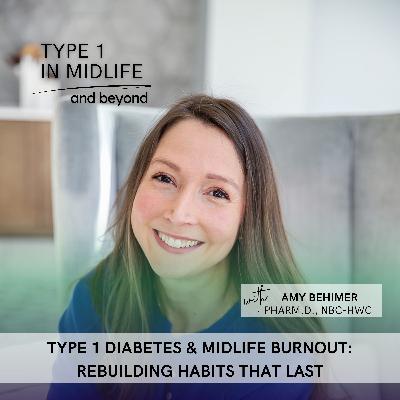
Living with type 1 diabetes means living with autoimmunity. And if you've ever wondered why did this happen? — you're not alone. In today's conversation, I'm joined by board-certified health and wellness coach, pharmacist, and host of Autoimmune Health Secrets, Amy Behimer. Amy lives with multiple autoimmune diagnoses herself, including MS and thyroid disease, and she brings both clinical insight and lived experience into this conversation. We talk about: What an autoimmune disease is (in simple terms) Why autoimmune diagnoses are increasing The difference between disease and "autoimmune health" Why willpower fails (and what the brain is wired to do instead) The 6 lifestyle spokes that influence autoimmune health How to rebuild trust with your body What to do when hormones shift and habits stop working How to stop blaming yourself when consistency feels impossible Why tiny habits create big ripple effects (including blood sugar stability) If you're managing type 1 diabetes in midlife, navigating hormone shifts, or feeling burned out on "trying again," this episode will help you shift from control to influence, from frustration to curiosity, and from disease to health. Because better is possible — even if perfect isn't. 🎧 Share this episode with someone who needs hope today. Connect with Amy: Podcast: Autoimmune Health Secrets IG @amybehimercoaching Website Free Habit Hub Quiz Hit the subscribe button and rate and review to help this podcast reach more people. Be sure to share this episode. What to do now: *Join the book pre-launch list for early access, bonuses, and 2026 launch updates. Grab my free guide, HRT and Type 1 Diabetes Everything I wish I knew in perimenopause. *Follow me IG @Type1.in.midlife stay in the loop on upcoming episodes. DM me with any feedback or suggestions on topics you'd like us to cover. *Visit diabetessisters.org to join. It's free, easy to use, and a great place to find community and support. Disclaimer: Nothing you hear on this Type 1 in Midlife Podcast should be a substitute for professional medical advice. Please always consult your medical professional before changing your diet, insulin dosages or health care plan.

If you've started progesterone and suddenly your blood sugars feel harder to manage—especially overnight, during stress, or in the luteal phase—this episode is for you. In this solo conversation, Melissa unpacks a nuance that doesn't get talked about enough: progesterone can be incredibly supportive for many women with type 1 diabetes… and for others, it can quietly increase insulin resistance. You'll learn: Why progesterone is often the first hormone to decline in perimenopause How progesterone affects sleep, cortisol, and insulin sensitivity What "progesterone intolerance" can look like in real life Why form, dose, and delivery method matter more than most women are told A powerful client story showing how switching progesterone delivery changed everything This episode is a reminder that harder blood sugars aren't a personal failure—and that symptoms are meaningful data, especially in midlife. Melissa also shares practical questions to bring to your hormone provider, how to track patterns without panic, and why advocating for individualized care is essential when you're living with type 1 diabetes. You're not doing this wrong. Your body is communicating—and you deserve care that listens. If you enjoyed this episode, please share it with a woman who's navigating this season—you never know who needs to hear it. 👉 Want deeper support? Learn more about my Type 1 in Midlife Coaching Circle, where we meet weekly and focus on one area of health each month to support hormones, blood sugar, and long-term wellbeing. https://www.abundanthealthwithmelissa.com/joingroupcoaching2026 Hit the subscribe button and rate and review to help this podcast reach more people. Be sure to share this episode. What to do now: *Join the book pre-launch list for early access, bonuses, and 2026 launch updates. Grab my free guide, HRT and Type 1 Diabetes Everything I wish I knew in perimenopause. *Follow me IG @Type1.in.midlife stay in the loop on upcoming episodes. DM me with any feedback or suggestions on topics you'd like us to cover. *Visit diabetessisters.org to join. It's free, easy to use, and a great place to find community and support. Disclaimer: Nothing you hear on this Type 1 in Midlife Podcast should be a substitute for professional medical advice. Please always consult your medical professional before changing your diet, insulin dosages or health care plan.

Living with chronic illness is exhausting enough. Add denied claims, surprise bills, $500 copays, and confusing insurance rules—and suddenly managing your health becomes a full-time financial battle. In this episode, I sat down with Sally Figueroa, a mom of four, chronic illness advocate, and founder of Health Savings Expert. Sally lives with Type 1 diabetes (diagnosed at age 12) and Rheumatoid arthritis, Raynaud's disease, chronic sinusitis, and the long-term impact of multiple surgeries She's also supported loved ones through endometriosis, Lyme disease, and amplified musculoskeletal pain syndrome (AMPS). For over two decades, she's been navigating the healthcare system—not just for herself, but for others. And what she discovered? Many of the ways to lower medical costs already exist. They just aren't widely shared. In this conversation, we talk about: Manufacturer copay programs that can reduce prescriptions to $0 Prescription discount cards like GoodRx and how to use them strategically Why insurance doesn't always mean affordable What to do when your medication is denied Organizations that advocate for patients behind the scenes The emotional weight of chronic illness + financial stress Why community storytelling can save families thousands Sally created Health Savings Expert as a hub where patients share real-life savings stories—so no one must figure this out alone. Because while we wait for policy reform or future breakthroughs, we still must manage today. 💻 Visit Sally's website: HealthSavingsExpert.com Explore the resource hub, read savings stories, and consider sharing one of your own. Saving $20 on supplies matters when you're living with a condition that never takes a day off. You can also find Sally on: Website: HealthSavingsExpert.com Instagram @Sallyfigfry YouTube @Health Savings Expert Every shared story creates a ripple effect. Join the Type 1 in Midlife Circle for weekly support, hormone clarity, gentle accountability, and a place to stop guessing about your midlife health. https://www.abundanthealthwithmelissa.com/joingroupcoaching2025 Hit the subscribe button and rate and review to help this podcast reach more people. Be sure to share this episode. What to do now: *Join the book pre-launch list for early access, bonuses, and 2026 launch updates. Grab my free guide, HRT and Type 1 Diabetes Everything I wish I knew in perimenopause. *Follow me IG @Type1.in.midlife stay in the loop on upcoming episodes. DM me with any feedback or suggestions on topics you'd like us to cover. Disclaimer: Nothing you hear on this Type 1 in Midlife Podcast should be a substitute for professional medical advice. Please always consult your medical professional before changing your diet, insulin dosages or health care plan.

Sometimes women aren't ready for hormone replacement therapy. Sometimes access is limited. And sometimes you simply want to strengthen your foundation first. In this episode, I'm sharing three supportive, non-hormonal ways to boost insulin sensitivity during perimenopause and beyond — especially when progesterone and estrogen are fluctuating and your blood sugars feel harder to predict. If your luteal phase feels stickier… If fasting glucose is creeping up… If workouts spike you more than they used to… This conversation is for you. I cover: • How Vitex (chasteberry) may support progesterone signaling and improve luteal-phase insulin resistance • Why improving HRV (heart rate variability) and activating the vagus nerve can lower stress hormones and support fasting glucose • The powerful combo of strength training followed by steady-state cardio to improve muscle glucose uptake and reduce post-workout spikes These are practical tools you can begin implementing right away — always in partnership with your healthcare provider. Remember: These strategies are not replacements for medical care. They are foundational habits that support steadier blood sugars — whether you pursue hormone therapy now, later, or not at all. You don't have to figure this out alone. Mentioned in this episode: I'm proud to spotlight Diabetes Sisters, a nonprofit offering education, peer support, and community for women living with diabetes. Visit diabetessisters.org to join—it's free and a wonderful resource. 👉 Want deeper support? Learn more about my Type 1 in Midlife Coaching Circle, where we meet weekly and focus on one area of health each month to support hormones, blood sugar, and long-term wellbeing. If you enjoyed this episode, please share it with a woman who's navigating this season—you never know who needs to hear it. Hit the subscribe button and rate and review to help this podcast reach more people. Be sure to share this episode. What to do now: *Join the book pre-launch list for early access, bonuses, and 2026 launch updates. Grab my free guide, HRT and Type 1 Diabetes Everything I wish I knew in perimenopause. *Follow me IG @Type1.in.midlife stay in the loop on upcoming episodes. DM me with any feedback or suggestions on topics you'd like us to cover. Disclaimer: Nothing you hear on this Type 1 in Midlife Podcast should be a substitute for professional medical advice. Please always consult your medical professional before changing your diet, insulin dosages or health care plan.

Are there natural or non-hormonal options for managing perimenopause and menopause symptoms—especially if you're living with type 1 diabetes? This is one of the most common questions I hear from women, and in this solo episode, I'm breaking it down with honesty and realistic expectations. We'll talk about what non-hormonal options can support, where they fall short, and why the goal isn't perfection—but steadiness. I share my own experience navigating perimenopause, plus what I've seen work (and not work) with the women I coach. In this episode, we cover: When non-hormonal options may make sense Prescription options that don't include estrogen or progesterone Why sleep, stress regulation, strength training, and nutrition matter no matter what Herbs and supplements like magnesium, omega-3s, Vitex, black cohosh, and maca—who they may help and who should be cautious Why "natural" doesn't always mean safe or predictable How your hormonal stage changes what works I also share why I believe lifestyle support is the foundation—whether you eventually choose hormone therapy, non-hormonal options, or a mix of both. As always, this episode is educational and based on lived experience. Take what you learn here back to your healthcare provider and decide what's right for your body. 🎧 Mentioned in this episode: I'm proud to spotlight Diabetes Sisters, a nonprofit offering education, peer support, and community for women living with diabetes. Visit diabetessisters.org to join—it's free and a wonderful resource. 👉 Want deeper support? Learn more about my Type 1 in Midlife Coaching Circle, where we meet weekly and focus on one area of health each month to support hormones, blood sugar, and long-term wellbeing. https://www.abundanthealthwithmelissa.com/joingroupcoaching2026 If you enjoyed this episode, please share it with a woman who's navigating this season—you never know who needs to hear it. Hit the subscribe button and rate and review to help this podcast reach more people. Be sure to share this episode. What to do now: *Join the book pre-launch list for early access, bonuses, and 2026 launch updates. Grab my free guide, HRT and Type 1 Diabetes Everything I wish I knew in perimenopause. *Follow me IG @Type1.in.midlife stay in the loop on upcoming episodes. DM me with any feedback or suggestions on topics you'd like us to cover. *Visit diabetessisters.org to join. It's free, easy to use, and a great place to find community and support. Disclaimer: Nothing you hear on this Type 1 in Midlife Podcast should be a substitute for professional medical advice. Please always consult your medical professional before changing your diet, insulin dosages or health care plan.
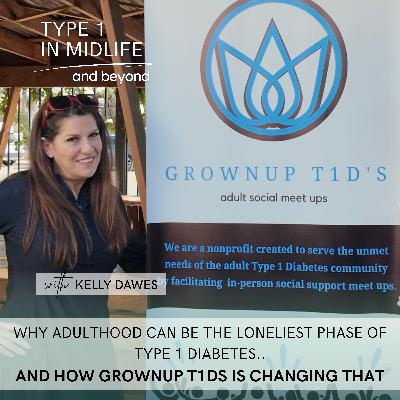
What happens when you outgrow pediatric diabetes care—but never outgrow type 1 diabetes? In this episode, I'm joined by Kelly Dawes, founder and executive director of Grownup T1Ds, the first nonprofit created specifically to support adults living and aging with type 1 diabetes, including adult-onset diagnosis. Diagnosed in 1981, Kelly brings more than four decades of lived experience alongside her certification through the Association of Diabetes Care & Education Specialists (ADCES). We talk about why adulthood can be the most isolating phase of type 1, what's missing for midlife and older adults, and how in-person, peer-to-peer connection can be life-changing. You'll hear why diabetes support shouldn't end after childhood, how Grownup T1Ds is filling a long-ignored gap, and why visibility, validation, and community matter more than ever as we age with this condition. If you've ever felt like you don't quite fit into the diabetes world anymore, this conversation is for you. 🎧 Share this episode with someone who needs hope and community today. Connect with Kelly Dawes on IG @kellyuselesspancreas @grownupt1ds Visit Grown Up T1D's https://grownupt1ds.org/ Hit the subscribe button and rate and review to help this podcast reach more people. Be sure to share this episode. What to do now: *Join the book pre-launch list for early access, bonuses, and 2026 launch updates. Grab my free guide, HRT and Type 1 Diabetes Everything I wish I knew in perimenopause. *Follow me IG @Type1.in.midlife stay in the loop on upcoming episodes. DM me with any feedback or suggestions on topics you'd like us to cover. Disclaimer: Nothing you hear on this Type 1 in Midlife Podcast should be a substitute for professional medical advice. Please always consult your medical professional before changing your diet, insulin dosages or health care plan.
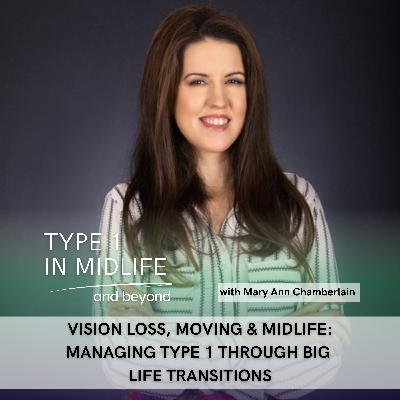
What happens when long-term type 1 diabetes collides with midlife change, vision loss, motherhood, and a major life transition? In this deeply honest and encouraging episode, I sit down with Mary Ann Chamberlain, who has lived with type 1 diabetes for over 36 years. Diagnosed at age seven, Mary Ann shares her journey through diabetic retinopathy, low vision, parenting, perimenopause, and what it really looks like to rebuild your life—without giving up on yourself. Now in her 40s, Mary Ann opens up about: Growing up with type 1 diabetes before tech, CGMs, or online support Navigating low vision while continuing to manage diabetes daily Becoming a mom while learning to ask for help (and receive it) Moving to a brand-new city and rebuilding community with confidence Midlife hormone changes, insulin resistance, and advocating for care Why thriving with T1D doesn't mean perfect numbers—it means grace This conversation is full of wisdom, humor, and the kind of reassurance only lived experience can offer. If you're navigating change, burnout, complications, or midlife shifts with type 1 diabetes—this episode will remind you that you are not broken, and you are not alone. 🎧 Share this episode with someone who needs hope today. Join the Type 1 in Midlife Circle for weekly support, hormone clarity, gentle accountability, and a place to stop guessing about your midlife health. https://www.abundanthealthwithmelissa.com/joingroupcoaching2025 Connect with Mary Ann Chamberlain: IG @owningt1dwithma Hit the subscribe button and rate and review to help this podcast reach more people. Be sure to share this episode. What to do now: *Join the book pre-launch list for early access, bonuses, and 2026 launch updates. Grab my free guide, HRT and Type 1 Diabetes Everything I wish I knew in perimenopause. *Follow me IG @Type1.in.midlife stay in the loop on upcoming episodes. DM me with any feedback or suggestions on topics you'd like us to cover. Disclaimer: Nothing you hear on this Type 1 in Midlife Podcast should be a substitute for professional medical advice. Please always consult your medical professional before changing your diet, insulin dosages or health care plan.

What does it really look like to live fully with type 1 diabetes—through careers, marriage, athletics, sleepless nights, and decades of daily management? In this episode, I sat down with my husband, David, who has lived with type 1 diabetes for over 40 years. From his diagnosis in his early 20s to a 30-year career in fire rescue, competitive athletics, and life on the water, this conversation is a real-life reminder that a chronic condition does not get the final say. We talk about: Being diagnosed with type 1 as a young adult Managing diabetes in high-stress, high-risk careers Marriage when both partners live with type 1 Nighttime alarms, CGMs, pumps, and MDI decisions Athletics, adrenaline, cortisol, and blood sugar swings What's changed—and what hasn't—after 40+ years with diabetes Faith, mindset, and why we still believe anything is possible This is an honest, hope-filled conversation for anyone living with type 1 diabetes—or loving someone who does. Join the Type 1 in Midlife Circle for weekly support, hormone clarity, gentle accountability, and a place to stop guessing about your midlife health. https://www.abundanthealthwithmelissa.com/joingroupcoaching2025 Connect with David Slemp on IG, see his talents on the water @firstcoast_efoiling Hit the subscribe button and rate and review to help this podcast reach more people. Be sure to share this episode. What to do now: *Join the book pre-launch list for early access, bonuses, and 2026 launch updates. Grab my free guide, HRT and Type 1 Diabetes Everything I wish I knew in perimenopause. *Follow me IG @Type1.in.midlife stay in the loop on upcoming episodes. DM me with any feedback or suggestions on topics you'd like us to cover. Disclaimer: Nothing you hear on this Type 1 in Midlife Podcast should be a substitute for professional medical advice. Please always consult your medical professional before changing your diet, insulin dosages or health care plan.
If your insulin pump suddenly feels harder to manage, morning spikes, overnight drops, or blood sugars that don't follow the rules, you're not failing at diabetes. In this episode, we dive into basal insulin challenges for women using insulin pumps during perimenopause. Hormone shifts in estrogen, progesterone, and cortisol can dramatically change insulin sensitivity, even when your pump technology hasn't changed. You'll learn: Why pump settings that worked for years may suddenly feel "off" How perimenopause affects basal insulin needs hour by hour When manual mode can be more helpful than automated mode How to use temporary basals to stay ahead of hormone-driven highs and lows What to know if you're starting hormone replacement therapy (HRT) This episode is about understanding your body, using your pump as a tool—not a source of frustration—and gaining confidence to advocate for better care. 🎧 Part 2 of the basal insulin series. If you're on daily injections, listen to Episode 140. Join the Type 1 in Midlife Circle for weekly support, hormone clarity, gentle accountability, and a place to stop guessing about your midlife health. https://www.abundanthealthwithmelissa.com/joingroupcoaching2025 Hit the subscribe button and rate and review to help this podcast reach more people. Be sure to share this episode. What to do now: *Join the book pre-launch list for early access, bonuses, and 2026 launch updates. Grab my free guide, HRT and Type 1 Diabetes Everything I wish I knew in perimenopause. *Follow me IG @Type1.in.midlife stay in the loop on upcoming episodes. DM me with any feedback or suggestions on topics you'd like us to cover. Disclaimer: Nothing you hear on this Type 1 in Midlife Podcast should be a substitute for professional medical advice. Please always consult your medical professional before changing your diet, insulin dosages or health care plan.
If your basal insulin suddenly feels wrong, morning highs, overnight lows, or afternoons that make no sense, you're not imagining it, and you're not failing at diabetes. In this solo episode of the Type 1 in Midlife, I'm breaking down why basal insulin becomes a moving target during perimenopause, especially for women on multiple daily injections (MDI). We'll talk about how fluctuating estrogen, progesterone, and cortisol change insulin sensitivity hour by hour—and what you can do about it. I share real client examples, explain why basal timing matters more than ever, and walk through options like split dosing, midday basal, and choosing the right long-acting insulin for this stage of life. You'll also hear how hormone replacement therapy (HRT) can influence insulin needs, why "low and slow" matters, and how tracking patterns, not single days—can help you feel steadier again. 🎧 This is Part 1 of a two-part series. Part 2 in Episode 141 focuses on basal settings for pump users. Join the Type 1 in Midlife Circle for weekly support, hormone clarity, gentle accountability, and a place to stop guessing about your midlife health. https://www.abundanthealthwithmelissa.com/joingroupcoaching2026 Hit the subscribe button and rate and review to help this podcast reach more people. Be sure to share this episode. What to do now: *Join the book pre-launch list for early access, bonuses, and 2026 launch updates. Grab my free guide, HRT and Type 1 Diabetes Everything I wish I knew in perimenopause. *Follow me IG @Type1.in.midlife stay in the loop on upcoming episodes. DM me with any feedback or suggestions on topics you'd like us to cover. Disclaimer: Nothing you hear on this Type 1 in Midlife Podcast should be a substitute for professional medical advice. Please always consult your medical professional before changing your diet, insulin dosages or health care plan.

In this episode, I'm pressing pause and taking a deep breath. As we step into a new year, I'm reflecting on what 2025 revealed—about hormones, insulin needs, burnout, faith, and what women ith diabetes truly need more of. This year was full of honest conversations about perimenopause, menopause, sleep, cortisol, insulin resistance, and learning to trust your body again. I'm also sharing what's ahead for 2026: shorter, clearer episodes… more practical "what do I do now?" guidance… and the book I wish I had decades ago. Inside this episode, we cover: Why blood sugars can suddenly feel unpredictable in midlife How hormones quietly change insulin needs What women told me they need more of (and less of) Why validation must come before education The role faith has played in staying grounded through it all What's changing on the podcast in 2026 A sneak peek at my upcoming book Highs, Lows & Hormones If you've ever thought, "Why did no one tell me this sooner?" — this episode is for you. You're not behind. You're not failing. And you don't need to do more — you need better timing, better information, and support that understands both hormones and diabetes. ✨ Thank you for being part of this community. We're just getting started. Join the Type 1 in Midlife Circle for weekly support, hormone clarity, gentle accountability, and a place to stop guessing about your midlife health. 14-day free trial below. https://www.abundanthealthwithmelissa.com/joingroupcoaching2025 Hit the subscribe button and rate and review to help this podcast reach more people. Be sure to share this episode. What to do now: *Join the book pre-launch list for early access, bonuses, and 2026 launch updates. Grab my free guide, HRT and Type 1 Diabetes Everything I wish I knew in perimenopause. *Follow me IG @Type1.in.midlife stay in the loop on upcoming episodes. DM me with any feedback or suggestions on topics you'd like us to cover. Disclaimer: Nothing you hear on this Type 1 in Midlife Podcast should be a substitute for professional medical advice. Please always consult your medical professional before changing your diet, insulin dosages or health care plan.
In this powerful episode, Melissa sits down with Aisha Coons, medical copywriter, researcher, and creator behind Heed Her Health and Her Homeostasis. Diagnosed with both Type 1 diabetes and hypothyroidism at age four, Aisha shares her lifelong journey of learning to balance multiple autoimmune conditions while navigating the hormonal shifts of womanhood. Together, Melissa and Aisha explore: How early diagnosis shaped Aisha's independence and mindset The connection between thyroid function, insulin needs, and menstrual cycle patterns Why some diabetes technologies can help or hinder weight and glucose balance The challenges in current research on women's cycles and glucose variability How women with Type 1 can advocate for better care, better research, and better understanding Aisha also offers a behind-the-scenes look at her work in medical writing and her mission to bring more female-focused conversation into diabetes care. Follow Aisha Coons IG @aisha9356 My website: heedherhealth.com My YouTube channel: Her Homeostasis Hit the subscribe button and rate and review to help this podcast reach more people. Be sure to share this episode. What to do now: *Join the book pre-launch list for early access, bonuses, and 2026 launch updates. Grab my free guide, HRT and Type 1 Diabetes Everything I wish I knew in perimenopause. *Follow me IG @Type1.in.midlife stay in the loop on upcoming episodes. DM me with any feedback or suggestions on topics you'd like us to cover. Disclaimer: Nothing you hear on this Type 1 in Midlife Podcast should be a substitute for professional medical advice. Please always consult your medical professional before changing your diet, insulin dosages or health care plan.
This week, Melissa gets real about the three lessons that shaped her health, her training, and her mindset in 2025 — and how you can carry these into 2026 with less pressure and more clarity. If you've been feeling stretched thin, sprinting through December, pushing your workouts harder than your body seems to tolerate… this one is going to speak right to you. Inside, she walks through: Why she shifted from HIIT to strength + restorative work How cortisol and midlife physiology change the rules Why doing less actually improve her blood sugar, sleep, mood, and strength How to build a simple, realistic rhythm for movement in midlife The small shifts that will matter more in 2026 than any big resolution You'll also hear reflections on faith, gratitude, and how Jesus has grounded her through the whirlwind of the holidays — and the encouragement to pause and set intentions that support your whole self: mind, body, and spirit. Plus: a reminder that tools like weighted vests are optional (Melissa still hasn't bought one!) and why your recovery matters more than your hustle. Join the Type 1 in Midlife Circle for weekly support, hormone clarity, gentle accountability, and a place to stop guessing about your midlife health. 14-day free trial below. https://www.abundanthealthwithmelissa.com/joingroupcoaching2025
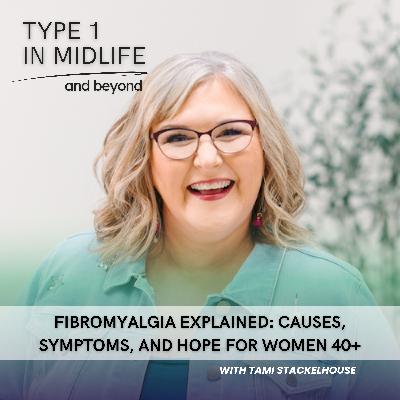
https://tamistackelhouse.com/fibromyalgia-podcast/ If you've ever wondered why your fatigue, pain, or brain fog feels bigger than it should — this episode is for you. Melissa sits down with Tami Stackelhouse, award-winning author, founder of the International Fibromyalgia Coaching Institute, host of the Fibromyalgia Podcast®, and executive producer of the feature documentary INVISIBLE. Tami shares her journey from diagnosis to remission and the holistic framework she teaches women to reclaim their lives from chronic pain. Together, they unpack: What fibromyalgia really is (and why it's so often misunderstood). Why it overlaps with autoimmune and hormonal conditions like Type 1 diabetes and perimenopause. The role of hormones, thyroid, and adrenal health in managing pain and fatigue. The "Book of You" method — Tami's personal system for tracking symptoms and breakthroughs. How listening to your body with compassion (instead of judgment) can change your healing journey. You'll walk away to understand why tracking your symptoms matters, how small daily choices add up to big changes, and why self-compassion might be your most powerful medicine. Follow Tami Stackelhouse IG - @fibrocoach Website: https://tamistackelhouse.com/ Podcast: Fibromyalgia Podcast Hit the subscribe button and rate and review to help this podcast reach more people. Be sure to share this episode. What to do now: *Join the book pre-launch list for early access, bonuses, and 2026 launch updates. Grab my free guide, HRT and Type 1 Diabetes Everything I wish I knew in perimenopause. *Follow me IG @Type1.in.midlife stay in the loop on upcoming episodes. DM me with any feedback or suggestions on topics you'd like us to cover. Disclaimer: Nothing you hear on this Type 1 in Midlife Podcast should be a substitute for professional medical advice. Please always consult your medical professional before changing your diet, insulin dosages or health care plan.

If you're questioning whether you're asking too much or too little from your doctor, you're not alone. Get the support and clarity you deserve inside the Type 1 In Midlife Community Join us in the circle for a 14-day free trial https://www.abundanthealthwithmelissa.com/joingroupcoaching2025 In this solo episode, I'm taking you inside my most recent endocrinology appointment—the good, the frustrating, and the moments that reminded me why self-advocacy matters so much for women with type 1 diabetes in midlife. I share how my A1C dropped after switching to manual mode on the Omnipod 5, why I pushed for a full thyroid panel, the weight gain that didn't make sense, and the classic "you're in menopause… it's normal" remark that lit a fire in me to dig deeper. I talk through how I track symptoms before appointments, what labs I insist on, what truly drives inflammation in this season of life, and how to collaborate with your doctor even when they don't always understand your hormonal reality. This one is honest, empowering, and filled with the reminders we all need: we know our bodies, our data matters, and our care should reflect the full picture—not just numbers on a screen. Don't brush off what's changing. Pay attention, act, and surround yourself with women who understand both diabetes and midlife hormones. Hit the subscribe button and rate and review to help this podcast reach more people. Be sure to share this episode. What to do now: *Join the book pre-launch list for early access, bonuses, and 2026 launch updates. Grab my free guide, HRT and Type 1 Diabetes Everything I wish I knew in perimenopause. *Follow me IG @Type1.in.midlife stay in the loop on upcoming episodes. DM me with any feedback or suggestions on topics you'd like us to cover. Disclaimer: Nothing you hear on this Type 1 in Midlife Podcast should be a substitute for professional medical advice. Please always consult your medical professional before changing your diet, insulin dosages or health care plan.

Have you ever wondered how your dental health connects to your hormones, your immune system, or even your blood sugar? My guest today, Dr. Toni Engram, is here to pull back the curtain on the powerful — and often overlooked — mouth-body connection. Dr. Engram is a biological dentist, integrative health coach, and owner of Flourish Dental Boutique in Richardson, TX. After walking through her own journey with autoimmune disease, she realized traditional dentistry often misses the deeper story of what's happening in the body. In this conversation, we dive into: How oral inflammation and toxins can impact hormones, gut health, and blood sugar. What it means to choose a biological dentist — and what "SMART Certified" and "IAOMT-accredited" really mean. Safer options for amalgam removal, root canals, and cavity prevention. How breathing patterns, jaw tension, and sleep affect stress and glucose levels. And simple steps you can take to support your oral health naturally — especially during perimenopause and beyond. If you've ever had metal fillings, dental anxiety, or autoimmune flares you can't quite explain — this episode will connect some dots you didn't even know were there. Listen now to learn how your mouth can become a mirror for your whole-body health. Connect with Dr. Toni Engram Flourish Dental website IG @drtoniengram TikTok Twitter YouTube LinkedIn Hit the subscribe button and rate and review to help this podcast reach more people. Be sure to share this episode. What to do now: *Join the book pre-launch list for early access, bonuses, and 2026 launch updates. Grab my free guide, HRT and Type 1 Diabetes Everything I wish I knew in perimenopause. *Follow me IG @Type1.in.midlife stay in the loop on upcoming episodes. DM me with any feedback or suggestions on topics you'd like us to cover. Disclaimer: Nothing you hear on this Type 1 in Midlife Podcast should be a substitute for professional medical advice. Please always consult your medical professional before changing your diet, insulin dosages or health care plan.

Diagnosed at age 12, Kaycee Parker has lived with type 1 diabetes for over 30 years—and she's turned her experience into encouragement for others. A writer with a storyteller's heart (she jokes it's her Irish heritage), Kaycee blends her love of faith and food into a message of hope, balance, and grace. In this heartfelt episode, Kaycee joins Melissa Slemp to share: The story behind her new cookbook, Diabetic Meals Made Easy Why it's not a "low-carb only" cookbook, but a blood sugar–friendly one for everyone How to pair foods for steadier numbers—and less stress at mealtime The biblical principle that inspired her approach to food and stewardship Her new Ultimate Blood Sugar Logbook and how tracking can help you find your patterns with peace, not perfection Kaycee reminds us that food isn't something to fear—it's a daily opportunity to honor God, nourish our bodies, and enjoy life. 📖 Get Kaycee's Books: Devotions on Diabetes Diabetic Meals Made Easy Connect with Kaycee Parker: Follow Kaycee: @devotionsondiabetes on IG and Facebook · Visit her website http://devotionsondiabetes.com/ Hit the subscribe button and rate and review to help this podcast reach more people. Be sure to share this episode. What to do now: *Join the book pre-launch list for early access, bonuses, and 2026 launch updates. Grab my free guide, HRT and Type 1 Diabetes Everything I wish I knew in perimenopause. *Follow me IG @Type1.in.midlife stay in the loop on upcoming episodes. DM me with any feedback or suggestions on topics you'd like us to cover. Disclaimer: Nothing you hear on this Type 1 in Midlife Podcast should be a substitute for professional medical advice. Please always consult your medical professional before changing your diet, insulin dosages or health care plan.

Comments

Download from Google Play

Download from App Store
 United States