


 Claim Ownership
Down The Garden Path Podcast
Subscribed: 81Played: 3,856
Subscribe

© Joanne Shaw
Description
On Down the Garden Path Podcast, landscape designer Joanne Shaw discusses down-to-earth tips and advice for your plants, gardens and landscapes. She believes it is important and possible to have great gardens that are low maintenance. On Down the Garden Path, she speaks with industry experts and garden authors to educate listeners on how to seasonally manage their gardens and landscapes.
340 Episodes
Reverse

This week on the podcast, Joanne discusses soil testing with The Hobby Homestead's Amy Ellard-Gray, who grows 75% of her family's fruits and vegetables in her Guelph backyard. About Amy Amy runs The Hobby Homestead in suburban Guelph, where she cultivates over 100 varieties of native plants to support the local ecosystem. Through her YouTube channel, Instagram, website, and in-person consultations, she helps people design and troubleshoot their own food-growing spaces. Her mantra, "growing food in harmony with nature," guides everything she does, from tending soil life to welcoming wildlife into the garden. Topics discussed in this episode: "How much compost is too much?" Amy questioned the popular "just pile on compost" / no-dig approach (e.g., growing directly in municipal compost). After consulting an agronomist, she learned you can overdo compost, especially because compost often has high soluble salts that can stress plants. General rule of thumb from the agronomist: for established beds, about ½ inch (1 cm) of compost as a top-dressing per year is usually enough, but every garden is different. Why test compost and soil? Amy now plans to lab-test her own compost (about $20) for salts and nutrients before using it widely. Lab tests are often similar in price to store-bought kits and usually include a quick consult to interpret results. Soil tests are especially valuable for: New builds or new-to-you properties. High-value plants (e.g., Japanese maples, fruit trees). Chronic problem areas like failing lawns or veggie beds. Home test kits vs lab tests Simple garden-center test kits can be unreliable, especially if old or poorly stored. Nitrogen is hard to test accurately because it changes quickly in the soil; even lab reports often base nitrogen recommendations on plant symptoms, not just numbers. Labs can tailor tests to what you're growing (lawn, ornamentals, vegetables, etc.). pH: the quiet troublemaker Amy's big lesson: pH controls nutrient availability. Low pH can lock up phosphorus. High pH (common in parts of Ontario) ties up iron, manganese, and zinc. Just adding fertilizer won't help if pH is off and plants can't actually access those nutrients. Raising pH with lime is relatively straightforward; lowering pH (for blueberries/azaleas) is hard, requires repeated sulfur, and soil tends to drift back—Amy has nearly given up on blueberries because of this. Choosing soil: bulk vs bags, municipal compost Amy strongly prefers high-quality bulk triple mix from a trusted supplier (often with nutrient analysis available). She's wary of: Bagged soil/compost of unknown origin, age, and quality. Municipal compost giveaways, due to uncertain inputs (treated lawns, herbicides, diseased plants) and inconsistent processing. Leftover bulk soil gets used in pots, extra beds, or stored for future top-ups—she never feels like she has "too much soil." Building and maintaining soil in raised beds & pots Raised beds: start with good triple mix, then top up yearly with a thin layer of compost and mulch (leaves, straw, chop-and-drop). Containers: use potting mix or triple mix plus perlite for drainage; reuse soil but amend and top up rather than dumping it every year. She only uses extra fertilizer (like fish emulsion) when pushing density in containers (e.g., many beets in a small pot). Rotation, disease, and "messy" gardens Classic crop rotation is more critical at farm scale; in small backyards, many diseases are airborne, so simply shifting crops a few feet often doesn't prevent them. Rotation still matters for certain soil-borne diseases (Amy rotated tomatoes after Alternaria collar rot), but it's not the magic solution some make it out to be. Leaving more plant material, leaves, and roots in place supports soil life and natural pest-predator balance, instead of resetting everything with a "clean" fall garden. Amy's message for gardeners Shift your mindset from "feeding the plants" to "feeding the soil." Healthy, living soil is what ultimately feeds healthy, productive plants. Find The Hobby Homestead at www.thehobbyhomestead.com and on Instagram and YouTube. Resources Mentioned in the Show: Down the Garden Path: A Step-By-Step Guide to Your Ontario Garden Are you a landscape or gardening expert? We'd love to have you on the show! Click here to learn more. Find Down the Garden Path on Instagram, Facebook, and YouTube: @downthegardenpathpodcast. Down the Garden Path Podcast On Down The Garden Path, professional landscape designer Joanne Shaw discusses down-to-earth tips and advice for your plants, gardens and landscapes. As the owner of Down2Earth Landscape Design, Joanne Shaw has been designing beautiful gardens for homeowners east of Toronto for over a decade. She does her best to bring you interesting, relevant and useful topics to help you keep your garden as low-maintenance as possible. In Down the Garden Path: A Step-By-Step Guide to Your Ontario Garden, Joanne and fellow landscape designer Matthew Dressing distill their horticultural and design expertise and their combined experiences in helping others create and maintain thriving gardens into one easy-to-read monthly reference guide. Get your copy today on Amazon. Don't forget to check out Down the Garden Path on your favourite podcast app and subscribe! You can also catch the podcast on YouTube.
This week on Down the Garden Path, Joanne shares her passion for indoor gardening with practical winter houseplant care tips and a reminder that there's always something new to learn and grow. Topics discussed: 1. From Annuals to Houseplants It's time to turn your attention to houseplants as gardening shifts indoors. Don't rush out to buy new plants: friends and family often have extras or cuttings to share. 2. Winter Care Basics During shorter days and lower light levels, houseplants slow down their growth. Do not fertilize in winter; they're not actively growing. Keep watering moderately: it's better to underwater than overwater. Use a moisture meter or finger test to check the soil before watering. 3. Refresh and Repot Check plants for dryness, dust, or signs they've outgrown their pots. Wipe dusty leaves with a damp cloth to help them absorb light. Consider repotting if roots are showing through the drainage holes. Use potting soil, not garden soil, and choose soil types suited to plant varieties (succulents, orchids, etc.). Avoid decorative pots without drainage for valuable plants. 4. Easy Propagation and Gift Ideas Take cuttings from plants like pothos, philodendron, and peperomia. Start them in water using clear containers to monitor root growth. Plant swaps are a fun and inexpensive way to expand your collection. Propagated plants make meaningful, affordable holiday gifts. 5. Learning and Experimenting Joanne shares her experiences with low-maintenance plants (snake plant, ZZ plant, pothos). Recently inspired to try more demanding varieties like Alocasia. Discusses challenges like insect issues and learning about proper soil mixes. 6. The Joy and Benefits of Houseplants Houseplants add life, colour, and calm to indoor spaces during the winter. Handling soil can improve mood and mental health. Every room benefits from having at least one plant. Notes the outdated NASA air-purifying study—plants don't clean air significantly but do add humidity and beauty. Resources Mentioned in the Show: Down the Garden Path: A Step-By-Step Guide to Your Ontario Garden Have a topic you'd like me to discuss? Email your questions and comments to downthegardenpathpodcast@hotmail.com, or connect with me on my website: down2earth.ca Find Down the Garden Path on Instagram, Facebook, and YouTube: @downthegardenpathpodcast. Down the Garden Path Podcast On Down The Garden Path, professional landscape designer Joanne Shaw discusses down-to-earth tips and advice for your plants, gardens and landscapes. As the owner of Down2Earth Landscape Design, Joanne Shaw has been designing beautiful gardens for homeowners east of Toronto for over a decade. She does her best to bring you interesting, relevant and useful topics to help you keep your garden as low-maintenance as possible. In Down the Garden Path: A Step-By-Step Guide to Your Ontario Garden, Joanne and fellow landscape designer Matthew Dressing distill their horticultural and design expertise and their combined experiences in helping others create and maintain thriving gardens into one easy-to-read monthly reference guide. Get your copy today on Amazon. Don't forget to check out Down the Garden Path on your favourite podcast app and subscribe! You can now catch the podcast on YouTube.
This week, Joanne welcomes Ellen Zachos, author of 11 books on plants, including her latest, Mythic Plants: Potions and Poisons from the Gardens of the Gods. About Ellen A Harvard graduate, Ellen's first career was on Broadway (Les Miz), but the gift of a peace lily on opening night opened her eyes to the wonderful world of plants. Ellen taught at the New York Botanical Garden for many years and also served as Coordinator of the Gardening Department in Continuing Ed, before moving to Santa Fe, NM. She was named a Great American Gardener by the Epcot Flower and Garden Festival. Her 11th book, Mythic Plants: Potions & Poisons from the Gardens of the Gods, was published this year. Inspiration & Research Grew from Ellen's Greek heritage and lifelong love of mythology and plants. Greek mythology felt personally significant; she wasn't drawn to Norse or Indian myths. Extensive research across historical texts; citations couldn't fit in the print book, but are available online. Plant Stories & Mythology Connections Nepenthe (Poppy): In Homer's Odyssey, Helen of Troy prepared Nepenthe—an "anti-sorrow" drink of wine and opium poppy. Calmed grief temporarily. Linnaeus later named the tropical pitcher plant Nepenthes after this myth, believing its beauty could lift sorrow. Moly (Snowdrop): Hermes gave Odysseus "Moly" to protect him from Circe's spells. Described as a plant with black roots and white flowers—likely the snowdrop (Galanthus). Contains galantamine, which counters hallucinations—aligning with the myth's antidote effect. Modern research explores galantamine for Alzheimer's treatment. Fig: Valued food in ancient Greece, consumed fresh or dried before refrigeration existed. Special laws governed fig harvesting; penalties for theft were severe. Ancient figs required complex pollination (caprification). Some myths surrounding figs are notably "saucy." Pine Tree: Associated with violent origin myths, but also practical uses. Pine nuts were a staple food; pine resin sealed wine vessels, the origin of Retsina wine. Modern Retsina has a milder pine flavour, enjoyed especially in Greek summer settings. Aconitum (Monkshood): Misunderstood as poisonous to touch—false. Dangerous only if ingested. Blooms beautifully when few others do; it is resistant to deer and rabbits. Ellen wishes for a "Plant Mythbusters" show to debunk misinformation about plant toxicity. Daffodil (Narcissus): Linked to the myth of Narcissus falling in love with his reflection. Also central to the Persephone story, Zeus created a daffodil to lure her before Hades abducted her. Explains the origin of winter and spring cycles through Demeter's grief and renewal. Themes & Insights Plants in Greek mythology were deeply symbolic, medicinal, and magical. Many ancient uses align with modern scientific knowledge. The book groups plants thematically into short, easy-to-read chapters, ideal for bedtime or book clubs. Appeals to gardeners, historians, herbalists, and mythology enthusiasts. Ellen's Life & Work Today Now based in Santa Fe with a small, fully edible garden. Enjoys discovering new drought-tolerant plants in a vastly different climate. Former rooftop gardener in New York City; designed and maintained terrace gardens. Also teaches and speaks across the U.S.—including the upcoming Herb Society of America Conference in Texas (April). Other popular books: How to Forage for Wild Foods Without Dying, Backyard Foraging, The Wildcrafted Cocktail, The Forager's Pantry. Advocates for safe, informed foraging and appreciation of wild edibles. Mythic Plants features beautiful botanical illustrations by Lisel Ashlock. Mythic Plants makes a great gift and is available on Amazon! Find Ellen Zachos on Instagram. Other Resources Mentioned in the Show: Down the Garden Path: A Step-By-Step Guide to Your Ontario Garden Down the Garden Path Podcast On Down The Garden Path, professional landscape designer Joanne Shaw discusses down-to-earth tips and advice for your plants, gardens and landscapes. As the owner of Down2Earth Landscape Design, Joanne Shaw has been designing beautiful gardens for homeowners east of Toronto for over a decade. She does her best to bring you interesting, relevant and useful topics to help you keep your garden as low maintenance as possible. In Down the Garden Path: A Step-By-Step Guide to Your Ontario Garden, Joanne and fellow landscape designer Matthew Dressing distill their horticultural and design expertise and their combined experiences in helping others create and maintain thriving gardens into one easy-to-read monthly reference guide. Get your copy today on Amazon. Don't forget to check out Down the Garden Path on your favourite podcast app and subscribe! You can now catch the podcast on YouTube.
This week on the podcast, Joanne welcomes Brandie, the Suburban Gardenista, an avid gardener passionate about supporting pollinators with native plants. Brandie is Pollinator Stewardship Certified by Pollinator Partnership Canada and loves sharing her learnings through podcasts, workshops, and social media. You can find her online on YouTube and Instagram @thesuburbangardenista. Brandie's Gardening Journey Began gardening ~20 years ago after moving into a home with no plants Inspired by her mother's lush gardens Discovered native plants through growing Obedient Plant — her "gateway" plant Realized the importance of planting natives to support local ecosystems and pollinators Certified through Pollinator Partnership Canada (Pollinator Stewardship Certification) Shares gardening insights via YouTube, Instagram, and workshops Native vs. Non-Native Plants Native plants provide critical support for specialist pollinators (those reliant on specific species) Non-natives mainly support generalist pollinators Balance between natives, non-natives, and invasives is key Common aggressive natives: Canada Anemone, Obedient Plant, Common Milkweed Alternatives like Butterfly Milkweed and Swamp Milkweed are more contained Managing Aggressive or Invasive Species Important to research before planting Remove known invasives such as English Ivy, Vinca/Periwinkle, Lily of the Valley Learn plant behaviour (spreading, seeding, etc.) before adding to the garden Designing with Natives in Small Spaces Small gardens can host a wide variety (Brandie has 70+ species) Focus on the right plant, right place, rather than "low maintenance" alone Use design creativity: logs, natural materials, and container plants to fill early gaps Community and Education Shares excess seedlings with neighbours; encourages community planting Label plants with signs to spark curiosity and conversation Promotes pollinator education through advocacy and her YouTube channel Pollinator Partnership Canada Certification The program includes 3 components: Education: 8 in-depth classes Habitat Creation: Build pollinator-supportive space Advocacy: Share learnings through outreach (e.g., YouTube video) Highly recommended by Brandie; new cohorts start in February Includes regional eco-guides and plant-pollinator charts YouTube & Monthly Garden Tours Started in 2020 to document native garden progress Monthly updates show plants' life cycles and seasonal variations Helps gardeners identify seedlings and avoid weeding out young natives Encourages patience and learning through real-life, imperfect gardening videos Key Takeaways Start small—one native plant at a time Do research: focus on scientific names, avoid hybrids if aiming for ecological impact Natives can thrive in containers and urban spaces Real gardens are messy, evolving, and full of learning opportunities Supporting native pollinators starts with curiosity and one plant Brandie's Favourite Natives Obedient Plant (despite its unruly habits) Swamp Milkweed – fragrant and pollinator-friendly Eastern Redbud Tree – long-term vision for beauty and ecosystem support How to Support Pollinators "Start with one plant. Once you see the pollinators arrive, you'll be hooked." Gardening with natives isn't about perfection—it's about participation in the ecosystem. Native Plant Resources Mentioned Books: A Garden for the Rusty Patched Bumblebee Gardener's Guide to Native Plants of the Southern Great Lakes Region Online Resource: Rick Gray's interactive North American map of native plant sources Organizations: Pollinator Partnership Canada Have a topic you'd like me to discuss? Please let me know what other topics you would like me to discuss. Email your questions and comments to downthegardenpathpodcast@hotmail.com, or connect with me on my website: down2earth.ca Find Down the Garden Path on Instagram, Facebook, and YouTube: @downthegardenpathpodcast. Down the Garden Path Podcast On Down The Garden Path, professional landscape designer Joanne Shaw discusses down-to-earth tips and advice for your plants, gardens and landscapes. As the owner of Down2Earth Landscape Design, Joanne Shaw has been designing beautiful gardens for homeowners east of Toronto for over a decade. She does her best to bring you interesting, relevant and useful topics to help you keep your garden as low maintenance as possible. In Down the Garden Path: A Step-By-Step Guide to Your Ontario Garden, Joanne and fellow landscape designer Matthew Dressing distill their horticultural and design expertise and their combined experiences in helping others create and maintain thriving gardens into one easy-to-read monthly reference guide. Get your copy today on Amazon. Don't forget to check out Down the Garden Path on your favourite podcast app and subscribe! You can now catch the podcast on YouTube.

If your summer containers still look surprisingly lush, don't toss them out just yet. This week on the podcast, Joanne discusses how, with a little care, you can enjoy them again next year. Tune in to learn how to overwinter your annuals. Topics discussed: Many annuals are still looking great in mid-October — don't toss them yet! You can successfully overwinter several annuals to save money and enjoy them again next year. There's no single foolproof method; success depends on the type of plant, growing conditions, and care. Joanne shares three main methods: bringing the whole plant indoors, taking cuttings, and storing tubers. Method 1: Bring the Whole Plant Indoors (Treat as a Houseplant) Works well for mixed containers where some plants still look healthy. Steps: Scoop out healthy plants, repot in fresh soil. Use a tray or boot tray with gravel to create humidity. Lightly water (avoid soggy soil). Treat with Safer's insecticidal soap, diatomaceous earth, or Bios Nutrients herbal plant soap to remove insects. Keep in a cool location with indirect light (e.g., basement or bright garage that doesn't freeze). Reduce watering through winter; keep soil barely moist. Trim plants back slightly. Begin fertilizing lightly again as days lengthen (Feb–March). Examples: Coleus Geraniums (Pelargoniums) Million Bells (Calibrachoa) — heavy feeders; need more light Method 2: Take Cuttings Ideal for plants like Coleus, Cigar Plant (Cuphea ignea), Geraniums, and others with soft stems. Process: Take small cuttings (3–4 inches). Remove lower leaves. Root in water until roots form. Pot rooted cuttings in small pots (3-inch) with fresh soil. Use Ziploc bags or plastic covers to maintain humidity if needed. Grow under indirect light or with grow lights. Benefits: Saves space compared to bringing in full plants. Allows propagation of multiple new plants. Method 3: Save Tubers (Overwinter Dormant) Best for plants like Tuberous Begonias, Canna Lilies, and Dahlias. Steps: Let the plant naturally die back (reduce watering). After foliage dries up, gently remove tubers from soil. Do not wash — just brush off soil and roots. Allow to dry completely. Store in paper bags, cardboard boxes, or vermiculite/newspaper. Keep in a cool, dark, dry location all winter. In late February/March, inspect tubers for rot or mildew. Pot them up with fresh soil and water lightly until new growth appears. General Tips & Insights This process helps extend your garden budget and reduce spring costs. Overwintering annuals is an experiment — expect variable results. Minimal maintenance: check occasionally for dryness or rot. Grow lights can improve success, especially for tropical plants. Try both full-plant and cutting methods to compare results. Share propagated plants with friends and neighbours! Think ahead when choosing annuals next spring — pick varieties worth saving. Final Thoughts Overwintering annuals is low-cost and low-risk — a great winter experiment. Use it as a way to stay connected to your garden through the cold months. Even if you missed the window this year, plan to try it next fall. The reward: saving money, learning new skills, and keeping your garden thriving year after year. Resources Mentioned in the Show: Down the Garden Path: A Step-By-Step Guide to Your Ontario Garden Have a topic you'd like me to discuss? Please let me know what other topics you would like me to discuss. Email your questions and comments to downthegardenpathpodcast@hotmail.com, or connect with me on my website: down2earth.ca Find Down the Garden Path on Instagram, Facebook, and YouTube: @downthegardenpathpodcast. Down the Garden Path Podcast On Down The Garden Path, professional landscape designer Joanne Shaw discusses down-to-earth tips and advice for your plants, gardens and landscapes. As the owner of Down2Earth Landscape Design, Joanne Shaw has been designing beautiful gardens for homeowners east of Toronto for over a decade. She does her best to bring you interesting, relevant and useful topics to help you keep your garden as low maintenance as possible. In Down the Garden Path: A Step-By-Step Guide to Your Ontario Garden, Joanne and fellow landscape designer Matthew Dressing distill their horticultural and design expertise and their combined experiences in helping others create and maintain thriving gardens into one easy-to-read monthly reference guide. Get your copy today on Amazon. Don't forget to check out Down the Garden Path on your favourite podcast app and subscribe! You can now catch the podcast on YouTube.
This week on the podcast, Joanne discusses the importance of watering your trees and evergreens throughout October and November. Topics discussed: This summer was the driest summer on record, with only 96 millimetres of rain Although 2024 had more rain, half of it came in a single storm: our rainfall patterns are inconsistent and insufficient By late July or early August, many people give up on watering their gardens and lawns due to the dry conditions Water trees, especially a the drip line rather than just the trunk, once or twice a week until the ground freezes Consider using tree bags for young trees to provide slow, consistent watering Provide winter protection for Japanese maples by staking and wrapping with burlap Pool owners, pay special attention to the trees surrounding your pool, as there is generally not a lot of space between the pool patio and the garden, and the trees take a lot of abuse While many people may not consider it their responsibility to water city trees, doing so benefits the entire community How to water trees effectively, including targeting the drip line and using tree bags for young trees Evergreens and ornamental trees need to be watered well before winter, as they may not show signs of stress until it's too late Be proactive in caring for your trees: the investment in water is worth it for the long-term health and beauty of the trees in your yard Resources Mentioned in the Show: Down the Garden Path: A Step-By-Step Guide to Your Ontario Garden Have a topic you'd like me to discuss? Please let me know what other topics you would like me to discuss. Email your questions and comments to downthegardenpathpodcast@hotmail.com, or connect with me on my website: down2earth.ca Find Down the Garden Path on Instagram, Facebook, and YouTube: @downthegardenpathpodcast. Down the Garden Path Podcast On Down The Garden Path, professional landscape designer Joanne Shaw discusses down-to-earth tips and advice for your plants, gardens and landscapes. As the owner of Down2Earth Landscape Design, Joanne Shaw has been designing beautiful gardens for homeowners east of Toronto for over a decade. She does her best to bring you interesting, relevant and useful topics to help you keep your garden as low maintenance as possible. In Down the Garden Path: A Step-By-Step Guide to Your Ontario Garden, Joanne and fellow landscape designer Matthew Dressing distill their horticultural and design expertise and their combined experiences in helping others create and maintain thriving gardens into one easy-to-read monthly reference guide. Get your copy today on Amazon. Don't forget to check out Down the Garden Path on your favourite podcast app and subscribe! You can now catch the podcast on YouTube.

In this encore presentation of October in the Garden, Joanne Shaw reviews some of the tasks you can do this month, but don't worry, it's not as labour-intensive as you think! Tasks you can do this month: Vegetable Gardens Clean up and remove the old stems of your tomato or pepper plants that have stopped producing. Sow cool-weather plants like lettuce and some spinach: they grow better in the shoulder seasons, late spring /early summer or fall. Buy plants at a garden centre or start seeds and sow them right into the garden. Top up the vegetable garden with some compost or manure to get ahead of next year. Take pictures so you know where plants are because next year you may need to put things in different places. Plant a cover crop. Containers If you want to take advantage of the nice weather at the beginning of October, take your vegetables out of their containers and pop in an aster. Annuals and Perennials Annuals: With no frost anytime soon, annuals are probably still doing okay. They may be a little bit leggy or sad-looking. Perk them up with water and fertilizer. Perennials: No need to cut them back. You can do some deadheading if things are really looking brown and not necessarily attractive. Deciduous Trees and Shrubs Trees: It is important to water deciduous trees, especially young ones, certainly ones that you just planted this year. Water them deeply every week. Evergreen shrubs: Enjoy the fall colour and shape of your shrubs. Cutting them back now is not necessary. Keep newly planted shrubs well-watered. They need some extra time to get established. Being in a drought situation as they go into dormancy in winter is never a good thing. Seeds and Bulbs It's a good time to buy and plant your garlic. Spring bulbs: find and buy bulbs – just don't plant them until the end of October, or the beginning of November! I recommend not planting tulips, but instead looking at the interesting varieties of daffodils or alliums Daffodils and alliums are poisonous to squirrels and other rodents, so they will leave them alone. Lawn Care Time to apply fall fertilizer. Pay attention to the weeds, especially crabgrass which is prolific this time of year Apply corn gluten to act as a preemergent, preventing the weed seeds from germinating. It's best to apply during spring and fall. Resources Mentioned in the Show: Down the Garden Path: A Step-By-Step Guide to Your Ontario Garden Have a topic you'd like me to discuss? Please let me know what other topics you would like me to discuss. Email your questions and comments to downthegardenpathpodcast@hotmail.com, or connect with me on my website: down2earth.ca Find Down the Garden Path on Instagram, Facebook, and YouTube: @downthegardenpathpodcast. Down the Garden Path Podcast On Down The Garden Path, professional landscape designer Joanne Shaw discusses down-to-earth tips and advice for your plants, gardens and landscapes. As the owner of Down2Earth Landscape Design, Joanne Shaw has been designing beautiful gardens for homeowners east of Toronto for over a decade. She does her best to bring you interesting, relevant and useful topics to help you keep your garden as low maintenance as possible. In Down the Garden Path: A Step-By-Step Guide to Your Ontario Garden, Joanne and fellow landscape designer Matthew Dressing distill their horticultural and design expertise and their combined experiences in helping others create and maintain thriving gardens into one easy-to-read monthly reference guide. Get your copy today on Amazon. Don't forget to check out Down the Garden Path on your favourite podcast app and subscribe! You can now catch the podcast on YouTube.
In this encore episode of Down the Garden Path, Joanne discusses how to extend the blooming season in your garden by adding asters. Topics covered in this week's episode: Gardens don't have to stop blooming in September. We can extend the season to October and November. It's very important to have because the pollinators still need something blooming. There are over 30 different species of asters. They have a huge variety of growing conditions, so there is an aster for whatever challenging growing condition you have. Here are the five asters discussed: New England Aster, Symphyotrichum nova-angliae The showiest, and likely the one you're most familiar with Native to most U.S. states and provinces It is large and very showy, with a bright, cozy blue flower with a yellow centre The leaves on the stem are densely arranged on the stem Prefer soil moist and they can grow in part shade One of the larger varieties: up to six feet tall Whitewood Aster Eurybia divaricata Delicate looking flowers Grows in dry shade which means it makes a wonderful addition to the shade garden Not super showy like most shade plants Found in Ontario in dry, deciduous forests So that's exactly what we want in our garden. If you have maple trees, pine trees, or something like that where the soil underneath is very dry and it's very shady, then this is something worth giving a try to Only gets two to three feet tall Smooth Aster Symphyotrichum laeve Similar to the New England Aster, it has leaves that are very smooth, lavender and blue Has a daisy-type flower with a yellow centre Blooms from August to October A huge pollinator for butterflies and a larval host for the pearl crescent butterfly Heart leaf Aster Symphyotrichum cordifolium Lavender to light blue It is one of the latest ones to bloom and actually goes into November An excellent pollinator for butterflies and bees at late in the season Spreads slowly by rhizomes and it lightly self-seeds Two to three feet tall, sandy to loam soil, and part shade to full shade Panicled Aster Symphyotrichum lanceolatum This one blooms with sprays of white flowers, open spreading form, so also known as floppy Best grown with other plants to kind of support it If you already have a native garden, or if you're planting a native garden with other large tall plants, then this could be an addition if you want that Prefers moist soil, but it likes full sun You can purchase seeds from Wildflower Farm and you can again, sprinkle them or plant them in your garden this fall You can also start them like you normally would do if you wanted them to grow in February/March under lights and go through that type of thing indoors and then put them out next year Resources Mentioned in the Show: Down the Garden Path: A Step-By-Step Guide to Your Ontario Garden Fall Mums and Asters Are you a landscape or gardening expert? We'd love to have you on the show! Click here to learn more. Find Down the Garden Path on Instagram, Facebook, and YouTube: @downthegardenpathpodcast. Down the Garden Path Podcast On Down The Garden Path, professional landscape designer Joanne Shaw discusses down-to-earth tips and advice for your plants, gardens and landscapes. As the owner of Down2Earth Landscape Design, Joanne Shaw has been designing beautiful gardens for homeowners east of Toronto for over a decade. She does her best to bring you interesting, relevant and useful topics to help you keep your garden as low-maintenance as possible. In Down the Garden Path: A Step-By-Step Guide to Your Ontario Garden, Joanne and fellow landscape designer Matthew Dressing distill their horticultural and design expertise and their combined experiences in helping others create and maintain thriving gardens into one easy-to-read monthly reference guide. Get your copy today on Amazon. Don't forget to check out Down the Garden Path on your favourite podcast app and subscribe! You can now catch the podcast on YouTube.

This week, Joanne welcomes Aaron Deacon from BIOS Nutrients back to the podcast to discuss the newest addition to his product line, a game-changing plant fertilizer in collaboration with Ryzome and the ZooShare Cooperative. You can learn more about Aaron and BIOS Nutrients here. Natural Fertilizer Innovation and Philosophy Aaron started BIOS Nutrients five years ago after being laid off during COVID, initially focusing on making natural fertilizers and pesticides for cannabis growing. Expanded from houseplants to gardening and commercial growing, developing a commercially registered liquid fertilizer made from food waste. Aaron explained his fermentation-based approach to creating fertilizers, which mimics natural soil decomposition processes and emphasizes the importance of microbial diversity in soil health. Healthy soil is more important than new soil, and local organic compost is crucial in building soil ecosystems that are adapted to specific local conditions. BIOS + Rysome New Plant Fertilizer BIOS Nutrients has a new partnership with Lexi, who runs Rysome, a company that repurposes construction waste into plant fertilizers. Together, they developed a new liquid fertilizer that provides immediate nutrient availability, unlike their original dry formulation. BIOS Nutrients' collaboration with the Toronto Zoo's digester facility, which processes food waste into a fertilizer byproduct The development and testing of the new liquid plant fertilizer, "BIOS +Rysome," which has shown promising results with soybean farmers. The challenges of transitioning from synthetic to natural fertilizers, and the need for education and practical solutions for farmers. The importance of soil health and the use of cover crops like clover for nutrient replenishment. Aaron's shift from focusing on indoor cannabis growing to outdoor agriculture and houseplants was driven by a passion for teaching others about sustainable soil practices. Natural Gardening Solutions with Yucca The benefits and uses of yucca extract and plant soap for gardening. Yucca extract is a natural soil rehydrator and wetting agent that can improve the effectiveness of fertilizers and pesticides by lowering surface tension. Plant soap made from deep-fried herbs in canola oil serves as an insecticidal soap and fungicide. Aaron recommended the plant soap for pest control while cautioning about its high pH and proper use. Natural Gardening Products The benefits and affordability of natural gardening products, particularly liquid fertilizers and sulphur-based products. BIOS Nutrients has plans to offer commercial-sized liquid fertilizers in various volumes and Aaron highlighted the advantages of their sulphur product, which is more environmentally friendly and effective than traditional lime sulphur solutions. Aaron shared tips on cost-effective soil building using natural and free resources. Plant-Based Packaging and Shipping Challenges Aaron explained that shipping costs and environmental concerns led them to focus on selling concentrates rather than premixed products. Sustainable packaging options, including aluminum and glass, and the challenges of recycling. Sheridan Nurseries Product Expansion Aaron discussed his journey of getting BIOS Nutrients products into Sheridan Nurseries, a major gardening retailer in Ontario. His company's products, including plant soap, yucca, liquid and dry fertilizers, are now stocked in all seven of their locations. Order from BIOS Nutrients online at www.biosnutrients.ca Find BIOS Nutrients on Instagram, Facebook, TikTok and YouTube. Listen to Aaron's previous appearance on the Down the Garden Path Podcast here. Resources Mentioned in the Show: Down the Garden Path: A Step-By-Step Guide to Your Ontario Garden Are you a landscape or gardening expert? We'd love to have you on the show! Click here to learn more. Find Down the Garden Path on Instagram, Facebook, and YouTube: @downthegardenpathpodcast. Down the Garden Path Podcast On Down The Garden Path, professional landscape designer Joanne Shaw discusses down-to-earth tips and advice for your plants, gardens and landscapes. As the owner of Down2Earth Landscape Design, Joanne Shaw has been designing beautiful gardens for homeowners east of Toronto for over a decade. She does her best to bring you interesting, relevant and useful topics to help you keep your garden as low-maintenance as possible. In Down the Garden Path: A Step-By-Step Guide to Your Ontario Garden, Joanne and fellow landscape designer Matthew Dressing distill their horticultural and design expertise and their combined experiences in helping others create and maintain thriving gardens into one easy-to-read monthly reference guide. Get your copy today on Amazon. Don't forget to check out Down the Garden Path on your favourite podcast app and subscribe! You can now catch the podcast on YouTube.
This week, Joanne Shaw discusses rain garden design with Michael Albanese, owner of AVESI Stormwater and Landscape Solutions and author of The Modern Rain Garden: Scrape, Shape and Plant. About the Book: The Modern Rain Garden: Scrape, Shape, and Plant The updated and expanded second edition for 2025 builds off the amazing success of the original release of Modern Rain Garden. As a professional rain garden builder, Michael gives an in-depth account of his experience designing, building, and managing rain gardens over the past 15 years. Readers will feel empowered to take ownership of their rain gardens so decisions can be made with confidence. The second edition also covers more topics and goes deeper into why and how the Scrape, Shape, and Plant method is one that lets nature do the work. This method has evolved by regularly assessing what's essential, effective, and improvable -- prioritizing simplicity over complexity. Rain Garden Design and Benefits Michael explained his approach to rain garden design, emphasizing the importance of shaping the landscape to create a water-absorbing vessel rather than focusing solely on plant selection. Rain gardens can solve specific problems like water pooling; they also offer environmental benefits by managing stormwater and promoting biodiversity. The potential for rain gardens to help homeowners better manage water on their properties, especially in areas with extreme weather changes. Rain gardens can serve both problem-solving and environmentally sustainable purposes, catering to different client needs and preferences. Rain Garden Construction Strategies Strategies for managing water on residential properties, focusing on the concept of active rainfall versus inactive rainfall. Michael explained his approach to rain garden construction, emphasizing the "scrape and shape" method which involves minimal soil disturbance and uses existing site materials. He described how this method avoids the resource waste and over-engineering often seen in traditional rain garden installations. The challenges of planting in different soil types and the importance of allowing plants to naturally improve soil conditions over time. Rain Garden Design and Management Joanne and Michael discussed rain garden design and water management in residential landscapes. Rain gardens rely on infiltration rather than pond liners; its important to use materials properly. The challenges with new subdivisions where shared drainage systems can cause issues if not properly managed. The misconceptions about rain gardens and native plants. Rain gardens are typically dry and do not require water-loving plants, contrary to popular belief. The importance of proper maintenance and the challenges of using native plants, including issues with invasiveness and the need for regular care. The Modern Rain Garden Michael discussed his journey of writing a book on rain gardens, sharing insights from his experience and the evolution of the second edition, which is more comprehensive with additional photos and content. Landscaping Challenges and Solutions The challenges with new residential developments in areas like Brooklyn, where clay soil and tight spaces make landscaping difficult, and Joanne shared that she recently installed irrigation at her own property to manage water flow more effectively. Landscape Contractor Oversight Challenges Joanne shared her frustration with contractors bullying clients into starting landscape projects without proper planning, leading to disappointed homeowners and suboptimal results. She emphasized the importance of design and proper execution, highlighting cases where clients regretted not having a detailed plan. Michael agreed, noting that post-planting management is crucial for a design's success, and shared a challenging case where neglect led to the failure of a rain garden installation. Both discussed the need for better contractor oversight and client education to ensure satisfaction with landscape projects. You can find AVESI Stormwater and Landscape Solutions on Instagram, Facebook and YouTube. Resources Mentioned in the Show: The Modern Rain Garden: Scrape, Shape and Plant Down the Garden Path: A Step-By-Step Guide to Your Ontario Garden Are you a landscape or gardening expert? We'd love to have you on the show! Click here to learn more. Find Down the Garden Path on Instagram, Facebook, and YouTube: @downthegardenpathpodcast. Down the Garden Path Podcast On Down The Garden Path, professional landscape designer Joanne Shaw discusses down-to-earth tips and advice for your plants, gardens and landscapes. As the owner of Down2Earth Landscape Design, Joanne Shaw has been designing beautiful gardens for homeowners east of Toronto for over a decade. She does her best to bring you interesting, relevant and useful topics to help you keep your garden as low-maintenance as possible. In Down the Garden Path: A Step-By-Step Guide to Your Ontario Garden, Joanne and fellow landscape designer Matthew Dressing distill their horticultural and design expertise and their combined experiences in helping others create and maintain thriving gardens into one easy-to-read monthly reference guide. Get your copy today on Amazon. Don't forget to check out Down the Garden Path on your favourite podcast app and subscribe! You can now catch the podcast on YouTube.
In this encore episode of Down the Garden Path, Joanne shares tips for choosing fall mums and asters. Topics covered in this week's episode: Chrysanthemums, many horticultural varieties and cultivars exist including tender florist mums (a favourite of mine because of how long they stay blooming in a vase). Or Garden mums, more commonly known as fall mums. All Chrysanthemums are native to East Asia and Northeastern Europe. They became popular in North American gardening during the early to mid-20th century. Overall, fall or autumn gardening in the U.S. became particularly prominent in the 1950s and 1960s. Their popularity grew thanks to their vibrant colours of mums—ranging from deep reds and oranges to yellows and purples—this made them a popular choice for fall displays. Their ability to bloom late into the season and withstand cooler temperatures also contributed to their popularity in autumn gardening. Fall mums grown for our gardens are fertilized and pruned heavily to maintain their dense growth while in containers. It is possible to overwinter them in the garden but without regular maintenance, they can get quite large (tall and wide over a season or two). You often hear of gardeners or articles mentioning mid-summer to cut back or pinch back the foliage on garden mums that are being grown in the garden to slow down their growth and size. If growing in the garden, they benefit from mulching to protect them from the freeze and thaw most of us experience in our Ontario gardens or gardens in zones 4-6. They can be prone to spider mites and aphids as well as powdery mildew. Mildew especially if they are allowed to get large in the garden and then crowd with other plants and especially when there is high humidity and/or overhead watering. The downside of mums: As a designer, my goal is to create gardens that are all season with something happening at all times and for there really not be a need for high-maintenance annuals. I do realize that there are times and places in the yard where one might want a pop of colour -- even me! Potted mums perform much better in cooler temperatures. Unfortunately, garden centres seem to start selling them earlier and earlier each season. They are thirsty plants when in pots, especially in the heat. If the pots aren't watered regularly they die very quickly and I think homeowners think they can revive them. Once they have dried out, they are a throwaway plant. Don't get me started on the plastic waste they generate! A better plant option for fall: asters! There are 32 different species of aster in Ontario and over 100 species in North America. There is a place for one in every garden or even a pot if you choose! While some pollinators might visit garden mums for pollen that is where the benefit ends. Asters not only supply pollen for honeybees and native bees, they also feed adult butterflies and we all want more of those in our gardens. They are host plants or over 100 species of caterpillars, nature's bird feeders. Where there are caterpillars, there will be birds! You may be lucky to find New England asters in pots at your big box store. They are transplantable and will overwinter in the garden. In addition to the New England asters, there are several other native varieties that are sold in the perennial section of your garden centres. There is a variety of aster for every garden. New England Asters Symphyotrichum novaeangliae: (purple, light purple) Full to part sun, blooms August to October, moist average soil. Swamp Aster Symphyotrichum puniceum: (purple, light purple) Full to part sun, August to October, wet garden area White Wood Eurybia divaricate: Part shade to full shade, September to October and will grow in a garden from moist to dry. Heart Leaf Aster Symphyotrichum cordifolium: (lavender to light blue) Part shade to full shade, September to October, medium to dry soil Note: It is also recommended to pinch back or cut back asters in June to prevent them from getting too big and floppy. Resources Mentioned in the Show: Down the Garden Path: A Step-By-Step Guide to Your Ontario Garden Are you a landscape or gardening expert? We'd love to have you on the show! Click here to learn more. Find Down the Garden Path on Instagram, Facebook, and YouTube: @downthegardenpathpodcast. Down the Garden Path Podcast On Down The Garden Path, professional landscape designer Joanne Shaw discusses down-to-earth tips and advice for your plants, gardens and landscapes. As the owner of Down2Earth Landscape Design, Joanne Shaw has been designing beautiful gardens for homeowners east of Toronto for over a decade. She does her best to bring you interesting, relevant and useful topics to help you keep your garden as low-maintenance as possible. In Down the Garden Path: A Step-By-Step Guide to Your Ontario Garden, Joanne and fellow landscape designer Matthew Dressing distill their horticultural and design expertise and their combined experiences in helping others create and maintain thriving gardens into one easy-to-read monthly reference guide. Get your copy today on Amazon. Don't forget to check out Down the Garden Path on your favourite podcast app and subscribe! You can now catch the podcast on YouTube.
Although September marks the end of summer and the gradual change to fall, it doesn't have to signify the end of the gardening season. In this episode, Joanne offers some practical tips and advice for making the most of your September garden. Topics covered in this week's episode: September Reset Reality check: Hot, dry summer stressed many plants. Use September's cooler nights/rain to reassess. Goal: Keep what thrived, replace what struggled with drought-tolerant options. Evaluate & Document Walk-through: List plants that thrived, survived, and failed Take photos now: Capture beds to guide spring moves and timing of blooms. New gardens: Observe 1–2 seasons before big changes. Disease: Powdery Mildew Look for: White, talc-like film on peony, lilac, ninebark, and perennials. Fix: Improve airflow, remove affected leaves, or cut peonies down. Don't: Cut everything back—September still has interest. Divide & Relocate Peonies: Divide/move now; eyes at original depth (shallow). Hostas: Move sun-stressed clumps to cooler/shadier spots; fall divisions avoid leggy spring growth. Rescue Stressed or New Plants Priority: Root establishment, not top growth. Steps: Trim crispy foliage, keep plant tags, and water consistently through September–October. Clearance Rack Buying Inspect roots, not leaves: Healthy = firm, white/tan roots with soil; avoid slimy/sour/rotting roots. Perennials: "Sleep, creep, leap," cosmetic top damage is fine if roots are good. Soil Care Add: Compost, composted mulch, or manure (not more "garden soil"). Why: Better nutrients + moisture retention for next year. Lawn Strategy (Early Fall) Dormant does not mean dead: Expect rebound with dew + cooler nights. Mow high: Especially before/through heat. Weeds: Pull crabgrass before seed set; clear curb/edge weeds to limit spread. Overseed/top-dress: Mostly an October task; focus on moisture now. Japanese Beetles Apply nematodes (late Sept): Only if you can water deeply and consistently; they're swimmers. Deterrence: Avoid their favourite plants; instead, place annual geraniums in your garden as they act as a mild repellent. Tropicals & Houseplants Temperature trigger: Start bringing in when nights drop below 16 °C. Prep: Inspect, rinse, insecticidal soap, flush soil; stage in garage if needed. Figs in pots: Can overwinter in unheated garage; prune in fall to encourage fruiting. Late-Season Colour (Pollinator-Friendly) Shade structure: Sun King aralia (chartreuse), bugbane (burgundy foliage + white spikes). Perennials: Japanese anemone, toad lily, native asters (choose over mums; better for insects). Compact shrubs: Panicle hydrangeas—'Bobo', 'Fire Light Tidbit', 'Little Lime Punch' Evergreens: Critical Watering Need: Deep, infrequent soakings going into winter (cedars, conifers). Why: Prevents winter burn; burlap/windscreens are last resort—moisture is key. Resources Mentioned in the Show: Down the Garden Path: A Step-By-Step Guide to Your Ontario Garden Are you a landscape or gardening expert? We'd love to have you on the show! Click here to learn more. Find Down the Garden Path on Instagram, Facebook, and YouTube: @downthegardenpathpodcast. Down the Garden Path Podcast On Down The Garden Path, professional landscape designer Joanne Shaw discusses down-to-earth tips and advice for your plants, gardens and landscapes. As the owner of Down2Earth Landscape Design, Joanne Shaw has been designing beautiful gardens for homeowners east of Toronto for over a decade. She does her best to bring you interesting, relevant and useful topics to help you keep your garden as low-maintenance as possible. In Down the Garden Path: A Step-By-Step Guide to Your Ontario Garden, Joanne and fellow landscape designer Matthew Dressing distill their horticultural and design expertise and their combined experiences in helping others create and maintain thriving gardens into one easy-to-read monthly reference guide. Get your copy today on Amazon. Don't forget to check out Down the Garden Path on your favourite podcast app and subscribe! You can now catch the podcast on YouTube.
Thinking about a starting a new landscape project? This week on Down the Garden Path, Joanne draws on her experience as a landscape designer to share insights on planning, selecting high-quality materials, and collaborating with professionals. Topics covered in this week's episode: 1) Go for a walk in your neighbourhood or drive to another neighbourhood and walk there to look at landscapes so that you can see what you like and don't like. Pay attention to homes that are the same style and or colour Look at the colour of the paving material used. This can help for choices in the front or backyard. For front yards, focus on features like front entrances etc. Do you see an aesthetic you like? Gardens: do you want more garden and less lawn, or the other way around? Again, do you like clean lines and minimal plantings, or do you want a colourful all-season garden? 2) Ask for referrals from neighbours, family, or friends who have completed successful landscape projects. Research landscape companies on social media and websites before contacting them. Look at the type of jobs they are building, the material they are using. 3) Call Landscape Companies: Ask about design services Don't fall for "We can do anything you want!" You don't know what you don't know Many contractors have design services, and if they don't, many independent landscape designers can help you with a plan. 4) Ask potential landscapers questions and read through proposals thoroughly. Ask about how deep they dig their base, what base materials they use, what type of edging techniques do they use. Will they repair or replace the sod? What is their preferred landscaping material? 5) Once you have chosen your landscaper, you will need to choose your material before your project starts. You can narrow down the options by reviewing different catalogues, but it is more helpful to visit material yards in person. Visit with your landscaper or designer to select appropriate materials. Choices can be overwhelming, so do not go alone. It is important to make sure that all the different materials coordinate Consider future needs like irrigation and lighting if your budget is limited. The landscaper can add during the initial project to make it easier to add lighting and irrigation later. Resources Mentioned in the Show: Down the Garden Path: A Step-By-Step Guide to Your Ontario Garden Are you a landscape or gardening expert? We'd love to have you on the show! Click here to learn more. Find Down the Garden Path on Instagram, Facebook, and YouTube: @downthegardenpathpodcast. Down the Garden Path Podcast On Down The Garden Path, professional landscape designer Joanne Shaw discusses down-to-earth tips and advice for your plants, gardens and landscapes. As the owner of Down2Earth Landscape Design, Joanne Shaw has been designing beautiful gardens for homeowners east of Toronto for over a decade. She does her best to bring you interesting, relevant and useful topics to help you keep your garden as low-maintenance as possible. In Down the Garden Path: A Step-By-Step Guide to Your Ontario Garden, Joanne and fellow landscape designer Matthew Dressing distill their horticultural and design expertise and their combined experiences in helping others create and maintain thriving gardens into one easy-to-read monthly reference guide. Get your copy today on Amazon. Don't forget to check out Down the Garden Path on your favourite podcast app and subscribe! You can now catch the podcast on YouTube.
August is a busy but rewarding month in the garden. Although heat stress and plant fatigue can be a challenge, with attentive care, tidying up, and strategic watering and fertilizing, your lawn and garden can thrive into the fall. Tune in to hear Joanne's tips and advice for keeping your lawn and garden thriving in August. Topics covered in this week's episode: Bulb Preparation Start thinking about fall bulbs (both flowering and garlic) now, especially if you want specific varieties. Vegetables and Herbs Trim tired herbs (dill, basil, chives, oregano, thyme) for rejuvenation—stagger cuts for small crops to extend harvests. Monitor vegetables—harvest tomatoes and sow a second crop of lettuces and other cool-weather crops for fall. Keep gardens tidy: remove dead leaves and debris to prevent mildew and fungal diseases, especially after frequent watering. Watering Tips Due to a lack of rain and prevalent heat in the GTA (Greater Toronto Area), consistent watering is vital. Overhead watering (oscillating sprinklers) is inefficient—Joanne recommends a circular, ground-level sprinkler for deeper, targeted watering. Test soil moisture with a wooden stick/spoon for accurate watering, especially for new plants. Fertilization and Soil Care With heavy summer watering, nutrients may be depleted—top up with compost or hen manure, especially in raised beds and containers. Annuals and hanging baskets may also need fertilizer boosts (water-soluble or pellet) and a haircut to encourage new growth. Container Gardening Refresh tired annuals in containers or hanging baskets—replace or trim as needed for continued success through fall. Consider adding or dividing perennials like hostas in containers. Pest and Disease Watch Look out for mildew, spider mites, and aphids; ladybugs can help control aphids (ensure they are native). Lawn Care Lawns may look brown but are likely dormant, not dead—no need to fertilize or mow dormant grass. Focus on watering deeply rather than frequently. Use a rain gauge or simple container to check water penetration. Pay attention to weeds, especially crabgrass—remove before seed heads spread. Trees and Hedges Water trees deeply—target the feeder root zone, not just trunk; mature trees benefit when you water your lawn. Avoid spraying tree leaves or trunks. Prefer ground-level, slow watering instead of overhead for all garden areas. Pruning Prune flowering shrubs (weigela, lilac, spirea) by cutting older/dead branches from inside the shrub for rejuvenation. For evergreens (cedar, yew), light trimming and shaping are appropriate now; major pruning is best left to professionals if needed. Shape hedges so the base is wider than the top to ensure sunlight reaches the bottom branches. Hydrangea Tips Highlight on hydrangea varieties that thrive in heat and drought (Paniculata types like Bobo, Firelight Tidbit, Little Lime Punch, and Arborescens/Annabelle types). Water hydrangeas thoroughly—wilting signals the need for water. Enjoyment and Planning Observe visiting butterflies, bees, and birds; consider water features (birdbaths, fountains) that attract pollinators and wildlife. Take photos of garden gaps for future planning, especially for plants that bloom in late summer or fall. Resources Mentioned in the Show: Down the Garden Path: A Step-By-Step Guide to Your Ontario Garden Are you a landscape or gardening expert? We'd love to have you on the show! Click here to learn more. Find Down the Garden Path on Instagram, Facebook, and YouTube: @downthegardenpathpodcast. Down the Garden Path Podcast On Down The Garden Path, professional landscape designer Joanne Shaw discusses down-to-earth tips and advice for your plants, gardens and landscapes. As the owner of Down2Earth Landscape Design, Joanne Shaw has been designing beautiful gardens for homeowners east of Toronto for over a decade. She does her best to bring you interesting, relevant and useful topics to help you keep your garden as low-maintenance as possible. In Down the Garden Path: A Step-By-Step Guide to Your Ontario Garden, Joanne and fellow landscape designer Matthew Dressing distill their horticultural and design expertise and their combined experiences in helping others create and maintain thriving gardens into one easy-to-read monthly reference guide. Get your copy today on Amazon. Don't forget to check out Down the Garden Path on your favourite podcast app and subscribe! You can now catch the podcast on YouTube.
In this encore episode of Down the Garden Path podcast, landscape designer Joanne Shaw offers mid-season advice for your lawn and garden. Topics covered in this week's episode: YES, you can still plant this summer. You do not need to wait until fall. Summer is always a good time to pick up a good sale on plants, just check that the roots are healthy. The roots are the most important thing to look at in mid-summer, especially on discounted plant material. It may not do much this year, but it will be even better next year. Tree and shrub planting is fine, but you need to be around home to water in case of drought. If you are away for a few days, that is fine. Consider using a tree watering bag for your trees or even timers for sprinklers. The important thing is to be around to keep an eye on your newly planted trees. Also, remember the sign of too much water is the same as not enough. So, check the soil deeply if your plant appears to be struggling. Mid-summer is Japanese beetle season. I want to reassure you that Japanese beetle traps work, when used according to instructions. Read the instructions! Place the trap far away from the garden and plants (including your neighbours' plants) Communicate with your close neighbours; you don't all need a trap. Follow the distance guidelines in the instructions and you will be fine. The key is to capture as many as possible before they lay their eggs in your lawn, which turn into grubs. Native Plants There's so much talk about native plants and only using them in your garden. If it is overwhelming, don't worry. There are a lot of non-native plants that pollinators love. There is no need to remove plants or shrubs to add native plants -- unless you have invasive plants, or you want to. I suggest a few mid-season native bloomers that can be added now. Many native plants are spring or fall bloomers and many can become invasive or spreaders, so keep that in mind when choosing them. Removing seed heads will help with their spread. Mid-summer is also crabgrass season. It is important to pull it out before it goes to seed. Try not to cut grass when it has gone to seed because that spreads the seed to create more weeds for next year. If you have a large lawn and or a large amount of crabgrass, consider bagging your grass for the rest of the season to try to prevent as many weeds as possible for next year. Resources mentioned during the show: Permeable Landscaping Products with David Maxwell from Romex Down the Garden Path: A Step-By-Step Guide to Your Ontario Garden Are you a landscape or gardening expert? We'd love to have you on the show! Click here to learn more. Find Down the Garden Path on Instagram, Facebook, and YouTube: @downthegardenpathpodcast. Down the Garden Path Podcast On Down The Garden Path, professional landscape designer Joanne Shaw discusses down-to-earth tips and advice for your plants, gardens and landscapes. As the owner of Down2Earth Landscape Design, Joanne Shaw has been designing beautiful gardens for homeowners east of Toronto for over a decade. She does her best to bring you interesting, relevant and useful topics to help you keep your garden as low-maintenance as possible. In Down the Garden Path: A Step-By-Step Guide to Your Ontario Garden, Joanne and fellow landscape designer Matthew Dressing distill their horticultural and design expertise and their combined experiences in helping others create and maintain thriving gardens into one easy-to-read monthly reference guide. Get your copy today on Amazon. Don't forget to check out Down the Garden Path on your favourite podcast app and subscribe! You can now catch the podcast on YouTube.
In this encore presentation of Down the Garden Path, Joanne discusses some of the issues you may be experiencing with your hydrangeas this month and what you can do about them. Topics covered in this week's episode: Hydrangeas not blooming? Knowing what variety of hydrangea you have is the first step In Joanne's experience, if you have a nice large green bush but no or few flowers then you have a Macrophylla variety They bloom on old wood that is unfortunately susceptible to late spring frost damage The buds form on the old wood in early spring, and then a late frost comes and kills the buds The plant still grows nice and lush and you don't know anything is wrong until it doesn't flower. Extra water and fertilizer provide a nice full-leaved plant, but no blooms I have tried all the techniques to try and prevent this and protect the plant, but I gave up and replaced it with a hardier variety If you are in an area where you often get a late frost after a nice warm-up, then consider swapping to another variety Hydrangeas discussed: Macrophylla Paniculata Quercifolia Serrata Arborescence Which hydrangeas grow on old or new wood Hydrangeas getting too large/floppy? Preferred pruning practices Smaller variety recommendations of each type to have a hydrangea that stays smaller: Munchkin Oakleaf Hydrangea Invincibelle Wee White Hydrangea Invincibelle Limetta Little Lime or Bobo Hydrangeas All are a great way to have more hydrangeas in a smaller space Related Episodes/Resources Mentioned in the Show: Tips To Extend The Blooming Season Of Your Endless Summer Hydrangea Hydrangeas Hydrangeas Part One Hydrangeas Part Two BLOG POST -- Hydrangeas: When They Don't Work And What You Can Do About It Are you a landscape or gardening expert? We'd love to have you on the show! Click here to learn more. Find Down the Garden Path on Instagram, Facebook, and YouTube: @downthegardenpathpodcast. Down the Garden Path Podcast On Down The Garden Path, professional landscape designer Joanne Shaw discusses down-to-earth tips and advice for your plants, gardens and landscapes. As the owner of Down2Earth Landscape Design, Joanne Shaw has been designing beautiful gardens for homeowners east of Toronto for over a decade. She does her best to bring you interesting, relevant and useful topics to help you keep your garden as low-maintenance as possible. In Down the Garden Path: A Step-By-Step Guide to Your Ontario Garden, Joanne and fellow landscape designer Matthew Dressing distill their horticultural and design expertise and their combined experiences in helping others create and maintain thriving gardens into one easy-to-read monthly reference guide. Get your copy today on Amazon. Don't forget to check out Down the Garden Path on your favourite podcast app and subscribe! You can now catch the podcast on YouTube.
In this encore presentation of Down the Garden Path, Joanne Shaw and Matthew Dressing show you how to keep your garden and landscape cool and colourful in the summer heat with tips for your July garden. Here are some of the questions and topics covered in this episode: Pros and cons of the recent hard, fast rain and things to consider with your garden and containers. Lawns The importance of watering deeply but less frequently The best type of fertilizer for your lawn situation The best time to fertilize Staying on top of weeds Perennials/Annuals in the Garden Deadhead perennials to clean up or encourage new growth It may be time to clean up your annual containers and replace individual plants if they are dead or not growing well Make sure the annual containers are not being overwatered or underwatered Time to fertilize containers as well Shrubs: Pruning spring bloomers after flowering Trees: Fertilizing shrubs and trees, the best timing depending on the weather. Best ways to deep-water trees: do not rely on rain only Matthew and Joanne's vegetable garden Are you a landscape or gardening expert? Find Down the Garden Path on Instagram, Facebook, and YouTube: @downthegardenpathpodcast. You can also email your questions and comments to downthegardenpathpodcast@hotmail.com, or connect with Joanne via her website: down2earth.ca Down the Garden Path Podcast On Down The Garden Path, professional landscape designer Joanne Shaw discusses down-to-earth tips and advice for your plants, gardens and landscapes. As the owner of Down2Earth Landscape Design, Joanne Shaw has been designing beautiful gardens for homeowners east of Toronto for over a decade. She does her best to bring you interesting, relevant and useful topics to help you keep your garden as low maintenance as possible. In Down the Garden Path: A Step-By-Step Guide to Your Ontario Garden, Joanne and fellow landscape designer Matthew Dressing distill their horticultural and design expertise and their combined experiences in helping others create and maintain thriving gardens into one easy-to-read monthly reference guide. Get your copy today on Amazon. Don't forget to check out Down the Garden Path on your favourite podcast app and subscribe! You can now catch the podcast on YouTube.
Joanne Shaw welcomes Carla Bailey back to the podcast to discuss how Women in Landscaping empowers women in the landscaping industry through networking and mentorship opportunities. About Carla Bailey An HR professional for over a decade, Carla Bailey honed her expertise working for a leading landscaping company in London, Ontario. Dedicated to creating a positive work environment and resolving employee matters, her commitment to staff growth led her to discover and implement various government initiatives to support employee development. In 2018, Carla and three other green professionals founded Women In Landscaping to introduce women to green professions and provide a community to help them thrive. Here are some of the topics covered in this episode: The need for a Durham chapter of Women in Landscaping, which is a registered nonprofit The success of chapters in other regions, like Toronto and Ottawa, emphasizes the importance of local champions reaching out to contacts Carla explained their funding model, which relies on donations from contractor and vendor companies Joanne and Carla discussed their experiences with customer service, particularly focusing on gendered treatment and communication challenges The growth and expansion of Women in Landscaping, and their transition from quarterly sessions to monthly drop-in events at local venues Women in Landscaping's success in reaching 4,500 attendees annually, and their plans to expand into new communities across Ontario and potentially Alberta and BC The upcoming Congress 2026, which will feature two events: a Landscape Ontario women's event during the day and a WiL-hosted evening reception Empowering Women in Landscaping: the importance of promoting landscaping as a career for women and the need for support networks within the industry The benefits of having a community of women in landscaping, where they can share experiences, provide support, and collaborate on projects Joanne emphasized the value of networking and learning from each other, while Carla noted the unique open-book mentality in Ontario's landscape industry, which fosters innovation and collaboration Initiatives and events organized by the National Association for Landscaping Professionals and Landscape Ontario to support women in the industry They highlighted the importance of retaining women in the workforce and shared strategies for creating a more inclusive and flexible work environment Carla emphasized the need for transparent wage structures and career advancement opportunities, while Joanne shared her personal experience of balancing work and family life The upcoming women's luncheon and networking events, including a cocktail reception followed by a tailgate party at Landscape Ontario's Congress They explored challenges faced by new entrants to the landscape design industry, particularly regarding business skills and insurance needs, and agreed that supporting young professionals through mentorship and education is crucial The importance of business acumen and market awareness for landscape designers operating in different regions, and the value of women's networks in the industry Women in Landscaping's monthly meetings, which take place on the fourth Thursday of each month at 7pm local time, with locations varying between local cafes and bars The group has chapters in London, Ancaster, Ottawa, and Toronto, with attendance ranging from 10-15 people per meeting Landscape Ontario is hosting Touch A Truck events across the province on July 19th, with the London event being co-hosted by Women in Landscaping. Learn more here. The group is seeking sponsorship to create a professional website, and Carla encouraged listeners to follow them on their social media platforms You can find Women in Landscaping on Instagram, Facebook and LinkedIn. Are you a landscape or gardening expert? We'd love to have you on the show! Click here to learn more. Find Down the Garden Path on Instagram, Facebook, and YouTube: @downthegardenpathpodcast. Down the Garden Path Podcast On Down The Garden Path, professional landscape designer Joanne Shaw discusses down-to-earth tips and advice for your plants, gardens and landscapes. As the owner of Down2Earth Landscape Design, Joanne Shaw has been designing beautiful gardens for homeowners east of Toronto for over a decade. She does her best to bring you interesting, relevant and useful topics to help you keep your garden as low-maintenance as possible. In Down the Garden Path: A Step-By-Step Guide to Your Ontario Garden, Joanne and fellow landscape designer Matthew Dressing distill their horticultural and design expertise and their combined experiences in helping others create and maintain thriving gardens into one easy-to-read monthly reference guide. Get your copy today on Amazon. Don't forget to check out Down the Garden Path on your favourite podcast app and subscribe! You can now catch the podcast on YouTube.
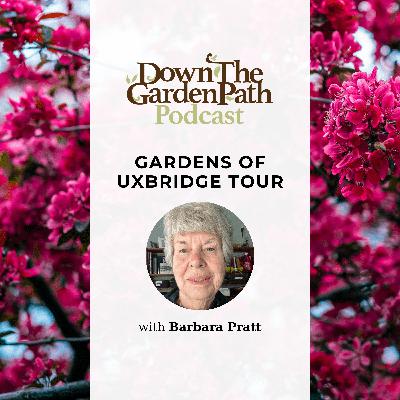
In this episode of Down the Garden Path, Joanne Shaw speaks with Barbara Pratt about the 29th annual Gardens of Uxbridge Tour, taking place this Saturday, June 21st, 2025, from 10 am to 5 pm. The Gardens of Uxbridge Tour On this self-guided driving tour around the Uxbridge countryside, participants view eight private residential gardens in both town and country settings. The gardens featured change every year and offer a variety of sizes, designs, unique plantings, and inspiration for your own garden. A charitable fundraiser, produced in partnership with The Lucy Maud Montgomery Society of Ontario, this tour benefits the local National Historic Site commemorating this Canadian author of Anne of Green Gables fame. Here are some of the topics discussed in this episode: Lucy Maud Montgomery Society Barbara Pratt is one of the founding members of the Lucy Maud Montgomery Society Montgomery lived near Uxbridge for 15 years, and her journals were published in five volumes by Oxford University Press Gardens of Uxbridge Tour The annual Gardens of Uxbridge Tour is a major fundraiser for the Lucy Maud Montgomery Society of Ontario Barbara explained how the society restored the Leaskdale Manse, where Montgomery lived as a minister's wife, using her historical photographs to guide the restoration The tour, now in its 29th year, was originally run by Community Care in Uxbridge before being taken over by the society, which continues to maintain both the house and gardens to attract international visitors interested in Montgomery's life and work The tour focuses on showcasing personal and unique garden styles, overcoming obstacles, and providing inspiration for gardeners This year's tour will take place on June 21st, featuring eight gardens (4 in town and 4 in the countryside) that can be visited in a single day Participants receive a passport with a map and descriptions of the gardens, along with a list of interesting side trips, such as Richters Herbs in Goodwood Tickets must be purchased online at gardensofuxbridge.org, with all proceeds supporting local community projects This year, due to road construction, the Lucy Maud Montgomery Society will serve refreshments at Showbrook Gardens instead of the manse, where they will offer their signature tea and scones along with displays The tour will highlight various artists, including Linda Virio for encaustic painting, Daniella Boerhof for metal sculptures, and Anja Kooistra for fabric sculptures. Barbara discussed the upcoming two-day conference in Leaskdale dedicated to Lucy Maud Montgomery, which will attract attendees from around the world, including South Africa, the United States, Europe, and Japan. Lucy Maud Montgomery Summer Events Barbara discussed the Lucy Maud Montgomery Society's summer activities, including weekly Wednesday teas at the historic Leaskdale Church Learn more at LucyMaudMontgomery.ca. Get your tickets for this weekend's Gardens of Uxbridge Tour at www.gardensofuxbridge.org. Have a topic you'd like Joanne to discuss? Email your questions and comments to downthegardenpathpodcast@hotmail.com, or connect via her website at down2earth.ca. Are you a landscape or gardening expert? We'd love to have you on the show! Click here to learn more. Find Down the Garden Path on Instagram, Facebook, and YouTube: @downthegardenpathpodcast. Down the Garden Path Podcast On Down The Garden Path, professional landscape designer Joanne Shaw discusses down-to-earth tips and advice for your plants, gardens and landscapes. As the owner of Down2Earth Landscape Design, Joanne Shaw has been designing beautiful gardens for homeowners east of Toronto for over a decade. She does her best to bring you interesting, relevant and useful topics to help you keep your garden as low-maintenance as possible. In Down the Garden Path: A Step-By-Step Guide to Your Ontario Garden, Joanne and fellow landscape designer Matthew Dressing distill their horticultural and design expertise and their combined experiences in helping others create and maintain thriving gardens into one easy-to-read monthly reference guide. Get your copy today on Amazon. Don't forget to check out Down the Garden Path on your favourite podcast app and subscribe! You can now catch the podcast on YouTube.
In this episode of Down the Garden Path, Joanne Shaw speaks with author Susan Poizner about her latest book, Fruit Tree Pruning: The Science and Art of Cultivating Healthy Fruit Trees. About Susan Poizner Susan Poizner is an award-winning author, journalist, urban orchardist, and fruit tree care educator based in Toronto, Canada. She trains arborists, master gardeners, and community and home orchardists in fruit tree maintenance through in-person workshops, online courses, and webinars. Her books include Grow Fruit Trees Fast, Growing Urban Orchards, Fruit Tree Grafting for Everyone and Fruit Tree Pruning. Here are some of the topics discussed in this episode: Fruit Tree Pruning and Care Pruning techniques for both mature and newly planted fruit trees How to approach neglected trees Susan mentions her previous book on fruit tree grafting and discusses whether homeowners should be encouraged to plant fruit trees, given the maintenance involved. Planting a fruit tree is a long-term commitment Avoid impulse purchases at garden centres Research disease-resistant varieties suitable for your climate and order from specialist fruit tree nurseries Start with younger, bare-root trees that can be shaped through pruning rather than older potted trees The importance of proper site selection, ensuring full sun and space for root growth Susan recommends annual mulching with compost to nourish the tree and advises against planting other plants directly under the tree Pruning timing: wait a year for transplanted potted trees, but prune bare-root trees immediately upon planting in spring Fruit Tree Pruning Basics The importance of pruning fruit trees from the day they are planted The first three years of formative pruning are crucial for shaping the tree's structure Two main tree shapes: central leader (Christmas tree shape) and vase-shaped (goblet) Remove healthy branches to improve air circulation, sunlight penetration, and fruit quality Thin fruit to ensure better size and flavour For mature trees, focus on improving air circulation by removing congested branches, limiting removal to 20-25% of the living canopy per year Prune after blossom time to avoid disease spread and encourage the tree to invest energy in fruiting buds rather than new growth Fruit tree pruning is a DIY activity that anyone can learn, emphasizing that even arborists often lack specific training in fruit tree care Learn proper pruning techniques before hiring professionals Use the right tools, such as Japanese handsaws and pole pruners, and maintain them properly Conduct a soil test before planting fruit trees and use compost for regular feeding, with occasional foliar sprays like diluted blackstrap molasses to boost tree health Susan recommends a dormant spray of lime sulphur and dormant oil in early spring before bud break as a preventative measure against pests and diseases Fruit Tree Education and Community Fruit trees are generous, providing food for generations with a single planting Susan shares her experience at community cherry harvesting events Pests and critters: With proper planning, there's usually enough fruit for both humans and animals Susan mentions her books on fruit tree care, including titles on pruning, fast-growing techniques, urban orchards, and grafting, which can be found on her website orchardpeople.com or on Amazon. Find Susan Poizner online at orchardpeople.com and Fruit Tree Pruning: The Science and Art of Cultivating Healthy Fruit Trees on Amazon. You can also check out her YouTube channel or listen to the Orchard People podcast. Have a topic you'd like Joanne to discuss? Email your questions and comments to downthegardenpathpodcast@hotmail.com, or connect via her website at down2earth.ca. Are you a landscape or gardening expert? We'd love to have you on the show! Click here to learn more. Find Down the Garden Path on Instagram, Facebook, and YouTube: @downthegardenpathpodcast. Down the Garden Path Podcast On Down The Garden Path, professional landscape designer Joanne Shaw discusses down-to-earth tips and advice for your plants, gardens and landscapes. As the owner of Down2Earth Landscape Design, Joanne Shaw has been designing beautiful gardens for homeowners east of Toronto for over a decade. She does her best to bring you interesting, relevant and useful topics to help you keep your garden as low-maintenance as possible. In Down the Garden Path: A Step-By-Step Guide to Your Ontario Garden, Joanne and fellow landscape designer Matthew Dressing distill their horticultural and design expertise and their combined experiences in helping others create and maintain thriving gardens into one easy-to-read monthly reference guide. Get your copy today on Amazon. Don't forget to check out Down the Garden Path on your favourite podcast app and subscribe! You can now catch the podcast on YouTube.

Comments

Download from Google Play

Download from App Store
 United States