


 Claim Ownership
Foresight Radio
Subscribed: 26Played: 447
Subscribe

© Copyright Foresight Radio
Description
Welcome to Foresight Radio, brought to you by Senior Living Foresight. Helping great operators and professionals become even better!
204 Episodes
Reverse
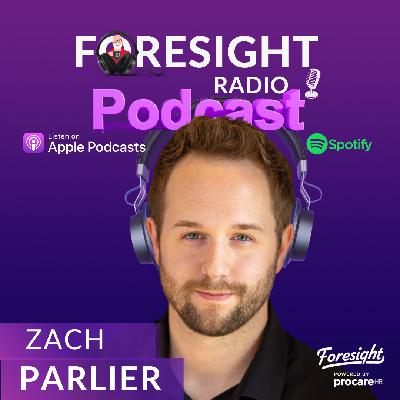
What if we stopped trying to be dementia "experts" and started being dementia enthusiasts instead? In this episode of Foresight Radio, host Rachel Hill sits down with Zach Parlier, administrator and self-described dementia enthusiast at English Rose in Edina, Minnesota. English Rose operates small, residential homes with just six residents and a 1:3 staffing ratio, built around relationship-based dementia care and genuine normalcy — not just private suites and long hallways. Zach shares how caring for his grandfather with Alzheimer's in his family's farmhouse from the age of 12 shaped his view of what home and good care really mean. He walks us through English Rose's five-dimension well-being model (purposeful, social, spiritual, cognitive, and physical) and explains why "behaviors" are not a symptom of dementia but usually a form of communication we're missing. We also explore: Why he rejects the title "dementia expert" and embraces curiosity instead How a 1:3 ratio changes everything — especially the quality of relationships Why large, beautiful suites can unintentionally fuel isolation How the famous "Nun Study" influences English Rose's approach to daily life and engagement Why dementia must be seen as a human condition as much as a medical condition Whether you're a leader, clinician, caregiver, or family member, this episode will challenge how you think about dementia, "behaviors," and what it means to protect someone's sense of self all the way to the end of life. 👉 Learn more about English Rose and their dementia navigation and home care services at Luxury Assisted Living, Memory Care, Parkinson's Homes Minneapolis
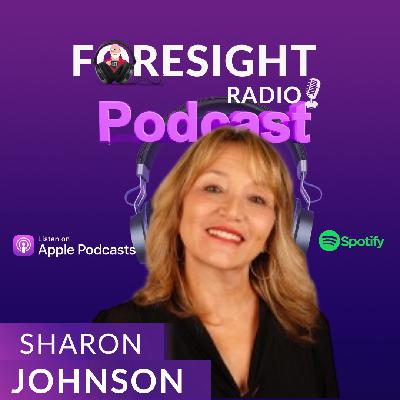
In this Tech Tuesday episode of Foresight Radio, Steve Moran sits down with Sharon, a leader from "Connect," a research-backed engagement platform that's been 25+ years in the making. What begins as a conversation about dementia technology quickly reveals something deeper: connection is the most essential ingredient in cognitive wellness — and in many ways, the very heart of caregiving. Sharon unpacked why human beings — especially those living with dementia — rely on meaningful social interaction to maintain cognitive strength, confidence, and quality of life. She shared how traditional "keep them busy" activities fall short, and how purposeful engagement built around opinions, preferences, and advice unlocks dignity, joy, and real human connection. Steve brought the topic home with personal stories about his stepfather, Gary, highlighting the emotional weight caregivers carry when familiar conversations fade, questions repeat, and meaningful engagement becomes harder to spark. Sharon explained how Connect's science-backed approach helps caregivers (family and professional) rediscover connection, reduce anxiety, create shared moments, and help individuals with dementia feel seen, valued, and capable. As we enter Thanksgiving — a season built on gratitude and togetherness — this conversation is a powerful reminder: Connection isn't just nice to have. It's cognitive medicine. It's emotional nourishment. And it's at the core of truly human care. ⭐ Top Takeaways 1. Connection = Cognitive Wellness Dementia care isn't just about safety or activity calendars — it's about belonging, purpose, and shared moments. Social connection is as essential to brain health as nutrition or sleep. 2. Stop quizzing. Start connecting. People with dementia don't want to be tested. Instead, use OPA questions: Opinions Preferences Advice These spark pride, memory, creativity, and dignity. 3. The "looping" technique builds deeper conversations. Start with an engaging question, discover a spark, and continue the theme through stories, images, or activities. Each moment becomes a bridge to the next. 4. Technology can elevate human connection — not replace it. Tools like Connect guide caregivers toward meaningful conversation, help build trust, and uncover capabilities you may not have known were still possible. 5. Purpose beats entertainment. People living with dementia don't just need to be occupied. They need roles, contribution, and identity — just like all of us. 6. AI will play a growing role in combating loneliness. While human-to-human interaction is ideal, AI's infinite patience and ability to spark conversation may become a meaningful supplement in the future. 7. Thanksgiving reminder: being seen is the ultimate gift. Whether you're a family caregiver or a senior living professional, one small moment of connection can change someone's entire day — and yours.

Live from the Senior Living Innovation Forum's Fall Conference, Steve Moran sits down with entrepreneur and former public-company CEO Ben Lytle to rethink aging through the lens of human potential. They dig into why perspective is the beginning of wisdom, how the "tension of opposites" unlocks better decisions, and how communities can become places where older adults live their best lives and leave a legacy. Ben lays out practical plays: behavior-change ecosystems (beyond apps), incentive-aligned healthcare, gamified and personalized wellness, intergenerational engagement—and even AI "alter egos" that preserve residents' stories while supporting daily well-being. If you're building tomorrow's senior living, this conversation is your blueprint. They cover: Perspective > pessimism: By most measures we're in the best time in history; wisdom starts with context and proportion. Tension of opposites: Leaders who hold and integrate conflicting viewpoints create more innovative, workable solutions. Human potential as a value proposition: Market your community as a place to live your best life and leave a legacy. Legacy tech: Offer residents AI "alter egos" to capture stories, wisdom, and family history—and even support daily wellness checks. Behavior change needs an ecosystem: App + clinical endorsement + coaching + community = real, sustained health improvements. Gamified, personalized health: Give residents clear "optimal health scores," daily actions, and peer comparisons to drive engagement. Realignment of incentives: Pay providers for improving outcomes, not volume—primary care and aging services benefit first. Democratizing senior living: Use scalable tech and redesigned services to deliver quality experiences at a lower cost and to more people.
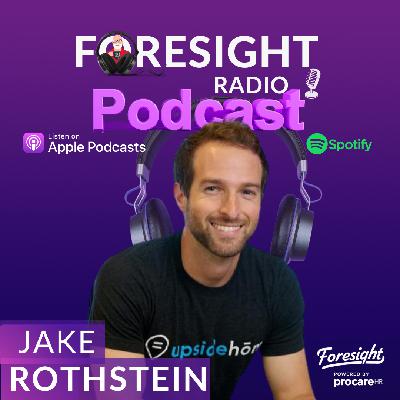
On this Foresight Radio recording of Tech Tuesday, host Steve Moran sits down with Jake Rothstein, founder of Papa and now Upside (formerly UpsideHom), to rethink what "aging in place" really means. Starting from his grandparents' journey, Jake shares how Upside became a "housing easy button" for health plans — matching vulnerable members to safe, affordable apartments and support without laying a single brick. We cover the 5 D's trigger events, why case managers are pivotal, how flex funds unlock moves (deposits, movers, utilities, furniture), and why housing stability delivers a clear ROI for insurers. Jake also gets candid about early failures (hello, Golden Girls co-living) and tells a powerful success story about Joanna, who went from an unsafe unit to long-term stability. If you're a senior living operator, hear how Upside can fill your buildings by transitioning the right residents from SNFs and the community. Plus: Steve teases a big announcement coming later this week… Top Takeaways Aging-in-the-right-place > aging-in-place: Most older adults want to stay home—until a trigger (the 5 D's: Death, Disaster, Divorce, Disability, and Downsizing) makes it unsafe or unsustainable. Housing as healthcare: Upside partners with Medicare Advantage/Medicaid plans; stable housing cuts risk and cost, creating measurable insurer ROI. The "easy button" for case managers: Health plans refer members with housing instability; Upside rapidly matches them via a national network (multifamily, single-family, rooms, Section 8). Resources many seniors miss: Upside helps unlock SNAP, benefits, and plan flex funds (deposits, movers, utilities, furniture) to make moves possible. What didn't work (and why): Early "Golden Girls" co-living in single-family homes didn't scale—apartment partnerships and tech to track real-time inventory did. Operators benefit: Upside transitions qualified members from SNFs to IL/AL/MC, helping communities increase occupancy—including private-pay options from unlocked assets. Advocacy + access wins: Beyond units, families need navigation; the right advocate turns a confusing system into sustainable stability.

AI feels like a boogeyman to many operators and marketers — but it doesn't have to be. In this episode, we talk with Charlie Hills, a marketer who studied AI at university and then used it to scale his LinkedIn presence from 2,000 to 160,000 followers in under two years—while working a full-time job. We break down actionable, senior-living-ready tactics: The Human–AI Sandwich: capture ideas with voice-to-text, turn them into a design brief, collaborate with a designer, then use AI to refine—publish fast without losing authenticity. From "How-To" to "How-I": why personal stories and lived results outperform generic tips (and stick with prospects months later). Consistency that fits real life: why ~3 posts/week can work—and how comments & DMs multiply reach. Hooks & visuals that stop the scroll: bold first lines, clear benefits, and distinctive covers/graphics. Reddit & "parasite SEO": show up where Gen Z/Millennial adult-children are already asking for advice—and influence what AI answers about your market. Whether you manage one community or a multi-site portfolio, you'll learn how to pair heart with horsepower—be human, use AI—to attract families, build trust, and grow faster. 🎧 Available on Apple Podcasts & Spotify. 👉 Follow Charlie on LinkedIn and learn about his done-for-you content agency, coaching community, and new DIY graphics tool in beta.

What if senior living operators could predict health risks before they turn into hospitalizations? What if caregivers had real-time insights—without relying on cameras, push buttons, or wearables residents don't want to use? On this episode of Foresight Radio (Tech Tuesday edition), host Steve Moran sits down with Stuart Hamilton, Founder & CEO of Amba, to explore how passive sensors and AI are creating a new standard for senior living care. Stuart shares the journey of building Amba after moving his own father into a community and realizing the technology gap. Today, Amba's platform helps operators in the U.S., Canada, and the U.K. reduce falls, detect infections earlier, and give caregivers back valuable time—while protecting resident dignity and privacy. Top Takeaways Why "no cameras, no buttons" matters: Passive sensors track health, sleep, and activity in the background. Real outcomes: Communities using Amba report 50–60% fewer nighttime falls and 30% fewer hospitalizations. Caregiver empowerment: Alerts are simple, customizable, and reduce low-value tasks—so staff can focus on meaningful interactions. AI in action: From natural language EHR summaries to voice-activated dashboards, AI is making care easier, not harder. Medicare reimbursement opportunity: Learn how communities can offset costs through physician partnerships and clinical monitoring codes. If you're a senior living operator, innovator, or tech partner, this episode will change how you think about the role of technology in aging services.
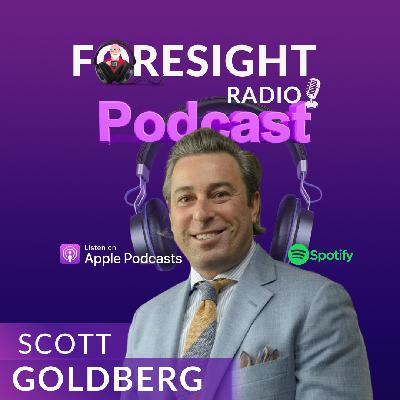
What happens when you build a senior living company fueled by friends-and-family capital instead of private equity? How do you balance long-term ownership with day-to-day operations—and still foster a thriving workplace culture? In this episode of Foresight Radio, host Steve Moran sits down with Scott Goldberg, President & Co-Founder of Atlas Senior Living, to explore how Atlas has grown differently from many senior living operators. From innovative capital strategies to pioneering voice-powered technology with Amazon Alexa, Scott shares lessons on resilience, culture, and what the future holds for senior living. 🔑 Key Takeaways: Building Atlas: Why Scott and his partner launched Atlas Senior Living with personal and family capital—and how that shaped their DNA. Owner + Operator Advantage: How combining ownership with operations creates alignment and better long-term results. Workplace Culture: Why executive directors are the "captains of the ship" and how autonomy drives retention and performance. Tech & Care: How Atlas' rollout of Amazon Alexa "Speak to" is saving clinical teams 8+ hours a week while enhancing resident experience. The Future of Senior Living: Supply, demand, and why Scott believes the best is still ahead for boomers entering the market. If you're a senior living executive, investor, or leader looking for strategies that blend heart, business, and innovation—this episode is for you.
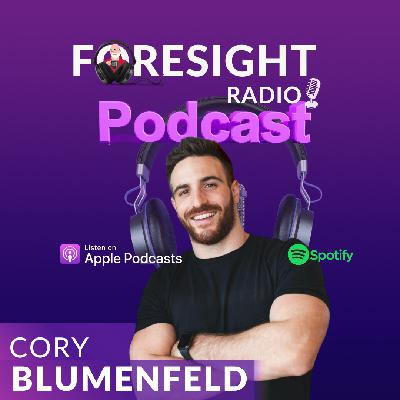
What does entrepreneurship have to do with senior living? A lot more than you might think. In this episode, Cory Blumenfeld — writer, entrepreneur, and content creator — joins Rachel to talk about emotional intelligence in leadership, building a no-blame culture, the art of active listening in sales, and why personal branding isn't a risk … it's a reflection of aligned teams. From owning your communication style to bridging generational gaps, Cory offers a masterclass in modern leadership that applies far beyond startups — and straight into the heart of senior living.
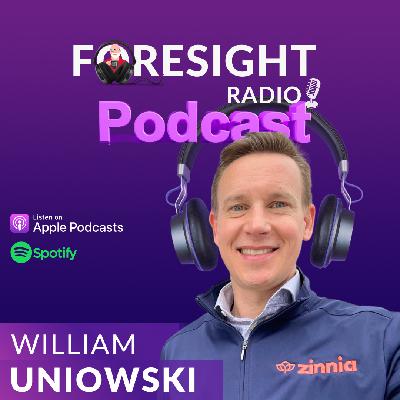
In this heartfelt episode, host Rachel Hill sits down with Bill Uniowski, co-founder and CEO of Zinnia TV, a platform changing the way we support people living with dementia through research-backed video content that sparks joy, connection, and calm. They dive into the origin story of Zinnia, born from co-founder Allison's lived experience as a caregiver — and how it grew into a transformative tool for families and senior living teams alike. From powerful stories of nonverbal residents speaking again to tech that actually works with frontline staff (not against them), this conversation explores how thoughtfully designed content can reshape what dementia care looks and feels like. 💡Whether you're a caregiver, leader, or just someone who wants to see more joy in aging, this episode will move you. 🎧 Listen in and get to know Zinnia.

In this episode of Foresight Radio, we sit down with senior living powerhouse Christy Freeze to talk about everything from breaking out of the "sea of sameness" on LinkedIn to building trust with prospects through authentic, conversational video. Christy shares the exact framework she uses to help others uncover their unique voice, how sales directors can use simple video messaging to reduce no-shows by up to 60%, and why it's time we all give video — and ourselves — a second chance. We dive into the power of personalized communication, how to thoughtfully blend AI and human connection, and what it truly means to be a person of influence in senior living. Whether you're a seasoned marketer, sales director, or just feeling stuck in your creative journey — this episode will reignite your spark. Take notes. Replay it. Then go make something real.
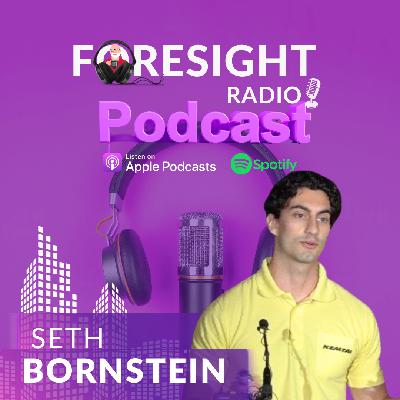
What if your physical therapist could watch, correct, and motivate you — all from your living room? In this episode, host Steve Moran sits down with Seth Bornstein, Director of Product at Kemtai — the world's first digital physical therapist. Live from the Workhuman Conference in Denver, they unpack how Kemtai's AI-driven computer vision technology is transforming physical therapy in hospitals, rehab centers, and senior living communities. From real-time feedback to adherence tracking and fall risk assessments, this conversation dives deep into how accessible, personalized care is being redefined — and why the future of wellness may already be in your residents' pockets. Whether you're a senior living operator, health innovator, or tech enthusiast, this episode will leave you thinking: How do we reimagine movement, motivation, and care?
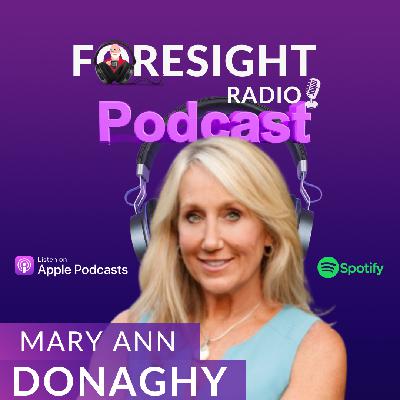
Forget what you thought you knew about retirement communities. In this episode of Foresight Radio, Steve Moran sits down with Mary Ann Donaghy — senior living veteran and now proud resident of Latitude Margaritaville — to unpack what it really means to age well on purpose. From community-built fitness groups to active volunteers and brand-powered belonging, Mary Ann shares how her journey as a marketer led her to live the data and challenge outdated assumptions about what older adults really want. This isn't about pools and pickleball (though there's plenty of that too). It's about psychographics over demographics — mindset over age — and why most senior living developers are missing the mark. 🔹 Why she moved in — and what it taught her about modern aging 🔹 What the senior living industry still doesn't get 🔹 How Margaritaville creates real, organic community 🔹 Why "fun" doesn't mean "frivolous" 🔹 And what your future customers actually want A must-listen for anyone rethinking aging, community, and the future of senior living.
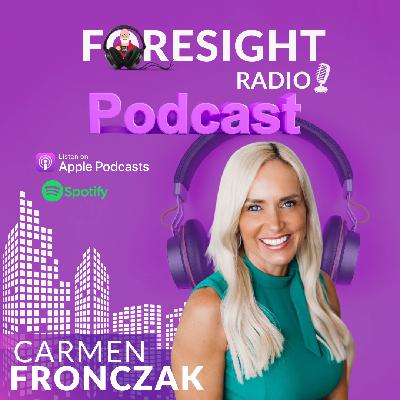
What if your waitlist wasn't just a pipeline but a powerful revenue engine? In this episode of Foresight Radio, Steve Moran sits down with Carmen Fronczak of Friendship Village Senior Services, who shares how her team transformed a common challenge — a full waitlist and aging inventory — into an innovative membership program generating over $7 million in revenue. From country-club-style perks to LifeCare at Home memberships and an exclusive social app for members, Carmen reveals how Friendship Village is redefining the senior living experience, even for those who haven't moved in (yet). If you're in senior living and looking for scalable ideas that increase engagement, occupancy, and revenue, this conversation is a must-listen.
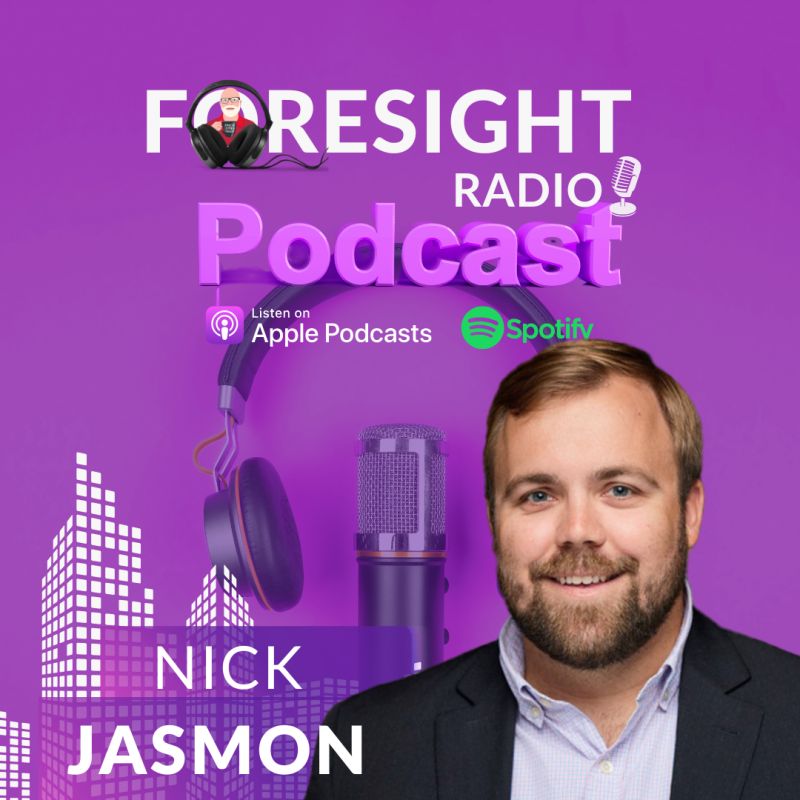
If you work in senior living sales or ops, this is your wake-up call! Join host Rachel Hill and guest Nick Jasmon, VP of Business Development for American Healthcare Management Group, as they dive into an array of topics to help level up your sales efforts! Ever spent the night in your own community? Nick Jamon did. It was part of the Sleepover Project—a bold, empathy-first initiative to truly understand the resident experience. The takeaway? The first 15 minutes after move-in can feel terrifying. And yet, we often treat them like a checkbox. Want to win trust? Want to increase move-ins? Want to build a better team culture? Then: Know your residents better than they know themselves. Ditch the stock photos. Let your team and your residents tell the real story. And maybe—just maybe—stop sending that 6th "Just following up…" email. This convo is packed with gold. One of the most real and human takes on sales and marketing in senior living we've ever heard.
What if aging innovation wasn't just about senior living — but about reshaping every part of our economy and daily life? In this episode of Tech Tuesday, Steve Moran sits down with Luke Yoquinto, researcher at the MIT AgeLab and author of Longevity Hubs, to explore the emerging "Silicon Valleys" of aging innovation. They dig into why the longevity economy matters more than ever, how media and product design are (finally) catching up to the real needs of older adults, and why creating solutions that work for older adults often creates better solutions for everyone. From garage door openers to the Apple Watch, Luke and Steve share stories of how smart, inclusive design is revolutionizing aging — and why marketers and entrepreneurs are missing a massive opportunity if they ignore the 60+ demographic. Plus: Luke shares his dream for what future senior living communities could (and should) look like. Key Topics: ✅ The rise of Longevity Hubs worldwide ✅ Why older adults are still the most overlooked market ✅ How transcendent design beats "senior-specific" products ✅ What tech companies are getting right — and wrong ✅ The power of lifelong learning in aging communities Whether you work in senior living, tech, policy, or product innovation — this episode is a must-listen.
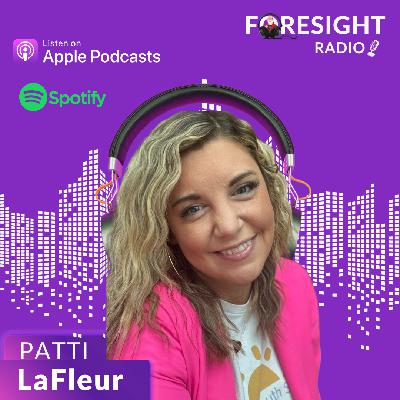
In this episode of Foresight Radio, Steve Moran welcomes Patty Lefure, a former care partner for her mother with younger-onset dementia and the programs lead at Lorenzo's House, a nonprofit dedicated to supporting families affected by younger-onset dementia. Patty shares insights into the challenges and unique needs of those diagnosed with dementia before the age of 65, as well as their families—especially children and young adults. She highlights Lorenzo's House's virtual support programs, including youth groups, caregiver spaces, and a global summit aimed at providing tools, connection, and advocacy strategies. The conversation also delves into: The importance of supporting family members navigating dementia care. The emotional toll and guilt caregivers experience. The role of technology and innovation in improving dementia care. Practical transition strategies for moving a loved one into a senior living community. The value of community and shared experiences for caregivers and those diagnosed. Patty emphasizes that dementia does not mean the end of joy or meaningful relationships—with the right support, families can continue to connect, laugh, and thrive together.
In this episode of Foresight Radio, Steve Moran sits down with Russell Rush, the managing director of R3R1 Consulting Group. Russell is an expert in senior living sales, lease-ups, and occupancy turnarounds. He shares his unique and highly effective sales approach, which focuses on storytelling and building deep personal connections with prospective residents. They cover: The Power of Storytelling in Sales A Different Approach to Senior Living Sales Socialization is the Key to Resident Well-being Building a Story Bank Storytelling Tactics That Work Russell shares incredible success stories, a 70% conversion rate strategy, and the art of using storytelling to break down fear and inspire hope.
💭 What if your senior living community was tied to your life insurance policy? In China, that's already happening. Instead of paying an entrance fee, residents gain access by purchasing a high-value insurance policy—a model that has already pre-filled entire communities before they even open! On the latest episode of Foresight Radio, Steve Moran chats with Kai Hsiao about groundbreaking insights on better models for senior living, pulling from his global experience managing thousands of communities. They discuss: 👉 Why senior living in Asia sees 400+ residents engaging in activities while U.S. communities struggle to get 10 people to bingo. 👉 How labor shortages and immigration reform impact the future of senior care. 👉 Could health insurance giants like UnitedHealthcare transform the industry by integrating care + housing under one system? 🎥 Don't miss this game-changing conversation!
In the latest Foresight Radio episode, Matthew Thompson of Restaura shares how the future of senior living dining is being redefined. 🔥 Personalized menus tailored to resident preferences 📲 Tech that empowers both staff and residents 🌱 Ethical sourcing & farm-to-table dining 👥 Employee ownership that drives engagement Senior living communities must evolve—because the next generation of residents is demanding better. 🎙️ Tune in to hear how dining can be a competitive advantage, not just a necessity.
Laurie Orlov, Founder of the Aging and Health Technology Watch, joins Steve Moran to discuss their recently released comprehensive report on how AI is being used in Senior Living. They'll be talking about her exciting findings!

Comments

Download from Google Play

Download from App Store
 United States