


 Claim Ownership
Hey Docs!
Subscribed: 3Played: 245
Subscribe

© Copyright Jill Allen
Description
Welcome to the Hey Docs! Podcast – your all-in-one resource for achieving orthodontic excellence at every stage of your practice journey.
Hosted by Jill Allen of Jill Allen & Associates, each episode offers practical tips, expert interviews, and inspiring stories that empower you to build, grow, and refine your practice—whether you’re just starting out, expanding your reach, or fine-tuning a well-established operation.
Join us as we sit down with forward-thinking entrepreneurs and industry experts who share their insights, experiences, and actionable strategies for driving success in your practice.
Tune in weekly. Episodes drop every Thursday!
222 Episodes
Reverse

"Design trends come and go." Connect With Our SponsorsSolventum - https://go.solventum.com/clarityGreyFinch - https://greyfinch.com/jillallen/A-Dec - https://www.a-dec.com/orthodonticsSmileSuite - https://getsmilesuite.com/ Summary In this episode of the Hey Docs! Podcast, Jill Allen speaks with Cory and Rebecca Gale, the husband-and-wife team behind Studio Gale, about designing orthodontic practices that balance aesthetics, workflow, patient experience, and budget. They explain how first impressions and the “five senses” (light, sound, smell, comfort, and visuals) shape patient perception, and why design should reflect the practice’s demographics and the doctor’s vision through a collaborative process. The conversation highlights common budget pitfalls, including unrealistic AI-inspired designs, and emphasizes prioritizing high-impact public areas while keeping back-of-house spaces functional. They discuss value engineering, using contractors early, designing for long-term growth, and the importance of efficient space planning. For renovations and acquisitions, they recommend phased updates like paint, flooring, lighting, and selective millwork changes while avoiding trends that are costly or hard to maintain. Connect With Our Guest StudioGale - https://www.studio-gale.com/ Takeaways Studio Gale is a husband-and-wife design team specializing in orthodontic and healthcare offices.Creating a positive first impression is crucial for patient experience.Design should be a collaboration between the design team and the client.Budgeting is essential to avoid costly mistakes in office design.Functionality must be prioritized over aesthetics in office design.Acoustics play a significant role in patient comfort and experience.Design can be a marketing expense that sets a practice apart.It's important to balance immediate needs with future growth in design. Design must consider functionality and patient experience.Space planning is crucial for efficient office flow.Small changes can make a significant impact on office appearance.Phased renovations can help manage costs effectively.Design trends should be balanced with practical functionality.Collaboration with equipment specialists is essential for optimal layouts.Creating a welcoming environment is key to patient satisfaction.Chapters 00:00 Introduction03:37 Origin Story and Teamwork05:45 Designing Patient Experience08:10 Brand Vision and Collaboration12:11 Budgets and Costly Mistakes13:08 AI Inspiration Reality Check16:02 Smart Spending and Priorities19:55 Vision Session Framework21:32 Function First Space Planning27:53 Space Plans vs Specialists32:21 Facelifts And Acquisitions41:20 StudioGale Contact Info Episode Credits: Hosted by Jill AllenProduced by Jordann KillionAudio Engineering by Garrett LuceroAre you ready to start a practice of your own? Do you need a fresh set of eyes or some advice in your existing practice?Reach out to me- www.practiceresults.com. If you like what we are doing here on Hey Docs! and want to hear more of this awesome content, give us a 5-star Rating on your preferred listening platform and subscribe to our show so you never miss an episode. New episodes drop every Thursday!

"The decision we make now does not have to be forever." Connect With Our SponsorsSolventum - https://go.solventum.com/clarityGreyFinch - https://greyfinch.com/jillallen/A-Dec - https://www.a-dec.com/orthodonticsSmileSuite - https://getsmilesuite.com/ Summary On this Just Jill episode of the Hey Docs! Podcast, Jill Allen breaks down how orthodontic practices should evaluate going in-network versus staying out-of-network with insurance. She explains the difference between credentialing and simply registering, notes that fee negotiation is often limited and that older “grandfathered” fee schedules may not transfer in acquisitions, and emphasizes that the right choice depends on location, demographics, competition, and practice vision. Jill frames PPO write-offs as a recurring marketing expense and encourages startups to treat network participation as a flexible lever rather than a permanent decision, while established practices should audit write-offs against true insurance-driven referrals to find “low-hanging fruit.” She also clarifies that out-of-network practices can still bill benefits, sometimes with payments sent to patients, and stresses the need for team training on benefits, EOBs, and plan variability. Connect With Our Guest Jill Allen & Associates - https://www.practiceresults.com/ Takeaways Being in-network can help attract patients but comes with costs.Established practices may find the costs of being in-network outweigh the benefits.The decision to go in or out of network should be based on individual practice goals.Insurance write-offs can be viewed as a marketing expense.Startups can pivot their insurance decisions as their practice evolves.Understanding local competition is crucial for insurance decisions.Insurance participation should be evaluated regularly, not just once.Out-of-network practices can still bill for patient insurance benefits.Training staff on insurance processes is essential for success.Chapters 00:00 Introduction03:00 Startup Practices Overview07:52 Pros and Cons Factors08:56 Pivoting Your Decision10:28 Write Offs as Marketing13:45 Out of Network Myths19:11 Homework and Market Research23:48 Acquisitions and Established Practices30:52 Team Training and Systems36:50 Key Takeaways and Wrap Up Episode Credits: Hosted by Jill AllenProduced by Jordann KillionAudio Engineering by Garrett LuceroAre you ready to start a practice of your own? Do you need a fresh set of eyes or some advice in your existing practice?Reach out to me- www.practiceresults.com. If you like what we are doing here on Hey Docs! and want to hear more of this awesome content, give us a 5-star Rating on your preferred listening platform and subscribe to our show so you never miss an episode. New episodes drop every Thursday!
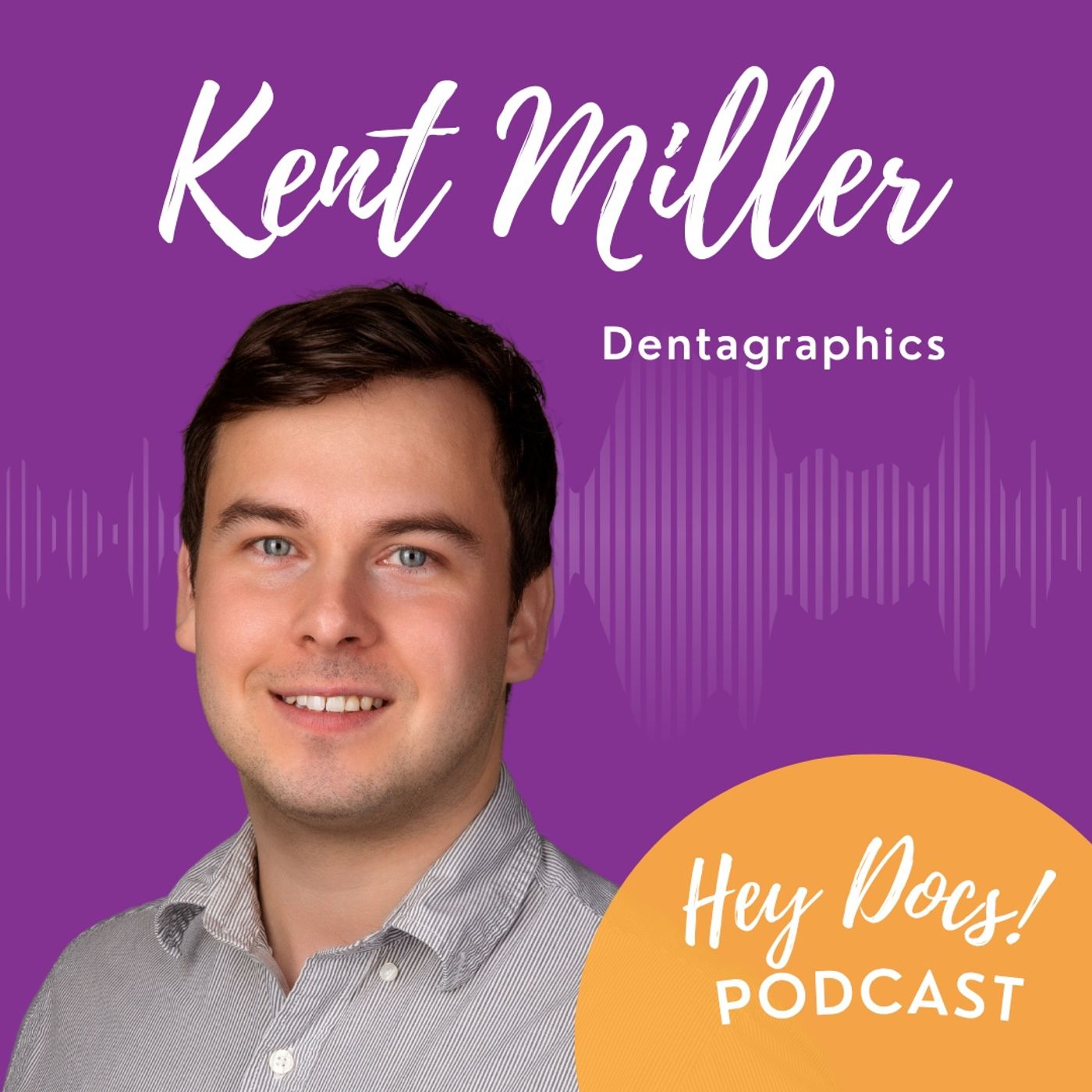
"We want to make an informed decision." Connect With Our SponsorsSolventum - https://go.solventum.com/clarityGreyFinch - https://greyfinch.com/jillallen/A-Dec - https://www.a-dec.com/orthodonticsSmileSuite - https://getsmilesuite.com/ Summary In this episode of the Hey Docs! Podcast, Jill Allen welcomes back Kent Miller, co-founder and president of Dentagraphics, to discuss how doctors should evaluate markets and locations for long-term practice success. They explain that while AI tools like ChatGPT have improved at finding demographics and counting competitors, they remain probabilistic and require a “human in the loop,” making them risky to rely on for major decisions like signing a 10-year lease. Kent outlines the priorities Dentagraphics uses: sufficient demand for care, fit with the doctor’s vision and lifestyle, competition/saturation, and then growth, noting growth is often overemphasized and hard to predict. They also discuss why generic “best places” rankings and broker-led property-first searches can mislead, and why banks expect borrowers to understand their market beyond simply repaying a loan. Connect With Our Guest Dentagraphics - https://www.dentagraphics.com/ Takeaways AI is a powerful tool for decision-making but requires human oversight.Growth trends can be misleading; demand and fit are more critical.Successful practices can thrive in competitive markets with the right strategies.Understanding demographics is essential for long-term success.Identifying strong markets is crucial before selecting properties.Real estate decisions should align with personal lifestyle preferences.A holistic approach to market analysis is necessary for informed decisions.Continuous evaluation is key when facing unforeseen changes in practice plans. Clients are often led by market conditions.Brokers have access to exclusive property databases.It's crucial to feel confident when signing leases. Most leases and loans are long-term commitments.Banks care about market evaluation when lending.Personal circumstances should influence practice location decisions.Chapters 00:00 Introduction03:54 AI for Market Research09:04 Why Growth Is Overrated10:36 Demand Vision Competition First13:39 Growth Pitfalls and Timing18:35 When Location Plans Change20:34 Picking Multiple Submarkets24:15 Area First Strategy27:48 Lease Stakes And Incentives29:14 How Banks Evaluate33:56 Beyond Rankings Lists37:43 Long Term Life Fit38:40 Dentagraphics Contact InfoEpisode Credits: Hosted by Jill AllenProduced by Jordann KillionAudio Engineering by Garrett LuceroAre you ready to start a practice of your own? Do you need a fresh set of eyes or some advice in your existing practice?Reach out to me- www.practiceresults.com. If you like what we are doing here on Hey Docs! and want to hear more of this awesome content, give us a 5-star Rating on your preferred listening platform and subscribe to our show so you never miss an episode. New episodes drop every Thursday!
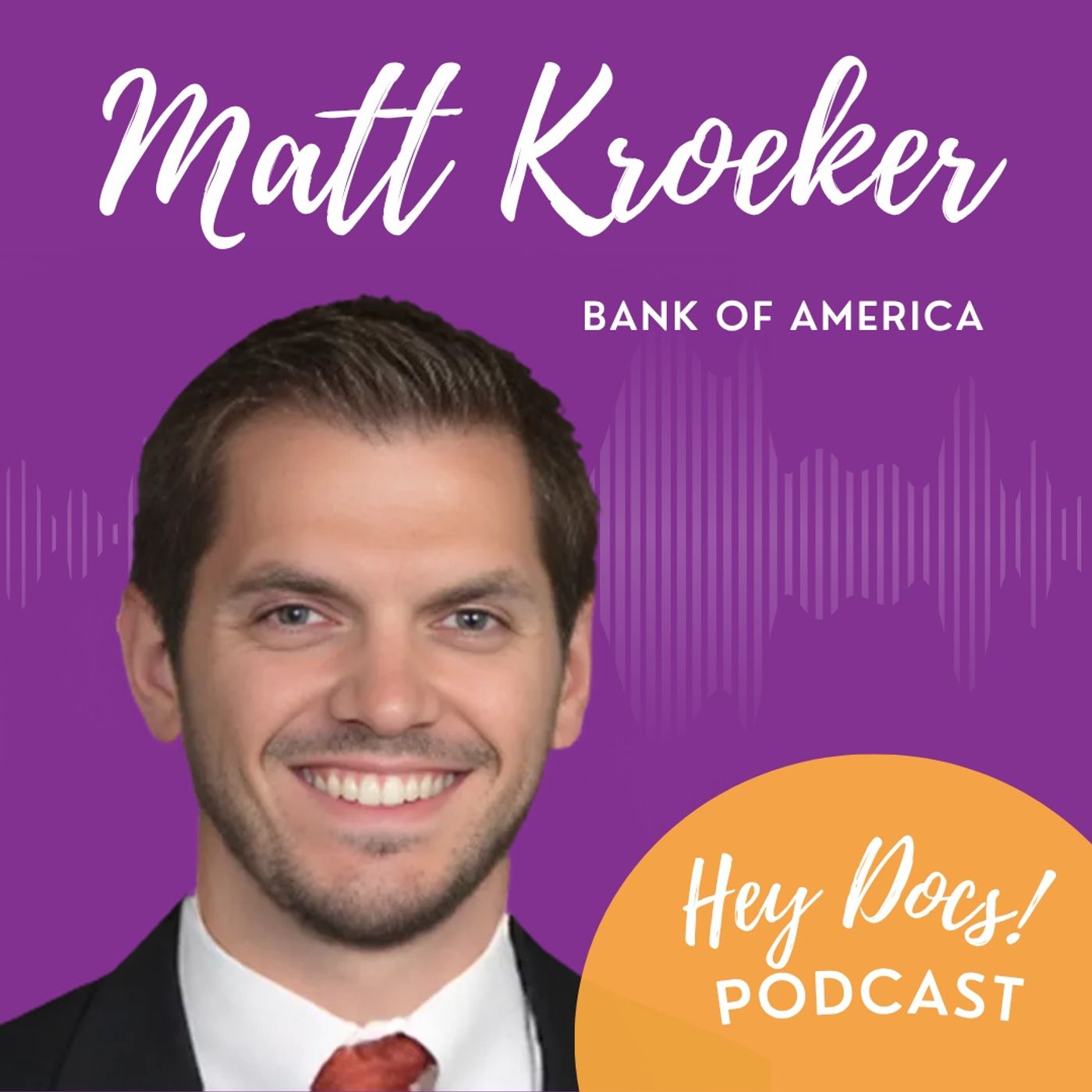
"You have to be able to balance it." Connect With Our SponsorsSolventum - https://go.solventum.com/clarityGreyFinch - https://greyfinch.com/jillallen/A-Dec - https://www.a-dec.com/orthodonticsSmileSuite - https://getsmilesuite.com/ Summary On this episode of the Hey Docs! Podcast, Jill Allen welcomes back Matthew Kroeker from Bank of America to discuss financing considerations for orthodontists starting a practice or acquiring an existing one. Matt explains that the choice often starts with mindset and risk tolerance, then shifts to borrower fundamentals banks review, especially managing personal monthly obligations, keeping a cash cushion, and prioritizing paying down high-interest credit card debt over rapidly eliminating other debts. They cover how startup loans are monitored and disbursed through categories like lease, construction, equipment, and working capital rather than as a lump sum, and why banks scrutinize rent, construction bids, and fixed costs to protect early-year cash flow. For acquisitions, Matt focuses on evaluating trends, expenses, and sustainability rather than simply purchase price, highlighting the importance of asking the right questions to avoid surprises. Connect With Our Guest Matthew Kroeker, Bank of America - https://sbbankers.bankofamerica.com/[email protected] Takeaways Financial health is more about monthly payments than total debt.Doctors should avoid overspending on equipment and construction.Having a financial cushion is essential for new practices.Credit card debt should be prioritized for repayment.Understanding loan allocation is key to financial success.Rent costs can significantly impact cash flow in the early years.Banks look for responsible financial behavior in borrowers. The loan process involves incremental disbursements based on project milestones.Having a professional team helps ensure financial safety and oversight.Acquisitions require careful evaluation of the practice's financial health.Fixed costs in a practice can be challenging to adjust after acquisition.Working capital is essential for covering initial expenses in a startup.Financial strategies should be tailored to each practice's unique situation.Doctors should be proactive in managing their expenses and income.Chapters 00:00 Introduction04:15 Startup vs Acquisition Mindset06:26 What Banks Want Now08:54 Debt Payments and Cash Cushion15:32 How Much to Borrow19:13 Loan Buckets and Oversight21:15 Rent and Construction Scrutiny26:13 Acquisition Evaluation Basics29:44 Red Flags to Watch31:17 Working Capital and Ramp Up36:18 How to Contact Matt Episode Credits: Hosted by Jill AllenProduced by Jordann KillionAudio Engineering by Garrett LuceroAre you ready to start a practice of your own? Do you need a fresh set of eyes or some advice in your existing practice?Reach out to me- www.practiceresults.com. If you like what we are doing here on Hey Docs! and want to hear more of this awesome content, give us a 5-star Rating on your preferred listening platform and subscribe to our show so you never miss an episode. New episodes drop every Thursday!

"It's better to hire slow than to rush." Connect With Our SponsorsSolventum - https://go.solventum.com/clarityGreyFinch - https://greyfinch.com/jillallen/A-Dec - https://www.a-dec.com/orthodonticsSmileSuite - https://getsmilesuite.com/ Summary In this Just Jill episode of Hey Docs!, Jill Allen addresses hiring challenges for orthodontic practices, especially startups, and weighs the pros and cons of hiring seasoned team members versus candidates new to dentistry. She explains how early startup hires often serve as “utility players,” why experienced staff may bring preconceived notions, compensation expectations, and difficulty unlearning prior systems, and how adaptability to a doctor’s philosophy and culture is critical. Jill outlines what makes a great hire beyond technical skills (attitude, communication, curiosity, accountability, and willingness to learn) and urges doctors to tailor interview questions, notice red flags, and hire slowly to avoid painful terminations. She also emphasizes structured onboarding with clear expectations and 30/60/90-day benchmarks, plus pay guidance for startups, acquisitions, and established practices focused on skill growth, competitiveness, and career paths. Connect With Our Guest Jill Allen & Associates - https://www.practiceresults.com/ Takeaways Hiring experienced candidates may not always be the best choice. It may make adapting to a new practice more difficult.Startups benefit from molding new hires to fit their culture.Soft skills are as important as technical skills in candidates.Tailoring interview questions to the role is essential.Assessing a candidate's attitude and communication is vital.Hiring decisions should align with the long-term vision of the practice. There is never a harder decision than letting someone go.Trust your gut when hiring; watch for red flags. Evaluate performance at 30, 60, and 90 days.Training programs are essential for new hires' success.Pay should reflect skill and growth, not just tenure.Avoid rewarding longevity without skill development.Training doesn't justify lower pay; retain skilled employees.Set clear expectations from the beginning of employment.Hiring should focus on potential, not just experience.Chapters 00:00 Introduction02:55 Startup Hiring Experience Debate08:20 Seasoned Hire Pitfalls15:08 What Makes a Great Candidate20:35 Red Flags and Trust Your Gut24:33 First 90 Days Training Plan30:38 Pay and Compensation Strategy39:11 Set Expectations Episode Credits: Hosted by Jill AllenProduced by Jordann KillionAudio Engineering by Garrett LuceroAre you ready to start a practice of your own? Do you need a fresh set of eyes or some advice in your existing practice?Reach out to me- www.practiceresults.com. If you like what we are doing here on Hey Docs! and want to hear more of this awesome content, give us a 5-star Rating on your preferred listening platform and subscribe to our show so you never miss an episode. New episodes drop every Thursday!

Comments

Download from Google Play

Download from App Store
 United States