


 Claim Ownership
ISS EDUlearn: Ask Me Anything
Subscribed: 1Played: 27
Subscribe

© Mike Pierre, Dr. Dana Specker Watts, Katlyn Darling, and Celiah Bunsie
Description
Welcome to the ISS EDUlearn: Ask Me Anything (AMA) Podcast, brought to you by International Schools Services (ISS). This podcast offers global educators bite-sized professional learning on topics like curriculum, DEIJ, marketing, HR, and more.
Resources:
- 🌐 iss.edu – Events, tools, and more from ISS
- 🎓 moreland.edu – Elevate your teaching journey
- 🤝 seniainternational.org – Inclusion-focused educator community
- 🌍 inspirecitizens.org – Global citizenship in action
📩 Questions? Contact mpierre@iss.edu
Resources:
- 🌐 iss.edu – Events, tools, and more from ISS
- 🎓 moreland.edu – Elevate your teaching journey
- 🤝 seniainternational.org – Inclusion-focused educator community
- 🌍 inspirecitizens.org – Global citizenship in action
📩 Questions? Contact mpierre@iss.edu
171 Episodes
Reverse
Today, we dive into the architecture of the inclusive classroom, focusing on how to intentionally create multiple access points for authentic participation. Our guest is Sam Drazin, Founder and Executive Director of Changing Perspectives, and the facilitator of the course, Inclusive Classrooms by Design. Drawing on his profound lived experience with Treacher Collins Syndrome , Sam challenges educators to move beyond simple compliance to design learning environments rooted in empathy, disability awareness, and inclusion. We explore the difference between sympathy and true empathy, the power of Universal Design for Learning (UDL), and one simple strategy for making change sustainable.💬 Quotes from the Episode:"So the teacher's judgment might be, well, you just pay attention, it's not that hard, right? So how are we able to remove that judgment?" 💡"Any new opportunities that we make available for one student can support all students." 🌍"I say, Mike, would you like to share? And that gives Mike the choice... I know that Mike was thinking about what I asked because his hand is on his heart." ❤️"What we're asking folks to do is think about their practice and consider what is 10% of what they do that they could change." 📊📌 Key Insights:Empathy is Action: True empathy involves four steps: perspective-taking, staying out of judgment, recognizing connections, and communication. The biggest barrier to tangible action is the failure to remove personal biases and judgments.The Curb Cut Effect: Use the Universal Design for Learning (UDL) framework. Accommodations should not be seen as exceptions for one student, but as "universal accommodations" made available to all, benefiting the whole community, much like a ramp on a sidewalk.Assessment for Agency: Create nonverbal modes of formative assessment. Strategies like having students put their hand on their heart to signal readiness, or holding up fingers corresponding to numbered answer options, allow students with varied needs (e.g., selective mutism, processing delays) to demonstrate knowledge without complex social or executive demands.The 10% Rule: Inclusive change can feel overwhelming. To ensure sustainability, focus on making small micro-changes—just 10% of your current practice—because collective 10% changes create exponential new opportunities for students.🛑 Conclusion:Sam Drazin provides a powerful and practical guide for transforming your classroom into a truly inclusive space where every student can succeed. Remember: this work is about changing systems, not just students! Ready to commit your 10%? Find details on the full course, Inclusive Classrooms by Design, at isss.edu/events. You can also connect with Sam and his organization at changingperspectivesNow.org. Go make a positive impact! 🌟
How do we move education beyond a seemingly "neutral" framework that often centers only one demographic? We are joined by Amin and Sagda, dedicated educators and consultants whose personal journeys as third culture kids, refugees, and immigrants instilled in them an instinctive understanding of cultural diversity. This vital conversation covers their L2A session on Identity-Conscious Pedagogy, which is designed to affirm every student. They challenge the notion of "neutral curriculum" as inherently political and discuss how school leaders can transform school culture to foster deep pride, agency, and intellectual curiosity by viewing the student as curriculum. Ultimately, this is about promoting education as a vehicle for justice and liberation.💬 Quotes from the Episode:"The idea of neutrality in education is something we really try to interrupt a lot... It's actually very political." 🚫"We would want the teacher to see you as the center of their program." 🎯"The educator themselves have to have gone through that process of self-validation... to be able to make way." 💡"It has to be a holistic and community affair... we're all learning together to ensure that we thrive collectively." 🤝📌 Key Insights:Interrupt Neutrality: Challenge the accepted curriculum as the "norm." The first step in identity-centered pedagogy is interrogating the language used to frame education, as language shapes our reality.Teacher Self-Validation: To effectively affirm students, the teacher must first build their own critical consciousness and unpack their personal biases, ensuring they don't replicate traumatic forms of education.The Student is the Curriculum: Shift the mindset to see every child who walks into the room as the center of the program. Their history, family, and stories are the knowledge to be studied.Build Community Capacity: Identity-conscious work cannot be done alone. School leaders must empower teachers with the permission to disrupt narratives. This holistic approach prevents burnout and allows the community to thrive collectively.🛑 Conclusion:Amin and Sagda deliver a powerful framework for making learning deeply relevant and affirming. Ready to move to Identity-Centered Learning and Pedagogy in your classroom, as an instructional coach, or as a curriculum leader? Learn more about their L2A four-part session on the ISS EDU website. Go lead with profound compassion! 🌍📚
This episode is a critical look at embedding Culturally Responsive and Sustaining Learning (CRSL) into school systems as a core equity strategy. We welcome Dr. Yolanda Sealey-Ruiz, a leading voice in equity and education, who discusses how to align pedagogy, professional learning, and school systems with students' cultural schemas and cognitive development. Dr. Sealey-Ruiz challenges leaders to move beyond theoretical understanding to practical implementation—a process that requires unhinging from biases and replacing them with love and authentic community to ensure deep, equitable learning for every student.💬 Quotes from the Episode:"It's about having the courage to look in the mirror and ask ourselves: 'Am I doing right by the children I serve?'" 🔍"Unconditional love is something that we need to be offering to our students, to our colleagues, and to ourselves." ❤️"The job of a teacher is to be a cultural detective; to find out who the students are culturally." 🕵️♀️"It's about unhinging from their biases, and replacing those biases with love." 🔄📌 Key Insights:CRSL as Core Strategy: CRSL is not an add-on; it must be embedded into school systems to align professional learning and pedagogy with student cultural schema for equity.The Courage to Reflect: Effective CRSL implementation requires leaders and teachers to have the courage to engage in deep self-reflection regarding their own implicit biases and practices.Be a Cultural Detective: Teachers must take on the role of "cultural detective" to proactively and authentically learn about their students' backgrounds and cultural frameworks.Practice Unconditional Love: Moving equity forward demands that educators prioritize unconditional love and care—not just for students, but for colleagues and themselves—to create sustainable, supportive learning communities.🛑 Conclusion:Dr. Yolanda Sealey-Ruiz delivers a powerful call to action, reminding us that equity work starts with deep reflection and a commitment to love. Ready to embed Culturally Responsive and Sustaining Learning into the very core of your school? Be sure to seek out Dr. Sealey-Ruiz’s full L2A four-part session! Check the ISS EDUlearn platform for upcoming sessions and resources. Keep building community and unhinging those biases! 🌟📚
Today, we're tackling the bedrock of all learning: Literacy. This episode, featuring international education expert Dr. Monica Medina, previews the course, Leading for Literacy, designed for principals, coaches, and coordinators. Dr. Medina, a National Distinguished Principal Award recipient with 25+ years of experience, shares how school leaders can build a cohesive, research-based literacy culture school-wide. We explore key findings from mind-brain research like Cognitive Load Theory, discuss the essential role of disciplinary literacy across all subjects (even P.E.), and examine the critical need for students to cultivate critical literacy skills in the age of AI and misinformation.💬 Quotes from the Episode:"The thing that jumps to my mind... isn't just related to reading science, but it's related to learning science. And it's all the work around cognitive load." 🧠"Every teacher in a school is a literacy teacher. We all have different roles, we all have different jobs to do." 🍎"We know that initial research is telling us that our very youngest readers learn to read better and more quickly if they are using a print text." 📖"People are not educated about the different mediums that they use to get their information, and all information is equal to some people's. We know it isn't." 📉📌 Key Insights:Harness Cognitive Load Theory: Effective literacy instruction must be broken down into bite-sized pieces of information with clear checkpoints, moving concepts from students' short-term working memory to long-term active memory.Literacy is School-Wide: Every subject—including math, science, and physical education—is responsible for teaching disciplinary literacy, which includes subject-specific vocabulary, practices, and ways of thinking (e.g., "think like a mathematician").Prioritize Critical Literacy: In the age of TikTok and AI, educators must explicitly teach students to be critical and analytical when evaluating information from all mediums (text, video, etc.), as not all sources are equally reliable.Print Power for Young Readers: Current research suggests that the youngest readers learn better with print texts, prompting questions about the tactile and visual elements of reading that screens may not replicate.🛑 Conclusion:This episode offers school leaders the framework to build a robust, coherent literacy culture based on the best available research, ensuring every teacher understands their role in student literacy development. If you are ready to gain the tools to champion reading, writing, and word study across all grade levels, be sure to explore Dr. Medina's course, Leading for Literacy! Find all the details and sign up at isss.edu/events. Keep exploring, keep learning, and go make a positive impact! 🚀✨
Tired of the one-size-fits-all lesson plan? This episode of ISS EDUlearn, Ask Me Anything, explores the powerful shift from teacher-led to truly student-driven learning with educator and AI learning expert, Dr. Joey Pearson 🧑💻. Dr. Pearson defines what it means to create an "agentic" classroom where students have power for self-determination and co-create their learning journey. He shares practical strategies for introducing voice, choice, and ownership through methods like individualized workstations and standards-based grading. Discover how AI can actually lead to less screen time by becoming a teacher's powerful planning partner, freeing you up to focus on what matters most: authentic student relationships 🤝.💬 Quotes from the Episode:"We are talking about human agency, agentic learning... where students have true power for self-determination." 🚀"The idea here is that you're coaching your students to be their own teachers." 🧠"Everything that we know about good classroom management stays the same. What changes is what's happening during learning." 🍎"I think we're going to see in the coming years that AI will enable us to have fewer hours in front of screens, and more hours in front of one another." ❤️📌 Key Insights:Differentiate Your Practice: A student-driven environment is defined by students having true power and ownership over what and how they learn, not just choosing a color for a project. 🎯Structure for Freedom: Begin by establishing clear norms and routines (e.g., how to enter, how to get resources). This foundational structure is what prevents "chaos" and allows students the freedom to choose their learning pathway. 🪜AI as a Planning Partner: Use large language models (like ChatGPT) in your instructional planning phase to generate personalized, non-screen-based lessons, rather than relying on them for student activity. 💻🚫Assess for Ownership: Implement Standards-Based Grading where the standard is written as student-friendly success criteria. This empowers students to perform self-evaluation and own their growth. ✅🛑 Conclusion:This conversation with Dr. Joey Pearson offers a visionary yet practical roadmap for transforming your teaching and empowering every student voice. If you're ready to embrace the future of education and transition from content delivery to relationship building, then you can't miss his course, "Empowering Every Student Voice."Find all the details and explore a library of resources for international educators, including virtual events and job fairs, at isss.edu/events. Until next time, keep exploring, keep learning, and go make a positive impact! 🌍✨
In schools around the world, every staff member has a critical role to play in keeping students safe. In this episode, we're joined by veteran school counselor Cheryl-Ann Weekes who, with over 25 years of experience, shares her passion for normalizing mental health discussions and her expertise in child protection.Cheryl-Ann discusses the subtle but important red flags of student distress, the critical mistakes to avoid when a student makes a disclosure, and why every single adult—from teachers to operations staff—needs to be trained on safeguarding policies. She also shares her personal journey into counseling and her vision for a future where every school has a clear, written protocol to protect its students.💬 Quotes from the Episode:"The biggest red flag is a sudden change in behavior... you'll start to see students who were usually very social, then they are not as social.""I think the biggest no-no is... 'I won't tell anyone.'""I just felt like my impact would be more useful there than in business... and so, what I did is I graduated the next year, and I went straight to grad school.""I think what I'm hoping to see is that every school has some type of protocol, something written down... so that teachers understand what is expected."📌 Key Insights:Look for Sudden Behavioral Changes: Pay attention to shifts in a student's behavior, like social withdrawal, irritability, or wearing clothing that covers their body, as these can be signs of distress or abuse.Don't Make Promises You Can't Keep: As a mandated reporter, you can never promise a student confidentiality. Instead, be honest and clear: "I am here to listen and support you, but I cannot promise to keep this to myself."Establish a School-Wide Protocol: Every school needs a written safeguarding policy that is shared and reviewed annually with all staff—from teachers and counselors to teaching assistants and maintenance teams.Start with Existing Resources: If your school does not have a formal safeguarding protocol, you don't have to start from scratch. Use existing policies from other international schools or organizations like CIS as a guide to begin developing your own.Continue to Provide Support: After a student has made a disclosure, it's crucial to continue being a trusted adult they can turn to. Establish systems, like a pass for a quiet break, to help them navigate their new reality.🛑 Conclusion:The responsibility to protect students is one we all share. By recognizing the signs, responding with care, and empowering yourself and your colleagues with clear protocols, you can help create a truly safe and supportive environment for your students. For a deeper dive, be sure to check out Cheryl-Ann Weekes' course, Consent and Safe Spaces, K-12.To learn more about professional development, virtual events, and exciting career opportunities in international education, visit isss.edu/events. Until next time, keep exploring, keep learning, and keep making a positive impact in the world of education.
Building a high-performing team that’s a perfect fit for your school’s culture is a challenge for every leader. In this episode, we're joined by Ika Muzamal, Director of Talent and Culture at the International School of Kuala Lumpur. Drawing on her unique background in law and infrastructure, Ica shares why high turnover is a symptom of a deeper issue, how to look beyond the resume for a true values-match, and the surprising reason why great talent stays.💬 Quotes from the Episode:💸 "Research shows that the tangible things, like salary, like benefits... they're not actually what retains and attracts your talent."🚀 "Hiring is one of the most important things that we can do... it's probably the most important thing that a leader can do for the organization."🤝 "As much as we're interviewing the candidates, they're interviewing us as well."✨ "You have to be authentic through and through, from that first impression all the way through the everyday life."📌 Key Insights:💖 Prioritize Intangibles Over Tangibles: Retention and attraction are driven by a sense of belonging and mission-alignment, not just salary and benefits.👁️ Combat Bias with Multiple Perspectives: Mitigate unconscious bias by using panel interviews and a 360-degree feedback process, ensuring candidates are vetted by a variety of stakeholders.🗺️ Weave Mission into Every Stage: Make your school's mission and values central to the entire recruitment and interview process to find candidates who are a true cultural fit.🏫 Make the Interview an Experience: Treat the hiring process as a chance to showcase your school's culture, ensuring every candidate has a positive and respectful experience.🛑 Conclusion: The success of a school starts with the people who walk through its doors. By being intentional and authentic in your recruitment strategy, you can build a team that not only excels but truly belongs. For a deeper dive into these strategies, be sure to check out Ika Muzamal's new course, Strategic Talent Acquisition.Ready to take your hiring to the next level? For more insights, virtual events, and professional development resources, visit iss.edu/events. You can also explore hundreds of career opportunities and job fairs at iss.edu. Don't miss out on everything ISS has to offer! 🚀
When a crisis hits a school community, the emotional recovery is often the most challenging part. In this episode, we speak with Azra Pathan, the Director of Learning at The International School of Kuala Lumpur, about the vital work of healing after a crisis. Azra discusses why a leader's calm demeanor is their most important tool, how to help a community process grief and loss, and the power of building psychological safety to prepare for the unexpected.💬 Quotes from the Episode:🗣️ "We want to make sure that... we are united in that. And, you know, the first lesson I ever learned was from a PR person, and they said, 'In the absence of information, people will make up their own story.'"🧠 "Learning doesn't happen without that [safety]. And so jumping quickly into business as usual without the rebuilding really hinders people's abilities to move forward from whatever it is that you're recovering from."💡 "I don't think we've gotten better at it. I think we've just learned to compartmentalize it and kind of move forward with it. The unfortunate thing about that is that it shows up in different places, in different settings, and in different contexts, and then we're surprised by it."💖 "The one strategy that I speak about in the workshop is around dialectical thinking, like being able to frame your thinking and knowing that it's okay to hold multiple emotions at the same time."📌 Key Insights:⏸️ Embrace the Pause: The most critical step after a crisis is to create a deliberate "pause" to allow the community to process and grieve, rather than immediately rushing back to normal.🛡️ Rebuild Safety First: Focus on rebuilding emotional and psychological safety within the school community before attempting to rebuild trust. A feeling of safety is a prerequisite for healing.📣 Unify Your Message: Establish a single, reliable source for all official communications to prevent false narratives and misinformation from spreading.✔️ Establish Proactive Protocols: Develop communication talking points, response systems, and resources for different age groups well before a crisis occurs to ensure a calm and unified reaction.🧘 Model Self-Management: Leaders must demonstrate emotional self-awareness and practice dialectical thinking to manage their own emotions while supporting their team.🛑 Conclusion: The human element of crisis response is not just a soft skill—it's a fundamental part of effective leadership. This episode is a powerful reminder that preparing for a crisis is only half the battle; the real work lies in guiding a community through the difficult path to recovery. Ready to take the next step in your leadership journey? Visit iss.edu/events to access our full library of professional learning opportunities and get the tools you need to lead with grace and confidence. Don't wait until you're in the moment—get prepared today! ✨
Leadership is most tested in times of change and crisis. In this powerful conversation, Mike P. and his co-hosts are joined by the exceptional Kathleen Naglee, an award-winning leader and author with a wealth of experience guiding schools through their most challenging moments. This episode is a roadmap for school leaders, focusing on the emotional intelligence and practical skills needed to lead with confidence, communicate with clarity, and build unshakeable trust during turbulent times.💬 Quotes from the Episode:"Leadership is a relationship, it's not a role." — Kathleen Naglee 🤝"You have to be the source of calm." — Kathleen Naglee 🧘♀️"Rebuilding trust is a time-consuming process." — Kathleen Naglee ⏳"It's about 'Are your actions meeting your words?'" — Kathleen Naglee ✅📌 Key Insights:Build Trust from Day One: Don't wait for a crisis to build relationships. New leaders must be intentional about showing their commitment to the community through proactive, transparent actions. 🤝Acknowledge and Heal Together: After a crisis, people process grief and trauma differently. Leaders must provide long-term support and recognize that the healing process can take months or even years. 🫂Create a Proactive Communications Plan: Go "beyond the binder" by preparing specific communication templates for different scenarios. Use multi-channel approaches like SMS, social media, and school apps to ensure your message reaches everyone. 📱Lead with Empathy and Purpose: Your community looks to you for a sense of calm and a clear direction. Leading with emotional intelligence means understanding the "why" behind people's disengagement and making them feel seen and heard. ❤️🩹🛑 Conclusion:Leadership is tough, but you don't have to face the inevitable alone. This episode provides the clarity and confidence you need to prepare for any crisis. Ready to take the next step? Enroll in Kathleen's course, "Preparing for the Inevitable Crisis," and get a comprehensive roadmap for effective action. Don't wait until it's too late!➡️ Visit iss.edu/events to get prepared!➡️ Find more resources and career opportunities!➡️ Don't forget to like and subscribe for more episodes! ✨
Welcome to Season 9 of the ISS EDUlearn AMA podcast! 🎉 This episode features a powerful conversation with Sian Jorgensen, Director of Encompass Safeguarding, and an educator dedicated to protecting children everywhere.With over 20 years of experience as a child abuse investigator and safeguarding leader, Sian argues that effective crisis management goes beyond security protocols. She challenges school leaders to put the child at the absolute center of every response plan. Learn why a well-rounded crisis team is crucial, how to communicate with families to build trust, and how proactive planning is the key to preventing long-term trauma. This episode is a vital guide for any educator committed to creating a truly safe and prepared school community.💬 Key Quotes- "My mission is protecting children everywhere." – Sian Jorgensen 🌍- "I always naturally put the child and the children at the center." – Sian Jorgensen ❤️- "It's harder to take away trauma than it is to avoid trauma." – Sian Jorgensen 🛡️- "Safeguarding should run through everything at the school. It shouldn't be a little tick box add-on." – Sian Jorgensen ✅- "Is my child okay? Maybe that's a priority, right?" – Sian Jorgensen 👩👧👦- "If you can control 80% of the messaging that's going out externally, you're onto a winner." – Sian Jorgensen 📢🎯 Key InsightsPut the Child at the Center 🛡️: Effective crisis management is not just about logistics and security. A truly comprehensive plan must prioritize the well-being and needs of the children, as a poor response can lead to lifelong trauma.Build a Holistic Crisis Team 🤝: Your crisis management team needs diverse perspectives. In addition to security and leadership, include a counselor or safeguarding lead who can advocate for the child's emotional and psychological needs.Proactive Planning Prevents Trauma 🧠: The best time to have difficult conversations about a potential crisis is before it happens. By practicing and planning for the worst-case scenarios, a school can reduce the long-term impact on its students.Mastering Communication with Parents 🗣️: During a crisis, parents have two core needs: "Is my child okay?" and "When can I see them?" Focus your messaging on these priorities, and give clear directives to prevent panic and maintain trust.Support Your Staff 🤗: Acknowledge that teachers who are also parents face a unique internal conflict during a crisis. A solid crisis plan must consider how to support and reassure these staff members about their own children while they are focused on the students in their care.✨ Conclusion & Next StepsThank you for tuning in to this powerful conversation. By embedding safeguarding into every aspect of a school's operations and planning, a community can build resilience and ensure every member feels safe and supported.If you found this episode inspiring and informative, please be sure to like, subscribe, and share AMA with your educator friends. Stay tuned for more exciting episodes on Season 9!🔗 Resources & ContactSian Jorgensen:Website: encompass-safeguarding.comNew Course: Check out Sian's new "Safe Interviewing" training, a course on how to ask the right questions to children in a safe and effective way.ISS:Safeguarding & Crisis Response is available for purchase at iss.edu/events.Find other virtual events, certifications, and PD resources at iss.edu/events.Explore career opportunities at ISS virtual and in-person job fairs.
Welcome back to Season 9 of the ISS EDUlearn AMA podcast! 🎉 In this episode, host Mike Pierre and co-hosts Dana Watts and Celiah Bunsie are joined by special guest Nadia Erlendson, an international educator and therapeutic play mentor. Nadia wholeheartedly believes in the power of empathy to navigate challenging times.She shares invaluable insights on reframing student behavior, from "misbehavior" to a signal of unmet needs. Discover the power of "cognitive empathy," the importance of self-regulation, and Nadia's bold vision for creating consent-based school communities where every member feels supported and understood. This episode offers powerful strategies for school leaders, educators, and parents alike to foster resilience and build a truly compassionate community.💬 Key Quotes"There's no such thing as misbehavior. Everything is stress behavior when we're thinking about confusing and wild behaviors." – Nadia Erlendson 🧠"Noncompliance is actually self-advocacy." – Nadia Erlendson 📢"When we meet it with softness, when we meet it with a response instead of a reaction, we minimize so much of the distrust." – Nadia Erlendson 💖"Crying is this massive self-regulation skill that we have." – Nadia Erlendson 💧"The best part about this strategy... is we don't have to be perfect, because the idea of repair exists." – Nadia Erlendson 🛠️"If it were my ideal world... schools should be consent-based." – Nadia Erlendson 💡🎯 Key InsightsBeyond Emotional Empathy 🤝: We often think of empathy in terms of emotion, but Nadia introduces the power of cognitive empathy—a skill that can be developed to understand others' perspectives, allowing us to respond with compassion without experiencing burnout.Redefining Behavior 🤔: Every behavior is communication. Instead of labeling confusing behaviors as "misbehavior," shift your mindset to view them as "stress behavior" that signals an unmet need, whether biological, social, or emotional.The Power of Softness and Regulation ✨: Responding to a child's challenging behavior with a soft, calm, and regulated approach is the most powerful way to build trust. When we react with bigger energy, we create distrust.Well-being Through Consent 💡: Nadia's ideal school system is consent-based. Giving students a true locus of control over their learning, even if it's just a small part, is a major factor in improving well-being and fostering a democratic, resilient community.A Community-Wide Framework 🌍: These principles of understanding stress and needs apply to everyone—students, staff, and leadership. Leaders can foster a more empathetic culture by helping staff identify and communicate their own stressors (like being "hangry" or overwhelmed by heat) and responding with compassion.Acknowledging Global Shifts 🌐: Nadia highlights that what feels like new instability (e.g., visa issues, travel restrictions) for Western teachers has always been a reality for people from other parts of the world. It’s crucial for the international education community to contextualize who is experiencing a shift and why, as "turbulent times" have always existed.✨ ConclusionThis episode emphasizes that by leading with empathy, we can navigate the complexities of our ever-shifting global landscape. The key is to change our perspective—seeing behavior as communication and emotional regulation as a shared skill. In doing so, we not only foster resilience in our students and school communities but also cultivate a deep, compassionate understanding for all.🔗 Resources & ContactNadia Erlendson:Email: nadialynn03@gmail.comLinkedIn: Nadia ErlendsonInstagram: NLEDucationISS:Leading with Empathy in Turbulent Times is available for purchase at iss.edu/events.Find other virtual events, certifications, and PD resources at iss.edu/events.Explore career opportunities at ISS virtual and in-person job fairs.
In this compelling two-part podcast series, host Mike Pierre sits down with visionary school leaders across Asia to unpack the evolving landscape of international education. From post-pandemic transformations to the rise of student wellness and innovation, these episodes offer a masterclass in leadership, inclusion, and resilience.🎙️ Part 1: Trends and Triumphs in International EducationMike speaks with Azra Pathan and Brian Lalor, two dynamic educators redefining what it means to lead in a post-COVID world. They explore how international schools are adapting to shifting demographics, financial pressures, and the need for deeper community engagement.Key Themes:Inclusive Admissions & Finances: Schools are moving away from expat-only models, embracing host-country nationals and building more sustainable financial frameworks.Authentic Community Engagement: Initiatives like refugee teacher training and partnerships with local schools reflect a shift from outreach to mutual learning.Belonging & Identity: Schools are prioritizing emotional safety and cultural inclusion for students and staff alike.Innovative Programs: Creative efforts like the “Dormitory Challenge” foster collaboration between local and international students.Quotes:“One of the biggest joys of living in Asia is the diversity of experiences and cultures that come together... It's just right outside your doorstep.” – Azra Pathan 🌏✨“International-mindedness is not a skin color, or a gender, or whatever. A child is a child.” – Brian Lalor ❤️🧡💛💚💙💜“It has really elevated the sense of community where there is more access to resources for an increase in students who speak languages other than English.” – Azra Pathan 🗣️📚💡 Part 2: Student Wellness, Innovation, and TalentIn the second episode, Mike is joined by Richard Swann, Nathan Meisner, Chelsea Armstrong, and Yasoda Deva to explore the daily realities of students and educators in Asia. The conversation dives into neurodiversity, technology, and the evolving definition of success.Key Themes:Student-Centered Support: Schools are tailoring learning to meet students where they are, rather than forcing a one-size-fits-all model.Wellness as Culture: Mental health breaks, open-campus events, and staff access to wellness facilities are becoming standard practice.Balanced Tech Integration: Tools like ChatGPT are introduced with intention, emphasizing thoughtful use over novelty.Redefining Diversity: The panel challenges traditional notions of diversity, embracing a rich mix of nationalities, abilities, and cultural heritages.Timeless Teaching: Classic pedagogical methods like cooperative learning are proving more effective than flashy tech in high-pressure environments.Quotes:“We introduced, on the first day of school, ChatGPT to our students... and we basically taught them about it from the lens that this is a tool.” – Yasoda Deva 🤖“Technology is a tool... and like every other tool, you kind of have to learn how to use it.” – Yasoda Deva 🧠“I’ve got grandmothers who’ve learned how to use an iPhone... if you know how to ask deep questions, if you know how to dialogue, you can do that in social media.” – Nathan Meisner 💡🗣️“It’s just such a joyful job to have. I can’t imagine doing anything else. Getting to spend time with really amazing educators and middle schoolers every day is the best thing ever.” – Chelsea Armstrong 😊🛑 Final TakeawayTogether, these episodes paint a vivid picture of how international schools in Asia are not just surviving change—they’re leading it. From financial innovation to wellness culture, these educators are shaping a bold, inclusive future for global education. Whether you're an aspiring school leader, a curious parent, or a passionate educator, this series offers insights that resonate far beyond the classroom.▶️ Listen, reflect, and share this transformative conversation with your community.
You've landed in your international role and are making an impact – but how do you keep growing? In this insightful episode of the GRT Summer Series, host Mike Pierre and ISS colleagues Dana Watts, Greg Smith, and Katlyn Darling dive deep into the crucial element of professional development in international schools. Learn how to identify, access, and maximize PD opportunities both within and beyond your school to elevate your teaching, expand your horizons, and truly flourish in your global career. From strategic personal growth plans to leveraging school resources and unexpected learning avenues, this episode is packed with invaluable advice for every international educator.💬 Quotes from the Episode:"You have to be the captain of your own ship. You have to know what it is that you're doing, and as you're developing your professional learning plans... it has to reflect your journey." – Katlyn Darling 🚢"The more you can professionally enhance and develop your individual teachers, the more likely they're going to stay. And that's really good for you. So it can be really a great part of your attraction and retention strategy." – Greg Smith 💼"Teachers need access to be able to take a course or on demand when they need it... Having access to PD is just incredibly important." – Dana Watts 💡"I learned about that widget from a school administrator... and I'm taking it, and I'm putting it into my instructional practice right away." – Katlyn Darling 🧠"If you don't apply it yourself within 48 hours, it's basically gone." – Greg Smith ⏳"The second you tell someone else, or you teach something else that you learn to someone else, it just sticks, and that's so helpful." – Dana Watts 🗣️📌 Key Insights:Be the Captain of Your Own PD Journey: 🧭 While schools offer support, international educators must take ownership of their professional development. Chart a course that aligns with your personal growth goals and career trajectory.Schools' Evolving Approach to PD: 🎯 Gone are the days of a "one-size-fits-all" approach. Good international schools now offer voice and choice, providing stipends or direct access to diverse PD to meet individual growth needs.PD as a Retention Strategy: 🤝 For school leaders, investing in teacher PD is a key strategy for attracting and retaining high-quality staff, fostering professional efficacy, and ensuring consistent baseline quality across the school.Maximize Every PD Opportunity (The 48-Hour Rule!): ⏱️Engage Actively: Take notes (handwritten can aid focus and recall!), and observe not just content but also presentation styles and facilitation techniques.Apply Quickly: Greg Smith's "rule of 48" suggests applying what you learn within 48 hours, or the opportunity dissipates. Find a way to try it or share it with a colleague to solidify the learning.Beyond Formal Workshops: Diverse PD Avenues:Regional & Local Conferences: ✈️ Attend larger regional events, but also seek out smaller, local conferences (e.g., those hosted by local universities). These offer unique networking opportunities with diverse educators, including those from local schools.Accreditation Teams: Joining an accreditation visit to another school is a powerful learning experience and a significant pathway to leadership, offering insights into different school operations.Networking: Connecting with peers in similar roles globally is invaluable. These informal connections can provide real-time solutions and support.Online Platforms: Utilize on-demand platforms (like the ISS EduLearn Passport) for flexible, accessible learning that allows you to address specific "holes in your learning" precisely when you need it.Equity in PD Access: 🌍 A crucial shift in international schools is providing equitable access to professional learning for all staff, including non-teaching staff and local hires. These individuals are the "glue" of the school, and their growth benefits the entire learning community.
You've landed the international school job! 🎉 This "GRT Summer Series" episode, with Mike Pierre, Dana Watts, Greg Smith, Joel Jr. LLABAN, and Katlyn Darling, unpacks the practicalities, cultural nuances, and emotional journey of transitioning well into a new international role. Get invaluable advice on pre-departure paperwork, expat life, well-being, and building community to truly thrive in your new global home 🌍.💬 Key Quotes"The sheer quality of friendships... you end up finding friends for a lifetime." – Dana Watts 💖"You just need to trust the process." – Greg Smith ⏰"Be quiet. Learn the customs... if you're constantly referring to your old school, people tend to think that it is, you feel like that was a better school." – Dana Watts 🤫"Expect the roller coaster, and it's so incredibly well worth it." – Dana Watts 🎢"Bring a painting, or a picture, or something that you feel grounded to your to your country... and bring a bottle opener." – Greg Smith 🖼️🍾📌 Key InsightsDocument Everything (Digitally & Physically!) 🗄️: Digitize all certificates, but remember many countries require original, unlaminated documents, including police clearances. Start early!Embrace the New, Release the Old 💡: Avoid constant comparisons; adapting fosters trust and quicker integration into your new community.Prioritize Family & Dependent Transition 👨👩👧👦: Actively help children/partners transition emotionally and socially by leveraging school counselors and maintaining familiar traditions.Cultivate Community Beyond School 🤝: Proactively seek social groups outside of work; a well-rounded social life is crucial for well-being.Communicate & Utilize School Support 🤗: Speak up if struggling; schools have robust onboarding and buddy systems to help you thrive.Anticipate the Emotional Rollercoaster 🎢: Expect normal moments of homesickness or feeling "in a funk"—it's part of the international transition.Personal Grounding & Familiarity 🏡: Bring personally meaningful items that connect you to home for emotional stability.School Leaders' Responsibility in Transition 🏫: Leaders must proactively anticipate new recruits' needs throughout their first year, designing comprehensive support systems.🛑 ConclusionTransitioning to an international school is dynamic. Success hinges on both your proactive approach (preparation, adaptation, self-care) and strong school support. Embrace the "rollercoaster" to ensure a successful and deeply enriching experience abroad 🌟.
The ISS EDUlearn AMA podcast's "GRT Summer Series" dives into leadership in international schools 🏫. Join hosts Mike and Celiah, along with seasoned leaders Angela Hernandez, Jim Urquhart, and Pauline O'Brien. They explore the intricate application process 📝, the art of building trust within school communities 🤝, and the profound personal and professional transformations ✨ that come with leading internationally. This episode offers invaluable advice for aspiring and current leaders, emphasizing preparation 📈, relationship-building ❤️, and the unique perspective gained from global educational experiences 🌍.💬 Key Quotes🗣️ "If I ever go into leadership, that's how it should be. It's about enjoying that Aha! Moment with the kids and just living it." – Angela Hernandez👂 "It's important to hit the ground, learning and listening... to learn about the history of the school, what makes it tick?" – Jim Urquhart🤝 "Relationships drive impact. Everything else, strategy, systems, innovation, flows from those relationships." – Angela Hernandez🧠 "The listening circles that you can conduct will probably be the most powerful thing you could do as a new leader." – Pauline O'Brien🌐 "Leadership internationally has given me is perspective and appreciation... that the world is a wonderful place, despite some of its challenges." - Jim Urquhart🌱 "Every role prepares you for the next one, if you're actively seeking feedback, reflecting on it and seeking for opportunities to grow through the process." - Angela Hernandez📈 "Often you may not hear something... but you have to be prepared for that, and you have to be prepared to follow up on that." - Pauline O'Brien💡 "Showing up at community events is really important... the more community facing work you can do, the quicker you build that trust." - Pauline O'Brien🌍 "I think what leadership in international settings has given me is a deep appreciation for diversity and diverse perspectives." - Angela Hernandez🎯 Key InsightsMaster the Application 📝: Preparing for international leadership roles means researching the school and deeply understanding your own values, strengths, and ideal environment.Show Your Impact 📊: When applying, provide clear evidence of your past work's impact, results, and outcomes.Be Patient & Persistent 🕰️: The recruitment process can be lengthy. Be ready for large applicant pools and always follow up for feedback.Listen First, Lead Second 👂: New leaders should prioritize listening and learning in their first 90 days, engaging in "listening circles" to grasp the school's history and culture before making changes.Transformative Growth ✨: International leadership offers profound personal and professional development, fostering a deep appreciation for diversity and global perspectives.✨ ConclusionSuccess in international educational leadership truly hinges on meticulous preparation for applications, a deliberate approach to building trust through active listening and genuine relationships, and a readiness to embrace the transformative growth that comes with leading diverse global communities. It's more than a career step—it's a journey of profound impact and broadened perspective.Unlock Your Global Teaching Journey!Ready to leap into international education? ISS is your gateway to exciting opportunities:🌍 Explore Careers Worldwide: Connect with top international schools at ISS’s virtual and in-person job fairs.📚 Grow as an Educator: Advance your skills through Moreland University’s innovative programs at www.moreland.edu.🤝 Build Community: Join SENIA International at seniainternational.org to collaborate on inclusive education.💡 Inspire Global Citizenship: Discover transformative resources from Inspire Citizens at inspirecitizens.org.Learn more at iss.edu and take the first step toward a global teaching adventure!
The ISS EDUlearn AMA podcast explores the latest trends in international education. In this special "GRT Summer Series" episode, hosts Mike and returning educators Dana Specker Watts, Katlyn Darling, and Celiah Bunsie, along with Dr. Nadine Richards, dive deep into the practicalities of teaching overseas. This segment offers crucial advice on navigating employment contracts, understanding the nuances of housing, tuition benefits, global healthcare, tax implications, and various insurance types. The episode concludes with powerful personal reflections on how teaching internationally transforms lives, offering unparalleled professional and personal growth—essential knowledge for a smooth transition to life abroad.🗣️ Key Quote #1: "Don't get bullied into something. Make sure you have the time and space to make choices, because how you live is important to how you... how you work." – Katlyn Darling🔄 Key Quote #2: "It's really important to get to know the culture and what criterias are accepted and not accepted. Pets, etc." – Dr. Nadine Richards🤝 Key Quote #3: "I've had amazing healthcare overseas. Incredible. Some of the top... I would say, higher quality, easier access..." – Dr. Dana Specker Watts🧠 Key Quote #4: "Teaching internationally gave me access to a future that I didn't know existed both professionally and personally." - Katlyn Darling🌍 Key Quote #5: "At least once in your life, if you can have the experience of teaching abroad, living abroad, it just gives you so much more perspective on... things and on life." - Celiah BunsieKey Insights:Cultural Fit & Family: Beyond salary, investigate cultural norms and acceptance criteria for all family members, including pets. Regulations and community reception for animals vary greatly and can impact your decision.Tuition Benefits: For those with children, scrutinize tuition benefits carefully. International school tuition is often high; understand the percentage or number of children covered as it significantly impacts your overall compensation.Healthcare & Insurance: Overseas healthcare often rivals or surpasses quality in home countries, with easier access and affordability. Verify if your health insurance is local or global. Other insurance types (car, contents) are also often more affordable and comprehensive abroad.Tax Implications: Understand tax obligations in both your host and home countries. While favorable rates or exemptions exist, your tax status can change with residency over time. Consider specialists experienced with expatriate income.Transformative Growth: Teaching internationally offers profound personal and professional transformation, broadening perspectives, strengthening teaching craft, and providing unique leadership opportunities beyond traditional constraints.Conclusion:This episode provides essential practical considerations for international educators, emphasizing that a deep understanding of your contract—covering living arrangements, benefits, healthcare, taxes, and insurance—is paramount for a successful and happy experience abroad. It highlights proactive research, leveraging support, and personalizing your relocation strategy, ultimately illustrating that teaching overseas offers unparalleled personal and professional growth and a global outlook.Unlock Your Global Teaching Journey!Ready to leap into international education? ISS is your gateway to exciting opportunities:🌍 Explore Careers Worldwide: Connect with top international schools at ISS’s virtual and in-person job fairs.📚 Grow as an Educator: Advance your skills through Moreland University’s innovative programs at www.moreland.edu.🤝 Build Community: Join SENIA International at seniainternational.org to collaborate on inclusive education.💡 Inspire Global Citizenship: Discover transformative resources from Inspire Citizens at inspirecitizens.org.Learn more at iss.edu and take the first step toward a global teaching adventure!
🔥 Calling all education enthusiasts & change-makers! 🔥 Join us for a powerful convo with Ivy Yan, a true visionary transforming how we address climate change in education! 🌎 Ivy, from Inspire Citizens, shares her wisdom on managing climate anxiety, fostering emotional resilience, & inspiring action! 🙌 Learn how to connect head, heart, & hands for a brighter future! ☀️ This episode is a MUST for teachers, students, & anyone who cares about our planet! 🎧 Let's make a difference together! ✨💬 Viral Soundbites! 🎤🌟🚶♀️ "I walked for 5 hours, trusting the unknown... and discovered magic! ✨ Sometimes, you just gotta let go!"😢 "I feel sad... Do you guys really care about our Earth?" 💔 (Ivy's vulnerability = powerful lesson!)👂 "Deep listening is KEY! 🔑 Hold space for students' feelings, without judgment!" ❤️🧘♀️ "Self-care isn't selfish; it's FUEL for empathy! 💪 We need to be strong to support others!"📱 "Technology is amazing, but it's about INTENTION! 💖 Let's use media for GOOD!" 🌱📌 Key Insights You Can't Miss! 🔑👇Ivy's Inspiring Journey! 🌟 Learn how she's empowering students & educators to become global citizens! 🌍The Power of Experiential Learning! 👐 Head + Heart + Hands = Transformative Education! 🧠❤️🙌Eco-Media Magic! ✨ Discover how media & art can reconnect us with nature & each other! 📸🎶Climate Anxiety SOS! 🆘 Practical techniques to manage stress & cultivate hope! ☀️UNESCO's Wake-Up Call! 🚨 Schools need help with the emotional side of climate education! 😢International Educator Superpowers! 💪 Empathy & awareness across cultures are ESSENTIAL! 💖Shifting Our Mindset! ➡️ From "Me, Me, Me" to an "Eco-Centric" Worldview! 🌎🛑 Take Action NOW! ⬇️This episode is your guide to navigating climate change with hope & purpose! 💖🌍🌍 Find Your Dream Job: Explore ISS's virtual and in-person job fairs happening throughout the year to connect with top international schools worldwide and discover your next exciting career opportunity.📚 Elevate Your Expertise: Looking to enhance your credentials or gain new skills? Sign up for Moreland University at www.moreland.edu and elevate your career as an educator with their cutting-edge programs.🤝 Join a Thriving Community: Become part of a global network of dedicated professionals. Connect with SENIA International at seniainternational.org and engage in vital conversations about fostering inclusion in diverse classroom cultures.💡 Champion Global Citizenship: Get inspired and empower your students to become change-makers. Check out Inspire Citizens at inspirecitizens.org and learn how they inspire schools to live their mission of global citizenship.For more insightful events, resources, and to discover how ISS empowers international education, visit iss.edu today!Unlock Your Global Teaching Journey!Ready to leap into international education? ISS is your gateway to exciting opportunities:🌍 Explore Careers Worldwide: Connect with top international schools at ISS’s virtual and in-person job fairs.📚 Grow as an Educator: Advance your skills through Moreland University’s innovative programs at www.moreland.edu.🤝 Build Community: Join SENIA International at seniainternational.org to collaborate on inclusive education.💡 Inspire Global Citizenship: Discover transformative resources from Inspire Citizens at inspirecitizens.org.Learn more at iss.edu and take the first step toward a global teaching adventure!
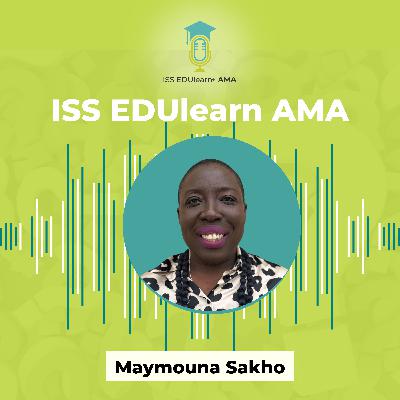
📝 Episode Description: Join host Mike P. and leadership search guru Celiah as they welcome Maymouna Sakho, a passionate educator, inclusion and equity advocate, and systems builder. Maymouna, founder of Sakho Learning Consultancy, shares her journey and insights on innovating and implementing equitable and inclusive practices in education and beyond. Drawing from her experiences growing up between cultures (Senegal and The Bronx), Maymouna discusses the importance of valuing diverse learners and building systems that support all students.💬 Memorable Soundbites! 🎤🔥"When you are multilingual, and you are able to think in so many different languages... I think that is such a superpower that we need to celebrate as much as we can.""Always equity over equality. When I think about my students with needs... we're not always starting at the same place, but if we build a system that we can get to the same place, regardless of how our identity markers or our background...""I need more training [on AI]. I feel like I'm ready to already be cloned. But I need... more training to understand how I can best use AI for my personal and professional work, and to support other people with their work.""I decided a year ago that I'm going to be purposeful about who I spend my time with and how I spend my time... in terms of protecting my energy.""We always need to be on the right side of history. History is always going to change, but we need to always be, in my opinion, on the right side of history."📌 Key Insights:Maymouna's Journey & Inspiration: Her experiences as a multilingual student in The Bronx, who wasn't always recognized for her assets, fueled her passion for equitable education.Sekho Learning Consultancy: Founded in 2020, the consultancy initially focused on broader DEI but now centers on inclusion for students with disabilities and diverse learning needs.Differences in Educational Contexts: While acknowledging her privilege, Maymouna notes differences between US and African schools, including a potentially stronger sense of community and value for multilingualism in some African contexts, and a different level of student engagement.Successful Systems-Building Initiative: Maymouna highlights her work in lobbying for and helping to build an inclusive program at her current school, now serving around 700 students through universal screening, aligned admissions, and community connections.Staying Updated in the Field: Maymouna utilizes podcasts, LinkedIn, books, and further education (certifications in instructional design and AI) to remain current in her industry, despite a busy schedule.Personal Time and Self-Care: Maymouna prioritizes spending time with loved ones, staying active and plant-based, practicing yoga, working with a therapist for grounding, and finding opportunities to laugh.Addressing DEI Challenges: Maymouna expresses frustration with the misconception that students with learning needs shouldn't be prioritized in equitable systems, emphasizing that they often start from a different baseline. She finds support in organizations like AIELOC and the Diversity Collaborative amidst current global challenges.Rapid Fire Highlights:Advocacy: Evokes thoughts of Malcolm X and Martin Luther King Jr., emphasizing different approaches to reach the same goal.Equality vs. Equity: Strong preference for equity, recognizing that individuals have different starting points.Artificial Intelligence: Acknowledges the need for more training to leverage its potential.Multilingual: Viewed as a significant and valuable superpower.Paper Book vs. Kindle: Preference for paper books for a more tactile and engaging reading experience.
📝 Episode Description: Join Mike P, Katlyn, and Dana as they welcome Tom Kaster, a seasoned educator turned data visualization expert. Tom shares his journey from firefighting to teaching across seven countries, and how he founded Datafied Classroom to make student data accessible and usable. Discover how his tools are helping educators leverage data to improve teaching and learning, and explore the challenges and opportunities in integrating technology and data in education.💬 Quotes from the Episode:"I felt like there was... I was needing to get to a point where I was having to step away from the classroom, and... you should check out data dashboards and visualizing data." 🖥️"I think that's where the human touch of that is really powerful and really necessary." 🤝"We're still pulling out of the dip from Covid." 📉"How can I help teachers do the things that they need to do without giving them more work to do?" 🧑🏫📌 Key Insights:Data visualization transforms complex information into actionable insights for educators. 📈Tools like predicted grade spreadsheets and standards-based grade books empower teachers to make informed decisions. 🛠️The integration of learning management systems and student information systems is crucial for holistic student understanding. 🔗Balancing technological innovation with data privacy and ethical considerations is essential in education. 🛡️🛑 Conclusion: Tom Kaster’s work highlights the power of data in enhancing educational practices. By providing accessible tools and fostering data literacy, educators can create more informed and impactful learning experiences. Visit datafiedclassroom.com to explore resources and connect with Tom. Don't forget to like, subscribe, and share this episode with your educator friends! 🚀📚✨More Resources Always include. Head over iss.edu to check out ISS website for events and more.Sign up for Moreland University to elevate your career as an educator at www.moreland.eduJoin the community of professional educators considering the role of inclusion in the classroom culture at seniainternational.orgCheck out inspire citizens who inspire schools to live their mission of global citizenship at inspirecitizens.org
The ISS EDUlearn AMA podcast explores the latest trends in international education, focusing on professional development, leadership, and innovation in schools worldwide.In this episode, Rachel Hovington, a passionate advocate for teacher and student agency, discusses the role of communication in fostering collaborative relationships between educators and parents. With extensive experience in international school leadership, Rachel shares insights on building trust, navigating challenging conversations, and strengthening partnerships to support student success. This conversation highlights the importance of active listening, empathy, and professionalism in creating positive school communities.Quotes from the Episode🗣️ Building Trust with Parents: "Strong relationships with parents start with trust. If they believe you care about their child, they are more likely to listen, collaborate, and support the learning process."🔄 Navigating Challenging Conversations: "When a difficult conversation arises, the first step is to listen—not just to respond, but to understand. Parents want to feel heard before they can engage in a solution."🤝 Fostering Collaboration: "Effective parent-teacher partnerships are built on shared goals. We need to move away from a ‘them vs. us’ mentality and instead ask, ‘How can we work together for the child?’"🧠 Empathy in Communication: "Empathy is at the core of all meaningful communication. Before making assumptions, ask yourself: ‘What’s their perspective, and how can I acknowledge it?’"Key Insights🎯 Active Listening Matters: Creating space for parents to express their concerns before responding leads to more productive conversations.🏫 Addressing Difficult Topics: Strategies for approaching sensitive discussions with confidence and professionalism.🤲 Partnership Over Conflict: Shifting the mindset from managing parent concerns to working together for student success.📢 Clear and Consistent Communication: Establishing regular, proactive communication helps prevent misunderstandings and builds trust.ConclusionThis episode offers valuable takeaways for educators, administrators, and school staff looking to strengthen their communication with parents. Rachel’s insights emphasize the importance of empathy, clarity, and collaboration in creating positive school-home relationships that ultimately support student learning and well-being.📢 Join the Conversation!Rachel will be leading an upcoming ISS EDUlearn webinar on effective parent-educator communication. The course is now available asynchronously through the ISS EDUlearn Passport or for individual purchase at $125. Sign up now at ISS EDUlearn.

Comments

Download from Google Play

Download from App Store
 United States