


 Claim Ownership
Paperleap podcast
Subscribed: 0Played: 3
Subscribe

© Copyright Paperleap
Description
Welcome to the Paperleap podcast, where science takes the mic. Each episode, we discuss cutting-edge research, groundbreaking discoveries, and the incredible people behind them, across disciplines and across the world. Whether you're a curious mind, a researcher, or just love learning, you're in the right place. Before we start, don’t forget to subscribe, so you never miss an insight. All the content is also available on https://www.paperleap.com.
140 Episodes
Reverse
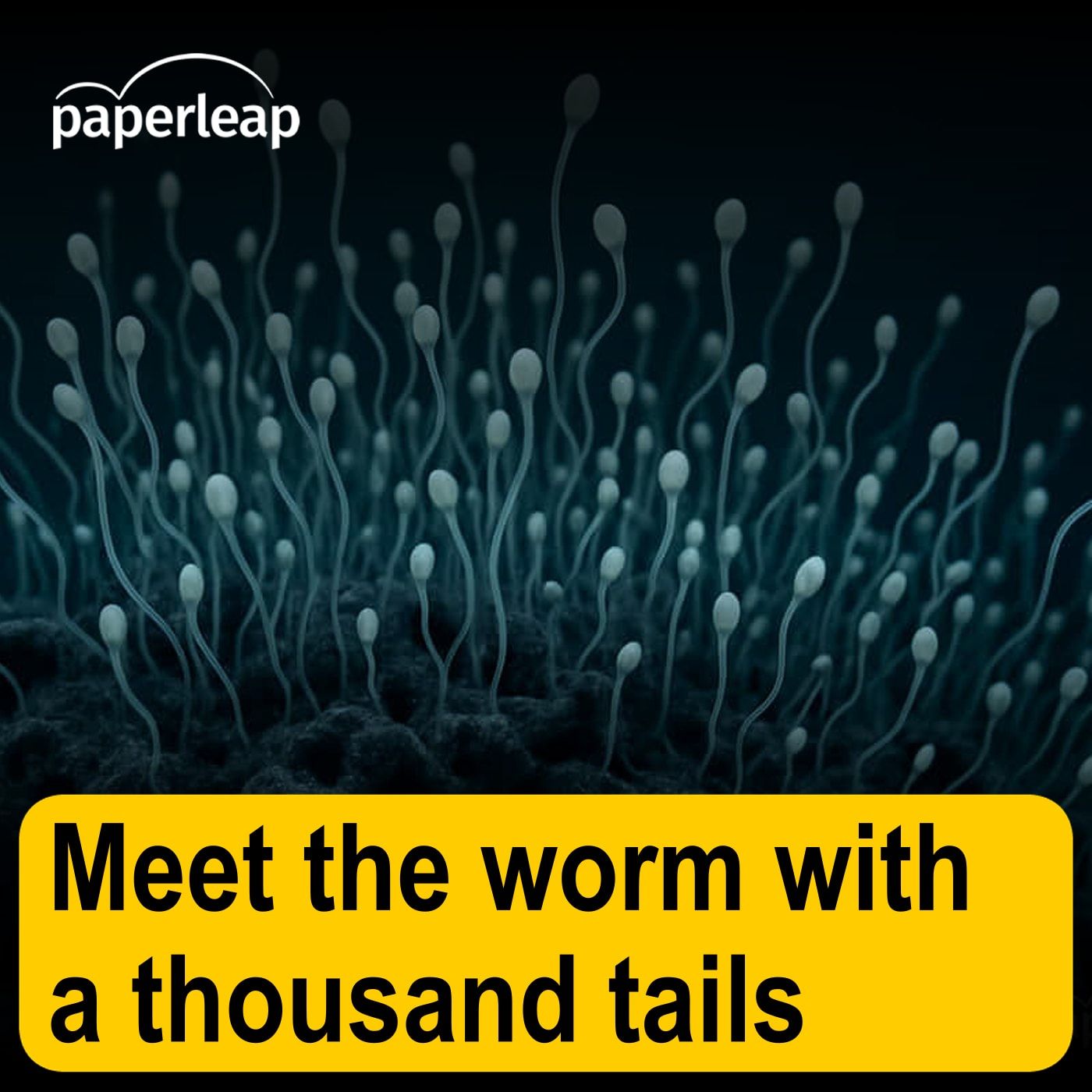
A recent genetic study of *Ramisyllis kingghidorahi*, a rare worm with hundreds of tails, revealed that body region influences gene activity more than sex. The research focused on the genetic activity patterns during stolonization, the process by which the worm produces detachable reproductive units, challenging conventional understandings of animal bodies and offering insights into the flexibility of life.Read the full article at https://www.paperleap.com/blog/articles/meet-the-worm-with-a-thousand-tails-0cccul
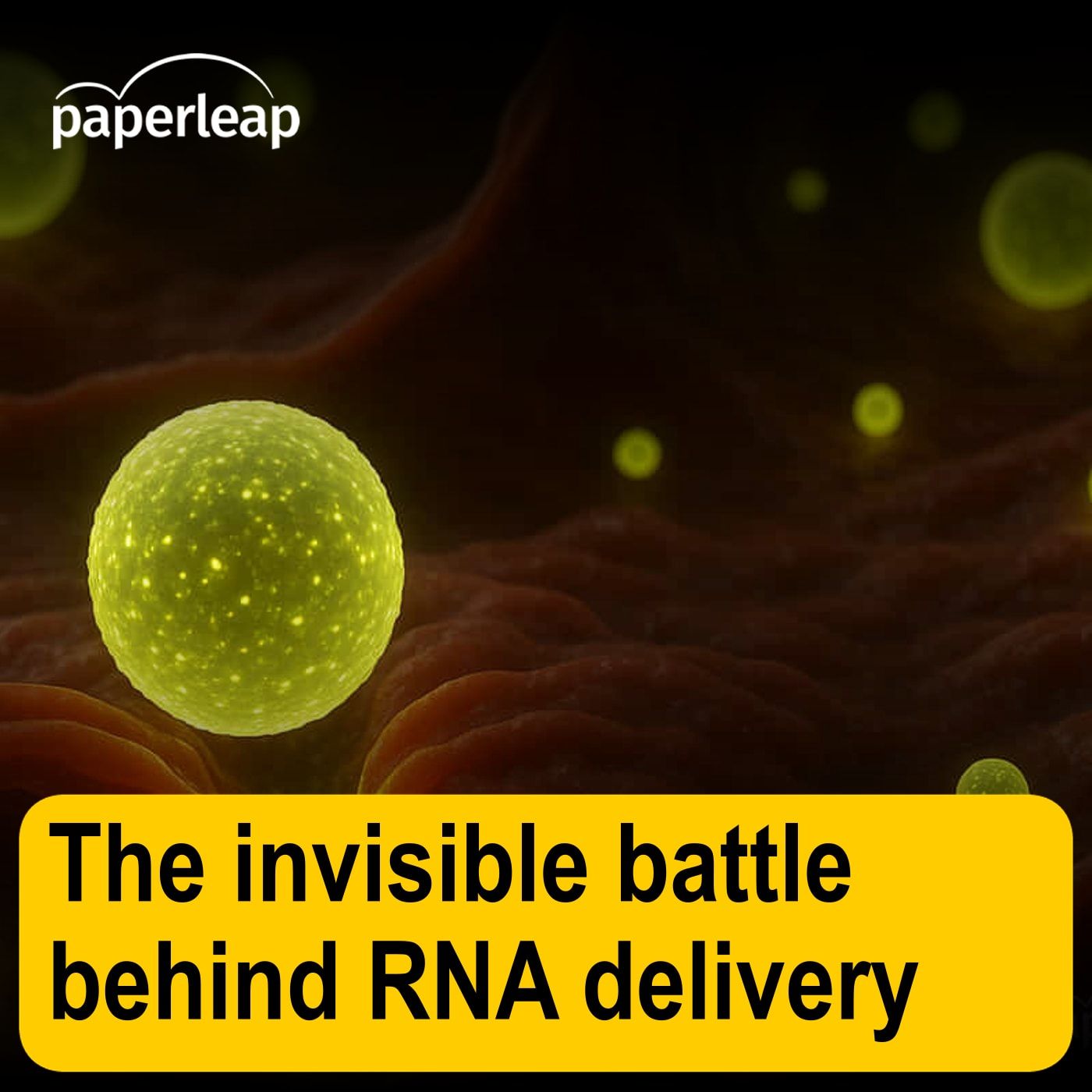
A new study using advanced microscopy techniques has revealed why lipid nanoparticles (LNPs), used to deliver RNA in vaccines and gene therapies, often fail to deliver their cargo effectively inside cells. Researchers discovered that lipids and RNA often separate inside cells, and the cell's repair system actively hinders RNA escape, limiting therapeutic efficacy. Understanding these barriers is crucial for designing more effective RNA delivery systems.Read the full article at https://www.paperleap.com/blog/articles/the-invisible-battle-behind-rna-delivery-0cccua
Researchers have developed a novel, self-propelled water purifier that combines photocatalysis, photothermal evaporation, and robotics, utilizing sunlight as its sole power source. This innovative technology, comprised of a foam made from graphene oxide, MXene, and titanium dioxide, holds the potential to provide decentralized, sustainable access to clean water, especially in remote or disaster-stricken areas.Read the full article at https://www.paperleap.com/blog/articles/a-sponge-robot-that-cleans-water-with-sunlight-0cccu1
A new study published in *JAMA Health Forum* reveals a surprising trend: under value-based care payment models, women doctors are earning more per patient than their male counterparts. Traditionally, women physicians have faced a persistent gender wage gap due to a focus on volume rather than quality of care. This study, examining data from physicians working under full-risk Medicare Advantage contracts, demonstrates that when payment is tied to patient health and cost management, the qualities and behaviors often exhibited by women doctors – such as increased patient interaction and follow-up – become valuable assets. This finding suggests a path towards a fairer healthcare system that recognizes and rewards the comprehensive care provided by women physicians.Read the full article at https://www.paperleap.com/blog/articles/how-value-based-care-might-close-the-gender-pay-gap-0cccuw
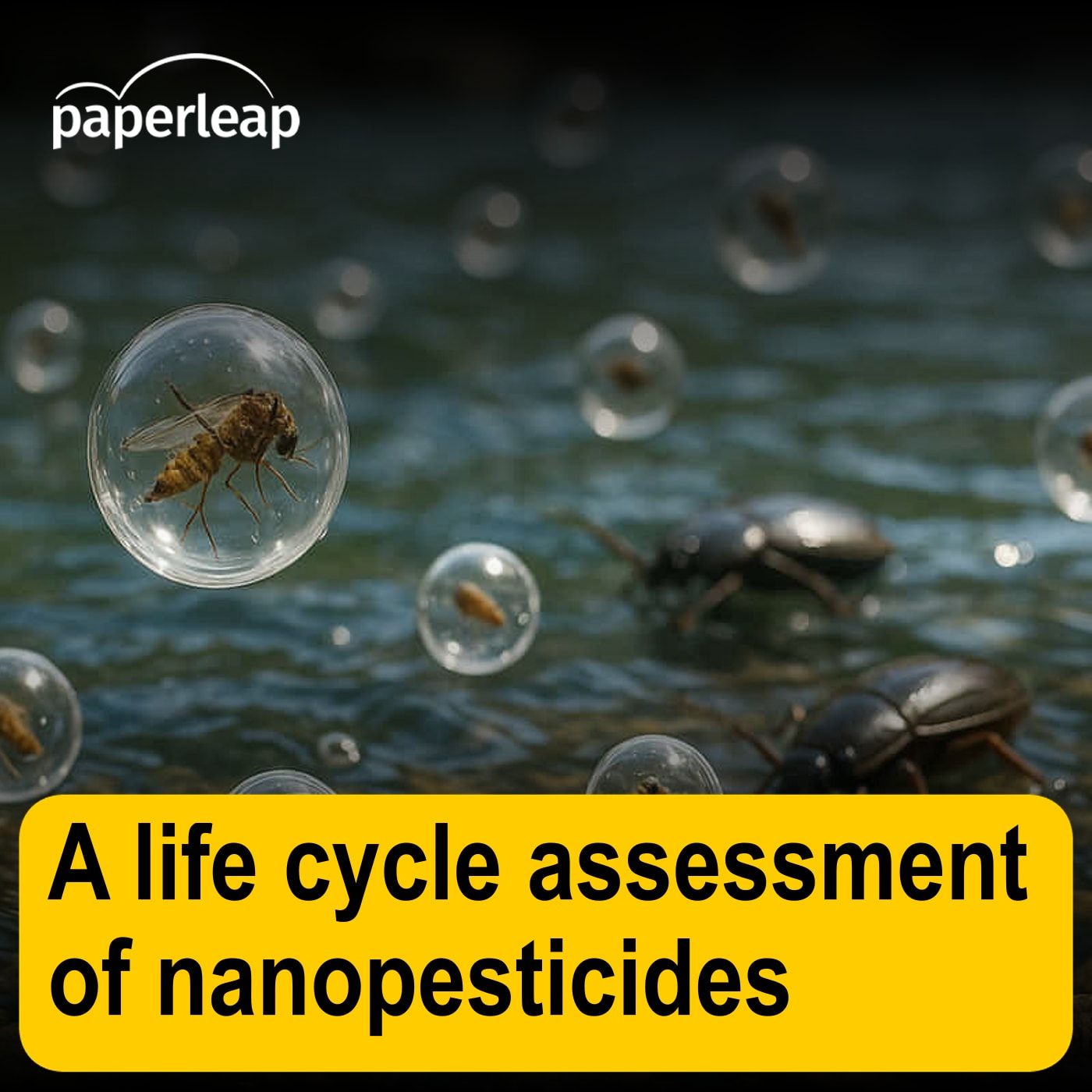
A recent study investigated the environmental impact of nano-encapsulated imidacloprid (nano-IMI) compared to the conventional pesticide imidacloprid. While nano-IMI reduces pesticide runoff and potential harm to freshwater ecosystems, its production carries a higher ecological risk due to energy-intensive processes. The research emphasizes the need for greener production methods to maximize the benefits of nanopesticides while minimizing their overall environmental footprint.Read the full article at https://www.paperleap.com/blog/articles/a-lifecycle-risk-assessment-of-nanopesticides-0cccug
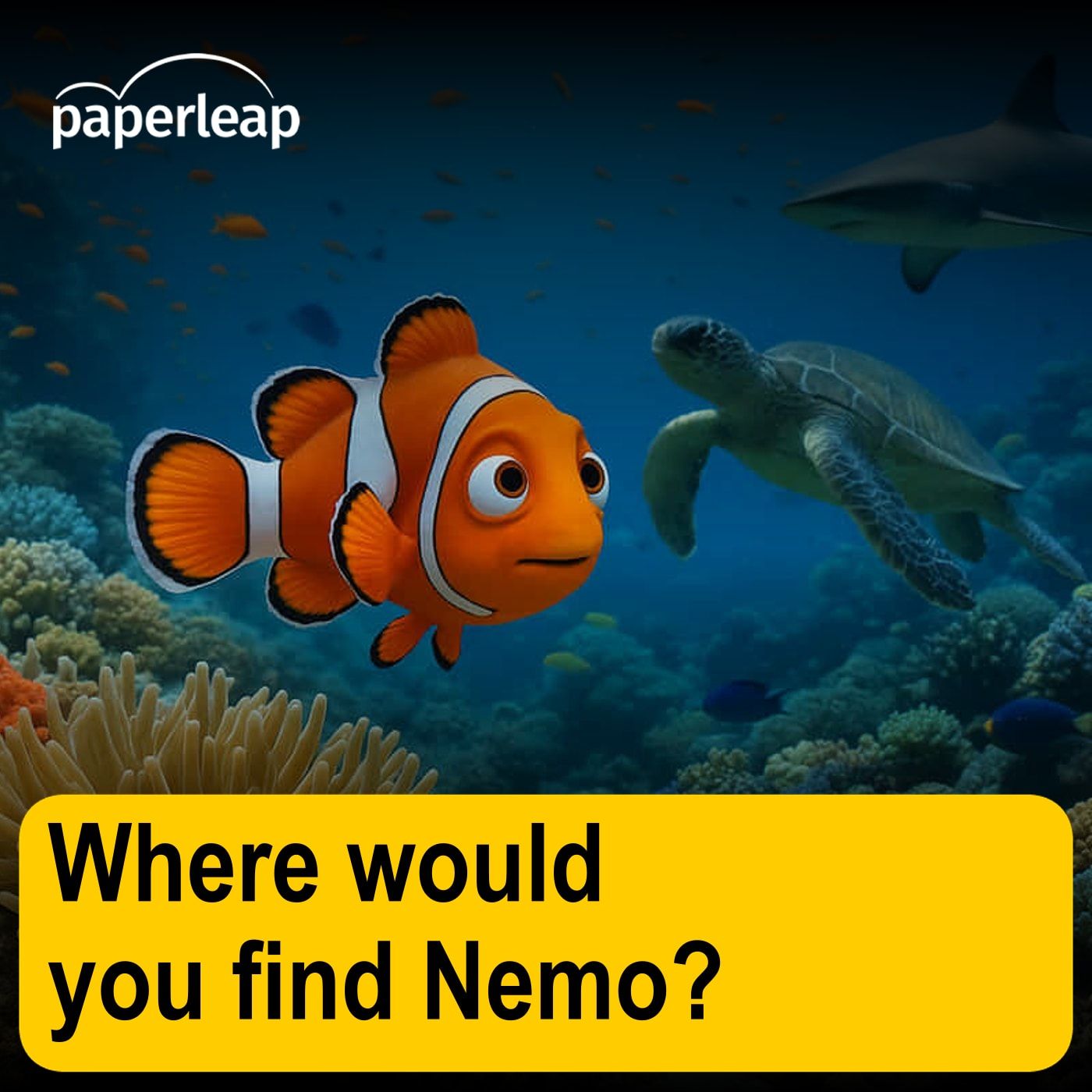
A recent study revealed that while Australians generally recognize the Great Barrier Reef's importance, their knowledge of its species is surprisingly limited, often influenced by popular culture like the film *Finding Nemo*. This lack of detailed understanding poses a challenge for effective conservation efforts and highlights the need for broader public engagement with reef biodiversity.Read the full article at https://www.paperleap.com/blog/articles/do-people-really-know-where-to-find-nemo-0cccus
A new study analyzing Reddit posts reveals a common cycle of premarital hesitation among engaged couples, involving disclosing red flags, justifying the relationship, grappling with doubt, visualizing the future, seeking outside validation, and expanding their understanding of the situation. The study highlights the importance of recognizing engagement doubts and seeking neutral perspectives to ensure healthy relationships.Read the full article at https://www.paperleap.com/blog/articles/a-study-explored-the-process-of-engagement-doubts-0cccuf
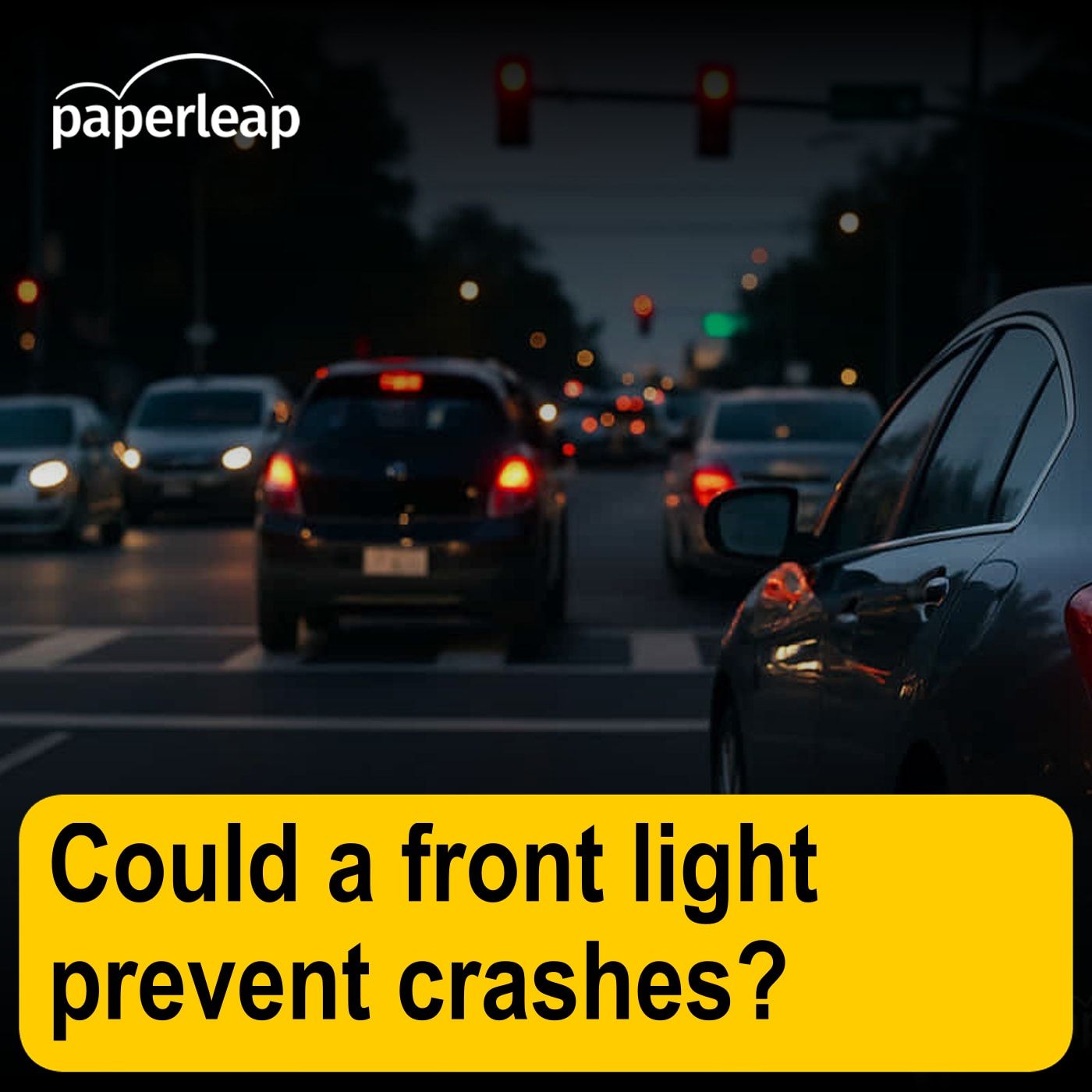
A new study published in *Vehicles* explores the potential of front brake lights (FBLs) to improve safety at intersections. Using counterfactual simulation of 200 real-world crashes, researchers found that FBLs could prevent up to 17% of crashes and mitigate another 9-25%, offering a low-cost, retrofittable solution to a common cause of accidents while waiting for widespread adoption of advanced driver-assistance systems.Read the full article at https://www.paperleap.com/blog/articles/could-a-simple-front-brake-light-save-lives-at-intersections-0cccuk
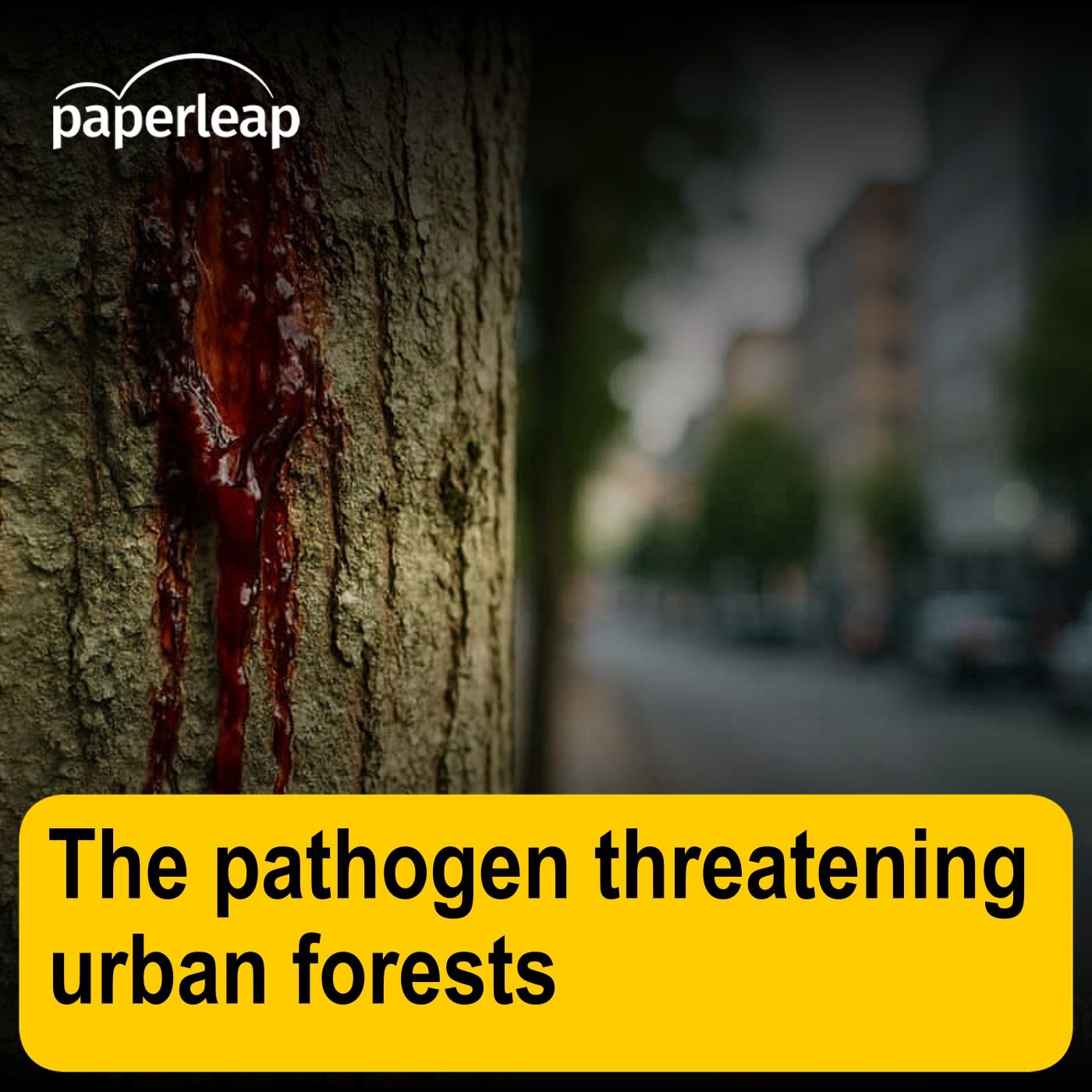
A recent study reveals how the soil-borne pathogen *Phytophthora plurivora* is impacting the health of common lime trees in European cities, significantly reducing their ability to provide vital ecosystem services like cooling and carbon sequestration. Using innovative IoT sensors, researchers found that infected trees experience substantial declines in water usage, cooling power, and growth, highlighting the need for proactive strategies to enhance the resilience of urban forests in the face of climate change and pathogen threats.Read the full article at https://www.paperleap.com/blog/articles/the-hidden-pathogen-threatening-our-urban-forests-0cccuj
A recent study published in *Healthcare* explored how everyday users feel about sharing health tracker data with their healthcare providers, finding that 94% of participants would be willing to do so. While many have already discussed their data with professionals, the study highlights a gap between willingness and reality due to factors like physician training and privacy concerns, suggesting that healthcare systems need to adapt to effectively utilize wearable data and foster patient trust.Read the full article at https://www.paperleap.com/blog/articles/would-you-share-your-health-tracker-data-with-your-doctor-0cccur
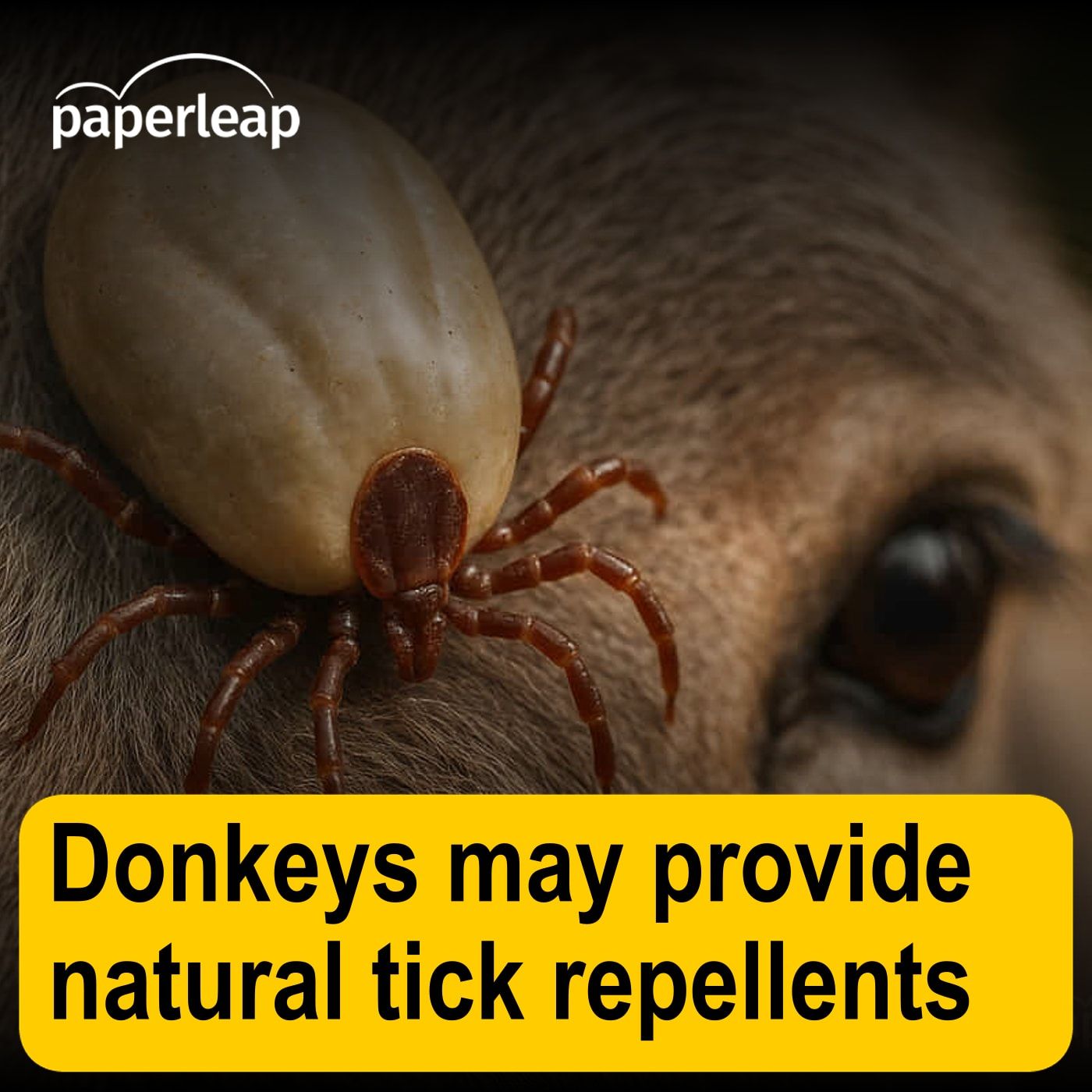
Researchers have discovered that donkeys naturally secrete a chemical, (E)-oct-2-enal, which effectively repels blacklegged ticks. This natural repellent shows promise as a safer and more sustainable alternative to traditional tick control methods like DEET, potentially offering protection for humans and animals and opening avenues for a new generation of eco-friendly pest control strategies.Read the full article at https://www.paperleap.com/blog/articles/donkeys-hold-the-key-to-natural-tick-repellents-0cccu4
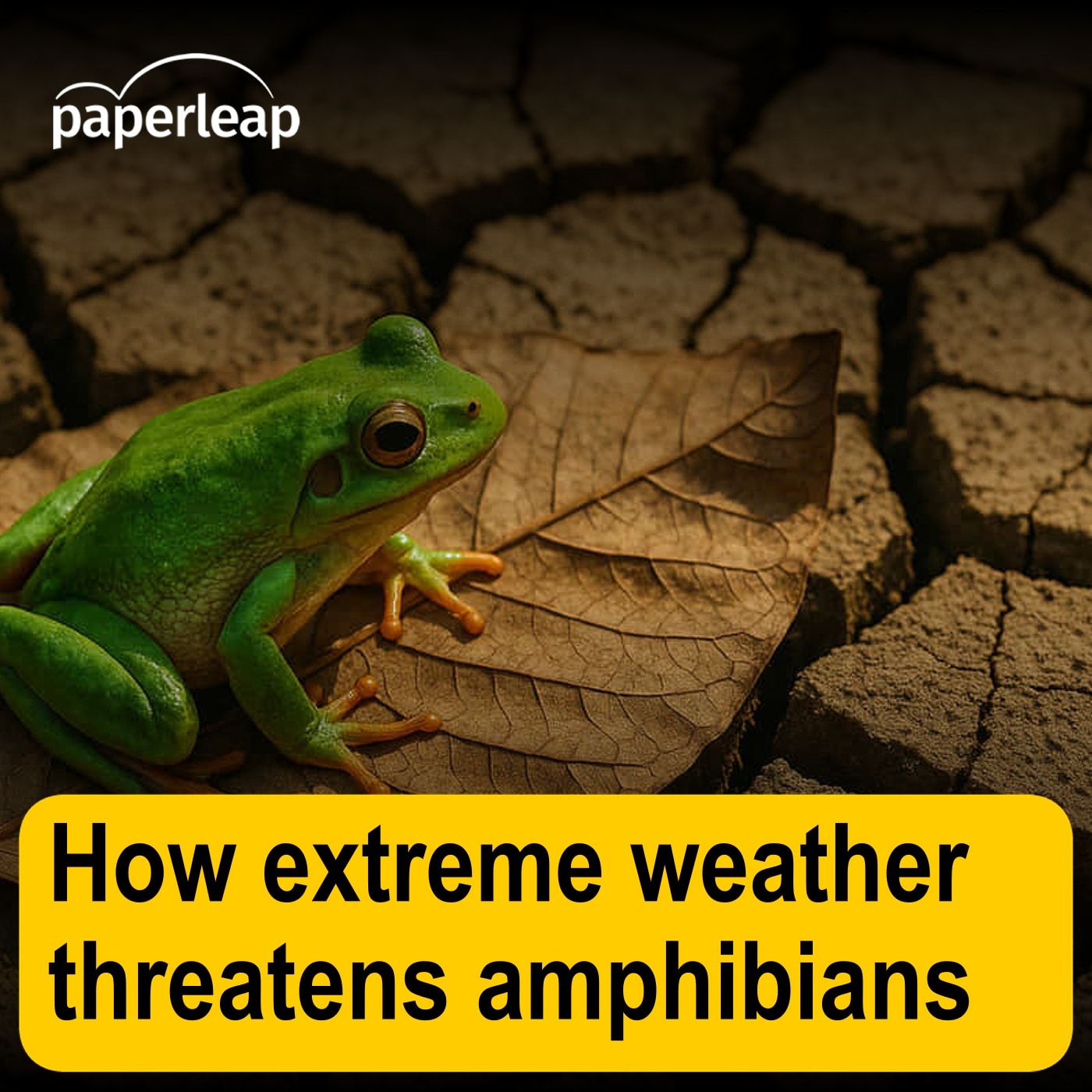
A new study reveals that climate extremes—heat waves, droughts, and cold spells—are rapidly intensifying and exposing a significant percentage of the world’s amphibian species to increased risk of extinction. The research highlights regions like Madagascar, the Amazon Basin, and Europe as hotspots and connects these extreme weather events to observed declines in amphibian conservation status.Read the full article at https://www.paperleap.com/blog/articles/how-extreme-weather-threatens-amphibians-0cccub
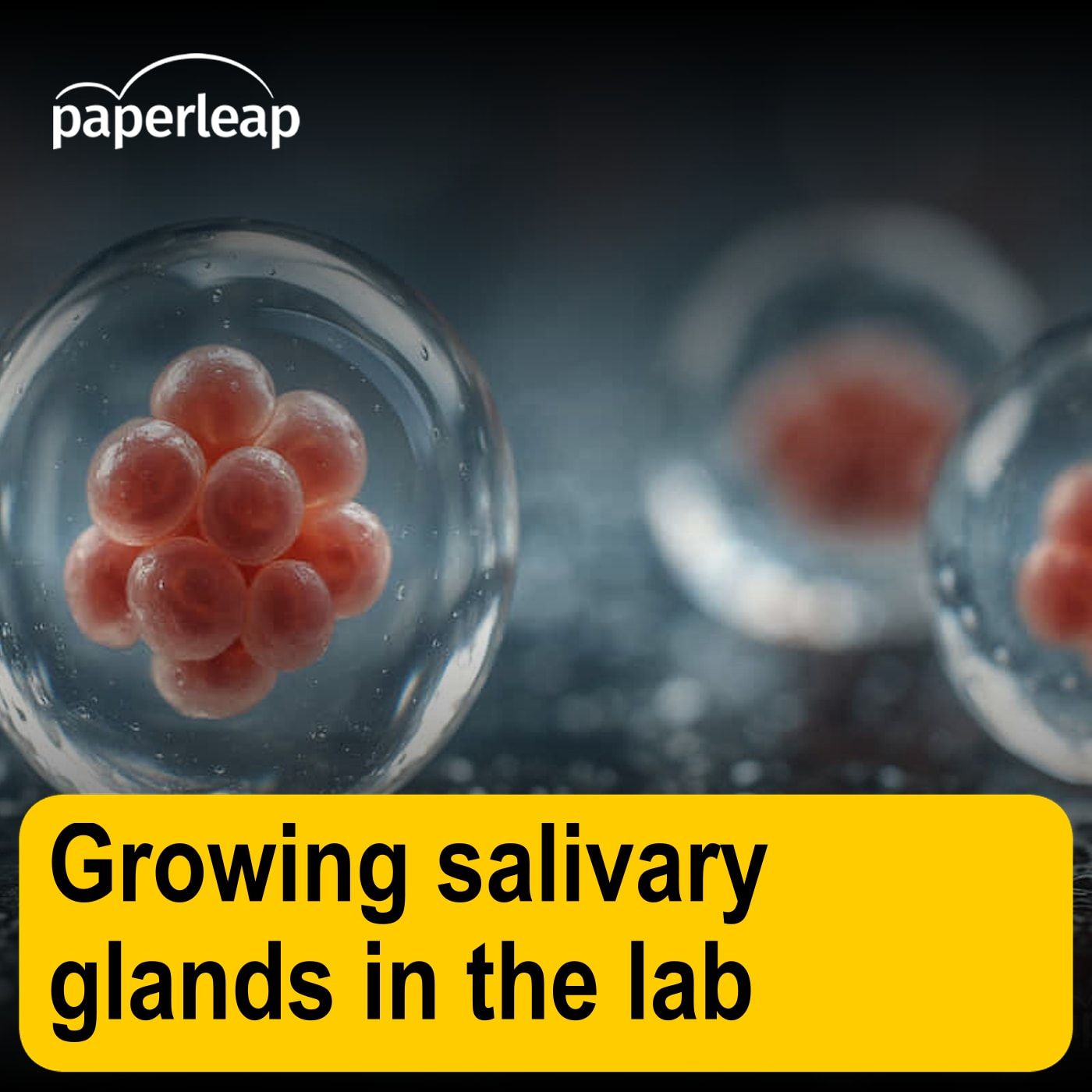
Researchers at McGill University have developed a novel method for growing miniature salivary gland structures in a 3D gel, offering a potential future treatment for chronic dry mouth (xerostomia), which is often caused by radiation therapy or autoimmune diseases. By using hyaluronic acid-containing hydrogels, they successfully cultivated functional ‘mini-glands’ that mimic the behavior of natural salivary tissues, opening doors for potential therapies and disease modeling.Read the full article at https://www.paperleap.com/blog/articles/lab-grown-salivary-glands-offer-hope-for-dry-mouth-0cccue
Scientists at Marshall University have identified a promising new approach to reversing overdoses involving the dangerous combination of fentanyl and xylazine. Their research, published in *The Journal of Translational Research*, suggests that combining naloxone with atipamezole could provide a more complete reversal than naloxone alone, offering hope for those affected by this escalating crisis.Read the full article at https://www.paperleap.com/blog/articles/a-potential-antidote-for-the-fentanyl-xylazine-crisis-0cccun
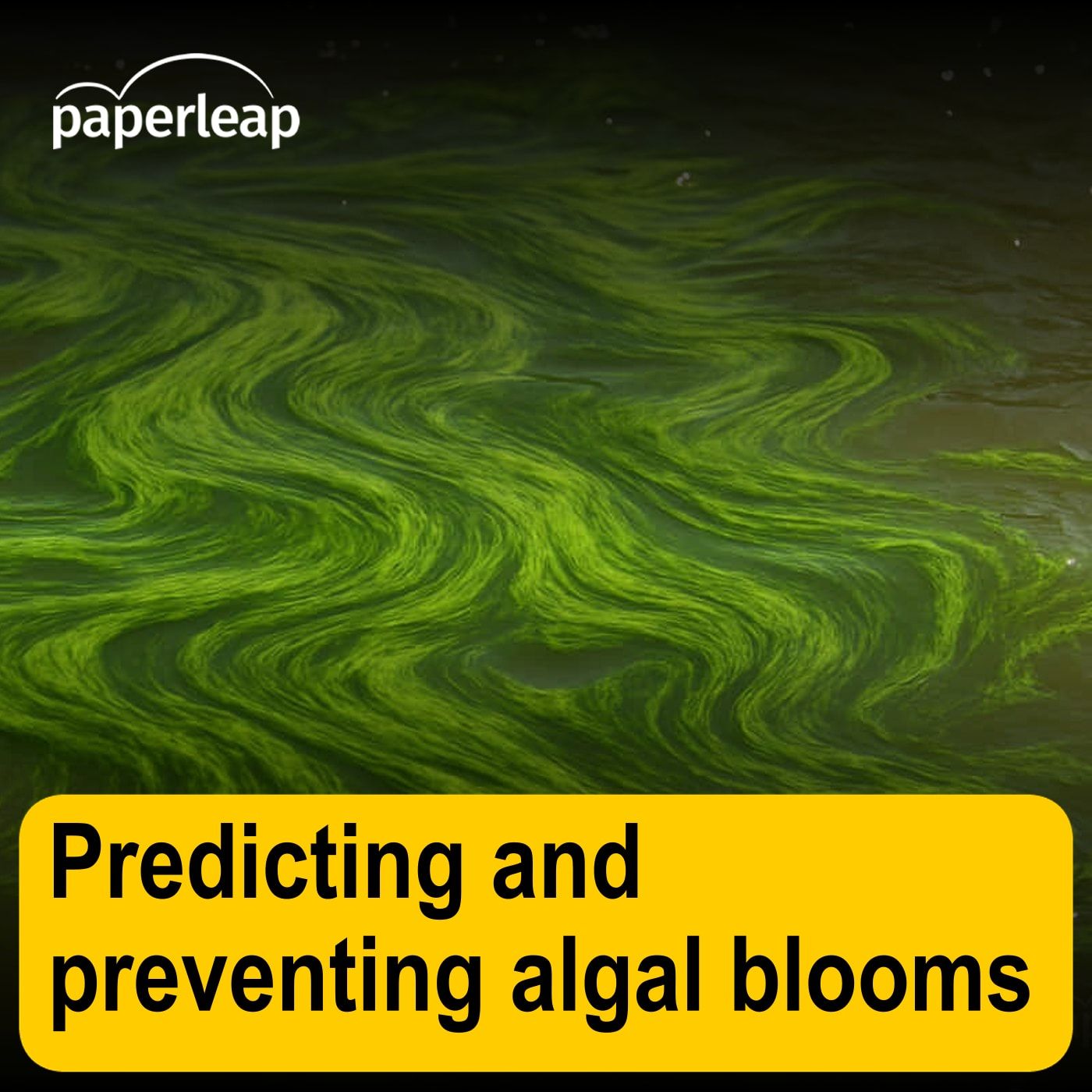
Researchers have developed a day-ahead statistical model to predict algal bloom risk in the Caloosahatchee River and Estuary in Florida. By analyzing historical data and utilizing decision tree models, the model provides water managers with a simple and adaptable tool to anticipate bloom events, enabling proactive adjustments to reservoir releases and potentially mitigating ecological and economic impacts.Read the full article at https://www.paperleap.com/blog/articles/predicting-and-preventing-algal-blooms-0cccuz
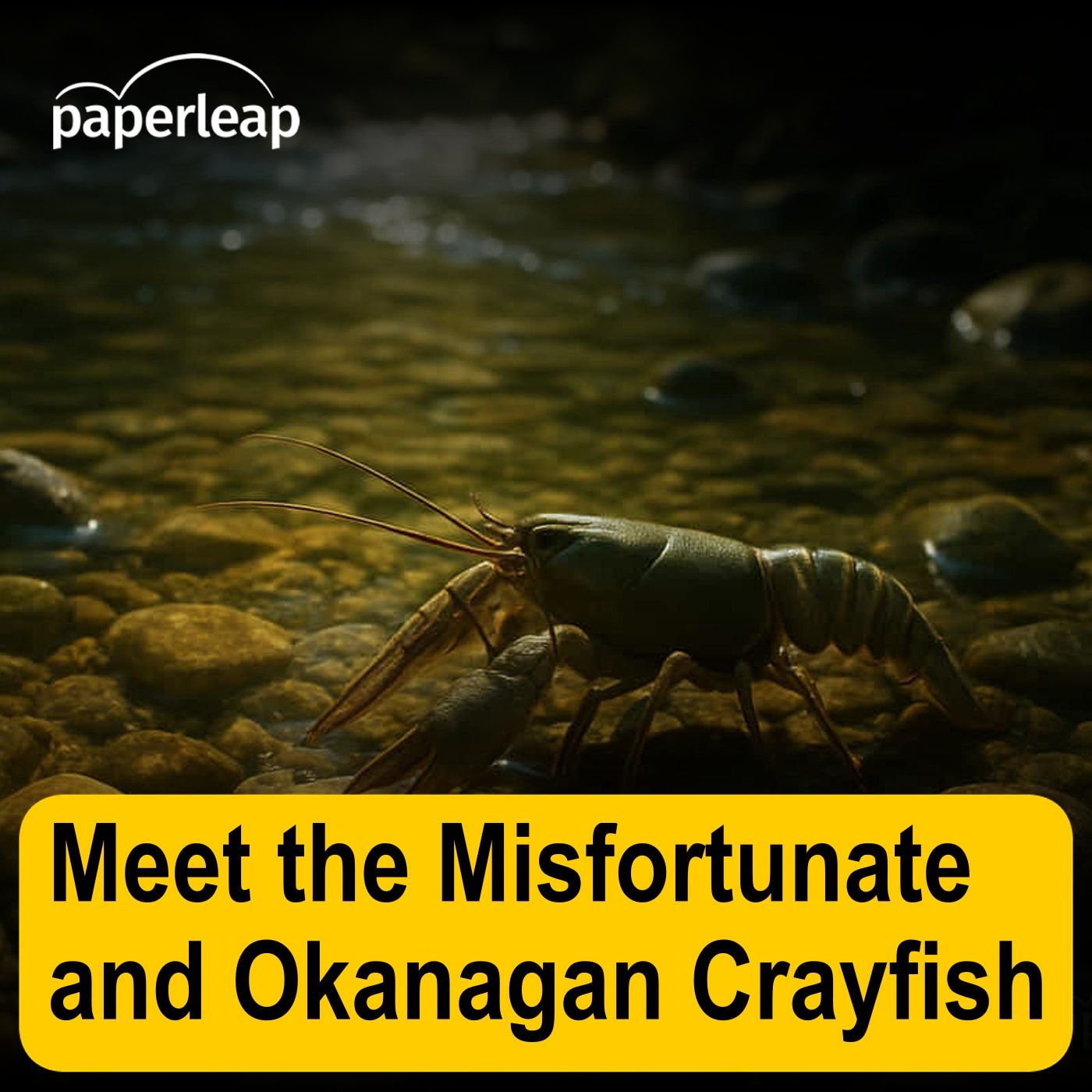
Scientists have identified two new species of crayfish in the Pacific Northwest: the Misfortunate Crayfish (found in Oregon) and the Okanagan Crayfish (found in British Columbia and Washington). Using genomic analysis, they split what was previously considered a single species, the Signal Crayfish, into three distinct lineages. The Misfortunate Crayfish is facing a severe threat from invasive crayfish, making its conservation a high priority, while the Okanagan Crayfish faces a slower but similar challenge.Read the full article at https://www.paperleap.com/blog/articles/meet-the-misfortunate-and-okanagan-crayfish-0cccue
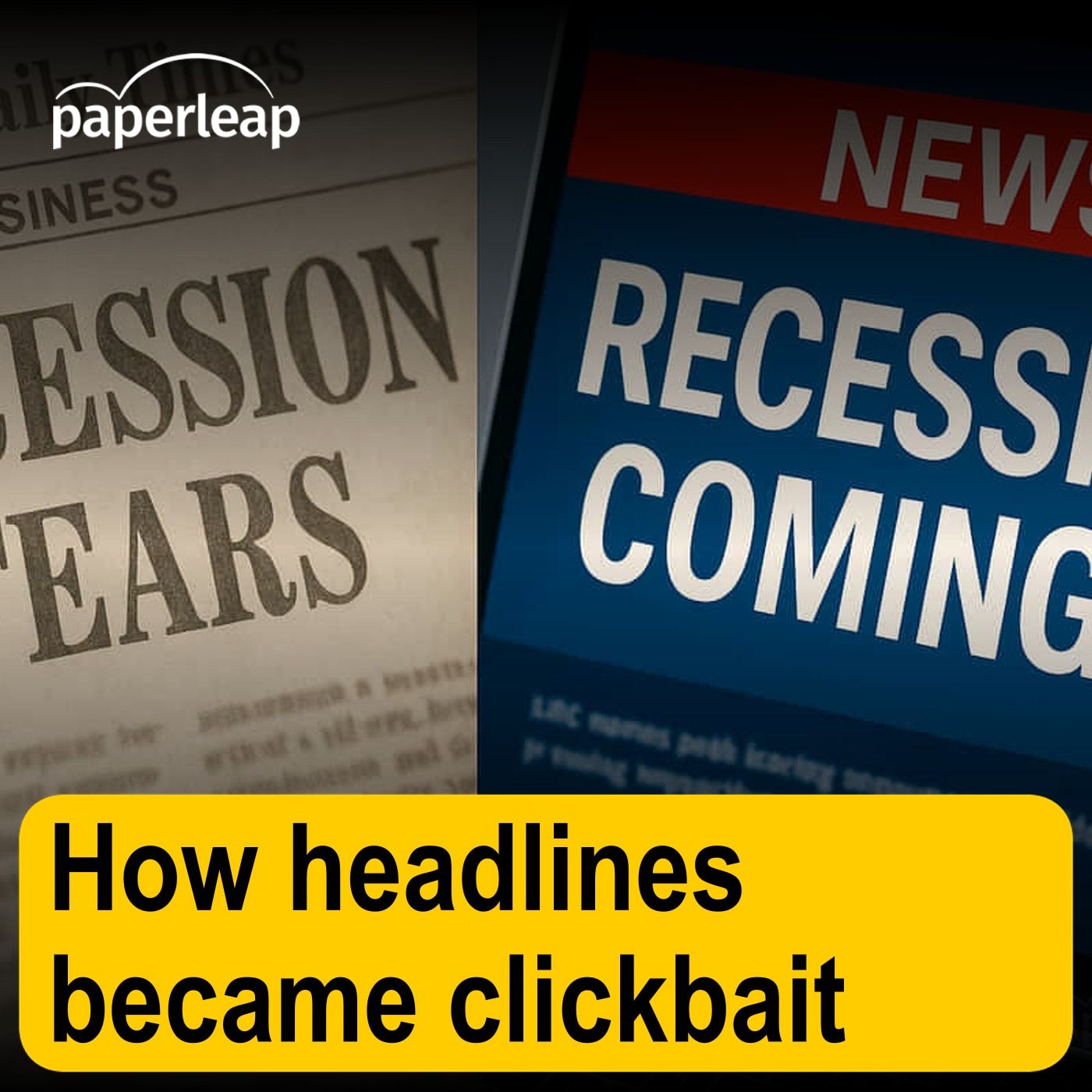
A new study analyzed 40 million news headlines across multiple countries and found a significant shift toward longer, more negative, and more sensational headlines resembling clickbait. Driven by algorithms and the pressures of the attention economy, this trend affects public mood, trust in journalism, and the effectiveness of misinformation detection, highlighting the need to rethink online design and prioritize depth and informed readership over simple click-through rates.Read the full article at https://www.paperleap.com/blog/articles/headline-evolution-how-news-became-clickbait-0cccu4
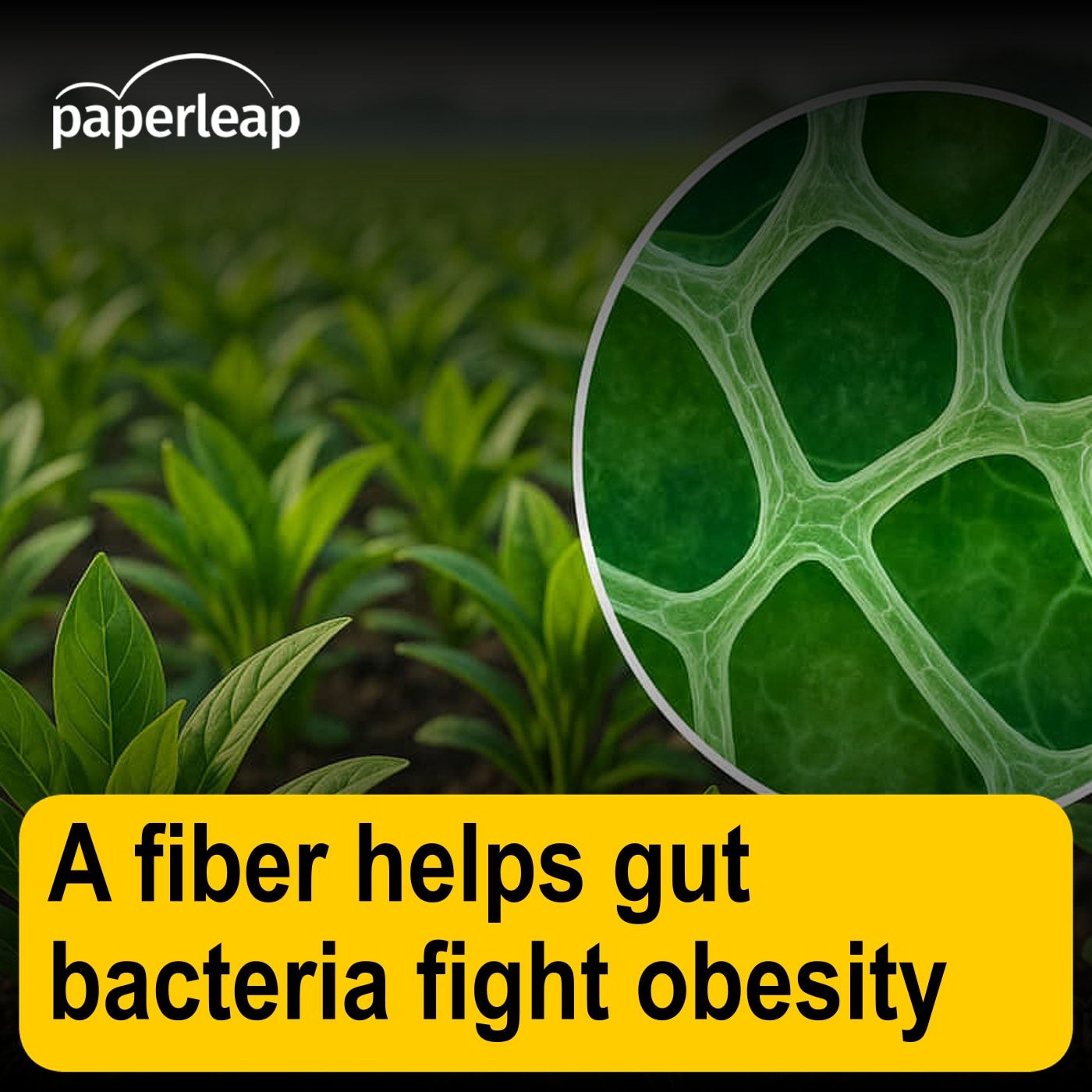
A new study reveals that acetylated cellulose (AceCel), a modified fiber, can alter gut bacteria metabolism in mice, leading to reduced weight gain, improved blood sugar control, and healthier cholesterol levels. AceCel encourages Bacteroides bacteria to consume sugars before the body can absorb them, effectively mimicking the metabolic benefits of a ketogenic diet without drastic dietary changes.Read the full article at https://www.paperleap.com/blog/articles/how-a-fiber-tricks-gut-bacteria-into-fighting-obesity-0cccuz
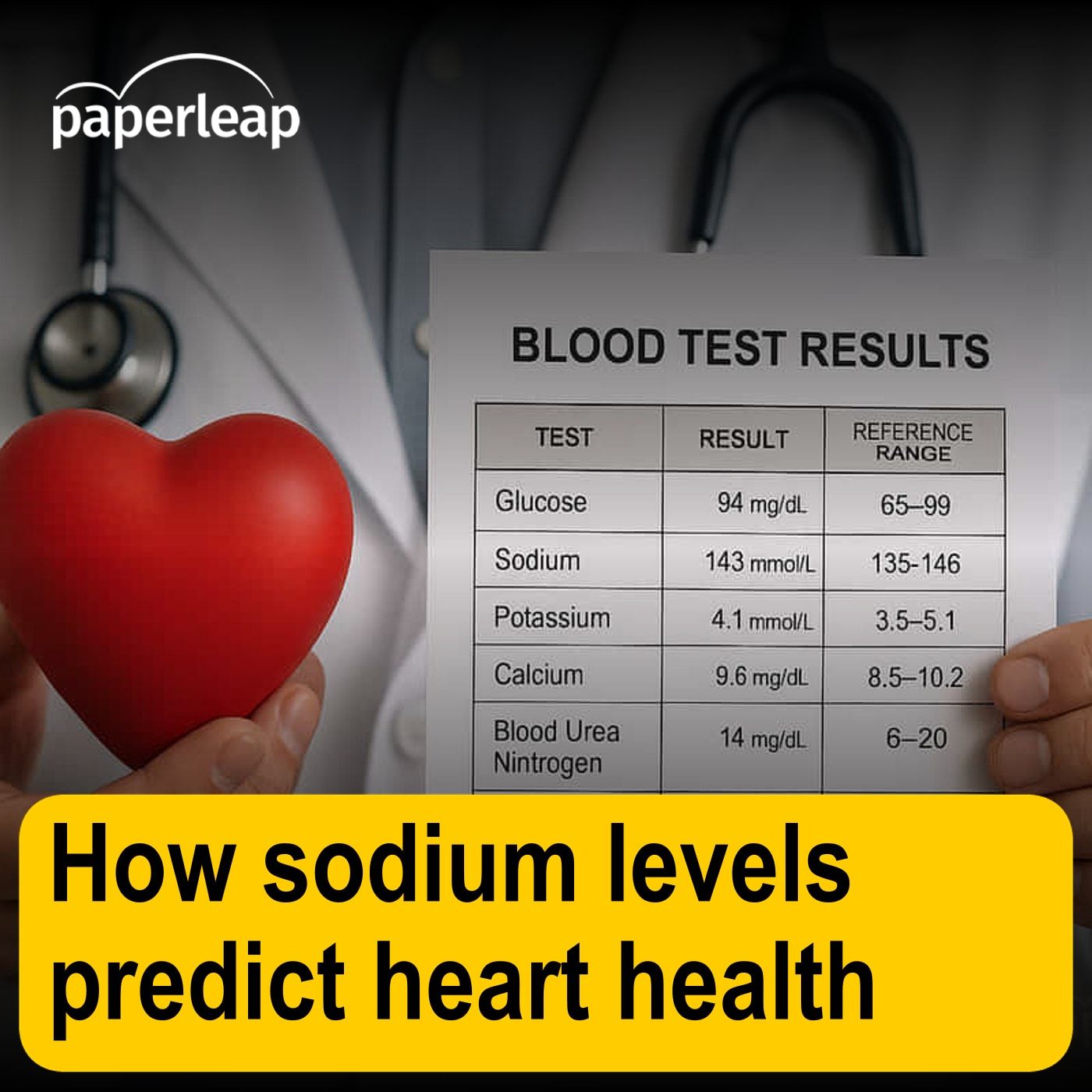
A new study reveals that even “normal” blood sodium levels, particularly those at the upper range, may predict an increased risk of hypertension and heart failure. Researchers from Israel, the U.S., and Europe analyzed 20 years of medical data, suggesting increased hydration could be a simple, powerful preventive strategy.Read the full article at https://www.paperleap.com/blog/articles/how-sodium-and-hydration-levels-predict-heart-health-0cccub
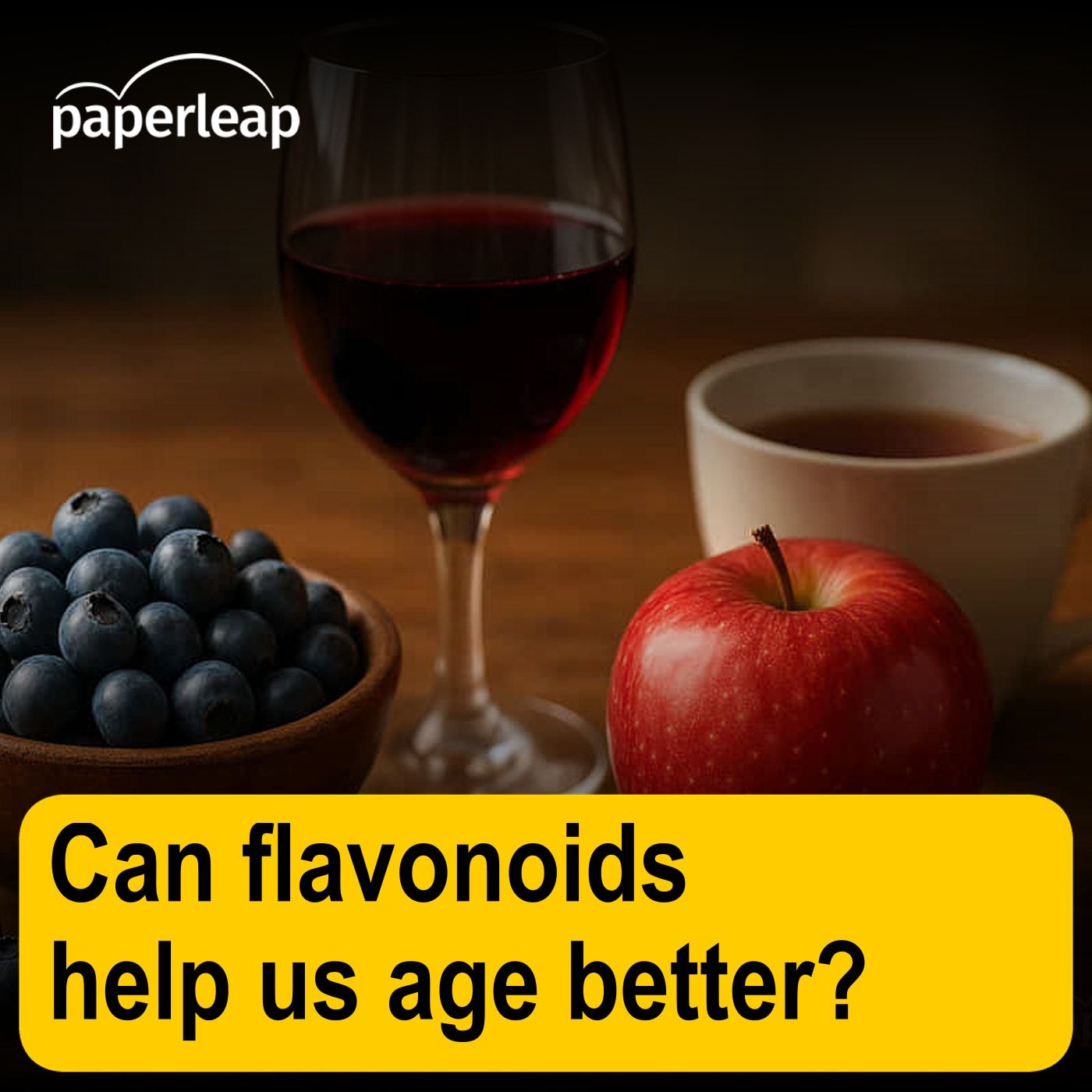
A large-scale study examining decades of dietary habits and health outcomes in U.S. nurses and male health professionals found that individuals with higher intakes of flavonoid-rich foods, such as tea, red wine, apples, and blueberries, experienced reduced risk of frailty, improved physical function, and better mental health as they aged. The study suggests simple dietary modifications could support healthy aging.Read the full article at https://www.paperleap.com/blog/articles/can-tea-wine-and-berries-help-us-age-better-0cccun

Comments

Download from Google Play

Download from App Store
 United States