


 Claim Ownership
Primitive Camping & Bushcraft
Subscribed: 56Played: 1,429
Subscribe

© 2025 Speiroutdoors
Description
The Primitive Camping & Bushcraft podcast, hosted by Chris Speir from Speiroutdoors, offers practical tips and insights to help outdoor enthusiasts enhance their wilderness skills. Each episode dives deep into topics from Chris's book, "Primitive Camping & Bushcraft," covering everything from essential gear and survival techniques to building a community of like-minded adventurers. Perfect for both seasoned pros and beginners, this podcast equips listeners with the knowledge they need to thrive in the great outdoors.
80 Episodes
Reverse
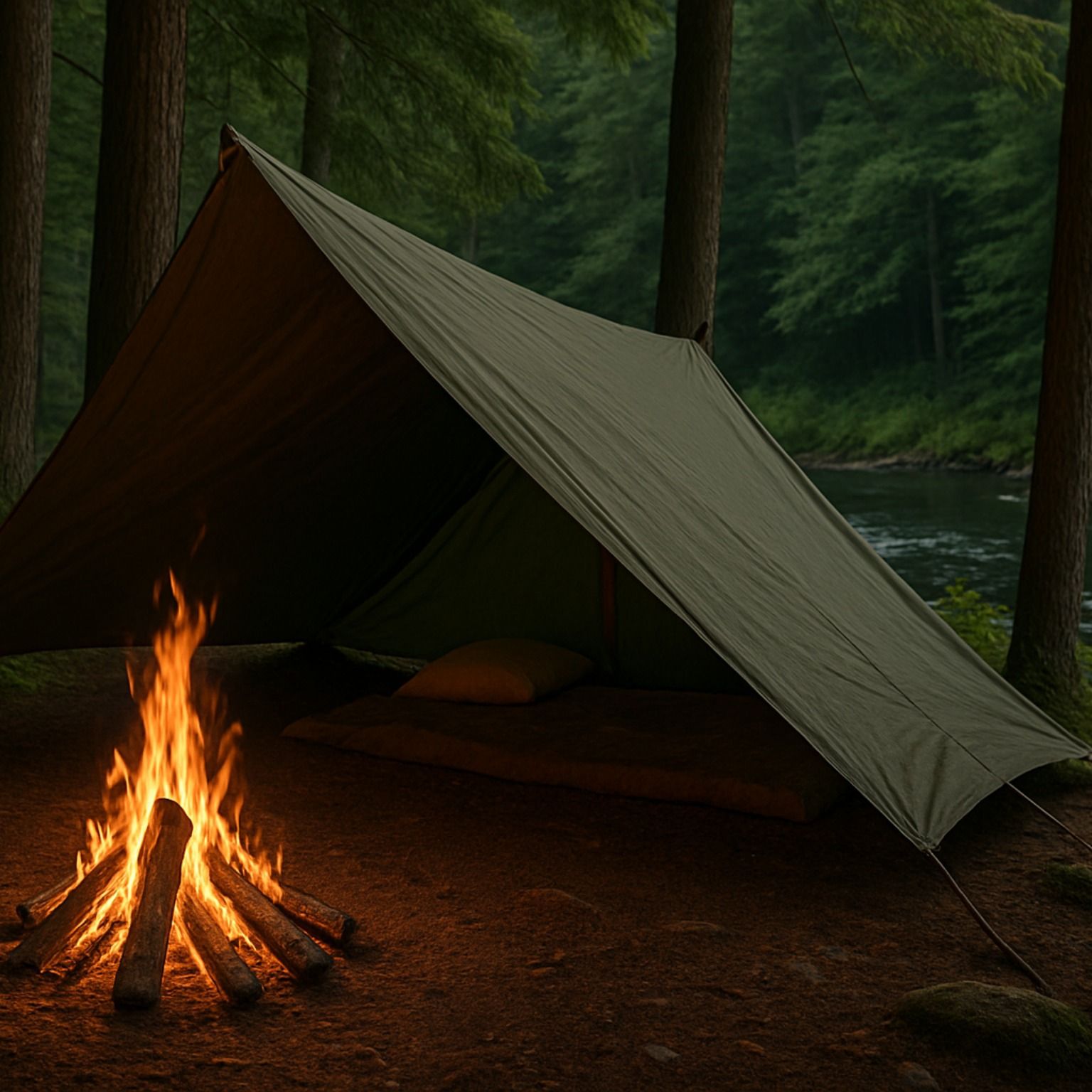
In this Fundamental Friday lesson we break down shelter from the inside out. Chris starts with clothing as your first layer of protection and how fabrics behave in heat, cold, and wet conditions. From there we move into shelter site selection using U.S. Army standards: finding level ground, spotting widow makers, judging water levels, avoiding rockslide or avalanche zones, and positioning yourself near resources without exposing yourself to predators or biting insects.Next we move into the hands-on builds.Lean ToAttach the tarp to the ridgeline using two prusik loops and toggles. Stake the back corners tight to the ground to form a sloped wall. Angle the wall into or away from the wind depending on the weather. Simple, fast, and sheds rain well when tightened correctly.A FrameLay the tarp lengthwise over the ridgeline so both sides hang evenly. Attach the center tie-out on each side with prusik loops and toggles. Stake down all four corners to create a triangular shelter with better wind and rain protection than a lean to.Diamond FlyTurn the tarp diagonally and drape one corner over the ridgeline. Fasten that corner using a prusik and toggle. Pull the opposite two wings down and stake them to the ground. This creates a tight diamond shape that works well over hammocks or on the ground, giving more coverage and airflow.AdirondackLay one corner of the tarp over the ridgeline and attach it with a prusik and toggle. Go behind the tarp and stake out the tie outs directly opposite the toggle points to form the back wall. Fold the far corner inward for a small groundsheet. Stake the front corners to create angled side walls. Flip the top panel over the front and tie it off to a tree to add headroom. This setup reflects heat from a fire straight into the shelter and is excellent for cold weather.Plow PointNo ridgeline needed. Take one corner of the tarp and tie it up to a tree about seven feet high. Stretch the opposite corner out behind you and stake it tight. Stake the remaining two corners to the ground to form a low sweeping triangle that sheds wind and water and sets up in under a minute. Great for fast shelter or sudden weather.
Explore More from Primitive Camping & BushcraftAll my links, gear, community, and content in one spot:www.primitive-camping.comStay Connected📖 Book: Primitive Camping & Bushcraft☕ Coffee: Primitive Camping Roast🎙️ Podcast Episodes🎥 YouTube Channel🧭 Socials, Blog, and More Follow my Speir Outdoors Channels:Youtube - www.youtube.com/@speiroutdoorsFacebook - www.facebook.com/primitivecampingHave questions or want to connect?📩 Email: info@primitive-camping.com
This episode digs into a cold night that didn’t go the way it should have gone. A simple overnight trip with Dave turned into a long reminder that winter camping will expose every weak spot in your gear and your planning. I took my military issue extreme cold weather sleeping bag, my Helinox ultralight cot, my wool blanket, and my down puffy blanket from East Hills Outdoors. On paper, everything looked solid. In reality, the setup had one flaw that turned the night miserable.We walk through exactly what went wrong and why I froze in a bag rated for forty below. We break down how sleeping bags actually work, why compressed insulation fails under your back, and how convective cooling pulls heat out of you faster than you expect. We also get into the difference between top insulation and bottom insulation, why a cot lifts you but never warms you, and how wool blankets and puffy blankets fill the gaps that modern synthetics don’t always cover.You’ll hear the honest field lessons learned that night, including what I should have done differently, how I now build my cold-weather sleep system, and why even seasoned campers get humbled when they overlook the basics. If you’ve ever slept cold, fought drafts, or misjudged a winter night, this one hits close to home.Gear and topics discussedExtreme Cold Weather Military Sleeping BagIntermediate Cold Weather BagHelinox Ultralight Cot: https://amzn.to/3XuLun8Get out the Gear Down Puffy Blanket: https://amzn.to/4osn48KMilitary Wool Blanket: https://amzn.to/44Dtr1SConvective CoolingInsulation R-ValueCot vs Ground SetupWinter Sleep System LayeringPrimitive Camping Rations: All Products | Primitive CampingWatch the camping video on Speir Outdoors https://youtu.be/l0O36IDCvRYGrab the book and meals at Primitive-Camping.com
Explore More from Primitive Camping & BushcraftAll my links, gear, community, and content in one spot:www.primitive-camping.comStay Connected📖 Book: Primitive Camping & Bushcraft☕ Coffee: Primitive Camping Roast🎙️ Podcast Episodes🎥 YouTube Channel🧭 Socials, Blog, and More Follow my Speir Outdoors Channels:Youtube - www.youtube.com/@speiroutdoorsFacebook - www.facebook.com/primitivecampingHave questions or want to connect?📩 Email: info@primitive-camping.com
SHOW NOTES• This Fundamental Friday expands on Monday’s podcast and breaks down each lantern demonstrated on-camera.• Gear covered: Luci / BioLite solar lantern, LuminAID Titan, the unnamed crank lantern, and the Blavor power station lantern.• I show how each device works, how bright it is, what it weighs, how long it runs, and where it belongs in a primitive camping setup.• These are the exact lanterns I use at Camp Wut Da Heck for night work, safety, and comfort.• If you want to support the channel, grab them through my links below.YOU NEED TO ADD THESE LINKS TO THE SHOW NOTES• Amazon link for Luci / BioLite lantern• Amazon link for LuminAID Titan• Amazon link for LuminAID standard model• Amazon link for Blavor power station• Amazon affiliate storefront link
Explore More from Primitive Camping & BushcraftAll my links, gear, community, and content in one spot:www.primitive-camping.comStay Connected📖 Book: Primitive Camping & Bushcraft☕ Coffee: Primitive Camping Roast🎙️ Podcast Episodes🎥 YouTube Channel🧭 Socials, Blog, and More Follow my Speir Outdoors Channels:Youtube - www.youtube.com/@speiroutdoorsFacebook - www.facebook.com/primitivecampingHave questions or want to connect?📩 Email: info@primitive-camping.com
Today’s conversation is all about practical lighting in camp. I walk through the lanterns I actually use, why each one has a job, and how they’ve held up in real weather, river nights, and deep woods trips. From ultralight inflatable solar lanterns to heavy basecamp chargers, I break down what each one is for and why I keep them in my kit.Gear Mentioned (Remember to add affiliate links):• LuminAID Lantern – your main work light• LuminAID Titan – heavier, brighter, doubles as a battery bank• Luci (BioLite rebrand) inflatable solar lantern• Blavor Power Station Lantern• Unbranded solar USB crank lantern • Tea light can DIY example• Headlamp and small LED flashlight• Page references in your book (Page 70–73 sections)
Explore More from Primitive Camping & BushcraftAll my links, gear, community, and content in one spot:www.primitive-camping.comStay Connected📖 Book: Primitive Camping & Bushcraft☕ Coffee: Primitive Camping Roast🎙️ Podcast Episodes🎥 YouTube Channel🧭 Socials, Blog, and More Follow my Speir Outdoors Channels:Youtube - www.youtube.com/@speiroutdoorsFacebook - www.facebook.com/primitivecampingHave questions or want to connect?📩 Email: info@primitive-camping.com
In this Fundamental Friday, Chris takes a baseplate compass and a USGS topo map into the Mississippi woods and walks a full mile to test how accurate a simple bearing can be in real terrain. You’ll hear how the compass works, how contour lines tell the truth about the land, how to judge distance, and why old tools still matter when batteries fail.Referenced linksUSGS Topo Mapshttps://www.usgs.gov/products/maps/topographic-mapsPrimitive Camping and Bushcraft Bookhttps://www.primitive-camping.com/product-page/primitive-camping-bushcrafthow to use a compass article: How to Use a Compass: The Ultimate Guide to Navigation
Explore More from Primitive Camping & BushcraftAll my links, gear, community, and content in one spot:www.primitive-camping.comStay Connected📖 Book: Primitive Camping & Bushcraft☕ Coffee: Primitive Camping Roast🎙️ Podcast Episodes🎥 YouTube Channel🧭 Socials, Blog, and More Follow my Speir Outdoors Channels:Youtube - www.youtube.com/@speiroutdoorsFacebook - www.facebook.com/primitivecampingHave questions or want to connect?📩 Email: info@primitive-camping.com
In this episode of the Primitive Camping and Bushcraft Podcast, Chris shares a real story of getting turned around in the woods after losing his map five miles from the truck, and how nothing but a single compass bearing brought him home. After the story he walks through practical, beginner friendly navigation skills anyone can use with a simple baseplate compass and a topographic map.Resources Mentioned:• USGS Topographic Map Downloadshttps://ngmdb.usgs.gov/topoview/viewer/• Outdoors Generations Article by Ethan Shaw“How to Use a Compass: The Ultimate Guide to Navigation”https://outdoorgenerations.com/• Primitive Camping and Bushcraft Bookhttps://www.primitive-camping.com/product-page/primitive-camping-bushcraft• Primitive Camping and Bushcraft Websitehttps://www.primitive-camping.comTopics Covered:– The day Chris lost his map in the timber– How one compass bearing kept him on course– What a baseplate compass really needs– Why topographic maps aren’t as intimidating as they look– How to set a bearing, walk it, and avoid drifting– Why beginners should practice simple navigation before long trips
Explore More from Primitive Camping & BushcraftAll my links, gear, community, and content in one spot:www.primitive-camping.comStay Connected📖 Book: Primitive Camping & Bushcraft☕ Coffee: Primitive Camping Roast🎙️ Podcast Episodes🎥 YouTube Channel🧭 Socials, Blog, and More Follow my Speir Outdoors Channels:Youtube - www.youtube.com/@speiroutdoorsFacebook - www.facebook.com/primitivecampingHave questions or want to connect?📩 Email: info@primitive-camping.com
check out the new Primitive Camping & Bushcraft App on mobile www.primitive-camping.com here is the link to the app: https://www.mobileapp.app/to/lHKdPm1?ref=mamIn this episode of the Primitive Camping and Bushcraft Podcast, Chris takes you from the smell of fair food and shaking hands with listeners to the quiet focus of bow-drill firecraft.He opens the Primitive Camping and Bushcraft book to page 150 and walks through starting a friction fire, step by step, breaking down what it takes to nurture a single ember until it becomes a blaze. Along the way, he shares a listener story about family, faith, and finding purpose in the outdoors, showing that tending your fire is a lot like tending your soul.Inside this episode:Street Fair reflections, lessons, and community shout-outsReading and teaching from Primitive Camping and Bushcraft page 150Step-by-step look at the bow drill — from ember to full flameWhy patience and practice matter more than shortcutsHow building fire mirrors our walk through hardshipA listener story that reignited the flame to keep goingPractical tips for feeding the fire — both in camp and in lifeMentions:Primitive Camping and Bushcraft (page 150, “The Bow Drill”)Primitive Camping Rations – freeze-dried meals, coffee, and fire kitsThe Friday Blog Post – “Starting Fire the Old Way”Community group on primitive-camping.comTakeaways:Every fire begins with patience, not force.Practice friction fire to build skill and discipline.Faith and focus fade the same way coals do, you have to tend them.Keep the right people around you; warmth spreads both ways.The fire you build today might light someone else’s tomorrow.
Explore More from Primitive Camping & BushcraftAll my links, gear, community, and content in one spot:www.primitive-camping.comStay Connected📖 Book: Primitive Camping & Bushcraft☕ Coffee: Primitive Camping Roast🎙️ Podcast Episodes🎥 YouTube Channel🧭 Socials, Blog, and More Follow my Speir Outdoors Channels:Youtube - www.youtube.com/@speiroutdoorsFacebook - www.facebook.com/primitivecampingHave questions or want to connect?📩 Email: info@primitive-camping.com
Welcome back to Fundamental Fridays here on the Primitive Camping and Bushcraft Podcast!Today, we’re breaking down the Primitive Camping Fire Starter Kit — everything that’s packed inside, how it works, and why it belongs in every outdoor pack. From fatwood and ferro rods to char cloth and fire plugs, this kit is built to help you start a fire anywhere, anytime.Chris walks through each piece of gear, demonstrates how to make shavings, explains the purpose of the ferro rod and striker, and even lights a few fires along the way. You’ll see how to use the tin itself to make fresh char cloth, and why these little fire kits make great gifts for anyone who loves the outdoors.Whether you’re camping, hunting, or just getting started with bushcraft, this episode will help you understand not only how to build a fire—but how to be prepared when it matters most.Check out the Primitive Camping Fire Kits and more gear at:👉 https://www.primitive-camping.com
Explore More from Primitive Camping & BushcraftAll my links, gear, community, and content in one spot:www.primitive-camping.comStay Connected📖 Book: Primitive Camping & Bushcraft☕ Coffee: Primitive Camping Roast🎙️ Podcast Episodes🎥 YouTube Channel🧭 Socials, Blog, and More Follow my Speir Outdoors Channels:Youtube - www.youtube.com/@speiroutdoorsFacebook - www.facebook.com/primitivecampingHave questions or want to connect?📩 Email: info@primitive-camping.com
In this episode we are sitting under the tarp at Camp What The Heck with the fire working in the background and talking about something small that becomes a big deal fast in the woods your lightChris tells the story of a bow hunt in the Mississippi Delta where it got dark fast the mosquitoes were thick the woods went dead quiet and something in the water let out a roar so deep it made every hair stand upFor a minute it felt like hog trouble or worse and he had no sidearm and no flashlight just a bow and a bad decisionYou will hear what that sound really was why the dark in the woods can flip peaceful to unsettling in seconds and how sound travels in flooded timber and canalsThen we go into the real point what light does for you mentally out therePractical talk from the book Primitive Camping and Bushcraft on the gear you should actually carry not just what looks cool onlineWhy a cheap Energizer headlamp can save you more than a high dollar toy lightWhy you should always keep more than one light source on you pocket pack and vehicle and check batteries before every tripHow fast you lose confidence when you cannot see your next stepWe also talk about that moment every hunter and camper knows when the sun is gone and now suddenly you feel watched and you feel very smallFrom there we shift into John 8 verse 12 where Jesus says I am the light of the world and what that means when you are in real darkness with real fear and you cannot see what is in front of youIt is not just outdoor prep It is heart prepYou are going to getThe alligator story from the DeltaThe coyote walkout with nothing but a cell phone lightThe gear tip that most beginners ignore and regretThe simple checklist to keep you from getting caught blind in the woodsA reminder that physical light and spiritual light both matter when things go darkPlus a quick update on primitive-camping.com the new store, blog, freeze dried meals, and plans for recording future episodes live from camp and even from the upcoming street fairIf this episode helps you slow down sharpen up or just breathe a little deeper share it with somebody who needs it
Explore More from Primitive Camping & BushcraftAll my links, gear, community, and content in one spot:www.primitive-camping.comStay Connected📖 Book: Primitive Camping & Bushcraft☕ Coffee: Primitive Camping Roast🎙️ Podcast Episodes🎥 YouTube Channel🧭 Socials, Blog, and More Follow my Speir Outdoors Channels:Youtube - www.youtube.com/@speiroutdoorsFacebook - www.facebook.com/primitivecampingHave questions or want to connect?📩 Email: info@primitive-camping.com
Show notesToday’s focus: Backcountry calories, simple meal planning, and faith for “daily bread.”From the book: Primitive Camping & Bushcraft, p.182 (dehydrated/freeze-dried options, flavor add-ons).Why calories matter: Field burn ≈ 3,500–5,000/day vs ~2,000 at home; shivering, climbs, paddling all spike needs.Pack by calories, not meals: Target ~120 cal/oz (peanut butter, nuts, olive oil, granola, jerky, calorie-dense rations).4 rules for the field:Eat by the clock (adrenaline hides hunger)Fat is your friend (dense fuel in cold/long treks)Rotate meals (morale > monotony)Carry one emergency meal (MRE-level calories)Freeze-dried “Primitive Camping Rations”: lightweight, calorie-dense, small-batch options; custom runs available.Faith segment: Matthew 6:11 (“Give us this day our daily bread”), Joseph’s planning, manna trust, Elijah fed by ravens—prepare wisely, trust completely.Resources mentioned:Primitive Camping & Bushcraft (Book) – Page 182 on food planningPrimitiveCamping.com (coming online) – rations, coffee, fire kitsContact for custom meals chris@primitive-camping.com
Explore More from Primitive Camping & BushcraftAll my links, gear, community, and content in one spot:www.primitive-camping.comStay Connected📖 Book: Primitive Camping & Bushcraft☕ Coffee: Primitive Camping Roast🎙️ Podcast Episodes🎥 YouTube Channel🧭 Socials, Blog, and More Follow my Speir Outdoors Channels:Youtube - www.youtube.com/@speiroutdoorsFacebook - www.facebook.com/primitivecampingHave questions or want to connect?📩 Email: info@primitive-camping.com
I’m sitting under the tarp at Camp What The Heck with the fire going and the smell of fall drifting through the woods. This season isn’t just about cooler nights and deer tracks in the mud—it’s about seeing months of work finally come to life. What started in early spring as an idea to create something real for campers and outdoorsmen is now a full line of freeze-dried meals, fresh-roasted coffee, books, and handmade fire kits launching in just two short weeks.In this episode, I talk about how those ideas took shape through long nights, prayer, and plenty of trial and error. The freeze dryers are running non-stop as we prep meals like Red Beans and Rice, Chicken Stew, Shepherd’s Pie, and a Breakfast Skillet—all made from the same recipes we’ve served for years in the restaurant. My wife’s freeze-dried candy is joining the lineup too, adding a sweet side to the outdoor mix.The website, primitive-camping.com, will serve as the new central hub for everything: the store, blog, podcast links, and future updates. I also share how these changes aren’t just about business—they’re about getting back to simplicity, faith, and purpose. This episode ties it all together with a reminder from Ecclesiastes 3: there’s a time and a season for everything. And this, right here, is the season to move forward and trust what God’s been building behind the scenes.
Explore More from Primitive Camping & BushcraftAll my links, gear, community, and content in one spot:www.primitive-camping.comStay Connected📖 Book: Primitive Camping & Bushcraft☕ Coffee: Primitive Camping Roast🎙️ Podcast Episodes🎥 YouTube Channel🧭 Socials, Blog, and More Follow my Speir Outdoors Channels:Youtube - www.youtube.com/@speiroutdoorsFacebook - www.facebook.com/primitivecampingHave questions or want to connect?📩 Email: info@primitive-camping.com
Welcome back to the Primitive Camping & Bushcraft Podcast and another Fundamental Friday around the fire. Today Chris shares how he’s been creating his own freeze-dried meals at home for camping — specifically a homemade beef stroganoff that rivals anything you can buy in a pouch. He walks through every step of the recipe using Thrive Life freeze-dried beef, mushrooms, sour cream powder, and brown gravy mix, all packed into vacuum-sealed bags for the next outdoor trip.The real twist comes when Chris discovers a game-changing ingredient: ready-to-eat pasta that completely removes the need to cook noodles over the fire. He tests the meal on an overnight river trip, showing how simple it can be to eat well while staying primitive.As the meal thickens over the fire and camp conversation begins to fade into the crackle of wood, Chris reminds us that time outdoors is more than a break from life — it’s a moment to recharge, reconnect, and acknowledge God in every path we take.
Explore More from Primitive Camping & BushcraftAll my links, gear, community, and content in one spot:www.primitive-camping.comStay Connected📖 Book: Primitive Camping & Bushcraft☕ Coffee: Primitive Camping Roast🎙️ Podcast Episodes🎥 YouTube Channel🧭 Socials, Blog, and More Follow my Speir Outdoors Channels:Youtube - www.youtube.com/@speiroutdoorsFacebook - www.facebook.com/primitivecampingHave questions or want to connect?📩 Email: info@primitive-camping.com
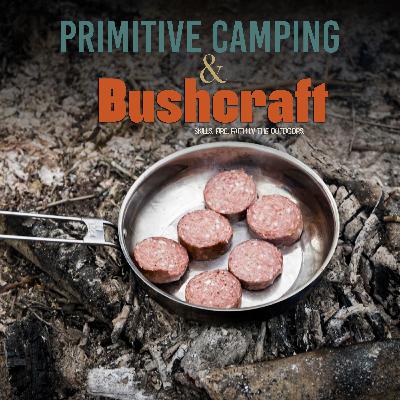
When most folks picture campfire cooking, they think of flames licking the pan and sparks flying into the night sky. Looks good, doesn’t it? Problem is, flames lie to you. They burn hot, fast, and uneven. You end up with food that’s black on the outside and raw in the middle. I’ve been there—trust me, I’ve ruined enough meals to learn the hard way.In this episode, I talk about learning to cook over coals instead of chasing flames. It’s slower, steadier, and a whole lot better once you figure it out. Coals hold their heat, they cook evenly, and they give you control. That means you can fry your eggs without burning them, slow-cook your beans, or even throw a fish right on the embers without worrying about it turning into charcoal.I’ll walk you through how I build a two-part fire: one for flames and one for cooking. I talk about using cast iron, Dutch ovens, and the old “scales down” trick for fish. I even get into why I don’t like the so-called “dirty steak” method—it’s not about being picky; I just can’t stand grit between my teeth.We’ll also open up John 21, where Jesus cooked breakfast for His disciples after the resurrection—on a fire of coals. He didn’t rush. He didn’t bark orders. He met them with patience, warmth, and steady heat. That’s the picture I keep in mind every time I cook outdoors. It’s not just about the meal—it’s about slowing down enough to let the fire, and the moment, do what it’s supposed to.By the end of this episode, you’ll know how to manage your heat, build a coal bed that works like a stove, and cook a solid meal without the frustration. More than that, you’ll walk away remembering that steady coals, like steady faith, always bring the best results. Flames flash, but coals endure—and so should we.So pull up a chair, pour a cup of coffee, and let’s talk about how to cook without burning everything you love.Grab the book, Primitive Camping & Bushcraft, and the Primitive Camping Rations and coffee.If this helped, share it with someone who keeps burning dinner at camp.“In all your ways acknowledge Him, and He shall direct your paths.” (Proverbs 3:6)
Explore More from Primitive Camping & BushcraftAll my links, gear, community, and content in one spot:www.primitive-camping.comStay Connected📖 Book: Primitive Camping & Bushcraft☕ Coffee: Primitive Camping Roast🎙️ Podcast Episodes🎥 YouTube Channel🧭 Socials, Blog, and More Follow my Speir Outdoors Channels:Youtube - www.youtube.com/@speiroutdoorsFacebook - www.facebook.com/primitivecampingHave questions or want to connect?📩 Email: info@primitive-camping.com
Clean water is one of the most important needs in the outdoors — but not every source is safe to drink straight from. In this episode of the Primitive Camping and Bushcraft Podcast, Chris takes you step by step through pre-filtering methods that remove grit, grime, and debris before you boil or use a commercial filter.You’ll see how a Campcraft Outdoors filter bag works, why a handkerchief or even a cheap coffee filter can extend the life of your gear, and how a simple K-cup can double as a quick bushcraft water filter. Each method buys you more time, saves money, and keeps your main filter from clogging too soon.Key takeaways:Always pre-filter to save your commercial filter’s lifespanUse what you have — handkerchiefs, coffee filters, even a K-cup work in a pinchClear water doesn’t always mean safe water — boil or filter before drinkingImprovisation in the field matters more than perfect gearWhether you’re new to bushcraft or brushing up on survival skills, this episode will help you stay prepared when water is scarce and the source is nasty.Water Filter Bag | Pre-Filter System
Explore More from Primitive Camping & BushcraftAll my links, gear, community, and content in one spot:www.primitive-camping.comStay Connected📖 Book: Primitive Camping & Bushcraft☕ Coffee: Primitive Camping Roast🎙️ Podcast Episodes🎥 YouTube Channel🧭 Socials, Blog, and More Follow my Speir Outdoors Channels:Youtube - www.youtube.com/@speiroutdoorsFacebook - www.facebook.com/primitivecampingHave questions or want to connect?📩 Email: info@primitive-camping.com
On this episode of the Primitive Camping and Bushcraft Podcast, Chris shares a story about camping with his sons when a brand-new stove broke on day one. What started as frustration turned into a lesson in improvisation, open-fire cooking, and teaching his boys to adapt.Chris also reads from his book Primitive Camping and Bushcraft about “Thinking Outside the Box” and dives into Philippians 4:11–13 to remind us that true strength and contentment don’t come from gear — they come from Christ.You’ll hear practical tips on redundancy, improvising in the woods, and why practice matters more than perfect gear. Plus, a quick look at upcoming freeze-dried meals, coffee, and fire kits available soon at PrimitiveCamping.com.Whether you’re a seasoned camper or just starting out, this episode will help you prepare, adapt, and keep your faith strong when things don’t go as planned.
Explore More from Primitive Camping & BushcraftAll my links, gear, community, and content in one spot:www.primitive-camping.comStay Connected📖 Book: Primitive Camping & Bushcraft☕ Coffee: Primitive Camping Roast🎙️ Podcast Episodes🎥 YouTube Channel🧭 Socials, Blog, and More Follow my Speir Outdoors Channels:Youtube - www.youtube.com/@speiroutdoorsFacebook - www.facebook.com/primitivecampingHave questions or want to connect?📩 Email: info@primitive-camping.com
in the final episode of this series, after a full day of primitive camping setup, it’s time for food, fire, and light. In this episode, I’ll show you how I:Slice and fry Spam for a hearty, easy camp meal.Clean cookware the simple way with hot water while it’s still on the fire.Use compact solar lanterns for red light, strobe signaling, and camp illumination.Improvise a pillow using a tarp bag and extra clothes.Wrap up camp life with gratitude and the reminder to always leave no trace.Camping is about more than just surviving—it’s about enjoying the little routines that make the outdoors feel like home.below is a list of gear used in this series:Fire redundancy: Ferro rod, Bic lighter, char cloth, and even a pencil sharpener for tinder.Cutting tools: Belt knife (Mora Garberg), backup knife, multi-tool, and folding saw.Cooking gear: Bush pot, skillet, wood burning grill, cutting board, and seasoning containers.Food & drink: Freeze-dried meals, tortillas, powdered milk, trail mix, and drink mixes. (if you are interested in my new homemade freeze-dried meals email me at chris@speiroutdoors.com I will be offering: Breakfast, (Southern) Red Beans & Rice, Chicken Stew and Shepherd's Pie)Water systems: GRAYL filter, 6L gravity bag, and backup metal bottle for boiling.Shelter: DD 3x3 tarp, wool blanket, hammock, and a blow-up mattress for flexibility.Comfort & safety: First aid kit, solar lanterns, gloves, shemagh, change of clothes, and even a folding camp chair.If you’ve ever wondered how to put together a primitive camping kit that covers every base without overpacking, this video lays out the blueprint.
Explore More from Primitive Camping & BushcraftAll my links, gear, community, and content in one spot:www.primitive-camping.comStay Connected📖 Book: Primitive Camping & Bushcraft☕ Coffee: Primitive Camping Roast🎙️ Podcast Episodes🎥 YouTube Channel🧭 Socials, Blog, and More Follow my Speir Outdoors Channels:Youtube - www.youtube.com/@speiroutdoorsFacebook - www.facebook.com/primitivecampingHave questions or want to connect?📩 Email: info@primitive-camping.com
At Camp Wut Da Heck, with smoke drifting from the fire and Mississippi kites overhead, Chris dives into a lesson every hammock camper eventually learns. He recalls his first cold night in a hammock when comfort quickly turned to misery and explains the science behind convective cooling how moving air under a hammock strips away body heat once insulation is compressed.From there, Chris unpacks real-world solutions. Under quilts that hang beneath the hammock to trap warmth, three-season quilts for versatility, and budget options like closed-cell foam pads, inflatable pads, reflective pads, even cheap pool floats for short trips. He explores why tarp pitch and wind direction make or break a night’s sleep, how wool blankets can stand in for under quilts, and why testing setups at home is vital before heading into the backcountry.This episode also includes practical wrap-up points: always plan for the underside of the hammock, remember that convective cooling is the main enemy, and know that gear like quilts and pads are worth their weight when the temperatures drop. Chris ties it together with Psalm 4:8, reminding listeners that peace isn’t found in a perfect setup but in trusting the One who holds them steady through the night.To wrap things up, Chris challenges listeners to hang their hammock in the backyard or on the porch, experiment with pads or blankets if they don’t have an under quilt, and pay attention to what works. The Primitive Camping and Bushcraft Podcast is about lessons that keep you ready in the woods while strengthening your faith.
Explore More from Primitive Camping & BushcraftAll my links, gear, community, and content in one spot:www.primitive-camping.comStay Connected📖 Book: Primitive Camping & Bushcraft☕ Coffee: Primitive Camping Roast🎙️ Podcast Episodes🎥 YouTube Channel🧭 Socials, Blog, and More Follow my Speir Outdoors Channels:Youtube - www.youtube.com/@speiroutdoorsFacebook - www.facebook.com/primitivecampingHave questions or want to connect?📩 Email: info@primitive-camping.com
In Part 3 of our Fundamental Friday series, This episode of Fundamental Friday takes you deeper into the camp setup process—moving from survival basics into evening comfort and cooking. You’ll see step-by-step how I:Use a gravity-fed water filtration system to purify a gallon of water.Test out a self-inflating sleeping pad with a wool blanket.Assemble a portable wood-burning stove for safe camp cooking.Gather kindling, manage fire safety, and light a controlled blaze with a Bic lighter.Cook one of my favorite camp meals—Spam in a skillet—simple, hearty, and perfect after a long day in the woods.This episode shows how even a primitive camp can feel like home when you know how to make water safe, keep warm, and enjoy a solid meal at the end of the day.below is a list of gear used in this series:Fire redundancy: Ferro rod, Bic lighter, char cloth, and even a pencil sharpener for tinder.Cutting tools: Belt knife (Mora Garberg), backup knife, multi-tool, and folding saw.Cooking gear: Bush pot, skillet, wood burning grill, cutting board, and seasoning containers.Food & drink: Freeze-dried meals, tortillas, powdered milk, trail mix, and drink mixes. (if you are interested in my new homemade freeze-dried meals email me at chris@speiroutdoors.com I will be offering: Breakfast, (Southern) Red Beans & Rice, Chicken Stew and Shepherd's Pie)Water systems: GRAYL filter, 6L gravity bag, and backup metal bottle for boiling.Shelter: DD 3x3 tarp, wool blanket, hammock, and a blow-up mattress for flexibility.Comfort & safety: First aid kit, solar lanterns, gloves, shemagh, change of clothes, and even a folding camp chair.If you’ve ever wondered how to put together a primitive camping kit that covers every base without overpacking, this video lays out the blueprint.
Explore More from Primitive Camping & BushcraftAll my links, gear, community, and content in one spot:www.primitive-camping.comStay Connected📖 Book: Primitive Camping & Bushcraft☕ Coffee: Primitive Camping Roast🎙️ Podcast Episodes🎥 YouTube Channel🧭 Socials, Blog, and More Follow my Speir Outdoors Channels:Youtube - www.youtube.com/@speiroutdoorsFacebook - www.facebook.com/primitivecampingHave questions or want to connect?📩 Email: info@primitive-camping.com
on: John 4 — Jesus offers living water that never runs dryAction step: practice filtering and boiling water, then reflect on what truly quenches your thirstResources MentionedBook: Primitive Camping and BushcraftFacebook Group: Primitive Camping and BushcraftCall to ActionPractice filtering and purifying your own water this weekShare your experience in the Facebook groupReflect on whether you’re drinking from “wells that run dry” or from the source of living water
Explore More from Primitive Camping & BushcraftAll my links, gear, community, and content in one spot:www.primitive-camping.comStay Connected📖 Book: Primitive Camping & Bushcraft☕ Coffee: Primitive Camping Roast🎙️ Podcast Episodes🎥 YouTube Channel🧭 Socials, Blog, and More Follow my Speir Outdoors Channels:Youtube - www.youtube.com/@speiroutdoorsFacebook - www.facebook.com/primitivecampingHave questions or want to connect?📩 Email: info@primitive-camping.com
In Part 2 of our Fundamental Friday series, we move from pack talk to practical fieldcraft. You’ll see how I:Use American beautyberry as a natural bug repellent and grab elevated pine straw for dry tinder after rain.Collect creek water, then pre-boil or filter it (quick demo with a GRAYL) for safe drinking.Evaluate a campsite: distance between trees (12–14 ft), proximity to water, ground conditions, and scanning for widow-makers.Rig a clean ridgeline using bank line with an overhand loop + toggle (marlinspike hitch), tighten it with a trucker’s hitch, and add three prusik loops with toggles to anchor the tarp.Stake out a simple, stormworthy lean-to tarp and stage the area for sleeping, cooking, and lighting.If this helped, drop a comment with your favorite knot—or the next shelter you want to see!below is a list of gear used in this series:Fire redundancy: Ferro rod, Bic lighter, char cloth, and even a pencil sharpener for tinder.Cutting tools: Belt knife (Mora Garberg), backup knife, multi-tool, and folding saw.Cooking gear: Bush pot, skillet, wood burning grill, cutting board, and seasoning containers.Food & drink: Freeze-dried meals, tortillas, powdered milk, trail mix, and drink mixes. (if you are interested in my new homemade freeze-dried meals email me at chris@speiroutdoors.com I will be offering: Breakfast, (Southern) Red Beans & Rice, Chicken Stew and Shepherd's Pie)Water systems: GRAYL filter, 6L gravity bag, and backup metal bottle for boiling.Shelter: DD 3x3 tarp, wool blanket, hammock, and a blow-up mattress for flexibility.Comfort & safety: First aid kit, solar lanterns, gloves, shemagh, change of clothes, and even a folding camp chair.If you’ve ever wondered how to put together a primitive camping kit that covers every base without overpacking, this video lays out the blueprint.
Explore More from Primitive Camping & BushcraftAll my links, gear, community, and content in one spot:www.primitive-camping.comStay Connected📖 Book: Primitive Camping & Bushcraft☕ Coffee: Primitive Camping Roast🎙️ Podcast Episodes🎥 YouTube Channel🧭 Socials, Blog, and More Follow my Speir Outdoors Channels:Youtube - www.youtube.com/@speiroutdoorsFacebook - www.facebook.com/primitivecampingHave questions or want to connect?📩 Email: info@primitive-camping.com

Comments

Download from Google Play

Download from App Store
 United States