


 Claim Ownership
 Real-Time Policing: When Moments Matter
Real-Time Policing: When Moments MatterSubscribed: 1Played: 0
Subscribe

© 2024 Flock Group Inc
Description
In this show – Real-Time Policing: When Moments Matter – we’ll dive into the world of real-time centers, collaborative policing, and all of the cool tech and people that make it happen.
Our hosts, Dalton Webb and Jamie Hudson – seasoned experts in law enforcement real-time policing – will explore all of that and more.
They’ll walk you through their backgrounds and journeys into the world of real-time policing and how you can either take your first step into this world or improve your current footprint for maximum impact in your city.
Welcome to season one of Real-Time Policing: When Moments Matter.
Our hosts, Dalton Webb and Jamie Hudson – seasoned experts in law enforcement real-time policing – will explore all of that and more.
They’ll walk you through their backgrounds and journeys into the world of real-time policing and how you can either take your first step into this world or improve your current footprint for maximum impact in your city.
Welcome to season one of Real-Time Policing: When Moments Matter.
22 Episodes
Reverse

How do you build a Real-Time Information Center (RTIC) from the ground up, while launching DFR and proving ROI to chiefs, council, and community?Jamie Hudson, Director of Real-Time & DFR Consulting, and Caity Peak, Collaborative Policing Strategist, host a candid conversation with: • Andrea Cortez, RTIC Manager, Elk Grove PD • Nikki Bell, RTIC Manager, Vacaville PDThey unpack: hiring for drive and a "stick-to-it-iveness" attitude, balancing assertiveness with relationships, working in the “gray” before policies exist, documenting impact, and practical ways to measure value—beyond simple clearance counts.You’ll learn– What traits predict success in RTIC roles (and why backgrounds can vary widely)– How to operate without a perfect SOP and when to finally write one– Smart, simple metrics that demonstrate impact (CAD/RMS labels, ticketing, case time-to-resolution)– How to partner with chiefs and command to keep momentum– Career advice for anyone considering RTIC/RTCC workIf you’re launching or leveling up an RTIC/RTCC or DFR program, this episode is a blueprint.👍 Like & subscribe for more conversations on public safety innovation.

Rahul Sidhu, VP of Aviation at Flock, joins hosts Jamie Hudson and Dalton Webb for a special episode of the Flock Safety podcast to talk all things Drone as First Responder (DFR)—from building Aerodome to joining Flock. As a former full-time police officer and current reserve officer, Rahul brings his deep public safety experience into tech to help shape the future of DFR and other drone deployments for public safety. In this episode, he shares: • The origin story behind Aerodome and how it merged with Flock • Why video games like Overwatch inspired the drone UX • How flying at 400 ft isn’t just better—it’s a physics advantage • The reality behind the DFR 1.0 vs. 2.0 vs. 3.0 evolution • Why autonomous, multi-drone operations are the future of policing • Cost-saving strategies and real ROI for agencies • What agencies need to commit to if they want to launch a successful drone programThis is a deep dive into innovation, logistics, and leadership in public safety tech, and it’s one of the most insightful episodes yet. Don’t miss it!📌 Subscribe for more on public safety, tech innovation, and how communities thrive.

Join us in Vacaville, California, as Jamie Hudson and Caity Peak sit down with Police Chief Chris Polen to explore the city’s journey toward smarter, safer public service. From humble beginnings to the launch of a cutting-edge Information Center and Drone as First Responder (DFR) program, this conversation captures how innovation, community values, and collaboration with Flock Safety are redefining local policing.You’ll hear about:– The origins of Vacaville’s Real Time policing initiative– Lessons learned from Elk Grove’s pioneering model– The challenges of managing grant funding responsibly– How staffing decisions, smart technology, and community buy-in shape success– A visionary leader’s hope for regional collaboration👉 Whether you’re in law enforcement, civic leadership, or just curious about the future of community safety, this is a must-watch.Subscribe to catch more real-world stories of innovation in public safety.

In this episode, Elk Grove Police Chief Bobby Davis shares the leadership principles, operational decisions, and cultural values that have shaped one of the most forward-thinking law enforcement agencies in the country.From launching one of the first Real-Time Information Centers (RTIC) in the region to embracing Drone as First Responder (DFR) technology, Chief Davis offers a candid look at how people-first leadership and strategic innovation can transform a department—and a community.Topics we explore:– Why leadership rooted in empathy, love, and accountability can drive real results– How Elk Grove PD’s RTIC became more than a tactical center—it became the cultural heart of the department– The decision-making framework that empowered front-line personnel to lead DFR adoption– How real-time tech helps reduce bias, increase transparency, and improve officer and community safety– The long game of public safety innovation: what scales, what matters, and what leaders should consider before making big betsWhether you’re in law enforcement, city government, or just curious about the future of public safety, this conversation with Chief Davis offers both inspiration and practical insight.🎧 Don’t forget to subscribe for more thoughtful conversations on the future of policing and community safety.

What does it take to successfully transition from a law enforcement career into the private sector? In this episode, Jamie Hudson, Dalton Webb, and Matt Bellamy (Real-Time & DFR Consulting Manager) share their stories of moving from patrol, investigations, and real-time crime centers into new roles that expand their impact on public safety.They discuss:– How years of law enforcement experience build unique problem-solving and leadership skills– Why those skills translate powerfully into tech, consulting, and customer-facing roles– The considerations—like benefits, pensions, and culture—when making the leap– The importance of aligning your next chapter with both your expertise and your passionThis isn’t about leaving law enforcement behind—it’s about taking what you’ve learned and using it to make an even broader impact. Whether you’re in uniform now or already thinking about what’s next, this conversation highlights the possibilities that come with carrying your skills forward.👉 Subscribe for more conversations at the intersection of public safety, and innovation.

How do you build a Real-Time Crime Center from the ground up—while dealing with staffing shortages and legacy systems?In this episode, hosts Jamie Hudson and Caity Peak sit down with Lt. Nick McDowell of the Fairfield Police Department (CA) to explore how the agency is evolving its policing strategy through a new Real-Time Information Center. With over 15 years at Fairfield PD and 25+ years in law enforcement, Lt. McDowell shares his candid thoughts on staffing, generational shifts in tech comfort, drone deployment, and why the public now expects advanced crime-fighting tools like Flock LPRs.🚨 This episode is a must-watch for agencies thinking about launching RTCCs, drone programs, or finding innovative ways to do more with less.What You’ll Learn:– Why Fairfield chose to build a Real-Time Center now– The role of Flock Safety in enhancing investigations– Challenges of staffing RTCCs with the right personnel– How tech adoption is generational—and strategic– Building trust and buy-in with the community🔔 Subscribe for more behind-the-scenes conversations on the future of public safety.
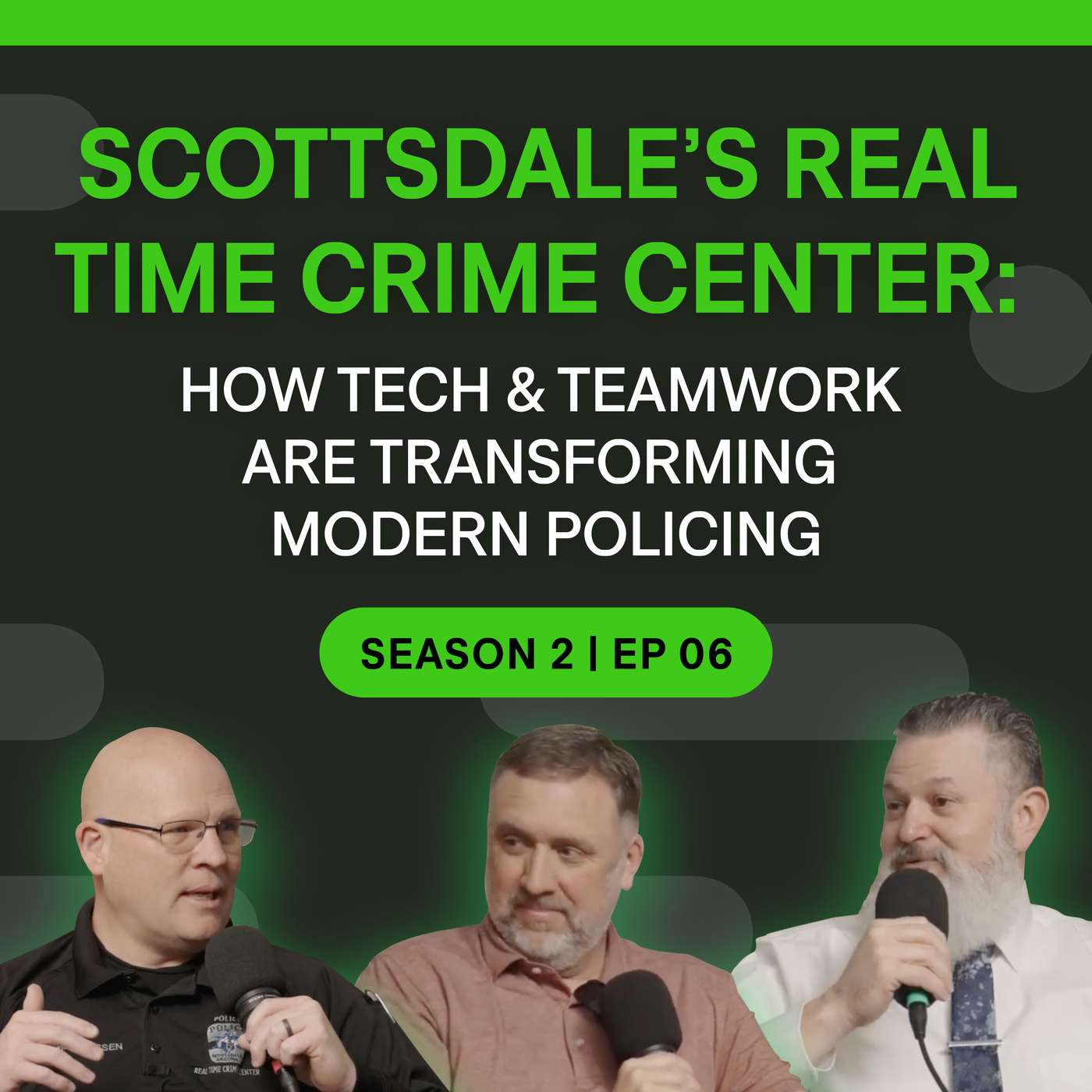
Scottsdale PD’s Real Time Crime Center is doing policing differently—and it’s working.In this episode, Jamie and Dalton sit down with Chris Henningsen, RTCC Manager at Scottsdale Police Department and president of the National Real Time Crime Center Association (NRTCCA). They unpack the center’s evolution from a one-person operation during COVID to a nationally respected hub of innovation.You’ll hear: • How Scottsdale built its RTCC from scratch without a blueprint • The critical role of community partnerships and leadership buy-in • Why tours, transparency and team culture drive long-term success • The real story behind the NRTCCA’s explosive conference growth • Lessons for small and large agencies looking to start or scale an RTCCThis candid, informative, and hilarious conversation is a must-watch for law enforcement leaders, public safety professionals, and anyone curious about the future of real-time policing.👉 Learn more about the National Real Time Crime Center Association: https://nrtccaconference.org

Jamie Hudson and Dalton Webb sit down with Bailey Quintrell, Chief Strategy Officer at Flock Safety, for a behind-the-scenes look at how the company decides what to build, the real meaning of “integration” and how AI is shaping the future of law enforcement.📌 Topics include: • The right way to do product integrations • Balancing innovation with legacy systems • Flock’s short- and long-term product roadmap • How AI will transform public safety—and what won’t change • A fun rapid-fire round (spoiler: Jamie wins best beard)🔔 Subscribe for more in-depth conversations on the future of crime-fighting tech and public safety innovation.
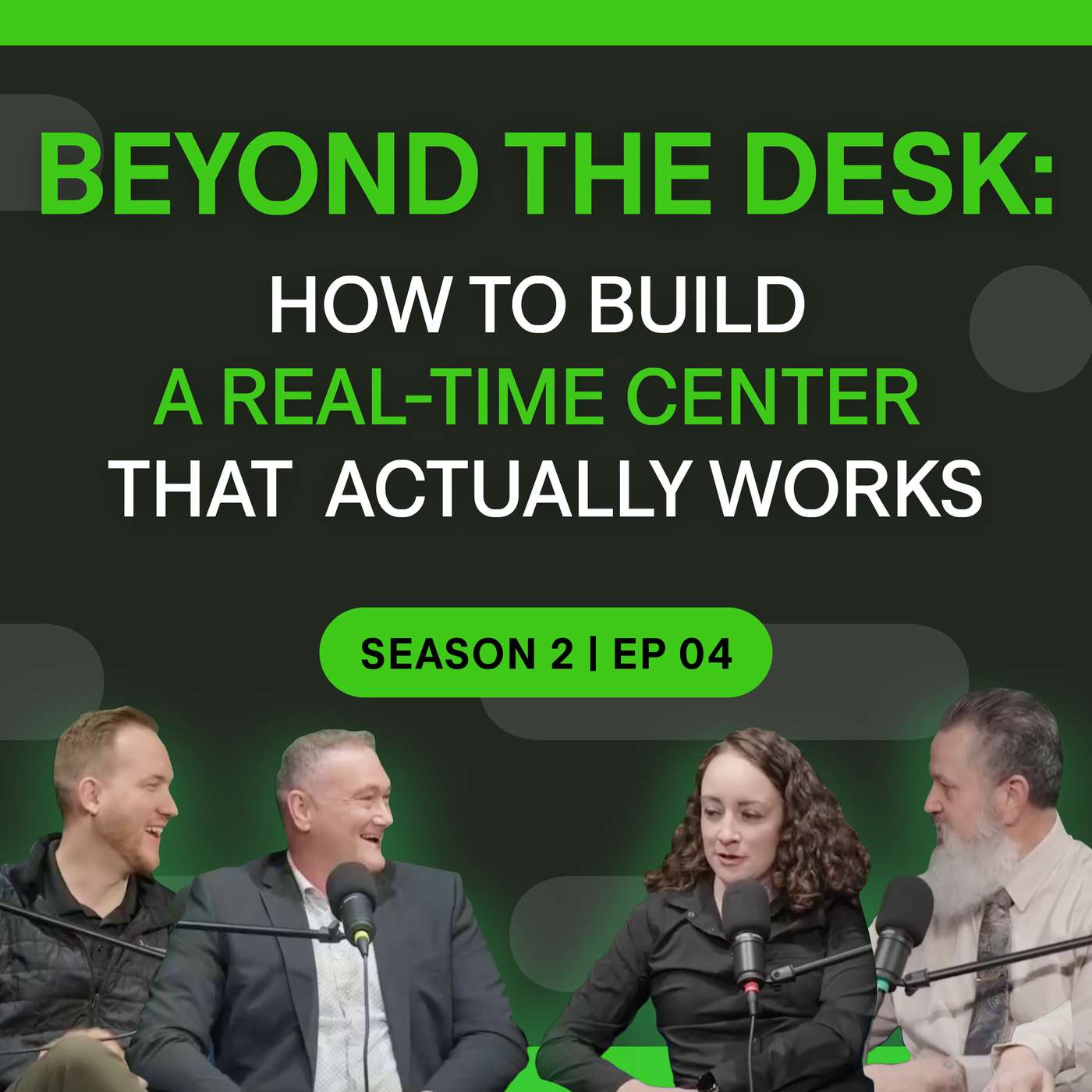
In this episode, Jamie Hudson [Director of Real-Time and DFR Consulting] and Caity Peak [Collaborative Policing Strategist] dive into the often-overlooked world of physical builds for Real Time Crime Centers (RTCCs). Joined by Noah White from Fountainhead Control Rooms and Sean Arthur from Constant Technologies, this episode explores the high-stakes process of turning a mission into a meaningful space.From one-table startup concepts to seven-figure, grant-funded builds, this conversation unpacks what it really takes to create a Real Time Center that functions, looks sharp, and earns community trust. Whether you’re working with a sketch on a napkin or leading a multimillion-dollar project, this one’s for you.Topics include:– What makes a physical RTCC effective (and what doesn’t)– Budget, grant money, and the temptation to overbuild– Creating mission-driven, future-proof spaces– How trust, transparency, and community tours shape the space– Design advice, pitfalls, and culture-first thinking
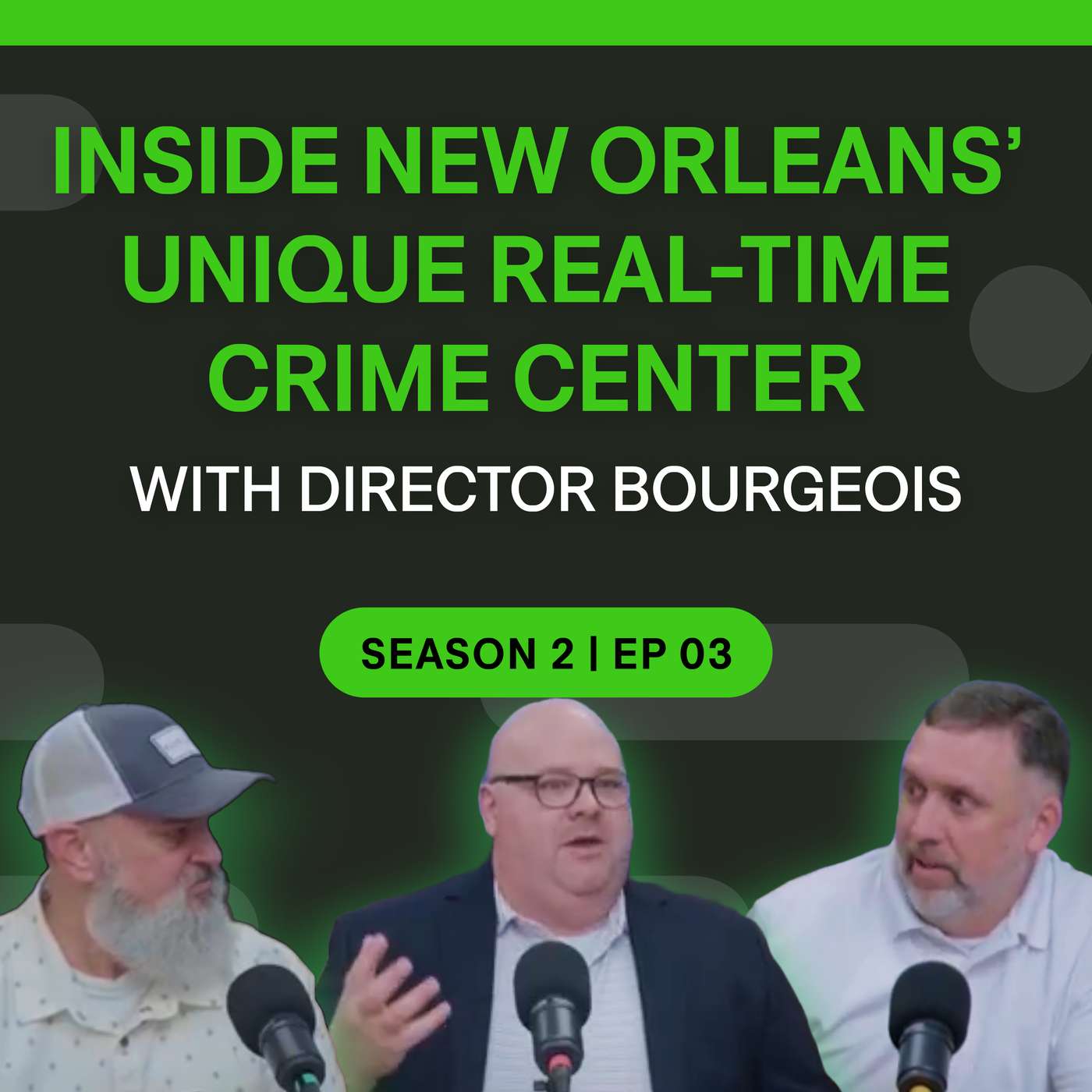
Real Time in a Real Crisis: Inside New Orleans’ 24/7 Crime Center with Ross BourgeoisIn this powerful episode, Jamie and Dalton go on location in New Orleans to sit down with Ross Bourgeois, Director of Public Safety Support for the City of New Orleans. From hurricane preparedness to managing one of the nation’s most unique Real Time Crime Centers (RTCC), Ross shares the city’s all-hazards approach to safety—where surveillance isn’t about spying, it’s about saving lives.The discussion ranges from the origins of New Orleans’ RTCC and its unusual placement outside the police department, to its role in hosting world-class sporting events, Mardi Gras, and disaster response. Ross opens up about the city’s resilience following a recent mass casualty event and the emotional toll on RTCC staff.:dart: Topics include:– The foundation of New Orleans’ all-hazards RTCC– Managing 18M visitors a year with tech + collaboration– How surveillance builds—not erodes—public trust– Emotional resilience and staff wellness in crisis response– Why no two crime centers should be the same

In this week’s episode, Jamie and Dalton sit down with Flock Safety’s Chief Communications Officer, Josh Thomas, for a lively deep dive into the Three P’s: Product, People, and Policy. From Fourth Amendment protections to real-world policy change, this conversation explores how Flock navigates the complex intersections of public safety, technology, and public trust.Josh explains why 30-day data retention became a national standard, how Flock tracks legislation, and how agencies can align innovation with ethical policing. Bonus? Burger preferences, wine pairings, and policy banter you didn’t know you needed.📌 Topics include:– The philosophy behind Flock’s privacy-first product design– Balancing innovation and constitutional rights– Legislative tracking and adapting to local policy– Educating city councils and shaping perception🔔 Subscribe for more conversations at the intersection of technology, policy, and public safety.🎧 Available wherever you get your podcasts.
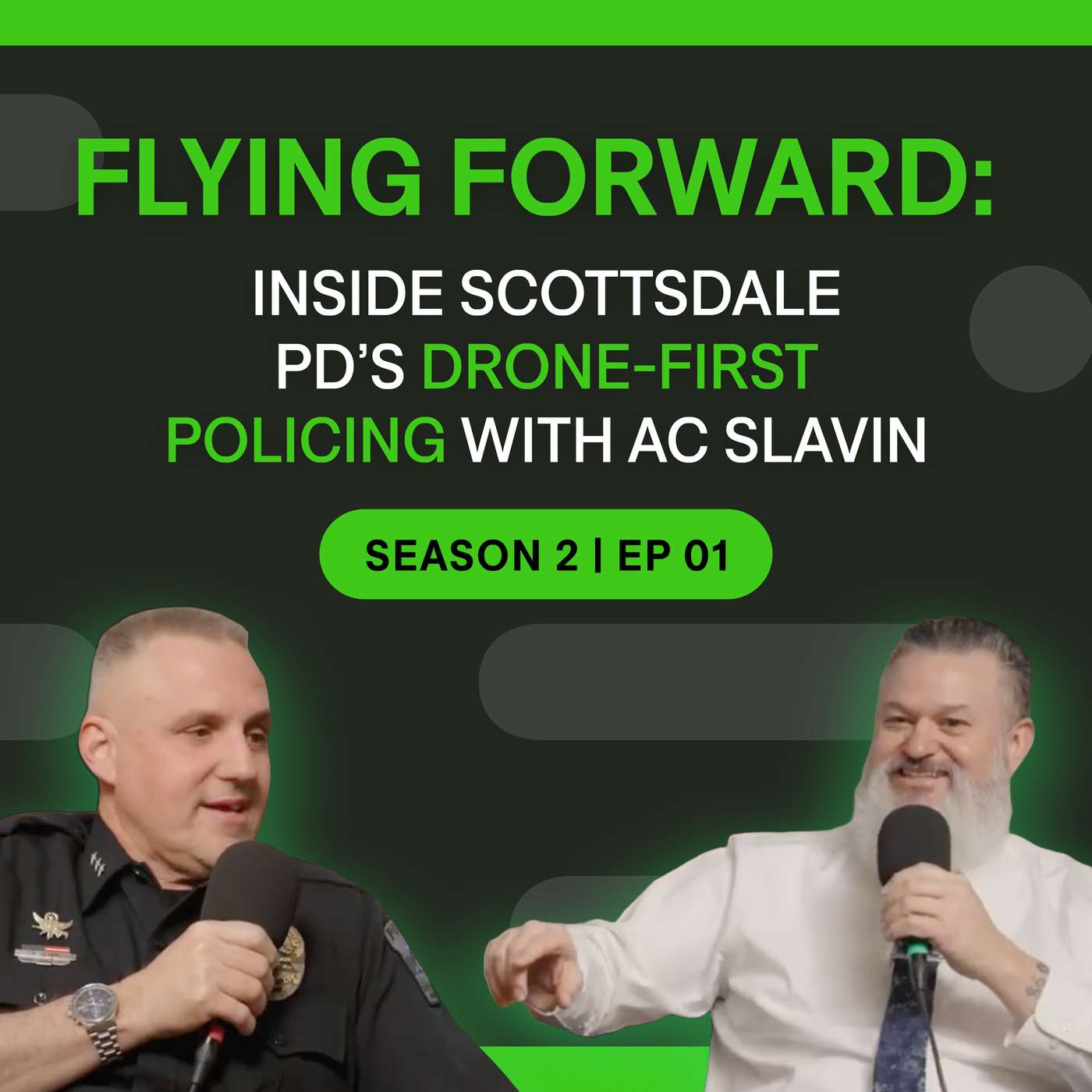
Join your hosts Jamie Hudson and Dalton Webb as they dive deep with Assistant Chief Rich Slavin of the Scottsdale Police Department. From nostalgic tales of Crown Victorias and early police tech to cutting-edge drone programs and real-time crime centers, this episode explores the rapid evolution of public safety through technology. Assistant Chief Slavin shares his insights from decades of law enforcement experience and details how Scottsdale is setting a national standard in drone-as-first-responder (DFR) deployment, transparency, and innovation.Discover how Scottsdale PD balances community trust, operational efficiency, and officer safety—all while pioneering next-gen policing strategies that are reshaping public safety for the better.Topics include: • DFR program success and ROI • Real-time crime center integration • Transparency and public trust • The future of aerial policing in diverse urban/rural settings
Season 2 Trailer | Real Time Policing: When Moments MatterThe stakes are high—and timing is everything.In Season 2 of Real Time Policing: When Moments Matter, we go deeper into what it takes to launch, operate, and evolve Real Time Crime Centers across the country. With new co-host Caity onboard, we’re hitting the road to meet public safety leaders, RTCC staff, and tech experts shaping the future of real-time response.This season covers:How agencies prepare for large-scale eventsCreative staffing models using non-sworn professionalsThe realities of RTCC design and constructionLessons from cities leading the charge on real-time policingThis isn’t theory—it’s the playbook, straight from the field.Watch the trailer now. Season 2 launches July 9.
In this episode, Jamie and Dalton sit down with Major Krieg of Dunwoody PD in Georgia. With a newly minted center that launched in August of 2024, what has Major Krieg learned along the way? What does he wish he knew beforehand? What unexpected decision has already paid dividends?How are they using tech to make their community safer? How does community buy-in help support the center?What’s on the horizon as they look 3-5 years out from today?
Gunshot detection is a hot button topic these days, and Jamie and Dalton are diving in head first.From gunshots to street takeovers to fireworks, how does audio detection work? When is it helpful?How should you deploy it to best guide your officers and investigations?Jamie and Dalton will discuss the best scenario for integrating this piece of technology into a holistic plan and tech stack for optimal outcomes.
What does it look like to police crime vs. quality of life? Can you do both? In this episode, Dalton and Jamie will discuss both options and provide compelling stories of each.What does your city or agency need to determine the best path for your real time center? What do your citizens need most right now?Let’s find out.
Most people in law enforcement are very familiar with license plate reader technology. Dalton and Jamie will take a little trip down memory lane of how they first came to encounter the technology and how the tech – along with their opinions of it – have changed along the way. What are the best use cases? How do you effectively deploy it across a city for maximum impact?Plus, stick around to see how LPR was a pivotal piece of evidence in a homicide case.
In this episode, Jamie and Dalton sit down with Captain Hull and Lieutenant Thorp live from Cobb County PD’s Real Time Crime Center in Georgia.They’ll share what it took to build one of the premiere real-time centers in the nation, what they learned along the way, and what they’re planning for.With large scale events on the horizon like the MLB All-Star Game, what are they prepping for? What technology are they using to ensure a safe city for residents and visiting tourists?How do they approach staffing their real-time center? What do they wish they’d known from the outset?Let’s find out straight from the source in today’s episode.
Crime Analyst. Crime analysis. What does it mean? What does this role do?Are they sworn? Are they civilians? Do you use a hybrid model? How do they support the function of a real-time center?Jamie and Dalton will delve into all the specifics in episode 4.
Once you decide to build a real-time crime center, where do you go from there?What led you to this decision? What is your “why” for choosing this path? How will you justify the spend? How will you make choices for what tech to choose, which people to staff, what steps to take in what order?How do the aesthetics play into the larger impression that the center makes on your staff, agency, elected officials and community?Let’s walk through how this room can be deployed to the best outcomes for your city.

Comments

Download from Google Play

Download from App Store
 United States