


 Claim Ownership
Talking Ketamine Podcast
Subscribed: 5Played: 213
Subscribe

© 2025 Talking Ketamine
Description
Explore the cutting-edge science and therapeutic potential of ketamine. Talking Ketamine offers evidence-based discussions to demystify its role in mental health and beyond, providing informed insights into this powerful compound.
46 Episodes
Reverse
For decades, the "trip" caused by ketamine—sensory detachment, time warping, and out-of-body experiences—was seen as a nuisance, a "bug" to be tolerated during anesthesia. But a groundbreaking 2025 review paper by Berra and colleagues asks a provocative question: What if dissociation is actually the point?
In this episode, we dive into the "Science of Dissociation," exploring the spectrum from simple "checking out" (daydreaming) to profound depersonalization and derealization. We analyze the "switch" in the brain—how ketamine blocks NMDA receptors on inhibitory interneurons, unleashing a glutamate burst that disrupts the Default Mode Network (DMN). This disruption forces the brain into a "chaotic" state of higher entropy, breaking rigid, depressive thought loops and allowing the mind to form new, healthier connections.
We also look to the future of "non-hallucinogenic" alternatives like hydroxynorketamine (HNK), which promote neuroplasticity without the trip. This raises a fundamental philosophical and clinical question: Is the conscious experience of an altered state the "price of admission" for healing, or can we bypass the mind to fix the brain?
Reference:
Bera, K., Looger, L. L., Proekt, A., & Cichon, J. (2025). Cortical mechanisms contributing to ketamine-induced dissociation. The Neuroscientist, 1–17. https://doi.org/10.1177/10738584251403946
For decades, ketamine has been viewed primarily through two lenses: a safe anesthetic or a rapid-acting antidepressant "reset button." But a new paper by Sophie Holland argues we may be missing half the picture. This episode challenges the binary view of ketamine by exploring two distinct therapeutic pathways defined essentially by dose: the Psychedelic and the Psycholytic.
The Psychedelic Path (High Dose): We examine the "reset button" model—intense, dissociative experiences driven by a massive glutamatergic burst. The goal here is ego dissolution, allowing patients with severe, treatment-resistant depression or PTSD to emotionally decouple from trauma and achieve rapid symptom reduction.
The Psycholytic Path (Low Dose): We contrast this with the "relational tool" model. Here, the goal isn't to leave the body, but to loosen the ego just enough to lower psychological defenses. This trance-like state allows patients to stay connected to their therapist, accessing repressed memories and processing emotions in real-time with less fear.
The discussion also tackles the debate over ketamine’s classification—is it truly a psychedelic? While chemically distinct from "classic" psychedelics like psilocybin, its ability to induce neuroplasticity (acting as a psychoplastogen) and non-ordinary states of consciousness places it firmly in the psychedelic therapeutic spectrum.
Finally, we look at the physical realities. With chronic high-dose use linked to ulcerative cystitis, does the low-dose psycholytic approach offer a safer, more sustainable model for long-term relational work?. We also touch on the frontier of "betterment of the well," exploring how low-dose protocols might enhance creativity, teamwork, and problem-solving in healthy individuals.
Reference:
Holland, S. (2025). Ketamine reimagined: Distinguishing psychedelic and psycholytic modalities for next-generation therapies. Silva Wellness. DOI: 10.22541/au.176538434.48451693/v1
Sickle Cell Disease (SCD) pain crises are the leading cause of hospitalization for affected children, causing excruciating vaso-occlusive episodes where misshapen blood cells block oxygen flow to tissues. For decades, the standard treatment has been high-dose opioids, but this often leads to tolerance, inadequate relief, and the dangerous paradox of opioid-induced hyperalgesia—where the treatment actually makes the nervous system more sensitive to pain.
In this episode, we analyze a massive cross-sectional study from 44 U.S. children’s hospitals involving over 74,000 admissions. The study asks a critical question: Can ketamine, an NMDA receptor antagonist that "turns down the volume" on central sensitization, break the cycle of pain where opioids fail?
The findings reveal a slow but steady rise in ketamine use (doubling from 2.3% in 2016 to 5.7% in 2023), mostly reserved for older children with severe disease markers like chronic pain or hydroxyurea use. But the most stunning insight is about timing. The study found that when ketamine was administered early (within the first 3 days of admission), it cut the median hospital Length of Stay (LOS) in half—from 12 days to just 6 days—and drastically reduced the days patients needed IV opioids.
Despite these compelling results, huge gaps in care remain, with some hospitals using ketamine in 20% of cases and others in 0%. We discuss the institutional barriers, stigma, and red tape that prevent clinicians from using this powerful tool when it matters most: early in the crisis.
Reference:
Jenkins, A. M., Hendry, E., Power-Hays, A., Valentino, M., Hall, M., Kyler, K. E., Antoon, J. W., Tang Girdwood, S., Goldman, J. L., Morel, A. N., Savage, T. J., Orth, L. E., & Archer, N. M. (2025). Increasing ketamine administration in children's hospitals for youth with sickle cell disease. Blood Advances. https://doi.org/10.1182/bloodadvances.2025016826
"Will this actually work for me?" It is the most critical question patients ask before investing time, money, and hope into ketamine therapy. In this episode, we analyze a massive body of research—including a systematic review of 112 studies and a real-world analysis of 77 patients —to find actionable predictors of success.
The results are reassuringly broad: factors like age, sex, depression severity, trauma history, and even the intensity of dissociation do not predict whether ketamine will work. However, the data reveals two powerful signals that every patient should know:
The "Line in the Sand": The strongest negative predictor is pharmacological resistance. Patients who have failed more than six previous antidepressant trials were significantly less likely to respond to ketamine.
The "Perfect" Positive Signal: Researchers identified an early marker of success after just the second infusion. A tiny symptom reduction of just 4.1% on the PHQ-9 scale carried a Positive Predictive Value of 1.0—meaning 100% of patients who hit this mark went on to achieve a clinical response.
Crucially, we explain why early non-improvement does not mean failure, as nearly half of patients who showed zero improvement after dose two still achieved a response by the end of treatment. Join us to learn why ketamine might need to be considered earlier in the treatment timeline, before pharmacological resistance sets in.
Reference:
Syed, O. A. (2025). Predictors of the antidepressant effects of ketamine and psychedelic substances [Master's thesis, University of Toronto]. TSpace Repository.
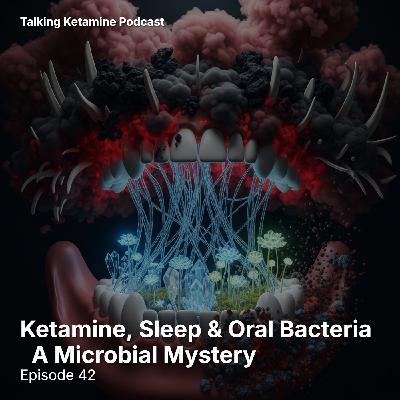
Surgery is a trauma that wrecks sleep, and for vulnerable patients, Post-Operative Sleep Disturbance (PSD) is a serious complication linked to delirium, increased pain, and slowed recovery. In this episode, we dive into a fascinating study that connects three seemingly unrelated dots: ketamine, sleep, and the oral microbiome.
Researchers treated 130 high-risk surgical patients with a continuous low-dose infusion of esketamine. The clinical results were striking: the rate of PSD dropped from 65% in the control group to just 43% in the esketamine group. Patients reported significantly better sleep quality and required far fewer opioids like hydromorphone.
But the real surprise was found in their saliva. The study revealed that esketamine treatment actively reshaped the oral microbial community—boosting beneficial bacteria like Streptococcus while suppressing groups like Bacteroidota that were linked to poor sleep. Why would an IV anesthetic change mouth bacteria?
We explore the leading theories:
Systemic Anti-Inflammation: Surgery floods the body with pro-inflammatory cytokines (a "systemic fire"). Ketamine’s powerful anti-inflammatory properties may calm this environment, making the host less hospitable to stress-related microbes.
The Gut-Oral Axis: Ketamine may influence the gut microbiome, with effects rippling up to the mouth to stabilize the body's entire ecosystem.
This research challenges us to rethink how psychiatric drugs work—not just by hitting receptors in the brain, but by restoring ecological balance to the nerves, immune system, and the trillions of microbes that live within us.
Reference:
Li, X.-Y., Qiu, D., Du, N., Hashimoto, K., Wang, X.-M., & Yang, J.-J. (2025). Esketamine prevents postoperative sleep disturbance in patients with preoperative sleep disorders: A role for oral microbiota. Translational Psychiatry, 15(1), 501. https://doi.org/10.1038/s41398-025-03705-9
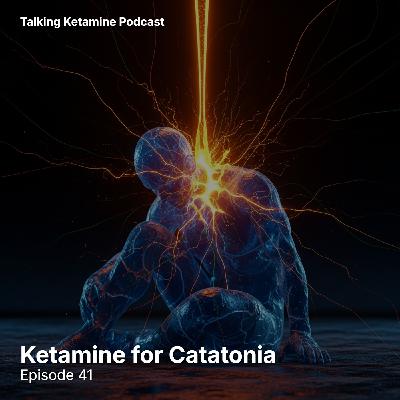
Catatonia is often misunderstood as simple immobility, but it is a terrifying, life-threatening syndrome of stupor, mutism, and extreme negativism—a state where the brain is essentially "frozen." For decades, the standard protocol has been to step on the "brake pedal" using GABA-ergic drugs like lorazepam, followed by Electroconvulsive Therapy (ECT) if medication fails. But what happens when the brakes don't work, and ECT is medically unsafe or unavailable?
This episode analyzes a new systematic review of 10 unique case reports that suggests NMDA receptor antagonists like ketamine and esketamine could be the "skeleton key" for these desperate scenarios. We explore the neurochemistry of switching from the failed inhibitory (GABA) pathway to directly targeting the excitatory (Glutamate) system. The theory? Refractory catatonia may be driven by a massive glutamate hypo-function—the brain's engine isn't firing—and ketamine triggers the necessary surge to reset the circuit.
The clinical results discussed are striking: 100% of the patients in the review showed symptom improvement, often within hours to days. We also debunk the common fear that ketamine might destabilize these fragile patients by triggering mania or psychosis; the review found these risks were not supported by the data. Finally, we highlight the practical game-changer of intranasal esketamine, which allows clinicians to bypass the resistance often seen in mute, withdrawn patients who cannot swallow pills.
Reference:
van der Meer, P. B., Verboeket, S., Slooter, A. J. C., Schoones, J. W., van Noorden, M. S., Somers, M., Batalla, A., & Dols, A. (2025). Treatment with (es)ketamine in catatonia: A systematic review of case reports. The Journal of Clinical Psychiatry, 86(4), Article 25br15940. https://doi.org/10.4088/JCP.25br15940
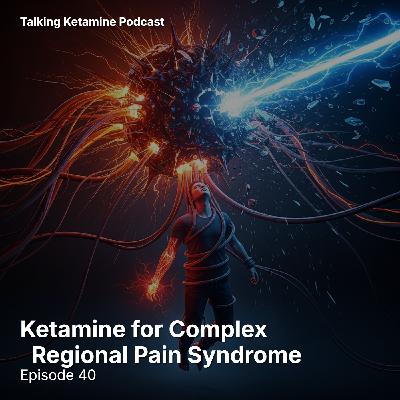
We move beyond depression and anesthesia to examine ketamine's role in fighting one of the most severe types of chronic pain imaginable: Complex Regional Pain Syndrome (CRPS). This condition is marked by wildly disproportionate and persistent pain , exemplified by the case of a 15-year-old athlete whose simple hand fracture healed, but whose nervous system got stuck in a pathological pain loop.
The core problem in CRPS is central sensitization—the brain and spinal cord jamming the "volume knob" for pain on maximum, where a light touch (allodynia) is interpreted as excruciating.
Traditional treatments fail because the problem is upstream, residing in the central nervous system (CNS). Specialists employed a clever, multimodal strategy to finally break this refractory pain cycle:
Gabapentin: To calm general static in the nervous system.
Continuous Nerve Block: A regional anesthetic to temporarily silence all incoming peripheral pain signals from the arm.
Continuous Ketamine Infusion: The NMDA receptor antagonist was the core component, performing a "software reboot" on the CNS. Ketamine acts as a master switch, physically blocking the NMDA receptor that powers the central sensitization system, thereby interrupting the vicious wind-up cycle.
The results were dramatic: pain, which was agonizing, dropped from 7/10 to 2/10 within 24 hours, resolving completely in 48 hours. Allodynia resolved, enabling the essential physiotherapy needed for long-term recovery. This case report is a powerful demonstration of ketamine's versatility, showing it can act not just as a painkiller, but as a system reset for neurological conditions rooted in faulty learning.
Reference:
Medikondu, H., Davit, A., & Visoiu, M. (2025). Effective Adolescent Hand CRPS Type 1 Treatment Using Ketamine, Gabapentin, and Supraclavicular Nerve Block Catheter. Preprints.org. https://doi.org/10.20944/preprints202511.0755.v1
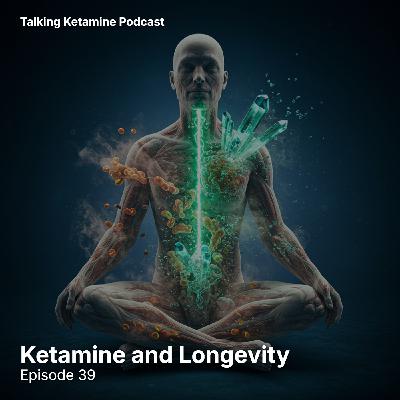
Chronic mental illnesses like severe MDD (major depressive disorder) and PTSD are alarms, not just for the mind, but for the body. This episode explores the fact that ongoing trauma and depression accelerate biological aging, leading to reduced health span and higher risks for chronic diseases. But can rapid, effective psychiatric treatment actually reverse this damage?
We dive into a compelling pilot study that gave a series of six sub-anesthetic ketamine infusions to 20 participants with treatment-resistant depression or PTSD. The researchers used second-generation epigenetic clocks to measure biological age—the actual cellular wear and tear, separate from chronological age. The most advanced clock used, OMICs-AGE, integrates DNA methylation with surrogates for over 40 proteins, metabolites, and clinical markers across eight physiological systems, showing the strongest link to mortality risk.
The findings are potentially groundbreaking:
Age Reversal: The study found a clear, statistically significant reduction in epigenetic age across several markers after treatment. Critically, the signal captured by OMICs-AGE held up under stringent statistical correction, suggesting a genuine biological age deceleration.
The Mechanism: This reversal is linked to specific anti-aging pathways. Ketamine treatment led to a significant reduction in CD4 T memory cells, which are markers for systemic inflammation and aging (immunosenescence). Further analysis revealed shifts in metabolic and neuroimmune markers clustered around circadian sleep regulation and T-cell differentiation.
While this was a small pilot study without a non-treatment control group , the robustness of the OMICs-AGE signal suggests a profound implication: the ultimate longevity treatment may lie not in anti-aging creams, but in aggressively treating the mental illness that accelerates the biological clock in the first place. Mental health truly is longevity health.
Reference:
The KARMA-Dep2 trial delivered a shocking headline: up to eight serial ketamine infusions were no better than the midazolam placebo for hospitalized adults with moderate to severe depression. In an era of intense hope for ketamine's rapid antidepressant effects, this result demands a closer look.
This episode critically dissects why this large, pragmatic trial may have failed to show a significant difference, focusing on a central challenge in ketamine research: blinding.
The Active Placebo Problem: The trial used midazolam as an active placebo to mimic the transient side effects (like sedation and disorientation) of ketamine. However, previous meta-analyses (Wilkinson et al., 2019) show that midazolam itself produces a substantial placebo/expectancy effect (around an 18% response rate), effectively setting a high floor that makes the pharmacological benefit of ketamine harder to detect.
The Unblinding Issue: We contrast the KARMA-Dep2 outcome with the Dwyer et al. (2021) adolescent trial, where ketamine was significantly better than midazolam. Crucially, the adolescent study revealed a massive confound: 10 out of 10 patients on ketamine correctly guessed their treatment, illustrating the "functional unblinding" that allows expectation to heavily influence results.
The Measurement Challenge: We discuss the inherent difficulty of using scales designed for slow-acting drugs (like MADRS and HAMD) to measure ketamine's rapid antidepressant effects, leading to measurement workarounds like carrying over scores for symptoms like sleep and appetite.
The core question remains: Does midazolam give a truly realistic estimate of ketamine's effect, or does chasing the "perfect blind" with an active placebo simply obscure the real-world value of a drug whose unique, powerful experience is inseparable from its clinical benefit?
Resources:
Wilkinson, S. T., Farmer, C., Ballard, E. D., Mathew, S. J., Grunebaum, M. F., Murrough, J. W., Sos, P., Wang, G., Gueorguieva, R., & Zarate, C. A., Jr. (2019). Impact of midazolam vs. saline on effect size estimates in controlled trials of ketamine as a rapid-acting antidepressant. Neuropsychopharmacology, 44, 1233–1238. https://doi.org/10.1038/s41386-019-0317-8
Dwyer, J. B., Landeros-Weisenberger, A., Johnson, J. A., Londono Tobon, A., Flores, J. M., Nasir, M., Couloures, K., Sanacora, G., & Bloch, M. H. (2021). Efficacy of Intravenous Ketamine in Adolescent Treatment-Resistant Depression: A Randomized Midazolam-Controlled Trial. American Journal of Psychiatry, 178(4), 352–362. https://doi.org/10.1176/appi.ajp.2020.20010018
Jelovac, A., McCaffrey, C., Terao, M., Shanahan, E., Whooley, E., McDonagh, K., McDonogh, S., Loughran, O., Shackleton, E., Igoe, A., Thompson, S., Mohamed, E., Nguyen, D., O'Neill, C., Walsh, C., & McLoughlin, D. M. (2025). Serial Ketamine Infusions as Adjunctive Therapy to Inpatient Care for Depression: The KARMA-Dep 2 Randomized Clinical Trial. JAMA Psychiatry. https://doi.org/10.1001/jamapsychiatry.2025.3019
For years, the most recognized physical risk of chronic ketamine abuse has been bladder damage, but a new clinical puzzle is emerging: severe injury to the liver and bile ducts, known as Ketamine-induced Sclerosing Cholangitis (K-SC). This episode dives into a recent case series detailing patients—including older and female European users—broadening the picture of who is at risk.
Sclerosing cholangitis is a progressive condition where chronic inflammation leads to severe scarring and narrowing of the bile ducts. This obstruction causes bile backup (cholestasis), which, if unchecked, can result in irreversible cirrhosis—often making a liver transplant the only option. We explain why laboratory markers like GGT and ALP are critical red flags for this damage.
How does this anesthetic target the liver's plumbing? The leading hypothesis suggests chronic, high-dose exposure over time causes sustained spasms due to ketamine's effect on NMDA receptors located in the bile duct smooth muscle. Crucially, the severity of this liver damage often tracks directly with the severity of a patient's urinary symptoms, suggesting a systemic toxic effect on similar smooth muscle tissues in both the bladder and the biliary system.
Using diagnostic criteria, physicians confirmed K-SC by ruling out other look-alike conditions (like PSC, which is tied to IBD). The strongest evidence linking the drug to the severe damage was the dramatic clinical improvement in lab results immediately after patients ceased ketamine use.
The main takeaway for anyone concerned is non-negotiable: the absolute first line of defense is immediate and permanent cessation of all ketamine use. Management requires a comprehensive multidisciplinary team—gastroenterologists, urologists, and addiction specialists—to manage the devastating progression and provide essential addiction support. This exploration underscores a tragic potential consequence of long-term abuse and the urgent need for more longitudinal research.
Source Research Paper:
Vanrusselt, A., Nijs, J., Van den Bergh, L., Schoofs, N., Smets, S., Strybol, D., & Rappaport, A. (2025). Ketamine-induced sclerosing cholangitis: a case series. Acta Gastro-Enterologica Belgica, 88(3), 271–276. https://doi.org/10.51821/88.3.13914
This episode breaks down a truly radical theory of consciousness: The General Resonance Theory (GRT). Forget the traditional idea that consciousness comes from synapses firing—GRT proposes that it emerges from near-instantaneous, resonant electromagnetic field interactions within the brain, moving information up to 40,000 times faster than slow neuronal spikes. This electrical "field" is the true substrate of our unified sense of reality.
We use this theory to answer the biggest question in psychedelic science: Why does ketamine cause dissociation? While classic psychedelics are seen as "field resonance enhancers" that create feelings of unity and global synchronization, ketamine does the precise opposite. We reveal the precise mechanism: ketamine preferentially removes the "brakes" (NMDA receptors on inhibitory GABA neurons). This results in fragmented hyperactivity. Local circuits go wild, but they lose the coherence needed for a unified sense of self, leading to the subjective experience of dissociation and the ultimate breakdown of integrated consciousness—the K-hole.
Electrically, this shows up as a measurable decoupling between the frontal and parietal regions, the key areas for self and spatial awareness. Finally, we explore the provocative idea that ketamine's rapid antidepressant effect might be due to this temporary, total electromagnetic reset—a complete shaking of the "snow globe" that forces the brain's rigid, unhealthy field patterns to resettle into a more flexible configuration. This is mind-bending physics that reframes mental health treatment as an exercise in tuning the brain’s frequency.
Reference:
Hunt, T. (2025). Electrodynamics of the Psychedelic Experience. Preprints.org. https://doi.org/10.20944/preprints202509.1813.v1

When stroke strikes, the damage doesn't stop once the blood flow is restored. This episode dives into the dark side of recovery: the Ischemia-Reperfusion (IR) Injury, a devastating "second wave" of damage that causes lasting neurological deficits.
We explore a fascinating preclinical study on esketamine, the S-enantiomer of ketamine. Researchers hypothesized that this powerful NMDA receptor antagonist could stop IR injury, which is fueled by excessive excitotoxicity. We reveal how esketamine, when administered immediately after blood flow is restored, actively helps the brain fight back.
The findings are compelling: esketamine significantly reduced markers of cell membrane damage (MDA) and, crucially, bolstered the brain’s own antioxidant defense system in the vulnerable hippocampal CA1 region. This dose-dependent effect points toward a new therapeutic window, allowing intervention hours or even days after a clot is removed. Could ketamine be the neuroprotectant that finally helps save the tissue we just rescued?
Tune in to understand the science behind this potential breakthrough and the challenge of finding the neuroprotective 'sweet spot' dose.
Reference:
Erfani, S., Amirhaidari, B., & Khoshnazar, S. M. (2025). Antioxidant Therapeutic Potential of S-Ketamin Against Cerebral Ischemia/Reperfusion Injury in Male Rats. Journal of Isfahan Medical School, 43(821), 749–758. https://doi.org/10.48305/jims.v43.i821.0749

When traditional antidepressants fail older adults with treatment-resistant depression, where can they turn? Standard therapies, built on the monoamine hypothesis, often fall short in aging brains or those affected by neurodegenerative diseases like Alzheimer's, as the pathways they rely on may be dysfunctional.
This episode dives deep into a systematic review exploring a paradigm-shifting alternative: ketamine and its derivatives, esketamine and arketamine. These compounds sidestep conventional mechanisms, instead targeting the NMDA receptor to promote widespread neuroplasticity. We uncover the powerful clinical findings, revealing that ketamine provides rapid, robust relief and is equally effective in geriatric and non-geriatric populations.
Discover how ketamine not only improves mood but also restores vital executive functions, helping patients think more clearly. We'll explore the neurological data showing how the treatment restores the brain's crucial "excitation-inhibition" balance, leading to more organized cognitive processing. While the immediate benefits are profound, we also confront the critical unresolved question of long-term sustainability. Join us to understand how this research challenges us to move beyond targeting single chemicals and toward therapies that aim to rebuild the entire circuitry of the mind.
Ketamine is known for its powerful effects on the mind and body, but could one of its most profound secrets be the ability to fight cancer? In this episode, we explore groundbreaking new research that reveals an unexpected link between ketamine and cervical cancer cells.
Discover the fascinating mechanism at play: ketamine appears to target the "power plants" (mitochondria) inside cancer cells, forcing them to shatter in a process called fission. This triggers a massive energy crisis, effectively stopping the cells in their tracks and pushing them toward self-destruction. We break down the specific molecular "switch" that researchers believe controls this process, offering a new level of precision in understanding how the drug works.
But how does this lab research translate to the real world? We also discuss the critical questions around dosage and the long road from the petri dish to potential patient treatments. Join us for a clear and compelling look at the cutting edge of oncology, where a familiar drug may hold a surprising new key to exploiting one of cancer's fundamental vulnerabilities.
Reference
Fang, L., et al. (2025). Ketamine induces apoptosis in cervical cancer cells by triggering mitochondrial fission via the RHOA/DRP1 pathway. Journal of Experimental & Clinical Cancer Research, 44(1), 112. https://doi.org/10.1002/jbt.70500

Why does ketamine provide miraculous relief for some people with severe depression but leave others behind? This episode unpacks a groundbreaking study that points to a surprising answer: hidden inflammation.
Join us as we explore a pioneering 2025 paper that uses a novel method called Intron Retention (IR) to re-examine the biology of ketamine treatment. Researchers discovered that, even before treatment, those who don't respond to ketamine often show signs of a highly active immune system, as if their body is fighting a persistent viral infection.
Here's the stunning twist: the study reveals that ketamine has a powerful anti-inflammatory effect in everyone—even in so-called "non-responders." This challenges everything we thought we knew about treatment resistance. It suggests that for these individuals, ketamine isn't ineffective, but rather insufficient to overcome the massive underlying inflammatory burden.
This paradigm shift reframes "non-response" not as a failure, but as a signpost pointing toward a future of personalized medicine. Could combining ketamine with targeted anti-inflammatory or antiviral therapies unlock its potential for millions more? Listen now to understand the science that could revolutionize mental health care.
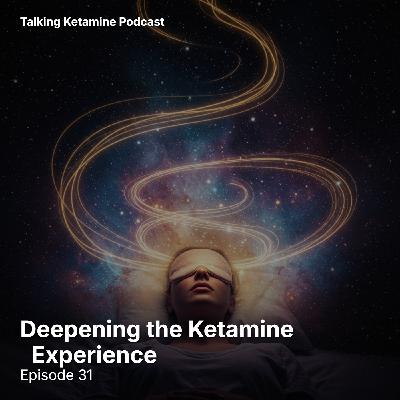
Ketamine is known for its rapid antidepressant effects, but what if the experience itself could be made more profound and therapeutic? In this episode, we explore new research investigating whether a combination of mindfulness training, music, and an eye mask could enhance the ketamine journey for individuals with clinical depression.
While the study found that adding these sensory elements did not significantly change ketamine's effect on depression scores, it did profoundly enrich the subjective experience for participants. Listen to learn how the combined intervention group reported:
Greater engagement with the experience
A stronger connection to reality, even in an altered state
An increased ability to tame negative thoughts
A more profound sense of awe, including feelings of self-diminishment and vastness, which were rarely reported in the control group
The episode also discusses the study's nuances and limitations, including an increased frequency of transient negative experiences like heightened anxiety and fear in the combined group. However, participants seemed to be better able to manage these feelings, suggesting a more "navigable" experience.
This episode is for anyone interested in maximizing ketamine's therapeutic potential. It highlights how intentionally designed environments can make a healing process more integrated and meaningful, even with simple, low-burden additions.
Study Citation
Kirka, J., McDonald, C., Walter, C., Price, P., & Zara, Z. (2025). Mindfulness Music and Visual Occlusion in Ketamine: A Mixed Method study on Subjective experience and Antidepressant effects. Frontiers in Psychiatry. https://doi.org/10.3389/fpsyt.2025.1642025
Can a drug known for pain and mental health treatments also be a weapon against cancer? In this episode of Talking Ketamine, hosts Helios and Selene delve into a surprising new area of research: ketamine and its potential role in fighting cancer.
The episode explores a 2024 study on "perioperative ketamine and cancer recurrence" and the complex science behind it. You'll learn how ketamine's well-known anti-inflammatory effects could be crucial, as chronic inflammation is a key factor in tumor growth and metastasis. Helios and Selene discuss compelling evidence, including a randomized trial of over 100 colorectal surgery patients, where a single, low dose of ketamine significantly reduced inflammatory markers. They also touch on how the drug may work at a molecular level by inhibiting transcription factors that turn on inflammatory genes.
However, the conversation doesn't shy away from the complexities and contradictions. You'll hear about a mouse study where ketamine was linked to a reduction in metastases, but also about other research that warns it could potentially suppress immune cells vital for fighting cancer. The hosts also address concerns that ketamine might help cancer cells survive by boosting a protein called BCL2.
This is a double-edged sword, and the episode emphasizes that the context—dose, timing, and type of cancer—is everything. They underscore that more research is needed to understand the long-term clinical implications for patients. If you have a background in science, you'll appreciate their clear breakdown of the immune system's intricate relationship with ketamine and the idea that a personalized approach might be the future of this research.
Reference:
Rodriguez Arango, J. A., Zec, T., & Khalife, M. (2024). Perioperative Ketamine and Cancer Recurrence: A Comprehensive Review. Journal of Clinical Medicine, 13(7), Article 1920. https://doi.org/10.3390/jcm13071920
Dive into the profound and complex world of ketamine therapy in this episode of the Talking Ketamine podcast, where we explore "The Paradox of Hope". We unpack a powerful qualitative study, "Lived Futures in Ketamine Therapy: A Qualitative Study of Hope and Temporality in Treatment Resistant Depression" , which gives us a raw, unfiltered look into the lives of individuals battling severe treatment-resistant depression.
Discover the deep-seated hopelessness that years of failed treatments can create. You'll hear about the "therapeutic burden" that chips away at a person's spirit, leaving them with an "active, almost protective disbelief" in the possibility of recovery.
Then, witness the shocking "temporal rupture" that ketamine's rapid effects create, forcing patients to reconcile a lifetime of futility with immediate, undeniable change. This episode explores how patients navigate the societal stigma of a drug often labeled a "party drug" and how the clinical setting provides a crucial sense of legitimacy and safety.
Most importantly, we reveal how ketamine fosters a new, more resilient form of hope—one that is "grounded in real results" and tangible changes. This transformation allows patients to separate their identity from their illness , viewing it as a "brain problem" that can be fixed, rather than a personal failing.
Join us as we explore how a medical innovation can fundamentally reshape what it means to heal, offering a truly "tangible, evidence-based possibility for everyone who needs it".
APA Citation of Subject Study:Ninnemann, K. M. (2025). Lived futures in ketamine therapy: A qualitative study of hope and temporality in treatment-resistant depression [Doctoral dissertation, Case Western Reserve University]. OhioLINK Electronic Theses and Dissertations Center. http://rave.ohiolink.edu/etdc/view?acc_num=case1749123703760677
Ketamine can lift the fog of severe depression in hours, but what happens when that relief fades just as quickly? This has been the biggest hurdle in using it as a long-term solution for those battling the most persistent and treatment-resistant forms of depression.
This episode examines a brand-new 2025 study that explores the groundbreaking strategy of maintenance ketamine infusions. We unpack compelling real-world evidence from a community clinic, looking at how regular, spaced-out IV treatments could be the key to sustained wellness. The findings are significant: researchers saw lasting improvements in patients with both treatment-resistant major depressive disorder (TRD) and—for the first time in a maintenance study—bipolar depression (TRBD).
Join us as we reveal the data on how long these benefits can last, extending the period of wellness from just one or two weeks to a median of six weeks and an average of 10-12 weeks. We also explore the critical findings on the sustained reduction in suicidal thoughts, offering a powerful beacon of hope. Finally, we provide a balanced look at the safety of long-term infusions and the unique insights and limitations of this type of real-world research. Is this the key to transforming ketamine from a temporary rescue into an enduring management tool? Listen now to explore the future of chronic depression care.
Based on this paper: Haikazian, S., McIntyre, R. S., Meshkat, S., Kratiuk, K., Llach, C.-D., Orsini, D. K., Di Luch, S. D., & Rosenblat, J. D. (2025). Real world effectiveness of maintenance ketamine infusions for treatment-resistant depression in major depressive disorder and bipolar disorder. Psychiatry Research, 352, 116691. https://doi.org/10.1016/j.psychres.2025.116691
In this episode, we tackle the complex challenge of co-occurring Major Depressive Disorder (MDD) and Alcohol Use Disorder (AUD). Traditional treatments often fall short, leaving many seeking new hope.
This episode unpacks a groundbreaking study by Yoon, Crystal, and colleagues from VA Connecticut and Yale. They explored ketamine's efficacy in a rigorous, three-arm, double-blind trial with 65 adults struggling with both MDD and AUD.
While initial depression relief was seen across all groups, ketamine's antidepressant effects proved significantly more durable. Surprisingly, naltrexone, an opioid blocker, didn't diminish ketamine's mood benefits, challenging existing theories about its mechanism. This points to other pathways, like the glutamate system, as crucial.
Though ketamine didn't directly reduce alcohol use or craving more than the control , it showed remarkable improvements in anxiety and overall quality of life. Fascinatingly, adding naltrexone to ketamine led to even greater anxiety reduction, suggesting a targeted benefit for this combination.
Join us as we reveal these nuanced findings, offering considerable hope for those battling both MDD and AUD. Discover how ketamine's lasting impact on mood, anxiety, and well-being could reshape personalized treatment approaches.
Reference: Yoon, G., Pittman, B., Ralevski, E., Petrakis, I. L., & Krystal, J. H. (2025). Antidepressant efficacy of ketamine plus naltrexone for major depression comorbid with alcohol use disorder: A randomized controlled trial. International Journal of Neuropsychopharmacology. https://doi.org/10.1093/ijnp/pyaf056

Comments

Download from Google Play

Download from App Store
 United States