


 Claim Ownership
The Broadcasters Podcast
Subscribed: 3Played: 68
Subscribe

© Copyright Broadcasters Podcast
Description
Are you tired of a media landscape dominated by corporate narratives and shifting cultural tides? Join @KingOfPodcasts on The Broadcasters Podcast, your essential guide through the complex world of entertainment and media.
With decades of frontline media experience, our host acts as your seasoned watchdog, dissecting how digital disruption is radically reshaping movies, TV, music, and radio. We don't just report the changes; we critically examine the corporate influences, the nuances of PC culture, and the myriad social and cultural forces that either champion or choke creativity, both in front of the camera and behind the scenes.
If you want to understand what's really happening to the content you consume, from your cable box to your streaming feeds, and how it impacts what you see, hear, and believe, this is the podcast for you.
Become a supporter of this podcast: https://www.spreaker.com/podcast/the-broadcasters-podcast--3684131/support.
With decades of frontline media experience, our host acts as your seasoned watchdog, dissecting how digital disruption is radically reshaping movies, TV, music, and radio. We don't just report the changes; we critically examine the corporate influences, the nuances of PC culture, and the myriad social and cultural forces that either champion or choke creativity, both in front of the camera and behind the scenes.
If you want to understand what's really happening to the content you consume, from your cable box to your streaming feeds, and how it impacts what you see, hear, and believe, this is the podcast for you.
Become a supporter of this podcast: https://www.spreaker.com/podcast/the-broadcasters-podcast--3684131/support.
424 Episodes
Reverse
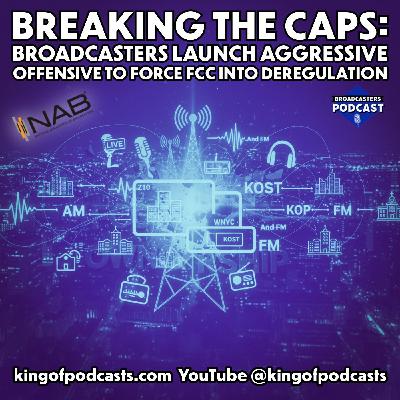
In a major coordinated escalation, the National Association of Broadcasters (NAB) and a coalition of leading radio groups have launched a high-stakes pressure campaign demanding that the FCC immediately abolish local ownership caps.Branding the current regulations as "economic anchors" forged in the 1990s, the industry's latest filings argue that the Commission is willfully ignoring a market dominated by unregulated tech titans like Spotify and YouTube. This isn't just a request for "modernization"—it is an ultimatum. Broadcasters are warning that if they aren’t granted the scale to compete for local ad dollars, the very survival of local journalism and community emergency services is at risk. By framing the issue as a "one-way street" under the Telecommunications Act—which mandates the repeal of unnecessary rules—the industry is signaling that it is prepared to take this fight from the halls of the FCC to the federal courts to force a total overhaul of the media landscape.Become a supporter of this podcast: https://www.spreaker.com/podcast/the-broadcasters-podcast--3684131/support.Contact KOP for professional podcast production, imaging, and web design services at http://www.kingofpodcasts.comSupport KOP by subscribing to his YouTube channel and search for King Of PodcastsFollow KOP on X and TikTok @kingofpodcasts (F Meta!)Listen to KOP’s other programs, Podcasters Row… and the Wrestling is Real Wrestling Podcast and The Broadcasters Podcast.Buy KOP a Coffee https://buymeacoffee.com/kingofpodcastsDrop KOP a PayPal https://www.paypal.com/donate?hosted_button_id=3TAB983ZQPNVLDrop KOP a Venmo https://account.venmo.com/u/kingofpodcastsDrop KOP a CashApp https://cash.app/$kingofallpodcasts
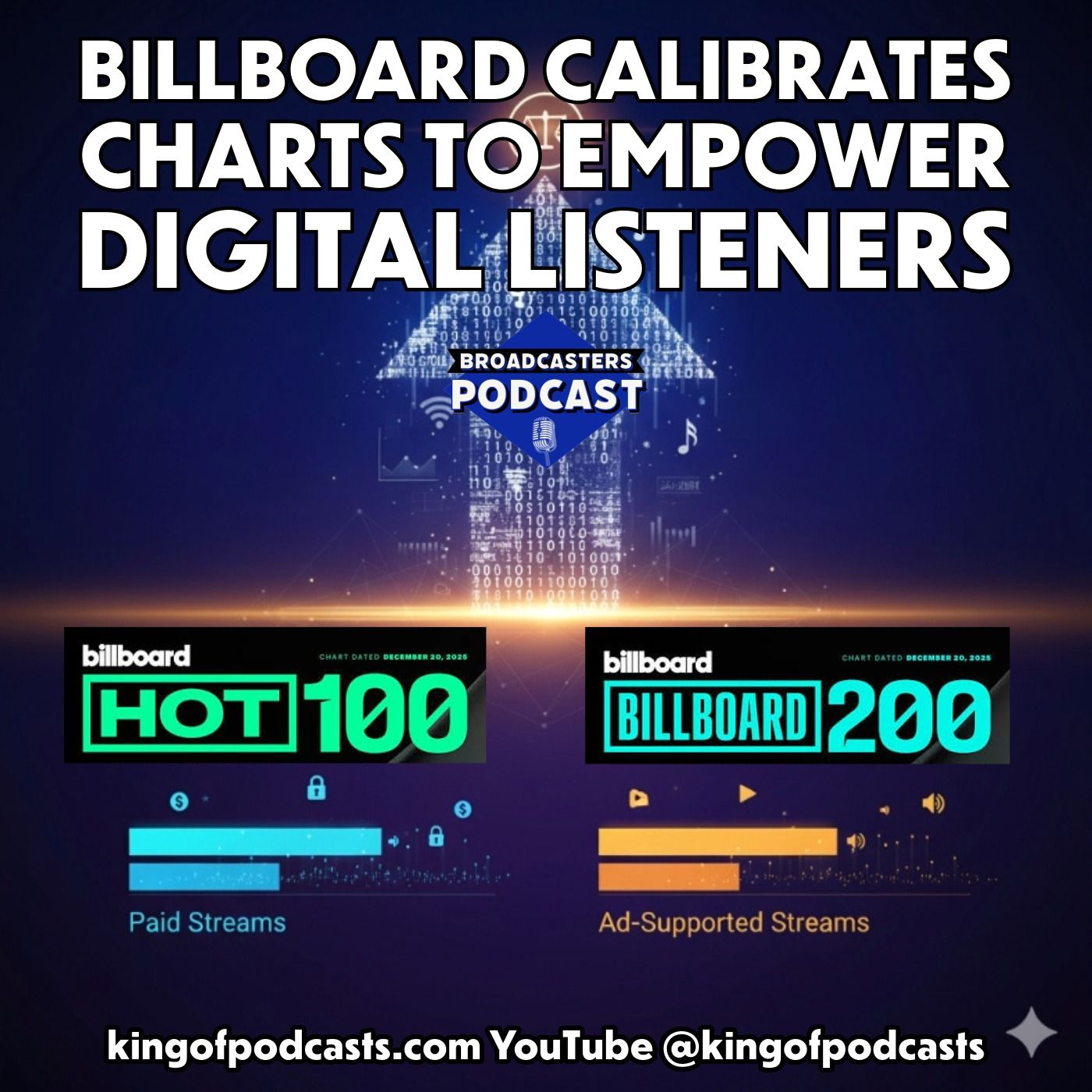
The landscape of music success is bracing for a seismic shift as Billboard prepares to implement a major methodology update to the Billboard 200 albums chart in 2026.This recalibration is designed to mirror the music industry’s evolving financial reality, where streaming has moved from a secondary format to the primary driver of global revenue. By significantly lowering the number of streams required to equal one "album unit," Billboard is effectively increasing the "buying power" of the average listener. Under the new rules, paid subscription streams (Tier 1) will gain 20% more value, dropping from 1,250 to 1,000 streams per unit, while ad-supported streams (Tier 2) will see a massive 33% increase in weight, moving from 3,750 down to 2,500 streams per unit.This adjustment serves as a double-edged sword within the industry. On one hand, it legitimizes the massive scale of modern streaming consumption and gives a significant boost to artists whose fanbases rely on "free" platforms. On the other hand, the change has already ignited a high-stakes standoff with major industry players; notably, YouTube has voiced opposition to how these tiers are balanced, leading to the dramatic decision to pull its data from Billboard’s calculations entirely. As pure sales of physical CDs and digital downloads continue to wane, these new ratios solidify a future where chart dominance is dictated almost exclusively by digital engagement. For labels and artists, the 2026 update means that capturing the attention of the streaming public—whether through premium subscribers or ad-supported listeners—is now more valuable than ever before.Become a supporter of this podcast: https://www.spreaker.com/podcast/the-broadcasters-podcast--3684131/support.Contact KOP for professional podcast production, imaging, and web design services at http://www.kingofpodcasts.comSupport KOP by subscribing to his YouTube channel and search for King Of PodcastsFollow KOP on X and TikTok @kingofpodcasts (F Meta!)Listen to KOP’s other programs, Podcasters Row… and the Wrestling is Real Wrestling Podcast and The Broadcasters Podcast.Buy KOP a Coffee https://buymeacoffee.com/kingofpodcastsDrop KOP a PayPal https://www.paypal.com/donate?hosted_button_id=3TAB983ZQPNVLDrop KOP a Venmo https://account.venmo.com/u/kingofpodcastsDrop KOP a CashApp https://cash.app/$kingofallpodcasts
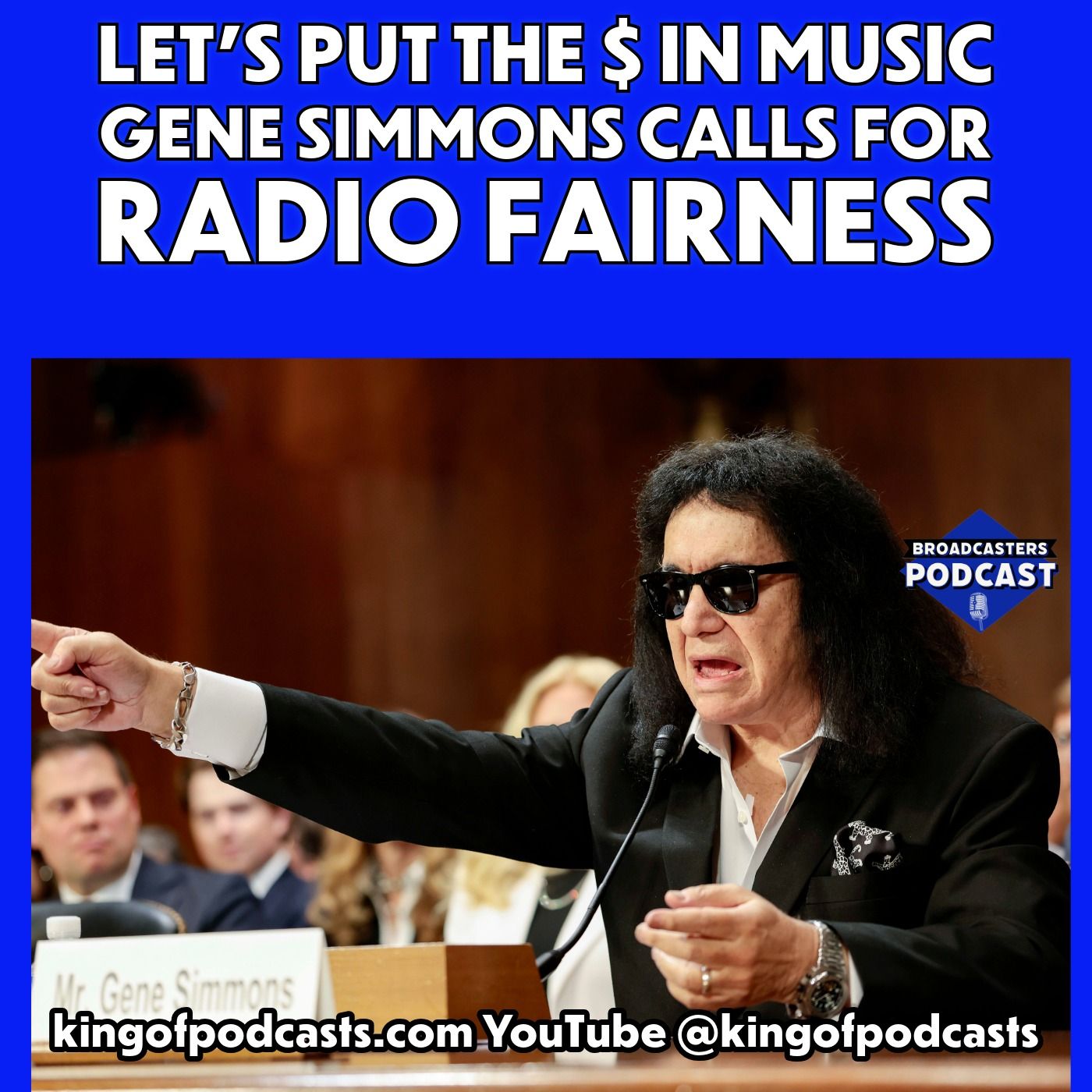
Lick It Up (Or Pay Up) as KISS frontman Gene Simmons Delivers a Fiery, Unfiltered Testimony Supporting the American Music Fairness Act.KISS co-founder Gene Simmons and SoundExchange President and CEO Michael Huppe testified before Congress in support of the American Music Fairness Act (AMFA), aiming to end the century-old loophole that allows AM/FM radio stations to play music without paying performers and sound recording owners. Simmons delivered a passionate plea, stating that American artists receive "not one cent" from terrestrial radio airplay despite the industry earning billions, labeling the practice "robbery." Huppe reinforced this argument, noting that the United States is uniquely grouped with countries like North Korea and Iran for failing to pay performance royalties, a policy failure that causes American artists to lose millions in reciprocal royalties overseas. The AMFA proposes to close this gap by requiring terrestrial broadcasters to pay for music, a move strongly opposed by broadcasters who argue the new fees would create undue financial burdens, especially on small local stations, as the Senate revives the radio royalty fight.Gene Simmons' high-profile testimony before Congress on the American Music Fairness Act (AMFA) echoes Frank Zappa's famous 1985 appearance by bringing a distinctly outspoken rock star persona directly into the halls of power to tackle a core issue of artist rights and economic freedom.Become a supporter of this podcast: https://www.spreaker.com/podcast/the-broadcasters-podcast--3684131/support.Contact KOP for professional podcast production, imaging, and web design services at http://www.kingofpodcasts.comSupport KOP by subscribing to his YouTube channel and search for King Of PodcastsFollow KOP on X and TikTok @kingofpodcasts (F Meta!)Listen to KOP’s other programs, Podcasters Row… and the Wrestling is Real Wrestling Podcast and The Broadcasters Podcast.Buy KOP a Coffee https://buymeacoffee.com/kingofpodcastsDrop KOP a PayPal https://www.paypal.com/donate?hosted_button_id=3TAB983ZQPNVLDrop KOP a Venmo https://account.venmo.com/u/kingofpodcastsDrop KOP a CashApp https://cash.app/$kingofallpodcasts
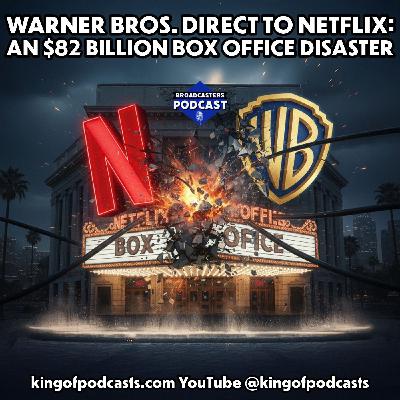
The entertainment industry looks to be reshaped if Netflix's acquisition of Warner Bros. Discovery (WBD) for an enterprise value of approximately $82.7 billion closes. This monumental deal, which was officially agreed upon in late 2025, sees the streaming giant gain control of Warner Bros.' film and television studios, its extensive content library, HBO, and HBO Max.Comprehensive Summary of the AcquisitionNetflix won a bidding war against competitors like Paramount and Comcast to secure the historic acquisition, which is expected to close in the third quarter of 2026, pending regulatory and shareholder approval.Deal Specifics * Total Enterprise Value: Approximately $82.7 billion. * Structure: A cash and stock transaction, valued at $27.75 per WBD share, after WBD first spins off its Global Networks division (including CNN and TNT) into a separate publicly traded entity called Discovery Global. * Strategic Rationale: The merger is a strategic move for Netflix to eliminate a major streaming competitor (HBO Max) and immediately acquire one of Hollywood's most prestigious studios with decades of premium, globally recognized intellectual property (IP).New Content PowerhouseThe deal creates an unparalleled content catalog, merging Netflix's own successful titles like Stranger Things and Wednesday with Warner Bros.' iconic franchises and storied libraries. This trove of newly acquired content includes: * Film Franchises: Harry Potter, the DC Universe (Superman, Batman, etc.), The Matrix. * Television Series: Game of Thrones, The Sopranos, The Big Bang Theory, Friends, and The White Lotus. * Classic Films: Timeless titles like Casablanca and Citizen Kane.Industry & Regulatory BacklashThe announcement was met with immediate and intense backlash from U.S. lawmakers, industry guilds, and Hollywood figures, who fear the creation of a media giant with monopolistic power in the streaming market. * Antitrust Concerns: Critics, including politicians like Senator Elizabeth Warren, called the deal an "anti-monopoly nightmare," warning that the combined company would control close to half of the U.S. streaming market. This concentration of power could lead to higher subscription prices, fewer consumer choices, and a reduction in content diversity. * Worker Impact: Both the Writers Guild of America (WGA) and the Directors Guild of America (DGA) released statements calling for the merger to be blocked, arguing that the outcome would eliminate jobs, push down wages, and worsen working conditions for entertainment workers by consolidating control into fewer hands.Ted Sarandos and the "Outdated" Movie IndustryA central point of controversy following the acquisition has been the past and present comments of Netflix Co-CEO Ted Sarandos regarding the traditional movie industry model, which is feared to be undermined by the deal.Sarandos' Controversial StanceSarandos has long been a proponent of the streaming-first model, and his comments about the theatrical experience have been perceived as dismissive and a threat to cinema: * "We're saving Hollywood": When asked if Netflix was destroying Hollywood, Sarandos stated, "No, we're saving Hollywood." He framed Netflix as an innovator creating a new business model for filmmaking. * The "Outdated Concept": He has famously called the traditional theatrical release, where a film plays exclusively in a cinema for two months, an "outdated concept" and "outmoded." He argued that the desire for audiences to watch a movie on a giant screen with strangers for an extended, exclusive window "just doesn't happen very much" anymore and is out of step with consumer demand for at-home viewing. * Focus on Access: Sarandos maintains that the shift is "pro-consumer" because it provides greater access, especially for those who don't live near a multiplex or can't afford expensive movie tickets.The Acquisition's Impact on Theatrical WindowsDespite the backlash and Sarandos's past comments, Netflix quickly tried to reassure the industry by stating that it would "continue to support" a life cycle that includes a movie theater release for Warner Bros. films.However, critics and filmmakers remain highly skeptical. They fear that Netflix's acquisition of a major theatrical studio signals the ultimate end of robust, exclusive theatrical windows. The expectation is that even if Warner Bros. films continue to be released in theaters, they will be pulled quickly onto the combined streaming platform (Netflix/HBO Max) to satisfy Sarandos's push for "consumer-friendly" immediate access, thereby diminishing the box office revenue and cultural significance of the theatrical experience. James Cameron was among the high-profile directors who criticized the purchase, calling it "a disaster."Become a supporter of this podcast: https://www.spreaker.com/podcast/the-broadcasters-podcast--3684131/support.Contact KOP for professional podcast production, imaging, and web design services at http://www.kingofpodcasts.comSupport KOP by subscribing to his YouTube channel and search for King Of PodcastsFollow KOP on X and TikTok @kingofpodcasts (F Meta!)Listen to KOP’s other programs, Podcasters Row… and the Wrestling is Real Wrestling Podcast and The Broadcasters Podcast.Buy KOP a Coffee https://buymeacoffee.com/kingofpodcastsDrop KOP a PayPal https://www.paypal.com/donate?hosted_button_id=3TAB983ZQPNVLDrop KOP a Venmo https://account.venmo.com/u/kingofpodcastsDrop KOP a CashApp https://cash.app/$kingofallpodcasts
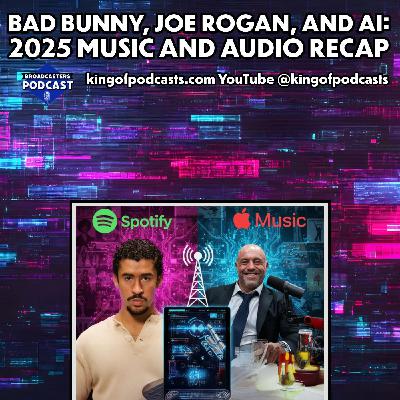
Wrapped results are in! From Bad Bunny's streams to iHeart's 'Guaranteed Human' campaign, we dissect 2025's clash between music superstars, Joe Rogan's podcast repeat, and the fast-rising threat of AI tech.The Broadcasters Podcast's 2025 Year of Music is here! We dive into the biggest stories that defined the airwaves and streaming landscape, starting with the year-end dominance of Spotify Wrapped and Apple Music Replay. Bad Bunny reigned supreme globally, while Rosé & Bruno Mars topped the song charts, and Joe Rogan once again led the podcast rankings, cementing the year's biggest stars.But beneath the charts, a major conflict raged: the battle against AI music. We discuss iHeartRadio's firm “Guaranteed Human” stance and outright ban on AI-generated content, contrasting it with Warner Music Group’s landmark deal and settlement with AI music generator Suno, which now produces a shocking volume of music. This tension played out against our year-long discussions on the ‘New Music Drought,’ the ‘Superstar Slump,’ and the ongoing issues exposed by Billboard’s controversial Hot 100 chart rules.Plus, we explore how traditional broadcasting is adapting, from the resurgence of rock radio (KROQ) to the launch of the BBC’s U.S. emerging-artist program. Tune in as we dissect a chaotic, chart-driven, and creativity-challenged 2025, and ask: Is there a future for human connection and creativity on the airwaves?Become a supporter of this podcast: https://www.spreaker.com/podcast/the-broadcasters-podcast--3684131/support.Contact KOP for professional podcast production, imaging, and web design services at http://www.kingofpodcasts.comSupport KOP by subscribing to his YouTube channel and search for King Of PodcastsFollow KOP on X and TikTok @kingofpodcasts (F Meta!)Listen to KOP’s other programs, Podcasters Row… and the Wrestling is Real Wrestling Podcast and The Broadcasters Podcast.Buy KOP a Coffee https://buymeacoffee.com/kingofpodcastsDrop KOP a PayPal https://www.paypal.com/donate?hosted_button_id=3TAB983ZQPNVLDrop KOP a Venmo https://account.venmo.com/u/kingofpodcastsDrop KOP a CashApp https://cash.app/$kingofallpodcasts
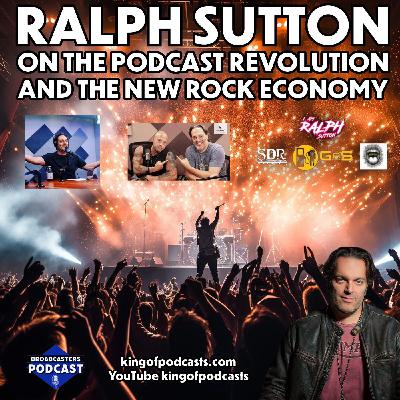
Podcast and Radio veteran Ralph Sutton, founder of the Gas Digital Network (now featuring 22 shows and 6 million monthly listeners), sat down with KOP to discuss the seismic shift from traditional radio to the new digital landscape. Sutton asserted that conventional media, including radio and TV, is now "irrelevant."For up-and-coming rock bands, success is no longer measured by Billboard charts but by tangible metrics like filling concert seats and selling merchandise, reflecting a return to a more grassroots, fan-supported "band culture."The conversation highlighted the freedom of podcasting, which Sutton contrasted with his 20 years in syndicated radio where content was constantly constrained by program directors. He shared how the Gas Digital Network's early success stemmed from a relentless focus on high-quality audio and a disciplined, regimented show structure—innovations that set his network apart.Both noted that the "beautiful thing" about the current era is the democratization of content creation, where anyone can start a podcast, though Sutton cautioned against the high abandonment rate of those who chase money over passion.Ralph also detailed his intensive grassroots strategy for promoting his podcast, which involved personal "hustle" to gain subscribers. A key lesson Sutton shared was that making a show guest-dependent was his "biggest mistake," as a sustainable podcast is built on the audience's connection to the hosts themselves.Become a supporter of this podcast: https://www.spreaker.com/podcast/the-broadcasters-podcast--3684131/support.Contact KOP for professional podcast production, imaging, and web design services at http://www.kingofpodcasts.comSupport KOP by subscribing to his YouTube channel and search for King Of PodcastsFollow KOP on X and TikTok @kingofpodcasts (F Meta!)Listen to KOP’s other programs, Podcasters Row… and the Wrestling is Real Wrestling Podcast and The Broadcasters Podcast.Buy KOP a Coffee https://buymeacoffee.com/kingofpodcastsDrop KOP a PayPal https://www.paypal.com/donate?hosted_button_id=3TAB983ZQPNVLDrop KOP a Venmo https://account.venmo.com/u/kingofpodcastsDrop KOP a CashApp https://cash.app/$kingofallpodcasts
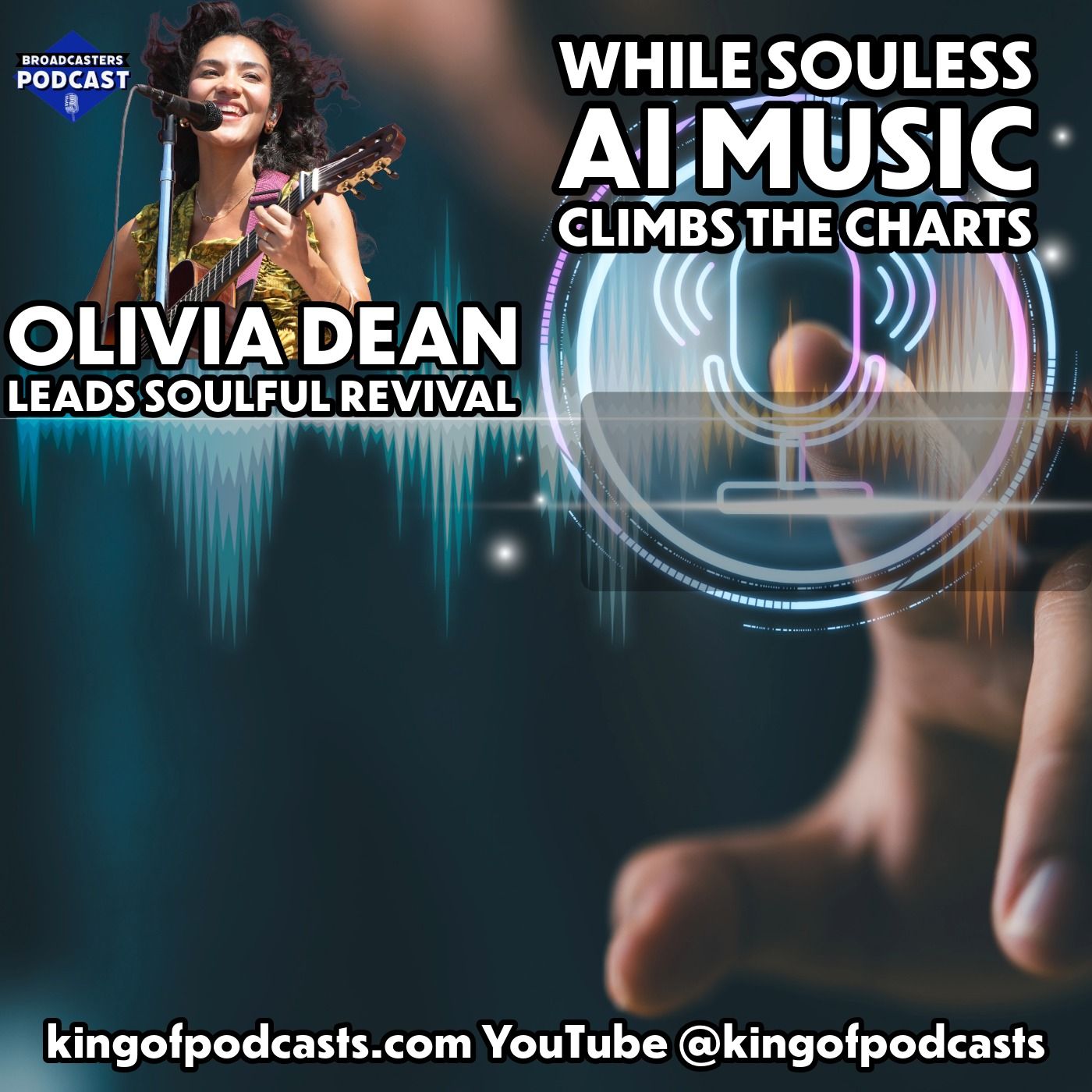
As AI-generated tracks continue notching “soulless” chart victories—jumping to No. 1 on Billboard and topping iTunes with songs built from prompts instead of passion—the contrast with real artists has never been sharper. Enter Olivia Dean, a stunning and stylish Grammy-nominated singer-songwriter redefining what modern stardom looks and feels like. While synthetic singles rise through algorithmic momentum, Dean’s ascent is powered by something AI can’t imitate: soul.Her emotionally charged SNL performance recently sent her streams soaring, a reminder that music rooted in lived experience still resonates deeper than any machine-generated melody. Dean’s impact extends beyond sound, too—she’s rewriting the playbook of pop-star fashion with tactile, human presence: garments chosen with intention, style that mirrors emotion, and a charisma that can’t be computed. And with her Art of Loving Live 2026 tour, she’s doubling down on the one thing AI can’t touch: the electricity of shared, imperfect, real-time human connection.In a moment when AI music is climbing charts faster than ever, Olivia Dean stands as proof that the future of music doesn’t belong to the soulless—it belongs to the soulful.Become a supporter of this podcast: https://www.spreaker.com/podcast/the-broadcasters-podcast--3684131/support.Contact KOP for professional podcast production, imaging, and web design services at http://www.kingofpodcasts.comSupport KOP by subscribing to his YouTube channel and search for King Of PodcastsFollow KOP on X and TikTok @kingofpodcasts (F Meta!)Listen to KOP’s other programs, Podcasters Row… and the Wrestling is Real Wrestling Podcast and The Broadcasters Podcast.Buy KOP a Coffee https://buymeacoffee.com/kingofpodcastsDrop KOP a PayPal https://www.paypal.com/donate?hosted_button_id=3TAB983ZQPNVLDrop KOP a Venmo https://account.venmo.com/u/kingofpodcastsDrop KOP a CashApp https://cash.app/$kingofallpodcasts
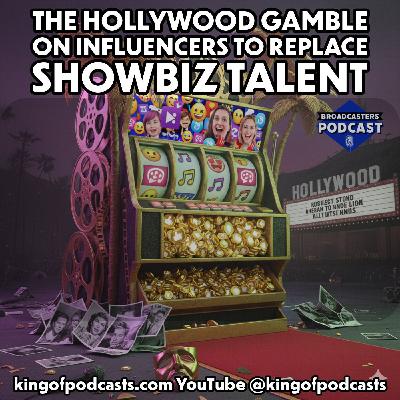
The entertainment industry is engaged in a reckless gamble, prioritizing the fleeting virality of social media stars over the reliable, public-friendly professionalism of trained talent. This trend, which began with experimental casting, has rapidly metastasized into a full-scale corporate strategy, positioning influencers as the foolish replacement for groomed, quality artists across movies, television, music, and now, radio. The entire entertainment ecosystem appears to be chasing instantaneous audience capture rather than fostering enduring creative merit.Hollywood has definitively "Learned to Love Influencers", viewing them not as collaborators but as packaged audiences ready for monetization. This 'new era of fame' bypasses the necessity of traditional training, acting schools, or years spent honing a craft, opting instead for a shortcut driven by follower counts. The result is a critical substitution of seasoned actors and hosts with untested personalities.This takeover is starkly visible in the world of television and streaming. Major platforms like Netflix are increasingly tapping into the established fanbases of "New Hollywood" by acquiring shows fronted by successful YouTube creators .Rather than investing in development with proven writers and performers, the streaming giant is making content from creators like Brittany Broski bigger, while YouTube itself is making aggressive moves into traditional formats like late-night and stand-up comedy. The platform is actively pushing shows like Royal Court to rival established, highly-vetted late-night hosts, making a clear statement that the traditional gatekeepers are being overthrown by algorithmic success.Perhaps the most alarming expansion of this 'foolish' recruitment is the invasion of traditional audio broadcasting. A cornerstone of the radio industry, iHeartMedia, has struck a massive partnership with TikTok to bring platform creators into mainstream broadcast radio and launch an entire podcast network dedicated to them. This move signals a profound erosion of quality standards, as broadcast airwaves—once reserved for highly vetted, public-friendly hosts—are handed over to personalities whose main qualification is their ability to generate clicks and soundbites.The convergence of social media virality and institutional entertainment is not a merging of worlds, but rather a hostile takeover driven by desperate metrics. By foolishly substituting quality, trained talent with readily available, built-in audiences, Hollywood and the entertainment industry are participating in a fundamental devaluation of craft, risking a systemic 'race to the bottom' where public-friendly quality is sacrificed for instant, yet often transient, buzz.Become a supporter of this podcast: https://www.spreaker.com/podcast/the-broadcasters-podcast--3684131/support.Contact KOP for professional podcast production, imaging, and web design services at http://www.kingofpodcasts.comSupport KOP by subscribing to his YouTube channel and search for King Of PodcastsFollow KOP on X and TikTok @kingofpodcasts (F Meta!)Listen to KOP’s other programs, Podcasters Row… and the Wrestling is Real Wrestling Podcast and The Broadcasters Podcast.Buy KOP a Coffee https://buymeacoffee.com/kingofpodcastsDrop KOP a PayPal https://www.paypal.com/donate?hosted_button_id=3TAB983ZQPNVLDrop KOP a Venmo https://account.venmo.com/u/kingofpodcastsDrop KOP a CashApp https://cash.app/$kingofallpodcasts
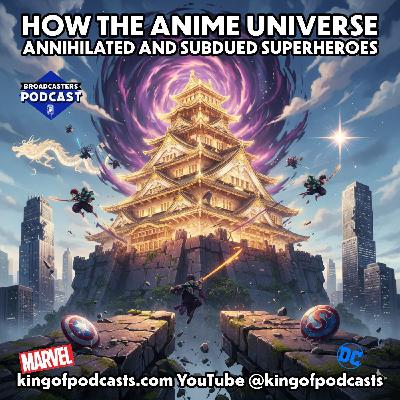
The cinematic landscape is officially unrecognizable. After a decade and a half of undisputed global dominance, the twin pillars of American blockbuster filmmaking—Marvel and DC—have been decisively toppled. The new king of the mainstream is not a reboot, a legacy sequel, or a comic book franchise, but Japanese animation, or anime.The year 2025 will be remembered as the point of no return. The theatrical battle was unequivocally won by the East, led by the colossal success of Demon Slayer: Kimetsu no Yaiba – The Movie: Infinity Castle. The film, distributed by Crunchyroll and Sony, made history with a shocking $70 million U.S. opening—a staggering figure that firmly positioned anime as blockbuster-level content, not "alternative content" for niche audiences.The film's triumph wasn't just domestic; it was global and symbolic. By the end of the year, Infinity Castle had surpassed the worldwide box office total of DC's highly-anticipated reboot, Superman, becoming the highest-grossing comic book adaptation of 2025 overall. For those who track the genre's shift, the writing had been on the wall for years, with a previous Demon Slayer film having already surpassed Avengers: Endgame's international box office earnings.The story for the superhero studios, meanwhile, was one of fatigue and underperformance. A slew of Marvel’s 2025 releases, including the hotly anticipated Thunderbolts and The Fantastic Four: First Steps, all underperformed compared to their predecessors, with the former marking one of the MCU's lowest-ever box office totals. Analysts pointed to a decade of "interconnected universe" filmmaking that had created a "worst modern trend" in Hollywood, leaving audiences weary of what felt like required viewing rather than standalone entertainment.The seismic shift wasn't limited to the box office. Streaming mirrored the trend as global viewers sought fresh, visually distinct storytelling. Netflix doubled down on the anime-adjacent boom, awarding Sony a staggering $15 million cash bonus for the first KPop Demon Hunters movie, confirming the massive demand for the hybrid content and pushing the sequel, KPop Demon Hunters 2, into production (albeit with a distant 2029 release target).The most compelling evidence of the collapse of the Western superhero monolith in 2025 came not from Japan, but from China. The year’s highest-grossing film globally was the Chinese animated fantasy, Ne Zha 2, which hauled in a breathtaking $1.9 billion worldwide—earning nearly three times the global gross of Superman. This feat solidified a global appetite for big-budget, imaginative animation that is indifferent to the traditional Marvel/DC formula, conclusively proving that the mainstream audience is now hungry for an entirely new kind of fantasy spectacle.Become a supporter of this podcast: https://www.spreaker.com/podcast/the-broadcasters-podcast--3684131/support.Contact KOP for professional podcast production, imaging, and web design services at http://www.kingofpodcasts.comSupport KOP by subscribing to his YouTube channel and search for King Of PodcastsFollow KOP on X and TikTok @kingofpodcasts (F Meta!)Listen to KOP’s other programs, Podcasters Row… and the Wrestling is Real Wrestling Podcast and The Broadcasters Podcast.Buy KOP a Coffee https://buymeacoffee.com/kingofpodcastsDrop KOP a PayPal https://www.paypal.com/donate?hosted_button_id=3TAB983ZQPNVLDrop KOP a Venmo https://account.venmo.com/u/kingofpodcastsDrop KOP a CashApp https://cash.app/$kingofallpodcasts
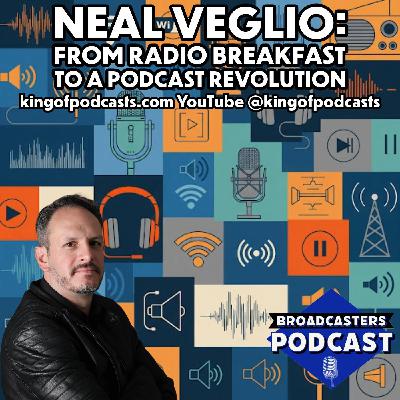
Neal Veglio, founder of Podknows Podcasting, shares his journey from a nearly three-decade radio career to the evolving world of podcasting.Having worked in radio since 1994, including stints with Global Radio and Capital FM in the UK, Veglio observed the increasing homogenization of radio networks in both the UK and the US. He noted a decline in local programming and a rise in syndicated content, a trend that ultimately led him to leave radio in 2018.Veglio emphasized that the shift from radio to podcasting required him to "unlearn everything." He explained that traditional radio's "big showbiz" intros and lengthy segments, which were crucial for advertisers, do not translate well to the on-demand nature of podcasts. Early podcasting, he recalled, was a laborious process involving manual coding of RSS feeds and creating landing pages to explain content transfer to devices. The emergence of platforms like Libsyn revolutionized content distribution, making podcasting more accessible.He highlighted the importance of planning and strategy in podcasting, noting that 92% of new podcasts fail due to a lack of sustainable content and proper preparation. Veglio criticized common interviewing mistakes, such as hosts failing to prepare adequately and asking vague, open-ended questions. He stressed that a good host must help their guest sound excellent by asking tough, direct questions.Veglio also discussed the frequent failure of celebrity podcasts, attributing it to celebrities expecting the audience to adapt to them rather than understanding and meeting the audience's needs for humility and relatability. He believes that successful podcasters must be willing to let their guests take the spotlight.Reflecting on his own podcast, "Podcasting Insights," Veglio admitted that he had misdirected it for two years, targeting hobbyists instead of business clients. He emphasized the importance of honesty and humility, even for experts, as it allows listeners to relate to mistakes and feel more comfortable with their own learning process.Veglio concluded by highlighting the growing opportunities in podcasting for businesses, advocating for its adoption to reach new audiences through efficient delivery of both audio and video content. He finds direct engagement from listeners seeking collaboration to be a more enjoyable and effective lead generation method than traditional outbound marketing.Become a supporter of this podcast: https://www.spreaker.com/podcast/the-broadcasters-podcast--3684131/support.Contact KOP for professional podcast production, imaging, and web design services at http://www.kingofpodcasts.comSupport KOP by subscribing to his YouTube channel and search for King Of PodcastsFollow KOP on X and TikTok @kingofpodcasts (F Meta!)Listen to KOP’s other programs, Podcasters Row… and the Wrestling is Real Wrestling Podcast and The Broadcasters Podcast.Buy KOP a Coffee https://buymeacoffee.com/kingofpodcastsDrop KOP a PayPal https://www.paypal.com/donate?hosted_button_id=3TAB983ZQPNVLDrop KOP a Venmo https://account.venmo.com/u/kingofpodcastsDrop KOP a CashApp https://cash.app/$kingofallpodcasts
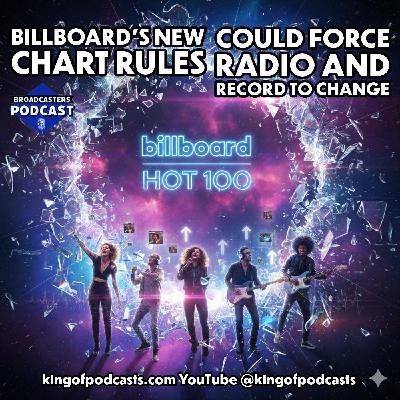
A Step, but Not a Solution: Why Billboard's New Rules Need to Go Farther to Break Radio's Stranglehold and Records Resistance to Truly Capture America's Musical Pulse.Billboard's recent adjustment to its Hot 100 "recurrent" rules—a methodological tweak designed to remove older, lingering hits from the chart more quickly—is a necessary but insufficient move. While this change will correctly clear out entrenched "zombie hits" from superstars, it only addresses a symptom of a larger problem, not the root cause. The current Hot 100 methodology, a blend of sales, streaming, and radio airplay, remains fundamentally flawed, overweighting passive, industry-driven consumption over the active, dynamic "pulse" of American listeners.To truly force the radio and record industries to innovate and "do better," Billboard must implement a more radical methodological overhaul. Here’s how it could go farther: * De-Weight Passive Consumption: The core issue is that programmed radio spins and algorithmically-fed streams carry disproportionate weight. This methodology rewards saturation, not genuine, active popularity. A more accurate chart would drastically reduce the point value of radio airplay—which often reflects pay-for-play dynamics and a lagging, older demographic—and instead heavily prioritize active listener engagement. Metrics like user-initiated streams, track purchases, and inclusion in user-curated playlists are a far better representation of the "pulse." * Introduce Velocity-Based Caps: Instead of just booting songs after they've been on the chart for months, Billboard should implement "velocity caps." Once a song's growth stalls for a set period, its chart points from passive sources (like radio) should be progressively diminished. This would stop radio and labels from propping up a declining hit and force them to shift resources to a new single, creating a more dynamic chart that rewards newness. * Incentivize New Artist Discovery: The current system forces new artists to fight for scraps of airtime. A revised methodology could actively reward the "first movers" by giving bonus chart points to radio stations and streaming playlists that successfully break a new artist into the ecosystem. * By only tweaking its recurrent rules, Billboard is merely pruning the branches. A methodology that de-weights radio, caps saturation, and rewards velocity would be a true systemic fix. It would force record labels to invest in developing new talent rather than just maintaining their superstars, and it would compel radio programmers to become active curators of new music, finally forcing the charts to reflect what America is discovering rather than just what it's being fed.Become a supporter of this podcast: https://www.spreaker.com/podcast/the-broadcasters-podcast--3684131/support.Contact KOP for professional podcast production, imaging, and web design services at http://www.kingofpodcasts.comSupport KOP by subscribing to his YouTube channel and search for King Of PodcastsFollow KOP on X and TikTok @kingofpodcasts (F Meta!)Listen to KOP’s other programs, Podcasters Row… and the Wrestling is Real Wrestling Podcast and The Broadcasters Podcast.Buy KOP a Coffee https://buymeacoffee.com/kingofpodcastsDrop KOP a PayPal https://www.paypal.com/donate?hosted_button_id=3TAB983ZQPNVLDrop KOP a Venmo https://account.venmo.com/u/kingofpodcastsDrop KOP a CashApp https://cash.app/$kingofallpodcasts
Digital fatigue is hitting music and radio hard as most U.S. adults use social media daily but two-thirds feel more disconnected after scrolling.According to iHeartMedia's August survey of 2,000 consumers. With radio ad revenues projected to dip 9.4% to $32.97 billion and streaming facing 10% churn from price hikes, the industries must prioritize human authenticity to counter AI's "tidal wave" and reclaim listener loyalty.Consumers are exhausted by algorithmic sameness and ad interruptions: 86% say online arguments escalate beyond real-life norms, 82% worry about AI's societal impact, and 75% reject its use in entertainment. A new October poll shows 90% demanding labels on human-made music, with just 2% margin separating calls to ban AI entirely. Even kids suffer—70% of 8- to 12-year-olds lose sleep to devices—fueling 42% of adults eyeing "dumbphones" for escape.Streaming's glut of 60 million AI users worsens discovery, making artist breakthroughs 67% tougher for indies, while younger listeners (16-19) shift time to social videos. MIDiA Research's "BEATS" blueprint calls for human-curated playlists, contextual storytelling, artist spotlights, supply limits, and fan clubs to add rewarding "friction," drawing from China's engaging apps.Radio lags digitally too: podcast growth shines as national ads fall 5% to $1.76 billion, but clunky streams with mid-song ads and scripted social posts repel users. Critics urge weekly audits for seamless experiences, unscripted personality clips, and "micro-moments" like local polls—led by a Digital PD tracking engagement like airplay.iHeartMedia's Bob Pittman positions live radio as an "empathy sanctuary," where 95% value human care and 92% say tech can't fake bonds.Spotify's AI pacts with major labels signal experimentation, but without ethical lanes and emotional escapes, music risks CD-era pricing pitfalls. By blending radio's warmth with streaming's reach via interactive tools, these sectors can spark a human-led audio revival—or fade into irrelevancy.Become a supporter of this podcast: https://www.spreaker.com/podcast/the-broadcasters-podcast--3684131/support.Contact KOP for professional podcast production, imaging, and web design services at http://www.kingofpodcasts.comSupport KOP by subscribing to his YouTube channel and search for King Of PodcastsFollow KOP on X and TikTok @kingofpodcasts (F Meta!)Listen to KOP’s other programs, Podcasters Row… and the Wrestling is Real Wrestling Podcast and The Broadcasters Podcast.Buy KOP a Coffee https://buymeacoffee.com/kingofpodcastsDrop KOP a PayPal https://www.paypal.com/donate?hosted_button_id=3TAB983ZQPNVLDrop KOP a Venmo https://account.venmo.com/u/kingofpodcastsDrop KOP a CashApp https://cash.app/$kingofallpodcasts
In 2025, the music industry has witnessed a significant trend where albums from top-tier artists like Taylor Swift, Lil Wayne, and Lady Gaga met with surprisingly mixed results, revealing a growing disconnect between celebrity status and guaranteed success. While Taylor Swift’s The Life of a Showgirl shattered sales records, it faced harsh critical reviews for its perceived rushed quality. Conversely, Lil Wayne's Tha Carter VI suffered a dramatic decline in streaming numbers compared to his previous work, and was panned for poor production. This pattern of underperformance extended to Doja Cat, Cardi B, and Miley Cyrus, who faced issues ranging from low commercial debuts to an inability to launch new, impactful hit singles. This wave of releases highlights a shifting landscape where star power alone is no longer enough to overcome streaming fatigue, quality control issues, and a perceived lack of artistic innovation. Become a supporter of this podcast: https://www.spreaker.com/podcast/the-broadcasters-podcast--3684131/support.Contact KOP for professional podcast production, imaging, and web design services at http://www.kingofpodcasts.comSupport KOP by subscribing to his YouTube channel and search for King Of PodcastsFollow KOP on X and TikTok @kingofpodcasts (F Meta!)Listen to KOP’s other programs, Podcasters Row… and the Wrestling is Real Wrestling Podcast and The Broadcasters Podcast.Buy KOP a Coffee https://buymeacoffee.com/kingofpodcastsDrop KOP a PayPal https://www.paypal.com/donate?hosted_button_id=3TAB983ZQPNVLDrop KOP a Venmo https://account.venmo.com/u/kingofpodcastsDrop KOP a CashApp https://cash.app/$kingofallpodcasts
The rise of AI-generated "actress" Tilly Norwood has ignited fierce backlash from SAG-AFTRA and top talent agencies, spotlighting the growing rift between human artistry and machine-made mimicry. Created as a hyper-realistic digital performer, Norwood—complete with a British accent and brunette charm—has been touted by her makers as a groundbreaking tool for storytelling, but critics slam her as a soulless thief of real actors' labor. As newly elected SAG-AFTRA President Sean Astin vows to confront agencies over AI ethics, the controversy underscores Hollywood's urgent battle to safeguard jobs and authenticity in an era where algorithms threaten to steal the spotlight.The uproar erupted in late September 2025 when Particle6, through its AI arm Xicoia, unveiled Norwood and announced interest from major talent agencies for film and TV representation.This revelation prompted swift condemnation from SAG-AFTRA, which declared that Norwood "is not an actor" but merely "a character generated by a computer program that was trained on the work of countless professional performers—without permission or compensation.The union lambasted her lack of "life experience to draw from, no emotion," arguing that such synthetic entities devalue human artistry, jeopardize livelihoods, and fail to resonate with audiences craving genuine connection. High-profile actors like Emily Blunt, who voiced fears of losing "the human connection in acting," Melissa Barrera, Kiersey Clemons, Mara Wilson, and Whoopi Goldberg joined the chorus, amplifying the outcry.Astin, the "Rudy" and "Stranger Things" alum stepping into his role amid this storm, emphasized the union's strategic leverage: "The audience wants to see real human performers in movies, TV shows, animation, video games, audio books and in all the other ways that we represent our members."He referenced the guild's hard-won AI protections from the 2023 118-day strike and pledged upcoming dialogues with the Association of Talent Agents (ATA) to enforce permissions and compensation for performers' likenesses in AI training.SAG-AFTRA also issued a stern warning to producer signatories: Any use of synthetic performers like Norwood must involve notice, bargaining, and compliance with contracts, or risk violations.The talent agency front has been equally unforgiving. William Morris Endeavor (WME), one of Hollywood's powerhouses, outright rejected Norwood, with co-chairman Richard Weitz declaring at TheWrap’s 2025 Grill conference, "If she has a future, it won’t be at WME. We represent humans."Chairman Christian Muirhead echoed the sentiment, stressing the irreplaceable "human connection" and "light in the eyes" that AI lacks, while President and COO Mark Shapiro dismissed the notion as "ridiculous."Gersh Agency's president Leslie Siebert called Norwood's existence "frightening" and confirmed no signing there either, framing the refusal as a stand against AI models built on actors' stolen data.This unified agency pushback highlights broader industry anxieties: While studios quietly integrate AI for efficiency, the fear of job displacement looms large, especially as Norwood's creator envisions her rivaling icons like Scarlett Johansson or Natalie Portman by prioritizing story over "whether the star has a pulse."Tilly Norwood burst onto the scene in September 2025 as the inaugural creation of Xicoia, Particle6's AI-focused division, spearheaded by Dutch actor and comedian Eline Van der Velden.Modeled as a young, ambitious British brunette, she's designed for virtual performances, including reenactments like Sydney Sweeney's viral "great jeans" ad, positioning her as a versatile tool for animation, CGI-enhanced roles, or fully synthetic projects.Van der Velden defends Norwood not as a job-stealer but as an innovative extension of creative tech, akin to traditional animation, insisting audiences will embrace her if the narratives captivate.Despite initial buzz—with agencies circling for deals— the swift Hollywood revolt has cast her as a symbol of AI's ethical pitfalls, from unauthorized data scraping to the erosion of emotional depth in storytelling.As of early October 2025, no major breakthroughs have emerged for Norwood, but her debut has accelerated global discussions on regulating AI in media, with calls for legislation echoing SAG-AFTRA's recent California advocacy wins.Become a supporter of this podcast: https://www.spreaker.com/podcast/the-broadcasters-podcast--3684131/support.Contact KOP for professional podcast production, imaging, and web design services at http://www.kingofpodcasts.comSupport KOP by subscribing to his YouTube channel and search for King Of PodcastsFollow KOP on X and TikTok @kingofpodcasts (F Meta!)Listen to KOP’s other programs, Podcasters Row… and the Wrestling is Real Wrestling Podcast and The Broadcasters Podcast.Buy KOP a Coffee https://buymeacoffee.com/kingofpodcastsDrop KOP a PayPal https://www.paypal.com/donate?hosted_button_id=3TAB983ZQPNVLDrop KOP a Venmo https://account.venmo.com/u/kingofpodcastsDrop KOP a CashApp https://cash.app/$kingofallpodcasts
At the content crossroads, media is vibing with a test-and-tune mindset, blending cutting-edge tech and trends to nail the perfect mix of short and long-form content. Podcasters are jumping on the short-form wave, hiring “clippers” to churn out TikTok and Instagram Reels that pop off with millions of views to hook new fansBut there’s a catch: these bite-sized bangers risk stealing the spotlight from full episodes, as casual scrollers get their fix without tuning into the main show, potentially tanking ad revenueAI’s in the mix too, with tools like Inception Point AI spitting out thousands of episodes weekly, letting creators test what slaps while sparking debates over realness versus robot-made content. In music and radio, it’s all about data-driven glow-ups. Platforms like Scorecard Plus help stations vibe-check songs against streaming trends and pop culture moments, turning underrated tracks into playlist gold to keep listeners locked in beyond the usual nine-minute session.Meanwhile, network TV’s fumbling the bag, copying streaming’s short seasons without the big budgets to back it up. Shows like "High Potential" feel rushed and fall flat compared to Netflix’s cinematic bangers, proving you can’t just shrink the format and expect long-form loyalty.Media’s playing a high-stakes game, using AI, algorithms, and trend-chasing to test short-form hooks for virality and long-form depth for fandom, all to keep audiences glued in a scroll-heavy world.Become a supporter of this podcast: https://www.spreaker.com/podcast/the-broadcasters-podcast--3684131/support.Contact KOP for professional podcast production, imaging, and web design services at http://www.kingofpodcasts.comSupport KOP by subscribing to his YouTube channel and search for King Of PodcastsFollow KOP on X and TikTok @kingofpodcasts (F Meta!)Listen to KOP’s other programs, Podcasters Row… and the Wrestling is Real Wrestling Podcast and The Broadcasters Podcast.Buy KOP a Coffee https://buymeacoffee.com/kingofpodcastsDrop KOP a PayPal https://www.paypal.com/donate?hosted_button_id=3TAB983ZQPNVLDrop KOP a Venmo https://account.venmo.com/u/kingofpodcastsDrop KOP a CashApp https://cash.app/$kingofallpodcasts
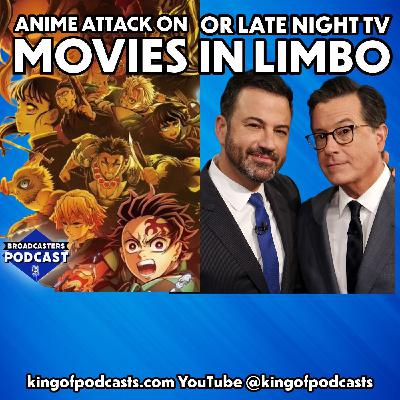
Anime has ascended to become a dominant force at the box office while late night TV might be facing its last days.The state of late-night television, particularly for hosts like Jimmy Kimmel, Stephen Colbert, and Jimmy Fallon, is precarious, largely due to a challenging financial and corporate climate. Kimmel's show was put on hold by Disney, raising questions about his future at the network. This move, while potentially related to specific comments Kimmel made, underscores the broader issue of networks' increasing willingness to make difficult decisions regarding their most prominent talent.The financial pressure on late-night shows is severe. Advertising revenue for the genre has been cut in half, dropping from an estimated $439 million in 2018 to around $220 million in 2024. This decline is attributed to a general shift in viewership to streaming services and digital platforms like YouTube and TikTok, which have fractured the audience once reliably drawn to linear television.Stephen Colbert's situation at CBS/Paramount Global is a stark example. Despite being a top-rated show, reports suggest his program was losing tens of millions of dollars annually, with some sources claiming as much as $40-50 million per year. While there's debate over whether this figure is a result of "Hollywood accounting" designed to justify the decision, the consensus is that the show's economics were unsustainable. NBC's Jimmy Fallon has also felt the effects, with his show's schedule already reduced to four nights a week to cut costs. He has, however, extended his contract and is exploring new strategies like live episodes to try and keep the show relevant and profitable in the evolving media landscape. The fate of all three shows is ultimately tied to their parent companies' financial priorities and corporate maneuvers, such as the Paramount/Skydance merger.While late-night TV struggles, anime has ascended to become a dominant force in the global entertainment market, particularly at the box office. Anime's journey from a niche, cult following to a mainstream phenomenon is a story of strategic distribution and a unique artistic vision. In the U.S., the launch of Cartoon Network's Toonami block in 1998 was a "Big Bang" moment, transforming shows like Dragon Ball Z into blockbuster hits and proving that American audiences craved serialized, character-driven storytelling.This success has translated into box office dominance. Films like Demon Slayer: Kimetsu no Yaiba Infinity Castle are now grossing staggering amounts, with the film projected to reach a $100 million cume in the U.S. and is already ahead of major Hollywood films. This success is a result of anime's ability to engage a dedicated and growing fan base. A recent survey showed that 42% of Gen Z Americans watch anime weekly, a figure that surpasses the 25% who follow the NFL.Unlike the homogenized, corporately-driven Hollywood model, the anime industry's future is protected by its unique structure. The majority of series are owned by their original manga authors, not large corporations, which helps safeguard the singular artistic vision of the creators and resists the "homogenizing forces of Hollywood." This creative independence, combined with a strong, dedicated fanbase and an effective use of digital platforms for marketing (as evidenced by TikTok's role in viral hits), has positioned anime movies to continue dominating the global box office. Become a supporter of this podcast: https://www.spreaker.com/podcast/the-broadcasters-podcast--3684131/support.Contact KOP for professional podcast production, imaging, and web design services at http://www.kingofpodcasts.comSupport KOP by subscribing to his YouTube channel and search for King Of PodcastsFollow KOP on X and TikTok @kingofpodcasts (F Meta!)Listen to KOP’s other programs, Podcasters Row… and the Wrestling is Real Wrestling Podcast and The Broadcasters Podcast.Buy KOP a Coffee https://buymeacoffee.com/kingofpodcastsDrop KOP a PayPal https://www.paypal.com/donate?hosted_button_id=3TAB983ZQPNVLDrop KOP a Venmo https://account.venmo.com/u/kingofpodcastsDrop KOP a CashApp https://cash.app/$kingofallpodcasts
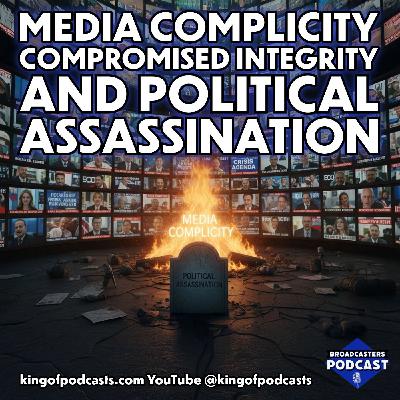
In a media landscape increasingly dominated by opinion and partisan commentary, the integrity of journalism is in a state of profound crisis. The traditional role of the media as a neutral watchdog has been compromised, as news outlets and journalists have become complicit participants in a culture war, actively engaging in smear campaigns and prioritizing agenda-driven narratives over objective reporting. This shift has led to a fundamental loss of public trust, as the media's ethical foundation appears to have crumbled under the pressure of political and social polarization.The problematic nature of this transformation is made painfully clear by specific examples where media professionals have abandoned basic ethical standards. Instead of offering straight news, some outlets and individuals now use sensationalized headlines and commentary designed to manipulate public emotion. This is not a mistake but a deliberate strategy to "enrage" or "rally" certain audiences, transforming a tragic event into a political opportunity. Such actions reveal a profound lack of respect and empathy, demonstrating that for some, the pursuit of a specific narrative has become more important than the truth or human decency.This failure of integrity highlights a broader systemic problem. While journalism has always faced ethical challenges, the modern media environment presents new dilemmas—from the rise of AI to the strategic use of social media—that have exacerbated the ethical decline. The profession's reluctance to establish new, robust guidelines for these challenges suggests a deeper complicity in its own downfall. By failing to adapt and uphold its core principles, the media has allowed itself to become a vehicle for division and misinformation, effectively trading its credibility for a partisan voice.The result is a broken system where a significant portion of the public no longer sees the media as a source of information, but as a part of the very problem it once claimed to expose.Become a supporter of this podcast: https://www.spreaker.com/podcast/the-broadcasters-podcast--3684131/support.Contact KOP for professional podcast production, imaging, and web design services at http://www.kingofpodcasts.comSupport KOP by subscribing to his YouTube channel and search for King Of PodcastsFollow KOP on X and TikTok @kingofpodcasts (F Meta!)Listen to KOP’s other programs, Podcasters Row… and the Wrestling is Real Wrestling Podcast and The Broadcasters Podcast.Buy KOP a Coffee https://buymeacoffee.com/kingofpodcastsDrop KOP a PayPal https://www.paypal.com/donate?hosted_button_id=3TAB983ZQPNVLDrop KOP a Venmo https://account.venmo.com/u/kingofpodcastsDrop KOP a CashApp https://cash.app/$kingofallpodcasts
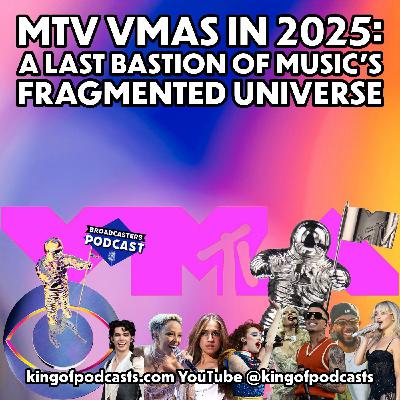
Today's hyper-individualized digital consumption, where music is a personalized playlist and social media dictates trends, the MTV Video Music Awards (VMAs) in 2025 stands as a unique, and increasingly vital, cultural event. While the show has seen its share of ups and downs in relevance, particularly throughout the streaming era, it has evolved into a crucial platform attempting to bridge the fractionalized landscape of modern music. The 2025 VMAs, in particular, showcases a deliberate effort to be a singular meeting point for a diverse array of genres, from traditional pop and hip-hop to the global rise of Afrobeats, K-Pop, reggaeton, and corridos.Bridging the Musical Divide: A VMA ImperativeHistorically, the VMAs were a bellwether for what was "next" in pop culture. In 2025, that role has become more complex. Streaming services and social media have created a world of micro-genres and niche communities, making it difficult for any single artist or sound to dominate the cultural conversation in the way they once did. The VMAs have responded to this challenge by expanding their tent, and the 2025 ceremony is a testament to this strategy.The inclusion of new categories for Best Pop Artist and Best Country Artist, for example, is a direct acknowledgment of the industry's evolving landscape. The show's nominations and performances reflect this expansive approach, featuring a roster of artists that spans the globe and a multitude of sounds. This year's lineup includes established pop stars like Lady Gaga and Sabrina Carpenter, alongside country artists like Jelly Roll and Megan Moroney, hip-hop heavyweights like Doja Cat and Post Malone, and Latin music icons like J Balvin and Ricky Martin. The ceremony actively seeks to be the one night where a K-Pop act can share the same stage and audience with a rock band or a reggaeton star, creating a cultural conversation that simply doesn't happen on an algorithmically-driven platform.The Streaming Era: A History of Peaks and ValleysThe history of the VMAs in the streaming era has been marked by a struggle for cultural oxygen. The initial decades of the awards show were defined by their status as a "Super Bowl for youth," a must-see event that generated moments of collective shock and awe. The rise of YouTube and other video platforms, however, democratized the music video and diminished MTV's role as the primary gatekeeper of visual music. This has led to a perceived lack of "notable moments" in recent years, as the kind of spectacles that once dominated headlines now compete with countless viral clips and online personalities.Furthermore, the live performances have increasingly focused on solo artists, with a few singing groups making an appearance. The lack of traditional bands on the VMA stage is a notable trend, reflecting the current dominance of solo performers and producers in the music industry. The show often leans on a sense of nostalgia, bringing back veteran artists like Mariah Carey, Ricky Martin, and Busta Rhymes to perform and receive special honors, giving viewers a taste of the show's past glory while also connecting with artists who have shaped the industry.Become a supporter of this podcast: https://www.spreaker.com/podcast/the-broadcasters-podcast--3684131/support.Contact KOP for professional podcast production, imaging, and web design services at http://www.kingofpodcasts.comSupport KOP by subscribing to his YouTube channel and search for King Of PodcastsFollow KOP on X and TikTok @kingofpodcasts (F Meta!)Listen to KOP’s other programs, Podcasters Row… and the Wrestling is Real Wrestling Podcast and The Broadcasters Podcast.Buy KOP a Coffee https://buymeacoffee.com/kingofpodcastsDrop KOP a PayPal https://www.paypal.com/donate?hosted_button_id=3TAB983ZQPNVLDrop KOP a Venmo https://account.venmo.com/u/kingofpodcastsDrop KOP a CashApp https://cash.app/$kingofallpodcasts
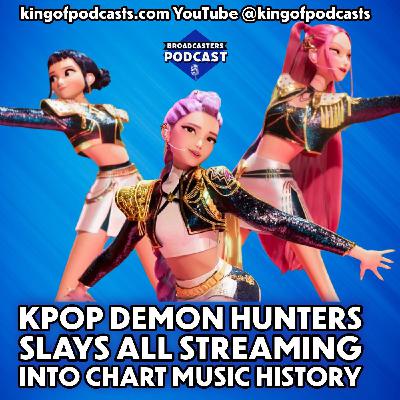
The animated action musical "KPop Demon Hunters" has become a global phenomenon, breaking Netflix viewership records with 236 million views in two months, outpacing films like "Red Notice." Its steady viewership, with only a 2% weekly drop, mirrors the staying power of family-friendly content, bolstered by a No. 1 box office run, sing-along screenings, and a sequel announcement. The soundtrack has made history, placing four songs—"Golden" at No. 1, "Your Idol" at No. 4, "Soda Pop" at No. 5, and "How It’s Done" at No. 10—in the Billboard Hot 100’s top 10, a first for any soundtrack. "Golden" has topped streaming charts for five weeks, with the album hitting No. 2 on the Billboard 200. This success is partly due to a lack of new pop music releases, allowing the film’s KPop-inspired tracks to dominate. The cultural impact extends to a new Funko merchandise line, including light sticks, cementing the film’s influence across streaming, music, and fan engagement.Become a supporter of this podcast: https://www.spreaker.com/podcast/the-broadcasters-podcast--3684131/support.Contact KOP for professional podcast production, imaging, and web design services at http://www.kingofpodcasts.comSupport KOP by subscribing to his YouTube channel and search for King Of PodcastsFollow KOP on X and TikTok @kingofpodcasts (F Meta!)Listen to KOP’s other programs, Podcasters Row… and the Wrestling is Real Wrestling Podcast and The Broadcasters Podcast.Buy KOP a Coffee https://buymeacoffee.com/kingofpodcastsDrop KOP a PayPal https://www.paypal.com/donate?hosted_button_id=3TAB983ZQPNVLDrop KOP a Venmo https://account.venmo.com/u/kingofpodcastsDrop KOP a CashApp https://cash.app/$kingofallpodcasts
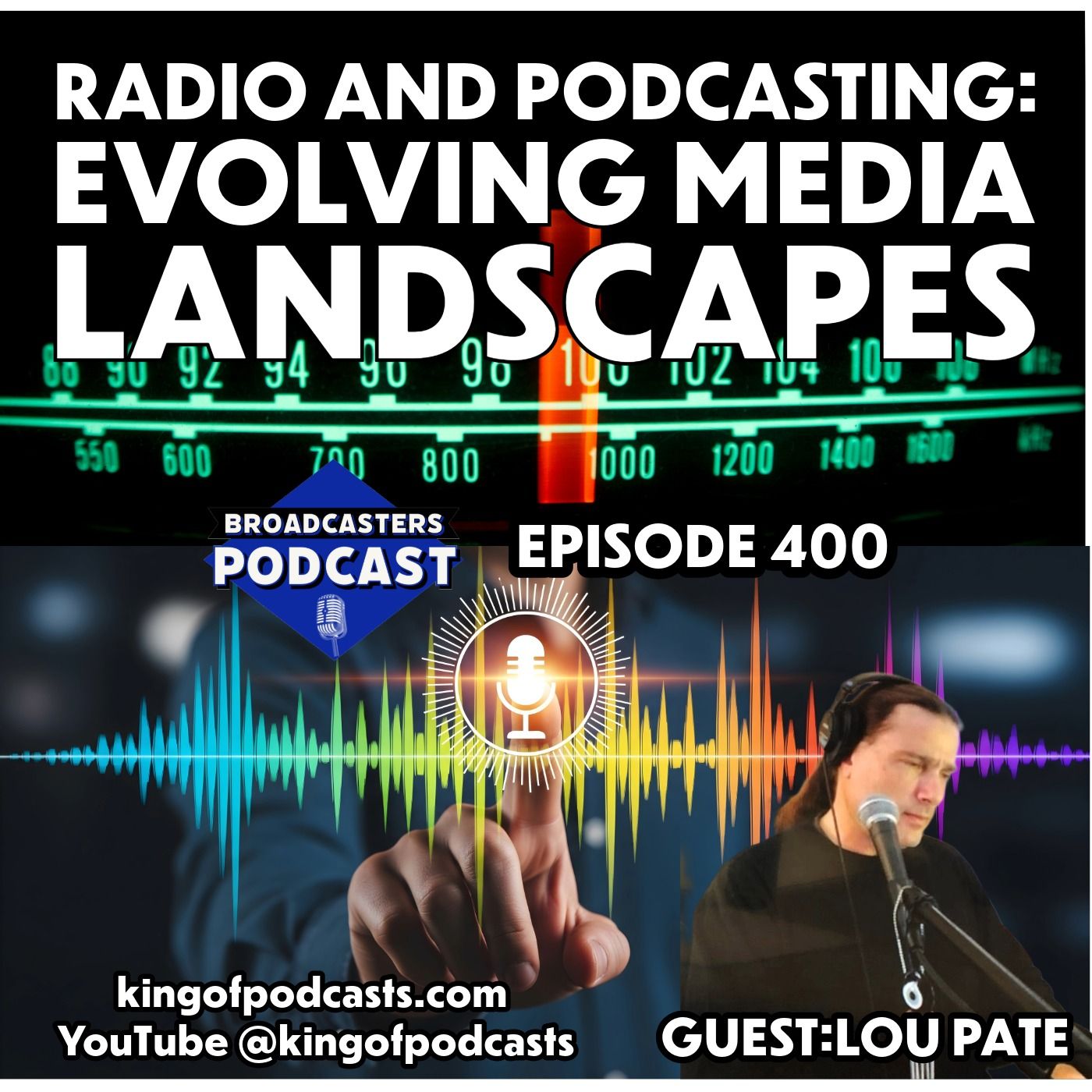
Lou Pate, a seasoned radio broadcaster, discussed the challenges facing modern radio, including a lack of experimentation and the industry's slow adoption of new technologies like podcasting. He highlighted issues of self-censorship in media and criticized the increasing advertising of gambling in sports media. We first started with a brief debate. Recent advertising campaigns for jeans have sparked controversy, with American Eagle's "Sydney Sweeney Has Great Jeans" generating debate but boosting stock. Gap's "Better in Denim" featuring KATSEYE was lauded for its multicultural representation, while Lucky Brand collaborated with Addison Rae on the "Addison Ultra Low Rise Flare." Levi's "The Denim Cowboy" campaign with Beyoncé, which reinvented iconic ads and promoted empowerment, drew comparisons to the Sweeney campaign, all of which reflect a perceived return to more conventional beauty standards in advertising.The conversation then explored the evolution of media consumption, the financial models of radio, and the importance of quality content to attract advertisers. They noted that radio corporations have largely failed to adapt to the podcasting trend, often just repurposing existing content rather than creating original material. This has contributed to a decline in local radio and talent development, leading to a "cookie-cutter mold" where many terrestrial talk shows focus on repetitive topics. While sports talk radio has found success by engaging audiences with lengthy discussions, the broader radio industry struggles with attracting younger audiences and retaining advertisers, partly due to uninspired content and a reluctance to innovate. We also emphasized that quality content is key to attracting advertisers and that the "wild west" of podcasting, with its freedom and convenience, offers a refreshing alternative to stale, corporately controlled radio.Become a supporter of this podcast: https://www.spreaker.com/podcast/the-broadcasters-podcast--3684131/support.Contact KOP for professional podcast production, imaging, and web design services at http://www.kingofpodcasts.comSupport KOP by subscribing to his YouTube channel and search for King Of PodcastsFollow KOP on X and TikTok @kingofpodcasts (F Meta!)Listen to KOP’s other programs, Podcasters Row… and the Wrestling is Real Wrestling Podcast and The Broadcasters Podcast.Buy KOP a Coffee https://buymeacoffee.com/kingofpodcastsDrop KOP a PayPal https://www.paypal.com/donate?hosted_button_id=3TAB983ZQPNVLDrop KOP a Venmo https://account.venmo.com/u/kingofpodcastsDrop KOP a CashApp https://cash.app/$kingofallpodcasts

Comments

Download from Google Play

Download from App Store
 United States