


 Claim Ownership
The Science Behind Dreams
Subscribed: 5Played: 8
Subscribe

© Paul Stanley
Description
Why do we dream? What do our dreams mean? From Sigmund Freud’s psychoanalytic theories to modern neuroscience’s exploration of brain activity during sleep, this podcast delves into the fascinating world of dreams. Each episode unravels the mysteries of dreaming, exploring psychological interpretations, scientific discoveries, and the impact of dreams on our waking lives.
Join us on a journey through the subconscious as we decode dream symbolism, discuss lucid dreaming, and uncover the latest research on how sleep shapes memory, creativity, and emotions.
RSSVERIFY
Join us on a journey through the subconscious as we decode dream symbolism, discuss lucid dreaming, and uncover the latest research on how sleep shapes memory, creativity, and emotions.
RSSVERIFY
31 Episodes
Reverse
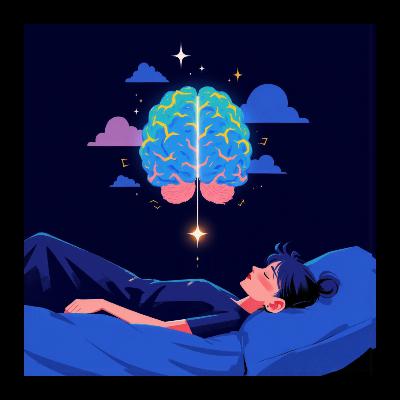
This episode explores the phenomenon of dream silence—when people feel they no longer dream or can’t remember their dreams. Science shows that almost everyone continues to dream; what fades is dream recall, not dreaming itself. During REM sleep, the brain’s chemistry makes memories fragile, and without gentle awakenings, dreams vanish quickly.Modern life—stress, alarms, screens, and routines—erases dream memory before it can settle. Aging, emotional overload, grief, burnout, and certain medications can further reduce recall, often as a form of psychological protection rather than failure.The episode emphasizes that dream recall depends on attention and habit. When dreams are treated as unimportant, the brain stops saving them. But recall can be rebuilt through slower waking, reflection, and journaling. Dream silence is not an absence—it’s a pause. Even when dreams seem quiet, the mind continues to process, heal, and imagine, waiting for the moment we’re ready to listen again.
This episode explores the idea of shared dreams—experiences where people feel they dreamed the same thing or met someone else in a dream. While there is no scientific evidence that two minds literally share a dream space, psychology offers powerful explanations.Strong emotional bonds, shared experiences, similar routines, and mutual anticipation can lead to emotional synchronization, causing different people to dream about similar themes or events. Memory also plays a role, as we tend to remember similarities and overlook differences when comparing dreams.The episode examines shared dreams among close partners, twins, and during moments of crisis, explaining how subconscious awareness and emotional attunement can make dreams feel deeply connected. Cultural interpretations often frame shared dreams as spiritual encounters, while neuroscience sees them as parallel processes shaped by empathy and memory.Ultimately, the episode concludes that shared dreams may not prove minds meet during sleep, but they do reveal something powerful: human connection continues in dreams, shaped by emotion, relationship, and longing—even when the world is silent.
This episode explains why certain dreams feel intensely real, emotional, and immersive. During REM sleep—the stage where vivid dreaming occurs—the brain’s visual areas, emotional centers, and memory networks become highly active, while the logical prefrontal cortex partially shuts down. This creates the perfect illusion of reality: strong emotion, rich sensory detail, and lowered critical thinking.Vivid dreams often involve powerful emotions such as fear, love, desire, or grief. The brain recreates sights, sounds, textures, and movement without external input, making dream experiences feel lifelike. Memories also blend into dreams, giving them familiar settings or faces.Nightmares feel especially real because the amygdala intensifies fear. Lucid dreams and false awakenings can feel even more realistic, as consciousness enters the dream with heightened clarity. Stress, trauma, or major life transitions also increase dream intensity.In essence, dreams feel real because the brain treats them like real experiences—activating sensation and emotion while suspending logic—making the dream world vivid, believable, and unforgettable.
This episode explores how dreams become a powerful engine for creativity. During REM sleep, logical brain regions relax while emotional and imaginative areas become highly active, allowing the mind to make bold connections and generate ideas that waking logic would suppress.History is filled with breakthroughs born in dreams—Paul McCartney’s melody for “Yesterday,” Mary Shelley’s vision for Frankenstein, Elias Howe’s sewing machine design, and Mendeleev’s arrangement of the periodic table. These examples show how dreams mix memories, emotions, and imagination into new creative forms.Dreams enhance creativity by breaking mental boundaries, expressing emotional truth, revealing hidden connections, and silencing the inner critic. Techniques like dream journaling, dream incubation, and lucid dreaming can help people access this creative power intentionally.Ultimately, the episode concludes that dreams are not random—they are a creative laboratory, where the mind experiments freely and transforms scattered thoughts into inspiration, insight, and innovation.
This episode explores how dreams communicate through symbols and archetypes rather than literal images. Dream symbols—like falling, flying, water, mirrors, doors, or being chased—appear in cultures around the world because they reflect universal human emotions such as fear, hope, insecurity, and transformation.The episode introduces Carl Jung’s idea of the collective unconscious, where universal archetypes like the Shadow, the Mother, and the Wise Old Man reside. These archetypes shape dream imagery across humanity. At the same time, dreams also contain personal symbols unique to each dreamer’s memories and experiences.Symbols appear because the dreaming brain expresses emotion visually, compressing complex feelings into simple images. Understanding these symbols can offer insight into unresolved conflicts, desires, transitions, and emotional needs.Overall, the episode shows that dream symbols form a shared psychological language—one that connects every human being, across continents and centuries, through the mysteries of the sleeping mind.
This episode explores recurrent dreams, the dreams that repeat over months or years with the same themes—being chased, falling, failing exams, losing teeth, returning to childhood homes, or reliving familiar scenes. These dreams aren’t random. They usually reflect unresolved emotions, ongoing stress, or inner conflicts that the mind keeps trying to process.Recurrent dreams often emerge during moments of transition, anxiety, or avoidance. The brain repeats them because the emotional “knot” behind the dream hasn’t been untangled yet. For some people, recurring nightmares are linked to trauma, with the dream replaying or symbolizing overwhelming memories.The episode also explains how to break the cycle—through dream journaling, changing the dream’s ending (Imagery Rehearsal Therapy), resolving real-life stressors, or seeking therapy. Not all recurring dreams are negative; some repeat as sources of comfort or nostalgia.Ultimately, recurring dreams function as messages from the subconscious, returning until the mind feels understood, healed, or ready to move on.
This episode explores the mysterious phenomenon of precognitive dreams, where people dream about events that later seem to come true. History is filled with such accounts—from Abraham Lincoln’s dream of his own death to reports of people envisioning disasters before they occurred, like the sinking of the Titanic or the 1966 Aberfan tragedy.Science, however, explains most of these cases through coincidence, intuition, and predictive processing. The brain constantly detects subtle patterns and makes subconscious forecasts; in dreams, these can appear as vivid predictions. Psychologists also highlight confirmation bias, where we remember the “hits” and forget the “misses.”Still, the emotional and intuitive nature of dreams means they sometimes capture truths we sense before we consciously recognize them. Whether coincidence or something beyond, precognitive dreams remind us that the mind is not bound entirely by time. They may not predict the future—but they sometimes glimpse its outline.
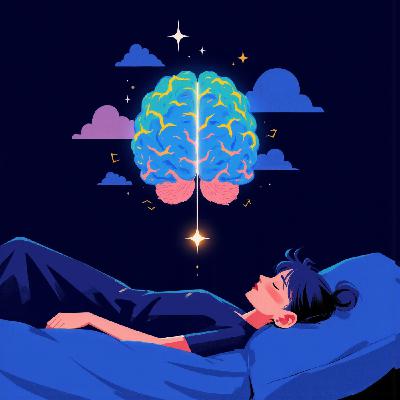
This episode explores healing dreams, the powerful experiences where the mind uses dreaming to process pain, grief, and emotional distress. These dreams often arise during or after trauma, illness, or loss, leaving the dreamer with feelings of comfort and renewal.
Neuroscience shows that during REM sleep, the brain’s emotional centers remain active while stress chemicals are suppressed, allowing people to revisit painful memories safely. Such dreams can help soften grief, ease anxiety, and foster acceptance.
The episode also highlights visitation dreams—where deceased loved ones appear peaceful and reassuring—as part of emotional healing and closure. Symbolic elements like light, water, and flight often represent cleansing, transformation, and release.
Therapists today use dream journaling and guided visualization to help people re-engage with healing dreams. The conclusion: sleep is not just rest—it’s restoration, where dreams act as the psyche’s natural medicine, quietly mending t
missing description
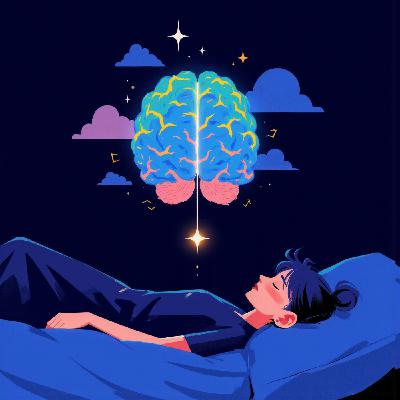
This episode explores how dreaming changes as people grow older. As REM sleep gradually decreases with age, older adults often dream less or recall fewer dreams—but those dreams tend to become more reflective and emotionally balanced. Instead of chaotic or stressful themes, aging dreams often revisit childhood, family, or lost loved ones, serving as a gentle form of life review.
Dreams in later life help process emotion and memory, contributing to acceptance and peace. However, disorders such as REM Sleep Behavior Disorder or Parkinson’s-related vivid dreaming may disturb rest, showing the close link between dreaming and brain health.
Ultimately, the episode concludes that dreams never disappear—they evolve. In youth, they express adventure; in adulthood, ambition; and in old age, wisdom and reconciliation. Dreaming, even in our final years, remains a quiet dialogue between memory, meaning, and the soul.
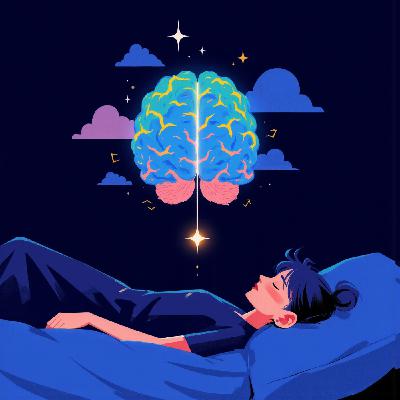
missing description
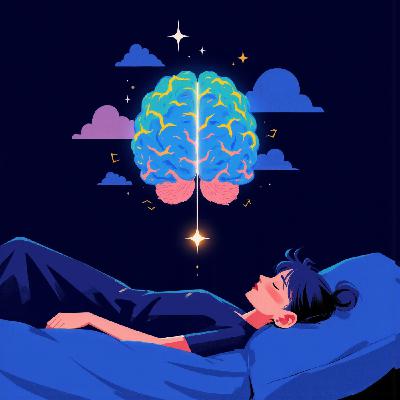
This episode explores how different cultures around the world understand and interpret dreams. While modern science views dreams as brain activity, many ancient and traditional societies see them as messages from gods, ancestors, or spiritual realms.
Aboriginal Australians connect dreams to Dreamtime, a sacred realm of creation.
Native American tribes treat dreams as guides, using symbols like dreamcatchers for protection.
African cultures such as the Zulu view dreams as communication from ancestors.
Ancient Chinese and Islamic traditions use dreams for prophecy and guidance.
Tibetan Buddhism and Hinduism blur the line between dreams and reality, believing both are forms of illusion or spiritual experience.
The episode highlights that culture not only shapes how people interpret dreams—it also shapes what they dream about. In individualistic societies, dreams often center on personal success or conflict, while collectivist cultures dream more about family and responsibility.
Ult
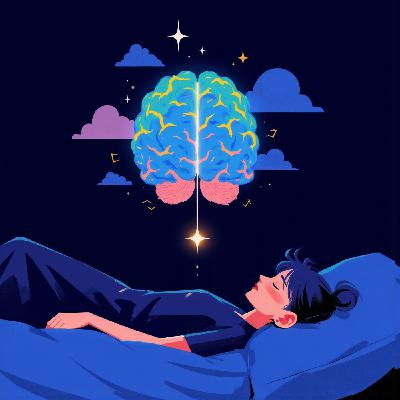
missing description
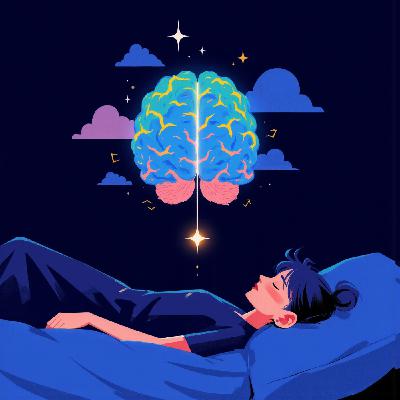
This episode examines how trauma shapes and disrupts dreams. Traumatic experiences leave deep marks in the brain’s memory and emotion centers, often producing nightmares that replay painful events or symbolize unresolved fear. For people with PTSD, these nightmares can feel relentless, fueling anxiety and sleep disruption.
At the same time, dreams hold the potential for healing. Techniques like Imagery Rehearsal Therapy, lucid dreaming, and dream sharing in therapy can help survivors reshape nightmares and process emotions safely. Dreams may use symbolism—such as being trapped or chased—to process trauma indirectly.
The episode emphasizes that healthy sleep is vital for recovery, as REM helps regulate emotions and integrate memories. Ultimately, dreams can be a double-edged sword—painful reminders of trauma, but also powerful tools for transformation and emotional healing.
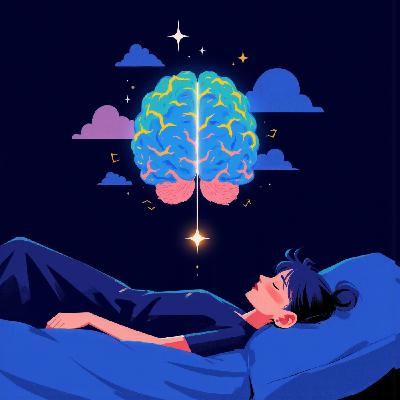
This episode explores how dreams connect to the subconscious mind, the hidden layer of thoughts, fears, and desires beneath our conscious awareness. Freud viewed dreams as expressions of repressed wishes, while Jung believed they reveal archetypes and guide personal growth.
From a neuroscience perspective, dreams emerge as the brain replays and reorganizes emotions and memories during REM sleep, often surfacing hidden patterns. Common stress or relationship dreams illustrate how the subconscious uses symbols—being chased, falling, or feeling unprepared—to reflect inner conflicts.
The episode emphasizes that dreams are not literal truths but symbolic reflections, offering valuable clues to our inner state. Journaling, identifying recurring themes, and reflecting on emotional tones can help us better understand what our subconscious is trying to communicate.
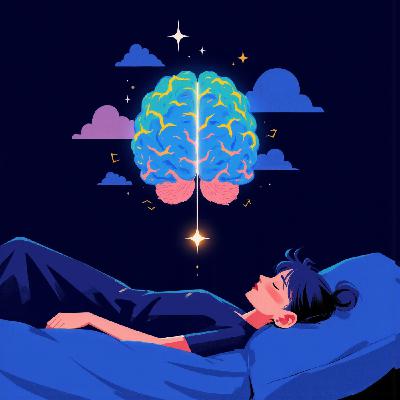
This episode explores the mysterious phenomenon of dream déjà vu—the sense of reliving a dream or experiencing something in waking life that feels like it already happened in a dream. Science explains it as a memory glitch, where feelings of familiarity are triggered without full recollection, or as the brain recycling and reshaping memories during sleep.
Dream déjà vu may also reflect emotional themes that repeat in the unconscious, much like recurring dreams. While cultural and spiritual traditions sometimes see it as proof of prophecy, past lives, or parallel realities, psychologists view it as a way the brain processes patterns.
Ultimately, dream déjà vu may not predict the future, but it can still hold personal meaning—inviting us to reflect on emotions, memories, and unresolved issues.
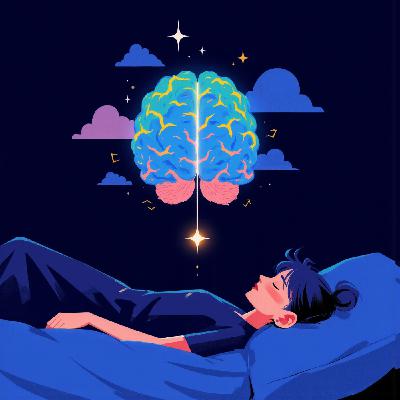
This episode explores how dreams can contribute to creative problem-solving. During sleep, especially in REM, the brain loosens logical constraints and allows unusual connections to form, often leading to new insights. History offers famous examples—Kekulé’s vision of the benzene ring, Elias Howe’s sewing machine, and Paul McCartney’s “Yesterday.”
Dreams aid problem-solving by freeing the mind from logic, processing emotions, and integrating memories. Techniques like dream incubation, journaling, and lucid dreaming can increase the chance of dream-inspired solutions. However, dreams are best at creative, open-ended challenges rather than logical or highly technical problems.
Ultimately, the episode concludes that “sleeping on it” truly works, because dreams act as a creative laboratory where the brain experiments with ideas and emotions.
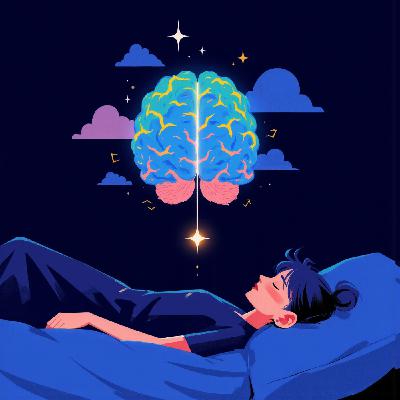
This episode explores how dreams have been understood across cultures and religions. In ancient Mesopotamia and Egypt, dreams were treated as divine messages, with priests and dream books guiding interpretations. The Greeks and Romans also sought prophetic meaning in dreams, often consulting them before major decisions.
In religious traditions, dreams play a central role: the Bible recounts Joseph’s and other prophetic dreams; in Islam, dreams are divided into true, false, and ordinary; while in Hinduism and Buddhism, dreams reflect karma, illusion, or spiritual insight. Indigenous and shamanic traditions see dreams as bridges to the spirit world, offering wisdom and healing.
Despite differences, cultures share common themes: dreams as guidance, as warnings, and as spiritual journeys. Even today, these ancient beliefs influence how people reflect on their dreams, reminding us that dreams are not only neurological events but also deeply human experiences filled with meaning and myster
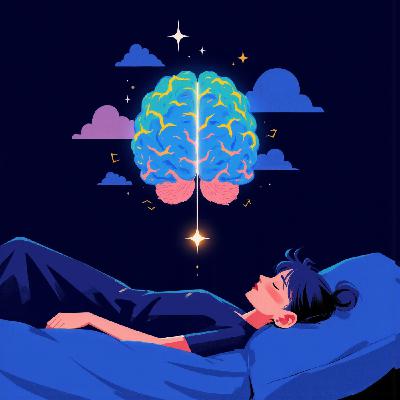
This episode explores parasomnias, unusual behaviors that occur during sleep, such as night terrors, sleepwalking, sleep talking, REM sleep behavior disorder, and sleep paralysis. Unlike nightmares, which happen in REM sleep, night terrors occur in deep non-REM sleep, often causing screaming, thrashing, or confusion without memory of the event.
The episode explains the causes—including stress, trauma, genetics, sleep deprivation, medications, and other sleep disorders—and highlights the risks, such as injury or disrupted rest. It also discusses coping strategies, from improving sleep hygiene and stress reduction to creating safe environments and seeking medical treatment when needed.
Parasomnias remind us that sleep is not always peaceful and highlight how complex and fragile the brain’s sleep mechanisms really are.
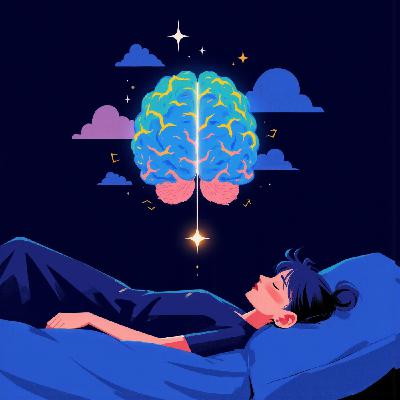
This episode examines how dreams can fuel creativity and innovation. During REM sleep, logical brain areas quiet down while associative networks become more active, allowing the mind to form unusual connections. History offers striking examples—Mary Shelley’s Frankenstein, Mendeleev’s Periodic Table, McCartney’s “Yesterday”—all inspired by dreams.
The episode explains why dreams are fertile for creativity: freedom from real-world limits, symbolic thinking, emotional intensity, and problem rehearsal. It also shares methods to harness this potential, such as setting pre-sleep intentions, keeping a dream journal, and practicing lucid dreaming. Science suggests that dreams aid creative leaps through the brain’s default mode network, though not every dream idea works in reality. Dreams are best treated as starting points for innovation, not finished solutions.

Comments

Download from Google Play

Download from App Store
 United States