


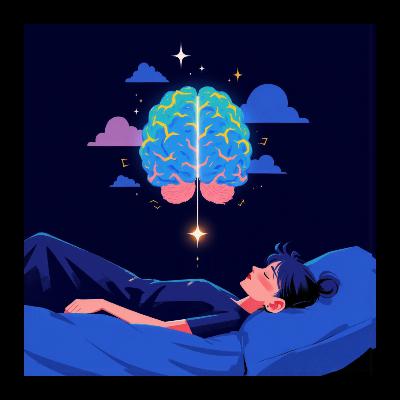
When Dreams Go Silent – Why Some People Stop Remembering Dreams
Description
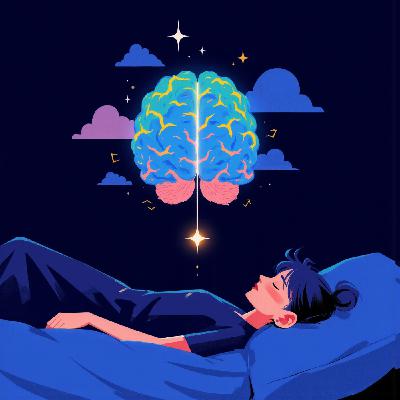
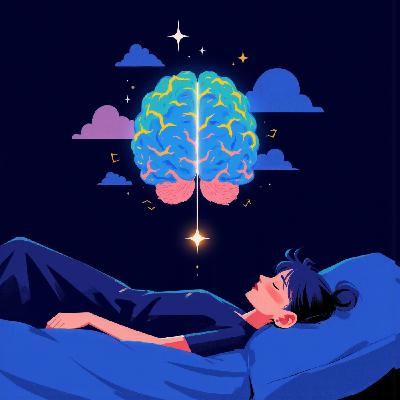
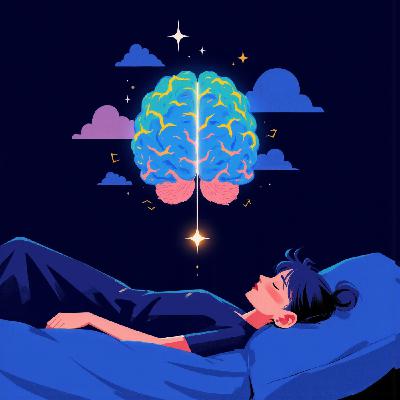
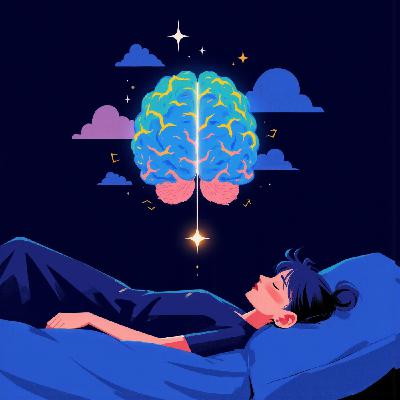
This episode explores the phenomenon of dream silence—when people feel they no longer dream or can’t remember their dreams. Science shows that almost everyone continues to dream; what fades is dream recall, not dreaming itself. During REM sleep, the brain’s chemistry makes memories fragile, and without gentle awakenings, dreams vanish quickly.
Modern life—stress, alarms, screens, and routines—erases dream memory before it can settle. Aging, emotional overload, grief, burnout, and certain medications can further reduce recall, often as a form of psychological protection rather than failure.
The episode emphasizes that dream recall depends on attention and habit. When dreams are treated as unimportant, the brain stops saving them. But recall can be rebuilt through slower waking, reflection, and journaling. Dream silence is not an absence—it’s a pause. Even when dreams seem quiet, the mind continues to process, heal, and imagine, waiting for the moment we’re ready to listen again.




 United States
