


 Claim Ownership
The Science of Motherhood
Subscribed: 85Played: 1,929
Subscribe

© 2023 The Science of Motherhood
Description
Knowledge is power and we are all about empowering the mothers of the world! In each episode we will unravel and interpret the latest research and evidence-based practices for pregnancy, postpartum and motherhood.
205 Episodes
Reverse
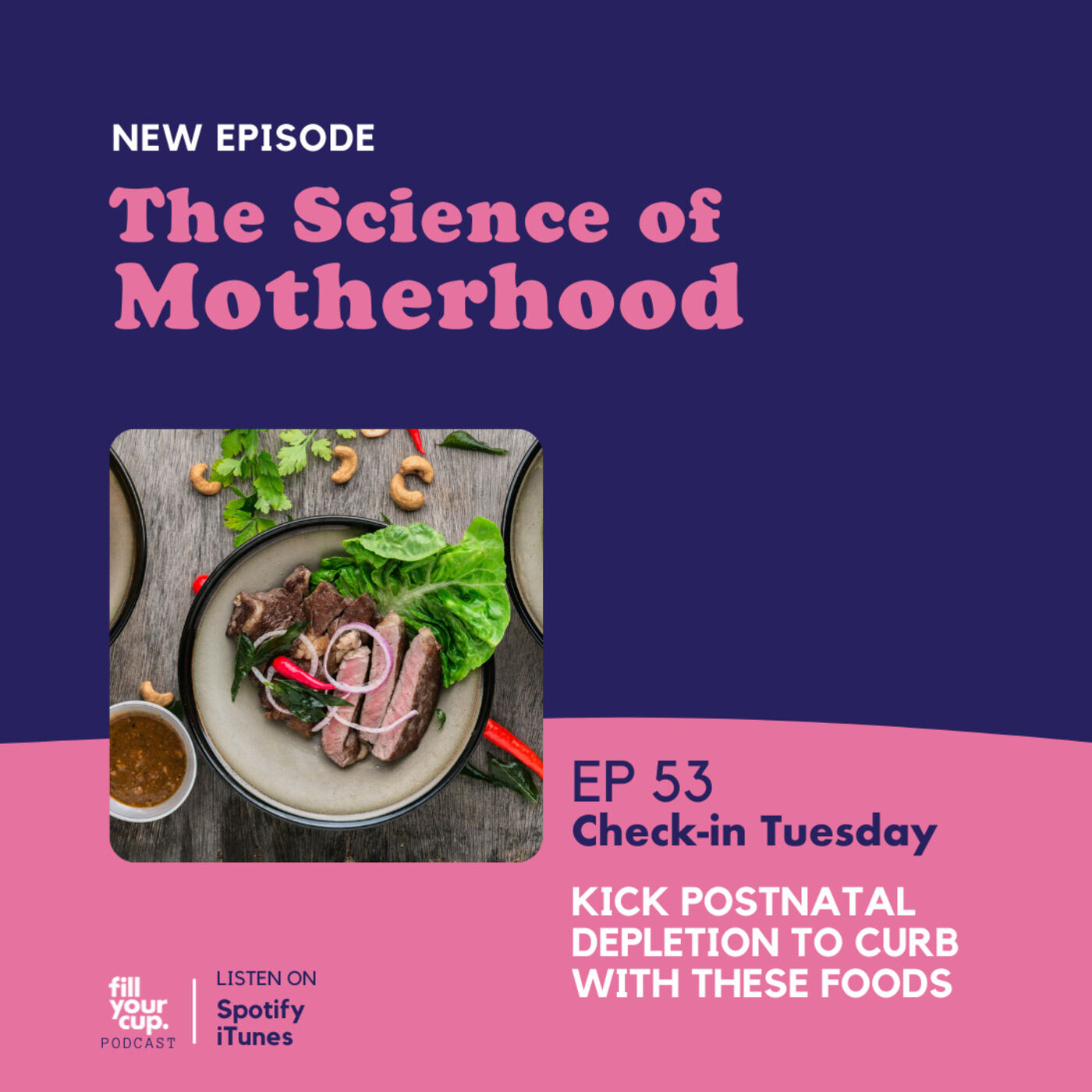
In today's episode, Dr Renee White discusses why so many women step into postpartum depleted of multiple micronutrients!Tune in to here about:- Postnatal depletion + Dr Oscar Serrallach work- What micronutrients you will need to replete your body and mind in postpartum- Food and quick + easy recipes to stock your fridge, freezer and pantry to help sleep-deprived and busy newborn mothers. Things we mentioned:- Dr Oscar Serrallach - The Postnatal Depletion Cure- InstantPot- Cannings Butchers- Get our Recipes to Kick Postnatal Depletion to the CurbLearn more about Dr Renee White and Fill Your Cup Postpartum Doulas:Want to be nurtured and nourished after the birth of your baby, have a peek at our doula offerings.If you want to gobble up our famous Chocolate + Goji lactation cookies, look no further.
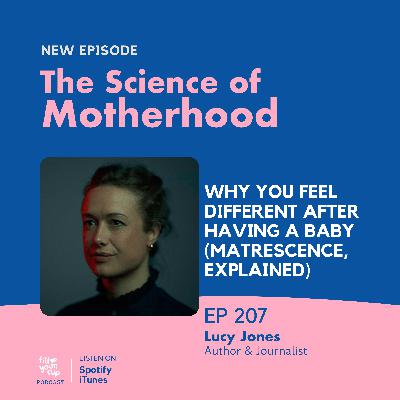
Have you ever felt like becoming a mum changed more than your daily routine? Like it changed you?If you’ve felt a shift in your identity, confidence, or sense of self since having a baby, this episode will put words to it.This episode opens The Science of Motherhood Summer Series, where Dr Renee White revisits some of your favourite episodes, the ones that made you feel seen, understood, and less alone in your motherhood journey.In this replay, Renee sits down with Lucy Jones, science writer and author of Matrescence: On the Metamorphosis of Pregnancy, Childbirth, and Motherhood, to unpack the real transformation that happens in pregnancy, birth, and postpartum. Not just emotionally, but biologically and socially too.You’ll hear about:What matrescence is, and why motherhood can feel like a full-body identity shiftHow your brain and body change through pregnancy and postpartumWhy the “this should be natural” narrative can fuel shame and silenceWhat helps mums feel steadier, supported, and more like themselves againIf you’ve been thinking, “Why didn’t anyone tell me it could feel like this?”, you’re not alone. This episode gives you language, validation, and a way to make sense of what you’re experiencing.If it helped, share it with a mum who needs it, and hit subscribe so you don’t miss the next replay.Resources & Links📲 Connect with Renee on Instagram: @fillyourcup_🌐 Learn more about Dr Renee White and explore Fill Your Cup Doula services🍪 Treat yourself with our Chocolate + Goji lactation cookies📚 Lucy Jones’ book: Matrescence: On the Metamorphosis of Pregnancy, Childbirth, and Motherhood🌐 Lucy’s website: https://lucyfjones.com/📲 Lucy on Instagram: @lucyfjonesThis episode is proudly supported by Fill Your Cup, Australia’s first doula village.DisclaimerThe information on this podcast presented by Fill Your Cup is not a substitute for independent professional advice. Nothing contained in this episode is intended to be used as medical advice and it is not intended to be used to diagnose, treat, cure or prevent any disease, nor should it be used for therapeutic purposes or as a substitute for your own health professional's advice.
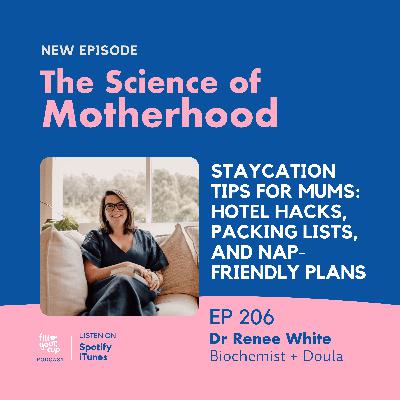
Have you been scrolling past everyone’s overseas holiday photos and feeling that quiet pang of “we can’t afford that right now”?And even if a local getaway sounds doable, you might be thinking about the packing, the nap timing, the feeding stuff, the toddler meltdowns, and wondering if it’s even worth the effort.In this episode, Dr Renee White shares practical, mum-tested tips for planning a staycation that actually feels like a break. Not perfect. Not Instagrammable. Just genuinely restorative.Renee walks you through what to pack, what to skip, simple hotel hacks that make life easier, and one money-saving tip that could save your family hundreds on accommodation. Because sometimes the reset you need isn’t a week overseas. It’s a couple of nights close to home where someone else makes the bed and you don’t have to do the dishes.You’ll hear about:A simple membership tip that can save hundreds of dollars on accommodationRenee’s essential packing list for travelling with babies and toddlers (and what you can leave behind)Easy hotel hacks to make sleep, feeding, and settling smootherHow to plan your days around naps without feeling stuck in the roomThe mindset shift that helps staycations feel enjoyable in this season of motherhoodIf you’ve been craving a break but feeling like holidays are off the table, this episode will meet you right where you are. You don’t need to go far to feel the benefit. You just need a change of scenery, fewer jobs on your plate, and permission to keep it simple.Resources & Links📲 Connect with Renee on Instagram: @fillyourcup_🌐 Learn more about Dr Renee White and explore Fill Your Cup Doula services🍪 Treat yourself with our Chocolate + Goji lactation cookies✨ This episode is proudly supported by Fill Your Cup, Australia’s first doula village.If this episode helped, share it with a mum who needs a break but doesn’t want the chaos. And don’t forget to hit subscribe so you never miss an episode of The Science of Motherhood. 💛DisclaimerThe information on this podcast presented by Fill Your Cup is not a substitute for independent professional advice. Nothing contained in this episode is intended to be used as medical advice and it is not intended to be used to diagnose, treat, cure or prevent any disease, nor should it be used for therapeutic purposes or as a substitute for your own health professional's advice.
Have you ever felt like your baby knows what you’re feeling before you even say a word?Maybe you’ve noticed them light up when you’re feeling calm and happy — or pull away a little when you’re flat or overwhelmed. These little moments often feel invisible, but they’re doing more than we think.In this episode, Dr Renee White explores new research on how a mother’s brain and her baby’s brain can literally sync up during moments of connection. Using a tool called dual EEG, researchers were able to capture real-time brain activity between mums and babies, showing that our emotional tone can directly influence how our brains work together.This isn’t about being “on” all the time. It’s about understanding why the moments where you feel most present with your baby matter so much.You’ll hear about:What brain-to-brain connection looks like between mum and babyWhy emotional tone plays a big role in learning and developmentThe science behind eye contact, cooing and everyday connectionHow maternal wellbeing supports brain synchronyWhy it's not about perfection, but presenceWhat matters most is remembering that even on the tough days, your presence is powerful. You don’t have to perform. You don’t need to do more. You’re doing enough, and it’s making a difference.Resources & Links📲 Connect with Renee on Instagram: @fillyourcup_🌐 Learn more about Dr Renee White and explore Fill Your Cup Doula services🍪 Treat yourself with our Chocolate + Goji lactation cookiesIf you found this episode helpful, share it with a friend or tag @fillyourcup_ on Instagram. And don’t forget to follow The Science of Motherhood so you never miss an episode.Disclaimer:The information on this podcast presented by Fill Your Cup is not a substitute for independent professional advice. Nothing contained in this episode is intended to be used as medical advice and it is not intended to be used to diagnose, treat, cure or prevent any disease, nor should it be used for therapeutic purposes or as a substitute for your own health professional's advice.
Motherhood changes the way you see yourself, your work and what you’re capable of. And when everything feels unfamiliar, it can be hard to recognise the opportunities that come with those changes.In this week’s episode of The Science of Motherhood, Dr Renee White chats with Renee Barnes, People and Culture professional and Director of The People Paradox. After navigating her own identity shift in motherhood, Renee created The FOUND Program, supporting parents to feel more confident, capable and empowered in both work and home life.Together, they explore what happens to your identity, your strengths and your leadership when you become a parent, and how these shifts can open new possibilities you may not have noticed yet.You’ll hear about:Why identity shifts feel so strong in early motherhoodHow sensitivity and hypervigilance can become leadership strengthsWhat parents really need when returning to workHow the emotional load builds and why it often goes unseenSimple ways to feel more grounded and confident in this new seasonMotherhood doesn’t come with a map. If you’re feeling stretched, unsure or in transition, you’re not alone. This episode will help you understand what’s changing and how to move through it with more clarity and confidence.Resources and Links📲 Connect with Renee on Instagram: @fillyourcup_🌐 Learn more about Dr Renee White and explore Fill Your Cup Doula services🍪 Treat yourself with our Chocolate + Goji lactation cookies🌐 Explore Renee Barnes’ work and The FOUND Program📲 Connect with Renee Barnes on Instagram: @found_learningmotherhood📲 The first 10 listeners to DM Renee Barnes will receive a 15% discount on stage 1 of the FOUND program. (Expires in 10 days 19 Dec 2025)If this episode helped you feel supported, share it with another parent who might need it. And make sure you’re subscribed so you don’t miss the next episode of The Science of Motherhood.This episode is proudly supported by Fill Your Cup, Australia’s first doula village.Disclaimer:The information on this podcast presented by Fill Your Cup is not a substitute for independent professional advice. Nothing contained in this episode is intended to be used as medical advice and it is not intended to be used to diagnose, treat, cure or prevent any disease, nor should it be used for therapeutic purposes or as a substitute for your own health professional's advice.
The holiday season can feel intense for many mums. The plans, the expectations, the drop-ins, the comments. It stacks up fast and makes it hard to tune into what you actually need.In this episode, Dr Renee White breaks down why setting boundaries can feel challenging in early motherhood and why guilt often shows up the moment you try to protect your time or space. She offers simple, supportive language that helps mums communicate their needs without feeling overwhelmed.These insights are practical, calm and designed to help you move through the season without feeling stretched thin.You’ll hear about:Gentle phrases to end visits or step away when you’ve reached your limitA calm one-sentence response to handle unwanted adviceHow to step away when things feel too busy or too loudWays to protect your energy during busy seasonsPermission to choose what feels manageable for you and your babyWhat matters most is remembering that your needs count too. You’re allowed to set limits. You’re allowed to rest. And you don’t need to justify decisions that support your wellbeing.Resources and Links📲 Connect with Renee on Instagram: @fillyourcup_🌐 Learn more about Dr Renee White and explore Fill Your Cup Doula services🍪 Treat yourself with our Chocolate + Goji lactation cookiesThis episode is proudly brought to you by Fill Your Cup. Head to our website to learn more about our birth and postpartum doula offerings.🎧 If this episode gave you clarity or comfort, share it with a fellow mum who might need it too. And don’t forget to hit subscribe so you never miss an episode.Disclaimer: The information on this podcast presented by Fill Your Cup is not a substitute for independent professional advice.Nothing contained in this podcast is intended to be used as medical advice and it is not intended to be used to diagnose, treat, cure or prevent any disease, nor should it be used for therapeutic purposes or as a substitute for your own health professional's advice.
If you’ve ever looked at your baby and wondered how to feel more connected, you’re not alone. The early weeks can feel busy, emotional and a little uncertain. You’re feeding, settling, changing and doing your best, but sometimes it still feels like something is missing.And then you hear about baby massage. Some people say it’s essential. Others say it’s just a nice extra. It’s hard to know what’s real.In this week’s episode of The Science of Motherhood, Dr Renee White chats with Vicky O’Rourke, founder of Connect Baby, experienced occupational therapist and mum of three. Vicky blends 14 years of paediatric clinical experience with the gentle practice of infant massage, offering parents a simple, evidence-backed way to support their baby’s development while strengthening their bond.Vicky breaks down what baby massage actually is, what the research says, and why touch is one of the most powerful tools you already have.Renee and Vicky talk through what matters, what parents often misunderstand, and how you can build more confidence in the early weeks with small, simple moments.You’ll hear about:How baby massage supports bonding, regulation and early development.Why cue based touch helps you understand your baby’s signals more clearly.The role of oxytocin and how it benefits both you and your baby.Practical ways to use touch during unsettled days, sleep struggles or sensory overload.Why connection matters more than perfect technique.You’re allowed to slow down, follow your baby’s lead and use touch as a way to reconnect when everything feels overwhelming. This episode will give you grounded, evidence based guidance so you can feel clearer and more confident moving forward.Resources and Links📲 Connect with Renee on Instagram: @fillyourcup_🌐 Learn more about Dr Renee White and explore Fill Your Cup Doula services🍪 Treat yourself with our Chocolate + Goji lactation cookies📘 Connect with Vicky O’Rourke:Website: www.connectbaby.com.auInstagram: @connectbaby__✨ This episode is proudly brought to you by Fill Your Cup. Head to our website to learn more about our birth and postpartum doula offerings.If this episode helped you feel more supported, share it with a friend who needs it. And hit subscribe so you don’t miss the next episode of The Science of Motherhood.DisclaimerThe information on this podcast presented by Fill Your Cup is not a substitute for independent professional advice. Nothing contained in this episode is intended to be used as medical advice and it is not intended to be used to diagnose, treat, cure or prevent any disease, nor should it be used for therapeutic purposes or as a substitute for your own health professional's advice.
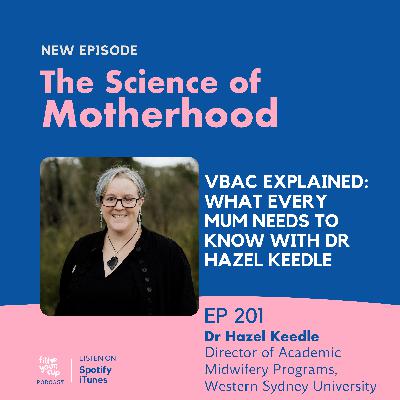
If you’ve had a caesarean before, you’ve probably been given a whole mix of advice about what to do next time. Some people warn you off VBAC. Others tell you to go for it. And then there’s you, stuck in the middle, trying to make sense of it all.In this week’s episode of The Science of Motherhood, Dr Renee White chats with Dr Hazel Keedle, one of Australia’s leading VBAC researchers and a Senior Lecturer of Midwifery at Western Sydney University. Hazel has spent decades listening to women, studying their stories, and breaking down what truly supports a positive birth after caesarean. She’s down to earth, easy to listen to, and offers the kind of straight-up clarity mums are craving.Renee and Hazel talk through what actually matters, what’s outdated, and how you can feel more confident in your choices moving forward.You’ll hear about:Hazel’s four factors framework for planning a supportive VBAC.Why “once a caesarean, always a caesarean” is old thinking.How your care team shapes your experience more than you realise.The system pressures that mums often feel, but rarely get explained.Practical tips for choosing people who genuinely support your birth wishes.You’re allowed to slow down, ask questions, and choose the care that feels right for you. VBAC isn’t about proving anything. It’s about feeling informed, backed, and respected. This episode will give you that grounding so you can move forward with more clarity and less noise.Resources and Links📲 Connect with Renee on Instagram: @fillyourcup_🌐 Learn more about Dr Renee White and explore Fill Your Cup Doula services🍪 Treat yourself with our Chocolate + Goji lactation cookies📲 Connect with Dr Hazel KeedleWebsite: https://hazelkeedle.comInstagram: @hazelkeedleHazel’s book The Clinician's Guide to Better Birth After Cesarean is available through Amazon and major online retailers.If this episode helped you feel a bit clearer or more supported, pass it on to another mum who’s weighing up her options too. And hit subscribe so you don’t miss the next episode of The Science of Motherhood.DisclaimerThe information on this podcast presented by Fill Your Cup is not a substitute for independent professional advice. Nothing contained in this episode is intended to be used as medical advice and it is not intended to be used to diagnose, treat, cure or prevent any disease, nor should it be used for therapeutic purposes or as a substitute for your own health professional's advice.
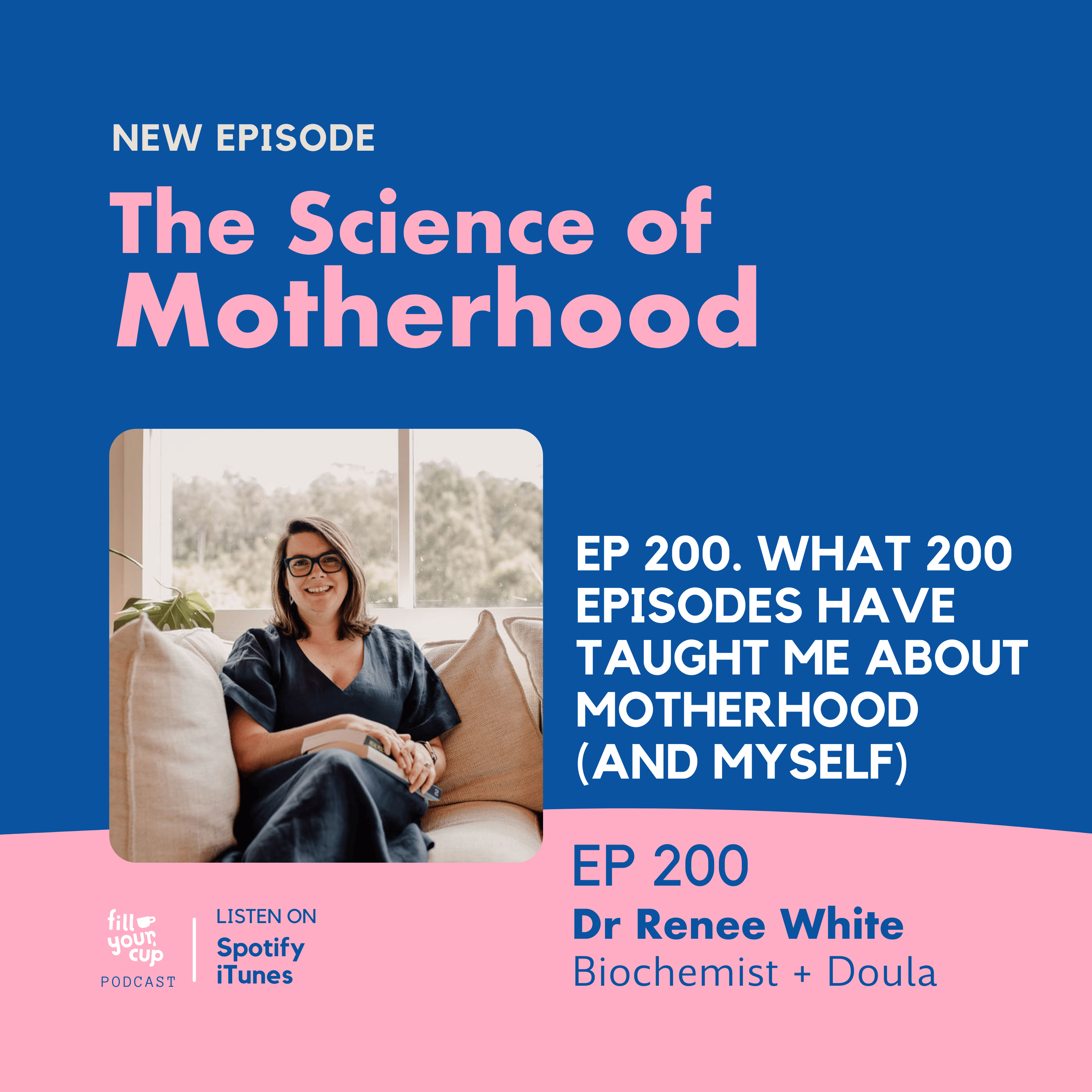
Have you ever thought, “If only I’d known then what I know now?”You’re not alone.In this milestone episode, Dr Renee White reflects on the biggest lessons she’s learned from the last 100 conversations on The Science of Motherhood from researchers and clinicians to doulas and mums who’ve shared their lived wisdom. With honesty and heart, Renee opens up about what she’d do differently if she could experience early motherhood all over again, and how the science has reshaped her understanding of what mums truly need.Whether you’re pregnant, preparing for postpartum, or deep in the motherhood trenches, this episode is a compassionate guide to doing things differently… with more knowledge, confidence, and self-kindness.You’ll hear about:• Why understanding matrescence before birth matters more than any baby book• The mental health practices that protect your wellbeing long before postpartum hits• What the research really says about infant sleep (and why your baby isn’t broken)• The power of nourishment, rest, and realistic expectationsThis is the episode Renee wishes she could have listened to before becoming a mum and one that reminds you that you’re not broken, you’re transforming.Resources & Links:📲 Connect with Renee on Instagram: @fillyourcup_🌐 Learn more about Dr Renee White and explore Fill Your Cup Doula services🍪 Treat yourself with our Chocolate + Goji lactation cookiesRelated episodesEp 116. Lucy Jones – The Art of MatrescenceEp 138. Kate Johnstone – How to Find Self-Compassion in MotherhoodEp 192. Prof. Helen Ball - Why Baby Sleep Advice Often Fails MumsEp 150. Dr Laura Gainche – Latest Research on Infant SleepEp 198. Julie Borninkhof - Catching It Early: How to Protect Your Mental Health in MotherhoodEp 106. Alex Sinickas – Not All Breast Pumps Are Created EquallyEp 108. Kate Visser – How and Where to Start on a Relactating JourneyEp 184. Lily Nichols - Pregnancy Food Made Simple: What Your Body Really NeedsIf this conversation resonates, share it with another mum or mum-to-be who needs to feel seen, supported, and reassured and make sure you’re subscribed so you never miss an episode.Disclaimer:The information on this podcast presented by Fill Your Cup is not a substitute for independent professional advice. Nothing contained in this episode is
Have you ever caught yourself wondering if time’s slipping away to start or grow your family? Maybe you’ve been trying for months and it’s starting to feel heavy, or maybe you’re in your 20s or 30s thinking there’s plenty of time to figure it out.In this week’s episode of Dr Renee White sits down for a heart-to-heart about something that affects more families than we realise… fertility. With World Fertility Day around the corner, she unpacks what the latest research actually says about fertility rates, age, and the hidden barriers that make family planning harder than it should be.This isn’t about creating panic. It’s about getting the facts, feeling informed, and knowing that wherever you’re at, you’re not alone in figuring it out.You’ll hear about:The real science behind fertility decline and how age plays a roleWhy one in six couples worldwide experience infertilityThe male factor that often goes unnoticedHow housing costs, financial pressure and gender inequality impact family planningSimple, evidence-based steps you can take if you’re trying now or planning aheadWe don’t talk about fertility enough. There’s still so much silence, shame and confusion around it. Renee brings honesty and compassion to a conversation that so many families need to hear. It’s the kind of chat you’d have over coffee with a friend who just gets it, full of care, facts, and hope.If you’ve ever found yourself thinking, “Maybe it’s just me,” this episode will remind you it’s not.Resources & Links:📲 Connect with Renee on Instagram: @fillyourcup_🌐 Learn more about Dr Renee White and explore Fill Your Cup Doula services🍪 Treat yourself with our Chocolate + Goji lactation cookiesRelated episodesEp 66. Professor David Gardner – The Science Behind IVFEp 64. Dr Manuela Toledo – What to Expect on Your IVF Journey?Ep 146. Dr Cheryl Phua – What You Need to Know About Freezing Your EggsEp 160. Dr Cheryl Phua – Fertility Treatments 101Ep 172. Dr Kokum Jayasinghe – How Endometriosis Affects Fertility and What You Can DoIf you found this episode helpful, share it with another mum who might need a reminder that she’s not alone. And make sure you’re subscribed so you don’t miss the next episode of The Science of Motherhood.✨ This episode is proudly supported by Fill Your Cup, Australia’s first doula village.Disclaimer:The information on this podcast presented by Fill Your Cup is not a substitute for independent professional advice. Nothing contained in this episode is intended to...
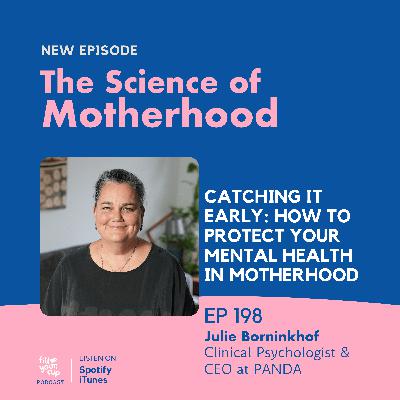
When you’re deep in early motherhood, it’s easy to think you’re just tired or that others have it worse. But what if asking for help early could change everything for you and your baby?In this week’s episode Dr Renee White speaks with Julie Borninkhof, CEO of PANDA (Perinatal Anxiety & Depression Australia) and Clinical Psychologist. Julie has spent years supporting Australian families through pregnancy and early parenthood.Together, they explore the signs that something’s not quite right, what actually happens when you call PANDA, and how preparing your mental health before baby arrives can help you feel more grounded when life changes overnight.You’ll hear about:What perinatal mental health covers and why early support mattersWhat to expect when calling the PANDA HelplineCommon reasons parents and families reach out for helpHow to prepare your mental wellbeing during pregnancyHow partners, grandparents and friends can support new parentsMotherhood isn’t meant to be done alone. If something feels off, trust that instinct. Support is available and it’s never too soon to ask for help.Resources & Links:📲 Connect with Renee on Instagram: @fillyourcup_🌐 Learn more about Dr Renee White and explore Fill Your Cup Doula services🍪 Treat yourself with our Chocolate + Goji lactation cookies🤍 Connect with Julie Borninkhof and PANDAWebsite: www.panda.org.auInstagram: @pandanationalHelpline: 1300 726 306If you found this episode helpful, share it with another mum who might need a reminder that she’s not alone. And make sure you’re subscribed so you don’t miss the next episode of The Science of Motherhood.✨ This episode is proudly brought to you by Cake MaternityCake Maternity specialises in high-quality nursing bras that are supportive, functional, comfortable, and stylish because you shouldn’t have to compromise as a mum.With sizes from 6–22 bands and A to JJ cups, their range includes seamless, flexi-wire, hands-free pumping, and absorbent birthing bras. Explore the collection at au.cakematernity.com and use code FYC15 for 15% off your order.Disclaimer:The information on this podcast presented by Fill Your Cup is not a substitute for independent professional advice. Nothing contained in this episode is intended to be used as medical advice and it is not intended to be used to diagnose, treat, cure or prevent any disease, nor should it be used for therapeutic purposes or as a substitute for your own health professional’s advice.

For years, mums have been told to take folic acid to support their baby’s development. It’s been one of public health’s biggest success stories, helping prevent serious birth defects. But new research suggests there might be more to the picture.In this episode, Dr Renee White explores an Australian study that questions whether excess folic acid could be contributing to rising rates of gestational diabetes. Renee breaks down the findings, what they mean for pregnant women, and why personalised care matters when it comes to supplements and pregnancy health.You’ll hear about:How folic acid fortification changed pregnancy outcomes worldwideWhat researchers found about folate levels and gestational diabetes riskThe role genetics, like MTHFR variants, may play in folic acid metabolismWhy a “one size fits all” approach to supplementation might need rethinkingWhat to discuss with your healthcare provider before making changesThis episode reminds us that science evolves, and understanding the evidence helps us make informed choices. Mamas stay curious, ask questions, and keep working with your healthcare team to find what’s right for you.Resources & Links📲 Connect with Renee on Instagram: @fillyourcup_🌐 Learn more about Dr Renee White and explore Fill Your Cup Doula services🍪 Treat yourself with our Chocolate + Goji lactation cookiesIf you found this episode helpful, share it with a friend or tag @fillyourcup_ on Instagram. And don’t forget to follow The Science of Motherhood so you never miss an episode.Disclaimer:The information on this podcast presented by Fill Your Cup is not a substitute for independent professional advice. Nothing contained in this episode is intended to be used as medical advice and it is not intended to be used to diagnose, treat, cure or prevent any disease, nor should it be used for therapeutic purposes or as a substitute for your own health professional's advice.
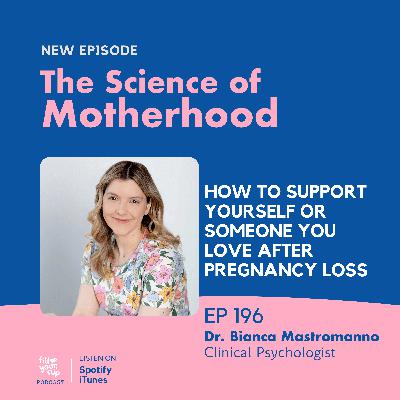
Have you ever felt like you were supposed to just move on after pregnancy loss?So many mums are told to “be grateful”, to stay positive, or to focus on the next step. But grief doesn’t follow a tidy timeline. It lingers, it reshapes us, and it deserves space to be felt.In this heartfelt conversation, Dr Renee White sits down with Dr Bianca Mastromanno, a Clinical Psychologist who has dedicated her career to supporting individuals and couples through the emotional terrain of pregnancy loss, pregnancy after loss, and early parenthood. Together, they talk about what real healing looks like, the kind that makes room for sadness, love, and everything in between.Bianca brings both her professional expertise and lived experience to this episode, offering a deeply compassionate perspective for anyone navigating grief, fear, or the uncertainty that often comes with trying again after loss. This is a conversation for mums, partners, and support people who want to understand how to approach pregnancy loss with empathy, courage, and care.You’ll hear about:The biggest myths about grief that keep mums stuck and silentHow shame can show up after pregnancy loss and gentle ways to move through itWhat trauma-informed care really means for postpartum supportThe conversations every couple should have before pregnancy or birthWhy self-compassion, not perfection, is the foundation of mental health for both parent and childDr Bianca’s insights are tender, real, and full of hope. This episode is a reminder that healing doesn’t mean forgetting or moving on. It’s about learning to carry your grief with love and surrounding yourself with people who see and support you through it.If you’ve experienced loss yourself, or if someone you care about has, this episode offers the understanding, language, and practical tools to feel less alone in it.Resources & Links📲 Connect with Renee on Instagram: @fillyourcup_🌐 Learn more about Dr Renee White and explore Fill Your Cup Doula services🍪 Treat yourself with our Chocolate + Goji lactation cookies💬 Connect with Dr Bianca Mastromanno:Instagram | @drbiancamastromannoWebsite | drbiancamastromanno.com.auDownload Bianca’s free Pregnancy Loss GuideResources mentioned in this episode:The Whole-Brain Child by Dan SiegelParenting from the Inside Out by Dan SiegelThe Baby Loss Guide by Zoe Clark-CoatesPink Elephants Support NetworkPANDA (Perinatal Anxiety & Depression Australia)Time to Talk TFMR Podcast🎧 If this conversation helped you feel more informed, pass it on to another mum navigating her fertility journey. And make sure you’re subscribed so you’ll always catch the next episode.The Science of Motherhood is proudly presented by Fill Your Cup, Australia’s first doula...
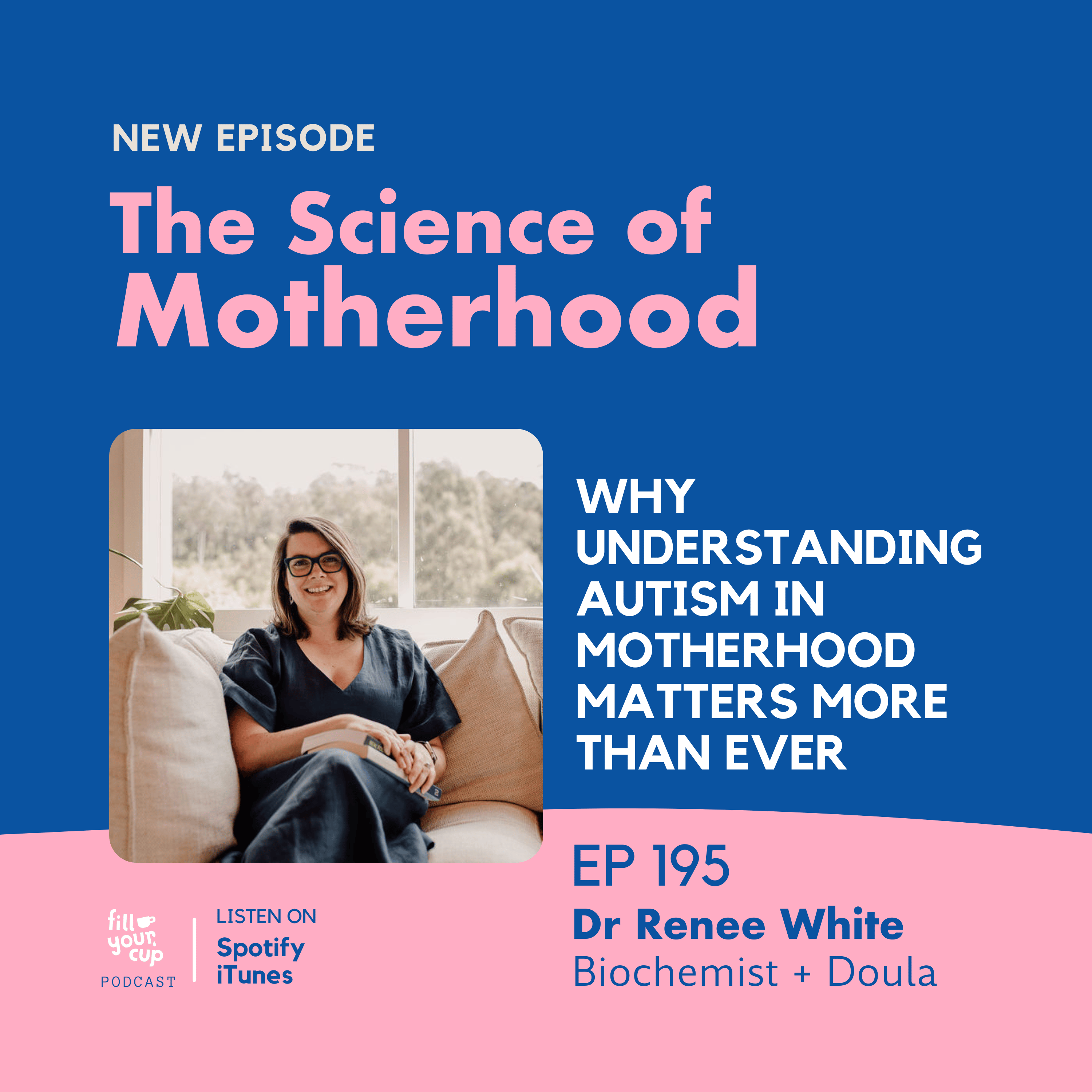
Motherhood is already a sensory overload at the best of times. But for autistic women, pregnancy, birth and early motherhood can be an entirely different experience that’s often overlooked and misunderstood.In this week’s episode, Dr Renee White explores a powerful literature review uncovering what’s really happening when autistic women become mothers. From diagnostic bias to sensory overwhelm and stigma in healthcare, this conversation highlights the resilience, love and advocacy of neurodivergent mums who’ve been navigating a system not built with them in mind.Renee breaks down the research in her signature science-meets-soul style, helping mums, families and healthcare providers understand the reality behind the statistics and why inclusive care matters for everyone.You’ll hear aboutWhy autism in women has been historically under-recognised and misunderstoodThe six key themes emerging from research on autistic mothers and healthcareHow masking and sensory overload impact pregnancy and postpartum experiencesSimple ways healthcare providers can create safer, more inclusive spacesThe remarkable empathy, creativity and strength autistic mothers bring to parentingThis episode is a reminder that every woman deserves to feel seen, supported and safe in her motherhood journey. Whether you’re autistic, supporting someone who is, or simply curious to learn, this conversation will open your eyes and your heart to a more inclusive future for maternal health.You’re not alone in this, and your needs matter. 💛Resources and Links📲 Connect with Renee on Instagram: @fillyourcup_🌐 Learn more about Dr Renee White and explore Fill Your Cup Doula services🍪 Treat yourself with our Chocolate + Goji lactation cookies✨ This episode is proudly brought to you by Cake Maternity Cake Maternity specialises in high-quality nursing bras that are supportive, functional, comfortable, and stylish because you shouldn’t have to compromise as a mum.With sizes from 6–22 bands and A to JJ cups, their range includes seamless, flexi-wire, hands-free pumping, and absorbent birthing bras. Explore the collection at au.cakematernity.com and use code FYC15 for 15% off your order.If this episode resonated with you, share it with another mum who might need to hear she’s not alone.Disclaimer: The information on this podcast is not a substitute for independent professional advice.Nothing contained in this episode s intended to be used as medical advice and it is not intended to be used to diagnose, treat, cure or prevent any disease, nor should it be used for therapeutic purposes or as a substitute for your own health professional's advice.
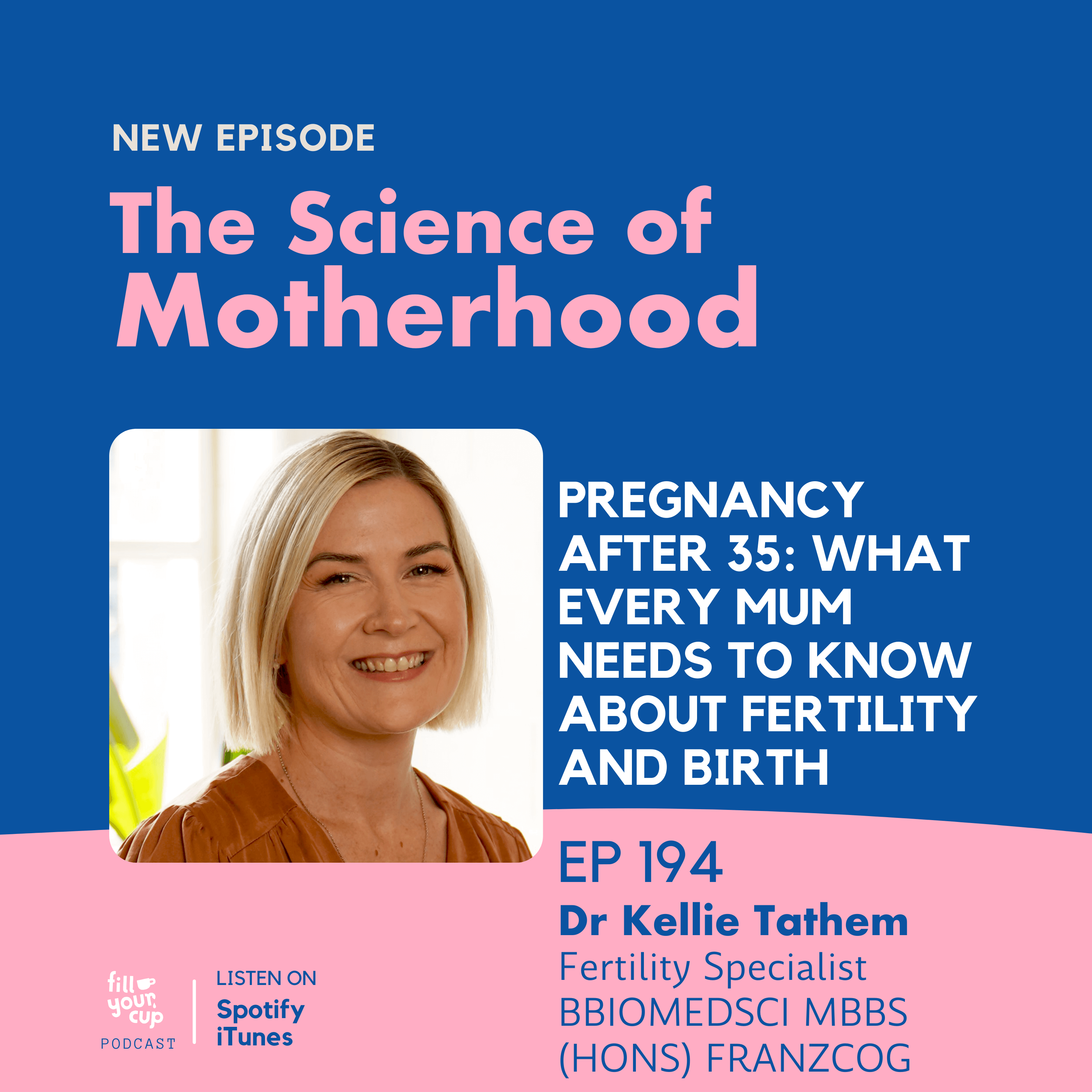
Many women are starting families later in life, and for some, that means turning to IVF. But what’s fact, what’s myth, and what really matters when you’re navigating fertility in your late 30s or 40s?In this episode, Dr Renee White speaks with Dr Kellie Tathem, a Fertility Specialist, Gynaecologist and Obstetrician at Queensland Fertility Group. Kellie has a special interest in endometriosis, pelvic pain and fertility care. She’s passionate about making sure women have clear information and the space to make informed choices.You’ll hear about:The biggest fertility myths women face in their 30s and 40sWhen to consider IVF and how long to try naturally firstEgg freezing, donor eggs and embryo donation explainedHow age affects fertility, pregnancy and birth outcomesWhat lifestyle factors really make a difference for egg and sperm healthThis episode is here to give you evidence-based answers and support if you’re thinking about IVF, considering egg freezing, or planning pregnancy later in life.Resources & Links📲 Connect with Renee on Instagram: @fillyourcup_🌐 Learn more about Dr Renee White and explore Fill Your Cup Doula services🍪 Treat yourself with our Chocolate + Goji lactation cookiesConnect with Dr Kellie TathemQueensland Fertility Group: https://www.qfg.com.auAkoya Health (coming soon): Search Akoya Health BrisbaneResources mentioned in this episodeIVF Australia – reliable information on egg freezing, IVF processes, and costs: https://www.ivf.com.auMedicare – information on rebates for medically indicated egg freezing and fertility treatments: https://www.servicesaustralia.gov.au/medicare🎧 If this conversation helped you feel more informed, pass it on to another mum navigating her fertility journey. And make sure you’re subscribed so you’ll always catch the next episode.The Science of Motherhood is proudly presented by Fill Your Cup, Australia’s first doula village.Disclaimer: The information on this podcast presented by Fill Your Cup is not a substitute for independent professional advice.Nothing contained in this podcast is intended to be used as medical advice and it is not intended to be used to diagnose, treat, cure or prevent any disease, nor should it be used for therapeutic purposes or as a substitute for your own health professional's advice.
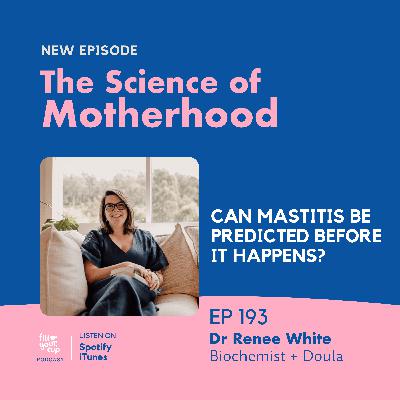
If you’ve ever experienced sudden breast pain, fever, or flu-like chills while breastfeeding, you’ll know just how quickly mastitis can take hold. For many mums, it’s the first real crisis in their breastfeeding journey, painful, overwhelming, and sometimes serious enough to land them in hospital.But what if there was a way to predict mastitis before it happened?In this Check In Tuesday episode, Dr Renee White explores new research out of China that’s using artificial intelligence to identify which mothers are most at risk of developing mastitis. The study found that a combination of biological markers and personal factors could predict mastitis with 84% accuracy.While it’s still early days, this research offers hope for a future where we can move from reacting to mastitis to preventing it altogether.You’ll hear about:What mastitis actually is, how it develops, and why symptoms can be confusingHow AI and machine learning are being used to predict mastitis riskThe five key indicators researchers identified, from nipple cracks to inflammation markersThe limitations of this study and what still needs to be exploredPractical reminders for mums about seeking help early and knowing mastitis is treatableScience is always evolving. While we’re not yet at the point of having a true early warning system for mastitis, studies like this one are building the foundations of more personalised and predictive maternal healthcare.This episode is here to remind you that you’re not alone in your breastfeeding journey. Your instincts matter, your body’s signals are important, and support is out there.Resources and Links📲 Connect with Renee on Instagram: @fillyourcup_🌐 Learn more about Dr Renee White and explore Fill Your Cup Doula services🍪 Treat yourself with our Chocolate + Goji lactation cookies🎧 If this episode gave you clarity or comfort, share it with a fellow mum who might need it too. And don’t forget to hit subscribe so you never miss an episode.Disclaimer: The information on this podcast presented by Fill Your Cup is not a substitute for independent professional advice.Nothing contained in this podcast is intended to be used as medical advice and it is not intended to be used to diagnose, treat, cure or prevent any disease, nor should it be used for therapeutic purposes or as a substitute for your own health professional's advice.
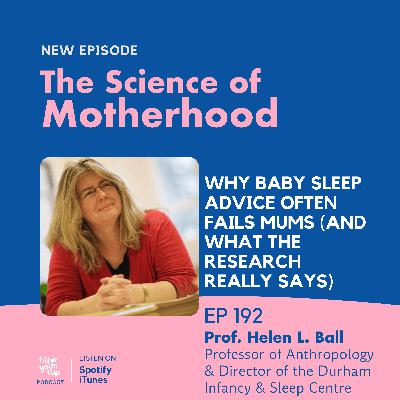
If you’ve ever been told your baby is “broken” because they don’t sleep through the night, you’re not alone. So many mums feel pressured by rigid schedules, conflicting advice, and the constant comparison game. But here’s the truth: babies aren’t meant to sleep like adults, and understanding their natural biology can make a world of difference for both you and your little one.In this episode, Dr Renee White sits down with Professor Helen L. Ball, Professor of Anthropology and Director of the Durham Infancy & Sleep Centre. Helen has spent decades researching infant sleep and is the founder of the Baby Sleep Information Source (BASIS). Her work bridges the gap between science and parenting, offering evidence-based guidance that supports both parents and health professionals.Together, Renee and Helen explore the realities of baby sleep, challenge outdated myths, and share practical ways you can feel more confident (and more rested).You’ll hear about:The origins of strict baby sleep schedules – and why they don’t align with infant biology.Safe bedsharing and breastfeeding – what the research actually shows.Swaddling myths – how it impacts arousal, feeding, and safety.Recognising when sleep struggles might signal something else – and when to seek help.Practical strategies you can try tonight to harmonise your rest with your baby’s natural rhythms.Whether you’re a first-time mum trying to navigate newborn nights or a parent feeling burnt out by sleep advice that just doesn’t work for your family, this conversation is here to bring you clarity, reassurance, and some much-needed perspective. You’re not doing it wrong. Your baby isn’t broken. And you are most certainly not alone.✨ Subscribe, share with a friend, and remember: the more we spread evidence-based knowledge, the more we can support every mum to feel confident and cared for.Resources and Links:📲 Connect with Renee on Instagram: @fillyourcup_🌐 Learn more about Dr Renee White and explore Fill Your Cup Doula services🍪 Treat yourself with our Chocolate + Goji lactation cookiesLearn more about Professor Helen L. Ball’s work:Website: BASIS – Baby Sleep Information SourceWebsite: How Babies SleepInstagram: @basis_babysleepinfosourceFacebook: Baby Sleep Information SourceIf this episode reassured you or shifted how you think about baby sleep, pass it on to another mum who might need it.✨ This episode is proudly brought to you by Cake MaternityCake Maternity specialises in high-quality nursing bras that are supportive, functional, comfortable, and stylish because you shouldn’t have to compromise as a mum.With sizes from 6–22 bands and A to JJ cups, their range includes seamless, flexi-wire, hands-free pumping, and absorbent birthing bras. Explore the collection at au.cakematernity.com and use code FYC15 for 15% off your order.Disclaimer: The...
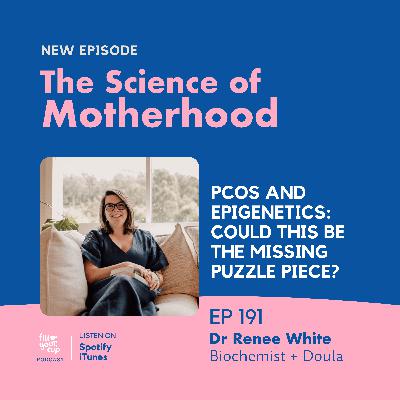
Living with PCOS (polycystic ovary syndrome) can feel overwhelming. Irregular cycles, difficulty conceiving, weight changes and the constant frustration of not having clear answers are a reality for up to one in ten women worldwide. For years, researchers have known PCOS runs in families, but the genetic explanation has never quite fit. Until now.In this episode Dr Renee White explores groundbreaking PCOS research from China that could transform how we understand PCOS inheritance. The study suggests it may not just be our DNA, but epigenetics, the chemical tags that sit on top of our genes and influence how they are expressed, that play a role in how PCOS is passed from mother to daughter.This early research could be the missing piece in explaining why PCOS is so common in families and what it may mean for prevention, fertility treatment and long-term health.You’ll hear about:How PCOS is currently diagnosed and why genetics alone do not explain the conditionWhat epigenetics means and how it may influence PCOS inheritanceKey findings from a study of eggs and embryos in women with PCOSWhy this new PCOS research is exciting but still very preliminaryWhat this could mean for future fertility treatment, risk assessment and support for women living with PCOSScience is always evolving. While there is no cure for PCOS yet, research like this brings us closer to better answers, better care and more hope for women navigating this condition.Resources and Links:📲 Connect with Renee on Instagram: @fillyourcup_🌐 Learn more about Dr Renee White and explore Fill Your Cup Doula services🍪 Treat yourself with our Chocolate + Goji lactation cookies🎧 If this episode gave you clarity or comfort, share it with a friend who might need it too. And if you haven’t already, hit subscribe so you never miss an episode.Disclaimer: The information on this podcast presented by Fill Your Cup is not a substitute for independent professional advice.Nothing contained in this episode is intended to be used as medical advice and it is not intended to be used to diagnose, treat, cure or prevent any disease, nor should it be used for therapeutic purposes or as a substitute for your own health professional's advice.
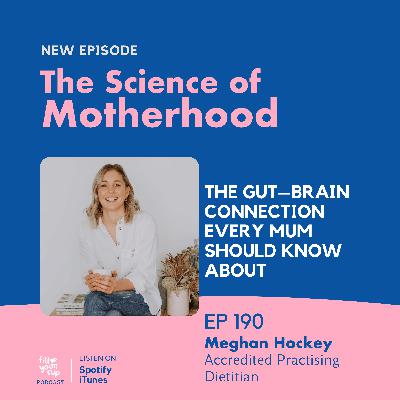
Your gut and your brain talk more than you realise and it could shape your postpartum mental health.Postpartum can be both beautiful and overwhelming. While many mums expect sleepless nights and endless nappies, few are prepared for how much their mental health can be affected. Research is now showing that what we eat plays a role in how we feel, and that’s where today’s conversation begins.In this episode Dr Renee White speaks with Meghan Hockey, an Accredited Practising Dietitian and mum of two, who specialises in the link between nutrition and mental health. Meghan completed her PhD in Nutritional Psychiatry with Deakin University’s Food & Mood Centre and has published over 20 peer-reviewed papers in the field. Through her online clinic, she helps people manage anxiety, low mood, postpartum depression and gut health concerns with practical, evidence-based strategies.You’ll hear aboutHow the gut–brain connection influences postpartum depressionWhat the science currently tells us about nutrition and mental healthKey foods that may help support mood and recoverySimple, realistic ways to nourish yourself as a new mumWhy small, sustainable changes are more effective than aiming for perfectionThis episode is a reminder that nutrition isn’t about strict rules or diets, but one tool that can support your mental health alongside sleep, support and medical care.Resources and Links:📲 Connect with Renee on Instagram: @fillyourcup_🌐 Learn more about Dr Renee White and explore Fill Your Cup Doula services🍪 Treat yourself with our Chocolate + Goji lactation cookies📲 Want to connect with Meghan?Follow on Instagram: @meghockeydietitianOr visit her website and learn more about her services and book a 1:1 telehealth consultation: www.meghanhockeydietitian.comIf you found this conversation helpful, share it with another mum who might need it. And don’t forget to subscribe so you never miss an episode.Disclaimer: The information on this website presented by Fill Your Cup is not a substitute for independent professional advice.Nothing contained in this site is intended to be used as medical advice and it is not intended to be used to diagnose, treat, cure or prevent any disease, nor should it be used for therapeutic purposes or as a substitute for your own health professional's advice.
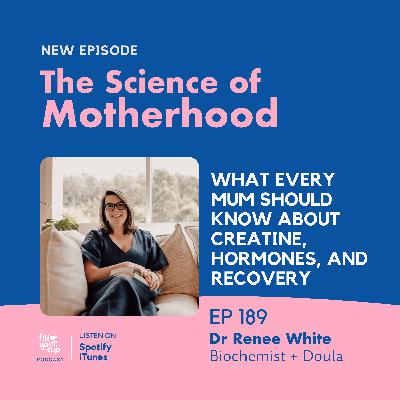
Motherhood takes it out of you. Physically. Mentally. Emotionally. And if you’ve ever felt like your energy’s been zapped or your brain’s running on 1%, you’re not imagining it and you’re definitely not alone.In this episode, Dr Renee White takes you on a deep dive into a surprising topic: creatine supplementation for women’s health. That little white powder you’ve seen on gym shelves? It turns out, it might hold more benefits for mums than we ever realised.From brain fog and bloating to sleep, strength and recovery, Renee unpacks the latest research on how this naturally occurring compound can support women through every life stage. With her signature mix of science and soul, she breaks it down in a way that’s easy to understand and incredibly relevant for busy, brilliant mums like you.You’ll hear about:🩷 What creatine actually does – and why it matters beyond the gym floor🩷 How it supports hormones, memory, and mood – especially during hormonal shifts🩷 The creatine gap in women – and what the latest studies are now revealing🩷 Pregnancy, postpartum and creatine needs – including early research on birth outcomes🩷 Tips for safe supplementation – plus what to look for on the labelWhether you’re navigating fatigue, prepping for pregnancy or simply want to feel stronger and more clear-headed, this episode is full of science-backed insights, practical tips and plenty of reassurance.Resources and Links:📲 Connect with Renee on Instagram: @fillyourcup_🌐 Learn more about Dr Renee White and explore Fill Your Cup Doula services🍪 Treat yourself with our Chocolate + Goji lactation cookiesBibliography:Foundational Creatine Research - Harris, R.C., Söderlund, K., & Hultman, E. (1992). Elevation of creatine in resting and exercised muscle of normal subjects by creatine supplementation. Clinical Science, 83(3), 367-374. ◦ DOI: 10.1042/cs0830367 ◦ Classic study establishing the loading protocol (20g/day for 5-7 days)Women's Health & Creatine Intake - Ostojic, S.M., Stea, T.H., Ellery, S.J., et al. (2024). Association between dietary intake of creatine and female reproductive health: evidence from NHANES 2017–2020. Food Science & Nutrition, 12(7), 4893-4898. ◦ DOI: 10.1002/fsn3.4135 ◦ URL: https://doi.org/10.1002/fsn3.4135 ◦ Study of 10,000+ women showing inadequate creatine intake linked to reproductive health issuesMenstrual Cycle & Fluid Balance - 1. Moore, S.R., Gordon, A.N., Cabre, H.E., et al. (2023). A randomized controlled trial of changes in fluid distribution across menstrual phases with creatine supplementation. Nutrients, 15(2), 429. ◦ DOI: 10.3390/nu15020429 ◦ URL: https://doi.org/10.3390/nu15020429 ◦ Breakthrough study on creatine's effects on cellular hydration during menstrual cycle2. Gordon, A.N., Moore, S.R., Patterson, N.D., et al. (2023). The effects of creatine monohydrate loading on exercise recovery in active women throughout the menstrual cycle. Nutrients, 15(16), 3567. ◦ DOI: 10.3390/nu15163567 ◦ URL: https://doi.org/10.3390/nu15163567 ◦ First study to account for menstrual cycle phases in creatine supplementation researchSleep & Performance - 1. Aguiar Bonfim...

Comments

Download from Google Play

Download from App Store
 United States