


 Claim Ownership
Travelers In The Night
Subscribed: 149Played: 9,365
Subscribe

© Albert D. Grauer
Description
A real "Science Snack" for anyone who is interested in the extraterrestrial.
Dr. Al Grauer is a member of the Catalina Sky Survey which has led the world in near Earth asteroid discoveries for 17 of the past 19 years.
The music is "Eternity" by John Lyell.
Astronomy Asteroids Space NASA Comets Earth Impact Aliens
Dr. Al Grauer is a member of the Catalina Sky Survey which has led the world in near Earth asteroid discoveries for 17 of the past 19 years.
The music is "Eternity" by John Lyell.
Astronomy Asteroids Space NASA Comets Earth Impact Aliens
1245 Episodes
Reverse
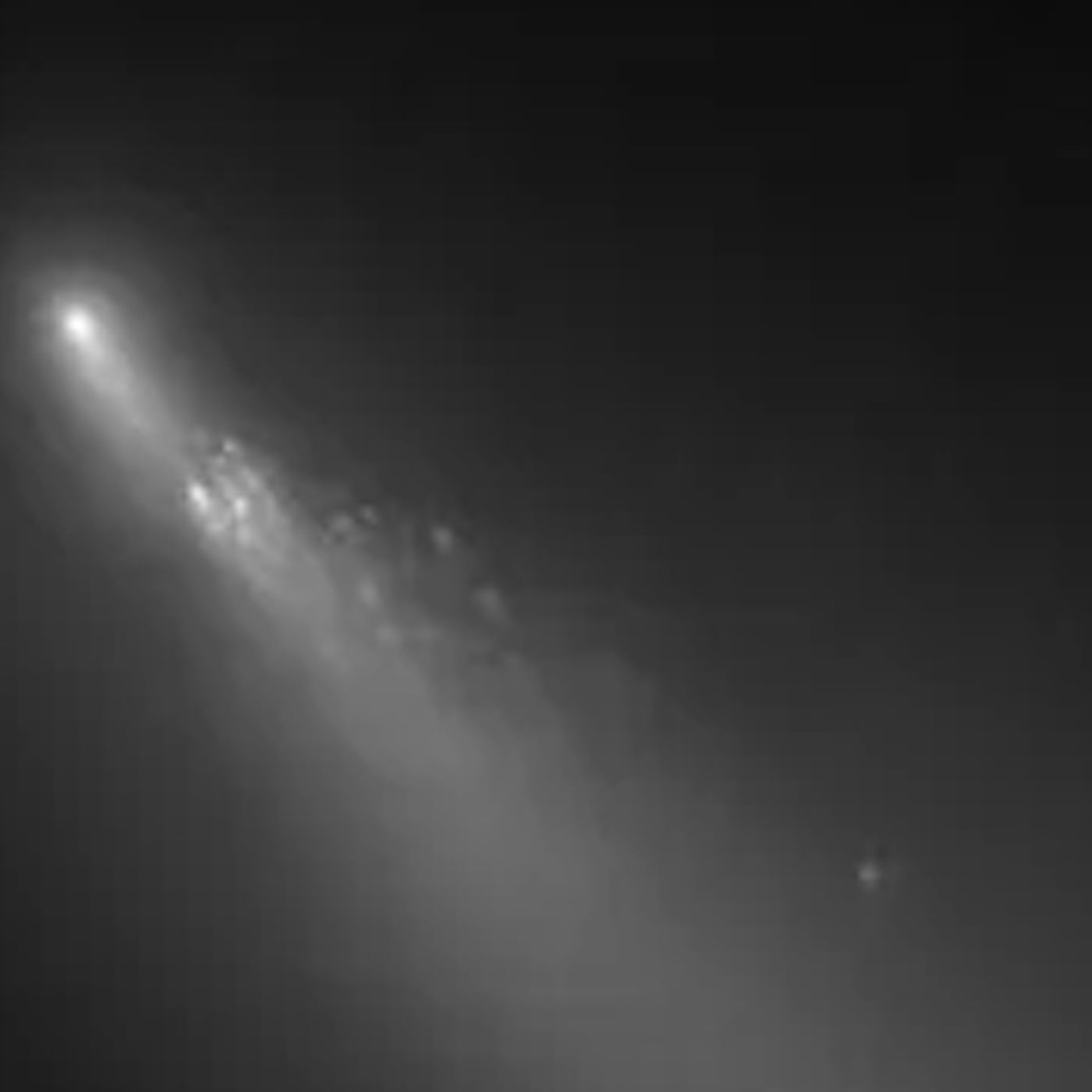
It is possible the object creating the Tunguska event in Russia 1908 which knocked down 80 million trees over an area about twice the size of New York City was a fragment of a comet or asteroid. The International Asteroid Warning Network 2025 campaign to track Comet 3L/Atlas prepares the worlds observatories for the eventual time when a comet fragment has our number on it.
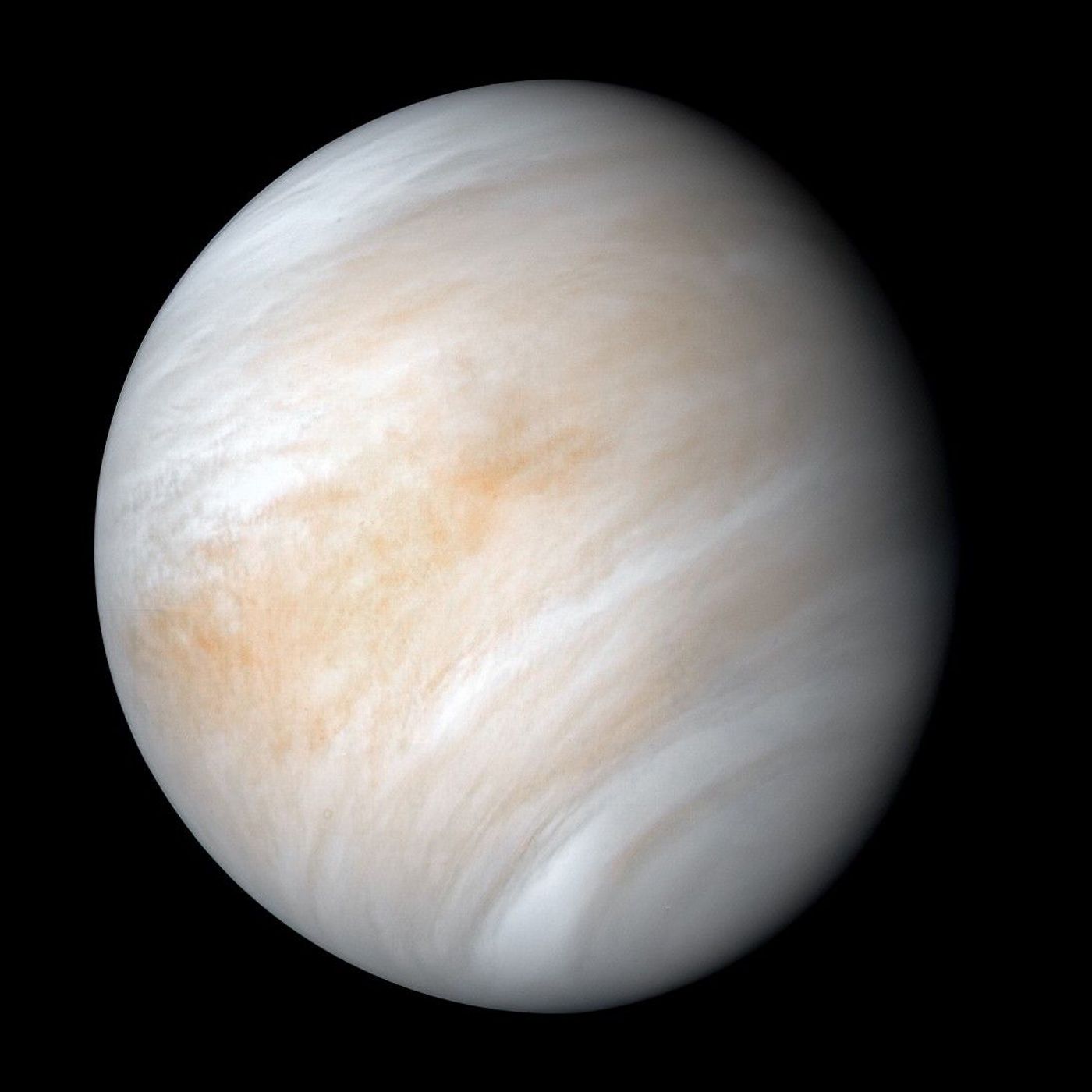
Venus and Earth are similar in size, composition, density, and mass. Unfortunately, our sister planet Venus is an example of a place where green house gases have created an extreme situation. Venus's thick carbon dioxide atmosphere has a surface pressure 90 times that of Earth. It would crush a submarine. Additionally, the thick atmospheric blanket holds in the heat causing Venus's surface temperature to be 864 F, hot enough to melt lead.
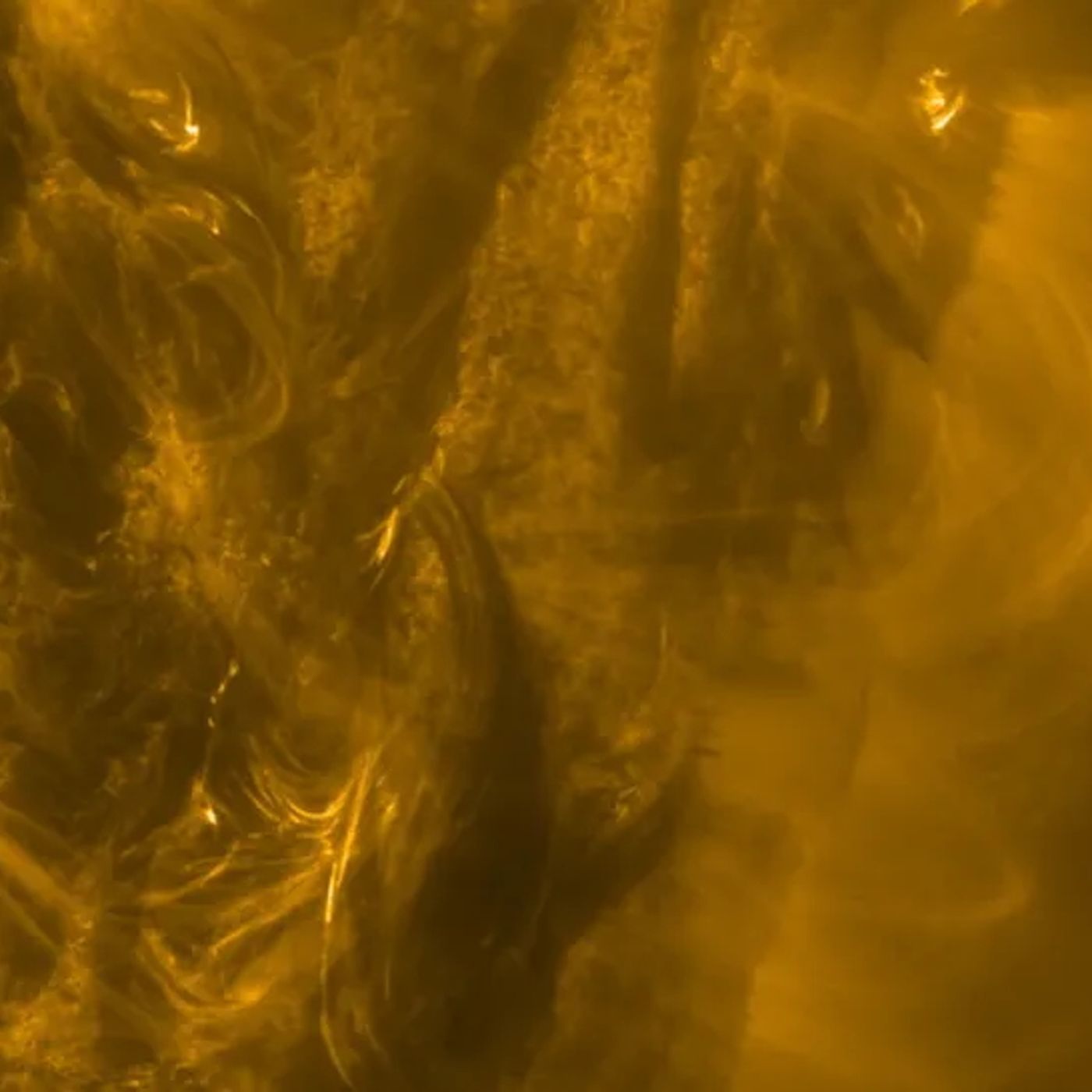
Just before noon on September 1st of 1859 Richard Carrington and Richard Hodgson were making sketches of clusters of sunspots when they were nearly blinded by an intense solar flare. 17.6 hours later a geomagnetic storm thought to be caused by a solar coronal mass ejection traveling at some 1,500 miles per second slammed into the magnetic field surrounding our home planet. We missed being hit with a such large coronal mass ejection by only 9 days in July of 2012. Next time we might not be that lucky.

Dr Lance Benner of NASA's Jet Propulsion Laboratory headed up a team of scientists who used the 70 meter antenna at NASA's Goldstone Deep Space Communications Complex to bounce RADAR beams off of the asteroid Florence as it made a close approach to Earth in September of 2017. The RADAR images these researchers obtained reveal that Florence consists of a 2.8 mile diameter primary asteroid which is orbited by two small moons. Florence's two satellites appear to be between three hundred and a thousand feet in diameter and orbit the main asteroid in about 8 and 24 hours respectively. Florence is rare since there are only two other triple asteroid systems among the 16,000 Earth approaching asteroids which asteroid hunters have discovered. We would know more about Florence if Hurricane Irma had not prevented astronomers from using the giant Arecibo RADAR Dish in Puerto Rico to study it. Our curiosity will have to wait since Florence will not come very close again until September 2, 2057.

The Dark Energy Camera on the National Science Foundation’s Blanco 4-meter telescope on Cerro Tololo in Chile is taking near Sun twilight images to search for asteroids, hidden in the glare of our Sun, sneaking up on home planet.

At about 2AM on July 18, 2011 several people in near Tata, Morocco saw a bright fireball which was described by one of them to be initially yellow, then turned green, and finally exploded into several pieces producing two sonic booms. In October of 2011 desert wandering nomads began finding very fresh looking dark fusion-crusted stones which were radioactively dated by Dr. John Duke of the University of Alberta to be less than 5 years old. In total 15-24 lbs of meteorites consistent with a very recent fall were found in a strewn field, were whisk away to receive high prices from collectors, and named after the town of Tissint [tee.seent] about 30 miles from their discovery location.
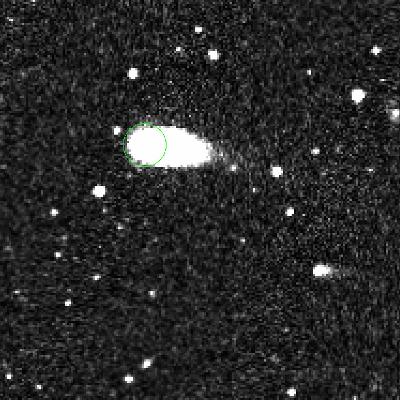
My Catalina Sky Survey teammate Vivian Carvajal was asteroid hunting in the constellation of Eridanus with the 90 inch, University of Arizona’s Bok telescope on Kitt Peak when she was treated to an amazing sight. Comet COMET 240P/NEAT with a small version of itself cruising along beside it.It is virtually impossible to predict if Vivian’s fragment 240P-B will survive to make another approach to the Sun in 2033 or so.
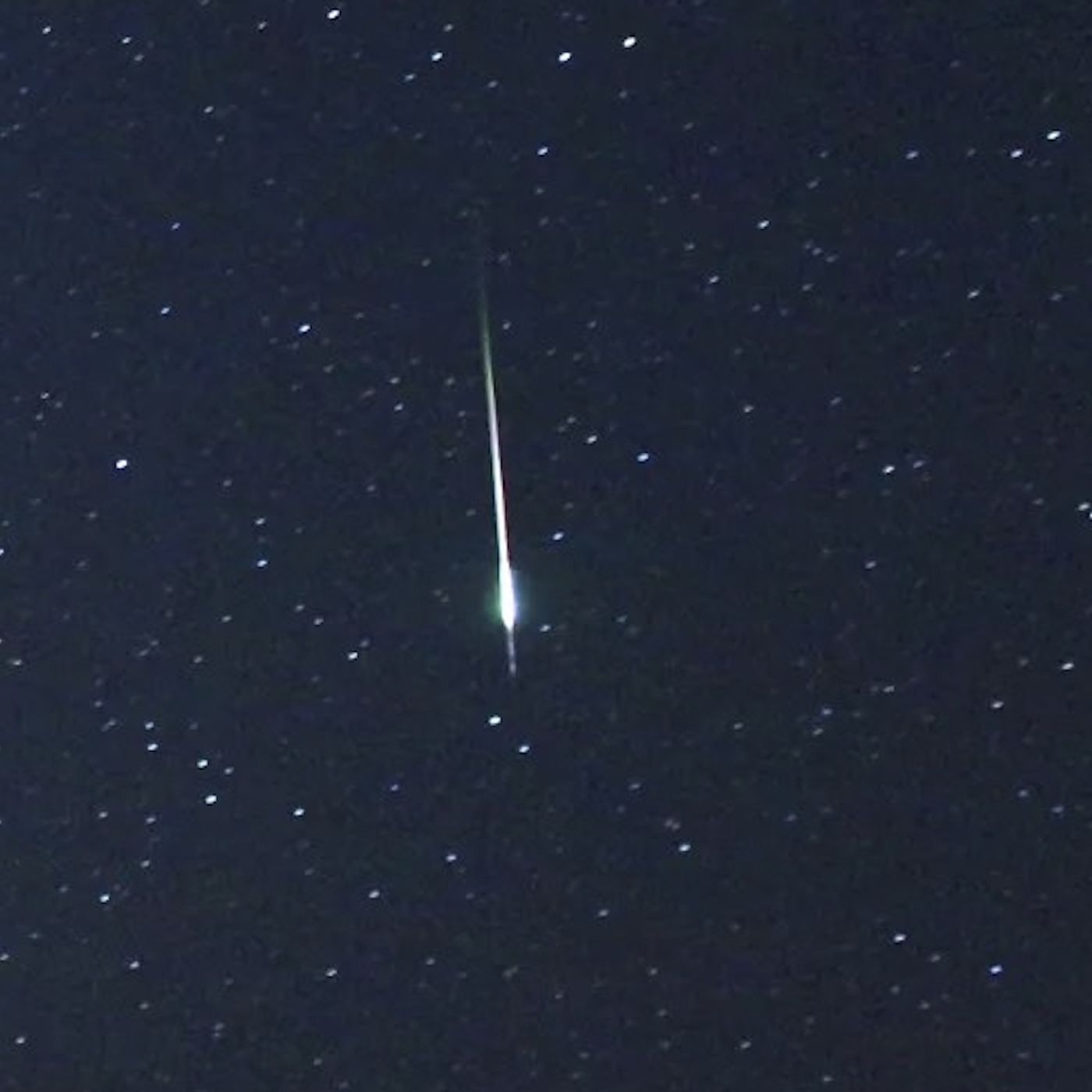
Meteors, shooting stars, or falling stars are different names for the streaks of light in the night sky which are in reality the dying embers of tiny asteroids. These small interplanetary travelers were speeding along at between 7 and 44 miles per second when they entered the Earth's atmosphere. In space, they are called meteoroids and typically ranged in size from that of a grain of sand to perhaps ones as big as of a piece of driveway gravel. Large space pebbles can produce fireballs which are brighter than the planet Venus. Most meteors burn up 50-70 miles above you, however, a very few of them produce fragments which fall to the Earth's surface. In rare occasions meteor observers are able to walk up to such a fallen space rock which is called a fall. The best time to view meteors is generally after midnight on a clear, moonless night. You will see many more meteors in a rural area than under city lights. On nights not during a meteor shower, you may expect to view sporadic meteors at the rate of between 2 and 16 per hour. Some meteor showers produce more than 100 events per hour. Rarely you will have a chance to view a meteor storm which will give you the feeling that you are seeing the Earth move through space. In 1966 one of these storms produced a WOW inspiring 40 meteors per second. During the year, there are a dozen major meteor showers. Check out the International Meteor Organization Calendar for a complete listing of the dates of meteor showers as well as how bright the moon will be on those dates. Happy viewing.
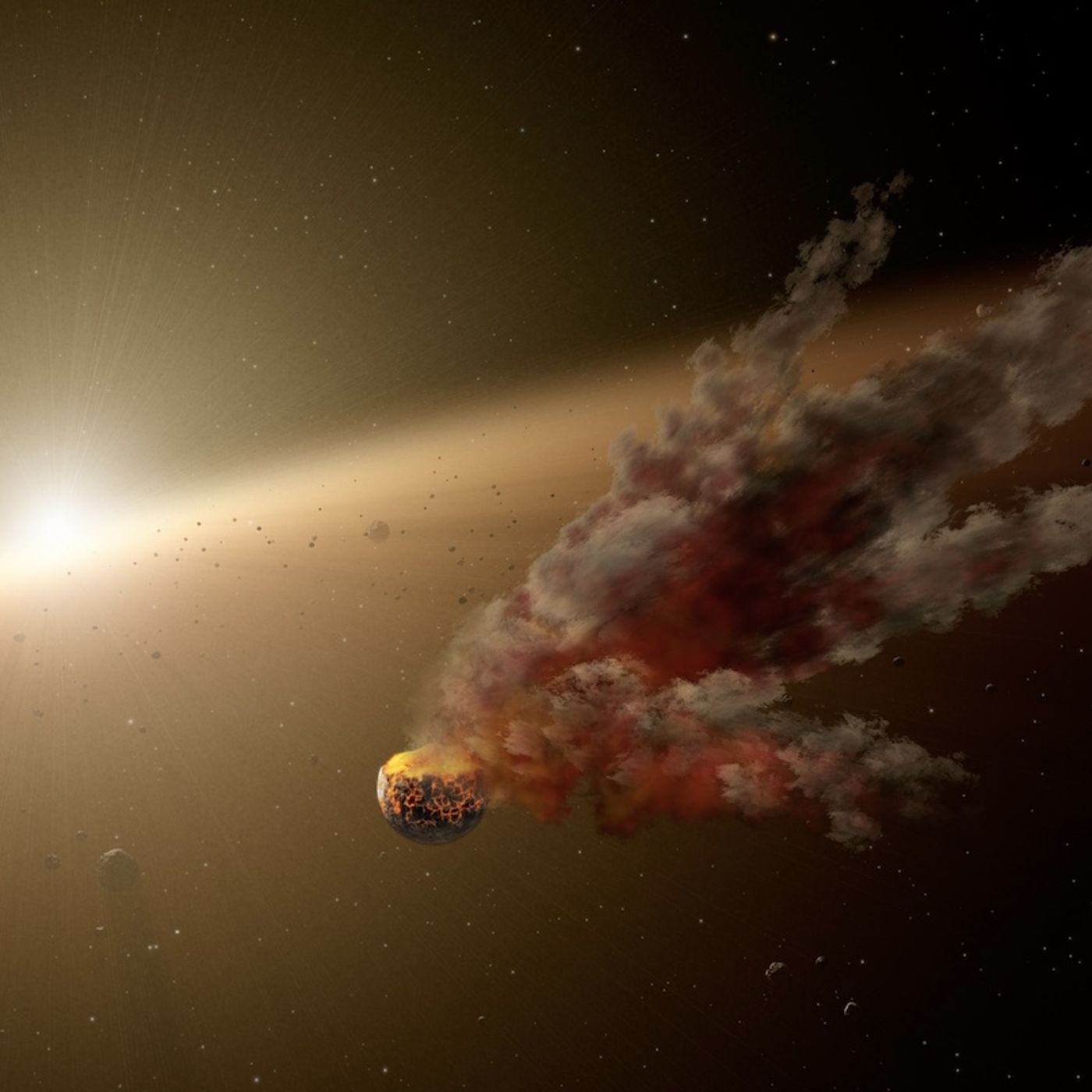
On a busy night of asteroid hunting with the 90 inch, University of Arizona’s Steward Observatory Bok telescope on Kitt Peak in Arizona, my Catalina Sky Survey teammate Vivian Carvajal discovered 13 new Earth approaching objects. One of them now known as 2025 TF immediately got her attention as it streaked through the constellation of Pegasus. Another space rock 2020 VT4 came about 30 miles closer to the surface of our home planet giving 2025 TF second place as a grazing non impactor.
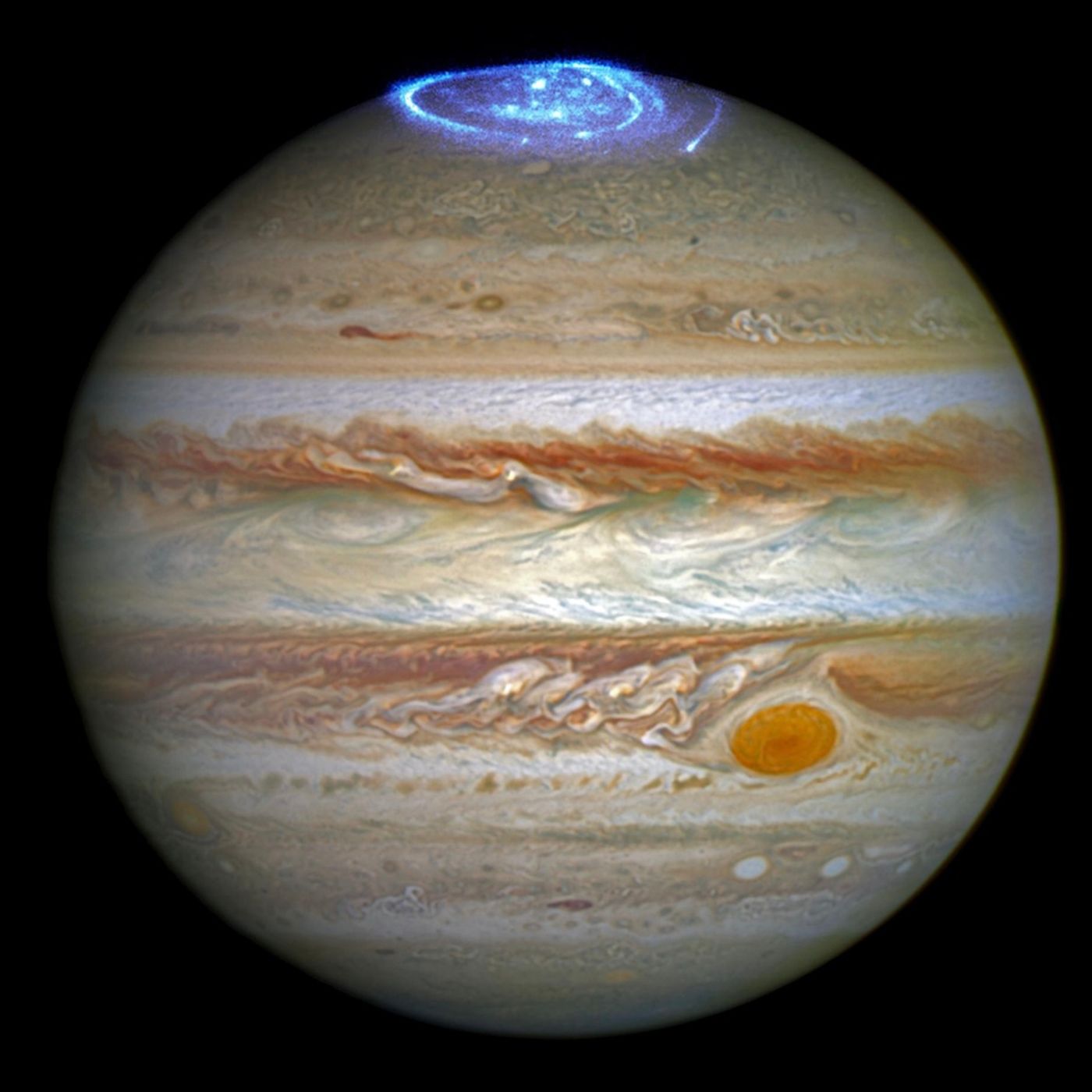
Jupiter has been observed throughout human history and is so bright that you can even spot it under the artificial light dome of one of our cities. Even so it is less than 40 years ago that we were first able to view Jupiter in detail as the Voyagers streaked by it. Jupiter contains more than twice the mass of all of the other planets, dwarf planets, asteroids, and comets in our solar system combined. Eons ago, our solar systems very own giant planet, Jupiter, appears to have cleared out the inner solar system leaving enough rocky debris to form Mercury, Venus, Earth, and Mars. Without Jupiter's action our solar system is likely to have turned out like the more than half of the planetary systems which we have found which consist of non-inhabitable super Earth sized planets orbiting closely about their host stars. In terms of the defense of planet Earth from impacting objects, Jupiter is a mixed blessing. It apparently deflects some of the long period comets out of Earth impacting orbits while sending other asteroids and comets our way. In 1770 a small comet came in from the outer solar system and passed near Jupiter. This encounter sent it straight towards Earth. Fortunately this celestial visitor missed humanity by about a million miles. After two orbits of the Sun this small comet once again passed near Jupiter and was ejected from the solar system. Look up where to find Jupiter on the internet and observe it. Jupiter is an awesome sight in binoculars or a small telescope. As you view this gas giant think about the fact that it is likely the reason you have a place to stand and air to breathe.

In a recent 60 day period asteroid hunters tracked 24 space rocks which came closer than our Moon. My team the University of Arizona’s Catalina Sky Survey operates 5 telescopes in the mountains around Tucson, Arizona. Our goal is to find objects like 2025 RM1 which are on an impact trajectory with our home planet in advance so that people in the effected area can be warned to stay away from doors and windows.
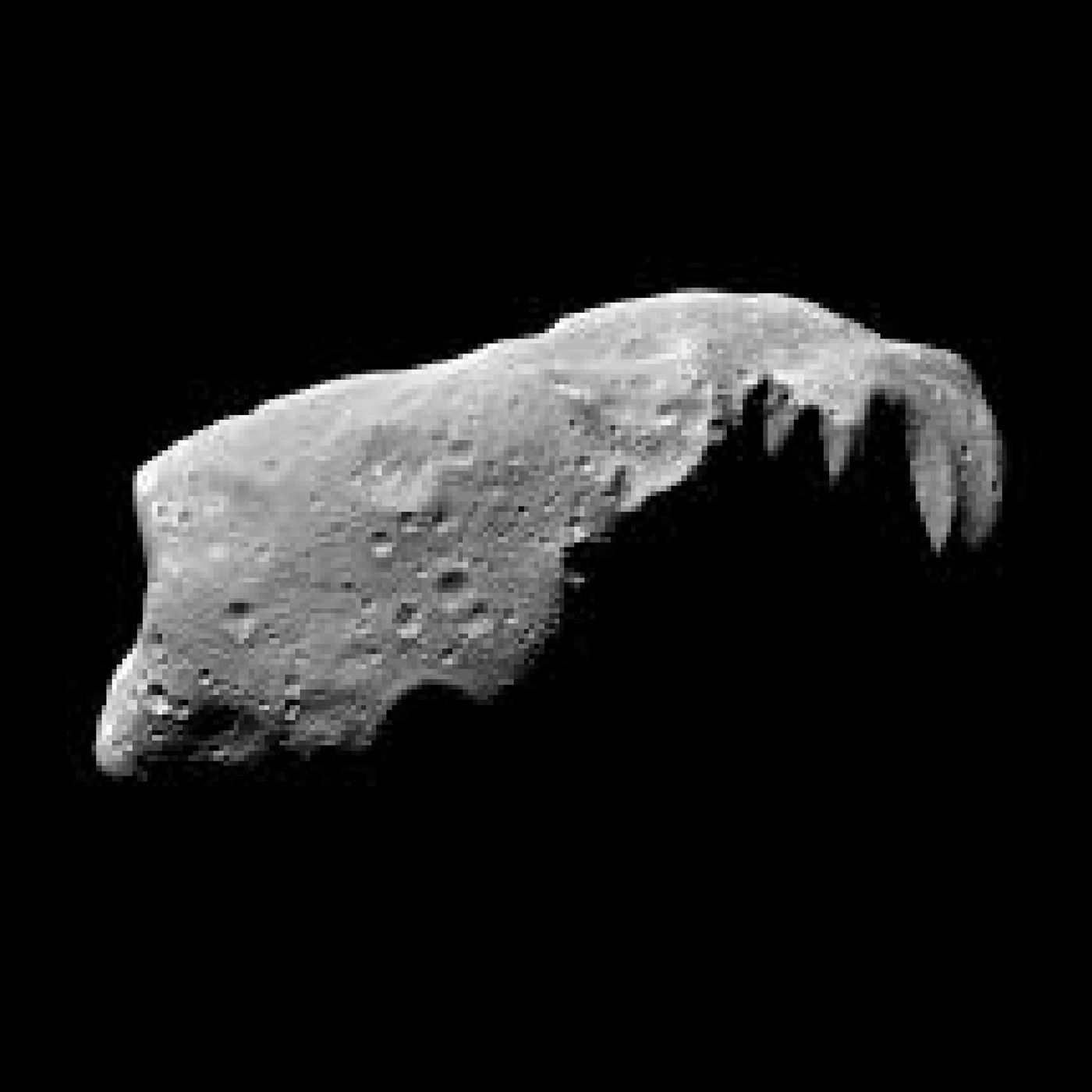
Throughout history small close approaching space rocks have been a part of our environment. Now, thanks to improved telescopes and cameras, asteroid hunters are routinely discovering these small asteroids as they pass closer than the Moon is to us. Since these tiny asteroids are only bright enough to detect for a few days out of their long, many month duration paths about the Sun, astronomers have had difficulty in determining how many of these small space rocks may exist in near Earth space. This effort received more emphasis when a house sized space rock exploded over Chelyabinsk, Russia in 2013 releasing about 10 times the energy of the Hiroshima atomic bomb. Although this asteroid was tiny compared to the one that ended the dinosaurs rule of the planet, the air blast the Chelyabinsk bolide produced caused nearly 1,500 human injuries and damaged more than 7,000 buildings. In a 2017 paper in the Astronomical Journal, Dr. David Trilling of Northern Arizona University and his group of researchers present data from the Blanco 4 meter telescope at the Cerro Tololo Inter-American Observatory in Chile which they use to estimate that there are approximately 3.2 million Earth approaching asteroids similar in size to the Chelyabinsk impactor. My team the Catalina Sky Survey uses 4 telescopes, 24 nights per month, in the mountains north of Tucson, Arizona with the goal to provide warnings for people to stay away from doors and windows should a Chelyabinsk sized space rock be on an impact trajectory with planet Earth.
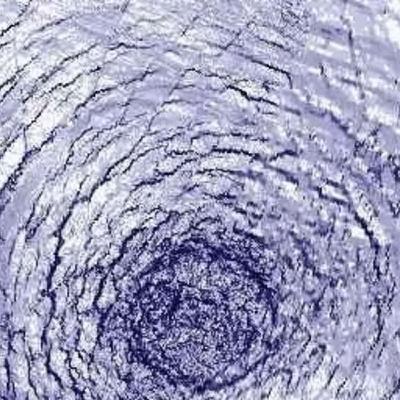
Dr Uisdean Nicholson from Heriot-Watt University and his team of 9 co-authors analyze 3D seismic imaging and drill cuttings from a 1980s oil well to make a convincing case that the Silverpit crater was produced by a the impact of a 1.5 football field diameter asteroid approximately 45 million years ago.
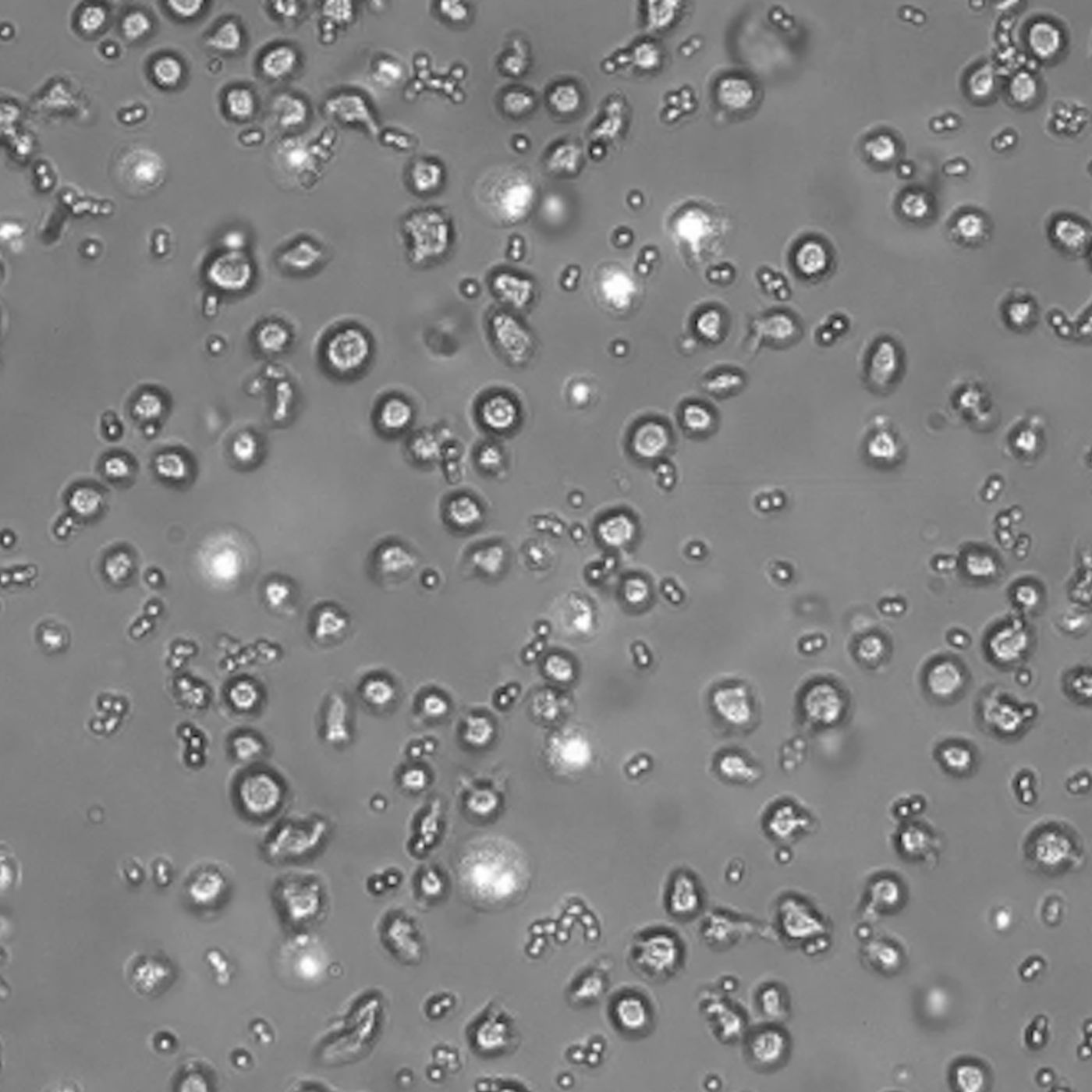
Humans have a long history of partnerships with a variety of micro organisms. Although the proportions vary widely with individuals, recent scientific estimates suggest that a typical human being has approximately the same number of bacteria and other microbes as they do actual human cells. Now it appears that a partnership with yeast and algae will enable spacefaring humans to use their waste products to produce food and plastics during long duration space flights. Dr. Mark Blenner of Clemson University leads a research group developing strains of yeast which obtain their nitrogen from untreated urine and their carbon dioxide from exhaled breath or the Martian atmosphere which has been converted into yeast food by algae. One of Blenner's yeast strains produces omega-3 fatty acids which are essential for heart, eye, and brain health while another strain of yeast has been engineered to produce polyester polymers which could be used by 3D printers to produce plastic tools and other useful devices. In the future research Blenner's team will focus on increasing the output of these tiny beasts to the point that they will generate useful amounts of nutrients and plastics from astronaut's waste products. This new research when added to the fact that on the International Space Station space travelers now routinely drink recycled water from their urine, sweat, and showers moves us closer to the day when space travelers literally use and reuse every atom that they lift from the Earth's surface enabling journeys that may last for years. The flip side of our partnership with microorganisms is that it is extremely difficult to protect the worlds we explore from a microorganism invasion which would threaten their home grown biology.
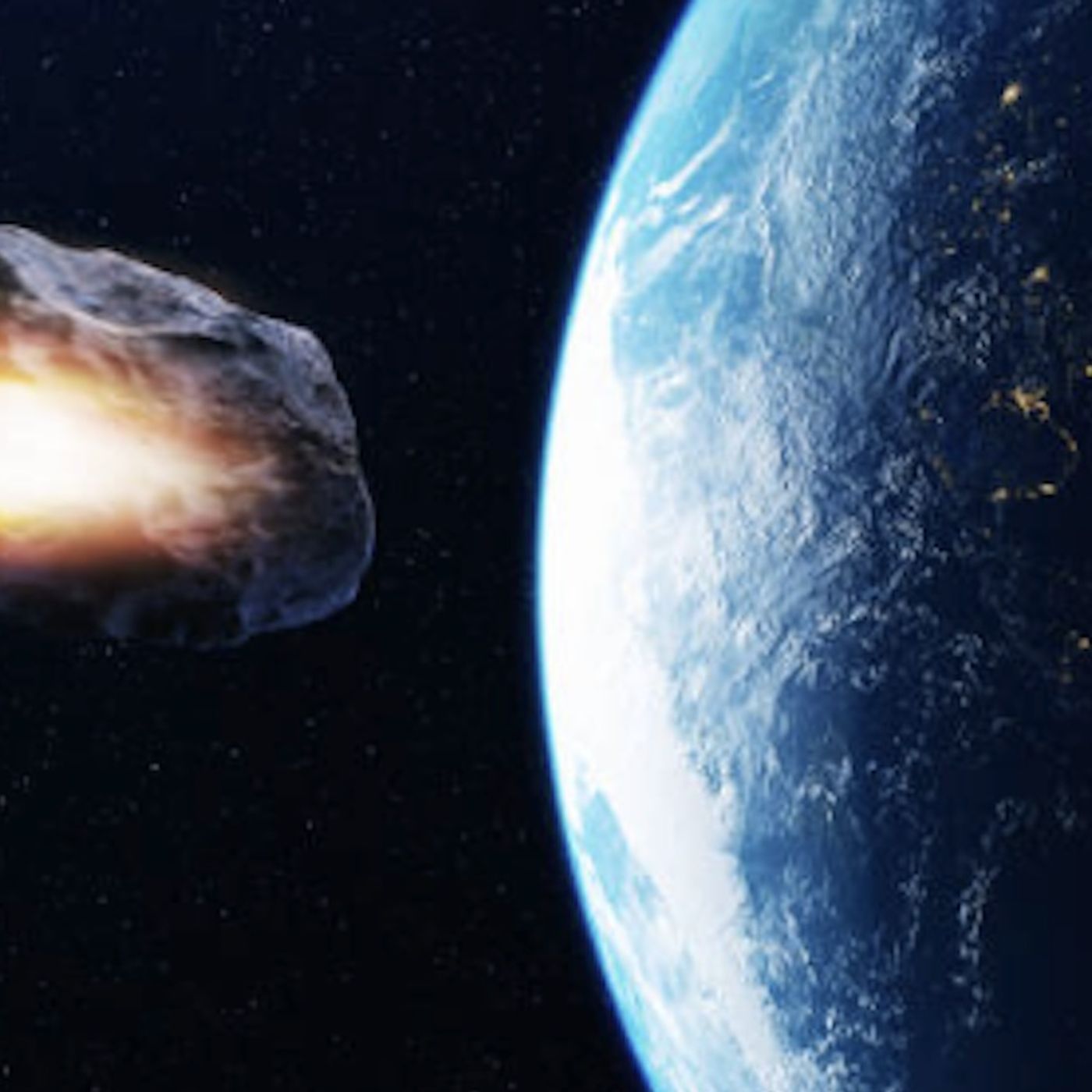
On a recent clear night my Catalina Sky Survey teammate Hannes Groller was asteroid hunting with the Steward Observatory 90 inch Bok telescope on Kitt Peak, Arizona when he discovered 8 natural visitors to our neighborhood. Telescopes around the world began to track and determine the natures these asteroids. Six of Hannes’s discoveries are classified as Near Earth Objects while the other two are more distant Mars crossing asteroids
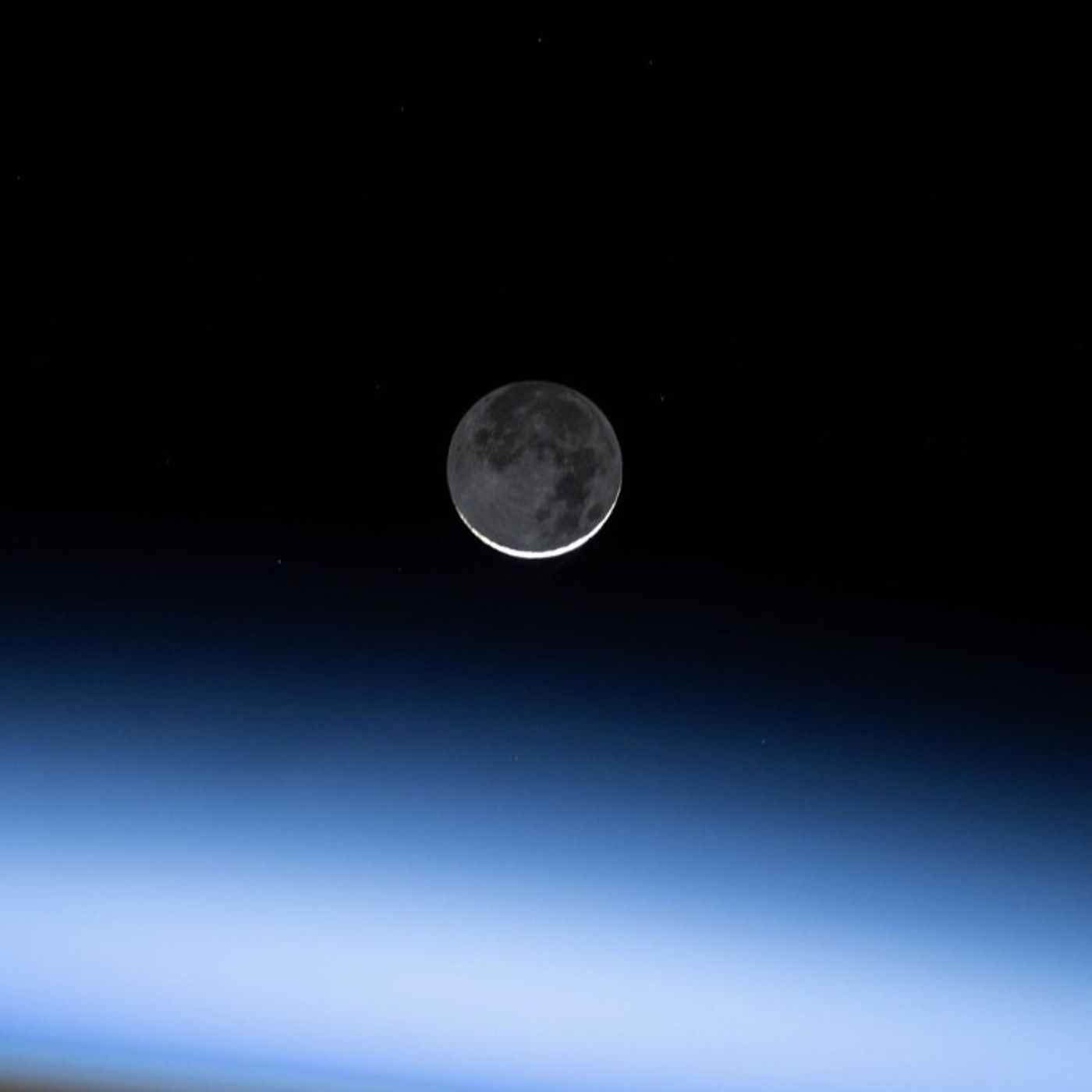
The moon cycle from new moon through full moon and back to new moon again was used by many nations to regulate their activities and forms the basis of the Islamic lunar calendar. A calendar based on the first visibility of the lunar crescent is difficult to predict in advance since this observation depends on the clarity of the atmosphere and other local conditions. The interesting observational problem of when it is possible to spot the new moon has been analyzed in the scientific literature as an aid to historians who are seeking to interpret the writings of ancient civilizations.
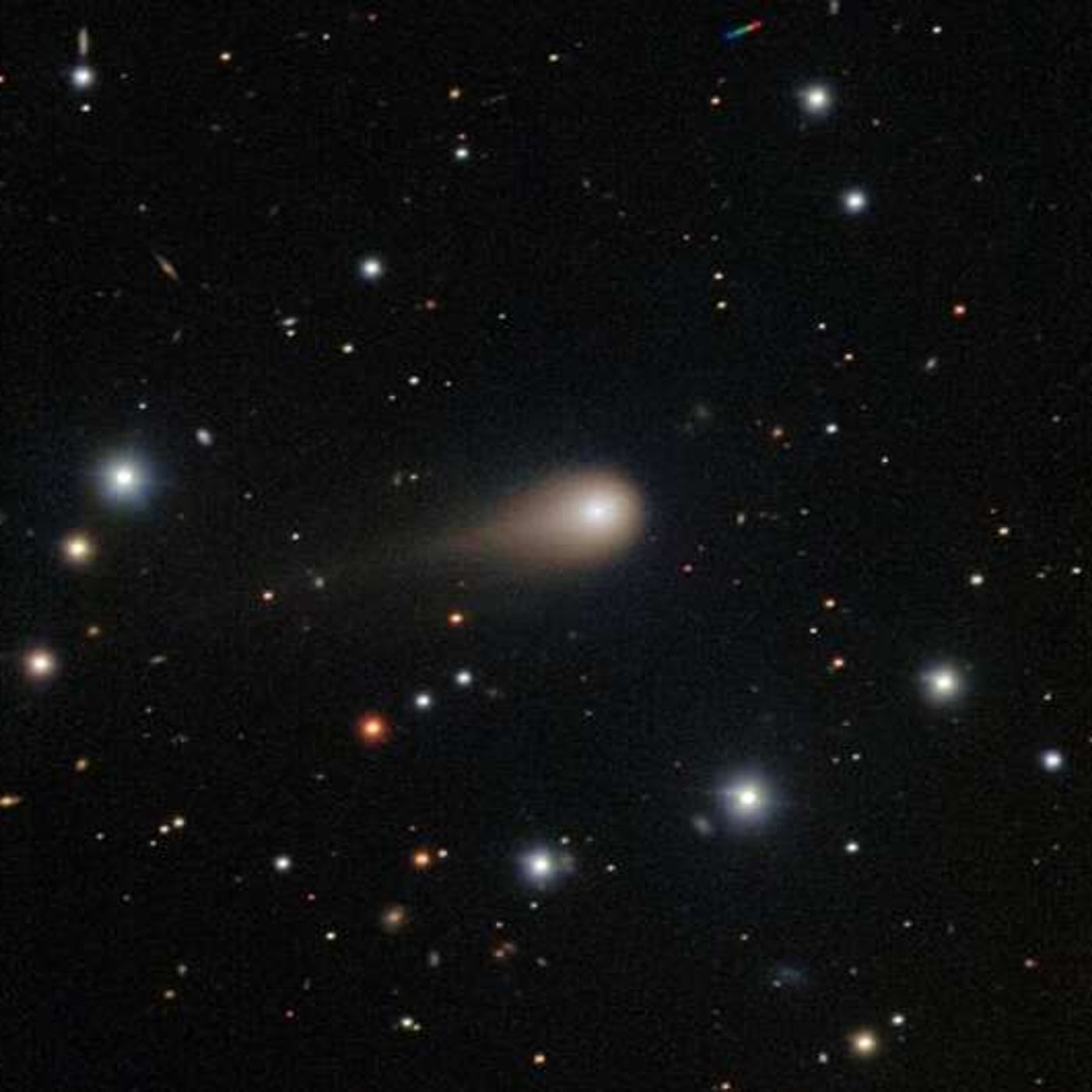
Scientists are using many approaches to understanding the nature and history of 3I/Atlas the third known interstellar traveler in the night. At a hyperbolic velocity of 130,000 mph it is the fastest interstellar visitor ever measured.
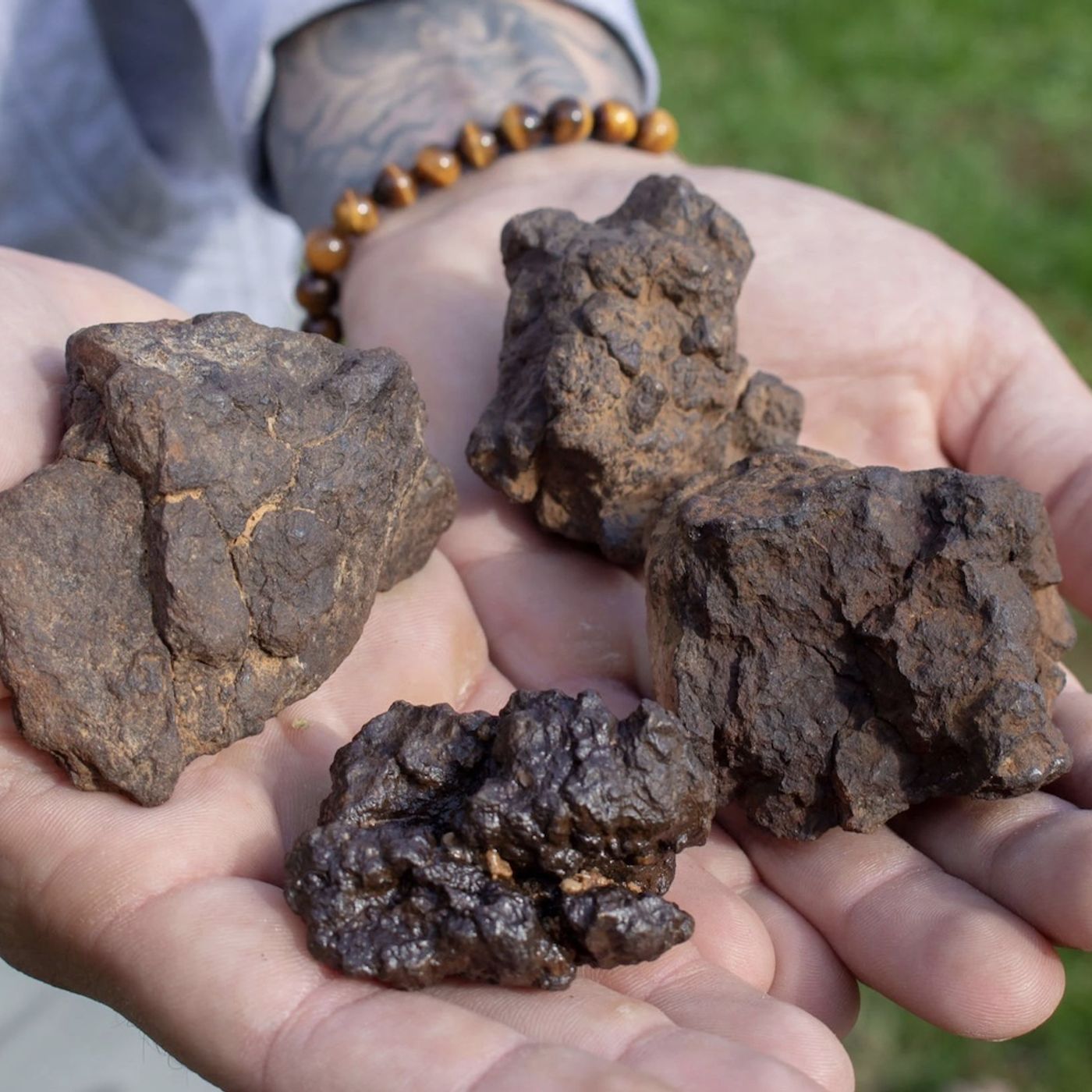
Finding a meteorite that has traveled billions of miles through space to reach it's present location is exciting. It might even be worth real money.
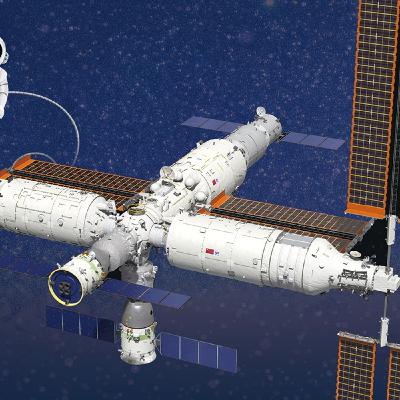
Obtaining accurate data on the Earth’s climate and how it is changing is vital to inform agriculture , insurance risks, business planning, disaster preparedness, financial investments, wild fire mitigation, and national security. The USA should not be flying blind and relying on Europe and China for the data we need.
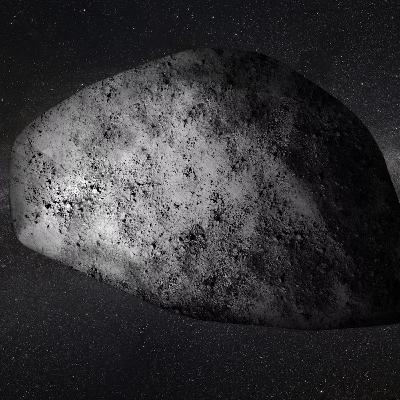
Friday the 13th appears to continue to be a lucky day for the human race. When astronomers first discovered Apophis in 2004 it appeared possible that this 3 million ton, 1,200 foot diameter asteroid traveling at 8 mi/s could impact our planet creating a crater a several miles diameter and more than a half mile deep. Additional observations over the years have eliminated this possibility as Apophis streaks by closer than the communications satellites on that lucky Friday the 13th. Further, current calculations have reduced the chances of Apophis colliding with Earth in the next 100 years to about one in 100,000. However, over the millennia Apophis is likely to strike the Earth as does one it's size once every 100,000 years or so.

Comments

Download from Google Play

Download from App Store
 United States