


365E-397-Spotting Meteors
Update: 2025-12-02
Description
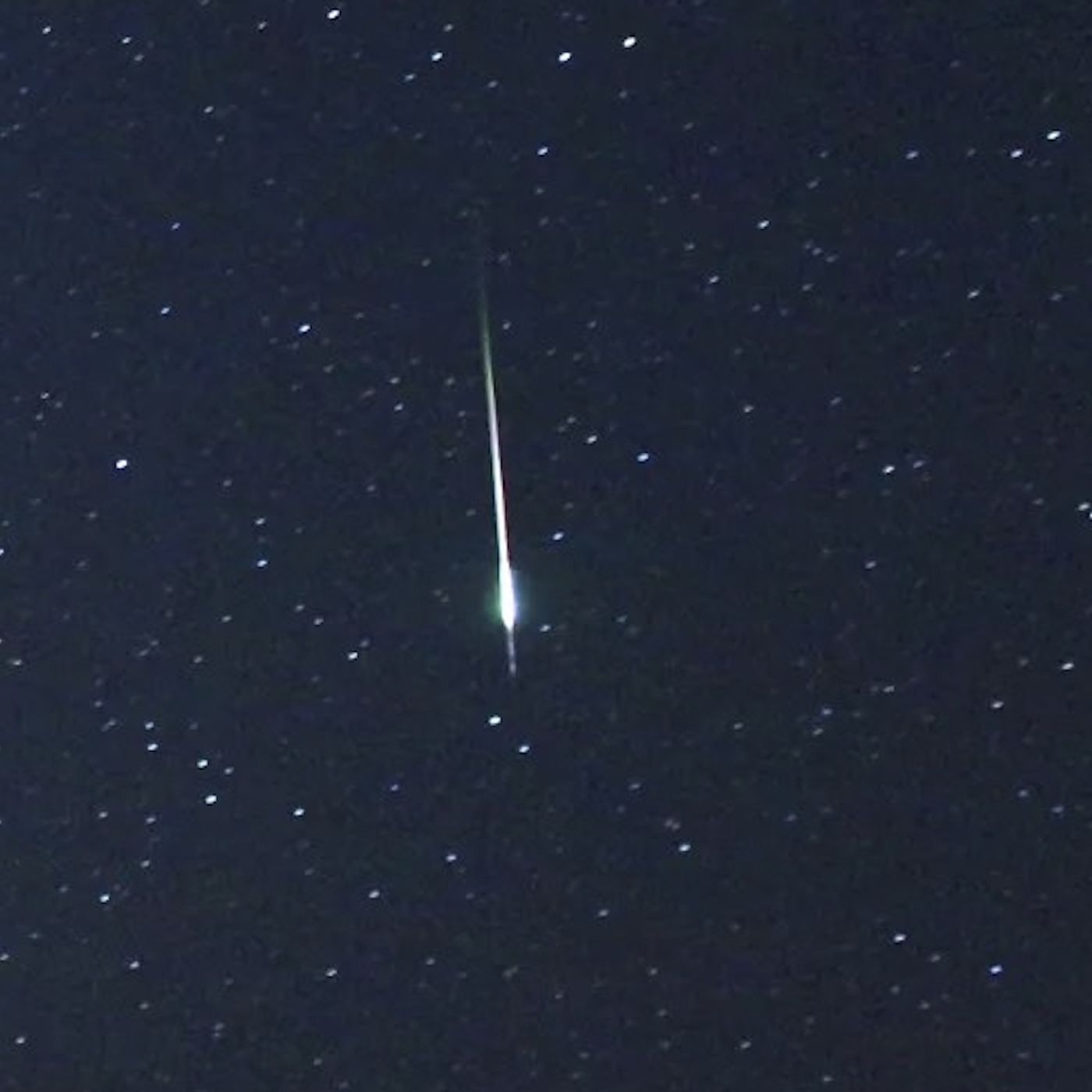
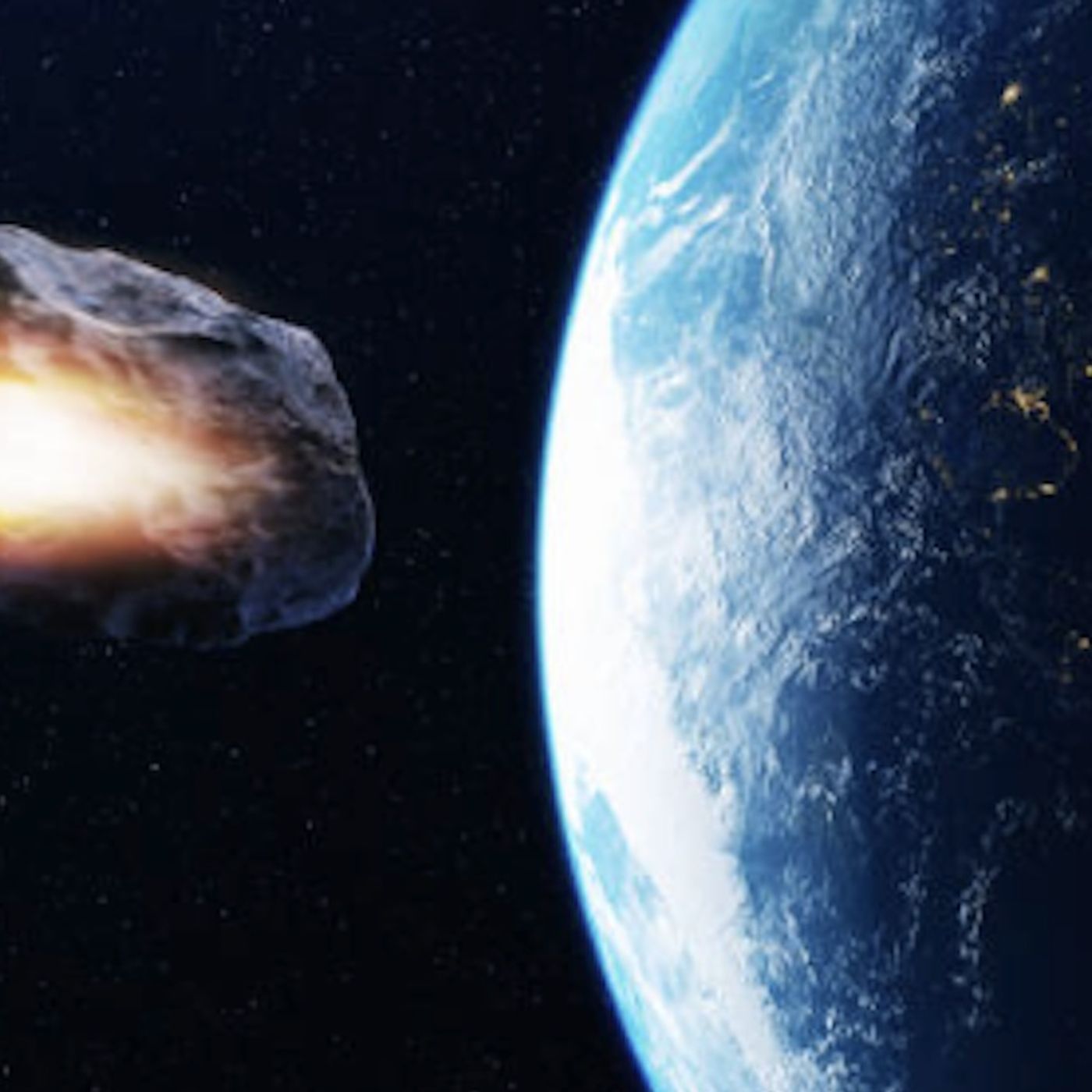
Meteors, shooting stars, or falling stars are different names for the streaks of light in the night sky which are in reality the dying embers of tiny asteroids. These small interplanetary travelers were speeding along at between 7 and 44 miles per second when they entered the Earth's atmosphere. In space, they are called meteoroids and typically ranged in size from that of a grain of sand to perhaps ones as big as of a piece of driveway gravel. Large space pebbles can produce fireballs which are brighter than the planet Venus. Most meteors burn up 50-70 miles above you, however, a very few of them produce fragments which fall to the Earth's surface. In rare occasions meteor observers are able to walk up to such a fallen space rock which is called a fall. The best time to view meteors is generally after midnight on a clear, moonless night. You will see many more meteors in a rural area than under city lights. On nights not during a meteor shower, you may expect to view sporadic meteors at the rate of between 2 and 16 per hour. Some meteor showers produce more than 100 events per hour. Rarely you will have a chance to view a meteor storm which will give you the feeling that you are seeing the Earth move through space. In 1966 one of these storms produced a WOW inspiring 40 meteors per second. During the year, there are a dozen major meteor showers. Check out the International Meteor Organization Calendar for a complete listing of the dates of meteor showers as well as how bright the moon will be on those dates. Happy viewing.

Comments
In Channel






Download from Google Play

Download from App Store
 United States
00:00
00:00
x

